


 购物车
购物车 个人中心
个人中心
The Thesmophoriazusae
¥40.79
Today the women at the festival are going to kill me for insulting them!' This bold statement by Euripides is the absurd premise upon which the whole play depends. The women are incensed by his plays' portrayal of the female sex as mad, murderous, and sexually depraved, and they are using the festival of the Thesmophoria (an annual fertility celebration dedicated to Demeter) as an opportunity to debate a suitable choice of revenge.

Leviathan
¥40.79
Leviathan is one of the earliest and most influential examples of social contract theory. A classic western work on statecraft comparable to Machiavelli's The Prince. Written during the English Civil War (1642–1651), Leviathan argues for a social contract and rule by an absolute sovereign.
Letters of Capitulation
¥40.79
Letters of Capitulation

Beyond Pentatonics
¥40.79
Beyond Pentatonics
The Survival Handbook: Learn the survival skills of the world's elite forces
¥40.79
The Survival Handbook takes you through all the things you need to know about surviving disasters and staying alive in the wild, such as where to find water in the desert; how to build shelters from locally-available materials that will keep out the wind and rain but will also be ventilated; what plants are safe to eat and what are deadly poisonous; and what animals will pose a threat in survival situations. Packed with tips from the world's elite special forces and other survival specialists, this is a handy reference to surviving in the wild. [This is a text-only ebook edition.]

An Ideal Husband
¥40.79
Wilde's dramatic masterpiece set in London. Many of the themes of An Ideal Husband were influenced by the situation Oscar Wilde found himself in during the early 1890s. 'Sooner or later we shall all have to pay for what we do. But no one should be entirely judged by their past.'
The Dream and the Glory
¥40.79
Staying at the British Ambassador’s exquisite Bay of Naples Villa, beautiful young Cordelia and her brother David, the Earl of Hunstanton, are far from the Berkshire estate that is their home. But since the death of their parents there has been nothing to stop David realising his dream – to go to Malta and become a Knight of St. John. Except, that is, the money to finance a ship to take him there. So when, out of the blue, a handsome, English buccaneer appears, who turns out to be none other than their cousin, Mark Stanton, he seems Heaven-sent. As Captain of a ship en route to Malta, he is in position to offer them passage to the island. To their chagrin, however, he attempts to dissuade David from his Pilgrimage and Cordelia from her notion of joining a Convent. But, when the siblings resist his appeals and press ahead, Mark vows to protect them both from the perils not only of David’s Maltese Crusade but also of the Napoleonic War, Barbary pirates in the Mediterranean and the scheming snobbery of Neapolitan Society. Valiant Mark saves Cordelia from the lecherous clutches of the Duca di Belina and from the terrors or war against the French, but he cannot protect David from a noble death in battle protecting Malta, nor his own heart from falling hopelessly in love.
The Hound of the Baskervilles
¥40.79
The Hound of the Baskervilles is one of the four crime novels by Sir Arthur Conan Doyle in which detective Sherlock Holmes and Dr Watson investigate the legend of a supernatural beast that may have been trained to murder Sir Henry Baskerville on the fog-shrouded moorland that makes up his estate.

Frankenstein
¥40.79
A landmark work of romantic and gothic literature, as well as science fiction, the novel's storyline emerged from a dream and Shelley's own travels of the region in which the story unfolds. Mary Shelley started writing the story when she was just eighteen.
The Adventures of Robinson Crusoe
¥40.79
Set on a tropical island where Robinson Crusoe found himself after a terrible storm at sea, we follow his life and adventures far away from civilization. A novel which has inspired countless imitations and adaptations, remains one of the most original and inspiring stories in the English language.
Dead Souls
¥40.79
Chichikov, a gentleman of middling social class and position arrives in a small town and quickly tries to make a good name for himself by impressing the officials of the town. Despite his limited funds, he spends extravagantly hoping that a great show of wealth and power at the start will gain him the connections he needs to carry out his mysterious plan to acquire 'dead souls.'

From Docks to Desktops
¥40.79
London's recent history captured in dramatic form. Created from dozens of personal testimonies, this is the story of the changing face of work today. Surrey Docks in South-East London was once a thriving commercial hub, hosting some of the UK’s leading commercial brands, including Crosse & Blackwell, Sarson’s, Peek Freans and Lipton’s. These huge organisations created a myriad of jobs for local people, and the community prospered. But, with the decline of the docks in the 1970s, factories closed down or relocated, work patterns changed and redevelopment began. ‘From Docks to Desktops’ explores the fascinating story of how one community has survived the 21st-century challenges of urban change and renewal.
Ten Years Later
¥40.79
In this continuing sequel to The Three Musketeers, d'Artagnan discovers Belle-Isle is being fortified and the engineer ostensibly in charge is Porthos. The blueprints show Aramis' handwriting. Despite his friends, d'Artagnan hides the true reason for his presence. Aramis, suspicious of d'Artagnan, sends Porthos back to Paris to warn Fouquet, whilst tricking d'Artagnan into searching for Porthos around Vannes. Porthos warns Fouquet in time, and he cedes Belle-Ile to the king, humiliating Colbert. On returning from the mission, d'Artagnan is made Captain of the King's Musketeers.
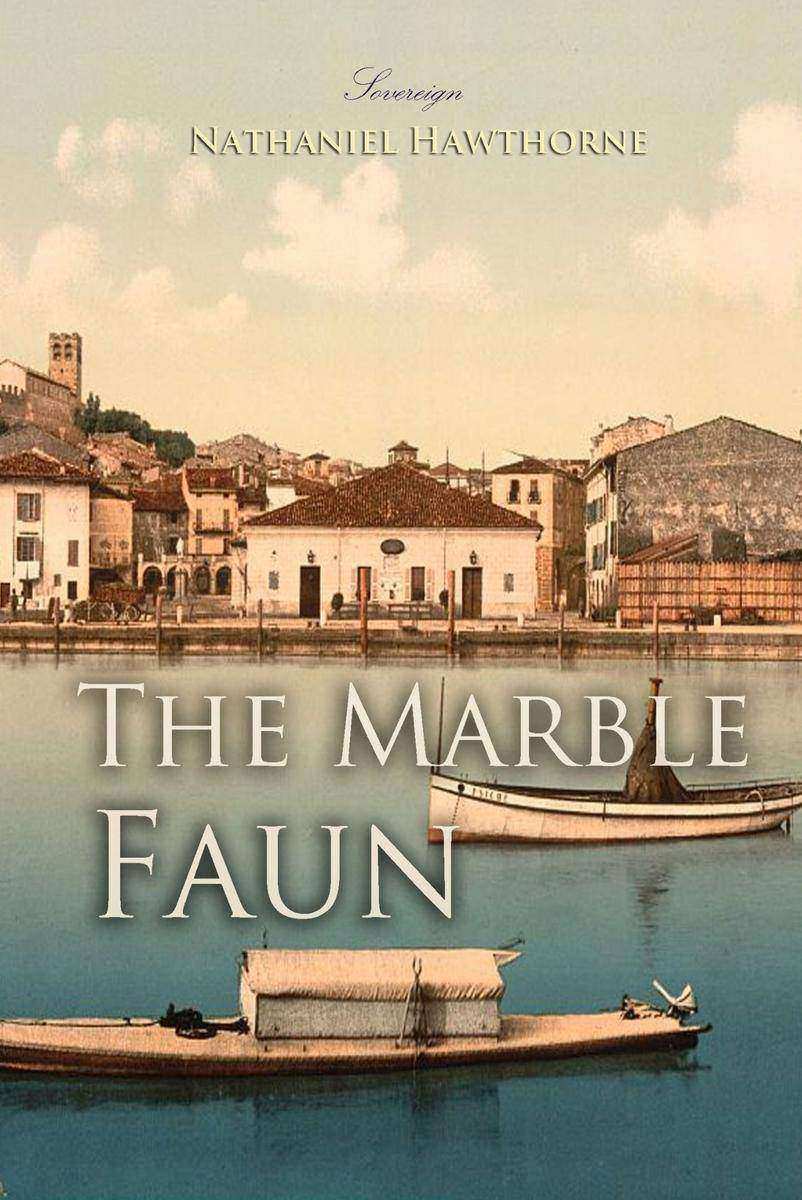
The Marble Faun
¥40.79
The Marble Faun, a romance set in beautiful Italy tells the story of Miriam, the painter with an unknown past. Throughout the novel, she is compared to many other women including Eve, Beatrice Cenci, Judith, and Cleopatra. Miriam is pursued by a mysterious, threatening man who is her evil genius through life.
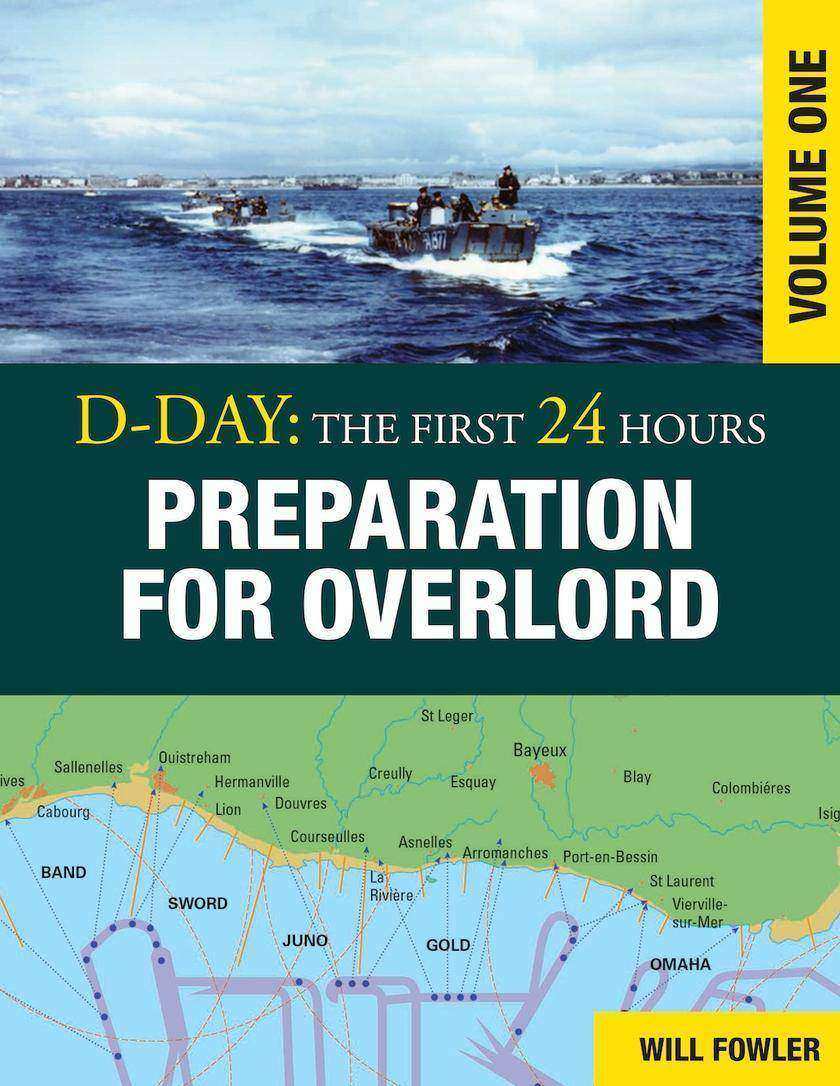
D-Day: Preparation for Overlord
¥40.79
In any military operation throughout history, few 24-hour periods have been as crucial as that of 6th June 1944. With the aid of specially commissioned maps, D-Day: The First 24 Hours series gives the dramatic history of the first 24 hours of the Normandy landings, and explains in detail the events that occurred in each landing zone. In this first volume of the series, the book describes the build-up to the landings themselves, the German preparations for defending the French coastline, and the reasons behind the final Allied decision to attack in Normandy on 6 June 1944. With colour and black & white photographs, the book is a guide to key events in the first 24 hours of the D-Day landings that saw the Allies successfully achieve a foothold in Northern Europe.
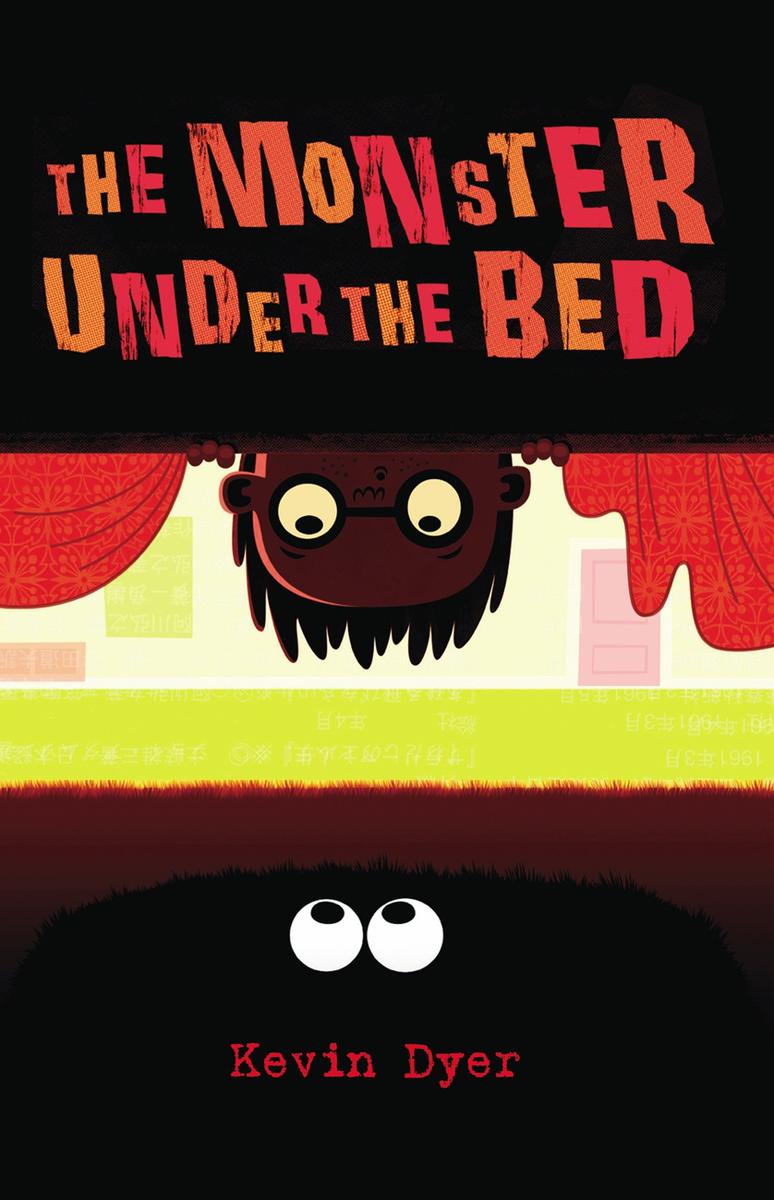
The Monster Under the Bed
¥40.79
The complete playtext for use in schools and youth theatres. Imagine swapping places with a monster for the day. Ben has a BIG problem. His mum is acting grumpy, his best friend Vince has stolen his precious binoculars and his Dad is far, far away… Oh, and there’s a monster under his bed. But when Ben swaps places with the underbed monster, Ben’s life – and his school – is turned inside out and upside down. A funny and thrilling play for children about friendship and facing up to your fears. Suitable for young performers. WINNER OF THE WRITERS’ GUILD BEST CHILDREN’S PLAY AWARD
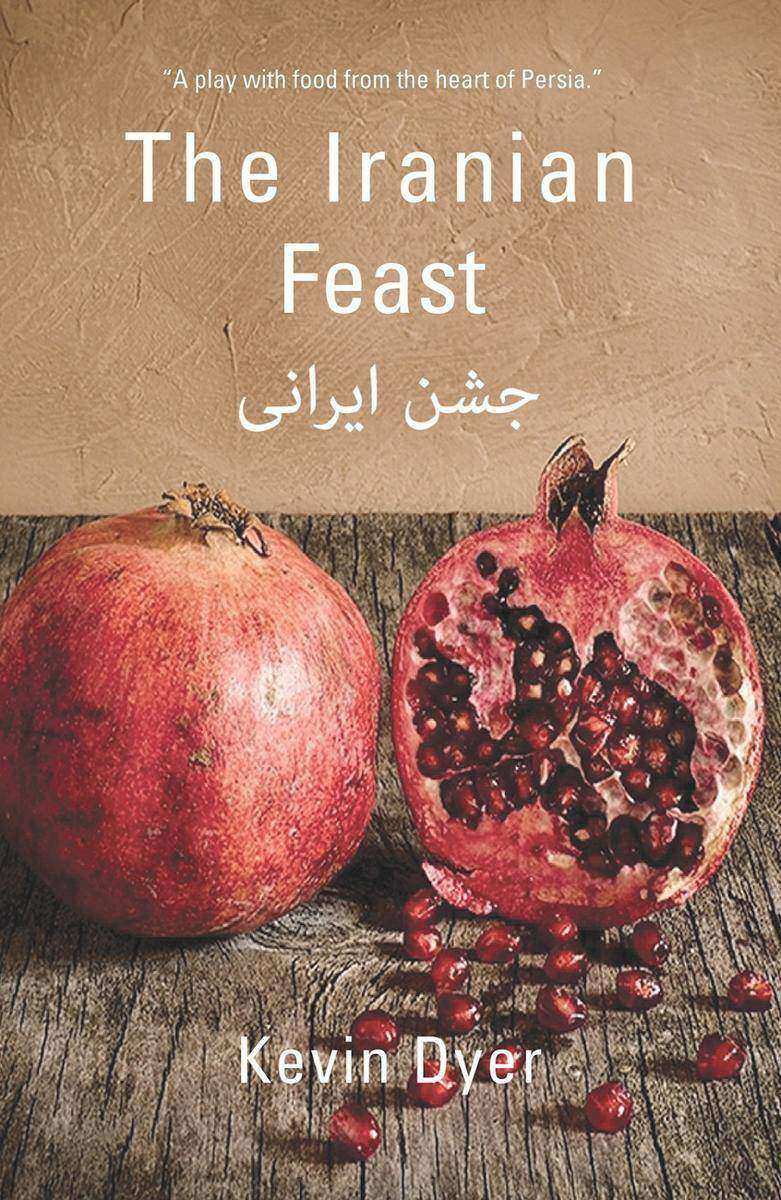
The Iranian Feast
¥40.79
In modern-day Tehran, you can never predict how life will turn out. Part thriller, part cookery lesson, this is the story of a family struggling to deal with the challenges of a regime where secrecy and surveillance are an everyday part of life. Abbas calls together his wife and daughter and their friends and nighbours for an impromptu feast. Going in the pot are fresh herbs, spices, sweet vegetables and Eli’s mother’s secret ingredient…
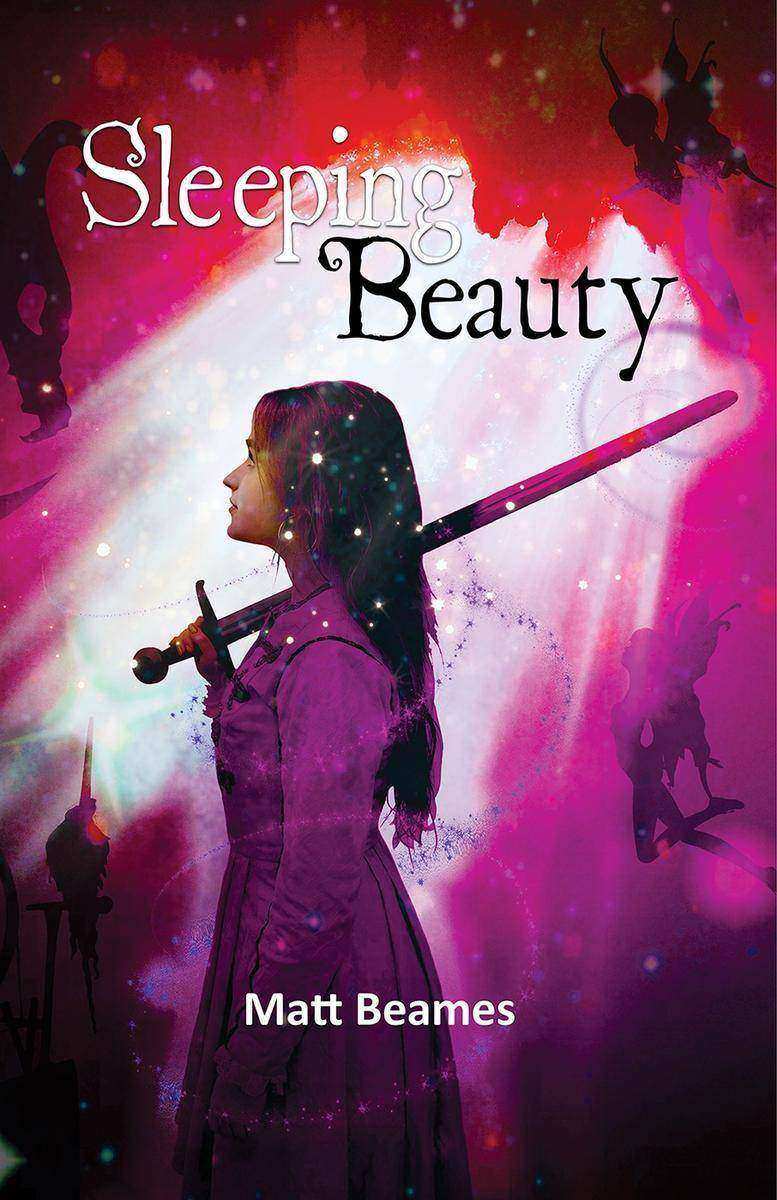
Sleeping Beauty
¥40.79
The world spins and the cycle of seasons turns as the Guardians of the Year gather to tell each other stories. As a new Winter begins it is time to tell another tale… A kingdom is in peril, its people driven to flee their homes as a dark forest covers the land. The King and Queen are missing and Prince Roland, only heir to the kingdom, lies sleeping, cursed never to awaken… All seems lost, and it falls to one young woman with a strong heart, aided by strange companions, to find her way to the castle at the heart of the enchanted forest. Once there, it will take a genuine act of love to break the curse and free the kingdom. A story about friendship, drawing on myth and folklore, Sleeping Beauty is an exciting and enchanting new adaptation of the well-loved story.

Hard Times: - play adaptation
¥40.79
Brilliant adaptation of Charles Dickens biting novel H ard Times . Dominated by Gradgrind and Bounderby, Coketown’s prosperity is built on the cotton mills where thousands of men and women slave away for long hours and little pay. Gradgrind’s obsession with material progress damages his children Louisa and Tom, leading to scandal and disaster. ‘Hard Times’ celebrates the importance of the human heart in an age obsessed with materialism. Circus, music, and dark comedy all go into the rich mix of this truly Dickensian theatrical tale. Charles Way has written over 50 plays, specializing in writing for children, young people and family audiences. His plays are performed worldwide. He has won several major awards - A Spell of Cold Weather won the Writers Guild best children's play award in 2001 and in 2004 his play Red Red Shoes won the English Arts Council best children's play award. In Germany, his play Missing won the Children's Theatre prize and in the USA? he was nominated for a Helen Hayes Award. He was commissioned by the National Theatre to write Alice In The News , which children all over Britain have performed. He has also written many plays for radio, and a TV poem for BBC 2, No Borders , set in the Welsh borders, where he lives and has spent most of his creative life. ? " A stellar adaptation by Charles Way, moving, thoughtful and wonderfully drawn’.??????????????????????? What’s on Stage ***** ‘Way gives real depth to characters, replaces Dickens’ sentimentality with warmth and his censoriousness with moral indignation’. ?????????????????????????? The Independent ***** ‘daringly restructures Dickens’ plot, yet sticks to the motto of his lisping ringmaster Mr Sleary: “People mutht be amuthed.”’ ????????????????????????????????????????????The Observer ?

Big Foot: …And Tiny Little Heartstrings
¥40.79
With grime music and Guyanese folk stories, Joseph Barnes-Phillip's semi-autobiographical story is a comic, tragic and honest portrayal of becoming a man. The story follows Rayleigh as he negotiates the tensions of growing up and taking responsibility – to his pregnant girlfriend, to his sick mother, to his church, to the multi-cultural community he grew up in and somewhere in the mix to himself. When the euphoric highs of teenage life in south London collide with his mum's terminal illness, all Rayleigh wants to do it watch anime in his pants and eat indomie. Love, life and masculinity meet head-on as Rayleigh tries to find his feet, torn between the new girl in his life and being there for his mum, while trying not to make the same mistakes as his dad.

Numele meu este Hanako. Aventurile c??elu?ei din Bucure?ti ajunse ?n Japonia
¥40.79
In The Beginner's American History, D. H. Montgomery provides a wide-ranging and authoritative history of America, capturing in a compact space the full story of our nation. The Beginner's American History offers an illuminating account of politics, diplomacy, and war as well as the full spectrum of social, cultural, and scientific developments that shaped our country.?Illustrated, Maps, Full-Page Illustrations. Contents start with Columbus, last chapter is Since the Civil War. Some of the other contents: Captian Sutter, General Sam Houston, General Andrew Jackson, General George Rogers Clark and lots more.


