


 购物车
购物车 个人中心
个人中心
Lysistrata
¥40.79
Lysistrata is a comedy originally performed in classical Athens in 411 BC. A comic account of one woman's extraordinary mission to end the Peloponnesian War. Lysistrata persuades the women of Greece to withhold sexual privileges from their husbands and lovers as a means of forcing the men to negotiate peace—a strategy, however, that inflames the battle between the sexes. The play is notable for being an early exposé of sexual relations in a male-dominated society.
Lysistrata
¥40.79
Lysistrata is a comedy originally performed in classical Athens in 411 BC. A comic account of one woman's extraordinary mission to end the Peloponnesian War. Lysistrata persuades the women of Greece to withhold sexual privileges from their husbands and lovers as a means of forcing the men to negotiate peace—a strategy, however, that inflames the battle between the sexes. The play is notable for being an early exposé of sexual relations in a male-dominated society.
The Birds
¥40.79
Two middle-aged men stumbling across a hillside wilderness are guided by a pet crow and a pet jackdaw. One of them advises the audience that they are fed up with life in Athens, where people do nothing all day but argue over laws, and they are looking for Tereus, a king who was once metamorphosed into the Hoopoe, for they believe he might help them find a better life somewhere else.

Beyond Pentatonics
¥40.79
Beyond Pentatonics
Letters of Capitulation
¥40.79
Letters of Capitulation
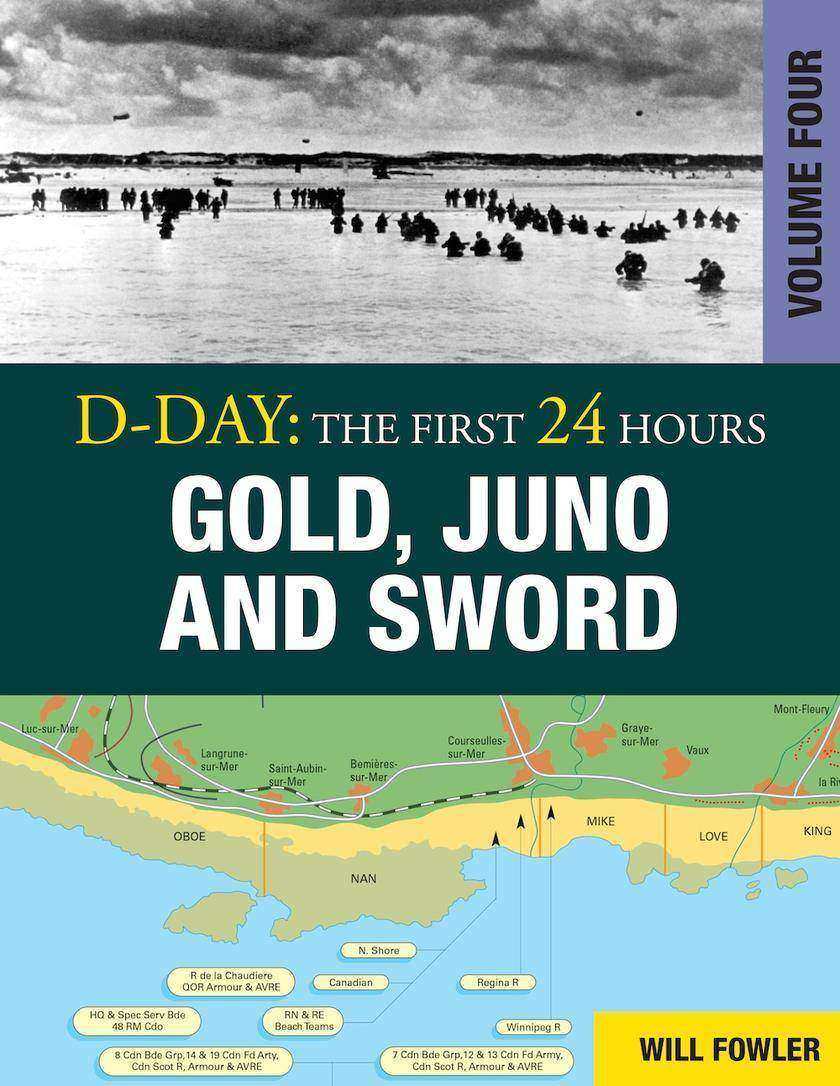
D-Day: Gold, Juno and Sword
¥40.79
In any military operation throughout history, few 24-hour periods have been as crucial as that of 6th June 1944. With the aid of specially commissioned maps, D-Day: The First 24 Hours series gives the dramatic history of the first 24 hours of the Normandy landings, and explains in detail the events that occurred in each landing zone. In this fourth volume of the series, the book describes the British and Canadian landings on Gold, Juno and Sword beaches. The book also includes details of the human cost of the first day, and a full order of battle for both sides. With colour and black & white photographs, the book is a guide to key events in the first 24 hours of the D-Day landings that saw the Allies successfully achieve a foothold in Northern Europe.
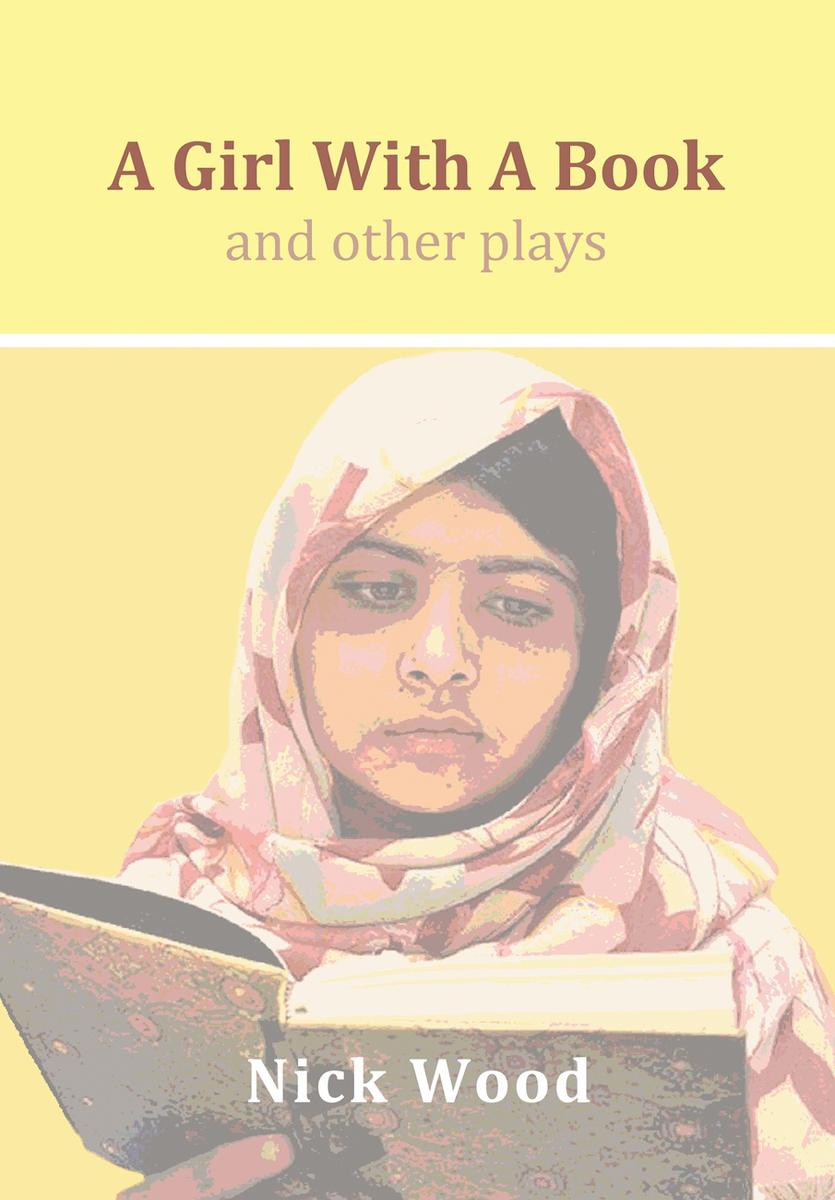
A Girl With A Book and Other Plays
¥40.79
A topical collection of new plays by popular UK playwright Nick Wood 'I am not a lone voice, I am many.'?Malala ? Yousafzai A Girl with a Book and?Other Plays ?brings together four plays for young people by acclaimed playwright Nick Wood. Topical and wide-ranging, they concern refugees, friendship, loss and courage. 'You know those sente nces that start I'm not sexist/racist/homophobic and the speaker sticks in the word 'but' and goes on to prove that's exactly what they are?' The title play, ? A Girl with a Book ?is an honest response to the story of Malala Yousafzai, who was shot by the Taliban. Produced many times in Germany and the UK, the play raises serious questions about the West's complex relationship with and attitudes to the Muslim world. 'a journey into empathy and imagination...'?Stephen Lowe Plays Nick Wood's poignant political drama A Girl with a Book is based on the true story of Nobel Peace Prize-Winner Malala Yousafza. In 2012, gunmen stopped a bus in Pakistan and shot three young girls. Their crime? Wanting to go to school. Knowing nothing about the situation, able to offer little more than outrage, the writer is forced out from behind his desk and in the search for answers to help him tell the story of a brave young woman's fight for girls' education, but when his research uncovers attitudes at odds with his liberal convictions he has to face what he learns about himself. Achieving international acclaim after its opening in Hamburg, A Girl with a Book examines Malala's story through a series of questions - Wood asks how a girl who wanted to go to school could become such a target. Bird boy:?Eddie and Tim create their own den up on the Knoll, a secret place for heroes. The only problem is, winter is setting in and Eddie won't come down. As the snow falls, Tim must decide whether to take food to Eddie or betray him by telling the grown ups where he is. Mia:?Mia is a refugee who has lost her home, and most of her family. She has odd bits and pieces in her bag, which have stories attached to them. Mia is searching for her sister, Sofia, can they help? Dream of White Horses: ? ?Paul wants two things - to find out whether his father's death was an accident or not. He climbs the same cliff, to discover what happened to his father, and a great deal about himself. '...invites us to better understand Malala, her father, and her kinsmen.'? On Religion '...a journey into empathy and imagination coolly and cleanly done. A crucially important tale well told with great humanity.' ? Stephen Lowe, playwright '...there's plenty of scope here for schools, colleges and youth theatre groups. The title play... has a cast of one... The remaining three plays use larger casts and explore asylum seeking, friendship, loss and courage.' ?Susan Elkin, The Stage
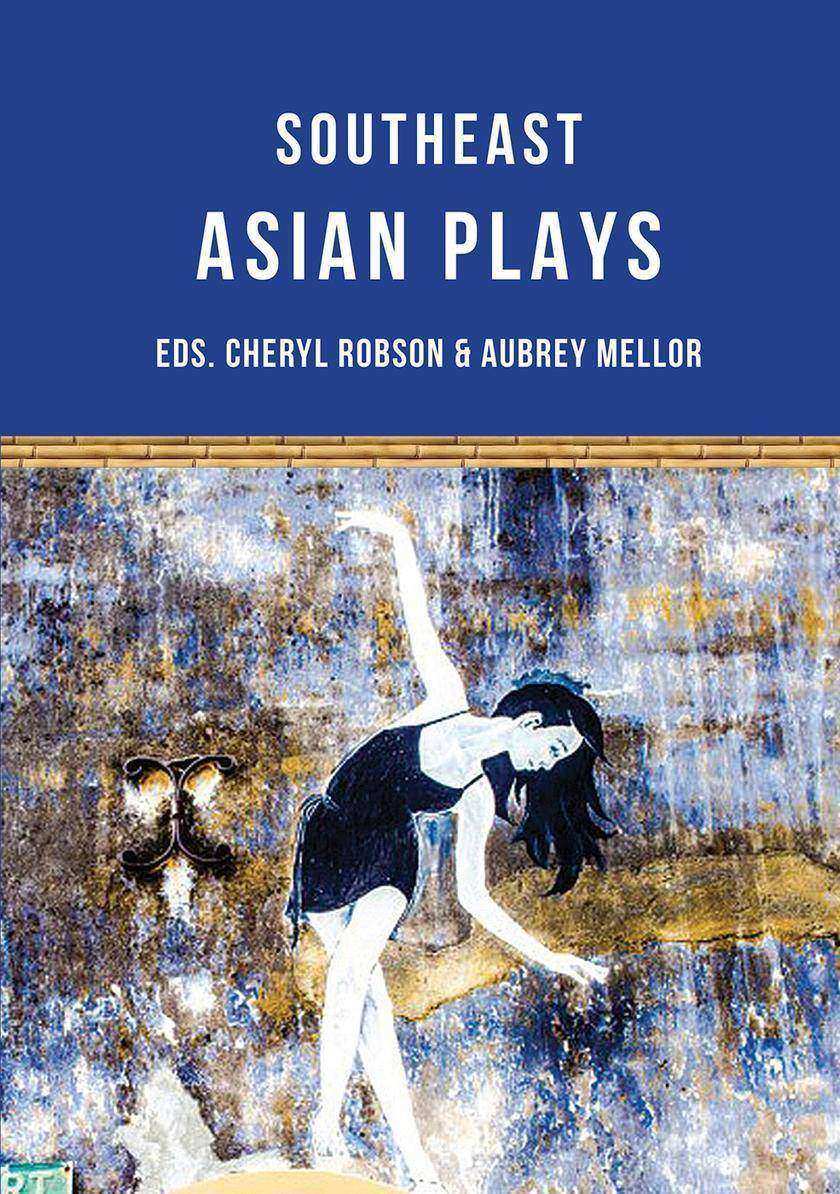
Southeast Asian Plays
¥40.79
The first ever comprehensive collection of plays ?in English from Southeast Asia. Features work by eight playwrights from seven countries in Southeast Asia, a region which is experiencing profound change:?Singapore, Vietnam, Malaysia, Thailand, the Philippines, Indonesia and Cambodia.? Southeast Asian Plays ?explores the rich variety of dramatic work that is only beginning to be translated into English. Theatre scripts are merely blueprints for productions, especially in this region. As elsewhere, second productions and revivals are rare, so publication is key to allowing play texts to find a wider international readership. Topics include the global financial crisis, sex workers, traditional v modern values, the role of faith in society, corruption in high places and journalistic ethics. The plays have been selected for performance. Plays: The Plunge by Jean Tay (Singapore) An Evening At the Opera by Floy Quintos (Philippines) Night of the Minotaur by Tew Bunnag (Thailand) Tarap Man by Ann Lee (Malaysia) Dark Rac e by Dang Chuong (Vietnam) Frangipani by Chhon Sina (Cambodia) Picnic by Joned Suryatmoko (Indonesia) Nadirah by Alfian Saat (Singapore) "The editors have done an excellent job of opening up our chances of reading and learning about plays from all over Southeast Asia. ...editorial choices are significant for opening up spaces to voices which are otherwise heard less often. All in all the plays are interesting for the ways in which they grapple with key concerns in their respective societies."? --The Asiatic
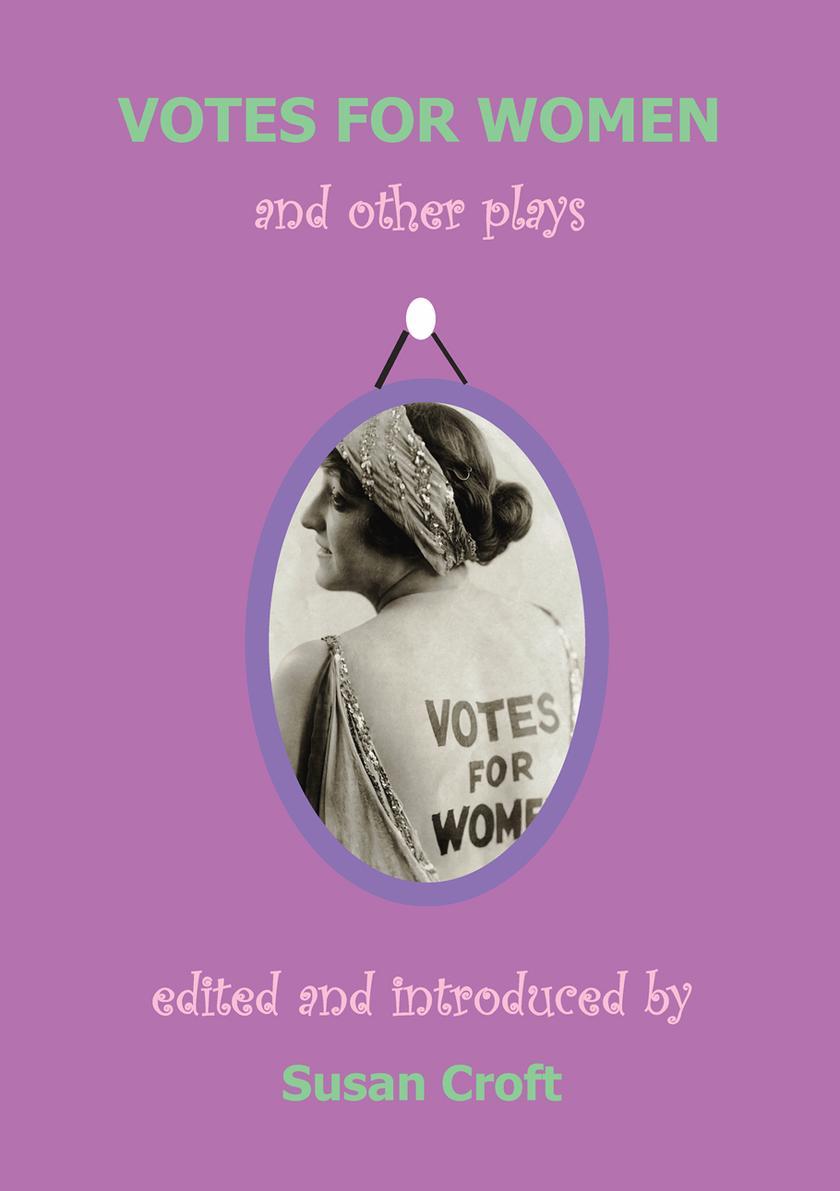
Votes for Women: and Other Plays
¥40.79
The best collection of suffrage plays on offer. Introduced and set in historical context by Dr Susan Croft, formerly Curator at the Theatre Museum in London, with a chronology of suffrage drama from 1907-1914.? The astonishing women involved in the Actresses Franchise League set up their own theatre companies and engaged with the battle for the vote by writing and performing campaigning plays all over the country. They launched themselves onto the political stage with their satirical plays, sketches and monologues whilst at the same time challenging the staid conventions of the Edwardian Theatre of the day. The legacy of their inspiring work to change both theatre and society has survived in the political theatre, agit-prop and verbatim theatre we know today.? Full playtexts from the following: ’How the Vote was Won’ by Cicely Hamilton and Chris St. John ’The Apple’ by Inez Bensusan ’Jim s Leg’ by L.S. Phibbs ’Votes for Women’ by Elizabeth Robins ’At the Gates’ by Alice Chapin ’In the Workhouse’ by Margaret Wynne Nevinson ’A Change of Tenant’ by Helen Margaret Nightingale.
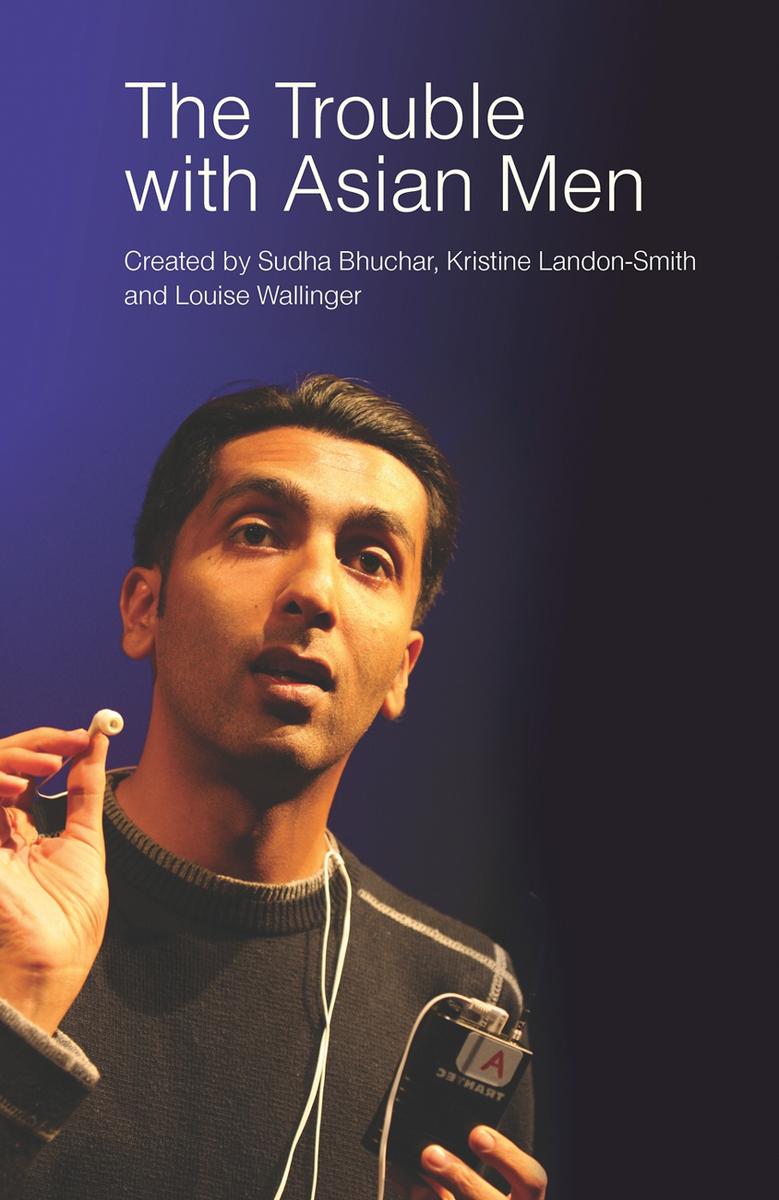
The Trouble with Asian Men
¥40.79
Macho men or metrosexual guys? Mummy’s boys or blokes under their missus’ thumbs? Self-made entrepreneurs, pukka professionals and successful executives with their Mercedes Benz lives and designer-clad wives; husbands, sons, uncles, brothers and fathers – these successful, soulful and spirited Asian men have come a long way from their origins but they’ve all got roots! The Trouble with Asian Men is a vital, tender and hilarious insight into lives that surround us every day. From the award-winning theatre company that brought us East is East, a revealing verbatim comedy that has played to sell-out houses internationally.
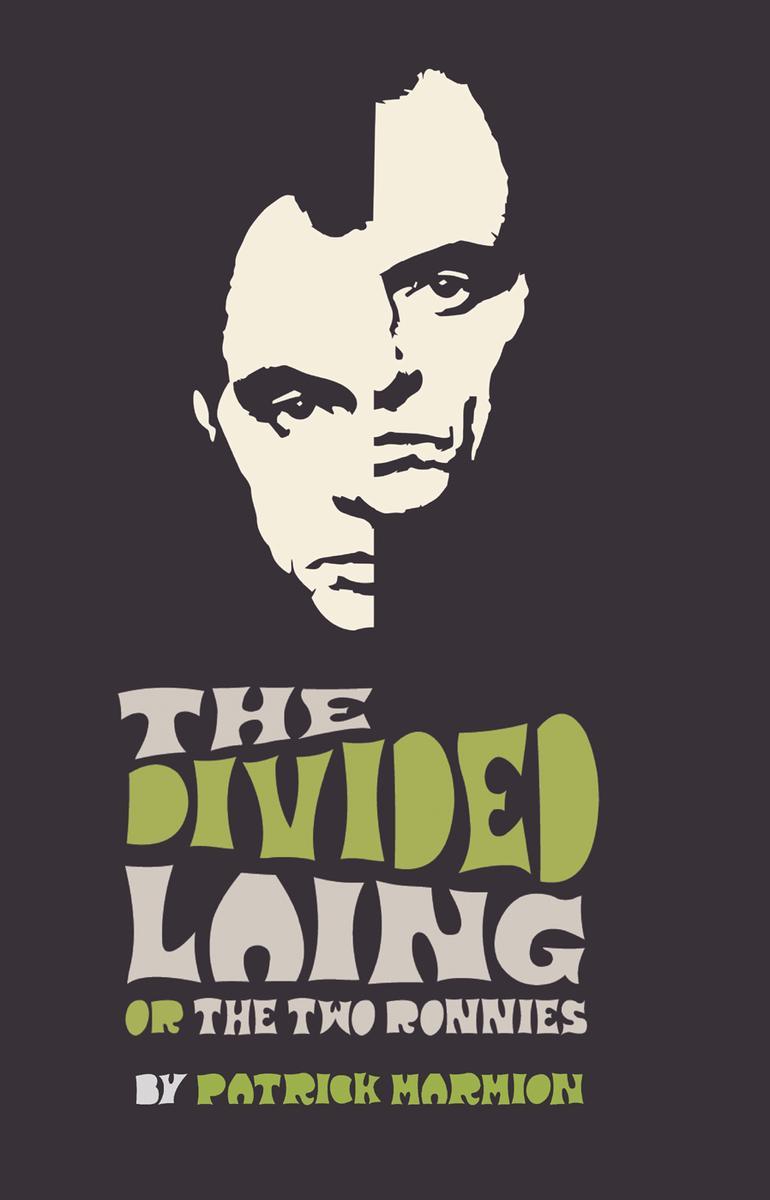
The Divided Laing: Or The Two Ronnies
¥40.79
London 1970: Experimental psychiatrist R.D. Laing is facing eviction from his pioneering asylum in the East End’s Kingsley Hall. Local residents are up in arms – and to make matters worse, Ronnie’s revolutionary colleague David Cooper is flipping out on the roof… With his personal life going down the pan and his mental state heading the same way, Ronnie takes an acid trip to the future. His mission is to save his therapeutic collective The Philadelphia Association and secure his professional legacy. Will it be a one-way ticket to madness – or can breakdown sometimes mean breakthrough?
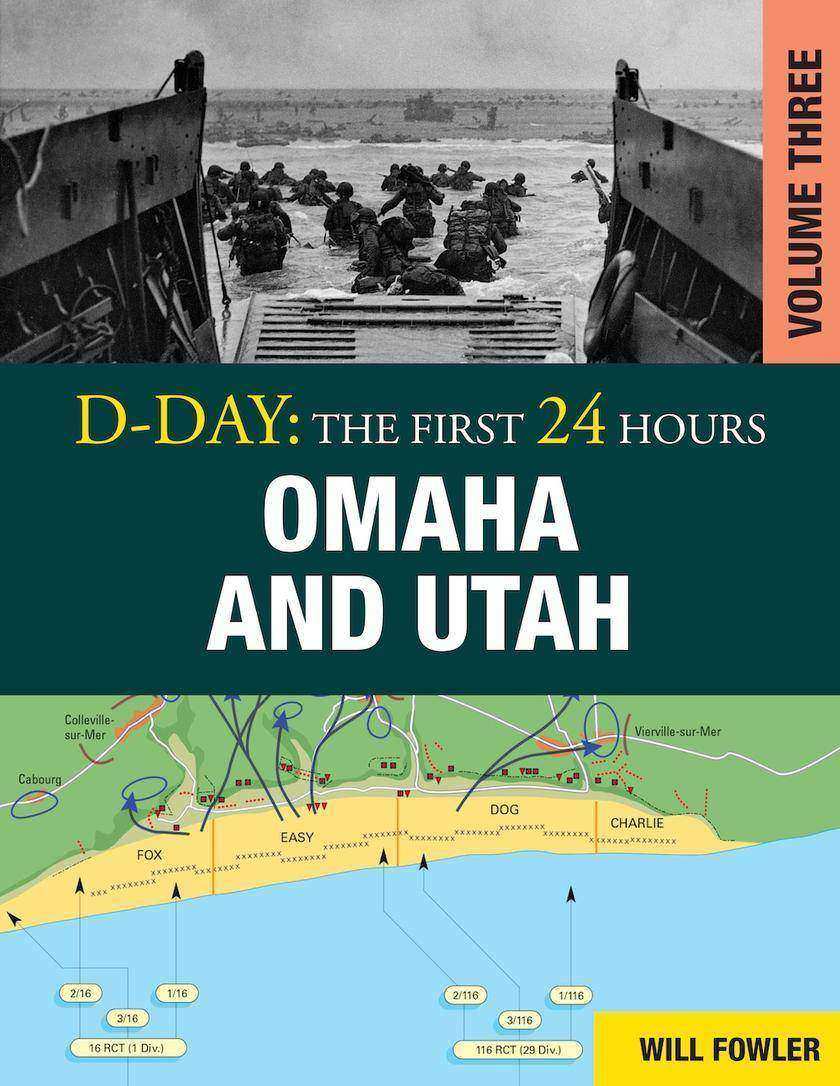
D-Day: Omaha and Utah
¥40.79
In any military operation throughout history, few 24-hour periods have been as crucial as that of 6th June 1944. With the aid of specially commissioned maps, D-Day: The First 24 Hours series gives the dramatic history of the first 24 hours of the Normandy landings, and explains in detail the events that occurred in each landing zone. In this third volume of the series, the book describes the American landings on Omaha and Utah beaches. The fighting on Omaha was some of the most desperate fighting took place, but the beach was eventually secured. The book also includes the famous operation by the US Rangers to capture the gun position at Pointe du Hoc, successfully scaling a sheer cliff face in the teeth of the defenders' fire. With colour and black & white photographs, the book is a guide to key events in the first 24 hours of the D-Day landings that saw the Allies successfully achieve a foothold in Northern Europe.
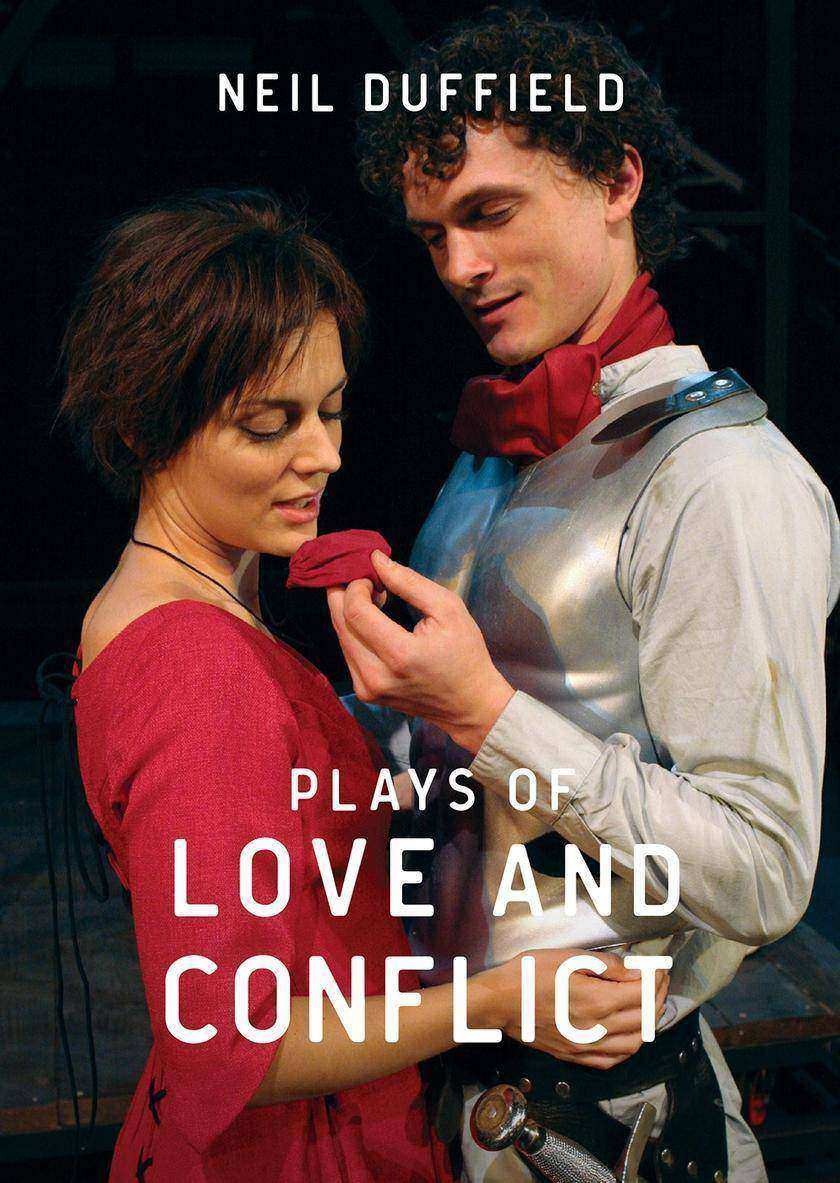
Plays of Love and Conflict
¥40.79
From beautiful adaptations of classics to exciting new writing, Duffield is a master of storytelling. Commissioned by theatres and community groups in the UK, these plays offer strong roles for both men and women, as well as the opportunity for song and dance. They will appeal to schools and youth theatres as well as both amateur and professional performers. Using a mixture of storytelling, theatre and song, BROTHERS IN ARMS draws on the true story of two brothers from a Yorkshire pit village – one of whom steadfastly refused to fight in World War I, while the other volunteered and served on the front line in France. Cast 8 minimum. Adapted from Hugo’s novel, THE HUNCHBACK OF NOTRE DAME is ‘remarkably faithful to the author’s original intention… a faultless production.’ – THE MORNING STAR Cast 8 minimum. WITH ALL MY LOVE is a tale of conspiracy and betrayal, of family feuds and deep-held secrets, of a woman’s struggle to keep faith with a husband transported to the other side of the world. Suitable for large cast productions, aimed at a general audience.
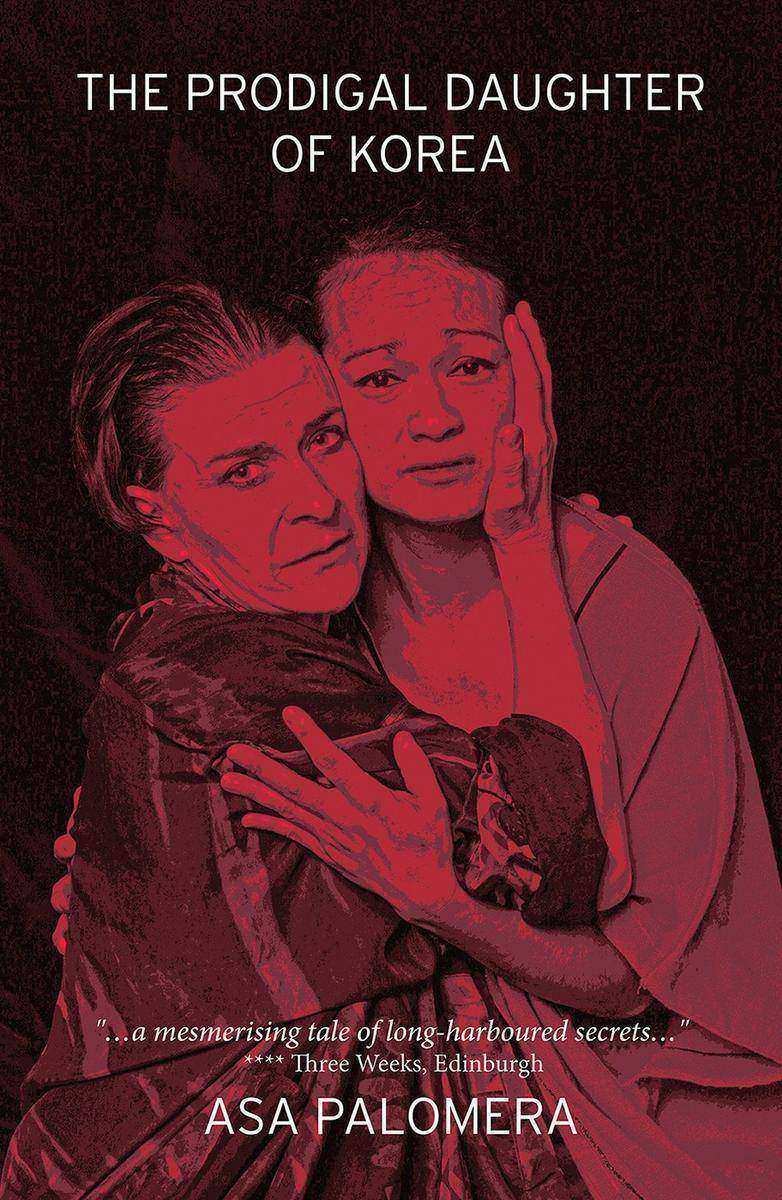
The Prodigal Daughter of Korea
¥40.79
When Mina’s father dies, she returns to Korea to visit a family she barely knows, desperately looking for some answers. But her mother is reluctant to discuss the past, especially the war, or the reasons that Mina was sent so far away as a child, to America. Her younger sister seems unable to grow up and it doesn’t help that their nosy neighbour is always on their doorstep. Secrets and lies divide them all irrevocably. When the truth is finally revealed, it is both shocking and redemptive, allowing Mina and those around her to see themselves anew and break free from years of pain and guilt.
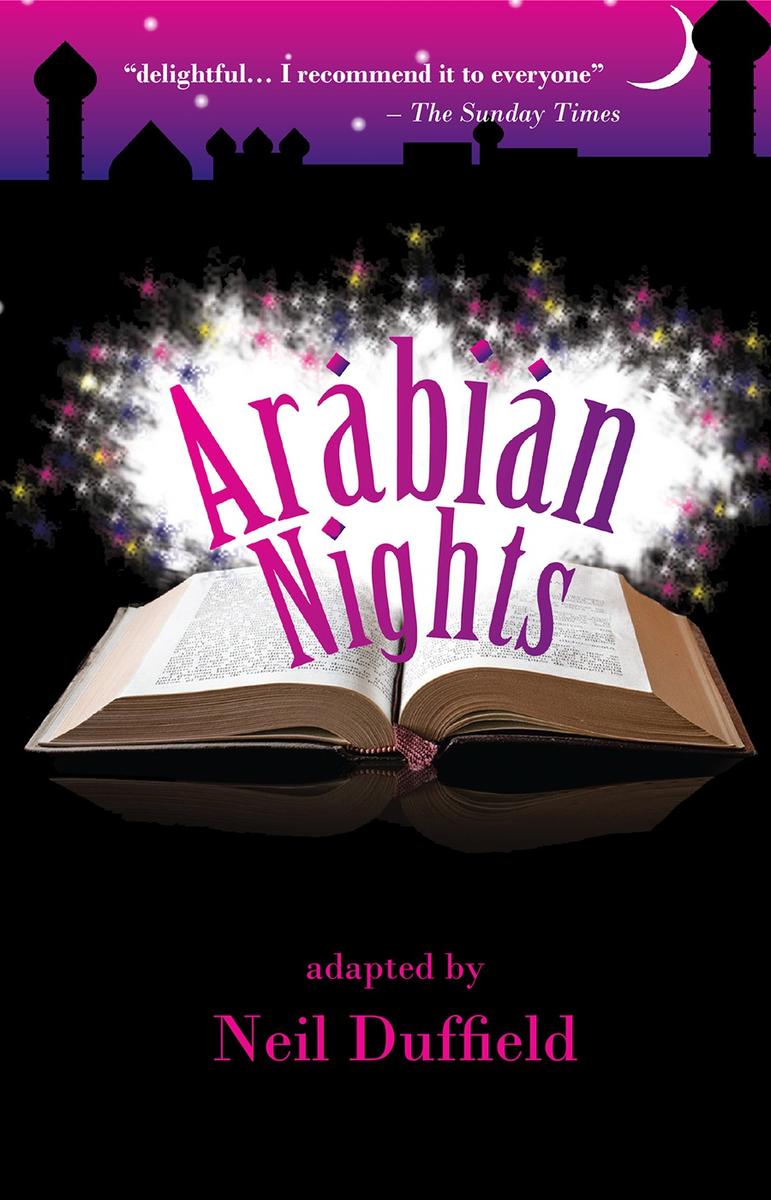
Arabian Nights
¥40.79
When Sheherazad is brought to the palace to be the Sultan’s new bride, her very life depends upon her skill as a storyteller. She tells him tales of lost cities and buried treasure, of slave girls and robbers, of genies in bottles and evil sorcerers. But will it be enough to save her? The stories of the Arabian Nights date back more than a thousand years and originate from Persia, India and Arabia. Neil Duffield has combined elements of many of them, keeping alive the excitement and humour to produce a show which will transport the audience into a world of myth and legend where fantasy and reality can never be separated.
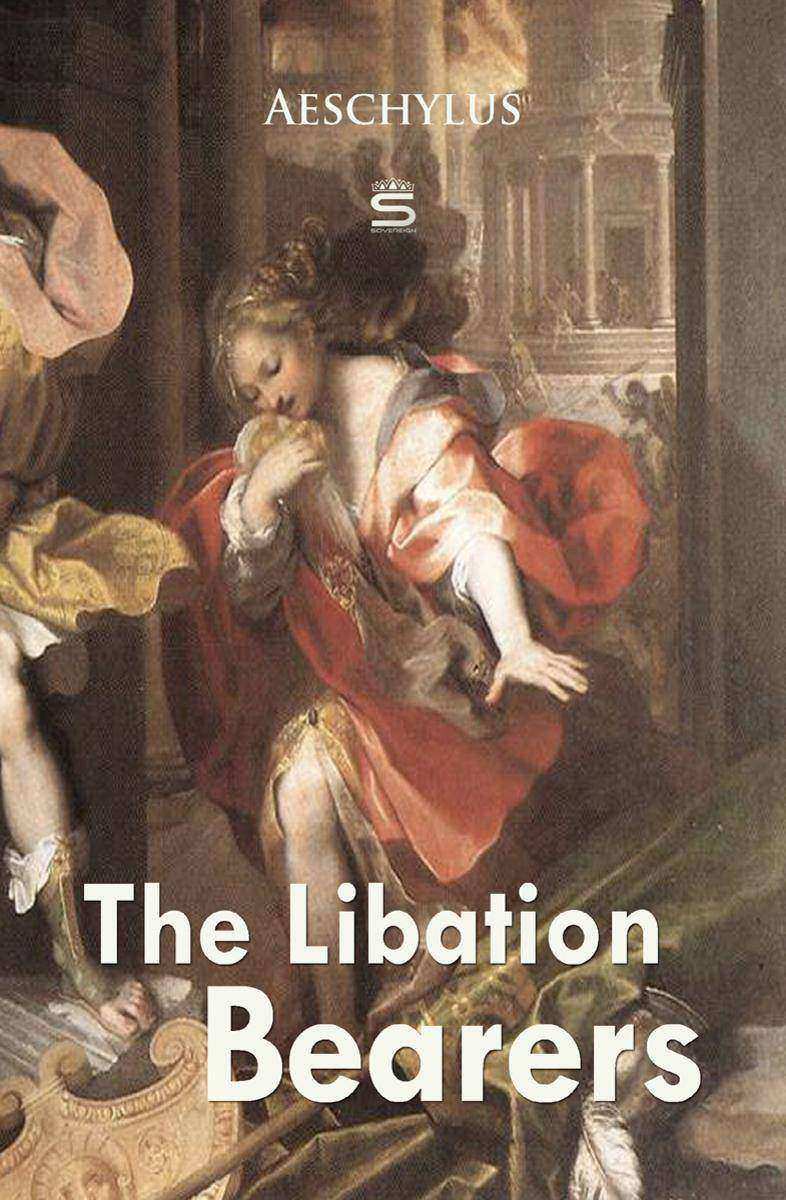
The Libation Bearers
¥40.79
Orestes arrives at the grave of his father, accompanied by his cousin Pylades, the son of the king of Phocis, where he has grown up in exile; he places two locks of his hair on the tomb. Orestes and Pylades hide as Electra, Orestes' sister, arrives at the grave accompanied by a chorus of elderly slave women (the libation bearers of the title) to pour libations on Agamemnon's grave; they have been sent by Clytemnestra in an effort to ward off harm. Just as the ritual ends, Electra spots a lock of hair on the tomb which she recognizes as similar to her own; subsequently she sees two sets of footprints, one of which has proportions similar to hers. At this point Orestes and Pylades emerge from their hiding place and Orestes gradually convinces her of his identity.
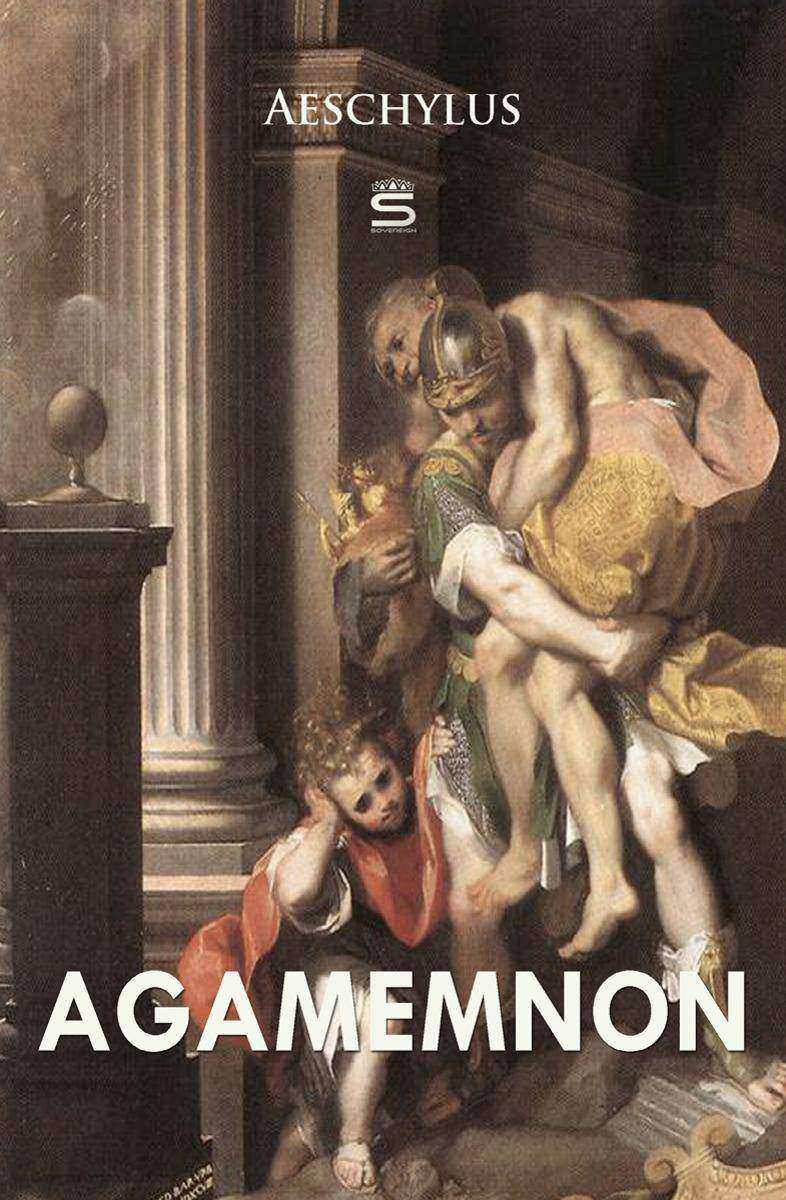
Agamemnon
¥40.79
A watchman on top of the house, reporting that he has been lying restless there like a dog for a year, for so rules the expectant manly-willed heart of a woman (that woman being Clytemnestra awaiting the return of her husband, who has arranged that mountaintop beacons give the signal when Troy has fallen). He laments the fortunes of the house, but promises to keep silent: 'A huge ox has stepped onto my tongue.' However, when Agamemnon returns, he brings with him Cassandra, the enslaved daughter of the Trojan king, Priam, and a priestess of Apollo, as his concubine, further angering Clytemnestra.
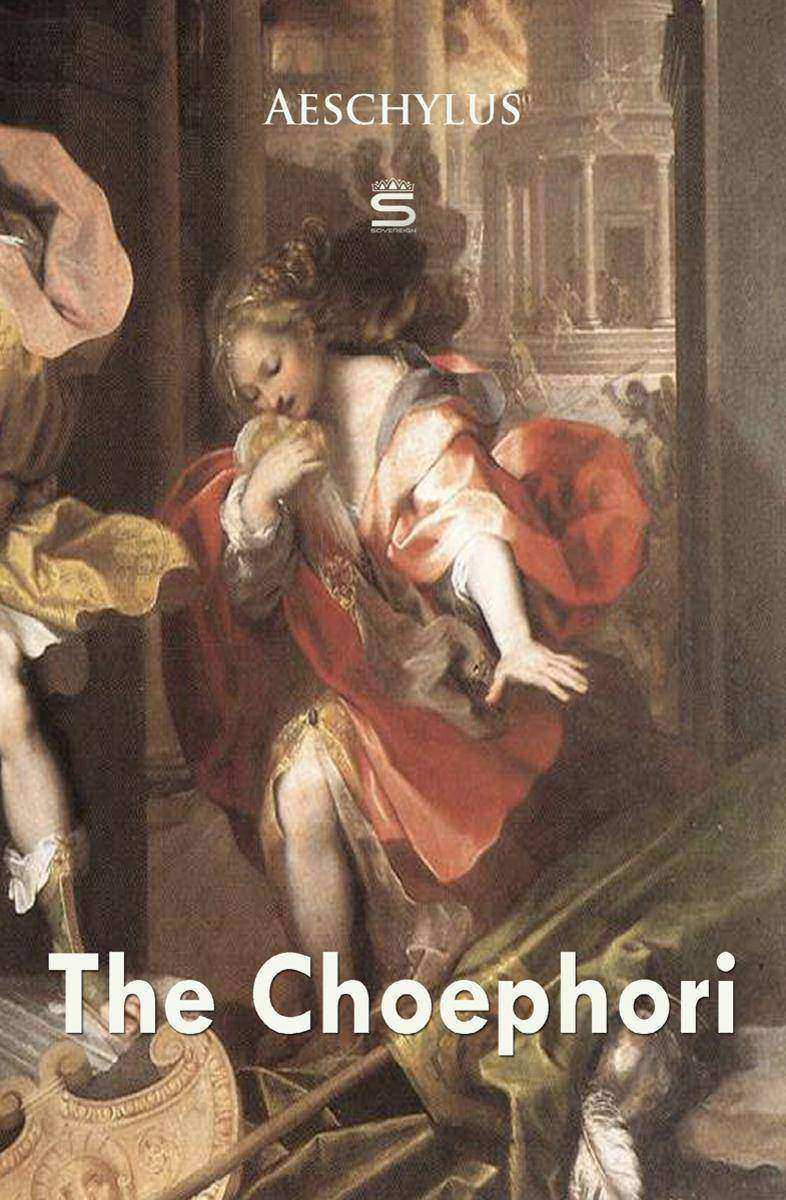
The Choephori
¥40.79
Orestes arrives at the grave of his father, accompanied by his cousin Pylades, the son of the king of Phocis, where he has grown up in exile; he places two locks of his hair on the tomb. Orestes and Pylades hide as Electra, Orestes' sister, arrives at the grave accompanied by a chorus of elderly slave women (the libation bearers of the title) to pour libations on Agamemnon's grave; they have been sent by Clytemnestra in an effort to ward off harm. Just as the ritual ends, Electra spots a lock of hair on the tomb which she recognizes as similar to her own; subsequently she sees two sets of footprints, one of which has proportions similar to hers. At this point Orestes and Pylades emerge from their hiding place and Orestes gradually convinces her of his identity.
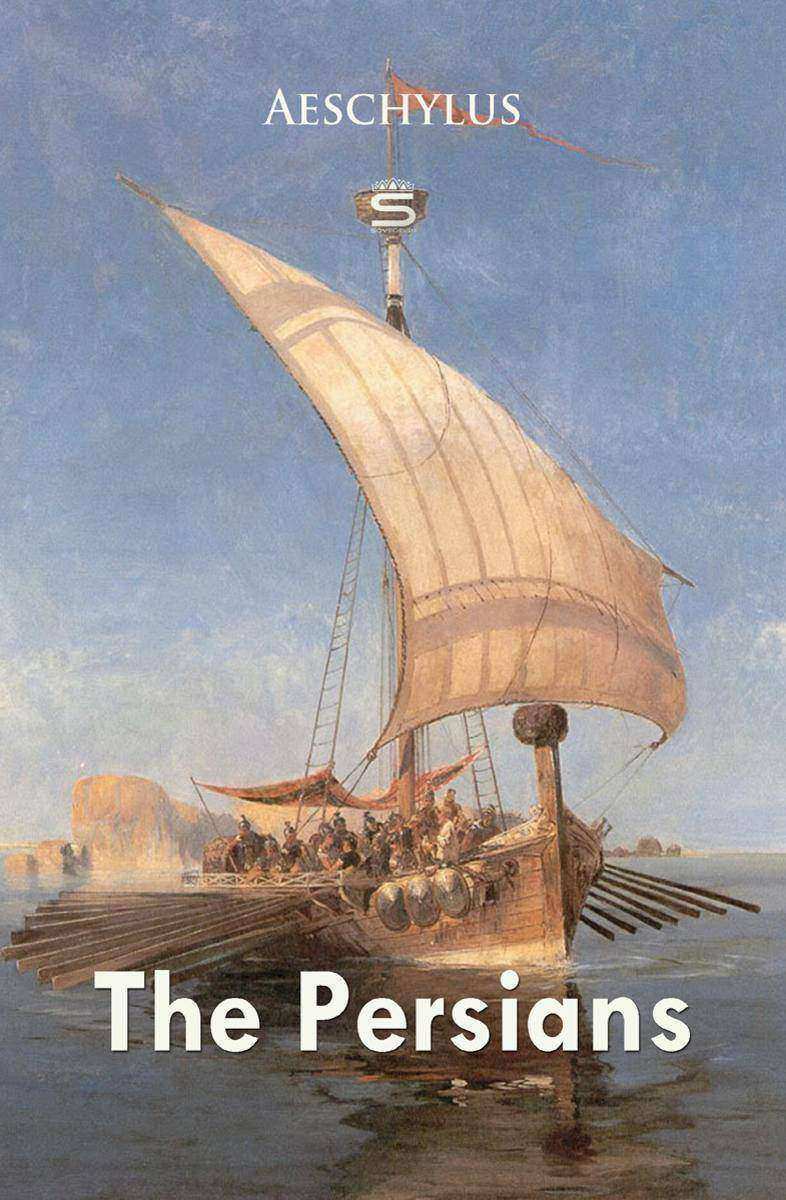
The Persians
¥40.79
The Persians takes place in Susa, which at the time was one of the capitals of the Persian Empire, and opens with a chorus of old men of Susa, who are soon joined by the Queen Mother, Atossa, as they await news of her son King Xerxes' expedition against the Greeks. Expressing her anxiety and unease, Atossa narrates what is probably the first dream sequence in European theatre.
The Apologia
¥40.79
The story is based around incident when Apuleius was accused of using magic to gain the attentions and fortune of a wealthy widow. He declaimed and then distributed a witty tour de force in his own defense before the proconsul and a court of magistrates convened in Sabratha, near ancient Tripoli, Libya.
The Birds
¥40.79
Two middle-aged men stumbling across a hillside wilderness are guided by a pet crow and a pet jackdaw. One of them advises the audience that they are fed up with life in Athens, where people do nothing all day but argue over laws, and they are looking for Tereus, a king who was once metamorphosed into the Hoopoe, for they believe he might help them find a better life somewhere else.


