


 购物车
购物车 个人中心
个人中心
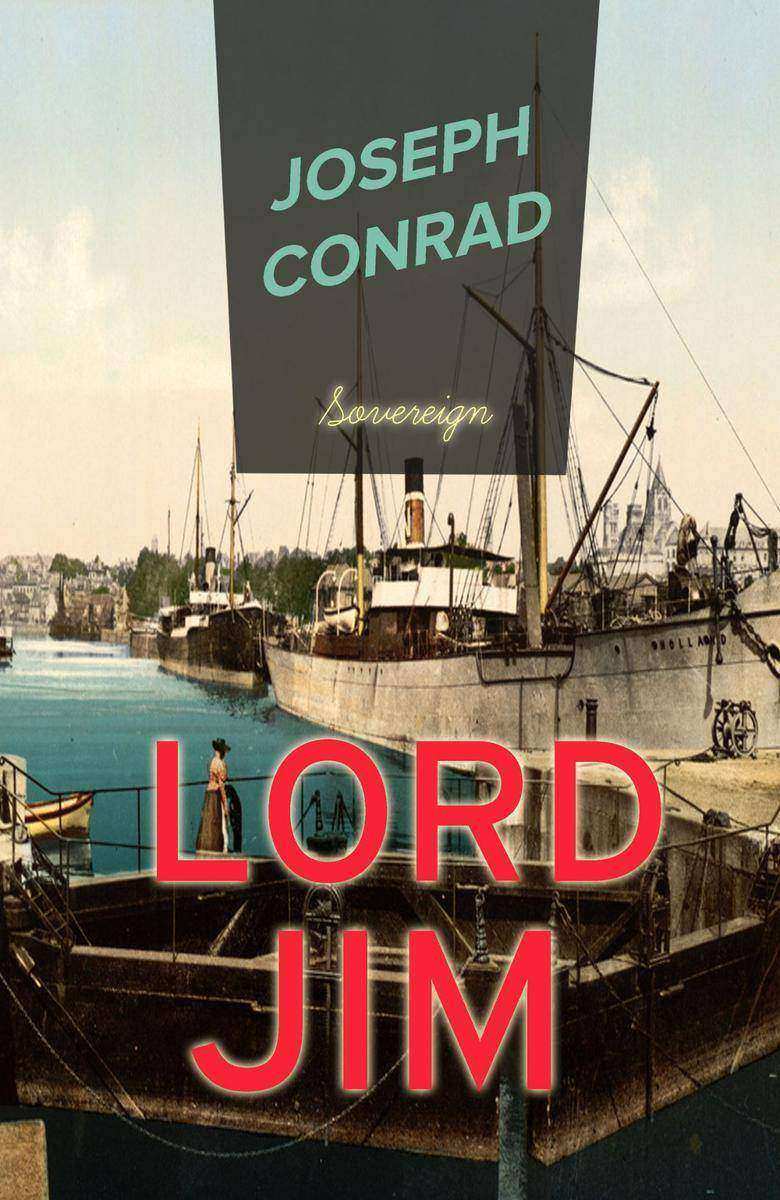
Lord Jim
¥40.79
Jim, a young British seaman, joins his captain and other crew members in abandoning their sinking ship full of passengers. A few days later, they are picked up, and the passengers are later also saved. The reprehensible actions of the crew are exposed. The other participants evade the judicial court of inquiry, leaving Jim to the court alone.
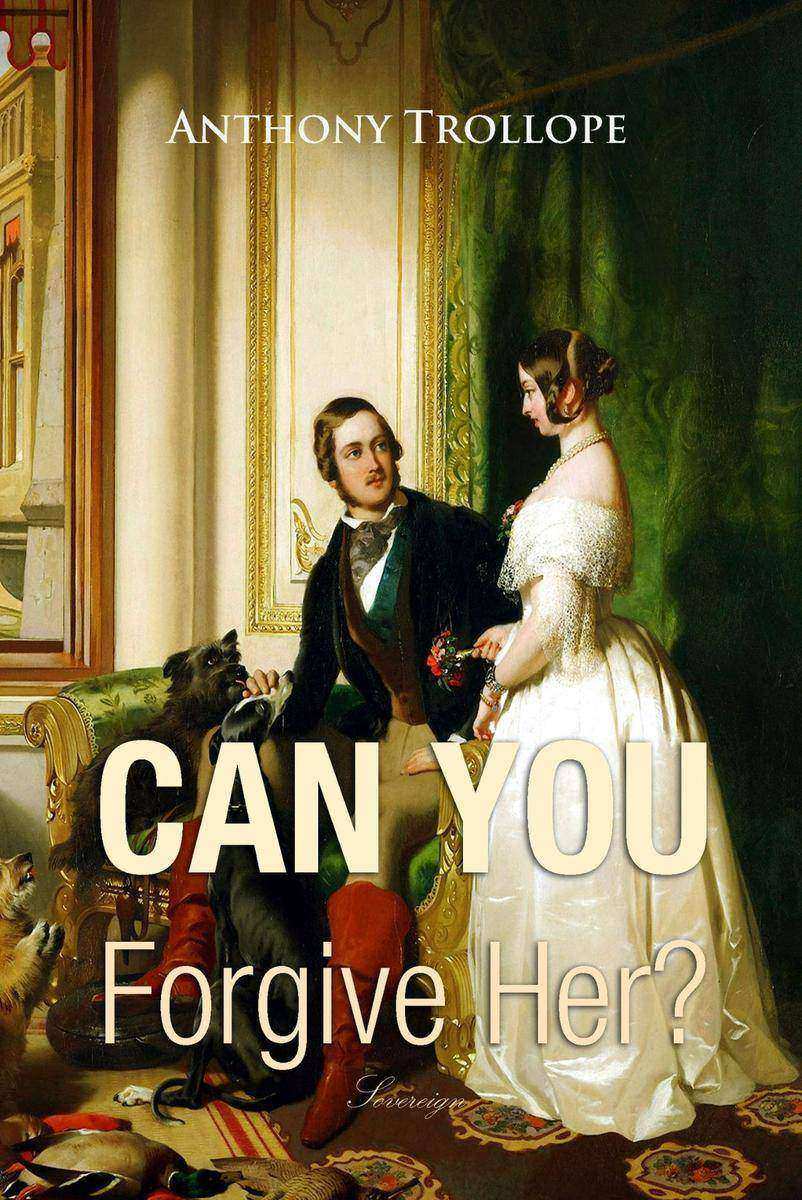
Can You Forgive Her?
¥40.79
The novel follows three parallel stories of courtship and marriage and the decisions of three strong women: Alice Vavasor, her cousin Glencora Palliser, and her aunt Arabella Greenow. Early on, Alice asks the question: What should a woman do with her life? This theme repeats itself in the dilemmas faced by the other women in the novel. Lady Glencora and her husband Plantagenet Palliser recur in the remainder of the Palliser series.
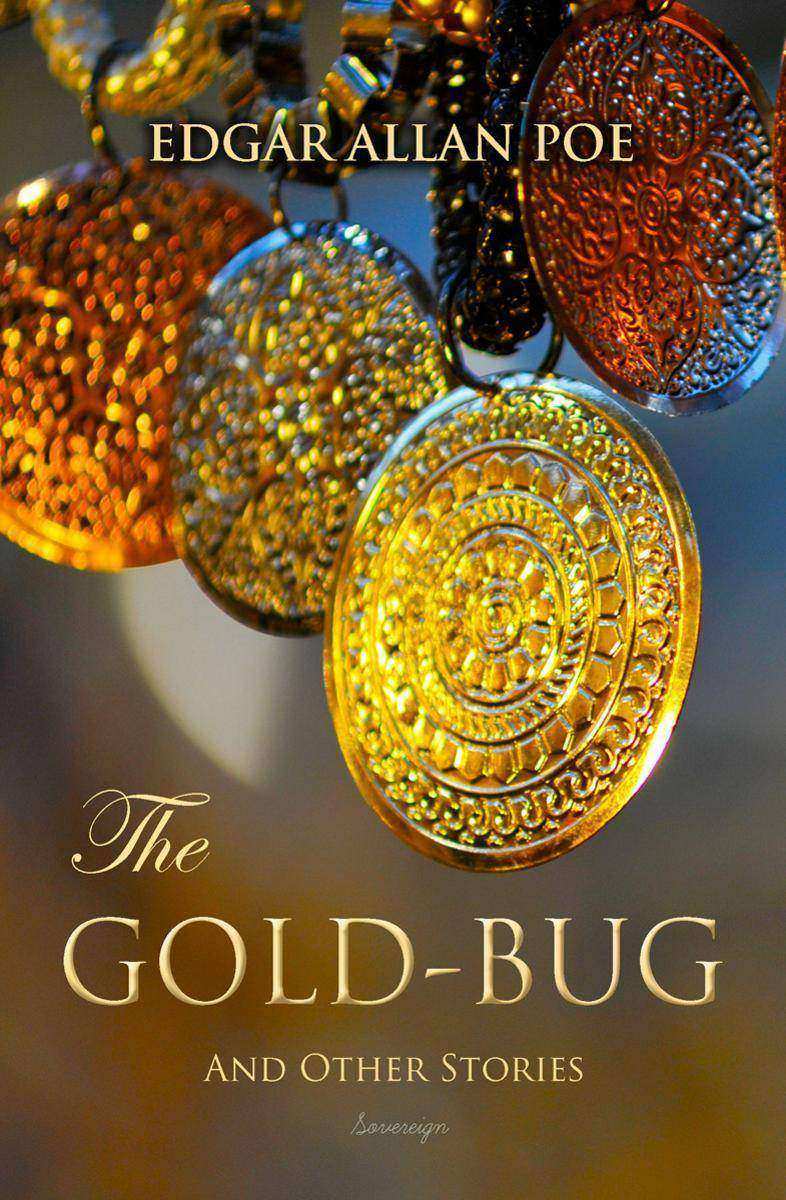
The Gold-Bug and Other Stories
¥40.79
William Legrand becomes obsessed with searching for treasure after being bitten by a bug appearing to be made of pure gold. He notifies his closest friend, the narrator, telling him to immediately come visit him at his home on Sullivan's Island in South Carolina. Upon the narrator's arrival, Legrand informs him that they are embarking upon a search for lost treasure along with his African-American servant Jupiter. The narrator has intense doubt and questions whether Legrand, who has recently lost his fortune, has gone insane.
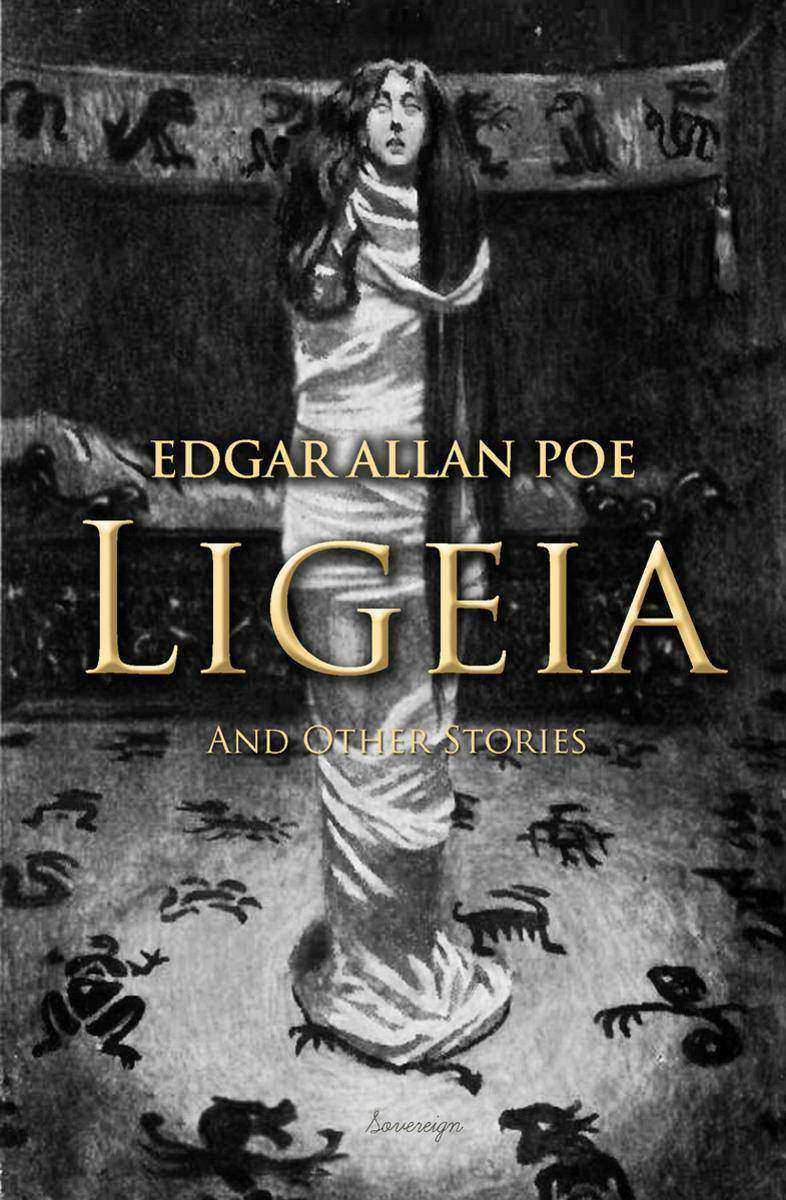
Ligeia and Other Stories
¥40.79
Ligeia, a beautiful, passionate and intellectual woman, raven-haired and dark-eyed. The narrator is unable to recall anything about the history of Ligeia, including her family's name, but remembers her beautiful appearance. Her beauty, however, is not conventional. He describes her as emaciated, with some strangeness. They marry, and Ligeia impresses her husband with her immense knowledge of physical and mathematical science, and her proficiency in classical languages. She begins to show her husband her knowledge of metaphysicaland forbidden wisdom. The book also features several other stories including: Morella, The Spectacles, King Pest, X-ing a Paragraph, How to Write a Blackwood Article.
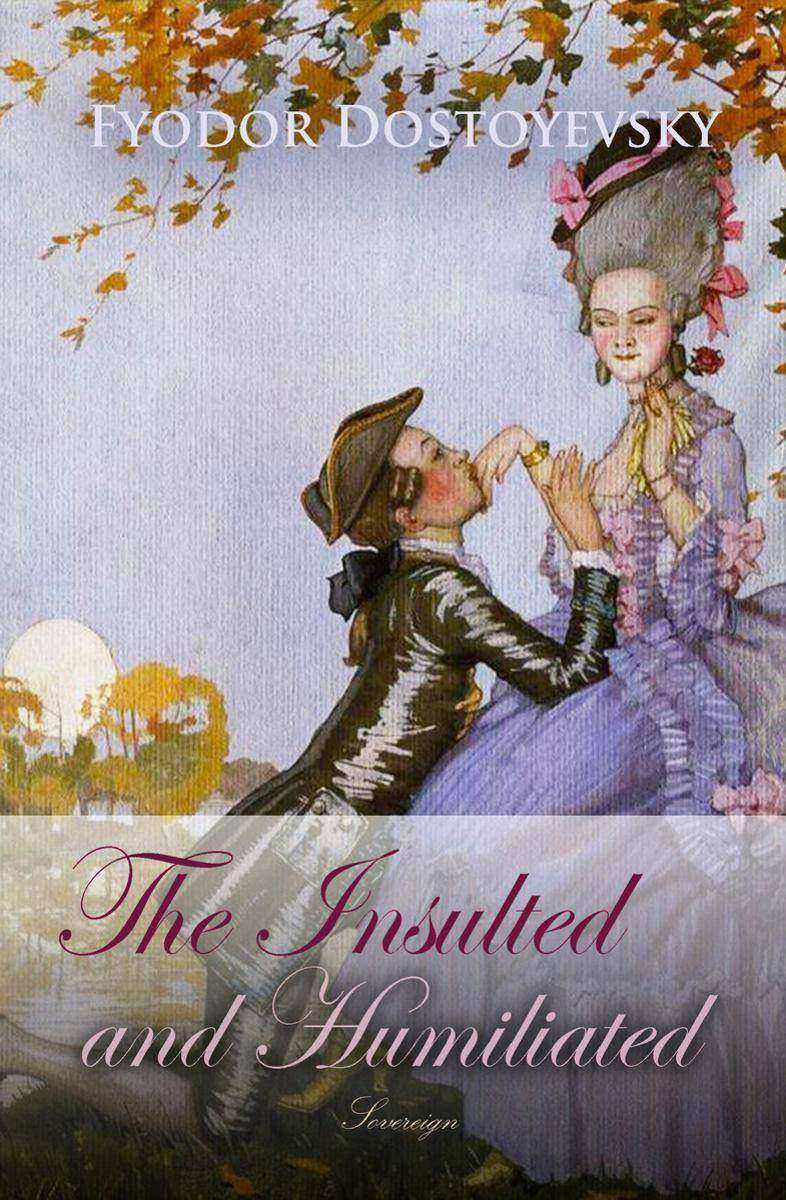
The Insulted and Humiliated
¥40.79
The story is narrated by a young author, Vanya, who has just released his first novel. It bears an obvious resemblance to Dostoyevsky's own first novel, Poor Folk. Vanya's close friend and former love object, Natasha runs away with prince Alexey, son of Prince Valkovsky, who hopes to gain financially by marrying Alexey off to an heiress, Katya. Meantime we meet another young girl Nellie, whom Vanya saves from an abusive household by taking her into his apartment. Nellie's story is one of Dostoyevsky's most moving creations which inspired Japanese director Akira Kurosawa to produce an adaptation film, Red Beard.
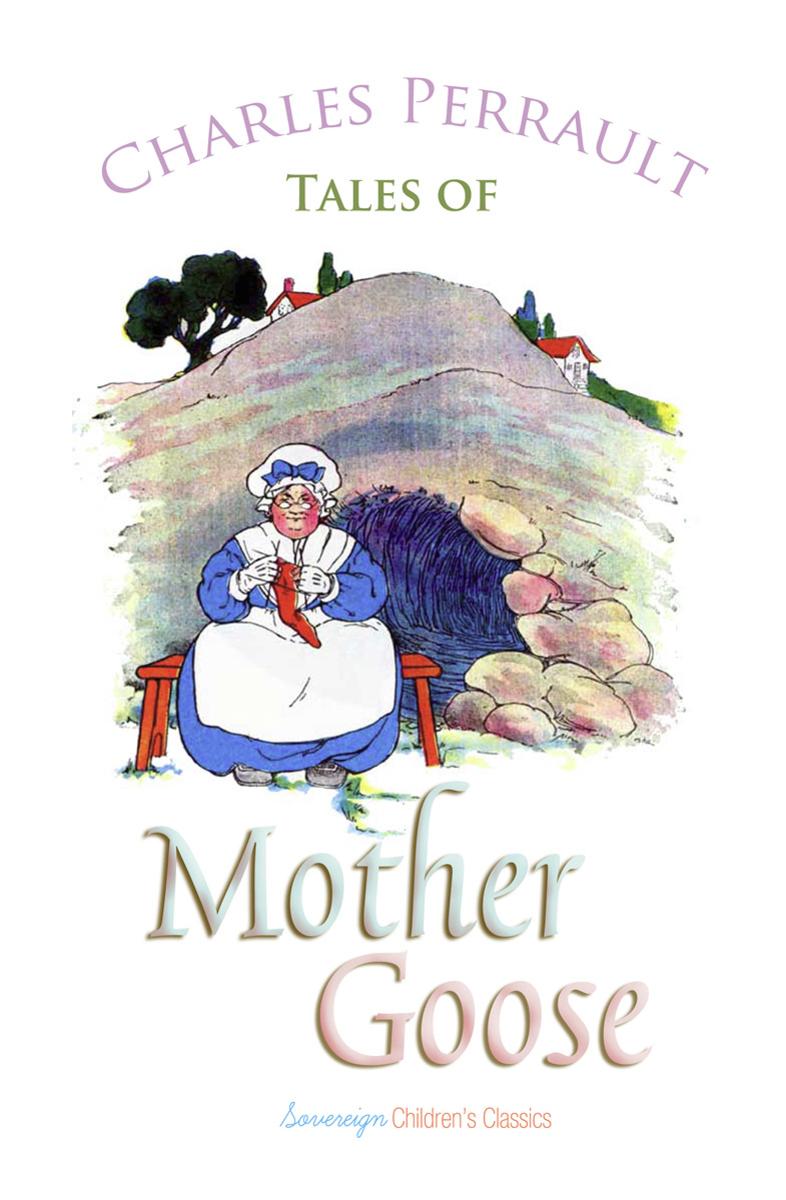
Tales of Mother Goose
¥40.79
Tales of Mother Goose feature some of the best known fairy tales including: Blue Beard, Little Thumb, Puss in Boots, Riquet with the Tuft, The Fairy, Cinderella, Little Red Riding Hood, The Sleeping Beauty.
Princess Rosette and Other Fairy Tales
¥40.79
Once upon a time there lived a King and Queen who had two beautiful sons and one little daughter, who was so pretty that no one who saw her could help loving her. When it was time for the christening of the Princess, the Queen—as she always did—sent for all the fairies to be present at the ceremony, and afterwards invited them to a splendid banquet...
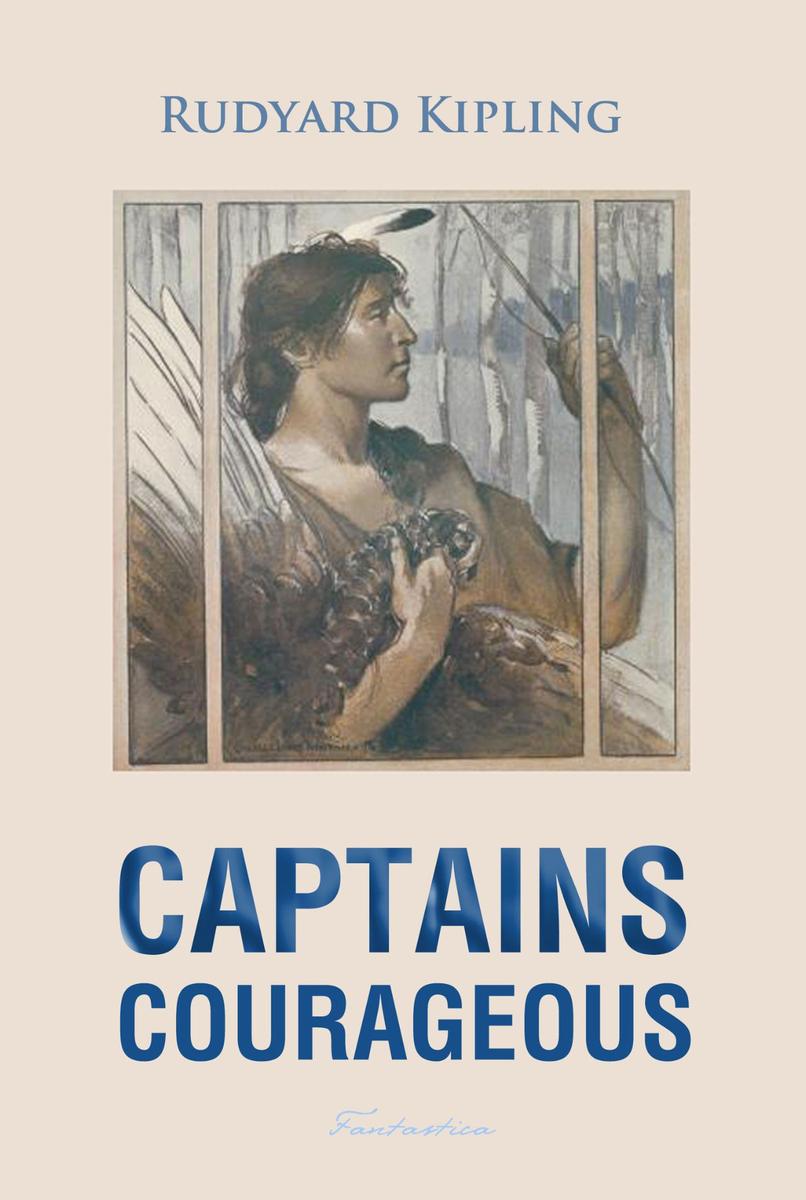
Captains Courageous
¥40.79
Harvey Cheyne washed overboard from a transatlantic steamship and rescued by fishermen off the Grand Banks of Newfoundland, the young Harvey Cheyne can neither persuade them to take him quickly to port, nor convince them that his is the son of a wealthy railroad magnate. Disko Troop, captain of the We're Here, offers him a job as part of the crew until they return to port. With no other choice, Harvey accepts.
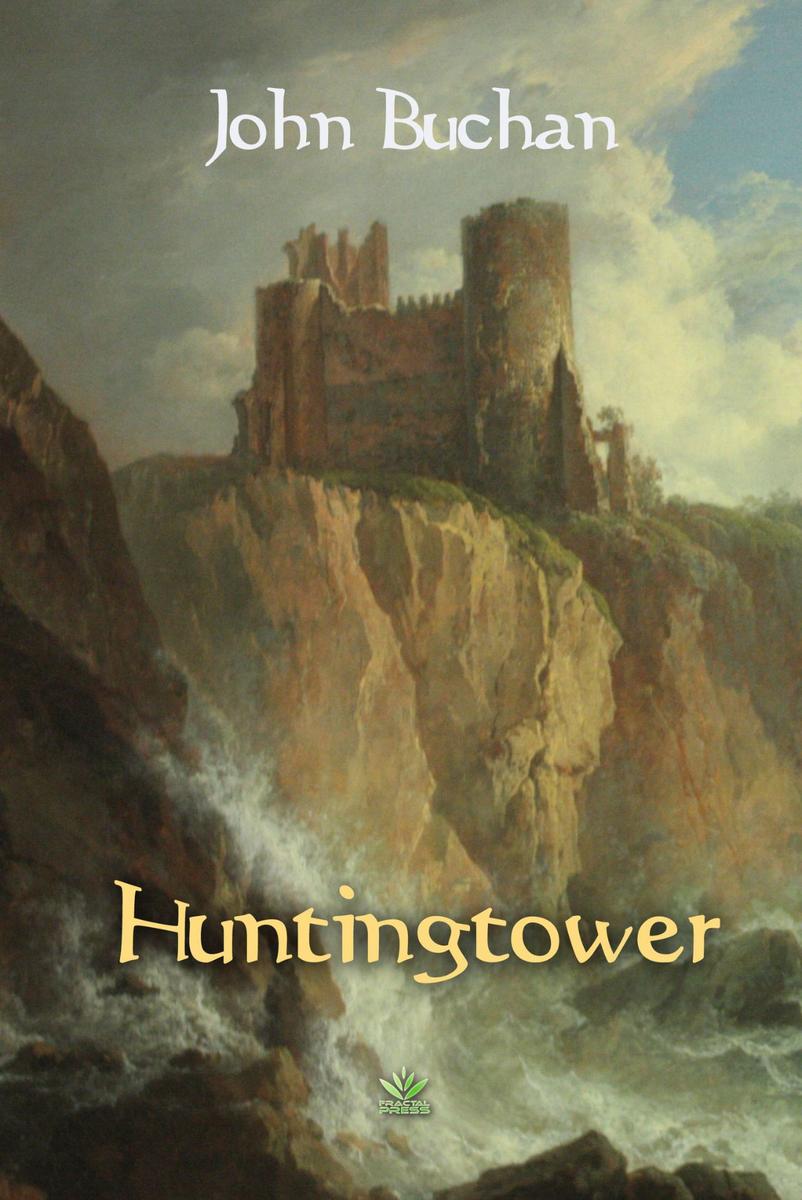
Huntingtower
¥40.79
The Scottish local community mobilises to uncover and thwart the conspiracy against a Russian woman, and to defend the neutrality of Scotland against the Russian Bolshevik agents.

Love's Labour's Lost
¥40.79
The play follows the King of Navarre and his three companions as they attempt to forswear the company of women for three years of study and fasting, and their subsequent infatuation with the Princess of Aquitaine and her ladies. In an untraditional ending for a comedy, the play closes with the death of the Princess's father, and all weddings are delayed for a year. The play draws on themes of masculine love and desire, reckoning and rationalization, and reality versus fantasy.
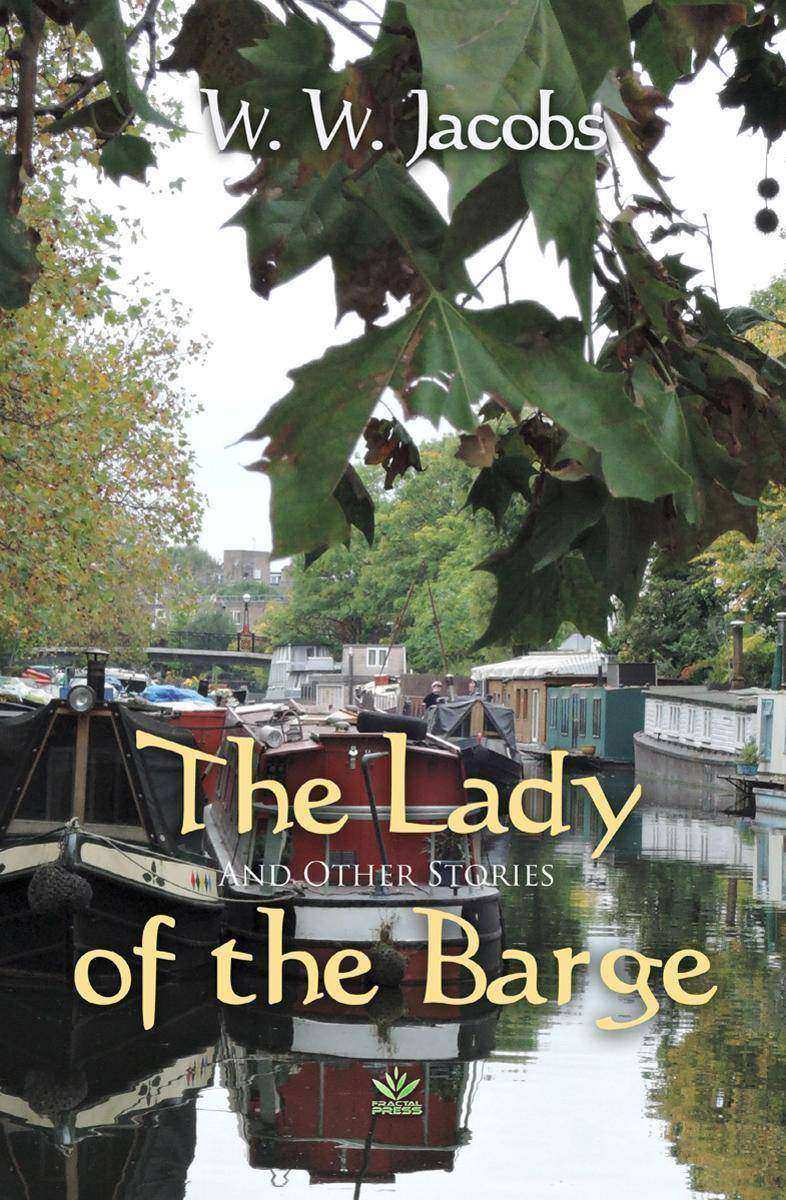
The Lady of the Barge and Other Stories
¥40.79
An exciting collection of stories from W.W. Jacobs, a London based novelist famous for his horror and travel stories. This volume includes some of his iconic work: The Monkey's Paw, The Lady of the Barge, Bill's Paper Chase, The Well, Cupboard Love, In the Library, Captain Rogers, A Tiger's Skin, A Mixed Proposal, An Adulteration Act, A Golden Venture, and Three at Table.
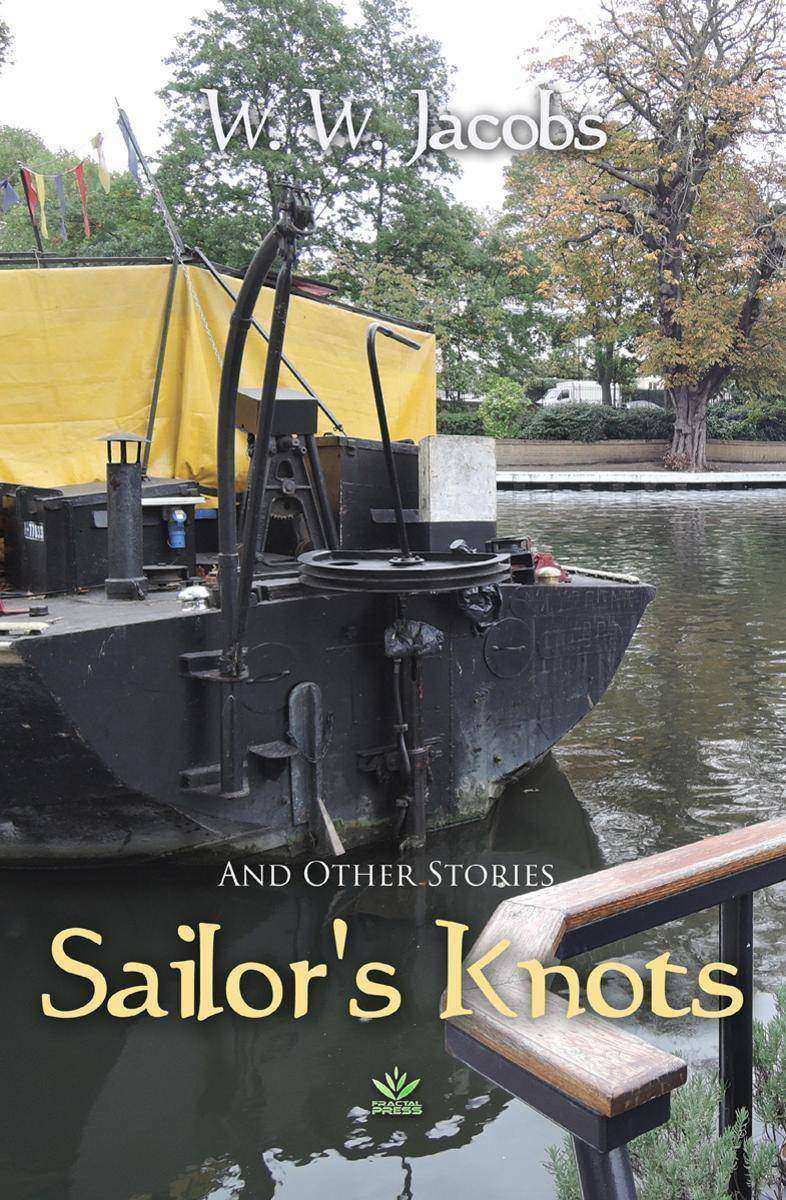
Sailor's Knots and Other Stories
¥40.79
An exciting collection of stories from W.W. Jacobs, a London based novelist famous for his humour, horror and travel stories. This volume includes some of his iconic work: Deserted, Homeward Bound, Self-help, Sentence Deferred, Matrimonial Openings, Odd Man Out, The Toll-house, Peter's Pence, The Head of the Family, Prize Money, Double Dealing, Keeping Up Appearances.
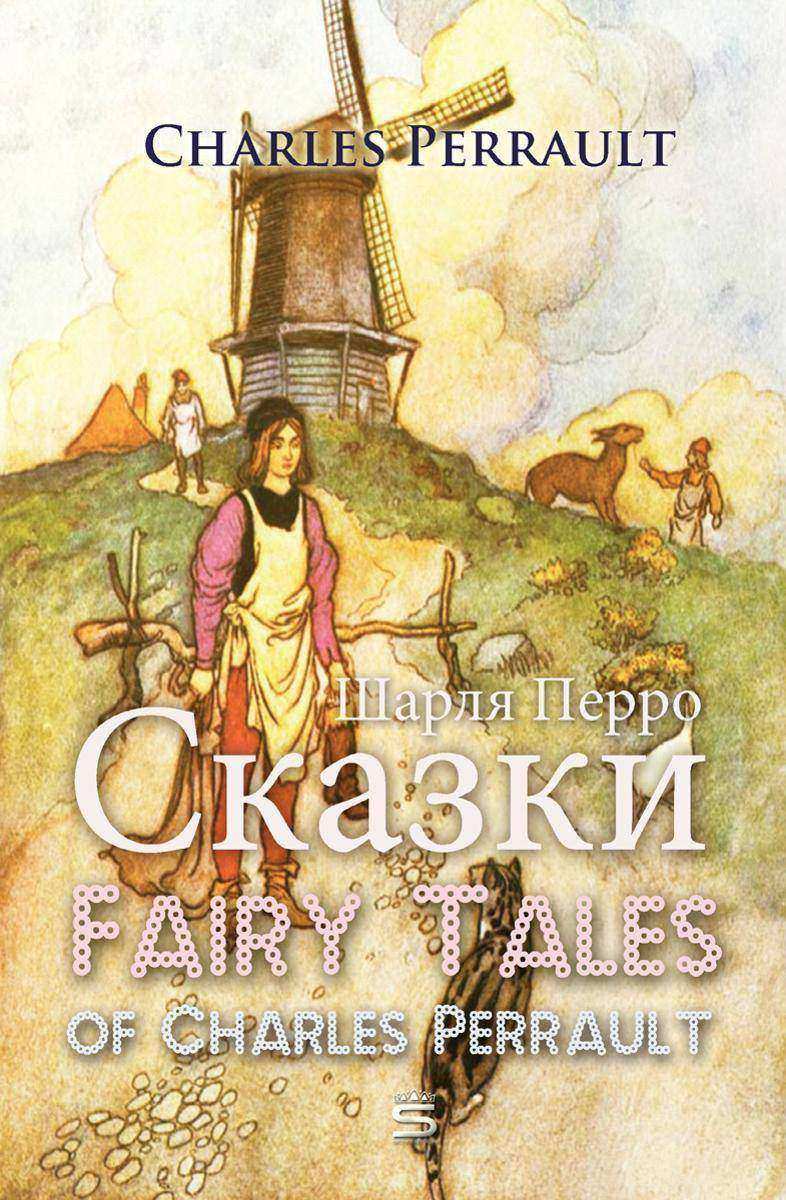
Fairy Tales of Charles Perrault: English and Russian Language Edition
¥40.79
An iconic collection of fairy tales from the master of storytelling Charles Perrault including some of his best work: Little Red Riding-Hood, The Sleeping Beauty, Puss in Boots, Little Thumb, Cinderella, Blue Beard. This edition includes both English and Russian language texts.

Swing Trading: A Beginners' Guide to Making Money with Trend following
¥40.79
Swing Trading: A Beginners' Guide to Making Money with Trend following

Get An Online MBA In A Week
¥40.79
Get An Online MBA In A Week

Photographic Composition
¥40.79
Photographic Composition

American Indianology 101: A profile of Today's American Indian population, tribe
¥40.79
American Indianology 101: A profile of Today's American Indian population, tribes and reservations.

?Cómo hacer scalping con el futuro del mini DAX?
¥40.79
Cómo hacer scalping con el futuro del mini DAX
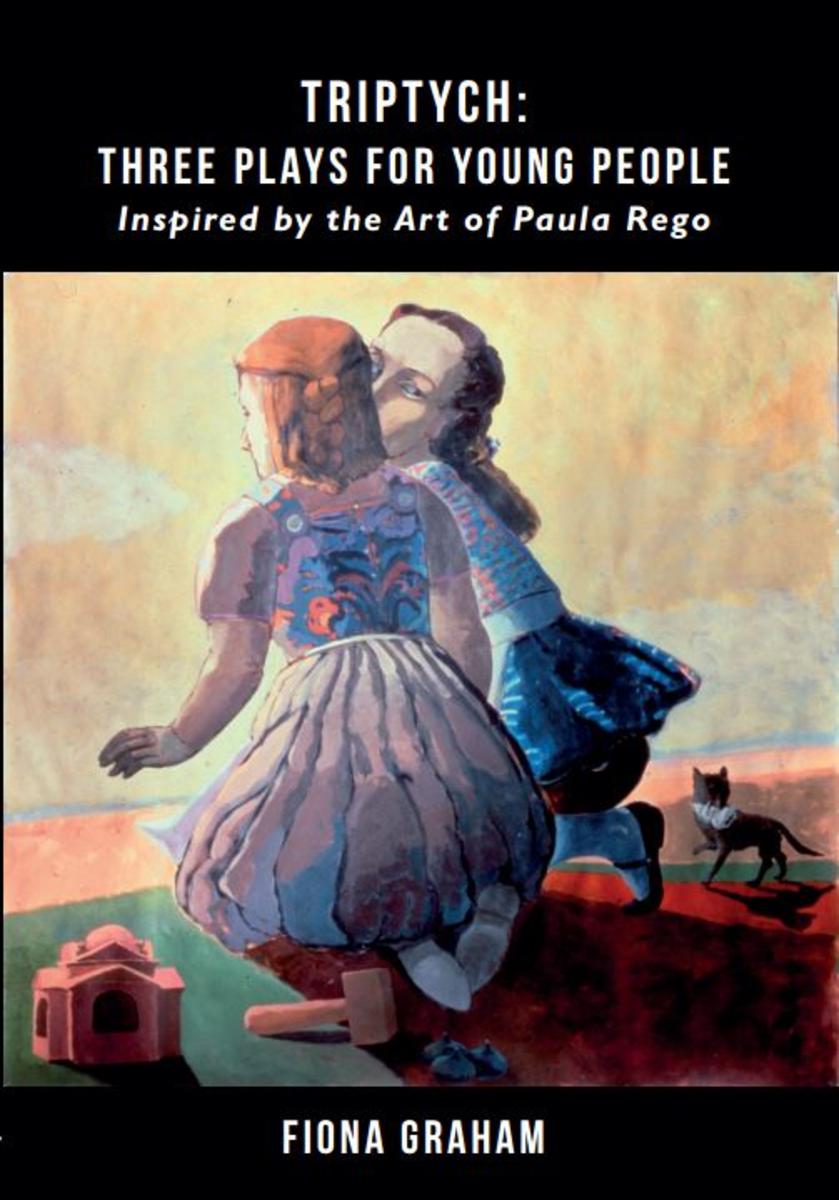
Triptych: Three Plays for Young People: Inspired by the Art of Paula Rego
¥40.79
The Portuguese visual artist Paula Rego has inspired this trilogy of plays. Her paintings Crivelli’s Garden, The Prey and Breaking China became the catalyst for writing by theatre maker Fiona Graham. Commissioned by Theatre Centre and Komedia, these three new plays were developed for specific audiences through a series of artist/audience residencies and collaborations. These works have toured Britain and been re-staged in Portugal and Singapore. Crivellis’s Garden was created for a 16+ audience and explores rites of passage as two young women decide whether they should stay or leave their fishing village to go to university in Portugal. Between Friends is for 7 -11 year olds and examines the politics of friendship between three young people when they are shipwrecked and abandoned in a lighthouse. Breaking China is for 4-8 year olds and shows the importance of creative play and storytelling when making sense of change and adversity. About the authorDR FIONA GRAHAMFiona teaches dramaturgy at Goldsmiths University. Previously she spent over a decade in New Zealand writing and teaching at Auckland University. Her plays include: Passage (The Herald Theatre, Auckland 2010), Breaking China (Theatre Centre, 2002 and Singapore’s International Festival, 2004) and Legacy (for Massive Theatre Company, 1998). Most recently she worked as dramaturge with Otago University and Talking House Theatre Company on Be/Longing and Hush, with Red Leap Theatre Company on Paper Sky and Sea, with playwright Mei-Lin Hansen on The Mooncake And The Kumara, with Winning Productions on I Wanna Be -- Ponsonby and Carol Brown on 1000 Lovers and the Pah Collective. Her book Catalyst For Change: The Interventions of the Dramaturge was published in New Zealand in 2017. Reviews: ‘Graham’s poetically eloquent script flows like molten silver and should give students, teachers and other theatregoers much to think about’ (on Crivelli’s Garden) – The Stage ‘A prime example of how an excellent script innovatively directed and beautifully performed can be applied to a wide age range. This joyful production provides much food for thought.’ (on Breaking China) – The Stage

Business Marketing Network: A Beginner's Guide to Becoming a Pro In Network Mar
¥40.79
Business Marketing Network: A Beginner's Guide to Becoming a Pro In Network Marketing

LinkedIn Marketing: Use LinkedIn B2B Marketing to Generate Qualified Prospects a
¥40.79
LinkedIn Marketing: Use LinkedIn B2B Marketing to Generate Qualified Prospects and Obtain Clients


