


 购物车
购物车 个人中心
个人中心
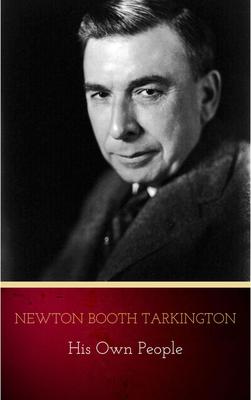
His Own People
¥9.00
Newton Booth Tarkington (July 29, 1869 – May 19, 1946) was an American novelist and dramatist best known for his novels The Magnificent Ambersons and Alice Adams. He is one of only three novelists to win the Pulitzer Prize for Fiction more than once, along with William Faulkner and John Updike.
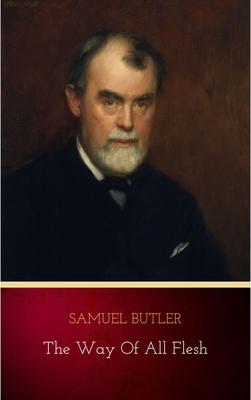
The Way of All Flesh
¥9.00
A semi-autobiographical novel that attacks Victorian era hypocrisy as it traces four generations of the Pontifex family. Butler dared not publish it during his lifetime, but when it was published, it was accepted as part of the general revulsion against Victorianism.
The Temple
¥9.00
"The Temple" is a short story written by H. P. Lovecraft in 1920, and first published in the pulp magazine Weird Tales in February 1925. It was the first story Lovecraft published in Weird Tales, and indeed was his first publication in any professional outlet. The story is narrated as a "found manuscript" penned by Karl Heinrich, Graf von Altberg-Ehrenstein, a Lieutenant Commander in the Imperial German Navy during the days of World War I. It documents his untimely end at the bottom of the ocean
The Evil Clergyman
¥9.00
"The Evil Clergyman" is an excerpt from a letter written by American horror fiction writer H. P. Lovecraft in 1933. After his death, it was published in the April 1939 issue of Weird Tales as a short story. The story was later adapted into the unreleased 1987 anthology film Pulse Pounders. The story begins in the attic of an ancient house. The narrator’s companion refers to the former owner of the house and the presumably violent end that befell him. He advises the narrator not to stay after dark or touch anything, especially the small object on a table, which the companion seems to fear considerably.
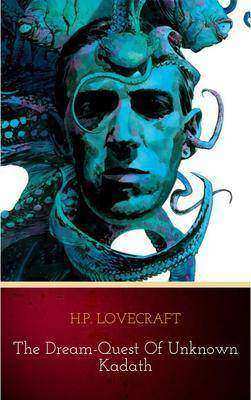
The Dream-Quest of Unknown Kadath
¥9.00
Randolph Carter dreams three times of a majestic sunset city, but each time he is abruptly snatched away before he can see it up close. When he prays to the gods of dream to reveal the whereabouts of the phantasmal city, they do not answer, and his dreams of the city stop altogether. Undaunted, Carter resolves to go to Kadath, where the gods live, to beseech them in person. However, no one has ever been to Kadath and none even knows how to get there. In dream, Randolph Carter descends "the seventy steps to the cavern of flame" and speaks of his plan to the priests Nasht and Kaman-Thah, whose temple borders the Dreamlands. The priests warn Carter of the great danger of his quest and suggest that the gods withdrew his vision of the city on purpose.
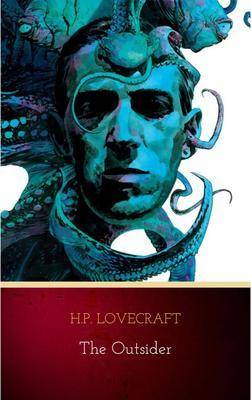
The Outsider
¥9.00
"The Outsider" is a short story by American horror writer H. P. Lovecraft. Written between March and August 1921, it was first published in Weird Tales, April 1926. In this work, a mysterious man who has been living alone in a castle for as long as he can remember decides to break free in search of human contact and light. "The Outsider" is one of Lovecraft's most commonly reprinted works and is also one of the most popular stories ever to be published in Weird Tales. "The Outsider" combines Horror, Fantasy, and Gothic Fiction to create a nightmarish story, containing themes of loneliness, the abhuman, and the afterlife. Source: Wikipedia
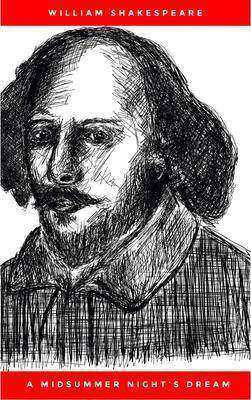
Midsummer Night's Dream
¥9.00
A Midsummer Night's Dream is a romantic comedy by William Shakespeare, suggested by "The Knight's Tale" from Geoffrey Chaucer's The Canterbury Tales, written around 1594 to 1596. It portrays the adventures of four young Athenian lovers and a group of amateur actors, their interactions with the Duke and Duchess of Athens, Theseus and Hippolyta, and with the fairies who inhabit a moonlit forest. The play is one of Shakespeare's most popular works for the stage and is widely performed across the world.

Der Schut
¥9.00
Nach Abenteuern in der Teufelsschlucht und bei der Juwelenh?hle treffen Kara Ben Nemsi und seine Begleiter auf das Oberhaupt der Verbrecher, den "Schut". Manche gef?hrliche Situation wird heraufbeschworen, ehe die Jagd, die in der tunesischen Wüste begann, in Albanien zu Ende geht.

A Vindication of the Rights of Woman
¥9.00
Writing in an age when the call for the rights of man had brought revolution to America and France, Mary Wollstonecraft produced her own declaration of female independence in 1792. Passionate and forthright, A Vindication of the Rights of Woman attacked the prevailing view of docile, decorative femininity, and instead laid out the principles of emancipation: an equal education for girls and boys, an end to prejudice, and for women to become defined by their profession, not their partner. Mary Wollstonecraft’s work was received with a mixture of admiration and outrage – Walpole called her ‘a hyena in petticoats’ – yet it established her as the mother of modern feminism.
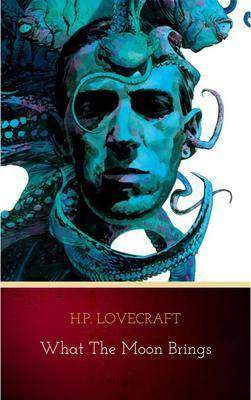
What the Moon Brings
¥9.00
What the Moon Brings is a short story by H.P. Lovecraft, written on June 5, 1922. This story was first published in the National Amateur in May 1923, and based upon a dream. This story is told in the first person; the narrator is never named. The story describes a surreal dreamscape. The narrator wanders through his garden one night and in the moonlight sees strange and bizarre things
The Street
¥9.00
"The Street" is a short story by American horror fiction writer H. P. Lovecraft, written in late 1919 and first published in the December 1920 issue of the Wolverine amateur journal. The story traces the history of the eponymous street in a New England city, presumably Boston, from its first beginnings as a path in colonial times to a quasi-supernatural occurrence in the years immediately following World War I.
The Nameless City
¥9.00
"The Nameless City" is a horror story written by H. P. Lovecraft in January 1921 and first published in the November 1921 issue of the amateur press journal The Wolverine. It is often considered the first Cthulhu Mythos story. The Nameless City of the story's title is an ancient ruin located somewhere in the deserts of the Arabian Peninsula and is older than any human civilization
Memory
¥9.00
"Memory" is a flash fiction short story by American horror and science fiction writer H. P. Lovecraft, written in 1919 and published in May 1923 in The National Amateur. This story takes place in the ancient valley of Nis, in vegetation-covered stone ruins described by Lovecraft in great detail. These crumbling blocks of monolithic stone now serve only for grey toads and snakes to nest under. Interspersed in the ruins are large trees that are home to little apes. Through the bottom of this valley runs the great, slimy red river called Than.

Insolación
¥9.00
La autora se aleja de las premisas Naturalismo centrándose en el estudio psicológico de los personajes, empleando para ello una inusitada y compleja técnica narrativa. El feminismo, la crítica de los valores morales y la doble vara de medir de la sociedad de la época son puestas en escena en historia donde una sensual viuda tiene una aventura con un hombre mucho más joven que ella.
Much Ado About Nothing
¥9.00
Much Ado About Nothing is a comedy by William Shakespeare. First published in 1600, it is likely to have been first performed in the autumn or winter of 1598-1599, and it remains one of Shakespeare's most enduring and exhilarating plays on stage. Stylistically, it shares numerous characteristics with modern romantic comedies including the two pairs of lovers, in this case the romantic leads, Claudio and Hero, and their comic counterparts, Benedick and Beatrice.
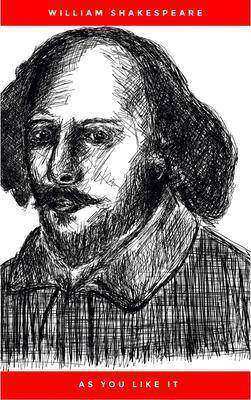
As You Like It
¥9.00
As You Like It is a pastoral comedy by William Shakespeare based on the novel Rosalynde by Thomas Lodge, believed to have been written in 1599 or early 1600. It features one of Shakespeare's most famous and oft-quoted lines, "All the world's a stage", and has been adapted for radio, film, and musical theatre.
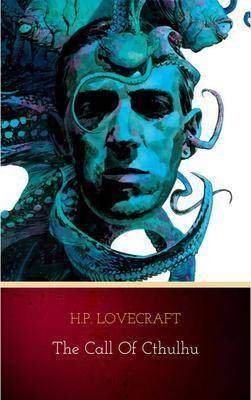
The Call of Cthulhu
¥9.00
"The Call of Cthulhu" is one of H. P. Lovecraft's best-known short stories. Written in the summer of 1926, it was first published in Weird Tales, February 1928. It is the only story written by Lovecraft in which the extraterrestrial entity Cthulhu himself makes a major appearance. It is written in a documentary style, with three independent narratives linked together by the device of a narrator discovering notes left by a deceased relative. The narrator pieces together the whole truth and disturbing significance of the information he possesses, illustrating the story's first line: "The most merciful thing in the world, I think, is the inability of the human mind to correlate all its contents. We live on a placid island of ignorance in the midst of black seas of infinity; and it was not meant that we should voyage far."
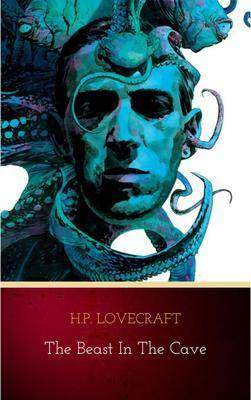
The Beast in the Cave
¥9.00
A man touring a Mammoth Cave separates from his guide and becomes lost. His torch expires and he is giving up hope of finding a way out in the pitch dark, when he hears strange non-human footsteps approaching him. Thinking it to be a lost mountain lion or other such beast, he picks up a stone and throws it toward the source of the sound. The beast is hit and crumples to the floor. The guide finds the protagonist, and together they examine the fallen creature with the guide's torchlight. The creature mutters in its last breaths and they see its face, discovering that it is in fact a pale, deformed human, who had also become lost in the cave many years ago.
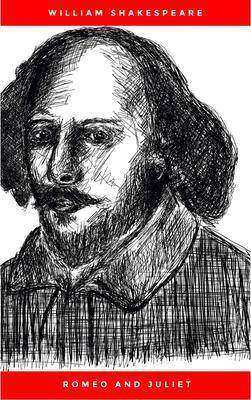
Romeo and Juliet
¥9.00
Romeo and Juliet is a tragic play written early in the career of William Shakespeare about two teenage "star-cross'd lovers" whose untimely deaths ultimately unite their feuding households. It was among Shakespeare's most popular plays during his lifetime and, along with Hamlet, is one of his most frequently performed plays. Today, the title characters are regarded as archetypal "young lovers".
Henry VIII
¥9.00
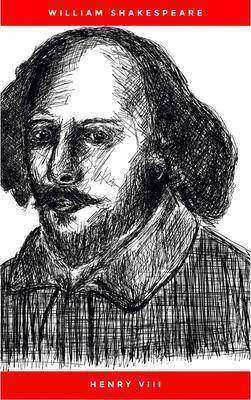
The Famous History of the Life of King Henry the Eighth is a history play by William Shakespeare, based on the life of Henry VIII of England. An alternative title, All is True, is recorded in contemporary documents, the title Henry VIII not appearing until the play's publication in the First Folio of 1623. Stylistic evidence indicates that the play was written by Shakespeare in collaboration with, or revised by, his successor, John Fletcher. It is also somewhat characteristic of the late romances in its structure.
The Hound
¥9.00
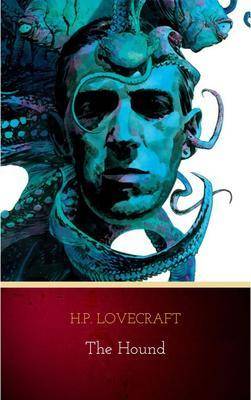
"The Hound" is a short story written by H. P. Lovecraft in September 1922 and published in the February 1924 issue of Weird Tales. It contains the first mention of Lovecraft's fictional text the Necronomicon, The story focuses around the narrator and his friend St. John, who have a deranged interest in robbing graves. They constantly defile crypts and often keep souvenirs of their nocturnal expeditions. Since they reside in the same house, they have the opportunity to set up a sort of morbid museum in their basement. Using the objects they collect from the various graves they have robbed, they organize the private exhibition. The collection consists of headstones, preserved bodies, skulls, and several heads in different phases of decomposition. It also included statues, frightful paintings, and a locked portfolio bound in tanned human-skin.


