


 购物车
购物车 个人中心
个人中心
Little Red Riding Hood
¥9.24
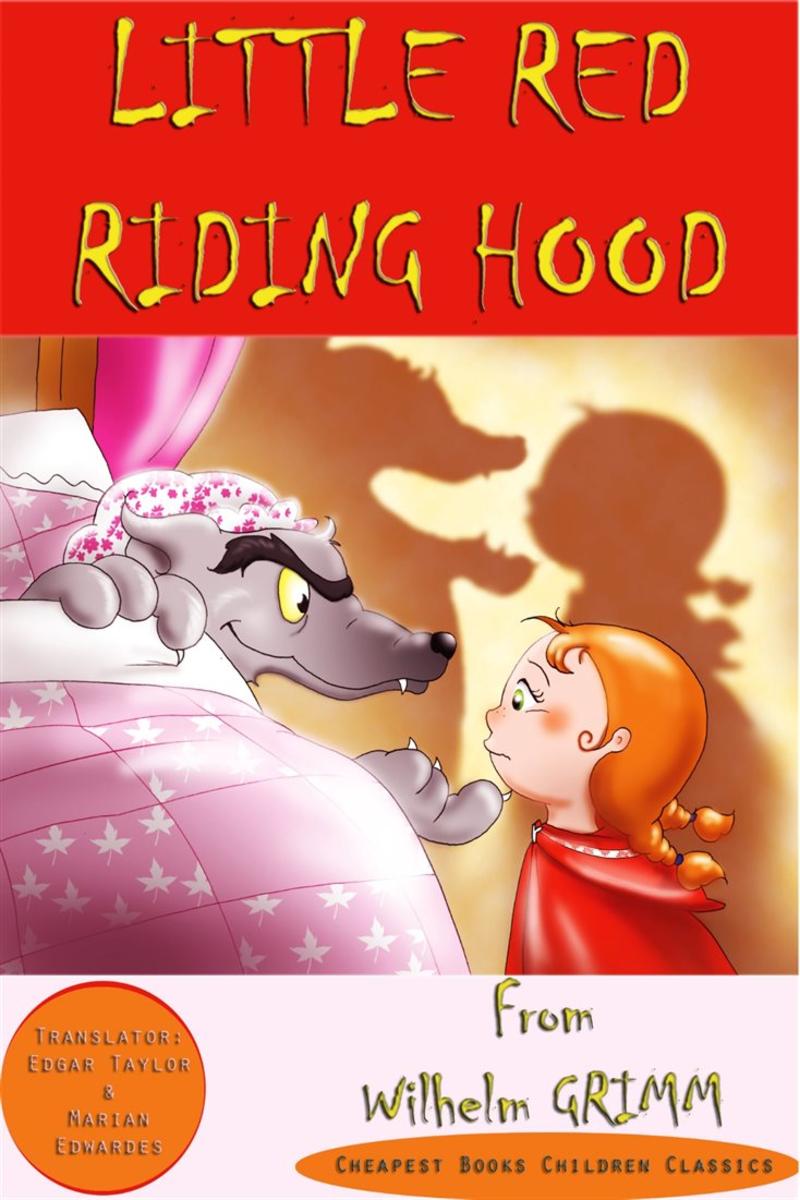
LITTLE RED RIDING HOOD from "Brothers Grimm" ONCE upon a time... in the middle of a thick forest stood a small cottage, the home of a pretty little girl known to everyone as Little Red Riding Hood. One day, her Mummy waved her goodbye at the garden gate, saying, "Grandma is ill. Take her this basket of cakes, but be very careful. Keep to the path through the wood and don't ever stop. That way, you will come to no harm." Little Red Riding Hood kissed her mother and ran off. "Don't worry", she said, "I'll run all the way to Grandma's without stopping". Full of good intensions, the little girl made her way through the wood, but she was soon to forget her mother's wise words. "What lovely strawberries! And so red..."
Collected Works: Complete Editions: The Metamorphosis, In the Penal Colony
¥9.24
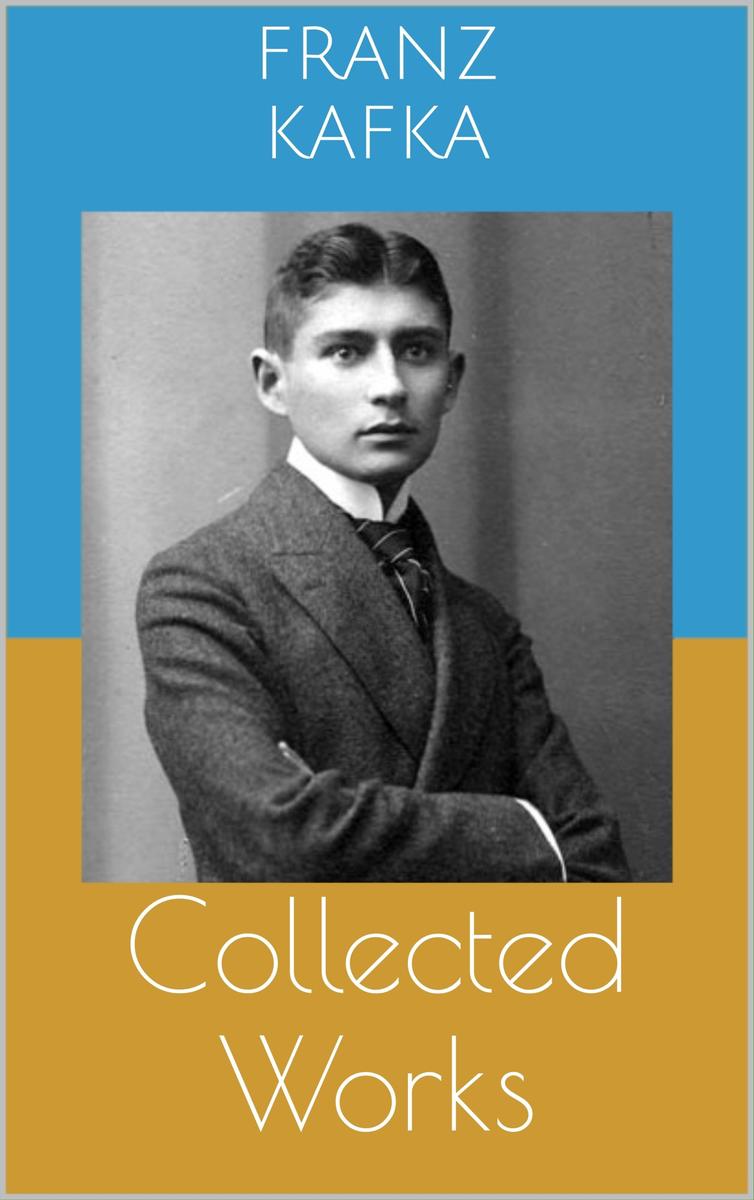
This carefully crafted ebook is formatted with a functional and detailed table of contents.Franz Kafka (3 July 1883 – 3 June 1924) was a German-language writer of novels and short stories, regarded by critics as one of the most influential authors of the 20th century. Kafka strongly influenced genres such as existentialism. Most of his works, such as "Die Verwandlung" ("The Metamorphosis"), "Der Prozess" ("The Trial"), and "Das Schloss" ("The Castle"), are filled with the themes and archetypes of alienation, physical and psychological brutality, parent–child conflict, characters on a terrifying quest, labyrinths of bureaucracy, and mystical transformations. Kafka was born into a middle-class, German-speaking Jewish family in Prague, then part of the Austro-Hungarian Empire. In his lifetime, most of the population of Prague spoke Czech, and the division between Czech- and German-speaking people was a tangible reality, as both groups were strengthening their national identity. The Jewish community often found itself in between the two sentiments, naturally raising questions about a place to which one belongs. Kafka himself was fluent in both languages, considering German his mother tongue. Kafka trained as a lawyer and, after completing his legal education, obtained employment with an insurance company. He began to write short stories in his spare time. For the rest of his life, he complained about the little time he had to devote to what he came to regard as his calling. He regretted having to devote so much attention to his "Brotberuf" ("day job", literally "bread job"). Kafka preferred to communicate by letter; he wrote hundreds of letters to family and close female friends, including his father, his fiancée Felice Bauer, and his youngest sister Ottla. He had a complicated and troubled relationship with his father that had a major effect on his writing. He also suffered conflict over being Jewish, feeling that it had little to do with him, although critics argue that it influenced his writing.This collection contains the following works:- The Metamorphosis- A Country Doctor- A Hunger Artist- A Report for an Academy- An Imperial Message- Before the Law- In the Penal Colony- Jackals and Arabs- The Great Wall of China- The Hunter Gracchus- The Trial- Up in the Gallery
The Galoshes of Fortune
¥9.24
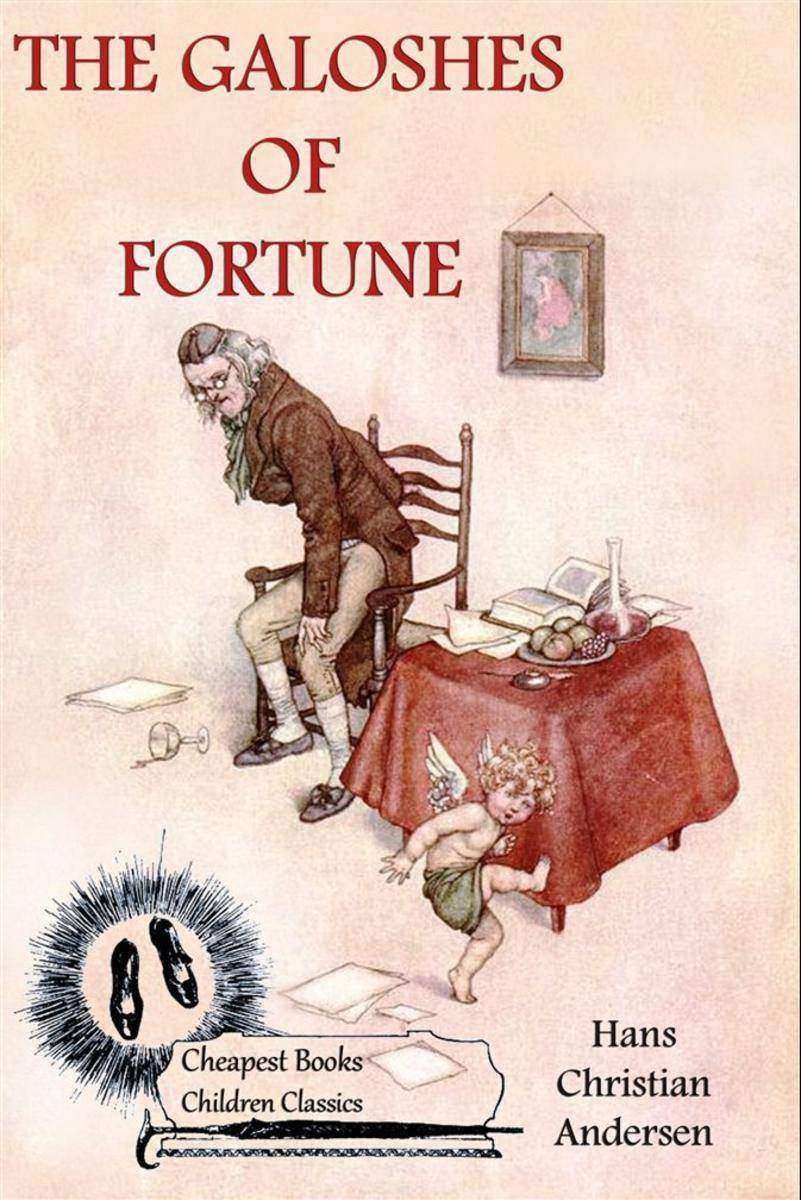
I t was in Copenhagen, in one of the houses on East Street, not far from King's Newmarket, that someone was giving a large party. For one must give a party once in a while, if one expects to be invited in return. Half of the guests were already at the card tables, and the rest were waiting to see what would come of their hostess's query: "What can we think up now?" Up to this point, their conversation had gotten along as best it might. Among other things, they had spoken of the Middle Ages. Some held that it was a time far better than our own. Indeed Councilor of Justice Knap defended this opinion with such spirit that his hostess sided with him at once, and both of them loudly took exception to Oersted's article in the Almanac, which contrasted old times and new, and which favored our own period. The Councilor of Justice, however, held that the time of King Hans, about 1500 A.D., was the noblest and happiest age. While the conversation ran pro and con, interrupted only for a moment by the arrival of a newspaper, in which there was nothing worth reading, let us adjourn to the cloak room, where all the wraps, canes, umbrellas, and galoshes were collected together. Here sat two maids, a young one and an old one. You might have thought they had come in attendance upon some spinster or widow, and were waiting to see their mistress home. However, a closer inspection would reveal that these were no ordinary serving women. Their hands were too well kept for that, their bearing and movements too graceful, and their clothes had a certain daring cut. They were two fairies. The younger one, though not Dame Fortune herself, was an assistant to one of her ladies in waiting, and was used to deliver the more trifling gifts of Fortune. The older one looked quite grave. She was Dame Care, who always goes in her own sublime person to see to her errands herself, for then she knows that they are well done. They were telling each other about where they had been that day. The assistant of Fortune had only attended to a few minor affairs, she said, such as saving a new bonnet from the rain, getting a civil greeting for an honest man from an exalted nincompoop, and such like matters. But her remaining errand was an extraordinary one.
The Babes in the Wood: Illustrated
¥9.24
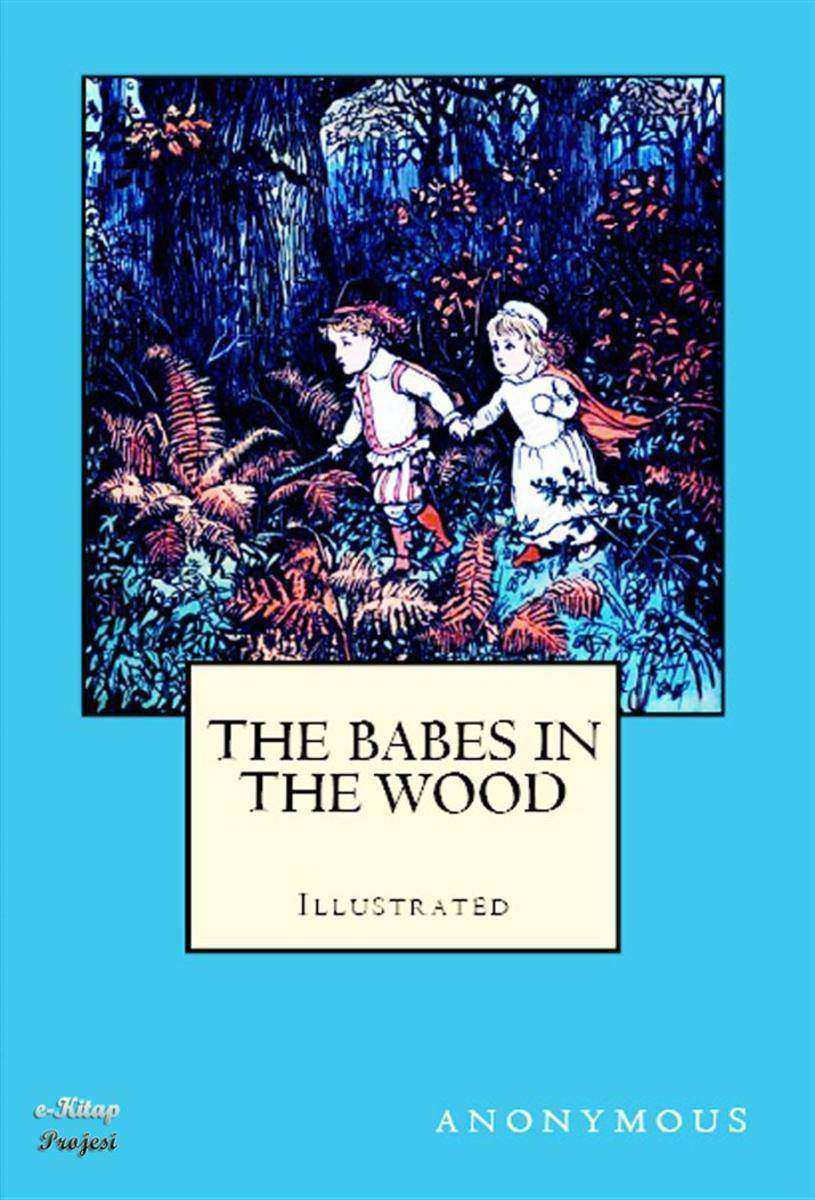
Now ponder well, you parents deare,?These wordes which I shall write;?A doleful story you shall heare,?In time brought forth to light.??A gentleman of good account?In Norfolke dwelt of late.?Who did in honour far surmount?Most men of his estate.??Sore sicke he was, and like to dye,?No helpe his life could save;?His wife by him as sicke did lye,?And both possest one grave.??No love between these two was lost,?Each was to other kinde;?In love they liv'd, in love they dyed,?And left two babes behinde:??The one a fine and pretty boy,?Not passing three yeares olde;?The other a girl more young than he?And fram'd in beautye's molde. Randolph Caldecott (1846 – 1886) was an English artist and illustrator, born in Chester. The Caldecott Medal was named in his honour. He exercised his art chiefly in book illustrations. His abilities as an artist were promptly and generously recognised by the Royal Academy. Caldecott gre-atly influenced illustration of children's books during the nineteenth century. Two books illustrated by him, priced at a shilling each, were published every Christmas for eight years. Caldecott also illustrated novels and accounts of foreign travel, made humorous drawings depicting hunting and fashionable life, drew cartoons and he made sketches of the Houses of Parliament inside and out, and exhibited sculptures and paintings in oil and watercolour in the Royal Academy and galleries. After six years at Whitchurch, Caldecott moved to the head office in Manchester of the Manchester & Salford Bank. He lodged variously in Aberdeen Street, Rusholme Grove and at Bowdon. He took the opportunity to study at night school at the Manchester School of Art and practised continually, with success in local papers and some London publications. It was a habit of his at this time, which he maintained all his life, to decorate his letters, papers and documents of all descriptions with marginal sketches to illustrate the content or provide amusement. A number of his letters have been reprinted with their illustrations in Yours Pictorially, a book edited by Michael Hutchings. In 1870, a painter friend in London, Thomas Armstrong, put Caldecott in touch with Henry Blackburn, the editor of London Society, who published a number of his drawings in several issues of the monthly magazine. Encouraged by this evidence of his ability to support him-self by his art, Caldecott decided to quit his job and move to London; this he did in 1872 at the age of 26. Within two years he had become a successful magazine illustrator working on commission. His work included individual sketches, illustrations of other articles and a series of illustrations of a holiday which he and Henry Blackburn took in the Harz Mountains in Germany. The latter became the first of a number of such series.

Cinderilla: "Or, the Little Glass Slipper"
¥9.24
Cinderella, or "The Little Glass Slipper", is a folk tale embodying a myth-element of unjust oppression/triumphant reward. Thousands of variants are known throughout the world. The title character is a young woman living in unfortunate circumstances, that are suddenly changed to remarkable fortune. The oldest documented version comes from China, and the oldest European version from Italy. The most popular version was first published by Charles Perrault in Histoires ou contes du temps passé in 1697, and later by the Brothers Grimm in their folk tale collection Grimms' Fairy Tales. Although the story's title and main character's name change in different languages, in English-language folklore "Cinderella" is the archetypal name. The word "Cinderella" has, by analogy, come to mean one whose attributes were unrecognized, or one who unexpectedly achieves recognition or success after a period of obscurity and neglect. The still-popular story of "Cinderella" continues to influence popular culture internationally, lending plot elements, allusions, and tropes to a wide variety of media. ONCE there was a gentleman who married, for his second wife, the proudest and most haughty woman that was ever seen. She had, by a former husband, two daughters of her own humour and they were indeed exactly like her in all things. He had likewise, by another wife, a young daughter, but of unparalleled goodness and sweetness of temper, which she took from her mother, who was the best creature in the world. No sooner were the ceremonies of the wedding over, but the stepmother began to shew herself in her colours. She could not bear the good qualities of this pretty girl; and the less, because they made her own daughters appear the more odious. She employed her in the meanest work of the house; she scoured the dishes, tables, &c. and rubbed Madam's chamber, and those of Misses, her daughters; she lay up in a sorry garret, upon a wretched straw-bed, while her sisters lay in fine rooms, with floors all inlaid, upon beds of the very newest fashion, and where they had looking-glasses so large, that they might see themselves at their full length, from head to foot.
Euthyphro
¥9.24
On the Origin of Species, published on 24 November 1859, is a work of scientific literature by Charles Darwin which is considered to be the foundation of evolutionary biology. Its full title was On the Origin of Species by Means of Natural Selection, or the Preservation of Favoured Races in the Struggle for Life. For the sixth edition of 1872, the short title was changed to The Origin of Species. Darwin's book introduced the scientific theory that populations evolve over the course of generations through a process of natural selection. It presented a body of evidence that the diversity of life arose by common descent through a branching pattern of evolution. Darwin included evidence that he had gathered on the Beagle expedition in the 1830s and his subsequent findings from research, correspondence, and experimentation. Various evolutionary ideas had already been proposed to explain new findings in biology. There was growing support for such ideas among dissident anatomists and the general public, but during the first half of the 19th century the English scientific establishment was closely tied to the Church of England, while science was part of natural theology. Ideas about the transmutation of species were controversial as they conflicted with the beliefs that species were unchanging parts of a designed hierarchy and that humans were unique, unrelated to other animals. The political and theological implications were intensely debated, but transmutation was not accepted by the scientific mainstream. The book was written for non-specialist readers and attracted widespread interest upon its publication. As Darwin was an eminent scientist, his findings were taken seriously and the evidence he presented generated scientific, philosophical, and religious discussion. The debate over the book contributed to the campaign by T. H. Huxley and his fellow members of the X Club to secularise science by promoting scientific naturalism. Within two decades there was widespread scientific agreement that evolution, with a branching pattern of common descent, had occurred, but scientists were slow to give natural selection the significance that Darwin thought appropriate. During the "eclipse of Darwinism" from the 1880s to the 1930s, various other mechanisms of evolution were given more credit. With the development of the modern evolutionary synthesis in the 1930s and 1940s, Darwin's concept of evolutionary adaptation through natural selection became central to modern evolutionary theory, and it has now become the unifying concept of the life sciences. Summary of Darwin's theory: Darwin's theory of evolution is based on key facts and the inferences drawn from them, which biologist Ernst Mayr summarised as follows: ? Every species is fertile enough that if all offspring survived to reproduce the population would grow (fact).? Despite periodic fluctuations, populations remain roughly the same size (fact).? Resources such as food are limited and are relatively stable over time (fact).? A struggle for survival ensues (inference).? Individuals in a population vary significantly from one another (fact).? Much of this variation is inheritable (fact).? Individuals less suited to the environment are less likely to survive and less likely to reproduce; individuals more suited to the environment are more likely to survive and more likely to reproduce and leave their inheritable traits to future generations, which produces the process of natural selection (inference).? This slowly effected process results in populations changing to adapt to their environments, and ultimately, these variations accumulate over time to form new species (inference).
Lords of the Stratosphere
¥9.24
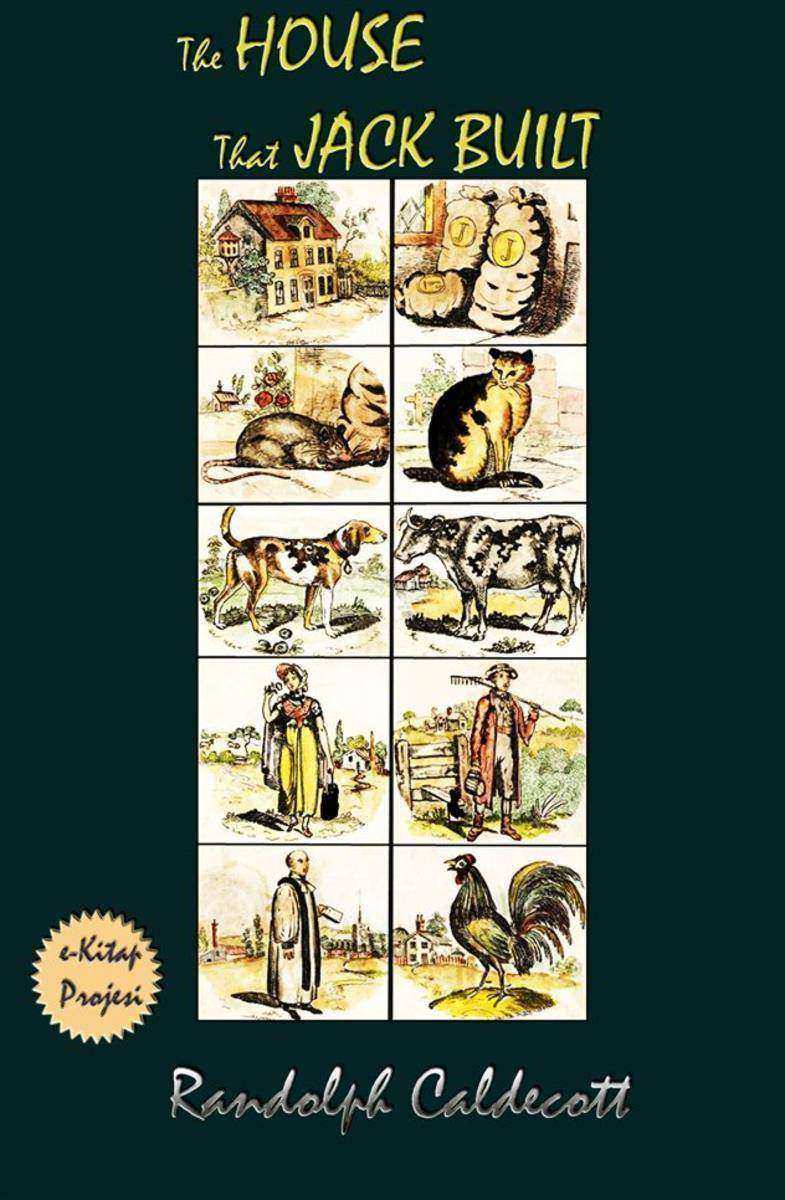
It is a cumulative tale that does not tell the story of Jack's house, or even of Jack who built the house, but instead shows how the house is indirectly linked to other things and people, and through this method tells the story of "The man all tattered and torn", and the "Maiden all forlorn", as well as other smaller events, showing how these are interlinked. Origins: It has been argued that the rhyme is derived from an Aramaic hymn Chad Gadya (lit., "One Young Goat") in Sepher Haggadah, first printed in 1590; but although this is an early cumulative tale that may have inspired the form, the lyrics bear little relationship. It was suggested by James Orchard Halliwell that the reference to the "priest all shaven and shorn" indicates that the English version is probably very old, presumably as far back as the mid-sixteenth century. There is a possible reference to the song in The Boston New Letter of 12 April 1739 and the line: "This is the man all forlorn, &c". However, it did not appear in print until it was included in Nurse Truelove's New-Year's-Gift, or the Book of Books for Children, printed in London in 1755. It was printed in numerous collections in the late eighteenth and early nineteenth centuries. Randolph Caldecott produced an illustrated version in 1878. Cherrington Manor, a handsome timber-framed house in North East Shropshire, England, is reputed to be the actual house that Jack built. There is a former malt house in the grounds. Syntactic structure: Each sentence in the story is an example of an increasingly deeply nested relative clause. The last version, "This is the horse...", would be quite difficult to untangle if the previous ones were not present. See the Noun Phrase for more details about postmodification of the noun phrase in this manner. References in popular culture: The rhyme continues to be a popular choice for illustrated children's books, with recent examples by Simms Taback and Quentin Blake showing how illustrators can introduce a fresh angle and humour into a familiar tale. The popularity of the rhyme can be seen in its use in a variety of other cultural contexts..
The House That Jack Built: "Illustrated"
¥9.24
Books of instruction in the practice of painting have rarely been successful. Chiefly because they have been too narrow in their point of view, and have dealt more with recipes than with principles. It is not possible to give any one manner of painting that shall be right for all men and all subjects. To say "do thus and so" will not teach any one to paint. But there are certain principles which underlie all painting, and all schools of painting; and to state clearly the most important of these will surely be helpful, and may accomplish something. It is the purpose of this book to deal practically with the problems which are the study of the painter, and to make clear, as far as may be, the principles which are involved in them. I believe that this is the only way in which written instruc-tion on painting can be of any use. It is impossible to understand principles without some statement of theory; and a book in order to be practical must therefore be to some extent theoretical. I have been as concise and brief in the theoretical parts as clearness would permit of, and I trust they are not out of proportion to the practical parts. Either to paint well, or to judge well of a painting, requires an understanding of the same things: namely, the theoretical standpoint of the painter; the technical problems of color, composition, etc.; and the practical means, processes, and materials through which and with which these are worked out. It is obvious that one cannot become a good painter without the ability to know what is good painting, and to prefer it to bad painting. Therefore, I have taken space to cover, in some sort, the whole ground, as the best way to help the student towards becoming a good painter. If, also, the student of pictures should find in this book what will help him to appreciate more truly and more critically, I shall be gratified. There is a false implication in the saying that "a poor workman blames his tools." It is not true that a good workman can do good work with bad tools. On the contrary, the good workman sees to it that he has good tools, and makes it a part of his good workmanship that they are in good condition. In painting there is nothing that will cause you more trouble than bad materi-als. You can get along with few materials, but you cannot get along with bad ones. That is not the place to economize. To do good work is difficult at best. Econo-mize where it will not be a hindrance to you. Your tools can make your work harder or easier according to your selection of them. The relative cost of good and bad materials is of slight importance compared with the relative effect on your work.The way to economize is not to get anything which you do not need. Save on the non-essentials, and get as good a quality as you can of the essentials. Save on the number of things you get, not on the quantity you use. You must feel free in your use of material. There is nothing which hampers you more than parsimony in the use of things needful to your painting. If it is worth your while to paint at all, it is worth your while to be generous enough with yourself to insure ordinary freedom of use of material.The essentials of painting are few, but these cannot be dispensed with. Put it out of your mind that any one of these five things can be got along without:—You must have something to paint on, canvas or panel. Have plenty of these.
The Mysterious Affair at Styles
¥9.24
"The Mysterious Affair at Styles" is a detective novel by Agatha Christie. It was written in the middle of the First World War, in 1916, and first published by John Lane in the United States in October 1920 and in the United Kingdom by The Bodley Head (John Lane's UK company) on 21 January 1921. The US edition retailed at $2.00 and the UK edition at seven shillings and sixpence (7/6).Styles was Christie's first published novel. It introduced Hercule Poirot, Inspector (later, Chief Inspector) Japp, and Arthur Hastings. Poirot, a Belgian refugee of the Great War, is settling in England near the home of Emily Inglethorp, who helped him to his new life. His friend Hastings arrives as a guest at her home. When the woman is killed, Poirot uses his detective skills to solve the mystery. This is also the setting of "Curtain", Poirot's last case.The book includes maps of the house, the murder scene, and a drawing of a fragment of a will. The true first publication of the novel was as a weekly serial in the "The Times", including the maps of the house and other illustrations included in the book. This novel was one of the first ten books published by Penguin Books when it began in 1935.
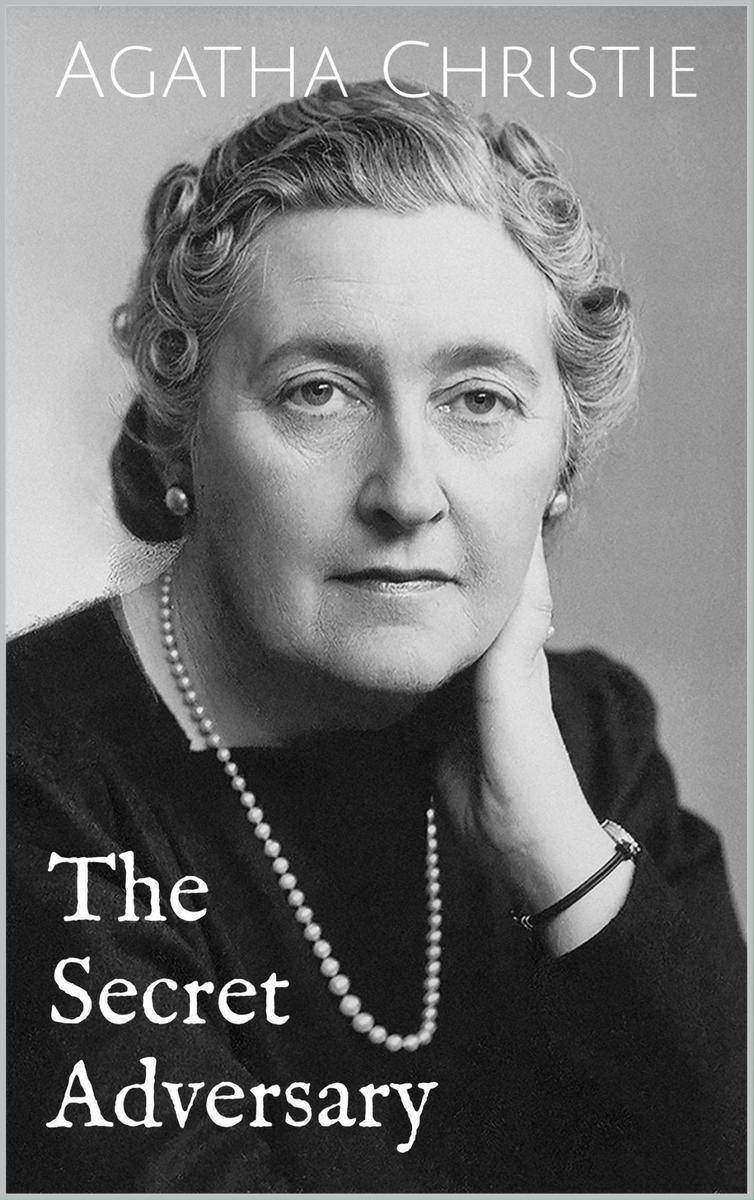
The Secret Adversary
¥9.24
"The Secret Adversary" is the second published detective fiction novel by Agatha Christie, first published in January 1922 in the United Kingdom by The Bodley Head and in the United States by Dodd, Mead and Company later in that same year. The UK edition retailed at seven shillings and sixpence (7/6) and the US edition at $1.75.The book introduces the characters of Tommy and Tuppence who feature in three other Christie novels and one collection of short stories; the five Tommy and Tuppence books span Agatha Christie's writing career. The Great War is over, and jobs are scarce. Tommy Beresford and Prudence "Tuppence" Cowley meet and agree to start their own business as The Young Adventurers. They are hired for a job that leads them both to many dangerous situations, meeting allies as well, including an American millionaire in search of his cousin.

Na??llar Alemi: Yoxsul ??h?r
¥9.24
Biri var idi, biri yox idi. Bir yoxsul ?eher var idi. Bu ?eherin insanlari ?ox mehriban v? k?m?ksever idil?r. Amma pad?ah ??h?rd?ki insanlarin bütün var-d?vl?tl?rini ?l? kecirmi?di .Bu k?ndd? bir sirrli ma?ara var idi.?fsan?l?r? g?r? bu ma?ara 3 qarda? div t?r?find?n qorunurdu. Ora getmeye he? k?sin hün?ri ?atmirdi.Bir gün ??h?r ?halisinin yarisi s?zü bir yere qoydular ki,bu ma?araya gedey. Onlar yaraqlanin-yasaqlanib yola dü?dül?r. N?hay?t ma?araya g?lib ?atdilar. Ma?aranin sahibi 3 divin burada olmad???n? g?r?n ??h?rlil?r ma?araya girdil?r. Ancaq bunlardan biri ma?araya girm?yib da??n arxas?nda gizl?ndi. ??h?rlil?r ala bil?c?kl?ri q?d?r q?z?l g?türüb ma?aradan ?ixmaq ist?y?nd? divl?r g?ldi. Ma?aran?n ??x???n? b?yük da?la ba?ladilar v? ??h?rlil?r i??rid? qald?. Da??n arxas?nda gizl?n?n ??h?rli divl?r? g?rünm?d?n buradan getdi. O tez g?lib ??h?rin dig?r yar?s?na ?hvalat? na??l etdi. ??h?rlil?r silahlan?b ma?araya getdil?r ve 3 divl? mübariz? apard?lar. ?

Pufi. Pisicu?a r?t?cit? ?n z?pad?
¥9.24
Ce ar fi dac? to?i cei patru pre?edin?i americani asasina?i de-a lungul timpului ar fi fost uci?i din acela?i motiv ?ocant: o clauz? din Constitu?ia Statelor Unite? C?nd pre?edintele Danny Daniels este ?inta unui atentat ?n inima Manhattan-ului, Cotton Malone, fost agent secret al Departamentului de Justi?ie, ??i risc? via?a pentru a-l salva ?i intr? astfel ?n conflict cu Commonwealth, o organiza?ie secret? ?nfiin?at? ?n vremea Revolu?iei Americane. Malone ?i Cassiopeia Vitt str?bat ?ara ?n lung ?i ?n lat ca s? sparg? cifrul secret al lui Thomas Jefferson, s? dezlege puzzle-ul lui Andrew Jackson ?i s? dezgroape un document semnat de ?n?i?i P?rin?ii Fondatori ai na?iei ?i suficient de puternic pentru a face din Commonwealth o for?? de neoprit. ?O intrig? ingenioas?, plin? de r?sturn?ri de situa?ie ?i scene de ac?iune, pe un fundal istoric care st?rne?te imagina?ia cititorilor.“ – Publishers Weekly ?Constitu?ia american?, coduri secrete, istorie c?t cuprinde ?i, ?n plus, pira?i! Ce altceva ?i-ai mai putea dori? Codul Jefferson te va b?ntui nu numai c?teva nop?i, ci toat? via?a. Cotton Malone se ?ntoarce ?n cel mai ?nfrico??tor loc de pe p?m?nt: acas?.“ – Brad Meltzer
![Peter Pan: [Peter & Wendy]](https://platform-permanent.ddimg.cn/pt-media-info-soa-resource/digital/product/79/89/1901167989_ii_cover.jpg?version=7f9a87f9-aff2-4171-a843-94f15661aa0c)
Peter Pan: [Peter & Wendy]
¥9.24
THE WORLD SET FREE was written in 1913 and published early in 1914, and it is the latest of a series of three fantasias of possibility, stories which all turn on the possible developments in the future of some contemporary force or group of forces. The World Set Free was written under the immediate shadow of the Great War. Every intelligent person in the world felt that disaster was impending and knew no way of averting it, but few of us realised in the earlier half of 1914 how near the crash was to us. The reader will be amused to find that here it is put off until the year 1956. He may naturally want to know the reason for what will seem now a quite extraordinary delay. As a prophet, the author must confess he has always been inclined to be rather a slow prophet. The war aeroplane in the world of reality, for example, beat the forecast in Anticipations by about twenty years or so. I suppose a desire not to shock the sceptical reader's sense of use and wont and perhaps a less creditable disposition to hedge, have something to do with this dating forward of one's main events, but in the particular case of The World Set Free there was, I think, another motive in holding the Great War back, and that was to allow the chemist to get well forward with his discovery of the release of atomic energy. 1956—or for that matter 2056—may be none too late for that crowning revolution in human potentialities. And apart from this procrastination of over forty years, the guess at the opening phase of the war was fairly lucky; the forecast of an alliance of the Central Empires, the opening campaign through the Netherlands, and the despatch of the British Expeditionary Force were all justified before the book had been published six months. And the opening section of Chapter the Second remains now, after the reality has happened, a fairly adequate diagnosis of the essentials of the matter. One happy hit (in Chapter the Second, Section 2), on which the writer may congratulate himself, is the forecast that under modern conditions it would be quite impossible for any great general to emerge to supremacy and concentrate the enthusiasm of the armies of either side. There could be no Alexanders or Napoleons. And we soon heard the scientific corps muttering, 'These old fools,' exactly as it is here foretold. These, however, are small details, and the misses in the story far outnumber the hits. It is the main thesis which is still of interest now; the thesis that because of the development of scientific knowledge, separate sovereign states and separate sovereign empires are no longer possible in the world, that to attempt to keep on with the old system is to heap disaster upon disaster for mankind and perhaps to destroy our race altogether. The remaining interest of this book now is the sustained validity of this thesis and the discussion of the possible ending of war on the earth.
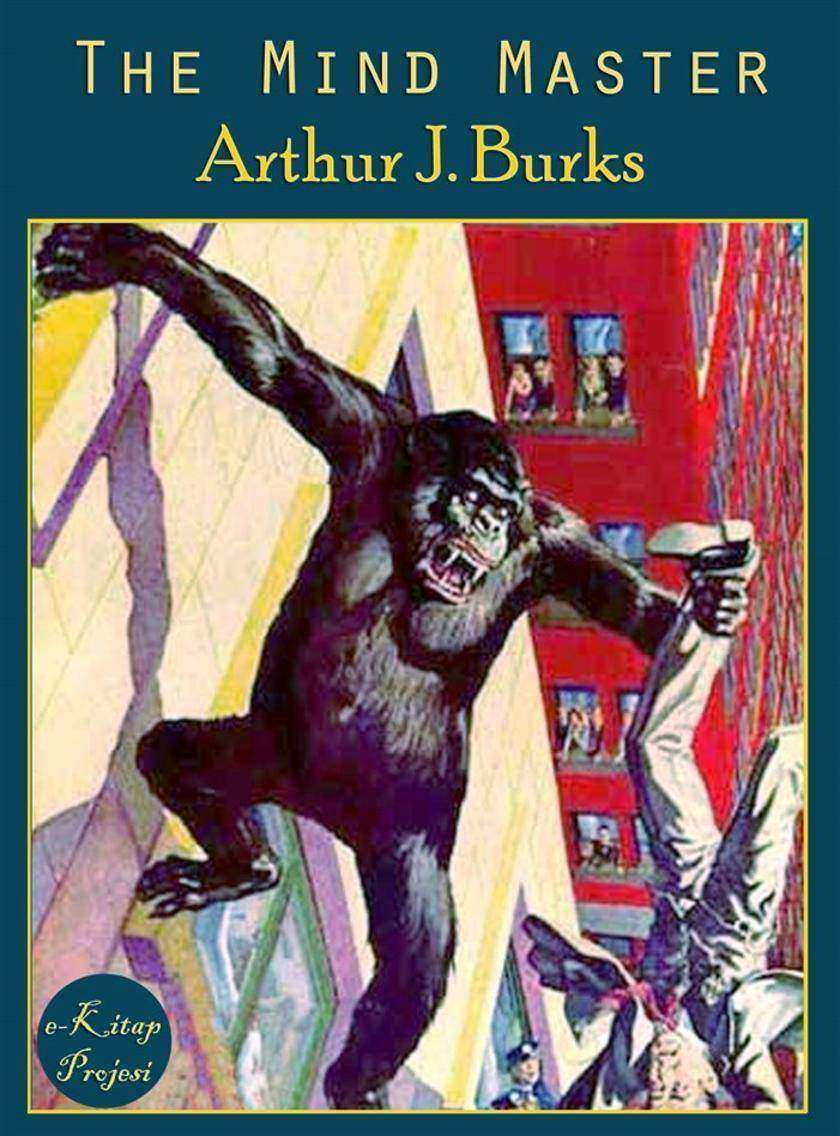
The Mind Master
¥9.24
To Rosamund, chief among those for whom these tales are told, The Book of Dragons is dedicated in the confident hope that she, one of these days, will dedicate a book of her very own making to the one who now bids eight dreadful dragons crouch in all humbleness at those little brown feet. ? To Rosamund, chief among those for whom these tales are told, The Book of Dragons is dedicated in the confident hope that she, one of these days, will dedicate a book of her very own making to the one who now bids eight dreadful dragons crouch in all humbleness at those little brown feet. The Book of Beasts: He happened to be building a Palace when the news came, and he left all the bricks kicking about the floor for Nurse to clear up—but then the news was rather remarkable news. You see, there was a knock at the front door and voices talking downstairs, and Lionel thought it was the man come to see about the gas, which had not been allowed to be lighted since the day when Lionel made a swing by tying his skipping rope to the gas bracket. And then, quite suddenly, Nurse came in and said, "Master Lionel, dear, they've come to fetch you to go and be King." Then she made haste to change his smock and to wash his face and hands and brush his hair, and all the time she was doing it Lionel kept wriggling and fidgeting and saying, "Oh, don't, Nurse," and, "I'm sure my ears are quite clean," or, "Never mind my hair, it's all right," and, "That'll do." "You're going on as if you was going to be an eel instead of a King," said Nurse. The minute Nurse let go for a moment Lionel bolted off without waiting for his clean handkerchief, and in the drawing room there were two very grave-looking gentlemen in red robes with fur, and gold coronets with velvet sticking up out of the middle like the cream in the very expensive jam tarts. They bowed low to Lionel, and the gravest one said: "Sire, your great-great-great-great-great-grandfather, the King of this country, is dead, and now you have got to come and be King." "Yes, please, sir," said Lionel, "when does it begin?" "You will be crowned this afternoon," said the grave gentleman who was not quite so grave-looking as the other. "Would you like me to bring Nurse, or what time would you like me to be fetched, and hadn't I better put on my velvet suit with the lace collar?" said Lionel, who had often been out to tea. "Your Nurse will be removed to the Palace later. No, never mind about changing your suit; the Royal robes will cover all that up." The grave gentlemen led the way to a coach with eight white horses, which was drawn up in front of the house where Lionel lived. It was No. 7, on the left-hand side of the street as you go up. Lionel ran upstairs at the last minute, and he kissed Nurse and said: "Thank you for washing me. I wish I'd let you do the other ear. No—there's no time now. Give me the hanky. Good-bye, Nurse."
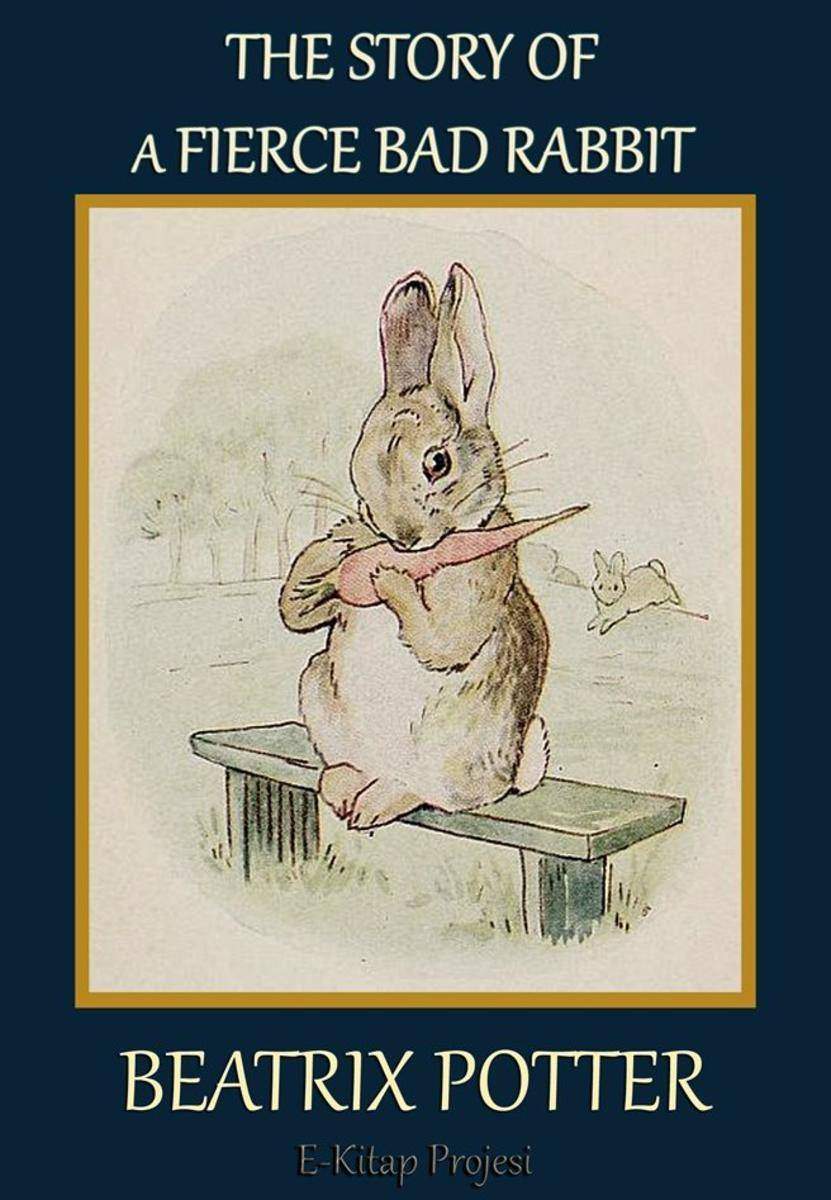
The Story of a Fierce Bad Rabbit
¥9.24
There is a woman in the state of Nevada to whom I once lied continuously, consistently, and shamelessly, for the matter of a couple of hours. I don't want to apologize to her. Far be it from me. But I do want to explain. Unfortunately, I do not know her name, much less her present address. If her eyes should chance upon these lines, I hope she will write to me.It was in Reno, Nevada, in the summer of 1892. Also, it was fair-time, and the town was filled with petty crooks and tin-horns, to say nothing of a vast and hungry horde of hoboes. It was the hungry hoboes that made the town a "hungry" town. They "battered" the back doors of the homes of the citizens until the back doors became unresponsive.A hard town for "scoffings," was what the hoboes called it at that time. I know that I missed many a meal, in spite of the fact that I could "throw my feet" with the next one when it came to "slamming a gate for a "poke-out" or a "set-down," "or hitting for a light piece" on the street. Why, I was so hard put in that town, one day, that I gave the porter the slip and invaded the private car of some itinerant millionnaire. The train started as I made the platform, and I headed for the aforesaid millionnaire with the porter one jump behind and reaching for me. It was a dead heat, for I reached the millionnaire at the same instant that the porter reached me. I had no time for formalities. "Gimme a quarter to eat on," I blurted out. And as I live, that millionnaire dipped into his pocket and gave me ... just ... precisely ... a quarter. It is my conviction that he was so flabbergasted that he obeyed automatically, and it has been a matter of keen regret ever since, on my part, that I didn't ask him for a dollar. I know that I'd have got it. I swung off the platform of that private car with the porter manoeuvering to kick me in the face. He missed me. One is at a terrible disadvantage when trying to swing off the lowest step of a car and not break his neck on the right of way, with, at the same time, an irate Ethiopian on the platform above trying to land him in the face with a number eleven. But I got the quarter! I got it!But to return to the woman to whom I so shamelessly lied. It was in the evening of my last day in Reno. I had been out to the race-track watching the ponies run, and had missed my dinner (i.e. the midday meal). I was hungry, and, furthermore, a committee of public safety had just been organized to rid the town of just such hungry mortals as I. Already a lot of my brother hoboes had been gathered in by John Law, and I could hear the sunny valleys of California calling to me over the cold crests of the Sierras. Two acts remained for me to perform before I shook the dust of Reno from my feet. One was to catch the blind baggage on the westbound overland that night. The other was first to get something to eat. Even youth will hesitate at an all-night ride, on an empty stomach, outside a train that is tearing the atmosphere through the snow-sheds, tunnels, and eternal snows of heaven-aspiring mountains.But that something to eat was a hard proposition. I was "turned down" at a dozen houses. Sometimes I received insulting remarks and was informed of the barred domicile that should be mine if I had my just deserts. The worst of it was that such assertions were only too true. That was why I was pulling west that night. John Law was abroad in the town, seeking eagerly for the hungry and homeless, for by such was his barred domicile tenanted.At other houses the doors were slammed in my face, cutting short my politely and humbly couched request for something to eat. At one house they did not open the door. I stood on the porch and knocked, and they looked out at me through the window. They even held one sturdy little boy aloft so that he could see over the shoulders of his elders the tramp who wasn't going to get anything to eat at their house.
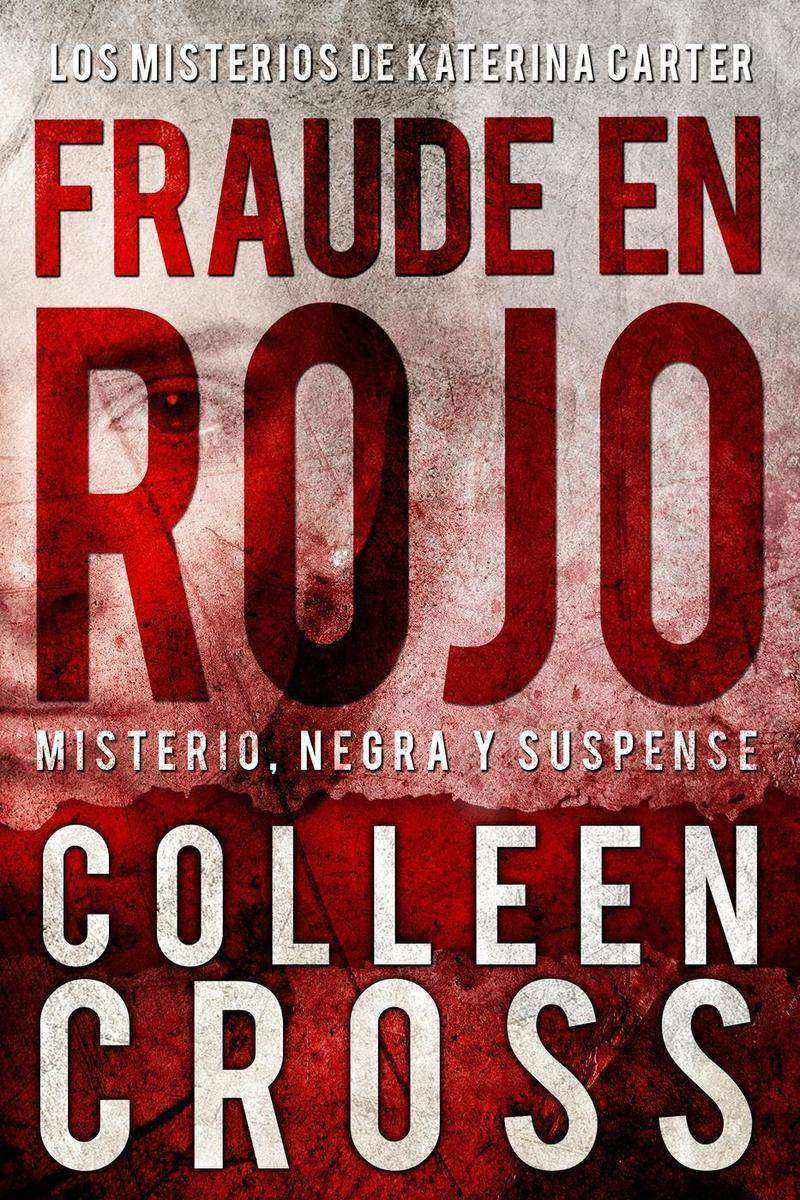
Fraude en rojo: Los misterios de Katerina Carter: Misterio Negra y Suspense
¥9.24
Fraude en rojo - relatoCuando la auditora contable e investigadora de fraudes Katerina Carter y novio periodista Jace Burton aceptan una invitación extemporánea a una fiesta, el crimen es la última cosa que pasa por sus mentes. Pronto, una inversión exitosa en vino dejará un regusto amargo en la boca de Kat, al tiempo que se verá enfrentada a una estafa de un millón de dólares en vinos. ¡Y todo esto antes de la cena!Sobre la autoraColleen Cross es la autora de los la serie de misterio Katerina Carter Fraude y de su homóloga Katerina Carter Color of Money. Sus dos populares series de misterio giran en torno al mismo personaje. Katerina Carter es contable forense e investigadora de fraudes, con un buen conocimiento de las calles. Siempre hace lo correcto, aunque sus métodos poco ortodoxos con frecuencia ponen los pelos de punta y el corazón en la garganta.Colleen también es contable forense e investigadora de fraudes, así como autora de libros sobre crímenes reales. En Anatomy of a Ponzi: Scams Past and Present desenmascara a los mayores perpetradores de la estafa Ponzi de la historia y explica cómo consiguieron llevar a cabo sus crímenes sin ser condenados. Colleen predice el lugar y el momento exactos en el que se descubrirá el mayor fraude de Ponzi de la historia, y nos da las pistas necesarias para estar sobreaviso.Enlaces de Colleen en las redes sociales:Facebook: www.facebook.com/colleenxcrossTwitter: @colleenxcrosso también en GoodreadsPara conocer las novedades literarias de Colleen, por favor visita su sitio web: http://www.colleencross.com.¡Inscríbete su boletín para estar al tanto de sus nuevos lanzamientos!

Mr. Icky
¥9.24
The SCENE is the Exterior of a Cottage in West Issacshire on a desperately Arcadian afternoon in August. MR. ICKY, quaintly dressed in the costume of an Elizabethan peasant, is pottering and doddering among the pots and dods. He is an old man, well past the prime of life, no longer young, From the fact that there is a burr in his speech and that he has absent-mindedly put on his coat wrongside out, we surmise that he is either above or below the ordinary superficialities of life. Near him on the grass lies PETER, a little boy. PETER, of course, has his chin on his palm like the pictures of the young Sir Walter Raleigh. He has a complete set of features, including serious, sombre, even funereal, gray eyes—and radiates that alluring air of never having eaten food. This air can best be radiated during the afterglow of a beef dinner. Be is looking at MR. ICKY, fascinated. SILENCE… . The song of BIRDS.. .

Ge?mi?ten Gelece?e Emirda?
¥9.24
Foto?raf makinesi, insan o?lunun en ?nemli icatlar?ndan biridir. Bir foto?raf, ‘’an’’ denilen k?sac?k bir zaman?n tan???d?r. Ancak onda bir tarihi yakalamak da mümkündür. Bu bak?mdan foto?raf? sadece g?rsel bir obje olarak g?rmemek gerekir. Bakmas?n? bilenler i?in foto?raf; tarih, sosyoloji, psikoloji, kültürel yap?, sosyal de?i?im… konular?n ?nemli ip u?lar? i?erir. Foto?raf; g?rüp g?sterme, ger?e?i g?rünür k?lma, ger?e?i kavratmad?r. Her foto?raf?n bir dili vard?r. O dili anlayabilenler, nice güzellikleri ke?federler. Foto?rafta sadece g?rüneni de?il, g?sterilmek isteneni de bilmek ve alg?lamak gerekir. Her foto?raf bir ‘’an’’? yakalasa da onun i?inde sakl? bir hik?ye bulunur. Foto?raf, g?rselli?iyle beraber; topluma, zamana, mekana ve bireylere ili?kin bilgi ve belgelerle doludur. Foto?raf bireylerin ve toplumun aynas?d?r. Bu albüm-kitapta siz kendinizi bulacaks?n?z. Mahalleniz, k?yünüz, hat?ralar?n?z, akraba ve dostlar?n?z burada, sizin kar??n?zda olacakt?r. Sizleri ‘’Ge?mi?ten Gelece?e Emirda? ‘’ gezintisine ??kar?yoruz. Bu albüm-kitap Emirda?’?n tarihi süre? i?inde ge?ti?i a?amalar? da yans?tarak, gelece?imize ???k tutacakt?r. Emirda?’?n sosyal de?i?imini kitapta g?rmek mümkündür Foto?raflar grupla?t?r?larak okuyucuya kolayl?k sa?lanm??t?r. Genel, askerlik, ?ar??-pazar, bayramlar, spor, e?itim, tar?m-hayvanc?l?k, otobüs?ülük, aile, k?yler, ?ehreler, g??, yayla, bina-yap?lar, milli mücadele ve yat?rlara ait foto?raflar bir araya toplanm??t?r. “Ge?mi?ten Gelece?e Emirda?”?n olu?mas?nda eme?i ge?en, katk? sa?layan tüm Emirda?’l?lara te?ekkür ederim.. ? Ak?n A?CA Emirda? Kaymakam?
May Day
¥9.24
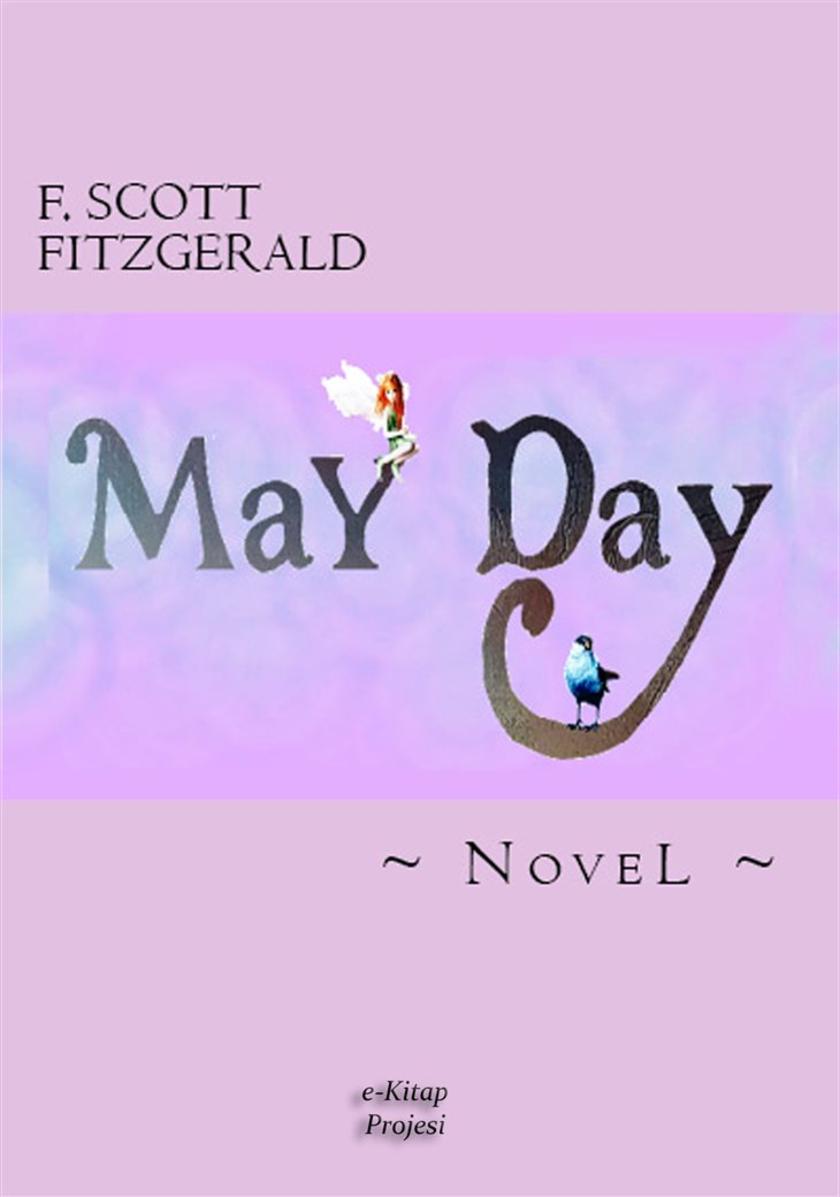
At nine o'clock on the morning of the first of May, 1919, a young man spoke to the room clerk at the Bilt-more Hotel, asking if Mr. Philip Dean were registered there, and if so, could he be connected with Mr. Dean's rooms. The inquirer was dressed in a well-cut, shabby suit. He was small, slender, and darkly handsome; his eyes were framed above with unusually long eyelashes and below with the blue semicircle of ill health, this latter effect heightened by an unnatural glow which colored his face like a low, incessant fever. Mr. Dean was staying there. The young man was directed to a telephone at the side. After a second his connection was made; a sleepy voice hello'd from somewhere above.
Collected Works: Complete and Illustrated Editions: Uncle Tom's Cabin
¥9.24
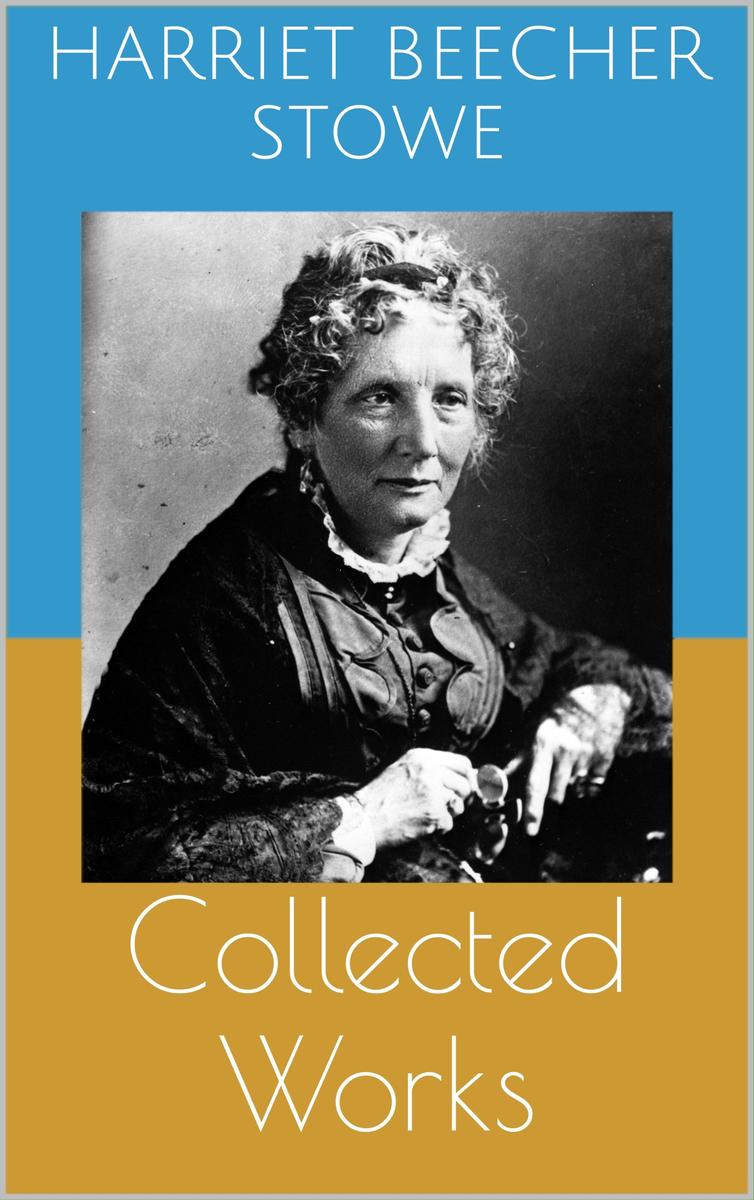
This carefully crafted ebook is formatted with a functional and detailed table of contents.Harriet Elisabeth Beecher Stowe (June 14, 1811 – July 1, 1896) was an American abolitionist and author. Her novel "Uncle Tom's Cabin" (1852) was a depiction of life for African Americans under slavery; it reached millions as a novel and play, and became influential in the United States and United Kingdom. It energized anti-slavery forces in the American North, while provoking widespread anger in the South. She wrote more than 20 books, including novels, three travel memoirs, and collections of articles and letters. She was influential for both her writings and her public stands on social issues of the day.This collection contains the following works:- Uncle Tom's Cabin- Uncle Tom's Cabin. Young Folks' Edition- Queer Little Folks- The Chimney-Corner- The First Christmas of New England- The Ghost in the Cap'n Brown House- The Minister's Wooing- The Tea Rose- Poetry: The Other World / The Twelve Months: A New Year's Dream / Lines... / Knocking / The Crocus / Consolation / Mary at the Cross / The Old Psalm Tune- Letters: Letter to her friend, Georgiana May / Letters to her husband, Calvin / Letter to congressman Horace Mann / Letter to William Lloyd Garrison
Collected Works: Complete Editions: Sense and Sensibility, Pride and Prejudice
¥9.24
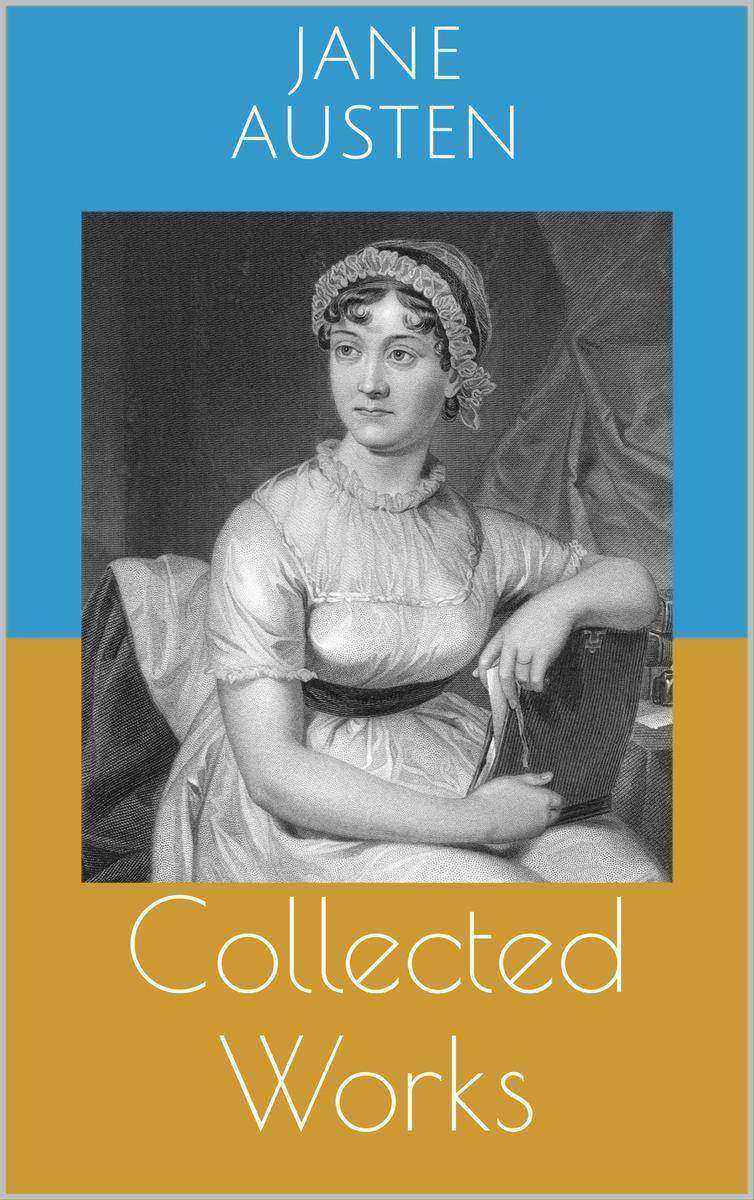
This carefully crafted ebook is formatted with a functional and detailed table of contents.Jane Austen (16 December 1775 – 18 July 1817) was an English novelist whose works of romantic fiction, set among the landed gentry, earned her a place as one of the most widely read writers in English literature. Her realism, biting irony and social commentary as well as her acclaimed plots have gained her historical importance among scholars and critics. Austen lived her entire life as part of a close-knit family located on the lower fringes of the English landed gentry. She was educated primarily by her father and older brothers as well as through her own reading. The steadfast support of her family was critical to her development as a professional writer. From her teenage years into her thirties she experimented with various literary forms, including an epistolary novel which she then abandoned, wrote and extensively revised three major novels and began a fourth. From 1811 until 1816, with the release of "Sense and Sensibility" (1811), "Pride and Prejudice" (1813), "Mansfield Park" (1814) and "Emma" (1815), she achieved success as a published writer. She wrote two additional novels, "Northanger Abbey" and "Persuasion", both published posthumously in 1818, and began a third, which was eventually titled "Sanditon", but died before completing it. Austen's works critique the novels of sensibility of the second half of the 18th century and are part of the transition to 19th-century realism. Her plots, though fundamentally comic, highlight the dependence of women on marriage to secure social standing and economic security. Her works, though usually popular, were first published anonymously and brought her little personal fame and only a few positive reviews during her lifetime, but the publication in 1869 of her nephew's "A Memoir of Jane Austen" introduced her to a wider public, and by the 1940s she had become widely accepted in academia as a great English writer. The second half of the 20th century saw a proliferation of Austen scholarship and the emergence of a Janeite fan culture.This collection contains the following works:- Sense and Sensibility- Pride and Prejudice- Mansfield Park- Emma- Northanger Abbey- Persuasion- Cancelled Chapter of 'Persuasion'- Lady Susan- The Watsons- Plan of a Novel- Sandition- Poems: Happy the Lab'rer / I've a Pain in my Head / Miss Lloyd has now went to Miss Green / Mock Panegyric on a Young Friend / My Dearest Frank, I Wish You Joy / Ode to Pity / Of A Ministry Pitiful, Angry, Mean / Oh! Mr Best You're Very Bad / See they come, post haste from Thanet / This Little Bag / To the Memory of Mrs. Lefroy / When Stretch'd on One's Bed / When Winchester races- Prayers


