


 购物车
购物车 个人中心
个人中心
Gorgias
¥40.79
In several of the dialogues of Plato, doubts have arisen among his interpreters as to which of the various subjects discussed in them is the main thesis. The speakers have the freedom of conversation; no severe rules of art restrict them, and sometimes we are inclined to think, with one of the dramatis personae in the Theaetetus, that the digressions have the greater interest. Yet in the most irregular of the dialogues there is also a certain natural growth or unity; the beginning is not forgotten at the end, and numerous allusions and references are interspersed, which form the loose connecting links of the whole.
Reverie cu flori de cire
¥40.79
A fi rom?n? ?E o ru?ine!“, exclama Cioran. ?n ce m?sur? filosoful de la Paris avea dreptate? Ce ?nseamn? ?a fi rom?n“ ?ntr-o fals? tranzi?ie care aparent nu se mai termin?? La aceste ?i multe alte ?ntreb?ri ?ncearc? s? r?spund? scriitorul Ionel Necula ?n opus-ul de fa??, care ?nsumeaz? analize ale r?sturn?rilor sociale evidente, ?nregistrate ?n ultimii ?aptesprezece ani. Nu ?ntotdeauna comod, spiritul coroziv al autorului ??i spune cuv?ntul, av?nd uneori accente incendiare.
Eve's Ransom
¥40.79
Eve's Ransom is the story of a mechanical draughtsman named Maurice Hilliard, who comes into some money, which enables him to live without working. As part of his resulting travels, he meets and falls in love with Eve Madeley, a book keeper.
Nightmare Abbey
¥40.79
A morose widower, Mr Glowry lives with his only son Scythrop in his semi-dilapidated family mansion Nightmare Abbey, which is situated on a strip of dry land between the sea and the fens in Lincolnshire. Mr Glowry is a melancholy gentleman who likes to surround himself with servants with long faces or dismal names such as Raven, Graves or Deathshead. The few visitors he welcomes to his home are mostly of a similar cast of mind: Mr Flosky, a transcendental philosopher; Mr Toobad, a Manichaean Millenarian; Mr Listless, Scythrop's languid and world-weary college friend; and Mr Cypress, a misanthropic poet.
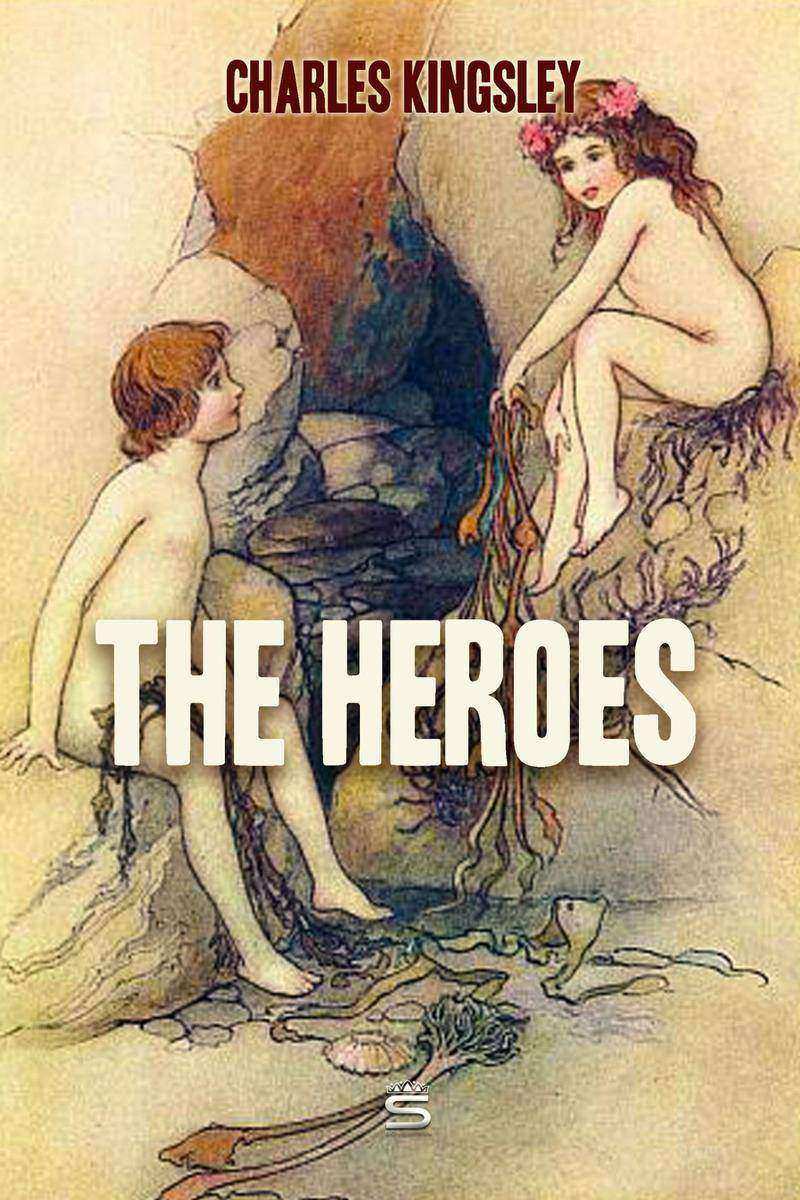
The Heroes: Greek Fairy Tales for My Children
¥40.79
A collection of magical stories based on old Greek fairy tales including: The Story of Perseus, The Story of The Argonauts, The Story of Theseus. Written by Charles Kingsley and dedicated to his children Rose, Maurice, and Mary. A little present of old Greek Fairy Tales.
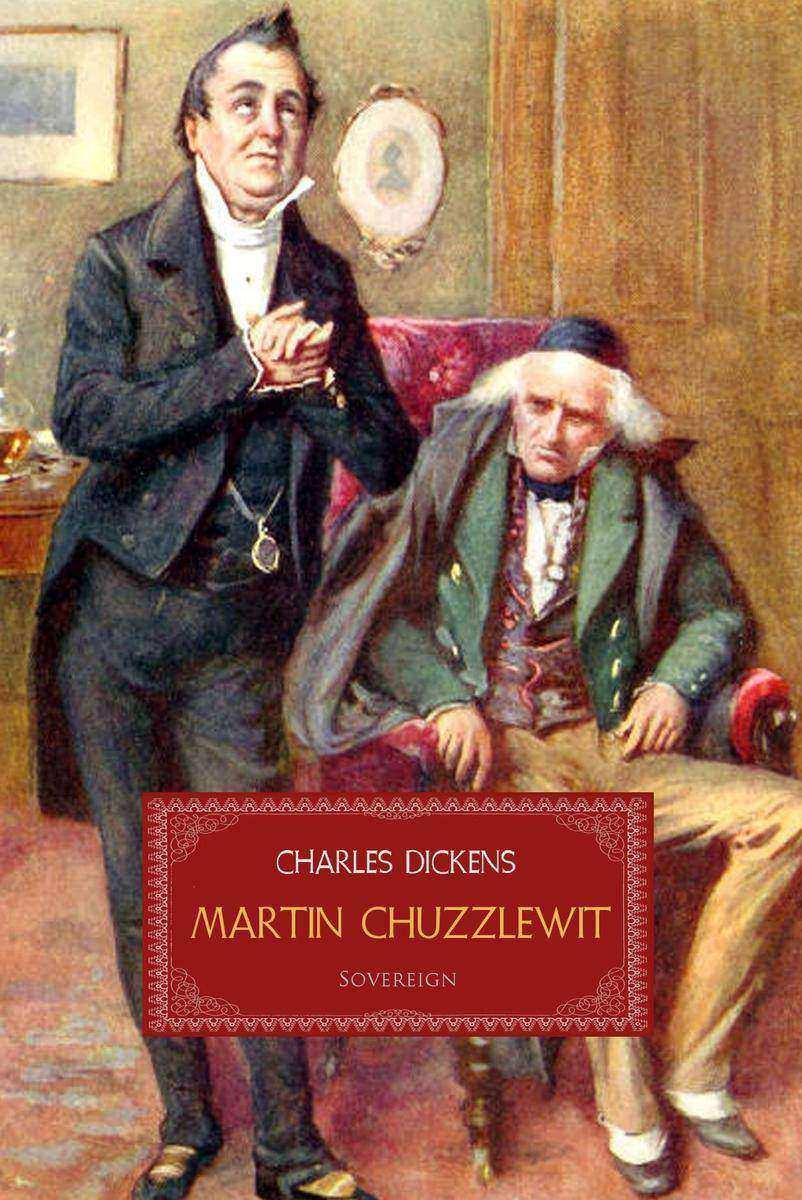
Martin Chuzzlewit
¥40.79
The last of Dickens' picaresque novels which exposes selfishness, portrayed in a satirical fashion using all the members of the Chuzzlewit family. The novel was written after taking a year off during which Charles Dickens visited America. Similarly, young Martin Chuzzlewit, the old man's grandson, goes off to America to live through events which Dickens himself perhaps experienced or observed during his own travels.
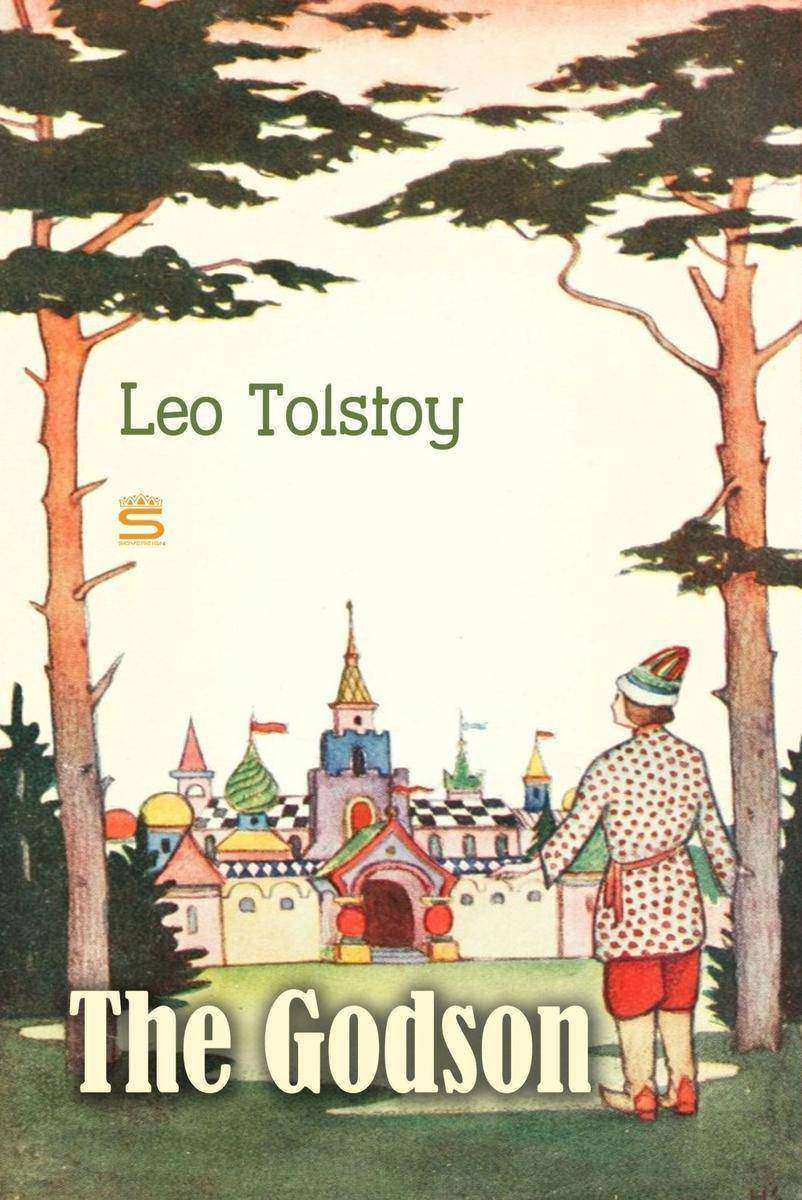
The Godson
¥40.79
A son was born to a poor peasant. He rejoiced and went to a neighbour to ask him to stand as godfather to the boy. The neighbour refused. He did not want to be godfather to a poor man’s son. So the peasant went to another neighbour and he, too, refused. He walked from house to house, but could find no one who would be godfather to his son, so he set out to another village.
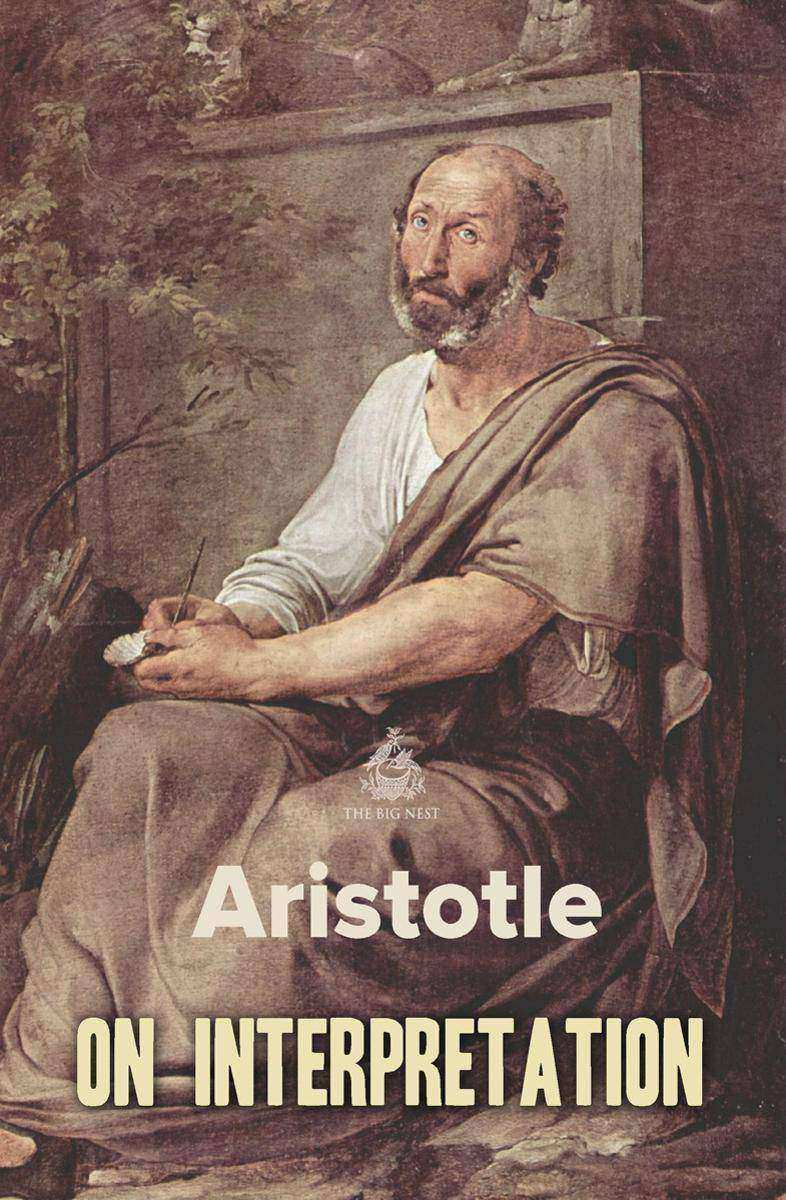
On Interpretation
¥40.79
On Interpretation is among the earliest surviving philosophical works in the Western tradition to deal with the relationship between language and logic in a comprehensive, explicit, and formal way.
On Longevity and Shortness of Life
¥40.79
The reasons for some animals being long-lived and others short-lived, and, in a word, causes of the length and brevity of life.
Laws
¥40.79
The Laws are discussed by three representatives of Athens, Crete, and Sparta. The Athenian, as might be expected, is the protagonist or chief speaker, while the second place is assigned to the Cretan, who, as one of the leaders of a new colony, has a special interest in the conversation. At least four-fifths of the answers are put into his mouth. The Spartan is every inch a soldier, a man of few words himself, better at deeds than words. The Athenian talks to the two others, although they are his equals in age, in the style of a master discoursing to his scholars; he frequently praises himself; he entertains a very poor opinion of the understanding of his companions.
The Athenian Constitution
¥40.79
The Constitution of the Athenians describes the political system of ancient Athens. The treatise was composed between 330 and 322 BC.
The Analects
¥40.79
Confucius believed that the welfare of a country depended on the moral cultivation of its people, beginning from the nation's leadership. He believed that individuals could begin to cultivate an all-encompassing sense of virtue through ren, and that the most basic step to cultivating ren was devotion to one's parents and older siblings. He taught that one's individual desires do not need to be suppressed, but that people should be educated to reconcile their desires via rituals and forms of propriety, through which people could demonstrate their respect for others and their responsible roles in society.
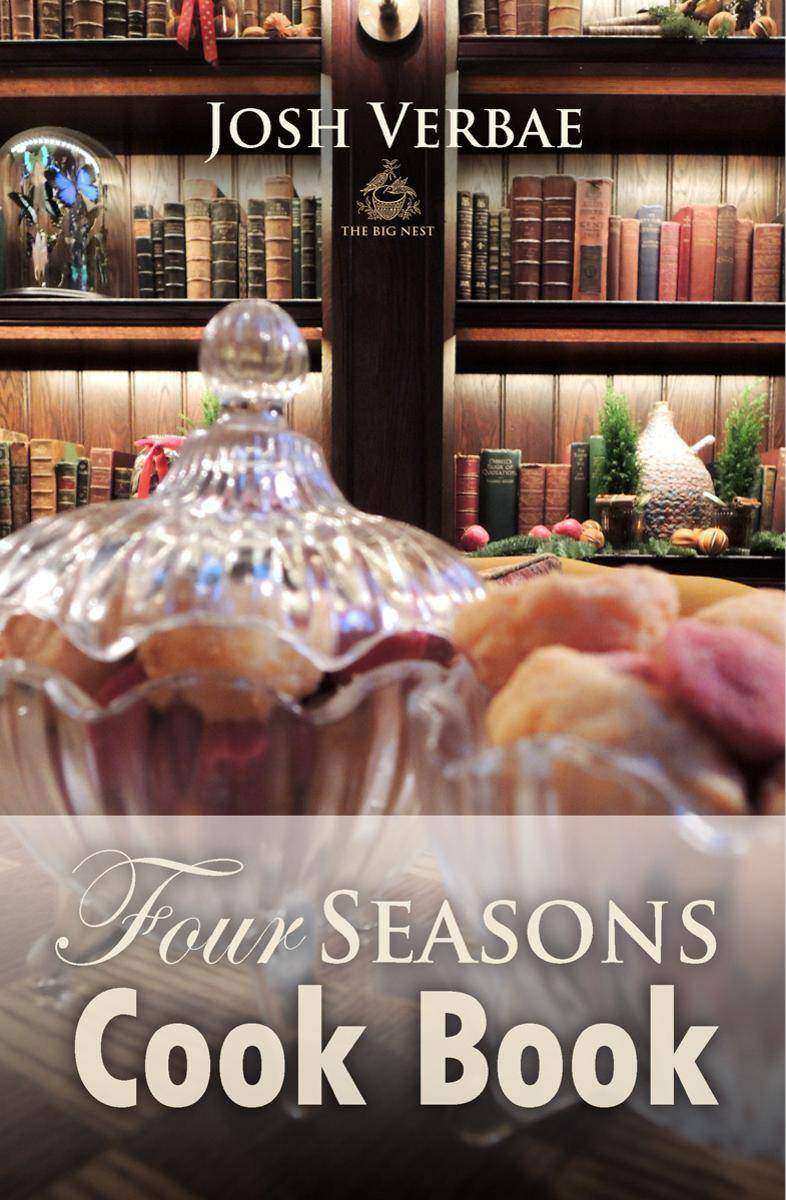
Four Seasons Cook Book
¥40.79
The Four Seasons Cook Book offers complete recipe book for every single day of the year featuring original varied cuisine from all over the world. There is everything in this book from East India Fish to Bavarian Pear Pudding and Russian Pancakes. The book is divided into twelve months of the year giving you something new to try for every single day. Travel the world with this exciting collection of international recipes and enjoy delicious authentic food.
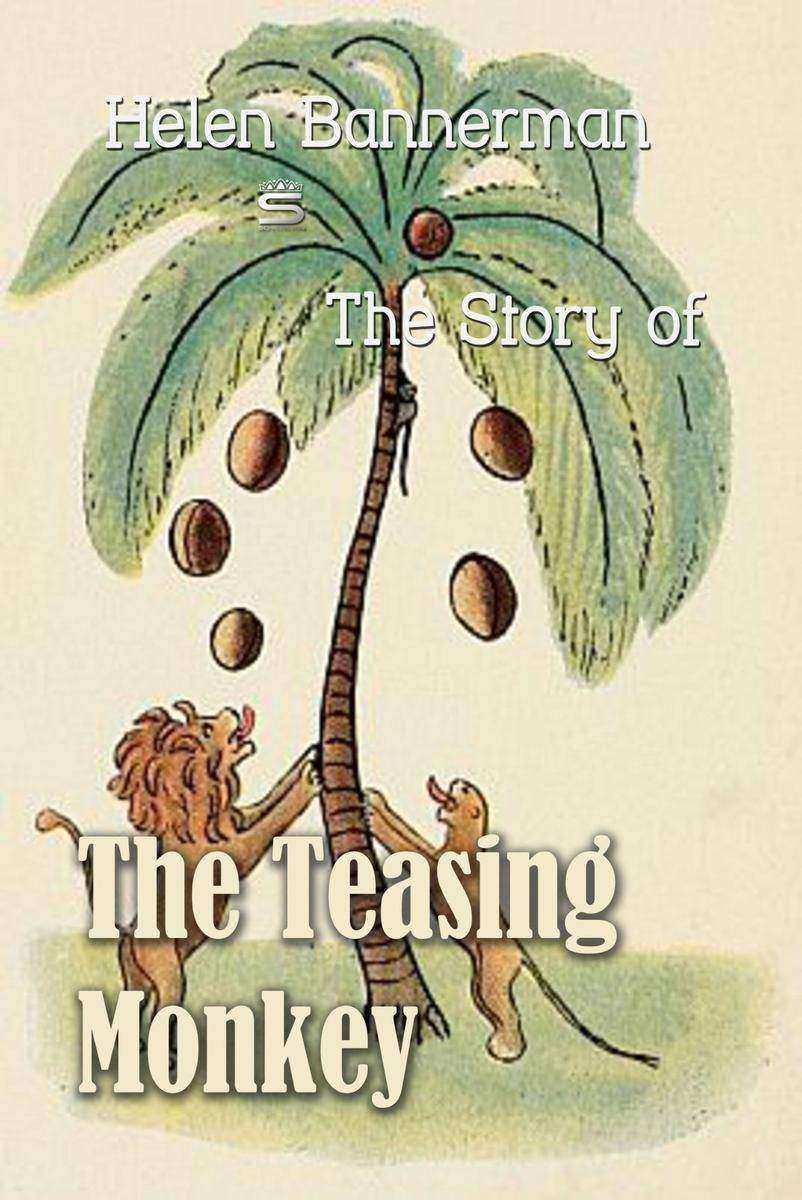
The Story of The Teasing Monkey
¥40.79
Once upon a time there was a very mischievous little monkey, who lived in a big banyan tree, and his name was Jacko. And in the jungle below there lived a huge, fierce old lion and lioness.
The Gift of The Magi
¥40.79
The magi, as you know, were wise men – wonderfully wise men – who brought gifts to the new-born King of the Jews in the manger. They invented the art of giving Christmas presents. Being wise, their gifts were no doubt wise ones, possibly bearing the privilege of exchange in case of duplication. And here I have lamely related to you the uneventful chronicle of two foolish children in a flat who most unwisely sacrificed for each other the greatest treasures of their house.

寂静主义实在论研究
¥40.80
科学所发现的自然世界如何容纳客观的道德价值?这是元伦理学的核心问题。寂静主义实在论者声称,道德价值的客观性应该并且只能通过一阶道德推理来建立,而不需要援引其他领域的形而上学标准,因此,我们最好对围绕着道德客观性的形而上学争论保持沉默。本书旨在全面剖析并批评寂静主义实在论者的理论,并试图论证,为了捍卫道德要求的规范性,道德实在论者无法如此轻松地卸掉自身的本体论负担。
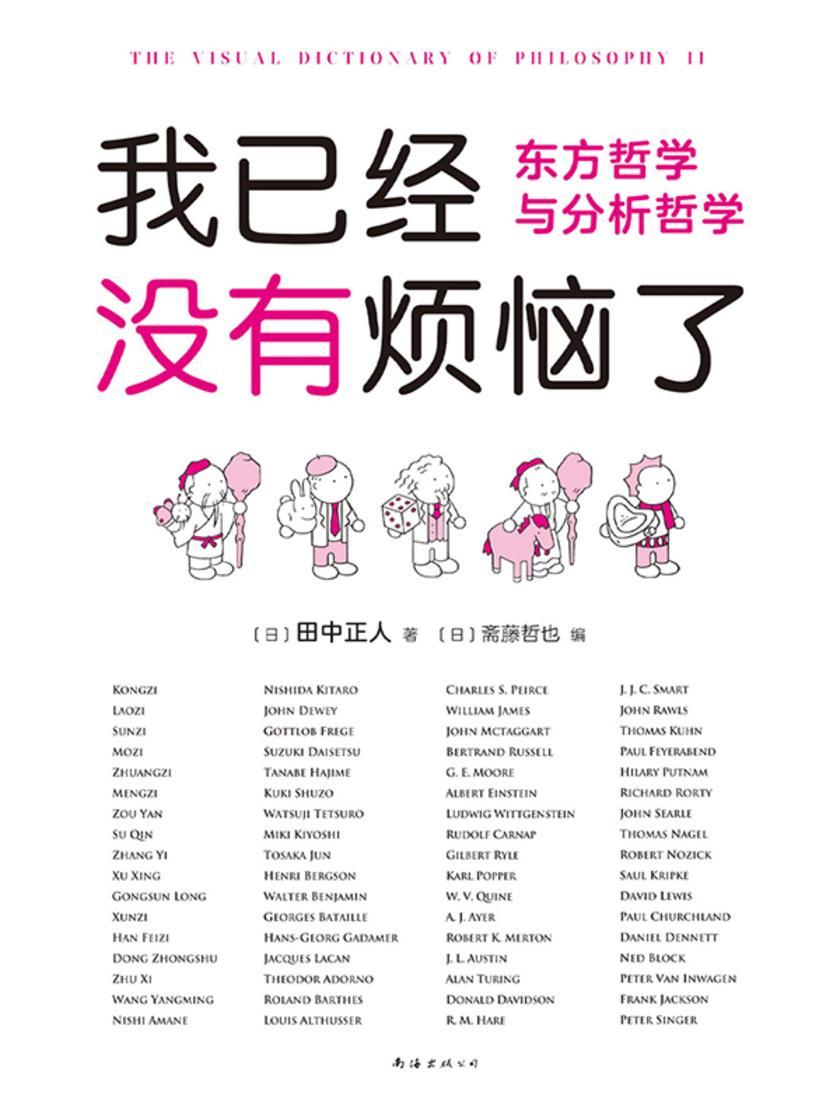
我已经没有烦恼了:东方哲学与分析哲学
¥40.80
《我已经没有烦恼了:东方哲学与分析哲学》用600幅可爱漫画,讲解了72位东西方哲学家的生平和思想、190个与人生息息相关的哲学命题,是一本人人都能读懂的哲学门指南。 本书内容分为中国哲学、日本哲学、欧洲大陆哲学和英美分析哲学四个部分,涵盖了东方哲学中的经典思想和西方现代哲学的新发展。 在东方哲学部分,对心斋坐忘、上善若水、自然无为等我们熟悉的名词有详细解读,全面解析诸子百家的思想精髓;在分析哲学部分,弗雷格、罗素、摩尔、维特根斯坦等当代哲学家轮番登场,试图从科学、日常语言中思考哲学。 东方哲学滋养心灵、安排生命; 分析哲学不断追问、磨砺思想。我们生活中遇到的难解困境与烦恼,哲学家们也都会有。面对烦恼,哲学家们会给出怎样的回答呢?
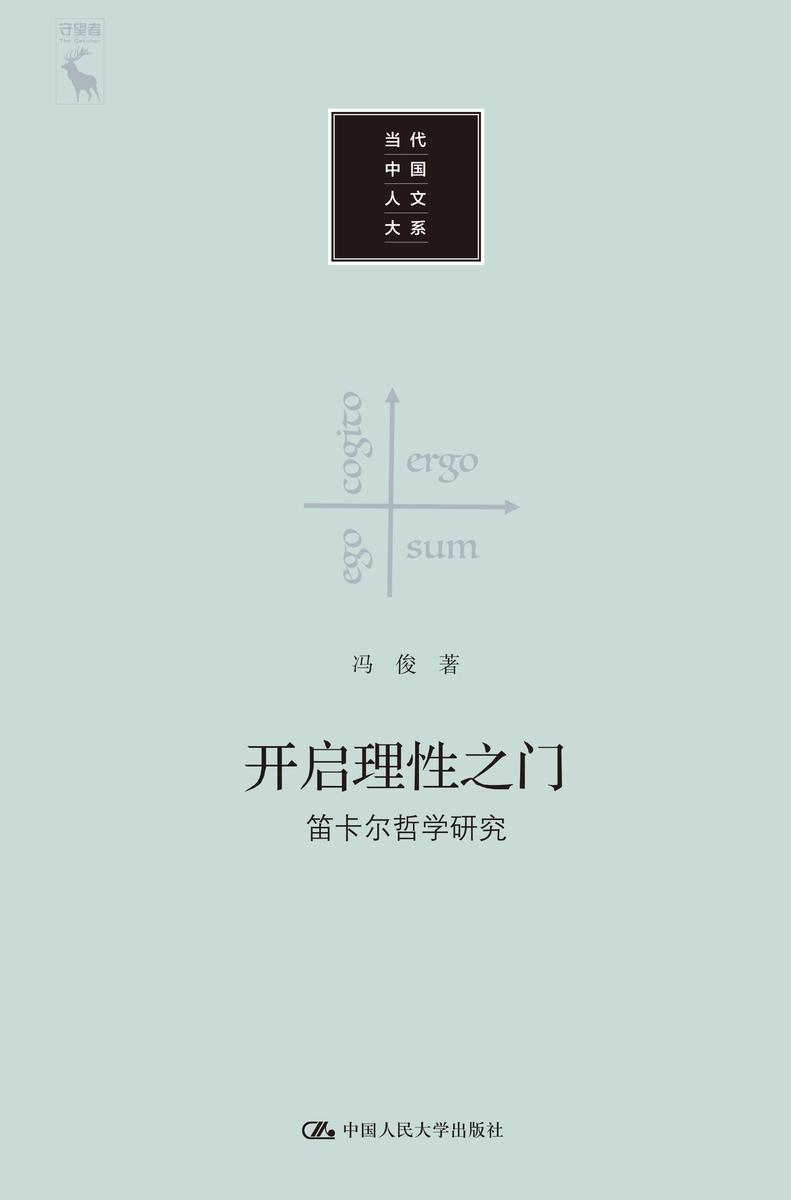
开启理性之门——笛卡尔哲学研究(当代中国人文大系)
¥40.80
本书是对西方近代哲学创始人、理性主义哲学代表人物笛卡尔的哲学进行全面系统研究的一本学术力作。作者对笛卡尔从书的世界到读世界之书的人生经历、对人类知识之树的构想和学术著述活动都做了详尽的介绍,对笛卡尔的普遍怀疑和方法论体系、“我思故我在”和主体哲学的确立、天赋观念论、和理性主义的基本原则、对上帝存在和外物存在的证明、心身二分和心身统一、自然哲学及形而上学和物理学的关系等核心理论问题进行了深入的分析与阐释,并对笛卡尔哲学在西方近现代哲学中的影响力、生命力做出了全面和准确的描述。本书不仅深化和推进了我国对于西方哲学的研究,而且还为广大读者展示了理性主义思维方式的精彩画卷。法国哲学学会前任会长、国际法语国家哲学联合会前任主席雅克·董特生前还专门为本书作序。
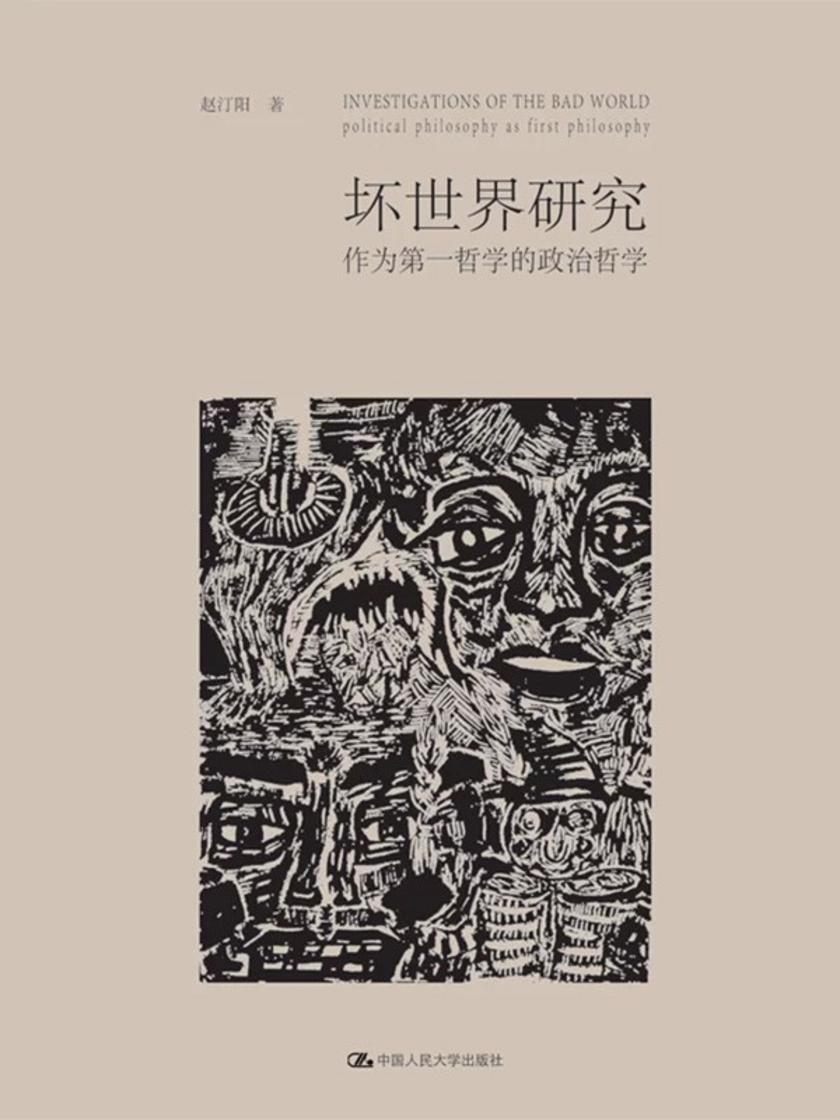
坏世界研究:作为*哲学的政治哲学
¥40.80
赵汀阳先生在《坏世界研究:作为第一哲学的政治哲学》中指出:一个世界只要具备人性自私和资源稀缺这两个条件,世界就是一个坏的世界。人性自私和资源稀缺导致了人类生活所有值得思考和言说的悲欢故事和成败历史。在一个坏的真实世界中,最世俗而又最重要的问题就是政治,与政治有关的大多数问题归根到底都是关于权力与利益的问题,即人们如何获得他们能够获得的权力和利益。
自然、权利与正义
¥40.80
随着生活经验不断地延伸、扩充和沉浮,一些最基本的概念乃至人们的思考逻辑和思想体系都在发生变化,关于种种变化的争论也总在历史转折关头不断上演。 本书从“自然”“权利”和“正义”这三个基本概念手,回归古典视野,详细辨析其含义的古今之变,揭示了现代政法思想中的“权利”和“正义”如何在现代嬗变中逐渐偏离了古典自然法,并表明了,它们来自理论构造和逻辑推演,因而并不足以支撑我们的现实生活。本书主张,既然自然是所有知识的来源,也是人类生存的根基,那么人类就不应脱离自然,堕封闭的逻辑蛛网,而是应该回到古典自然法的根基,呼唤真正的“实学”。本书通过追根溯源的辨析和论述,重新激活和更新了一些关于人世基本问题的思考。
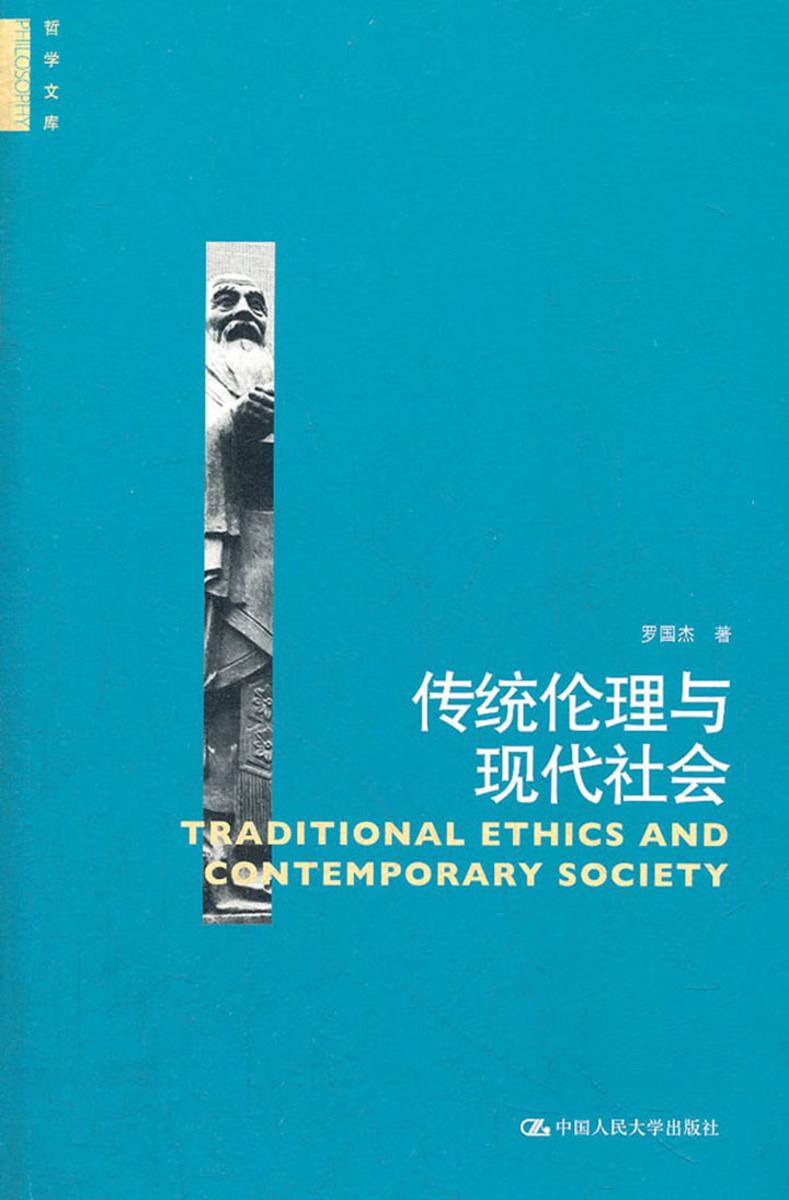
传统伦理与现代社会
¥40.80
《传统伦理与现代社会》以先秦伦理思想为基点,论述了中国传统伦理思想的形成和发展的历程,探讨了儒家伦理规范体系的完善及其正统地位的确立,以及封建伦理思想的深化和成熟。在此基础上,本书分析了中国传统伦理思想对现代社会治国兴邦和道德建设的借鉴意义。


