


 购物车
购物车 个人中心
个人中心
Cloud Native Python
¥90.46
Build cloud native applications in Python About This Book ? This is the only reliable resource that showcases the tools and techniques you need build robust and resilient cloud native applications in Python ? Learn how to architect your application on both, the AWS and Azure clouds for high availability ? Assess, monitor, and troubleshoot your applications in the cloud Who This Book Is For This book is ideal for developers with a basic knowledge of Python who want to learn to build, test, and scale their Python-based applications. No prior experience of writing microservices in Python is required. What You Will Learn ? Get to know “the way of the cloud”, including why developing good cloud software is fundamentally about mindset and discipline ? Know what microservices are and how to design them ? Create reactive applications in the cloud with third-party messaging providers ? Build massive-scale, user-friendly GUIs with React and Flux ? Secure cloud-based web applications: the do’s, don’ts, and options ? Plan cloud apps that support continuous delivery and deployment In Detail Businesses today are evolving so rapidly that having their own infrastructure to support their expansion is not feasible. As a result, they have been resorting to the elasticity of the cloud to provide a platform to build and deploy their highly scalable applications. This book will be the one stop for you to learn all about building cloud-native architectures in Python. It will begin by introducing you to cloud-native architecture and will help break it down for you. Then you’ll learn how to build microservices in Python using REST APIs in an event driven approach and you will build the web layer. Next, you’ll learn about Interacting data services and building Web views with React, after which we will take a detailed look at application security and performance. Then, you’ll also learn how to Dockerize your services. And finally, you’ll learn how to deploy the application on the AWS and Azure platforms. We will end the book by discussing some concepts and techniques around troubleshooting problems that might occur with your applications after you’ve deployed them. This book will teach you how to craft applications that are built as small standard units, using all the proven best practices and avoiding the usual traps. It's a practical book: we're going to build everything using Python 3 and its amazing tooling ecosystem. The book will take you on a journey, the destination of which, is the creation of a complete Python application based on microservices over the cloud platform Style and approach Filled with examples, this book takes a step-by-step approach to teach you each and every configuration you need to make your application highly available and fault tolerant.
Machine Learning Algorithms
¥90.46
Build strong foundation for entering the world of Machine Learning and data science with the help of this comprehensive guide About This Book ? Get started in the field of Machine Learning with the help of this solid, concept-rich, yet highly practical guide. ? Your one-stop solution for everything that matters in mastering the whats and whys of Machine Learning algorithms and their implementation. ? Get a solid foundation for your entry into Machine Learning by strengthening your roots (algorithms) with this comprehensive guide. Who This Book Is For This book is for IT professionals who want to enter the field of data science and are very new to Machine Learning. Familiarity with languages such as R and Python will be invaluable here. What You Will Learn ? Acquaint yourself with important elements of Machine Learning ? Understand the feature selection and feature engineering process ? Assess performance and error trade-offs for Linear Regression ? Build a data model and understand how it works by using different types of algorithm ? Learn to tune the parameters of Support Vector machines ? Implement clusters to a dataset ? Explore the concept of Natural Processing Language and Recommendation Systems ? Create a ML architecture from scratch. In Detail As the amount of data continues to grow at an almost incomprehensible rate, being able to understand and process data is becoming a key differentiator for competitive organizations. Machine learning applications are everywhere, from self-driving cars, spam detection, document search, and trading strategies, to speech recognition. This makes machine learning well-suited to the present-day era of Big Data and Data Science. The main challenge is how to transform data into actionable knowledge. In this book you will learn all the important Machine Learning algorithms that are commonly used in the field of data science. These algorithms can be used for supervised as well as unsupervised learning, reinforcement learning, and semi-supervised learning. A few famous algorithms that are covered in this book are Linear regression, Logistic Regression, SVM, Naive Bayes, K-Means, Random Forest, TensorFlow, and Feature engineering. In this book you will also learn how these algorithms work and their practical implementation to resolve your problems. This book will also introduce you to the Natural Processing Language and Recommendation systems, which help you run multiple algorithms simultaneously. On completion of the book you will have mastered selecting Machine Learning algorithms for clustering, classification, or regression based on for your problem. Style and approach An easy-to-follow, step-by-step guide that will help you get to grips with real -world applications of Algorithms for Machine Learning.
Mastering Embedded Linux Programming - Second Edition
¥90.46
Master the techniques needed to build great, efficient embedded devices on Linux About This Book ? Discover how to build and configure reliable embedded Linux devices ? This book has been updated to include Linux 4.9 and Yocto Project 2.2 (Morty) ? This comprehensive guide covers the remote update of devices in the field and power management Who This Book Is For If you are an engineer who wishes to understand and use Linux in embedded devices, this book is for you. It is also for Linux developers and system programmers who are familiar with embedded systems and want to learn and program the best in class devices. It is appropriate for students studying embedded techniques, for developers implementing embedded Linux devices, and engineers supporting existing Linux devices. What You Will Learn ? Evaluate the Board Support Packages offered by most manufacturers of a system on chip or embedded module ? Use Buildroot and the Yocto Project to create embedded Linux systems quickly and efficiently ? Update IoT devices in the field without compromising security ? Reduce the power budget of devices to make batteries last longer ? Interact with the hardware without having to write kernel device drivers ? Debug devices remotely using GDB, and see how to measure the performance of the systems using powerful tools such as perk, ftrace, and valgrind ? Find out how to configure Linux as a real-time operating system In Detail Embedded Linux runs many of the devices we use every day, from smart TVs to WiFi routers, test equipment to industrial controllers - all of them have Linux at their heart. Linux is a core technology in the implementation of the inter-connected world of the Internet of Things. The comprehensive guide shows you the technologies and techniques required to build Linux into embedded systems. You will begin by learning about the fundamental elements that underpin all embedded Linux projects: the toolchain, the bootloader, the kernel, and the root filesystem. You’ll see how to create each of these elements from scratch, and how to automate the process using Buildroot and the Yocto Project. Moving on, you’ll find out how to implement an effective storage strategy for flash memory chips, and how to install updates to the device remotely once it is deployed. You’ll also get to know the key aspects of writing code for embedded Linux, such as how to access hardware from applications, the implications of writing multi-threaded code, and techniques to manage memory in an efficient way. The final chapters show you how to debug your code, both in applications and in the Linux kernel, and how to profile the system so that you can look out for performance bottlenecks. By the end of the book, you will have a complete overview of the steps required to create a successful embedded Linux system. Style and approach This book is an easy-to-follow and pragmatic guide with in-depth analysis of the implementation of embedded devices. It follows the life cycle of a project from inception through to completion, at each stage giving both the theory that underlies the topic and practical step-by-step walkthroughs of an example implementation.
Expert Delphi
¥90.46
Become a developer superhero and build stunning cross-platform apps with Delphi About This Book ? A one-stop guide on Delphi to help you build cross-platform apps ? This book covers important concepts such as the FireMonkey library, shows you how to interact with the Internet of Things, and enables you to integrate with Cloud services ? The code is explained in detail with observations on how to create native apps for Ios and Android with a single code base Who This Book Is For If you want to create stunning applications for mobile, desktop, the cloud, and the Internet of Things, then this book is for you. This book is for developers who would like to build native cross-platform apps with a single codebase for iOS and Android. A basic knowledge of Delphi is assumed, although we do cover a primer on the language. What You Will Learn ? Understand the basics of Delphi and the FireMonkey application platform as well as the specifics of Android and iOS platforms ? Complete complex apps quickly with access to platform features and APIs using a single, easy-to-maintain code base ? Work with local data sources, including embedded SQL databases, REST servers, and Backend-as-a-Service providers ? Take full advantage of mobile hardware capabilities by working with sensors and Internet of Things gadgets and devices ? Integrate with cloud services and data using REST APIs and scalable multi-tier frameworks for outstanding multi-user and social experience ? Architect and deploy powerful mobile back-end services and get super-productive by leveraging Delphi IDE agile functionality ? Get to know the best practices for writing a high-quality, reliable, and maintainable codebase in the Delphi Object Pascal language In Detail Delphi is the most powerful Object Pascal IDE and component library for cross-platform native app development. It enables building natively compiled, blazingly fast apps for all major platforms including Android, iOS, Windows, Mac, and Linux. If you want to build server-side applications, create web services, and have clear GUIs for your project, then this book is for you. The book begins with a basic primer on Delphi helping you get accustomed to the IDE and the Object Pascal language and will then quickly move on to advanced-level concepts. Through this book, we’ll help you understand the architecture of applications and will teach you the important concepts of the FireMonkey library, show you how to build server-side services, and enable you to interact with the Internet of Things. Towards the end, you will learn to integrate your app with various web services and deploy them. By the end of the book, you will be able to build powerful, cross-platform, native apps for iOS and Android with a single code base. Style and approach This book will help you build cross-platform mobile apps with Delphi using a step-by-step approach.
Domain-Driven Design in PHP
¥90.46
Real examples written in PHP showcasing DDD Architectural Styles, Tactical Design, and Bounded Context Integration About This Book ? Focuses on practical code rather than theory ? Full of real-world examples that you can apply to your own projects ? Shows how to build PHP apps using DDD principles Who This Book Is For This book is for PHP developers who want to apply a DDD mindset to their code. You should have a good understanding of PHP and some knowledge of DDD. This book doesn’t dwell on the theory, but instead gives you the code that you need. What You Will Learn ? Correctly design all design elements of Domain-Driven Design with PHP ? Learn all tactical patterns to achieve a fully worked-out Domain-Driven Design ? Apply hexagonal architecture within your application ? Integrate bounded contexts in your applications ? Use REST and Messaging approaches In Detail Domain-Driven Design (DDD) has arrived in the PHP community, but for all the talk, there is very little real code. Without being in a training session and with no PHP real examples, learning DDD can be challenging. This book changes all that. It details how to implement tactical DDD patterns and gives full examples of topics such as integrating Bounded Contexts with REST, and DDD messaging strategies. In this book, the authors show you, with tons of details and examples, how to properly design Entities, Value Objects, Services, Domain Events, Aggregates, Factories, Repositories, Services, and Application Services with PHP. They show how to apply Hexagonal Architecture within your application whether you use an open source framework or your own. Style and approach This highly practical book shows developers how to apply domain-driven design principles to PHP. It is full of solid code examples to work through.
Mastering Java EE Development with WildFly
¥90.46
Your one stop solution to create highly scalable enterprise grade Java applications with WildFly. About This Book ? Master Java EE development with the latest WildFly 10 application server. ? Integrate with JSF and JMS and use efficient load balancing techniques to create real-time apps ? Integrate your backend JavaScript code seamlessly into Java applications Who This Book Is For If you are a Java developer with at least basic knowledge of Java EE, then this book is for you. No previous knowledge of WildFly is required. What You Will Learn ? Configure the development environment along with native and cloud installation of WildFly ? Write a DB schema and the relative entities and how to use the relationships between the entities ? Analyze with examples all the java annotations to manage the EJB and the configuration to get better performances ? Write different REST services through the EJB ? Implement Web sockets 1.0 and know why and when use the web sockets ? Work with Active MQ and write JMS clients to manage the authentication and authorization in the clients ? Configure the mail server through the wildfly console ? Learn how and when to use a new feature JAX-RS 2.0, which is the asynchronous call through REST ? Use the new JSF features of Wildfly 10 such as Mojarra 2.2, JSF 2.2, Richfaces 4.5 In Detail Packed with rich assets and APIs, Wildfly 10 allows you to create state-of-the-art Java applications. This book will help you take your understanding of Java EE to the next level by creating distributed Java applications using Wildfly. The book begins by showing how to get started with a native installation of WildFly and it ends with a cloud installation. After setting up the development environment, you will implement and work with different WildFly features, such as implementing JavaServer Pages. You will also learn how you can use clustering so that your apps can handle a high volume of data traffic. You will also work with enterprise JavaBeans, solve issues related to failover, and implement Java Message Service integration. Moving ahead, you will be working with Java Naming and Directory Interface, Java Transaction API, and use ActiveMQ for message relay and message querying. This book will also show you how you can use your existing backend JavaScript code in your application. By the end of the book, you’ll have gained the knowledge to implement the latest Wildfly features in your Java applications. Style and approach Each part of this book shows you how to use different features of WildFly 10 to create enterprise grade Java applications as easily as possible.
Mastering Kali Linux for Web Penetration Testing
¥90.46
Master the art of exploiting advanced web penetration techniques with Kali Linux 2016.2 About This Book ? Make the most out of advanced web pen-testing techniques using Kali Linux 2016.2 ? Explore how Stored (a.k.a. Persistent) XSS attacks work and how to take advantage of them ? Learn to secure your application by performing advanced web based attacks. ? Bypass internet security to traverse from the web to a private network. Who This Book Is For This book targets IT pen testers, security consultants, and ethical hackers who want to expand their knowledge and gain expertise on advanced web penetration techniques. Prior knowledge of penetration testing would be beneficial. What You Will Learn ? Establish a fully-featured sandbox for test rehearsal and risk-free investigation of applications ? Enlist open-source information to get a head-start on enumerating account credentials, mapping potential dependencies, and discovering unintended backdoors and exposed information ? Map, scan, and spider web applications using nmap/zenmap, nikto, arachni, webscarab, w3af, and NetCat for more accurate characterization ? Proxy web transactions through tools such as Burp Suite, OWASP's ZAP tool, and Vega to uncover application weaknesses and manipulate responses ? Deploy SQL injection, cross-site *ing, Java vulnerabilities, and overflow attacks using Burp Suite, websploit, and SQLMap to test application robustness ? Evaluate and test identity, authentication, and authorization schemes and sniff out weak cryptography before the black hats do In Detail You will start by delving into some common web application architectures in use, both in private and public cloud instances. You will also learn about the most common frameworks for testing, such as OWASP OGT version 4, and how to use them to guide your efforts. In the next section, you will be introduced to web pentesting with core tools and you will also see how to make web applications more secure through rigorous penetration tests using advanced features in open source tools. The book will then show you how to better hone your web pentesting skills in safe environments that can ensure low-risk experimentation with the powerful tools and features in Kali Linux that go beyond a typical *-kiddie approach. After establishing how to test these powerful tools safely, you will understand how to better identify vulnerabilities, position and deploy exploits, compromise authentication and authorization, and test the resilience and exposure applications possess. By the end of this book, you will be well-versed with the web service architecture to identify and evade various protection mechanisms that are used on the Web today. You will leave this book with a greater mastery of essential test techniques needed to verify the secure design, development, and operation of your customers' web applications. Style and approach An advanced-level guide filled with real-world examples that will help you take your web application’s security to the next level by using Kali Linux 2016.2.
Mastering C++ Programming
¥90.46
Take your C++ coding to the next level by leveraging the latest features and advanced techniques to building high performing, reliable applications. About This Book ? Get acquainted with the latest features in C++ 17 ? Take advantage of the myriad of features and possibilities that C++ offers to build real-world applications ? Write clear and expressive code in C++, and get insights into how to keep your code error-free Who This Book Is For This book is for experienced C++ developers. If you are a novice C++ developer, then it’s highly recommended that you get a solid understanding of the C++ language before reading this book What You Will Learn ? Write modular C++ applications in terms of the existing and newly introduced features ? Identify code-smells, clean up, and refactor legacy C++ applications ? Leverage the possibilities provided by Cucumber and Google Test/Mock to automate test cases ? Test frameworks with C++ ? Get acquainted with the new C++17 features ? Develop GUI applications in C++ ? Build portable cross-platform applications using standard C++ features In Detail C++ has come a long way and has now been adopted in several contexts. Its key strengths are its software infrastructure and resource-constrained applications. The C++ 17 release will change the way developers write code, and this book will help you master your developing skills with C++. With real-world, practical examples explaining each concept, the book will begin by introducing you to the latest features in C++ 17. It encourages clean code practices in C++ in general, and demonstrates the GUI app-development options in C++. You’ll get tips on avoiding memory leaks using smart-pointers. Next, you’ll see how multi-threaded programming can help you achieve concurrency in your applications. Moving on, you’ll get an in-depth understanding of the C++ Standard Template Library. We show you the concepts of implementing TDD and BDD in your C++ programs, and explore template-based generic programming, giving you the expertise to build powerful applications. Finally, we’ll round up with debugging techniques and best practices.By the end of the book, you’ll have an in-depth understanding of the language and its various facets. Style and approach This straightforward guide will help you level up your skills in C++ programming, be it for enterprise software or for low-latency applications like games. Filled with real-world, practical examples, this book will take you gradually up the steep learning curve that is C++.
Go Systems Programming
¥90.46
Learning the new system’s programming language for all Unix-type systems About This Book ? Learn how to write system's level code in Golang, similar to Unix/Linux systems code ? Ramp up in Go quickly ? Deep dive into Goroutines and Go concurrency to be able to take advantage of Go server-level constructs Who This Book Is For Intermediate Linux and general Unix programmers. Network programmers from beginners to advanced practitioners. C and C++ programmers interested in different approaches to concurrency and Linux systems programming. What You Will Learn ? Explore the Go language from the standpoint of a developer conversant with Unix, Linux, and so on ? Understand Goroutines, the lightweight threads used for systems and concurrent applications ? Learn how to translate Unix and Linux systems code in C to Golang code ? How to write fast and lightweight server code ? Dive into concurrency with Go ? Write low-level networking code In Detail Go is the new systems programming language for Linux and Unix systems. It is also the language in which some of the most prominent cloud-level systems have been written, such as Docker. Where C programmers used to rule, Go programmers are in demand to write highly optimized systems programming code. Created by some of the original designers of C and Unix, Go expands the systems programmers toolkit and adds a mature, clear programming language. Traditional system applications become easier to write since pointers are not relevant and garbage collection has taken away the most problematic area for low-level systems code: memory management. This book opens up the world of high-performance Unix system applications to the beginning Go programmer. It does not get stuck on single systems or even system types, but tries to expand the original teachings from Unix system level programming to all types of servers, the cloud, and the web. Style and approach This is the first book to introduce Linux and Unix systems programming in Go, a field for which Go has actually been developed in the first place.
Practical Real-time Data Processing and Analytics
¥90.46
A practical guide to help you tackle different real-time data processing and analytics problems using the best tools for each scenario About This Book ? Learn about the various challenges in real-time data processing and use the right tools to overcome them ? This book covers popular tools and frameworks such as Spark, Flink, and Apache Storm to solve all your distributed processing problems ? A practical guide filled with examples, tips, and tricks to help you perform efficient Big Data processing in real-time Who This Book Is For If you are a Java developer who would like to be equipped with all the tools required to devise an end-to-end practical solution on real-time data streaming, then this book is for you. Basic knowledge of real-time processing would be helpful, and knowing the fundamentals of Maven, Shell, and Eclipse would be great. What You Will Learn ? Get an introduction to the established real-time stack ? Understand the key integration of all the components ? Get a thorough understanding of the basic building blocks for real-time solution designing ? Garnish the search and visualization aspects for your real-time solution ? Get conceptually and practically acquainted with real-time analytics ? Be well equipped to apply the knowledge and create your own solutions In Detail With the rise of Big Data, there is an increasing need to process large amounts of data continuously, with a shorter turnaround time. Real-time data processing involves continuous input, processing and output of data, with the condition that the time required for processing is as short as possible. This book covers the majority of the existing and evolving open source technology stack for real-time processing and analytics. You will get to know about all the real-time solution aspects, from the source to the presentation to persistence. Through this practical book, you’ll be equipped with a clear understanding of how to solve challenges on your own. We’ll cover topics such as how to set up components, basic executions, integrations, advanced use cases, alerts, and monitoring. You’ll be exposed to the popular tools used in real-time processing today such as Apache Spark, Apache Flink, and Storm. Finally, you will put your knowledge to practical use by implementing all of the techniques in the form of a practical, real-world use case. By the end of this book, you will have a solid understanding of all the aspects of real-time data processing and analytics, and will know how to deploy the solutions in production environments in the best possible manner. Style and Approach In this practical guide to real-time analytics, each chapter begins with a basic high-level concept of the topic, followed by a practical, hands-on implementation of each concept, where you can see the working and execution of it. The book is written in a DIY style, with plenty of practical use cases, well-explained code examples, and relevant screenshots and diagrams.
Learning Informatica PowerCenter 10.x - Second Edition
¥90.46
Harness the power and simplicity of Informatica PowerCenter 10.x to build and manage efficient data management solutions About This Book ? Master PowerCenter 10.x components to create, execute, monitor, and schedule ETL processes with a practical approach. ? An ideal guide to building the necessary skills and competencies to become an expert Informatica PowerCenter developer. ? A comprehensive guide to fetching/transforming and loading huge volumes of data in a very effective way, with reduced resource consumption Who This Book Is For If you wish to deploy Informatica in enterprise environments and build a career in data warehousing, then this book is for you. Whether you are a software developer/analytic professional and are new to Informatica or an experienced user, you will learn all the features of Informatica 10.x. A basic knowledge of programming and data warehouse concepts is essential. What You Will Learn ? Install or upgrade the components of the Informatica PowerCenter tool ? Work on various aspects of administrative skills and on the various developer Informatica PowerCenter screens such as Designer, Workflow Manager, Workflow Monitor, and Repository Manager. ? Get practical hands-on experience of various sections of Informatica PowerCenter, such as navigator, toolbar, workspace, control panel, and so on ? Leverage basic and advanced utilities, such as the debugger, target load plan, and incremental aggregation to process data ? Implement data warehousing concepts such as schemas and SCDs using Informatica ? Migrate various components, such as sources and targets, to another region using the Designer and Repository Manager screens ? Enhance code performance using tips such as pushdown optimization and partitioning In Detail Informatica PowerCenter is an industry-leading ETL tool, known for its accelerated data extraction, transformation, and data management strategies. This book will be your quick guide to exploring Informatica PowerCenter’s powerful features such as working on sources, targets, transformations, performance optimization, scheduling, deploying for processing, and managing your data at speed. First, you’ll learn how to install and configure tools. You will learn to implement various data warehouse and ETL concepts, and use PowerCenter 10.x components to build mappings, tasks, workflows, and so on. You will come across features such as transformations, SCD, XML processing, partitioning, constraint-based loading, Incremental aggregation, and many more. Moreover, you’ll also learn to deliver powerful visualizations for data profiling using the advanced monitoring dashboard functionality offered by the new version. Using data transformation technique, performance tuning, and the many new advanced features, this book will help you understand and process data for training or production purposes. The step-by-step approach and adoption of real-time scenarios will guide you through effectively accessing all core functionalities offered by Informatica PowerCenter version 10.x. Style and approach You'll get hand-on with sources, targets, transformations, performance optimization, scheduling, deploying for processing, and managing your data, and learn everything you need to become a proficient Informatica PowerCenter developer.
Architecting Modern Java EE Applications
¥90.46
Find out how to craft effective, business-oriented Java EE 8 applications that target customer’s demands in the age of Cloud platforms and container technology. About This Book ? Understand the principles of modern Java EE and how to realize effective architectures ? Gain knowledge of how to design enterprise software in the age of automation, Continuous Delivery and Cloud platforms ? Learn about the reasoning and motivations behind state-of-the-art enterprise Java technology, that focuses on business Who This Book Is For This book is for experienced Java EE developers who are aspiring to become the architects of enterprise-grade applications, or software architects who would like to leverage Java EE to create effective blueprints of applications. What You Will Learn ? What enterprise software engineers should focus on ? Implement applications, packages, and components in a modern way ? Design and structure application architectures ? Discover how to realize technical and cross-cutting aspects ? Get to grips with containers and container orchestration technology ? Realize zero-dependency, 12-factor, and Cloud-native applications ? Implement automated, fast, reliable, and maintainable software tests ? Discover distributed system architectures and their requirements In Detail Java EE 8 brings with it a load of features, mainly targeting newer architectures such as microservices, modernized security APIs, and cloud deployments. This book will teach you to design and develop modern, business-oriented applications using Java EE 8. It shows how to structure systems and applications, and how design patterns and Domain Driven Design aspects are realized in the age of Java EE 8. You will learn about the concepts and principles behind Java EE applications, and how to effect communication, persistence, technical and cross-cutting concerns, and asynchronous behavior. This book covers Continuous Delivery, DevOps, infrastructure-as-code, containers, container orchestration technologies, such as Docker and Kubernetes, and why and especially how Java EE fits into this world. It also covers the requirements behind containerized, zero-dependency applications and how modern Java EE application servers support these approaches. You will also learn about automated, fast, and reliable software tests, in different test levels, scopes, and test technologies. This book covers the prerequisites and challenges of distributed systems that lead to microservice, shared-nothing architectures. The challenges and solutions of consistency versus scalability will further lead us to event sourcing, event-driven architectures, and the CQRS principle. This book also includes the nuts and bolts of application performance as well as how to realize resilience, logging, monitoring and tracing in a modern enterprise world. Last but not least the demands of securing enterprise systems are covered. By the end, you will understand the ins and outs of Java EE so that you can make critical design decisions that not only live up to, but also surpass your clients' expectations. Style and approach This book focuses on solving business problems and meeting customer demands in the enterprise world. It covers how to create enterprise applications with reasonable technology choices, free of cargo-cult and over-engineering. The aspects shown in this book not only demonstrate how to realize a certain solution, but also explain its motivations and reasoning.
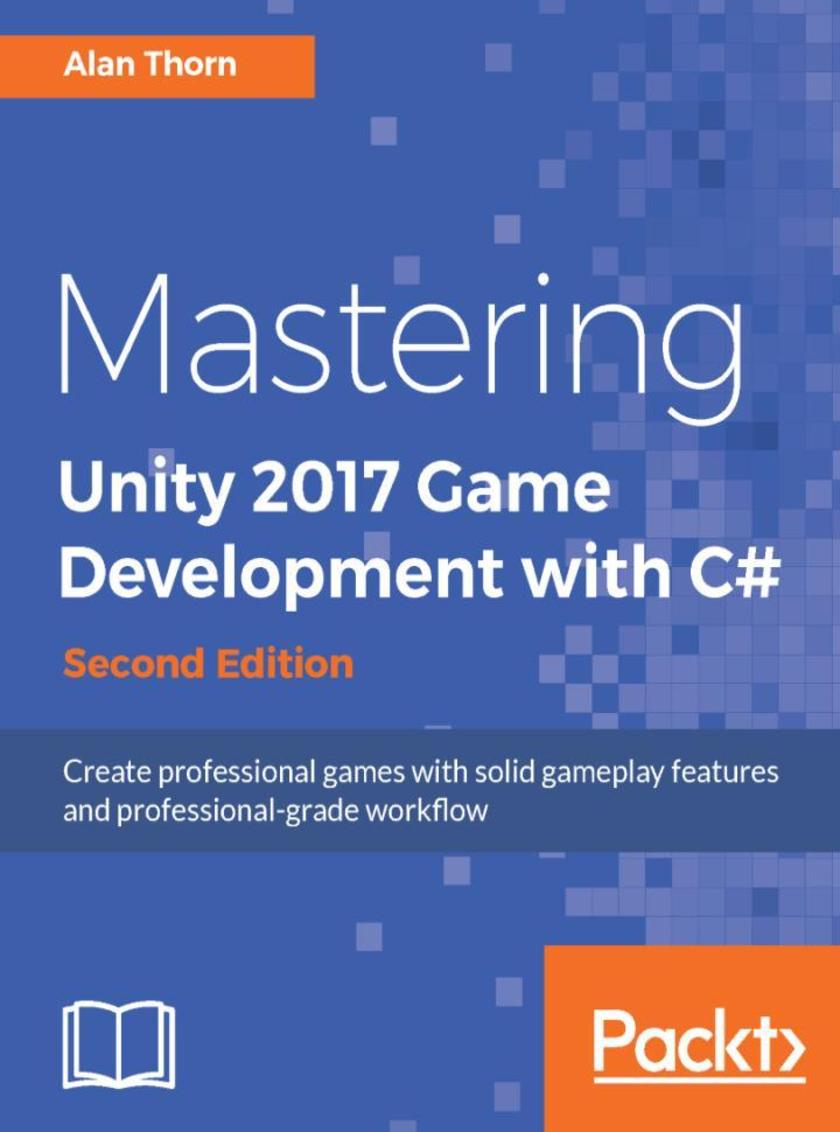
Mastering Unity 2017 Game Development with C# - Second Edition
¥90.46
Master realistic animations and graphics, particle systems, game AI and physics, sprites and VR development with Unity 2017 About This Book ? Create professional grade games with realistic animation and graphics, particle systems and game physics with Unity 2017 ? Unleash the power of C# *ing to create intelligent game AI and professional grade game workflows. ? Create immersive VR games using the latest Unity 2017 VR SDK. Who This Book Is For If you are a Unity developer who now wants to develop and deploy interesting games by leveraging the new features of Unity 2017, then this is the book for you. Basic knowledge of C# programming is assumed. What You Will Learn ? Explore hands-on tasks and real-world scenarios to make a Unity horror adventure game ? Create enemy characters that act intelligently and make reasoned decisions ? Use data files to save and restore game data in a way that is platform-agnostic ? Get started with VR development ? Use navigation meshes, occlusion culling, and Profiler tools ? Work confidently with GameObjects, rotations, and transformations ? Understand specific gameplay features such as AI enemies, inventory systems, and level design In Detail Do you want to make the leap from being an everyday Unity developer to being a pro game developer? Then look no further! This book is your one-stop solution to creating mesmerizing games with lifelike features and amazing gameplay. This book focuses in some detail on a practical project with Unity, building a first-person game with many features. You'll delve into the architecture of a Unity game, creating expansive worlds, interesting render effects, and other features to make your games special. You will create individual game components, use efficient animation techniques, and implement collision and physics effectively. Specifically, we'll explore optimal techniques for importing game assets, such as meshes and textures; tips and tricks for effective level design; how to animate and * NPCs; how to configure and deploy to mobile devices; how to prepare for VR development; how to work with version control; and more. By the end of this book, you'll have developed sufficient competency in Unity development to produce fun games with confidence. Style and approach This book takes an easy-to-follow, step-by-step tutorial approach. You will create an advanced level Unity game with an emphasis on leveraging advanced Unity 2017 features while developing the game in its entirety.
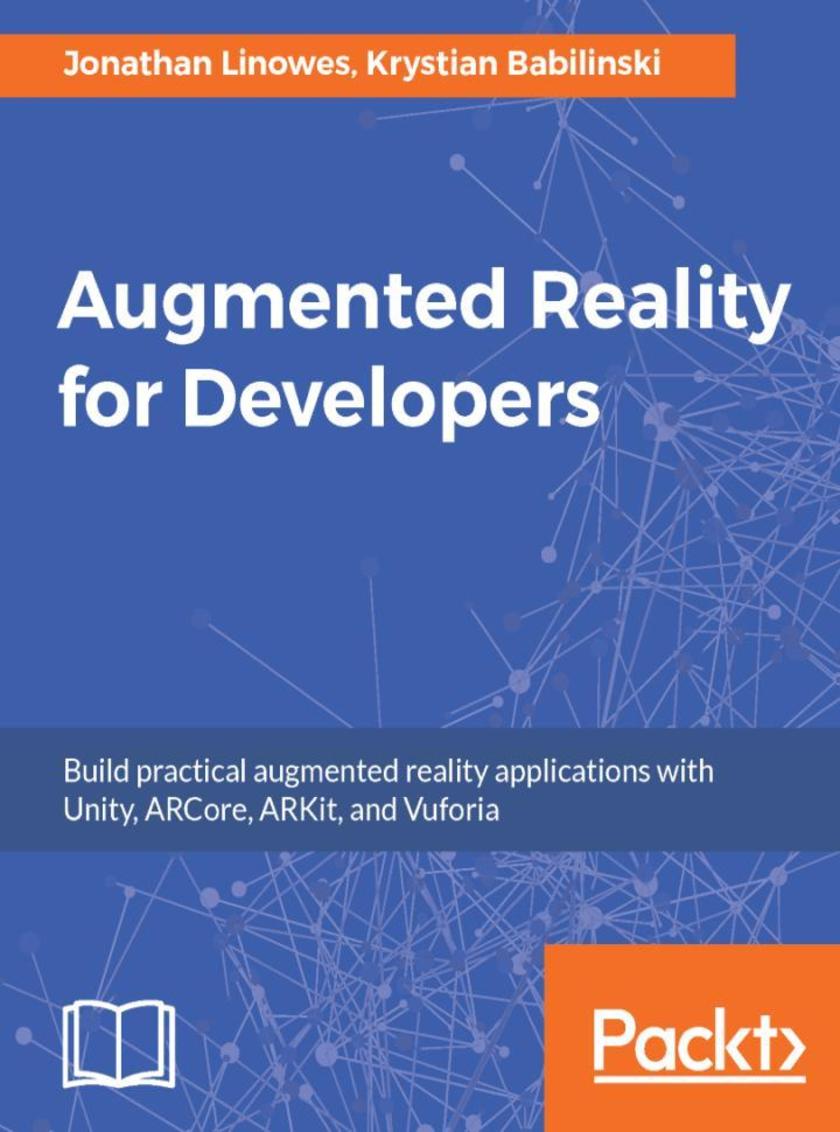
Augmented Reality for Developers
¥90.46
Build exciting AR applications on mobile and wearable devices with Unity 3D, Vuforia, ARToolKit, Microsoft Mixed Reality HoloLens, Apple ARKit, and Google ARCore About This Book ? Create unique AR applications from scratch, from beginning to end, with step-by-step tutorials ? Use Unity 3D to efficiently create AR apps for Android, iOS, and Windows platforms ? Use Vuforia, ARTookKit, Windows Mixed Reality, and Apple ARKit to build AR projects for a variety of markets ? Learn best practices in AR user experience, software design patterns, and 3D graphics Who This Book Is For The ideal target audience for this book is developers who have some experience in mobile development, either Android or iOS. Some broad web development experience would also be beneficial. What You Will Learn ? Build Augmented Reality applications through a step-by-step, tutorial-style project approach ? Use the Unity 3D game engine with the Vuforia AR platform, open source ARToolKit, Microsoft's Mixed Reality Toolkit, Apple ARKit, and Google ARCore, via the C# programming language ? Implement practical demo applications of AR including education, games, business marketing, and industrial training ? Employ a variety of AR recognition modes, including target images, markers, objects, and spatial mapping ? Target a variety of AR devices including phones, tablets, and wearable smartglasses, for Android, iOS, and Windows HoloLens ? Develop expertise with Unity 3D graphics, UIs, physics, and event systems ? Explore and utilize AR best practices and software design patterns In Detail Augmented Reality brings with it a set of challenges that are unseen and unheard of for traditional web and mobile developers. This book is your gateway to Augmented Reality development—not a theoretical showpiece for your bookshelf, but a handbook you will keep by your desk while coding and architecting your first AR app and for years to come. The book opens with an introduction to Augmented Reality, including markets, technologies, and development tools. You will begin by setting up your development machine for Android, iOS, and Windows development, learning the basics of using Unity and the Vuforia AR platform as well as the open source ARToolKit and Microsoft Mixed Reality Toolkit. You will also receive an introduction to Apple's ARKit and Google's ARCore! You will then focus on building AR applications, exploring a variety of recognition targeting methods. You will go through multiple complete projects illustrating key market sectors including business marketing, education, industrial training, and gaming. By the end of the book, you will have gained the necessary knowledge to make quality content appropriate for a range of AR devices, platforms, and intended uses. Style and approach This book adopts a practical, step-by-step, tutorial-style approach. The design principles and methodology will be explained by creating different modules of the AR app.
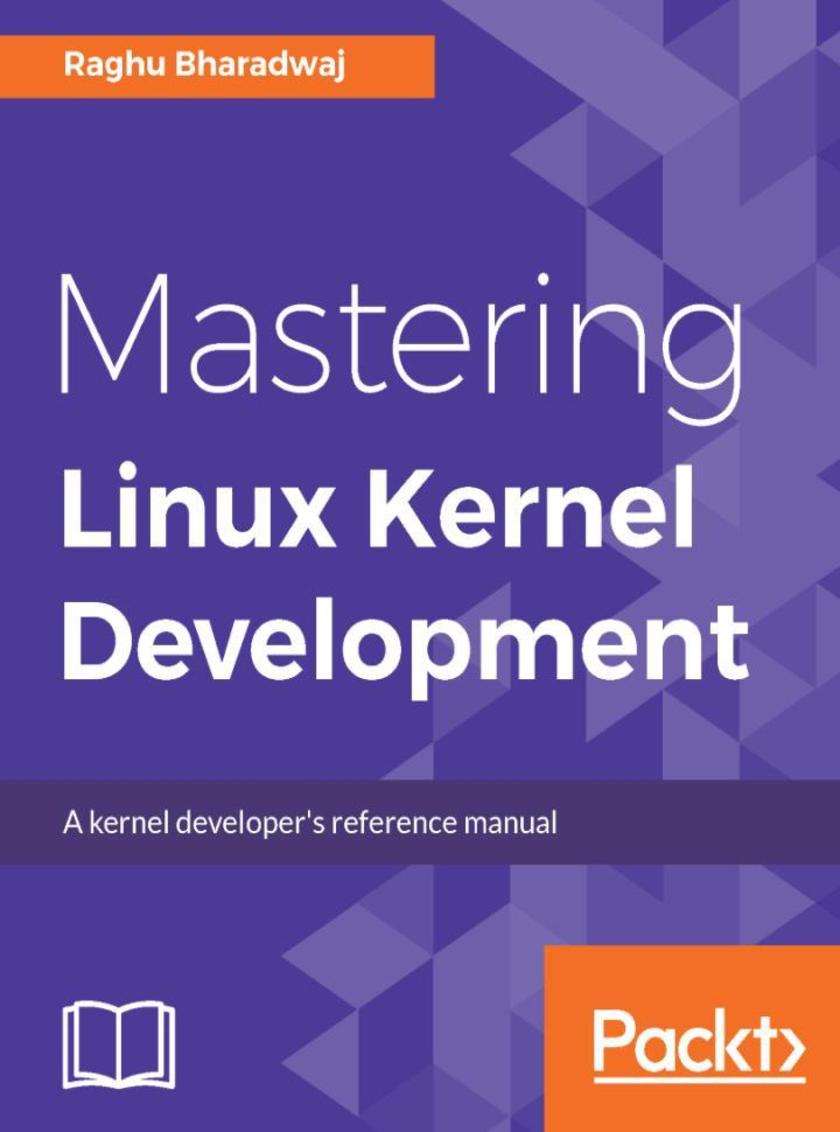
Mastering Linux Kernel Development
¥90.46
Explore Implementation of core kernel subsystems About This Book ? Master the design, components, and structures of core kernel subsystems ? Explore kernel programming interfaces and related algorithms under the hood ? Completely updated material for the 4.12.10 kernel Who This Book Is For If you are a kernel programmer with a knowledge of kernel APIs and are looking to build a comprehensive understanding, and eager to explore the implementation, of kernel subsystems, this book is for you. It sets out to unravel the underlying details of kernel APIs and data structures, piercing through the complex kernel layers and gives you the edge you need to take your skills to the next level. What You Will Learn ? Comprehend processes and fles—the core abstraction mechanisms of the Linux kernel that promote effective simplification and dynamism ? Decipher process scheduling and understand effective capacity utilization under general and real-time dispositions ? Simplify and learn more about process communication techniques through signals and IPC mechanisms ? Capture the rudiments of memory by grasping the key concepts and principles of physical and virtual memory management ? Take a sharp and precise look at all the key aspects of interrupt management and the clock subsystem ? Understand concurrent execution on SMP platforms through kernel synchronization and locking techniques In Detail Mastering Linux Kernel Development looks at the Linux kernel, its internal arrangement and design, and various core subsystems, helping you to gain significant understanding of this open source marvel. You will look at how the Linux kernel, which possesses a kind of collective intelligence thanks to its scores of contributors, remains so elegant owing to its great design. This book also looks at all the key kernel code, core data structures, functions, and macros, giving you a comprehensive foundation of the implementation details of the kernel’s core services and mechanisms. You will also look at the Linux kernel as well-designed software, which gives us insights into software design in general that are easily scalable yet fundamentally strong and safe. By the end of this book, you will have considerable understanding of and appreciation for the Linux kernel. Style and approach Each chapter begins with the basic conceptual know-how for a subsystem and extends into the details of its implementation. We use appropriate code excerpts of critical routines and data structures for subsystems.
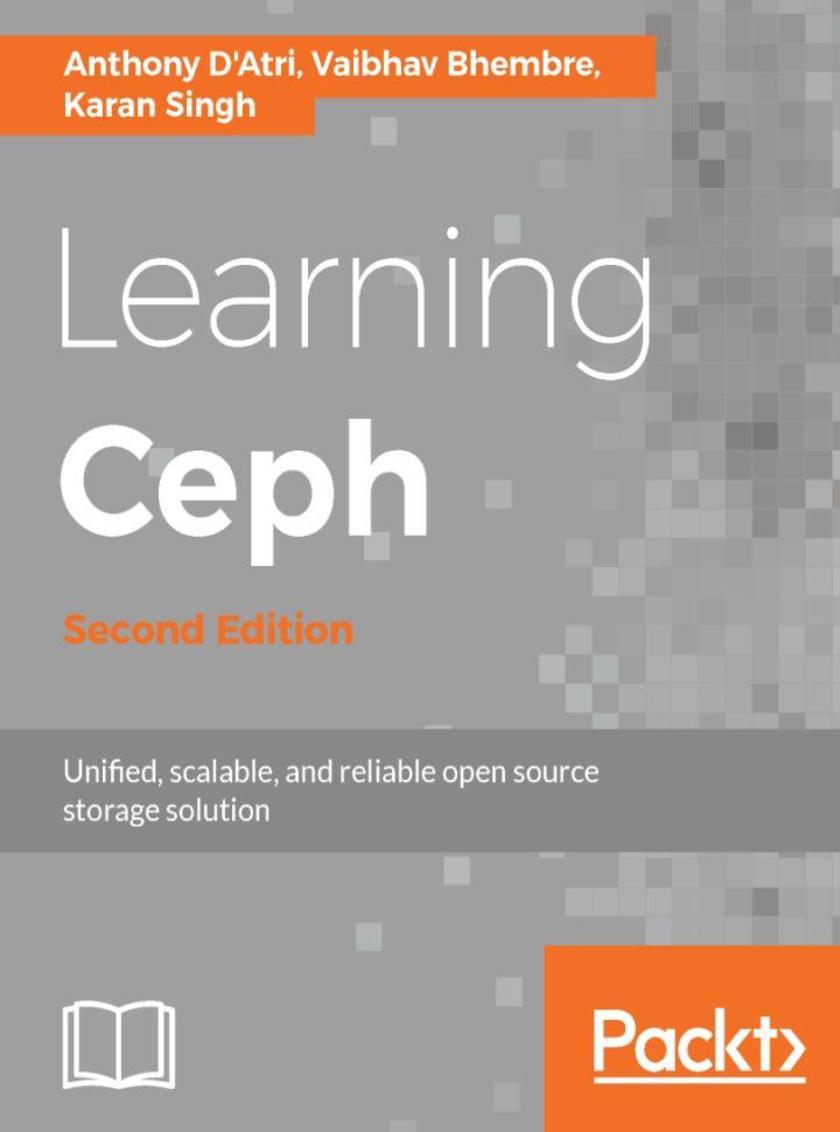
Learning Ceph - Second Edition
¥90.46
Implement and manage your software-defined, massively scalable storage system About This Book ? Explore Ceph's architecture in order to achieve scalability and high availability ? Learn to utilize Ceph efficiently with the help of practical examples ? Successfully implement Ceph clusters to scale-out storage solutions along with outstanding data protection Who This Book Is For A basic knowledge of GNU/Linux, and storage systems, and server components is assumed. If you have no experience of software-defined storage solutions and Ceph, but are eager to learn about them, this is the book for you. What You Will Learn ? The limitations of existing systems and why you should use Ceph as a storage solution ? Familiarity with Ceph's architecture, components, and services ? Instant deployment and testing of Ceph within a Vagrant and VirtualBox environment ? Ceph operations including maintenance, monitoring, and troubleshooting ? Storage provisioning of Ceph's block, object, and filesystem services ? Integrate Ceph with OpenStack ? Advanced topics including erasure coding, CRUSH maps, and performance tuning ? Best practices for your Ceph clusters In Detail Learning Ceph, Second Edition will give you all the skills you need to plan, deploy, and effectively manage your Ceph cluster. You will begin with the first module, where you will be introduced to Ceph use cases, its architecture, and core projects. In the next module, you will learn to set up a test cluster, using Ceph clusters and hardware selection. After you have learned to use Ceph clusters, the next module will teach you how to monitor cluster health, improve performance, and troubleshoot any issues that arise. In the last module, you will learn to integrate Ceph with other tools such as OpenStack, Glance, Manila, Swift, and Cinder. By the end of the book you will have learned to use Ceph effectively for your data storage requirements. Style and approach This step-by-step guide, including use cases and examples, not only helps you to easily use Ceph but also demonstrates how you can use it to solve any of your server or drive storage issues.
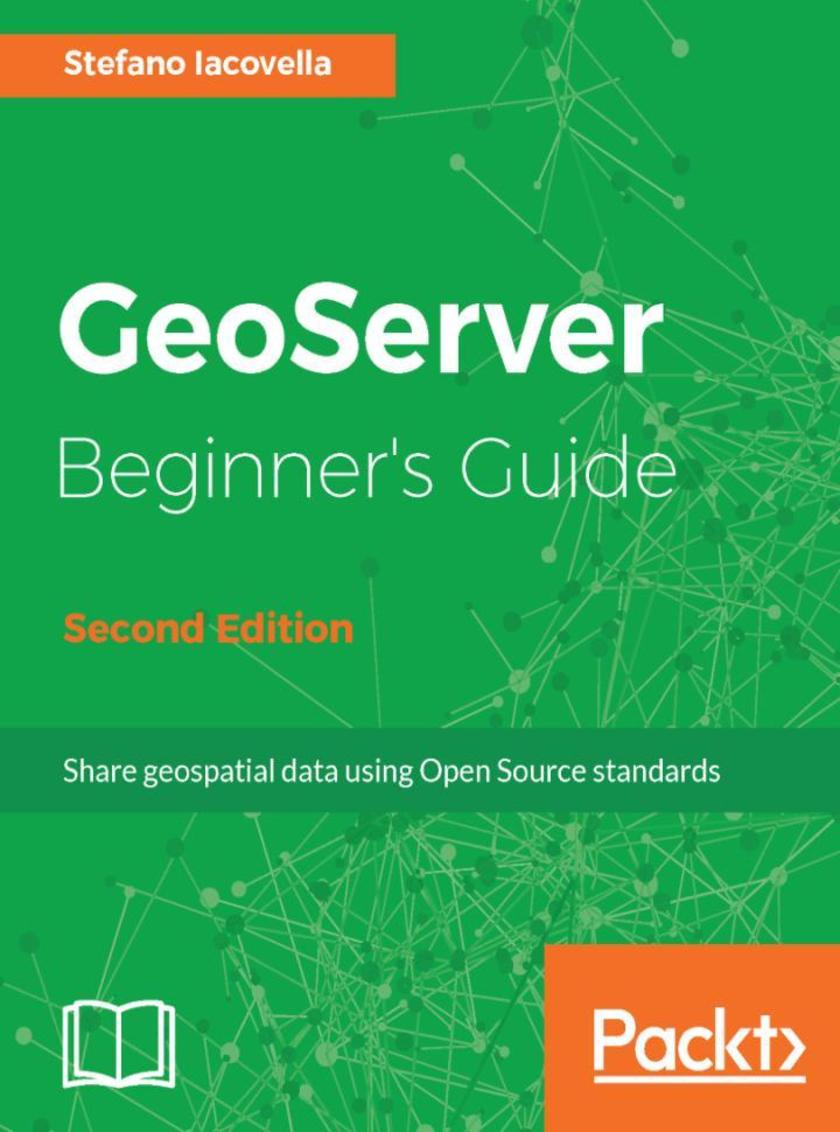
GeoServer Beginner's Guide - Second Edition
¥90.46
This step-by-step guide will teach you how to use GeoServer to build custom and interactive maps using your data. About This Book ? Exploit the power of GeoServer to provide agile, flexible, and low -cost community projects ? Share real-time maps quickly ? Boost your map server's performance using the power and flexibility of GeoServer Who This Book Is For If you are a web developer with knowledge of server side *ing, have experience in installing applications on the server, and want to go beyond Google Maps by offering dynamically built maps on your site with your latest geospatial data stored in MySQL, PostGIS, MySQL, or Oracle, this is the book for you. What You Will Learn ? Install GeoServer quickly ? Access dynamic real-time geospatial data that you can easily integrate into your own web-based application ? Create custom styles for lines, points, and polygons for great-looking maps ? Command GeoServer remotely using REST ? Tune your GeoServer instance for performance ? Move GeoServer into production ? Learn advanced topics to extend GeoServer's capabilities In Detail GeoServer is an opensource server written in Java that allows users to share, process, and edit geospatial data. This book will guide you through the new features and improvements of GeoServer and will help you get started with it. GeoServer Beginner's Guide gives you the impetus to build custom maps using your data without the need for costly commercial software licenses and restrictions. Even if you do not have prior GIS knowledge, you will be able to make interactive maps after reading this book. You will install GeoServer, access your data from a database, and apply style points, lines, polygons, and labels to impress site visitors with real-time maps. Then you follow a step-by-step guide that installs GeoServer in minutes. You will explore the web-based administrative interface to connect to backend data stores such as PostGIS, and Oracle. Going ahead, you can display your data on web-based interactive maps, use style lines, points, polygons, and embed images to visualize this data for your web visitors. You will walk away from this book with a working application ready for production. After reading GeoServer Beginner's Guide, you will be able to build beautiful custom maps on your website using your geospatial data. Style and approach Step-by-step instructions are included and the needs of a beginner are totally satisfied by the book. The book consists of plenty of examples with accompanying screenshots and code for an easy learning curve.
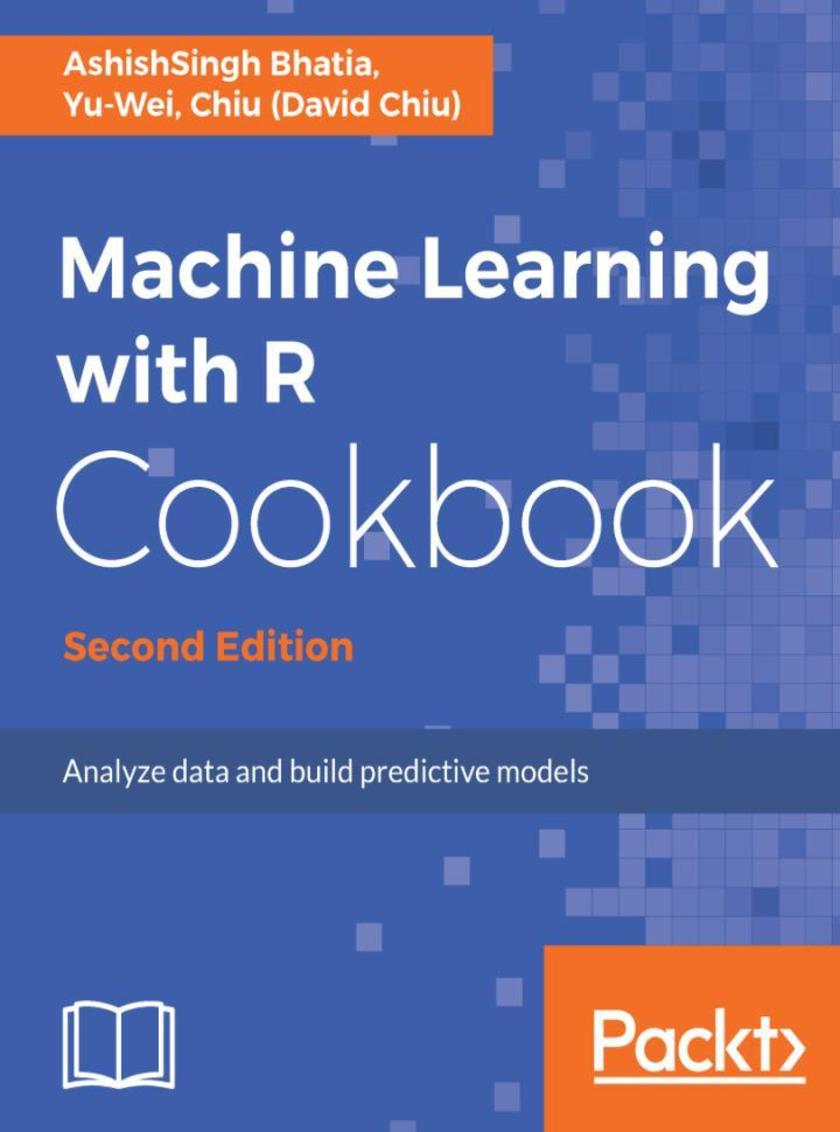
Machine Learning with R Cookbook - Second Edition
¥90.46
Explore over 110 recipes to analyze data and build predictive models with simple and easy-to-use R code About This Book ? Apply R to simplify predictive modeling with short and simple code ? Use machine learning to solve problems ranging from small to big data ? Build a training and testing dataset, applying different classification methods. Who This Book Is For This book is for data science professionals, data analysts, or people who have used R for data analysis and machine learning who now wish to become the go-to person for machine learning with R. Those who wish to improve the efficiency of their machine learning models and need to work with different kinds of data set will find this book very insightful. What You Will Learn ? Create and inspect transaction datasets and perform association analysis with the Apriori algorithm ? Visualize patterns and associations using a range of graphs and find frequent item-sets using the Eclat algorithm ? Compare differences between each regression method to discover how they solve problems ? Detect and impute missing values in air quality data ? Predict possible churn users with the classification approach ? Plot the autocorrelation function with time series analysis ? Use the Cox proportional hazards model for survival analysis ? Implement the clustering method to segment customer data ? Compress images with the dimension reduction method ? Incorporate R and Hadoop to solve machine learning problems on big data In Detail Big data has become a popular buzzword across many industries. An increasing number of people have been exposed to the term and are looking at how to leverage big data in their own businesses, to improve sales and profitability. However, collecting, aggregating, and visualizing data is just one part of the equation. Being able to extract useful information from data is another task, and a much more challenging one. Machine Learning with R Cookbook, Second Edition uses a practical approach to teach you how to perform machine learning with R. Each chapter is divided into several simple recipes. Through the step-by-step instructions provided in each recipe, you will be able to construct a predictive model by using a variety of machine learning packages. In this book, you will first learn to set up the R environment and use simple R commands to explore data. The next topic covers how to perform statistical analysis with machine learning analysis and assess created models, covered in detail later on in the book. You'll also learn how to integrate R and Hadoop to create a big data analysis platform. The detailed illustrations provide all the information required to start applying machine learning to individual projects. With Machine Learning with R Cookbook, machine learning has never been easier. Style and approach This is an easy-to-follow guide packed with hands-on examples of machine learning tasks. Each topic includes step-by-step instructions on tackling difficulties faced when applying R to machine learning.
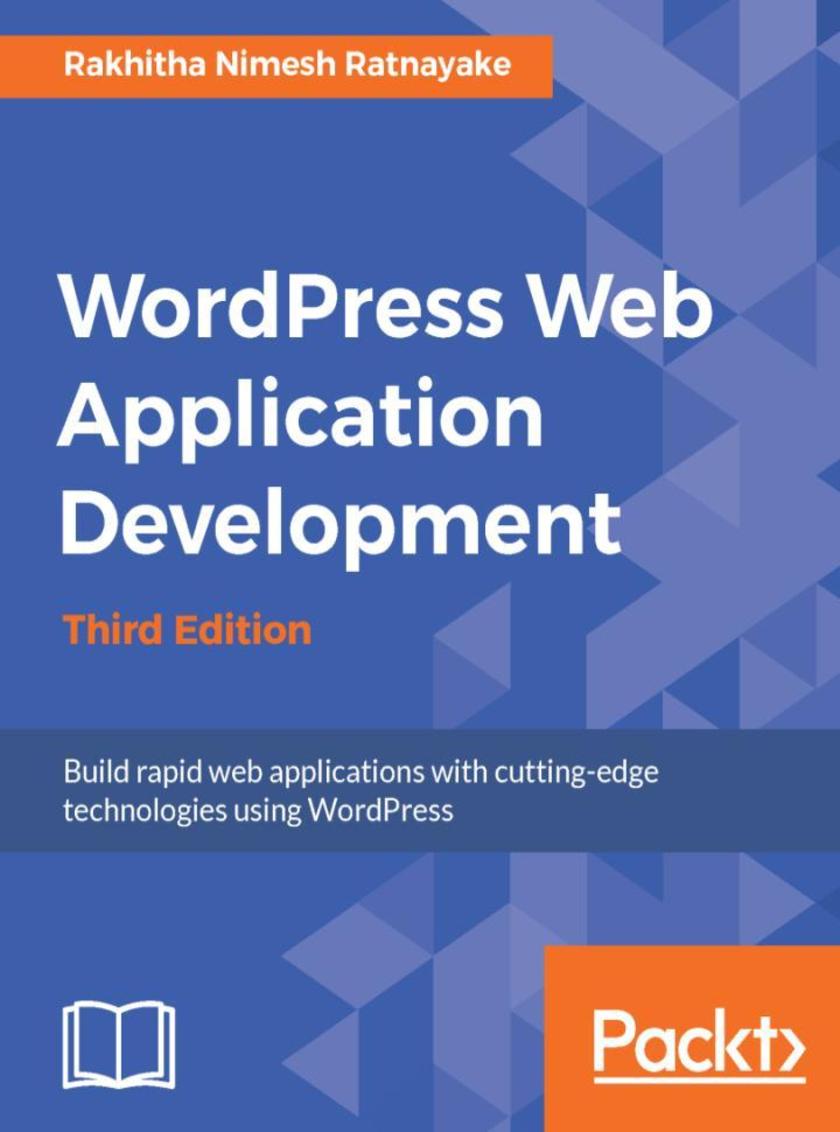
Wordpress Web Application Development - Third Edition
¥90.46
Learn in easy stages how to rapidly build leading-edge web applications from scratch. About This Book ? Develop powerful web applications rapidly with WordPress ? Explore the significant features and improvements introduced in WordPress 4.7 by learning the numerous tips and techniques in this book. ? Unleash the power of REST API endpoints to make your interaction with websites new and innovative. Who This Book Is For This book is targeted at WordPress developers and designers who want to develop quality web applications within a limited time frame and maximize their profits. A prior knowledge of basic web development and design is assumed. What You Will Learn ? Develop extendable plugins with the use of WordPress features in core modules ? Develop pluggable modules to extend the core features of WordPress as independent modules ? Manage permissions for a wide range of content types in web applications based on different user types ? Follow WordPress coding standards to develop reusable and maintainable code ? Build and customize themes beyond conventional web layouts ? Explore the power of core database tables and understand the limitations when designing database tables for large applications ? Integrate open source modules into WordPress applications to keep up with the latest open source technologies ? Customize the WordPress admin section and themes to create the look and feel of a typical web application In Detail WordPress is one of the most rapidly expanding markets on the Web. Learning how to build complex and scalable web applications will give you the ability and knowledge to step into the future of WordPress. WordPress 4.7 introduces some exciting new improvements and several bug fixes, which further improve the entire development process.This book is a practical, scenario-based guide to expanding the power of the WordPress core modules to develop modular and maintainable real-world applications from scratch. This book consistently emphasizes adapting WordPress features into web applications. It will walk you through the advanced usages of existing features such as access controlling; database handling; custom post types; pluggable plugins; content restrictions; routing; translation; caching; and many more, while you build the backend of a forum management application. This book begins by explaining how to plan the development of a web application using WordPress' core features. Once the core features are explained, you will learn how to build an application by extending them through custom plugin development. Finally, you will explore advanced non-functional features and application integration. After reading this book, you will have the ability to develop powerful web applications rapidly within limited time frames. Style and approach An extensive, practical guide that explains how to adapt WordPress features, both conventional and trending, for web applications.
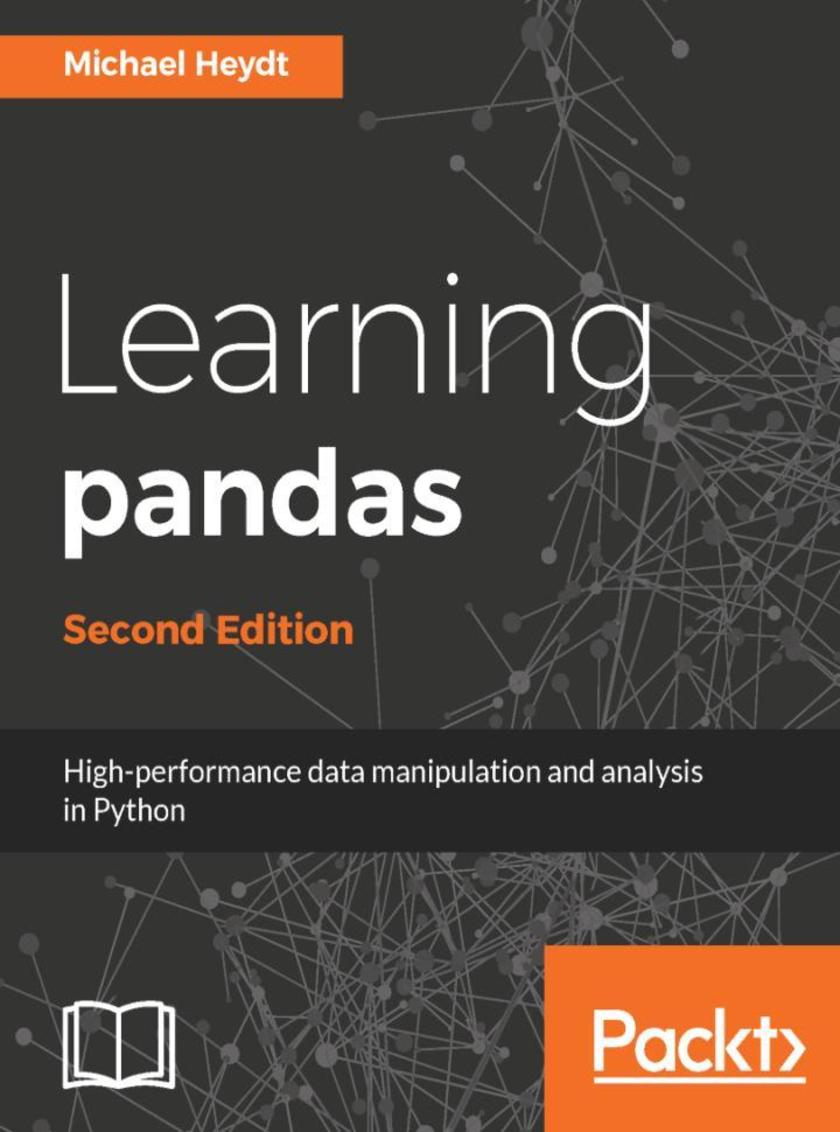
Learning pandas - Second Edition
¥90.46
Get to grips with pandas—a versatile and high-performance Python library for data manipulation, analysis, and discovery About This Book ? Get comfortable using pandas and Python as an effective data exploration and analysis tool ? Explore pandas through a framework of data analysis, with an explanation of how pandas is well suited for the various stages in a data analysis process ? A comprehensive guide to pandas with many of clear and practical examples to help you get up and using pandas Who This Book Is For This book is ideal for data scientists, data analysts, Python programmers who want to plunge into data analysis using pandas, and anyone with a curiosity about analyzing data. Some knowledge of statistics and programming will be helpful to get the most out of this book but not strictly required. Prior exposure to pandas is also not required. What You Will Learn ? Understand how data analysts and scientists think about of the processes of gathering and understanding data ? Learn how pandas can be used to support the end-to-end process of data analysis ? Use pandas Series and DataFrame objects to represent single and multivariate data ? Slicing and dicing data with pandas, as well as combining, grouping, and aggregating data from multiple sources ? How to access data from external sources such as files, databases, and web services ? Represent and manipulate time-series data and the many of the intricacies involved with this type of data ? How to visualize statistical information ? How to use pandas to solve several common data representation and analysis problems within finance In Detail You will learn how to use pandas to perform data analysis in Python. You will start with an overview of data analysis and iteratively progress from modeling data, to accessing data from remote sources, performing numeric and statistical analysis, through indexing and performing aggregate analysis, and finally to visualizing statistical data and applying pandas to finance. With the knowledge you gain from this book, you will quickly learn pandas and how it can empower you in the exciting world of data manipulation, analysis and science. Style and approach ? Step-by-step instruction on using pandas within an end-to-end framework of performing data analysis ? Practical demonstration of using Python and pandas using interactive and incremental examples
Modern C++ Programming Cookbook
¥90.46
Over 100 recipes to help you overcome your difficulties with C++ programming and gain a deeper understanding of the working of modern C++ About This Book ? Explore the most important language and library features of C++17, including containers, algorithms, regular expressions, threads, and more, ? Get going with unit testing frameworks Boost.Test, Google Test and Catch, ? Extend your C++ knowledge and take your development skills to new heights by making your applications fast, robust, and scalable. Who This Book Is For If you want to overcome difficult phases of development with C++ and leverage its features using modern programming practices, then this book is for you. The book is designed for both experienced C++ programmers as well as people with strong knowledge of OOP concepts. What You Will Learn ? Get to know about the new core language features and the problems they were intended to solve ? Understand the standard support for threading and concurrency and know how to put them on work for daily basic tasks ? Leverage C++’s features to get increased robustness and performance ? Explore the widely-used testing frameworks for C++ and implement various useful patterns and idioms ? Work with various types of strings and look at the various aspects of compilation ? Explore functions and callable objects with a focus on modern features ? Leverage the standard library and work with containers, algorithms, and iterators ? Use regular expressions for find and replace string operations ? Take advantage of the new filesystem library to work with files and directories ? Use the new utility additions to the standard library to solve common problems developers encounter including string_view, any , optional and variant types In Detail C++ is one of the most widely used programming languages. Fast, efficient, and flexible, it is used to solve many problems. The latest versions of C++ have seen programmers change the way they code, giving up on the old-fashioned C-style programming and adopting modern C++ instead. Beginning with the modern language features, each recipe addresses a specific problem, with a discussion that explains the solution and offers insight into how it works. You will learn major concepts about the core programming language as well as common tasks faced while building a wide variety of software. You will learn about concepts such as concurrency, performance, meta-programming, lambda expressions, regular expressions, testing, and many more in the form of recipes. These recipes will ensure you can make your applications robust and fast. By the end of the book, you will understand the newer aspects of C++11/14/17 and will be able to overcome tasks that are time-consuming or would break your stride while developing. Style and approach This book follows a recipe-based approach, with examples that will empower you to implement the core programming language features and explore the newer aspects of C++.


