


 购物车
购物车 个人中心
个人中心
Continuous Delivery with Docker and Jenkins
¥80.65
Unleash the combination of Docker and Jenkins in order to enhance the DevOps workflow About This Book ? Build reliable and secure applications using Docker containers. ? Create a complete Continuous Delivery pipeline using Docker, Jenkins, and Ansible. ? Deliver your applications directly on the Docker Swarm cluster. ? Create more complex solutions using multi-containers and database migrations. Who This Book Is For This book is indented to provide a full overview of deep learning. From the beginner in deep learning and artificial intelligence to the data scientist who wants to become familiar with Theano and its supporting libraries, or have an extended understanding of deep neural nets. Some basic skills in Python programming and computer science will help, as well as skills in elementary algebra and calculus. What You Will Learn ? Get to grips with docker fundamentals and how to dockerize an application for the Continuous Delivery process ? Configure Jenkins and scale it using Docker-based agents ? Understand the principles and the technical aspects of a successful Continuous Delivery pipeline ? Create a complete Continuous Delivery process using modern tools: Docker, Jenkins, and Ansible ? Write acceptance tests using Cucumber and run them in the Docker ecosystem using Jenkins ? Create multi-container applications using Docker Compose ? Managing database changes inside the Continuous Delivery process and understand effective frameworks such as Cucumber and Flyweight ? Build clustering applications with Jenkins using Docker Swarm ? Publish a built Docker image to a Docker Registry and deploy cycles of Jenkins pipelines using community best practices In Detail The combination of Docker and Jenkins improves your Continuous Delivery pipeline using fewer resources. It also helps you scale up your builds, automate tasks and speed up Jenkins performance with the benefits of Docker containerization. This book will explain the advantages of combining Jenkins and Docker to improve the continuous integration and delivery process of app development. It will start with setting up a Docker server and configuring Jenkins on it. It will then provide steps to build applications on Docker files and integrate them with Jenkins using continuous delivery processes such as continuous integration, automated acceptance testing, and configuration management. Moving on you will learn how to ensure quick application deployment with Docker containers along with scaling Jenkins using Docker Swarm. Next, you will get to know how to deploy applications using Docker images and testing them with Jenkins. By the end of the book, you will be enhancing the DevOps workflow by integrating the functionalities of Docker and Jenkins. Style and approach The book is aimed at DevOps Engineers, developers and IT Operations who want to enhance the DevOps culture using Docker and Jenkins.
AWS Tools for PowerShell 6
¥80.65
Leverage the power of PowerShell to bring the best out of your AWS infrastructure About This Book ? A collection of real-world-tested Powershell *s that can be used to manage your Windows server efficiently ? Follow step-by-step processes to solve your problems with Windows servers using AWS tools ? Design examples that work in the Amazon free usage tier, which lets you run the Windows platform on cloud Who This Book Is For This book will be useful for (but not limited to) Windows System administrators, cloud engineers, architects, DevOps engineers, and all those who want to accomplish tasks on the AWS Public Cloud using PowerShell. What You Will Learn ? Install the AWS Tools for PowerShell 6 ? Understand key services provided by Amazon Web services (AWS) ? Understand the Virtual Private Cloud ? Use PowerShell 6 for AWS Identity and Access Management (IAM) ? Use PowerShell 6 for AWS Elastic Compute Cloud (EC2) ? Use PowerShell 6 for AWS Simple Storage Service (S3) ? Use PowerShell 6 for AWS Relational Database Service (RDS) ? Build fault-tolerant and highly-available applications using PowerShell 6 In Detail AWS Tools for PowerShell 6 shows you exactly how to automate all the aspects of AWS. You can take advantage of the amazing power of the cloud, yet add powerful *s and mechanisms to perform common tasks faster than ever before. This book expands on the Amazon documentation with real-world, useful examples and production-ready *s to automate all the aspects of your new cloud platform. It will cover topics such as managing Windows with PowerShell, setting up security services, administering database services, and deploying and managing networking. You will also explore advanced topics such as PowerShell authoring techniques, and configuring and managing storage and content delivery. By the end of this book, you will be able to use Amazon Web Services to automate and manage Windows servers. You will also have gained a good understanding of automating the AWS infrastructure using simple coding. Style and approach This step-by-step guide starts with simple examples then expands to full-blown administrative tasks leading to the efficient management of Windows servers. Each topic covers a section related to Amazon Web Services products, and the examples are built on one another to deliver a comprehensive library of *s for administrators.
JBoss: Developer's Guide
¥80.65
Build your own enterprise applications and integration flows with JBoss and its products About This Book ? Build fast, smart, and flexible applications using JBoss ? Couple one or more JBoss products to effectively solve various business problems ? Explore the JBoss product ecosystem for improving the performance of your projects Who This Book Is For If you are a Java developer who wants to have a complete view of the JBoss ecosystem or quickly explore a specific JBoss Product, then this is the book you want. Integrators and consultants, familiar with JBoss, who want integrate several JBoss products within their ongoing project will also find this book useful. What You Will Learn ? Create new applications or integrate existing systems with JBoss products ? Setup and manage a JBoss domain ? Setup and manage a JBoss Fuse cluster with Fabric and Apache Karaf ? Create and deploy OSGi applications on JBoss Fuse containers ? Manage enterprise data with JBoss Datagrid ? Aggregate various data sources with JBoss Data virtualization to offer data as a service ? Optimize your business and workflows with both JBoss Business RulesManagement System and JBoss Business Process Management platforms. In Detail Have you often wondered what is the best JBoss product to solve a specific problem? Do you want to get started with a specific JBoss product and know how to integrate different JBoss products in your IT Systems? Then this is the book for you. Through hands-on examples from the business world, this guide presents details on the major products and how you can build your own Enterprise services around the JBoss ecosystem. Starting with an introduction to the JBoss ecosystem, you will gradually move on to developing and deploying clustered application on JBoss Application Server, and setting up high availability using undertow or HA proxy loadbalancers. As you are moving to a micro service archicture, you will be taught how to package existing Java EE applications as micro service using Swarm or create your new micro services from scratch by coupling most popular Java EE frameworks like JPA, CDI with Undertow handlers. Next, you will install and configure JBoss Data grid in development and production environments, develop cache based applications and aggregate various data source in JBoss data virtualization. You will learn to build, deploy, and monitor integration scenarios using JBoss Fuse and run both producers/consumers applications relying on JBoss AMQ. Finally, you will learn to develop and run business workflows and make better decisions in your applications using Drools and Jboss BPM Suite Platform. Style and Approach The book works through the major JBoss products, with examples and instructions to help you understand each product and how they work together.
Azure Serverless Computing Cookbook
¥80.65
Over 50 recipes to help you build applications hosted on Serverless architecture using Azure Functions. About This Book ? Enhance Azure Functions with continuous deployment using Visual Studio Team Services ? Learn to deploy and manage cost-effective and highly available serverless applications using Azure Functions ? This recipe-based guide will teach you to build a robust serverless environment Who This Book Is For If you are a Cloud administrator, architect, or developer who wants to build scalable systems and deploy serverless applications with Azure functions, then this book is for you. Prior knowledge and hands-on experience with core services of Microsoft Azure is required. What You Will Learn ? Develop different event-based handlers supported by serverless architecture supported by Microsoft Cloud Platform – Azure ? Integrate Azure Functions with different Azure Services to develop Enterprise-level applications ? Get to know the best practices in organizing and refactoring the code within the Azure functions ? Test, troubleshoot, and monitor the Azure functions to deliver high-quality, reliable, and robust cloud-centric applications ? Automate mundane tasks at various levels right from development to deployment and maintenance ? Learn how to develop statefulserverless applications and also self-healing jobs using DurableFunctions In Detail Microsoft provides a solution to easily run small segment of code in the Cloud with Azure Functions. Azure Functions provides solutions for processing data, integrating systems, and building simple APIs and microservices. The book starts with intermediate-level recipes on serverless computing along with some use cases on benefits and key features of Azure Functions. Then, we’ll deep dive into the core aspects of Azure Functions such as the services it provides, how you can develop and write Azure functions, and how to monitor and troubleshoot them. Moving on, you’ll get practical recipes on integrating DevOps with Azure functions, and providing continuous integration and continous deployment with Visual Studio Team Services. It also provides hands-on steps and tutorials based on real-world serverless use cases, to guide you through configuring and setting up your serverless environments with ease. Finally, you’ll see how to manage Azure functions, providing enterprise-level security and compliance to your serverless code architecture. By the end of this book, you will have all the skills required to work with serverless code architecture, providing continuous delivery to your users. Style and approach This recipe-based guide explains the different features of Azure Function by taking a real-world application related to a specific domain. You will learn how to implement automation and DevOps and discover industry best practices to develop applications hosted on serverless architecture using Azure functions.
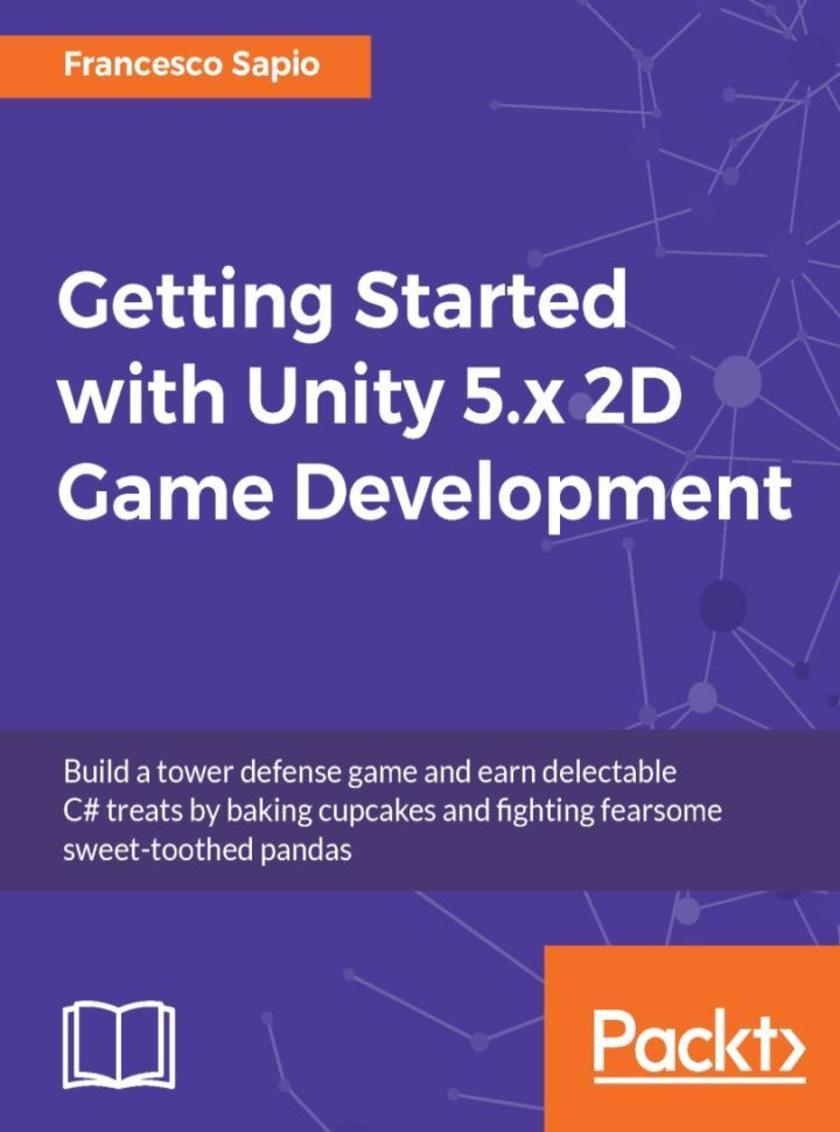
Getting Started with Unity 5.x 2D Game Development
¥80.65
Build a tower defense game and earn delectable C# treats by baking cupcakes and fighting fearsome sweet-toothed pandas About This Book Build a complete and exciting 2D Tower Defense game from scratch. Understand and learn to perform each phase of the game development pipeline Homework and exercises to improve your skills and take them to the next level Who This Book Is For If you are looking forward to get started with 2D game development, either if you are a newcomer to this world, or you came from 3D games or other game engines, this book is for you. Although there are many references to other resources throughout the book, it is assumed that you have a general understanding of C# and its syntax and structure. What You Will Learn Import and set up assets for 2D game development Design and implement dynamic and responsive User Interfaces Create and handle complex animation systems Unlock all the potentiality of the physics engine Implement Artificial Intelligence algorithms to give intelligence to your NPCs Script gameplay and overall bring your ideas to life In Detail Want to get started in the world of 2D game development with UnityThis book will take your hand and guide you through this amazing journey to let you know exactly what you need to build the games you want to build, without sacrificing quality. You will build a solid understanding of Unity 5.x, by focusing with the embedded tools to develop 2D games. In learning about these, along with accurate explanations and practical examples, you will design, develop, learn how to market and publish a delectable Tower Defense game about cupcakes versus pandas. Each chapter in this book is structured to give you a full understanding on a specific aspect of the workflow pipeline. Each of these aspects are essential for developing games in Unity. In a step-by-step approach, you will learn about each of the following phases: Game Design, Asset Importing, Scripting, User Interfaces, Animations, Physics, Artificial Intelligence, Gameplay Programming, Polishing and Improving, Marketing, Publishing and much more. This book provides you with exercises and homework at the end of each chapter so that you can level up your skills as a Unity game developer. In addition, each of these parts are centered on a common point of discussion with other learners just like you. Therefore, by sharing your ideas with other people you will not only develop your skills but you will also build a network. Style and approach This is a fun step-by-step approach in the whole pipeline of 2D game development in Unity, which is explained in a conversational and easy-to-follow style. Each topic is explained sequentially, allowing you to experience both basics and advanced features of Unity. By doing this, the book is able to provide you with a solid grasp on each of the topics. In this way, by engaging with the book’s content, exploring the additional references to further readings and completing the homework sections, you are able to challenge yourself and apply what you know in a variety of ways. Once you have finished reading this book, you will be well on your way to developing games from start to finish!
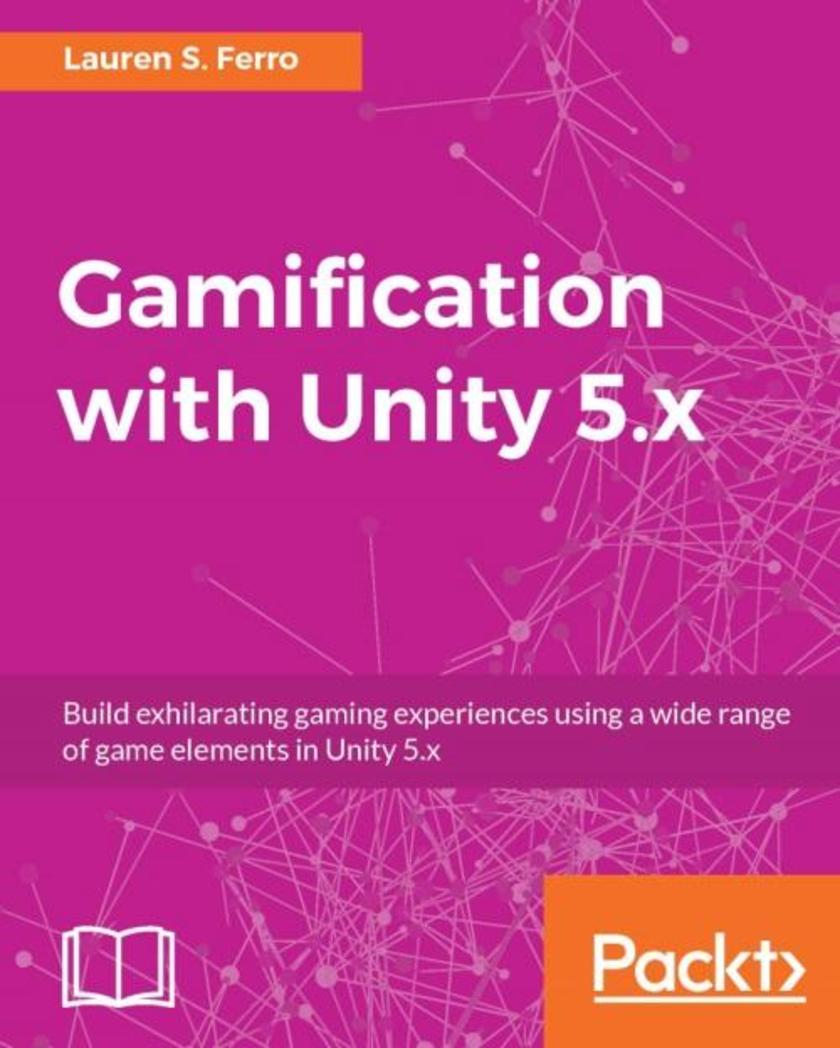
Gamification with Unity 5.x
¥80.65
Build exhilarating gaming experiences using a wide range of game elements in Unity 5.x About This Book Achieve your goals in a fun-filled way by creating gamification projects from scratch Leverage the Unity 5.X toolkit to create stunning and appealing projects Make your transition towards a pro project manager/ developer by learning tricks and techniques Who This Book Is For If you are a project manager, game developer, or programmer who wants to create successful end-to-end gamification projects from scratch, then this is the book for you. You do not need any previous experience of working with Unity 5.X. All the details required to make the most of gamifying your projects are provided in the book. What You Will Learn Assess your learners’ abilities by setting up challenges and quests Implement the game elements that relate to the project into Unity Publish your own task management application to better engage readers Improve your design using methods of playtesting and iteration Issue OpenBadges to recognize achievements and set up an online database to store your users achievements. In Detail Are you looking at implementing gamification techniques for your business and wondering where to get a complete rundown of all the tricks and techniquesWell, you have come to the right place! This book will start right from the basics such as gameplay elements and their functionalities before gradually moving onto creating your first gamification project from scratch. You’ll be given the tools and shown how to perform various techniques for creating gamified applications in different contexts. Finally, you will implement various game elements into Unity, publish your own task management application, and get to know the best practices and approaches when designing gamified experiences. Style and approach This book takes a real-world case studies approach, moving ahead in a step-by-step tutorial manner. You will create your own project from scratch, and the practical examples will help you create a successful gamification project.
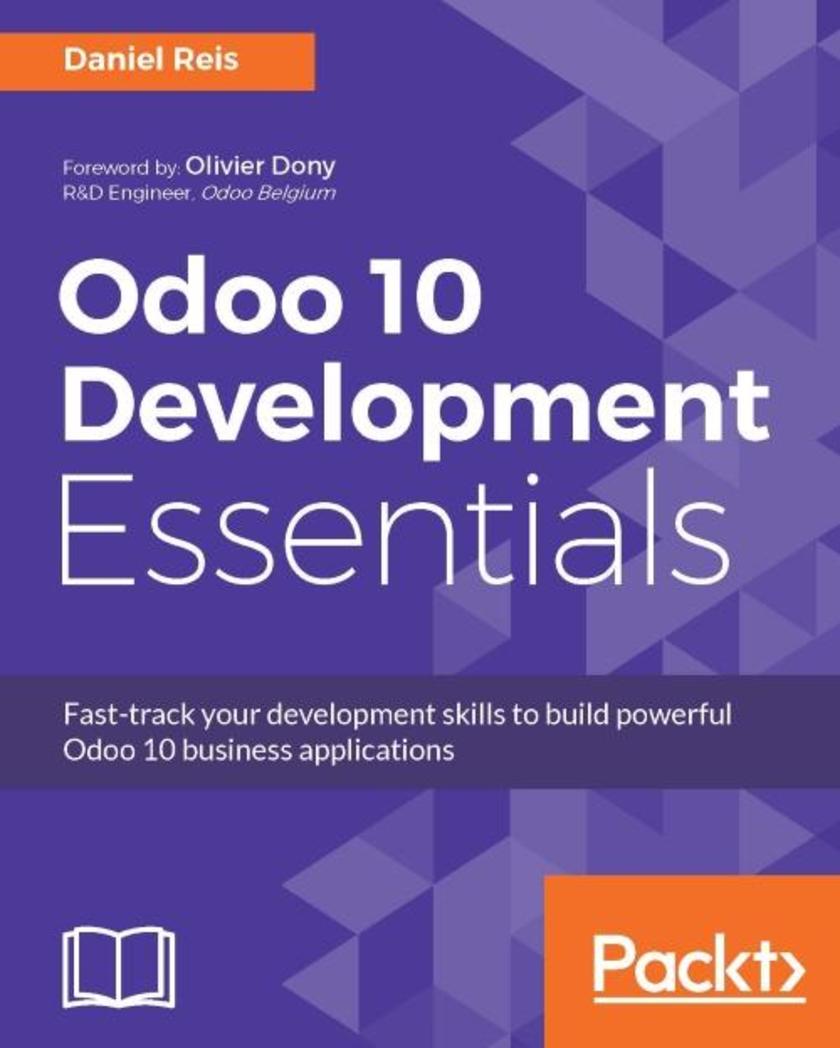
Odoo 10 Development Essentials
¥80.65
Fast-track your development skills to build powerful Odoo 10 business applications About This Book Get the most up-to-date guide on Odoo 10 and learn how to build excellent business applications with Odoo This example-rich, easy-to-follow guide enables you to build apps appropriate to your business needs Create solid business applications with the help of this precise, to-the-point guide Who This Book Is For This book caters to developers who are familiar with Python and MVC design and now want to build effective business applications using Odoo. What You Will Learn Install Odoo from source code and use all the basic techniques to setup and manage your Odoo server instances Create your first Odoo application Add Odoo's social and messaging features to your own modules Get to know the essentials of Models and Views Understand and use the server API to add business logic Use Qweb to create custom Reports Extend Odoo CMS features to create your own website controllers and pages Leverage Odoo Workflows on your applications Write module automated tests and debugging techniques Deploy your Odoo applications for production use In Detail Odoo is one of the fastest growing open source, business application development software products available. With announcement of Odoo 10, there are many new features added to Odoo and the face of business applications developed with Odoo has changed. This book will not only teach you how to build and customize business applications with Odoo, but it also covers all the new features that Odoo has to offer. This book is the latest resource on developing and customizing Odoo 10 applications. It comes packed with much more and refined content than its predecessor. It will start with building business applications from scratch and will cover topics such as module extensions, inheritance, working with data, user interfaces, and so on. The book also covers the latest features of Odoo 10, in addition to front end development, testing and debugging techniques. The book will also talk about Odoo Community and Odoo Enterprise. Style and approach This book follows a step-by-step practical approach where you will learn new concepts with every progressing chapter and create apps for business development.
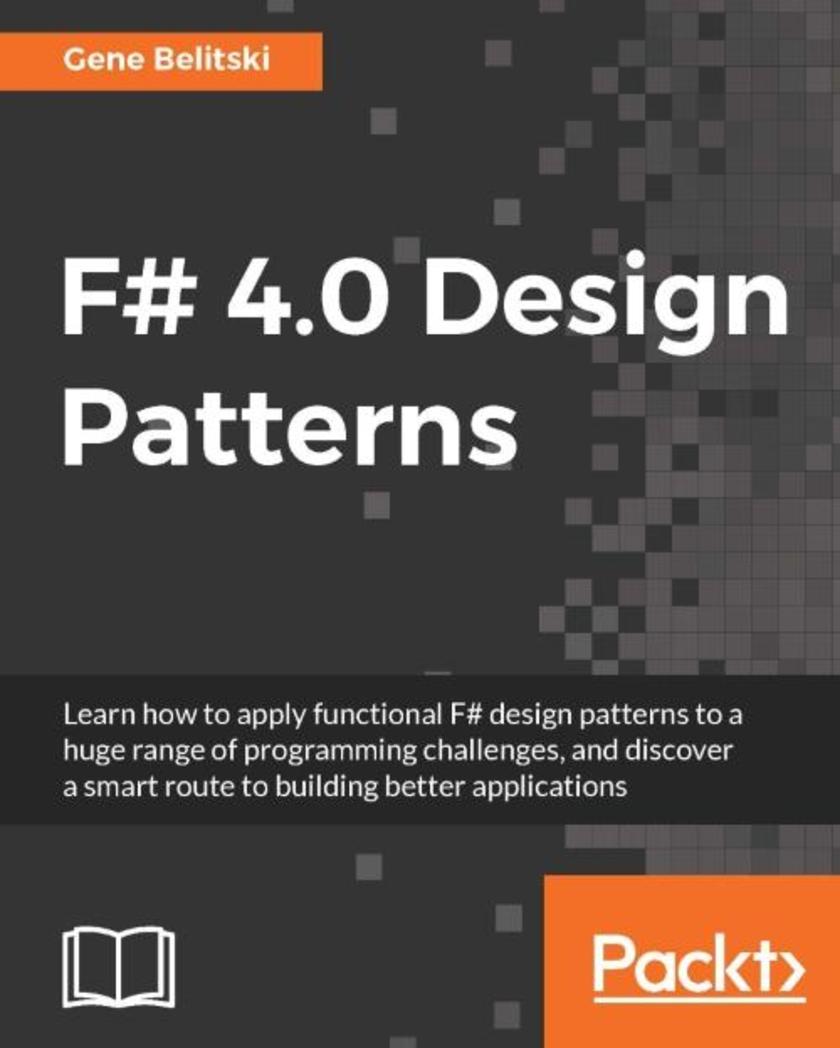
F# 4.0 Design Patterns
¥80.65
Learn how to apply functional F# design patterns to a huge range of programming challenges, and discover a smart route to building better applications About This Book This book provides a path if you are coming from imperative and object-oriented paradigms It will take you to an intermediate level of functional programming in very practical manner to write enterprise-quality idiomatic F# code Tackle complex computing problems with simple code by fully embracing the functional-first F# paradigm Packed full of practical coding examples to help you master F# programming and author optimal code Who This Book Is For This book is for .NET developers, web programmers, C# developers, and F# developers. So, if you have basic experience in F# programming and developing performance-critical applications, then this book is for you. What You Will Learn Acquire the practical knowledge to use the main functional design patterns Realign some imperative and object-oriented principles under the functional approach Develop your confidence in building and combining first-order and higher-order functions Learn to use core language pattern matching effectively Make use of native F# algebraic data types in place of custom-built classes Recognize and measure the difference in resource consumption between sequences and materialized data collections Navigate and use F# Core libraries with ease by seeing patterns behind specific library functions Master writing generic polymorphic code In Detail Following design patterns is a well-known approach to writing better programs that captures and reuses high-level abstractions that are common in many applications. This book will encourage you to develop an idiomatic F# coding skillset by fully embracing the functional-first F# paradigm. It will also help you harness this powerful instrument to write succinct, bug-free, and cross-platform code. F# 4.0 Design Patterns will start off by helping you develop a functional way of thinking. We will show you how beneficial the functional-first paradigm is and how to use it to get the optimum results. The book will help you acquire the practical knowledge of the main functional design patterns, the relationship of which with the traditional Gang of Four set is not straightforward. We will take you through pattern matching, immutable data types, and sequences in F#. We will also uncover advanced functional patterns, look at polymorphic functions, typical data crunching techniques, adjusting code through augmentation, and generalization. Lastly, we will take a look at the advanced techniques to equip you with everything you need to write flawless code. Style and approach This book will teach you how to write F# code in an idiomatic functional-first manner, thereby improving the productivity of F# programmers. This book is ideal for an F# programmer who wants using F# in functional-first way.
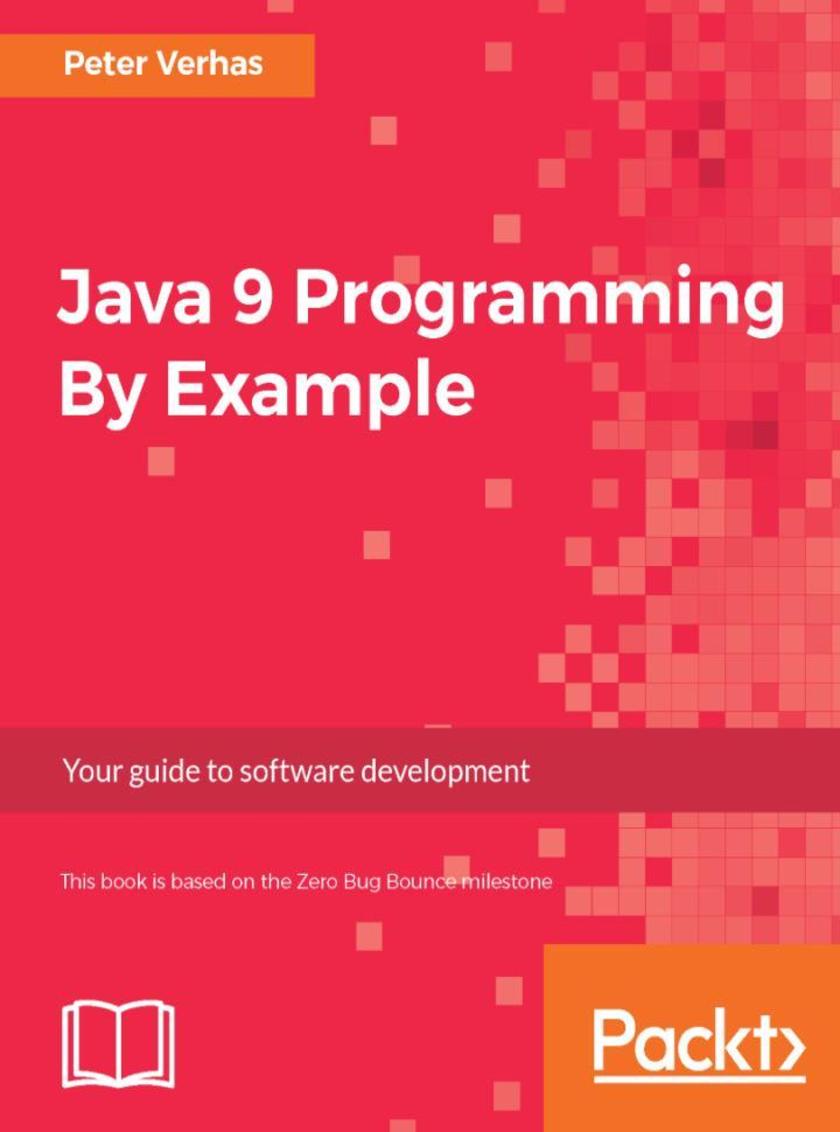
Java 9 Programming By Example
¥80.65
This book gets you started with essential software development easily and quickly, guiding you through Java's different facets. By adopting this approach, you can bridge the gap between learning and doing immediately. You will learn the new features of Java 9 quickly and experience a simple and powerful approach to software development. You will be able to use the Java runtime tools, understand the Java environment, and create Java programs. We then cover more simple examples to build your foundation before diving to some complex data structure problems that will solidify your Java 9 skills. With a special focus on modularity and HTTP 2.0, this book will guide you to get employed as a top notch Java developer. By the end of the book, you will have a firm foundation to continue your journey towards becoming a professional Java developer. What you will learn ?Compile, package and run a trivial program using a build management tool ?Get to know the principles of test-driven development and dependency management ?Separate the wiring of multiple modules from the application logic into an application using dependency injection ?Benchmark Java execution using Java 9 microbenchmarking ?See the workings of the Spring framework
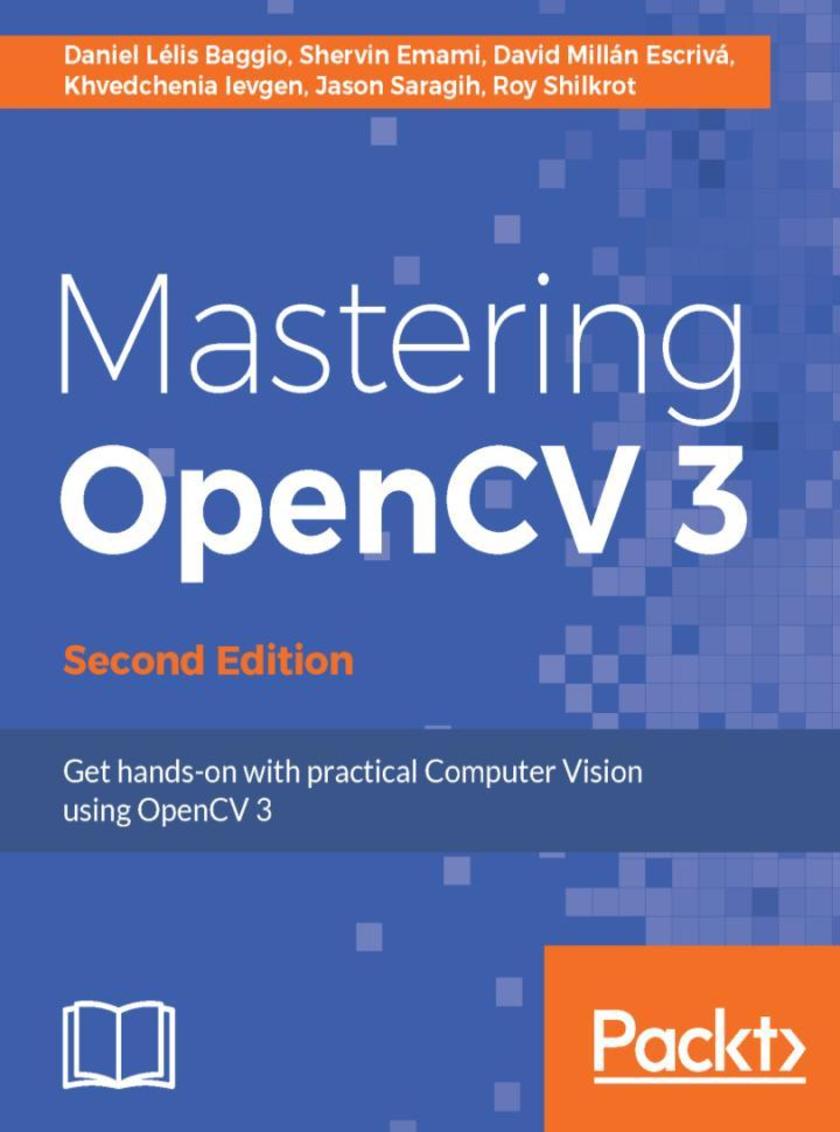
Mastering OpenCV 3 - Second Edition
¥80.65
Practical Computer Vision Projects About This Book ?Updated for OpenCV 3, this book covers new features that will help you unlock the full potential of OpenCV 3 ?Written by a team of 7 experts, each chapter explores a new aspect of OpenCV to help you make amazing computer-vision aware applications ?Project-based approach with each chapter being a complete tutorial, showing you how to apply OpenCV to solve complete problems Who This Book Is For This book is for those who have a basic knowledge of OpenCV and are competent C++ programmers. You need to have an understanding of some of the more theoretical/mathematical concepts, as we move quite quickly throughout the book. What You Will Learn ?Execute basic image processing operations and cartoonify an image ?Build an OpenCV project natively with Raspberry Pi and cross-compile it for Raspberry Pi.text ?Extend the natural feature tracking algorithm to support the tracking of multiple image targets on a video ?Use OpenCV 3's new 3D visualization framework to illustrate the 3D scene geometry ?Create an application for Automatic Number Plate Recognition (ANPR) using a support vector machine and Artificial Neural Networks ?Train and predict pattern-recognition algorithms to decide whether an image is a number plate ?Use POSIT for the six degrees of freedom head pose ?Train a face recognition database using deep learning and recognize faces from that database In Detail As we become more capable of handling data in every kind, we are becoming more reliant on visual input and what
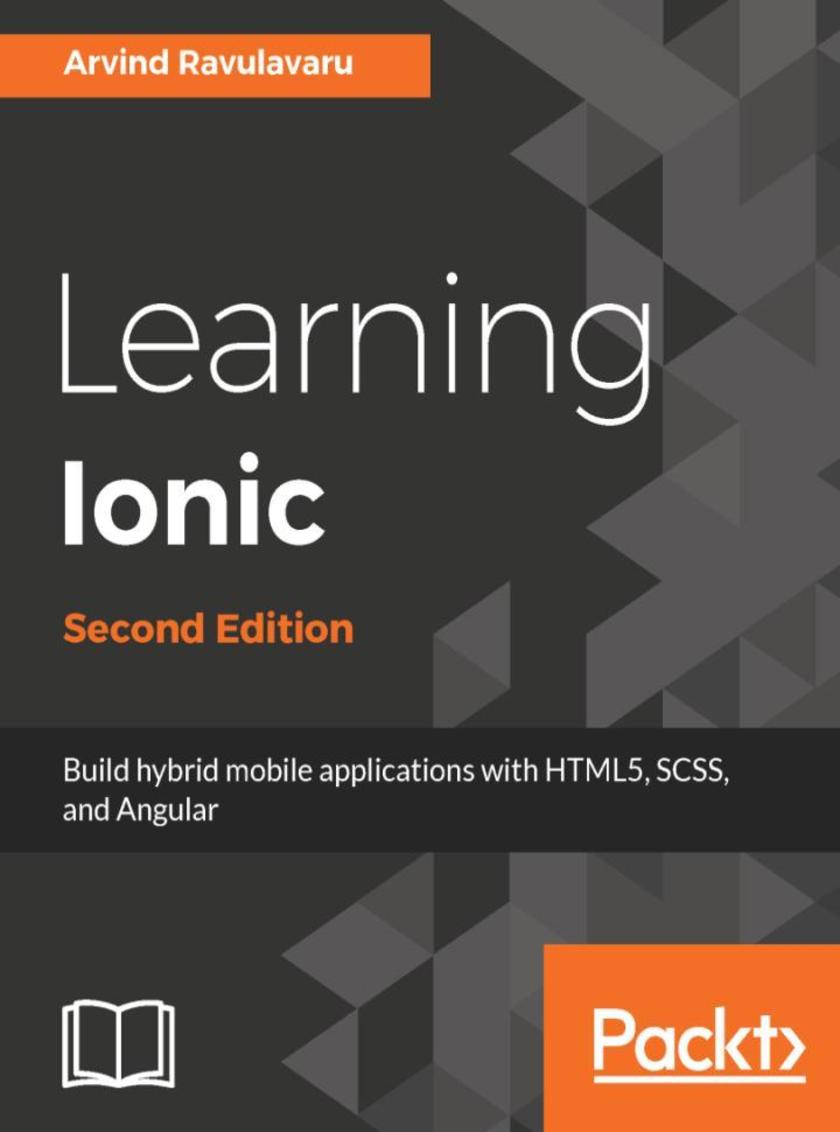
Learning Ionic - Second Edition
¥80.65
"Create real-time hybrid applications with the leader of HTML5 frameworks: Ionic Framework About This Book ?Step into the world of amazingly interactive and real-time app development using Ionic 2 ?Leverage the powerful Angular 2 along with Ionic to develop cutting edge apps ?Detailed code examples and explanations will help you get up and running with Ionic quickly and easily Who This Book Is For This book is for JavaScript developers with basic skills. No previous knowledge of Ionic is required for this book. What You Will Learn ?Understanding the world of the mobile hybrid architecture ?Scaffolding and working with Ionic templates ?Transforming a single page app to a multi-page app using Navigation Controller ?Integrating Ionic components, decorators, and services and rapidly developing complex applications ?Theming Ionic apps as well as customizing components using SCSS ?Working with Ionic Native to interface with device features, such as camera, notifications, and battery ?Building a production grade app using Ionic and Uber API to let users book a ride ?Migrating an Ionic 1 app to Ionic 2 or Ionic 3 ?Performing unit testing, end-to-end testing, and device testing on your apps ?Deploying Ionic apps to store and manage their subsequent releases In Detail Ionic makes it incredibly easy to build beautiful and interactive mobile apps using HTML5, SCSS, and Angular. Ionic also makes app development easier, faster, and more fun. This hands-on guide will help you understand the Ionic framework and how you can leverage it to create amazing real-time applications. We begin by covering the essential features of Angular 2, and then dive straight into how Ionic fits in today's world of hybrid app development and give you a better understanding of the mobile hybrid architecture along the way. Further on, you will learn how to work with Ionic decorators, services, and components, which will allow you to build complex apps using the Ionic framework. We will take a look at theming Ionic apps using the built-in SCSS setup. After that, we will explore Ionic Native, and you will learn how to integrate device-specific features, such as notifications, with the Ionic app. To complete our learning, we will be building a Rider app, using Ionic and Uber API, to book a ride. Next, you will learn how to unit test, end-to-end test, monkey test, and execute device testing on AWS Device farm. Then, we will take a look at migrating the existing Ionic 1 apps to Ionic 2 and deploy them to the App Store. The final chapter on Ionic 3 wraps up this book by explaining the new features of Ionic 3 at the time of writing this book. By the end of this book, you will be able to develop, deploy, and manage hybrid mobile applications built with Cordova, Ionic, and Angular. All the examples in this book are valid for both Ionic 2 and Ionic 3. Style and approach A step-by-step, practical approach to learning Ionic using the example of designing an online course app. Each topic is explained sequentially in the process of creating a course. This includes explanations of both basic and advanced features of Ionic. "
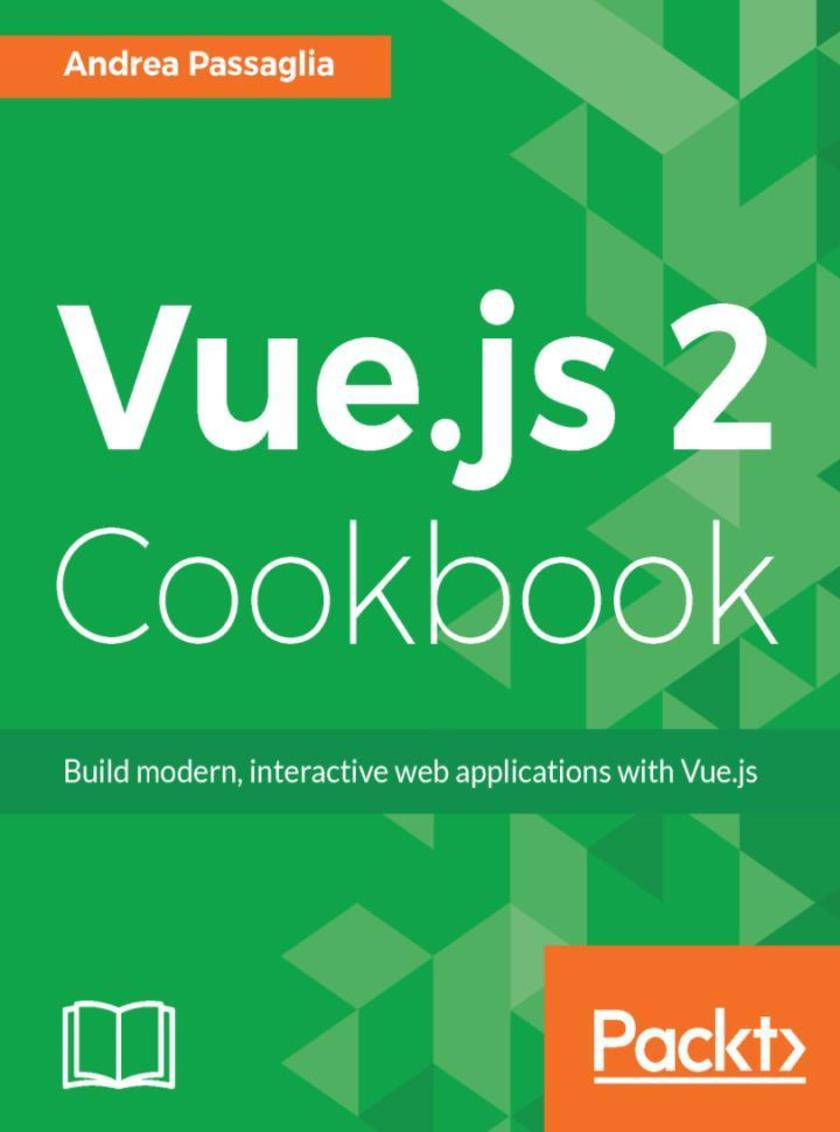
Vue.js 2 Cookbook
¥80.65
"Key Features ?Understand and use Vue's reactivity system, data binding, and computed properties ?Create fluid transitions in your application with Vue's built-in transition system ?Use Vuex and Webpack to build medium-to-large scale SPAs and enhance your development workflow Book De*ion Vue.js is an open source JavaScript library for building modern, interactive web applications. With a rapidly growing community and a strong ecosystem, Vue.js makes developing complex single page applications a breeze. Its component-based approach, intuitive API, blazing fast core, and compact size make Vue.js a great solution to craft your next front-end application. From basic to advanced recipes, this book arms you with practical solutions to common tasks when building an application using Vue. We start off by exploring the fundamentals of Vue.js: its reactivity system, data-binding syntax, and component-based architecture through practical examples. After that, we delve into integrating Webpack and Babel to enhance your development workflow using single file components. Finally, we take an in-depth look at Vuex for state management and Vue Router to route in your single page applications, and integrate a variety of technologies ranging from Node.js to Electron, and Socket.io to Firebase and HorizonDB. This book will provide you with the best practices as determined by the Vue.js community. What you will learn ?Understand the fundamentals of Vue.js through numerous practical examples ?Piece together complex web interfaces using theVue.js component system ?Use Webpack and Babel to enhance your development workflow ?Manage your "
Alfresco One 5.x Developer’s Guide - Second Edition
¥80.65
Discover what it means to be an expert developer by exploring the latest features available to you in Alfresco One 5.x About This Book Create reliable and secure enterprise apps with the latest Alfresco One 5.x platform Explore all the latest Alfresco One 5.x APIs such as the CMIS API, Alfresco One API, and the integrated RESTful API to get more out of your enterprise apps Unleash the power of the latest JavaScript engine and the JavaScript API for Alfresco to customize your existing apps for the Alfresco 5 platform Who This Book Is For If you’re an enterprise app developer who wants to create custom applications with Alfresco, then this book is for you. Previous knowledge with Alfresco would be helpful but is not necessary. What You Will Learn Create and manage a custom content model Configure the Alfresco Share user interface Build a new AngularJS 2.0 application Create business process definitions using Activiti Designer Discover the most common extensions provided by Alfresco Configure Alfresco to authenticate against LDAP, including & chaining" LDAP with Alfresco authentication Get familiar with the latest features of Alfresco Mobile SDK, Smart Search, and the new Angular framework In Detail Do you want to create more reliable and secure solutions for enterprise appsAlfresco One 5.x is your gateway to developing the best industry-standard enterprise apps and this book will help you to become a pro with Alfresco One 5.x development. This book will help you create a complete fully featured app for your organization and while you create that perfect app, you will explore and implement the new and intriguing features of Alfresco. The book starts with an introduction to the Alfresco platform and you’ll see how to configure and customize it. You will learn how to work with the content in a content management system and how you can extend it to your own use case. Next, you will find out how to work with Alfresco Share, an all-purpose user interface for general document management, and customize it. Moving on, you write web *s that create, read, and delete data in the back-end repository. Further on from that, you’ll work with a set of tools that Alfresco provides; to generate a basic AnglularJS application supporting use cases, to name a few authentication, document list, document view. Finally, you’ll learn how to develop your own Alfresco Mobile app and understand how Smart Folders and Search manager work. By the end of the book, you’ll know how to configure Alfresco to authenticate against LDAP, be able to set up Single Sign-On (SSO), and work with Alfresco’s security services. Style and approach This book takes a step-by-step practical tutorial-style approach helping you create a complete enterprise app using Alfresco.
Learning PySpark
¥80.65
Build data-intensive applications locally and deploy at scale using the combined powers of Python and Spark 2.0 About This Book Learn why and how you can efficiently use Python to process data and build machine learning models in Apache Spark 2.0 Develop and deploy efficient, scalable real-time Spark solutions Take your understanding of using Spark with Python to the next level with this jump start guide Who This Book Is For If you are a Python developer who wants to learn about the Apache Spark 2.0 ecosystem, this book is for you. A firm understanding of Python is expected to get the best out of the book. Familiarity with Spark would be useful, but is not mandatory. What You Will Learn Learn about Apache Spark and the Spark 2.0 architecture Build and interact with Spark DataFrames using Spark SQL Learn how to solve graph and deep learning problems using GraphFrames and TensorFrames respectively Read, transform, and understand data and use it to train machine learning models Build machine learning models with MLlib and ML Learn how to submit your applications programmatically using spark-submit Deploy locally built applications to a cluster In Detail Apache Spark is an open source framework for efficient cluster computing with a strong interface for data parallelism and fault tolerance. This book will show you how to leverage the power of Python and put it to use in the Spark ecosystem. You will start by getting a firm understanding of the Spark 2.0 architecture and how to set up a Python environment for Spark. You will get familiar with the modules available in PySpark. You will learn how to abstract data with RDDs and DataFrames and understand the streaming capabilities of PySpark. Also, you will get a thorough overview of machine learning capabilities of PySpark using ML and MLlib, graph processing using GraphFrames, and polyglot persistence using Blaze. Finally, you will learn how to deploy your applications to the cloud using the spark-submit command. By the end of this book, you will have established a firm understanding of the Spark Python API and how it can be used to build data-intensive applications. Style and approach This book takes a very comprehensive, step-by-step approach so you understand how the Spark ecosystem can be used with Python to develop efficient, scalable solutions. Every chapter is standalone and written in a very easy-to-understand manner, with a focus on both the hows and the whys of each concept.
Data Visualization with D3 4.x Cookbook - Second Edition
¥80.65
Discover over 65 recipes to help you create breathtaking data visualizations using the latest features of D3 About This Book Learn about D3 4.0 from the inside out and master its new features Utilize D3 packages to generate graphs, manipulate data, and create beautiful presentations Solve real-world visualization problems with the help of practical recipes Who This Book Is For If you are a developer familiar with HTML, CSS, and JavaScript, and you wish to get the most out of D3, then this book is for you. This book can serve as a desktop quick-reference guide for experienced data visualization developers. You’ll also find this book useful if you’re a D3 user who wants to take advantage of the new features introduced in D3 4.0. You should have previous experience with D3. What You Will Learn Get a solid understanding of the D3 fundamentals and idioms Use D3 to load, manipulate, and map data to any kind of visual representation on the web Create data-driven dynamic visualizations that update as the data does Leverage the various modules provided by D3 to create sophisticated, dynamic, and interactive charts and graphics Create data-driven transitions and animations within your visualizations Understand and leverage more advanced concepts such as force, touch, and Geo data visualizations In Detail This book gives you all the guidance you need to start creating modern data visualizations with D3 4.x that take advantage of the latest capabilities of JavaScript. The book starts with the basic D3 structure and building blocks and quickly moves on to writing idiomatic D3-style JavaScript code. You will learn how to work with selection to target certain visual elements on the page, then you will see techniques to represent data both in programming constructs and its visual metaphor. You will learn how map values in your data domain to the visual domain using scales, and use the various shape functions supported by D3 to create SVG shapes in visualizations. Moving on, you’ll see how to use and customize various D3 axes and master transition to add bells and whistles to otherwise dry visualizations. You’ll also learn to work with charts, hierarchy, graphs, and build interactive visualizations. Next you’ll work with Force, which is one of the most awe-inspiring techniques you can add to your visualizations, and you’ll implement a fully functional Choropleth map (a special purpose colored map) in D3. Finally, you’ll learn to unit test data visualization code and test-driven development in a visualization project so you know how to produce high-quality D3 code. Style and approach This step-by-step guide to mastering data visualizations with D3 will help you create amazing data visualizations with professional efficiency and precision. It is a solution-based guide in which you learn through practical recipes, illustrations, and code samples.
Big Data Visualization
¥80.65
Learn effective tools and techniques to separate big data into manageable and logical components for efficient data visualization About This Book This unique guide teaches you how to visualize your cluttered, huge amounts of big data with ease It is rich with ample options and solid use cases for big data visualization, and is a must-have book for your shelf Improve your decision-making by visualizing your big data the right way Who This Book Is For This book is for data analysts or those with a basic knowledge of big data analysis who want to learn big data visualization in order to make their analysis more useful. You need sufficient knowledge of big data platform tools such as Hadoop and also some experience with programming languages such as R. This book will be great for those who are familiar with conventional data visualizations and now want to widen their horizon by exploring big data visualizations. What You Will Learn Understand how basic analytics is affected by big data Deep dive into effective and efficient ways of visualizing big data Get to know various approaches (using various technologies) to address the challenges of visualizing big data Comprehend the concepts and models used to visualize big data Know how to visualize big data in real time and for different use cases Understand how to integrate popular dashboard visualization tools such as Splunk and Tableau Get to know the value and process of integrating visual big data with BI tools such as Tableau Make sense of the visualization options for big data, based upon the best suited visualization techniques for big data In Detail When it comes to big data, regular data visualization tools with basic features become insufficient. This book covers the concepts and models used to visualize big data, with a focus on efficient visualizations. This book works around big data visualizations and the challenges around visualizing big data and address characteristic challenges of visualizing like speed in accessing, understanding/adding context to, improving the quality of the data, displaying results, outliers, and so on. We focus on the most popular libraries to execute the tasks of big data visualization and explore "big data oriented" tools such as Hadoop and Tableau. We will show you how data changes with different variables and for different use cases with step-through topics such as: importing data to something like Hadoop, basic analytics. The choice of visualizations depends on the most suited techniques for big data, and we will show you the various options for big data visualizations based upon industry-proven techniques. You will then learn how to integrate popular visualization tools with graphing databases to see how huge amounts of certain data. Finally, you will find out how to display the integration of visual big data with BI using Cognos BI. Style and approach With the help of insightful real-world use cases, we’ll tackle data in the world of big data. The scalability and hugeness of the data makes big data visualizations different from normal data visualizations, and this book addresses all the difficulties encountered by professionals while visualizing their big data.
ServiceNow Cookbook
¥80.65
Over 50 practical and immediately applicable recipes to help you manage services in your enterprise environment efficiently About This Book Solve problems and challenges encountered while implementing or using ServiceNow in your organization Helps you build core administration, management, and maintenance skills to automate and orchestrate your IT environment Comes with recipes to improve the way you design and create automated workflows Who This Book Is For This book targets IT professionals and administrators who have some experience of working with ServiceNow already and are looking to solve regular or unique problems that surface when using ServiceNow. It’s advisable to have a basic level of administration experience with ServiceNow. Familiarity with JavaScript is assumed. What You Will Learn Grasp the basics, such as entering and navigation, required to implement ServiceNow Perform core configuration and management tasks Use the ServiceNow plugins to manage development Build and publish custom applications for service management Design data-driven apps to connect with outside worlds by getting into Client and server *ing Configure alerts and notifications and understand e-mail troubleshooting and watermarking Build and configure reports to set up your dashboard as per the requirement Create and configure workflow activities In Detail ServiceNow is the ideal platform for you to create enterprise-level applications, giving borh requesters and fulfillers better visibility and access to a process. With this title we’ll guide you through the world of ServiceNow, letting you take on the best the platform offers you with the least amount of hassle. Starting with the core configuration and management tasks, this book will help you build data-driven apps and it will also explore development best practices. You will learn to set up email notifications for users and work with the database view for reporting. Next, the book will guide you through creating various tasks from the workflow and show you how to make the most of the workflow utilities available in ServiceNow. Finally, the book will drive you through the auditing and diagnosing aspects of ServiceNow. By the end of this book, you will acquire immediately applicable skills to rectify everyday problems encountered on the ServiceNow platform. Style and approach This book follows a recipe-based problem-solution approach to address and dispel challenges faced when implementing and using ServiceNow on a regular basis. It will act as a quick solution when trying to solve specific problems without having to read an exhaustive tutorial.
Near Field Communication with Android Cookbook
¥80.65
An easy-to-follow guide, full of hands-on examples of and real-world applications. Each recipe is explained and placed in context. If you want to learn how to create NFC-enabled Android applications, this is the book for you. Perhaps you already know a bit about Android application developments but have never used NFC, or perhaps you know a little about NFC android development but want some more advanced features and examples. In either case, this book will get you up and running quickly. You are expected to have Android programming knowledge.
Learning Anime Studio
¥80.65
Written in an easy to follow manner with practical exercises, this book takes you through every aspect of Anime Studio, guiding you to create your own original cartoon. Learning Anime Studio is for newcomers to Anime Studio or animation in general. Hobbyists and newcomers with ambitions of being an animator will get the most out of this book. However, intermediate and long time users will be able to use various chapters as a reference to some of Anime Studio’s tools and features. The book also serves as a guide for the new enhancements introduced in Anime Studio Pro 10.
Matplotlib Plotting Cookbook
¥80.65
This book follows a cookbook style approach that puts orthogonal and nonredundant recipes in your hands. Rather than rehashing the user manual, the explanations expose the underlying logic behind Matplotlib. If you are an engineer or scientist who wants to create great visualizations with Python, rather than yet another specialized language, this is the book for you. While there are several very competent plotting packages, Matplotlib is “just” a Python module. Thus, if you know some Python already, you will feel at home from the first steps on. In case you are an application writer, you won't be left out since the integration of Matplolib is covered.
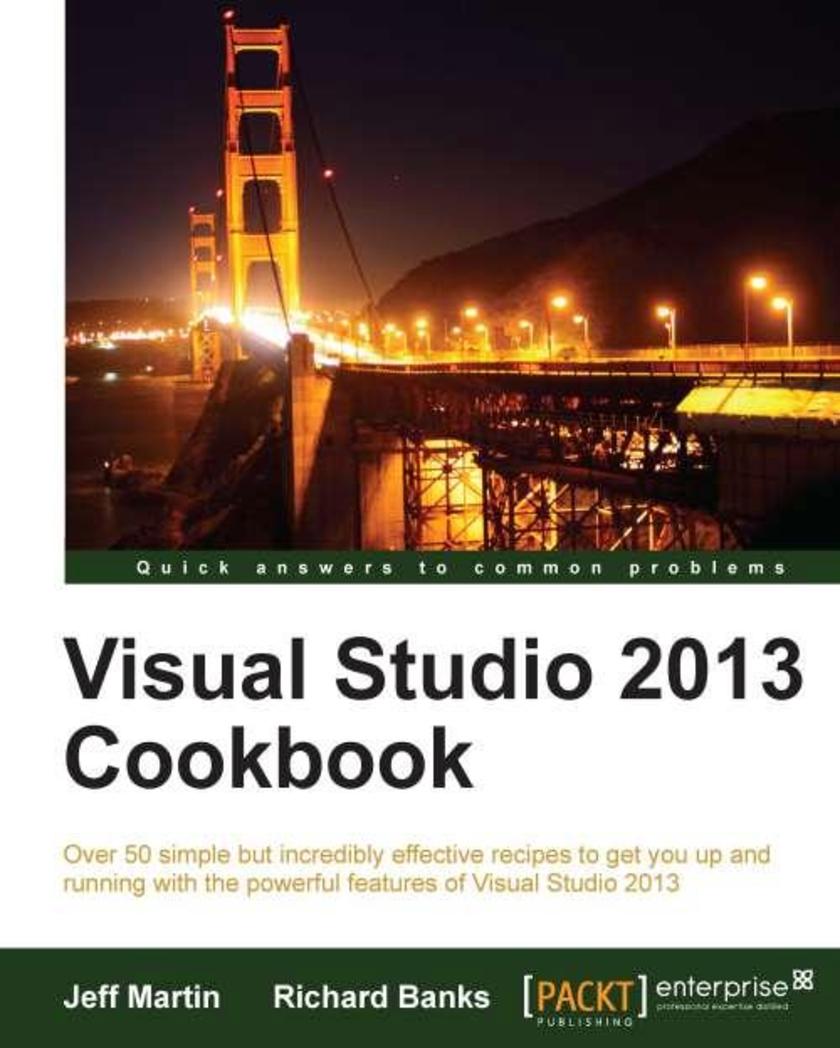
Visual Studio 2013 Cookbook
¥80.65
This book is a practical guide to using Visual Studio 2013 that will help you become familiar with the improvements made over previous versions. Each recipe provides a handson approach to the new features with stepbystep instructions on how to increase your productivity. If you are a developer excited about the new features introduced in Visual Studio 2013, then no matter what your programming language of choice is, Visual Studio 2013 Cookbook is for you. You should have a good knowledge of working with previous versions of Visual Studio to enjoy the recipes in this book. This book provides practical examples to help you use Visual Studio 2013 more effectively.


