


 购物车
购物车 个人中心
个人中心

Cetywayo and his White Neighbours
¥8.09
Dodo Collections brings you another classic from H. Rider Haggard, ‘Cetywayo and his White Neighbors’. ? Cetywayo and His White Neighbors, or Remarks on Recent Events in Zululand, Natal and the Transvaal is an 1882 non-fiction book by H. Rider Haggard, his first full-length published work. It was based on his time working in South Africa. The "Cetywayo" of the title is the Zulu king Cetshwayo kaMpande. ? The book had some good reviews and Haggard received letters of praise from such figures as Lord Carnarvon and Randolph Churchill. ? H. Rider Haggard — was an English writer of adventure novels set in exotic locations, predominantly Africa, and a pioneer of the Lost World literary genre. He was also involved in agricultural reform throughout the British Empire. His stories, situated at the lighter end of Victorian literature, continue to be popular and influential. ? His novels portray many of the stereotypes associated with colonialism, yet they are unusual for the degree of sympathy with which the native populations are portrayed. Africans often play heroic roles in the novels, although the protagonists are typically European (though not invariably). Notable examples are the heroic Zulu warrior Umslopogaasi and Ignosi, the rightful king of Kukuanaland, in King Solomon's Mines. Having developed an intense mutual friendship with the three Englishmen who help him regain his throne, he accepts their advice and abolishes witch-hunts and arbitrary capital punishment.
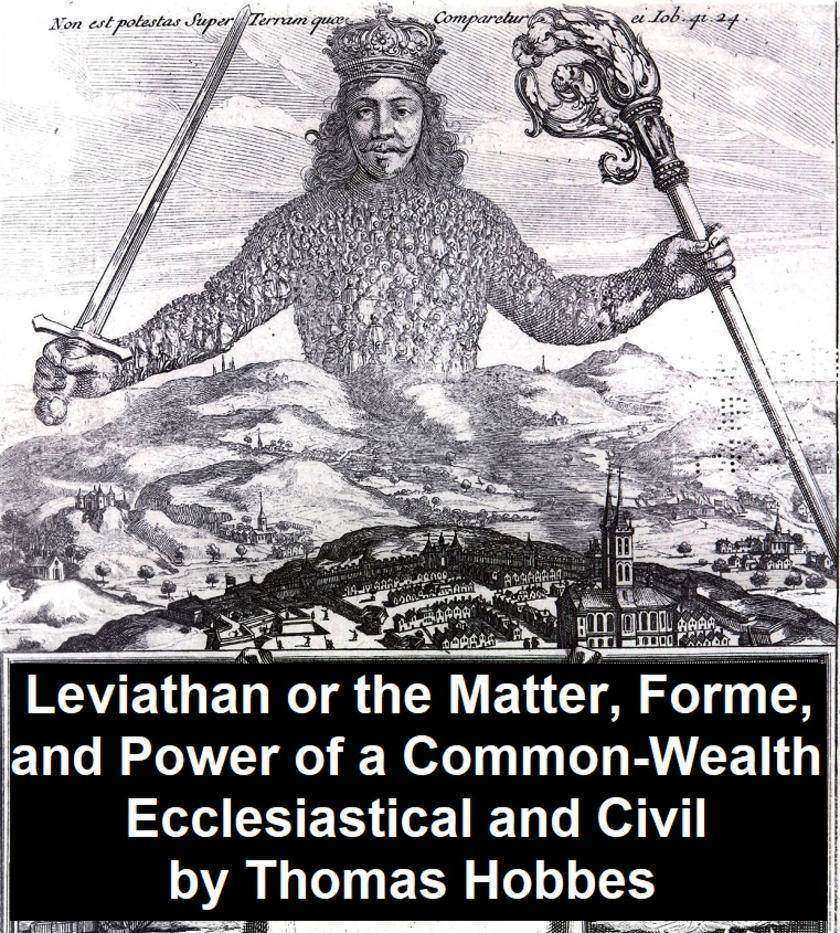
Leviathan, Or the Matter, Forme, and Power of a Common-Wealth Ecclesiastical and
¥8.09
First published in 1651, a classic of political science. According to Wikipedia: "Thomas Hobbes (1588 – 1679) was an English philosopher, remembered today for his work on political philosophy. His 1651 book Leviathan established the foundation for most of Western political philosophy from the perspective of social contract theory. Hobbes also contributed to a diverse array of fields, including history, geometry, physics of gases, theology, ethics, general philosophy, and political science. His account of human nature as self-interested cooperation has proved to be an enduring theory in the field of philosophical anthropology."
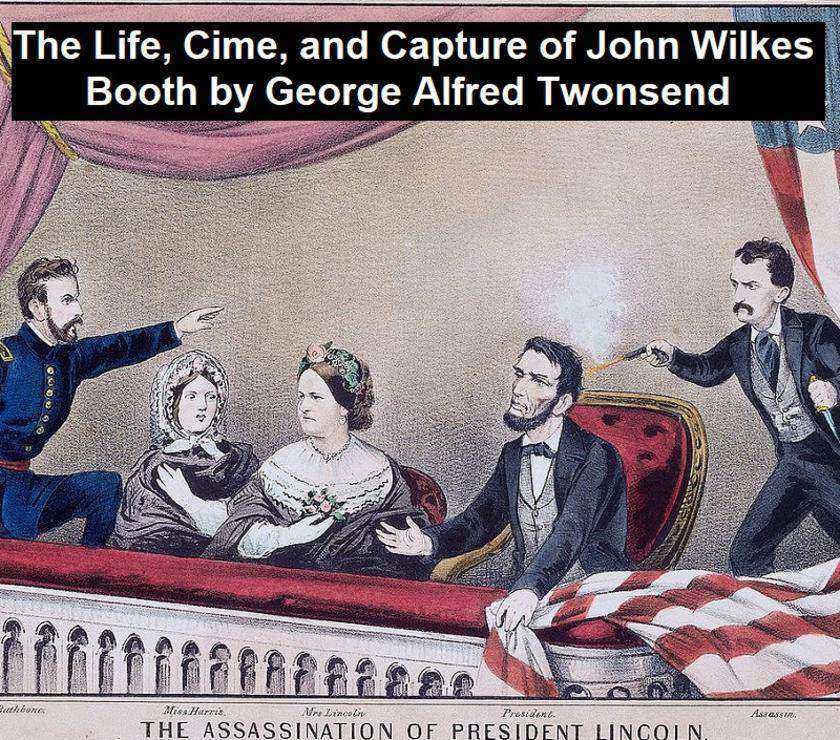
The Life, Crimes, and Capture of John Wilkes Booth
¥8.09
Account of the assassination of Abraham Lincoln, first published in 1865. According to Wikipedia: "George Alfred Townsend (January 30, 1841 – April 15, 1914), was a noted war correspondent during the American Civil War, and a later novelist. Townsend wrote under the pen name "Gath", which was derived by adding an "H" to his initials, and inspired by the biblical passage II Samuel 1:20, "Tell it not in Gath, publish it not in the streets of Askalon"... He is considered to have been the youngest correspondent of the war. In 1865, Townsend was Washington correspondent for the New York World, covering the assassination of Abraham Lincoln and its aftermath. His daily reports filed between April 17 – May 17 were published later in 1865 as a book, The Life, Crime, and Capture of John Wilkes Booth."
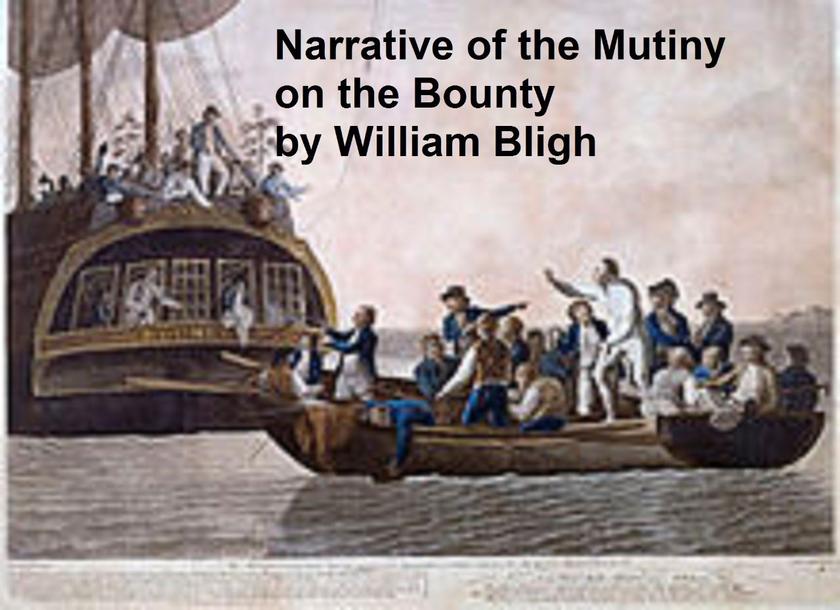
Narrative of the Mutiny on the Bounty
¥8.09
According to Wikipedia: "Vice Admiral William Bligh, (9 September 1754 – 7 December 1817) was an officer of the British Royal Navy and a colonial administrator. A historic mutiny occurred during his command of HMS Bounty in 1789; Bligh and his loyal men made a remarkable voyage to Timor, after being set adrift in the Bounty's launch by the mutineers. Fifteen years after the Bounty mutiny, he was appointed Governor of New South Wales in Australia, with orders to clean up the corrupt rum trade of the New South Wales Corps, resulting in the so-called Rum Rebellion."
Afghanistan
¥8.09
First published in the 19th century. Written by a brigadier general from the U.S. The book begins: "In universal history there is no more interesting subject for the consideration of the political student than the record of Russian progress through Central Asia. In one sense this advance is a practical reestablishment or extension of the influence of the Aryan race in countries long dominated by peoples of Turki or Mongolian origin; in another sense it has resulted in a transition from the barbarism or rude forms of Asiatic life to the enlightenment and higher moral development of a European age. In a religious sense it embodies a crusade against Oriental fanaticism; and it is a curious feature of the Anglo-Russian dispute, that upon a question of temporal gain, the greatest Christian nation finds itself allied with the followers of Buddha and Mahomet against Russia under the Banner of the Cross."
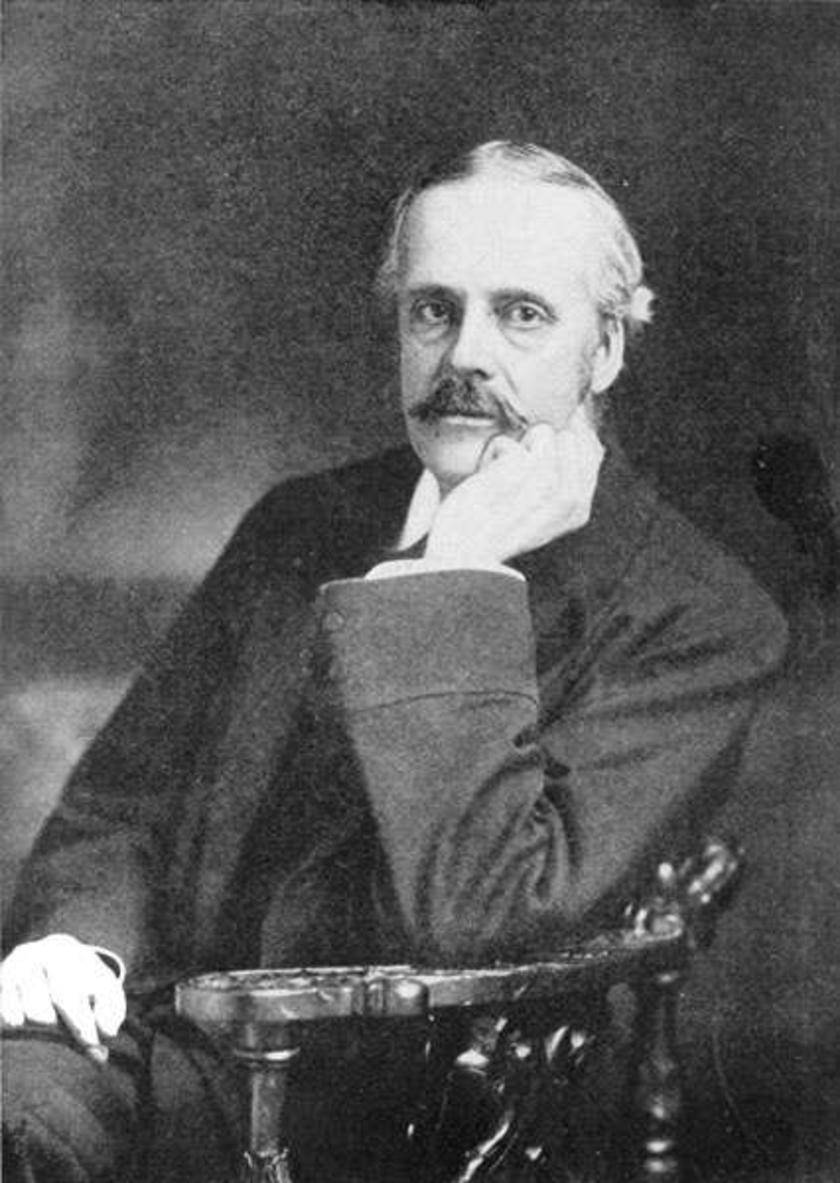
British Political Leaders
¥8.09
First published in 1903. Biographies of Balfour, Lord Salisbury, Lord Rosebery, Chamberlain, Labourchere, Morley, Burns, Hicks-Beach, Redmond,Harcourt, Bryce, Campbell-Bannerman, and the Earl of Aberdeen.
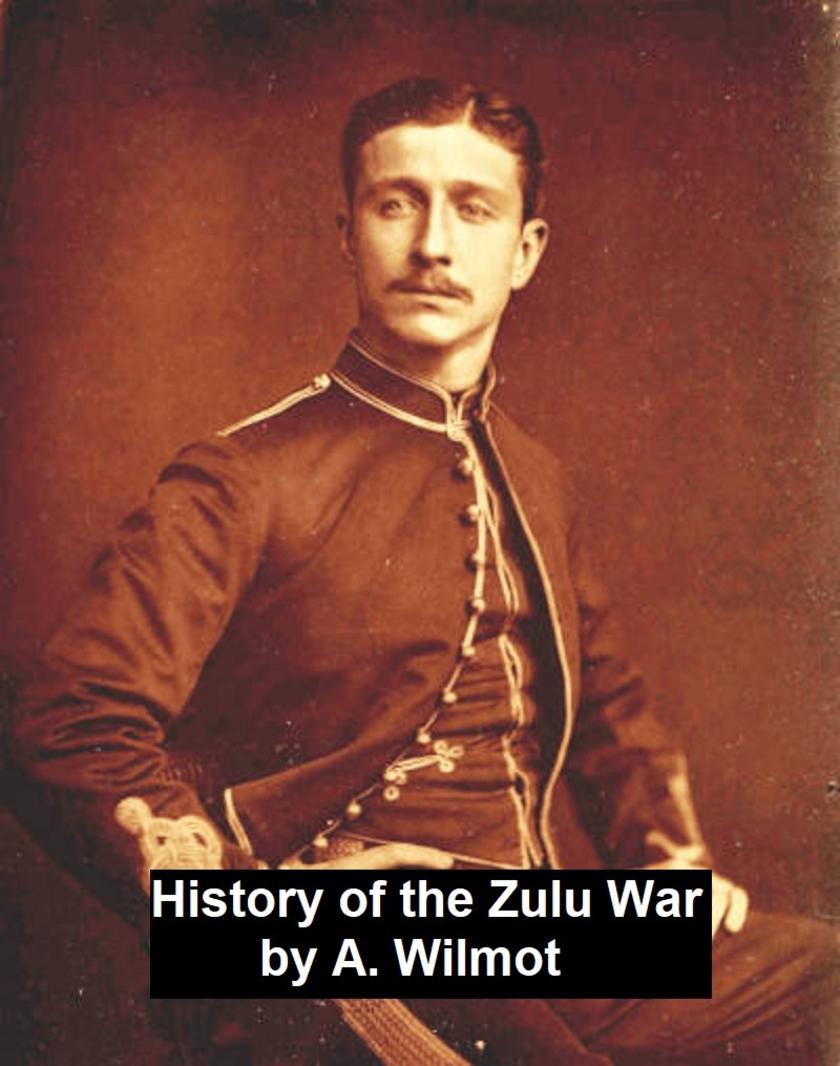
History of the Zulu War
¥8.09
First published in 1880. According to Wikipedia: "The Anglo-Zulu War was fought in 1879 between the British Empire and the Zulu Kingdom. Following Lord Carnarvon's successful introduction of federation in Canada, it was thought that similar political effort, coupled with military campaigns, might succeed with the African kingdoms, tribal areas and Boer republics in South Africa. In 1874, Sir Henry Bartle Frere was sent to South Africa as High Commissioner for the British Empire to bring such plans into being. Among the obstacles were the presence of the independent states of the South African Republic and the Kingdom of Zululand and its army.[6] Frere, on his own initiative, without the approval of the British government[7][8] and with the intent of instigating a war with the Zulu, had presented an ultimatum on 11 December 1878, to the Zulu king Cetshwayo with which the Zulu king could not comply.[9] Cetshwayo did not comply and Bartle Frere sent Lord Chelmsford to invade Zululand.[10] The war is notable for several particularly bloody battles, including a stunning opening victory by the Zulu at Isandlwana, as well as for being a landmark in the timeline of imperialism in the region. The war eventually resulted in a British victory and the end of the Zulu nation's independence."
Afghanistan - A Country Study
¥8.09
Based on research completed in 1997. Originally published by the Federal Research Division of the Library of Congress as part of the Country Studies/Area Handbook Series sponsored by the U.S. Department of the Army between 1986 and 1998. Each study offers a comprehensive description and analysis of the country or region's historical setting, geography, society, economy, political system, and foreign policy.
Predicting the Soviet Invasion of Afghanistan
¥8.09
Originally published by the CIA, as an unclassified public document. Douglas MacEachin served as CIA's Deputy Director for Intelligence from 1993 to 1995 during his thirty-two year career at CIA. Mr. MacEachin was an officer-in-residence at Harvard University's John F. Kennedy School of Government, from 1995 to 1997, subsequently becoming a senior at the Kennedy School.
The Witch Mania
¥8.09
Excerpt from Memoirs of Extraordinary Popular Delusions. The essay begins: "The belief that disembodied spirits may be permitted to revisit this world, has its foundation upon that sublime hope of immortality, which is at once the chief solace and greatest triumph of our reason. Even if revelation did not teach us, we feel that we have that within us which shall never die; and all our experience of this life but makes us cling the more fondly to that one repaying hope. But in the early days of "little knowledge," this grand belief became the source of a whole train of superstitions, which, in their turn, became the fount from whence flowed a deluge of blood and horror. Europe, for a period of two centuries and a half, brooded upon the idea, not only that parted spirits walked the earth to meddle in the affairs of men, but that men had power to summon evil spirits to their aid to work woe upon their fellows. An epidemic terror seized upon the nations; no man thought himself secure, either in his person or possessions, from the machinations of the devil and his agents. Every calamity that befell him, he attributed to a witch."
The Glory of the Trenches
¥8.09
In 1914, Coningsby Dawson went to Ottawa, saw Sir Sam Hughes, and was offered a commission in the Canadian Field Artillery on the completion of his training at the Royal Military College of Canada, at Kingston, Ontario. "His long training at Kingston had been very severe. It included besides the various classes which he attended a great deal of hard exercise, long rides or foot marches over frozen roads before breakfast, and so forth."
Pragmatism:A New Name for Some Old Ways of Thinking
¥8.09
A profoundly influential figure in American psychology, William James (1842–1910) was also a philosopher of note, who used Charles S. Peirce's theories of pragmatism as a basis for his own conception of that influential philosophy. For James, this meant an emphasis on "radical empiricism" and the concept that the meaning of any idea — philosophical, political, social, or otherwise — has validity only in terms of its experiential and practical consequences. James propounded his theories of pragmatism in this book, one of the most important in American philosophy. In a sense, he wished to test competing systems of thought in the "marketplace of actual experience" to determine their validity, i.e. whether adopting a particular philosophical theory or way of looking at the world makes an actual difference in individual conduct or in how we perceive and react to the varieties of experience. In these pages, James not only makes a strong case for his own ideas, but mounts a powerful attack against the transcendental and rationalist tradition. For anyone interested in William James or the history of American philosophical thought, Pragmatism is an essential and thought provoking reference. In this handy, inexpensive edition, it will challenge and stimulate any thinking person.
Jacob’s Room by Virginia Woolf - Delphi Classics (Illustrated)
¥8.09
This eBook features the unabridged text of ‘Jacob’s Room by Virginia Woolf - Delphi Classics (Illustrated)’ from the bestselling edition of ‘The Complete Works of Virginia Woolf’. Having established their name as the leading publisher of classic literature and art, Delphi Classics produce publications that are individually crafted with superior formatting, while introducing many rare texts for the first time in digital print. The Delphi Classics edition of Woolf includes original annotations and illustrations relating to the life and works of the author, as well as individual tables of contents, allowing you to navigate eBooks quickly and easily. eBook features: * The complete unabridged text of ‘Jacob’s Room by Virginia Woolf - Delphi Classics (Illustrated)’ * Beautifully illustrated with images related to Woolf’s works * Individual contents table, allowing easy navigation around the eBook * Excellent formatting of the text Please visit www.delphiclassics.com to learn more about our wide range of titles
Is Life Worth Living Without Immortality?
¥8.09
Dodo Collections brings you another classic from M. M. Mangasarian, ‘Is Life Worth Living Without Immortality?’ ? This book is based upon the famous lecture delivered before the Independent Religious Society, Chicago?by Mangasarian. ? Born in Mashger (now within Turkey) in the Ottoman Empire, M. M. Mangasarian attended Robert College in Constantinople, and was ordained as minister in Marsovan in 1878. In about 1880 he enrolled at Princeton University. He was pastor at a Presbyterian church in Philadelphia from 1882 to 1885, when he resigned, becoming an independent preacher and a lecturer on "independent religion" in New York. In 1892 he became leader of the Ethical Culture Society of Chicago, a group established by Felix Adler. In 1900 he organized the Independent Religious Society of Chicago, a rationalist group, of which he remained pastor until 1925. He retired to Piedmont, California, where he lived for the rest of his life. ? During his life Mangasarian wrote a number of books. His most popular, including The Truth About Jesus — Is He a Myth? (1909) and The Bible Unveiled (1911), deal with the evidence against the existence of an historical Jesus. He also wrote hundreds of essays and lectures on questions of the times. His books and essays were translated into French, German, Spanish, and other foreign languages. The general subject of his writing was religious criticism and the philosophy of religion. ? Mangasarian considered himself a Rationalist or a Secularist not an Atheist, since he considered atheism a non-verifiable belief system.
Experiences of a Dug-out: 1914-1918
¥8.09
A different commentary on the First World War, this memoir is a compelling and insightful not from a soldier who has served in the front line but rather from a man who served in the war office. Thoroughly compulsive reading, putting so much into context and giving great insight into the major strategic decisions of the First World War.

The History of a Crime
¥8.09
Hugo's condemnation of Napoleon III. According to Wikipedia: "Victor-Marie Hugo (26 February 1802 – 22 May 1885) was a French poet, playwright, novelist, essayist, visual artist, statesman, human rights activist and exponent of the Romantic movement in France. In France, Hugo's literary fame comes first from his poetry but also rests upon his novels and his dramatic achievements. Among many volumes of poetry, Les Contemplations and La Légende des siècles stand particularly high in critical esteem, and Hugo is sometimes identified as the greatest French poet. Outside France, his best-known works are the novels Les Misérables and Notre-Dame de Paris (known in English also as The Hunchback of Notre Dame). Though a committed conservative royalist when he was young, Hugo grew more liberal as the decades passed; he became a passionate supporter of republicanism, and his work touches upon most of the political and social issues and artistic trends of his time. He is buried in the Panthéon."
Anabasis
¥8.09
The classic tale of Xenophon's long march through enemy territory from Persia (Iran), through present-day Iraq and Turkey, home to Greece. According to Wikipedia: "Xenophon (ca. 431 – 355 BC), son of Gryllus, of the deme Erchia of Athens, also known as Xenophon of Athens and Xenophon of Thebes, was a soldier, mercenary and a contemporary and admirer of Socrates. He is known for his writings on the history of his own times, preserving the sayings of Socrates, and the life of ancient Greece."
The Rise and Fall of the Confederate Government
¥8.09
The President of the Confederate States of America presents his side of the story. The Preface begins: "The object of this work has been from historical data to show that the Southern States had rightfully the power to withdraw from a Union into which they had, as sovereign communities, voluntarily entered; that the denial of that right was a violation of the letter and spirit of the compact between the States; and that the war waged by the Federal Government against the seceding States was in disregard of the limitations of the Constitution, and destructive of the principles of the Declaration of Independence." According to Wikipedia: "Jefferson Finis Davis (June 3, 1808 – December 6, 1889) was an American politician who served as President of the Confederate States of America for its entire history, 1861 to 1865, during the American Civil War. A West Point graduate, Davis fought in the Mexican-American War as a colonel of a volunteer regiment, and was the United States Secretary of War under Franklin Pierce. Both before and after his time in the Pierce Administration, he served as a U.S. Senator from Mississippi. As a senator he argued against secession but believed each state was sovereign and had an unquestionable right to secede from the Union. Davis resigned from the Senate in January 1861, after receiving word that Mississippi had seceded from the Union. The following month, he was provisionally appointed President of the Confederate States of America. He was elected to a six-year term that November. During his presidency, Davis was not able to find a strategy to defeat the larger, more industrially developed Union. Davis' insistence on independence, even in the face of crushing defeat, prolonged the war. After Davis was captured in 1865, he was charged with treason, though not convicted, and stripped of his eligibility to run for public office. This limitation was removed in 1978, 89 years after his death. While not disgraced, he was displaced in Southern affection after the war by its leading general, Robert E. Lee."
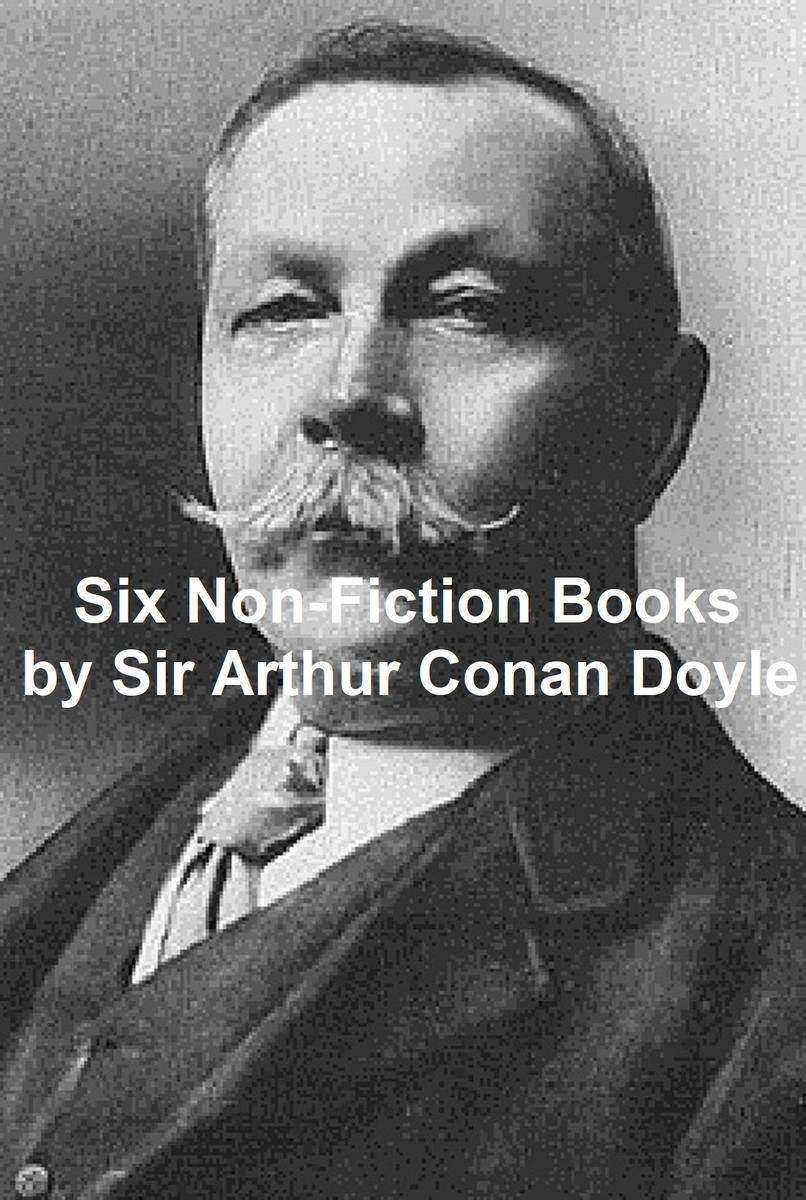
Six Non-Fiction Books
¥8.09
This book-collection file includes six books. Three are on war -- The Great Boer War, The War in South Africa, and A Visit to Three Fronts, June 1916. Two are on Spiritualism -- The New Revelation and The Vital Message. And one on Medicine -- Round the Red Lamp: Facts and Fancies of the Medical Life. According to Wikipedia: "Sir Arthur Ignatius Conan Doyle, DL (22 May 1859 – 7 July 1930) was an author most noted for his stories about the detective Sherlock Holmes, which are generally considered a major innovation in the field of crime fiction, and for the adventures of Professor Challenger. He was a prolific writer whose other works include science fiction stories, historical novels, plays and romances, poetry, and non-fiction."
Apocrypha (King James Version)
¥8.09
Long-revered religious works that were excluded from the King James version of the Bible, including: The First Book of Esdras, The Second Book of Esdras Esdras [sometimes Fourth Book of Ezra], The Greek Additions to Esther, The First Book of the Maccabees, The Second Book of the Maccabees, The Book of Tobit, The Book of Judith, The Wisdom of Solomon, The Book of Sirach (or Ecclesiasticus), The Book of Baruch, The Epistle (or letter) of Jeremiah, The Book of Susanna (in Daniel), The Prayer of Azariah, and The Prayer of Manasseh.
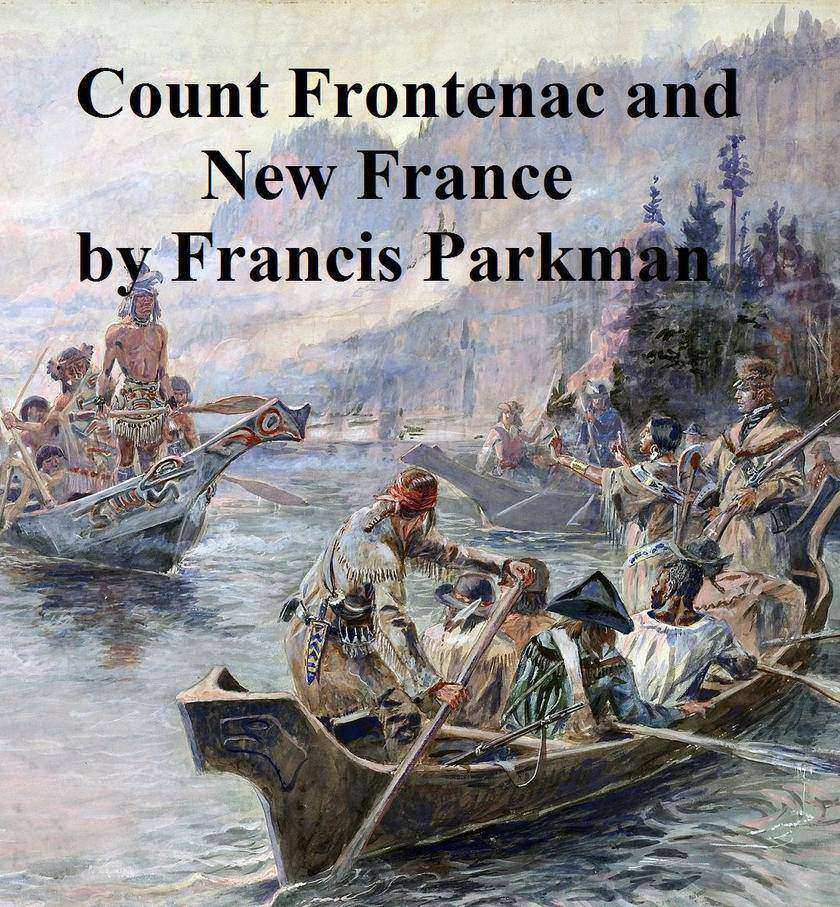
Count Frontenac and New France Under Louis XIV
¥8.09
Classic work of history. According to Wikipedia: "Francis Parkman (September 16, 1823 - November 8, 1893) was an American historian, best known as author of The Oregon Trail: Sketches of Prairie and Rocky-Mountain Life and his monumental seven volume France and England in North America. These works are still valued as history and especially as literature, although the biases of his work have met with criticism. "


