


 购物车
购物车 个人中心
个人中心

Dear Photograph
¥147.48
We all have moments we wish we could relive. We'd give anything to skid down the toboggan hills of our youth, to breathe in the smell of our children as babies, or to spend just one more minute with someone we've lost. Dear Photograph provides a way to link these memories from the past to the present, overlapping them to see how the daydreams of our memories collide with our current realities.The idea is simple: hold up a photograph from the past in front of the place where it was originally taken, take a second photograph, and add a sentence of dedication about what the photograph means to you. The results, however, are astounding, which is why millions have flocked to dearphotograph.com and thousands have submitted their own Dear Photographs.This stunning visual compilation includes more than 140 never-before-seen Dear Photographs, as well as a space for you to attach your own cherished photo. By turns nostalgic, charming, and poignant, Dear Photograph evokes childhood memories, laments difficult losses, and, above all, celebrates the universal nature of love.

Jewish Holidays
¥149.48
The coeditor of the enormously popular Jewish Catalog "help[s] readers understand more fully the meaning of our holidays and thereby to observe these festivals . . . with a greater devotion and joy."--Rabbi Alexander M. Schindler

The Opposite Of Spoiled: Raising Kids Who Are Grounded, Generous, And Smart Abou
¥90.51
We may not realize it, but children are hyperaware of money. They have scores of questions about its nuances that parents often don't answer, or know how to answer well. But for Ron Lieber, a personal finance columnist and father, good parenting means talking about money with our kids much more often. When parents avoid these conversations, they lose a tremendous opportunity not just to model important financial behaviors, but also to imprint lessons about what their family cares about most.Written in a warm, accessible voice, grounded in real-world stories from families with a range of incomes, The Opposite of Spoiled is a practical guidebook for parents that is rooted in timeless values. Lieber covers all the basics: the best ways to handle the tooth fairy, allowance, chores, charity, savings, birthdays, holidays, cell phones, splurging, clothing, cars, part-time jobs, and college tuition. But he also identifies a set of traits and virtues like modesty, patience, generosity, and perspective that parents hope their young adults will carry with them out into the world.In The Opposite of Spoiled, Ron Lieber delivers a taboo-shattering manifesto that will help every parent embrace the connection between money and values to help them raise young adults who are grounded, unmaterialistic, and financially wise beyond their years.
13 Things Mentally Strong People Don't Do
¥151.53
The Ultimate Guide to Mastering Your Mental StrengthEveryone knows that regular exercise and weight training lead to physical strength. But how do we strengthen ourselves mentally for the truly tough timesAnd what should we do when we face these challengesOr as psychotherapist Amy Morin asks, what should we avoid when we encounter adversityThrough her years counseling others and her own experiences navigating personal loss, Morin realized it is often the habits we cannot break that are holding us back from true success and happiness. Indulging in self-pity, agonizing over things beyond our control, obsessing over past events, resenting the achievements of others, or expecting immediate positive results holds us back. This list of things mentally strong people don't do resonated so much with readers that when it was picked up by Forbes.com it received ten million views.Now, for the first time, Morin expands upon the thirteen things from her viral post and shares her tried-and-true practices for increasing mental strength. Morin writes with searing honesty, incorporating anecdotes from her work as a college psychology instructor and psychotherapist as well as personal stories about how she bolstered her own mental strength when tragedy threatened to consume her.Increasing your mental strength can change your entire attitude. It takes practice and hard work, but with Morin's specific tips, exercises, and troubleshooting advice, it is possible to not only fortify your mental muscle but also drastically improve the quality of your life.

Discover the Wealth Within You
¥90.54
Achieve a Healthy, Balanced, and Richly Rewarding Life!Have your goals and dreams gotten lost in your daily struggle to earn and provide for your familyIf so, join Ric Edelman on a journey to self-discovery and personal fulfillment. In Discover the Wealth Within You, he shows you how to choose fun, enriching ... and rewarding goals and gives you a simple, straightforward plan for achieving them.You'll discover how easy it is to create wealth, once you're headed in the right direction. After using Ric's work sheets to help you get started, you'll embark on a detailed exploration of personal investing and discover Ric's formula for creating a plan to achieve your goals, build your financial future ... and finance your dream.

The Alpha Woman Meets Her Match
¥83.03
For the first time ever: a liberating guide to life and love that tells successful women that they can find the right partner without having to change or settle and then shows them how to do itIn the twenty-first century, women are outpacing men in education and career advancement. Yet amazingly, successful women are constantly being told that their professional achievements might doom their chances of marriage and family. Don't believe the alarmist, negative hype, advises top relationship therapist Dr. Sonya Rhodes. Data show that today's Alpha women ambitious, self-assured, and hardworking are hardly fated to be spinsters. On the contrary, by rethinking outmoded gender roles, women can have better relationships than ever before. A clinical psychologist with more than thirty years' experience, Dr. Rhodes shares her secrets to helping women triumph in love by finding men who will appreciate and complement their strengths.Challenging gender stereotypes associated with the terms Alpha and Beta, she advises the Alpha woman to look past the overly competitive, domineering Alpha male for a man who is not threatened by her strengths but is communicative, responsible, and collaborative. Just as Alpha women aren't demanding bitches, Beta men aren't passive wimps. Demonstrating that nearly everyone is a combination of both qualities, Dr. Rhodes includes a comprehensive test to help readers define where they (and their partners) are on the Alpha-Beta spectrum. This tool will give women more options and help them make better choices.More than just offering advice about romance, The Alpha Woman Meets Her Match explores the dramatic shifts in our culture, and how these can bring women greater empowerment in both their love lives and their careers.
An Uncertain Inheritance
¥90.77
In this eloquent collection of essays from the editor of the national bestseller Unholy Ghost: Writers on Depression contributors reveal their experiences in caring for family through illness and death Today, thirty million people look after frail family members in their own homes. This number will increase drastically over the next decade as baby boomers tiptoe toward old age; as soldiers return home from war wounded, mentally and physically; as a growing number of Americans find themselves caught between the needs of elderly parents and young children; as medical advances extend lives and health insurance fails to cover them. This compelling book offers both literary solace and guidance to the people who find themselves witness to and participants in the fading lives of their intimates.Some of the country's most accomplished writers offer frank insights and revelations about this complex relationship. Julia Glass describes the tension between giving care to her two young sons and needing care after being diagnosed with breast cancer; Ann Harleman explores her decision to place her husband in an institution; Sam Lipsyte alternates between dark humor and profound understanding in telling the story of his mother's battle with cancer; Ann Hood wishes she'd had more time as a caregiver, to prepare herself for the loss of her daughter; Andrew Solomon examines the humbling experience of returning as an adult to be cared for by his father; cartoonist Stan Mack offers an illustrated piece about the humor and hell of making his way through the medical bureaucracy alongside his partner, Janet; Julia Alvarez writes about the competition between her and her three sisters to be the best daughter as they tend to their ailing parents. An Uncertain Inheritance examines the caregiving relationship from every angle children caring for parents; parents caring for children; sib-lings, spouses, and close friends, all looking after one another to reveal the pain, intimacy, and grace that take place in this meaningful connection.

Plain and Simple
¥88.56
"I had an obsession with the Amish. Plan and simple. Objectively it made no sense. I, who worked hard at being special, fell in love with a people who valued being ordinary." So begins Sue Bender's story, the captivating and inspiring true story of a harried urban Californian moved by the beauty of a display of quilts to seek out and live with the Amish. Discovering lives shaped by unfamiliar yet comforting ideas about time, work, and community, Bender is gently coaxed to consider, "Is there another way to lead a good life?" Her journey begins in a New York men's clothing store. There she is spellbound by the vibrant colors and stunning geometric simplicity of the Amish quilts "spoke directly to me," writes Bender. Somehow, "they went straight to my heart." Heeding a persistent inner voice, Bender searches for Amish families willing to allow her to visit and share in there daily lives. Plain and Simple vividly recounts sojourns with two Amish families, visits during which Bender enters a world without television, telephone, electric light, or refrigerators; a world where clutter and hurry are replaced with inner quiet and calm ritual; a world where a sunny kitchen "glows" and "no distinction was made between the sacred and the everyday." In nine interrelated chapters--as simple and elegant as a classic nine-patch Amish quilt--Bender shares the quiet power she found reflected in lives of joyful simplicity, humanity, and clarity. The fast-paced, opinionated, often frazzled Bender returns home and reworks her "crazy-quilt" life, integrating the soul-soothing qualities she has observed in the Amish, and celebrating the patterns in the Amish, and celebrating the patterns formed by the distinctive "patches" of her own life. Charmingly illustrated and refreshingly spare, Plain and Simple speaks to the seeker in each of us.
Saving Childhood
¥90.73
Saving Childhood offers parents and grandparents practical strategies to cope with a society that seems perversely determined to frighten and corrupt its young. Cultural critic and popular radio host Michael Medved and his wife, psychologist Diane Medved, argue that in a mistaken effort to curb problems plaguing its youth, our culture has changed from protecting childhood as a precious time of growth to hammering even the smallest youngsters with a grim, harsh, and menacing view of the world. The Medveds systematically present unassailable scientific evidence, moving anecdotes, and personal experiences of raising their three young children to explain the attack from four primary directions--media, schools, peers, and even well-intentioned parents themselves.In a unique analysis the Medveds define innocence not as ignorance but as the result of three components--security, a sense of wonder and optimism. They empower parents and all who care about childhood with concrete, easily accomplished means to fend off the assault, as well as advice for handling hurdles such as the Internet, television, peer pressure, and the plague of pessimism. Saving Childhood enables us to restore and maintain for our children imagination, confidence, and hope for the future.

The Long Exile
¥72.30
A chilling true story of deception and survival set amidst the Inuit communities of the Canadian Arctic. In 1922 the Irish-American explorer Robert Flaherty made a film called ‘Nanook of the North’ which captured the world's imagination. Soon afterwards, he quit the Arctic for good, leaving behind his bastard son, Joseph, to grow up Eskimo. Thirty years later a young, inexperienced policeman, Ross Gibson, was asked by the Canadian government to draw up a list of Inuit who were to be resettled in the uninhabited polar Arctic and left to fend as best they could. Joseph Flaherty and his family were on that list. They were told they were going to an Arctic Eden of spring flowers and polar bears. But it didn't turn out that way, and this, Joseph Flaherty's story, tells how it did.
25 Books Every Christian Should Read
¥105.17
For more than twenty years Renovaré has pioneered the use of spiritual classics for deepening our lives of discipleship. Their highly praised compendiums Devotional Classics and Spiritual Classics have sold 500,000 copies. Now they have put together a prestigious editorial board and polled respected Christian leaders and thinkers from a variety of Christian traditions, including Catholic, Orthodox, and Protestant, to present the twenty-five most spiritually influential and important books for Christians to read. There are books that should be shaping the church, our faith, and our engagement in the world. From timeless classics like The Imitation of Christ to unexpected selections like Fyodor Dostoevsky’s The Brothers Karamazov and the poetry of Gerard Manley Hopkins, 25 Books Every Christian Should Read provides historical background for each work and explains its importance for modern Christians, while including selected readings from every book to get you started. In addition, each chapter ends with discussion questions to the work for use in small groups or for personal reflection. 25 Books Every Christian Should Read is a pivotal resource for the future of Christianity, an invitation into the fullness and richness of the Christian tradition.
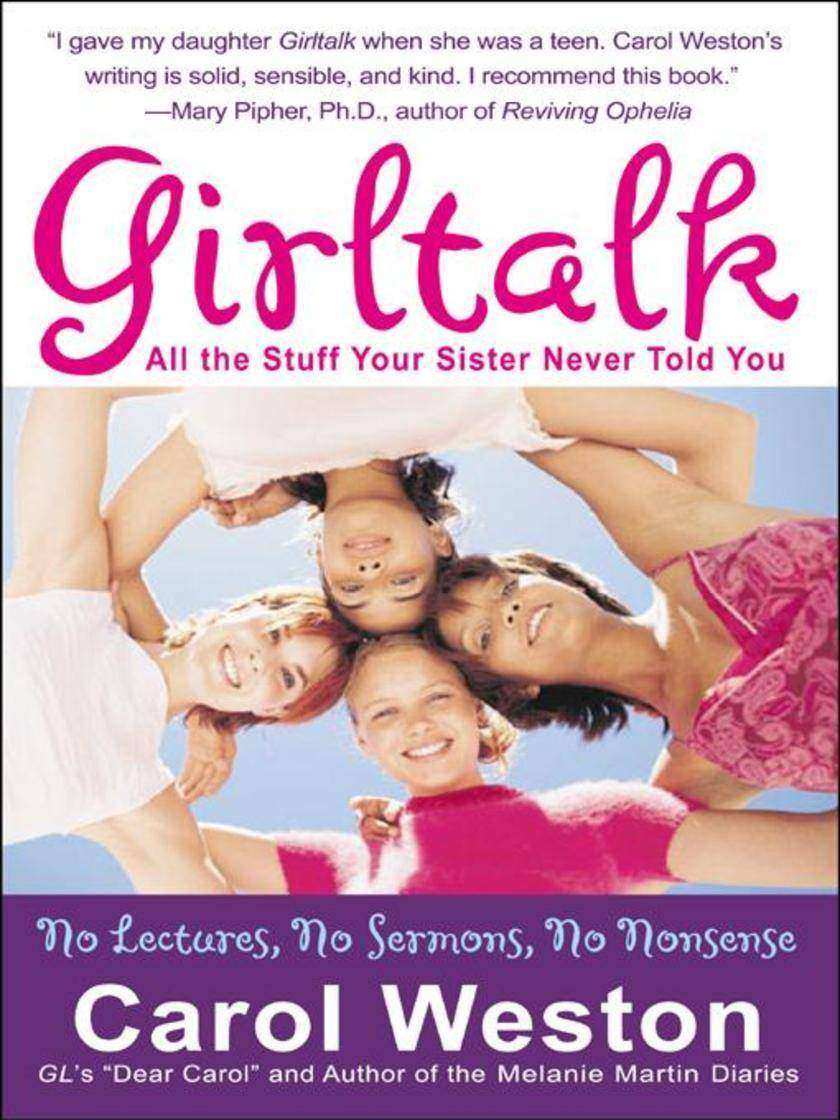
Girltalk Fourth Edition
¥84.16
From bra shopping to babysitting, from making close friends to making great grades, Girltalk has all the answers Upbeat and up-to-date, honest and hip, Girltalk is an "indispensable guide" (Working Mother) for girls ages eleven to eighteen. This Fourth Edition is the ultimate preteen and teen source for advice on: Body: looking and feeling your best Friendship: you don't like everybody -- why should everybody like youLove: falling in, falling out Sex: what you should know before saying yes Family: making the best of your nest Education: getting through school, getting into college Money: making it, saving it, spending it Smoking, Drinking, and Drugs: advice without lectures Quizzes: getting to know yourself
Why It's Great to Be a Girl
¥55.94
Why It's Great to Be a Girl is a must-have for every girl from six to sixteen! Chock-full of fascinating facts, enlightening girl-knowledge, and important historical milestones even a list of great books written by women here is a guaranteed self-esteem booster for young females everywhere . . . and it's lots of fun too! After all, what girl wouldn't feel great about herself knowing that: girls hear better than boys girls drive better than boys girls' bodies are stronger than boys' in every way, except for muscles girls are less susceptible to major diseases and, according to many anthropologists and archaeologists, girls actually "civilized" humankind! So get ready for an eye-opening journey through the awesomeness of girldom with the ultimate guide to why being a girl is the ultimate in cool!
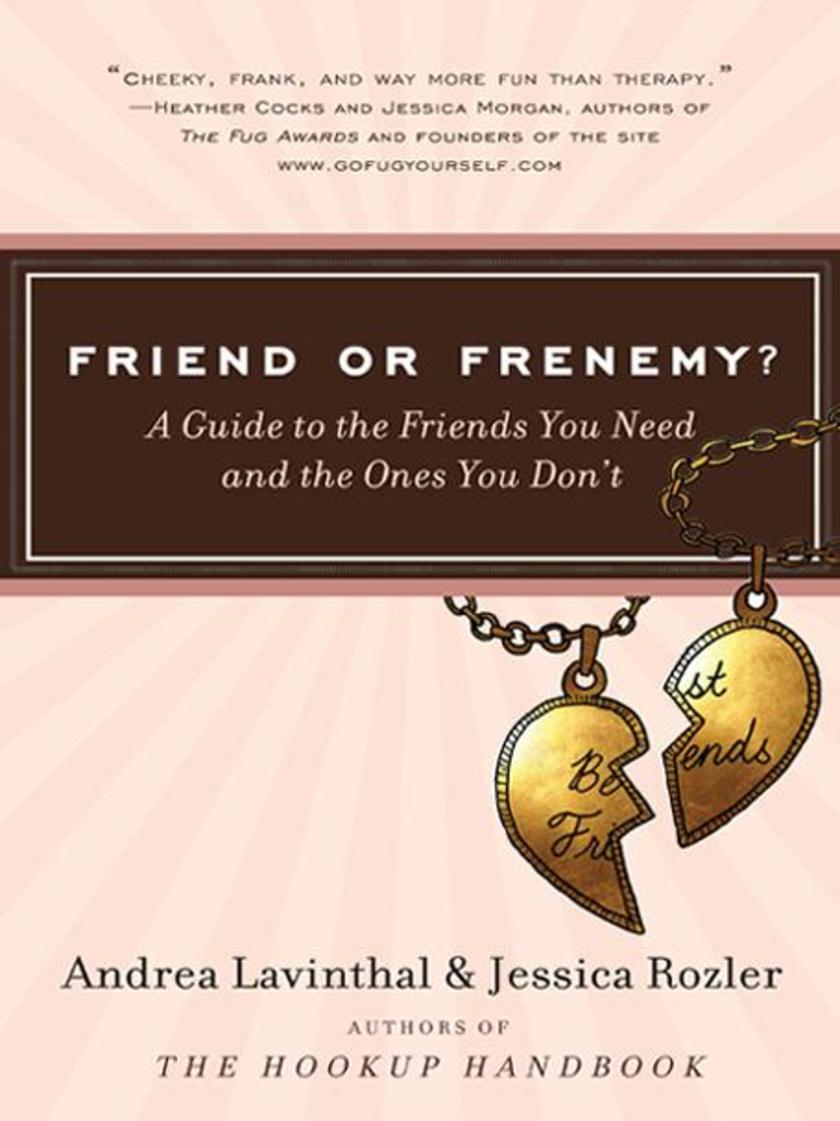
Friend or Frenemy?
¥83.93
How do you finally break free from a fair-weather bud who flees the scene as soon as a new guy comes aroundHow do you know which friends make it into your framilyWith tips for making and breaking, maintaining and sustaining your friendships, plus stories from real women, Friend or Frenemyexplores how great friends get us through hard times and dishes out advice about dumping the users, losers, and abusers. In this era of instant communication, relationships are not necessarily easier. Friend or Frenemyalso looks at how texting, MySpacing, and other modes of instant communication are oh-so-convenient but sometimes make it harder to make meaningful connections.With tons of wit and loads of charm, Lavinthal and Rozler are sure to get you thinking about friendship as if for the first time reminding us why our BFFs are often the most important people in our lives.
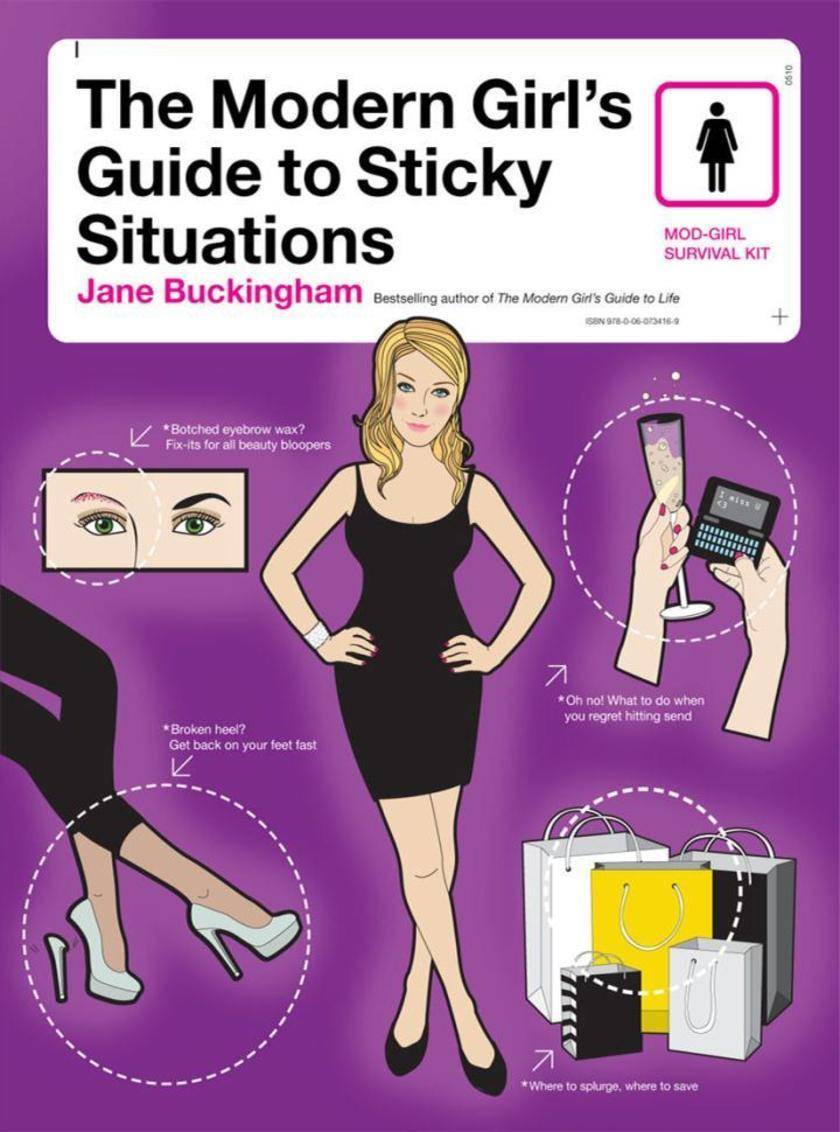
The Modern Girl's Guide to Sticky Situations
¥110.71
This is the book to grab when . . . you're pulling your hair out, screaming like a banshee, blubbering with frustration, or hyperventilating because you just don't know what to do!Jane Buckingham, author of The Modern Girl's Guide to Life, is back with a collection of helpful quick fixes for the deserving gal with the best intentions who gets caught in sticky situations. Here are warm, witty, and eminently wise solutions to those everyday problems that pop up as a result of impulsive actions or just plain bad luck helpful hints on what to do if you: Send an e-mail you instantly regret Botch your self-tan Discover your best friend's husband is cheating on her Break your corkscrew while opening your only bottle of wine Run into your ex and need to look hot, fast! Are expected to name your baby after a family member with an awful name And that's just a small sampling of the scenarios for which Jane Buckingham offers solutions in The Modern Girl's Guide to Sticky Situations. So if you find yourself in a pickle . . . just leave it to Jane!

The Speed Trap
¥67.32
Between work, play, family, and friends, most of us feel like we're speeding along at 100 miles an hour. Our lives are full, yet we don't feel fulfilled. One solution is to slam on the brakes and adopt a radically simpler lifestyle. But, as psychologist Joe Bailey demonstrates in this essential guide, you don't have to give up everything to slow down your life. In over thirty-five captivating, instructive stories, Bailey shows just how easy it is to transform your way of thinking-and wave good-bye to aggravating bosses, rocky relationships, stress-induced illnesses, and other symptoms of life in the fast lane. You'll discover how to: Enjoy each moment and stop worrying about the past or the future Gain insight by trusting your instincts Increase your productivity and achieve success-without stress Disregard the negative emotions of people around you Attain a deep-rooted sense of fulfillment and inner contentment
Voluntary Simplicity Second
¥83.03
When Voluntary Simplicity was first published in 1981, it quickly became recognized as a powerful and visionary work in the emerging dialogue over sustainable ways of living. Nearly three decades later, as the planet's environmental stresses become more urgent than ever, Duane Elgin has revised and updated his revolutionary book.Voluntary Simplicity is not about living in poverty; it is about living with balance. This book illuminates the pattern of changes that an increasing number of people around the world are making in their everyday lives adjustments in day-to-day living that are an active, positive response to the complex dilemmas of our time. By embracing a lifeway of voluntary simplicity characterized by ecological awareness, frugal consumption, and personal growth people can change their lives. And in the process, they have the power to change the world.

Hometown Heroes
¥84.28
All across America, ordinary people are going out of their way to help one another and make our country a better place. Unheralded, unrecognized, and often taken for granted, these citizens continue their good deeds, happy just to make a difference.Hometown Heroes tells the stories of fifty such people from all over America, including Moody, Alabama, Ellisville, Illinois, and Lander, Wyoming. Spanning ages fourteen to ninety-three, the heroes inside this book show that it's never too early or too late to lend a helping hand and make inspiring choices. Capturing the true spirit of America one of generosity, courage, and tireless devotion these heroes warm our hearts and reveal a face of America we rarely hear about.

The First 30 Days
¥83.03
The First 30 Days reveals the nine principles of change that will revolutionize how you face transition times. With real-life stories, practical exercises, and inspiring action points, this book teaches the skills you need to face or make any change in your life, including how to: Use your Change Muscle Combat fear, doubt, and all your change demons Get in touch with your spiritual side Create a plan that will get you results

How To Love Like a Hot Chick
¥84.16
Hot Chick: A confident, passionate, honest woman. . . . You want to be around her to soak up those good vibes. The duo that taught you to embrace your body and indulge without guilt in How to Eat Like a Hot Chick is back to remind you of something that will transform your love life forever you are a Hot Chick! With their feisty humor and uplifting message, Jodi Lipper and Cerina Vincent will help you figure out what you want, how to get it, and why you shouldn't settle for anything less. Most important, they'll make the entire process a lot more fun with their advice on the hidden joys of being single, how to send out magical Hot Chick vibes and interpret your date's vibes, falling in love without freaking out, tactful dumping procedures, survival techniques for heart-wrenching breakups, and much more.Whether you're single, dating, in a relationship, or so confused you don't know what your status even is, How to Love Like a Hot Chick will have you laughing your way through dating and relationship issues and tackling them like the sexy, fabulous woman you deserve to be.
The Evolution of Faith
¥90.77
Philip Gulley, famous for his own controversial theology that affirms universality, urges us in The Evolution of Faith to let go of our tightly held beliefs and start the journey toward a dynamic faith. Faith should always be seen as a work in progress, and this accessible guide will be a must-have tool for those interested in where the Christian faith is going today.


