


 购物车
购物车 个人中心
个人中心
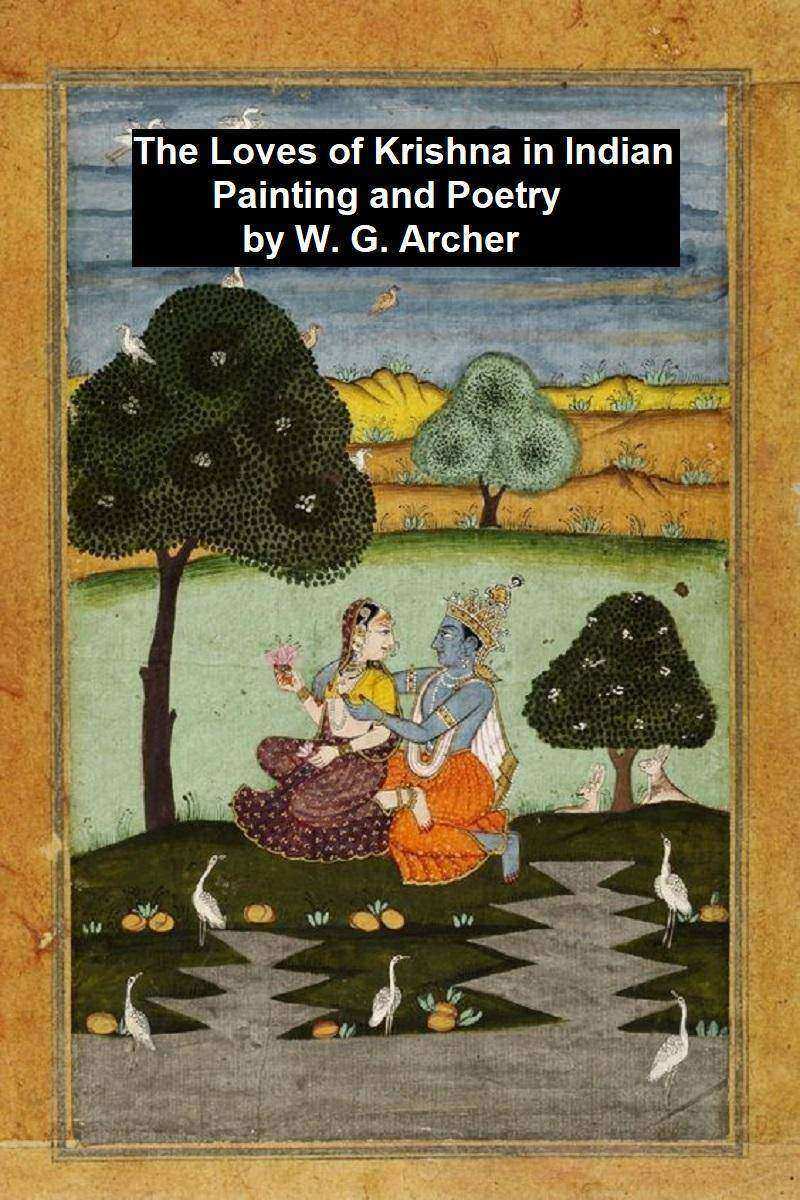
Loves of Krishna
¥8.09
The Introduction explains: "During the twentieth century, a certain type of Indian painting began to fascinate the West. Unlike Mughal art, it was a product of Hindu courts in Rajasthan and the Punjab Hills and unlike Mughal painting, its chief concern was with the varied phases of romance. Ladies would be shown brooding in their chambers as storm clouds mounted in the sky. A girl might be portrayed desperately fondling a plantain tree, gripping a pet falcon, the symbol of her lover, or hurrying through the rainy darkness intent only on reaching a longed-for tryst. A prince would appear lying on a terrace, his outstretched arms striving vainly to detain a calm beauty or welcoming with delight a bashful girl as she slowly advanced. In all these pictures, romantic love was treated as the highest good and physical passion was interpreted with a freshness and innocence unequalled in the world's art."
The Vital Message
¥8.09
Work of spiritualism by the author of Sherlock Holmes. According to the Preface: "In "The New Revelation" the first dawn of the coming change has been described. In "The Vital Message" the sun has risen higher, and one sees more clearly and broadly what our new relations with the Unseen may be. As I look into the future of the human race I am reminded of how once, from amid the bleak chaos of rock and snow at the head of an Alpine pass, I looked down upon the far stretching view of Lombardy, shimmering in the sunshine and extending in one splendid panorama of blue lakes and green rolling hills until it melted into the golden haze which draped the far horizon. Such a promised land is at our very feet which, when we attain it, will make our present civilisation seem barren and uncouth. Already our vanguard is well over the pass. Nothing can now prevent us from reaching that wonderful land which stretches so clearly before those eyes which are opened to see it."
A Visit to Three Fronts
¥8.09
Account of World War I, first published in 1916. According to Wikipedia: "Sir Arthur Ignatius Conan Doyle (22 May 1859 – 7 July 1930) was a Scottish physician and writer who is most noted for his fictional stories about the detective Sherlock Holmes, which are generally considered milestones in the field of crime fiction. He is also known for writing the fictional adventures of a second character he invented, Professor Challenger, and for popularising the mystery of the Mary Celeste. He was a prolific writer whose other works include fantasy and science fiction stories, plays, romances, poetry, non-fiction, and historical novels."
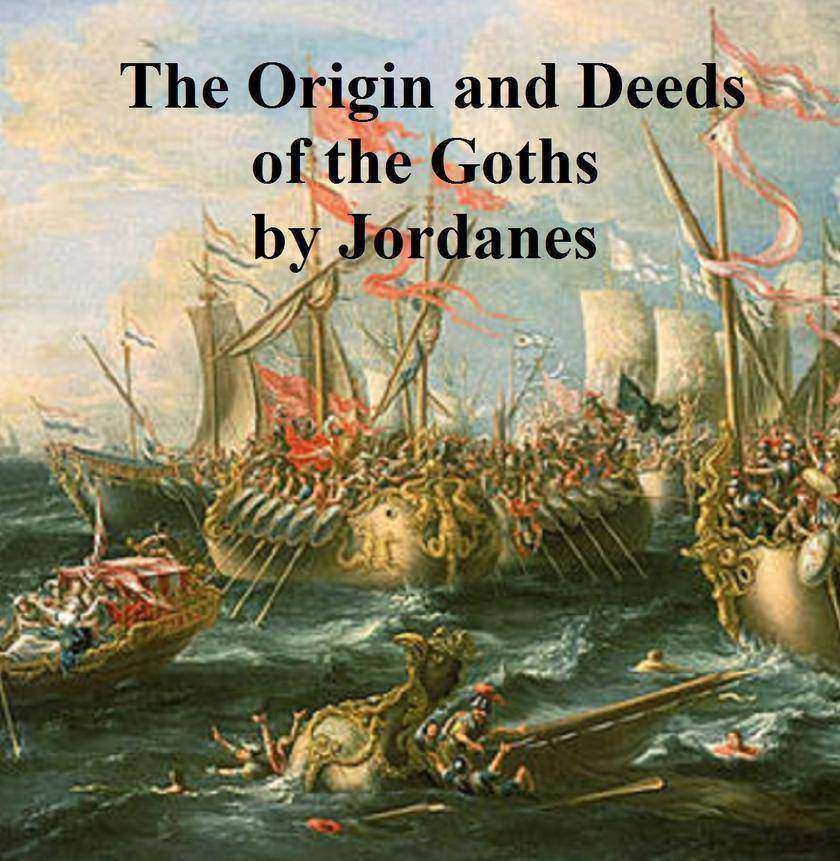
The Origin and Deeds of the Goths
¥8.09
This English version first published in 1908. "For the first time the story of the Goths recorded in the Getica of Jordanes, a Christian Goth who wrote his account in the year 551, probably in Constantinople, is now put in English form, as part of an edition of the Getica prepared by Mr. Mierow. Those who care for the romance of history will be charmed by this great tale of a lost cause and will not find the simple-hearted exaggerations of the eulogist of the Gothic race misleading. He pictured what he believed or wanted to believe, and his employment of fable and legend, as well as the naive exhibition of his loyal prejudices, merely heightens the interest of his story." According to Wikipedia: "Jordanes, also written Jordanis or, uncommonly, Jornandes, was a 6th-century Roman bureaucrat, who turned his hand to history later in life. While he also wrote Romana about the history of Rome, his best-known work is his Getica, written in Constantinople about AD 551. It is the only extant ancient work dealing with the early history of the Goths."
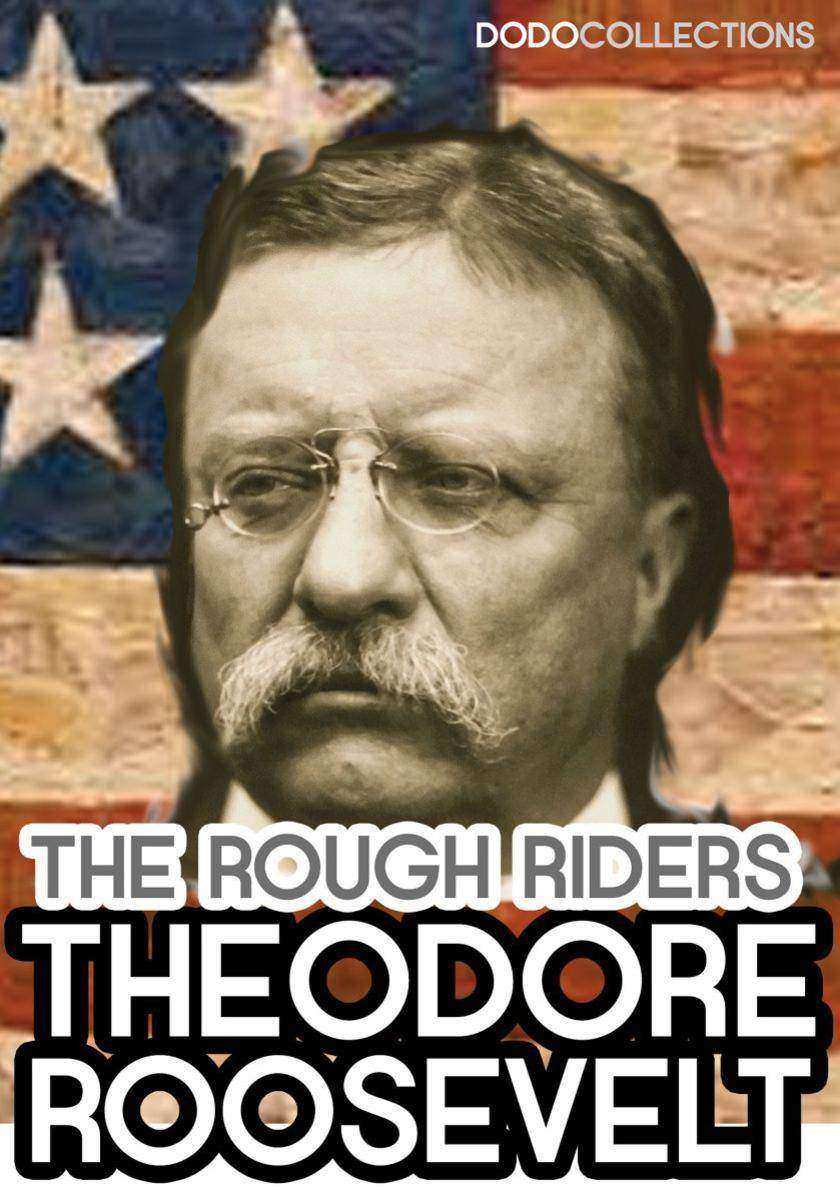
The Rough Riders
¥8.09
Dodo Collections brings you another classic from Theodore Roosevelt, ‘The Rough Riders’. ? In 1898, as the Spanish-American War was escalating, Theodore Roosevelt assembled an improbable regiment of Ivy Leaguers, cowboys, Native Americans, African-Americans, and Western Territory land speculators. This group of men, which became known as the Rough Riders, trained for four weeks in the Texas desert and then set sail for Cuba. Over the course of the summer, Roosevelt's Rough Riders fought valiantly, and sometimes recklessly, in the Cuban foothills, incurring casualties at a far greater rate than the Spanish. ? Roosevelt kept a detailed diary from the time he left Washington until his triumphant return from Cuba later that year. The Rough Riders was published to instant acclaim in 1899. Robust in its style and mesmerizing in its account of battle, it is exhilarating, illuminating, and utterly essential reading for every armchair historian and at-home general. ? Theodore Roosevelt, Jr., also known as T.R., and to the public (but never to friends and intimates) as Teddy, was the twenty-sixth President of the United States, and a leader of the Republican Party and of the Progressive Movement. He became the youngest President in United States history at the age of 42. He served in many roles including Governor of New York, historian, naturalist, explorer, author, and soldier. Roosevelt is most famous for his personality: his energy, his vast range of interests and achievements, his model of masculinity, and his "cowboy" persona.
Is Life Worth Living Without Immortality?
¥8.09
Dodo Collections brings you another classic from M. M. Mangasarian, ‘Is Life Worth Living Without Immortality?’ ? This book is based upon the famous lecture delivered before the Independent Religious Society, Chicago?by Mangasarian. ? Born in Mashger (now within Turkey) in the Ottoman Empire, M. M. Mangasarian attended Robert College in Constantinople, and was ordained as minister in Marsovan in 1878. In about 1880 he enrolled at Princeton University. He was pastor at a Presbyterian church in Philadelphia from 1882 to 1885, when he resigned, becoming an independent preacher and a lecturer on "independent religion" in New York. In 1892 he became leader of the Ethical Culture Society of Chicago, a group established by Felix Adler. In 1900 he organized the Independent Religious Society of Chicago, a rationalist group, of which he remained pastor until 1925. He retired to Piedmont, California, where he lived for the rest of his life. ? During his life Mangasarian wrote a number of books. His most popular, including The Truth About Jesus — Is He a Myth? (1909) and The Bible Unveiled (1911), deal with the evidence against the existence of an historical Jesus. He also wrote hundreds of essays and lectures on questions of the times. His books and essays were translated into French, German, Spanish, and other foreign languages. The general subject of his writing was religious criticism and the philosophy of religion. ? Mangasarian considered himself a Rationalist or a Secularist not an Atheist, since he considered atheism a non-verifiable belief system.
Is the Morality of Jesus Sound?
¥8.09
Dodo Collections brings you another classic from M. M. Mangasarian, ‘Is the Morality of Jesus Sound?’ ? This book is based upon the famous lecture delivered before the Independent Religious Society, Chicago by Mangasarian. ? Born in Mashger (now within Turkey) in the Ottoman Empire, M. M. Mangasarian attended Robert College in Constantinople, and was ordained as minister in Marsovan in 1878. In about 1880 he enrolled at Princeton University. He was pastor at a Presbyterian church in Philadelphia from 1882 to 1885, when he resigned, becoming an independent preacher and a lecturer on "independent religion" in New York. In 1892 he became leader of the Ethical Culture Society of Chicago, a group established by Felix Adler. In 1900 he organized the Independent Religious Society of Chicago, a rationalist group, of which he remained pastor until 1925. He retired to Piedmont, California, where he lived for the rest of his life. ? During his life Mangasarian wrote a number of books. His most popular, including The Truth About Jesus — Is He a Myth? (1909) andThe Bible Unveiled (1911), deal with the evidence against the existence of an historical Jesus. He also wrote hundreds of essays and lectures on questions of the times. His books and essays were translated into French, German, Spanish, and other foreign languages. The general subject of his writing was religious criticism and the philosophy of religion. Mangasarian considered himself a Rationalist or a Secularist not an Atheist, since he considered atheism a non-verifiable belief system.
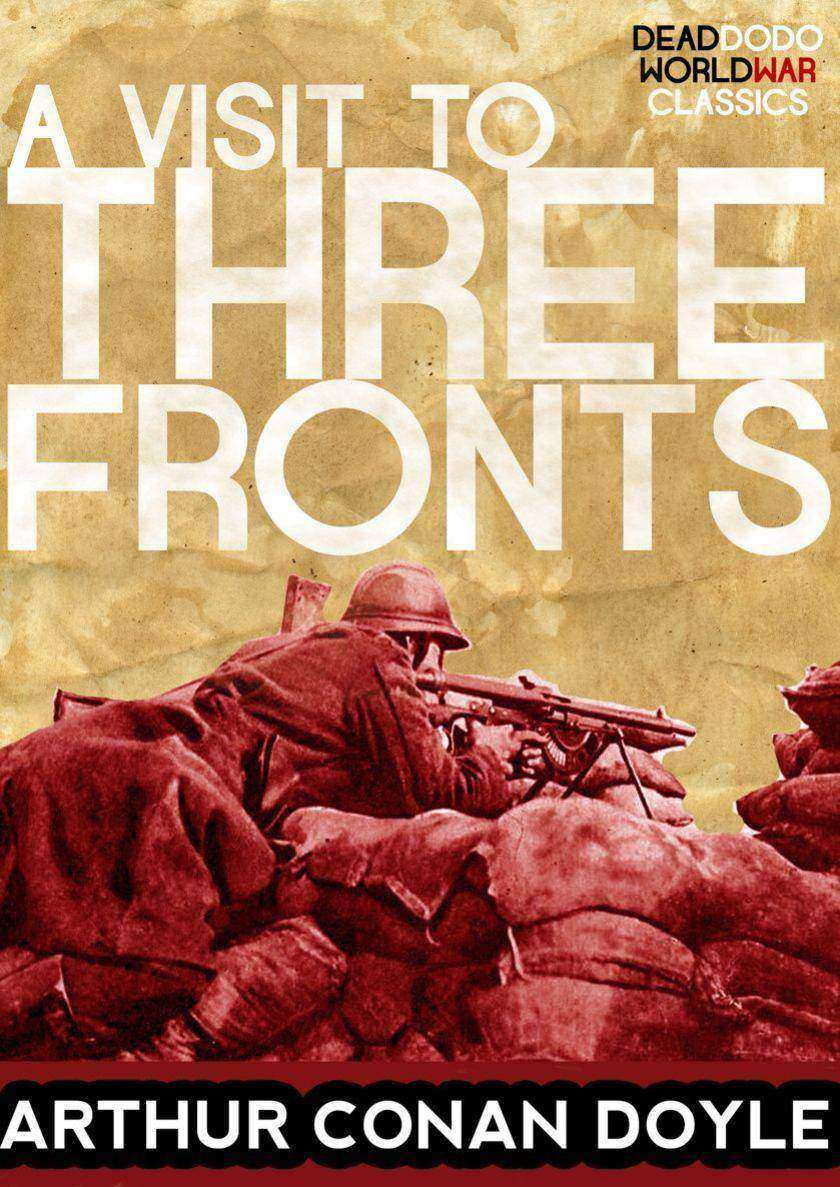
A Visit to Three Fronts
¥8.09
In the course of May 1916, the Italian authorities expressed a desire that some independent observer from Great Britain should visit their lines and report his impressions. It was at the time when our brave and capable allies had sustained a set-back in the Trentino owing to a sudden concentration of the Austrians, supported by very heavy artillery. I was asked to undertake this mission. In order to carry it out properly, I stipulated that I should be allowed to visit the British lines first, so that I might have some standard of comparison. The War Office kindly assented to my request. Later I obtained permission to pay a visit to the French front as well. Thus it was my great good fortune, at the very crisis of the war, to visit the battle line of each of the three great Western allies. I only wish that it had been within my power to complete my experiences in this seat of war by seeing the gallant little Belgian army which has done so remarkably well upon the extreme left wing of the hosts of freedom. ? My experiences and impressions are here set down, and may have some small effect in counteracting those mischievous misunderstandings and mutual belittlements which are eagerly fomented by our cunning enemy. Arthur Conan Doyle. Crowborough, July 1916.

The Last Boer War
¥8.09
Dodo Collections brings you another classic from H. Rider Haggard, ‘The Last Boer War’ ? The Last Boer War is a 1899 non-fiction book by H. Rider Haggard about the Boer War of 1881. It was originally written in 1882 but not published until years later. ? Haggard wrote the book in 1885, primarily in his Chambers where he was working as a barrister. King Solomon's Mines had been an enormous success but Haggard says he had been "somewhat piqued by the frequent descriptions of myself as 'a mere writer of romances and boys’ books' ". ? Sir Henry Rider Haggard was an English writer of adventure novels set in exotic locations, predominantly Africa, and the creator of the Lost World literary genre. His stories, situated at the lighter end of the scale of Victorian literature, continue to be popular and influential. He was also involved in agricultural reform and improvement in the British Empire. Haggard was made a Knight Bachelor in 1912 and a Knight Commander of the Order of the British Empire in 1919. He stood unsuccessfully for Parliament as a Conservative candidate for the Eastern division of Norfolk in 1895. The locality of Rider, British Columbia, was named in his memory.
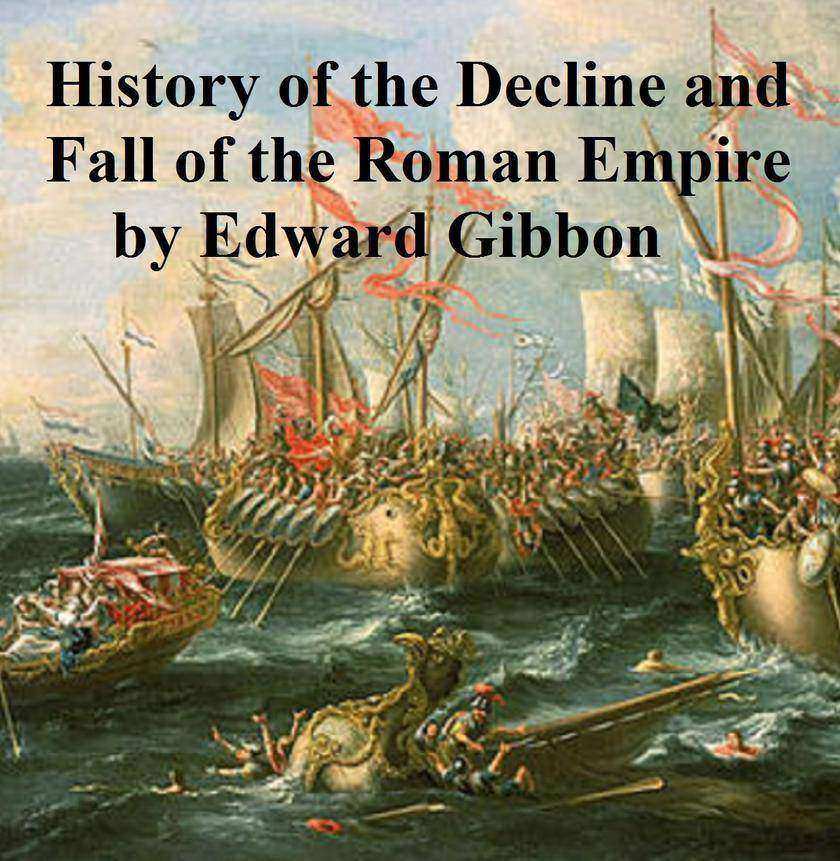
The History of the Decline and Fall of the Roman Empire
¥8.09
The complete 6-volume work, which covers from the reign of Marcus Aurelius to the fall of Constantinople in 1453. According to Wikipedia: "Edward Gibbon (1737 - 1794) was an English historian and Member of Parliament. His most important work, The History of the Decline and Fall of the Roman Empire, was published in six volumes between 1776 and 1788. The History is known principally for the quality and irony of its prose..."
The Complete Dialogues of Plato
¥8.09
This book-collection file includes all 26 dialogues: Apology, Charmides (and preface to the collection), Cratylus, Critias, Crito, Euthyphro, Euthydemus, Gorgias, Ion, Laches, Laws, Lesser Hippias, Lysis, Menexus, Meno, Parmenides, Phaedo, Phaedrus, Philebus, Protagoras, Republic, Sophist, Statesman, Symposium, Theaetetus, and Timaeus. The Jowett translation. According to Wikipedia: "Plato (428/427 BC[a] – 348/347 BC), was a Classical Greek philosopher, who, together with his mentor, Socrates, and his student, Aristotle, helped to lay the foundations of Western philosophy.[2] Plato was also a mathematician, writer of philosophical dialogues, and founder of the Academy in Athens, the first institution of higher learning in the western world. Plato was originally a student of Socrates, and was as much influenced by his thinking as by what he saw as his teacher's unjust death."
Thoughts of the Emperor Marcus Aurelius Antoninus
¥8.09
According to Wikipedia: "Marcus Aurelius (26 April 121 – 17 March 180 AD), was Roman Emperor from 161 to 180 AD. He ruled with Lucius Verus as co-emperor from 161 until Verus' death in 169. He was the last of the "Five Good Emperors", and is also considered one of the most important Stoic philosophers... Marcus Aurelius' Stoic tome Meditations, written in Greek while on campaign between 170 and 180, is still revered as a literary monument to a philosophy of service and duty, describing how to find and preserve equanimity in the midst of conflict by following nature as a source of guidance and inspiration."
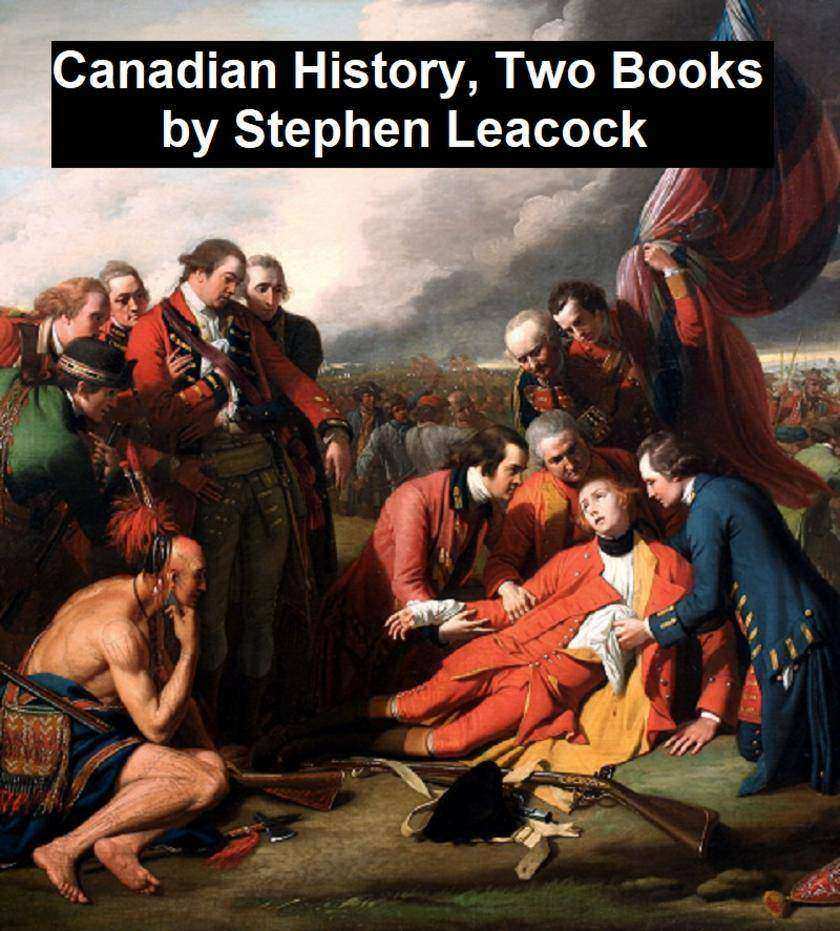
Canadian History, Two Books
¥8.09
This file includes The Dawn of Canadian History, A Chronicle of Aboriginal Canada and The Mariner of Malo, a Chronicle of the Voyages of Jacque Cartier, both from Chronicles of Canada and both first published in 1914. According to Wikipedia: "Stephen Butler Leacock, FRSC (30 December 1869 – 28 March 1944) was an English-born Canadian teacher, political scientist, writer, and humorist. In the early part of the 20th century he was the best-known humorist in the English-speaking world."
Six Non-Fiction Books
¥8.09
This book-collection file includes six books. Three are on war -- The Great Boer War, The War in South Africa, and A Visit to Three Fronts, June 1916. Two are on Spiritualism -- The New Revelation and The Vital Message. And one on Medicine -- Round the Red Lamp: Facts and Fancies of the Medical Life. According to Wikipedia: "Sir Arthur Ignatius Conan Doyle, DL (22 May 1859 – 7 July 1930) was an author most noted for his stories about the detective Sherlock Holmes, which are generally considered a major innovation in the field of crime fiction, and for the adventures of Professor Challenger. He was a prolific writer whose other works include science fiction stories, historical novels, plays and romances, poetry, and non-fiction."
The History of the Peloponnesian War
¥8.09
The classic history of war between Athens and Sparta. According to Wikipedia: "Thucydides (c. 460 B.C. – c. 395 B.C.) was a Greek historian and author of the History of the Peloponnesian War, which recounts the 5th century B.C. war between Sparta and Athens to the year 411 B.C. Thucydides has been dubbed the father of "scientific history" due to his strict standards of evidence-gathering and analysis in terms of cause and effect without reference to intervention by the gods. He has also been called the father of the school of political realism, which views the relations between nations as based on might rather than right. His classical text is still studied at advanced military colleges worldwide, and the Melian dialogue remains a seminal work of international relations theory. More generally, Thucydides showed an interest in developing an understanding of human nature to explain behaviour in such crises as plague and civil war."
A Short History of England
¥8.09
History as seen by a famous novelist and essayist. The Introduction begins: "It will be very reasonably asked why I should consent, though upon a sort of challenge, to write even a popular essay in English history, who make no pretence to particular scholarship and am merely a member of the public. The answer is that I know just enough to know one thing: that a history from the standpoint of a member of the public has not been written. What we call the popular histories should rather be called the anti-popular histories. They are all, nearly without exception, written against the people; and in them the populace is either ignored or elaborately proved to have been wrong." According to Wikipedia: "Gilbert Keith Chesterton (29 May 1874 – 14 June 1936) was an influential English writer of the early 20th century. His prolific and diverse output included journalism, philosophy, poetry, biography, Christian apologetics, fantasy and detective fiction. Chesterton has been called the "prince of paradox." Time magazine, in a review of a biography of Chesterton, observed of his writing style: "Whenever possible Chesterton made his points with popular sayings, proverbs, allegories—first carefully turning them inside out."
The Wars of the Jews Or History of the Destruction of Jerusalem
¥8.09
The classic first-hand account of the Roman conquest of Israel. The Preface begins: "Whereas the war which the Jews made with the Romans hath been the greatest of all those, not only that have been in our times, but, in a manner, of those that ever were heard of; both of those wherein cities have fought against cities, or nations against nations; while some men who were not concerned in the affairs themselves have gotten together vain and contradictory stories by hearsay, and have written them down after a sophistical manner; and while those that were there present have given false accounts of things, and this either out of a humor of flattery to the Romans, or of hatred towards the Jews; and while their writings contain sometimes accusations, and sometimes encomiums, but no where the accurate truth of the facts; I have proposed to myself, for the sake of such as live under the government of the Romans, to translate those books into the Greek tongue, which I formerly composed in the language of our country." According to Wikipedia: "The Jewish War or Judean War (in full Flavius Josephus's Books of the History of the Jewish War against the Romans) also referred to in English as The Wars of the Jews, is a book written by Josephus, a Roman-Jewish historian of the 1st century. It is a description of Jewish history from the capture of Jerusalem by the Seleucid ruler Antiochus IV Epiphanes in 164 BC to the fall and destruction of Jerusalem in the First Jewish–Roman War in 70 AD. The book was written about 75 AD, originally in Josephus's "paternal tongue", probably Aramaic, though this version has not survived. It was later translated into Greek, probably under the supervision of Josephus himself."
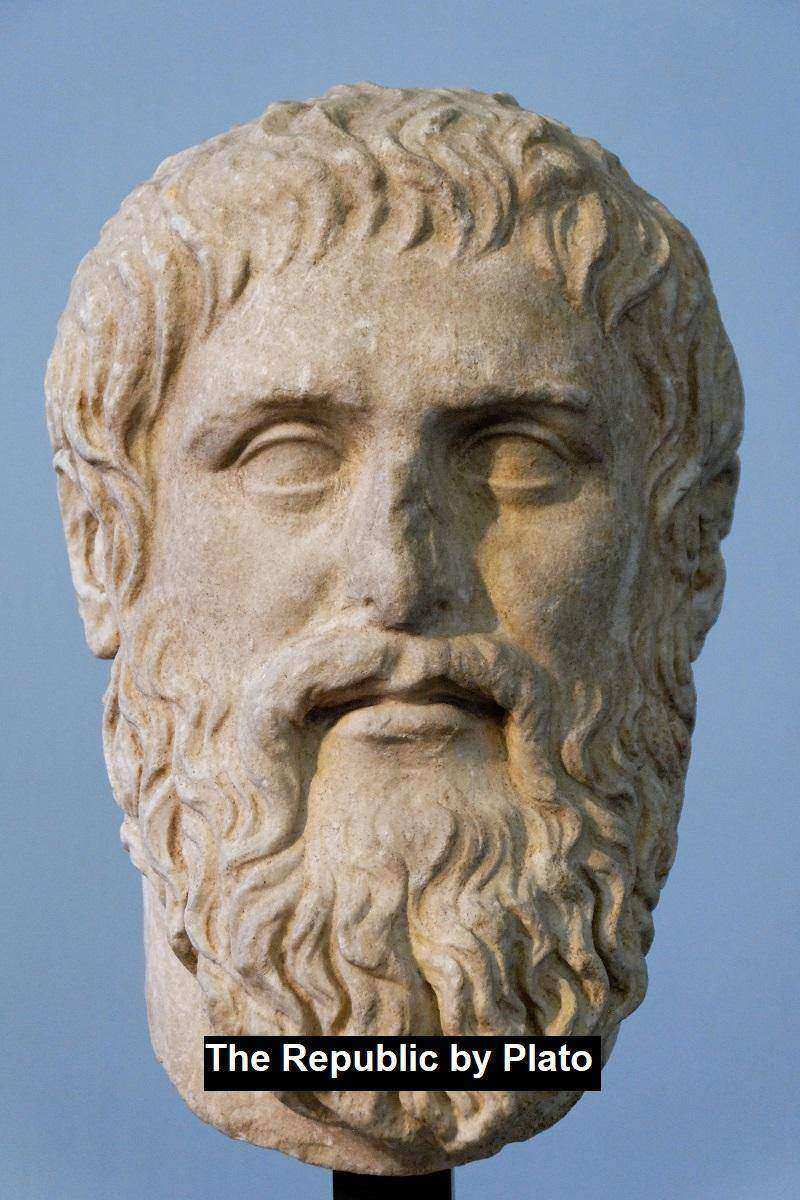
The Republic
¥8.09
Plato's best-known dialogue. According to Wikipedia: "The Republic is a Socratic dialogue written by Plato around 380 BC concerning the definition of justice and the order and character of the just city-state and the just man. The dramatic date of the dialogue has been much debated and though it must take place some time during the Peloponnesian War, "there would be jarring anachronisms if any of the candidate specific dates between 432 and 404 were assigned".[2] It is Plato's best-known work and has proven to be one of the most intellectually and historically influential works of philosophy and political theory. In it, Socrates along with various Athenians and foreigners discuss the meaning of justice and examine whether or not the just man is happier than the unjust man by considering a series of different cities coming into existence "in speech", culminating in a city (Kallipolis) ruled by philosopher-kings; and by examining the nature of existing regimes. The participants also discuss the theory of forms, the immortality of the soul, and the roles of the philosopher and of poetry in society."
Of the Nature of Things
¥8.09
Classic work of philosophy, in English translation. Titus Lucretius Carus (ca. 99 BC – ca. 55 BC) was a Roman poet and philosopher. His only known work is an epic philosophical poem laying out the beliefs of Epicureanism, De rerum natura, translated into English as On the Nature of Things or "On the Nature of the Universe".
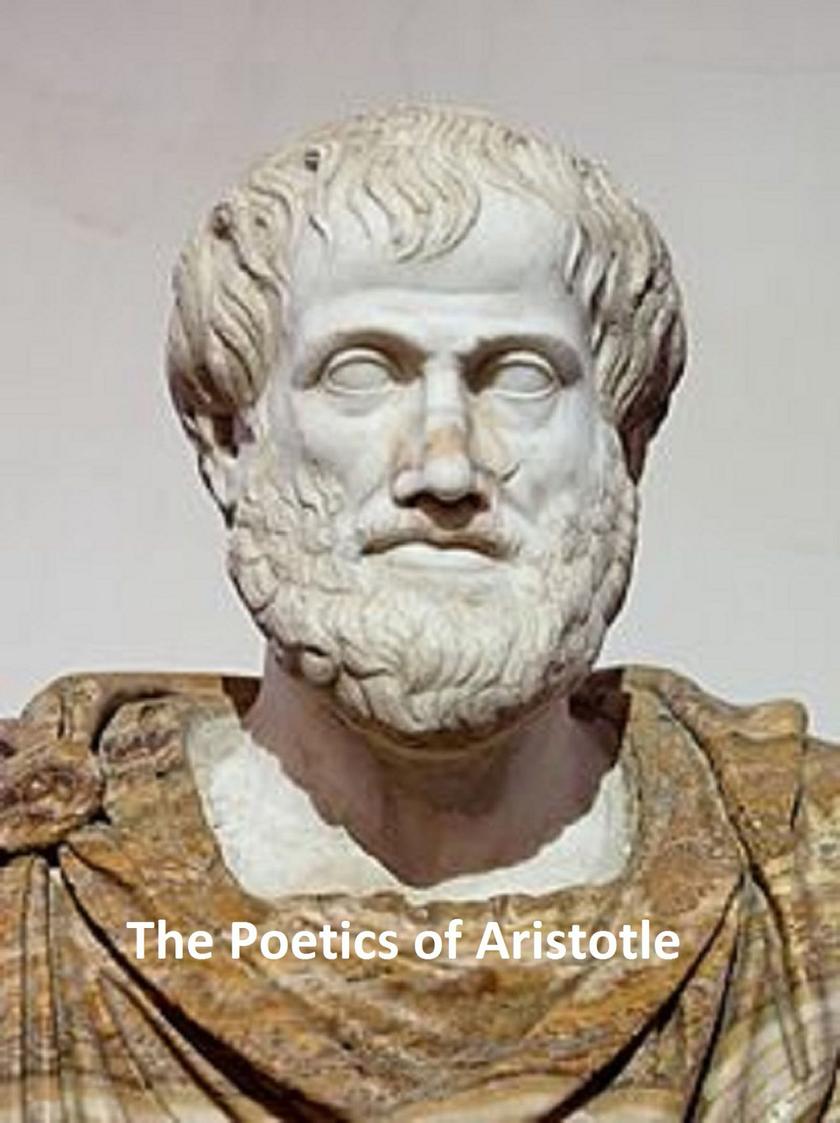
The Poetics of Aristotle
¥8.09
According to Wikipedia: "Aristotle's Poetics (c. 335 BCE) is the earliest surviving work of dramatic theory and the first extant philosophical treatise to focus on literary theory. In it, Aristotle offers an account of what he calls "poetry" (a term which in Greek literally means "making" and in this context includes drama—comedy, tragedy, and the satyr play—as well as lyric poetry and epic poetry)... Aristotle (384 BC – 322 BC) was a Greek philosopher, a student of Plato and teacher of Alexander the Great. His writings cover many subjects, including physics, metaphysics, poetry, theater, music, logic, rhetoric, linguistics, politics, government, ethics, biology, and zoology. Together with Plato and Socrates (Plato's teacher), Aristotle is one of the most important founding figures in Western philosophy. Aristotle's writings were the first to create a comprehensive system of Western philosophy, encompassing morality and aesthetics, logic and science, politics and metaphysics."
France at War: On the Frontier of Civilisation
¥8.09
Dodo Collections brings you another classic from Rudyard Kipling, ‘France at War: On the Frontier of Civilisation.’ ? In 1915, in the second year of the Great War, Kipling made a tour as a journalist on the front of some of the French armed forces. His report of what he had seen of the military activity was published in six articles in the Daily Telegraph, in England, and in the New York Sun. He published some (censored) articles of war journalism in 1915, collected as The New Army in Training and France at War. ? Kipling's works of fiction include The Jungle Book (1894), Kim (1901), and many short stories, including "The Man Who Would Be King" (1888). His poems include "Mandalay" (1890), "Gunga Din" (1890), "The Gods of the Copybook Headings" (1919), "The White Man's Burden" (1899), and "If—" (1910). He is regarded as a major innovator in the art of the short story; his children's books are classics of children's literature; and one critic described his work as exhibiting "a versatile and luminous narrative gift". ? Kipling was one of the most popular writers in England, in both prose and verse, in the late 19th and early 20th centuries. Henry James said: "Kipling strikes me personally as the most complete man of genius (as distinct from fine intelligence) that I have ever known." In 1907, he was awarded the Nobel Prize in Literature, making him the first English-language writer to receive the prize, and its youngest recipient to date Among other honours, he was sounded out for the British Poet Laureateship and on several occasions for a knighthood, all of which he declined


