


 购物车
购物车 个人中心
个人中心
Calitatea democra?iei ?i cultura politic? ?n Rom?nia
¥38.50
So?ia mea, pe c?te cred, mi-a fost Cinstit?. Poate acum e necinstit?. Te cred om drept… dar nu mi-e dovedit? P?rerea despre ea ?i despre tine. Avea un nume f?r? de ru?ine ?i chipul ei cu al Dianei sem?na. Cum pot s? cred c? s-ar putea schimba Deodat? ?ntr un chip ?ntunecat, Cum este acel cu care-s ?nzestrat? By the world, I think my wife be honest and think she is not; I think that thou art just and think thou art not. I’ll have some proof. Her name, that was as fresh As Dian’s visage, is now begrimed and black As mine own face
Az ego az ellenség: Pusztítsd el az egódat. Miel?tt ? pusztít el téged.
¥56.57
Antológiánk magyar zsidó t?rténelemr?l szóló tanulmányok gy?jteménye. ?sszeállításunk azonban mind témájában, mind módszertanában kül?nb?zik az eddig megszokott ábrázolástól. A magyar (azaz a t?rténelmi Magyar Királyság területén él?) zsidóságot a t?rténetírók leginkább a modern eszmékhez lelkesen csatlakozó és asszimilációra t?rekv? k?z?sségként ábrázolták, amelyet csupán az antiszemitizmus id?szakos fellángolásai akadályoztak meg végs? céljuk elérésében. Sokszor még az is el?fordult, hogy a magyar zsidókat a legsikeresebben asszimilálódott európai zsidóságként jellemezték, ami már nyilvánvaló túlzás. Valójában a magyar zsidóság sajátos jellege sokkal inkább a jelent?s létszámú ortodox réteg határozott asszimiláció-ellenességéb?l fakadt. Az itt k?tetbe gy?jt?tt ?t tanulmány a magyar ortodoxia t?rténetével, ezzel a mostanáig igen kevés figyelemre méltatott területtel foglalkozik.
Povestea unui startup. Leadership prin experimentare
¥73.49
Lord Ronald Gower (1845 ù1916) was a British aristocrat, Liberal politician, sculptor and writer. Besides being a sculpture he wrote biographies of Marie Antoinette and Joan of Arc, and a history of the Tower of London. Joan of Arc was a15th century French heroine. She was born a peasant girl in eastern France who grew up to lead the French army to several important victories during the Hundred Years' War. She was captured by the Burgundians, sold to the English, tried by an ecclesiastical court, and burned at the stake when she was nineteen years old.
Symbolic Logic: {Complete & Illustrated}
¥28.04
The excellence of the following Treatise is so well known to all in any tolerable degree conversant with the Art of Painting, that it would be almost superfluous to say any thing respecting it, were it not that it here appears under the form of a new translation, of which fome account may be expected. Of the original Work, which is in reality a selection from the voluminous manuscript collections of the Author, both in Solio and Quarto, of all such passages as related to Painting, no edition appeared in print till 1651. Though its Author died so long before as the year 1519; and it is owing to the circumstance of a manuscript copy of these extracts in the original Italian, having fallen into the hands of “Raphael” that in the former of these years it was published at Paris in a thin folio volume in that language, accompanied with a set of cuts from the drawings of Niccolo Pouissin, and Alberti, the former having designed and defined the human figures, the latter the geometrical and other representations.. The first translation of this Treatise into English, appeared in the year 1721. It does not declare by whom it was made; but though it prosesses to have been done from the original Italian, it is evident, upon a comparison, that more use was made of the revised edition of the French translation. Indifferent, however, as it is, it had become fo scarce, and risen to a price fo extravagant, that, to supply the demand, it was found necessary, in the year 1796, to reprint it as it stood, with all its errors on its head, no opportunity then offering of procuring a french translation. This last impression, however, being now alfo disposed of, and a new one again called for, the present Translator was induced to step forward, and undertake the office of frenh translating it, on finding, by comparing the former versions both in French and English with the original, many passages which he thought might at once be more concisely and more faithfully rendered. ABOUT AUTHOR: Leonardo di ser Piero da Vinci (15 April 1452 – 2 May 1519) was an Italian painter, sculptor, architect, musician, mathematician, engineer, inventor, anatomist, geologist, cartographer, botanist, and writer. He is widely considered to be one of the greatest polymaths of all time and perhaps the most diversely talented person ever to have lived. His genius, perhaps more than that of any other figure, epitomized the Renaissance humanist ideal. Leonardo has often been described as the archetype of the Renaissance Man, a man of "unquenchable curiosity" and "feverishly inventive imagination". Marco Rosci states that while there is much speculation about Leonardo, his vision of the world is essentially logical rather than mysterious, and that the empirical methods he employed were unusual for his time. Born out of wedlock to a notary, Piero da Vinci, and a peasant woman, Caterina, in Vinci in the region of Florence, Leonardo was educated in the studio of the renowned Florentine painter Verrocchio. Much of his earlier working life was spent in the service of Ludovico il Moro in Milan. He later worked in Rome, Bologna and Venice, and he spent his last years in France at the home awarded him by Francis I. Leonardo was, and is, renowned as one of the greatest painters of all time. Among his works, the Mona Lisa is the most famous and most parodied portrait and The Last Supper the most reproduced religious painting of all time, with their fame approached only by Michelangelo's The Creation of Adam. Leonardo's drawing of the Vitruvian Man is also regarded as a cultural icon, being reproduced on items as varied as the euro coin, textbooks, and T-shirts. Perhaps fifteen of his paintings have survived, the small number because of his constant, and frequently disastrous, experimentation with new techniques, and his chronic procrastination. Nevertheless, these few works, together with his notebooks, which contain drawings, scientific diagrams, and his thoughts on the nature of painting, compose a contribution to later generations of artists rivalled only by that of his contemporary, Michelangelo. Leonardo is revered for his technological ingenuity. He conceptualised flying machines, an armoured vehicle, concentrated solar power, an adding machine, and the double hull, also outlining a rudimentary theory of plate tectonics.
The Invisible Man
¥18.74
To present at a single glance a comprehensive view of the History of English Church Architecture from the Heptarchy to the Reformation, and to do this in a manner, which, without taxing too seriously the memory of the student, may enable him to fix in his mind the limits, and the general outline of the inquiry he is about to enter upon, is the object of the present treatise.? Instead therefore of entering, as is usual in elementary works of this nature, into a detailed account of all the parts of an Ecclesiastical structure, a certain portion only of such a building has for this purpose been selected, and so exhibited in the garb in which it appeared at successive intervals of time, as to present to the reader a means of comparison that will enable him readily to apprehend the gradual change of form through which it passed from the Eleventh to the Sixteenth Centuries, and at once to recognise the leading characteristics of the several Periods into which it is here proposed to divide the History of our National Architecture. Having thus fixed these leading characteristics in his mind, he will then be in a condition to follow us hereafter, if he pleases, into the detail of the whole subject, and to become familiar with those niceties of distinction, the detection of which—escaping, as they do, the eye of the general observer—contributes so materially to the enjoyment of the study, and a perfect acquaintance with which is so absolutely essential to a correct understanding of the true History of the Art.?That this mode of approaching the study of this subject is a convenient one, will probably be admitted by those who may remember the difficulties they encoun-tered, in their early attempts to acquire a general conception of the scheme of the History of Church Architecture, as given in most of the manuals now in use; and the complexity of detail in which they found themselves immediately involved on the very threshold of their inquiry.? It has been the practice in most elementary works on Church Architecture to derive the illustrations of the subject, indifferently from the smaller and the larger buildings of the Kingdom; and by implication to assign an equal authority to both. It will be readily admitted, however, that the History of an Art is to be gathered from its principal Monuments, and not from those the design or execution of which may have been entrusted to other than the ablest masters of the Period: in the choice, therefore, of the examples which have been selected to illustrate the series of changes which are described in the following pages, reference has been made principally to the great Cathedral, Abbey, and Collegiate Churches of the Kingdom, and occasionally only to some of the larger Parish Churches whose size or importance would seem to bring them under the above denomination.??Church Architecture in England, from its earliest existence down to the Sixteenth Century, was in a state of constant progress, or transition, and this progress appears to have been carried on, with certain exceptions in different parts of the country, very nearly simultaneously. It follows from this circumstance, first, That it is impossible to divide our National Architecture correctly into any number of distinct Orders or Styles; and secondly, That any Division of its History into a given number of Periods, must necessarily be an arbitrary one. It is nevertheless absolutely essential for the purpose of conveniently describing the long series of noble monuments which remain to us, that we should adopt some system of chronological arrangement, which may enable us to group, and to classify them in a distinct and intelligible manner: and although no broad lines of demarcation in this connected series are discernible—so gradual was the change—yet so rapid and so complete was it also, that a period of fifty years did not elapse without a material alteration in the form and fashion of every detail of a building. ?
Autoportret la 28 de ani
¥54.10
Avangardismul rom?nesc r?m?ne a fi unul dintre curentele literare cele mai controversate ?i, ?n ultima instanta – ne demonstreaza aceasta monografie – cele mai putin cunoscute. Monografia abunda ?n informa?ii, aspecte, ?nt?mpl?ri, evenimente, mai pu?in sau deloc cunoscute. Cartea se adreseaz? elevilor, studen?ilor, precum ?i publicului larg de cititori.
Arhive secrete, secretele arhivelor. Vol. 2
¥106.19
Lucrarea vizeaz? o tem? de actualitate – brandul de ora?, oferind un cadru teoretic al acestui nou concept de marketing, completat de o parte aplicativ? divers?, care ?i-a propus s? identifice ?i s? completeze eforturile autorit??ilor locale ?n aceast? direc?ie.
Iarna ?ngerilor
¥32.62
Eseuri ?i cronici teatrale structurate simultan ?n dou? planuri, ?nc?t se reconstituie panorama artei spectacolului ?n Rom?nia ?i par?ial ?n lume, ?n perioada 1993-2003, ?i se realizeaz? o privire din unghiul zilei de azi a artei dramatice, ?n evolu?ia ei, de la antici la contemporani.
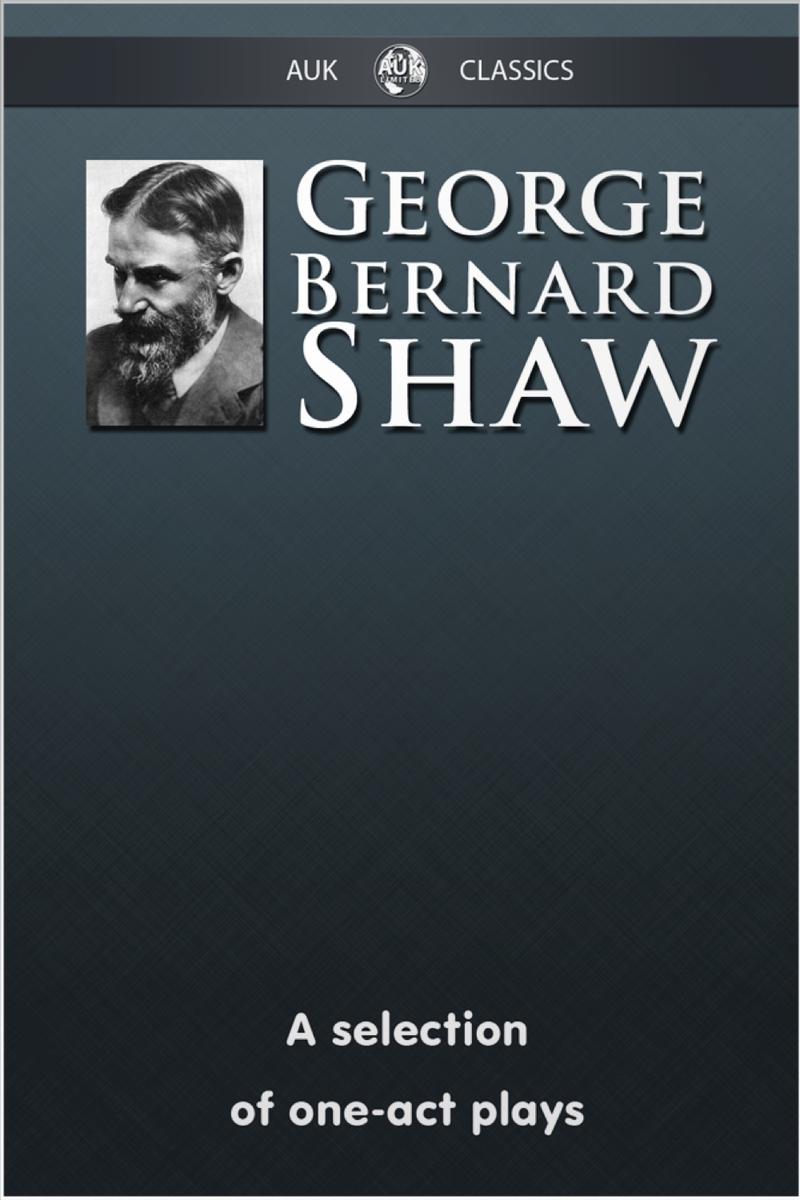
George Bernard Shaw - A Selection of One-Act Plays
¥19.52
A choice selection of one-act plays from the Nobel Prize for Literature and Academy Award winning playwright George Bernard Shaw.Includes: Augustus Does His Bit: A True-to-Life Farce The Dark Lady of the Sonnets How He Lied to Her Husband The Inca of Perusalem: An Almost Historical Comedietta Overruled Press Cuttings
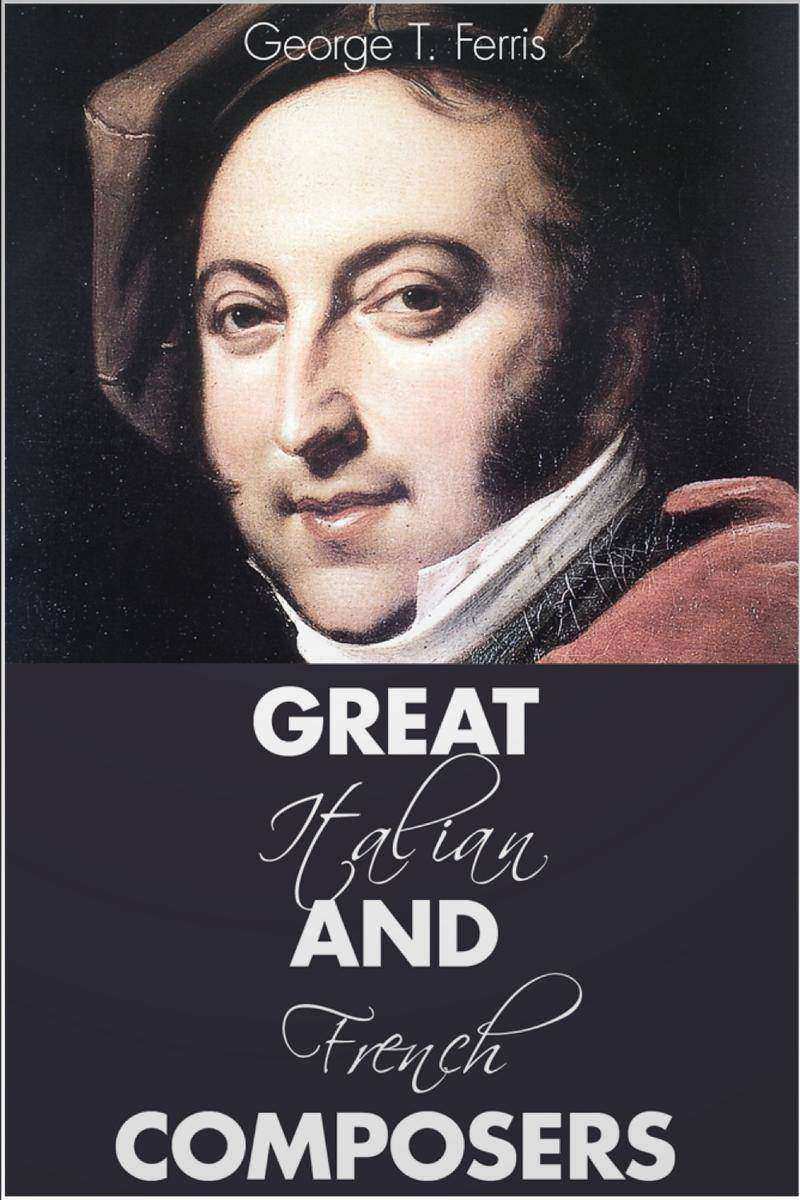
Great Italian and French Composers
¥19.52
A fascinating look at several famous composers from Italy and France, including Rossini, Verdi, Berlioz and Cherubini.

50 Quick Facts about Arizona
¥9.71
This book is part of a series of 50 quick facts about each of the United States of America. This book covers the state of Arizona. Facts about the major cities, the history of the state, famous people linked to Arizona and many more subjects. This book contains all you will ever need to know about the Copper State.

50 Quick Facts about Arkansas
¥9.71
This book is part of a series of 50 quick facts about each of the United States of America. This book covers the state of Arkansas. Facts about the major cities, the history of the state, famous people linked to Arkansas and many more subjects. This book contains all you will ever need to know about the Natural State.

50 Quick Facts about Texas
¥9.71
This book is part of a series of 50 quick facts about each of the United States of America. This book covers the state of Texas. Facts about the major cities, the history of the state, famous people linked to Texas and many more subjects. This book contains all you will ever need to know about the Lone Star state.
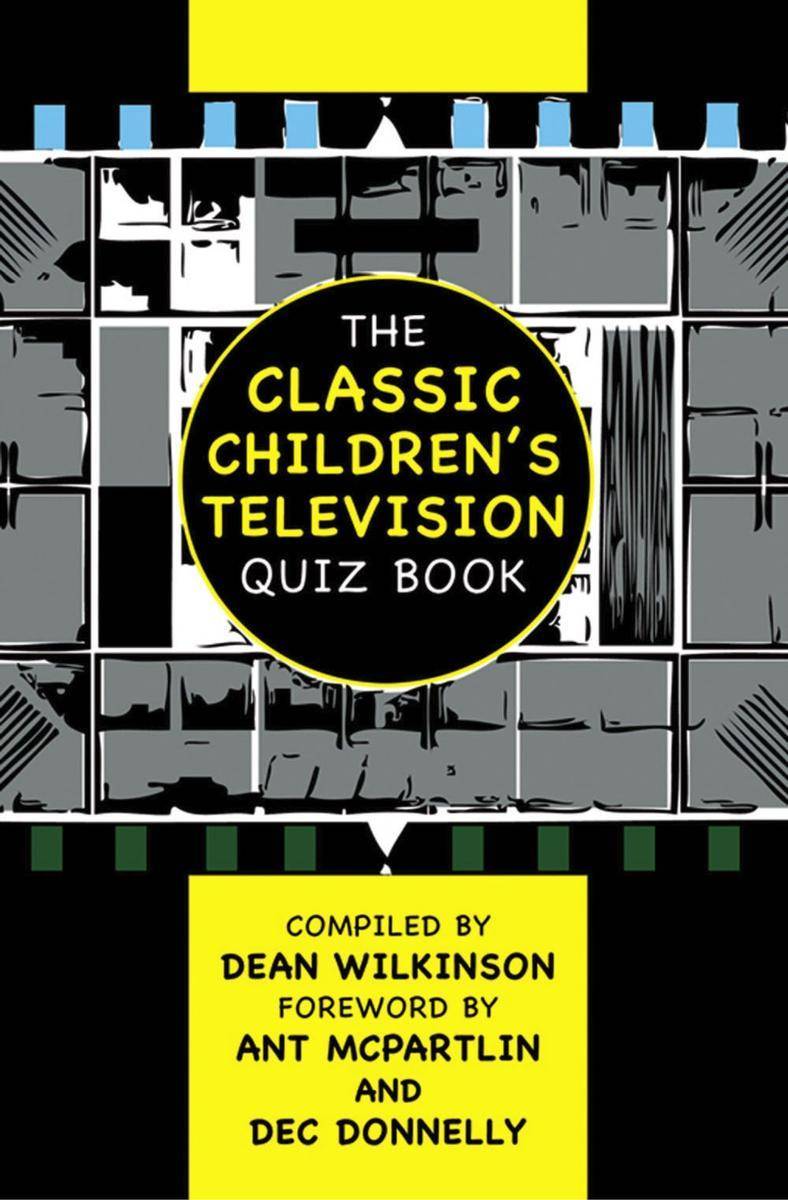
Classic Children's Television Quiz Book
¥73.48
Compiled by acclaimed television scriptwriter and novelist Dean Wilkinson, The Classic Children's Television Quiz Book is packed with fascinating facts about the shows you loved as a child as well as those programmes currently capturing the imagination of today's young audiences. From timeless classics like Thunderbirds, Blue Peter and Dr Who to the thoroughly up-to-date Sponge Bob, the 1,000 questions in this book will not only test your memory of the characters you grew up with but your family's knowledge of their current favourites. With a fitting foreword by popular family TV presenters Ant and Dec this book is sure to prove a hit with television lovers of all ages and, in particular, those members of the older generation who have remained young at heart.
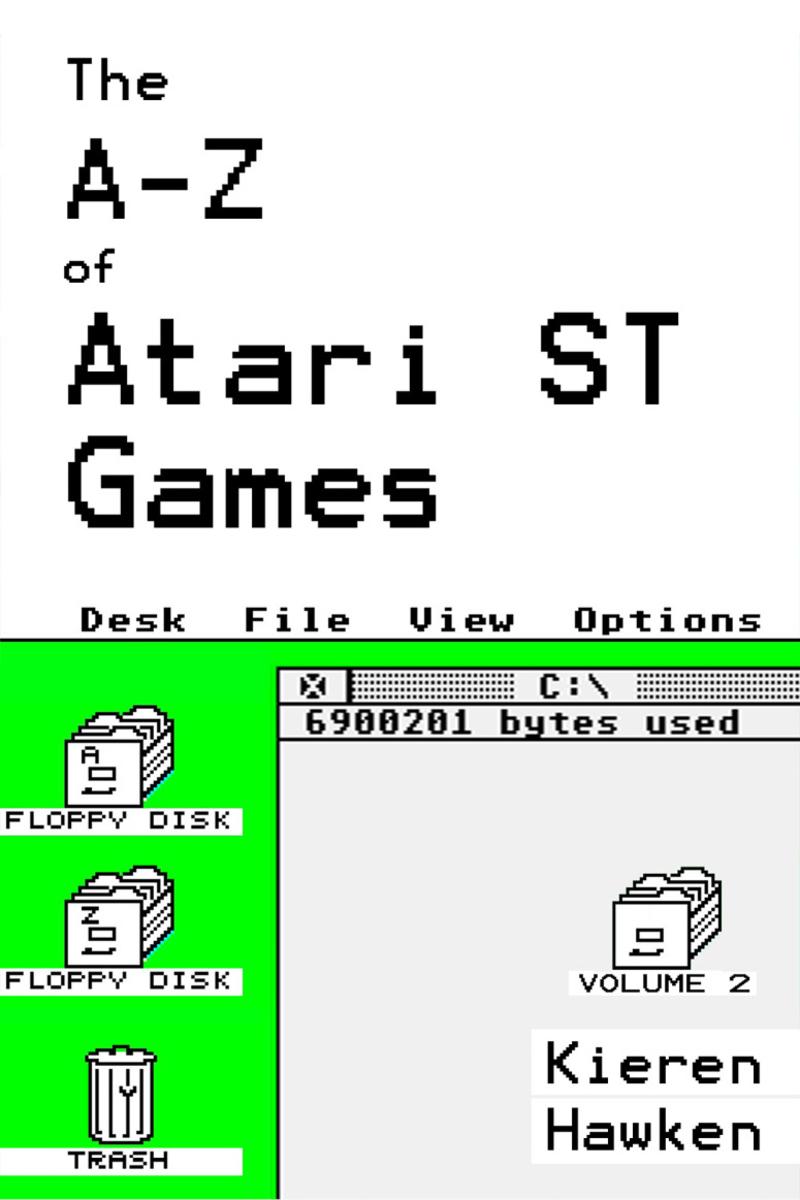
A-Z of Atari ST Games
¥19.52
The A-Z of Atari ST Games: Volume 2 features reviews of three different games for each letter of the alphabet. The games range from the very earliest releases in the mid 80s to the modern homebrew games of today. This book shows you just how diverse the library of titles is for the Atari ST range and how it became one of the most popular home computers of all time.

John Newman Quiz Book
¥24.43
Are you a fan of John Newman? Have you followed his progress through the charts from the release of his debut single to receiving three Brit award nominations? Would you like to find out more about the talented singer and musician? If so, The John Newman Quiz Book is definitely for you. The trademark streak in John's hair was originally a tribute to which soulful female artist who had a similar blonde streak? How did John celebrate 'Love Me Again' reaching number 1 in the UK singles charts? At what overseas festival did John headline in July 2014? The answers to these questions and more can all be found in this fun quiz book. John has been steadily building up a dedicated following ever since he featured on Rudimental's chart-topping single 'Feel the Love'. Since then, John's popularity has continued to rise so make sure that you are the first to find out all about the distinctive artist. With 100 questions all about your favourite singer, this is a must-have book for John's growing fanbase.
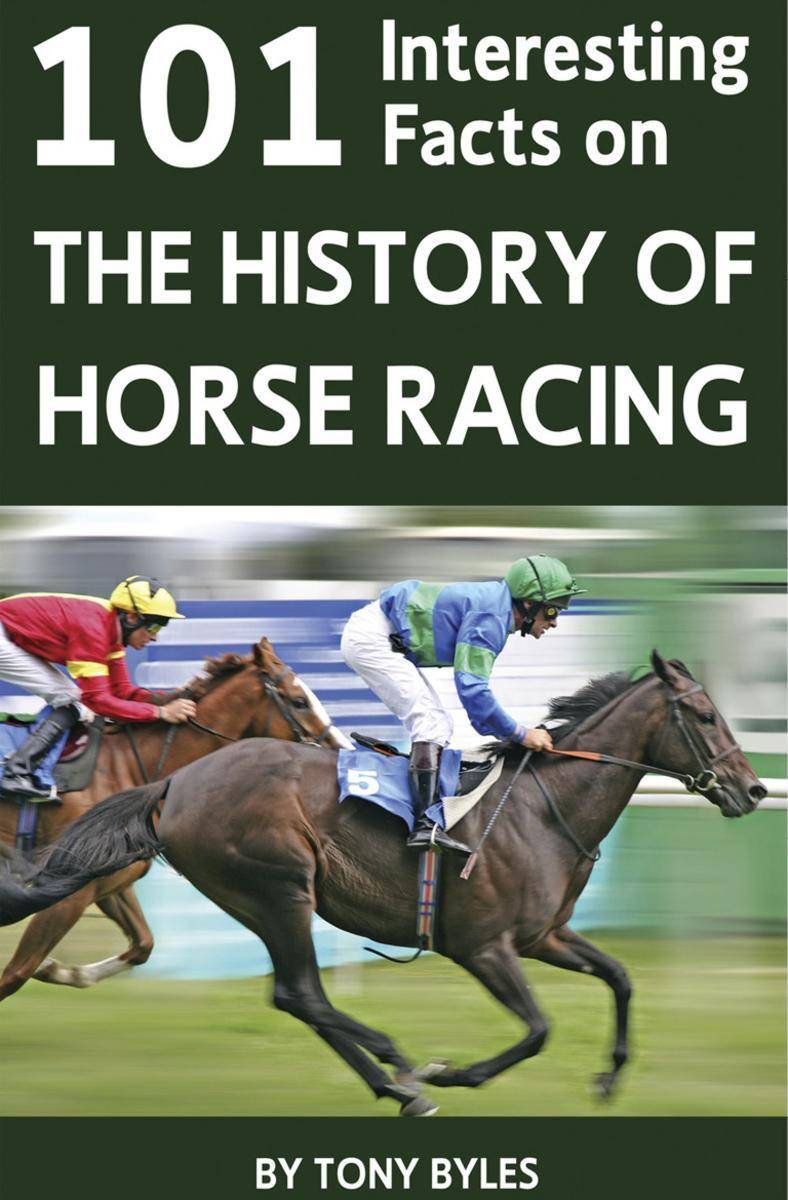
101 Interesting Facts on the History of Horse Racing
¥24.43
Are you a fan of horse racing? Do the origins of this action-packed sport intrigue you? Would you like to find out more about the horses, riders and trainers involved in the famous races? If so, you are certain to enjoy 101 Interesting Facts on the History of Horse Racing. It's a chronological journey from the earliest days of racing. Read about racing before the days of the thoroughbred; the first recorders of racing; the mystery of the foundation stallions; the origin of grey horses; twins; the early bookmakers and other Turf personalities; the American Godolphin Arabian; the truth behind the origins of the Grand National and who was the real winner of the 1880 Derby. The answers can all be found in this informative new book along with many more fascinating facts about the history of racing. This book is packed with carefully researched, detailed information about all aspects of racing including famous runners, breeders, owners, jockeys and much more, so that you can't fail to learn something new. This is a must-have book for anyone with an interest in racing.

Ellie Goulding Quiz Book
¥24.43
Are you a fan of Ellie Goulding? Have you followed Ellie's steady rise to fame from the release of her debut album in 2010 to current chart success? Would you like to find out more about the talented singer-songwriter and instrumentalist? If you answered yes to any of the above questions, you won't want to be without The Ellie Goulding Quiz Book. Can you name Ellie's second studio album, released in 2012? What BRIT award was Ellie nominated for, and subsequently won, in 2010? Do you know how many instruments Ellie can play? The 100 similar questions in this quiz book have been researched and compiled to test your knowledge of your favourite star and so that you can get to know her better. Bringing you up to date with all the music, events and activities of this popular and versatile performer, this book is packed with information. A fun and entertaining book for the whole family and a must-have for Ellie Goulding fans from five to 95.
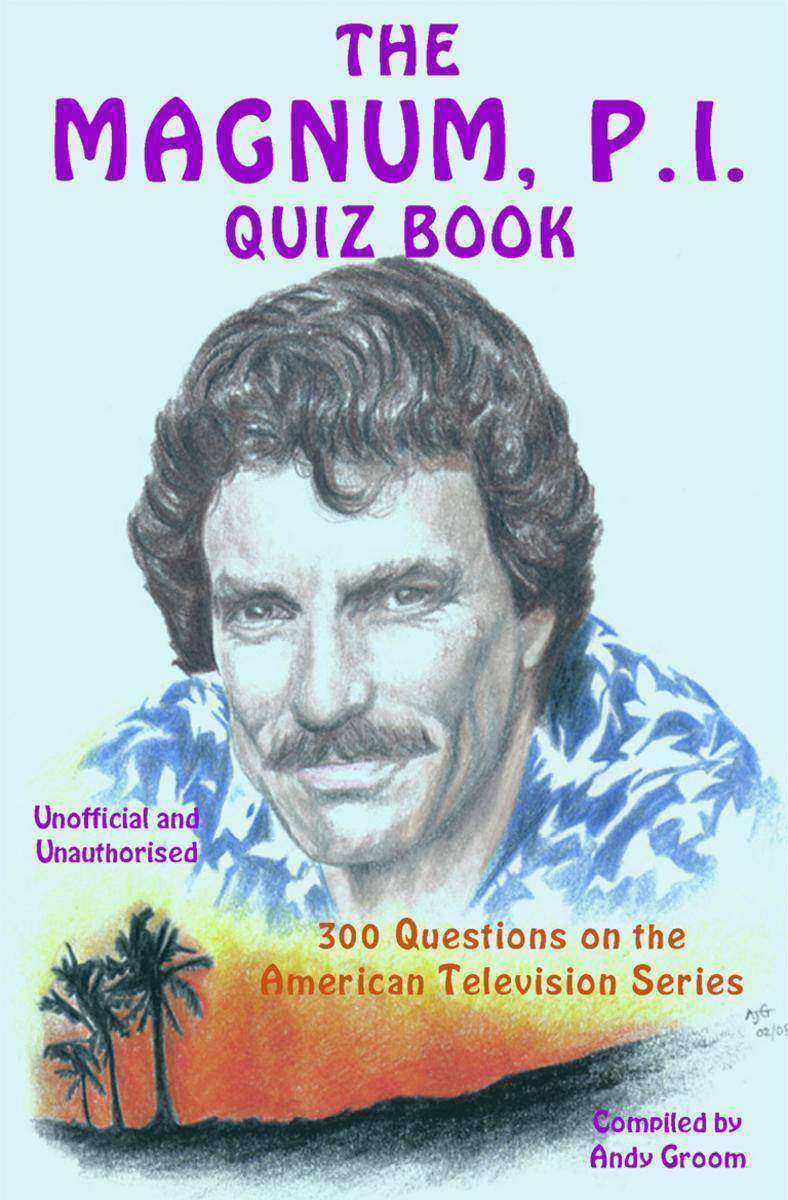
Magnum, P.I. Quiz Book
¥29.33
Were you a fan of the 1980s' cult American series Magnum P.I.? Can you remember the names of the four main characters? Was Magnum P.I. one of your favourite TV shows from yesteryear? If so, you won't want to be without this new quiz book. What was Magnum's iconic Hawaiian shirt called? Who was the original composer of the Magnum P.I. theme song? In which major film was actor Tom Selleck originally cast? The answers to these questions and more can all be found inside The Magnum P.I. Quiz Book. With 300 questions on the characters, the actors who brought them to life, writers, episodes, guest stars, cars and much more Magnum related trivia, this book will take you back in time as you relive all those memorable moments from Magnum P.I. Full of facts about the show that had audiences across the globe glued to their screens, this book will tell you everything you ever wanted to know about the award-winning, iconic TV series. This is a must-have for Magnum P.I. fans of all ages.
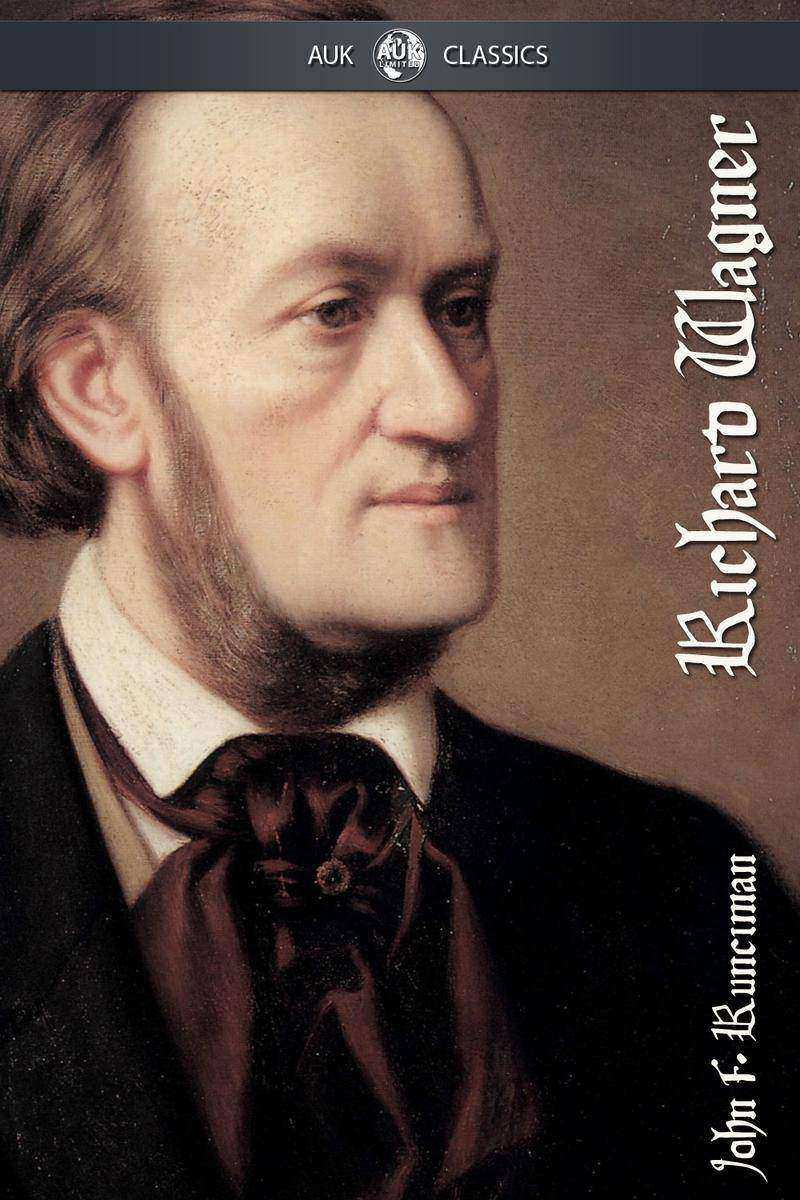
Richard Wagner
¥29.33
This short biography of the famous composer Richard Wagner details his life, his works and gives the reader an interesting guide to the style that defined this master of operas and other musical works. This version has been specifically edited and formatted for today's e-readers, and makes an excellent addition to any music-related book collection.
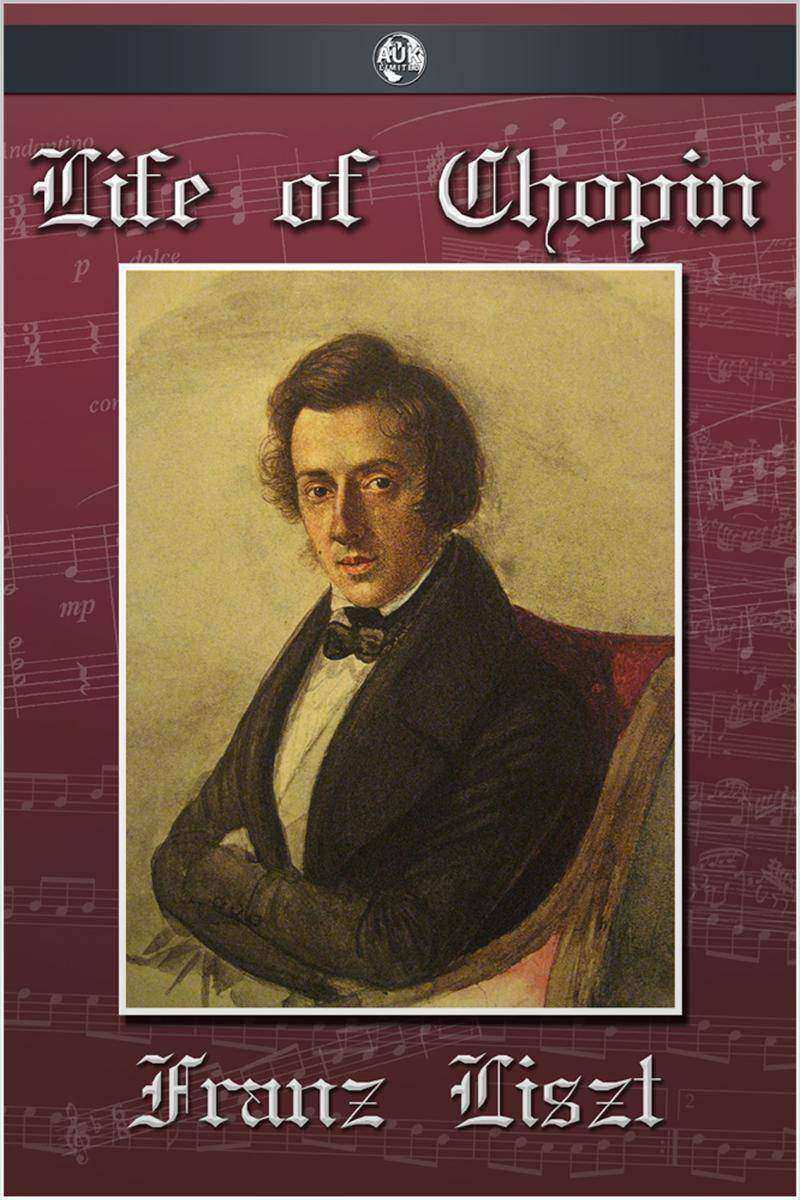
Life of Chopin
¥44.05
This short biography of the famous composer Frederic Chopin (by none other than Franz Liszt!) details his life, his works and gives the reader an interesting guide to the style that defined this master of composing for the piano. This version has been specifically edited and formatted for today's e-readers, and makes an excellent addition to any music-related book collection.


