


 购物车
购物车 个人中心
个人中心
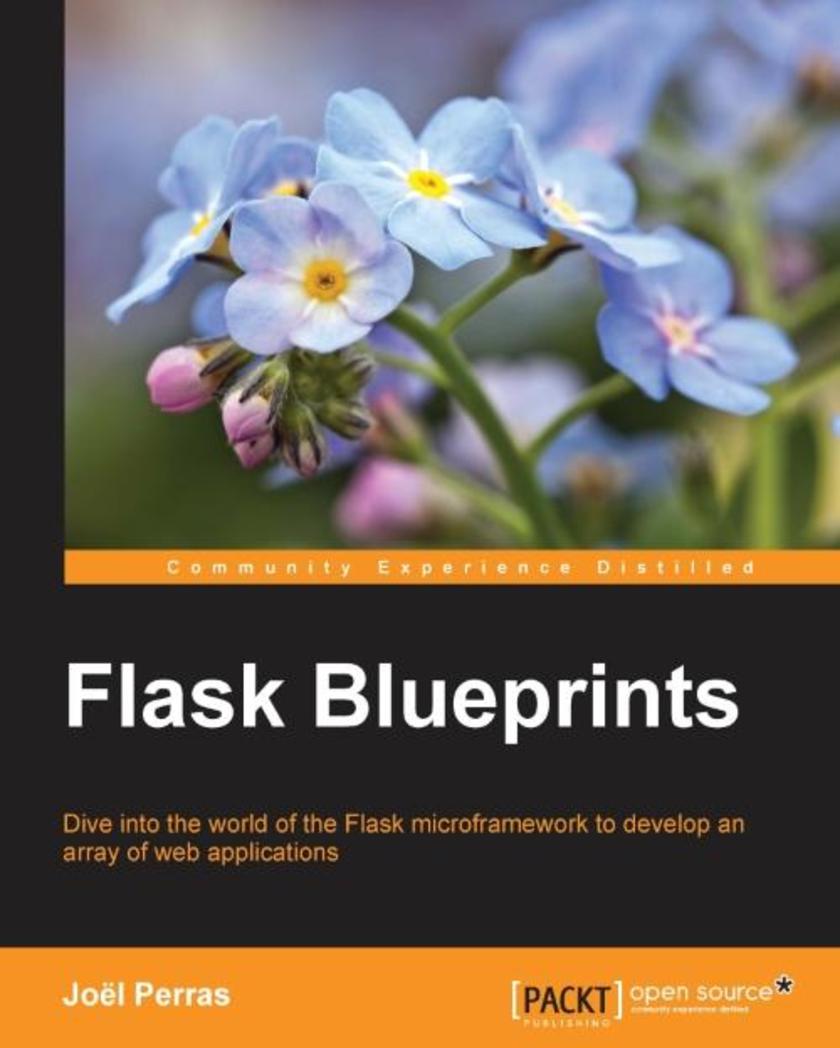
Flask Blueprints
¥80.65
Dive into the world of the Flask microframework to develop an array of web applications About This Book Structure, compose, and build powerful Flask HTML-based applications and JSON/XML-based APIs using advanced application design patterns Integrate third-party Flask extensions for tasks such as social authentication, sending emails, and interacting with databases and cache layers Build a series of Flask applications of increasing complexity Who This Book Is For If you are a Python web developer who has developed basic Flask applications and now wants to build a series of more complex web applications, then this is the book for you. What You Will Learn Use the virtualenv Python package to effectively isolate your development environments Convert a simple one-file Flask application into a more full-fledged multi-package application Integrate Flask-Login for simple user authentication, Flask-WTF for forms, and Flask-SQLAlchemy for database interactions Explore URL routing and dispatching in a blueprint structured application Create your own signals and consume them within your application Learn to leverage Werkzeug, the WSGI library that powers much of Flask Implement custom exceptions for handling non-20x response codes Write your own CLI tools for administrative and development tasks of your Flask application using Flask-Script/Click Build your Flask extensions to encapsulate reusable behaviors across your applications Integrate your application with open source JavaScript-based graphing libraries to create simple data visualizations In Detail Flask is a small but powerful web development framework for Python. Though Flask is termed a micro-framework, it is no way lacking in functionality; there are many extensions available to Flask which helps it to function at the same level as other large frameworks such as Django and Ruby on Rails. This book will demonstrate how to develop a series of web application projects with the Python web micro-framework, and leverage extensions and external Python libraries and APIs to extend the development of a variety of larger and more complex web applications. The book will start by explaining Python’s Virtualenv library and how to create and switch between multiple virtual environments. You’ll first build an SQL database-backed application, which will use Flask-WTF, Flask-SQLAlchemy, Jinja templates, and other methods. Next you’ll move on to a timeline application, built using concepts including pytest-Flask, the Blinker package, data modelling for user timelines, exception handling, and creating and organizing CLI tools. Moving on, you’ll discover how to implement a photo timeline application where you’ll explore topics such as writing and running celery tasks, API error handling and testing, and Werkzeug middlewares. Finally, the book walks you through creating an application which fetches data from GitHub and stores it locally. You will also learn how to install and configure Flask-Click extension. Style and approach This book covers how to effectively use the Flask micro-framework to develop a series of web applications. Each chapter focusses on the development of an application increasing in complexity with easy steps to follow.
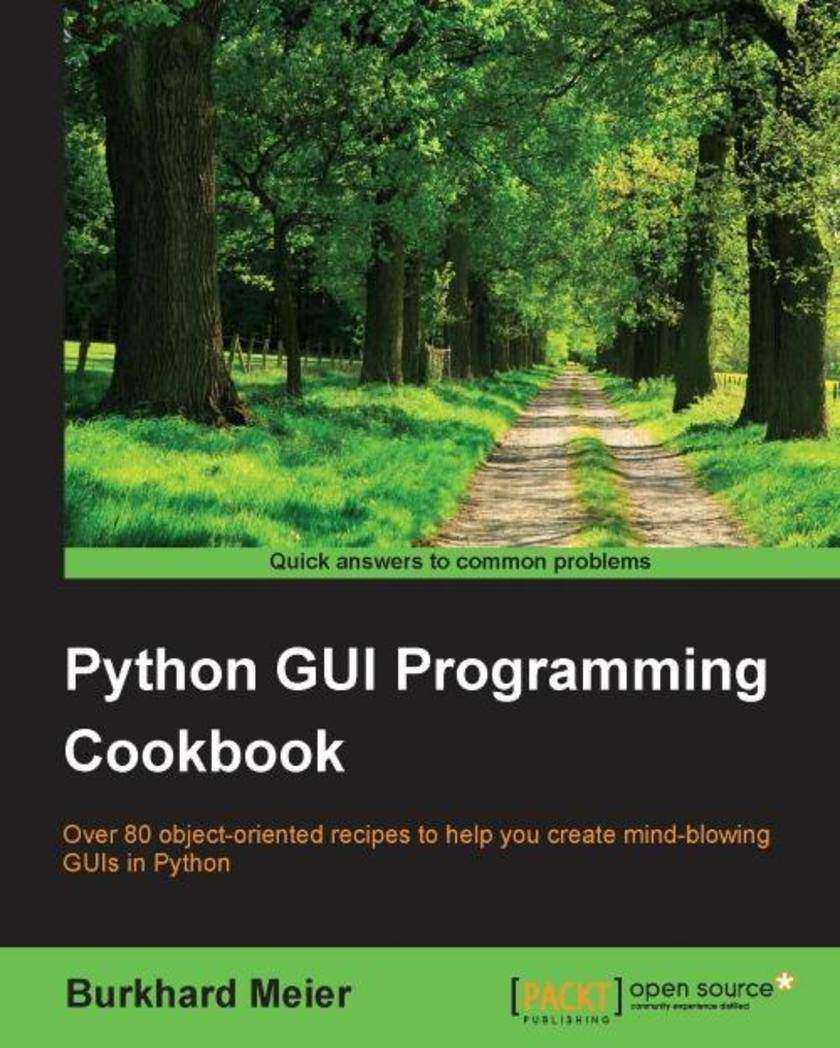
Python GUI Programming Cookbook
¥80.65
Over 80 object-oriented recipes to help you create mind-blowing GUIs in Python About This Book Use object-oriented programming to develop amazing GUIs in Python Create a working GUI project as a central resource for developing your Python GUIs Packed with easy-to-follow recipes to help you develop code using the latest released version of Python Who This Book Is For If you are a Python programmer with intermediate level knowledge of GUI programming and want to learn how to create beautiful, effective, and responsive GUIs using the freely available Python GUI frameworks, this book is for you. What You Will Learn Create amazing GUIs with Python’s built-in Tkinter module Customize the GUIs by using layout managers to arrange the GUI widgets Advance to an object-oriented programming style using Python Develop beautiful charts using the free Matplotlib Python module Use threading in a networked environment to make the GUIs responsive Discover ways to connect the GUIs to a database Understand how unit tests can be created and internationalize the GUI Extend the GUIs with free Python frameworks using best practices In Detail Python is a multi-domain, interpreted programming language. It is a widely used general-purpose, high-level programming language. It is often used as a *ing language because of its forgiving syntax and compatibility with a wide variety of different eco-systems. Its flexible syntax enables developers to write short *s while at the same time, they can use object-oriented concepts to develop very large projects. Python GUI Programming Cookbook follows a task-based approach to help you create beautiful and very effective GUIs with the least amount of code necessary. This book uses the simplest programming style, using the fewest lines of code to create a GUI in Python, and then advances to using object-oriented programming in later chapters. If you are new to object-oriented programming (OOP), this book will teach you how to take advantage of the OOP coding style in the context of creating GUIs written in Python. Throughout the book, you will develop an entire GUI application, building recipe upon recipe, connecting the GUI to a database. In the later chapters, you will explore additional Python GUI frameworks, using best practices. You will also learn how to use threading to ensure your GUI doesn’t go unresponsive. By the end of the book, you will be an expert in Python GUI programming to develop a common set of GUI applications. Style and approach Every recipe in this programming cookbook solves a problem you might encounter in your programming career. At the same time, most of the recipes build on each other to create an entire, real-life GUI application.
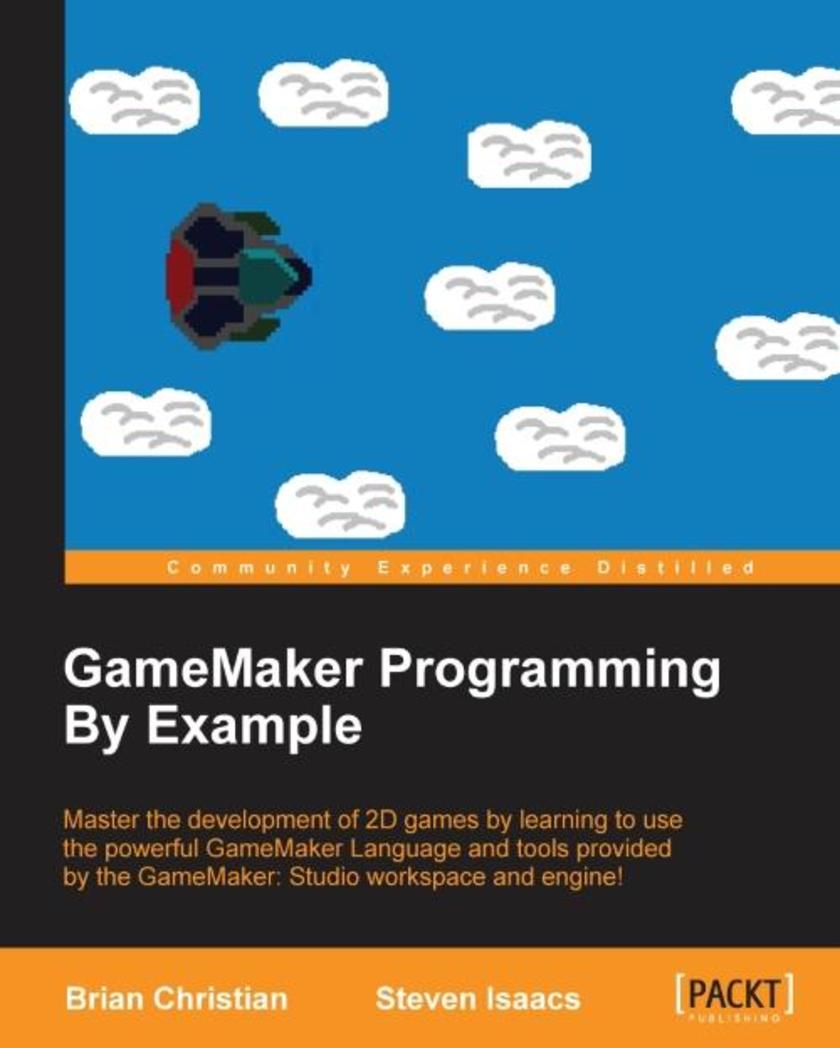
GameMaker Programming By Example
¥80.65
Master the development of 2D games by learning to use the powerful GameMaker Language and tools provided by the GameMaker: Studio workspace and engine! About This Book Rapidly develop games using the powerful yet easy easy-to to-use GameMaker: Studio engine Comprehensive: This is a comprehensive guide to help you learn and implement GameMaker’s features. Go through step-by-step tutorials to design and develop unique games Who This Book Is For If you have at least some basic programming experience of JavaScript or any other C-like languages, then this book will be great for you. No experience beyond that is assumed. If you have no game development experience and are looking for a hobby, are an experienced game developer looking to master some advanced features, or fit anywhere in that spectrum, then you will find GameMaker: Studio and this book to be very useful in helping you create exciting games. What You Will Learn Understand the GameMaker: Studio interface and tools to quickly create the various assets used in your games Translate some of the GameMaker: Studio drag and drop functions to the GameMaker language Create games with random elements for exciting gameplay Use the basic GameMaker file I/O and encryption systems Utilize the GameMaker networking functions to create multiplayer games Give AI routines to your enemies to make challenging gameplay Create particle systems to give your game exciting graphics Understand the various debugging techniques available in GameMaker: Studio In Detail This book is excellent resource for developers with any level of experience of GameMaker. At the start, we’ll provide an overview of the basic use of GameMaker: Studio, and show you how to set up a basic game where you handle input and collisions in a top-down perspective game. We continue on to showcase its more advanced features via six different example projects. The first example game demonstrates platforming with file I/O, followed by animation, views, and multiplayer networking. The next game illustrates AI and particle systems, while the final one will get you started with the built-in Box2D physics engine. By the end of this book, you have mastered lots of powerful techniques that can be utilized in various 2D games. Style and approach A This step-by-step guide that follows and with details ons different topics throughout the creation of various examples.
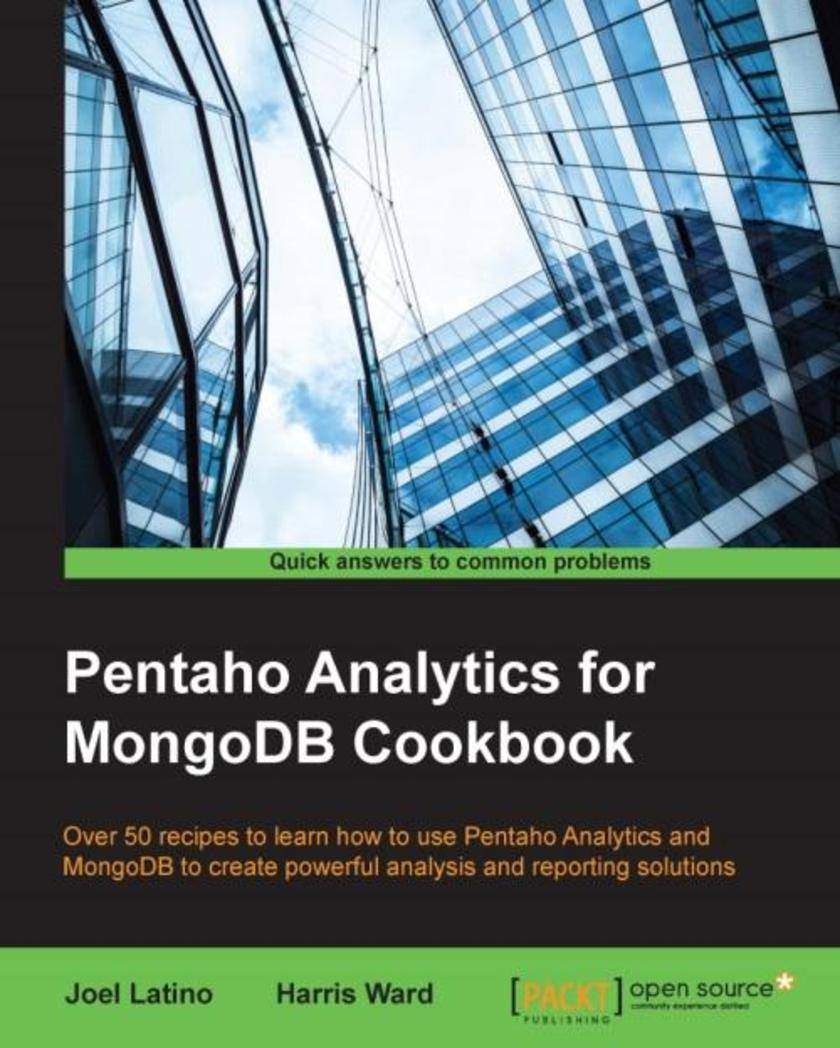
Pentaho Analytics for MongoDB Cookbook
¥80.65
Over 50 recipes to learn how to use Pentaho Analytics and MongoDB to create powerful analysis and reporting solutions About This Book Create reports and stunning dashboards with MongoDB data Accelerate data access and maximize productivity with unique features of Pentaho for MongoDB A step-by-step recipe-based guide for making full use of Pentaho suite tools with MongoDB Who This Book Is For This book is intended for data architects and developers with a basic level of knowledge of MongoDB. Familiarity with Pentaho is not expected. What You Will Learn Extract, load, and transform data from MongoDB collections to other datasources Design Pentaho Reports using different types of connections for MongoDB Create a OLAP mondrian schema for MongoDB Explore your MongoDB data using Pentaho Analyzer Utilize the drag and drop web interface to create dashboards Use Kettle Thin JDBC with MongoDB for analysis Integrate advanced dashboards with MondoDB using different types of connections Publish and run a report on Pentaho BI server using a web interface In Detail MongoDB is an open source, schemaless NoSQL database system. Pentaho as a famous open source Analysis tool provides high performance, high availability, and easy scalability for large sets of data. The variant features in Pentaho for MongoDB are designed to empower organizations to be more agile and scalable and also enables applications to have better flexibility, faster performance, and lower costs. Whether you are brand new to online learning or a seasoned expert, this book will provide you with the skills you need to create turnkey analytic solutions that deliver insight and drive value for your organization. The book will begin by taking you through Pentaho Data Integration and how it works with MongoDB. You will then be taken through the Kettle Thin JDBC Driver for enabling a Java application to interact with a database. This will be followed by exploration of a MongoDB collection using Pentaho Instant view and creating reports with MongoDB as a datasource using Pentaho Report Designer. The book will then teach you how to explore and visualize your data in Pentaho BI Server using Pentaho Analyzer. You will then learn how to create advanced dashboards with your data. The book concludes by highlighting contributions of the Pentaho Community. Style and approach A comprehensive, recipe-based guide to take complete advantage of the Pentaho Analytics for MongoDB.
Extending Unity with Editor Scripting
¥80.65
Put Unity to use for your video games by creating your own custom tools with editor *ing About This Book Acquire a good understanding of extending Unity’s editor capabilities for a platformer game by using Gizmos, custom inspectors, editor windows, *able objects, and more Learn to configure and get control over your asset import pipeline using asset preprocessors A step-by-step, comprehensible guide to creating and customizing a build pipeline that fits the necessities of your video game development team Who This Book Is For This book is for anyone who has a basic knowledge of Unity programming using C# and wants to learn how to extend and create custom tools using Unity editor *ing to improve the development workflow and make video game development easier. What You Will Learn Use Gizmos to create visual aids for debugging Extend the editor capabilities using custom inspectors, property and decorator drawers, editor windows, and handles Save your video game data in a persistent way using *able objects Improve the look and feel of your custom tools using GUIStyles and GUISkins Configure and control the asset import pipeline Improve the build creation pipeline Distribute the custom tools in your team or publish them in the Asset Store In Detail One of Unity's most powerful features is the extensible editor it has. With editor *ing, it is possible to extend or create functionalities to make video game development easier. For a Unity developer, this is an important topic to know and understand because adapting Unity editor *ing to video games saves a great deal of time and resources. This book is designed to cover all the basic concepts of Unity editor *ing using a functional platformer video game that requires workflow improvement. You will commence with the basics of editor *ing, exploring its implementation with the help of an example project, a level editor, before moving on to the usage of visual cues for debugging with Gizmos in the scene view. Next, you will learn how to create custom inspectors and editor windows and implement custom GUI. Furthermore, you will discover how to change the look and feel of the editor using editor GUIStyles and editor GUISkins. You will then explore the usage of editor *ing in order to improve the development pipeline of a video game in Unity by designing ad hoc editor tools, customizing the way the editor imports assets, and getting control over the build creation process. Step by step, you will use and learn all the key concepts while creating and developing a pipeline for a simple platform video game. As a bonus, the final chapter will help you to understand how to share content in the Asset Store that shows the creation of custom tools as a possible new business. By the end of the book, you will easily be able to extend all the concepts to other projects. Style and approach This book uses a step-by-step approach that will help you finish with a level editor tool, a custom configuration for the asset import pipeline, and a build pipeline totally adjusted to the video game.
RESTful Java Web Services - Second Edition
¥80.65
Design scalable and robust RESTful web services with JAX-RS and Jersey extension APIs About This Book Get to grips with the portable Java APIs used for JSON processing Design solutions to produce, consume, and visualize RESTful web services using WADL, RAML, and Swagger A step-by-step guide packed with many real-life use-cases to help you build efficient and secure RESTful web APIs in Java Who This Book Is For If you are a web developer with a basic understanding of the REST concepts but are new to the idea of designing and developing RESTful web services, this is the book for you. As all the code samples for the book are written in Java, proficiency in Java is a must. What You Will Learn Introduce yourself to the RESTful software architectural style and the REST API design principles Make use of the JSR 353 APIs and Jackson API for JSON processing Build portable RESTful web APIs, making use of the JAX-RS 2.0 API Simplify API development using the Jersey extension APIs Secure your RESTful web services with various authentication and authorization mechanisms Get to grips with the various metadata solutions to describe, produce, and consume RESTful web services Understand the design and coding guidelines to build well-performing RESTful APIs See how the role of RESTful web services changes with emerging technologies and trends In Detail REST (REpresentational State Transfer) is a simple yet powerful software architecture style to create scalable web services and allow them to be simple, lightweight, and fast. The REST API uses HTTP and JSON, so that it can be used with many programming languages such as Ruby, Java, Python, and Scala. Its use in Java seems to be the most popular though, because of the API's reusability. This book is a guide to developing RESTful web services in Java using the popular RESTful framework APIs available today. You will begin with gaining an in-depth knowledge of the RESTful software architectural style and its relevance in modern applications. Further, you will understand the APIs to parse, generate, transform, and query JSON effectively. Then, you will see how to build a simple RESTful service using the popular JAX-RS 2.0 API along with some real-world examples. This book will introduce you to the Jersey framework API, which is used to simplify your web services. You will also see how to secure your services with various authentication mechanisms. You will get to grips with various solutions to describe, produce, consume, and visualize RESTful web services. Finally, you will see how to design your web services to equip them for the future technological advances, be it Cloud or mobile computing. By the end of this book, you will be able to efficiently build robust, scalable, and secure RESTful web services, making use of the JAX-RS and Jersey framework extensions. Style and approach This book is written as a step-by-step guide to designing and developing robust RESTful web services. Each topic is explained in a simple and easy-to-understand manner with lots of real-life use-cases and their solutions.
WordPress 4.0 Site Blueprints - Second Edition
¥80.65
Create a variety of exciting sites for e-commerce, networking, video streaming, and more, using WordPress About This Book Build ten different types of website using WordPress Transfer your static site to WordPress and create sites to make money, build communities, and share your ideas The projects in the book will teach you how to use free themes and plugins without any prior coding experience Who This Book Is For WordPress Site Blueprints is suitable for new or experienced WordPress users. You don’t need to be a PHP developer or have ever created a WordPress theme or plugin. Instead the book will help you use themes and plugins (all free) to create a wide range of sites. Familiarity with the WordPress interface will help you but you don’t need to be able to write code. What You Will Learn Migrate your old static site into WordPress Create a network of sites for other people to work with each other Build a great store using the free WooCommerce plugin Create a video streaming site linked to YouTube Create a review site for products, services, or anything you’d like Create a jobs board so people can post jobs and apply for them Create websites that focus on networking such as a social media site, a communications center for your team, and a membership site to build a community Create a beautiful gallery site to showcase your photography In Detail WordPress is the world’s most popular Content Management System (CMS) and you can use it to create any kind of site you or your clients need. Using free plugins and themes for WordPress, you can create a store, a social media site, a review site, a video site, a network of sites or a community site, and more. Wordpress makes your job of creating your own website simple and hassle-free! If you’ve started using WordPress to create a blog or simple website, you’ll have had a taste of the opportunities offered by this massively popular CMS. This book will take you through the process of creating ten popular kinds of site using WordPress with free plugins and themes, each chapter covering various functionality of the web. After having learned how to migrate from your static site to Wordpress in the first chapter, you will then explore the world of social networking websites followed focusing on e-commerce. Without writing too much code, you’ll be able to create a store, a video streaming site, a team communications site, a jobs board, and more. This book is a one-stop solution to resolve all your worries about creating a website that will give the best experience to your users. Style and approach A project-based step-by-step guide to creating ten different types of popular website using WordPress. This book takes you through clear and logical steps, with screenshots and tips along the way to help you follow the guide and learn how to get more from WordPress.
KnockoutJS by Example
¥80.65
Develop rich, interactive, and real-world web applications using knockout.js About This Book Master the full range of features provided by knockout.js such as declarative binding, automatic refresh, dependency tracking, and templating using this project based guide Tackle real-world problems such as page navigation, forms, composite UI components, maps integration, server interaction for CRUD operations, and application security Discover the power of knockout.js as you build applications with complexity ranging from beginner to advanced Extend and customize knockout.js to harness its full potential Integrate with third party libraries and APIs to build fully featured applications Who This Book Is For This book is intended for designers and developers who want to learn how to use Knockout to develop rich, interactive, and modular web applications. The book assumes no prior knowledge of the Knockout library but basic familiarity with HTML, CSS, and JavaScript would be helpful. What You Will Learn Explore the basic concept behind the Model-View-View Model (MVVM) design pattern and how it is implemented by Knockout Develop a modular application skeleton based on the module pattern that can be used as a template for your projects Create single page, rich, interactive, modular, real-world applications using Knockout Use knockout.js with other libraries and APIs such as JQuery, Bootstrap, and Google Maps API to give your users a richer experience Create a real-world dynamic web form to capture user information and learn how Knockout makes it easier to capture, validate, and submit form data Develop and use dynamic UI components such as grids, tabs, dialogs, and wizards Extend knockout.js to add custom extenders, binding handlers, and observables Communicate with the backend server using JSON over restful web services Secure your single page application using token-based authentication In Detail Knockout is an open source JavaScript library that lets you develop rich, interactive, and modular web applications. It reduces the complexities of JavaScript and HTML development by following the Model-View-View Model (MVVM) design pattern. It allows you to efficiently develop highly scalable, testable, and maintainable web applications that are rich and interactive. Knockout is a pure JavaScript library and supports all major browsers. This book starts with introducing the key features and concepts of knockout.js. It helps you create an application skeleton and a hello world application. You will develop a To-Do list application that aims to show the basic features of knockout.js in action such as data binding and observables, following which you will develop a dynamic online customer registration form that captures and validates customer information. This book will further walk your way to develop a customer banking portal, which demonstrates the use of knockout.js with components such as navigation bars, tabs, carousel, master details view, panels, forms, wizards, and modal dialogs. You will also discover to use token-based authentication and authorization to secure the customer banking portal and move on to creating an editable products grid with CRUD operations. Finally, you will explore using the Google maps api with knockout.js. By working along with the examples, this book will not only leave you with the basic understanding of knockout.js fundamentals but you will also have a web application ready instantly. Style and approach The book takes an iterative approach in explaining and building the sample applications. The applications are built in small portions with each portion delivering a set of features. It is an easy-to-follow yet comprehensive hands-on guide, which is full of real-world applications.
BeagleBone Black Cookbook
¥80.65
Over 70 recipes and solutions for inventors, makers, and budding engineers to create projects using the BeagleBone Black About This Book ?Learn how to develop applications with the BeagleBone Black and open source Linux software ?Sharpen your expertise in making sophisticated electronic devices ?Explore the BeagleBone Black with this easy-to-succeed recipe format Who This Book Is For If you are a hardware, Linux, and/or microcomputing novice, or someone who wants more power and possibilities with product prototypes, electronic art projects, or embedded computing experiments, then this book is for you. It is for Internet of Things enthusiasts who want to use more sophisticated hardware than the Raspberry Pi or the Arduino can provide. Whether you are an engineering student, a DIYer, an inventor, or an advanced electronics enthusiast, this book delivers accessible, compelling instructions for using an advanced microcomputing platform. What You Will Learn ?Set up and run the BeagleBone Black for the first time ?Learn the basics of microcomputing and Linux using the command line and easy kernel mods ?Make introductory projects with Python, JavaScript, BoneScript, and Node.js ?Explore physical computing and simple circuits using buttons, LEDs, sensors, and motors ?Discover the unique features of the BeagleBone Black and its real-time computing functions ?Build intermediate level audio and video applications ?Assemble draft prototypes for wearable and Internet of Things devices In Detail With dozens of how-tos, this book kicks off with the basic steps for setting up and running the BeagleBone Black for the first time, from connecting the necessary hardware and using the command line with Linux commands to installing new software and controlling your system remotely. Following these recipes, more advanced examples take you through *ing, debugging, and working with software source files, eventually working with the Linux kernel. Subsequently, you will learn how to exploit the board's real-time functions. We will then discover exciting methods for using sound and video with the system before marching forward into an exploration of recipes for building Internet of Things projects. Finally, the book finishes with a dramatic arc upward into outer space, when you explore ways to set up test recipes for building a project on board a small satellite's payload. Style and approach This comprehensive recipe book deconstructs a complex, often confusing piece of technology, and transforms it to become accessible and fun with snappy, unintimidating prose, and extensive easy-to-succeed instructions.
Prezi Hotshot
¥80.65
This book takes a handson, tutorialstyle approach that walks you through ten individual projects, each focusing on producing a specific Prezi. If you have some basic experience of Prezi and want to gain advanced knowledge by building different kinds of Prezi projects, then this book is for you.
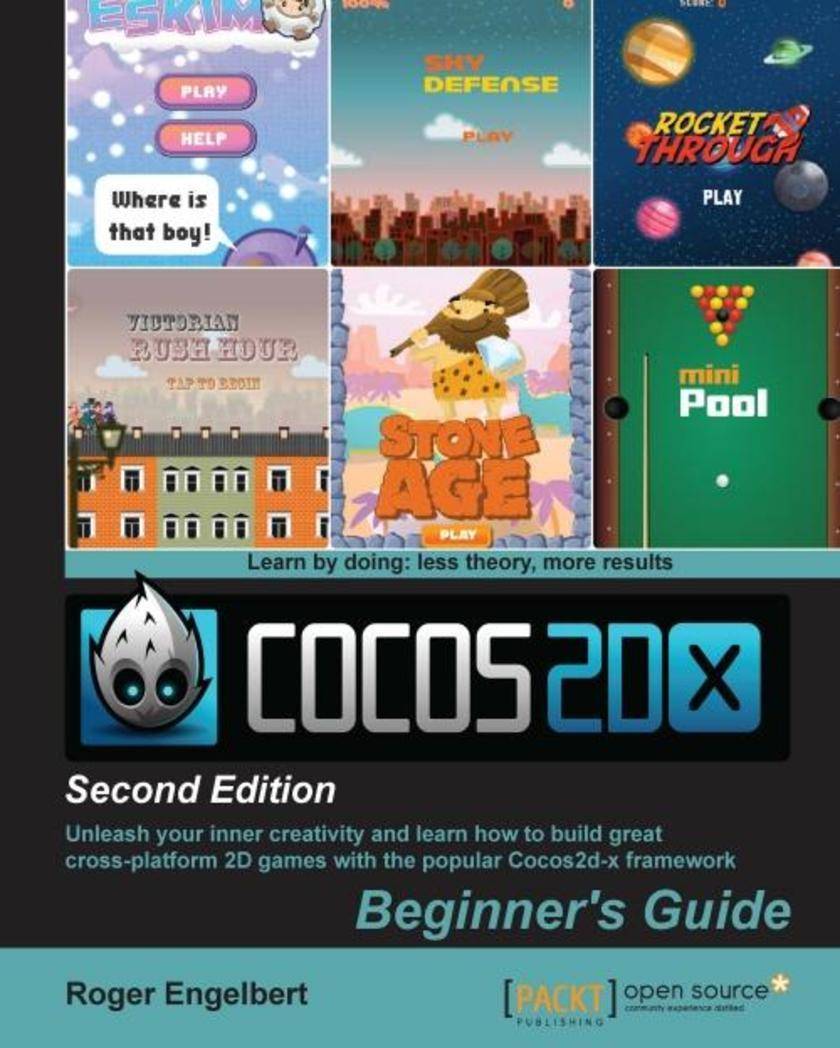
Cocos2d-x by Example: Beginner's Guide - Second Edition
¥80.65
If you are a game enthusiast who would like to develop and publish your own game ideas onto different app stores, this is the book for you. Some knowledge of C++ or Java is helpful but not necessary.
Python for Finance
¥80.65
A handson guide with easytofollow examples to help you learn about option theory, quantitative finance, financial modeling, and time series using Python. Python for Finance is perfect for graduate students, practitioners, and application developers who wish to learn how to utilize Python to handle their financial needs. Basic knowledge of Python will be helpful but knowledge of programming is necessary.
Raspberry Pi Cookbook for Python Programmers
¥80.65
"Raspberry Pi Cookbook for Python Programmers" is written in a Cookbook format, presenting examples in the style of recipes.This allows you to go directly to your topic of interest, or follow topics throughout a chapter to gain a thorough indepth knowledge. The aim of this book is to bring you a broad range of Python 3 examples and practical ideas which you can develop to suit your own requirements. By modifying and combining the examples to create your own projects you learn far more effectively with a much greater understanding. Each chapter is designed to become a foundation for further experimentation and discovery of the topic, providing you with the tools and information to jump right in. Readers are expected to be familiar with programming concepts and Python (where possible Python 3 is used), although beginners should manage with the help of a good Python reference book and background reading. No prior knowledge of the Raspberry Pi or electronics is required; however for the hardware sections you will need some basic electronic components/household tools to build some of the projects.
Webmin Administrator's Cookbook
¥80.65
Written in a cookbook format with practical recipes this book helps you to perform various administrative tasks using Webmin and enables you to perform common jobs more efficiently. This book is perfect for System administrators who want to learn more advanced concepts of Webmin and how it can help to set up a server for development, testing or deployment.
Learning C++ by Creating Games with UE4
¥80.65
If you are really passionate about games and have always wanted to write your own, this book is perfect for you. It will help you get started with programming in C++ and explore the immense functionalities of UE4.
Learning Selenium Testing Tools - Third Edition
¥80.65
If you are a software developer with a basic knowledge of testing and are interested in automated testing using Selenium, this is the book for you. No prior knowledge of Selenium is required.
Raspberry Pi Mechatronics Projects HOTSHOT
¥80.65
This book is targeted towards beginners and intermediate designers of mechatronic systems and embedded system design. Some familiarity with the Raspberry Pi and Python programming is preferred but not required.
Data Visualization with D3 and AngularJS
¥80.65
If you are a web developer with experience in AngularJS and want to implement interactive visualizations using D3.js, this book is for you. Knowledge of SVG or D3.js will give you an edge to get the most out of this book.
Scientific Computing with Scala
¥80.65
Learn to solve scientific computing problems using Scala and its numerical computing, data processing, concurrency, and plotting libraries About This Book Parallelize your numerical computing code using convenient and safe techniques. Accomplish common high-performance, scientific computing goals in Scala. Learn about data visualization and how to create high-quality scientific plots in Scala Who This Book Is For Scientists and engineers who would like to use Scala for their scientific and numerical computing needs. A basic familiarity with undergraduate level mathematics and statistics is expected but not strictly required. A basic knowledge of Scala is required as well as the ability to write simple Scala programs. However, complicated programming concepts are not used in the book. Anyone who wants to explore using Scala for writing scientific or engineering software will benefit from the book. What You Will Learn Write and read a variety of popular file formats used to store scientific data Use Breeze for linear algebra, optimization, and digital signal processing Gain insight into Saddle for data analysis Use ScalaLab for interactive computing Quickly and conveniently write safe parallel applications using Scala's parallel collections Implement and deploy concurrent programs using the Akka framework Use the Wisp plotting library to produce scientific plots Visualize multivariate data using various visualization techniques In Detail Scala is a statically typed, Java Virtual Machine (JVM)-based language with strong support for functional programming. There exist libraries for Scala that cover a range of common scientific computing tasks – from linear algebra and numerical algorithms to convenient and safe parallelization to powerful plotting facilities. Learning to use these to perform common scientific tasks will allow you to write programs that are both fast and easy to write and maintain. We will start by discussing the advantages of using Scala over other scientific computing platforms. You will discover Scala packages that provide the functionality you have come to expect when writing scientific software. We will explore using Scala's Breeze library for linear algebra, optimization, and signal processing. We will then proceed to the Saddle library for data analysis. If you have experience in R or with Python's popular pandas library you will learn how to translate those skills to Saddle. If you are new to data analysis, you will learn basic concepts of Saddle as well. Well will explore the numerical computing environment called ScalaLab. It comes bundled with a lot of scientific software readily available. We will use it for interactive computing, data analysis, and visualization. In the following chapters, we will explore using Scala's powerful parallel collections for safe and convenient parallel programming. Topics such as the Akka concurrency framework will be covered. Finally, you will learn about multivariate data visualization and how to produce professional-looking plots in Scala easily. After reading the book, you should have more than enough information on how to start using Scala as your scientific computing platform Style and approach Examples are provided on how to use Scala to do basic numerical and scientific computing tasks. All the concepts are illustrated with more involved examples in each chapter. The goal of the book is to allow you to translate existing experience in scientific computing to Scala.
Canvas Cookbook
¥80.65
Over 80 simple but creative and structured recipes to explore the capabilities of HTML5 Canvas About This Book Develop simple to advanced recipes of your own, and ultimately produce a great application Discover a better way to use HTML5 Canvas, JavaScript, and CSS Put your creative instincts to use in your day-to-day interface developments Who This Book Is For The book is intended for readers with a preliminary knowledge of JavaScript and CSS. Whether you're a beginner or expert in this technology, the book provides recipes to help you build your own application, presentation, or game. What You Will Learn Draw basic shapes such as lines, arcs, curves, and text using the coordinate system Learn about the animation cycle and use it to animate shapes Grasp the knowledge required to create particles and use them Give various effects to images and videos and also use them in animations Discover the use of event listeners to make recipes interactive and to handle events through event handlers Create good presentation graphics with graphs and charts Learn all about 3D development, from building 3D objects to animating them Convert your knowledge into a complete working game Understand the interoperability and deployment of recipes on different browsers and on different devices In Detail With the growing popularity of HTML5 Canvas, this book offers tailored recipes to help you develop portable applications, presentations, and games. The recipes are simple yet creative and build on each other. At every step, the book inspires the reader to develop his/her own recipe. From basic to advanced, every aspect of Canvas API has been covered to guide readers to develop their own application, presentation, or game. Style and approach All the recipes are sequential and cover the basic and advanced concepts of Canvas. Every recipe is as simple as possible without compromising creativity

LiveCode Mobile Development Beginner's Guide
¥80.65
This book will follow a tutorial style, starting from basic LiveCode coding concepts to its real-world implementation. It will teach developers how to use this new framework to develop interactive, cross-platform mobile applications. If you are a developer, consultant or student looking to create fast, scalable mobile applications, then this book is for you. Basic knowledge of programming such as understanding variables, expressions, control structures and functions is required.


