


 购物车
购物车 个人中心
个人中心
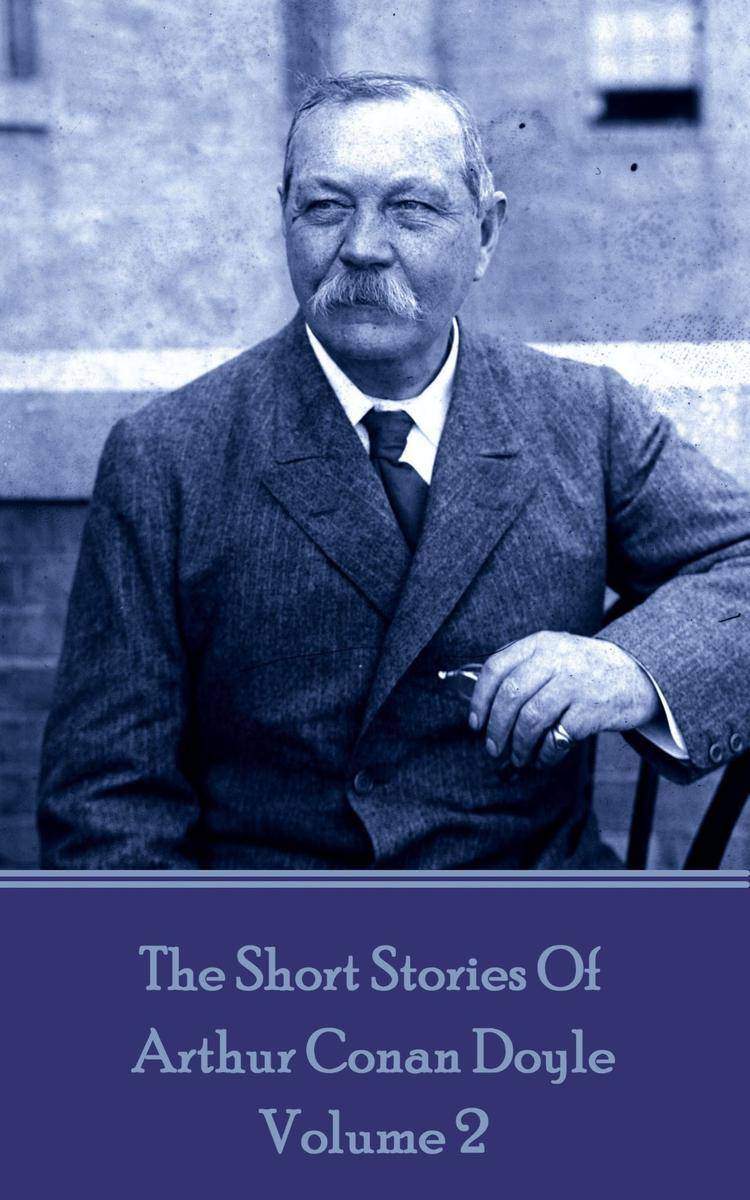
Short Stories Of Sir Arthur Conan Doyle - Volume 2
¥21.09
The short story is often viewed as an inferior relation to the Novel. But it is an art in itself. To take a story and distil its essence into fewer pages while keeping character and plot rounded and driven is not an easy task. Many try and many fail. In this series we look at short stories from many of our most accomplished writers. Miniature masterpieces with a lot to say. In this volume we examine some of the short stories of Arthur Conan Doyle. If ever a writer needed an introduction Arthur Conan Doyle would not be considered that man. After all, Sherlock Holmes is perhaps the foremost literary detective of any age. Add to this canon his stories of science fiction and his poems, his historical novels, his political campaigning, his efforts in establishing a Court Of Appeal and there is little room for anything else. Except he was also an exceptional writer of short stories of the horrific and macabre. Something very different from what you might expect. Born in Arthur Conan Doyle was born on 22 May 1859 at 11 Picardy Place, Edinburgh, Scotland. From 1876 - 1881 he studied medicine at the University of Edinburgh following which he was employed as a doctor on the Greenland whaler Hope of Peterhead in 1880 and, after his graduation, as a ship's surgeon on the SS Mayumba during a voyage to the West African coast in 1881. Arriving in Portsmouth in June of that year with less than GBP10 (GBP700 today[13]) to his name, he set up a medical practice at 1 Bush Villas in Elm Grove, Southsea. The practice was initially not very successful. While waiting for patients, Conan Doyle again began writing stories and composed his first novel The Mystery of Cloomber. Although he continued to study and practice medicine his career was now firmly set as a writer. And thereafter great works continued to pour out of him. Many of these stories are also available as an audiobook from our sister company Word Of Mouth. Many samples are at our youtube channel http://www.youtube.com/user/PortablePoetry?feature=mhee The full volume can be purchased from iTunes, Amazon and other digital stores.
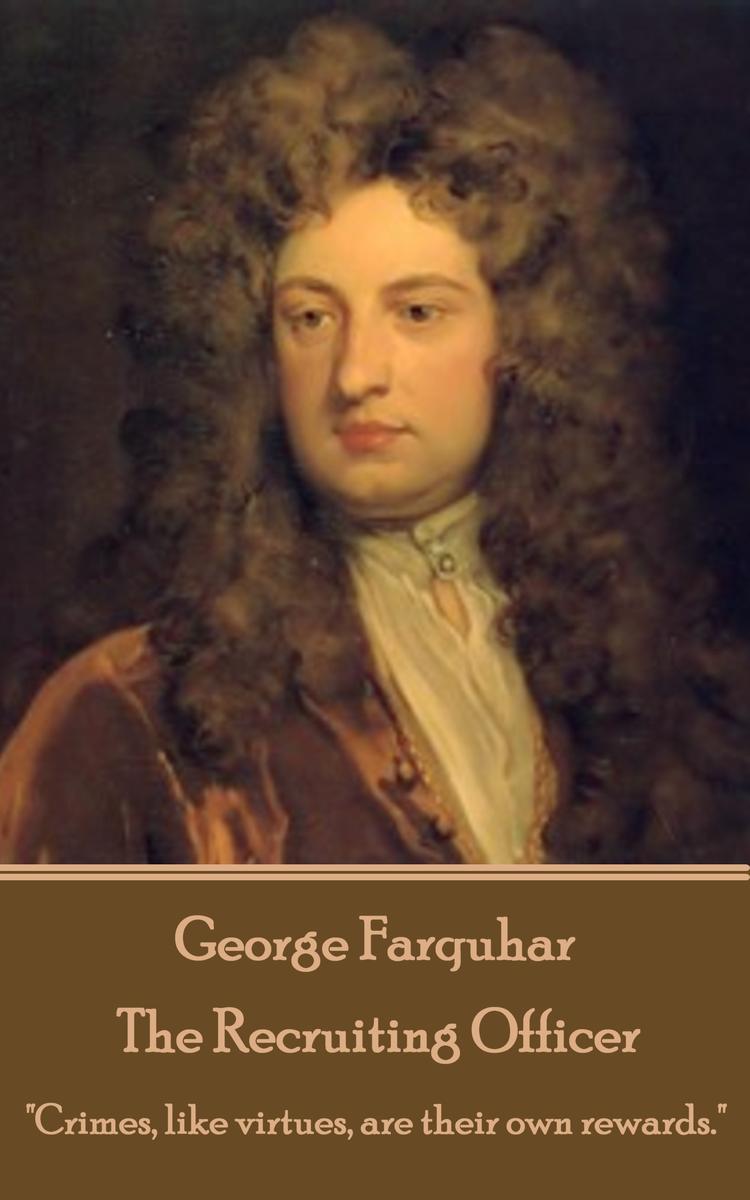
Recruiting Officer - Crimes, like virtues, are their own rewards.
¥21.09
George Farquhar was born in Derry, Ireland in 1677, one of seven children. Farquhar was educated at Foyle College and later, aged 17, he entered Trinity College, Dublin. He departed after only two years, accounts vary as to why, and he took to acting on the Dublin stage. As an actor he seems to have had no real talent. A terrible accident, when he failed to distinguish between a tipped foil and a deadly rapier, and seriously wounded a fellow actor, resolved Farquhar to give up acting for good. His first play, Love and a Bottle, was well received at London's Drury Lane Theatre in 1699 and was admired "e;for its sprightly Dialogue and busy Scenes."e; With the play a success Farquhar settled his talents on a career as a playwright. He had a second play open that same year; The Constant Couple. Again, it was warmly received on debuting at Drury Lane and proved a great success. However, another interest and opportunity now unfolded into his life. He received a commission in the regiment of the Earl of Orrery. His time now became divided between the duties of a successful new playwright and the vocations of soldier. In 1701 Farquhar wrote and debuted a sequel to the Constant Couple, called and based on its main character; Sir Harry Wildair. The following year was to be prolific for the young playwright. He penned both The Inconstant or, The Way To Win and The Twin-Rivals as well as publishing Love and Business, a collection that included letters, verse, and A Discourse Upon Comedy. His work for the army, recruiting soldiers to fight in the War of the Spanish Succession, occupied much of his time for the next three years, and he was to write little except The Stage Coach, in 1774. Farquhar was able, however, to draw upon these years of recruiting experience for his next comedy, The Recruiting Officer in 1706. Early in 1707, Farquhar wrote what was to be his masterpiece: The Beaux Stratagem. In these last two plays his real contribution to the English drama is all the more apparent. He introduced a verbal vigour and sparring, as well as a love of character that are more usually associated with Elizabethan dramatists and laid much of the foundations for Sheridan and Congreve to build upon. George Farquhar, aged only 40, died on April 29th, 1707, almost two months after the debut of his greatest work. He was buried in the Church of St. Martin in the Fields, London, on May 3rd, 1707.
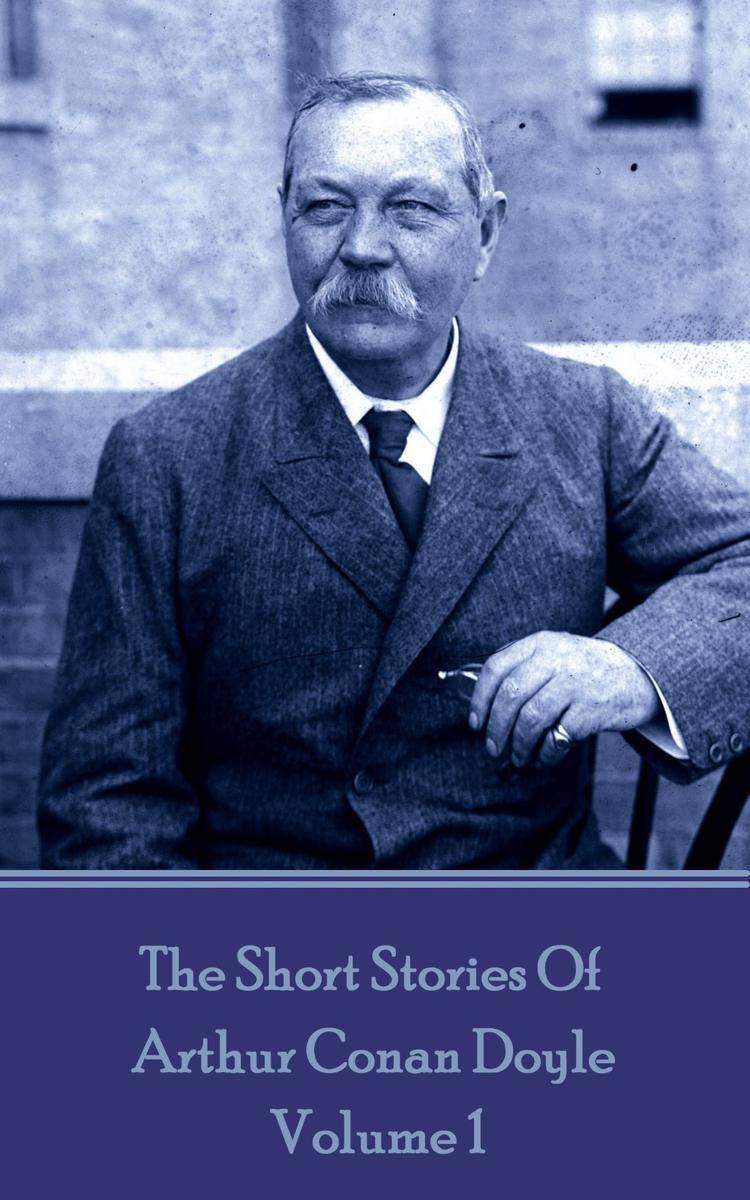
Short Stories Of Sir Arthur Conan Doyle - Volume 1
¥21.09
The short story is often viewed as an inferior relation to the Novel. But it is an art in itself. To take a story and distil its essence into fewer pages while keeping character and plot rounded and driven is not an easy task. Many try and many fail. In this series we look at short stories from many of our most accomplished writers. Miniature masterpieces with a lot to say. In this volume we examine some of the short stories of Arthur Conan Doyle. If ever a writer needed an introduction Arthur Conan Doyle would not be considered that man. After all, Sherlock Holmes is perhaps the foremost literary detective of any age. Add to this canon his stories of science fiction and his poems, his historical novels, his political campaigning, his efforts in establishing a Court Of Appeal and there is little room for anything else. Except he was also an exceptional writer of short stories of the horrific and macabre. Something very different from what you might expect. Born in Arthur Conan Doyle was born on 22 May 1859 at 11 Picardy Place, Edinburgh, Scotland. From 1876 - 1881 he studied medicine at the University of Edinburgh following which he was employed as a doctor on the Greenland whaler Hope of Peterhead in 1880 and, after his graduation, as a ship's surgeon on the SS Mayumba during a voyage to the West African coast in 1881. Arriving in Portsmouth in June of that year with less than GBP10 (GBP700 today[13]) to his name, he set up a medical practice at 1 Bush Villas in Elm Grove, Southsea. The practice was initially not very successful. While waiting for patients, Conan Doyle again began writing stories and composed his first novel The Mystery of Cloomber. Although he continued to study and practice medicine his career was now firmly set as a writer. And thereafter great works continued to pour out of him. Many of these stories are also available as an audiobook from our sister company Word Of Mouth. Many samples are at our youtube channel http://www.youtube.com/user/PortablePoetry?feature=mhee The full volume can be purchased from iTunes, Amazon and other digital stores.
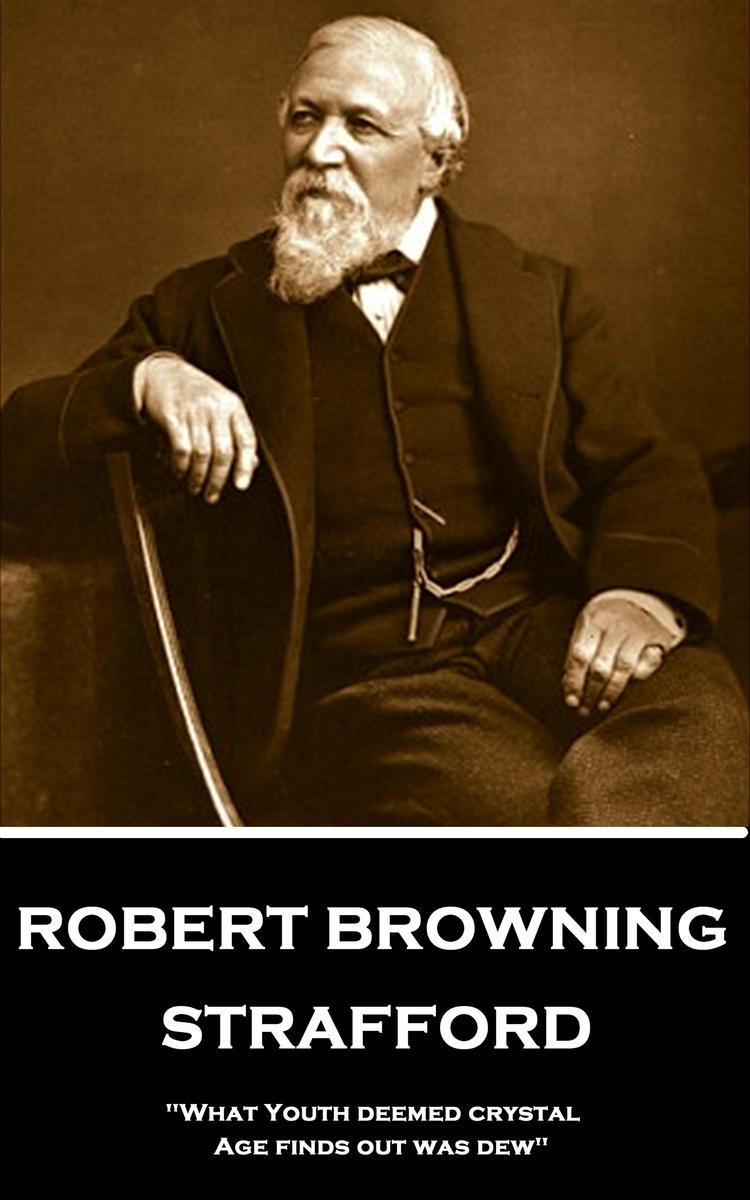
Strafford - What Youth deemed crystal, Age finds out was dew
¥21.09
Robert Browning is one of the most significant Victorian Poets and, of course, English Poetry.Much of his reputation is based upon his mastery of the dramatic monologue although his talents encompassed verse plays and even a well-regarded essay on Shelley during a long and prolific career. He was born on May 7th, 1812 in Walmouth, London. Much of his education was home based and Browning was an eclectic and studious student, learning several languages and much else across a myriad of subjects, interests and passions. Browning's early career began promisingly. The fragment from his intended long poem Pauline brought him to the attention of Dante Gabriel Rossetti, and was followed by Paracelsus, which was praised by both William Wordsworth and Charles Dickens. In 1840 the difficult Sordello, which was seen as willfully obscure, brought his career almost to a standstill. Despite these artistic and professional difficulties his personal life was about to become immensely fulfilling. He began a relationship with, and then married, the older and better known Elizabeth Barrett. This new foundation served to energise his writings, his life and his career. During their time in Italy they both wrote much of their best work. With her untimely death in 1861 he returned to London and thereafter began several further major projects. The collection Dramatis Personae (1864) and the book-length epic poem The Ring and the Book (1868-69) were published and well received; his reputation as a venerated English poet now assured. Robert Browning died in Venice on December 12th, 1889.
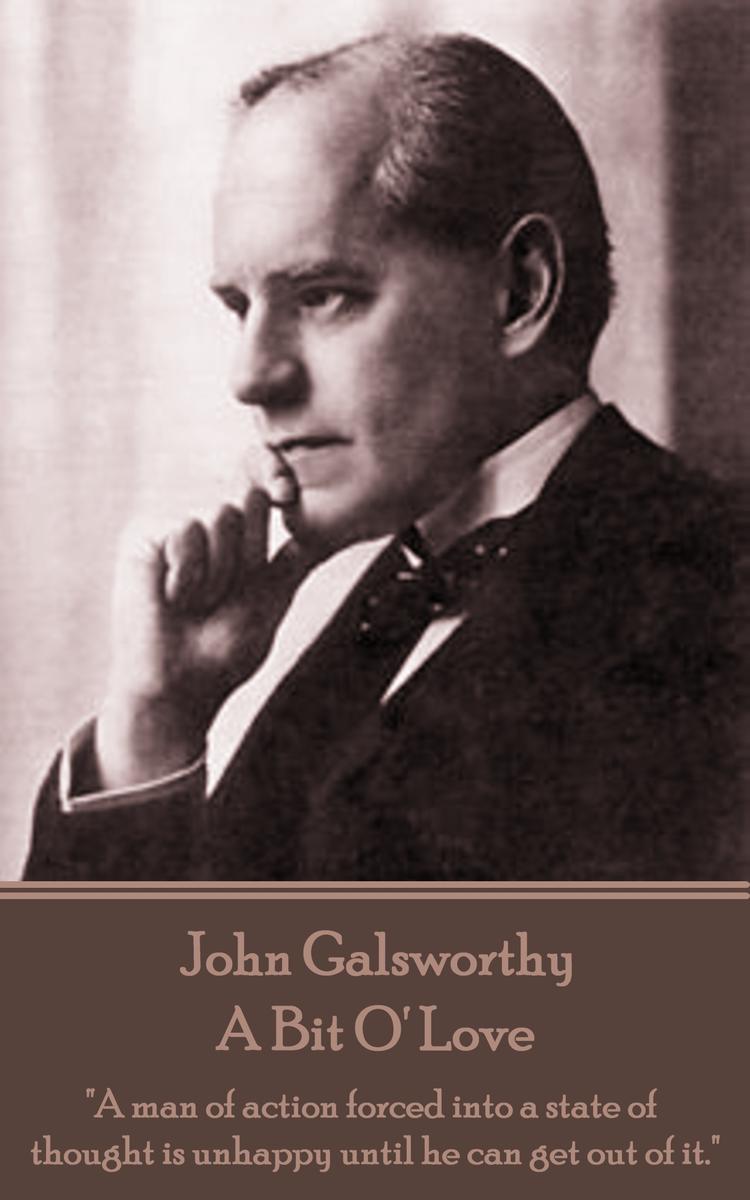
Bit O' Love - A man of action forced into a state of thought is unhappy until he
¥21.09
John Galsworthy was born at Kingston Upon Thames in Surrey, England, on August 14th 1867 to a wealthy and well established family. His schooling was at Harrow and New College, Oxford before training as a barrister and being called to the bar in 1890. However, Law was not attractive to him and he travelled abroad becoming great friends with the novelist Joseph Conrad, then a first mate on a sailing ship. In 1895 Galsworthy began an affair with Ada Nemesis Pearson Cooper, the wife of his cousin Major Arthur Galsworthy. The affair was kept a secret for 10 years till she at last divorced and they married on 23rd September 1905. Galsworthy first published in 1897 with a collection of short stories entitled "e;The Four Winds"e;. For the next 7 years he published these and all works under his pen name John Sinjohn. It was only upon the death of his father and the publication of "e;The Island Pharisees"e; in 1904 that he published as John Galsworthy. His first play, The Silver Box in 1906 was a success and was followed by "e;The Man of Property"e; later that same year and was the first in the Forsyte trilogy. Whilst today he is far more well know as a Nobel Prize winning novelist then he was considered a playwright dealing with social issues and the class system. Here we publish Villa Rubein, a very fine story that captures Galsworthy's unique narrative and take on life of the time. He is now far better known for his novels, particularly The Forsyte Saga, his trilogy about the eponymous family of the same name. These books, as with many of his other works, deal with social class, upper-middle class lives in particular. Although always sympathetic to his characters, he reveals their insular, snobbish, and somewhat greedy attitudes and suffocating moral codes. He is now viewed as one of the first from the Edwardian era to challenge some of the ideals of society depicted in the literature of Victorian England. In his writings he campaigns for a variety of causes, including prison reform, women's rights, animal welfare, and the opposition of censorship as well as a recurring theme of an unhappy marriage from the women's side. During World War I he worked in a hospital in France as an orderly after being passed over for military service. He was appointed to the Order of Merit in 1929, after earlier turning down a knighthood, and awarded the Nobel Prize in 1932 though he was too ill to attend. John Galsworthy died from a brain tumour at his London home, Grove Lodge, Hampstead on January 31st 1933. In accordance with his will he was cremated at Woking with his ashes then being scattered over the South Downs from an aeroplane.
Love's Triumph
¥21.09
Edward Cooke was a 17th Century English playwright and translator. His major work is 'Love's Triumph' which celebrates the marriage of Princess Mary and William of Orange in 1677.The only other work known is a translation by him of The Divine Epicurus, or, The Empire of Pleasure over the vertues compos'd by Antoine LeGrand.No other details on his work or life are available.
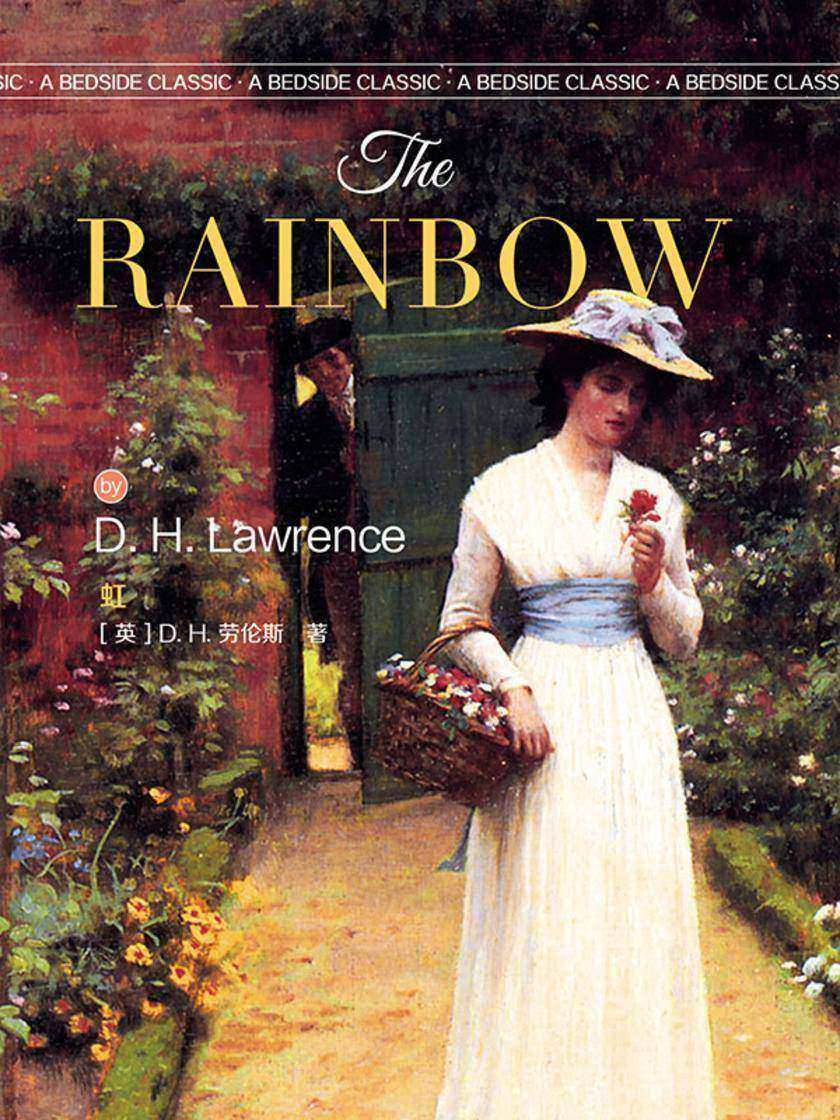
虹(英语文库)
¥20.99
本书作为我社“经典英语文库”第15辑中的一种,精选由英国著名作家D.H劳伦斯劳伦斯创作的长篇小说《虹》。本书通过一家三代人的遭遇,描述了工业革命给传统的乡村带来的巨大变化,同时以巨大的热情和深度,探索有关性的心理问题。代人的生活带有田园诗的色彩,同时也预示古老文明即将结束。第二代人精神的苦闷和呆滞的目光,是令人窒息的工业化社会的好注解。第三代人的探索具有积极的社会意义,表达了人们要冲破狭窄的生活圈子,渴望一种自然和谐的生活。

Household DIY: Turn Bar Soaps To Liquid Soap And Save Money!!!
¥20.93
Household DIY: Turn Bar Soaps To Liquid Soap And Save Money!!!
Playboy Of The Western World
¥20.60
In 1896 JM Synge met W. B. Yeats, who encouraged Synge to live for a while in the Aran Islands and then return to Dublin and devote himself to creative work. In 1897 Synge suffered his first attack of Hodgkin's disease, a form of untreatable cancer at the time, and also had an enlarged gland removed from his neck. In 1898, he spent his first summer on the Aran Islands and then continued for the next five collecting stories and folklore and perfecting his Irish but continued to live in Paris for the rest of the year. During this period, Synge wrote his first play, When The Moon Has Set. In 1903, Synge left Paris and moved to London. He had written two one-act plays, Riders to the Sea and The Shadow of the Glen the previous year. The Shadow of the Glen was performed at the Molesworth Hall in October 1903. Riders to the Sea was performed at the same venue in February the following year. The play widely regarded as his masterpiece, The Playboy of the Western World, was first performed in the Abbey on 26 January 1907. The comedy attracted a hostile reaction from the Irish public and thereafter a riot ensued. Described as "e;an unmitigated, protracted libel upon Irish peasant men, and worse still upon Irish girlhood"e;. Yeats returned from Scotland to address the crowd on the second night, and decided to call in the police. Press opinion soon turned against the rioters and the protests petered out. Synge died of Hodgkin's disease just weeks short of his 38th birthday on March 24th 1909 trying to complete his last play, Deirdre Of The Sorrows. He was buried in Mount Jerome Graveyard, Dublin.
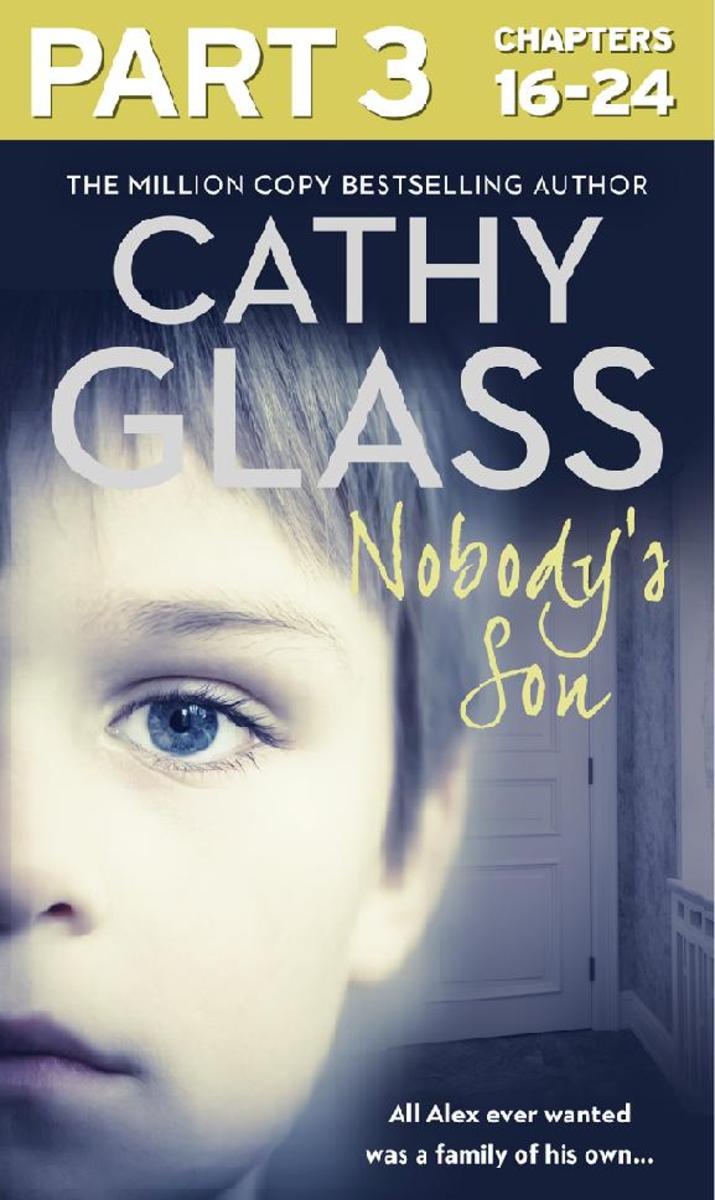
Nobody’s Son: Part 3 of 3: All Alex ever wanted was a family of his own
¥20.60
Born in a prison and removed from his drug-dependent mother, rejection is all that 7-year-old Alex knows. When Cathy is asked to foster little Alex, aged 7, her immediate reaction is: Why can’t he stay with his present carers for the last month? He’s already had many moves since coming into care as a toddler and he’ll only be with her a short while before he goes to live with his permanent adoptive family. But the present carers are expecting a baby and the foster mother isn’t coping, so Alex goes to live with Cathy. He settles easily and is very much looking forward to having a forever family of his own. The introductions and move to his adoptive family go well. But Alex is only with them for a week when problems begin. What happens next is both shocking and upsetting, and calls into question the whole adoption process.
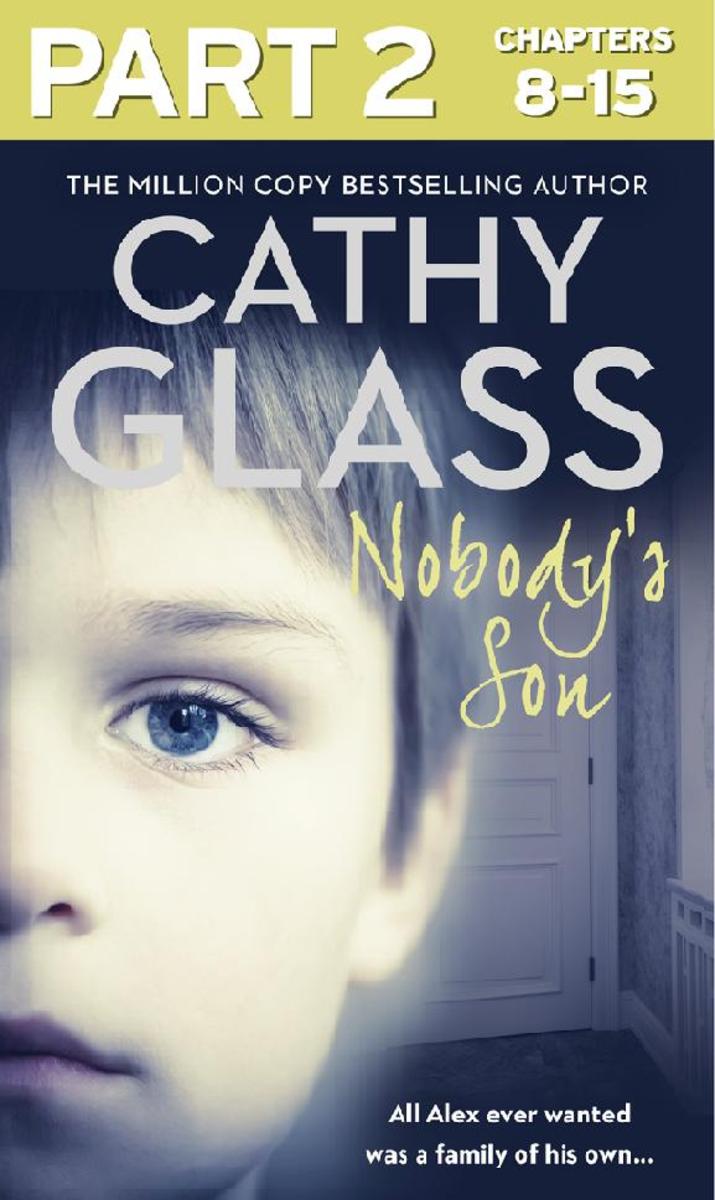
Nobody’s Son: Part 2 of 3: All Alex ever wanted was a family of his own
¥20.60
Born in a prison and removed from his drug-dependent mother, rejection is all that 7-year-old Alex knows. When Cathy is asked to foster little Alex, aged 7, her immediate reaction is: Why can’t he stay with his present carers for the last month? He’s already had many moves since coming into care as a toddler and he’ll only be with her a short while before he goes to live with his permanent adoptive family. But the present carers are expecting a baby and the foster mother isn’t coping, so Alex goes to live with Cathy. He settles easily and is very much looking forward to having a forever family of his own. The introductions and move to his adoptive family go well. But Alex is only with them for a week when problems begin. What happens next is both shocking and upsetting, and calls into question the whole adoption process.
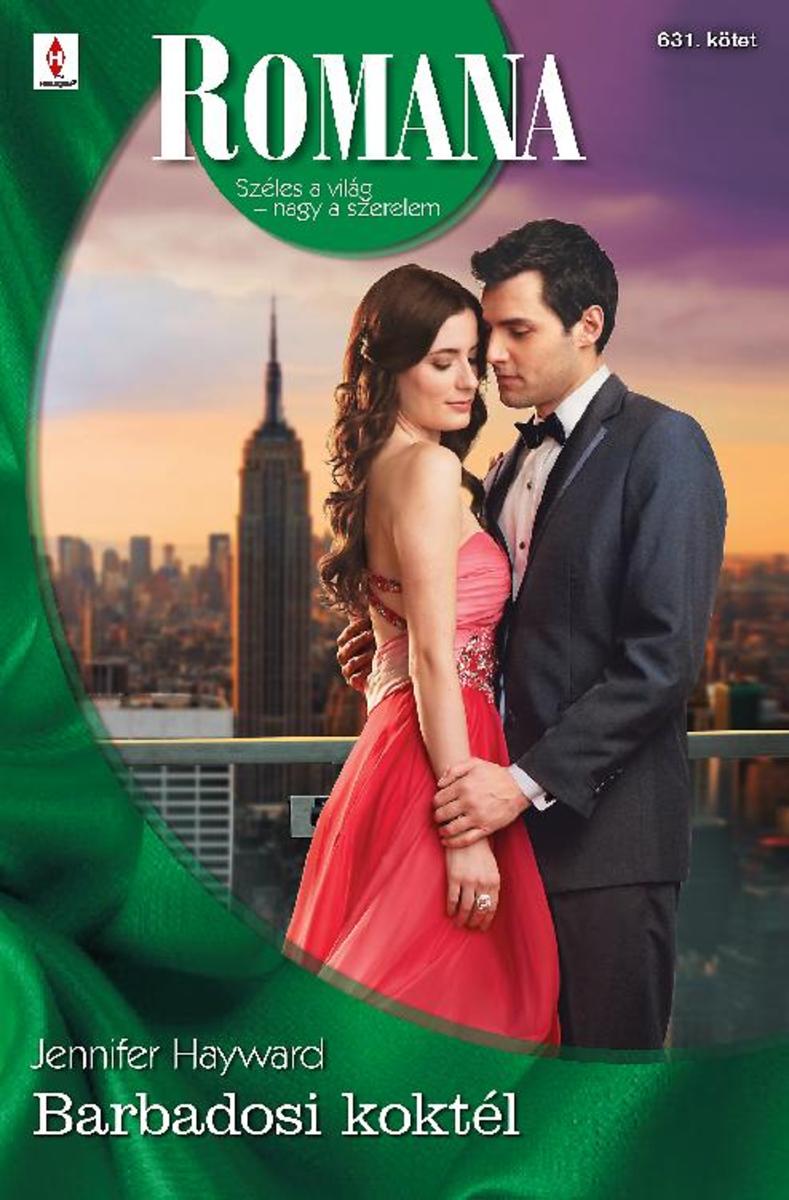
Barbadosi koktél
¥20.52
Barbadosi koktél

Feketén, két cukorral
¥20.52
Feketén, két cukorral

Nyer? ajánlat
¥20.52
Nyer? ajánlat
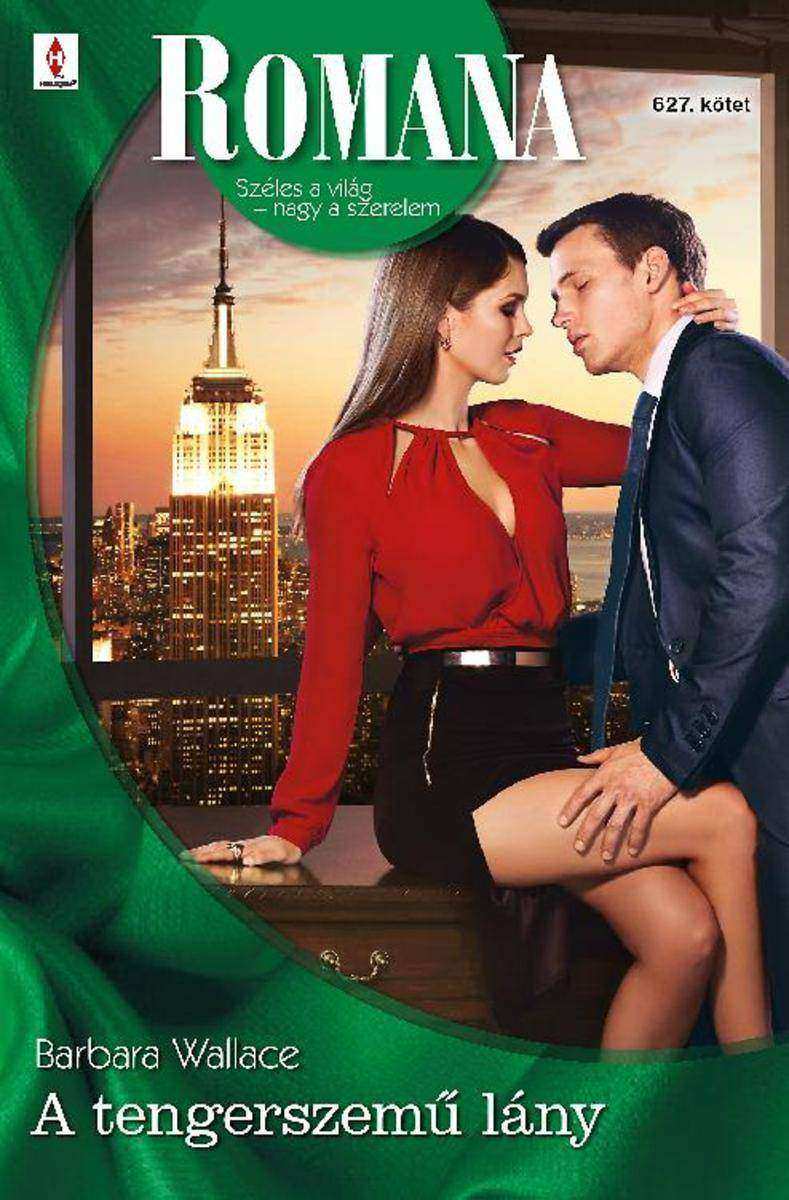
A tengerszem? lány
¥20.52
A tengerszem? lány
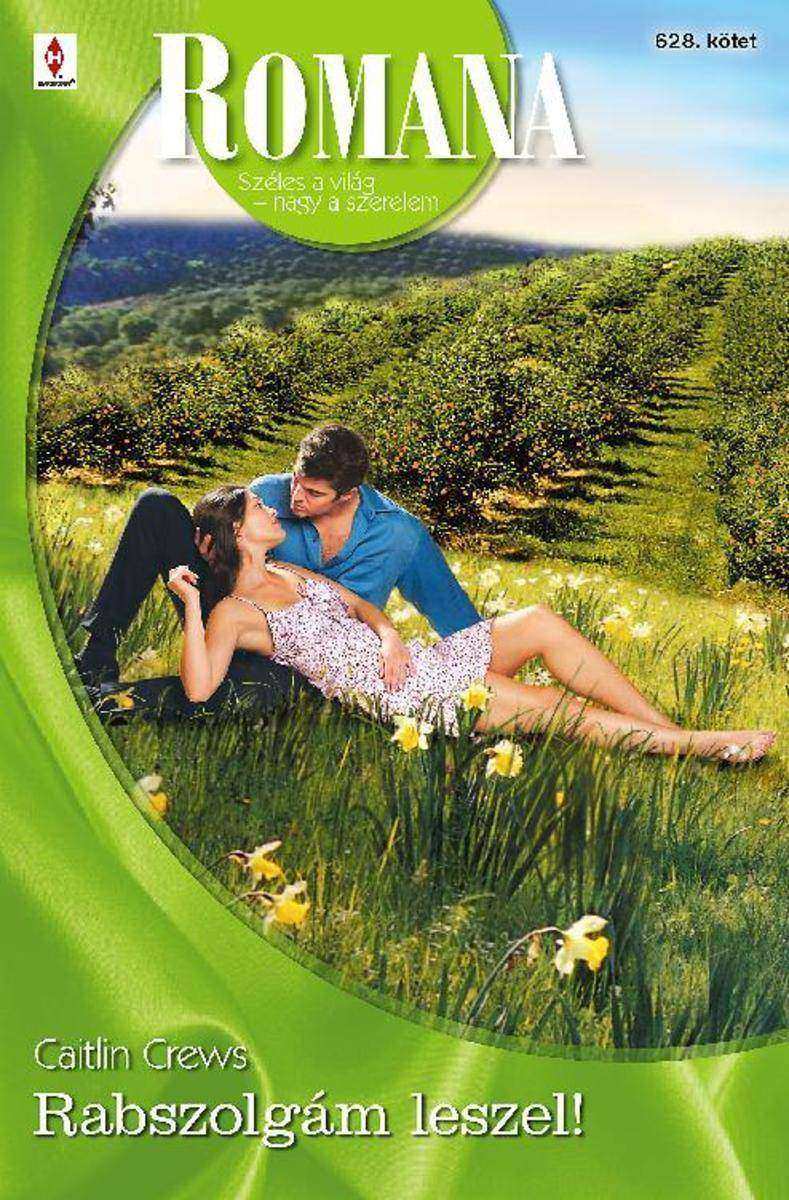
Rabszolgám leszel!
¥20.52
Rabszolgám leszel!

A lány, aki nem akart feleség lenni
¥20.52
A lány, aki nem akart feleség lenni
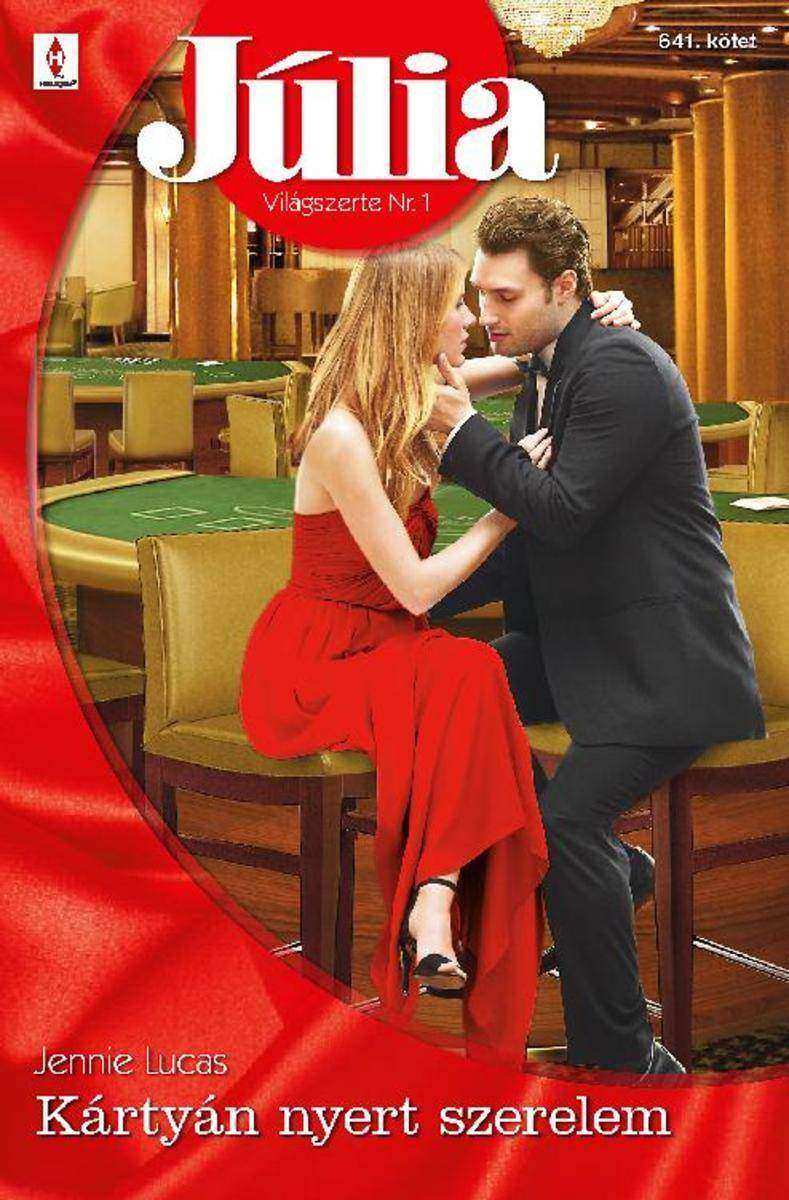
Kártyán nyert szerelem
¥20.52
Kártyán nyert szerelem
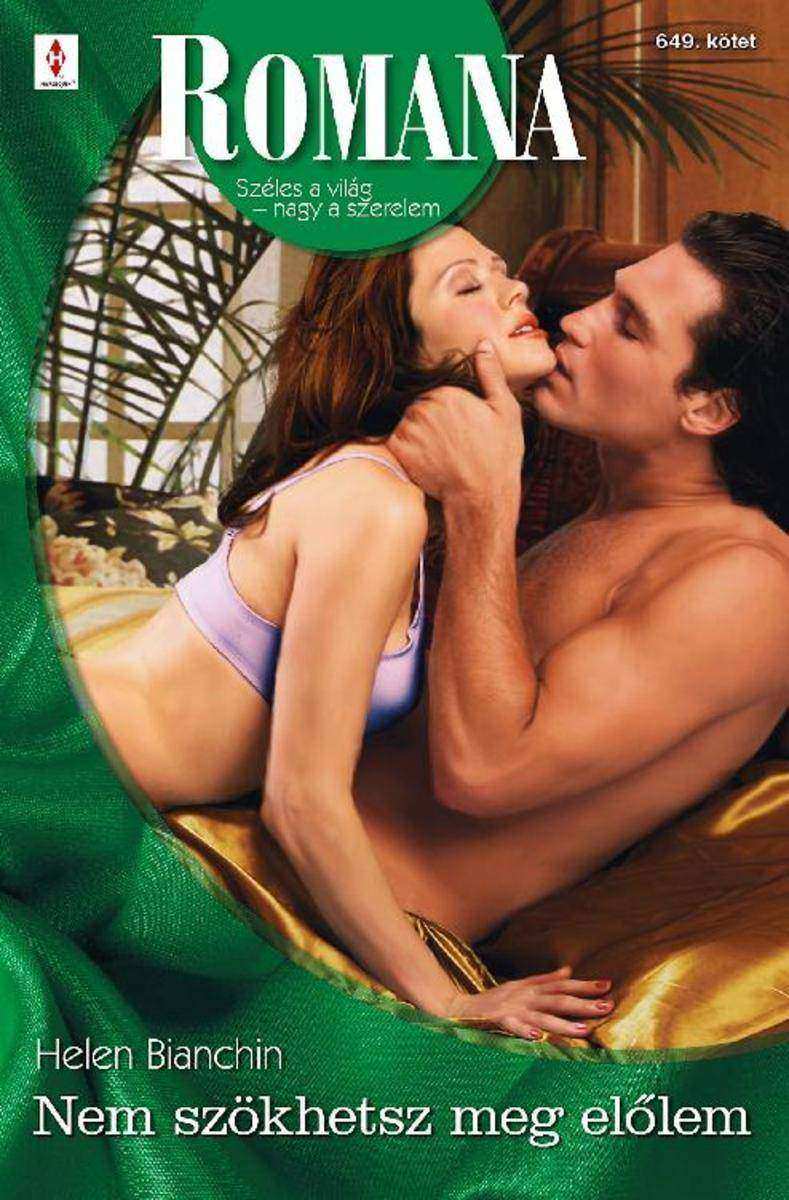
Nem sz?khetsz meg el?lem
¥20.52
Nem sz?khetsz meg el?lem
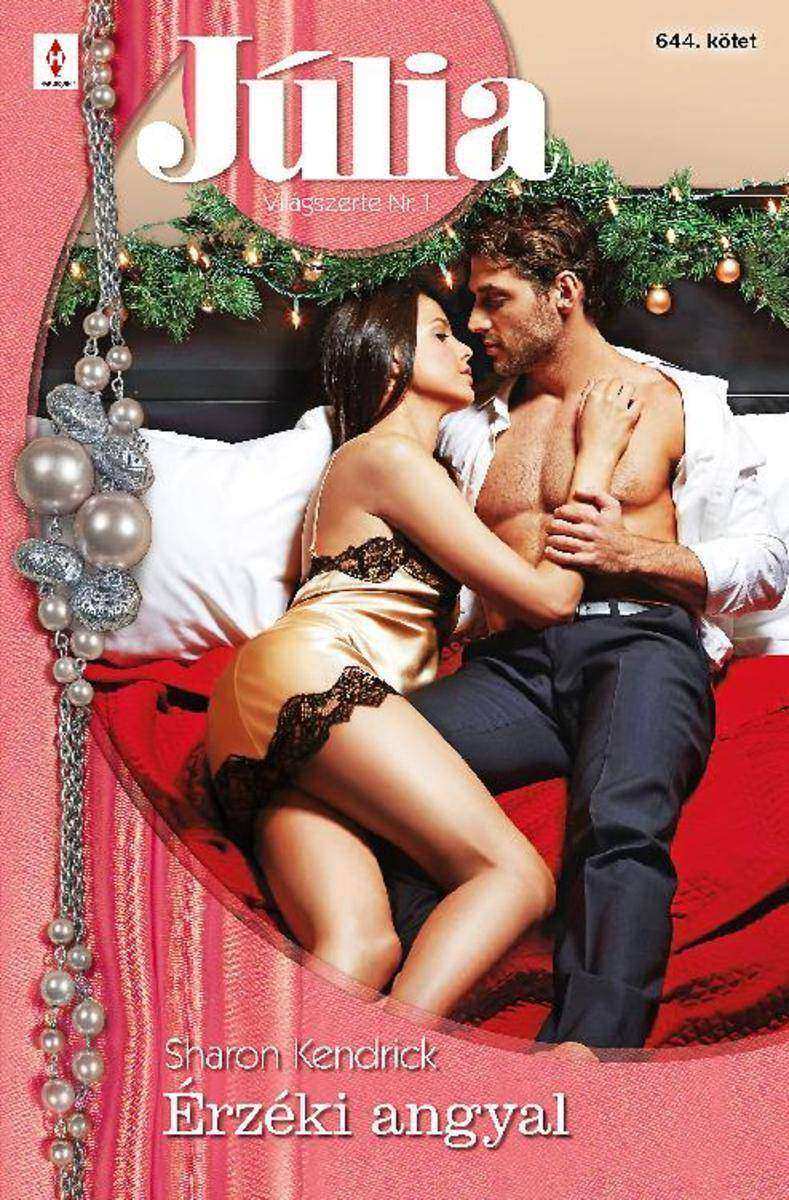
?rzéki angyal
¥20.52
rzéki angyal
Tigris vagy medúza?
¥20.52
Tigris vagy medúza?


