


 购物车
购物车 个人中心
个人中心
The Libation Bearers
¥40.79
Orestes arrives at the grave of his father, accompanied by his cousin Pylades, the son of the king of Phocis, where he has grown up in exile; he places two locks of his hair on the tomb. Orestes and Pylades hide as Electra, Orestes' sister, arrives at the grave accompanied by a chorus of elderly slave women (the libation bearers of the title) to pour libations on Agamemnon's grave; they have been sent by Clytemnestra in an effort to ward off harm. Just as the ritual ends, Electra spots a lock of hair on the tomb which she recognizes as similar to her own; subsequently she sees two sets of footprints, one of which has proportions similar to hers. At this point Orestes and Pylades emerge from their hiding place and Orestes gradually convinces her of his identity.
Oresteia
¥40.79
The Oresteia, a trilogy of Greek tragedies written by Aeschylus. The name derives from the character Orestes, who sets out to avenge his father's murder. The only extant example of an ancient Greek theater trilogy, the Oresteia won first prize at the Dionysia festival in 458 BC. Principal themes of the trilogy include the contrast between revenge and justice, as well as the transition from personal vendetta to organized litigation.
The Apologia
¥40.79
The story is based around incident when Apuleius was accused of using magic to gain the attentions and fortune of a wealthy widow. He declaimed and then distributed a witty tour de force in his own defense before the proconsul and a court of magistrates convened in Sabratha, near ancient Tripoli, Libya.
Lysistrata
¥40.79
Lysistrata is a comedy originally performed in classical Athens in 411 BC. A comic account of one woman's extraordinary mission to end the Peloponnesian War. Lysistrata persuades the women of Greece to withhold sexual privileges from their husbands and lovers as a means of forcing the men to negotiate peace—a strategy, however, that inflames the battle between the sexes. The play is notable for being an early exposé of sexual relations in a male-dominated society.
The Birds
¥40.79
Two middle-aged men stumbling across a hillside wilderness are guided by a pet crow and a pet jackdaw. One of them advises the audience that they are fed up with life in Athens, where people do nothing all day but argue over laws, and they are looking for Tereus, a king who was once metamorphosed into the Hoopoe, for they believe he might help them find a better life somewhere else.
The Thesmophoriazusae
¥40.79
Today the women at the festival are going to kill me for insulting them!' This bold statement by Euripides is the absurd premise upon which the whole play depends. The women are incensed by his plays' portrayal of the female sex as mad, murderous, and sexually depraved, and they are using the festival of the Thesmophoria (an annual fertility celebration dedicated to Demeter) as an opportunity to debate a suitable choice of revenge.
Agamemnon
¥40.79
A watchman on top of the house, reporting that he has been lying restless there like a dog for a year, for so rules the expectant manly-willed heart of a woman (that woman being Clytemnestra awaiting the return of her husband, who has arranged that mountaintop beacons give the signal when Troy has fallen). He laments the fortunes of the house, but promises to keep silent: 'A huge ox has stepped onto my tongue.' However, when Agamemnon returns, he brings with him Cassandra, the enslaved daughter of the Trojan king, Priam, and a priestess of Apollo, as his concubine, further angering Clytemnestra.
The Choephori
¥40.79
Orestes arrives at the grave of his father, accompanied by his cousin Pylades, the son of the king of Phocis, where he has grown up in exile; he places two locks of his hair on the tomb. Orestes and Pylades hide as Electra, Orestes' sister, arrives at the grave accompanied by a chorus of elderly slave women (the libation bearers of the title) to pour libations on Agamemnon's grave; they have been sent by Clytemnestra in an effort to ward off harm. Just as the ritual ends, Electra spots a lock of hair on the tomb which she recognizes as similar to her own; subsequently she sees two sets of footprints, one of which has proportions similar to hers. At this point Orestes and Pylades emerge from their hiding place and Orestes gradually convinces her of his identity.
The Persians
¥40.79
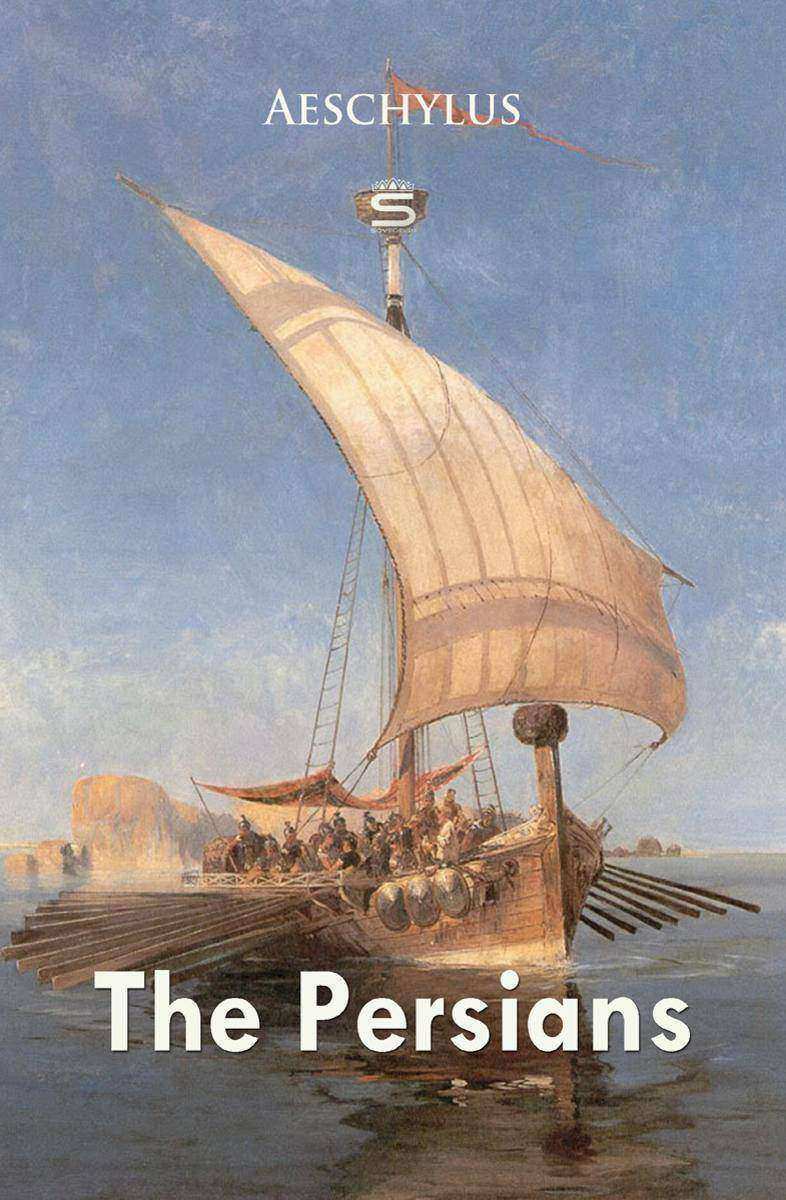
The Persians takes place in Susa, which at the time was one of the capitals of the Persian Empire, and opens with a chorus of old men of Susa, who are soon joined by the Queen Mother, Atossa, as they await news of her son King Xerxes' expedition against the Greeks. Expressing her anxiety and unease, Atossa narrates what is probably the first dream sequence in European theatre.
The Knights
¥40.79
The Knights is a satire on political and social life in 5th-century BC Athens, the characters are drawn from real life and Cleon is clearly intended to be the villain. However it is also an allegory, the characters are figures of fantasy and the villain in this context is Paphlagonian, a comic monstrosity responsible for almost everything that's wrong with the world.
Women In Council
¥40.79
A group of women, led by the wise and redoubtable Praxagora, has decided that the women of Athens must convince the men to give them control of the city, as they are convinced they can do a better job. Disguised as men, the women sneak into the assembly and command the majority of votes needed to carry their series of revolutionary proposals, even convincing some of the men to vote for it on the grounds that it is the only thing they have not tried.
The Suppliants
¥40.79
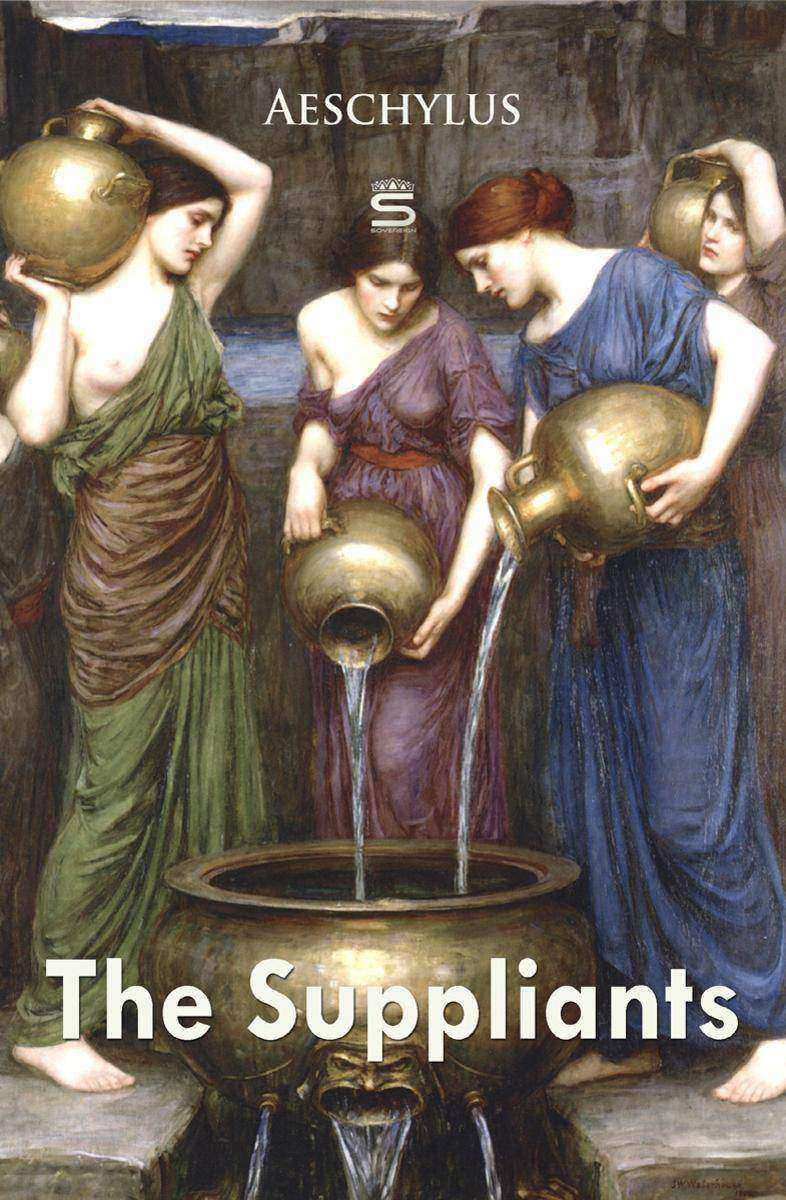
The Danaids form the chorus and serve as the protagonists. They flee a forced marriage to their Egyptian cousins. When the Danaides reach Argos, they entreat King Pelasgus to protect them. He refuses pending the decision of the Argive people, who decide in the favor of the Danaids. Danaus rejoices the outcome, and the Danaids praise the Greek gods. Almost immediately, a herald of the Egyptians comes to attempt to force the Danaids to return to their cousins for marriage. Pelasgus arrives, threatens the herald, and urges the Danaids to remain within the walls of Argos. The play ends with the Danaids retreating into the Argive walls, protected.

Media Labs: what you need to know
¥40.79
SHORTLISTED FOR PEOPLE'S BOOK PRIZE This is an essential guide to the evolving and dynamic world of digital media. Explains how the media lab as a place (actual or virtual) encourages, nurtures and provides tangible support for creative talents and their projects. While the focus of the book is on filmmaking and gaming, the author also delves into the ‘brave new worlds’ of Virtual Reality and Augmented Reality. Providing an overview of the range of media labs on offer in both academia and festivals, the book is enriched by interviews with contemporary practitioners working in digital media culture around the world. Reviews “... an inspirational and timely new resource, packed with contacts, leading edge initiatives, tips from seasoned media practitioners …. It can’t fail to help you get new creative content made, and seen, around the world.”– Nic Millington, CEO Rural Media “With digital technologies and the blurring of creative boundaries changing the way that content is made and seen, this book proves an invaluable guide for those looking to successfully navigate this constantly evolving landscape.” – Nikki Baughan, Film Industry Journalist About the author James Clarke?has written for the magazines?3D Artist, 3DWorld, Moviescope?and?Empire. His work has also featured in?The Guardian, on BBC Radio 3 and for the BFI. As an educator he is a Fellow of the Higher Education Academy and has taught at the University of Gloucestershire, Hereford College of Arts and the University of Warwick. James is currently a Visiting Lecturer at the London Film School. ?James’s books include the recently published?Through Her Lens: The Stories Behind the Photography of Eva Sereny?(ACC Books),?The Year of the Geek?(Aurum Press) and?Bodies in Heroic Motion: The Cinema of James Cameron?(Columbia University Press). James also writes A Level Film Studies resources for Edusites and has been a consultant to the British Council, writing and producing content on the subject of various literary icons.
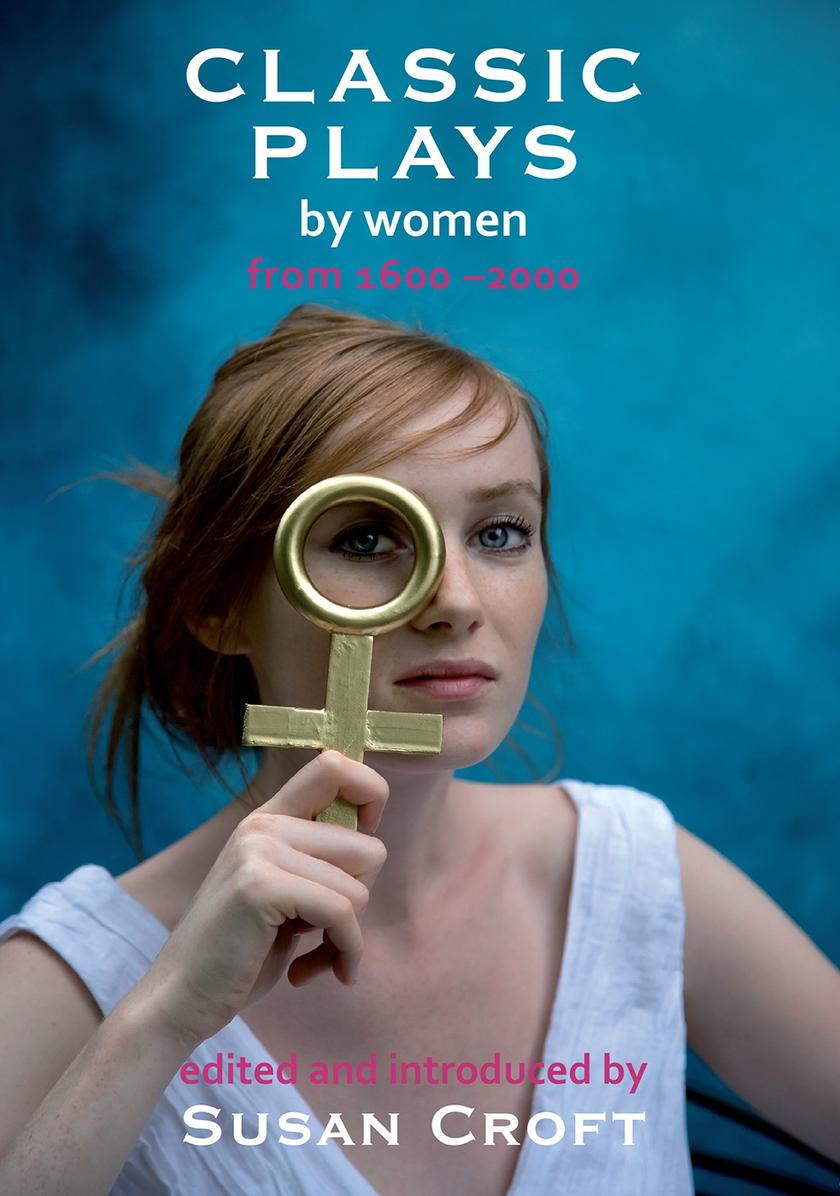
Classic Plays by Women: From 1600 to 2000
¥40.79
Classic Plays by Women: an anthology of the best plays by female dramatists from 1600-2000 Staged in theatres by successive generations and proving relevant to contemporary audiences, the plays demonstrate the wit, theatrical skill and innovation of their creators in exploring timeless topics from marriage, morality and money to class conflict, rage and sexual desire. An essential resource for students, playwrights, colleges, universities and libraries, this collection also provides theatres with the opportunity to programme a range of theatrical classics by women. Plays from: Hroswitha’s Paphnutius (extract); Elizabeth Cary’s The Tragedy of Mariam(extract); Aphra Behn’s The Rover; Susanna Centlivre’s A Bold Stroke For A Wife; Joanna Baillie’s De Montfort; Githa Sowerby’s Rutherford and Son; Enid Bagnold’s The Chalk Garden; Caryl Churchill’s Top Girls (extract); Marie Jones’ Stones in his Pockets. ?
Blackbirds
¥40.79
Mayflower Street runs between Jamaica Road and the Thames in Bermondsey, South London. In 1939, 34 houses and 121 residents occupied the street. Between 1940 and 1941 bombs fell on 7 of these houses and at the end of war, the street – with its corner shop, was demolished. Using personal testimony, physical theatre and the combined skills of a cast of contemporary Londoners the project aims to share some of the experiences and events that made our city into the place we know today. Blackbirds is the play that emerged from the London Bubble Theatre's research and interviews of South Londoners who lived through the Blitz between 1940 and 1941.
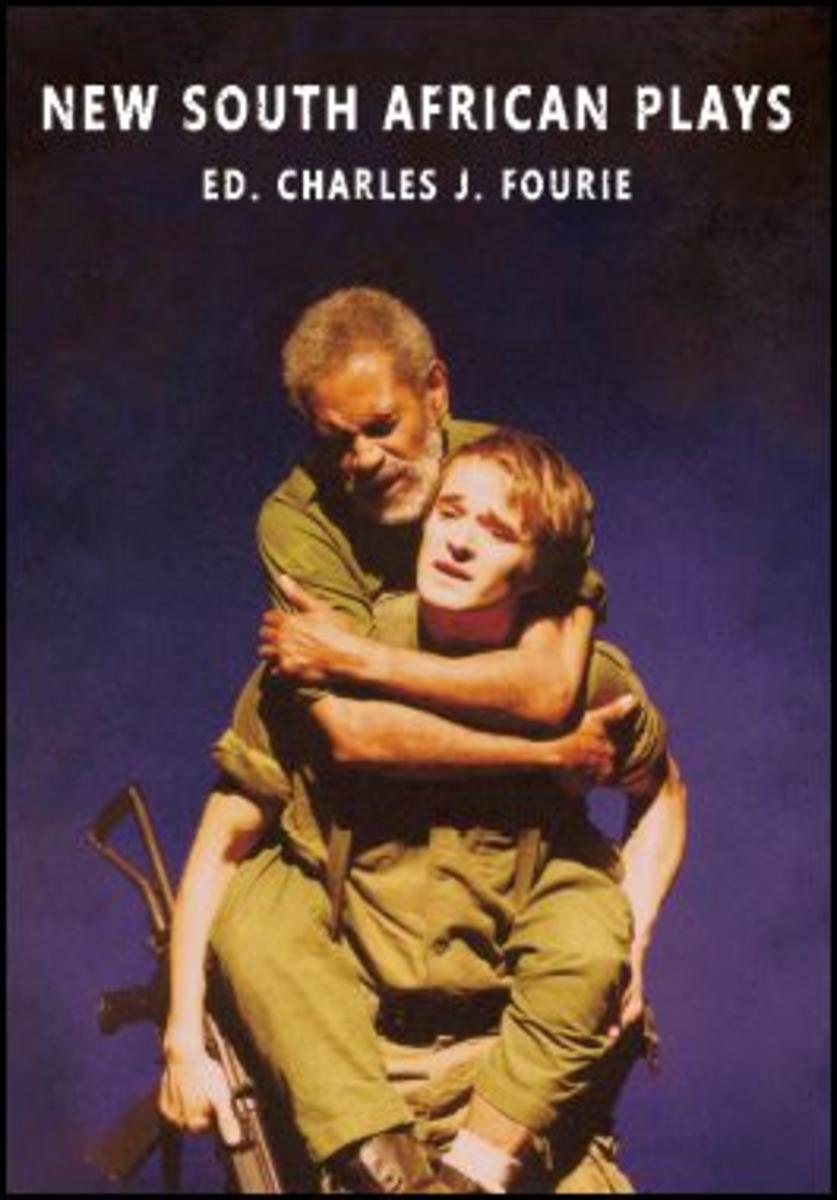
New South African Plays
¥40.79
A collection of six plays dealing with the new South Africa, published in 2006 to celebrate 10 years of democracy post-apartheid. Plays about racial conflict, the impact of AIDS, power and corruption, the legacy of the past and female identity. Reprinted 2012, 2019. ? The Plays The Playground?by Beverly Naidoo “…it floats on a haunting, echoing raft of traditional South African harmonies that make watching it a joyful experience as well as a thought-provoking one…”?Time Out Critics’ Choice – Pick of the Year Taxi?by Sibusiso Mamba: Edinburgh fringe first winner “a superbly written and produced play… A fine piece of work that’s refreshingly free of cliches.”?Daily Mail, Pick of the Week Green Man Flashing?by Mike Van Graan “…This finely crafted drama tears at the heart and soul of our democracy, and rips at the underbelly of corruption and political power through its astute writing…”?Star Tonight Rejoice?by James Whylie “… the cruellest irony of all is left until the end… the same one which has spelled the death of Rejoice… And millions more.”?Friends of BBC Radio 3 What the Water Gave Me?by Rehane Abrahams “tales that retrieve ancient magics and reveal contemporary terrors…”?Cape Times To House?by Ashwin Singh: Finalist in the 2003 PANSA (Performing Arts Network of SA) Festival of Reading of New Writing (the country’s foremost playwriting contest) “To House is an important piece of theatre; in it people voice opinions that are uncomfortable and edgy. The cathartic and therapeutic value of hearing these things said aloud in a public place is part of our essential healing process and proves, once again, that art has the ability to go where angels fear to tread.”?Daily News, Durban
Arabian Nights
¥40.79
When Sheherazad is brought to the palace to be the Sultan’s new bride, her very life depends upon her skill as a storyteller. She tells him tales of lost cities and buried treasure, of slave girls and robbers, of genies in bottles and evil sorcerers. But will it be enough to save her? The stories of the Arabian Nights date back more than a thousand years and originate from Persia, India and Arabia. Neil Duffield has combined elements of many of them, keeping alive the excitement and humour to produce a show which will transport the audience into a world of myth and legend where fantasy and reality can never be separated.

Combustion
¥40.79
Bradford, in the month of Ramadan. Shaz, a local garage mechanic, is trying to keep his business going despite the terrible scandal of Asian men involved in grooming young girls for sex in the area. A protest march through the city is planned and Samina, Shaz’s sister wants to make a speech at a counter-demonstration for Peace. Shaz just wants a quiet life so that his prospective in-laws will let him marry their beautiful daughter, but as the city gets swept up in the protest, his world gets turned upside down. Asif Khan’s debut play is a fabulously comic take on the combustion surrounding young British Muslim lives.

Beyond Pentatonics
¥40.79
Beyond Pentatonics
Na?ionalismul. Identitatea etnocultural? ?i proiectul elitelor
¥40.79
i corbul, croncnind, a rguit, Vestind c sorii fost au aruncai! Venii! Venii! Voi, duhuri, ce vegheai Pe gndurile morii, crunta zee! i m nvai s nu mai fiu femeie! M umplei, de la cretet pn’ la tlpi Cu o rutate nenduplecat! The raven himself is hoarse That croaks the fatal entrance of Duncan Under my battlements. Come, you spirits That tend on mortal thoughts, unsex me here, And fill me from the crown to the toe top full Of direst cruelty!
Un filosof r?t?cit ?n agora
¥40.79
Fire?te c?, de la schimbarea de paradigm? numit? apari?ia genurilor rock ?i folk (precedate de jazz, dar mai cu seam? de blues... ?i ?n m?sur? cov?r?itoare de explozia beat!), ?n Rom?nia comunist? (?ncerc?nd mereu s? fie sincron? cu voga occidental?), lucrurile n-au fost tocmai roz. Unii chiar se bat ?n piept c? de la ei ?ncoace se poate vorbi de...; al?ii (implica?i direct) sunt sc?rbi?i de ceea ce se ?nt?mpl?, mai cu seam? ?n lipsa unei istorii oficiale ?i documentate, ?i ??i v?d de treab?. ?n era net/Wikipedia, oricine se poate da ?n stamb?, se poate lua la tr?nt? (sub pav?za anonimatului, implicit a nesim?irii) cu orice; cum anticipa parc? Andy Warhol, a venit vremea ?n care oricine va fi fost vedet? 15 minute.Dar au existat ?i vedete reale, grei ai genurilor a?a-zis u?oare, mon?tri sacri! Celor acum ?n umbr? (cite?te underground) le este dedicat acest volum. M?rturii orale puse cap la cap despre aceia care au trecut ?i – iat? – se ?ntorc ?n Clubul Arhitecturii. Dac? un Cenaclu ?Flac?ra“, la ?nceput genial ?n scopuri, a fost mai apoi r?st?lm?cit ideologic ?i impus aproape cu for?a p?n? la implozie, clubul – recte pivni?a – din strada Bl?nari nr. 14 a rezistat peste decenii intrinsec; pe temelia solidificat? de la o zi la alta, de la un artist la altul, de la o bere la alta... Din student ?n student (dar nu numai prin ei), ?tafeta a tot fost preluat? de genera?iile care s-au perindat, iar ast?zi ne-am trezit cu o ?ntreag? istorie care apas? pe funda?iile cl?dirii vechi..., dar f?r? bulin? ro?ie! Nu, Club A nu va c?dea, a?a cum va exista ?n continuare ?i Casa Studen?ilor din Bucure?ti (ca ?i cele din Timi?oara, Ia?i, Cluj...), ?i Radioul, ?i Televiziunea, ?i Electrecordul...Din cuprins: Amintiri ? Clubul de pariuri muzicale sau Cu... v?nt ?nainte... din pupa! ? A fost o dat?... din 1969 ? Primul Festival Na?ional de Muzic? Pop ?Club A“ (16–22 decembrie 1969) ? Ro?u ?i Negru ? Romanticii ? Chromatic Grup ? Sideral (Modal Quartet) ? Olympic ‘64 ? Phoenix ? Coral... ?i Adrian Ivani?chi ? Al doilea Festival Na?ional de Muzic? Pop ?Club A“ (10–17 mai 1971) ? Modern Grup ? Metronom ? Mondial ? Timi?oara, la vest de Rom?nia ? Carusel ? Post-scriptum la al doilea festival ? Folk ?n Club A ? Mihai Munteanu ?Michone“ ? Dorin Liviu Zaharia ?Chubby“ ? Mircea ?Ciocu“ Vintil? ? Florian ?Mo?u“ Pitti? ? Doru St?nculescu ? Sorin Minghiat ? Dan Oprina ?i Mircea Valeriu Popa ? Nicu Vladimir ? Marcela Saftiuc ? Adriana Ausch ? Anda C?lug?reanu ? Zoia Alecu ? Catena ? FFN ? Valeriu Sterian (?i Compania de Sunet) ? Mircea Bodolan ? Curtea Veche nr. 43 ? Al treilea Festival ?Club A“ (5–8 iunie 1979) ? Metropol ? Academica ? Experimental Q ? Modal Q ? Mircea Florian (din Transilvania) ? Al patrulea Festival ?Club A“ (16–19 martie 1981) ? Dan Andrei Aldea ?i Sfinx ? Pro Musica ? Accent ? Redivivus ? Basorelief ? Gramophon/Post Scriptum ?i... Mircea Baniciu ? Semnal M ? Sorin Chifiriuc ?i Domino/Roata ? Grup ‘74 ? Club A – 15 ani (12–17 martie 1984) ? Nicu Alifantis ? Iris ? Liviu Tudan & Ro?u ?i Negru ? Al cincilea Festival ?Club A“ (28 februarie–1 martie 1990) ? Compact ? Holograf ? Celelalte Cuvinte ? Gala ?Club A – 30 de ani“ (18 iunie 1999)?/ ?Club A – 34 de ani“ (4 iunie 2003) ? Sfinx (Experience) ? Alexandru Andrie? ? Cargo ? Timpuri Noi ? Sfatul ?b?tr?nilor“ ? Al ?aptelea Festival ?Club A“ (13–18 mai 2011) ? Imagini ?necenzurate“


