


 购物车
购物车 个人中心
个人中心

GB50432-2007炼焦工艺设计规范(英文版)
¥380.00
现批准《炼焦工艺设计规范》为国家标准,编号为GB50432-2007,自2008年5月1日起实施。其中,第5.4.1(3)、5.4.4(5)、7.3.1、8.1.5、8.1.6、8.1.7、8.1.10、8.2.5、8.2.7、8.2.8、8.2.9条(款)为强制性条文,必须严格执行。本规范适用于炭化室高度4.3m及以上、生产冶金焦的预装焦炉和捣固焦炉的工艺设计。本规范由建设部标准定额研究所组织中国计划出版社出版发行。本规范技术内容包括:总则,术语,基本规定,原料、燃料的要求,焦炉,干熄焦,烟尘治理,电气与自动化中华人民共和国建设部二〇〇七年十月二十五日

广州市海洋与渔业志:2001—2017
¥380.00
本书是广州市地方志编纂委员会为贯彻落实中央精神、及时保存城市历史,组织相关部门整理的2001—2017年广州市海洋与渔业志。该书*系统,真实客观,翔实记述与图片纪实,反映了广州市海洋与渔业的资源、海洋经济、现代渔业、资源保护、渔区建设、公共服务、科技教育、行业管理、人物事迹与发展规划。全书分为8章,包括海洋与渔业资源、海洋经济、现代渔业、资源环境保护、渔区建设、公共服务、科技教育、行业管理。客观地记述广州市海洋与渔业发展历程和现状,力求突出行业特色和地方特点。
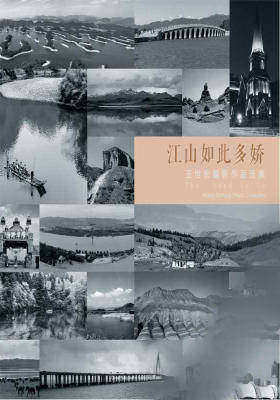
江山如此多娇
¥380.00
本影集是《风景这边独好》的续集。

广东树木图鉴
¥380.00
广东省地处中国大陆南部,地貌复杂多样,分布有山地、丘陵、台地和平原,南临南海,处于热带与南亚热带的森林气候环境。广东省水热条件优越,植被丰富,植物种类繁多,形成了树木繁茂的良好生态。树木是人类赖以生存的物质基础,也是维持自然生态系统的根本保障。全书收录了广东省内常见的树木3100多种,按照植物分类系统顺序编排,每一种树木附1—2幅彩色照片,直观地反映植物原貌和生态,书中编排了中文名和拉丁名索引,方便广大读者查找。
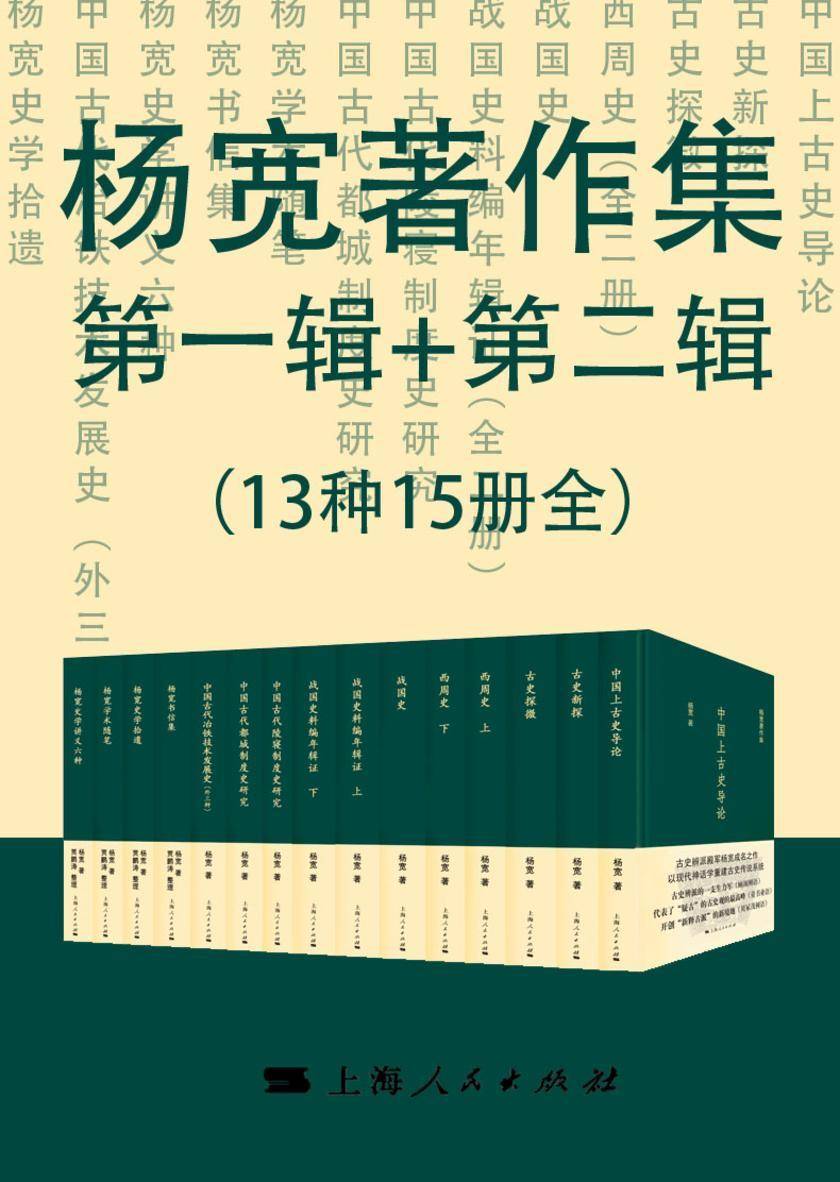
杨宽著作集一辑+第二辑(13种15册全)
¥379.99
本稿为“杨宽著作集”第二辑之后一种,收录了杨宽先生散见于报纸杂志等处、之前未曾收文集内的单篇文章,包括对上古史、春秋战国史、墨子、出土文物、农民起义等的研究,是杨宽先生史学研究的重要组成部分。古史考证类文章,如战国人物和史事丛考,可补杨宽系统的古史专著之缺;对于《逸周书》和墨学的相关研究,可见杨宽先生治学之广博;还有一些对于农民起义的相关研究,也比较全面的反映了杨宽先生的博学杂识与生平学术,体现了杨宽先生卓越的史学成就。
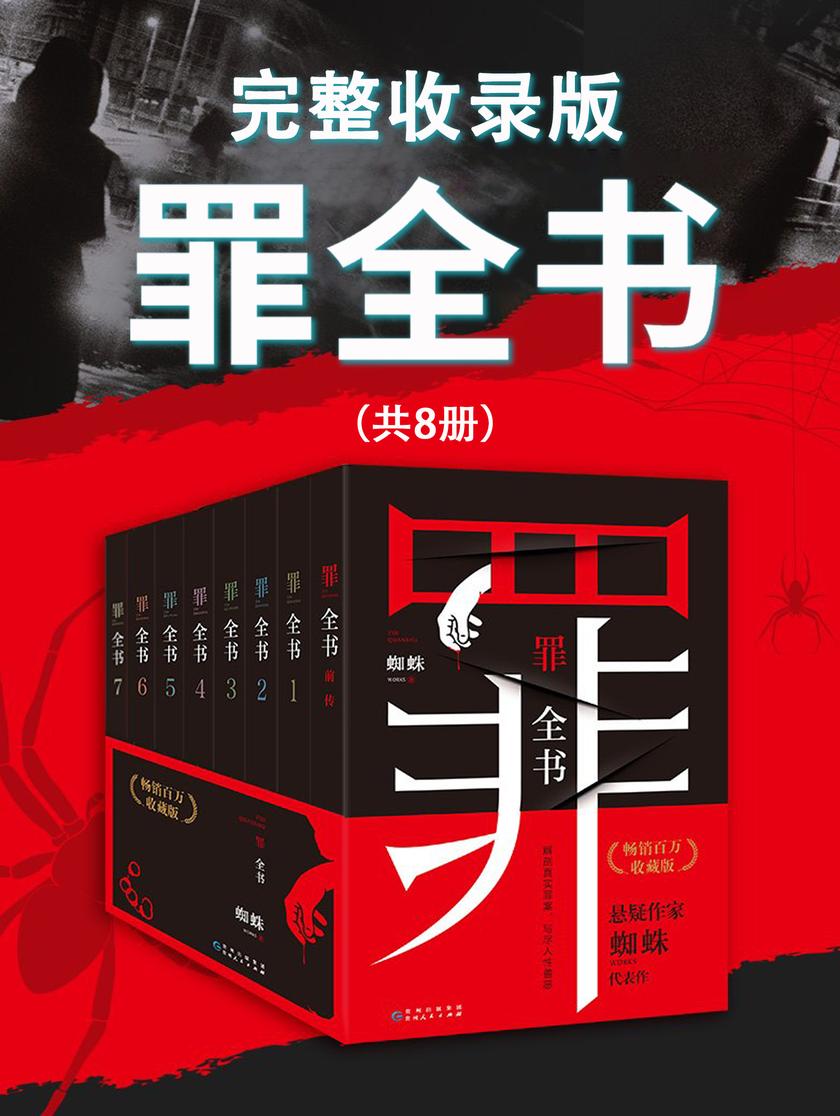
罪全书:完整收录版(全套8册)
¥379.99
四个超级警察,各怀绝技,从全国警察队伍中挑选而出,对各地发生的*特大罪案进行侦破。 肢体雪人、雨夜幽灵、地窖囚奴…… 都市怪物、蔷薇杀手、恐怖旅馆…… 刺猬少女、畜生怪谈、冰封之脸…… 诡异电梯、人体板凳、收藏癖者…… 恐怖衣柜、人彘奇案、清醒一梦…… 雨夜“蜈蚣”、校园卧底、贼王传说…… 空中尸体、农村三鬼、卤煮人手、食人疯犬…… 善与恶的较量,我们将付出多大的代价? 寻找真凶,绝不是我们的终目的!
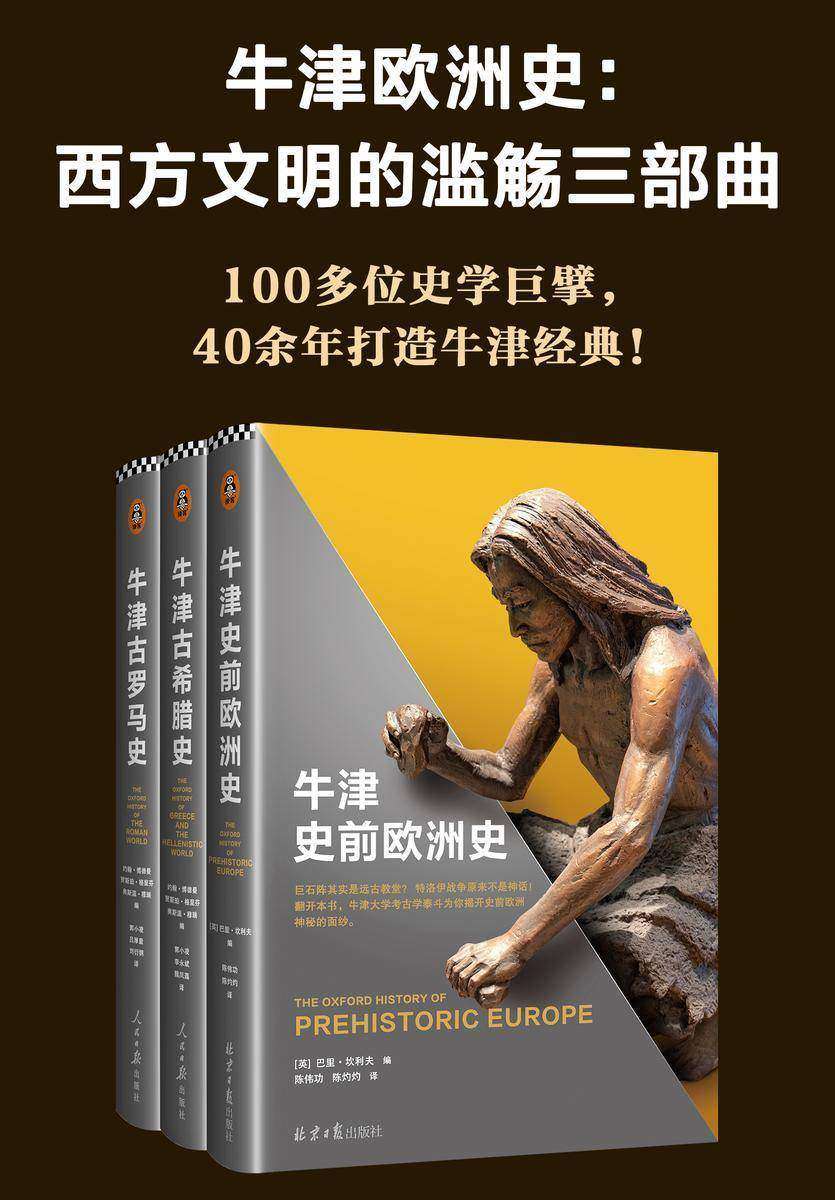
牛津欧洲史:西方文明的滥觞三部曲
¥379.60
“牛津欧洲史”系列丛书,由牛津大学出版社策划推出,以其强大的学术资源和出版资源为依托,跨时代地集结了100多位史学巨擘,耗时40余年打造了这套牛津经典。各领域名家倾毕生之所学,突破单线程的通史叙述模式,为普通读者贡献了一套代表欧美半个世纪以来高水准的专题欧洲史。这套书也成为牛津大学出版社镇社之宝,是牛津大学指定教材,被誉为“每一个受过教育的人都应该读的书”。

现实与科幻之间(套装12册)
¥378.80
投资中国 在这本书中,王国斌先生表达了他看好“中国资本市场的未来”这一坚定信念,他利用大量的数据和案例,剖析了中国资本市场的当前形势和未来趋势,描绘了中国企业和中国资产管理充满机会的未来图景。 财富是认知的变现 投资是一场反人性的游戏。想要通过投资成功来积累财富,首先需要纠正自己的错误认知。 聪明的基金经理 本书作者泰德·西德斯的第壹份投资工作就师从大卫·史文森,探索投资的制胜之路。西德斯撰写本书的初衷,就是揭示世界*基金经理如何管理和投资,从而帮助投资者更好地做出投资决策。本书凝结了西德斯25年的投资实践经验,并将“资本配置者”150期嘉宾访谈的经验总结悉数呈现。 价值 全书共3个部分10个章节,介绍了张磊的个人历程、他所坚持的投资理念和方法以及他对价值投资者自我修养的思考,还介绍了他对具有伟大格局观的创业者、创业组织,以及对人才、教育、科学观的理解。书中包含大量珍贵资料,不仅有首次提出的7大高瓴公式,详细拆解的10多个投资案例,还有11张精致手绘彩插和19张珍贵照片。 对冲之王 如果有人问你,谁是世界上*厉害的投资大师?我们多数人可能会回答:沃伦·巴菲特。 共同基金常识 《共同基金常识》是指数基金教父约翰·博格先生的心血力作,历经市场十年洗礼之后的升级版,堪称投资界的经典书。在如今越发复杂的市场环境中,这本著作恰如海中灯塔,一方面传递着*为简单、有效、持久的投资策略,另一方面也考察着共同基金业的行业法则和道德底线。在本书中,约翰·博格先生将其一生在投资领域中沉淀的精华悉数呈现,用大量翔实的数据和事实诠释了简单和常识必然会胜过代价高昂且复杂的投资方法;低成本和广泛分散化的投资组合,仍然是以*低的成本和风险实现财富累计的*优选择,并且,这一投资的业绩也将一直优于昂贵的主动管理型基金。作为原书的10 周年纪念版,本书保留了原版的完整内容,同时对1999—2009 年以来的美国基金业的*新进展进行了*的更新。作者用这10 年的数据和事实,对原版书中提出的观点进行了坦率的验证,这些后验的历史事实愈加凸显了原版书中绝大多数观点的参考价值。 跳着踢踏舞去上班 “一部让巴菲特在股东大会上大跳踢踏舞的书。一部比尔·盖茨号召所有人逐字逐句精读的书。一部媲美《穷查理宝典》的巴菲特箴言录。当巴菲特表示将要授权一部个人传记时,投资界人士几乎一致认为巴菲特致股东的信的编辑卡萝尔·卢米斯是不二人选。这对“黄金搭档”的合作时间长达50年。然而,卢米斯要求该书应该仍然遵循过往的方式。由巴菲特自己执笔,卢米斯负责编辑。结果,巴菲特只能找了别人,而那本书就是《滚雪球》。尽管错过这次合作机会,仍不断有人催促卢米斯写一本关于巴菲特的书,这正是《跳着踢踏舞去上班》一书的来由。 查理·芒格的投资思想 如果说巴菲特以其沉稳凸显了性格对于投资的巨大影响,那么芒格则用其锋利展现了思想在投资中的巨大作用。正是凭借自己深邃的思想,查理·芒格对于巴菲特的理念进行了精湛的“手术”,从而改变了后者的投资行为。巴菲特亲承,是查理·芒格为伯克希尔哈撒韦公司规划了蓝图,并使自己快速从猩猩进化到了人类。 随着芒格在伯克希尔哈撒韦的功勋逐渐为人所知,关于芒格的文献开始变得烟波浩淼起来。这种情况虽然丰富了人们对于芒格的理解,但也加深了学习芒格的门槛难度。基于对查理·芒格的多年研究,本书作者戴维·克拉克力透纸背地将芒格的核心思想体系凝练为100余个概念。围绕这些概念,克拉克不但筛选出了芒格尤其能体现其思想精髓的经典言论,而且还对这些言论进行了精湛的诠释。可以说,《查理·芒格的投资思想》一书用简洁直接的方式为读者扫清了学习芒格的障碍,它既是初学者掌握芒格投资思想的入门利器,也是资深投资者随时反复体悟芒格投资思想的常备读物。 证券分析 1940年*经典版本+巴菲特亲笔作序+10位华尔街金融大家导读+4位国内价值投资践行者的深度思考。在这本书中,格雷厄姆与多德首次提出了价值投资的理念,并分别从证券分析的原理、三大证券分析方法、证券析操作实务这三个方面阐释了价值投资的基本框架。《证券分析》第6版由著名经济学家巴曙松领衔专业人士全新翻译。正如巴曙松老师所言:“历史不会重演,然而总是押着韵脚。当前中国证券市场的转型,同样需要确立价值投资的理念。我决定组织力量翻译《证券分析》第6 版的初衷,也正在于此。” 投资中*简单的事 投资本身是一件很复杂的事,我们是否可以化繁为简、直接追问什么才是投资的本质?有没有一些简单可行的法则和工具能够让我们直接触及投资的本质? 《投资中*简单的事》(更新版)为读者呈现的正是符合投资的内核和本质的、与时俱进的普适性规律,这些规律不会因为时间的流逝而有所淡化,相反,自本书*版面世5年来,这些规律经过了时间的检验和市场的充分验证,更新版不仅在*版的基础上新增了作者当下的思考,还对于那些反复被证明有效的规律进行了拓展和完善。在对“投资中*简单的事”娓娓道来的过程中,作者用生动晓畅的语言分享了自己投资生涯中的丰富投资实例,使本书兼具了易读性与实操性。 格雷厄姆精解证券分析 本书收集了格雷厄姆关于金融分析的短篇论文,可以作为《证券分析》(第6版)的伴读作品。这些文章不仅叙述了格雷厄姆如何构建专业证券分析的故事,同时还揭示了在格雷厄姆的眼中,哪些内容属于证券分析的核心要素。阅读本书,我们可以循着格雷厄姆从1932年到1976年思想发展的足迹,见证金融分析行业从手工作坊式的小打小闹,发展成为一个真正完全成熟的专业领域。 征服市场的人 *还原 “量化投资之父”的投资理念!如果你是投资人,这本书将为你展示什么是真正的量化投资,以及模型之外的投资理念。揭秘如何领导一群极客打造华尔街*赚钱的机器!如果你是管理者,这本书将教会你如何管理一支天才团队,包容他们的离经叛道、古怪性格甚至水火不相容的政治立场,并能和谐地一起创造更大的价值!讲述作为“跨界狂魔”“斜杠大佬”是一种怎样的体验!如果你是普通读者,你将从这本书中看到麻省理工学院的坏小子是如何漫游在密码破译员、数学家、投资家等数个壁垒森严的身份之间,并且逐渐进化成为“量化投资之父”的,您能从中学到,面对棘手的问题和挑战,我们应该如何自处和应对。
摆脱坏习惯,告别坏情绪,实现人生破局与自我超越(套装12册)
¥378.80
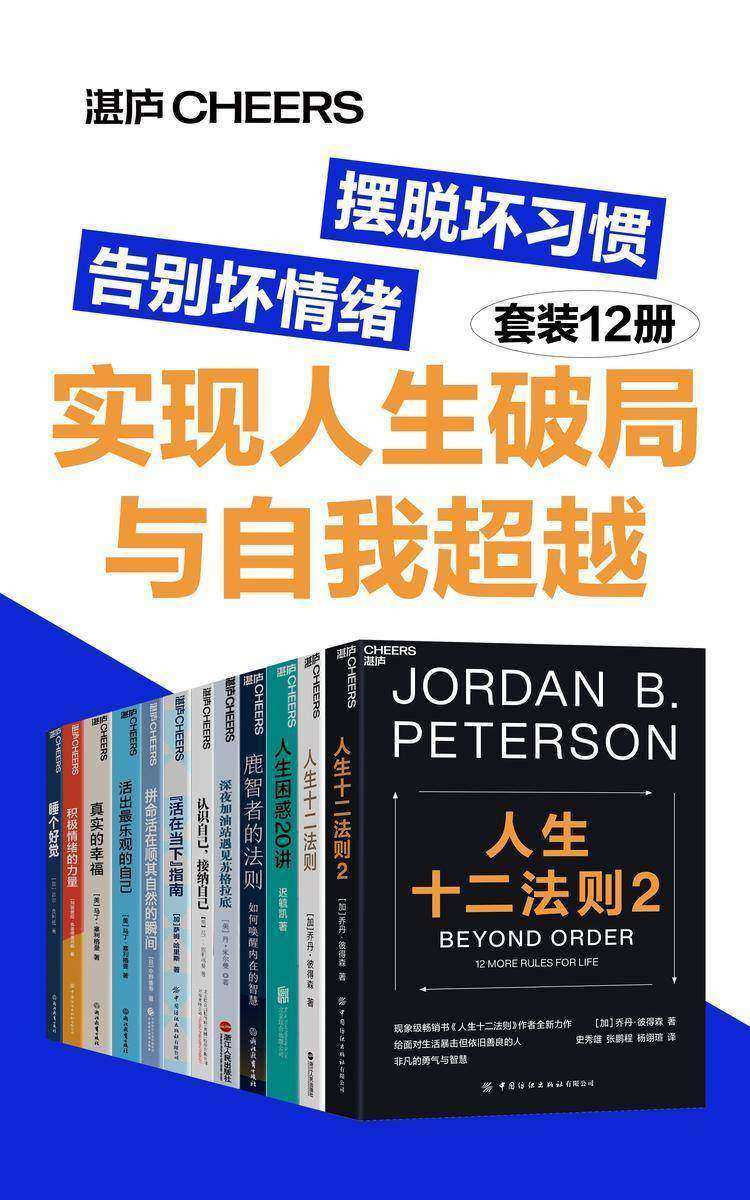
人生十二法则2 现象级畅销书《人生十二法则》作者全新力作!《人生十二法则》给现代人提供了应对混乱生活的一剂良药,《人生十二法则2》则以全新的视角提出,只有勇敢超越秩序的边界才能积蓄起抵御悲观、焦虑与痛苦的内在能量,获得自由且丰盛的人生。 知名心理学家乔丹·彼得森教授根据现代读者都很关心的问题,比如如何经营亲密关系、如何突破事业瓶颈、如何化解内心的伤痛,提炼出了破解人生困局的12条基本法则,为你每一次的迷茫、犹豫和困苦指明方向。 人生困惑20讲 为什么长大后的错,我们都爱怪原生家庭?如何轻松愉快地摆脱坏习惯?每天都过得很压抑,如何才能开心起来?面对难以拒绝的事,如何妥当地说“不”? 每个人在面临人生的困境、抉择、低谷以及日常问题时,往往都希望看看“智慧长者”们会怎么说、怎么做。非常会讲故事的心理学家迟毓凯针对当下人人都关心的那些重要又日常的问题,精心挑选了20位“顶流”心理学家,在对他们的心理学研究成果和生平轶事的诙谐讲述中,为读者找到解决爱情、职场、养育、社交、心灵等方面人生问题的良方。 人生十二法则 我对任何事都提不起兴趣怎么办?我处于人生的至暗时刻怎么办?上班让我不快乐怎么办?面对人生中的混乱迷茫,我们真正需要的,不是虚伪的励志、空洞的安慰,而是严父近乎残酷的苛责教诲。 在引爆全球的现象级畅销书《人生十二法则》中,著名心理学家乔丹·彼得森将人类数千年来的哲学思考、神话故事中的精神财富与心理学、生物学、神经科学等学科的前沿研究相结合,用12条*基本的人生法则,为我们找到摆脱人生困境的方法。科学作家万维钢老师说:“彼得森这些建议我完全赞同,我希望我儿子长大以后读读彼得森这本书。” 鹿智者的法则 在本书中,知名个人成长导师丹·米尔曼,将他多年探索心智的至理心得熔炼成12个简明的心灵法则,并用寓言的形式和优美的文字将其呈现出来,在林中鹿智者的带领下,读者将开启一次启迪生活智慧、释放内在力量的旅程。鹿智者所讲述的每一个法则都与生命的价值和生活的质量息息相关,能为生命带来美好的改变,能让你学会如何改善自己的人际关系、职业发展、生活状态与身体健康。 深夜加油站遇见苏格拉底 《深夜加油站遇见苏格拉底》根据作者丹?米尔曼传奇般的生活经历改编而成。正如作者在文中所说,这是一本改变生命的书。 考上知名学府、获得世界冠军荣誉的丹在短暂的欢乐过后,深深陷入无可名状的空虚和恐慌。无法入眠的他在一家24小时加油站遇见一位被他称作苏格拉底的老人,后来又认识了精灵般难以捉摸的女孩乔伊。苏格拉底带他体验或浪漫、或惊险、或恐怖、或温馨的旅程,帮助他从车祸的打击中恢复健康,以捉弄、嘲讽、关爱、抚慰、激励等令人匪夷所思但恍然大悟的种种方式指导他修炼,*终指引他打开和平勇士之道的大门,挣脱了肉体的束缚,获得了心灵的自由。 认识自己,接纳自己 《认识自己,接纳自己》是积极心理学之父马丁·塞利格曼的重磅之作,这本书告诉我们如何正确认识困扰你的问题,以及如何做出有效的改变。这是一本助力你达成自我完善的心理指南,更是实现幸福人生的一个起点。 一直被焦虑、抑郁、不安全感困扰怎么办?想减肥却一直不成功怎么办?想戒烟却一直戒不掉怎么办?童年创伤对人的影响有多大?……通过这本书,你会得到很多颠覆性的观点,也会清楚地认识到自己的哪些方面是可以改变的,哪些方面是无法改变而必须接受的。塞利格曼从改变的可能性和生物局限性出发,告诉我们:对于那些可以改变的行为,用积极的态度去改变;对于那些有着一定生理限制的行为和人格特质,坦然接受,然后学习一些方法来应对,不让它们影响自己的生活和工作。只有这样,才是明智的自我提升方式。 “活在当下”指南 国际当红学者萨姆·哈里斯一针见血地指出,趋乐避苦是人类的本能,而快乐本质上稍纵即逝,所以人们天生受困于循环往复的追求,不少人甚至终其一生都在这无形的牢笼中度过。要打破与生俱来的困境,成为自己人生的主人,就一定要升级心智模式,摆脱原始状态。如何做到这一点?身为哲学神经学双料博士的哈里斯独辟蹊径。书中,他将经典的哲学理论、前沿的科学发现、丰富的切身体验巧妙结合,理性睿智、亦庄亦谐地引导读者探寻关乎个体存在之根本的三大问题——意识是什么,自我究竟为何物,以及人生应该以什么为重要追求,从而一步步瓦解顽固的“常识性”认知,实现心智的提升,收获自在的高层级人生。 拼命活在顺其自然的瞬间 在本书中,中野善寿用浅显、轻快、简洁的语言,分享了他践行一生的工作与生活理念。这是频频创下斐然业绩却低调得几乎不在任何媒体面前抛头露面的他首度公开其70余年人生感悟。原版图书上市后,既有读者感慨作者道出了“当今时代更好的活法”。透过中野丰富且独特的实践和经历,你会窥见一幅不一样的人生风景,体会到在无常的世界里,什么样的思维和行为方式更具有韧性、更为重要,自取所需—— 如果你感觉生活很累,你可以从中获得一套“轻松生活”的生活原则。 如果你正被工作折磨,你可以从中获得一套“自在工作”的工作理念。 如果你苦于领导决策,你可以从中获得一套“朝令朝改、果断放手”的领导哲学。 真实的幸福 积极心理学之父马丁·塞利格曼的集大成之作,是央视《读书》栏目连续五天力荐的作品,是每一个人提升幸福感不可不读的经典作品。 过去的几十年,心理学只关心一件事,那就是心理疾病,而且做得不错——我们可以对抑郁症、精神分裂症、酗酒等问题做出非常精准的描绘,并且已经有很多心理疾病可以通过药物和心理治疗的方式进行有效医治。但是,谁都不愿意糊里糊涂地度过一生,我们更需要的不是一天天地减少痛苦,而是找出自己的优势和生活的意义,让自己的生活变得越来越幸福。而现在,心理学已经走到了了解积极情绪、建构优势和美德、帮助人们获得幸福的时候了。 活出*乐观的自己 积极心理学之父马丁·塞利格曼扛鼎之作,是央视《读书》栏目连续五天力荐的作品,是告别抑郁,从根本上改变悲观人生,提升幸福感的作品。 全书分为三个部分,Di一部分探讨了人们为什么会抑郁;Di二部分讲述了乐观的人具有哪些优势?第三部分探讨了人们应如何从悲观思维转变成乐观思维。塞利格曼认为,乐观思维可以帮助人摆脱抑郁、正视挫折、改善健康状况,而通过运用“ABC”模式,你就可以习得把悲观思维变成乐观思维的方法。 积极情绪的力量 积极情绪会扩展我们的思维和视野,为我们带来健康,让我们更加坚韧,并抑制无端的消极情绪。要想获得完满的人生,需要借助积极情绪的力量。那么,怎么才能提升并利用自己的积极情绪呢? 作为积极心理学领军人,芭芭拉在书中呈现了积极心理学领域具有开创性和颠覆性的研究成果,将积极心理学的研究提升到了一个新高度,并且集结了她对积极情绪的应用研究,比如“扩展和建构理论”指出积极情绪对提升人们创造力的巨大意义;“zui佳情绪配比”指出的积极情绪与消极情绪的平衡状态。可以说,这本书是了解积极心理学核心和前沿理论不可不读的佳作。 睡个好觉 美国、加拿大两国睡眠协会主席迈尔·克利格将自己40多年的宝贵经验进行了高度总结,带领我们揭开睡眠的真相。本书共分为6个部分18章,涵盖5大常见睡眠问题,涉及80多种睡眠疾病。针对容易出现睡眠问题的人群,如女性、老年人、儿童,作者在书中特别分析了不同人群睡眠问题的形成原因,并介绍了日常生活中简单易操作的方法,帮助改善睡眠。

企业成长的系统性思维(套装15册)
¥378.80
我缔造了新世界 《我缔造了新世界》完整还原了商业巨人亨利·福特的传奇一生。亨利·福特是一位机械天才,也是出其不意的商业奇才。 亨利·福特常被誉为“20 世纪ZUI伟大的企业家”,连比尔·盖茨也在自己办公室挂着亨利·福特的画像,作为自己的学习榜样。他凭借独到的眼光和一身孤勇,取得无数具有划时代、开创性意义的成就,而本书不仅对亨利·福特的创业历程及成就进行了鲜活、细致和有趣的描述,而且福特一生中的低谷、他所犯下的不可挽回的错误、他真实的个性都一一跃然之上,相信你我都会因读到他波澜壮阔的一生而心潮澎湃。 发明:詹姆斯·戴森创造之旅 戴森创始人兼首,席工程师詹姆斯·戴森亲自讲述了精彩的幕后故事—— 5127个气旋吸尘器手工原型,更小、更轻、更*的马达……12个关键里程,让我们得以窥见独特的工程师文化、启迪人心的发明家精神,与独到的戴森哲学:从不害怕失败,天真的想法比经验更重要,永远不会让自己停留在荣誉上,激励下一代工程师,相信工程师和年轻人可以改变世界…… 丰盛人生 本书是安利创始人理查·狄维士于耄耋之年写下的自传,回顾了从*初的创业尝试到创建安利帝国的历程,也呈现了面对挫折和困境的解决之道。 在本书中,狄维士充分体现了一位“丰盛人生者”的追求与信念,这也正是安利事业的核心与基础。狄维士对人们创业的鼓励使更多人获得了丰盛的人生,这种鼓励是安利成功的关键之一。 征服市场的人 *还原 “量化投资之父”的投资理念!揭秘如何领导一群极客打造华尔街*赚钱的机器!这本书将教会你如何管理一支天才团队,包容他们的离经叛道、古怪性格甚至水火不相容的政治立场,并能和谐地一起创造更大的价值!本书中看到麻省理工学院的坏小子是如何漫游在密码破译员、数学家、投资家等数个壁垒森严的身份之间,并且逐渐进化成为“量化投资之父”的,您能从中学到,面对棘手的问题和挑战,我们应该如何自处和应对。 鞋狗: 耐克创始人菲尔·奈特亲笔自传 耐克创始人菲尔·奈特亲自讲述了耐克“从0到1”的过程:作为一位美国俄勒冈州的普通人,他出于对跑步的热爱决定进入跑鞋销售领域,从50美元起步,带领一支个性古怪的“杂牌军”,游走于随时破产的边缘,却*终缔造了一个强大的体育商业帝国,让耐克标志成为少数几个可以被全世界人毫不费力认出的商标之一。 3G资本帝国 3位默默无闻的巴西人,以金融业起步,*终实现了惊天逆袭,鲸吞百威、汉堡王、亨氏、卡夫、提姆霍顿等巨头,缔造出3000亿美元的超级帝国。其巨大的胃口和锋利的牙齿,惹恼了包括奥巴马在内的诸多美国人,却被巴菲特引为自己的死党、被吉姆·柯林斯视为匹敌乔布斯的*企业家。三剑客的低调,使得3G资本周身笼罩着神秘的气氛。在巴菲特、吉姆·柯林斯等人的协助下,克里斯蒂娜·柯利娅终于通过追踪三剑客一路走来的传奇历程,挖掘出了3G资本的核心精髓。 勒布朗·詹姆斯的商业帝国 讲述了詹姆斯从篮球明星到商业大亨的惊人转变,揭开了詹姆斯10亿美元身家背后的运作秘密。 不同于詹姆斯的其他传记,这本书从广告代言、创建公司、股权运作等商业角度,系统分析了詹姆斯如何将自己的运动生涯、公众形象设计与财富经营紧密结合,开创出前所未有的自我增值方式,并开辟出成功的商业管理模式。 *大亨 他是美国历史上第三大富豪,身价远超今天的比尔·盖茨。1877年过世时,他的资产占到了美国整个货币流通量的1/9。 他是真正的无冕之王。同时代的商人鲜有人能与他相匹敌。在他面前, 19世纪美国商业大亨老约翰·洛克菲勒、安德鲁·卡内基、J.P.摩根都只能算是后起之秀。崇拜者视他为*卓越的精英领袖,对所有人而言,他就是美国“镀金时代”的开创者。 金融家拉塞尔·塞奇评论道:“范德比尔特之于金融,正如同莎士比亚之于诗歌,米开朗基罗之于绘画。” 统一行动 本书生动讲述了福特汽车这家百年企业在2006年陷入亏损127 亿美元的绝境之后实现重生、重振的伟大故事。百年企业绝境重振需要什么样的CEO,需要什么样的领导力?本书提供了企业史上不可多得的经典案例,为读者提供了多维度的启发。 一是百年家族企业的基业长青之道。二是“空降CEO”成功重振企业的领导之道。三是全球制造业标杆的运营之道。 小米之道 从软件开发到硬件制造的“虚实无缝结合“,小米站在了物联网革命的制高点;从移动互联网入口到新物种生态链,小米构建起了流量调控中心;从设计风暴到新零售体系的搭建,小米打造出了提升用户体验的闭环系统。通过对小米复杂商业模式的抽丝剥茧,克莱·舍基不但梳理出了小米崛起背后的逻辑,更是断言,在万物有“芯”的大趋势下,“小米”是全世界每一家企业、每一个产品都必须学习的标杆。 海尔制 《海尔制》从海尔37年来的战略与组织结构解剖其演化,从管理思想史的角度将人单合一模式提炼为海尔制范式。全书共分为5个部分,跟踪海尔成长的历史全景,系统阐释了海尔新提出的生态战略及其哲学体系、组织架构、实施路径和赋能体系。 海尔制想让每个人都可以在企业组织中独立创造,为每个小微和创客提供一个可以自我试错和探索新物种的平台,再通过重塑组织结构将组织绩效、员工自我实现和用户个性化需求*融合,追求共创共赢的生态红利。 跳着踢踏舞去上班 一部让巴菲特在股东大会上大跳踢踏舞的书。一部比尔·盖茨号召所有人逐字逐句精读的书。一部媲美《穷查理宝典》的巴菲特箴言录。 当巴菲特表示将要授权一部个人传记时,投资界人士几乎一致认为巴菲特致股东的信的编辑卡萝尔·卢米斯是不二人选。这对“黄金搭档”的合作时间长达50年。然而,卢米斯要求该书应该仍然遵循过往的方式。由巴菲特自己执笔,卢米斯负责编辑。结果,巴菲特只能找了别人,而那本书就是《滚雪球》。尽管错过这次合作机会,仍不断有人催促卢米斯写一本关于巴菲特的书,这正是《跳着踢踏舞去上班》一书的来由。 冲浪板上的公司 巴塔哥尼亚创始人伊冯·乔伊纳德亲自揭秘,并*讲述了*户外品牌巴塔哥尼亚的创业实践。 结合巴塔哥尼亚过去10年的商业实践,作者再度为我们展示这个成功的绿色经营模式和另类的企业文化:集合高度特立独行之人,在不失去灵魂的同时,让企业保持盈利;在可行的绿色模式下,让企业可持续经营。同时,他毫无保留地呈现了巴塔哥尼亚在产品、生产、销售、品牌、财务、人力、管理、环境等8个方面的创业哲学。 黑石的选择 黑石集团创始人彼得·彼得森以睿智、老练的文笔描述了他非凡的生命故事,他是一个真正的“巨人”:他是投资银行家、政治家、美联储官员、慈善家、反对财政赤字的公众人士,他更是“全球私募之王”黑石集团的创始人,管理过4340亿美元的资产。 巴菲特赞誉这本书:“彼得森的旅程是一个了不起的故事,他的书展现了他在商业和生活上坦诚的态度,令人耳目一新。” 格林斯潘传 一段重现害羞少年逆袭为全球经济沙皇的个人传奇历程;一部诠释全球金融体系内在变迁逻辑和发展过程的宏大金融史;一场揭秘经济政策背后利益纠葛及风云故事的政治权谋剧;一本针对金融危机形成脉络与历史教训的反思录。 马拉比耗时5年,深入格林斯潘的成长过程,挖掘其个性成因,梳理政治和金融危机的形成过程,详细辨析了格林斯潘在做决策时所面临的限制性条件。这对于后来者具有重要的实践指导意义。
The Ian Rutledge Starter
¥377.59
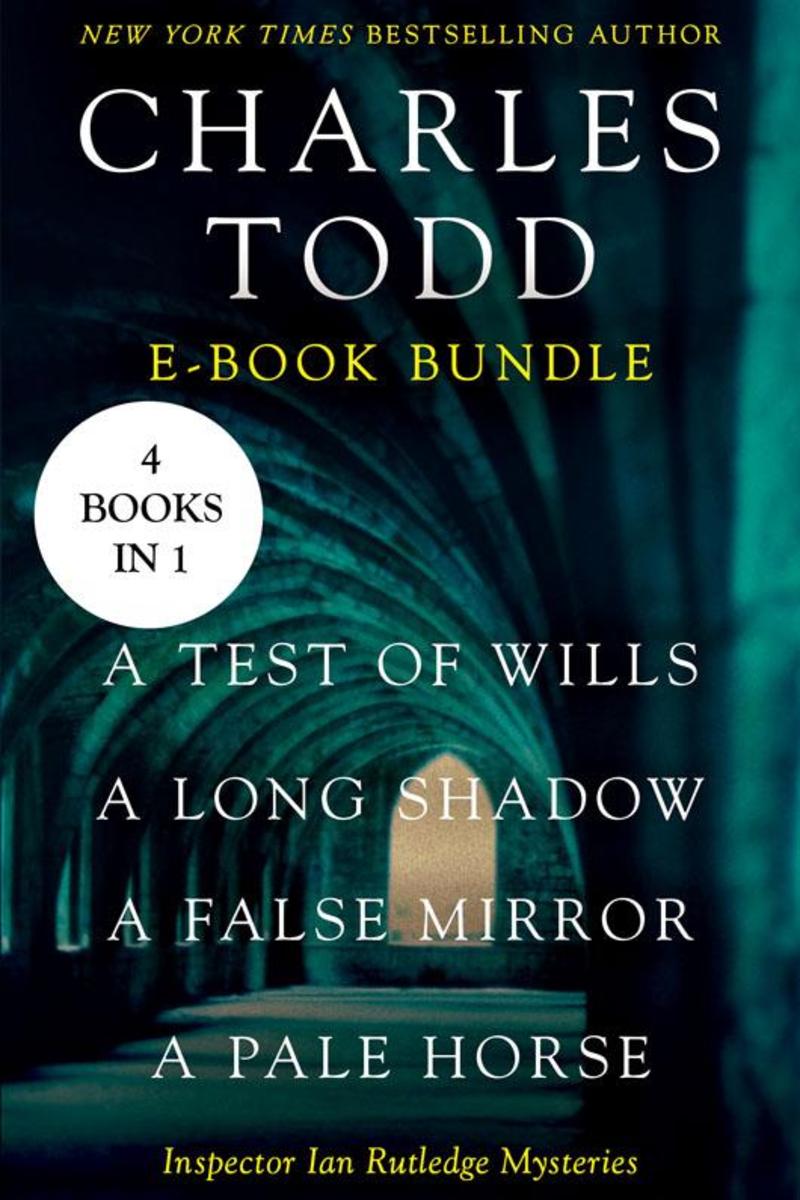
Get four mystery novels from?New York Times?bestselling author Charles Todd's Inspector?Ian Rutledge Mysteries series in one e-book, including:?A Test of Wills,?A Long Shadow,?A False Mirror,?and?A Pale Horse.?Set in England in 1919, each story features war-damaged Scotland Yard inspector Ian Rutledge in?mysteries?brilliantly evoking post-World War?I?Great Britain?and introduces readers to one of crime fiction's most compelling?protagonists.A Test of Wills—It is 1919, and the War to End All Wars has been won. But for Scotland Yard Inspector Ian Rutledge, recently returned from the battlefields of France, there is no peace. Suffering from shell shock, Rutledge plunges into his work to save his sanity. But his first assignment is a case certain to spell both personal and professional disaster.A Long Shadow—A story that immerses readers in the sights and sounds of post-war Great Britain, as the damaged policeman pursues answers to a constable’s slaying and the three-year-old mystery of a young girl’s disappearance in a tiny Northamptonshire village.A False Mirror—A love triangle turned deadly sends Scotland Yard Inspector Ian Rutledge to a small town simmering with secrets.A Pale Horse—A body found in the ruins of an ancient abbey sends Scotland Yard Inspector Ian Rutledge off to find a killer, in another superb atmospheric mystery by Charles Todd.

Adriana Trigiani's Valentine Collection
¥377.59
From New York Times bestselling author Adriana Trigiani comes her beloved Valentine trilogy, now available in one volume for the first time. This eBook collection includes Very Valentine, Brava, Valentine, and The Supreme Macaroni Company.

The Joe Hill
¥377.59
Get four bone-chilling novels of psychological and?supernatural?suspense from?New York Times?bestselling author Joe Hill in one e-book, including:?Heart-Shaped Box,?20th Century Ghosts,?Horns, and?NOS4A2. Each publication of Hill is?beautiful?textured,?deliciously scary, and greeted with the sort of overwhelming critical?acclaim that is rare for works?of skin-crawling supernatural terror. Read on if you dare to see what all the well-deserved hoopla is about.
The Secret Zoo Complete Collection
¥377.59
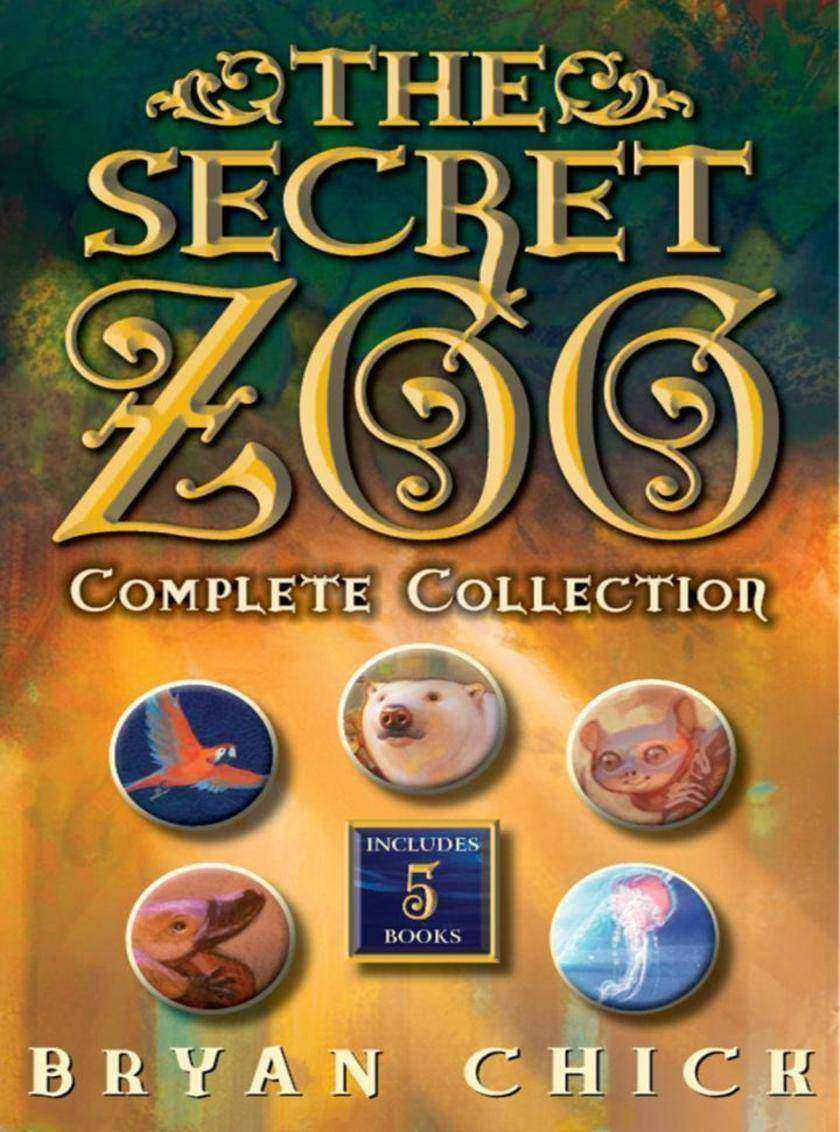
Five complete books in one! Noah, Megan, Richie, and Ella are the Action Scouts: friends whose tree house overlooks the Clarksville City Zoo. When they discover a magical world hidden within the zoo, they are swept away on an adventure in which penguins can fly, a mysterious figure lurks in the shadows, and the scouts are enlisted to help Mr. Darby, who is in charge of the Secret Zoo.The Secret Zoo: Noah, his sister Megan, and their best friends, Richie and Ella, live next door to the zoo. Megan is the first to notice the puzzling behavior of some of the animals. One day Megan disappears, and her brother and their friends realize it's up to them to find her. Once inside, will they discover there's much more to the Clarksville City Zoo than they could ever have guessed?The Secret Zoo: Secrets and Shadows: Noah and his must train to become Crossers, members of a secret society who freely travel to the Secret Zoo and back, helping to defend its borders. But now that the monstrous sasquatches are on the loose and the evil Shadowist is plotting destruction, will Noah, Megan, Ella, and Richie have what it takes to survive?The Secret Zoo: Riddles and Danger: Will the scouts be able to fight against the dangerous sasquatches who have escaped the zoo and threaten their town?The Secret Zoo: Traps and Specters: On Halloween night, Noah and his friends must battle terrifying sasquatches that have attacked their own elementary school. Little do they know the sasquatches are a trap! When DeGraff captures three of Noah's friends, can the kids ally with their rivals in order to save every person and animal in the zoo—all while dodging the town's police?The Secret Zoo: Raids and Rescues: Even in the Secret Zoo, there are dangers . . . and forbidden places. When the scouts' friends are held in the off-limits sector—a never-ending maze of aquariums—Noah, Megan, Richie, and Ella must be at their most courageous.

Nature of Diversity
¥376.70
All living things on earth-from individual species to entire ecosystems-have evolved through time, and evolution is the acknowledged framework of modern biology. Yet many areas of biology have moved from a focus on evolution to much narrower perspectives.Daniel R. Brooks and Deborah A. McLennan argue that it is impossible to comprehend the nature of life on earth unless evolution-the history of organisms-is restored to a central position in research. They demonstrate how the phylogenetic approach can be integrated with ecological and behavioral studies to produce a richer and more complete picture of evolution. Clearly setting out the conceptual, methodological, and empirical foundations of their research program, Brooks and McLennan show how scientists can use it to unravel the evolutionary history of virtually any characteristic of any living thing, from behaviors to ecosystems. They illustrate and test their approach with examples drawn from a wide variety of species and habitats.The Nature of Diversity provides a powerful new tool for understanding, documenting, and preserving the world's biodiversity. It is an essential book for biologists working in evolution, ecology, behavior, conservation, and systematics. The argument in The Nature of Diversity greatly expands upon and refines the arguments made in the authors' previous book Phylogeny, Ecology, and Behavior.

Cedar Cove Collection (Books 1-6)
¥376.21
Perfect for fans of Maeve Binchy' - Candis Welcome to Cedar Cove – a small town with a big heart! Step into the wonderful world of Cedar Cove with the first six books in Debbie Macomber’s bestselling series bundled together for an indulgent escape. Including: 16 Lighthouse Road, 204 Rosewood Lane, 311 Pelican Court, 44 Cranberry Point, 50 Harbour Street and 6 Rainier Drive. Make time for friends. Make time for Debbie Macomber.
读懂三国:三国演义+三国志+易中天品读
¥375.00
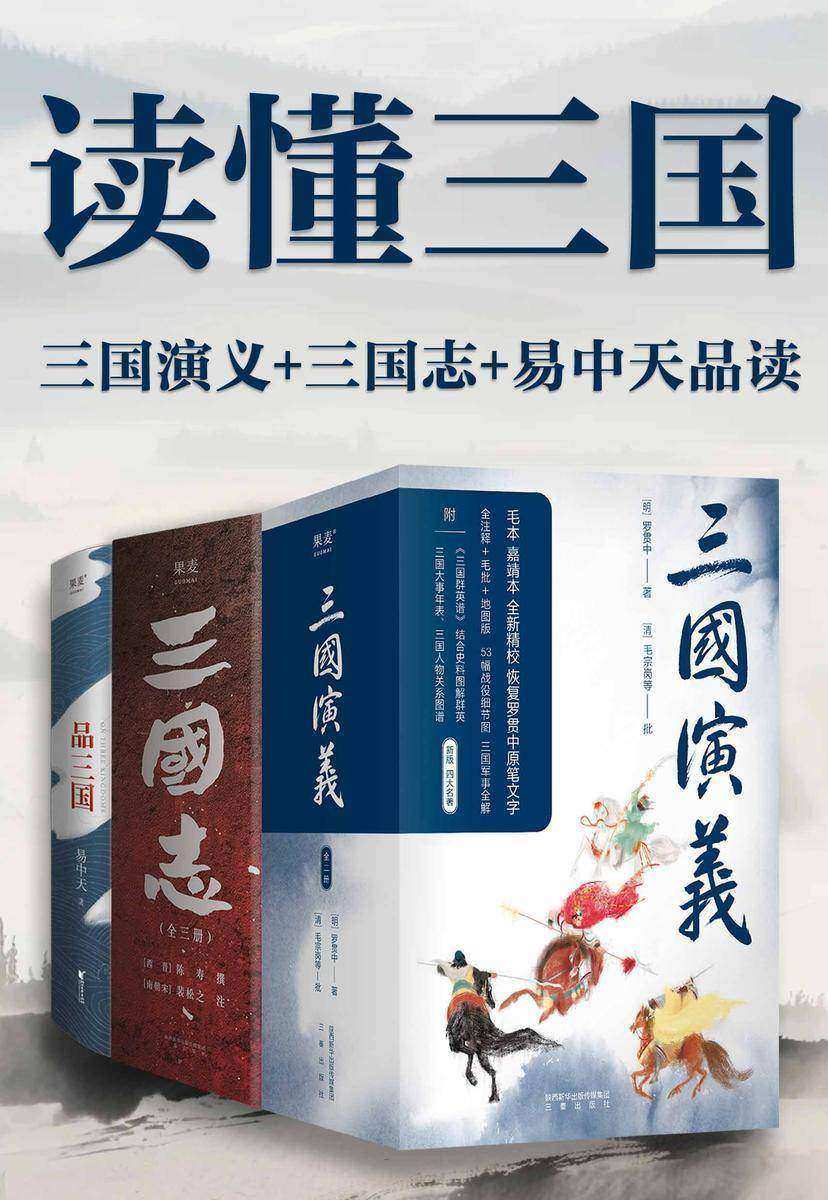
【读三国,更要品味三国】 读过三国的人未必真正读懂三国!为什么曹操被称作“治世之能臣,乱世之奸雄”?诸葛亮的《出师表》里藏着怎样的权力密码?赤壁之战背后竟有多层博弈逻辑? 三国演义+史书原文+易中天品读,一套带你细品三国、读懂三国。
GB 50233-2014 110kv~750kV架空输电线路施工及验收规范 (英文版)
¥375.00
中华人民共和国住房和城乡建设部公告 2019年 第338号 住房和城乡建设部关于发布《电气装置安装工程 接地装置施工及验收规范》等10项工程建设标准英文版的公告 现在批准《电气装置安装工程 接地装置施工及验收规范》(GB 50169-2016)《±800kV直流换流站设计规范》(GB/T 50789-2012)《1000kV系统电气装置安装工程 电气设备交接试验标准》(GB/T 50832-2013)《光伏发电站施工规范》(GB/T 50794-2012)、《光伏发电工程验收规范》(GB/T 50796-2012)、《电气装置安装工程 电气设备交接试验标准》(GB 50150-2016)《电力设施抗震设计规范》(GB 50260-2013)《110kV~750kV架空输电线路施工及验收规范》(GB 50233-2014)、《电气装置安装工程 串联电容器补偿装置施工及验收规范》(GB 51049-2014)英文版。工程建设标准英文版与中文版出现异议时,以中文版为准。 工程建设标准英文版由住房和城乡建设部组织中国计划出版社出版发行。 中华人民共和国住房和城乡建设部 2019年12月11日
SH/T 3096-2012 高硫原油加工装置设备和管道设计选材导则 (英文版)
¥375.00
SH/T 3096-2012 高硫原油加工装置设备和管道设计选材导则 (英文版)

GB 50387-2006 冶金机械液压、润滑和气动设备工程安装验收规范 (英文版)
¥375.00
GB 50387-2006 冶金机械液压、润滑和气动设备工程安装验收规范 (英文版)
GB/T51075-2015选矿机械设备工程安装规范(英文版)
¥375.00
《选矿机械设备工程安装规范(英文版 GB/T 51075-2015)》是根据建设部建标[2006]136号文《"关于印发"2006年工程建设国家标准制定、修订计划"的通知》的要求,由中国三冶集团有限公司会同有关单位共同编制完成的。 《选矿机械设备工程安装规范(英文版 GB/T 51075-2015)》在编制过程中,编制组行了广泛的调查研究,认真总结了我国近20年来选矿机械设备工程及验收等方面的经验,广泛征求了有关单位和专家的意见,对规范条文反复讨论修改,*后经审查定稿。 《选矿机械设备工程安装规范(英文版 GB/T 51075-2015)》共分9章,包括总则,术语,基本规定,设备基础、地脚螺栓和垫板,设备和材料场,破碎粉磨及筛分设备,分级及选别设备、脱水设备、给矿排矿设备等。


