


 购物车
购物车 个人中心
个人中心

山海经里的博物学(6册)(国内DI一部以动物学门类划分主题,一口气就能读明白《山海经》里的动物知识大百科!中国科学院动物研究所程超源博士和古生物专家刘森老师把控审校)
¥245.00
大奇和小遇是一对热爱动物的兄妹。有一天,爸爸妈妈领着他们参观野生动物园,在一阵野鸭鸣叫声的指引下,兄妹俩无意间了山海经野生动物园的大门。那是一个与众不同的动物园,分为六个场馆:飞鸟云集的羽门馆、猿猴长啸的禺门馆、野兽凶猛的毛门馆、龟蛇交缠的昆门馆、蛙声一片的蠃门馆,还有鱼跃江海的鳞门馆。 大奇和小遇很快被眼前奇异的景象迷住了,而这只是他们走山海经野生动物园的步。在这里,他们遇见了博学的大眼睛老师,还有两个来自远古时空的好朋友——小山和小海。大家一起登上观光车,将在这个美丽而神奇的世界中畅快地遨游,他们会见到什么样的神奇动物呢?
第八届亚洲西班牙语学者协会国际研讨会论文集
¥245.00
-------------------------------------------------

走向艺术城市
¥245.00
城市是人类文明的摇篮。对于一座城市而言,其所富有的特质由物质塑形,也由理念铸就。今天,文化艺术已成为城市发展的动能,是一座城市最有价值的不动产。本书记录了作者从一位雕塑家转变为一名教育者、公共艺术研究者和实践者的心路历程,展示了其在不同时期创作的一些代表性艺术作品。同时,作者在研究与创作过程中,逐渐形成了“艺术城市”生态系统理念,认为未来城市发展需要创造性的自由生长,艺术的张力将源源不断启发城市生命的魅力,城市与艺术交会融合,从城市艺术走向艺术城市。
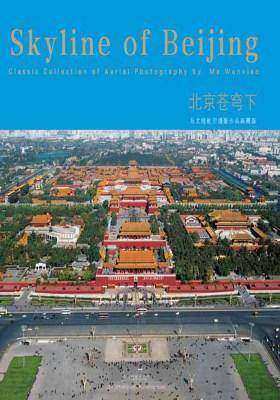
北京苍穹下
¥244.99
《北京苍穹下:马文晓航空摄影作品(典藏版)》是一本以航拍北京为主题的摄影作品集。鸟瞰式的影像记录,往往不代表一个个人的视觉素养。《北京苍穹下:马文晓航空摄影作品(典藏版)》中的照片不仅仅成就了他的爱好,也见证了一个城市岁月留痕的寻常与不凡。

清宫之晚来天欲雪
¥244.99
【宫斗+嫡女+虐恋】 不惧深宫似海,只求偕老白头。深宫里的女人,能盼到吗? 她是高门嫡女,当今皇贵妃的嫡妹,本想在宫外自由自在,却被一道选秀旨意接入宫中。 困顿无奈时发现,当今皇上正是心悦之人。本以为,依着自己的家世和皇上的疼爱,能在宫中富贵相依,与君同老,却不想深宫不是自己想的那么简单。 她小心翼翼,步步为营,却遇到那一件件匪夷所思的事情,皇八女的幼殇,张庶妃的委屈,安嫔的心计,无七的嫌疑,冷宫的密道……,让她与皇上渐渐有了隔阂。 且看她如何弄清真相,追回高冷帝王的心。
苗疆蛊事2
¥244.99
温馨提示: 本书共19卷,共计428万余字,由于全文章数较多,如有阅读不便之处,敬请谅解。 内容简介:巫蛊之祸,自西汉起延续几千年,屡禁不止,直至如今,国学凋零,民智渐开,在大中国,唯乡野之民谈及,许多“缘来身在此山中”的人都不知不晓不闻。而巫蛊降头茅山之术,偏偏在东南亚各地盛行,连香港、台湾之地,也繁荣昌盛,流派纷起。 诸位好友,真的认为华夏大地无奇人焉?然也?——否!否!否! 苗疆青年陆言,回乡途中,误被人害,下了恐怖之蛊毒,在生死求存之中,却发现自家亲戚之中,居然有一位更加恐怖的苗疆养蛊人,而倒霉的是,求医问药的他陷入了一场关于某位大人失踪的悬疑奇案之中,挣脱不得…… 天山之后,并非末法,旧人落,新人出,黑恶势力卷土重来,曾经的朋友却化身做了敌人,危机重重,幕后黑手呼之欲出,又有域外势力逐鹿中原,上演八国联军之态势,华夏黯淡,谁能扛起新时代的旗帜,走出一条不属于别人的道路? 化外之地,又有谁能与三十四层剑主一决雌雄? 一切,尽在《苗疆蛊事II》。

理想国M译丛 帝国陨落系列(全五册)
¥244.80
本书栩栩如生地重现了*次世界大战的中东,描写奥斯曼帝国在*次世界大战中扮演的角色。中东是地缘政治的关键,奥斯曼帝国得到德国金钱、武器和军事顾问的支持,向英法俄军队战。土耳其人在加利波利、美索不达米亚和加沙,给协约国以决定性的,然而战局逆转。巴格达、耶路撒冷、大马士革相继陷落。战后胜利者瓜分奥斯曼帝国,种下了现代阿拉伯世界永无止境的冲突根源。

决策思维八部曲(西奥迪尼、贝尔经济学奖得主、行为经济学之父丹尼尔·卡尼曼等行为科学大师助你理解他人心理,远离决策噪声,应对决策偏差,帮你重塑决策框架,做聪明的决策者)
¥243.90
影响力 自出版以来,《影响力》就一直是畅销佳作。由于它的影响,说服得以成为一门科学。无论你是普通人还是为某一产品或事业观点游说的人,这都是一本基本的书,是你理解他人心理的基石。心理学家罗伯特·西奥迪尼为我们解释了为什么有些人具有说服力,而我们总是容易上当受骗。隐藏在冲动地顺从他人行为背后的6大心理武器,正是这一切的根源。那些劝说高手们,总是熟练地运用它们,让我们就范。经过近7年的潜心研究,西奥迪尼发现了di7种心理武器——联盟,将6种心理武器扩展为7种;书中更新内容多达10万字,包括近10年行为心理学新研究与新发现,近5年上百个商业、管理、科技、个人成长、家庭教育等方面的quan新案例。 quan球畅销35载,畅销5000000册,社会心理学领域的“现代汉语词典”。本书被引述率高居社会心理学之冠,曾获得美国心理学会、美国心理学基金会年度大奖提名。是《财富》杂志推荐的75本商业书;在中国,《影响力》系列书系常年位居各大网络、地面书店管理畅销榜单前10名。 噪声 想象一下,两名医生对相同的病人给出了不同的诊断;两名法官对犯了同罪的嫌疑人给出了不同的判决。再想象一下,同样的医生、法官或决策者做出了不同的决策,而这种决策仅仅取决于决策是在什么时间做出的。这些不同决策背后的罪魁祸首,就是“噪声”。 《噪声》是诺贝尔经济学奖得主、“行为经济学之父”丹尼尔·卡尼曼携手决策领域专家奥利维耶·西博尼和卡斯·桑斯坦共同推出的重磅新作,也是卡尼曼继畅销书《思考,快与慢》之后酝酿10年思考的quan球瞩目里程碑式巨作,行为科学领域又一重大发现。几十年来,大家都认为,偏差是导致人类判断出错的关键。但是今天,卡尼曼系统性地指出:噪声,才是影响人类判断的黑洞。 《噪声》一书通过系统性研究,通过两个公式揭开了“判断出错”的本质,并且通过对三种噪声的系统性分析带你直击噪声。并且,从六大部分阐述了“噪声”:从寻获噪声到探究人类判断的本质,从预测噪声到阐释噪声的主要原因,从探讨如何改进判断和防止错误的的实际问题,一直延伸到什么才是合适的噪声水平。”“噪声”是随机的,但却是致命的。卡尼曼在书中提出了6大原则,帮你重塑决策框架,做聪明的决策者。同时,卡尼曼更是精妙地附上了“审查噪声”的使用指南,以及写给决策者的“观察者清单”。 如果说《思考,快与慢》击退的是人类判断过程中面对的敌人“偏差”,那么《噪声》要绝杀的就是其中的另一大隐形敌人——噪声。阅读本书可以助你重塑自己的决策框架,远离噪声,做聪明的决策者。 诺贝尔经济学奖得主、行为经济学之父丹尼尔·卡尼曼,继《思考,快与慢》后酝酿10年思考的quan球瞩目里程碑式巨作,行为科学领域又一重大发现。 助推2.0 卡斯·桑斯坦从行为经济学、心理学、法学、哲学等各个领域入手,探讨了助推是如何改变社会和我们的生活的,告诉我们那些看似微小的扰动是如何引发巨大的变化的。 桑斯坦从行为科学入手,探讨了助推作为改变工具的优势与局限。助推是一种保留选择的干预措施,由行为科学提供信息,可以很大程度上影响人们的选择。有哪些非常重要的助推手段?评估助推的标准是什么?我们究竟该往什么方向助推?什么时候助推会失败?当助推失败时,我们应该怎么做?助推与道德的关系是什么?助推与强制手段之间的关系是什么?助推是如何改变社会和我们的生活的? 福格行为模型 在这本书中,福格博士亲自拆解了他提出的福格行为模型,揭示了驱动人类所有行为的3个关键要素,解析了每一个要素在驱动人类行为中的重要作用,提供了激发每一个要素以更好地推动行为改变的有效方法。此外,福格博士还给出了让福格行为模型更好地发挥作用的两个方法,通过设计情绪来设计行为,通过打造高频率小成功让小改变自然生长。 本书不仅能够帮助人们毫不费力地养成好习惯,也能够指导人们成功对抗坏习惯;不仅能够帮助个人实现改变,也能够帮助群体直面挑战。只要掌握福格行为模型的精髓并加以灵活运用,每个人都能够轻松改变自己的工作与生活,成为自己想要成为的那个人。 本书给出了福格行为设计工具箱,包含15种人生情景与挑战、300个微习惯配方、100种庆祝方式,手把手地教你减重、减压、改善睡眠质量、摆脱坏习惯、提升效率…… 偏差 本书作者奥利维耶·西博尼多年来一直致力于提升决策品质,他曾在麦肯锡咨询公司担任决策顾问长达25年。他发现,很多公司的商业决策乃至战略决策竟然都是错误的。在有大量的“前车之鉴”,且数据证据表明这些决策大概率会导致失败,甚至会带来灾难性后果的情况下,很多决策者依然会重蹈覆辙。认知心理学方面的研究发现,这些决策错误是由认知偏差导致的,会让决策者误入歧途,掉进决策陷阱。 因此,在这本书中,西博尼利用数十个引人入胜的案例,展示了认知偏差如何经常导致我们所有人陷入9个常见的决策陷阱的,甚至包括那些知名商业巨头。并将常见的认知偏差按照逻辑归为5种更容易记住的类别。 西博尼认为,避免认知偏差陷阱的好方法是在你的组织中构建一个有效的决策架构,而不是重复使用那些让管理者一次又一次失败的老“去偏见”技术。这是一套利用集体智慧帮助决策者做出决策的技术和流程体系,并提供了3大类共40种具体的决策技巧。这是从行为经济学和认知心理学的发展中提炼出的可操作的工具,可以帮你做出有效决策。 模型思维 工作中,你在团队中是不是不可替代的人? 爱情上,为什么异地恋的相聚能够带来很大的幸福感? 游戏中,选择什么样的策略才能在各种游戏中立于不败之地? 现实社会中,为什么很少有女性成为CEO?为什么披头士的歌曲会那么流行? …… 关于这些问题的正确答案,都可以用斯科特·佩奇新书《模型思维》中的模型来回答。斯科特·佩奇是风靡quan球的“模型思维课”主讲人,有超过100万各行各业的人反复学习并从中受益。新书《模型思维》讲解了24种模型,从线性回归到随机漫步,从博弈论到合作,涵盖学习、工作、生活等方方面面——这些有趣的模型可以把任何人变成天才。 芒格说:“要想成为一个有智慧的人,你必须拥有多个模型。”这是一个数据爆炸的时代,数据充斥着我们的工作与生活,但仅拥有数据是远远不够的,必须学会让数据说话。模型就是让数据说话的秘诀,模型将帮助我们所有人从掌握信息提升到拥有智慧。 本书中的24种模型就是一个应对复杂世界的思维工具箱。各行各业、各种需求的所有人都可以根据此书建立专属于自己的思维工具箱,成为一个多模型思考者。它将帮助你整理数据、提取信息、去伪存真,在决策时让你知道选择什么样的模型,选取一个模型还是几个模型。而这是现代高手的一种大智慧。 像高手一样行动 《一万小时天才理论》作者丹尼尔?科伊尔采访了商业、科技、体育、艺术、音乐、数学等众多领域的大量专家,发现并总结出很多可以提升技能的简单原则。通过亲自实践,从中精选出52条zui具实用性的原则,集结成这本作品。 亚里士多德说过:“重复的行为造就了我们。因此, 卓越不是一种行动,而是一种习惯。”按照书中提供的52条原则去塑造自己的习惯,读者就可以实现每周铭刻一个微习惯,每年精进一个新技能的美好愿望,zui终成就卓越人生。 反直觉 为什么明知成功的可能性很小,你仍然相信自己会成功? 购物时,选择A或B,会受到超市播放的音乐的影响吗? 为什么你在制订工作计划时信心满满,却无法按时完成? 当群体的意见与专家的意见不一致时,我们该听谁的? 为什么人们会买涨不买跌? 为什么人们愿意听信传闻? “水逆”到底是因为什么? 连战连胜源自实力还是运气? “聪明反被聪明误”这句话有力地证明聪明人也会犯错,因为他们的“心智软件”和普通人的心智软件具有相同的出厂设置,而设计这个软件的初衷并不是应对今时今日的许多问题的。因此,我们的大脑经常会凭直觉思考问题,进而做出糟糕的决策。 在《反直觉》一书中,作者莫布森指出:人们做出糟糕的决策,是因为受到视野狭窄、认知偏差、情境控制等多种因素的影响,但更糟的是,很多人对自己受到的影响一无所知。莫布森通过商业、医疗、管理、教育等多个领域的真实案例,运用心理学、神经科学、复杂科学、经济学原理,深入剖析了人们在做决策过程中是怎样掉入直觉陷阱的,并且给出了切实可行的应对方法——反直觉思考。阅读《反直觉》,你将获得仅凭直觉做判断时不具备的优势,做出比周围人更好的决策。

Scars of Project 459
¥243.09
The Scars of Project 459 tells the environmental story of the Lake of the Ozarks, built by the Union Electric Company in 1931. At 55,000 acres, the lake was the biggest manmade lake in the United States at the time of its completion, and it remains the biggest in the Midwest, with 1,100 miles of shoreline in four different Missouri counties. Though created to generate hydroelectric power, not for development, the "e;Magic Dragon,"e; as it is popularly known because of its serpentine shape, has become a major recreational area. Located in some of the most spectacular Ozark scenery, the giant lake today attracts three million visitors annually and has more than 70,000 homes along its shoreline. Traci Angel shows how the popularity of the Lake of the Ozarks has resulted in major present-day problems, including poor water quality, loss of habitat, and increasing concerns about aging waste-management systems for the homes surrounding the lake. Many in the area, especially business owners whose incomes depend on tourism, resist acknowledging these problems. The Scars of Project 459 aims to make public the challenges facing this important resource and ensure that its future is not to be loved to death.
建设公正高效权威的社会主义司法制度研究(全四卷)(国家哲学社会科学成果文库)
¥243.08
《建设公正高效权威的社会主义司法制度研究(套装全4卷)》在分析我国司法制度现状的基础上,对其中涉及的法理学、宪法学、刑事法、民法等部门法行深的分析和论证。全书共计四个子课题:一:建设公正、高效、权威的社会主义司法制度之法理学分析。从非常宏观的角度全面论述了建立我国公正、高效、权威的社会主义司法制度的法理学基础。二:建设公正、高效、权威的社会主义司法制度之宪法性构造。主要围绕建设公正高效权威的司法制度之宪法性构造而展。三:建设公正、高效、权威的社会主义刑事司法制度。主要是完善我国刑事诉讼法律四:建设公正、高效、权威的社会主义民事司法制度。从如何构建公正、高效、权威民事诉讼法律的角度出发制度的路径,围绕刑事诉讼法律制度的侦查权、检察权、审判权、刑罚执行等方面展。

探索日本民艺之美:柳宗悦文集(全4册)
¥242.99
“日本民艺之父”“超接地气美学家”柳宗悦作品集,全新译本!套装共4册,分别为《工艺文化》《日本手工艺》《民艺四十年》《茶与美》 《工艺文化》:探究了何为工艺、工艺的诸多特点、工艺为何是美的等诸多命题。 《日本手工艺》:20年间不断地探寻真正具有美的生活道具,为读者介绍手工艺品的美好品质。 《民艺四十年》:柳宗悦创造了“民艺”这一新的美学概念,开启民艺运动,创办《工艺》杂志,创建日本民艺馆,在漫长的40年里,坚定地从无名工匠的日常用具中发掘真正的美。 《茶与美》:经典传世之作,关于茶与美这一主题的散文集。深入探究茶的精神、美的内核,阐述收藏的法与道。

反骗案中案 完结版(全5册)
¥242.70
据传,江湖骗术分为八大门派。他们之间分工明确,交流使用行内黑话,外人无法理解。二十年前,八大骗合作实施的一起诈骗案,至今无人能解。 今年,一起特大跨国诈骗案中重新出现了八大骗的踪迹,中州市反诈骗中心主任俞骏接到任务,要在三个月内建立一支通晓市井江湖、精研此类犯罪的警务人员队伍。自小混迹市井、既懂骗术又懂刑侦的奇才斗十方,在追讨被骗手机时被意外选中。他打入骗子窝中当卧底,不断挖掘出案件背后越来越多的真相……
后浪汗青堂·帝国开拓者(套装共四册)
¥242.40
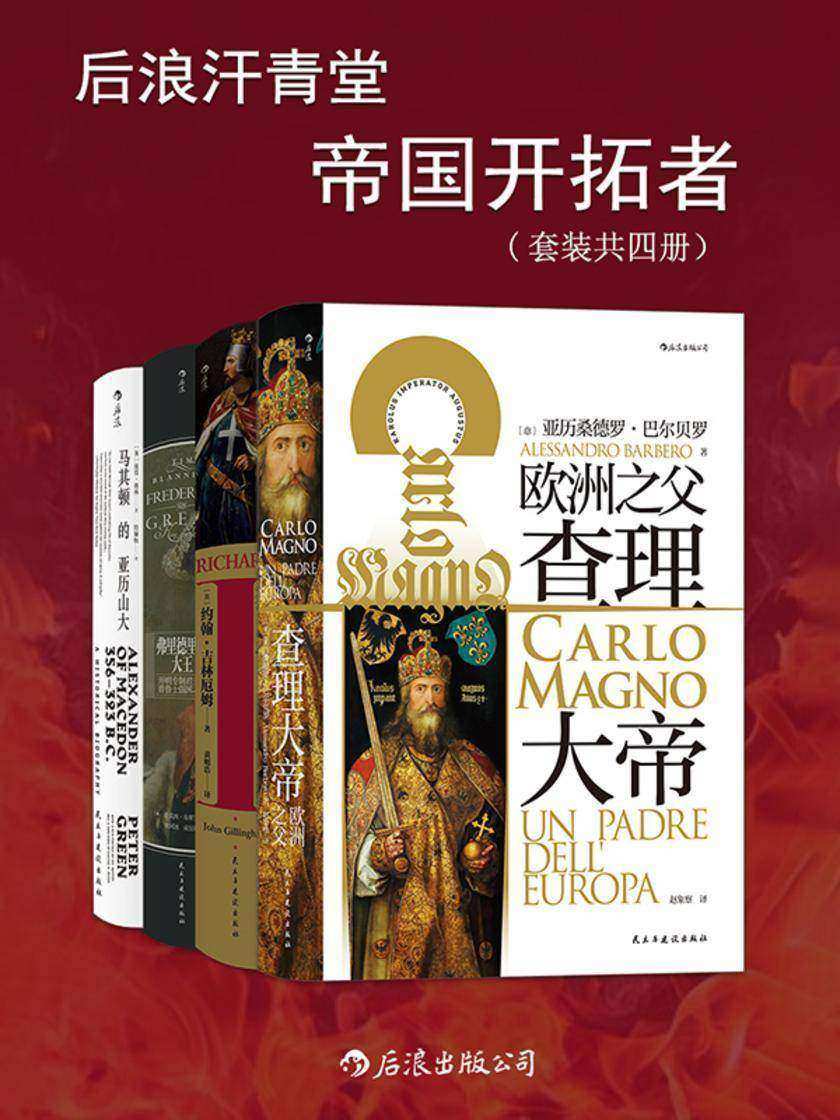
《查理大帝:欧洲之父》 800年圣诞节,法兰克国王查理加冕为罗马人的皇帝。这是一位塑造欧洲的帝王。巴尔贝罗栩栩如生地描绘了查理大帝的外表、品位、习惯、家庭生活、思想和举止。作者还展开了法兰克王国和加洛林帝国的整体史,展现了查理大帝统治帝国的方法,如何保障司法,如何组织战争;也描绘了当时的日常生活、经济活动以及宗教观念。他分析了封建制度在加洛林帝国的发展,奴役和自由观念的转变,由此说明皇帝的战争给帝国政治和社会结构带来的剧烈变化。 《狮心王理查》 在世界历史上的诸多伟业中,独一无二、冠绝英格兰诸王的理查一世都扮演着积极的主导角色,任何一位君主都未曾面临过他在第三次十字军东征中面对的种种艰巨挑战。数个世纪以来,理查也因他的十字军功绩被视为*伟大的国王之一,然而近代以来的历史学家们却开始对理查严加指责,认为他疏于管理内政,将他视为一位冒失的统治者和不称职的丈夫。 在这部权威著作中,约翰·吉林厄姆教授详细研究了导致理查评价褒贬不一的种种原因,并对理查治理国家的情况进行了论述,提出了令人信服的新观点。本书还附有一份经过更新的参考文献列表,以供读者查阅。 《弗里德里希大王:开明专制君主与普鲁士强国之路》 在欧洲历史上,很少有像弗里德里希大王这样伟大的人物。当他在1740年继承普鲁士王位时,他统治的是一个领土分散的弱小王国,到他的统治结束时,普鲁士已经跻身欧洲大陆的强国之列。 在本书中,历史学家蒂莫西·布莱宁为我们*描绘了这位在拿破仑之前半个世纪,主宰欧洲政治、军事和文化生活的国王。 弗里德里希有着复杂多面的性格,他有时是冷酷无情的君主,有时是运筹帷幄的战场指挥官,有时是热心的艺术赞助人,他还与伏尔泰等那个时代的其他主要思想家保持着活跃的联系。 蒂莫西·布莱宁这本宏大的传记讲述了弗里德里希精彩的一生,以及在他统治下,普鲁士在政治和文化上的彻底变革。读者可以深入这位伟大君主的内心,也能更好地理解普鲁士崛起为欧洲强国的历程。 《马其顿的亚历山大》 本书是众多亚历山大传记中的一部里程碑式著作,作者彼得·格林在一个多世纪以来的亚历山大学术史的基础上,一方面充分利用了现代考古学的成果,一方面对传统史料做出了别具一格的选用和甄别,栩栩如生地描述了亚历山大的一生。在书中,他拨开了围绕在亚历山大身上的诸多迷雾,让读者得以窥视这位世界征服者复杂的内心世界,成功刻画了一位集军事天才、独裁者和伟大领袖于一身的人物。彼得·格林曾在雅典教学多年,十分熟悉希腊的地理状况,多年翻译古希腊诗歌的经验让他具备了出色的文学素养,因此,前希腊化时代地中海世界的风貌在他的笔下生动地呈现出来,让读者获得一种沉浸式的阅读体验。

给科学家的科学思维(套装10册)(“科学大师”书系经典作品,爱因斯坦之后科学走向何方?世界知名物理学家引领读者欣赏科学之美)
¥241.80
给科学家的科学思维 科学家什么时候能够迎来事业?科学创新的生命周期是多久?职业生涯中出现突破性进展的迹象是否存在?什么样的合作会带来成功?年轻的科研人员如何将成功概率zui大化?我们经常忽略这样一个事实:即使是成功的科学家,对科学的认知可能也是有限的。有人认为科学家取得成功是天赋、实力、运气共同作用的结果,但没人能说清这些因素在其中所占比重,以及是否存在其他影响因素。 科学学与网络科学研究权威王大顺,网络科学奠基人、畅销书《爆发》《链接》《巴拉巴西成功定律》作者巴拉巴西通过网络科学前沿研究,借助先进的工具定量分析科学自身的演化规律,以及科学家职业生涯的影响因素,揭示事业成功、团队常胜以及影响力升级中的客观规律。 量子力学的真相 春天的早晨,从窗户涌进来的空气带着花园里的清新气息,这个 “奇迹”是如何发生的? 分子如何被微风吹动,又如何经鼻子转化成令人感到愉悦的气味? 每天早晨醒来的“我”是谁 ?当这个“我” 睁开双眼时,周围的宇宙又是什么? …… 在这个量子力学的时代,关于我们的存在以及我们与这个世界之间关系的这些基本的问题,仍是未解之谜。而爱因斯坦和其他现实主义者相信:量子力学理论是不完备的。 斯莫林教授用3幕故事带领我们走进量子力学的世界,了解那些自量子力学诞生以来就一直困扰着人们的概念问题和严重分歧。di一幕他会讲述我们在探究量子力学发展轨迹时所需的基本的量子力学概念。di二幕他将带我们追溯了从 20 世纪 50 年代开始的现实主义量子力学方法的复兴,并且阐述它们的优缺点。斯莫林认为:正确且完备的量子力学理论不仅能够解决量子引力的问题,还能给出一套完整的宇宙学理论。di三幕斯莫林将介绍包括自己在内的当代物理学家为构建现实主义的万物理论所付出的努力。 量子力学,是一个充满悖论与神秘色彩之地,欢迎所有人来到新的科学时代。 李?斯莫林讲量子引力 围绕“时间和空间的本质是什么”以及“观察者与他们观察到的系统有着怎样的关系”两个问题,李?斯莫林介绍了目前宇宙学研究领域对于量子引力理论的三条主要研究路径:相对论(产生了圈量子引力理论)、量子理论(产生了弦理论)和从基本原理出现形成新的理论(黑洞热力学)。 量子引力理论是人类试图构建“万物理论”的一个重要尝试。李?斯莫林用简单明了的术语向我们解释科学家所理解的量子世界,还讲述了科学发现背后的迷人故事,风格独特、笔触清晰,直击宇宙深层问题,让我们得以预见量子引力理论令人瞩目的未来发展。 神秘的量子生命 在整个科学领域,量子力学是zui具影响力的重要理论。没有量子力学,我们就无法解释世界是如 何运转的,比如:知更鸟长途迁徙时是如何通过微弱的地球磁场感知方向的?小丑鱼是如何找到回家之路的?光合作用中能量的传递效率为什么 那么高?对所有这些问题的解答,都离不开量子 力学,离不开量子隧穿、量子相干性和量子纠缠。 酶促反应,光合作用,嗅觉,鸟类的磁感应,基因的复制,心智之谜,生命的起源,这种种现象都与神秘的量子世界有关。物理世界有三个层次,di一层是宏观世界,遵循牛顿运动力学法则,di二层次是热力学世界。遵循热力学法则。zui深的di三层是量子世界。在这个维度里,原子、分子以及组成它们的所有成分粒子都遵循精确而有序的量子规则。 人造生命一定要遵循量子理论,因为没有量子力学,就不会有生命。费曼说过:“凡是我做不出 来的,就是我还不理解的。”如果有一天,人造 生命真的成为现实,那将意味着我们终于理解了生命的本质。我们将会看到:生命正驾驭着混沌 之力,在经典世界与量子世界之间狭窄的边缘上, 乘风前行! 理论zui小值:经典力学 《理论zui小值:经典力学》是理论物理学家、弦论创始人莱昂纳德?萨斯坎德联合物理爱好者乔治?拉保夫斯基的quan新作品。quan书的结构简洁,语言优雅,是一本经典物理学的入门书。在国外一经上市,就得到了广大师生的追捧。 萨斯坎德和乔治?拉保夫斯基善于运用清晰的逻辑一步步让读者对他们所讲述的内容进行理解,他们通过11讲,讲述了经典物理学的本质,揭示了运动、动力学、能量、zui小作用量、对称性和守恒定律以及角动量、电力与磁力等关键原理与概念。旨在引领读者去欣赏理论物理之美,深入浅出,层层推进,引人入胜。 宇宙的起源 回答现代宇宙学家必须面对的终极问题,用简明扼要的文字详述宇宙诞生的奥秘,一本人人读得懂的宇宙学科普著作。 所有你关心的宇宙学话题:宇宙大爆炸、时间的起点、宇宙的基本粒子、宇宙探测、新的宇宙研究视角、各类宇宙模型(宇宙的构成、静态宇宙模型、循环宇宙模型、恒稳态宇宙模型、膨胀宇宙模型)……都可以在本书中找到! 世界著名宇宙学家约翰?巴罗经典之作,被译成28种语言、风靡多个国家和地区,深受世界各地读者的喜爱与追捧! 基因之河 基因从何而来?它又将走向何方?理查德?道金斯以其特有的智慧和对复杂事物条分缕析的能力让我们得以直面这些谜题。《纽约时报》将他的写作风格描述为“那种让读者感觉自己像个天才的写作”。 《基因之河》是理查德?道金斯在继《自私的基因》之后的又一经典作品,一本以现代生物学观点来解释生命进化过程的科普读物。道金斯将生命的进化过程比作一条基因之河,在时间长河中,基因相互碰撞和重组,不断分叉,不断消亡。值得一提的是,道金斯还在书中分析了实现生物信息在宇宙范围内爆炸需要跨越的各个可能门槛,让我们得以对生命未来会走向何方有所想象。 性的进化 男性为什么不哺乳? 人类为什么会为了享乐而不是生育而性交? 为什么只有人类女性会经历更年期? 为什么人类男性会成为数不多的照顾后代的哺乳动物之一? …… 关于人类性征的进化,没有人比贾雷德?戴蒙德更有资格做出解释。本书力图解释人类的性行为是如何演变为现在的模式的,包括女性的绝经期、人类社会中男性的角色、离群性交、为取乐而非传宗接代的性交,以及女性乳房早于发挥喂乳功用时的隆起等。通过一个个有趣的案例,戴蒙德帮助我们梳理了人类性征进化历程的多个方面,写出了一部迷人的、令人惊叹的经典之作。 《纽约时报》畅销书。作者运用科学推理的写作方法,带令读者踏上了一场探索人类性征进化的绝妙旅程。从一个谜团到另一个谜团,在抽丝剥茧般的叙述下,讲述有关人类的性与爱的永恒主题! 那些zui重要的科学新发现 “世界上zui聪明的网站”Edge,每年一次,让quan球众多伟大的头脑坐在同一张桌子旁,共同解答关乎人类命运的同一个大问题,开启一场智识的探险,一次思想的旅行! 你认为当前zui重要的科学新发现是什么?在这本引人入胜的书中,Edge创始人约翰?布罗克曼携手哲学家与心理学家史蒂芬?平克、天体物理学家李?斯莫林;宇宙学家保罗?戴维斯;社会学家尼古拉斯?克里斯塔基斯;教育学家霍华德?加德纳;未来学家凯文?凯利;基因编辑先驱乔治?丘奇,以及艺术家、发明家、企业家等多个领域的186位思想家,给你带来一场拓展科学思维的大思考。 186位来自不同领域的思想家提出了186个应该广为人知的科学新概念,涉及哲学、心理学、物理学、天文学、艺术、生物学、神经科学、语言学等多个学科,带给你一场脑力的激荡。 那些科学家们彻夜忧虑的问题 每年1次,世界上zui聪明的网站Edge集结100位zui伟大的头脑坐在同一张桌子旁,共同解答关乎人类命运的同1个大问题,为你开启一场智识的探险,一次思想的旅行! 近未来,我们需要忧虑哪些重大的科学问题? 本书编者约翰·布罗克曼召集了152位世界ding尖的科学家和思想家来回答这个“大问题”,触及物理宇宙、生命科学、人工智能、网络趋势、认知神经和心理学等诸多领域的zui前沿。 这本书将带你认识这些“zui伟大的头脑”,看他们在思考什么样的问题,从而开启你的脑力激荡。他们都是各个领域的“科学明星”,包括顶ji语言学家史蒂芬·平克、互联网思想家凯文·凯利、超级畅销书作家威廉·庞德斯通、“技术领域的弗洛伊德”雪莉·特克尔、“黑天鹅理论”的倡导者纳西姆·尼古拉斯·塔勒布、数字思想家尼古拉斯·卡尔等。 互联网大崩溃之后,我们要怎样生活? 增强现实技术会让我们变得更冷漠吗? 我们到底需不需要更多的机器人? 技术奇点会很快降临吗? 癌症是否与基因有关? 诸如此类的问题,你会在本书中找到属于自己的答案。 本书编者约翰?布罗克曼召集了152位世界ding尖的科学家和思想家来回答这个“大问题”,触及物理宇宙、生命科学、人工智能、网络趋势、认知神经和心理学等诸多领域的zui前沿。 这本书将带你认识这些“zui伟大的头脑”,看他们在思考什么样的问题,从而开启你的脑力激荡。他们都是各个领域的“科学明星”,包括顶ji语言学家史蒂芬?平克、互联网思想家凯文?凯利、超级畅销书作家威廉?庞德斯通、“技术领域的弗洛伊德”雪莉?特克尔、“黑天鹅理论”的倡导者纳西姆?尼古拉斯?塔勒布、数字思想家尼古拉斯?卡尔等。

新媒体运营从零开始(套装共10册)
¥241.40
“站在风口上,猪都能飞起来”,而今短视频风口正盛,谁能在风口上掌舵,谁就能坐享短视频红利。但局短视频不能光凭热情,还需要对短视频行业有深的了解和思考。 《零基础玩转短视频》致力于解决短视频行业局者的若干问题,分别就受众定位、创意策划、团队搭建、视频制作、吸粉引流、流量变现、营销推广、品牌塑造和内容电商几大方面的内容行介绍,帮助新手快速了解短视频行业格局,培养其具备从事短时行业的素质与能力。
African American Writers and Classical Tradition
¥241.33
Constraints on freedom, education, and individual dignity have always been fundamental in determining who is able to write, when, and where. Considering the singular experience of the African American writer, William W. Cook and James Tatum here argue that African American literature did not develop apart from canonical Western literary traditions but instead grew out of those literatures, even as it adapted and transformed the cultural traditions and religions of Africa and the African diaspora along the way.Tracing the interaction between African American writers and the literatures of ancient Greece and Rome, from the time of slavery and its aftermath to the civil rights era and on into the present, the authors offer a sustained and lively discussion of the life and work of Phillis Wheatley, Frederick Douglass, Ralph Ellison, and Rita Dove, among other highly acclaimed poets, novelists, and scholars. Assembling this brilliant and diverse group of African American writers at a moment when our understanding of classical literature is ripe for change, the authors paint an unforgettable portrait of our own reception of "e;classic"e; writing, especially as it was inflected by American racial politics.

Honest Courtesan
¥241.33
The Venetian courtesan has long captured the imagination as a female symbol of sexual license, elegance, beauty, and unruliness. What then to make of the cortigiana onesta-the honest courtesan who recast virtue as intellectual integrity and offered wit and refinement in return for patronage and a place in public lifeVeronica Franco (1546-1591) was such a woman, a writer and citizen of Venice, whose published poems and familiar letters offer rich testimony to the complexity of the honest courtesan's position.Margaret F. Rosenthal draws a compelling portrait of Veronica Franco in her cultural social, and economic world. Rosenthal reveals in Franco's writing a passionate support of defenseless women, strong convictions about inequality, and, in the eroticized language of her epistolary verses, the seductive political nature of all poetic contests. It is Veronica Franco's insight into the power conflicts between men and women-and her awareness of the threat she posed to her male contemporaries-that makes her literary works and her dealings with Venetian intellectuals so pertinent today.Combining the resources of biography, history, literary theory, and cultural criticism, this sophisticated interdisciplinary work presents an eloquent and often moving account of one woman's life as an act of self-creation and as a complex response to social forces and cultural conditions."e;A book . . . pleasurably redolent of Venice in the 16th-century. Rosenthal gives a vivid sense of a world of salons and coteries, of intricate networks of family and patronage, and of literary exchanges both intellectual and erotic."e;-Helen Hackett, Times Higher Education SupplementThe Honest Courtesan is the basis for the film Dangerous Beauty (1998) directed by Marshall Herskovitz. (The film was re-titled The Honest Courtesan for release in the UK and Europe in 1999.)

Fiela's Child
¥241.33
Set in nineteenth-century rural Africa, Fiela's Child tells the gripping story of Fiela Komoetie and a white, three-year old child, Benjamin, whom she finds crying on her doorstep. For nine years Fiela raises Benjamin as one of her own children. But when census takers discover Benjamin, they send him to an illiterate white family of woodcutters who claim him as their son. What follows is Benjamin's search for his identity and the fundamental changes affecting the white and black families who claim him."e;Everything a novel can be: convincing, thought-provoking, upsetting, unforgettable, and timeless."e;-Grace Ingoldby, New Statesman"e;Fiela's Child is a parade that broadens and humanizes our understanding of the conflicts still affecting South Africa today."e;-Francis Levy, New York Times Book Review"e;A powerful creation of time and place with dark threads of destiny and oppression and its roots in the almost Biblical soil of a storyteller's art."e;-Christopher Wordsworth, The Guardian"e;The characters in the novel live and breathe; and the landscape is so brightly painted that the trees, birds, elephants, and rivers of old South Africa are characters themselves. A book not to miss."e;-Kirkus Reviews

Making Gray Gold
¥241.33
This first hand report on the work of nurses and other caregivers in a nursing home is set powerfully in the context of wider political, economic, and cultural forces that shape and constrain the quality of care for America's elderly. Diamond demonstrates in a compelling way the price that business-as-usual policies extract from the elderly as well as those whose work it is to care for them.In a society in which some two million people live in 16,000 nursing homes, with their numbers escalating daily, this thought-provoking work demands immediate and widespread attention."e;[An] unnerving portrait of what it's like to work and live in a nursing home. . . . By giving voice to so many unheard residents and workers Diamond has performed an important service for us all."e;-Diane Cole, New York Newsday"e;With Making Gray Gold, Timothy Diamond describes the commodification of long-term care in the most vivid representation in a decade of round-the-clock institutional life. . . . A personal addition to the troublingly impersonal national debate over healthcare reform."e;-Madonna Harrington Meyer, Contemporary Sociology
Subject of Murder
¥241.33
The subject of murder has always held a particular fascination for us. But, since at least the nineteenth century, we have seen the murderer as different from the ordinary citizen-a special individual, like an artist or a genius, who exists apart from the moral majority, a sovereign self who obeys only the destructive urge, sometimes even commanding cult followings. In contemporary culture, we continue to believe that there is something different and exceptional about killers, but is the murderer such a distinctive typeAre they degenerate beasts or supermen as they have been depicted on the page and the screenOr are murderers something else entirely?In The Subject of Murder, Lisa Downing explores the ways in which the figure of the murderer has been made to signify a specific kind of social subject in Western modernity. Drawing on the work of Foucault in her studies of the lives and crimes of killers in Europe and the United States, Downing interrogates the meanings of media and texts produced about and by murderers. Upending the usual treatment of murderers as isolated figures or exceptional individuals, Downing argues that they are ordinary people, reflections of our society at the intersections of gender, agency, desire, and violence.
Bengal in Global Concept History
¥241.33
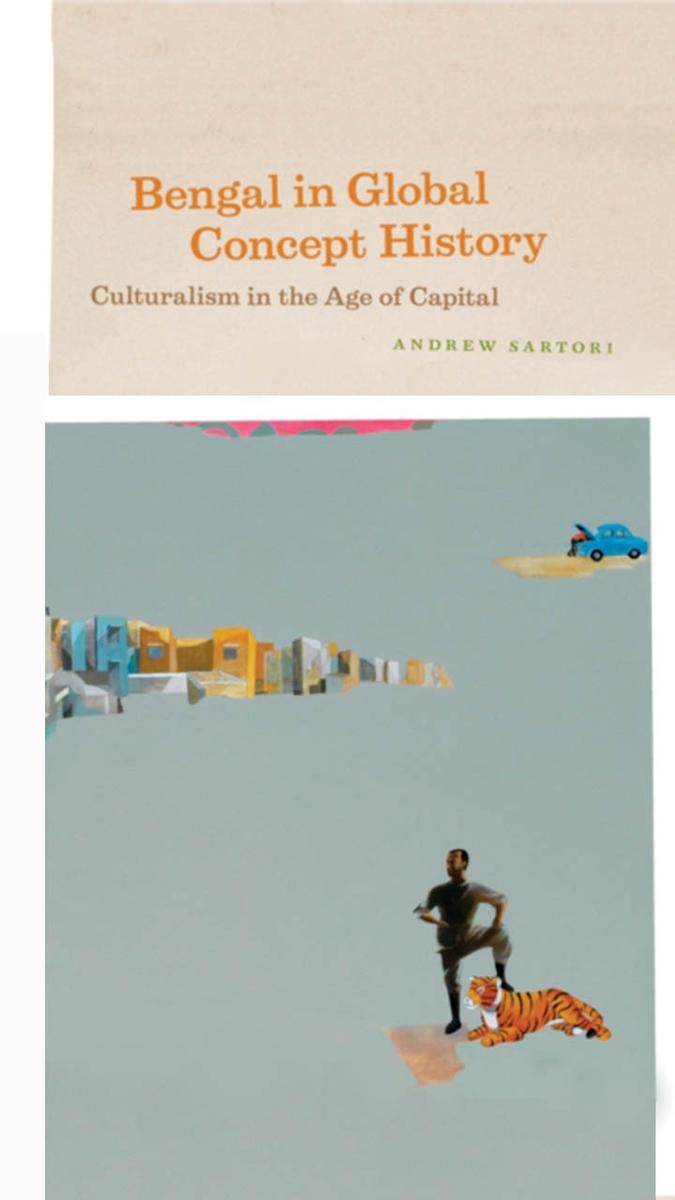
Today people all over the globe invoke the concept of culture to make sense of their world, their social interactions, and themselves. But how did the culture concept become so ubiquitousIn this ambitious study, Andrew Sartori closely examines the history of political and intellectual life in nineteenth- and twentieth-century Bengal to show how the concept can take on a life of its own in different contexts. Sartori weaves the narrative of Bengal's embrace of culturalism into a worldwide history of the concept, from its origins in eighteenth-century Germany, through its adoption in England in the early 1800s, to its appearance in distinct local guises across the non-Western world. The impetus for the concept's dissemination was capitalism, Sartori argues, as its spread across the globe initiated the need to celebrate the local and the communal. Therefore, Sartori concludes, the use of the culture concept in non-Western sites was driven not by slavish imitation of colonizing powers, but by the same problems that repeatedly followed the advance of modern capitalism. This remarkable interdisciplinary study will be of significant interest to historians and anthropologists, as well as scholars of South Asia and colonialism.


