


 购物车
购物车 个人中心
个人中心

Három csepp vér
¥28.53
Három csepp vér

A dédi ?r?ksége: T?rténelmi regény
¥28.53
Az ?kút az elsüllyedt, de soha el nem temetett gyermekkor k?nyve. A titokzatos ókút a Szabó család debreceni otthonának udvarán állt, és a kis Magdának a k?zelébe sem volt szabad mennie.Szabó Magda feln?ttként alászáll emlékei ókútjába, hogy páratlan érzékletességgel idézze meg gyermekkora színtereit, keltse új életre szerepl?it, legf?képpen szüleit. ?Két tündér gyermeke voltam” – mondta egyszer. Tündérvilágban élt, ahol játék, varázslat, látomás és valóság keveredett, s ami egyszerre volt meghitten ismer?s és csupa rejtély, hétk?znapi és kiismerhetetlen, boldogító és félelmetes. Itt mindenki regényh?sként járt-kelt, a boltjában kuksoló ékszerészt rejtélyes bánat gy?t?rte, a koldus elátkozott királyfi volt, a fák lombkoronája égig ért. Az ?kút az életr?l szól: állatokról és képekr?l, hitr?l és m?vészetr?l, háborúról és hazáról, szerelemr?l és halálról. A megejt? bájjal és humorral átsz?tt t?rténetekb?l egy titokzatos és csodálatos múlt sokszín?, eleven képe áll ?ssze, ami egyben kulcs is Szabó Magda életének és m?vészetének megértéséhez.

A Zrt.: Politikai krimi
¥28.53
Sz?cs Iza okos, modern n?, lelkiismeretes orvos – és odaadó gyermek. Mindent megad ?zvegyen maradt anyjának, felk?lt?zteti Budapestre, ahol kényelmes élet várja Sz?csnét. Csak azt nem adja, amire anyjának a legnagyobb szüksége volna: ?nmagát. Nem látja, hogy anyagi javakkal nem lehet kiváltani a t?r?dést, és nem érti, hogy a gondoskodásnak az is része, ha hagyjuk, hogy a másik gondoskodjon rólunk. Férje sírk?vét felállítandó Sz?csné hazatér a városba, ahol egész életét leélte. Egy k?d?s, ?szi estén sétára indul fiatalkori találkáik színhelyére, s a feltétel nélküli szeretet, amely Izából olyannyira hiányzik, végre megmutatja neki az utat. A Pilátus egy anya t?rténete, aki le akarja venni lánya válláról a kellemetlen terhet, amelyet ? maga jelent.

Utas és holdvilág
¥28.53
Utas és holdvilág

A kékszem? óriás
¥28.53
A kékszem? óriás

A kínai papagáj
¥28.53
A kínai papagáj

A végzetes tét
¥28.53
A végzetes tét

Viaszfigurák
¥28.53
Viaszfigurák

Diplomácia és világháború
¥28.53
Diplomácia és világháború
?lve eltemetve
¥28.53
lve eltemetve

?rn? és komorna
¥28.53
rn és komorna

Hedda Gabler
¥28.53
Hedda Gabler
Perzsa és egyiptomi álmosk?nyv
¥28.53
Perzsa és egyiptomi álmosk?nyv
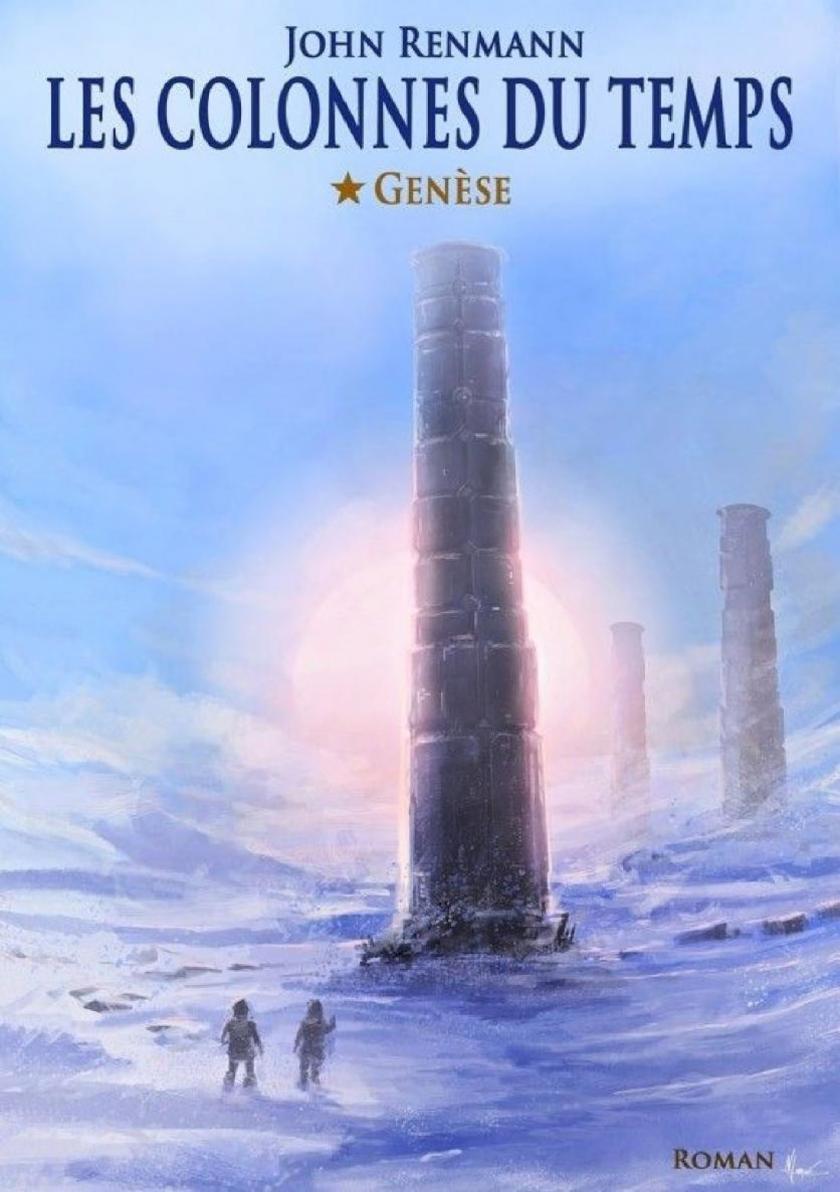
Genèse
¥28.51
Version révisée d'octobre 2015.Les colonnes du temps" est le conseil de lecture du site www.monBestSeller.com, sélectionné pour le Prix Concours de l'auteur indépendant 2015.Automne 2003.Notre planète est agressée par une sphère lumineuse qui dévore lentement sa surface.Seuls ses p?les semblent épargnés par l'avidité du monstre qui, en peu de temps, finit par effacer l’Europe et l'ouest asiatique.Tandis que la population mondiale se terre dans des grottes ou colonise l'Alaska, les nations s'organisent et b?tissent une immense base souterraine, en Sibérie.Celle-ci devient le refuge de scientifiques réunis dans une course contre l’annihilation totale de notre monde. Parmi eux, Patrick Schimmer, jeune géologue fran?ais qui, sans le savoir, jouera un r?le important dans le devenir de l'humanité.Ceci est son histoire...Ce qu'en pensent les lecteurs :?" Lisez-le ! Même si vous n'êtes pas amateur habituel de science-fiction comme moi. J'ai été englouti par cette histoire qui vous plonge dans un futur peut-être pas si lointain quand on voit ce qu'on fait à notre planète""Fantastique ! (et je ne parle pas que du genre). Je dévore et recommande. Ps. A quelle page commence l’histoire d’amour pour que tous les ingrédients du succès soient réunis ? !""Dès le départ on est dans le feu de l'action, les personnages sont captivants, le décor est bien planté. On ne s'ennuie pas, pour moi c'est le principal. Bon livre.""Un chef d'oeuvre d'imagination et d'humanisme, truffé d'humour et de références culturelles.""Il y a beaucoup de clins d'oeil pour la génération des quarantenaires ayant une même enfance et regardé les mêmes séries TV... (Est-ce que les jeunes d'aujourd'hui vont capter ??) Les personnages sont attachants, le livre est bien écrit."
City Kid: Part 2 of 3
¥28.45
City Kid can either be read as a full-length eBook or in 3 serialised eBook-only parts. This is PART 2 of 3. You can read Part 2 one week ahead of release of the full-length eBook and paperback. From the author of international bestsellers A Circle of Children and Lovey comes an inspiring true story of a gifted teacher’s determination to understand the ‘rotten’ city kid everyone has given up on. Sitting quiet and withdrawn at a battered school desk, Luke had the looks of a shy angel – and a past that special needs teacher Mary MacCracken could barely believe. Already Luke had been picked up 24 times by the police. He’d set over a dozen major fires, and had a staggering record of thefts. No adult could reach him, no teacher could control him, and no policeman could cow him. All this – and Luke was only seven and a half years old. Trying to help Luke was Mary MacCracken’s job – and a seemingly impossible challenge. This is the remarkable story of how the impossible came true.
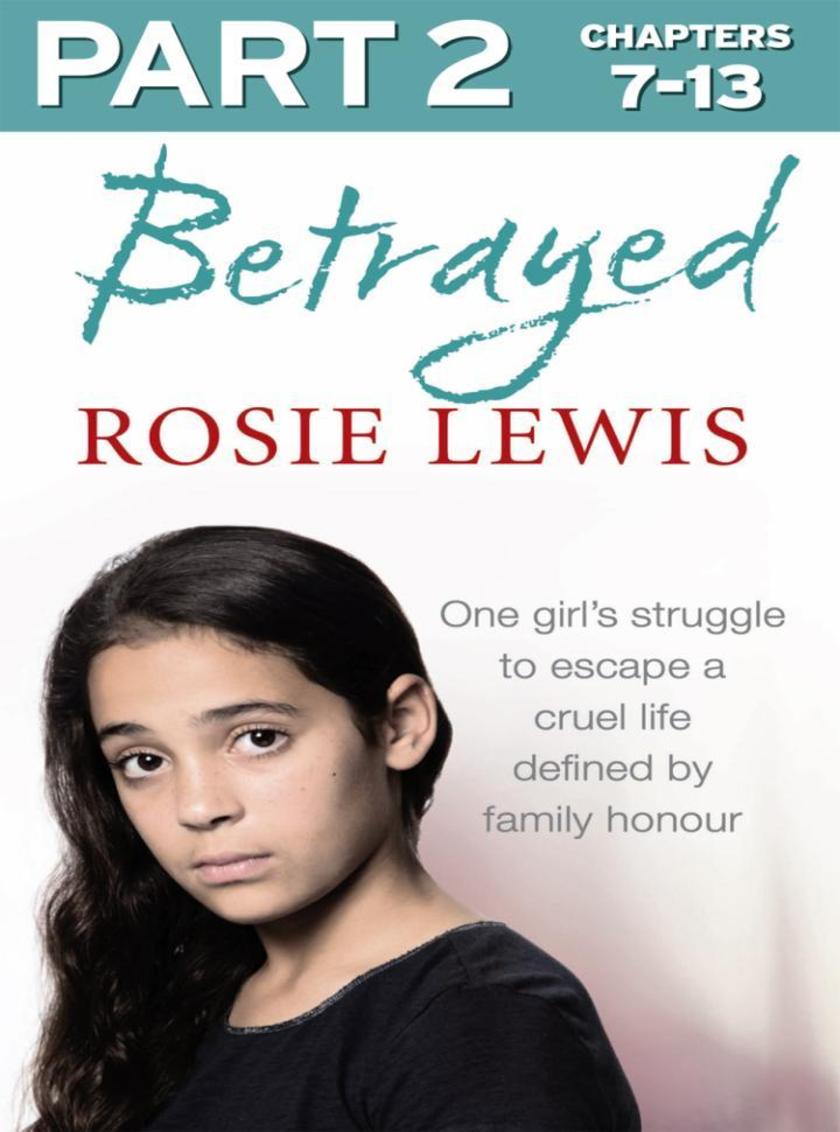
Betrayed: Part 2 of 3
¥28.45
Betrayed can either be read as a full-length eBook or in 3 serialised eBook-only parts. This is PART 2 of 3. You can read Part 2 one week ahead of release of the full-length eBook and paperback. In the much-anticipated follow-up to Sunday Times bestseller Trapped, foster carer Rosie Lewis tells the heartbreaking true story of 13-year-old Zadie. When the young teenage girl runs away and is discovered hiding on the city streets by the police, it is clear that all is not as it should be. Taught to believe that Westerners should not be trusted, when Zadie is initially delivered into the experienced hands of foster carer Rosie she is polite and well-behaved, but understandably suspicious of the family around her. Through Rosie’s support and understanding, gradually Zadie begins to settle into her new surroundings, but loyalty to her relatives, and fear of bringing shame on those around her, prevents her from confessing the horrifying truth about her troubled past. When the shocking truth finally emerges, Rosie and her family can hardly believe that Zadie had managed to keep the shocking secrets to herself for so long.
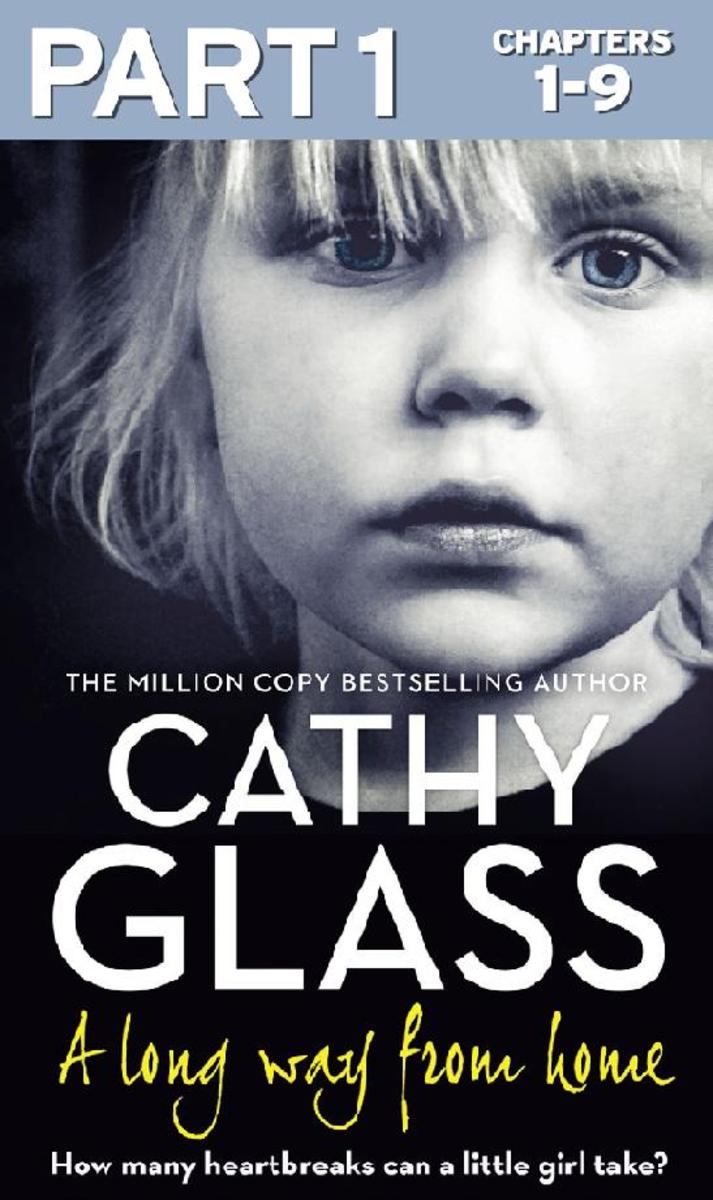
A Long Way from Home: Part 1 of 3
¥28.45
The true story of 2 year-old Anna, abandoned by her natural parents, left alone in a neglected orphanage. Elaine and Ian had travelled half way round the world to adopt little Anna. She couldn’t have been more wanted, loved and cherished. So why was she now in foster care and living with me? It didn’t make sense. Until I learned what had happened. … Dressed only in nappies and ragged T-shirts the children were incarcerated in their cots. Their large eyes stared out blankly from emaciated faces. Some were obviously disabled, others not, but all were badly undernourished. Flies circled around the broken ceiling fans and buzzed against the grids covering the windows. The only toys were a few balls and a handful of building bricks, but no child played with them. The silence was deafening and unnatural. Not one of the thirty or so infants cried, let alone spoke.
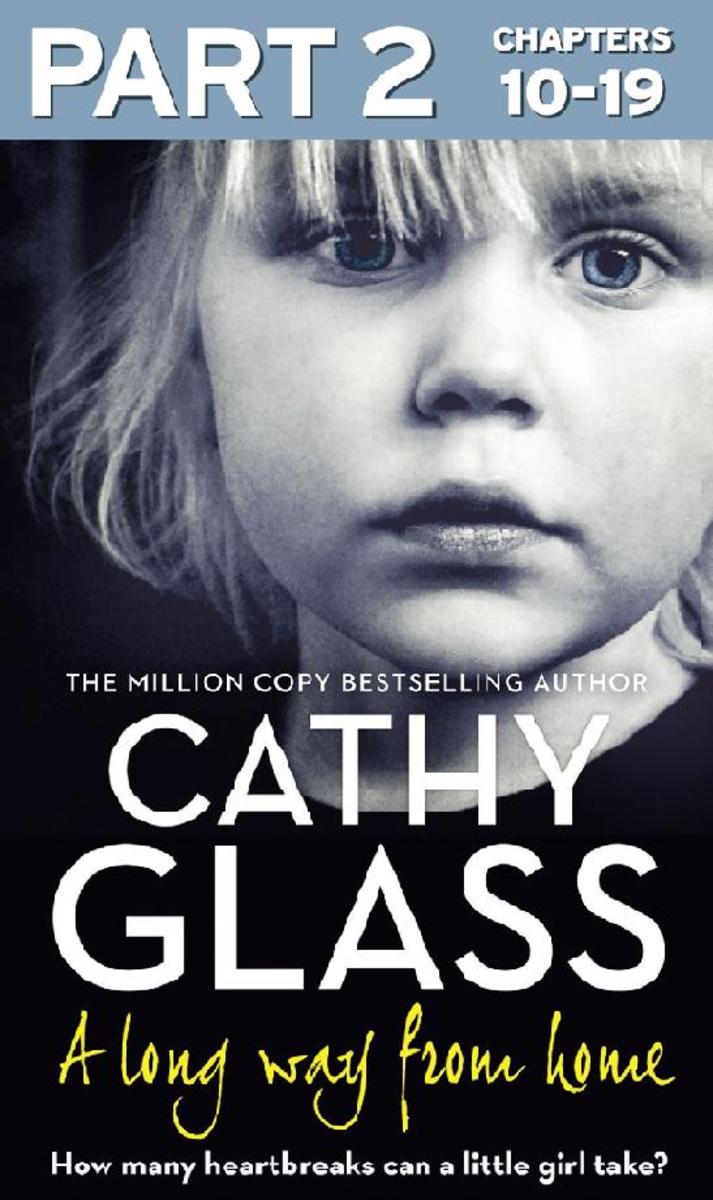
A Long Way from Home: Part 2 of 3
¥28.45
The true story of 2 year-old Anna, abandoned by her natural parents, left alone in a neglected orphanage. Elaine and Ian had travelled half way round the world to adopt little Anna. She couldn’t have been more wanted, loved and cherished. So why was she now in foster care and living with me? It didn’t make sense. Until I learned what had happened. … Dressed only in nappies and ragged T-shirts the children were incarcerated in their cots. Their large eyes stared out blankly from emaciated faces. Some were obviously disabled, others not, but all were badly undernourished. Flies circled around the broken ceiling fans and buzzed against the grids covering the windows. The only toys were a few balls and a handful of building bricks, but no child played with them. The silence was deafening and unnatural. Not one of the thirty or so infants cried, let alone spoke.
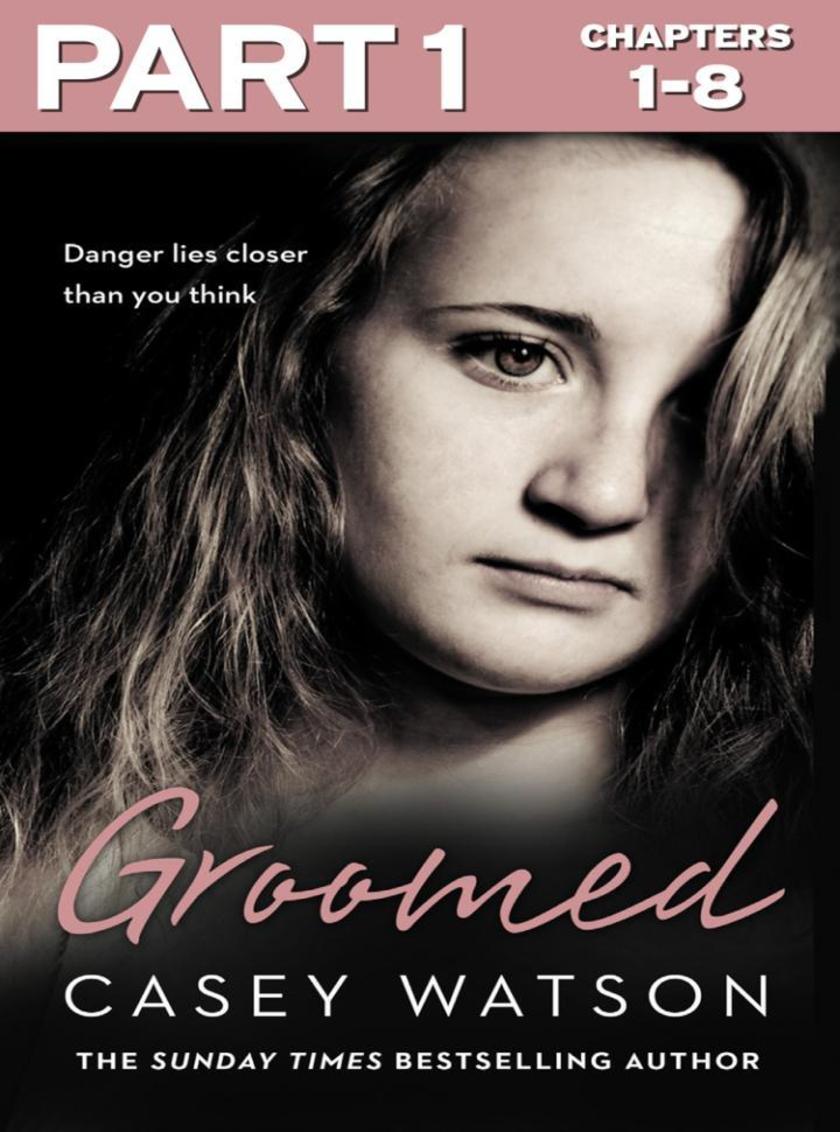
Groomed: Part 1 of 3: Danger lies closer than you think
¥28.45
It’s late on Friday night when Casey’s mobile starts to ring. She is expecting it to be her daughter Riley. But it isn’t Riley. It’s a woman from the Emergency Duty Team. So begins Casey and Mike’s latest fostering challenge – a fifteen-year-old girl called Keeley who’s run away from her long-term foster home 25 miles away. The Jonathan Ross Show has just started when Casey gets the call. She thinks it will be Riley – telling her that her favourite actor is going to be on TV. But it’s something far more urgent: a fifteen-year-old girl who has run away from her foster family and accused her foster father of sexual abuse. The family deny in vehemently, but such an allegation can never be taken lightly, so a new home must be found for Keeley. Keeley is polite, but she’s sharp, and she has all the hallmarks of a child who has been in the system a long time, and knows how to play it. Whether the allegation is true or not, Casey knows there will be no winners here. If it is true, then a young girl’s life has been torn asunder. If not, then the heartache for the family will only be surpassed by the bleak outlook for Keeley. In the short term, it’s a case of providing a safe, supportive home for a vulnerable child. But with the dangerous world of the internet at her disposal, it seems this strong-minded youngster has her own ideas of where that safe place should be…

Groomed: Part 2 of 3: Danger lies closer than you think
¥28.45
It’s late on Friday night when Casey’s mobile starts to ring. She is expecting it to be her daughter Riley. But it isn’t Riley. It’s a woman from the Emergency Duty Team. So begins Casey and Mike’s latest fostering challenge – a fifteen-year-old girl called Keeley who’s run away from her long-term foster home 25 miles away. The Jonathan Ross Show has just started when Casey gets the call. She thinks it will be Riley – telling her that her favourite actor is going to be on TV. But it’s something far more urgent: a fifteen-year-old girl who has run away from her foster family and accused her foster father of sexual abuse. The family deny in vehemently, but such an allegation can never be taken lightly, so a new home must be found for Keeley. Keeley is polite, but she’s sharp, and she has all the hallmarks of a child who has been in the system a long time, and knows how to play it. Whether the allegation is true or not, Casey knows there will be no winners here. If it is true, then a young girl’s life has been torn asunder. If not, then the heartache for the family will only be surpassed by the bleak outlook for Keeley. In the short term, it’s a case of providing a safe, supportive home for a vulnerable child. But with the dangerous world of the internet at her disposal, it seems this strong-minded youngster has her own ideas of where that safe place should be…
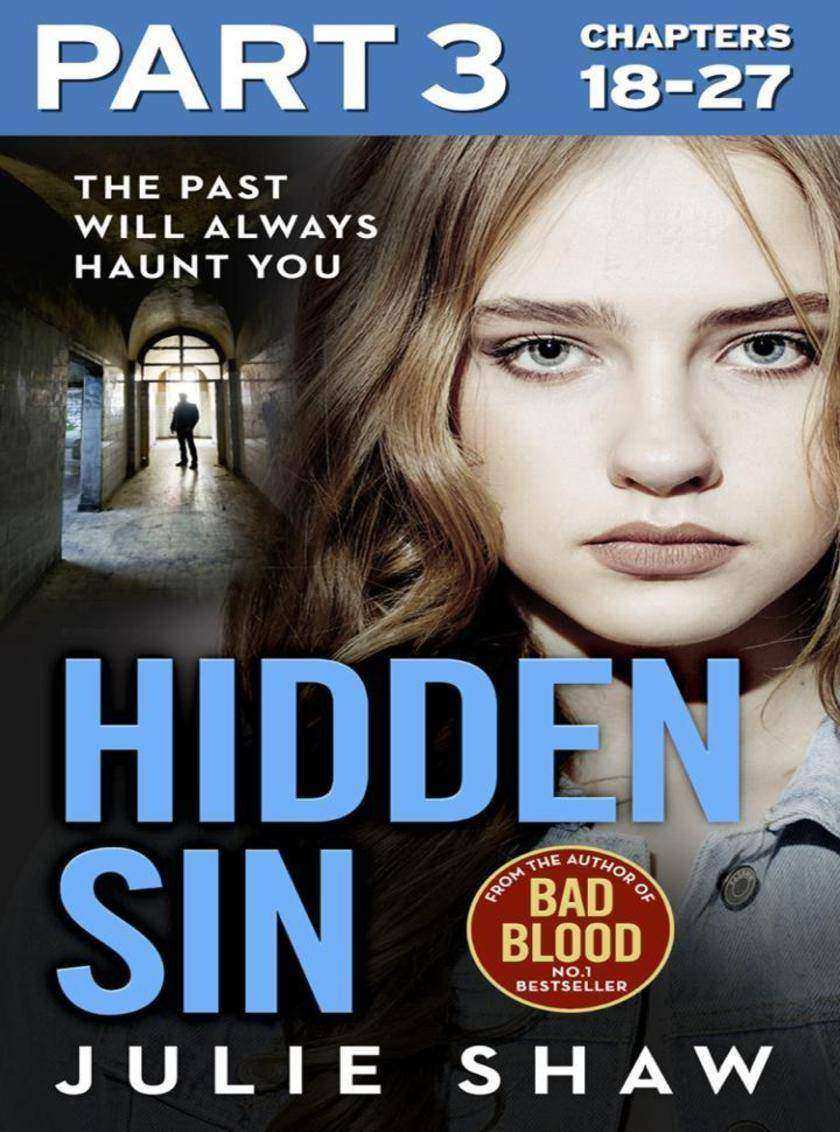
Hidden Sin: Part 3 of 3: When the past comes back to haunt you
¥28.45
The explosive sequel to #1 Sunday Times bestseller Bad Blood. Set 18 years later, Hidden Sin is the story of Joey, his girlfriend Paula and Rasta Mo, the man he is to discover is his dad. Joey Parker is a young man with big dreams. Almost eighteen, he’s desperate to escape the shackles of his window cleaning round, so when’s offered the chance to try out as a drummer in a local Blondie tribute band he jumps at the chance. But it isn’t just the music that moves him. It’s also the fact that Paula Foster is the lead singer. The daughter of his mum’s old mate, Josie, she was once a childhood friend. They’ve not seen each other in years, and their mutual attraction is immediate. Meanwhile, notorious local drug overlord, Rasta Mo, has recently returned to Bradford after a spell inside and years in Marbella. He is instantly enamored with the good-looking drummer he discovers is his son. He decides that his new club is in need of a house band – and so begins his attempts to woo him. This book charts a journey between two men into a future neither visualized. And, in Joey’s case, into a dangerous criminal world he’s never known. And, while his mother and step-father can only look on in horror as Joey potentially becomes the one thing she’s always dreaded – his father’s son. Joey is oblivious to who Mo is. The truth has always been hidden from him. All he cares about is that his and Paula’s dreams are all starting to come true. But will the cost of achieving them be too high to pay?


