


 购物车
购物车 个人中心
个人中心

Füst
¥25.91
Füst

A nagy b?rt?n
¥25.91
A nagy b?rt?n

Kelet fia
¥25.91
Kelet fia

A vadon szava
¥25.91
A vadon szava
A fáraó
¥25.91
A fáraó
Jekyll és Hyde
¥25.91
Jekyll és Hyde

A malomherceg
¥25.91
A malomherceg
Caxamalca aranya
¥25.91
Caxamalca aranya

Izlandi halászok
¥25.91
Izlandi halászok

Mandragóra
¥25.91
Mandragóra

Lélek-csere
¥25.91
Lélek-csere
Régi harag
¥25.91
Régi harag

Kenyér és szerelem
¥25.91
Kenyér és szerelem

A n?k ura
¥25.91
A n?k ura
Tavaszi hullámok
¥25.91
Tavaszi hullámok

Tar
¥25.91
Tar
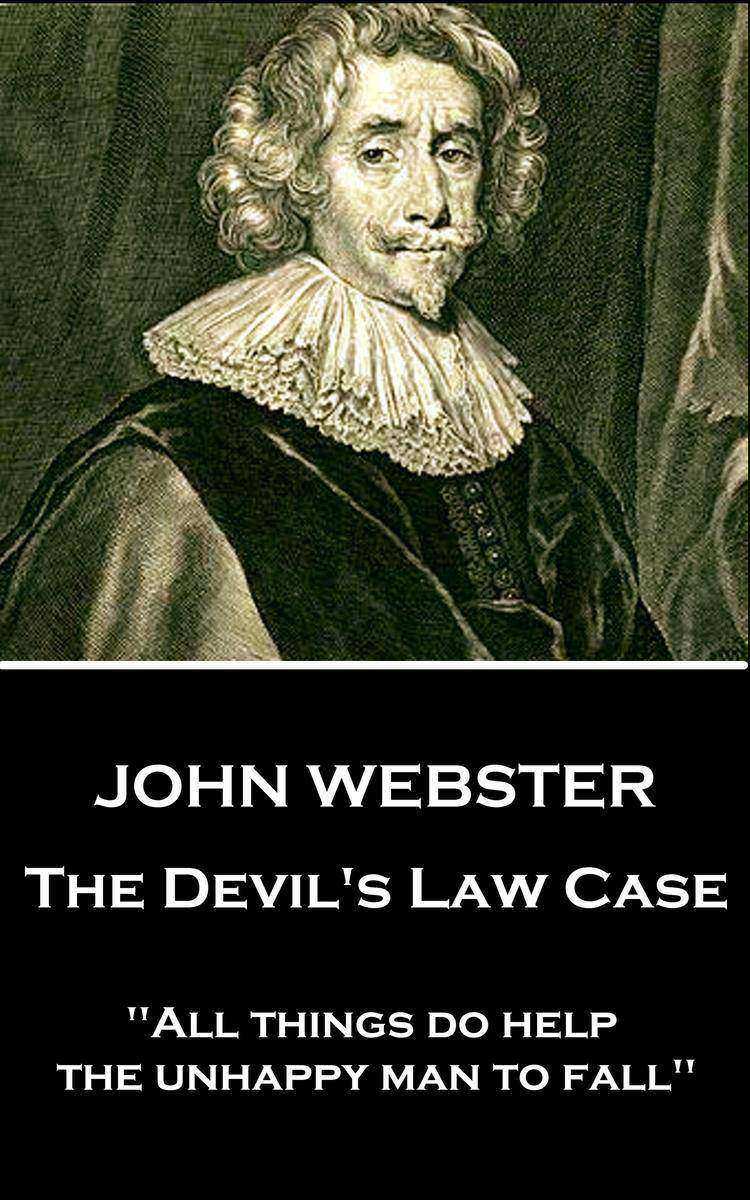
Devil's Law Case - All things do help the unhappy man to fall
¥25.80
John Webster is known primarily for his two Jacobean tragedies, The Duchess of Malfi and The White Devil. Much of the detail and chronology of his life that led to these two pivotal works is, however, unknown. His father, a carriage maker also named John Webster, married a blacksmith's daughter, Elizabeth Coates, on November 4th, 1577, and it is likely that Webster was born within a year or two in or near London. The family lived in St. Sepulchre's parish. Both his father and his uncle, Edward Webster, were Freemen of the Merchant Taylors' Company and Webster attended Merchant Taylors' School in Suffolk Lane, London. Some accounts say he began to study law but nothing is certain although there are some legal aspects to his later works to suggest this may have been so. By 1602, Webster was employed working as part of various teams of playwrights on history plays, though unfortunately most were never printed and therefore do not survive. These include a tragedy Caesar's Fall (written with Michael Drayton, Thomas Dekker, Thomas Middleton and Anthony Munday), and a collaboration with Thomas Dekker; Christmas Comes but Once a Year (1602). This factory line assembly of plays may seem rather odd to us today but plays then ran for much shorter durations and consequently a steady supply had to be assured. Webster's relationship with Dekker seems to have been a good one. Together they wrote Sir Thomas Wyatt, printed in 1607, although it is thought first performed in 1602 and two city comedies, Westward Ho! in 1604 and Northward Ho! in 1605. It seems Webster also adapted, in 1604, John Marston's The Malcontent for staging by the King's Men. On March 18th, 1606 Webster married the 17-year-old Sara Peniall at St Mary's Church, Islington. Sara was 7 months pregnant and marrying during Lent required the issuing of a special permit, hence the certainty of the date. Their first child, John, was baptised at the parish of St Dunstan-in-the-West on March 8th, 1606. Records show that on the death of a neighbour, who died in 1617, several bequests were made to the Webster family and it is therefore thought that other children were born to the couple. Despite his ability to write comedy, and to collaborate with others, Webster is remembered best for his sole authorship on two brooding English tragedies based on Italian sources. The White Devil, retells the intrigues involving Vittoria Accoramboni, an Italian woman assassinated at the age of 28. It was performed at the open-air Red Bull Theatre in 1612 but was unsuccessful, perhaps being too high brow for a working-class audience. In 1614 The Duchess of Malfi was first performed by the King's Men, most probably in the indoor Blackfriars Theatre and to a more high-brow audience. It proved to be more successful. The play Guise, based on French history, was also written but him but no text has survived. Webster wrote one more play on his own: The Devil's Law Case (c. 1617-1619), a tragicomedy. He continued to write thereafter but always in collaboration and usually city comedies; Anything for a Quiet Life (c. 1621), with Thomas Middleton, and A Cure for a Cuckold (c. 1624), with William Rowley. In 1624, he also co-wrote a topical play about a recent scandal, Keep the Widow Waking (with John Ford, Rowley and Dekker). The play itself is lost, although its plot is known from a court case. There is also some certainty that he contributed to the tragicomedy The Fair Maid of the Inn with John Fletcher, John Ford, and Phillip Massinger. His Appius and Virginia, was probably written with Thomas Heywood, and is of uncertain date. It is believed, mainly from Thomas Heywood's Hierarchie of the Blessed Angels (licensed 7 November 1634) that speaks of him in the past tense that John Webster had died at some point in that year of 1634.
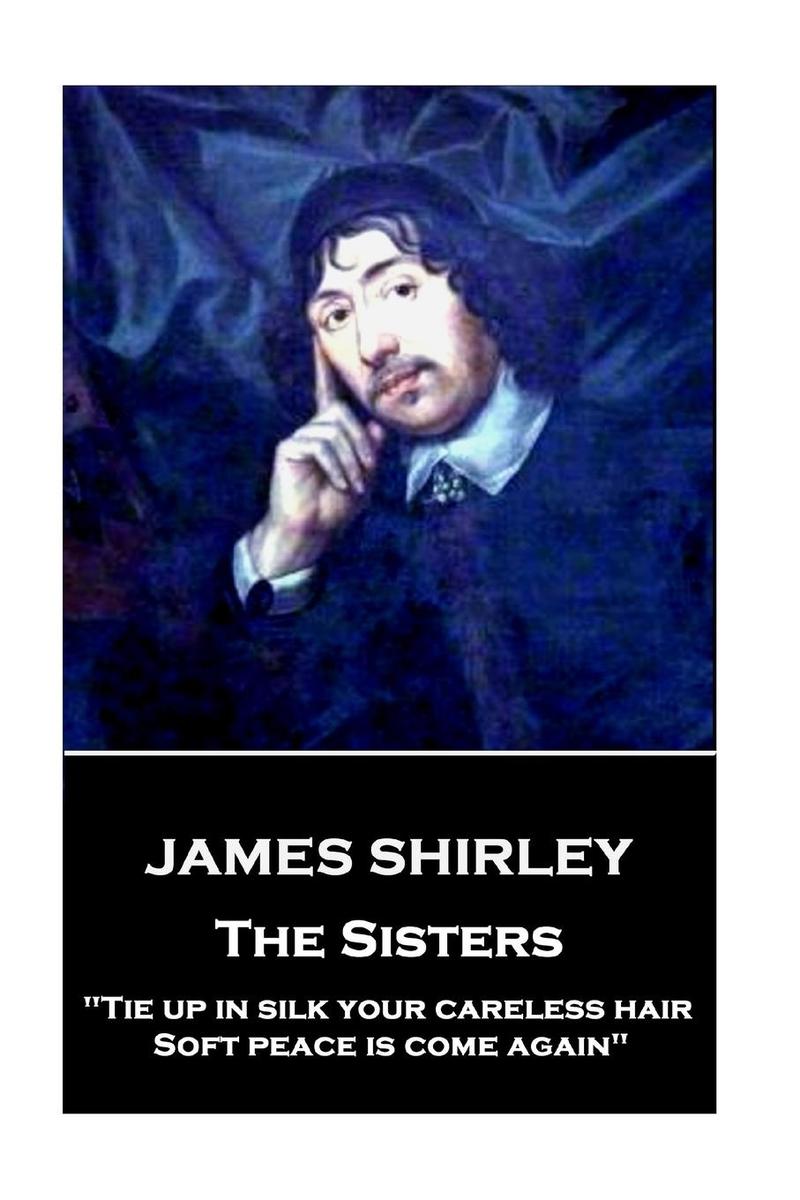
Sisters - Tie up in silk your careless hair: Soft peace is come again
¥25.80
James Shirley was born in London in September 1596. His education was through a collection of England's finest establishments: Merchant Taylors' School, London, St John's College, Oxford, and St Catharine's College, Cambridge, where he took his B.A. degree in approximately 1618. He first published in 1618, a poem entitled Echo, or the Unfortunate Lovers. As with many artists of this period full details of his life and career are not recorded. Sources say that after graduating he became "e;a minister of God's word in or near St Albans."e; A conversion to the Catholic faith enabled him to become master of St Albans School from 1623-25. He wrote his first play, Love Tricks, or the School of Complement, which was licensed on February 10th, 1625. From the given date it would seem he wrote this whilst at St Albans but, after its production, he moved to London and to live in Gray's Inn. For the next two decades, he would write prolifically and with great quality, across a spectrum of thirty plays; through tragedies and comedies to tragicomedies as well as several books of poetry. Unfortunately, his talents were left to wither when Parliament passed the Puritan edict in 1642, forbidding all stage plays and closing the theatres. Most of his early plays were performed by Queen Henrietta's Men, the acting company for which Shirley was engaged as house dramatist. Shirley's sympathies lay with the King in battles with Parliament and he received marks of special favor from the Queen. He made a bitter attack on William Prynne, who had attacked the stage in Histriomastix, and, when in 1634 a special masque was presented at Whitehall by the gentlemen of the Inns of Court as a practical reply to Prynne, Shirley wrote the text-The Triumph of Peace. Shirley spent the years 1636 to 1640 in Ireland, under the patronage of the Earl of Kildare. Several of his plays were produced by his friend John Ogilby in Dublin in the first ever constructed Irish theatre; The Werburgh Street Theatre. During his years in Dublin he wrote The Doubtful Heir, The Royal Master, The Constant Maid, and St. Patrick for Ireland. In his absence from London, Queen Henrietta's Men sold off a dozen of his plays to the stationers, who naturally, enough published them. When Shirley returned to London in 1640, he finished with the Queen Henrietta's company and his final plays in London were acted by the King's Men. On the outbreak of the English Civil War Shirley served with the Earl of Newcastle. However when the King's fortunes began to decline he returned to London. There his friend Thomas Stanley gave him help and thereafter Shirley supported himself in the main by teaching and publishing some educational works under the Commonwealth. In addition to these he published during the period of dramatic eclipse four small volumes of poems and plays, in 1646, 1653, 1655, and 1659. It is said that he was "e;a drudge"e; for John Ogilby in his translations of Homer's Iliad and the Odyssey, and survived into the reign of Charles II, but, though some of his comedies were revived, his days as a playwright were over. His death, at age seventy, along with that of his wife, in 1666, is described as one of fright and exposure due to the Great Fire of London which had raged through parts of London from September 2nd to the 5th. He was buried at St Giles in the Fields, in London, on October 29th, 1666.
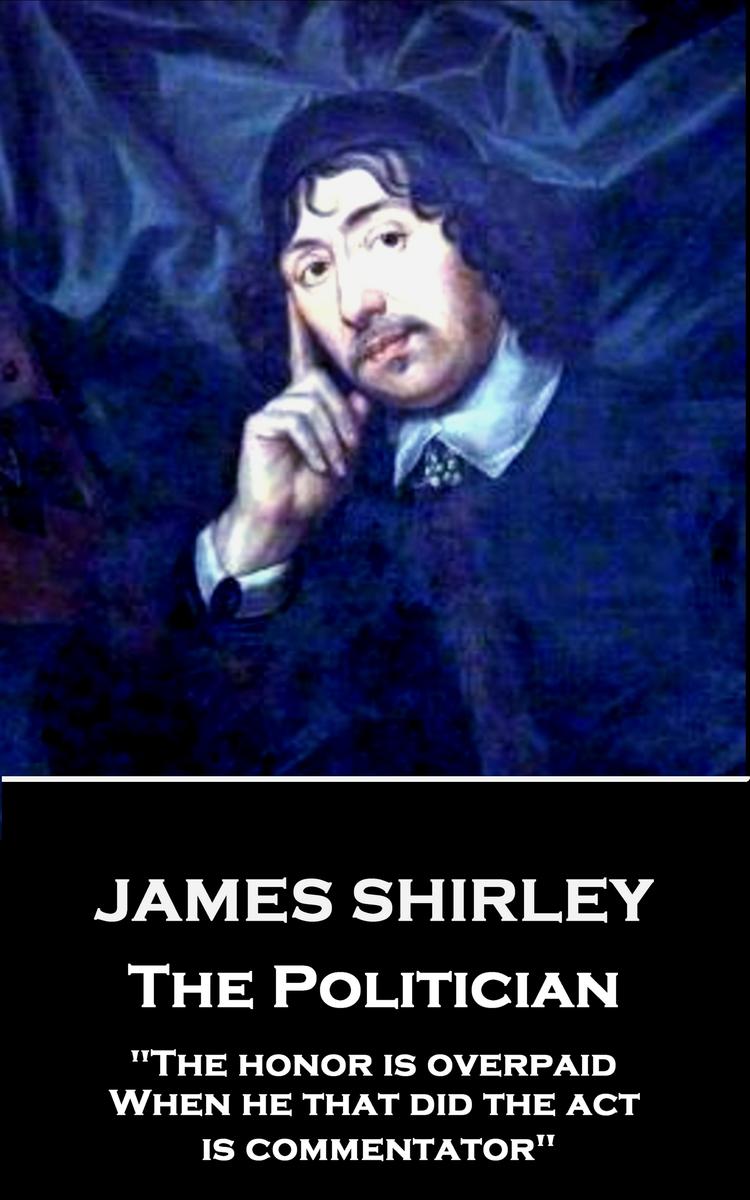
Politician - The honor is overpaid, When he that did the act is commentator
¥25.80
James Shirley was born in London in September 1596. His education was through a collection of England's finest establishments: Merchant Taylors' School, London, St John's College, Oxford, and St Catharine's College, Cambridge, where he took his B.A. degree in approximately 1618. He first published in 1618, a poem entitled Echo, or the Unfortunate Lovers. As with many artists of this period full details of his life and career are not recorded. Sources say that after graduating he became "e;a minister of God's word in or near St Albans."e; A conversion to the Catholic faith enabled him to become master of St Albans School from 1623-25. He wrote his first play, Love Tricks, or the School of Complement, which was licensed on February 10th, 1625. From the given date it would seem he wrote this whilst at St Albans but, after its production, he moved to London and to live in Gray's Inn. For the next two decades, he would write prolifically and with great quality, across a spectrum of thirty plays; through tragedies and comedies to tragicomedies as well as several books of poetry. Unfortunately, his talents were left to wither when Parliament passed the Puritan edict in 1642, forbidding all stage plays and closing the theatres. Most of his early plays were performed by Queen Henrietta's Men, the acting company for which Shirley was engaged as house dramatist. Shirley's sympathies lay with the King in battles with Parliament and he received marks of special favor from the Queen. He made a bitter attack on William Prynne, who had attacked the stage in Histriomastix, and, when in 1634 a special masque was presented at Whitehall by the gentlemen of the Inns of Court as a practical reply to Prynne, Shirley wrote the text-The Triumph of Peace. Shirley spent the years 1636 to 1640 in Ireland, under the patronage of the Earl of Kildare. Several of his plays were produced by his friend John Ogilby in Dublin in the first ever constructed Irish theatre; The Werburgh Street Theatre. During his years in Dublin he wrote The Doubtful Heir, The Royal Master, The Constant Maid, and St. Patrick for Ireland. In his absence from London, Queen Henrietta's Men sold off a dozen of his plays to the stationers, who naturally, enough published them. When Shirley returned to London in 1640, he finished with the Queen Henrietta's company and his final plays in London were acted by the King's Men. On the outbreak of the English Civil War Shirley served with the Earl of Newcastle. However when the King's fortunes began to decline he returned to London. There his friend Thomas Stanley gave him help and thereafter Shirley supported himself in the main by teaching and publishing some educational works under the Commonwealth. In addition to these he published during the period of dramatic eclipse four small volumes of poems and plays, in 1646, 1653, 1655, and 1659. It is said that he was "e;a drudge"e; for John Ogilby in his translations of Homer's Iliad and the Odyssey, and survived into the reign of Charles II, but, though some of his comedies were revived, his days as a playwright were over. His death, at age seventy, along with that of his wife, in 1666, is described as one of fright and exposure due to the Great Fire of London which had raged through parts of London from September 2nd to the 5th. He was buried at St Giles in the Fields, in London, on October 29th, 1666.
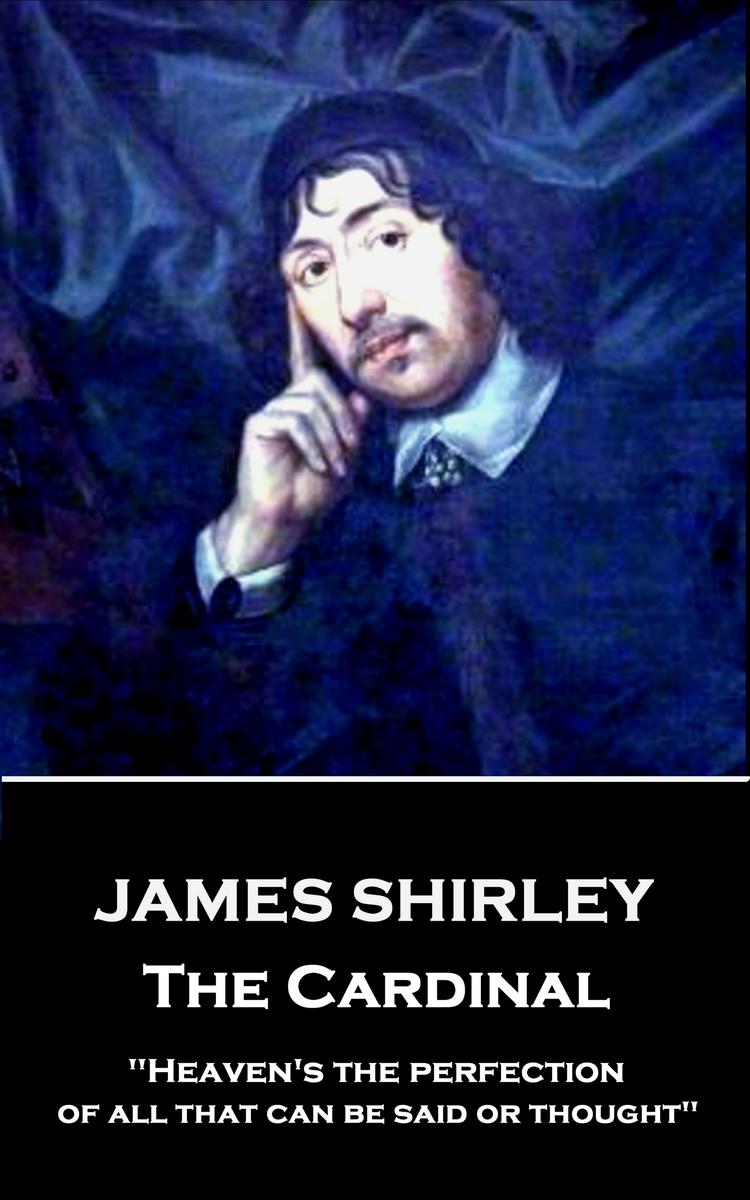
Cardinal - Heaven's the perfection of all that can be said or thought
¥25.80
James Shirley was born in London in September 1596. His education was through a collection of England's finest establishments: Merchant Taylors' School, London, St John's College, Oxford, and St Catharine's College, Cambridge, where he took his B.A. degree in approximately 1618. He first published in 1618, a poem entitled Echo, or the Unfortunate Lovers. As with many artists of this period full details of his life and career are not recorded. Sources say that after graduating he became "e;a minister of God's word in or near St Albans."e; A conversion to the Catholic faith enabled him to become master of St Albans School from 1623-25. He wrote his first play, Love Tricks, or the School of Complement, which was licensed on February 10th, 1625. From the given date it would seem he wrote this whilst at St Albans but, after its production, he moved to London and to live in Gray's Inn. For the next two decades, he would write prolifically and with great quality, across a spectrum of thirty plays; through tragedies and comedies to tragicomedies as well as several books of poetry. Unfortunately, his talents were left to wither when Parliament passed the Puritan edict in 1642, forbidding all stage plays and closing the theatres. Most of his early plays were performed by Queen Henrietta's Men, the acting company for which Shirley was engaged as house dramatist. Shirley's sympathies lay with the King in battles with Parliament and he received marks of special favor from the Queen. He made a bitter attack on William Prynne, who had attacked the stage in Histriomastix, and, when in 1634 a special masque was presented at Whitehall by the gentlemen of the Inns of Court as a practical reply to Prynne, Shirley wrote the text-The Triumph of Peace. Shirley spent the years 1636 to 1640 in Ireland, under the patronage of the Earl of Kildare. Several of his plays were produced by his friend John Ogilby in Dublin in the first ever constructed Irish theatre; The Werburgh Street Theatre. During his years in Dublin he wrote The Doubtful Heir, The Royal Master, The Constant Maid, and St. Patrick for Ireland. In his absence from London, Queen Henrietta's Men sold off a dozen of his plays to the stationers, who naturally, enough published them. When Shirley returned to London in 1640, he finished with the Queen Henrietta's company and his final plays in London were acted by the King's Men. On the outbreak of the English Civil War Shirley served with the Earl of Newcastle. However when the King's fortunes began to decline he returned to London. There his friend Thomas Stanley gave him help and thereafter Shirley supported himself in the main by teaching and publishing some educational works under the Commonwealth. In addition to these he published during the period of dramatic eclipse four small volumes of poems and plays, in 1646, 1653, 1655, and 1659. It is said that he was "e;a drudge"e; for John Ogilby in his translations of Homer's Iliad and the Odyssey, and survived into the reign of Charles II, but, though some of his comedies were revived, his days as a playwright were over. His death, at age seventy, along with that of his wife, in 1666, is described as one of fright and exposure due to the Great Fire of London which had raged through parts of London from September 2nd to the 5th. He was buried at St Giles in the Fields, in London, on October 29th, 1666.
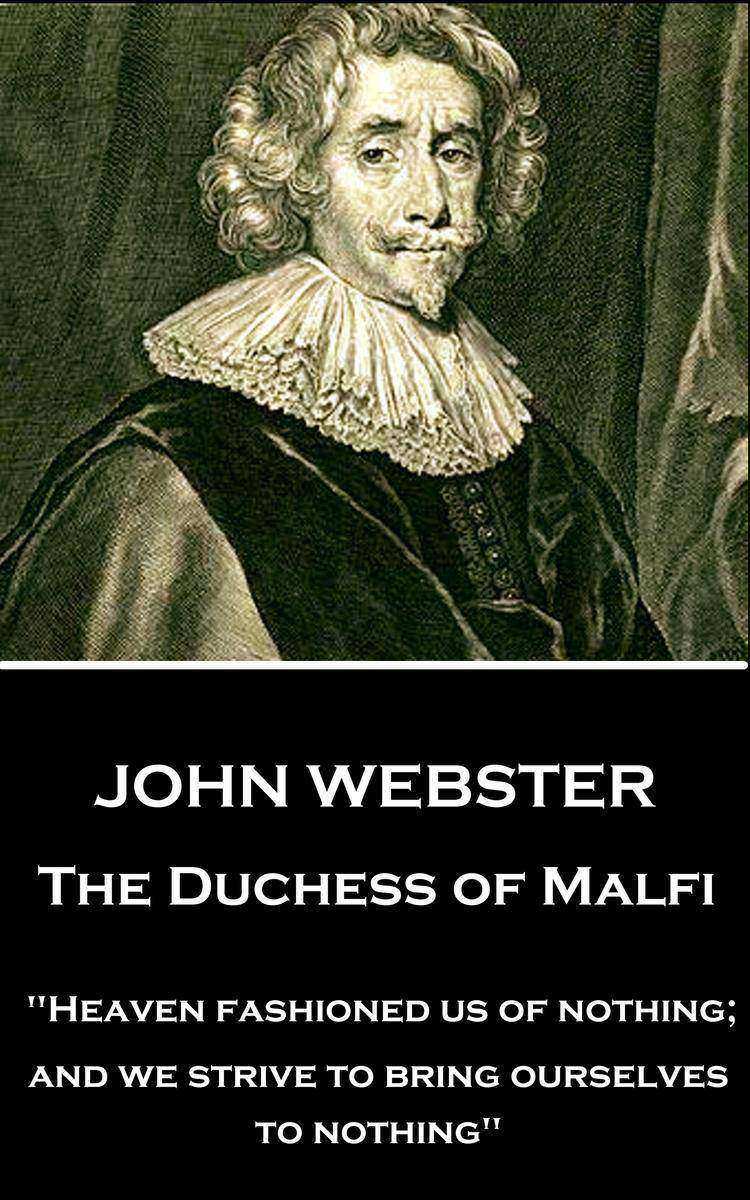
Duchess of Malfi - Heaven fashioned us of nothing; and we strive to bring oursel
¥25.80
John Webster is known primarily for his two Jacobean tragedies, The Duchess of Malfi and The White Devil. Much of the detail and chronology of his life that led to these two pivotal works is, however, unknown. His father, a carriage maker also named John Webster, married a blacksmith's daughter, Elizabeth Coates, on November 4th, 1577, and it is likely that Webster was born within a year or two in or near London. The family lived in St. Sepulchre's parish. Both his father and his uncle, Edward Webster, were Freemen of the Merchant Taylors' Company and Webster attended Merchant Taylors' School in Suffolk Lane, London. Some accounts say he began to study law but nothing is certain although there are some legal aspects to his later works to suggest this may have been so. By 1602, Webster was employed working as part of various teams of playwrights on history plays, though unfortunately most were never printed and therefore do not survive. These include a tragedy Caesar's Fall (written with Michael Drayton, Thomas Dekker, Thomas Middleton and Anthony Munday), and a collaboration with Thomas Dekker; Christmas Comes but Once a Year (1602). This factory line assembly of plays may seem rather odd to us today but plays then ran for much shorter durations and consequently a steady supply had to be assured. Webster's relationship with Dekker seems to have been a good one. Together they wrote Sir Thomas Wyatt, printed in 1607, although it is thought first performed in 1602 and two city comedies, Westward Ho! in 1604 and Northward Ho! in 1605. It seems Webster also adapted, in 1604, John Marston's The Malcontent for staging by the King's Men. On March 18th, 1606 Webster married the 17-year-old Sara Peniall at St Mary's Church, Islington. Sara was 7 months pregnant and marrying during Lent required the issuing of a special permit, hence the certainty of the date. Their first child, John, was baptised at the parish of St Dunstan-in-the-West on March 8th, 1606. Records show that on the death of a neighbour, who died in 1617, several bequests were made to the Webster family and it is therefore thought that other children were born to the couple. Despite his ability to write comedy, and to collaborate with others, Webster is remembered best for his sole authorship on two brooding English tragedies based on Italian sources. The White Devil, retells the intrigues involving Vittoria Accoramboni, an Italian woman assassinated at the age of 28. It was performed at the open-air Red Bull Theatre in 1612 but was unsuccessful, perhaps being too high brow for a working-class audience. In 1614 The Duchess of Malfi was first performed by the King's Men, most probably in the indoor Blackfriars Theatre and to a more high-brow audience. It proved to be more successful. The play Guise, based on French history, was also written but him but no text has survived. Webster wrote one more play on his own: The Devil's Law Case (c. 1617-1619), a tragicomedy. He continued to write thereafter but always in collaboration and usually city comedies; Anything for a Quiet Life (c. 1621), with Thomas Middleton, and A Cure for a Cuckold (c. 1624), with William Rowley. In 1624, he also co-wrote a topical play about a recent scandal, Keep the Widow Waking (with John Ford, Rowley and Dekker). The play itself is lost, although its plot is known from a court case. There is also some certainty that he contributed to the tragicomedy The Fair Maid of the Inn with John Fletcher, John Ford, and Phillip Massinger. His Appius and Virginia, was probably written with Thomas Heywood, and is of uncertain date. It is believed, mainly from Thomas Heywood's Hierarchie of the Blessed Angels (licensed 7 November 1634) that speaks of him in the past tense that John Webster had died at some point in that year of 1634.


