


 购物车
购物车 个人中心
个人中心

Give My Regards to Black Jack - Ep.01 Night of the Intern (English version)
¥8.09
Give My Regards to Black Jack - Ep.01 Night of the Intern (English version)
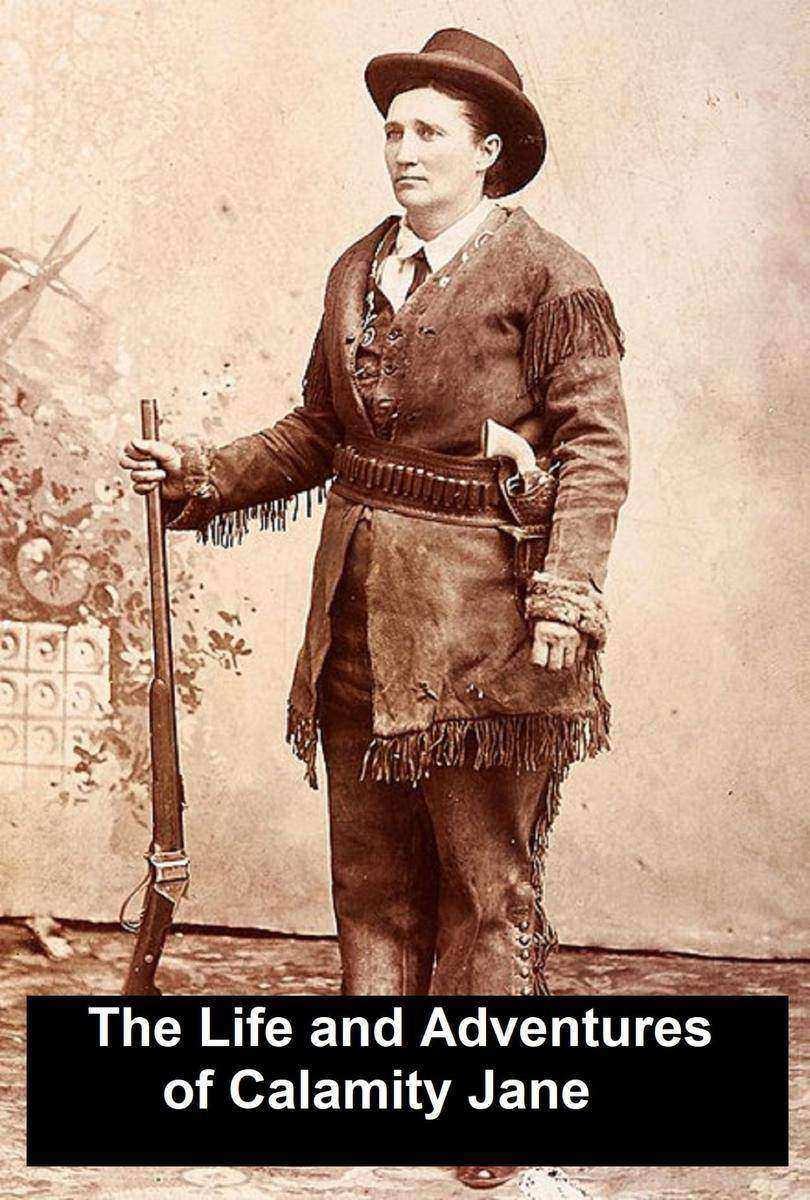
Life and Adventures of Calamity Jane
¥8.09
Short "autobiograhy." According to Wikipedia: "Martha Jane Cannary Burke, better known as Calamity Jane (May 1, 1852 – August 1, 1903), was a frontierswoman, prostitute, and professional scout best known for her claim of being an acquaintance of Wild Bill Hickok, but also for having gained fame fighting Native American Indians. She was a woman who exhibited kindness and compassion towards others, especially the sick and needy, who also was an alcoholic and traded sexual favors for money. This contrast helped to make her a famous and infamous frontier figure... In 1896 she joined the traveling Kohl & Middleton Dime Museum as a performer, and a 7-page souvenir booklet was sold by that circus, titled The Life and Adventures of Calamity Jane by Herself; it was almost certainly written by someone else, as there is no reliable evidence that Jane could read and write. It is this booklet that is described, rather generously, as her autobiography. The booklet misstates her birth name (as "Marthy Cannary"), her birthdate, and misspells "Missourri" repeatedly. Several of the stories in the booklet are unsupported, or even contradicted, by reliable evidence."
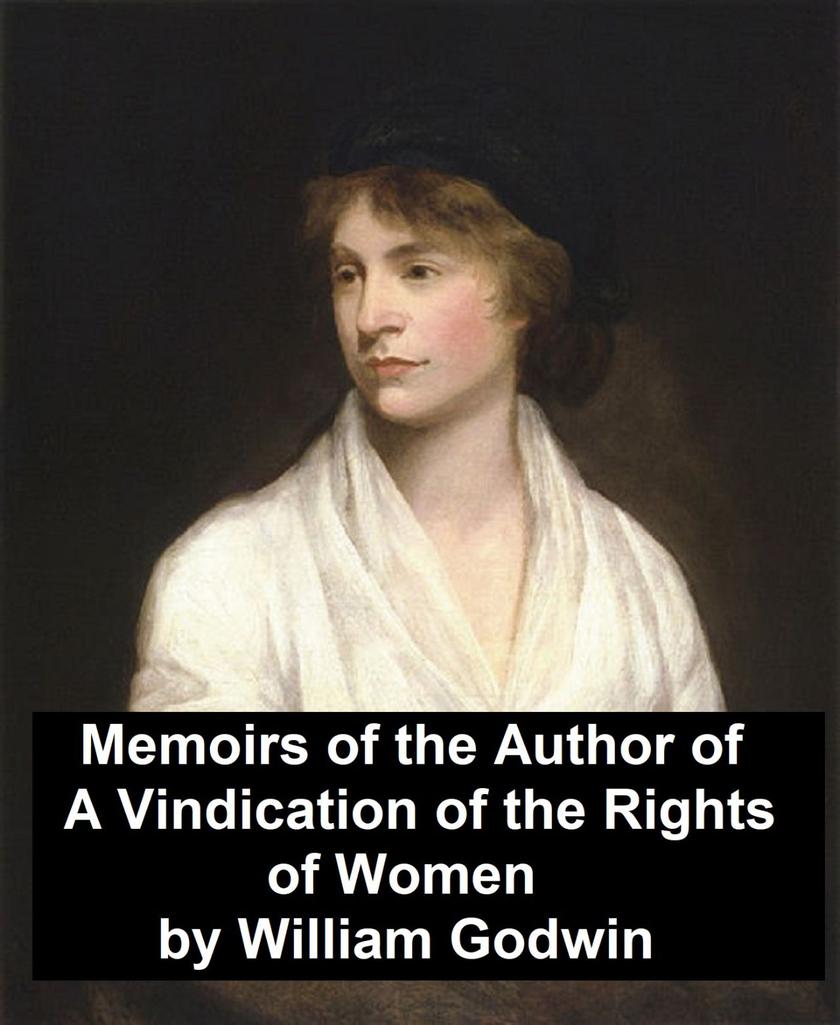
Memoirs of the Author of "A Vindication of the Rights of Women"
¥8.09
According to Wikipedia: "William Godwin (3 March 1756 – 7 April 1836) was an English journalist, political philosopher and novelist. He is considered one of the first exponents of utilitarianism, and one of the first modern proponents of anarchism. Godwin is most famous for two books that he published within the space of a year: An Enquiry Concerning Political Justice, an attack on political institutions, and Things as They Are or The Adventures of Caleb Williams, which attacks aristocratic privilege, but also is virtually the first mystery novel. Based on the success of both, Godwin featured prominently in the radical circles of London in the 1790s. In the ensuing conservative reaction to British radicalism, Godwin was attacked, in part because of his marriage to the pioneering feminist writer Mary Wollstonecraft in 1797 and his candid biography of her after her death; their child, Mary Godwin (later Mary Shelley) would go on to author Frankenstein and marry the poet Percy Bysshe Shelley. Godwin wrote prolifically in the genres of novels, history and demography throughout his lifetime."
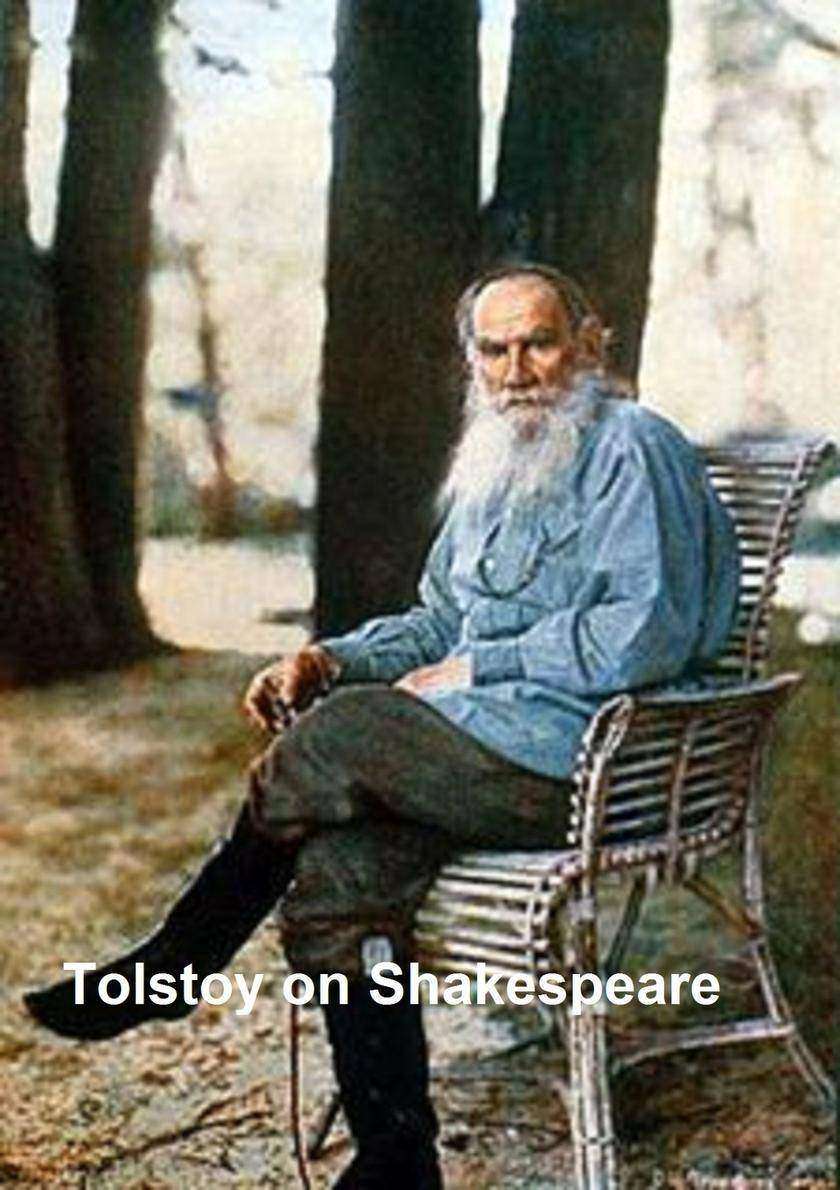
Tolstoy on Shakespeare
¥8.09
According to Wikipedia: "William Shakespeare (baptised 26 April 1564; died 23 April 1616)[a] was an English poet and playwright, widely regarded as the greatest writer in the English language and the world's pre-eminent dramatist.[1] He is often called England's national poet and the "Bard of Avon". His surviving works, including some collaborations, consist of 38 plays, 154 sonnets, two long narrative poems, and several other poems. His plays have been translated into every major living language and are performed more often than those of any other playwright." "Leo Tolstoy, or Count Lev Nikolayevich Tolstoy (September 9 – November 20, 1910), was a Russian writer widely regarded as among the greatest of novelists. His masterpieces War and Peace and Anna Karenina represent in their scope, breadth and vivid depiction of 19th-century Russian life and attitudes, the peak of realist fiction."
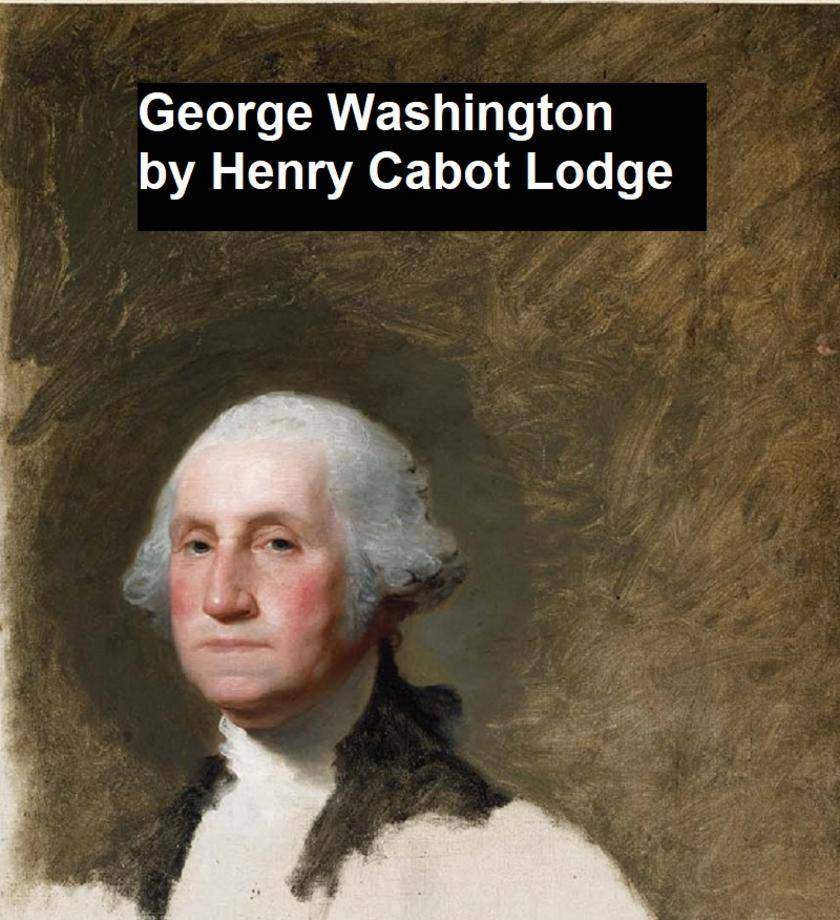
George Washington
¥8.09
According to Wikipedia: "Washington is seen as a symbol of the United States and republicanism in practice. His devotion to civic virtue made him an exemplary figure among early American politicians. Washington died in 1799, and in his funeral oration, Henry Lee said that of all Americans, he was "first in war, first in peace, and first in the hearts of his countrymen." Washington has been consistently ranked by scholars as one of the greatest U.S. Presidents."
George Washington
¥8.09
According to Wikipedia: "Washington is seen as a symbol of the United States and republicanism in practice. His devotion to civic virtue made him an exemplary figure among early American politicians. Washington died in 1799, and in his funeral oration, Henry Lee said that of all Americans, he was "first in war, first in peace, and first in the hearts of his countrymen." Washington has been consistently ranked by scholars as one of the greatest U.S. Presidents."
Robert Louis Stevenson, a Record, an Estimate, a Memorial
¥8.09
Biography of the author of Treasure Island. According to Wikipedia: "Robert Louis (Balfour) Stevenson ( 1850 - 1894), was a Scottish novelist, poet, and travel writer, and a leading representative of Neo-romanticism in English literature. He was the man who "seemed to pick the right word up on the point of his pen, like a man playing spillikins", as G. K. Chesterton put it. He was also greatly admired by many authors, including Jorge Luis Borges, Ernest Hemingway, Rudyard Kipling, Vladimir Nabokov, and J. M. Barrie. Most modernist writers dismissed him, however, because he was popular and did not write within their definition of modernism. It is only recently that critics have begun to look beyond Stevenson's popularity and allow him a place in the canon."
Tremendous Trifles
¥8.09
Book length collection of humorous essays. According to Wikipedia: "Gilbert Keith Chesterton (1874 - 1936) was an influential English writer of the early 20th century. His prolific and diverse output included journalism, philosophy, poetry, biography, Christian apologetics, fantasy and detective fiction. Chesterton has been called the "prince of paradox."[1] He wrote in an off-hand, whimsical prose studded with startling formulations. For example: "Thieves respect property. They merely wish the property to become their property that they may more perfectly respect it."[2] He is one of the few Christian thinkers who are equally admired and quoted by both liberal and conservative Christians, and indeed by many non-Christians. Chesterton's own theological and political views were far too nuanced to fit comfortably under the "liberal" or "conservative" banner."
Personal Recollections of Joan of Arc
¥8.09
Fictionalized history. According to Wikipedia: "Samuel Langhorne Clemens (1835 – 1910), better known by the pen name Mark Twain, was an American author and humorist. Twain is most noted for his novels Adventures of Huckleberry Finn, which has since been called the Great American Novel and The Adventures of Tom Sawyer. He is extensively quoted. During his lifetime, Twain became a friend to presidents, artists, industrialists and European royalty. Twain enjoyed immense public popularity, and his keen wit and incisive satire earned him praise from both critics and peers. American author William Faulkner called Twain "the father of American literature."
Angling Sketches
¥8.09
Classic collection of essays about fishing in Scotland. It begins: "These papers do not boast of great sport. They are truthful, not like the tales some fishers tell. They should appeal to many sympathies. There is no false modesty in the confidence with which I esteem myself a duffer, at fishing. Some men are born duffers; others, unlike persons of genius, become so by an infinite capacity for not taking pains. Others, again, among whom I would rank myself, combine both these elements of incompetence. Nature, that made me enthusiastically fond of fishing, gave me thumbs for fingers, short-sighted eyes, indolence, carelessness, and a temper which (usually sweet and angelic) is goaded to madness by the laws of matter and of gravitation."
Littérature et Philosophie Mêlées
¥8.09
Livre classique de la critique littéraire et de la philosophie, publié en 1834. Selon Wikipédia: "Victor-Marie Hugo (26 février 1802 - 22 mai 1885) était un poète, dramaturge, romancier, essayiste, artiste visuel, homme d'?tat, défenseur des droits humains En France, la renommée littéraire de Hugo vient d'abord de sa poésie, mais repose aussi sur ses romans et ses réalisations dramatiques Parmi de nombreux volumes de poésie, Les Contemplations et La Légende des siècles tiennent particulièrement haut dans l'estime critique et Hugo est parfois identifié comme le plus grand poète fran?ais.A l'extérieur de la France, ses ?uvres les plus connues sont les romans Les Misérables et Notre-Dame de Paris (connu aussi en anglais sous le nom de Le Bossu de Notre Dame). il était jeune, Hugo devint plus libéral au fil des décennies, il devint un partisan passionné du républicanisme et son travail touche à la plupart des questions politiques et sociales et artistiques. nds de son temps. Il est enterré au Panthéon. "
Memories and Portraits
¥8.09
Memoirs by the author of Treasure Island. He explains at the beginning: "This volume of papers, unconnected as they are, it will be better to read through from the beginning, rather than dip into at random. A certain thread of meaning binds them. Memories of childhood and youth, portraits of those who have gone before us in the battle - taken together, they build up a face that "I have loved long since and lost awhile," the face of what was once myself. This has come by accident; I had no design at first to be autobiographical; I was but led away by the charm of beloved memories and by regret for the irrevocable dead; and when my own young face (which is a face of the dead also) began to appear in the well as by a kind of magic, I was the first to be surprised at the occurrence."
The Soul of Man: An essay
¥8.09
An essay. According to Wikipedia: "Oscar Fingal O'Flahertie Wills Wilde (1854 - 1900) was an Irish playwright, novelist, poet, and author of short stories. Known for his barbed wit, he was one of the most successful playwrights of late Victorian London, and one of the greatest celebrities of his day. As the result of a famous trial, he suffered a dramatic downfall and was imprisoned for two years of hard labour after being convicted of the offence of 'gross indecency.'"
Modern Mythology
¥8.09
Anthropology and theory of myths and myth-making. According to Wikipedia: "Andrew Lang (March 31, 1844, Selkirk - July 20, 1912, Banchory, Kincardineshire) was a prolific Scots man of letters. He was a poet, novelist, and literary critic, and contributor to anthropology. He now is best known as the collector of folk and fairy tales."

Dewey and other Naval Commanders
¥8.09
Biography. According to Wikipedia: "Edward Sylvester Ellis (April 11, 1840 – June 20, 1916) was an American author who was born in Ohio and died at Cliff Island, Maine. Ellis was a teacher, school administrator, and journalist, but his most notable work was that that he performed as author of hundreds of dime novels that he produced under his name and a number of noms de plume. Notable works by Ellis include The Huge Hunter, or the Steam Man of the Prairies and Seth Jones, or the Captives of the Frontier. Internationally, Edward S. Ellis is probably best known for his Deerhunter novels widely read by young boys up to the 1950s (together with works by James Fenimore Cooper and Karl May). In the mid-1880s, after a fiction-writing career of some thirty years, Ellis eventually turned his pen to more serious works of biography, history, and persuasive writing."
Mark Twain's Essays Letters and Speeches
¥8.09
This book-collection file includes books of Mark Twain's speeches and letters, plus 3 book-length collections of essays: What is Man? Sketches New and Old, and Christian Science. It also includes the following short collections and individual essays: Editorial Wild Oats, Essays on Paul Bourget, Fenimore Cooper's Literary Offences, and In Defence of Harriet Shelley. According to Wikipedia: "Samuel Langhorne Clemens (1835 – 1910), better known by the pen name Mark Twain, was an American humorist, satirist, lecturer and writer. Twain is most noted for his novels Adventures of Huckleberry Finn, which has since been called the Great American Novel, and The Adventures of Tom Sawyer. He is also known for his quotations. During his lifetime, Twain became a friend to presidents, artists, industrialists and European royalty. Twain enjoyed immense public popularity, and his keen wit and incisive satire earned him praise from both critics and peers. American author William Faulkner called Twain "the father of American literature."
Works of Freytag and Fontane
¥8.09
This collection includes works by Gustav Freytag and Theodor Fontane. The German Classics Of The Nineteenth And Twentieth Centuries, Volume 1, edited by Kuno Francke.
Notes on a Journey from Cornhill to Grand Cairo
¥8.09
Classic travelogue. According to Wikipedia: "Thackeray is most often compared to one other great novelist of Victorian literature, Charles Dickens. During the Victorian era, he was ranked second only to Dickens, but he is now much less read and is known almost exclusively for Vanity Fair. In that novel he was able to satirize whole swaths of humanity while retaining a light touch. It also features his most memorable character, the engagingly roguish Becky Sharp. As a result, unlike Thackeray's other novels, it remains popular with the general reading public; it is a standard fixture in university courses and has been repeatedly adapted for movies and television. In Thackeray's own day, some commentators, such as Anthony Trollope, ranked his History of Henry Esmond as his greatest work, perhaps because it expressed Victorian values of duty and earnestness, as did some of his other later novels. It is perhaps for this reason that they have not survived as well as Vanity Fair, which satirizes those values."
Lectures and Essays
¥8.09
This collection includes: The Rise of Historical Criticism, The English Renaissance of Art, House Decoration, Art and the Handicraftsman, Lecture to Art Students, London Models, and Poems in Prose. According to Wikipedia: "Oscar Fingal O'Flahertie Wills Wilde (1854 - 1900) was an Irish playwright, novelist, poet, and author of short stories. Known for his barbed wit, he was one of the most successful playwrights of late Victorian London, and one of the greatest celebrities of his day. As the result of a famous trial, he suffered a dramatic downfall and was imprisoned for two years of hard labour after being convicted of the offence of 'gross indecency.'"
Queen Elizabeth
¥8.09
According to Wikipedia: "Elizabeth I (7 September 1533 – 24 March 1603) was Queen regnant of England and Queen regnant of Ireland from 17 November 1558 until her death. Sometimes called The Virgin Queen, Gloriana, or Good Queen Bess, Elizabeth was the fifth and last monarch of the Tudor dynasty. The daughter of Henry VIII, she was born a princess, but her mother, Anne Boleyn, was executed two and a half years after her birth, and Elizabeth was declared illegitimate. Her brother, Edward VI, bequeathed the crown to Lady Jane Grey, cutting his sisters out of the succession. His will was set aside, Lady Jane Grey was executed, and in 1558 Elizabeth succeeded the Catholic Mary I, during whose reign she had been imprisoned for nearly a year on suspicion of supporting Protestant rebels... Elizabeth's reign is known as the Elizabethan era, famous above all for the flourishing of English drama, led by playwrights such as William Shakespeare and Christopher Marlowe, and for the seafaring prowess of English adventurers such as Sir Francis Drake. Some historians are more reserved in their assessment. They depict Elizabeth as a short-tempered,[4] sometimes indecisive ruler,[5] who enjoyed more than her share of luck. Towards the end of her reign, a series of economic and military problems weakened her popularity to the point where many of her subjects were relieved at her death. Elizabeth is acknowledged as a charismatic performer and a dogged survivor, in an age when government was ramshackle and limited and when monarchs in neighbouring countries faced internal problems that jeopardised their thrones. Such was the case with Elizabeth's rival, Mary, Queen of Scots, whom she imprisoned in 1568 and eventually had executed in 1587. After the short reigns of Elizabeth's brother and sister, her 44 years on the throne provided welcome stability for the kingdom and helped forge a sense of national identity."

Aesthetical and Philosophical Essays
¥8.09
The classic of literary theory. According to Wikipedia: ""Johann Christoph Friedrich von Schiller (1759 – 1805) was a German poet, philosopher, historian, and dramatist. During the last few years of his life (1788–1805), Schiller struck up a productive, if complicated, friendship with already famous and influential Johann Wolfgang Goethe, with whom he greatly discussed issues concerning aesthetics, encouraging Goethe to finish works he left merely as sketches; this thereby gave way to a period now referred to as Weimar Classicism."


