


 购物车
购物车 个人中心
个人中心

Everyday Technology
¥147.15
In 1909 Mohandas Karamchand Gandhi, on his way back to South Africa from London, wrote his now celebrated tract Hind Swaraj, laying out his vision for the future of India and famously rejecting the technological innovations of Western civilization. Despite his protestations, Western technology endured and helped to make India one of the leading economies in our globalized world. Few would question the dominant role that technology plays in modern life, but to fully understand how India first advanced into technological modernity, argues David Arnold, we must consider the technology of the everyday.?Everyday Technology is a pioneering account of how small machines and consumer goods that originated in Europe and North America became objects of everyday use in India in the late nineteenth and early twentieth centuries. Rather than investigate "e;big"e; technologies such as railways and irrigation projects, Arnold examines the assimilation and appropriation of bicycles, rice mills, sewing machines, and typewriters in India, and follows their impact on the ways in which people worked and traveled, the clothes they wore, and the kind of food they ate. But the effects of these machines were not limited to the daily rituals of Indian society, and Arnold demonstrates how such small-scale technologies became integral to new ways of thinking about class, race, and gender, as well as about the politics of colonial rule and Indian nationhood.?Arnold's fascinating book offers new perspectives on the globalization of modern technologies and shows us that to truly understand what modernity became, we need to look at the everyday experiences of people in all walks of life, taking stock of how they repurposed small technologies to reinvent their world and themselves.
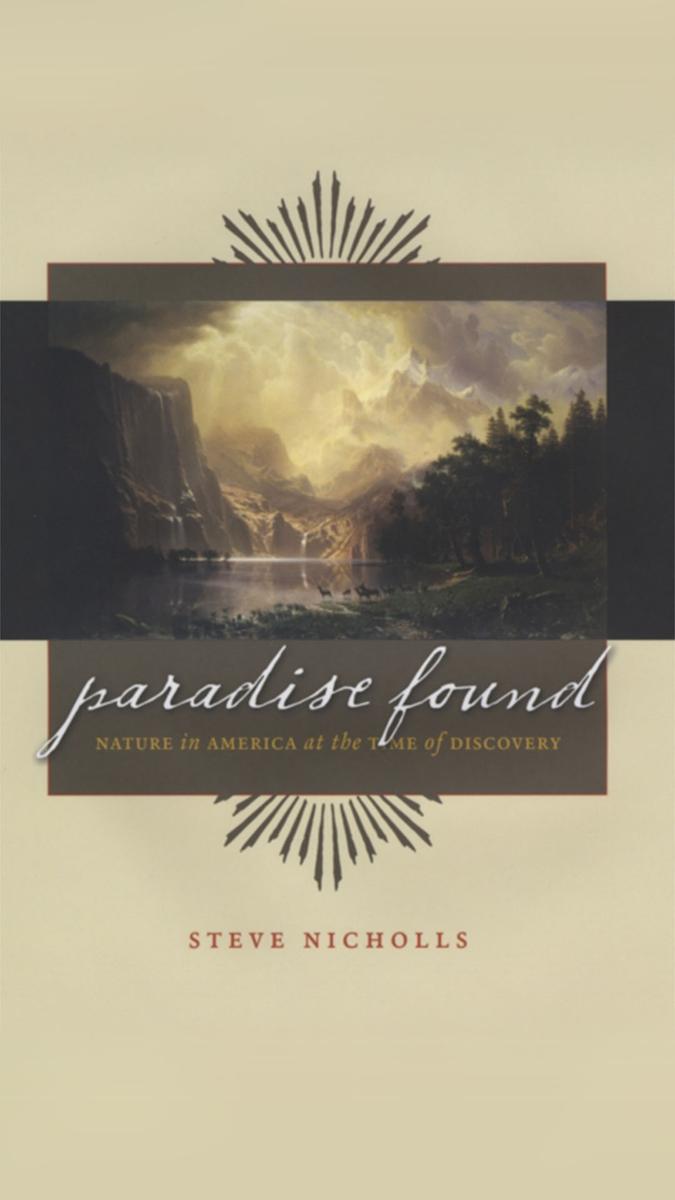
Paradise Found
¥147.15
The first Europeans to set foot on North America stood in awe of the natural abundance before them. The skies were filled with birds, seas and rivers teemed with fish, and the forests and grasslands were a hunter's dream, with populations of game too abundant and diverse to even fathom. It's no wonder these first settlers thought they had discovered a paradise of sorts. Fortunately for us, they left a legacy of copious records documenting what they saw, and these observations make it possible to craft a far more detailed evocation of North America before its settlement than any other place on the planet.Here Steve Nicholls brings this spectacular environment back to vivid life, demonstrating with both historical narrative and scientific inquiry just what an amazing place North America was and how it looked when the explorers first found it. The story of the continent's colonization forms a backdrop to its natural history, which Nicholls explores in chapters on the North Atlantic, the East Coast, the Subtropical Caribbean, the West Coast, Baja California, and the Great Plains. Seamlessly blending firsthand accounts from centuries past with the findings of scientists today, Nicholls also introduces us to a myriad cast of characters who have chronicled the changing landscape, from pre-Revolutionary era settlers to researchers whom he has met in the field.A director and writer of Emmy Award-winning wildlife documentaries for the Smithsonian Channel, Animal Planet, National Geographic, and PBS, Nicholls deploys a cinematic flair for capturing nature at its most mesmerizing throughout. But Paradise Found is much more than a celebration of what once was: it is also a reminder of how much we have lost along the way and an urgent call to action so future generations are more responsible stewards of the world around them. The result is popular science of the highest order: a book as remarkable as the landscape it recreates and as inspired as the men and women who discovered it.
Love and Saint Augustine
¥147.15
Hannah Arendt began her scholarly career with an exploration of Saint Augustine's concept of caritas, or neighborly love, written under the direction of Karl Jaspers and the influence of Martin Heidegger. After her German academic life came to a halt in 1933, Arendt carried her dissertation into exile in France, and years later took the same battered and stained copy to New York. During the late 1950s and early 1960s, as she was completing or reworking her most influential studies of political life, Arendt was simultaneously annotating and revising her dissertation on Augustine, amplifying its argument with terms and concepts she was using in her political works of the same period. The disseration became a bridge over which Arendt traveled back and forth between 1929 Heidelberg and 1960s New York, carrying with her Augustine's question about the possibility of social life in an age of rapid political and moral change.In Love and Saint Augustine, Joanna Vecchiarelli Scott and Judith Chelius Stark make this important early work accessible for the first time. Here is a completely corrected and revised English translation that incorporates Arendt's own substantial revisions and provides additional notes based on letters, contracts, and other documents as well as the recollections of Arendt's friends and colleagues during her later years.

Blood Runs Green
¥147.15
It was the biggest funeral Chicago had seen since Lincoln's. On May 26, 1889, four thousand mourners proceeded down Michigan Avenue, followed by a crowd forty thousand strong, in a howl of protest at what commentators called one of the ghastliest and most curious crimes in civilized history. The dead man, Dr. P. H. Cronin, was a respected Irish physician, but his brutal murder uncovered a web of intrigue, secrecy, and corruption that stretched across the United States and far beyond.Blood Runs Green tells the story of Cronin's murder from the police investigation to the trial. It is a story of hotheaded journalists in pursuit of sensational crimes, of a bungling police force riddled with informers and spies, and of a secret revolutionary society determined to free Ireland but succeeding only in tearing itself apart. It is also the story of a booming immigrant population clamoring for power at a time of unprecedented change.From backrooms to courtrooms, historian Gillian O'Brien deftly navigates the complexities of Irish Chicago, bringing to life a rich cast of characters and tracing the spectacular rise and fall of the secret Irish American society Clan na Gael. She draws on real-life accounts and sources from the United States, Ireland, and Britain to cast new light on Clan na Gael and reveal how Irish republicanism swept across the United States. Destined to be a true crime classic, Blood Runs Green is an enthralling tale of a murder that captivated the world and reverberated through society long after the coffin closed.
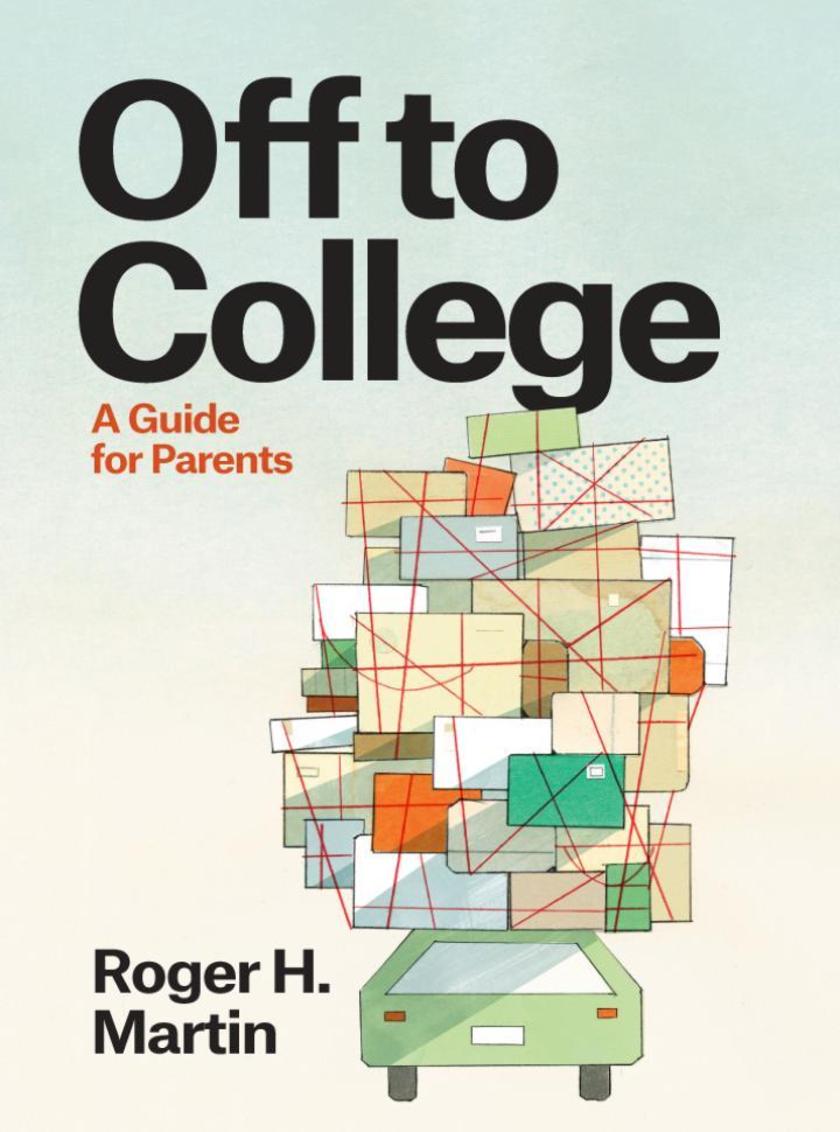
Off to College
¥147.15
For many parents, sending their child off to college can be a disconcerting leap. After years spent helping with homework, attending parent-teacher conferences, and catching up after school, college life represents a world of unknowns. What really happens during that transitional first ?year of collegeAnd what can parents do to strike the right balance between providing support and fostering independence?With Off to College, Roger H. Martin helps parents understand this important period of transition by providing the perfect tour of the first year on today's campus. Martin, a twenty-year college president and former Harvard dean, spent a year visiting five very different colleges and universities across the United States-public and private, large and small, elite and non-elite-to get an insider's view of modern college life. He observes an advising session as a student sorts out her schedule, unravels the mysteries of roommate assignments with a residence life director, and patrols campus with a safety officer on a rowdy Saturday night. He gets pointers in freshman English and tips on athletics and physical fitness from coaches. He talks with financial aid officers and health service providers. And he listens to the voices of the first-year students themselves. Martin packs Off to College with the insights and advice he gained and bolsters them with data from a wide variety of sources to deliver a unique and personal view of the current student experience.The first year is not just the beginning of a student's college education but also the first big step in becoming an adult. Off to College will help parents understand what to expect whether they're new to the college experience or reconciling modern campus life with memories of their own college days.
Legendary Detective
¥147.15
"e;I'm in a business where people come to me with troubles. Big troubles, little troubles, but always troubles they don't want to take to the cops."e; That's Raymond Chandler's Philip Marlowe, succinctly setting out our image of the private eye. A no-nonsense loner, working on the margins of society, working in the darkness to shine a little light.?The reality is a little different-but no less fascinating. In The Legendary Detective, John Walton offers a sweeping history of the American private detective in reality and myth, from the earliest agencies to the hard-boiled heights of the 1930s and '40s. Drawing on previously untapped archival accounts of actual detective work, Walton traces both the growth of major private detective agencies like Pinkerton, which became powerful bulwarks against social and labor unrest, and the motley, unglamorous work of small-time operatives. He then goes on to show us how writers like Dashiell Hammett and editors of sensational pulp magazines like Black Mask embellished on actual experiences and fashioned an image of the PI as a compelling, even admirable, necessary evil, doing society's dirty work while adhering to a self-imposed moral code. Scandals, public investigations, and regulations brought the boom years of private agencies to an end in the late 1930s, Walton explains, in the process fully cementing the shift from reality to fantasy.?Today, as the private detective has long since given way to security services and armed guards, the myth of the lone PI remains as potent as ever. No fan of crime fiction or American history will want to miss The Legendary Detective.
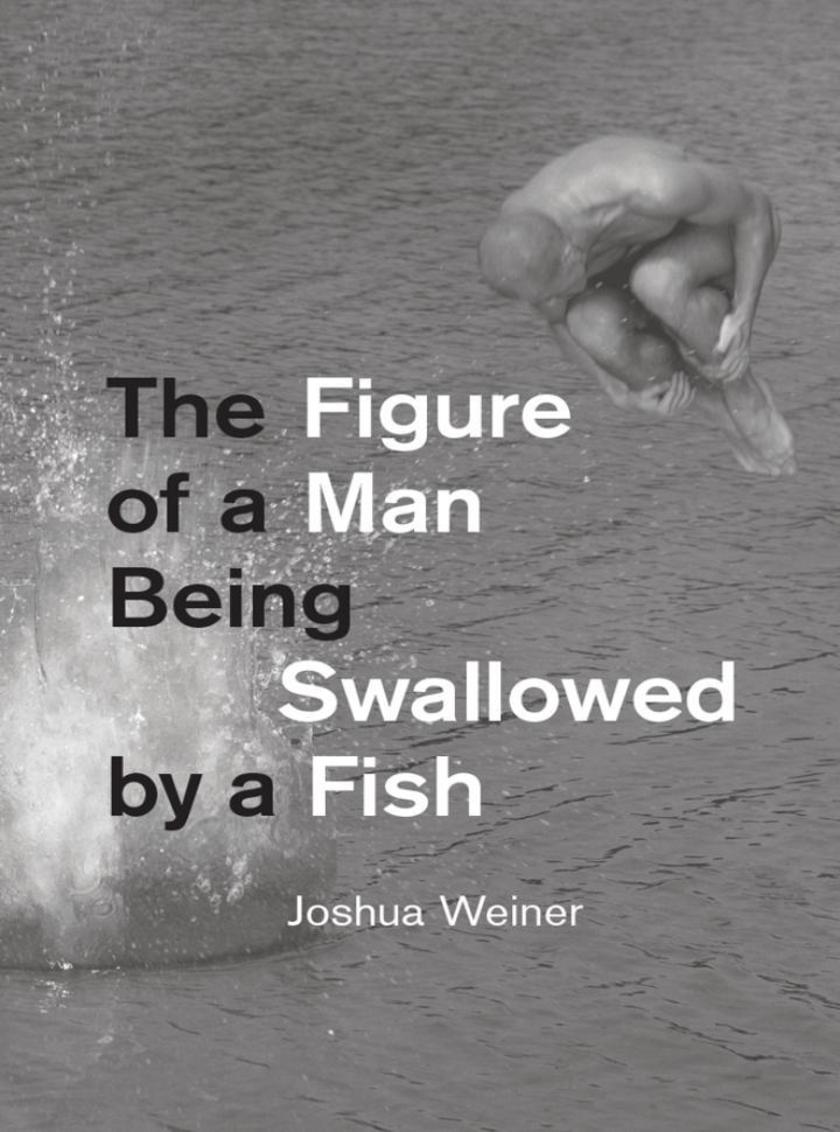
Figure of a Man Being Swallowed by a Fish
¥147.15
At the heart of Weiner's new book is an extended poem with a bold political dimension and great intellectual ambition. It fuses the poet's point of view with Walt Whitman's to narrate a decentered time-traveling collage about Rock Creek, a tributary of the Potomac that runs through Washington, DC. For Weiner, Rock Creek is the location of myriad kinds of movement, streaming, and joining: personal enterprise and financial capital; national politics, murder, sex, and homelessness; the Civil War and collective history; music, spiritual awakening, personal memory, and pastoral vision. The questions that arise from the opening foundational poem inform the others in the collection, which range widely from the dramatic arrival of an uncanny charismatic totem that titles the volume to intimate reflections on family, illness, and dream visions. The virtues of Weiner's earlier books-discursive intelligence, formal control, an eccentric and intriguing ear, and a wide-ranging curiosity matched to variety of feeling-are all present here. But in The Figure of a Man Being Swallowed by a Fish, Weiner has discovered a new poetic idiom, one that is stripped down, rhythmically jagged, and comprehensively philosophical about human limits.
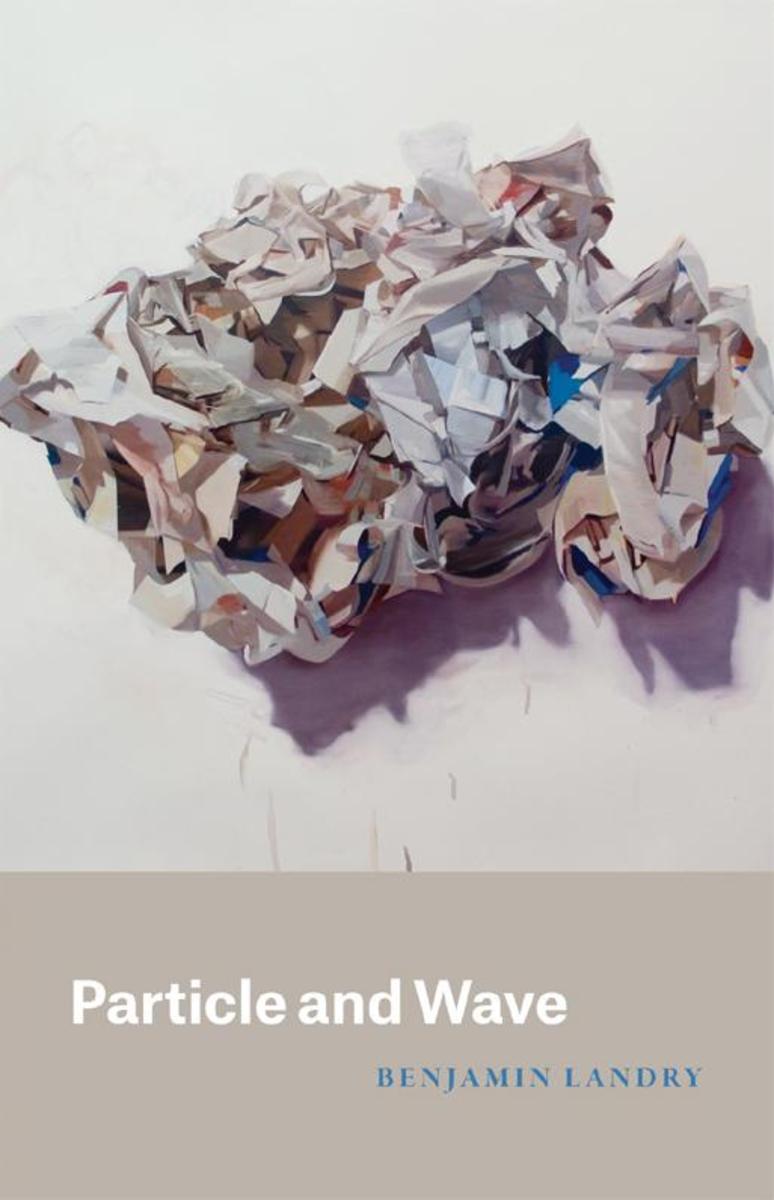
Particle and Wave
¥147.15
Are we aloneIf so, Particle and Wave insists that we need not be lonely. Here the periodic table of elements-a system familiar to many of us from high school chemistry-unfolds in a series of unexpected meanings with connotations public, personal, and existential. Based on a logic that considers the atomic symbol an improvised phoneme, Particle and Wave is keenly attuned to the qualities of voice and concerned with how these improvisations fall on the listening ear. From the most recent housing bust, to the artistic visions of Christo and Jeanne Claude, to the labors of the Curies, to Pliny the Younger's account of the eruption of Vesuvius, culture and world histories are recontextualized through the lens of personal experience. Muscular, precise, structurally varied, and imagistic, these poems engage in lyricism yet resist mere confession. In doing so they project the self as a composite, speaking in a variety of registers, from the nursery rhyme songster, to the ascetic devotee, to the unapologetic sensualist. They welcome all comers and elbow the bounded physical world to make way for a dynamic, new subjectivity.
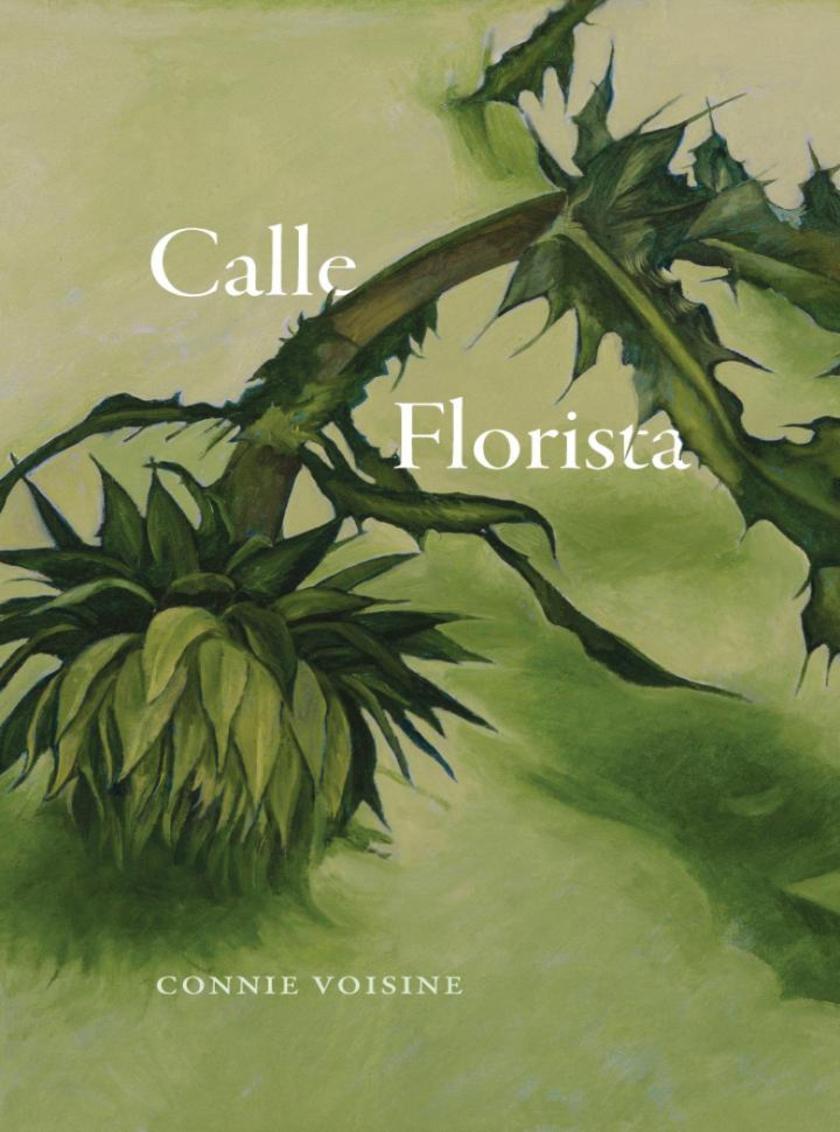
Calle Florista
¥147.15
This World and That OneSometimes you defy it,I am not that, watching a strangercry like a dog when she thinks she's aloneat the kitchen window, hands forgottenunder the running tap.The curtains blow out, flap the other side of the sill.In you one hole fills another,stacked like cups.You remember your hands.Connie Voisine's third book of poems centers on the border between the United States and Mexico, celebrating the stunning, severe desert landscape found there. This setting marks the occasion as well for Voisine to explore themes of splitting and friction in both human and political contexts. Whose space is this border, she asks, and what voice can possibly tell the story of this place?In a wry, elegiac mode, the poems of Calle Florista take us both to the edge of our country and the edge of our faith in art and the world. This is mature work, offering us poems that oscillate between the articulation of complex, private sensibilities and the directness of a poet cracking the private self open-and making it vulnerable to the wider world.
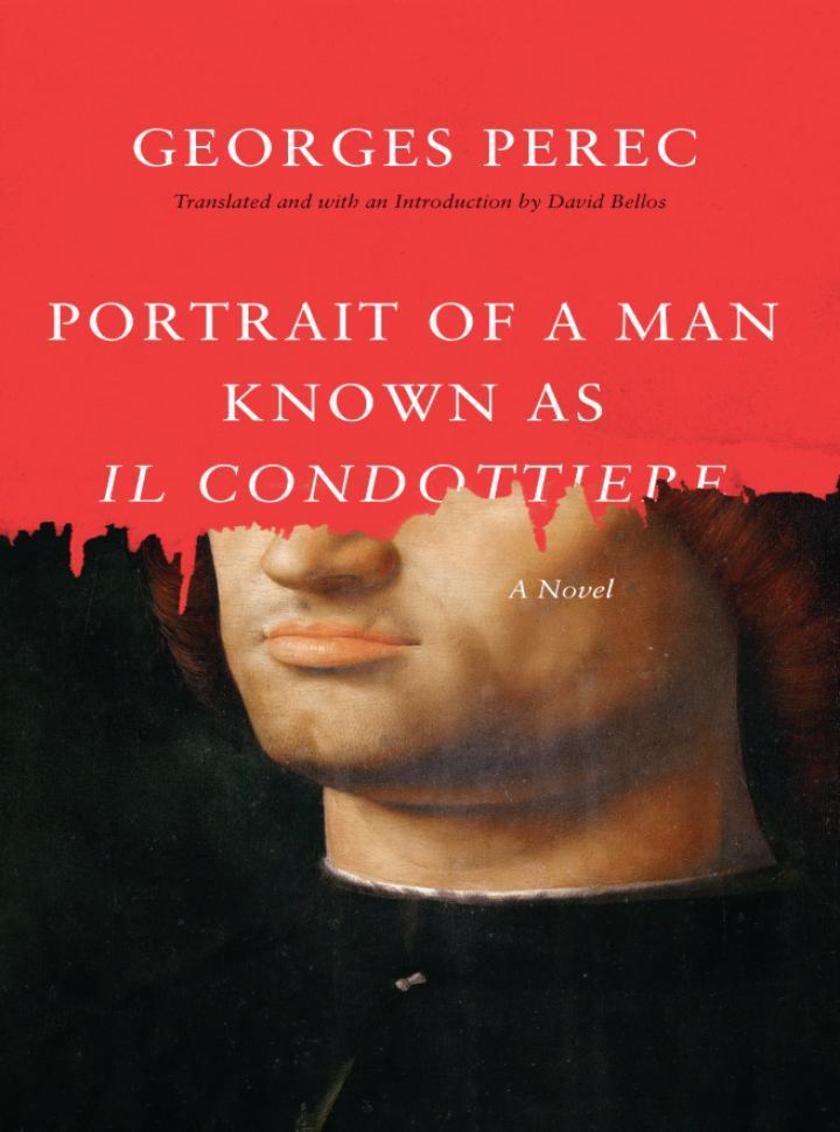
Portrait of a Man Known as Il Condottiere
¥147.15
Puckish and playful, Georges Perec infused avant-garde and experimental fiction with a wit and wonder that belied the serious concerns and concepts that underpinned it. A prominent member of the OuLiPo, and an abiding influence on fiction writers today, Perec used formal constraints to dazzling effect in such works as A Void-a murder mystery that contains nary an "e;e"e;-and Life A User's Manual, in which an apartment building, systematically canvassed, unfolds secrets and, ultimately offers a reflection on creation, destruction, and the devotion to art.?Before embarking on these experiments, however, Perec tried his hand at a relatively straightforward novel, Portrait of a Man. His first book, it was rejected by publishers when he submitted it in 1960, after which he filed it away. Decades after Perec's death, David Bellos discovered the manu*, and through his translation we have a chance to enjoy it in English for the first time. What fans will find here is a thriller that combines themes that would remain prominent in Perec's later work, such as art forgery, authenticity, and murder, as well as craftsman Gaspard Winckler, who whose namesakes play major roles in Life A User's Manual and W or The Memory of Childhood.?Engaging and entertaining on its own merits, and gaining additional interest when set in the context of Perec's career, Portrait of a Man is sure to charm the many fans of this postmodern master.
Wandering Mind
¥147.15
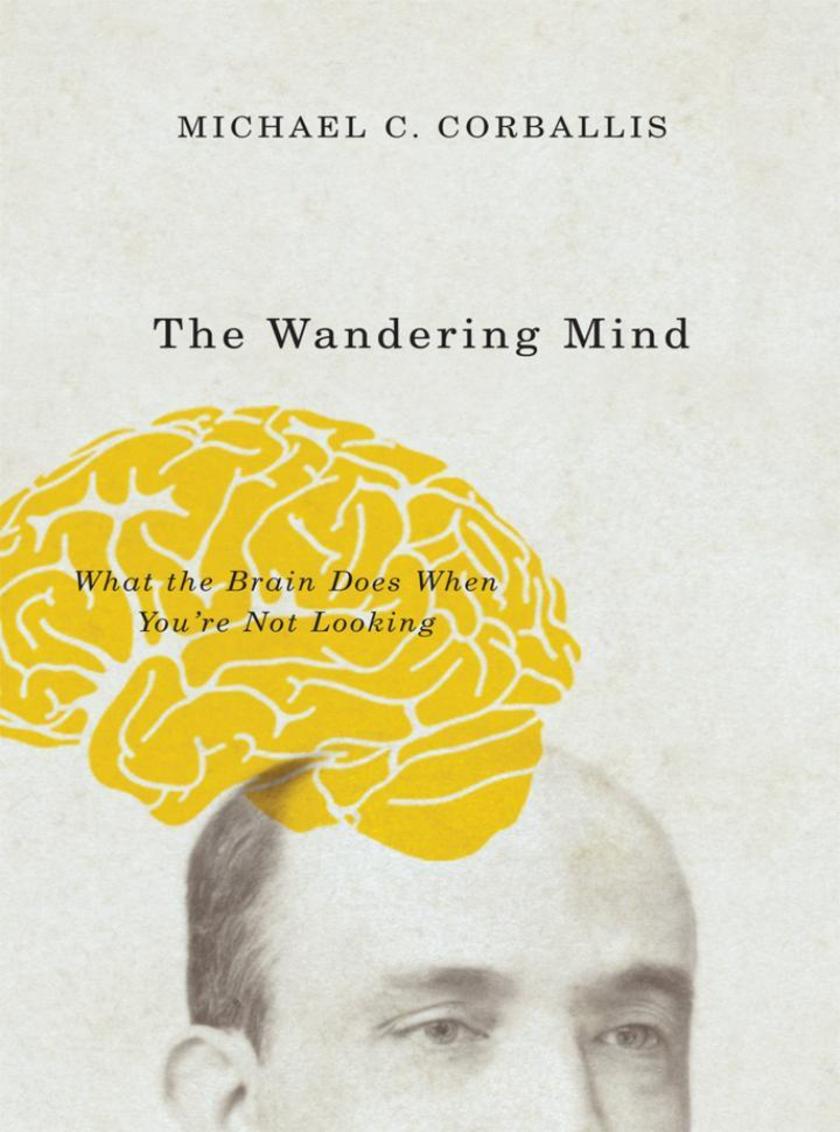
If we've done our job well-and, let's be honest, if we're lucky-you'll read to the end of this de*ion. Most likely, however, you won't. Somewhere in the middle of the next paragraph, your mind will wander off. Minds wander. That's just how it is.?That may be bad news for me, but is it bad news for people in generalDoes the fact that as much as fifty percent of our waking hours find us failing to focus on the task at hand represent a problemMichael Corballis doesn't think so, and with The Wandering Mind, he shows us why, rehabilitating woolgathering and revealing its incredibly useful effects. Drawing on the latest research from cognitive science and evolutionary biology, Corballis shows us how mind-wandering not only frees us from moment-to-moment drudgery, but also from the limitations of our immediate selves. Mind-wandering strengthens our imagination, fueling the flights of invention, storytelling, and empathy that underlie our shared humanity; furthermore, he explains, our tendency to wander back and forth through the timeline of our lives is fundamental to our very sense of ourselves as coherent, continuing personalities.?Full of unusual examples and surprising discoveries, The Wandering Mind mounts a vigorous defense of inattentioneven as it never fails to hold the reader's.
Hidden Game of Baseball
¥147.15
Long before Moneyball became a sensation or Nate Silver turned the knowledge he'd honed on baseball into electoral gold, John Thorn and Pete Palmer were using statistics to shake the foundations of the game. First published in 1984, The Hidden Game of Baseball ushered in the sabermetric revolution by demonstrating that we were thinking about baseball stats-and thus the game itself-all wrong. Instead of praising sluggers for gaudy RBI totals or pitchers for wins, Thorn and Palmer argued in favor of more subtle measurements that correlated much more closely to the ultimate goal: winning baseball games.The new gospel promulgated by Thorn and Palmer opened the door for a flood of new questions, such as how a ballpark's layout helps or hinders offense or whether a strikeout really is worse than another kind of out. Taking questions like these seriously-and backing up the answers with data-launched a new era, showing fans, journalists, scouts, executives, and even players themselves a new, better way to look at the game.This brand-new edition retains the body of the original, with its rich, accessible analysis rooted in a deep love of baseball, while adding a new introduction by the authors tracing the book's influence over the years. A foreword by ESPN's lead baseball analyst, Keith Law, details The Hidden Game's central role in the transformation of baseball coverage and team management and shows how teams continue to reap the benefits of Thorn and Palmer's insights today. Thirty years after its original publication, The Hidden Game is still bringing the high heat-a true classic of baseball literature.
Castles, Battles, and Bombs
¥147.15
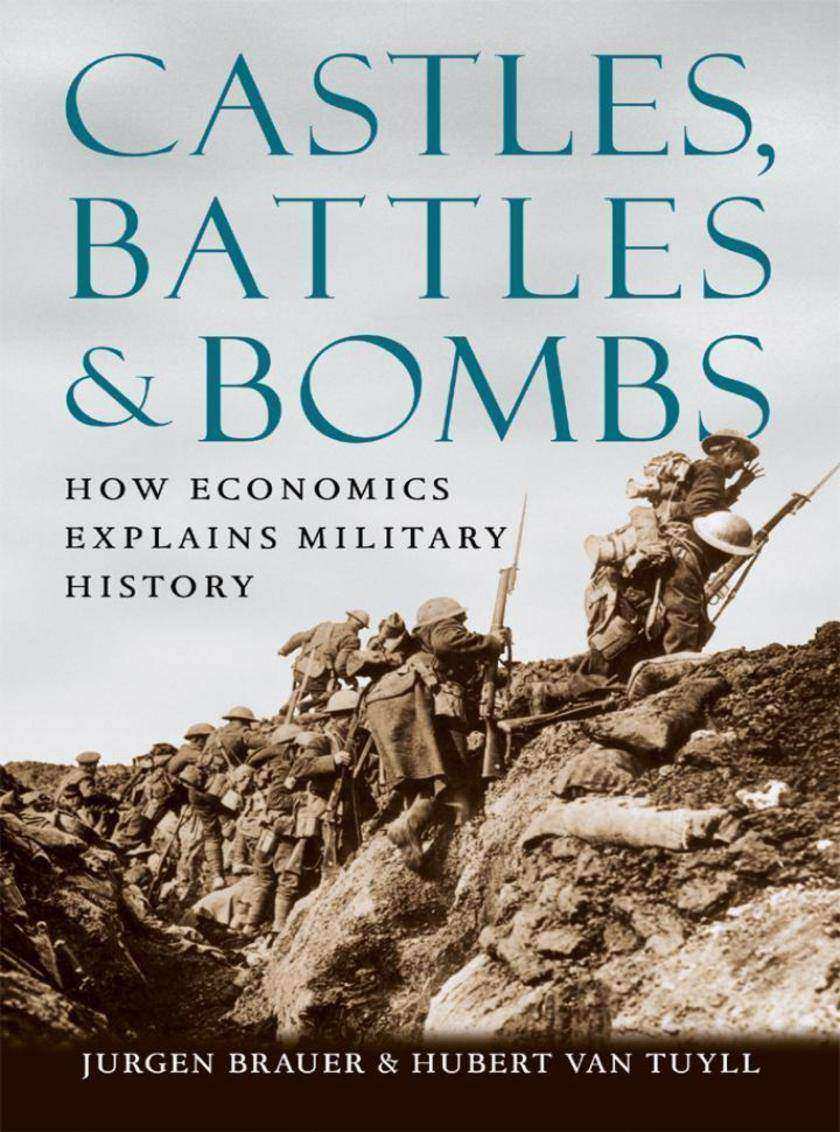
Castles, Battles, and Bombs reconsiders key episodes of military history from the point of view of economics-with dramatically insightful results. For example, when looked at as a question of sheer cost, the building of castles in the High Middle Ages seems almost inevitable: though stunningly expensive, a strong castle was far cheaper to maintain than a standing army. The authors also reexamine the strategic bombing of Germany in World War II and provide new insights into France's decision to develop nuclear weapons. Drawing on these examples and more, Brauer and Van Tuyll suggest lessons for today's military, from counterterrorist strategy and military manpower planning to the use of private military companies in Afghanistan and Iraq.?"e;In bringing economics into assessments of military history, [the authors] also bring illumination. . . . [The authors] turn their interdisciplinary lens on the mercenary arrangements of Renaissance Italy; the wars of Marlborough, Frederick the Great, and Napoleon; Grant's campaigns in the Civil War; and the strategic bombings of World War II. The results are invariably stimulating."e;-Martin Walker, Wilson Quarterly?"e;This study is serious, creative, important. As an economist I am happy to see economics so professionally applied to illuminate major decisions in the history of warfare."e;-Thomas C. Schelling, Winner of the 2005 Nobel Prize in Economics
Sister's Memories
¥147.15
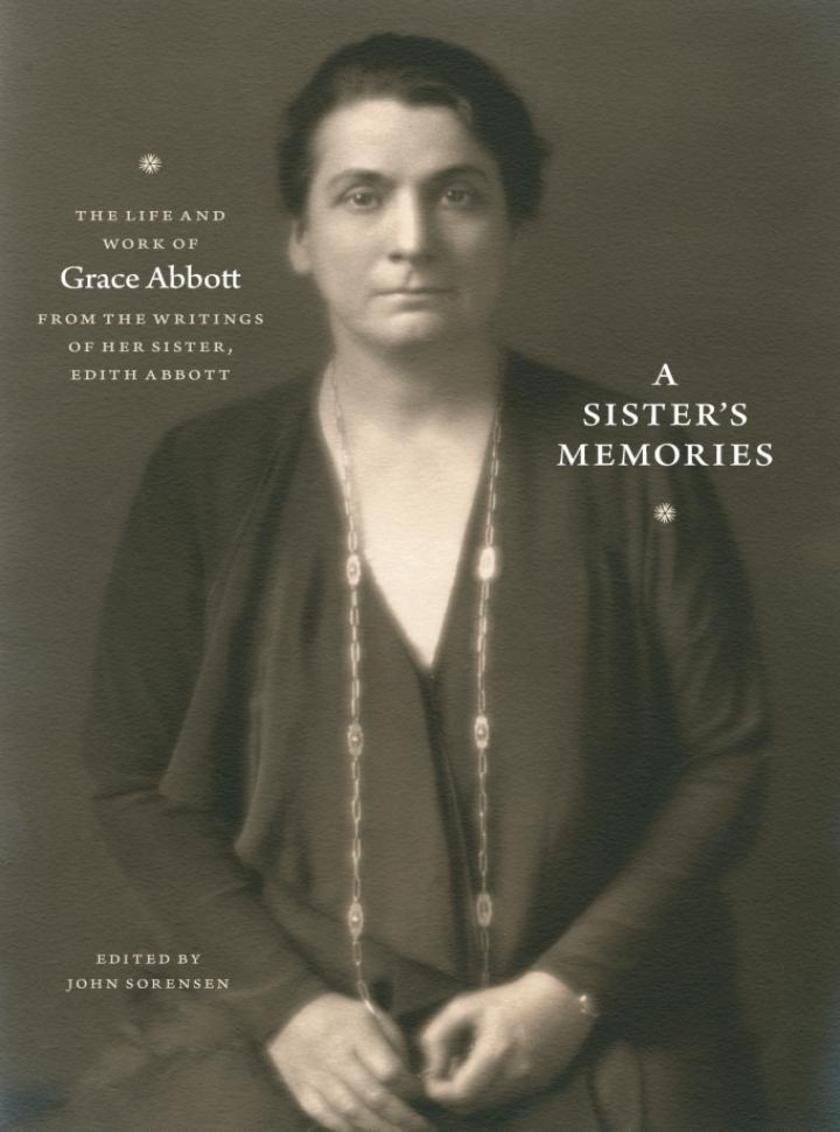
Among the great figures of Progressive Era reform, Edith and Grace Abbott are perhaps the least sung. Peers, companions, and coworkers of legendary figures such as Jane Addams and Sophonisba Breckinridge, the Abbott sisters were nearly omnipresent in turn-of-the-century struggles to improve the lives of the poor and the working-class people who fed the industrial engines and crowded into diverse city neighborhoods. Grace's innovative role as a leading champion for the rights of children, immigrants, and women earned her a key place in the history of the social justice movement. As her friend and colleague Eleanor Roosevelt wrote, Grace was "e;one of the great women of our day . . . a definite strength which we could count on for use in battle."e;A Sister's Memories is the inspiring story of Grace Abbott (1878-1939), as told by her sister and social justice comrade, Edith Abbott (1876-1957). Edith recalls in vivid detail the Nebraska childhood, impressive achievements, and struggles of her sister who, as head of the Immigrants' Protective League and the U.S. Children's Bureau, championed children's rights from the slums of Chicago to the villages of Appalachia. Grace's crusade can perhaps be best summed up in her well-known credo: "e;Justice for all children is the high ideal in a democracy."e; Her efforts saved the lives of thousands of children and immigrants and improved those of millions more. These trailblazing social service works led the way to the creation of the Social Security Act and UNICEF and caused the press to nickname her "e;The Mother of America's 43 Million Children."e; She was the first woman in American history to be nominated to the presidential cabinet and the first person to represent the United States at a committee of the League of Nations.Edited by Abbott scholar John Sorensen, A Sister's Memories is destined to become a classic. It shapes the diverse writings of Edith Abbott into a cohesive narrative for the first time and fills in the gaps of our understanding of Progressive Era reforms. Readers of all backgrounds will find themselves engrossed by this history of the unstoppable, pioneer feminist Abbott sisters.
Tim and Tom
¥147.15
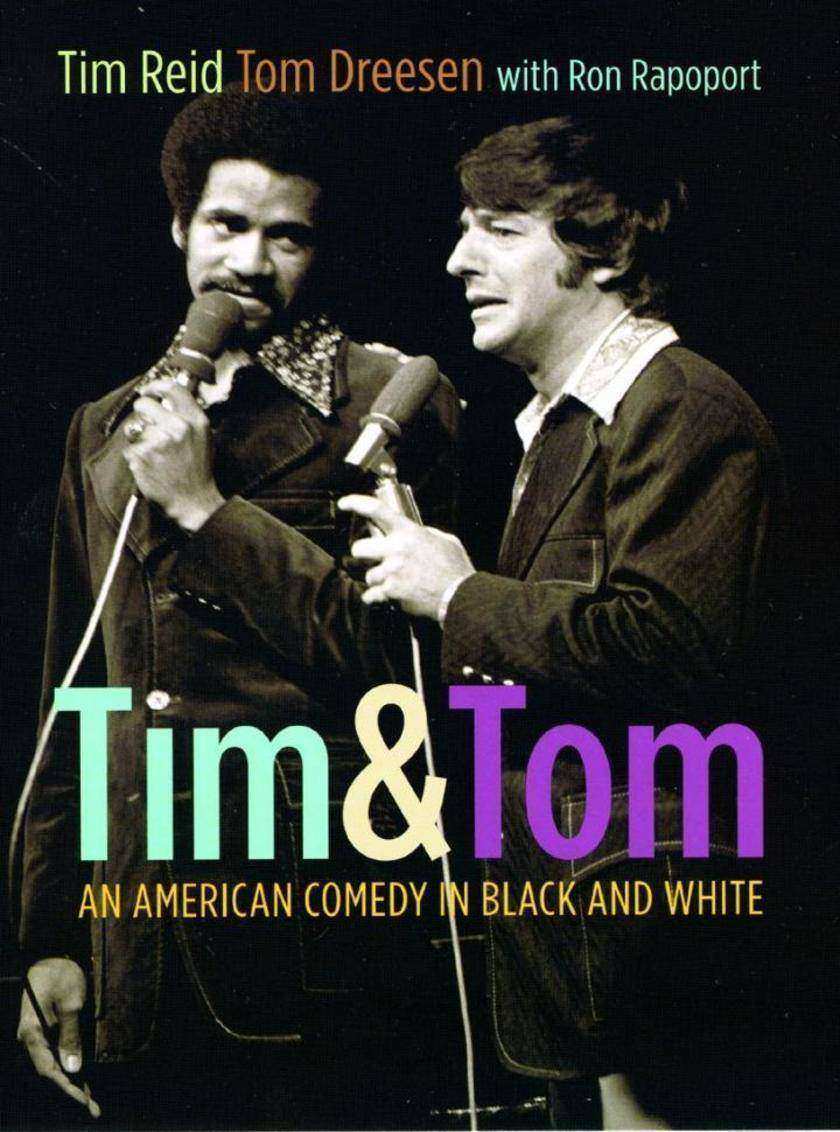
As the heady promise of the 1960s sagged under the weight of widespread violence, rioting, and racial unrest, two young men--one black and one white--took to stages across the nation to help Americans confront their racial divide: by laughing at it.Tim and Tom tells the story of that pioneering duo, the first interracial comedy team in the history of show business--and the last. Tim Reid and Tom Dreesen polished their act in the nightclubs of Chicago, then took it on the road, not only in the North, but in the still-simmering South as well, developing routines that even today remain surprisingly frank--and remarkably funny--about race. Most nights, the shock of seeing an integrated comedy team quickly dissipated in uproarious laughter, but on some occasions the audience's confusion and discomfort led to racist heckling, threats, and even violence. Though Tim and Tom perpetually seemed on the verge of making it big throughout their five years together, they grudgingly came to realize that they were ahead of their time: America was not yet ready to laugh at its own failed promise.Eventually, the grind of the road took its toll, as bitter arguments led to an acrimonious breakup. But the underlying bond of friendship Reid and Dreesen had forged with each groundbreaking joke has endured for decades, while their solo careers delivered the success that had eluded them as a team. By turns revealing, shocking, and riotously funny, Tim and Tom unearths a largely forgotten chapter in the history of comedy.?
Human Condition
¥147.15
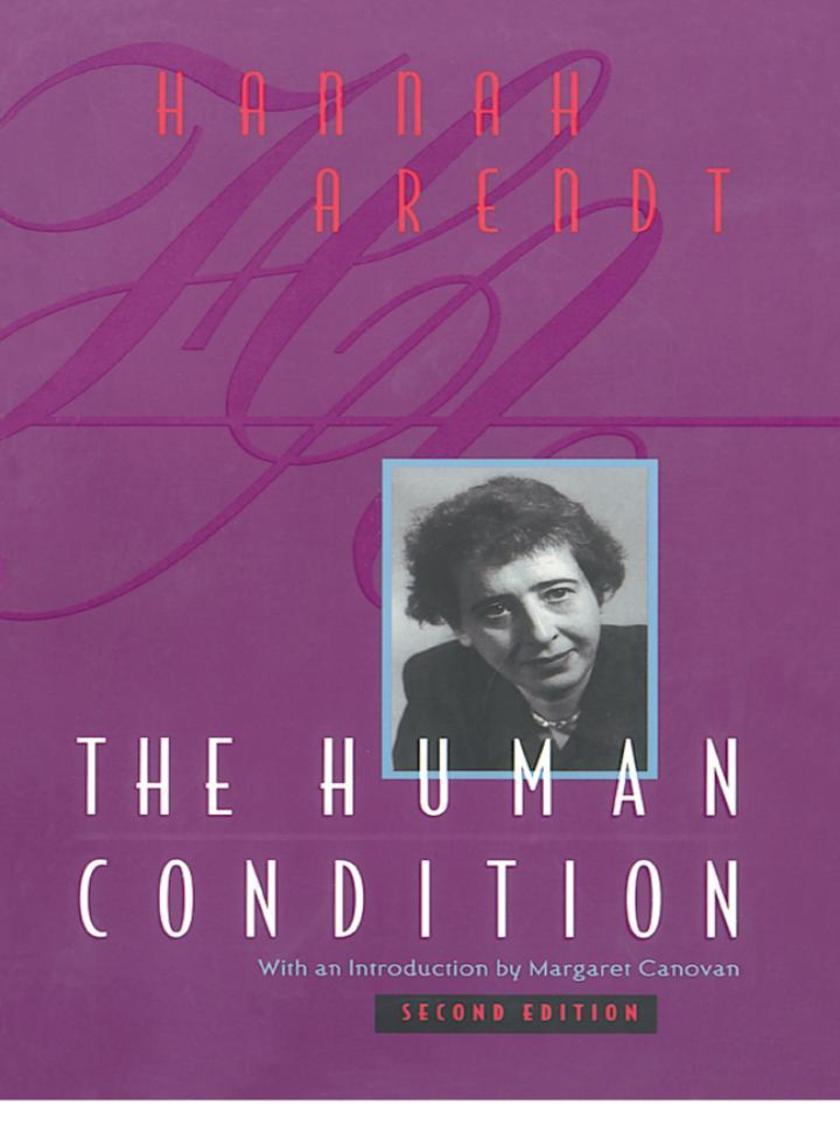
A work of striking originality bursting with unexpected insights, The Human Condition is in many respects more relevant now than when it first appeared in 1958. In her study of the state of modern humanity, Hannah Arendt considers humankind from the perspective of the actions of which it is capable. The problems Arendt identified then-diminishing human agency and political freedom, the paradox that as human powers increase through technological and humanistic inquiry, we are less equipped to control the consequences of our actions-continue to confront us today. This new edition, published to coincide with the fortieth anniversary of its original publication, contains an improved and expanded index and a new introduction by noted Arendt scholar Margaret Canovan which incisively analyzes the book's argument and examines its present relevance. A classic in political and social theory, The Human Condition is a work that has proved both timeless and perpetually timely.Hannah Arendt (1906-1975) was one of the leading social theorists in the United States. Her Lectures on Kant's Political Philosophy and Love and Saint Augustine are also published by the University of Chicago Press.
Significant Life
¥147.15
What makes for a good life, or a beautiful one, or, perhaps most important, a meaningful oneThroughout history most of us have looked to our faith, our relationships, or our deeds for the answer. But in A Significant Life, philosopher Todd May offers an exhilarating new way of thinking about these questions, one deeply attuned to life as it actually is: a work in progress, a journey-and often a narrative. Offering moving accounts of his own life and memories alongside rich engagements with philosophers from Aristotle to Heidegger, he shows us where to find the significance of our lives: in the way we live them.?May starts by looking at the fundamental fact that life unfolds over time, and as it does so, it begins to develop certain qualities, certain themes. Our lives can be marked by intensity, curiosity, perseverance, or many other qualities that become guiding narrative values. These values lend meanings to our lives that are distinct from-but also interact with-the universal values we are taught to cultivate, such as goodness or happiness. Offering a fascinating examination of a broad range of figures-from music icon Jimi Hendrix to civil rights leader Fannie Lou Hamer, from cyclist Lance Armstrong to The Portrait of a Lady's Ralph Touchett to Claus von Stauffenberg, a German officer who tried to assassinate Hitler-May shows that narrative values offer a rich variety of criteria by which to assess a life, specific to each of us and yet widely available. They offer us a way of reading ourselves, who we are, and who we might like to be. ?Clearly and eloquently written, A Significant Life is a recognition and a comfort, a celebration of the deeply human narrative impulse by which we make-even if we don't realize it-meaning for ourselves. It offers a refreshing way to think of an age-old question, of quite simply, what makes a life worth living.?
Dispatches from Dystopia
¥147.15
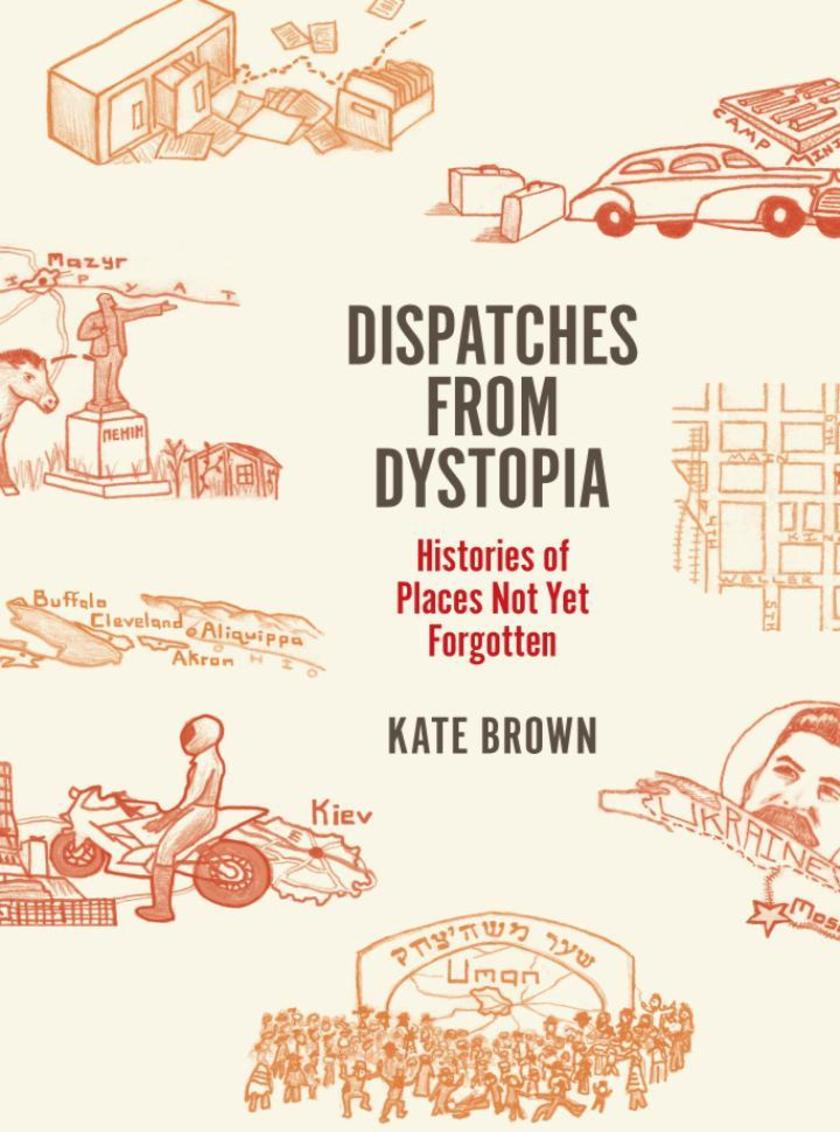
"e;Why are Kazakhstan and Montana the same place?"e; asks one chapter of Kate Brown's surprising and unusual journey into the histories of places on the margins, overlooked or erased. It turns out that a ruined mining town in Kazakhstan and Butte, Montana-America's largest environmental Superfund site-have much more in common than one would think thanks to similarities in climate, hucksterism, and the perseverance of their few hardy inhabitants. Taking readers to these and other unlikely locales, Dispatches from Dystopia delves into the very human and sometimes very fraught ways we come to understand a particular place, its people, and its history.In Dispatches from Dystopia, Brown wanders the Chernobyl Zone of Alienation, first on the Internet and then in person, to figure out which version-the real or the virtual-is the actual forgery. She also takes us to the basement of a hotel in Seattle to examine the personal possessions left in storage by Japanese-Americans on their way to internment camps in 1942. In Uman, Ukraine, we hide with Brown in a tree in order to witness the annual male-only Rosh Hashanah celebration of Hasidic Jews. In the Russian southern Urals, she speaks with the citizens of the small city of Kyshtym, where invisible radioactive pollutants have mysteriously blighted lives. Finally, Brown returns home to Elgin, Illinois, in the midwestern industrial rust belt to investigate the rise of "e;rustalgia"e; and?the ways?her formative experiences have inspired her obsession with modernist wastelands.?Dispatches from Dystopia powerfully and movingly narrates the histories of locales that have been silenced, broken, or contaminated. In telling these previously unknown stories, Brown examines the making and unmaking of place, and the lives of the people who remain in the fragile landscapes that are left behind.
Secret Lives of Teachers
¥147.15
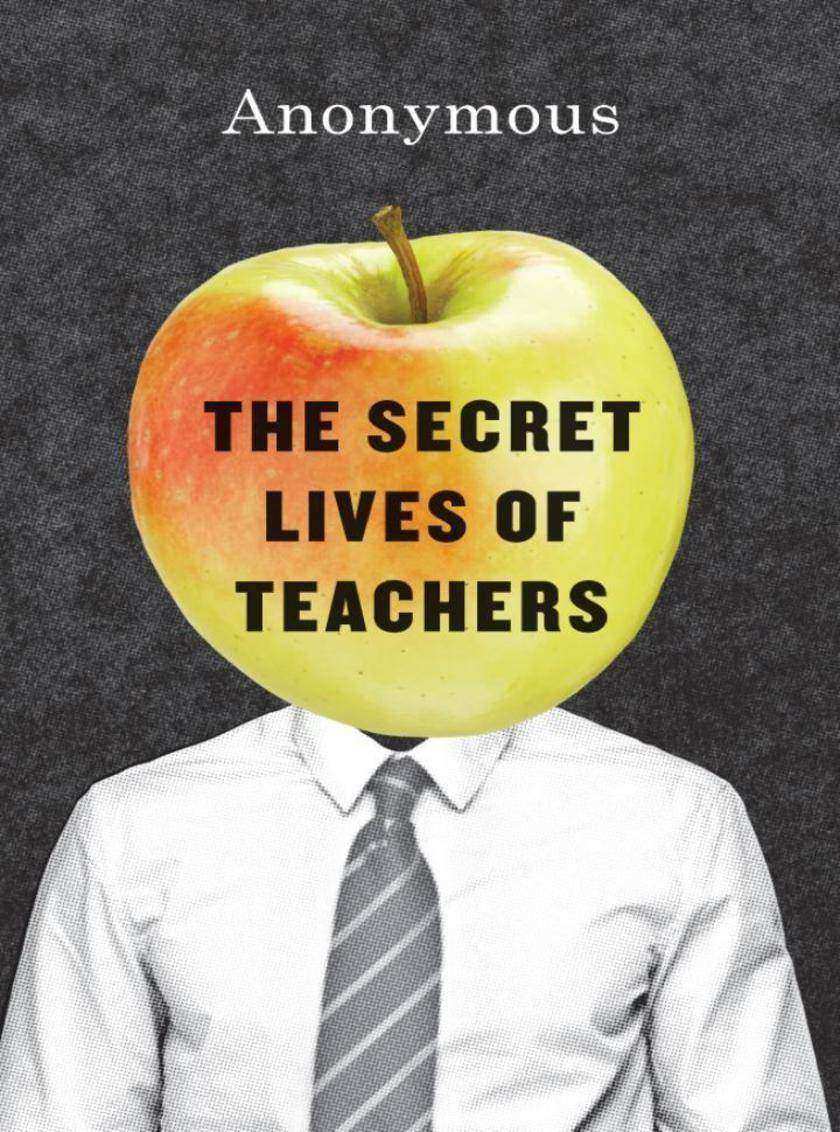
Welcome to "e;East Hudson,"e; an elite private school in New York where the students are attentive, the colleagues are supportive, and the tuition would make the average person choke on its string of zeroes. You might think a teacher here would have little in common with most other teachers in America, but as this veteran educator-writing anonymously-shows in this refreshingly honest account, all teachers are bound by a common thread. Stripped of most economic obstacles and freed up by anonymity, he is able to tell a deeper story about the universal conditions, anxieties, foibles, generosities, hopes, and complaints that comprise every teacher's life. The results are sometimes funny, sometimes scandalous, but always recognizable to anyone who has ever walked into a classroom, closed the door, and started their day.?This is not a how-to manual. Rather, the author explores the dimensions of teaching that no one else has, those private thoughts few would dare put into a book but that form an important part of the day-to-day experience of a teacher. We see him ponder the clothes that people wear, think frankly about money (and the imbalance of its distribution), get wrangled by parents, provide on-the-fly psychotherapy, drape niceties over conversations that are actually all-out warfare, drop an f-bomb or two, and deal with students who are just plain unlikeable. We also see him envy, admire, fear, and hope; we see him in adulation and uncertainty, and in energy and exhaustion. We see him as teachers really are: human beings with a complex, rewarding, and very important job.There has been no shortage of commentary on the teaching profession over the decades, but none quite like this. Unflinching, wry, and at times laugh-out-loud funny, it's written for every teacher out there who has ever scrambled, smirked, or sighed-and toughed it out nonetheless.?
Edible Memory
¥147.15
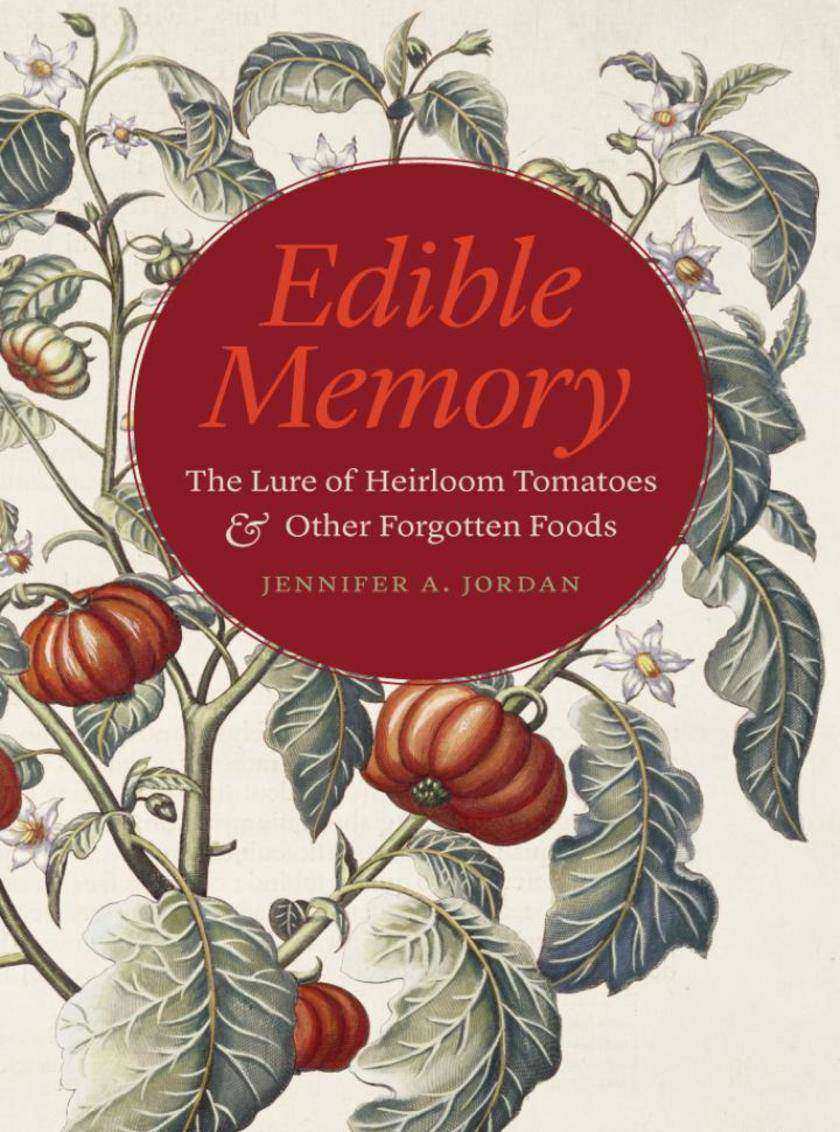
Each week during the growing season, farmers' markets offer up such delicious treasures as brandywine tomatoes, cosmic purple carrots, pink pearl apples, and chioggia beets-varieties of fruits and vegetables that are prized by home chefs and carefully stewarded by farmers from year to year. These are the heirlooms and the antiques of the food world, endowed with their own rich histories. While cooking techniques and flavor fads have changed from generation to generation, a Ribston Pippin apple today can taste just as flavorful as it did in the eighteenth century. But how does an apple become an antique and a tomato an heirloomIn Edible Memory, Jennifer A. Jordan examines the ways that people around the world have sought to identify and preserve old-fashioned varieties of produce. In doing so, Jordan shows that these fruits and vegetables offer a powerful emotional and physical connection to a shared genetic, cultural, and culinary past.?Jordan begins with the heirloom tomato, inquiring into its botanical origins in South America and its culinary beginnings in Aztec cooking to show how the homely and homegrown tomato has since grown to be an object of wealth and taste, as well as a popular symbol of the farm-to-table and heritage foods movements. ?She shows how a shift in the 1940s away from open pollination resulted in a narrow range of hybrid tomato crops. But memory and the pursuit of flavor led to intense seed-saving efforts increasing in the 1970s, as local produce and seeds began to be recognized as living windows to the past. In the chapters that follow, Jordan combines lush de*ion and thorough research as she investigates the long history of antique apples; changing tastes in turnips and related foods like kale and parsnips; the movement of vegetables and fruits around the globe in the wake of Columbus; and the poignant, perishable world of stone fruits and tropical fruit, in order to reveal the connections-the edible memories-these heirlooms offer for farmers, gardeners, chefs, diners, and home cooks. This deep culinary connection to the past influences not only the foods we grow and consume, but the ways we shape and imagine our farms, gardens, and local landscapes.?From the farmers' market to the seed bank to the neighborhood bistro, these foods offer essential keys not only to our past but also to the future of agriculture, the environment, and taste. By cultivating these edible memories, Jordan reveals, we can stay connected to a delicious heritage of historic flavors, and to the pleasures and possibilities for generations of feasts to come.
Purposeful Graduate
¥147.15
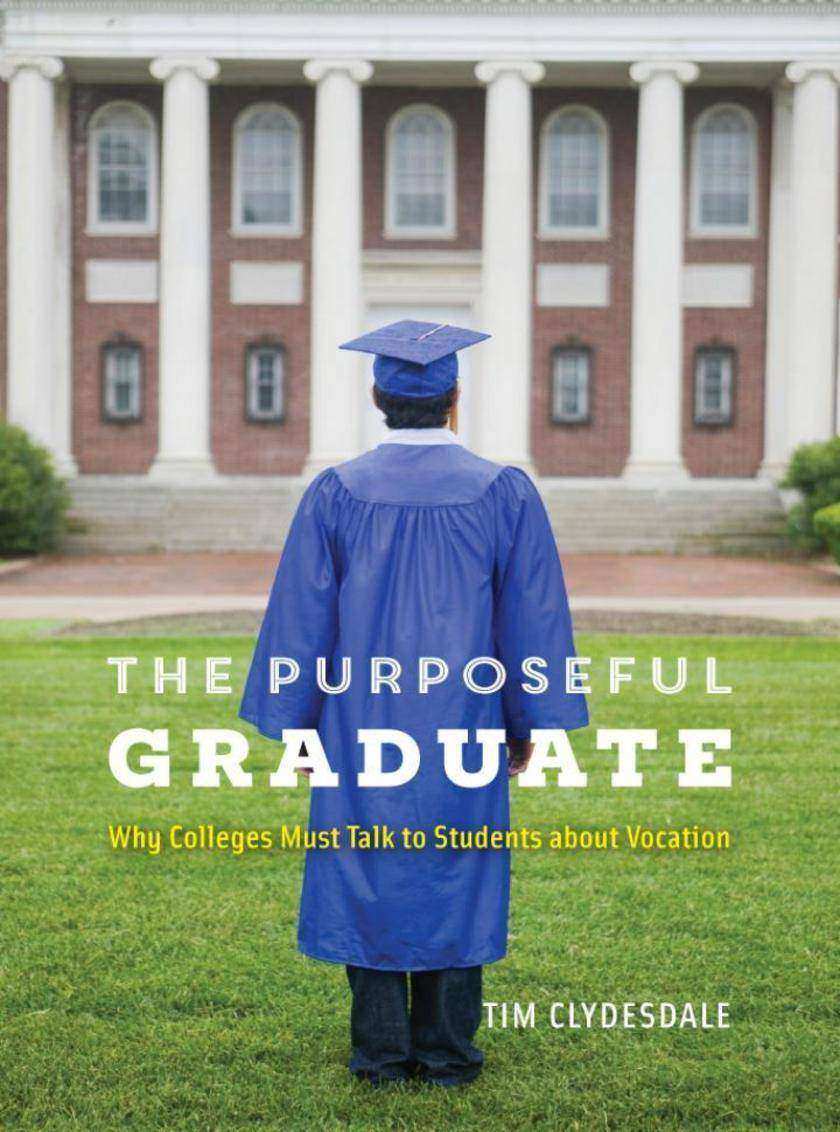
We all know that higher education has changed dramatically over the past two decades. Historically a time of exploration and self-discovery, the college years have been narrowed toward an increasingly singular goal-career training-and college students these days forgo the big questions about who they are and how they can change the world and instead focus single-mindedly on their economic survival. In The Purposeful Graduate, Tim Clydesdale elucidates just what a tremendous loss this is, for our youth, our universities, and our future as a society. At the same time, he shows that it doesn't have to be this way: higher education can retain its higher cultural role, and students with a true sense of purpose-of personal, cultural, and intellectual value that cannot be measured by a wage-can be streaming out of every one of its institutions.The key, he argues, is simple: direct, systematic, and creative programs that engage undergraduates on the question of purpose. Backing up his argument with rich data from a Lilly Endowment grant that funded such programs on eighty-eight different campuses, he shows that thoughtful engagement of the notion of vocational calling by students, faculty, and staff can bring rich rewards for all those involved: greater intellectual development, more robust community involvement, and a more proactive approach to lifelong goals. Nearly every institution he examines-from internationally acclaimed research universities to small liberal arts colleges-is a success story, each designing and implementing its own program, that provides students with deep resources that help them to launch flourishing lives.Flying in the face of the pessimistic forecast of higher education's emaciated future, Clydesdale offers a profoundly rich alternative, one that can be achieved if we simply muster the courage to talk with students about who they are and what they are meant to do.


