


 购物车
购物车 个人中心
个人中心
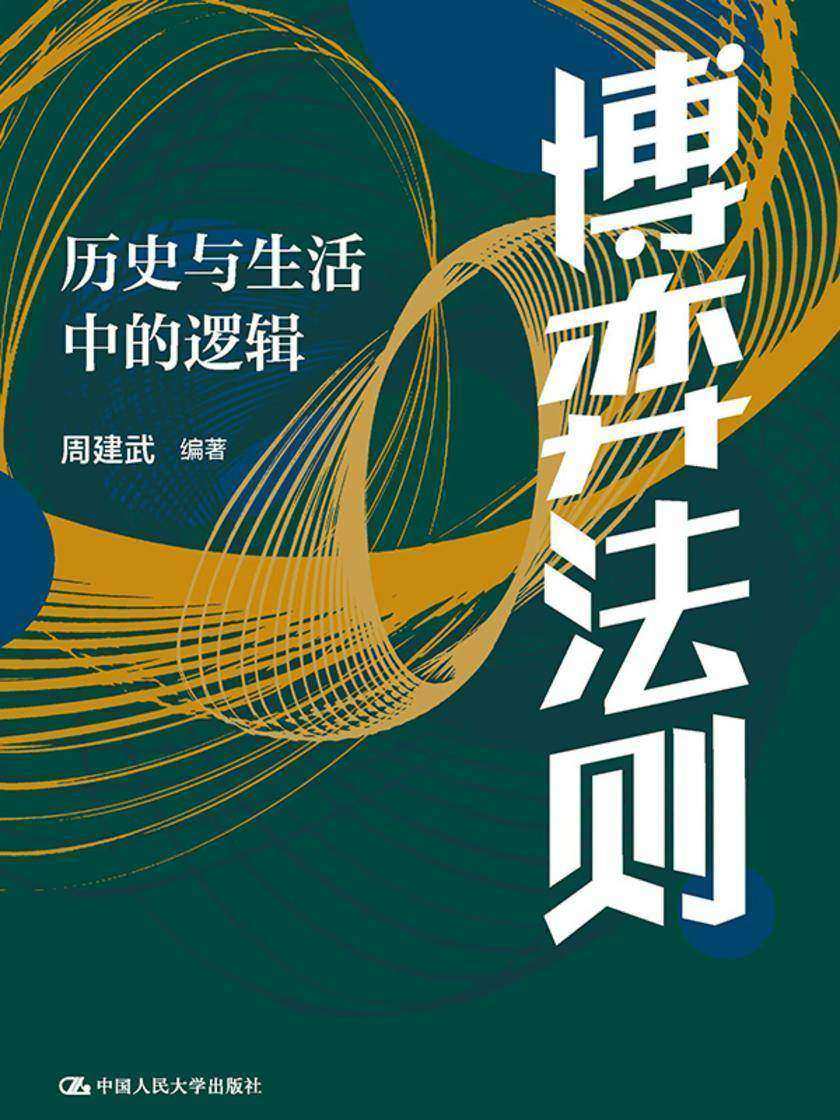
博弈法则:历史与生活中的逻辑
¥40.80
博弈是通过选择合适的策略达到合意结果的过程。人们的工作和生活中充满各种各样的决策,因此充满追求利益最大化的博弈过程。了解了博弈的法则,我们就能经过分析和推理找到各方利益的关键,从而看清隐藏在事物表象背后的本质。 本书通过讲述历史和生活中的一系列小故事,阐明博弈法则是如何对事件的结果产生影响的。书中从为人处世、两性关系、商业成败、职场规则、大国竞争几方面展,以生动有趣的故事、清晰易懂的分析呈现了博弈法则在现实生活中的运用。
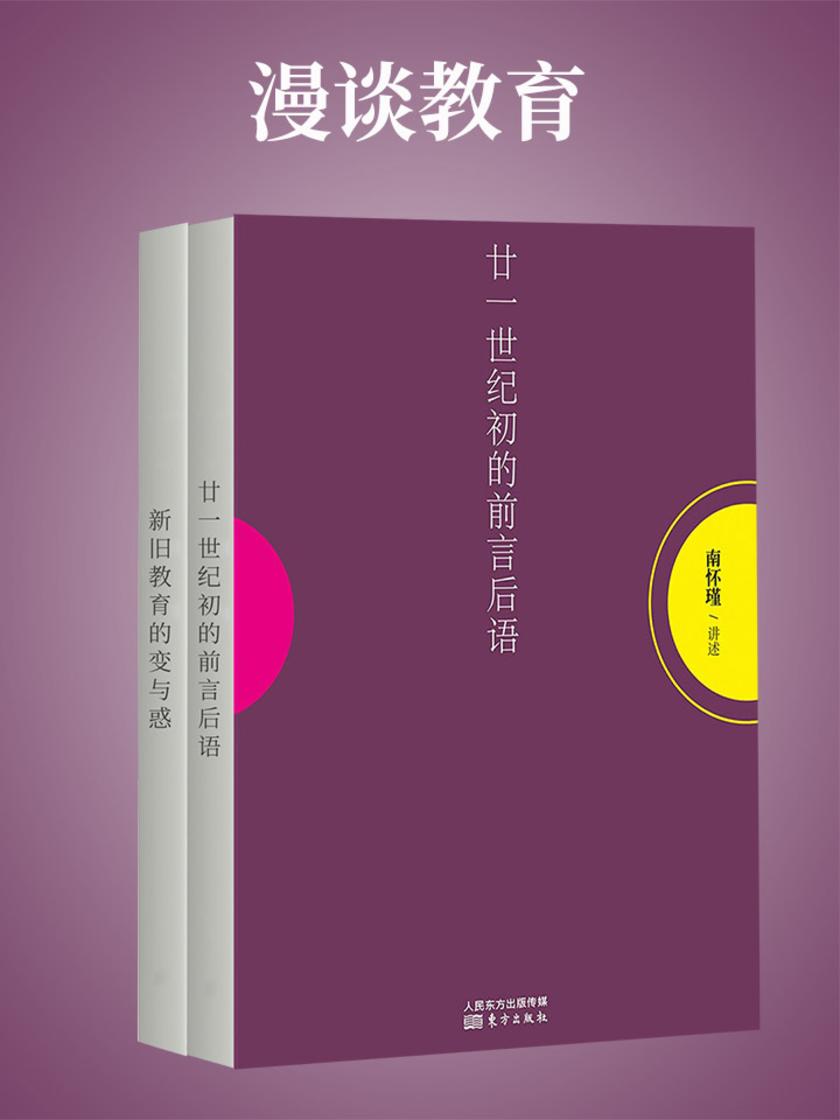
漫谈教育(南怀瑾独家授权定本种子书)
¥40.80
南怀瑾先生一生极为重视教育,尤其重视青少年教育问题。这两本书主要谈的就是教育以及教育与文化的问题。他考察了中国两千多年教育概况,并着重讲述了20世纪以来东西文化的交流、新旧教育制度及思想的改革演变,指出,这一切乃是历史趋势中自然的现象,是文化思想在变动时代必起的波澜,也是人类历史分段生命中当然的病态。并呼吁应正本清源地反思家庭教育、社会教育和学校教育,修正学风,建立一番复兴文化的新气象。分析如抽丝剥茧层层深入,论述精辟句句发人深省。
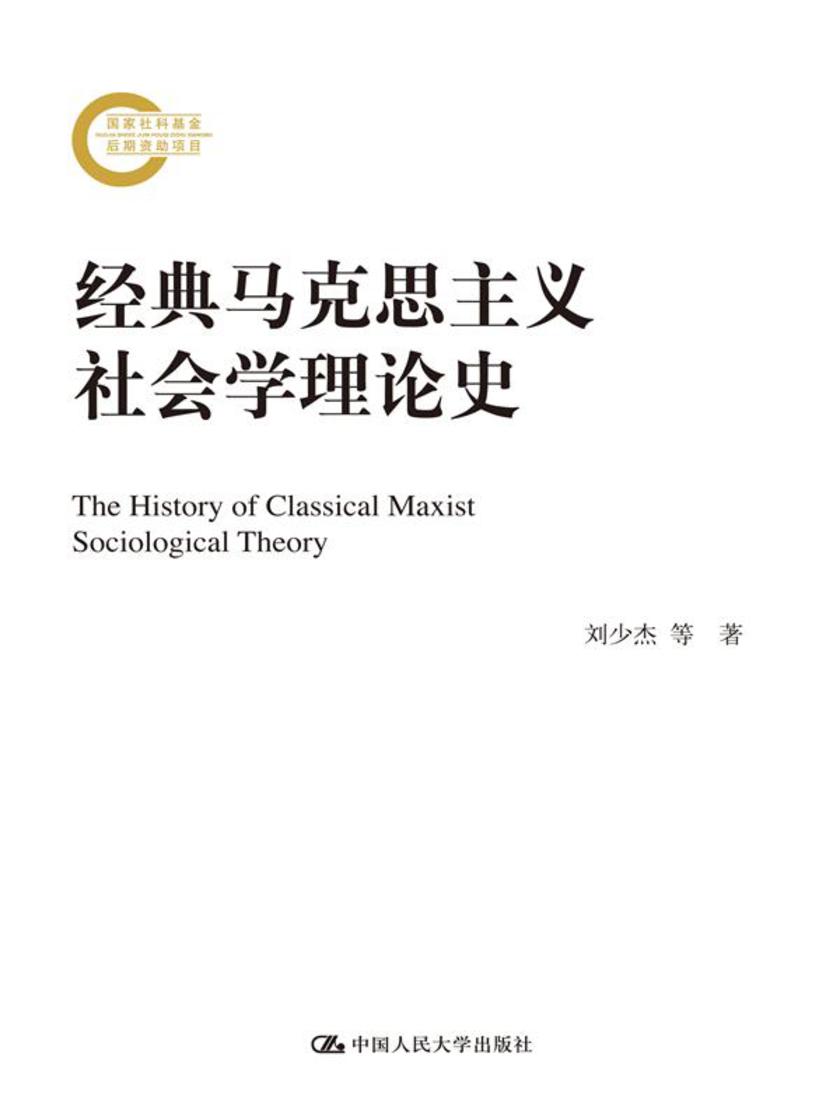
经典马克思主义社会学理论史(国家社科基金后期资助项目)
¥40.80
本书系统阐述了经典马克思主义社会学理论的基本立场、方法原则、历史演化和理论贡献。对马克思恩格斯论述的市民社会,异化劳动,群众史观,实践立场,分工、交往与社会发展,阶级斗争与共产主义运动,人的解放,国家与社会治理,社会矛盾运动与发展道路,家庭、私有制和国家起源等一系列马克思主义社会学的重要理论做了深评析,对马克思恩格斯晚年论述的人类学思想和历史唯物主义观也做了深考察和充分阐释。
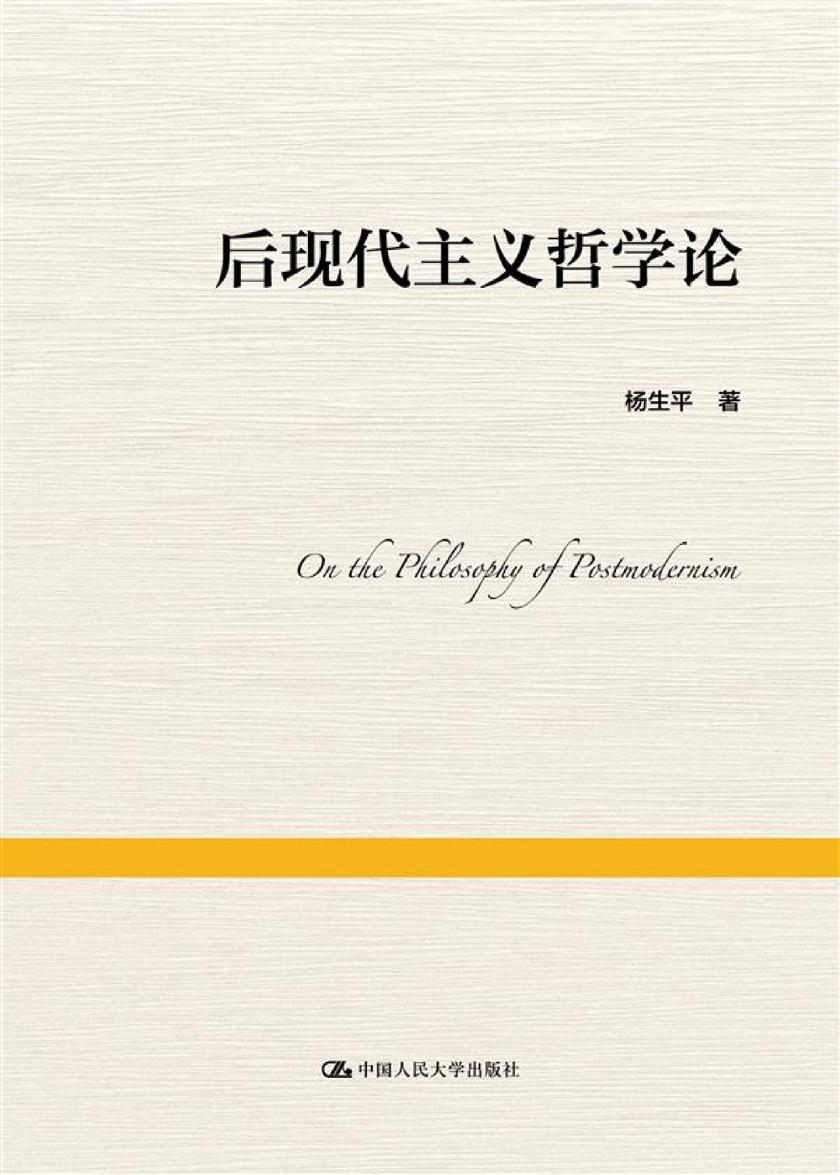
后现代主义哲学论
¥40.80
后现代主义是20世纪60年代左右产生于西方发达国家的泛文化思潮, 涉及哲学、艺术、文学、历史学、政治学、社会学、伦理学等诸多领域,自20世纪80年代传我国,在我国文化领域产生了重要影响。本著作把后现代主义作为一种重要的文化现象,从其产生背景、思想渊源、理论实质、社会影响以及发展走向等方面对其加以全面分析,以期把握其精神实质并为我国当代文化建设寻找有益资源。全书分上篇、中篇和下篇三个部分。上篇主要对后现代主义的产生背景、理论特征、价值取向以及它对中国文化建设的影响等行了总体论述评价;中篇重研究了后现代主义主要代表人物利奥塔、德里达、福柯、伽达默尔和鲍德里亚等的核心观;下篇研究了一些著名思想家对后现代主义的评论,这对整体把握后现代主义无疑是一个必要的补充。
新四书与新儒学(中国哲学新思丛书)
¥40.80
儒家的仁义思想不只是由仁而义,还包括由义而仁,前者是孟子的“居仁由义”,是由道德而政治,后者是荀子的“处仁以义”,是由政治而道德,二者结合才是完整的仁义观。传统四书不足以反映儒学的完整面貌,不足以体现仁义的精神内涵,故需要有新的经典体系出现,这就是本书所提出的《论语》、《礼记》、《孟子》与《荀子》,合称“新四书”。在“新四书”中,孟荀既相互对立,又存在相互补充的可能与需要。孟子人性论更准确地理解应该是以善为性论,有利于突出道德主体,说明人的道德实践;荀子人性论并非传统所认为的性恶论,而是性恶心善说,适合说明礼义、制度的建立,易于解释人的政治实践。统合孟荀,方可创新儒学。

从演揲儿法中拯救历史——元代宫廷藏传密教史研究(精) 中华书局出品
¥40.80
13世纪初蒙古的崛起及其对欧亚广大地区的征服和统治,一方面改变了世界,另一方面也使蒙古民族脱离了自身原先的萨满信仰,皈依藏传佛教。然而长久以来,藏传佛教在元朝宫廷内外传播的详情却鲜为人知。由于种种历史原因,传统汉族士人既对藏传密教缺乏基本了解,同时又热衷将其情色/色情化,甚至相信野史,在正史中将藏传密教塑造为一种类似于房中术的“妖术”和“鬼教”。这种将藏传佛教乃至整个藏族社会严重萨满化、色情化的倾向一直延续到当代,甚至影响到西方世界。 本书利用近年发现的大量汉译藏传密教文献,通过将其与相应的藏文、西夏文、畏兀儿文等民族语言文献行文本对勘和深研究,试图将“演揲儿法”等藏传佛教词汇置于其本来的语言、历史、文化和宗教语境中来理解,恢复元朝宫廷所传藏传密教仪轨的真实面貌,终揭藏传佛教在元代中国传播历史的真相。

北大汉简老子译注(精) 中华书局出品
¥40.80
书稿属于语言文字学和文献学两个学科的交叉研究,从文字、音韵、训诂等传统语文学角度,对北大藏汉简《老子》中的关键字、词、句行了校勘、考证和注释,以此为基础,对汉简《老子》义理行探讨,对每一章的主题行了概括。综合运用传统小学工具和现代语言学方法释读北京大学藏汉简《老子》,以译注的方式将研究成果融其中,是书稿的一个鲜明特。
西周伦理思想研究--国家社科基金后期资助项目 中华书局出品
¥40.80
本书充分利用西周金文与传世文献史料,围绕宗教、伦理、政治互动的主线,对西周的孝友等血缘伦理思想,以及德、敬、肃、恭、勤、雍、和等政治伦理思想与善恶评价思想行宏观与微观的深探讨。在西周与古埃及的比较研究中,彰显西周“伦理思维发达”这一重要特征,并以双方族群格局差异为切,深探讨这一重要特征之成因。在西周与后世的比较视野下,围绕西周基本社会制度的伦理影响,深探研西周的“德治”思想及其“层级推衍治理”思想,从而揭示西周伦理政治思想的主要时代特征。
街头哲学:人间清醒的底层逻辑与顶层认知(心悦读丛书)
¥40.80
哲学是两千多年前一群人在希腊城邦的街头集会,试图将思想实践于生活中的学问。人们自由地讨论各种问题,得到答案和指引,以此引导自己的行为。它不是形而上学的理论,而是实实在在解决人们生活中的问题。 本书重塑了古希腊化的哲学探讨方式,用轻松幽默而又不失思想深度的笔触面对当代生活中让我们困惑的各种问题,为其提供众多伟大思想家如康德、边沁、卢梭、波伏瓦、柏拉图等角度不同的解答,促使我们对问题行更深层的思考,从而获得人生真正的解脱和提高自己的思辨力。
生活中的逻辑学(修订版)
¥40.80
生活中的逻辑学(修订版)
Madam How and Lady Why
¥40.79
A delightful children's classic dealing with questions of natural life with plentiful and colourful examples of how things work, and more importantly, why such things as rain, snow, wind and others happen.
The Alexandrian Wars: English and Latin Language
¥40.79
When the war broke out at Alexandria, Caesar sent to Rhodes, Syria, and Cilicia, for all his fleet; and summoned archers from Crete, and cavalry from Malchus, king of the Nabatheans. He likewise ordered military engines to be provided, corn to be brought, and forces dispatched to him. Meanwhile he daily strengthened his fortifications by new works; and such parts of the town as appeared less tenable were strengthened with testudos and mantelets. Openings were made in the walls, through which the battering-rams might play; and the fortifications were extended over whatever space was covered with ruins, or taken by force. For Alexandria is in a manner secure from fire, because the houses are all built without joists or wood, and are all vaulted, and roofed with tile or pavement.
Bobok
¥40.79
Ivan Ivanovitch attends the funeral of a casual acquaintance and falls to contemplation in the graveyard. He hears the voices of the recently deceased and buried, and he listens to their conversation. They discuss card games and political scandals. As the deceased entertain themselves by revealing all of the shameful details of their earthly lives, Ivan Ivanovitch sneezes.
The Jewel of Seven Stars
¥40.79
Malcolm Ross, a young barrister, is awakened in the middle of the night and summoned to the house of famous Egyptologist Abel Trelawny at the request of his daughter, Margaret, with whom Malcolm is enamored. Once Malcolm arrives at the house, he meets Margaret, Superintendent Dolan, and Doctor Winchester, and learns why he has been called: Margaret, hearing strange noises from her father’s bedroom, woke to find him unconscious and bloodied on the floor of his room, under some sort of trance.

The Secret of the Island
¥40.79
It was now two years and a half since the castaways from the balloon had been thrown on Lincoln Island, and during that period there had been no communication between them and their fellow-creatures. Once the reporter had attempted to communicate with the inhabited world by confiding to a bird a letter which contained the secret of their situation, but that was a chance on which it was impossible to reckon seriously. Ayrton, alone, under the circumstances which have been related, had come to join the little colony.
Lord Arthur Savile's Crime and Other Stories
¥40.79
Lord Arthur Savile's Crime is the opening story in this volume of Oscar Wilde tales and this collection will delight the reader with slightly darker undertones of Wilde's hugely enjoyable humorous tales. Also included in this collection: The Canterville Ghost, The Sphinx Without a Secret, The Modle Millionaire, The Protrait of Mr. W.H.
Eugenie Grandet
¥40.79
Eugenie's father Felix is a former cooper who has become wealthy through both business ventures and inheritance. However, he is very miserly, and he, his wife, daughter and their servant Nanon live in a run-down old house which he is too miserly to repair. His banker des Grassins wishes Eugenie to marry his son Adolphe, and his lawyer Cruchot wishes Eugenie to marry his nephew President Cruchot des Bonfons, both parties eyeing the inheritance from Felix.
On Memory and Reminiscence
¥40.79
We have, in the next place, to treat of Memory and Remembering, considering its nature, its cause, and the part of the soul to which this experience, as well as that of Recollecting, belongs. For the persons who possess a retentive memory are not identical with those who excel in power of recollection; indeed, as a rule, slow people have a good memory, whereas those who are quick-witted and clever are better at recollecting.
Metaphysics
¥40.79
All men by nature desire to know. An indication of this is the delight we take in our senses; for even apart from their usefulness they are loved for themselves; and above all others the sense of sight. For not only with a view to action, but even when we are not going to do anything, we prefer seeing (one might say) to everything else. The reason is that this, most of all the senses, makes us know and brings to light many differences between things.

The Wisdom of Father Brown
¥40.79
Two men appeared simultaneously at the two ends of a sort of passage running along the side of the Apollo Theatre in the Adelphi. The evening daylight in the streets was large and luminous, opalescent and empty. The passage was comparatively long and dark, so each man could see the other as a mere black silhouette at the other end. Nevertheless, each man knew the other, even in that inky outline; for they were both men of striking appearance and they hated each other.
仪礼丛考【试读本】
免费
《仪礼》古称《礼经》,为儒家“五经”之一,记载了中国先秦时期的冠昏、丧祭、乡射、朝聘等礼典仪式,被后世誉为礼书之祖,于“三礼”中素称难读。 《仪礼丛考》一书分为四章:宫室研究、仪节研究、礼例研究、礼义研究。宫室研究部分通过与三代宫室结构的对比,揭示《仪礼》宫室结构存在的独特性。仪节研究部分以带面,借助对 “席”、“左还”、“右还”、“门闑”等具体仪节的考察,客观再现古礼实操的情况。礼例研究基于对礼经中“布席例”的考辨,系统解构空间方位与人神尊卑之间的联系。礼义部分透过《仪礼》中的成人、婚姻、死亡、祭祀等观念,发掘礼制背后更深层次的社会意义。 全书考证精审,括例贯通,并辅以数十幅图示,使三代建筑规制、揖让周旋之礼跃然纸上,兼具学术深度与实用价值。


