


 购物车
购物车 个人中心
个人中心
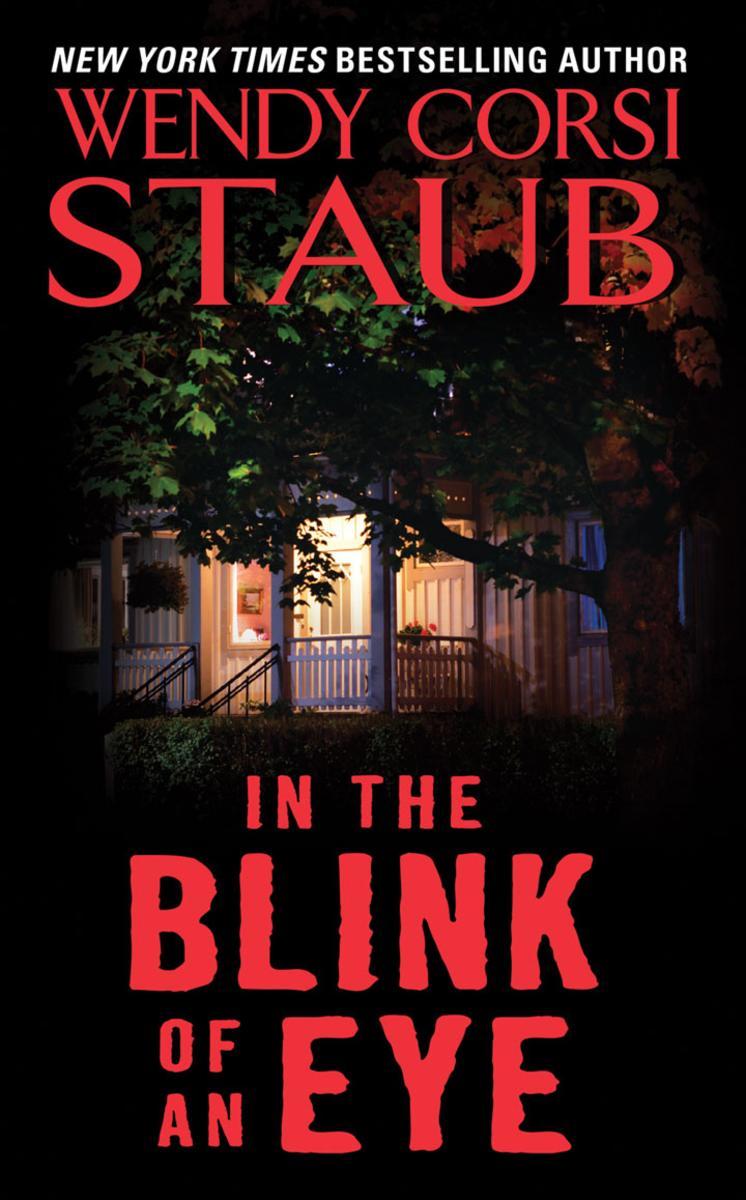
In the Blink of an Eye
¥107.82
Welcome to Lily Dale, New York . . . a sleepy summer resort, home to a population of psychics, and the place where Julia Garrity and Kristin Shuttleworth formed a fast friendship broken only by death.Ten Summer Street is no ordinary house. It was there, fifteen years ago, that Kristin saw something on a Halloween night that would haunt her until the end of her days. Since then, Julia has watched both Kristin and her mother fall prey to whomever—or whatever—lurks there.Now Kristin's blind six-year-old daughter, Dulcie, has come to live in Lily Dale—at Ten Summer Street. Appointing herself protector, Julia is determined to coax the secrets of the house out into the light, to discover what the little girl "sees" roaming its halls . . . before the murderous force residing there makes them both its next victims.
Epic Reads Impulse
¥107.82
From the critically acclaimed author of Ten Things We Did (and Probably Shouldn't Have) and the Magic in Manhattan series comes a fun short story about taking the plunge on the high seas, where not everything is what it seems.Kristin is ready to take the next step. . . . The only problem is she hasn't found the right guy to take it with her. That's why she agreed to go on the ominously named Cruise to Nowhere with her best friend, Liz. There are plenty of cute guys on the ship to choose from if only Kristin can work up the nerve—and stop worrying about the reports in the tabloids that passengers on cruises have been mysteriously disappearing and that someone suspects it has to do with . . . vampires.Epic Reads Impulse is a digital imprint with new releases each month.
Thumbprint
¥107.82
A short story from critically acclaimed, bestselling author Joe Hill about a young woman who returns home from a military tour in the Middle East . . . and her dark past follows closely behind.
Avon
¥107.82
Previously published in the print anthology Mistletoe & Magic.When a fourteenth-century maiden named Odel loses her father, she learns from her aunt that she must marry and that a handful of fairy dust can separate men from mice. Having sworn off love, Odel is reluctant to greet her many suitors, until one catches her eye. Kind and generous, Michelle shows Odel how good it can feel to fall in love too bad Odel can't trust her heart. Will Michelle destroy what little hope Odel had for men, or will they be able to keep their love aflameA classic novella from New York Times bestselling author Lynsay Sands.
Avon
¥107.82
Previously published in the print anthology Wish List.All Lady Prudence wants for Christmas is to keep her family out of the poorhouse. Easily done if her father would stop gambling away what little is left of their fortune. But when Pru arrives at London's most notorious gaming hell to haul her father home, she marches right into its wickedly handsome and utterly infuriating proprietor, Lord Stockton who has no intention of letting a lady into his establishment. With that wicked man in her way, Pru knows she's going to need nothing short of a miracle to make her Christmas wish come true.

Nothing Lasts Forever
¥107.82
Racing from the life-and-death decisions of a big San Francisco hospital to the tension-packed fireworks of a murder trial, this story lays bare the ambitions and fears of healers and killers, lovers and betrayers. As the book surges toward its unpredictable climax, Sidney Sheldon proves once again that no reader can outguess the master of the unexpected.
Cubanita
¥107.82
All Isa wants is to be a regular American teenager, something her Cuban immigrant mother most definitely does not understand. After almost eighteen years of constant debate over everything from birthdays to boys, Isa has had enough. She's counting down the days until she leaves for college—and can get as far away from Miami (North Cuba) as possible. But the more Isa tries to detach herself from her roots, the more tangled she becomes. Will she ever find the normal American life she dreams ofOr is she destined to become a cubanita after all?
Greenwillow Books
¥107.82
If he finds the right world, Jamie can get Home again.When Jamie stumbled upon the powerful Them playing Their mysterious games, They threw him out to the Boundaries of the worlds. Since then, he's been yanked from world to world, doomed to wonder in hope of one day finding his way back to his own city.Bit by bit, though, Jamie realizes there are rules They have to play by. He forms an alliance with two other lost Homeward Bounders—bitter, powerful Helen and demon-hunter Joris—and takes a desperate chance, hoping that the three wanders can find a way back to their home worlds at last.Once he becomes a pawn in a game played by a powerful group he calls Them, 12-year-old Jamie is repeatedly catapulted through space and time.

Harper Voyager
¥107.82
In this terrifying tale by New York Times bestselling author Richard Kadrey, a young aspiring serial killer goes in search of a mentor—the supreme, the ultimate killer. What he finds is much greater and much worse than he ever could have imagined.
William Morrow
¥107.82
Someone is smuggling Russian guns into the United States to arm domestic terrorists, and it's up to Special Forces veteran Jim Chapel to uncover who is behind the plot. The prime suspect is Ygor Favorov, a notorious Russian operative who defected just before the fall of the Soviet Union. But exposing a billionaire double agent is far from easy, and Chapel must fight his way through a small army of security guards to confront the Russian and defuse a secret that could lead to war between the United States and Russia.
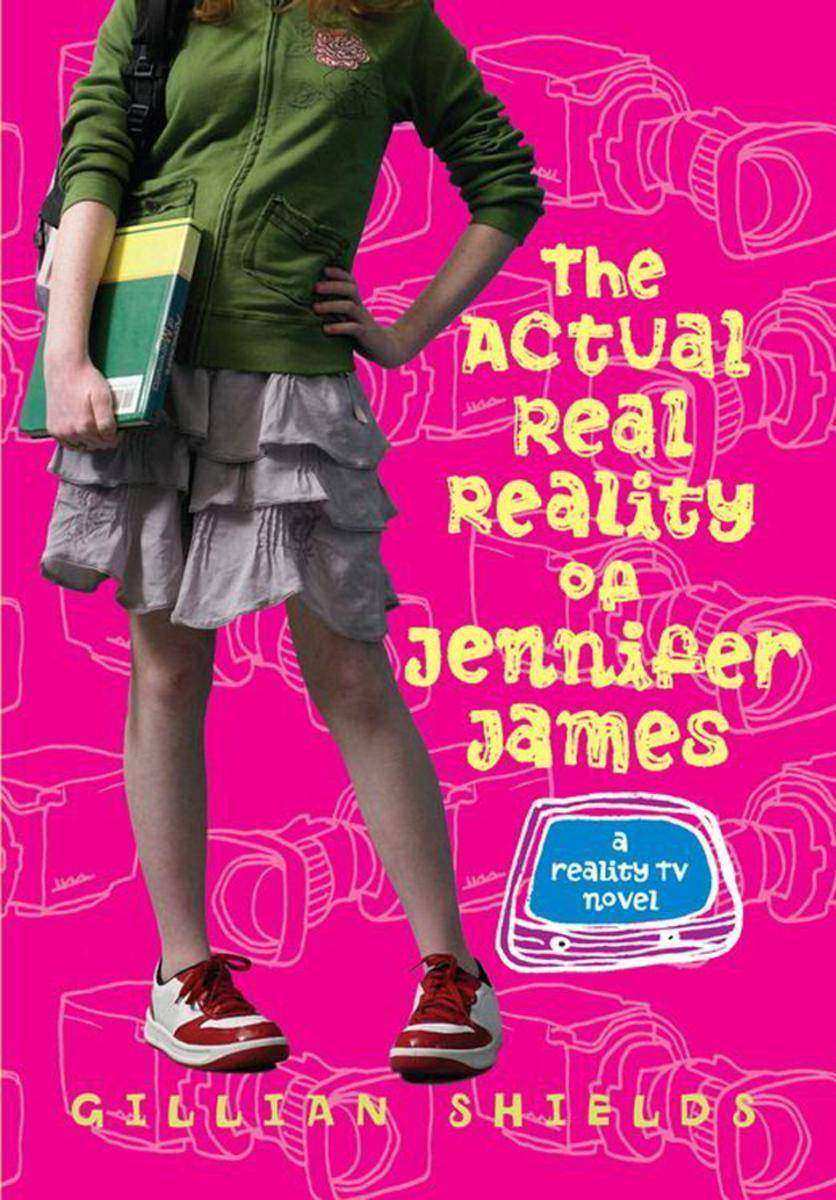
The Actual Real Reality of Jennifer James
¥107.82
This is the diary of Jennifer James.It contains:One Heroine: Jennifer James, burdened by brains, struggling to release her Inner BabeOne High School: London Road Comprehensive, a no-hope English school in a no-hope English townOne Prize: A scholarship to the elite St. Willibald's College [Jennifer's idea of Paradise] offered to the winner of a tacky reality TV show, Down The Bogand . . .A Thousand Complications: Like Jocasta, the crazy feminist mother; Tallulah, the blond rival from hell; Marcus, the guy with green eyes; and above all, the actual real reality that Jennifer's chances of winning are less than Mega-Zero. . . .

HarperCollins
¥107.82
Ice PrincessSarah Hughes was born to skate, and she proved to the world with her dramatic gold medal victory at the 2002 Winter Olympics. But the road to Olympic glory was not always easy for this Long Island teen.Going for the Gold: Sarah Hughes is the amazing true story of a brilliant skater's Olympic quest.Here's what you'll find out about America's newest sweetheart:Sarah's first time on the iceHow her family's support helped her through difficult timesHow Sarah braved the rocky road to the OlympicsSarah's hopes for the future
William Morrow
¥107.82
Emma Caldridge has tracked down risk analyst Sebastian Ryan's kidnappers to the benign-looking town of Sunrise City, Utah. But beneath the city's pristine surface, a bizarre and insular cult operates in full force. Somehow, Emma must find a way to infiltrate the compound, save Ryan, and get them both out of there . . . preferably alive.
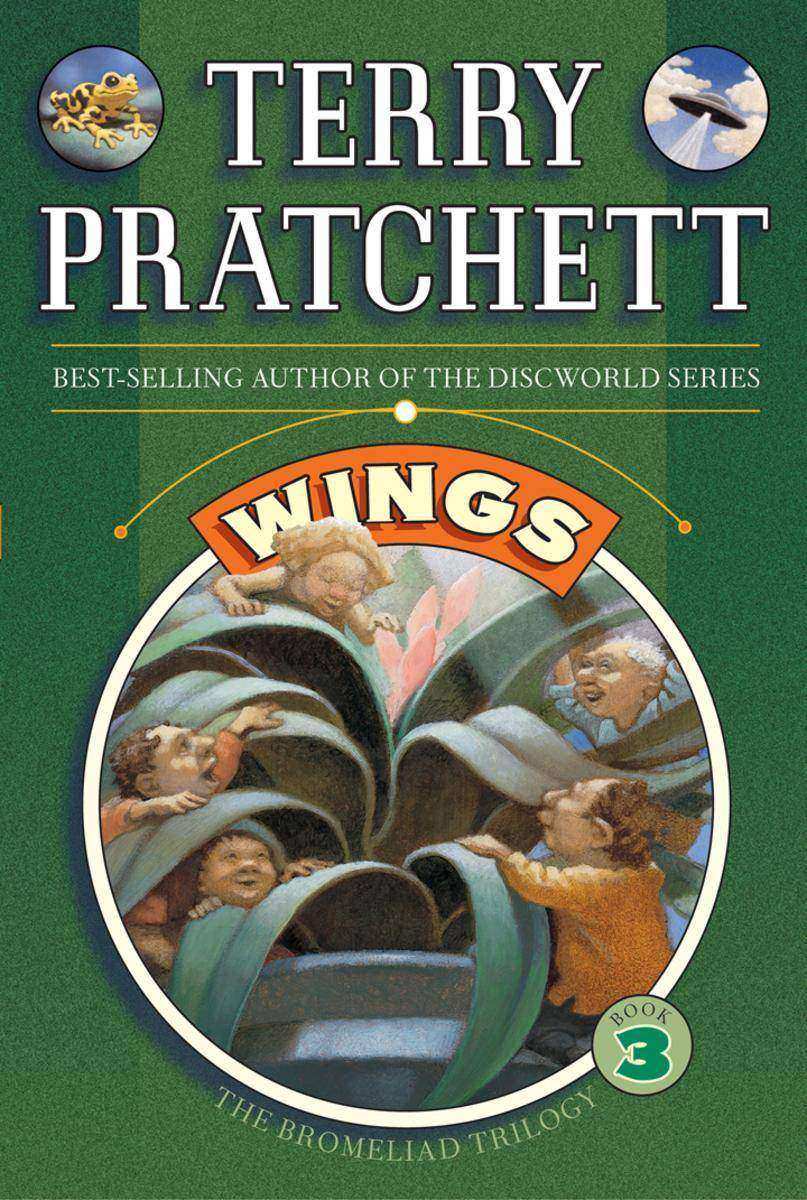
Wings
¥107.82
In a world whose seasons are defined by Christmas sales and Spring Fashions, hundreds of tiny nomes live in the corners and crannies of a human-run department store. They have made their homes beneath the floorboards for generations and no longer remember—or even believe in—life beyond the Store walls.Until the day a small band of nomes arrives at the Store from the Outside. Led by a young nome named Masklin, the Outsiders carry a mysterious black box (called the Thing), and they deliver devastating news: In twenty-one days, the Store will be destroyed.Now all the nomes must learn to work together, and they must learn to think—and to think BIG.Part satire, part parable, and part adventure story par excellence, master storyteller Terry Pratchett's conclusion of the engaging Bromeliad trilogy traces the nomes' flight and search for safety, a search that leads them to discover their own astonishing origins and takes them beyond their wildest dreams.
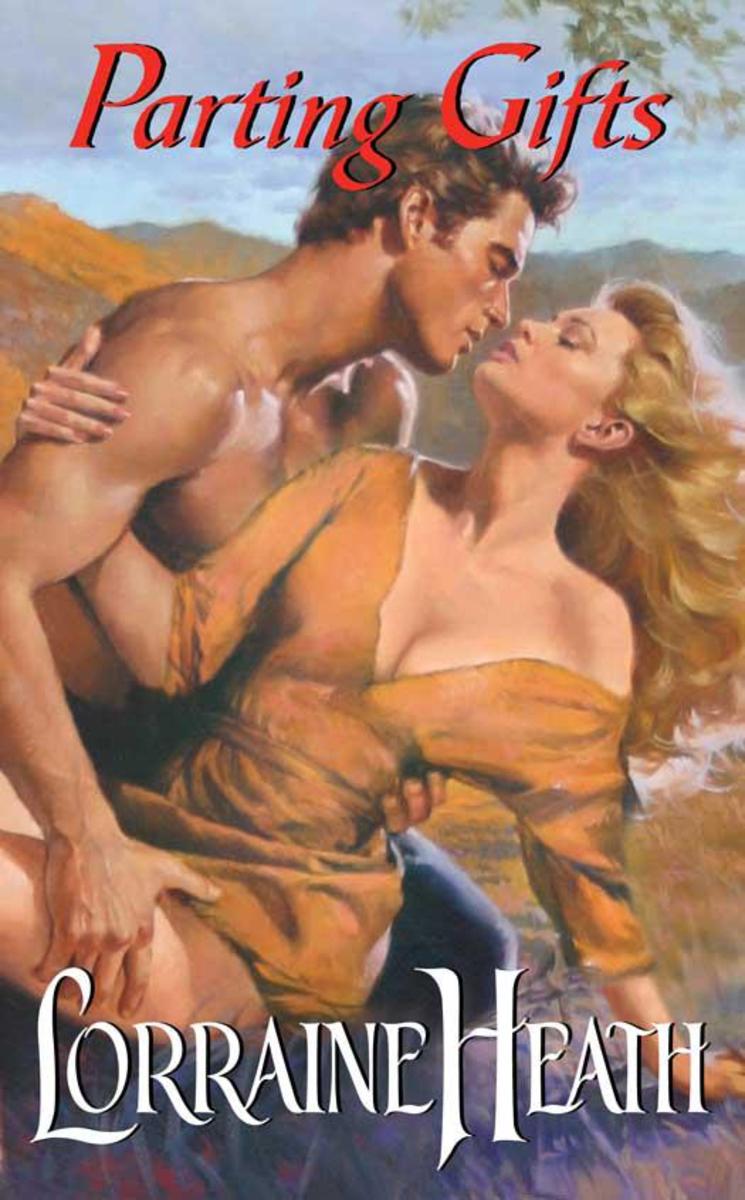
Parting Gifts
¥107.82
Marrying Maddie, a woman who works in a brothel in order to survive, widower Charles Lawson hopes to provide his three children with a loving mother until his terminal illness causes him to arrange a match between Maddie and his brother.
William Morrow
¥107.82
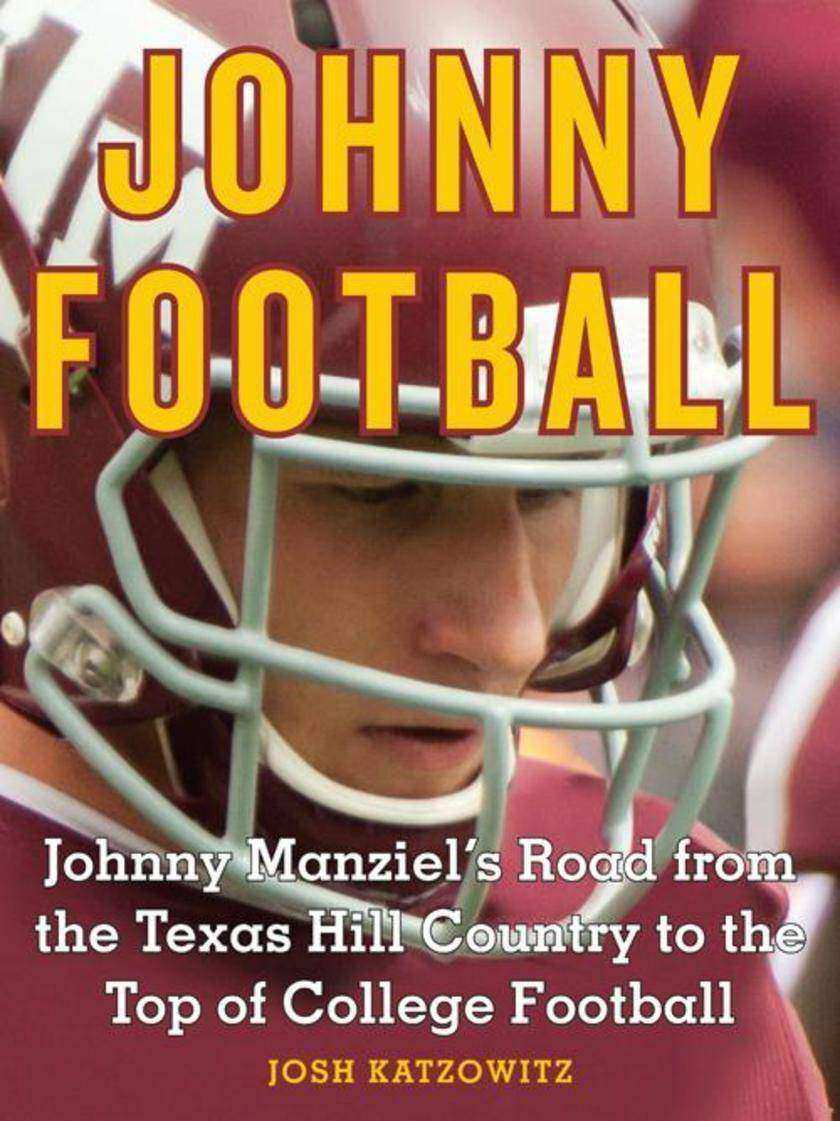
After an eye-opening first season at Texas A&M, the electrifying young quarterback affectionately known as Johnny Football became the first freshman ever to take home the Heisman Trophy in its 78-year history. Here, in perhaps the most revealing account to date, is the story behind the mystique: how young phenom Johnny Manziel escaped from relative obscurity and his dubious family name to after a storybook, record-breaking season take home college football's ultimate honor. I'm a small-town kid, Manziel said before winning the Heisman. I still look at myself that way. I don't see myself as Johnny Football. I see myself as Johnathan Manziel.

Dearly Beloved
¥107.82
To have. To hold . . . To die.On a windswept New England island, he waits, fingering the wedding gowns he's had made for each of them . . . the dresses they will wear when he kills them.Three women have come to the Bramble Rose Inn. Sandy Cavelli longs to find romance through a personal ad. Liza Danning hopes to land a publishing deal with a reclusive author. And Jennie Towne, masquerading as her own twin, seeks a getaway weekend. They have nothing in common—or so it seems.Then a storm bears down on the eerie, isolated inn, and the three women are plunged into a terrifying fight for survival. Because someone consumed with revenge has chosen them—for better, for worse . . . 'til death do them part.
The Last to Know
¥107.82
Townsend Heights is the perfect small town, just the kind of place Tasha Banks longed for when she left her big-city career for full-time motherhood. But now her dream is turning into a nightmare as a serial killer stalks Tasha's friends. One by one they are dying in horrific ways, and terror is transforming her peaceful existence into one of fear and foreboding . . . where evil lurks behind the mask of a familiar face—a face that may be the last one Tasha ever sees.
Church-going, Going, Gone!
¥107.81
In Church-going, Going, Gone! Michael Horan argues that although the Christian church in Britain may be in terminal decline, that is not to be equated with a national decline in spiritual values. Most if not all people have some level of awareness of what he calls the 'Other-than-oneself', even though they have rejected, or never accepted, the church's now outdated teaching. Church-going, Going, Gone! is concerned less with teaching than with learning. The book provides atheists, agnostics and believers-in-exile, as well as those who have given little thought to belief, with a framework for collaborating as learners, working toward equality, peace and reconciliation, and dedicated to unselfish and imaginative social action. A new movement of the human spirit is beginning.
Adam Smith
¥107.81
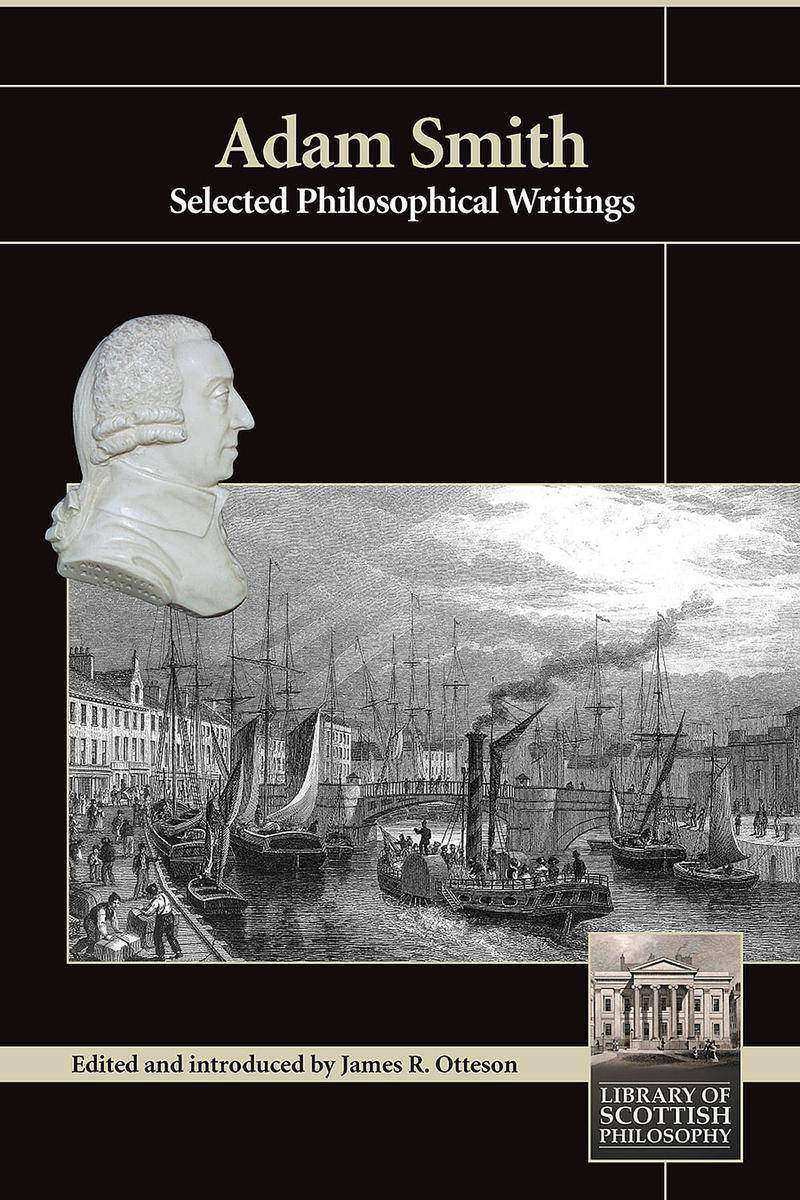
Adam Smith (1723-90) studied under Francis Hutcheson at the University of Glasgow, befriended David Hume while lecturing on rhetoric and jurisprudence in Edinburgh, was elected Professor of Logic, Professor of Moral Philosophy, Vice-rector, and eventually Lord Rector of the University of Glasgow, and, along with Hutcheson, Hume, and a few others, went on to become one of the chief figures of the astonishing period of learning known as the Scottish Enlightenment.He is the author of two books: The Theory of Moral Sentiments (1759) and An Inquiry into the Nature and Causes of the Wealth of Nations (1776). TMS brought Smith considerable acclaim during his lifetime and was quickly considered one of the great works of moral theory. It deeply impressed Immanuel Kant, for example, who called Smith his 'Liebling' or 'favourite', and Charles Darwin, who in his Descent of Man (1871) endorsed and accepted several of Smith's 'striking' conclusions. TMS went through fully six revised editions during Smith's lifetime.Since the nineteenth century, Smith's fame has largely rested on his Wealth of Nations, which must be considered one of the most important works of the millennium: its argument for free trade, its explanation of the price mechanism and the division of labor, its qualified defense of market economies, and its powerful criticisms of mercantilist economic theories are now standard fare in economics courses, not to mention the basis of a large portion of today's worldwide economic policy. And its account of human nature is now classic.Both The Theory of Moral Sentiments and the Wealth of Nations reveal Smith's impressively broad learning, but he wrote and lectured on a number of other subjects as well. This anthology collects, for the first time in one volume, not only generous selections from each of Smith's books but also substantial selections from his other work, including his lectures on jurisprudence, his history and philosophy of science, his criticism and belles lettres, and his philosophy of language. It also includes two important letters from Hume, as well as Smith's account of Hume's death.

Philosopher at the Admiralty
¥107.81
This book is volume one of a two-part series (volumes sold separately). Taken together, the two volumes of A Philosopher at War examine the political thought of the philosopher and archaeologist, R.G. Collingwood, against the background of the First and Second World Wars. Collingwood served in Admiralty Intelligence during the First World War and although he was not physically robust enough to play an active role in the Second World War, he was swift to condemn the policies of appeasement which he thought largely responsible for bringing it about.The author uses a blend of political philosophy, history and discussion of political policy to uncover what Collingwood says about the First World War, the Peace Treaty which followed it and the crises which led to the Second World War in 1939, together with the response he mustered to it before his death in 1943. The aim is to reveal the kind of liberalism he valued and explain why he valued it. By 1940 Collingwood came to see that a liberalism separated from Christianity would be unable to meet the combined evils of Fascism and Nazism. How Collingwood arrived at this position, and how viable he finally considered it, is the story told in these volumes.


