


 购物车
购物车 个人中心
个人中心
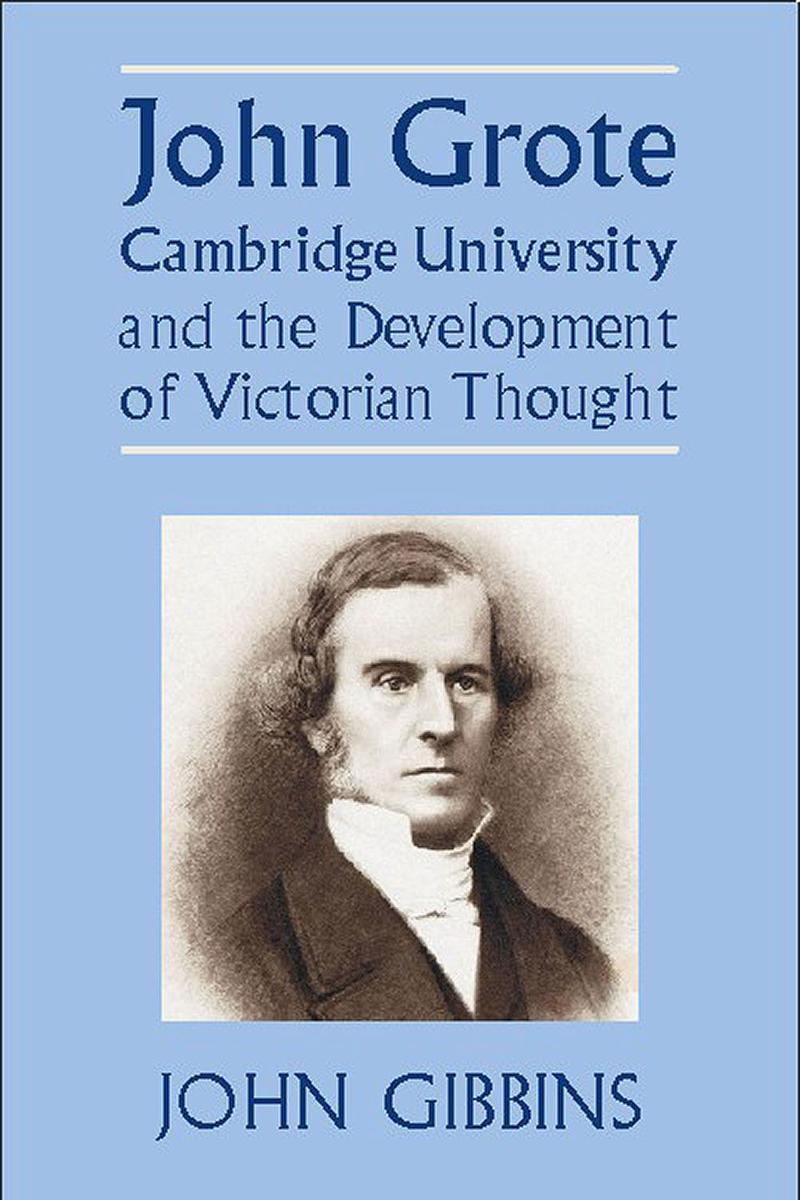
John Grote, Cambridge University and the Development of Victorian Thought
¥333.44
John Grote struggled to construct an intelligible account of philosophy at a time when radical change and sectarian conflict made understanding and clarity a rarity. This book answers three questions:* How did John Grote develop and contribute to modern Cambridge and British philosophy?* What is the significance of these contributions to modern philosophy in general and British Idealism and language philosophy in particular?* How were his ideas and his idealism incorporated into the modern philosophical tradition?Grote influenced his contemporaries, such as his students Henry Sidgwick and John Venn, in both style and content; he forged a brilliantly original philosophy of knowledge, ethics, politics and language, from a synthesis of the major British and European philosophies of his day; his social and political theory provide the origins of the 'new liberal' ideas later to reach their zenith in the writings of Green, Sidgwick, and Collingwood; he founded the 'Cambridge style' associated with Moore, Russell, Broad, McTaggart and Wittgenstein; and he was also a major influence on Oakeshott.

当国风美图遇上经典诗文(共6册)
¥331.99
动画电影级国风插画×古代诗人生活美学,人文艺术品牌「为你读诗」诗意生活品牌系列、知识放映室“威风古人”系列,合计共6册。分别为《莫愁猎火狼烟,前路有高适》《你当像李白长风破浪》《谁当凌绝顶,杜甫与我》《人生如逆旅,幸好还有苏轼》《红豆生南国,王维*相思》《知否知否应是人间清照》

和佟彤学养生,提高身体免疫力(共12册)
¥331.99
健康畅销书作者、身心养生专家佟彤作品合集。分别为《了不起的中医养生妙招》《听身体的话》《湿胖》《不衰老不疲劳的生活》《药房里买得到的传世名方:新版》《看名医不挂号》《不上火的好生活》《女人暖养更年轻》《中国女人要补阴》《女人开心药典》《脾虚的女人老得快:新版》和《脸要穷养,身要娇养》

和佟彤学养生,提高身体免疫力(共12册)
¥331.99
健康畅销书作者、身心养生专家佟彤作品合集。分别为《了不起的中医养生妙招》《听身体的话》《湿胖》《不衰老不疲劳的生活》《药房里买得到的传世名方:新版》《看名医不挂号》《不上火的好生活》《女人暖养更年轻》《中国女人要补阴》《女人开心药典》《脾虚的女人老得快:新版》和《脸要穷养,身要娇养》
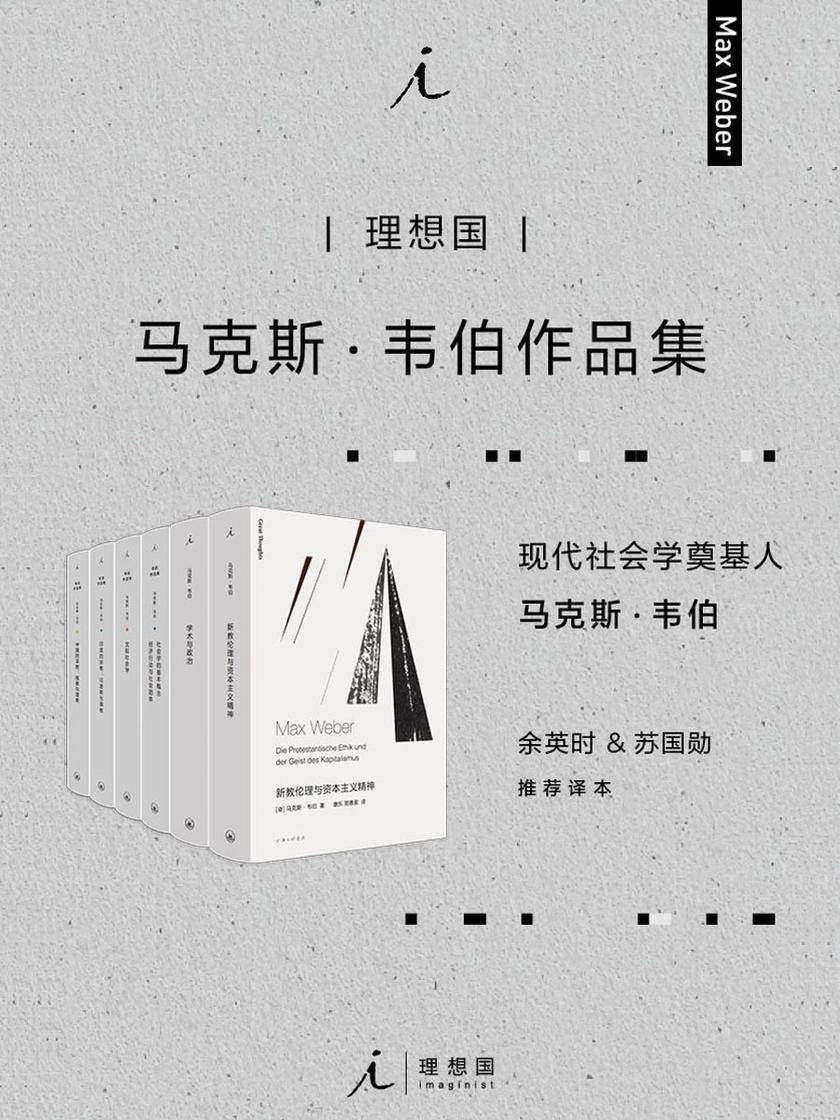
马克斯·韦伯作品集(套装6册)
¥331.50
《中国的宗教:儒教与道教》是韦伯在宗教社会学上的第二本主要著作,与《新教伦理与资本主义精神》同属于三大卷本的《宗教社会学论文集》首卷。在本书中,韦伯专注于探索中国社会里那些与西欧不同的地方,以此突显西方基督教文明的特色,并且提出了一个问题:为什么资本主义没有在中国发展呢?韦伯所着手探讨的对象,特别是中国与印度,都是既庞大复杂又源远流长的文化体。身为西欧近代文明之子的韦伯遂以“理性化”作为其研究世界各大文化的“利器”。他的着眼在于:宗教与社会其他层面、理念与利益在人类文明的整体发展上究竟有着什么样的互动关系,在种种互动关系下呈现出怎样的理性内涵。韦伯在本书中分析了中国的国家、法律、城市、行会、士人阶层、正统礼教、异端信仰等,无非是想借此构筑出:中国人想的是什么、做出来的又是什么,以及所想与所做之间的关系。而儒教官绅知识阶层,在韦伯所构筑的传统中国历史舞台上,展现出使中国整体文明与西方文明大相径庭的坚实活力。
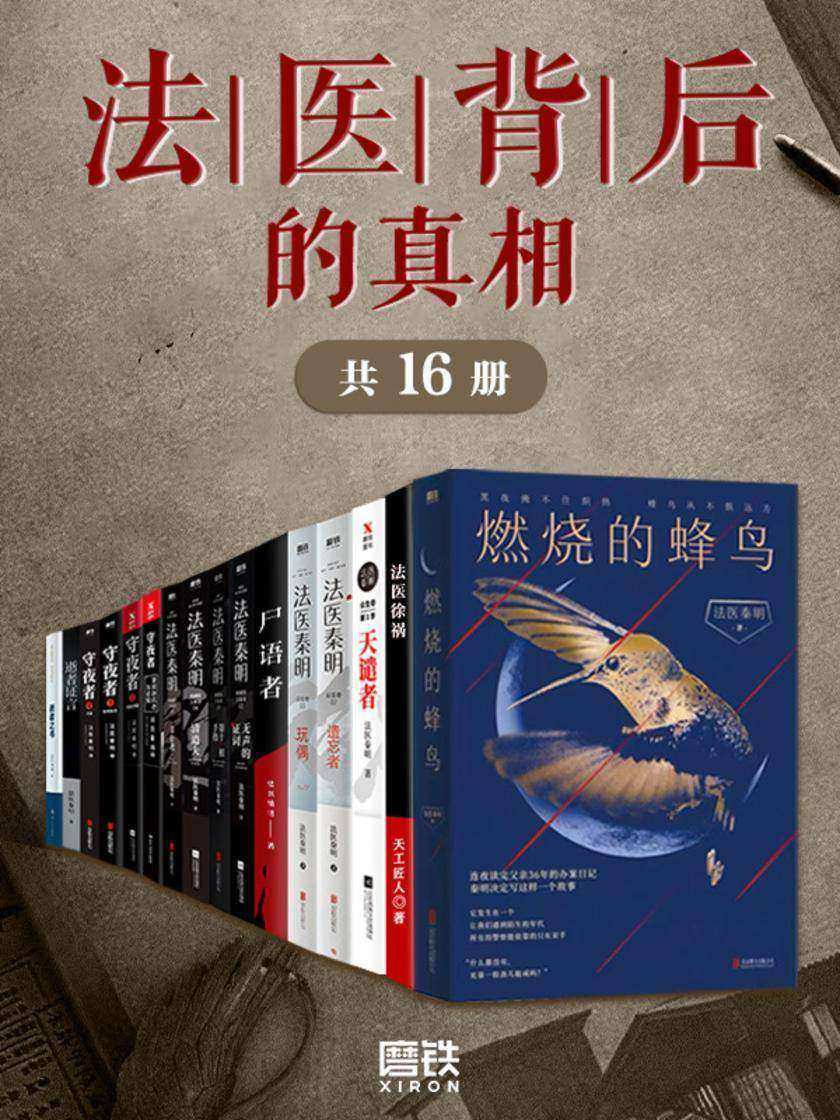
法医背后的真相(套装16册)
¥330.08
套装包括:《燃烧的蜂鸟》《法医秦明:天谴者》《法医秦明.遗忘者》《法医秦明.玩偶》《尸语者》《法医秦明:无声的证词》《法医秦明. 第十一根手指《法医秦明.清道夫》《法医秦明.幸存者》《守夜者》《守夜者.2黑暗潜能》《守夜者.3,生死盲点》《守夜者.4,天演》《逝者证言》《逝者之书》《法医徐祸》

斯坦因·西域游历丛书(15卷本)
¥330.00
1900—1901 年、1906—1908 年、1913—1916 年,英籍匈牙利人奥雷尔·斯坦因先后到我国新疆及河西地区进行探险考古,并先后出版了这三次探险考古报告:《古代和田——中国新疆考古发掘的详细报告》《西域考古图记》《亚洲腹地考古图记》。这三部著作是斯坦因的代表作,较全面地记述了我国新疆汉唐时期的遗迹和遗物,以及敦煌石窟宝藏与千佛洞佛教艺术,揭开了该地区古代文明面貌和中西文明交流融合的神秘面纱。西域游历丛书集斯坦因这三次中国西部探险考古资料于一体,对上述考古报告进行整合修订,使大众能更便捷了解其中的经过和成果。
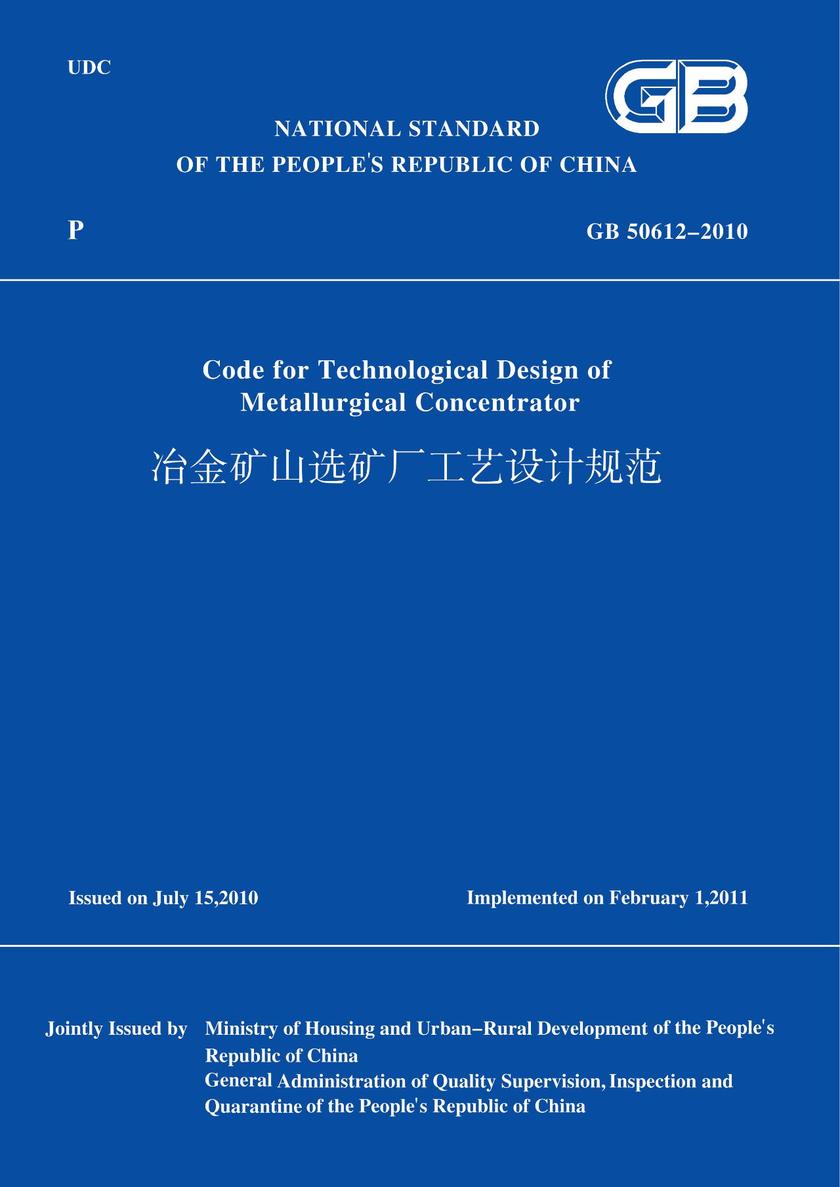
GB50612-2010冶金矿山选矿厂工艺设计规范(英文版)
¥330.00
中华人民共和国住房和城乡建设部公告第661号关于发布国家标准《冶金矿山选矿厂工艺设计规范》的公告现批准《冶金矿山选矿厂工艺设计规范》为国家标准,编号为GB50612-2010,自2011年2月1日起实施。其中,第11.3.1(5)、13.3.3条(款)为强制性条文,必须严格执行。本规范由我部标准定额研究所组织中国计划出版社出版发行。

脊柱外科麻醉学
¥330.00
本书共26章,内容包括绪论、脊柱的应用解剖学、脊柱手术相关影像学、术前病情评估、常用术前用药和麻醉药物、麻醉期间监测与管理、麻醉期间严重并发症管理、脊柱手术体位与围手术期护理、低温与控制性降压、围手术期血液保护、非手术治疗与疼痛管理,以及涵盖脊柱和脊髓外伤手术的麻醉、脊柱退行性变手术的麻醉、先天性脊柱脊髓发育异常手术的麻醉等各种脊柱手术的麻醉技术。本书以一种全新的思维将脊柱外科疾病与手术相关的解剖学、影像学、监测学以及护理学纵向串联起来,这种结合不仅内容新颖,而且具有较高的临床实用价值, 尤其是对年青的麻醉专业人员能起到启蒙和教学作用。该专著的出版不仅填补了国内同类参考书的空白,而且对从事脊柱外科临床、科研和教学工作者都有所帮助。 本书适用于麻醉科、脊柱外科医生及相关专业研究人员阅读参考。

SH/T3129-2012高酸原油加工装置设备和管道设计选材导则(英文版)
¥330.00
According to the requirements specified in the Plan for Developing Professional Standards in 2008(Document Number:[2008]No. 1242)issued by the General Administration Office of National Development and Reform Commission9 this Guideline is revised by its development team based on wide and intensive investigations and studies made, practices summarized, comments requested as well as references to international codes and advanced foreign standards. The Guideline comprises 6 chapters and 2 appendixes. The main technical contents in this Guideline include material selection for design of equipment and piping in units processing acid crude oils. This Guideline is an integration of and a revision to the Material Selection Guideline for Design of Major Equipment in Key Units Processing Sour Crude Oil(SH/T 3096 - 2001) and the Material Selection Guideline for Design of Major Piping in Key Units Processing Sour Crude Oil(SH/T 3129 - 2002). Major technical contents revised include: -SH/T 3096 - 2001and SH/T 3129 - 2002 were integrated to form the Material Selection Guideline for Design of Equipment and Piping in Units Processing Acid Crude Oils(SH/T 3129 - 2012) ; -The List of Materials Recommended for Major Equipment in Fluid Catalytic Cracking Unitis deleted, and the List of Materials Recommended for Major Equipment and Piping in Hydrofining Unit is added; -The Figure A. 4: Susceptibility of Caustic Cracking in Carbon Steel, Table A. 5: Annual High Temperature Oxidation Corrosion Rate of Metal Materials and Table B: Cross Reference for Common Metal Materials were added; China Petrochemical Corporation(Sinopec Group)is in responsible for the administration of this Guideline, Sinopec Technical Center for Static Equipment Design and Engineering is responsible for its routine management, and Sinopec Luoyang Petrochemical Engineering Corporation is tasked for the interpretation of specific technical contents. If any comments and recommendations are proposed in implementation of this Guideline, please send your comments and recommendations to the routine management organization and chief development organization.
SH3011-2011石油化工工艺装置布置设计规范(英文版)
¥330.00
石油化工工艺装置布置设计规范根据国家发展和改革委员会办公厅《2008年行业标准计划》(发改办工业[2008]1242号)的要求,规范编制组经广泛调查研究,认真总结实践经验,参考有关国际标准和国外先进标准,并在广泛征求意见的基础上,修订本规范。本规范共分7章。本规范的主要技术内容是:石油化工工艺装置中常用设备、管廊、建筑物、构筑物及通道的布置设计要求。本规范是在SH3011-2000《石油化工工艺装置布置设计通则》的基础上修订而成,修订的主要内容是:规范名称更改为《石油化工工艺装置布置设计规范》;增加第2章"规范性引用文件";第3章"一般规定"中增加"围堰内排水设施的要求",并对有关内容进行了局部修改和补充;原第3章"主管廊和常用设备的布置"更改为第4章"管廊的布置"和第5章"常用设备的布置",并对有关内容进行了局部修改和补充;原第4章"建筑物、构筑物及通道的布置"更改为第6章"建筑物和构筑物的布置"和第7章"通道的布置",并对控制室、机柜间、变配电所、化验室、办公室等布置在装置内时,提出了要求和限制;对大型石油化工装置的设备、建筑物区占地面积由10000m2扩大到20000m2提出要求,并应采取必要的安全措施。

数字化转型指南(套装共12册)
¥330.00
现有团队的定位与公司的需要脱节?团队积累的技能和经验,并不符合公司的需求方向?某些部门和团队的工作变成“过家家”,员工很忙,部门空转,但实际上并没有创造很大价值?…… VUCA时代,企业经营管理需要更为务实有效率,围绕客户需求敏捷反应、创造价值。面对这类挑战,华东理工大学教授、赋能管理与企业学习专家高松反思传统培训,全新著作《赋能业务》,揭秘了未来企业学习的全新理念与方法论——赋能业务。 在《赋能业务》中,作者详述了赋能业务的全景图、学习体系、6大升维、7大应用场景、学习3支柱;用亲自操盘的实战案例,着重解析了构建赋能业务方法金三角——赋能于人、赋能客户、赋能组织;贴心给出了赋能业务项目实战中的关键,如项目设计的ICIDE模型、评估赋能业务成效的方法等……帮我们更加深地理解并掌握赋能业务,而为企业带来长久动能和业绩成效。

“燃情天后”桐华经典作品大合集
¥329.97
套装包括:《散落星河的记忆1:迷失》《散落星河的记忆2:窃梦》《散落星河的记忆3:化蝶》《散落星河的记忆4:璀璨》《云中歌(套装)》《大漠谣(套装)》《曾许诺:套装》《长相思套装(全三册)》《那片星空,那片海》《散落星河的记忆》《那些回不去的年少时光》《美的时光》《半暖时光》
Plant Physics
¥329.62
From Galileo, who used the hollow stalks of grass to demonstrate the idea that peripherally located construction materials provide most of the resistance to bending forces, to Leonardo da Vinci, whose illustrations of the parachute are alleged to be based on his study of the dandelion's pappus and the maple tree's samara, many of our greatest physicists, mathematicians, and engineers have learned much from studying plants.?A symbiotic relationship between botany and the fields of physics, mathematics, engineering, and chemistry continues today, as is revealed in Plant Physics. The result of a long-term collaboration between plant evolutionary biologist Karl J. Niklas and physicist Hanns-Christof Spatz, Plant Physics presents a detailed account of the principles of classical physics, evolutionary theory, and plant biology in order to explain the complex interrelationships among plant form, function, environment, and evolutionary history. Covering a wide range of topics-from the development and evolution of the basic plant body and the ecology of aquatic unicellular plants to mathematical treatments of light attenuation through tree canopies and the movement of water through plants' roots, stems, and leaves-Plant Physics is destined to inspire students and professionals alike to traverse disciplinary membranes.
Stations in the Field
¥329.62
When we think of sites of animal research that symbolize modernity, the first places that come to mind are grand research institutes in cities and near universities that house the latest in equipment and technologies, not the surroundings of the bird's nest, the octopus's garden in the sea, or the parts of inland lakes in which freshwater plankton reside. Yet during the late nineteenth and early twentieth centuries, a group of zoologists began establishing novel, indeed modern ways of studying nature, propagating what present-day ecologists describe as place-based research.Raf De Bont's Stations in the Field focuses on the early history of biological field stations and the role these played in the rise of zoological place-based research. Beginning in the 1870s, a growing number of biological field stations were founded-first in Europe and later elsewhere around the world-and thousands of zoologists received their training and performed their research at these sites. Through case studies, De Bont examines the material and social context in which field stations arose, the actual research that was produced in these places, the scientific claims that were developed there, and the rhetorical strategies that were deployed to convince others that these claims made sense. From the life of parasitic invertebrates in northern France and freshwater plankton in Schleswig-Holstein, to migratory birds in East Prussia and pest insects in Belgium, De Bont's book is fascinating tour through the history of studying nature in nature.
Ignoring Nature No More
¥329.62
For far too long humans have been ignoring nature. As the most dominant, overproducing, overconsuming, big-brained, big-footed, arrogant, and invasive species ever known, we are wrecking the planet at an unprecedented rate. And while science is important to our understanding of the impact we have on our environment, it alone does not hold the answers to the current crisis, nor does it get people to act. In Ignoring Nature No More, Marc Bekoff and a host of renowned contributors argue that we need a new mind-set about nature, one that centers on empathy, compassion, and being proactive.?This collection of diverse essays is the first book devoted to compassionate conservation, a growing global movement that translates discussions and concerns about the well-being of individuals, species, populations, and ecosystems into action. Written by leading scholars in a host of disciplines, including biology, psychology, sociology, social work, economics, political science, and philosophy, as well as by locals doing fieldwork in their own countries, the essays combine the most creative aspects of the current science of animal conservation with analyses of important psychological and sociocultural issues that encourage or vex stewardship. The contributors tackle topics including the costs and benefits of conservation, behavioral biology, media coverage of animal welfare, conservation psychology, and scales of conservation from the local to the global. Taken together, the essays make a strong case for why we must replace our habits of domination and exploitation with compassionate conservation if we are to make the world a better place for nonhuman and human animals alike.
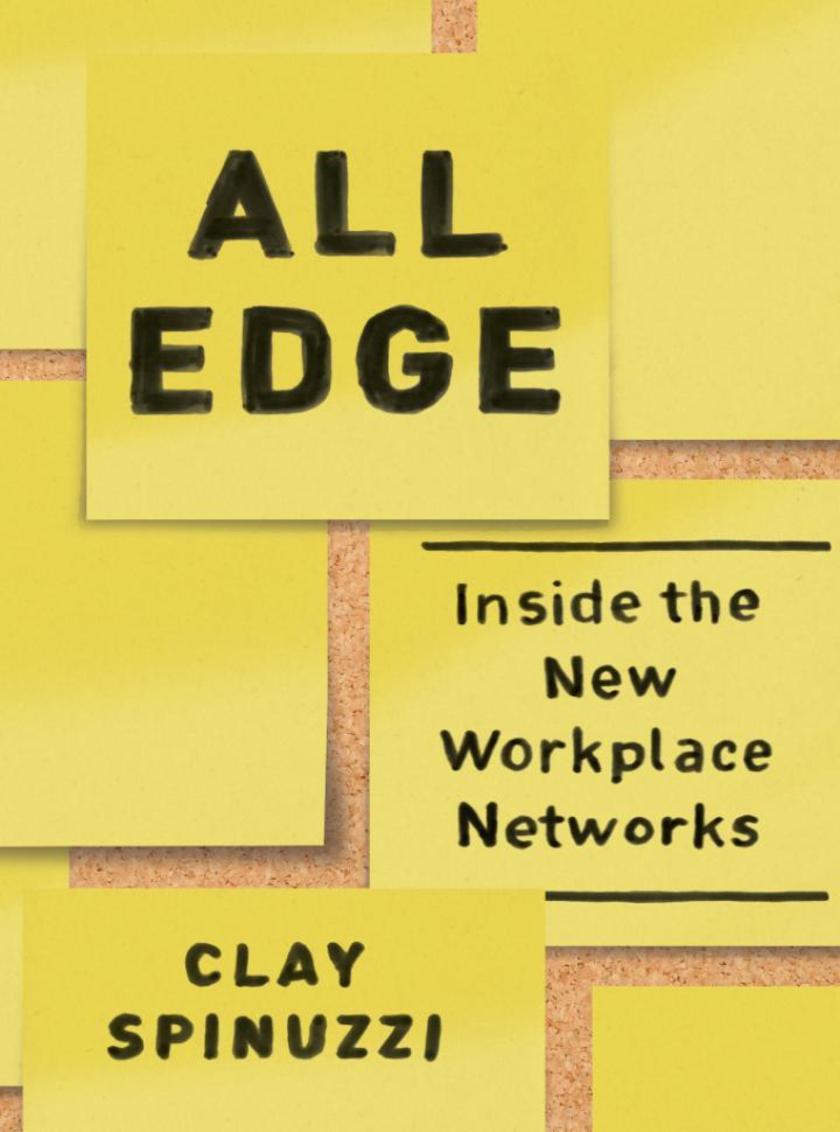
All Edge
¥329.62
Work is changing. Speed and flexibility are more in demand than ever before thanks to an accelerating knowledge economy and sophisticated communication networks. These changes have forced a mass rethinking of the way we coordinate, collaborate, and communicate. Instead of projects coming to established teams, teams are increasingly converging around projects. These "e;all-edge adhocracies"e; are highly collaborative and mostly temporary, their edge coming from the ability to form links both inside and outside an organization. These nimble groups come together around a specific task, recruiting personnel, assigning roles, and establishing objectives. When the work is done they disband their members and take their skills to the next project.Spinuzzi offers for the first time a comprehensive framework for understanding how these new groups function and thrive. His rigorous analysis tackles both the pros and cons of this evolving workflow and is based in case studies of real all-edge adhocracies at work. His provocative results will challenge our long-held assumptions about how we should be doing work.
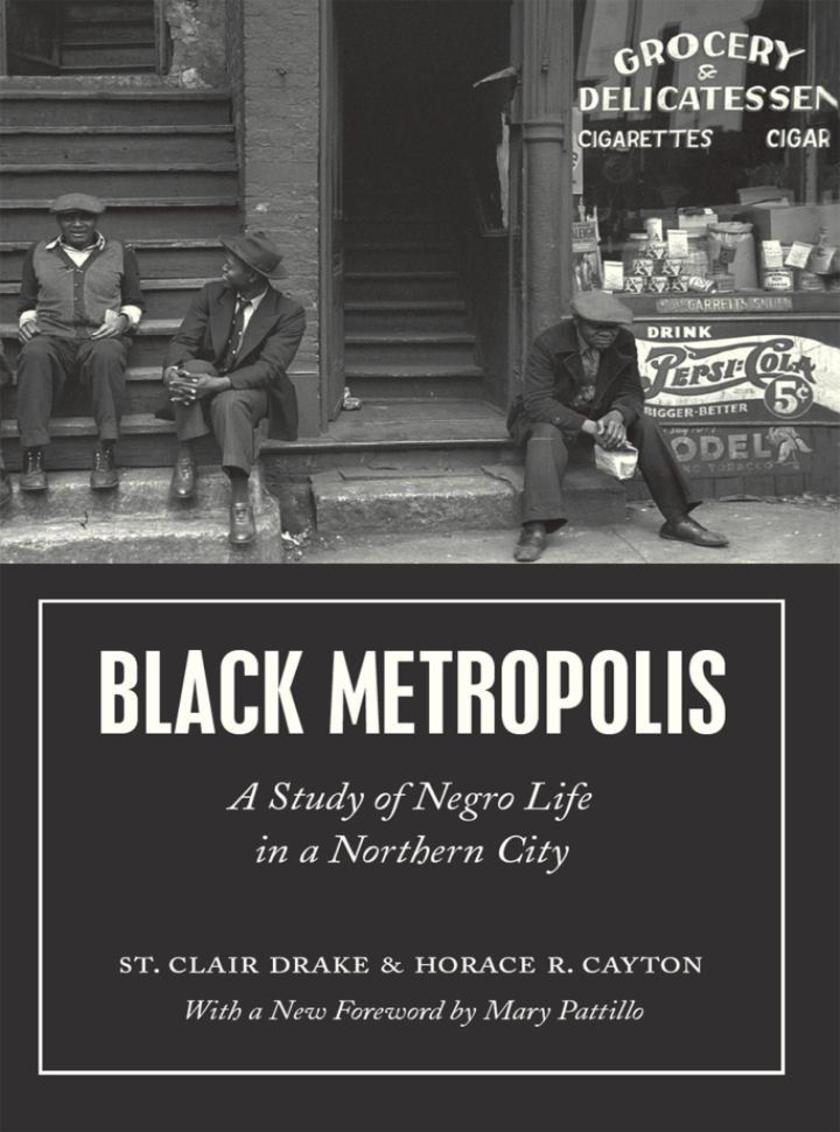
Black Metropolis
¥329.62
Ground-breaking when first published in 1945, Black Metropolis remains a landmark study of race and urban life. Few studies since have been able to match its scope and magnitude, offering one of the most comprehensive looks at black life in America. Based on research conducted by Works Progress Administration field workers, it is a sweeping historical and sociological account of the people of Chicago's South Side from the 1840s through the 1930s. Its findings offer a comprehensive analysis of black migration, settlement, community structure, and black-white race relations in the first half of the twentieth century. It offers a dizzying and dynamic world filled with captivating people and startling revelations.A new foreword from sociologist Mary Pattillo places the study in modern context, updating the story with the current state of black communities in Chicago and the larger United States and exploring what this means for the future. As the country continues to struggle with race and our treatment of black lives, Black Metropolis continues to be a powerful contribution to the conversation.
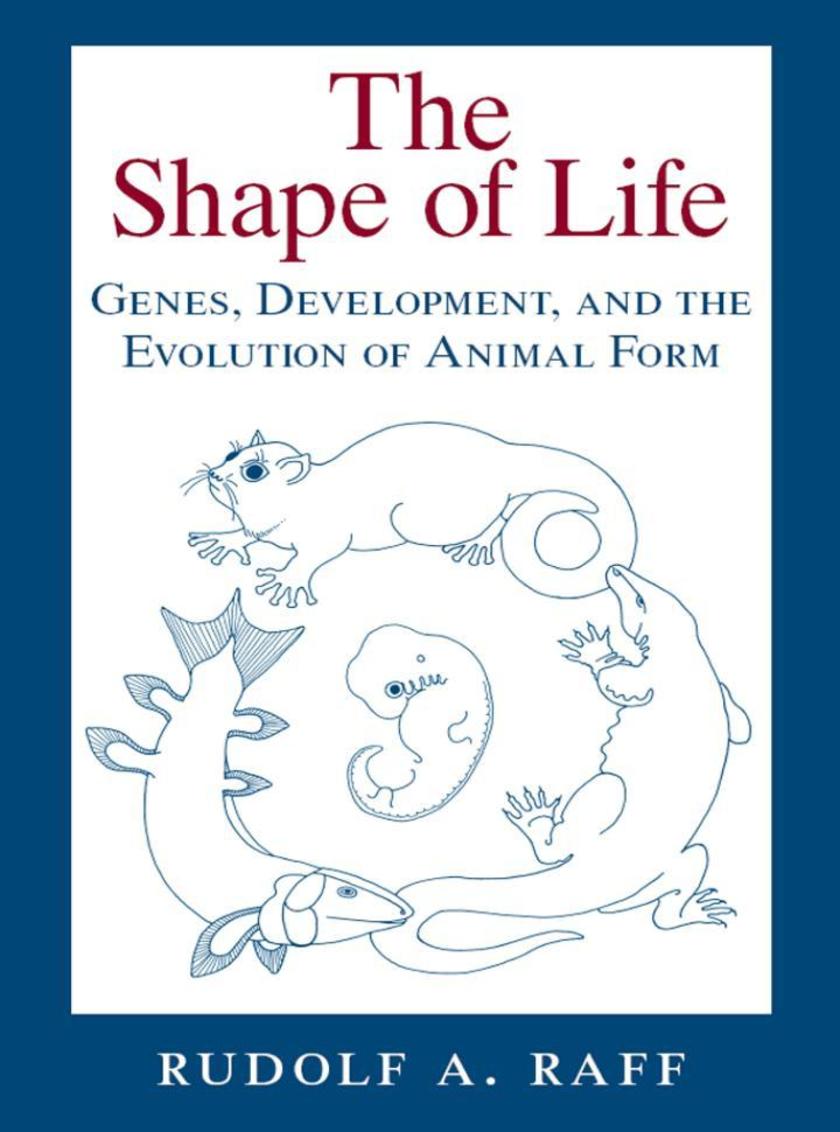
Shape of Life
¥329.62
Rudolf Raff is recognized as a pioneer in evolutionary developmental biology. In their 1983 book, Embryos, Genes, and Evolution, Raff and co-author Thomas Kaufman proposed a synthesis of developmental and evolutionary biology. In The Shape of Life, Raff analyzes the rise of this new experimental discipline and lays out new research questions, hypotheses, and approaches to guide its development.Raff uses the evolution of animal body plans to exemplify the interplay between developmental mechanisms and evolutionary patterns. Animal body plans emerged half a billion years ago. Evolution within these body plans during this span of time has resulted in the tremendous diversity of living animal forms.Raff argues for an integrated approach to the study of the intertwined roles of development and evolution involving phylogenetic, comparative, and functional biology. This new synthesis will interest not only scientists working in these areas, but also paleontologists, zoologists, morphologists, molecular biologists, and geneticists.
Translation as Muse
¥329.62
Poetry is often said to resist translation, its integration of form and meaning rendering even the best translations problematic. Elizabeth Marie Young disagrees, and with?Translation as Muse, she uses the work of the celebrated Roman poet Catullus to mount a powerful argument that translation can be an engine of poetic invention.Catullus has long been admired as a poet, but his efforts as a translator have been largely ignored. Young reveals how essential translation is to his work: many poems by Catullus that we tend to label as lyric originals were in fact shaped by Roman translation practices entirely different from our own. By rereading Catullus through the lens of translation, Young exposes new layers of ingenuity in Latin poetry even as she illuminates the idiosyncrasies of Roman translation practice, reconfigures our understanding of translation history, and questions basic assumptions about lyric poetry itself.

Posthumous Love
¥329.62
For Dante and Petrarch, posthumous love was a powerful conviction. Like many of their contemporaries, both poets envisioned their encounters with their beloved in heaven-Dante with Beatrice, Petrarch with Laura. But as Ramie Targoff reveals in this elegant study, English love poetry of the Renaissance brought a startling reversal of this tradition: human love became definitively mortal. Exploring the boundaries that Renaissance English poets drew between earthly and heavenly existence, Targoff seeks to understand this shift and its consequences for English poetry.?Targoff shows that medieval notions of the somewhat flexible boundaries between love in this world and in the next were hardened by Protestant reformers, who envisioned a total break between the two. Tracing the narrative of this rupture, she focuses on central episodes in poetic history in which poets developed rich and compelling compensations for the lack of posthumous love-from Thomas Wyatt's translations of Petrarch's love sonnets and the Elizabethan sonnet series of Shakespeare and Spencer to the?carpe diem?poems of the seventeenth century. Targoff's centerpiece is?Romeo and Juliet, where she considers how Shakespeare's reworking of the Italian story stripped away any expectation that the doomed teenagers would reunite in heaven. Casting new light on these familiar works of poetry and drama, this book ultimately demonstrates that the negation of posthumous love brought forth a new mode of poetics that derived its emotional and aesthetic power from its insistence upon love's mortal limits.


