


 购物车
购物车 个人中心
个人中心
Economic Imperative
¥63.67
The book explores the role of leisure in modern life. It was written in the belief that leisure sets us apart as a species, that what is "e;useless"e; by commercial standards is probably the best thing we have going for us, and that leisure is under attack, in high danger of being lost, and has been for some time (since at least the end of the Second World War). The source of the problem is the ascendancy of the economic imperative, the subordination of the science of means (philosophy) by the science of ends (economics). The book argues that our leisurely impulse has been so squandered that boredom is now a significant problem in modern life. The essays canvass the distinctive contributions of art, science and religion, and provide a synthetic account of these three forces driving human culture. Although the book covers the science/religion question, this book differs from others on the science/religion debate in that it connects the traditional discussion to questions of economics and social policy. It takes an innovative approach in weaving the fundamentals of human life (art, science, economics and so on) into one fabric, namely, leisure.
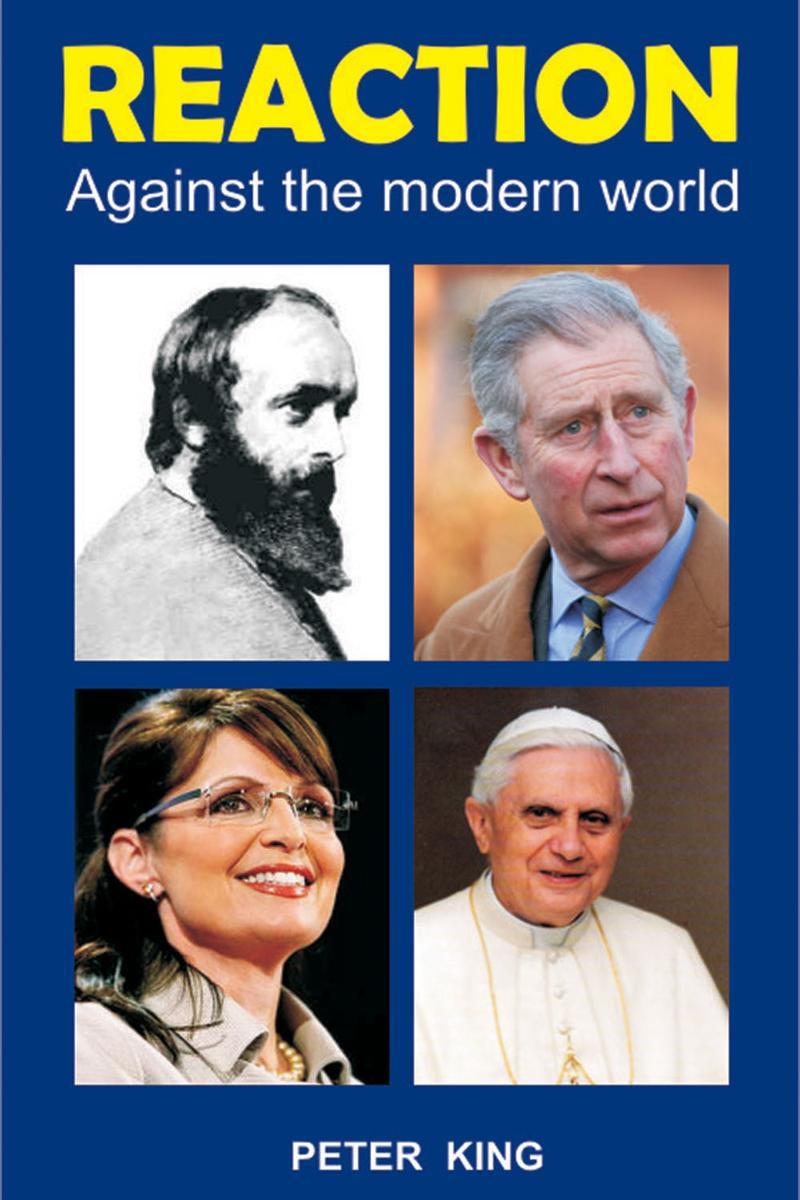
Reaction
¥63.67
To call someone a reactionary is to insult them and to end any argument. There is no possible rejoinder: no one could possibly wish to be a reactionary. But what if one were to gratefully accept the label? What would it mean to wilfully and honestly be a reactionary? Referencing thinkers as diverse as Burke, de Maistre, Guenon, Ratzinger, Scruton and the Prince of Wales this book considers the nature of reaction as a justified response to modernity and the constant call for change. Reaction is shown to take two distinct forms: first, as a rejection of progress and a defence of traditional culture and values; and second, as a common sense disquiet and distaste towards elites. These are seen as entirely valid responses to the failure of modernity. 'Reaction' presents an original and thoughtful critique of modernity and a defence of tradition. It will be of interest to anyone concerned that we are heading too far and too quickly in the wrong direction.
Putting Morality Back into Politics
¥63.67
Machiavelli almost succeeded in removing morality from European politics and, indeed, since his day it has sometimes been assumed that morality and politics are separate. Ryder argues that the time has come for public policies to be seen to be based upon moral objectives. Politicians should be expected routinely to justify their policies with open moral argument.In Part I, Ryder sketches an overview of contemporary political philosophy as it relates to the moral basis for politics, and Part 2 suggests a way of putting morality back into politics, along with a clearer emphasis upon scientific evidence.
Knowledge Monopolies
¥63.67
Historians and sociologists chart the consequences of the expansion of knowledge; philosophers of science examine the causes. This book bridges the gap. The focus is on 'academisation' - the paradox whereby, as the general public becomes better educated to live and work with knowledge, the 'academy' increases its intellectual distance from the public, so that the nature of social and natural reality becomes more rather than less obscure.
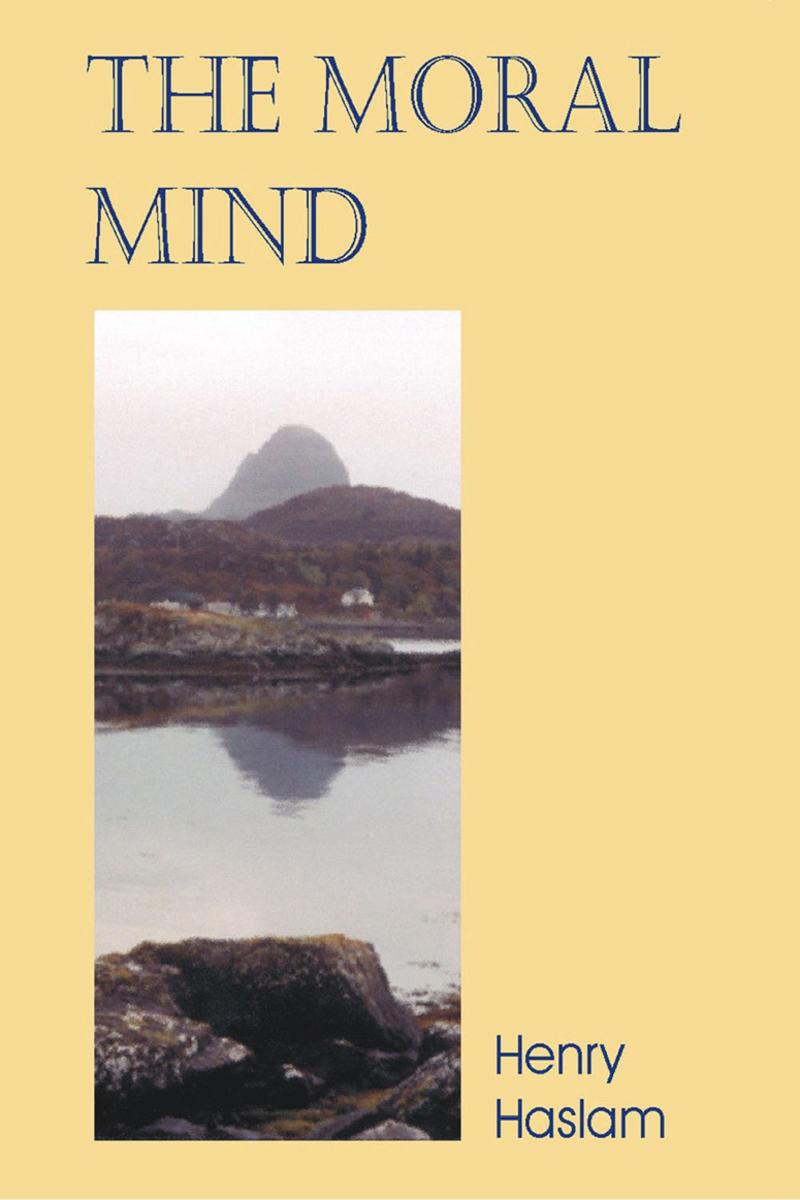
Moral Mind
¥63.67
The reality and validity of the moral sense - which ordinary people take for granted - took a battering in the last century. Materialist trends in philosophy, decline in religious faith, and a loosening of traditional moral constraints contributed to a shift in public attitudes, with many decent honest folk both aware of a questioning of moral claims and uneasy with a world that has no place for the moral dimension. Haslam shows how important the moral sense is to the human personality and exposes the weakness in much current thinking that suggests otherwise. His goal is to help the reader to a mature and confident understanding of the moral mind, which constitutes an essential part of what it is to be human.
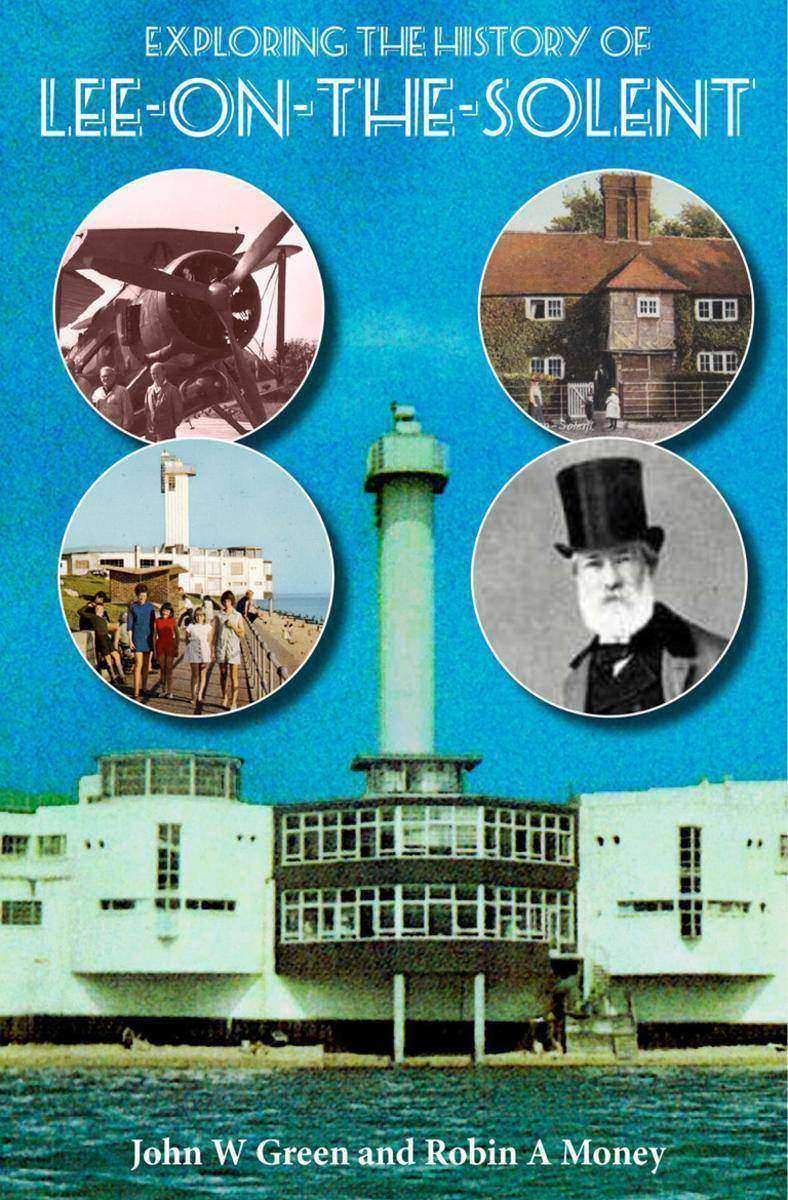
Exploring the History of Lee-on-the-Solent
¥63.67
Walking around Lee-on-the-Solent provides tantalising glimpses into its past - whether it's the balconied Victorian buildings in Pier Street, the Art Deco frontages above the shops in Marine Parade West, the airfield with its gliders soaring peacefully overhead, the hovercraft museum, the sight of yachts on the sparkling waters of the Solent, or the lengthy list of names on the War Memorial. And perhaps you remember, or have heard talk of, the Tower with its ballroom and cinema, the Pier Hotel in its heyday, and the outdoor swimming pool?But what's the real story behind the history of Lee-on-the-Solent? Whether you are a resident or a visitor, you are bound to discover something new in this fascinating account. Why would Isle of Wight monks build a windmill at Lee? Why would you have needed the help of the baker's boy if you wanted to get a train at Elmore Halt? What was on offer at Bulson's Stores and Pleasure Retreat? Why was a rainstorm so popular at the Anglican church? Why did the last two Englishmen to fight a duel choose Browndown as the venue? What made prefabs the envy of many residents? And why was a patch of grass in the wildgrounds always tended in the shape of a cross? You'll find the answer to these questions and many more in Exploring the History of Lee-on-the-Solent.Best of all, you'll discover why you should raise a glass to John Robinson, the Victorian entrepreneur without whom Lee-on-the-Solent would surely not exist.
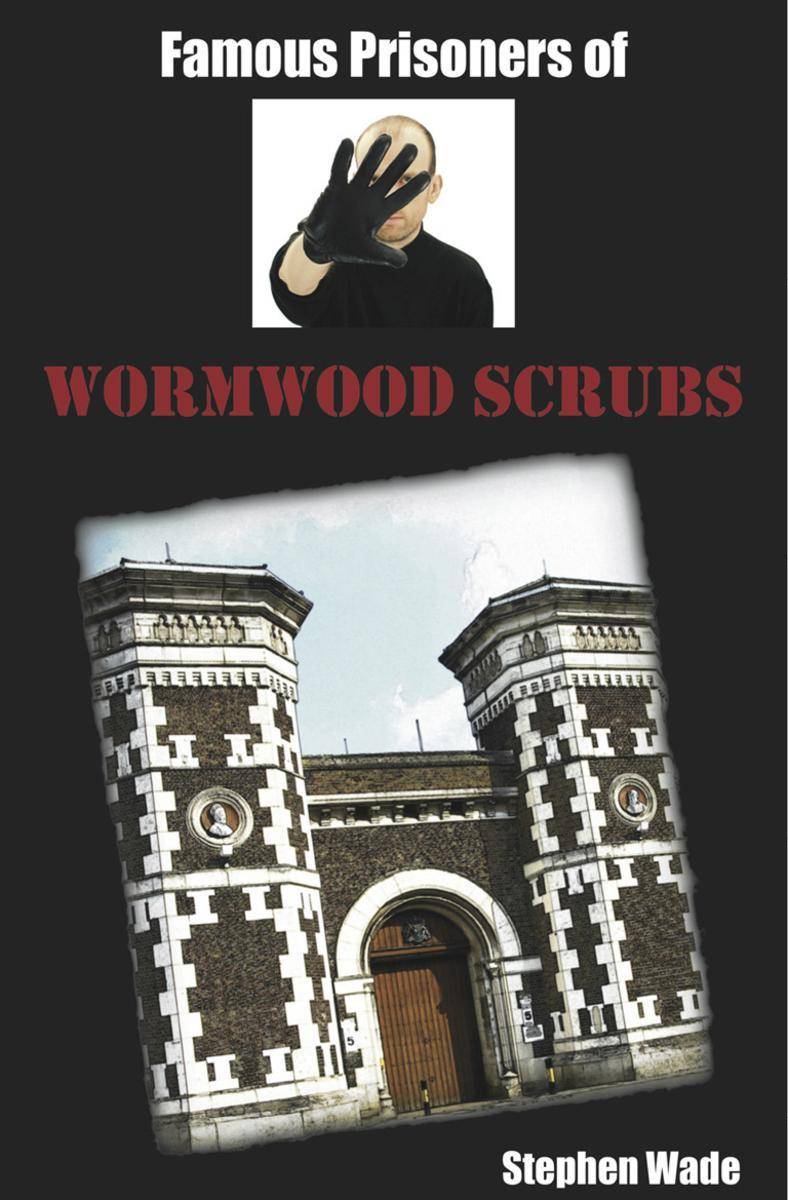
Famous Prisoners of Wormwood Scrubs
¥63.67
Wormwood Scrubs is Britain's most 'media-soaked' prison. Its celebrity inmates have provided the tabloids with many good stories, from Rolling Stone Keith Richards - banged up for drugs offences - to notorious spy George Blake, whose escape enthralled the country. It has entertained the Master of the Queen's music, Sir Michael Tippett, socialist scrapper Fred Copeman, rebellious soul Pete Doherty, influential writer Joe Orton, lifetime litigant Lord Alfred Douglas, fraudster John Stonehouse and professional con Charles Bronson.In this book, you'll read about the forgotten, as well as the famous; the plain as well as the extraordinary. It is an enthralling gallery of rogues, liars, spies, mountebanks, lovers of courtroom strife and general, all-round villains who did anything to get rich.

Shell Shock
¥63.67
This short, diary-style novel, by a British army veteran chronicles the difficulties faced by Tommy, a 23-year-old squaddie, as he desperately tries to conquer post traumatic stress disorder (PTSD) - shell shock. His over-emotional responses to the stresses of everyday life - post-office queues, a trip to Ikea, and his relationship with his family and girlfriend - eventually lead to alienation and suicidal urges. Told in the vernacular, with humour and personal understanding, the story highlights the work of the Charity Combat Stress in rehabilitating returning troops.
Werewolves in Their Youth
¥63.67
In this superb book by Michael Chabon, called by Jonathan Yardley "the young star of American letters," the bestselling author of The Mysteries of Pittsburgh and Wonder Boys gives us nine stunning short stories. Beautifully crafted, powerful in its impact, Werewolves in Their Youth takes us into the hearts and lives of young people and people in midlife caught at emotional moments of turning point and change. Brilliant, frightening, funny, these stories are shot through with Chabon's unique vision and uncanny understanding of our mysteries and nightmares, hilarity and pain. In the opening story, "Werewolves in Their Youth," a boy attempts to help a troubled classmate, only to uncover the even more perplexing troubles of the adults around them. In "House Hunting," a young couple mend their strained relationship during an appointment with a strange real estate broker. In the collection's chilling final story, "In the Black Mill," a student archaeologist travels to a small American city to conduct his fieldwork, and finds himself investigating the mysterious fates of the inhabitants. The brilliance of an astonishing American talent is everywhere apparent in Werewolves in Their Youth.
Referendum Roundabout
¥63.67
A lively and sharp critique of the role of the referendum in modern British politics. The 1975 vote on Europe is the lens to focus the subject, and the controversy over the referendum on the European constitution is also clearly in the author's sights.
Enemies of Progress
¥63.67
This polemical book examines the concept of sustainability and presents a critical exploration of its all-pervasive influence on society, arguing that sustainability, manifested in several guises, represents a pernicious and corrosive doctrine that has survived primarily because there seems to be no alternative to its canon: in effect, its bi-partisan appeal has depressed critical engagement and neutered politics.It is a malign philosophy of misanthropy, low aspirations and restraint. This book argues for a destruction of the mantra of sustainability, removing its unthinking status as orthodoxy, and for the reinstatement of the notions of development, progress, experimentation and ambition in its place.Al Gore insists that the 'debate is over', while musician K.T. Tunstall, spokesperson for 'Global Cool', a campaign to get stars to minimize their carbon footprint, says 'so many people are getting involved that it is becoming really quite uncool not to be involved'. This book will say that it might not be cool, but it is imperative to argue against the moralizing of politics so that we can start to unpick the contemporary world of restrictive, sustainable practices.
Last Prime Minister
¥63.67
Echoing Mahatma Gandhi's comment on Western civilization, Graham Allen thinks the British constitution would be a very good idea-a clear constitution providing real power to the British people and their elected representatives. In The Last Prime Minister he showed the British people how they had acquired an executive presidency by stealth. It was the first-ever attempt to codify the Prime Minister's powers, many hidden in the mysteries of the royal prerogative. This timely new edition takes in new issues, including Parliament's constitutional impotence over Iraq.
Here For Our Children's Children?
¥63.67
This study reviews the many different bases for wanting to preserve the environment. By seeing how protagonists approach the same situation from different assumptions, some of the origins of environmental conflict may be established, and ways of resolving conflict can be identified.There are two major issues in environmental ethics: The first asks whether the problems can be solved within current approaches, or require instead lifestyle changes for the whole of western civilisation.The second issue concerns why the environment should be valued. This review identifies a series in increasingly stronger valuations that can be identified as:1. Hedonistic - we protect the environment because we like it.2. Utilitarian - the environment is valuable to us3. Consequentialist - we want to preserve things for other people - now or future.4. Intrinsic - The environment has virtue in its own right5. Extrinsic - we value the environment because it is of consequence to some thing else - theistic (a God).Thirdly, these insights are used to explore potential ways of resolving environmental conflicts, notably by the recovery of democratic decision making at the right scale: local, national or even global.
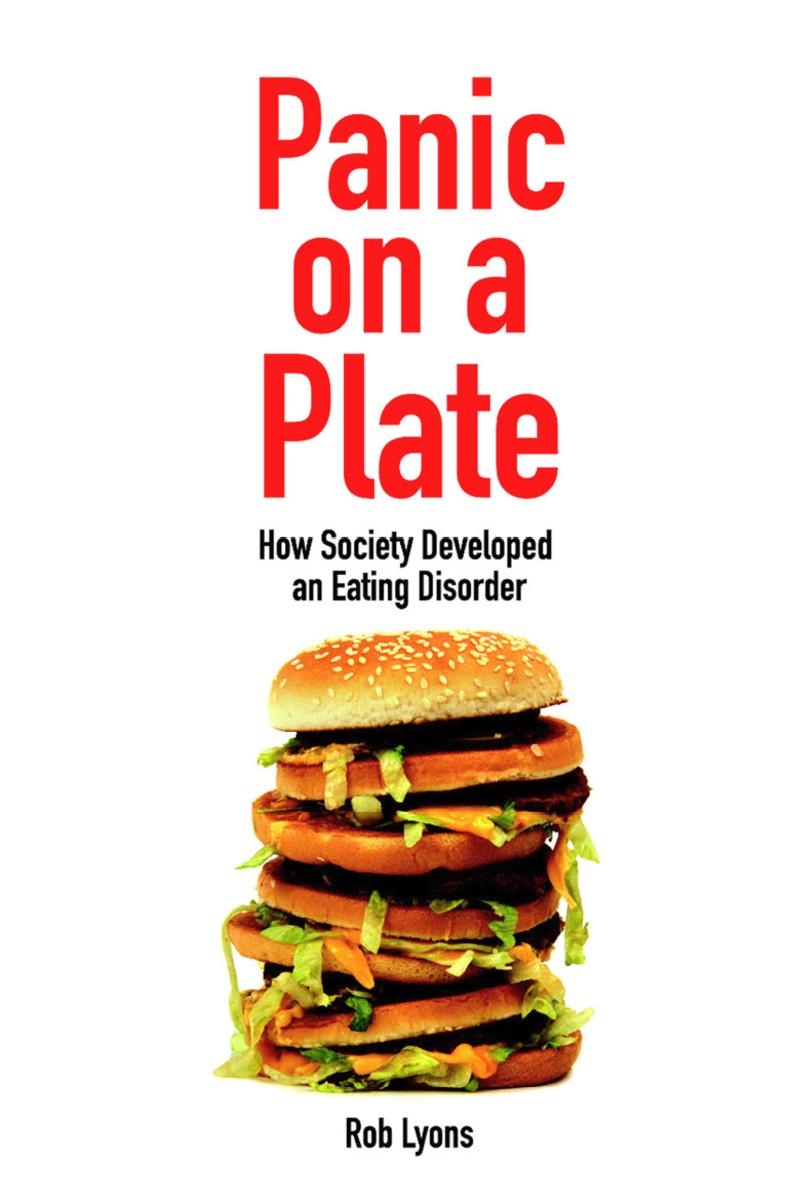
Panic on a Plate
¥63.67
Food in Britain today is more plentiful, more nutritious, more varied, and much more affordable than ever in our history. This is something to celebrate, and Rob Lyons does exactly that. In a series of short up-beat chapters he challenges head on the fashionable critics of so-called junk food and the "e;wacky world"e; of organic and locally-sourced food campaigners. They have created needless panic and made our cheap and tasty food an object of shame and blame, when it should be a cause for rejoicing. "e;Panic on a Plate"e; draws on history, science, and official reports to show the fearmongers are wrong: the changing face of food is full of hope.

Sherlock Holmes and The Black Widower
¥63.67
In the year 1908 Holmes believed himself to be in retirement. Watson was once again in private practice and unwed. Mrs. Hudson had gone to Sussex to act as Holmes's housekeeper. But the fates had agreed that Martha Hudson and John Watson should be together. Or had they? When Dr. Watson proposes to Martha Hudson it sets off a series of events that only Sherlock Holmes can deal with. Watson has already had three wives, all have died under unfortunate circumstances. Colm Campbell, Martha Hudson's nephew, thinks there is more here than meets the eye. Is Watson just unlucky or are the deaths suspicious? Holmes must come to his best friends defence.
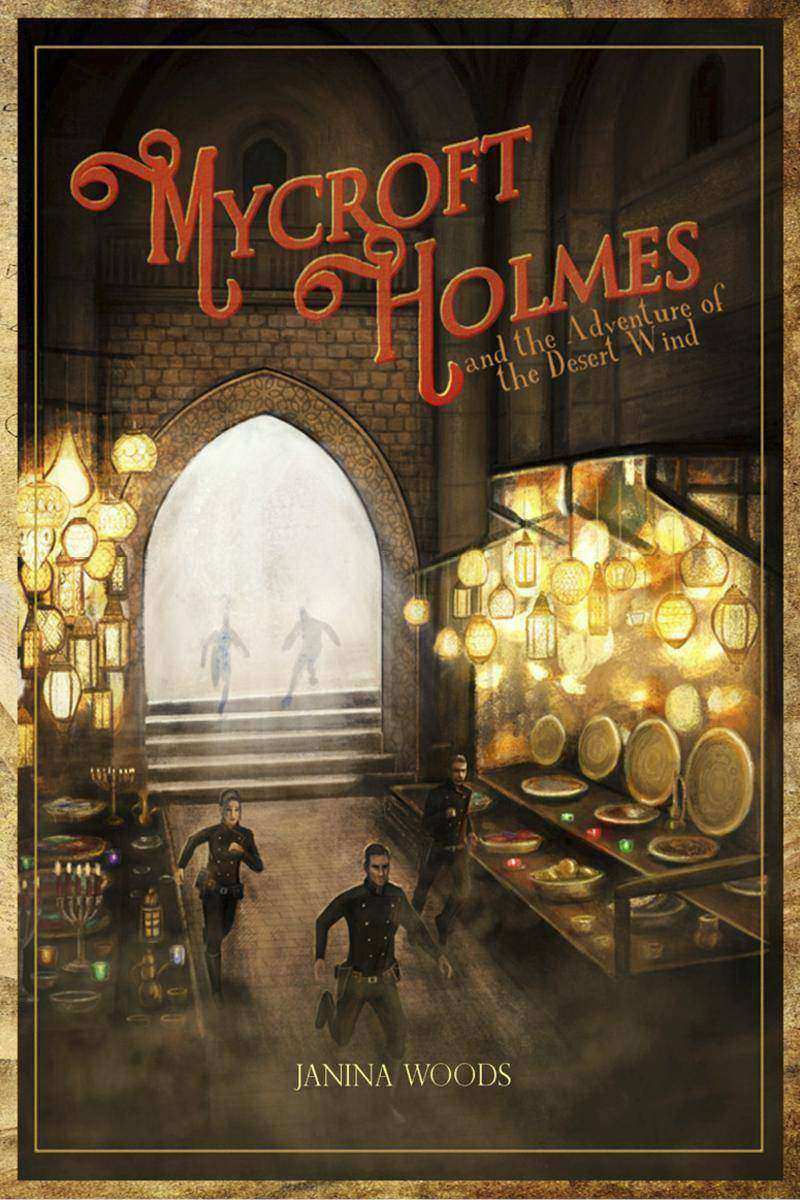
Mycroft Holmes and the Adventure of the Desert Wind
¥63.67
Sherlock Holmes is missing. Dr. Watson receives a cursed note, summoning him to the city of Milan. In his plight, he turns to the one person who can help him: Mycroft Holmes, secret agent and eternally concerned elder brother. Mycroft has to team up with Dr. Watson and fellow agent Victoria Trevor to follow Sherlock's trail and stand against the dark forces that threaten his life.
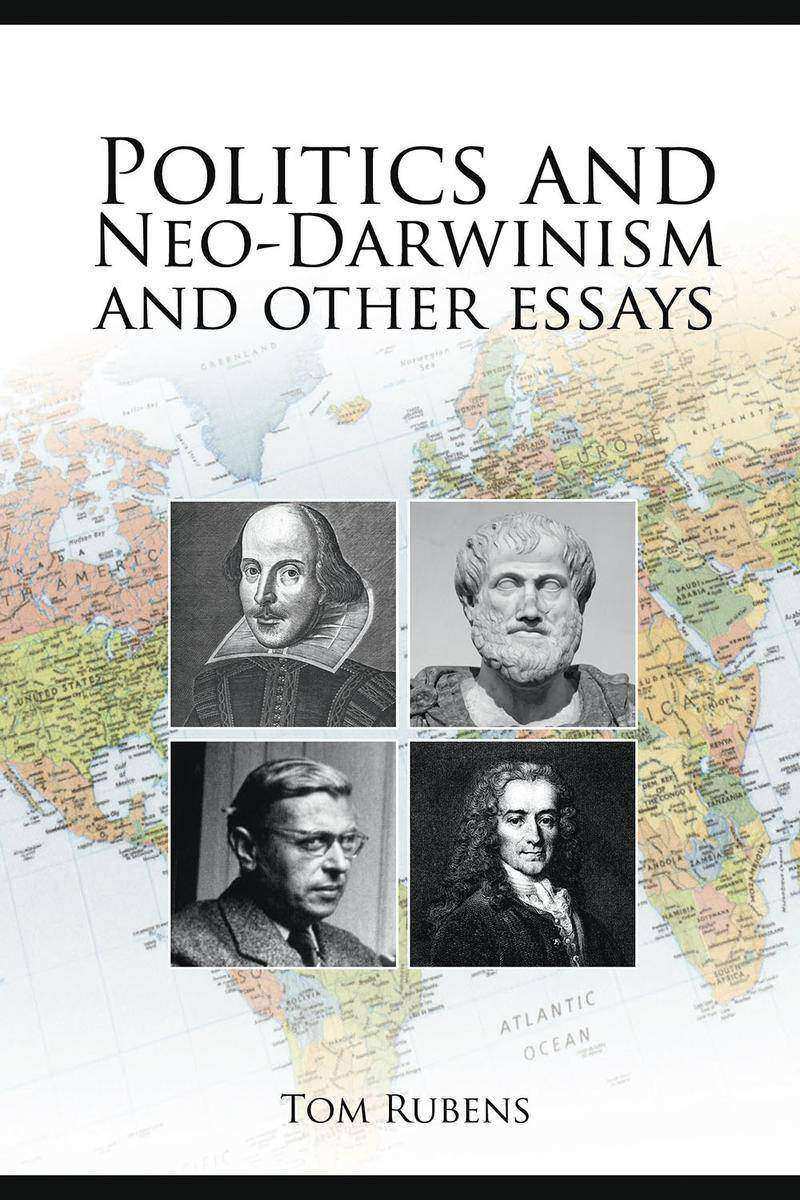
Politics and Neo-Darwinism
¥63.67
This collection of essays is eclectic, covering certain political, ethical, cultural, and philosophical topics. But running through all the material is the evolutionary-naturalistic perspective stated in the opening essay, which gives the book its title. Another emphatic feature is a focus on the Western cultural outlook, as the context in which the large number of topics is viewed. This focus is important as a way of re-affirming the distinctive character of Western intellectual and cultural history, at a time when that character is, arguably, not sufficiently recognised and appreciated. Authors referred to include Aristotle, Shakespeare, Voltaire, and Sartre.
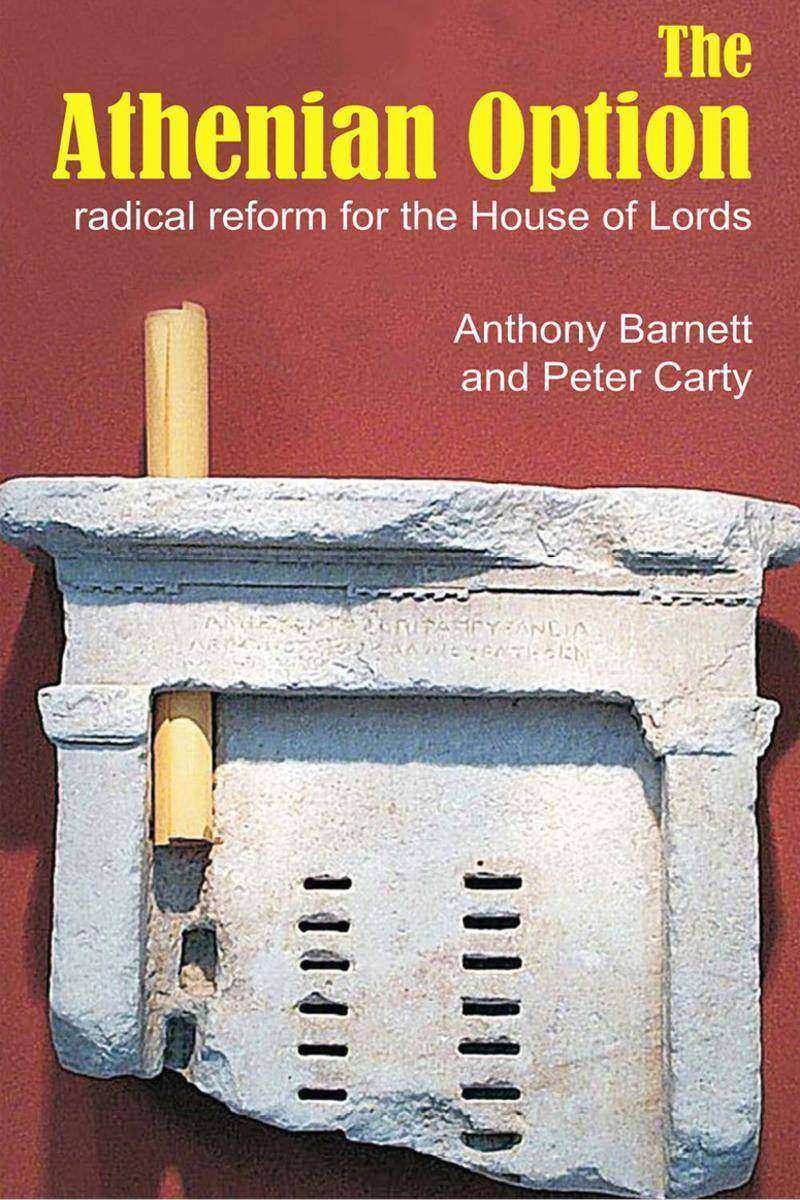
Athenian Option
¥63.67
Before New Labour came to power and when even the prospect of reform of Britain's House of Lords was regarded with scepticism, Anthony Barnett and Peter Carty developed the idea of selecting part of a new upper house by lot: creating a jury or juries, that are representative of the population as a whole while being selected at random, to assess legislation. This new edition of the original proposal includes an account of the reception of the idea, their evidence before the Commission on the Lords established by Tony Blair, and a response to the great advances in citizen-based deliberation that have taken place since the mid-1990s. It concludes with a new appeal to adopt their approach as efforts to reform the Lords continue.
Independent
¥63.67
Martin Bell, Ken Livingstone and Richard Taylor (the doctor who became an MP to save his local hospital) are the best known of a growing band of British politicians making their mark outside the traditional party system. Some (like Livingstone) have emerged from within the old political system that let them down, others (Bell, Taylor) have come into politics from outside in response to a crisis of some kind, often in defence of a perceived threat to their local town or district.Richard Berry traces this development by case studies and interviews to test the theory that these are not isolated cases, but part of a permanent trend in British politics,a shift away from the party system in favour of independent non-aligned representatives of the people.
Unlearning
¥63.67
One view of education (appealing to the Latin root "e;educare"e; - "e;to train or mold"e;) aims to fill students' heads with knowledge and turn them into disciplined, normalized and potentially productive members of the workforce.An alternative (appealing to the Latin root "e;educere"e; - "e;to lead out or draw out"e;) wants to produce well-trained minds and create individuals capable of questioning, critical thinking, imagination, and self-reflective deliberation as engaged citizens.This book commends a third way, inspired by the Greek notion of "e;paideia"e;, which sees education as 'the process of educating person into their true form, the real and genuine human nature'.This education is not about learning a trade. It is a dynamic living thing in which the ability to UNlearn is essential for developing a good and capable citizen, trained for freedom, autonomy, and virtue.
Seeking Meaning and Making Sense
¥63.67
Collection of short essays that range across philosophy, politics, general culture, morality, science, religion and art, focusing on questions of meaning, value and understanding.


