


 购物车
购物车 个人中心
个人中心
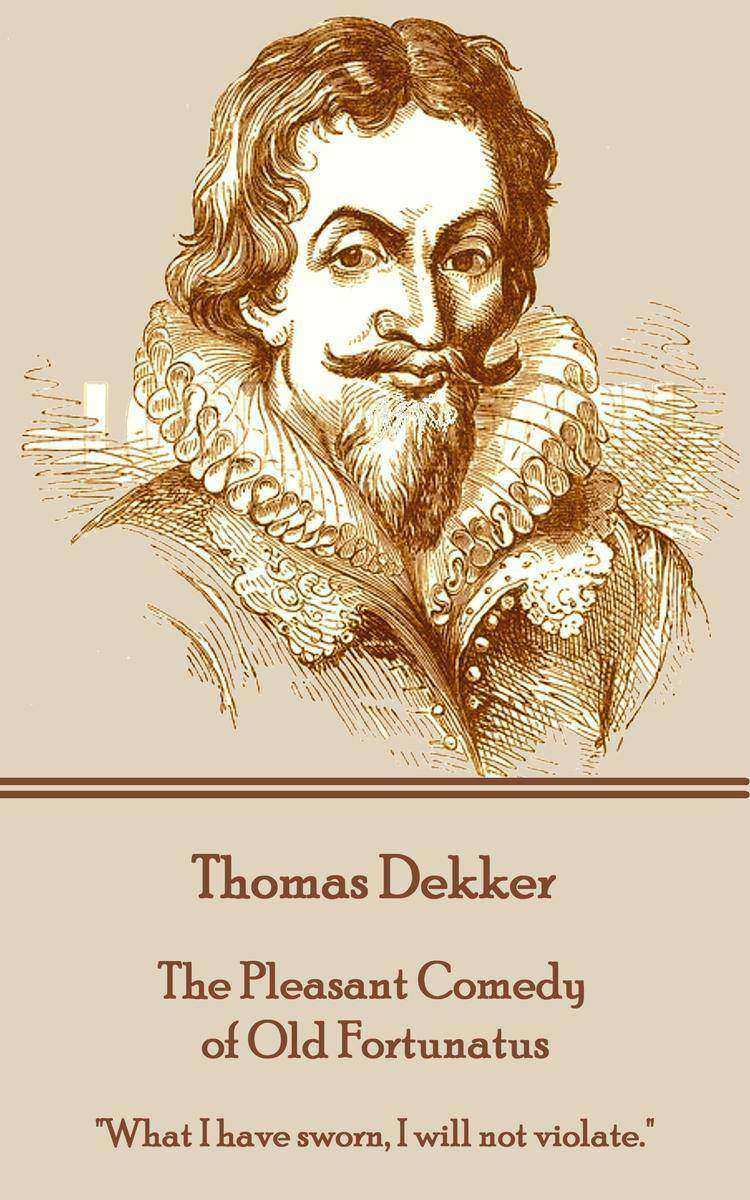
Pleasant Comedy of Old Fortunatus - What I have sworn, I will not violate.
¥26.98
Thomas Dekker was a playwright, pamphleteer and poet who, perhaps, deserves greater recognition than he has so far gained. Despite the fact only perhaps twenty of his plays were published, and fewer still survive, he was far more prolific than that. Born around 1572 his peak years were the mid 1590's to the 1620's - seven of which he spent in a debtor's prison. His works span the late Elizabethan and Caroline eras and his numerous collaborations with Ford, Middleton, Webster and Jonson say much about his work. His pamphlets detail much of the life in these times, times of great change, of plague and of course that great capital city London a swirling mass of people, power, intrigue.

Great Gatsby - So we beat on, boats against the current, borne back ceaselessly
¥26.98
Francis Scott Key Fitzgerald was born on September 24th 1896 in Saint Paul, Minnesota, to an upper-middle-class family. His early years in Buffalo, New York showed him to be a boy of high intelligence and drive with a thirst for literature. In 1908, his father was fired from Procter & Gamble, and the family returned to Minnesota. Here Fitzgerald attended St. Paul Academy, in St. Paul, until 1911. At 13 he was published in the school newspaper, it was, of all things, a detective story. In 1911, aged 15, he was sent to the prestigious Newman School, in Hackensack, New Jersey.And, after graduating in 1913, he decided to continue at Princeton University. Here he firmly dedicated himself to writing. Unfortunately his writing pursuits came at the expense of his coursework. In 1917 he dropped out to join the U.S. Army. However this service to his country came with the very real fear that he might perish in the trenches of Western Europe with his literary dreams not yet begun. So he spent the weeks before reporting for duty at work on a novel entitled The Romantic Egotist. Fitzgerald was assigned to Camp Sheridan, in Alabama. It was there that Fitzgerald met the love of his life; Zelda Sayre, the "e;golden girl,"e; of Montgomery youth society.The war ended before Fitzgerald could be deployed, and he moved to New York City hoping to start a career in advertising that would be lucrative enough to convince Zelda to marry him. Unable to convince her that his means were enough to support her she broke off the engagement.Fitzgerald returned to his parents in St. Paul, to revise The Romantic Egoist, now recast as This Side of Paradise. His revised novel was accepted by Scribner's and published in 1920 becoming an instant success. It launched Fitzgerald's career as a writer and provided a steady income suitable for Zelda's ambitions. The engagement resumed and they married at St. Patrick's Cathedral in New York.Frances Scott "e;Scottie"e; Fitzgerald, their only child, was born on October 26, 1921. Inspired by the parties he had attended visiting Long Island's north shore Fitzgerald began planning the greatest of his novels, The Great Gatsby, in 1923, wanting to produce "e;something new-something extraordinary and beautiful and simple and intricately patterned."e; Published in April 1925, The Great Gatsby received mixed reviews and but sold 20,000 in its first year. Today, it is one of a small circle vying for the title "e;Great American Novel"e;. Fitzgerald continued to supplement his income by writing short stories for magazines and to sell his stories and novels to Hollywood. He called this 'whoring'. In February 1932, Zelda was hospitalized with schizophrenia. Fitzgerald's heavy and excessive drinking had now developed into alcoholism and with recurring financial difficulties, the emotional toll of Zelda's mental illness, this meant several difficult years. In 1937, Fitzgerald moved to Hollywood. His income improved but he found movies beneath his talents.He spent the second half of the 1930s in Hollywood, working on short stories, scripts for MGM, and his final novel, The Love of the Last Tycoon. In 1939, MGM ended the contract, and Fitzgerald became a writer for hire. Still an alcoholic, he now became estranged from Zelda and developed a relationship with Sheilah Graham, the Hollywood gossip columnist. In this last period of his life his alcoholism had left him physically wrecked. After suffering a heart attack, in Schwab's Drug Store, he was ordered to avoid strenuous exertion. On the night of December 20, 1940, Fitzgerald and Sheilah Graham attended the premiere of This Thing Called Love. As they left Fitzgerald went dizzy; upset, he said to Graham, "e;They think I am drunk, don't they?"e; The following day, Graham saw him jump from his armchair, grab the mantelpiece, gasp, and fall to the floor. Francis Scott Fitzgerald died of a heart attack on December 21st, 1940.
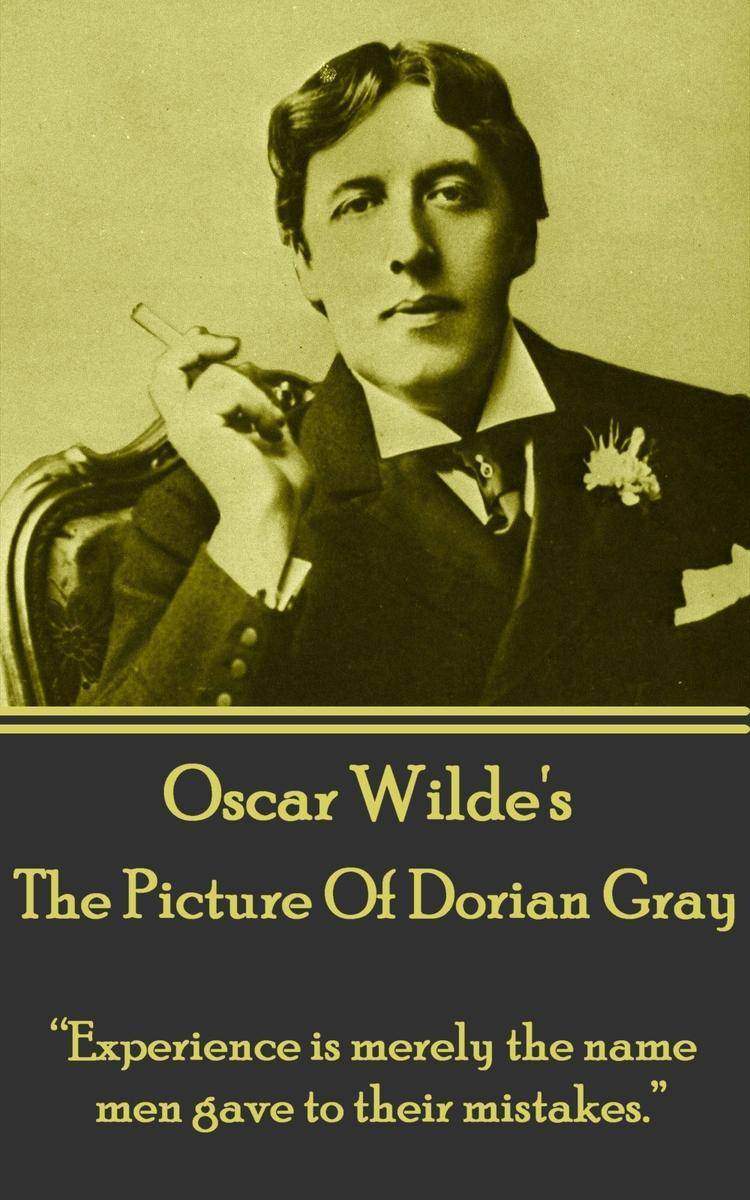
Picture Of Dorian Gray - Experience is merely the name men gave to their mistake
¥26.98
Oscar Fingal O'Flahertie Wills Wilde was born on the 16th October 1854 in Dublin Ireland. The son of Dublin intellectuals Oscar proved himself an outstanding classicist at Dublin, then at Oxford. With his education complete Wilde moved to London and its fashionable cultural and social circles. With his biting wit, flamboyant dress, and glittering conversation, Wilde became one of the most well-known personalities of his day. His only novel, The Picture of Dorian Gray was published in 1890 and he then moved on to writing for the stage with Salome in 1891. His society comedies produced enormous hits and turned him into one of the most successful writers of late Victorian London. Whilst his masterpiece, The Importance of Being Earnest, was on stage in London, Wilde had the Marquess of Queensberry, the father of his lover, Lord Alfred Douglas, prosecuted for libel. The trial unearthed evidence that caused Wilde to drop his charges and led to his own arrest and trial for gross indecency. He was convicted and imprisoned for two years' hard labour. It was to break him. On release he left for France, There he wrote his last work, The Ballad of Reading Gaol in 1898. He died destitute in Paris at the age of forty-six sipping champagne a friend had brought with the line 'Alas I am dying beyond my means'. And here indeed is that master work The Picture Of Dorian Gray. Compelling, diabolical and at the time it caused great outrage. But as we know the pen of Oscar Wilde leads us where many others fear to go.
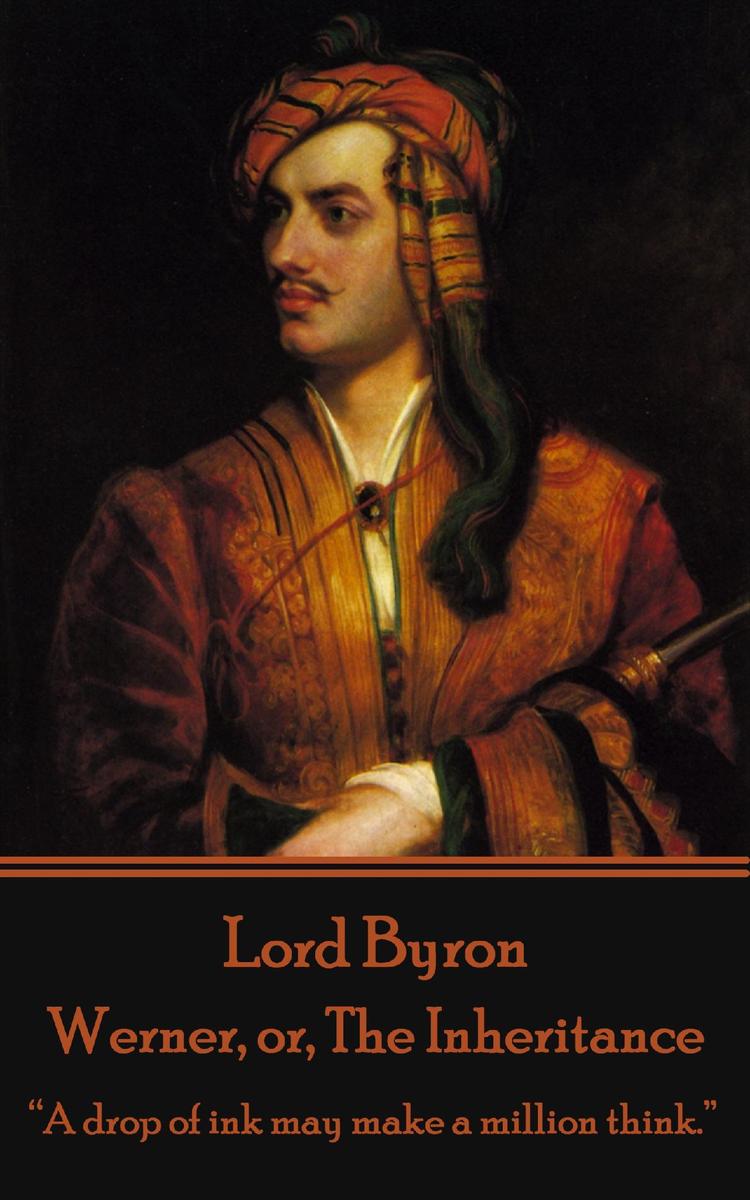
Werner, or, The Inheritance - A drop of ink may make a million think.
¥26.98
George Gordon Byron, 6th Baron Byron, but more commonly known as just Byron was a leading English poet in the Romantic Movement along with Keats and Shelley. Byron was born on January 22nd, 1788. He was a great traveller across Europe, spending many years in Italy and much time in Greece. With his aristocratic indulgences, flamboyant style along with his debts, and a string of lovers he was the constant talk of society. In 1823 he joined the Greeks in their war of Independence against the Ottoman Empire, both helping to fund and advise on the war's conduct. It was an extraordinary adventure, even by his own standards. But, for us, it is his poetry for which he is mainly remembered even though it is difficult to see where he had time to write his works of immense beauty. But write them he did. He died on April 19th 1824 after having contracted a cold which, on the advice of his doctors, was treated with blood-letting. This cause complications and a violent fever set in. Byron died like his fellow romantics, tragically young and on some foreign field.
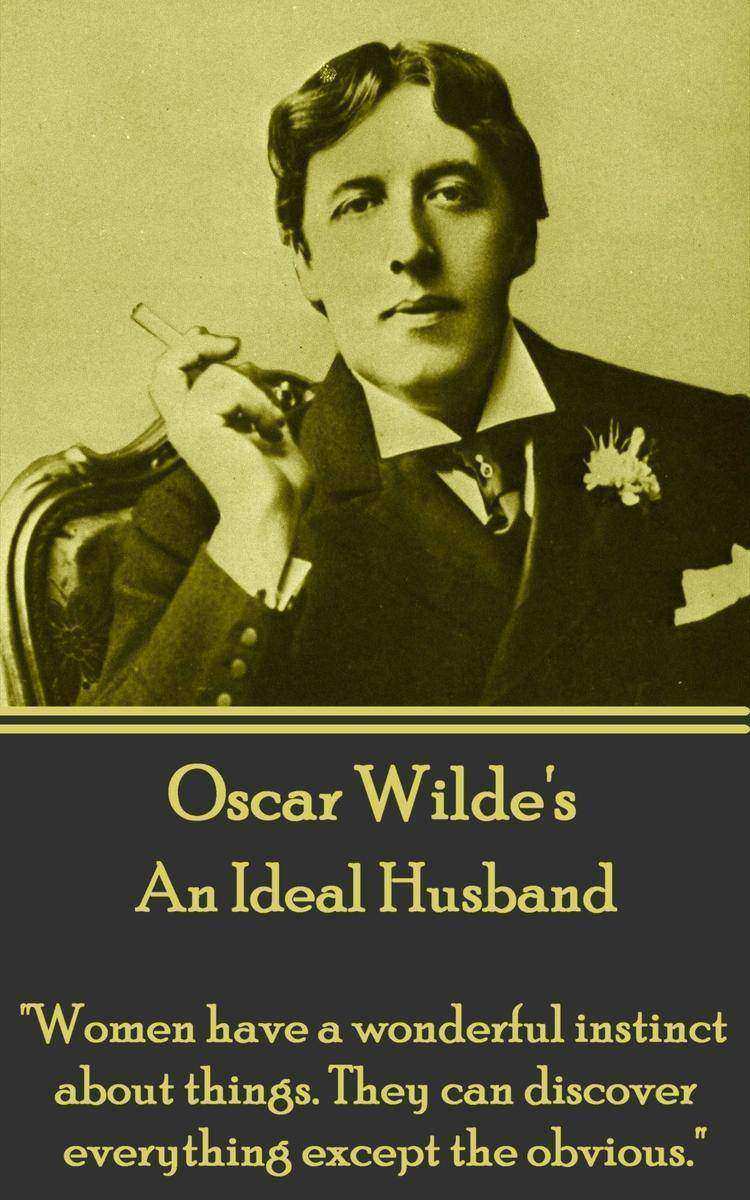
Ideal Husband - Women have a wonderful instinct about things.
¥26.98
Oscar Fingal O'Flahertie Wills Wilde was born on the 16th October 1854 in Dublin Ireland. The son of Dublin intellectuals Oscar proved himself an outstanding classicist at Dublin, then at Oxford. With his education complete Wilde moved to London and its fashionable cultural and social circles. With his biting wit, flamboyant dress, and glittering conversation, Wilde became one of the most well-known personalities of his day. His only novel, The Picture of Dorian Gray was published in 1890 and he then moved on to writing for the stage with Salome in 1891. His society comedies produced enormous hits and turned him into one of the most successful writers of late Victorian London. Whilst his masterpiece, The Importance of Being Earnest, was on stage in London, Wilde had the Marquess of Queensberry, the father of his lover, Lord Alfred Douglas, prosecuted for libel. The trial unearthed evidence that caused Wilde to drop his charges and led to his own arrest and trial for gross indecency. He was convicted and imprisoned for two years' hard labour. It was to break him. On release he left for France, There he wrote his last work, The Ballad of Reading Gaol in 1898. He died destitute in Paris at the age of forty-six sipping champagne a friend had brought with the line 'Alas I am dying beyond my means'. Here we publish another of his classic plays 'An Ideal Husband'
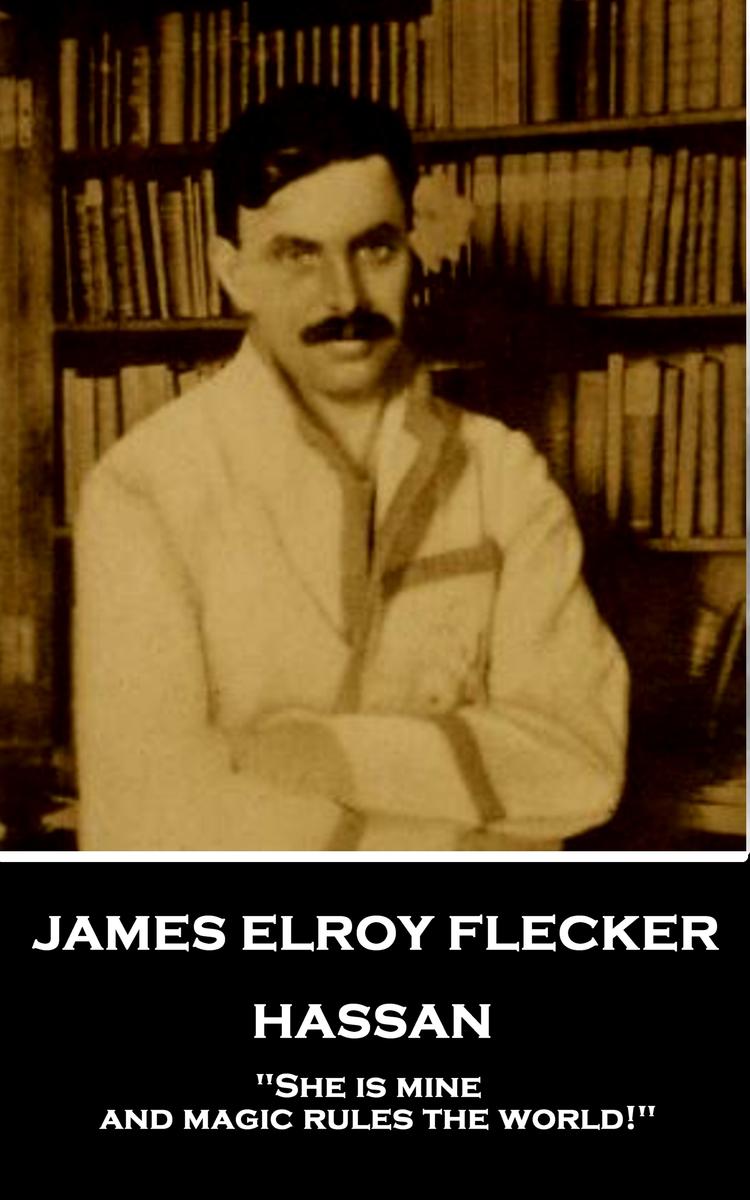
Hassan - She is mine, and magic rules the world!
¥26.98
James Elroy Flecker was born on 5th November 1884, in Lewisham, London.Flecker does not seem to have enjoyed academic study and achieved only a Third-Class Honours in Greats in 1906. This did not set him up for a job in either government service or the academic world.After some frustrating forays at school teaching he attempted to join the Levant Consular Service and entered Cambridge to study for two years. After a poor first year he pushed forward in the second and achieved First-Class honours. His reward was a posting to Constantinople at the British consulate.However, Flecker's poetry career was making better progress and he was beginning to garner praise for his poems including The Bridge of Fire. Unfortunately, he was also showing the first symptoms of contracting tuberculosis. Bouts of ill health were to now alternate with periods of physical well-being woven with mental euphoria and creativity.Before his early death he managed to complete several volumes of poetry, which he continually revised, together with some prose works and plays. It was a small canon of work but on his death on 3rd January 1915, of tuberculosis, in Davos, Switzerland he was described as "e;unquestionably the greatest premature loss that English literature has suffered since the death of Keats"e;.
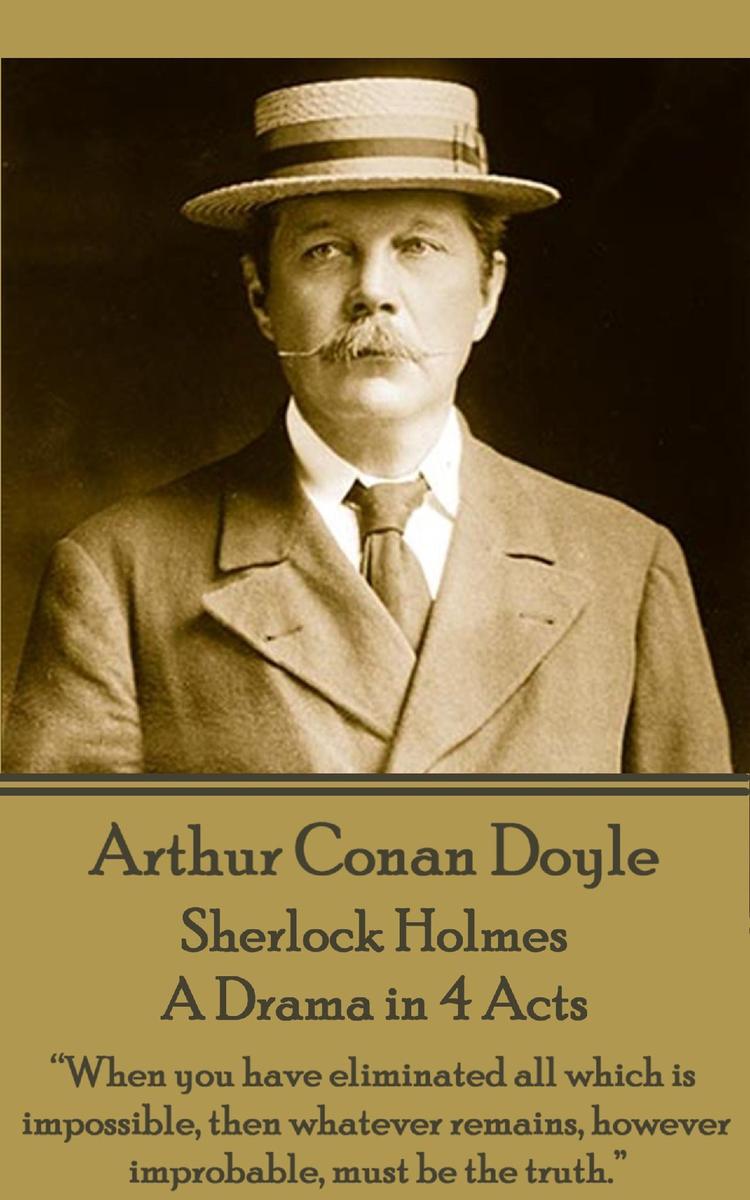
Sherlock Holmes - A Drama in 4 Acts
¥26.98
If ever a writer needed an introduction Arthur Conan Doyle would not be considered that man. After all, Sherlock Holmes is perhaps the foremost literary detective of any age. Add to this canon his stories of science fiction and his poems, his historical novels, his plays, his political campaigning, his efforts in establishing a Court Of Appeal and there is little room for anything else. Except he was also an exceptional writer of short stories of the horrific and macabre. Something very different from what you might expect. Born in Arthur Conan Doyle was born on 22 May 1859 at 11 Picardy Place, Edinburgh, Scotland. From 1876 - 1881 he studied medicine at the University of Edinburgh following which he was employed as a doctor on the Greenland whaler Hope of Peterhead in 1880 and, after his graduation, as a ship's surgeon on the SS Mayumba during a voyage to the West African coast in 1881. Arriving in Portsmouth in June of that year with less than GBP10 (GBP700 today) to his name, he set up a medical practice at 1 Bush Villas in Elm Grove, Southsea. The practice was initially not very successful. While waiting for patients, Conan Doyle again began writing stories and composed his first novel The Mystery of Cloomber. Although he continued to study and practice medicine his career was now firmly set as a writer. And thereafter great works continued to pour out of him.
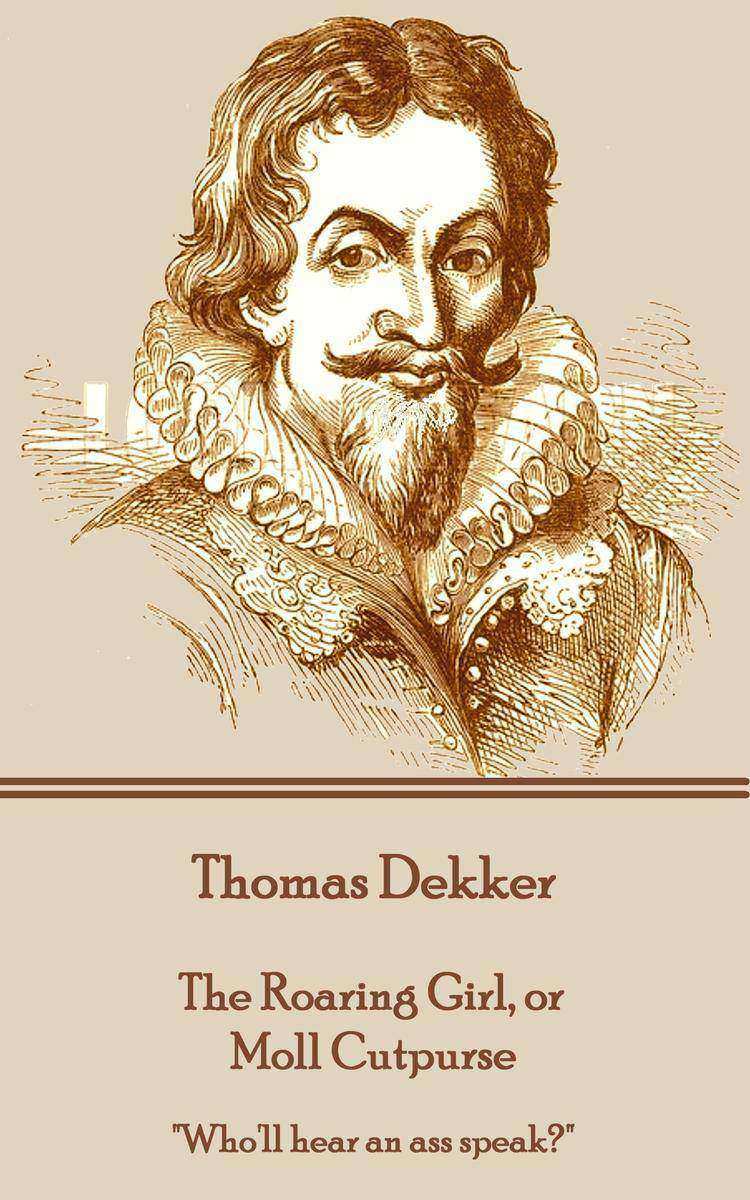
Roaring Girl, or Moll Cutpurse - Who'll hear an ass speak?
¥26.98
Thomas Dekker was a playwright, pamphleteer and poet who, perhaps, deserves greater recognition than he has so far gained. Despite the fact only perhaps twenty of his plays were published, and fewer still survive, he was far more prolific than that. Born around 1572 his peak years were the mid 1590's to the 1620's - seven of which he spent in a debtor's prison. His works span the late Elizabethan and Caroline eras and his numerous collaborations with Ford, Middleton, Webster and Jonson say much about his work. His pamphlets detail much of the life in these times, times of great change, of plague and of course that great capital city London a swirling mass of people, power, intrigue.
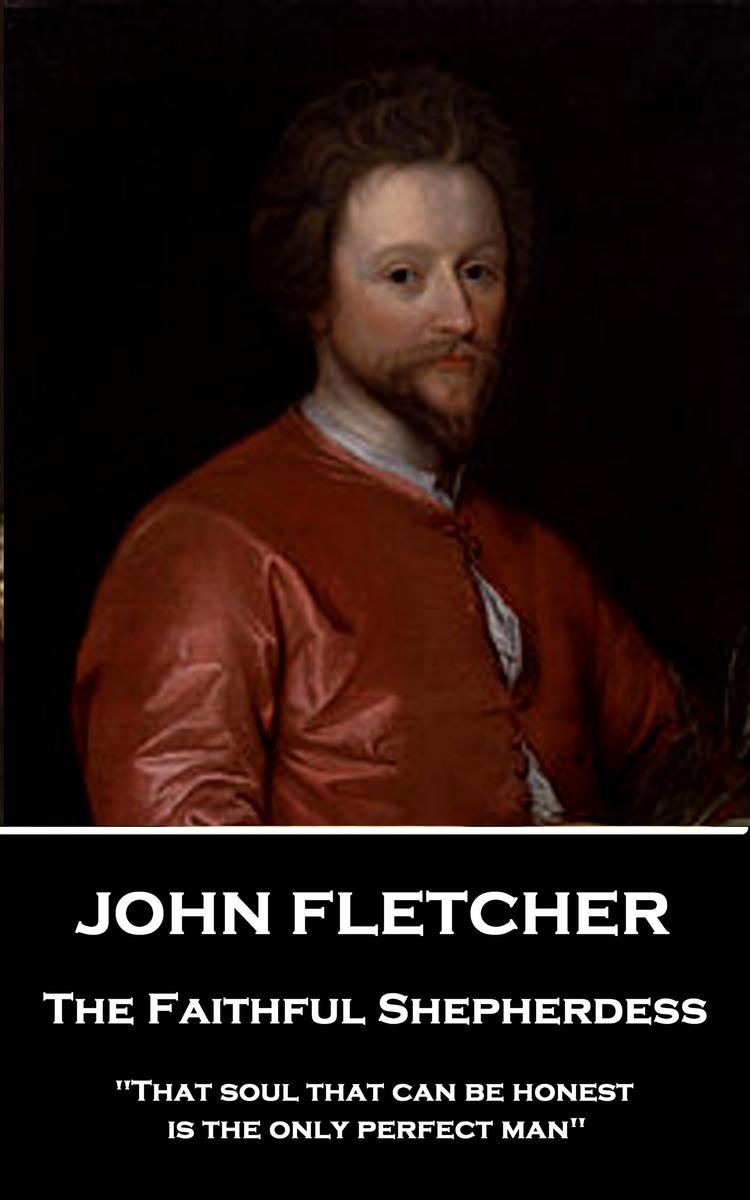
Faithful Shepherdess - That soul that can be honest is the only perfect man
¥26.98
John Fletcher was born in December, 1579 in Rye, Sussex. He was baptised on December 20th. As can be imagined details of much of his life and career have not survived and, accordingly, only a very brief indication of his life and works can be given. Young Fletcher appears at the very young age of eleven to have entered Corpus Christi College at Cambridge University in 1591. There are no records that he ever took a degree but there is some small evidence that he was being prepared for a career in the church. However what is clear is that this was soon abandoned as he joined the stream of people who would leave University and decamp to the more bohemian life of commercial theatre in London. The upbringing of the now teenage Fletcher and his seven siblings now passed to his paternal uncle, the poet and minor official Giles Fletcher. Giles, who had the patronage of the Earl of Essex may have been a liability rather than an advantage to the young Fletcher. With Essex involved in the failed rebellion against Elizabeth Giles was also tainted. By 1606 John Fletcher appears to have equipped himself with the talents to become a playwright. Initially this appears to have been for the Children of the Queen's Revels, then performing at the Blackfriars Theatre. Fletcher's early career was marked by one significant failure; The Faithful Shepherdess, his adaptation of Giovanni Battista Guarini's Il Pastor Fido, which was performed by the Blackfriars Children in 1608. By 1609, however, he had found his stride. With his collaborator John Beaumont, he wrote Philaster, which became a hit for the King's Men and began a profitable association between Fletcher and that company. Philaster appears also to have begun a trend for tragicomedy. By the middle of the 1610s, Fletcher's plays had achieved a popularity that rivalled Shakespeare's and cemented the pre-eminence of the King's Men in Jacobean London. After his frequent early collaborator John Beaumont's early death in 1616, Fletcher continued working, both singly and in collaboration, until his own death in 1625. By that time, he had produced, or had been credited with, close to fifty plays.
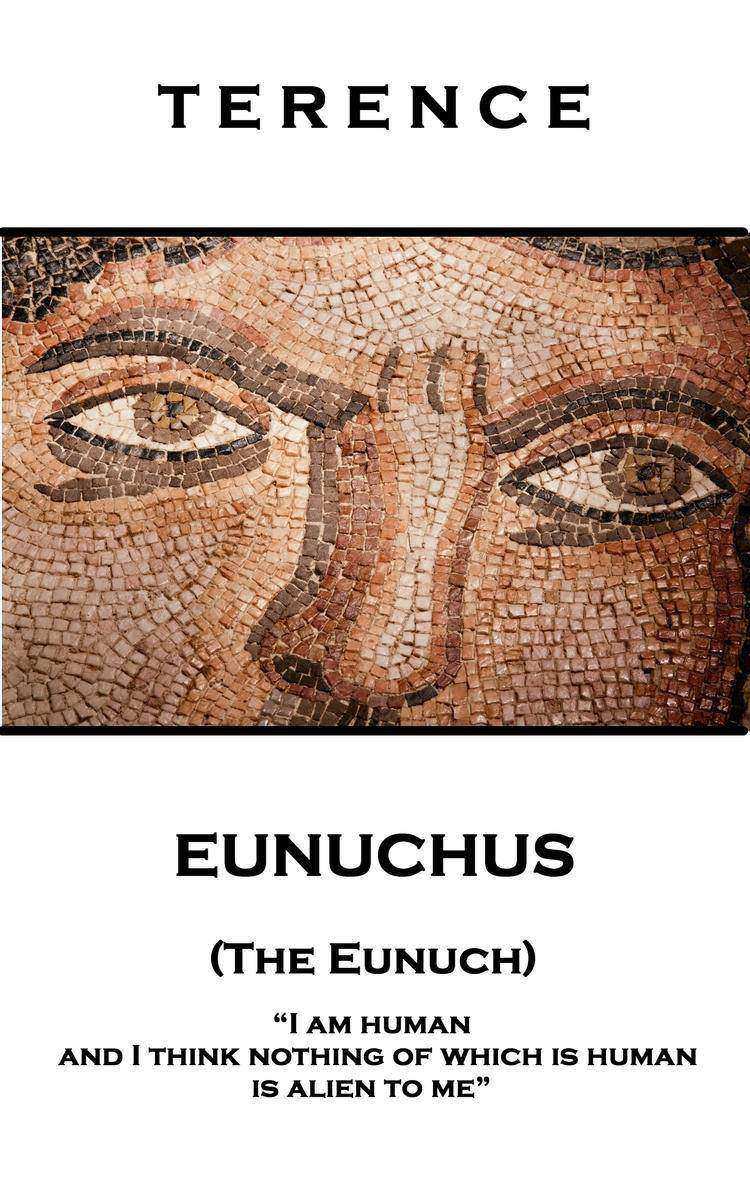
Eunuchus (The Eunuch) - 'I am human and I think nothing of which is human is ali
¥26.98
Publius Terentius Afer is better known to us as the Roman playwright, Terence.Much of his life, especially the early part, is either unknown or has conflicting sources and accounts.His birth date is said to be either 185 BC or a decade earlier: 195 BC. His place of birth is variously listed as in, or, near Carthage, or, in Greek Italy to a woman taken to Carthage as a slave. It is suggested that he lived in the territory of the Libyan tribe that the Romans called Afri, near Carthage, before being brought to Rome as a slave. Probability suggests that it was there, in North Africa, several decades after the destruction of Carthage by the Romans in 146 BC, at the end of the Punic Wars, that Terence spent his early years.One reliable fact is that he was sold to P. Terentius Lucanus, a Roman senator, who had him educated and, impressed by his literary talents, freed him.These writing talents were to ensure his legacy as a playwright down through the millennia. His comedies, partially adapted from Greek plays of the late phases of Attic Comedy, were performed for the first time around 170-160 BC. All six of the plays he has known to have written have survived.Indeed, thanks to his simple conversational Latin, which was both entertaining and direct, Terence's works were heavily used by monasteries and convents during the Middle Ages and The Renaissance. Scribes often learned Latin through the copious copying of Terence's texts. Priests and nuns often learned to speak Latin through re-enactment of Terence's plays. Although his plays often dealt with pagan material, the quality and distinction of his language promoted the copying and preserving of his text by the church. This preservation enabled his work to influence a wide spectrum of later Western drama.When he was 25 (or 35 depending on which year of birth you ascribe too), Terence travelled to Greece but never returned. It has long been assumed that he died at some point during the journey.Of his own family nothing is known, except that he fathered a daughter and left a small but valuable estate just outside Rome.His most famous quotation reads: "e;Homo sum, humani nihil a me alienum puto"e;, or "e;I am human, and I think nothing human is alien to me."e;

Атлант розправив плеч?. Частина друга. Або – або
¥26.16
O que poderá talvez deixar mais intrigado o leitor que pela primeira vez se depare com o título Travessias pela Literatura Portuguesa: estudos críticos de Saramago a Vieira é a aparente anomalia na disposi??o dos nomes que aparecem em subtítulo: de Saramago a Vieira. N?o faria mais lógica de Vieira a Saramago? No entanto, quando percorremos o conjunto de oito artigos que comp?em este volume, compreendemos que eles n?o est?o dispostos por ordem cronológica.

A s?tétség országa
¥26.08
A s?tétség országa
A Dazzler cirkálón
¥26.08
A Dazzler cirkálón
Falesa
¥26.08
Falesa
A légió kalandora
¥26.08
A légió kalandora
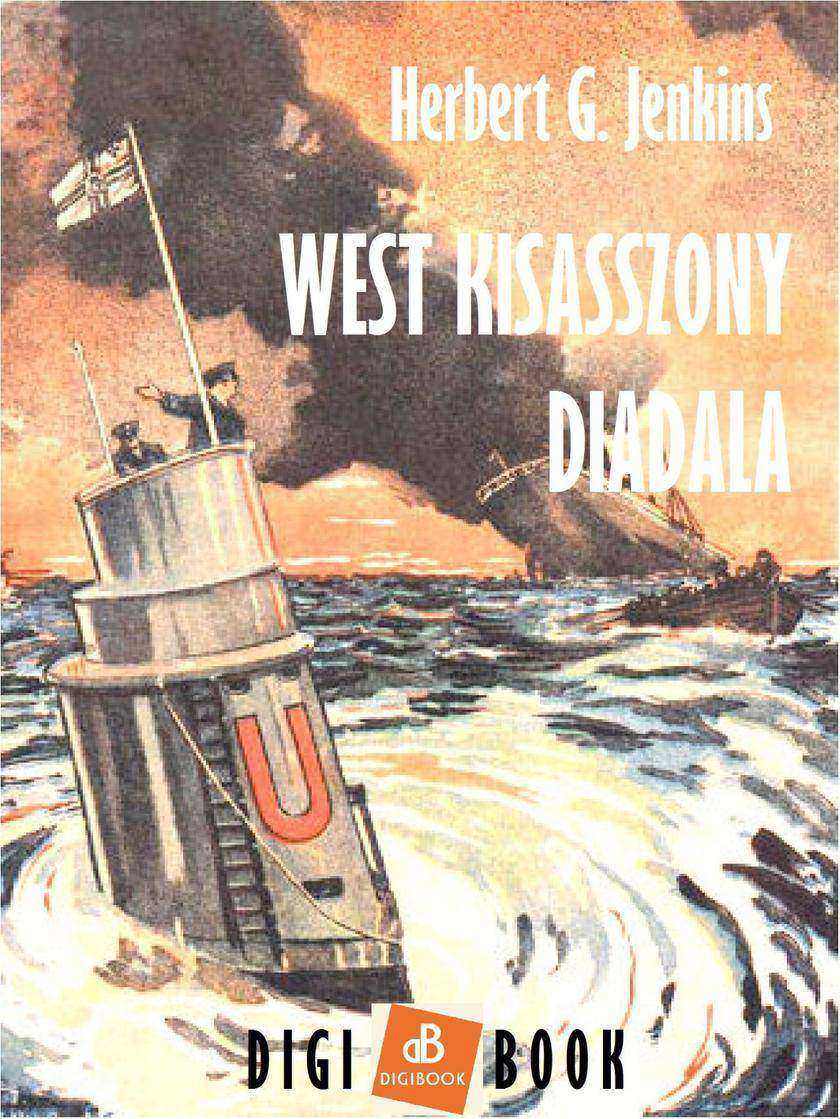
West kisasszony diadala
¥26.08
West kisasszony diadala
Esti dal
¥26.08
Esti dal
Kés? este
¥26.08
Kés? este

Berger Valentin úr orra
¥26.08
Berger Valentin úr orra

Yerba Buena
¥26.08
Yerba Buena
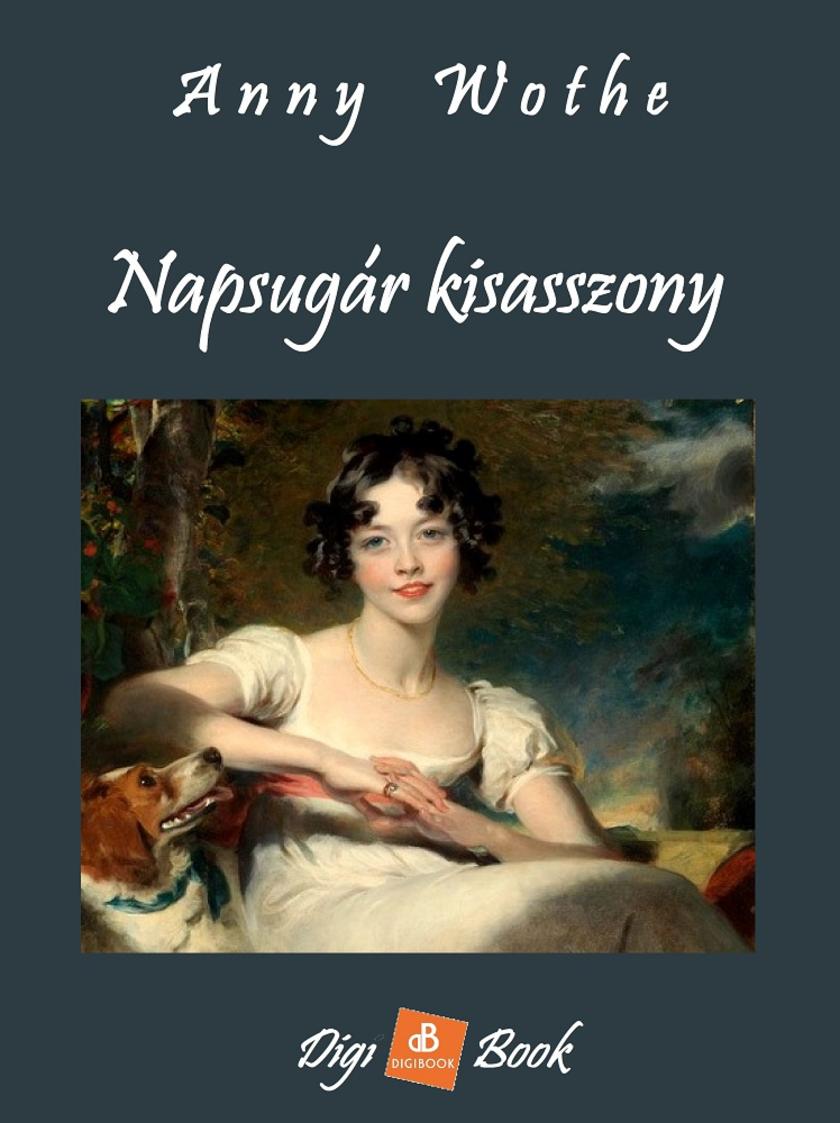
Napsugár kisasszony
¥26.08
Napsugár kisasszony


