


 购物车
购物车 个人中心
个人中心
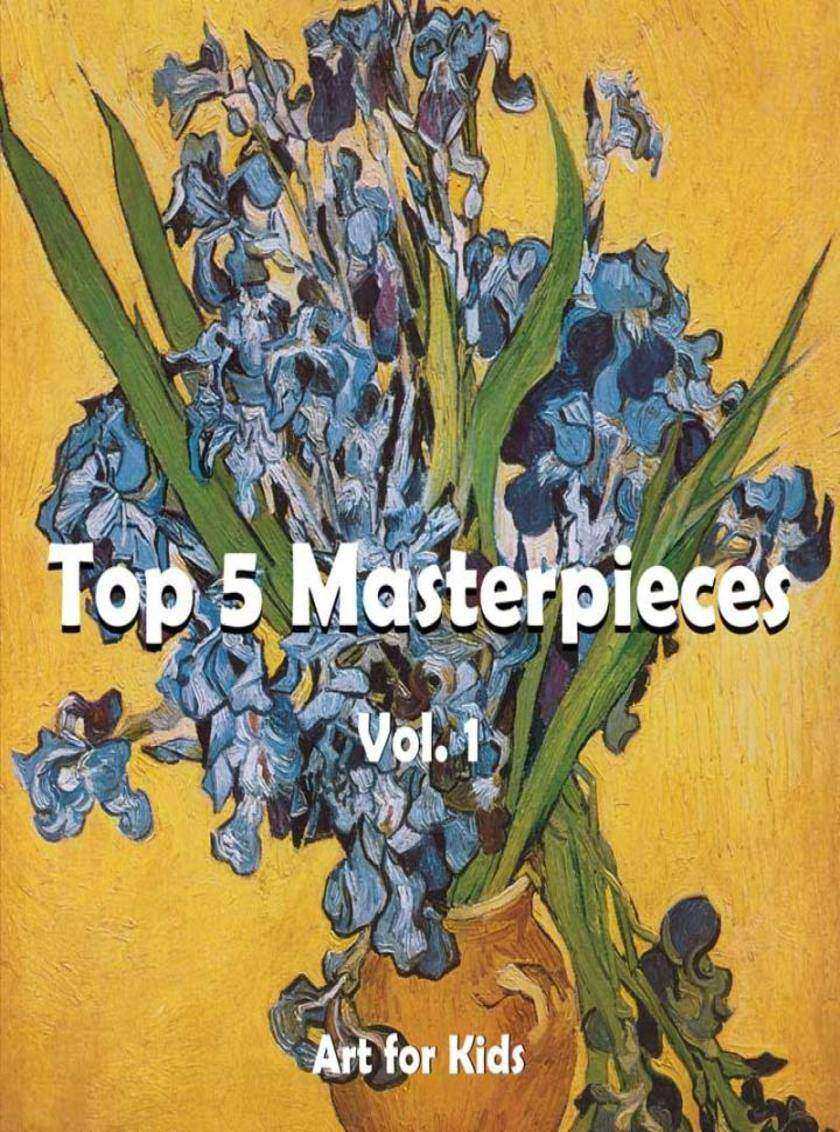
Top 5 Masterpieces vol 1
¥61.23
Ever since the ancient greeks sculpted the first kouros, children have been a source of inspiration for some of the world’s greatest artists. Whether portraits of their own children, friends, and family members, or a nostalgic psychological portrayal of the artist’s own youth, depictions of children in art remain arresting examples of an intersection between the picturesque innocence of childhood and the methodical work of adult artistry. In this delightful new puzzle book, children get a chance to see little boys and girls just like them as portrayed by great artists, learning about how children grew up throughout history while experiencing a genuine connection with works of artistic genius.
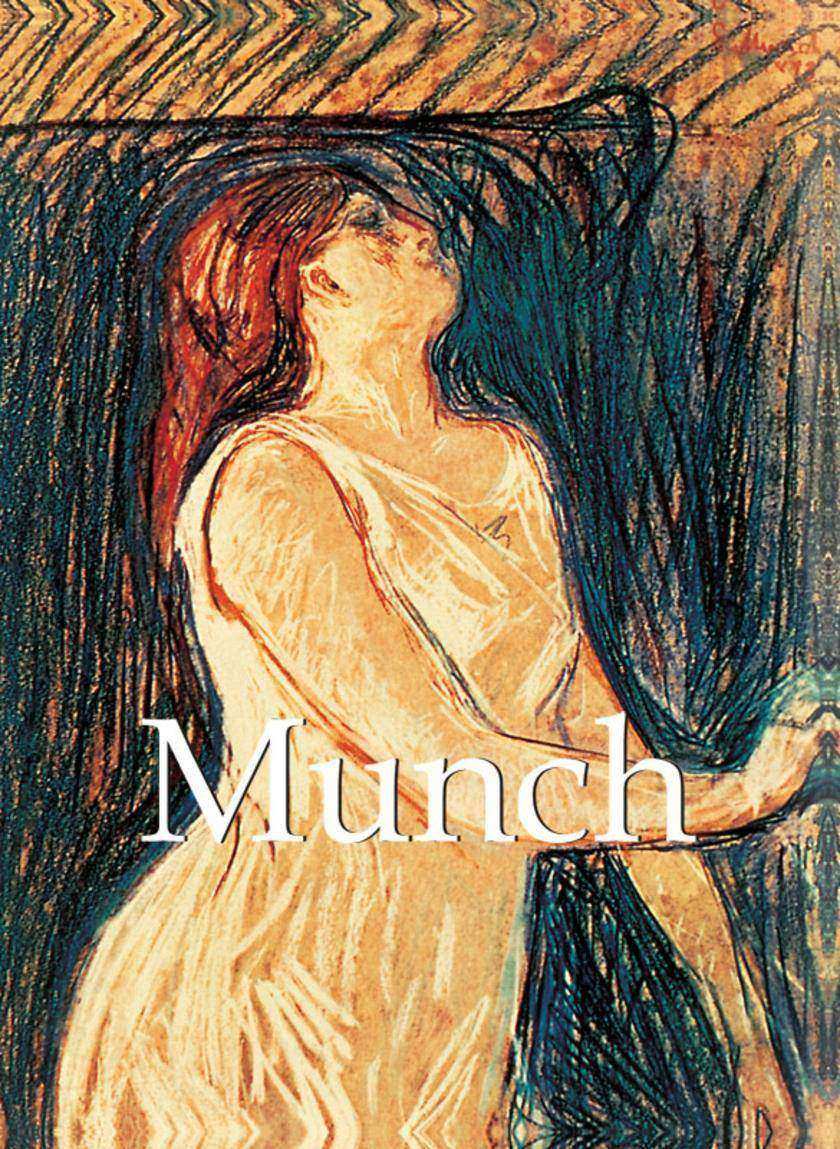
Munch
¥61.23
Edvard Munch, born in 1863, was Norway's most popular artist. His brooding and anguished paintings, based on personal grief and obsessions, were instrumental in the development of Expressionism. During his childhood, the death of his parents, his brother and sister, and the mental illness of another sister, were of great influence on his convulsed and tortuous art. In his works, Munch turned again and again to the memory of illness, death and grief. During his career, Munch changed his idiom many times. At first, influenced by Impressionism and Post-impressionism, he turned to a highly personal style and content, increasingly concerned with images of illness and death. In the 1892s, his style developed a ‘Synthetist' idiom as seen in The Scream (1893) which is regarded as an icon and the portrayal of modern humanity's spiritual and existential anguish. He painted different versions of it. During the 1890s Munch favoured a shallow pictorial space, and used it in his frequently frontal p
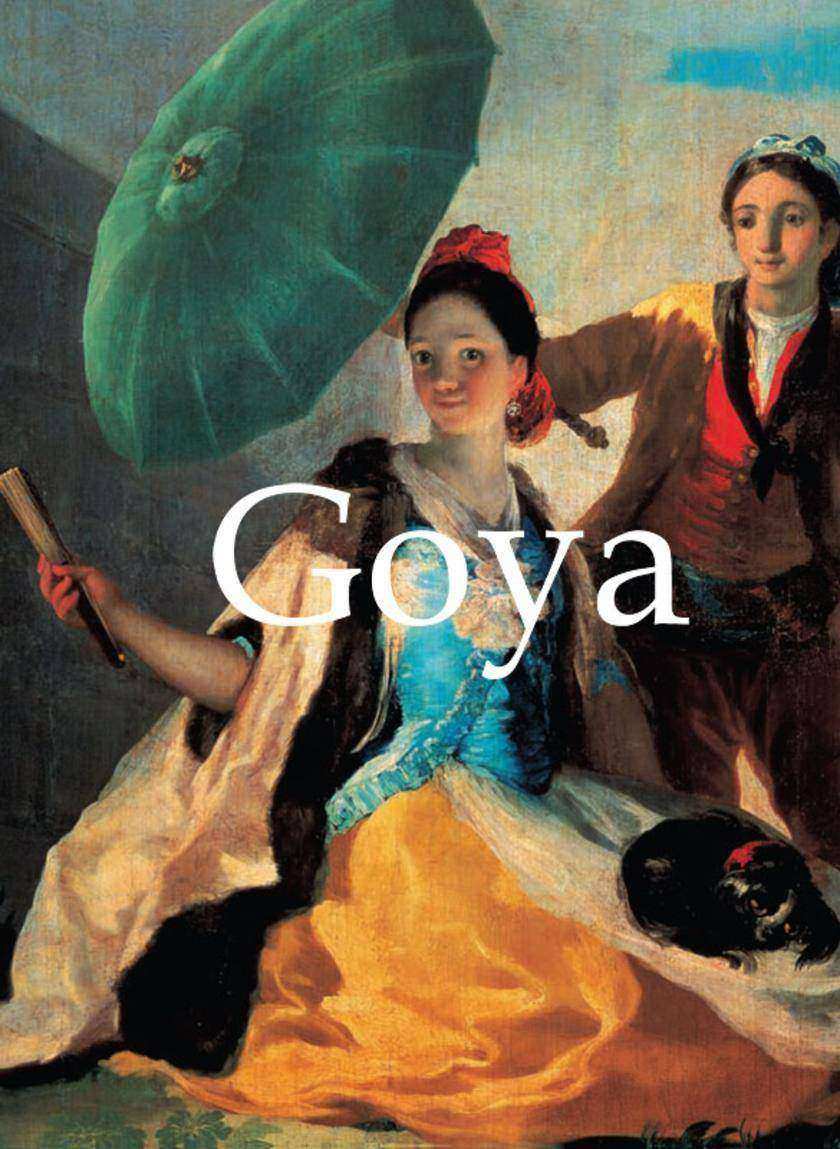
Goya
¥61.23
Goya is perhaps the most approachable of painters. His art, like his life, is an open book. He concealed nothing from his contemporaries, and offered his art to them with the same frankness. The entrance to his world is not barricaded with technical difficulties. He proved that if a man has the capacity to live and multiply his experiences, to fight and work, he can produce great art without classical decorum and traditional respectability. He was born in 1746, in Fuendetodos, a small mountain village of a hundred inhabitants. As a child he worked in the fields with his two brothers and his sister until his talent for drawing put an end to his misery. At fourteen, supported by a wealthy patron, he went to Saragossa to study with a court painter and later, when he was nineteen, on to Madrid. Up to his thirty-seventh year, if we leave out of account the tapestry cartoons of unheralded decorative quality and five small pictures, Goya painted nothing of any significance, but once in contro
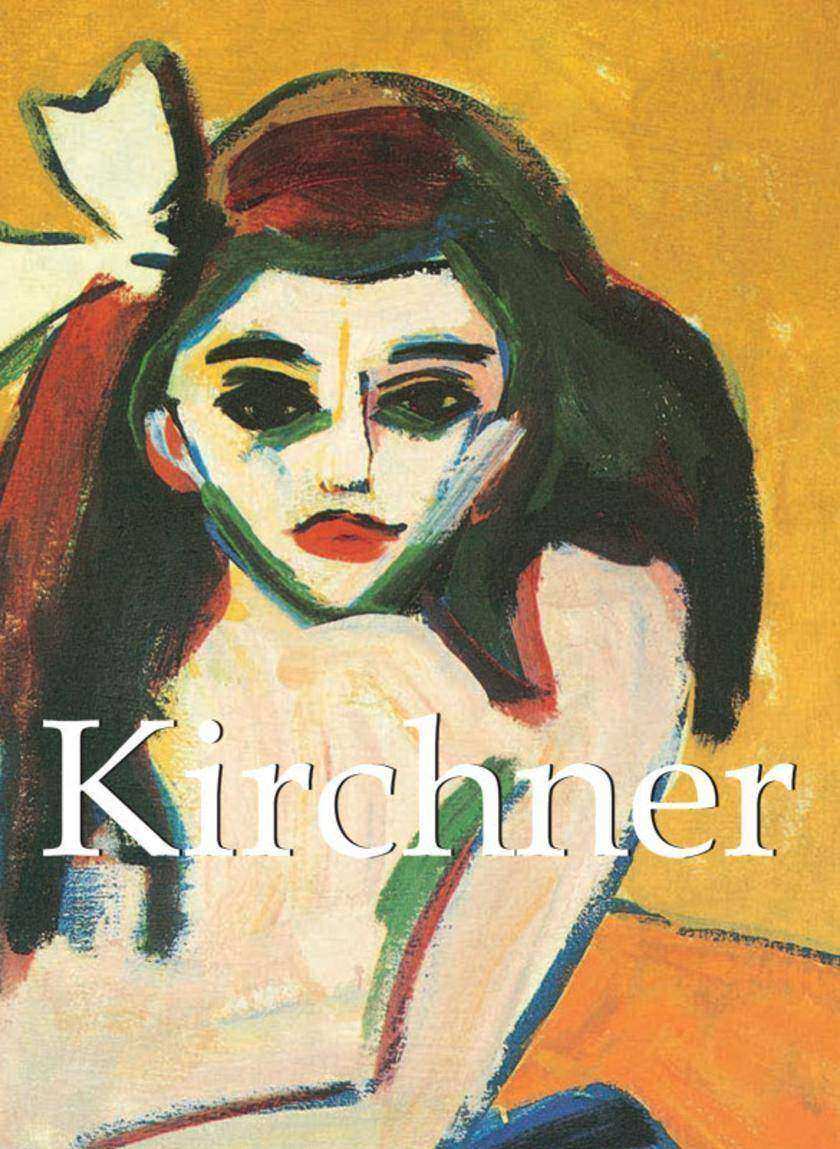
Kirchner
¥61.23
The self-appointed “leader” of the artists’ group Die Brücke (Bridge), founded in Dresden in 1905, Ernst Ludwig Kirchner was a key figure in the early development of German Expressionism. His first works show the influence of Impressionism, Post-impressionism and Jugendstil, but by about 1909, Kirchner was painting in a distinctive, expressive manner with bold, loose brushwork, vibrant and non-naturalistic colours and heightened gestures. He worked in the studio from sketches made very rapidly from life, often from moving figures, from scenes of life out in the city or from the Die Brücke group’s trips to the countryside. A little later he began making roughly-hewn sculptures from single blocks of wood. Around the time of his move to Berlin, in 1912, Kirchner’s style in both painting and his prolific graphic works became more angular, characterized by jagged lines, slender, attenuated forms and often, a greater sense of nervousness. These features can be seen to most powerful effect in
Picasso
¥61.23
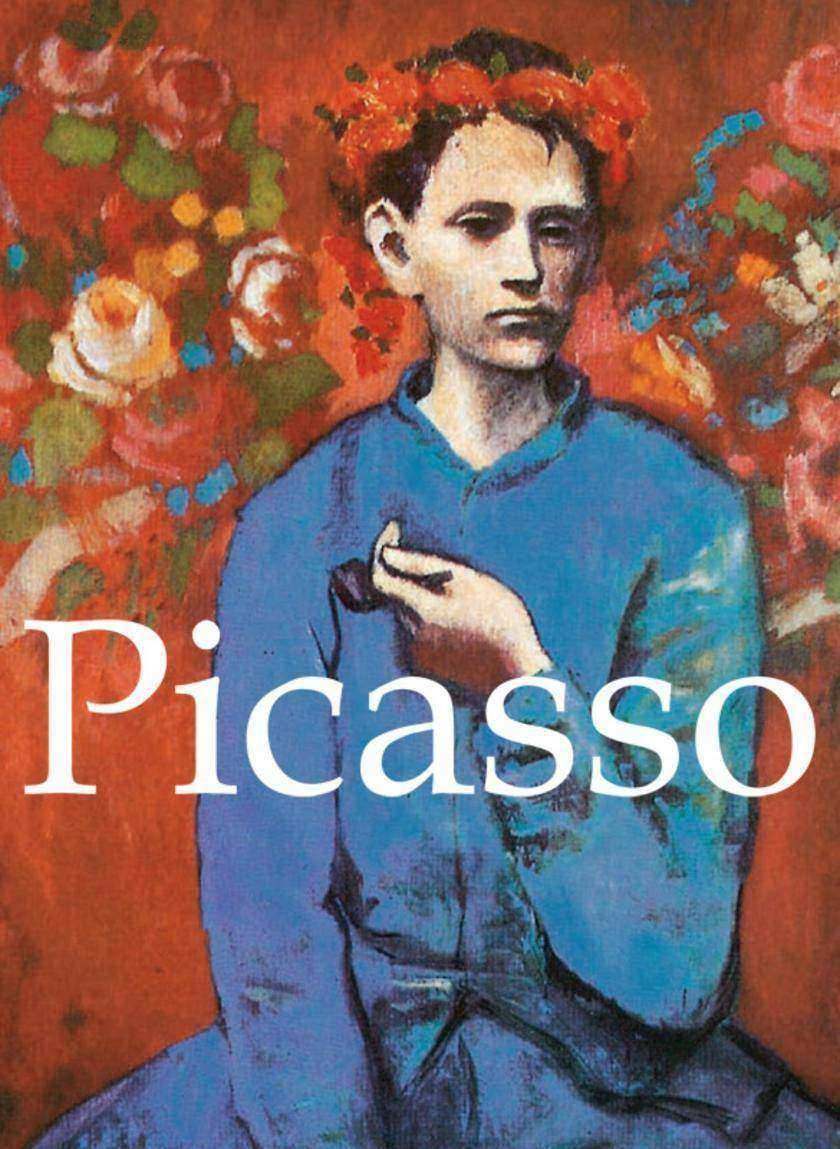
Picasso was born a Spaniard and, so they say, began to draw before he could speak. As an infant he was instinctively attracted to artist’s tools. In early childhood he could spend hours in happy concentration drawing spirals with a sense and meaning known only to himself. At other times, shunning children’s games, he traced his first pictures in the sand. This early self-expression held out promise of a rare gift. Málaga must be mentioned, for it was there, on 25 October 1881, that Pablo Ruiz Picasso was born and it was there that he spent the first ten years of his life. Picasso’s father was a painter and professor at the School of Fine Arts and Crafts. Picasso learnt from him the basics of formal academic art training. Then he studied at the Academy of Arts in Madrid but never finished his degree. Picasso, who was not yet eighteen, had reached the point of his greatest rebelliousness; he repudiated academia’s anemic aesthetics along with realism’s pedestrian prose and, quite naturall
Still Life
¥61.23
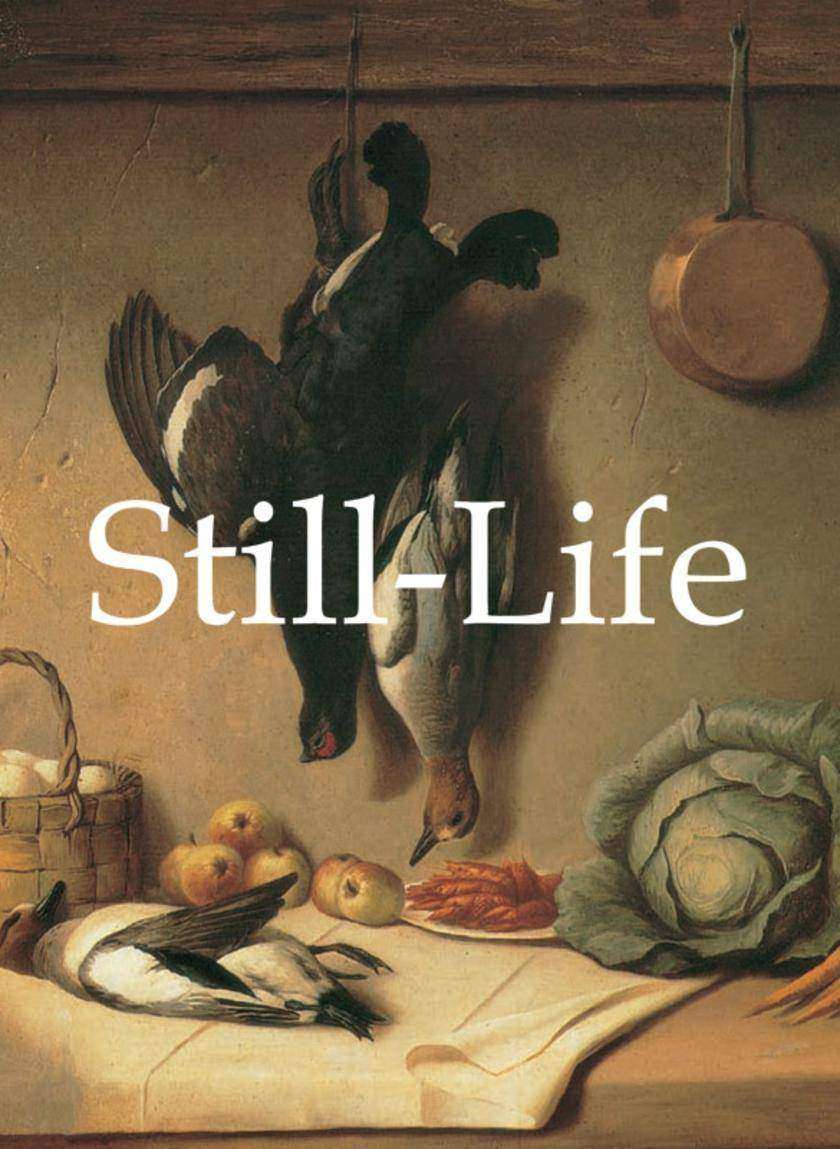
Cézanne transformed a teacup into something alive, raising still-life to the point that it ceased to be inanimate. Wassily Kandinsky said about the French artist: “He painted these things as human beings because he was endowed with the gift of divining the inner life in everything.” In addition to those of Cézanne, this book is devoted to still-life paintings by artists such as Van Gogh, Matisse, Chardin and Picasso.
Audubon's Birds
¥61.23
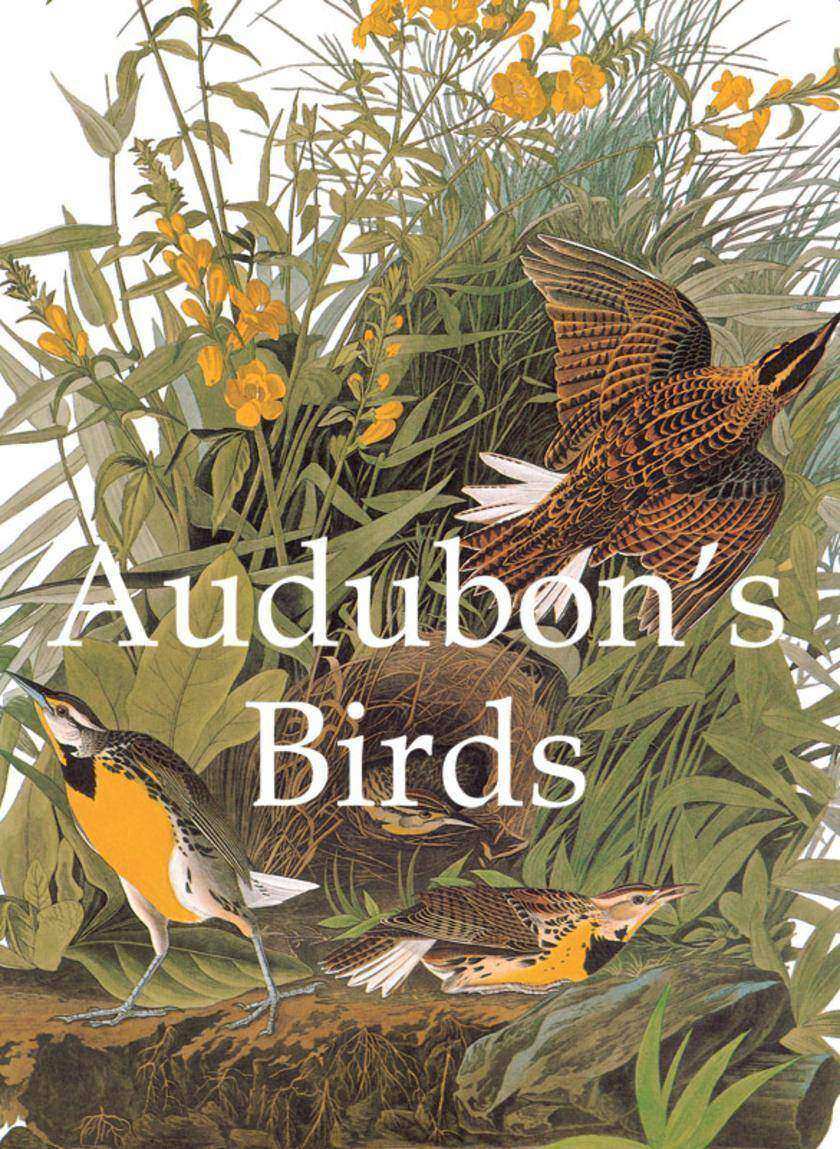
Audubon’s ambitious project to paint all the birds of North America resulted in a work that represents one of the greatest advances in ornithology. Not only did he identify new species, he also depicted birds within their natural habitat and in vivid poses. This impressive collection ranges from the Greater Flamingo and Bald Eagle to the Carolina parakeet. Audubon describes every species in concise texts, drawing attention the peculiarities of each bird.
French Painting
¥61.23
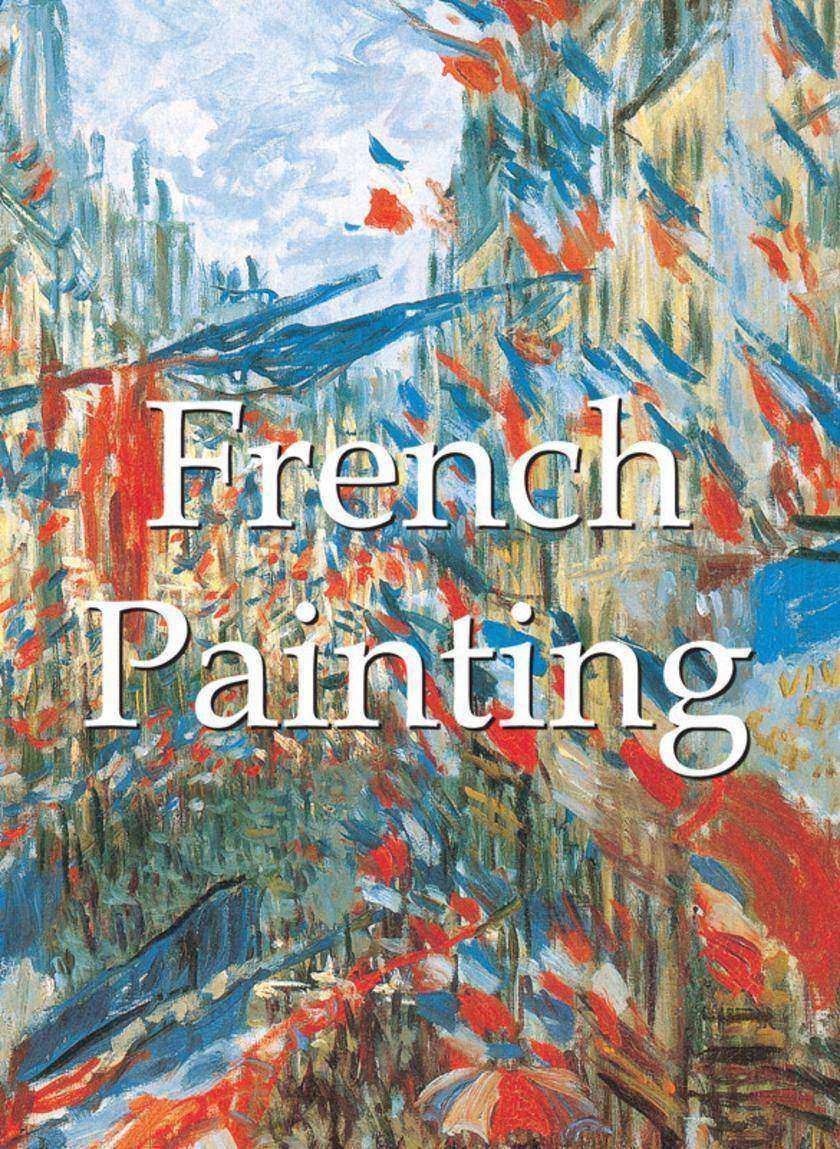
The influence of works by French artists extends itself across all artistic styles, and many French works have gained world fame as classics. This book gives an overview of the French milestones in still lifes, portraits, and landscapes, and includes artists like Poussin, Clouet, Moreau, Millet, Courbet, Signac, and Rouault. The convenient format makes the Mega Square edition an ideal gift for any art lover.
O'Keeffe
¥61.23
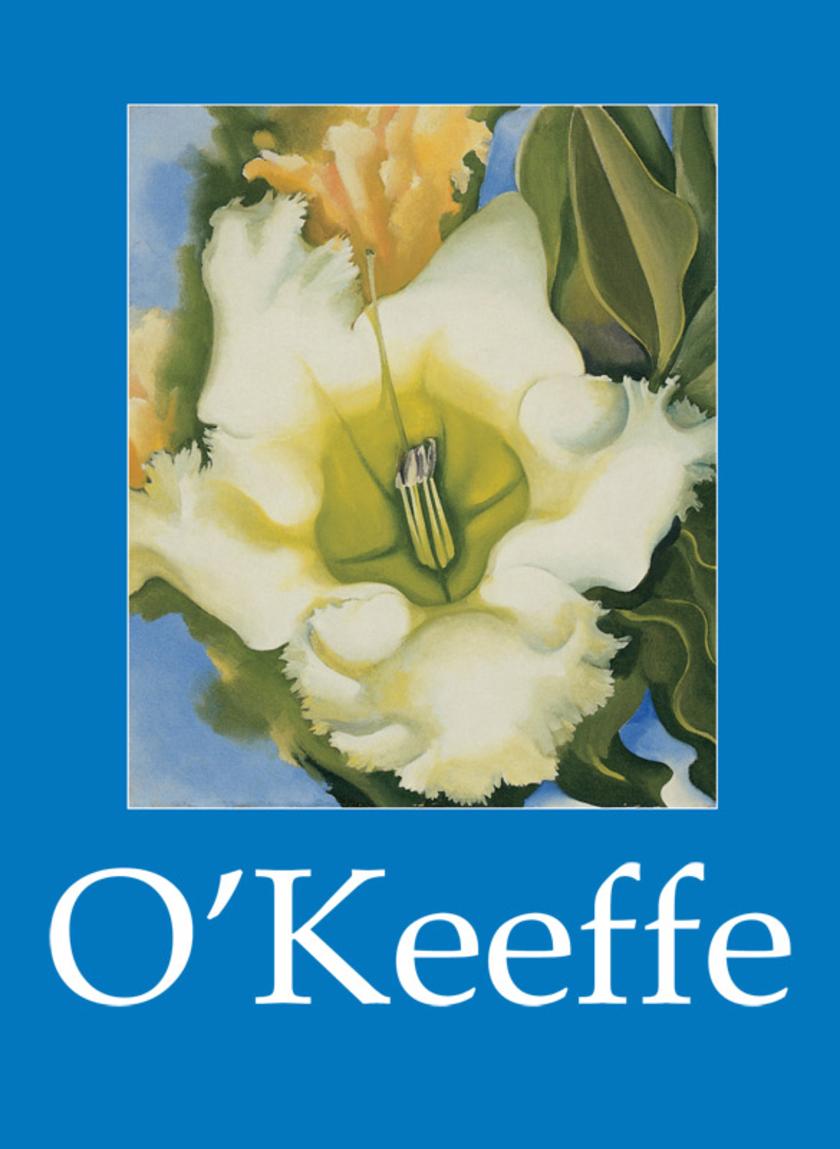
In 1905 Georgia travelled to Chicago to study painting at the Art Institute of Chicago. In 1907 she enrolled at the Art Students’ League in New York City, where she studied with William Merritt Chase. During her time in New York she became familiar with the 291 Gallery owned by her future husband, photographer Alfred Stieglitz. In 1912, she and her sisters studied at university with Alon Bement, who employed a somewhat revolutionary method in art instruction originally conceived by Arthur Wesley Dow. In Bement’s class, the students did not mechanically copy nature, but instead were taught the principles of design using geometric shapes. They worked at exercises that included dividing a square, working within a circle and placing a rectangle around a drawing, then organising the composition by rearranging, adding or eliminating elements. It sounded dull and to most students it was. But Georgia found that these studies gave art its structure and helped her understand the basics of abstra
Bakst
¥61.23
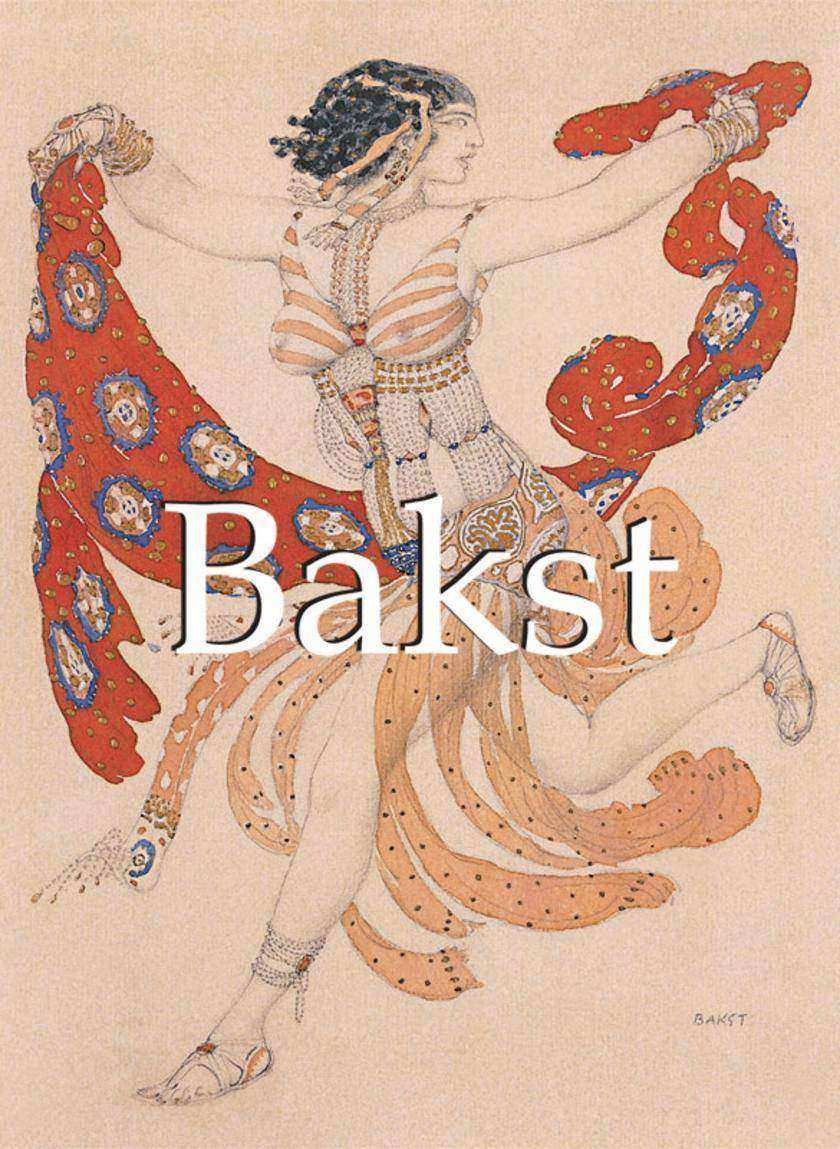
Léon Bakst (1866-1924) was a painter, illustrator, stage and costume designer. He is universally acknowledged for representing a synthesis of creative energy in the late 19th and early 20th centuries. Bakst travelled widely throughout Europe and in 1890 joined the World of Art journal circle which numbered many artists among its members, the most famous being Benois and Diaghilev. This book illustrates the wealth of Bakst's contribution to the world of theatre and dance. His best known work includes sets for Stravinsky's Firebird, and Weber's Spectre de la Rose.
Chagall
¥61.23
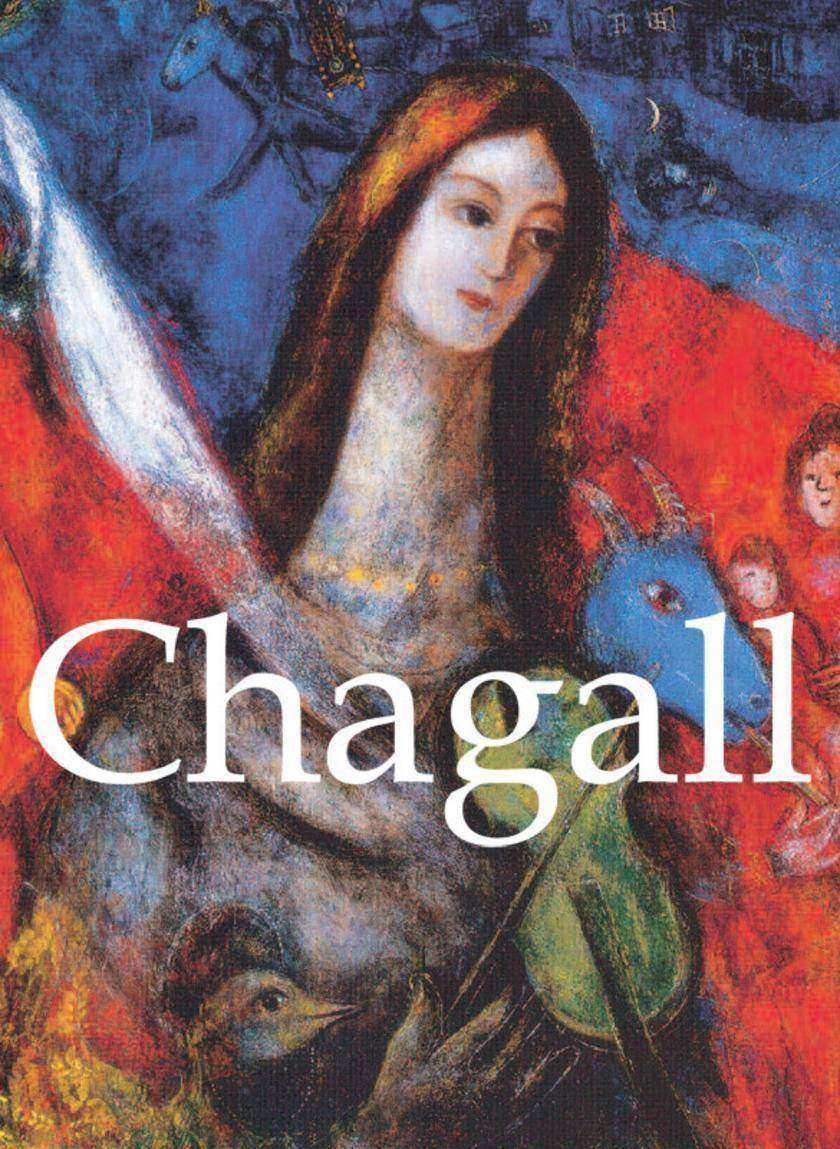
Marc Chagall was born into a strict Jewish family for whom the ban on representations of the human figure had the weight of dogma. A failure in the entrance examination for the Stieglitz School did not stop Chagall from later joining that famous school founded by the Imperial Society for the Encouragement of the Arts and directed by Nicholas Roerich. Chagall moved to Paris in 1910. The city was his “second Vitebsk”. At first, isolated in the little room on the Impasse du Maine at La Ruche, Chagall soon found numerous compatriots also attracted by the prestige of Paris: Lipchitz, Zadkine, Archipenko and Soutine, all of whom were to maintain the “smell” of his native land. From his very arrival Chagall wanted to “discover everything”. And to his dazzled eyes painting did indeed reveal itself. Even the most attentive and partial observer is at times unable to distinguish the “Parisian”, Chagall from the “Vitebskian”. The artist was not full of contradictions, nor was he a split personality, but he always remained different; he looked around and within himself and at the surrounding world, and he used his present thoughts and recollections. He had an utterly poetical mode of thought that enabled him to pursue such a complex course. Chagall was endowed with a sort of stylistic immunity: he enriched himself without destroying anything of his own inner structure. Admiring the works of others he studied them ingenuously, ridding himself of his youthful awkwardness, yet never losing his authenticity for a moment. At times Chagall seemed to look at the world through magic crystal – overloaded with artistic experimentation – of the Ecole de Paris. In such cases he would embark on a subtle and serious play with the various discoveries of the turn of the century and turned his prophetic gaze like that of a biblical youth, to look at himself ironically and thoughtfully in the mirror. Naturally, it totally and uneclectically reflected the painterly discoveries of Cézanne, the delicate inspiration of Modigliani, and the complex surface rhythms recalling the experiments of the early Cubists (See-Portrait at the Easel, 1914). Despite the analyses which nowadays illuminate the painter’s Judaeo-Russian sources, inherited or borrowed but always sublime, and his formal relationships, there is always some share of mystery in Chagall’s art. The mystery perhaps lies in the very nature of his art, in which he uses his experiences and memories. Painting truly is life, and perhaps life is painting.
Lingerie
¥61.23
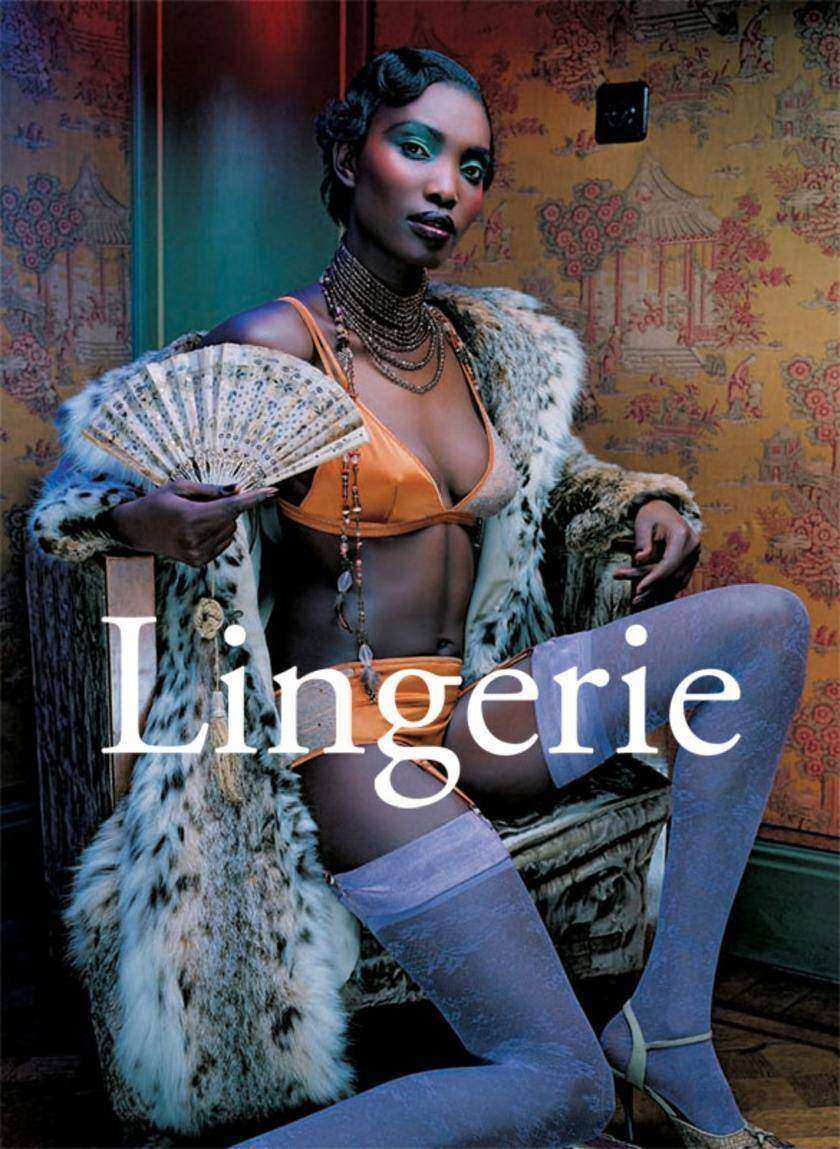
What do the thousands of images of bras and panties on perfectly sculpted bodies that we see spread across billboards and magazines say about our societyMany women indulge in lingerie to please men. Yet, since antiquity, women have always kept lingerie hidden away under outer garments. Thus, lingerie must be more than erotic bait. Authors Muriel Barbier and Shazia Boucher have researched iconography to explore the relationship of lingerie to society, revealing the economy and corridors of intimacy. They correlate lingerie with emancipation, querying whether it asserts newfound freedoms or simply adjusts to changing social values. This Mega Square book contains pictures of lingerie from the 17th to the 21st century.
Virgin Portraits
¥61.23
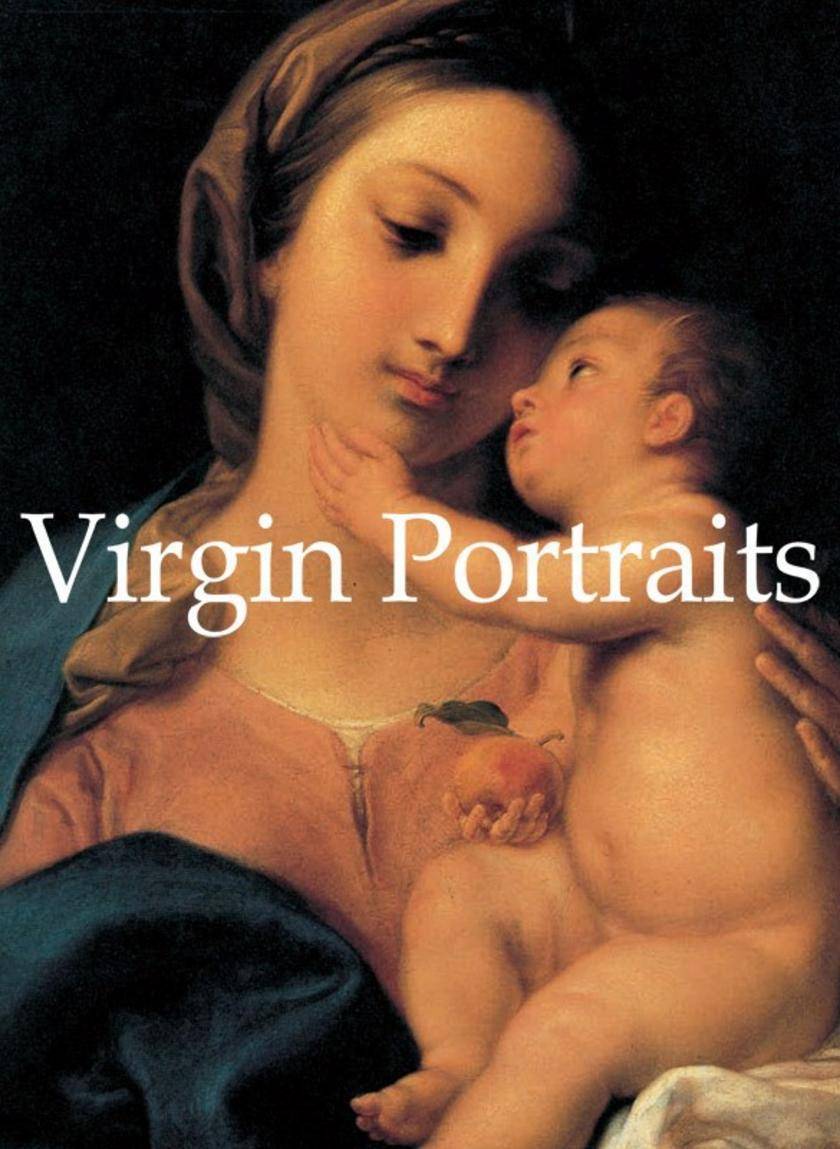
During the Renaissance, Italian painters would traditionally depict the wives of their patrons as Madonnas, often rendering them more beautiful than they actually were. Over centuries in religious paintings, the Madonna has been presented as the clement and protective mother of God. However, with the passing of time, Mary gradually lost some of her spiritual characteristics and became more mortal and accessible to human sentiments. Virgin Portraits illuminates this evolution and contains impressive works by Michelangelo, Caravaggio, Rubens, Fouquet, Dalí, and Kahlo.
Gaudí
¥61.23
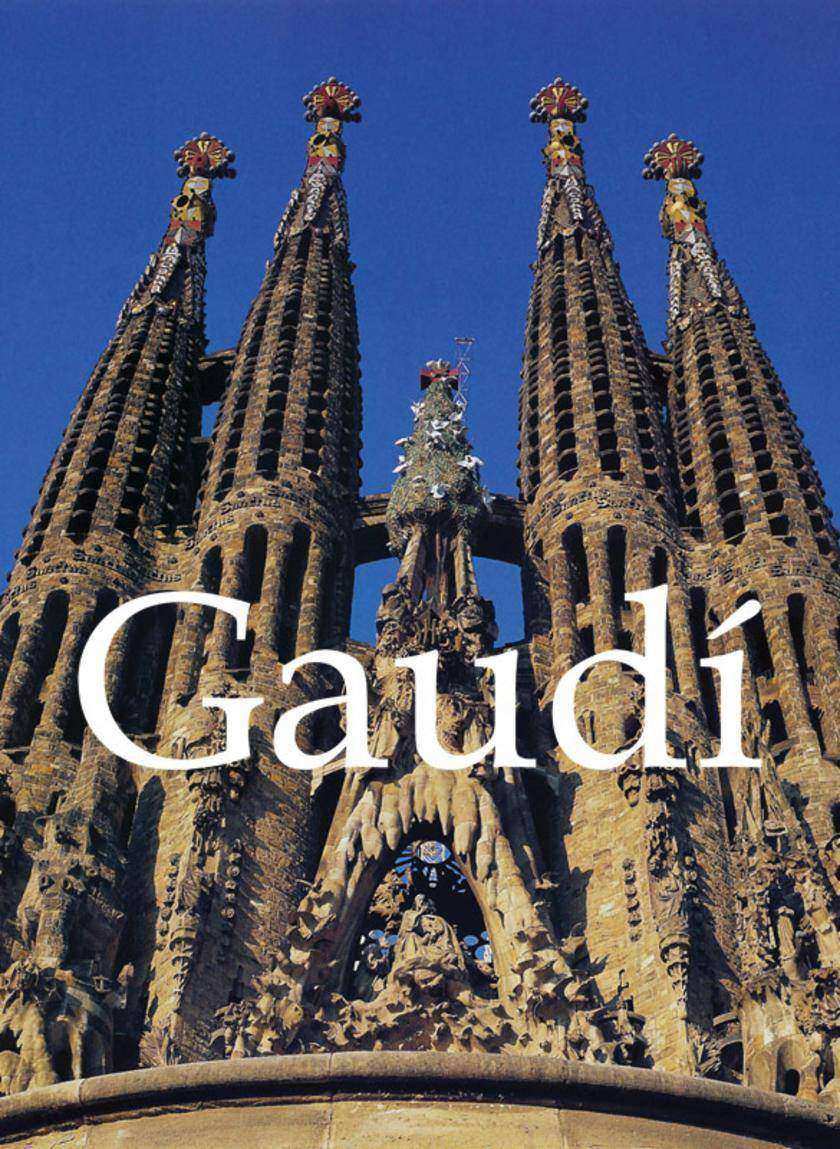
Spanish architect and designer, Antoni Gaudí (1852-1926) was an important and influential figure in the history of contemporary Spanish art. His use of colour, application of a range of materials and the introduction of organic forms into his constructions were an innovation in the realm of architecture. In his journal, Gaudí freely expressed his own feelings on art, “the colours used in architecture have to be intense, logical and fertile.” His completed works (the Casa Batlló, 1905-1907 and the Casa Milà, 1905-1910) and his incomplete works (the restoration of the Poblet Monastery and the altarpiece of Alella in Barcelona) illustrate the importance of this philosophy. His furniture designs were conceived with the same philosophy, as shown, for example, in his own office (1878) or the lamps in the Plaza Real in Barcelona. The Sagrada Familia (1882-1926) was a monumental project which eventually took over his life (it was still incomplete at the time of his death).
Persian Miniatures
¥61.23
文森特·梵高(1853-1890)是传奇,是被诅咒的艺术家神话的化身,是当代艺术的楷模。作为后印象派运动中表现主义画家,他的艺术在他生前备受误解。在荷兰,他研习农民的人物形象,参与了荷兰现实主义绘画运动。梵高一生忧心忡忡,丧心丧意,创作了超过两千幅艺术作品,但只在生前卖出去了一幅。梵高是一位自力更生的画家,他的作品因为粗犷而富含感情之美而闻名于世,是当今艺术市场上为有名的作品之一。
Rodin
¥61.23
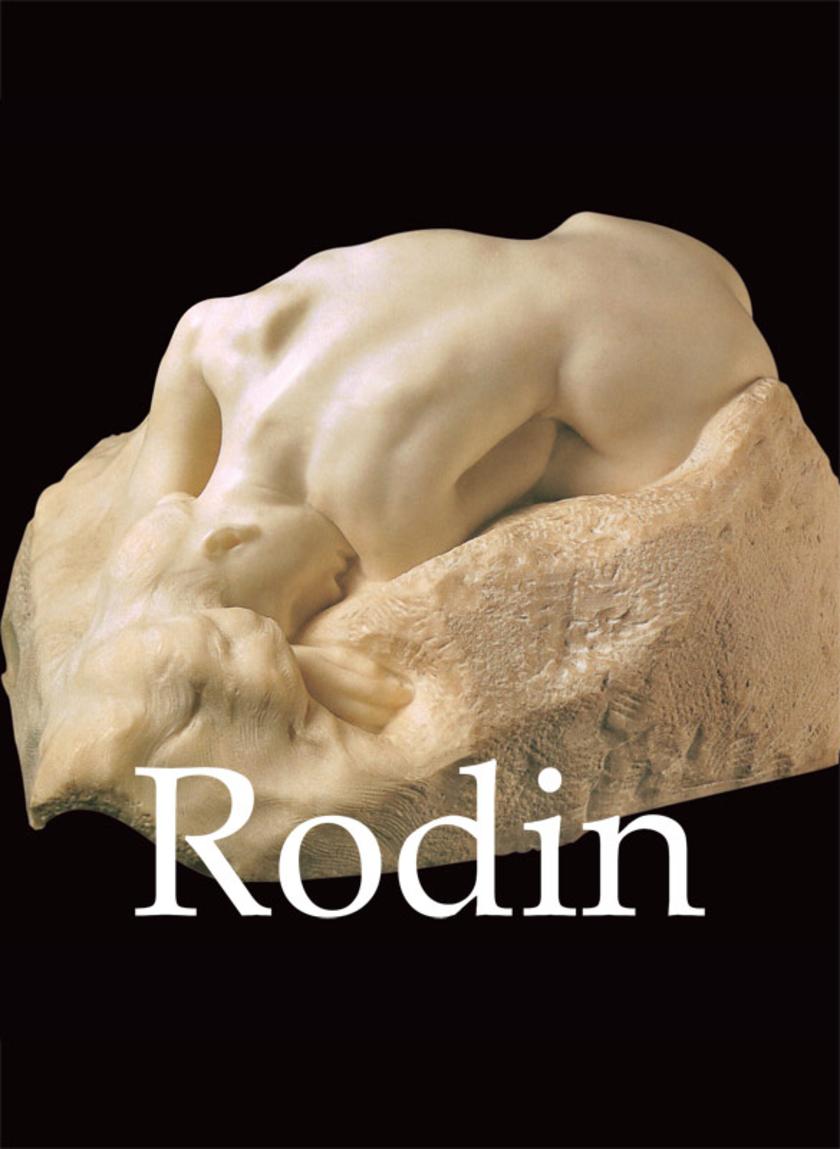
受到古典大师——包括天才米开朗基罗和巴洛克雕塑,特别是贝尔尼尼(Bernini)——的影响,奥古斯特·罗丹(Auguste Rodin,1840-1917)是历*为声名显赫的艺术家之一。尽管罗丹被认为是现代雕塑的奠基人,他并不批判过去的古典传统。他的雕塑是批判性的,也是备受争议的,情色荡漾,高度写实。他富创造性的作品抛弃了神话和寓言的传统主题,拥抱人体,高歌个人主义和肉体。这本著作解密了这位备受赞扬的艺术家的事业和人生,探讨了他有名的艺术作品,例如《地狱之门》、《思考者》及“伤风败俗”之作——《吻》。
Van Gogh
¥61.23
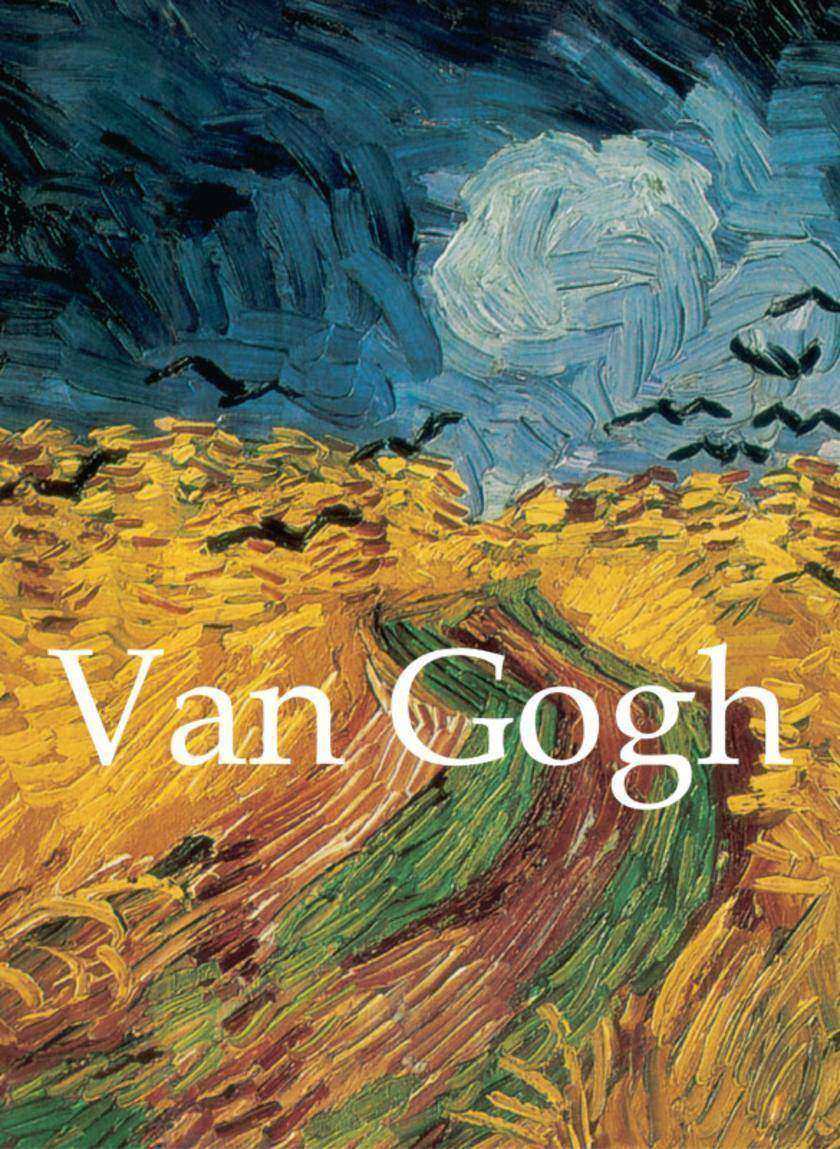
来吧,来翻来书页欣赏优美的画作,来探索后印象主义的创造性天才——文森特·梵高(Vincent van Gogh)。生动活泼的色彩,异想天开的画笔,这些画作让我们能够洞察梵高波动的内心世界。这本Mega Square的小册子带你领略这位成就非凡的画家。
Franz Marc
¥61.23
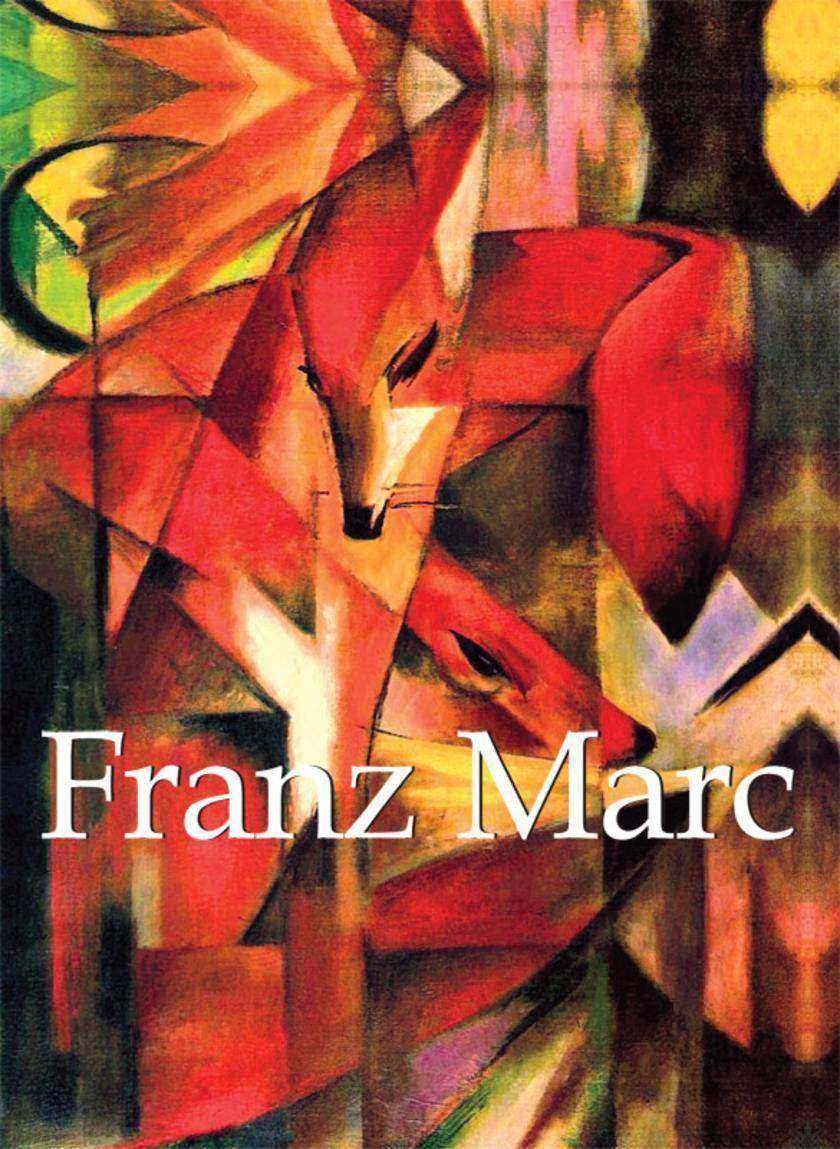
他曾被纳粹诽谤为“堕落艺术家”,他笔下鲜明的线条和感情充沛的颜色有力地展现了战争的疼痛与创伤,他就是德国画家弗兰茨·马尔克(1880-1916)。在他的名作《动物的命运》中,马尔克创造性地用指直白的情感表达了原始的暴力,他称之为“战争的预感”。终,也正是这种对战争的热情终导致了三十六岁的马尔克的死亡。
Paul Signac
¥61.23
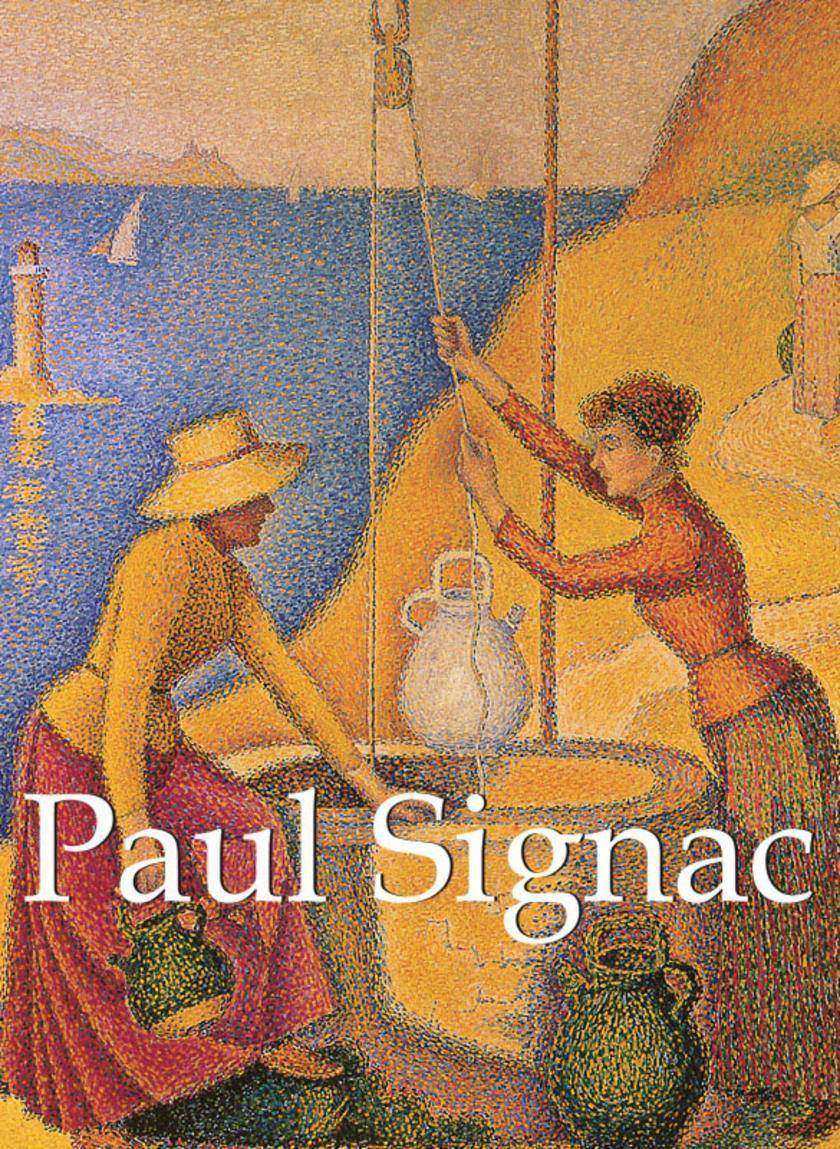
保罗·西涅克(Paul Signac,1863-1935)在年少之时便深受莫奈的作品的影响,其朋友及师父乔治·修拉(Georges Seurat)是点彩画派大师,将点彩的科学精确性与印象主义色彩和感情的表达相结合。西涅克与文森特·梵高(Vincent van Gogh)也私交甚密,他崇敬梵高的绘画技巧,通过游历全国为那些不朽的画作寻找灵感。这本著作介绍了西涅克纷繁复杂、闻名于世的技巧,也展示了他有名的作品。
Little Girls
¥61.23
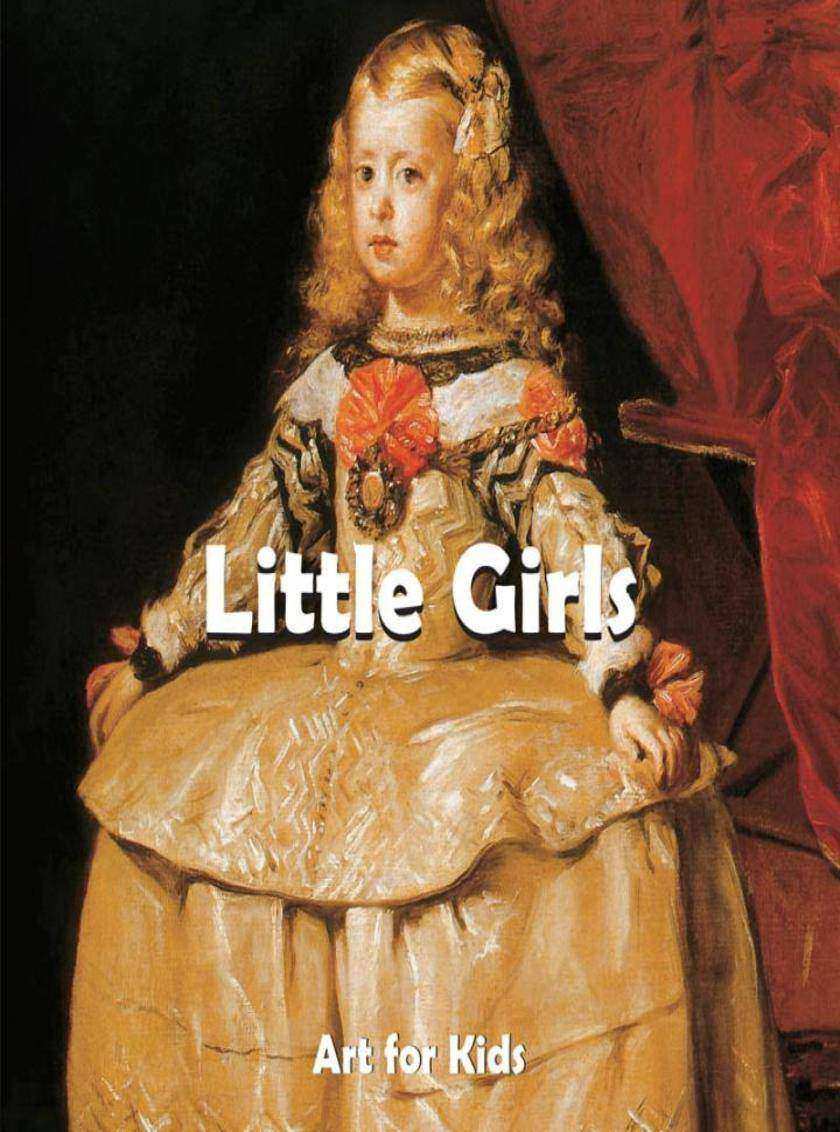
Ever since the ancient greeks sculpted the first kouros, children have been a source of inspiration for some of the world’s greatest artists. Whether portraits of their own children, friends, and family members, or a nostalgic psychological portrayal of the artist’s own youth, depictions of children in art remain arresting examples of an intersection between the picturesque innocence of childhood and the methodical work of adult artistry. In this delightful new puzzle book, children get a chance to see little boys and girls just like them as portrayed by great artists, learning about how children grew up throughout history while experiencing a genuine connection with works of artistic genius.

Top 5 Masterpieces vol 2
¥61.23
Ever since the ancient greeks sculpted the first kouros, children have been a source of inspiration for some of the world’s greatest artists. Whether portraits of their own children, friends, and family members, or a nostalgic psychological portrayal of the artist’s own youth, depictions of children in art remain arresting examples of an intersection between the picturesque innocence of childhood and the methodical work of adult artistry. In this delightful new puzzle book, children get a chance to see little boys and girls just like them as portrayed by great artists, learning about how children grew up throughout history while experiencing a genuine connection with works of artistic genius.


