


 购物车
购物车 个人中心
个人中心
![Arizona's Yesterday: [Illustrated]](https://platform-permanent.ddimg.cn/pt-media-info-soa-resource/digital/product/73/24/1901167324_ii_cover.jpg?version=c64b4722-1085-4db6-b41f-ac670a5886a7)
Arizona's Yesterday: [Illustrated]
¥8.09
This story belongs to the year 1837, and was regarded by the generations of that and a succeeding time as the most miraculous of all the recorded deliverances from death at sea. It may be told thus: Mr. Montagu Vanderholt sat at breakfast with his daughter Violet one morning in September. Vanderholt's house was one of a fine terrace close to Hyde Park. He was a rich man, a retired Cape merchant, and his life had been as chequered as Trelawney's, with nothing of romance and nothing of imagination in it. He was the son of honest parents, of Dutch extraction, and had run away to sea when about twelve years old. Nothing under the serious heavens was harsher, more charged with misery, suffering, dirt, and wretchedness, than seafaring in the days when young Vanderholt, with an idiot's cunning, fled to it from his father's comfortable little home. He got a ship, was three years absent, and on his return found both his father and mother dead. He went again to sea, and, fortunately for him, was shipwrecked in the neighbourhood of Simon's Bay. The survivors made their way to Cape Town, and presently young Vanderholt got a job, and afterwards a position. He then became a master, until, after some eight or ten years of heroic perseverance, attended by much good luck, behold Mr. Vanderholt full-blown into a colonial merchant prince. How much he was worth when he made up his mind to settle in England, after the death of his wife, and when he had disposed of his affairs so as to leave himself as free a man as ever he had been when he was a common Jack Swab, really signifies nothing. It is certain he had plenty, and plenty is enough, even for a merchant prince of Dutch extraction. Besides Violet, he had two sons, who will not make an appearance on this little brief stage. They are dismissed, therefore, with this brief reference—that both were in the army, and both, at the time of this tale, in India. Violet was Vanderholt's only daughter, and he loved her exceedingly. She was not beautiful, but she was fair to see, with a pretty figure, and an arch, gay smile. You saw the Dutch blood in her eyes, as you saw it in her father's, whose orbs of vision, indeed, were ridiculously small—scarcely visible in their bed of socket and lash. An English mother had come to Violet's help in this matter. Taking her from top to toe, with her surprising quantity of brown hair, soft complexion, good mouth, teeth, and figure, Violet Vanderholt was undoubtedly a fine girl. THE LAST ENTRY "OPINIONS OF THE PRESS ON THE LAST ENTRY": '"The Last Entry" is a rattling good salt-water yarn, told in the author's usual breezy, exhilarating style.'-”Daily Mail. 'In this new novel Mr. Russell has cleverly thrown its events into the year 1837, and there are one or two ingenious passages which add to the Diamond Jubilee interest which that date suggests.... "The Last Entry" is as certain of general popularity as any of Mr. Russell's former tales of the marvels of the sea.'-”Glasgow Herald. 'We do not think it possible for anyone to dip into this novel without desiring to finish it, and it adds another to the long list of successes of our best sea author.'-”Librarian. 'In addition to mutiny and murder, "The Last Entry" contains many of those good things which have made Mr. Russell's pages a joy to so many lovers of the sea during the last twenty years.... "The Last Entry" is a welcome addition to Mr. Clark Russell's library.'-”Speaker. 'The writer is as realistic and picturesque as usual in his vivid descriptions of the stagnant life on board the homeward-bound Indiaman.'-”Times. 'It is full of pleasant vigour.... As is always the case in Mr. Clark Russell's books, the elements are treated with the pen of an artist.'-”Standard. 'We expected plenty of go, of fresh and vigorous description of sea-faring life, coupled with a story which would not be wanting in interest. All this we have here.'”-Tablet.
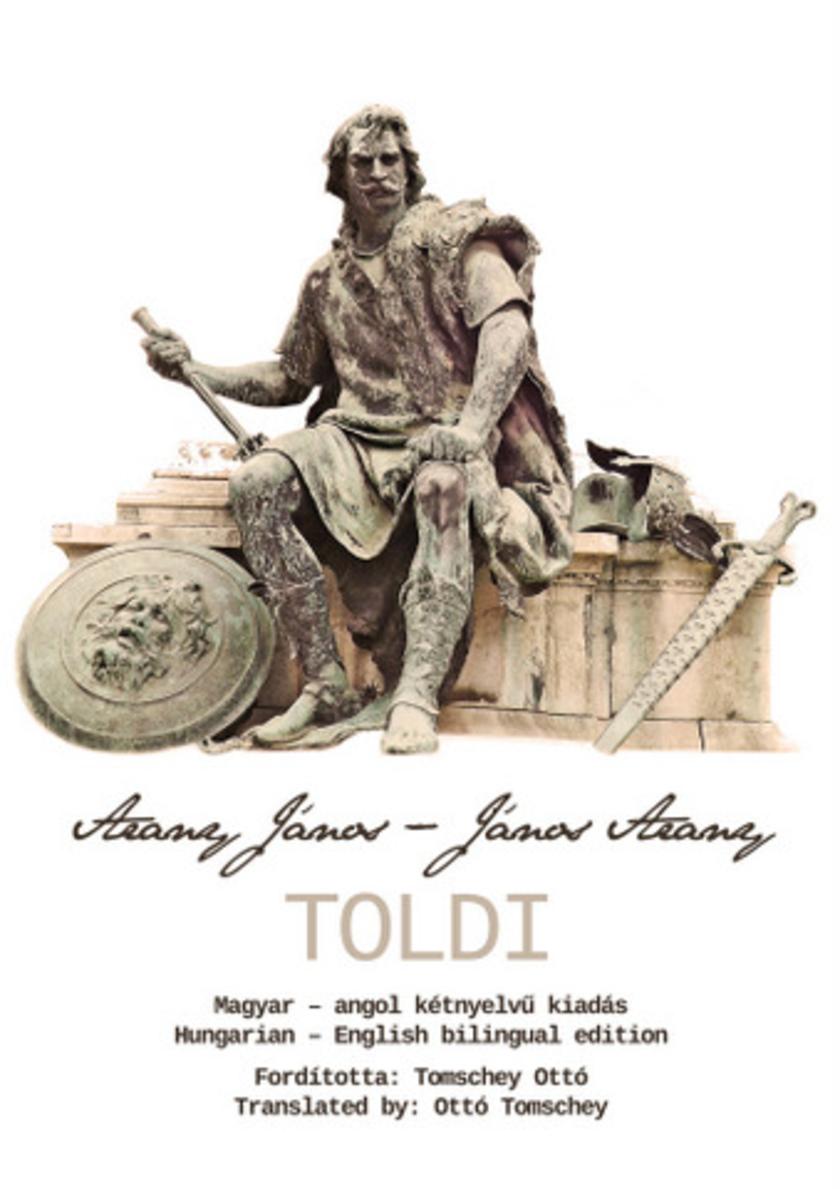
Arany János – TOLDI
¥90.42
"Reportajele din aceast? carte vorbesc despre aspecte din istoria recent?, cum ar fi migra?ia, corup?ia, via?a ?n penitenciare sau problemele minorit??ilor, ?nchiderea spitalelor sau stresul care schimb? vie?i, crizele din s?n?tate, pove?ti ale unor oameni obi?nui?i, care fac lucruri speciale. Reg?sim, ?ns?, ?i pove?ti de demult, cum e cazul reportajelor despre lupt?torii anticomuni?ti din mun?i, despre tezaurul de la Pietroasele sau istoriile din satele s?se?ti. Reportajele surprind realit??i dintr-o Rom?nie aflat? ?n continu? schimbare, cu enorme discrepan?e. Sunt ca o fotografie a realit??ii. Cine le cite?te afl? cum se tr?ia sau cum se tr?ie?te ?n anumite locuri. Cum se schimb? sau de ce nu se schimb? lucrurile ?i mentalit??ile. Cartea cuprinde 30 de reportaje publicate ?n revista Dilema veche, dar ?i adapt?ri dup? reportaje sau documentare radio difuzate la Europa FM ?i Radio Rom?nia Actualit??i. Reportajul e un gen mai rar ?nt?lnit ast?zi ?n presa din Rom?nia. Dar asta nu se ?nt?mpl? din cauza lipsei de interes a publicului, ci din pricina lipsei de bani ?i de investi?ii ?ntr-o pres? de calitate. De fiecare dat? c?nd totu?i apar reportaje bine f?cute, se constat? c? publicul le urm?re?te cu interes, tot a?a cum urm?re?te reportajele ?i documentarele oferite de televiziunile str?ine. Asta fiindc? oamenii au nevoie de pove?ti. Un reportaj bine f?cut este de fapt o poveste adev?rat?. P?n? la urm?, ?i aceast? carte este o carte cu pove?ti adev?rate." (Liliana Nicolae)
Falling in Love
¥18.74
Art, with its finite means, cannot hope to record the infinite variety and com-plexity of Nature, and so contents itself with a partial statement, addressing this to the imagination for the full and perfect meaning. This inadequation, and the artificial ad-justments which it involves, are tolerated by right of what is known as artistic convention; and as each art has its own particular limitations, so each has its own particular conventions. Sculpture reproduces the forms of Nature, but discards the color without any shock to our ideas of verity; Painting gives us the color, but not the third dimension, and we are satisfied; and Architecture ispurely conventional, since it does not even aim at the imitation of natural form. The Conventions of Line Drawing,Of the kindred arts which group themselves under the head of Painting, none is based on such broad conventions as that with which we are immediately concerned—the art of Pen Drawing. In this medium, Nature's variety of color, when not positively ignored, is suggested by means of sharp black lines, of varying thickness, placed more or less closely together upon white paper; while natural form depends primarily for its representation upon arbitrary boundary lines. There is, of course, no authority in Na-ture for a positive outline: we see objects only by the difference in color of the other objects behind and around them. The technical capacity of the pen and ink medium, however, does not provide a value corresponding to every natural one, so that a broad interpretation has to be adopted which eliminates the less positive values; and, that form may not likewise be sacrificed, the outline becomes necessary, that light objects may stand relieved against light. This outline is the most characteristic, as it is the most indispensable, of the conventions of line drawing. To seek to abolish it only involves a resort to expedients no less artificial, and the results of all such attempts, dependent as they necessarily are upon elaboration of color, and a general indirectness of method, lack some of the best characteristics of pen drawing. More frequently, however, an elaborate color-scheme is merely a straining at the technical limitations of the pen in an effort to render the greatest possible number of values. It may be worth while to inquire whether excellence in pen drawing consists in thus dispensing with its recognized conventions, or in otherwise taxing the technical re-sources of the instrument. This involves the question of Style,—of what characteristic pen methods are,—a question which we will briefly consider...
Az ellopott futár
¥14.39
Mit jelent az, hogy széls?jobboldal? Kikkel szimpatizálnak és mit képviselnek az újhungaristák? Mit jelképez a 88-as szám? Miféle ideológia áll a széls?jobboldali irányzatok hátterében? Mikor és miért válnak sikeressé a radikálisok? K?tetünk ezeken a kérdéseken kívül arra is választ ad, hogy melyek voltak a magyar széls?jobboldali mozgalmak megszületésének hazai el?zményei, külf?ldi szellemi el?képei és testvérmozgalmai. Mindemellett rávilágít a széls?jobboldaliság kritériumaira az irányzat 1919-es születését?l napjainkig, és feltárja a széls?jobboldali szubkultúrák változatos, markáns ismertet?jegyeit. A Jobbik és a Magyar Gárda tevékenységéig ível? áttekintés azt is megmutatja, milyen sokszín? jelenség a magyarországi széls?jobboldal, pontosabban az a radikális politikai mozgalmakat t?m?rít? gy?jt?fogalom, amelyet ma így szokás nevezni. A szerz?, PAKSA RUDOLF 1981-ben született Ajkán, az ELTE-n doktorált t?rténelemb?l és 2009 októberét?l az MTA T?rténettudományi Intézetének a munkatársa. ?rdekl?dési területe a modern kori magyar t?rténelem; kutatásai súlypontja a 19–20. századi historiográfia, a régi E?tv?s Collegium, valamint a Horthy-kori széls?jobboldali irányzatok.
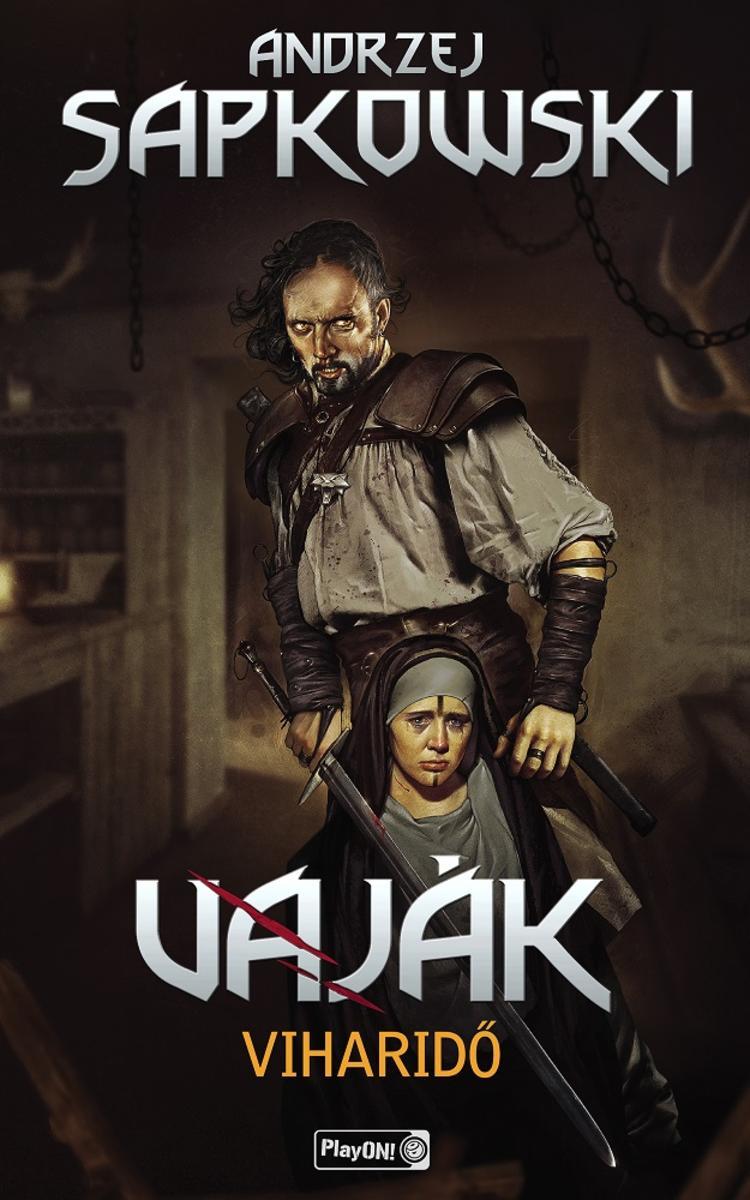
Viharid?
¥63.85
1. The architect should be equipped with knowledge of many branches of study and varied kinds of learning, for it is by his judgement that all work done by the other arts is put to test. This knowledge is the child of practice and theory. Practice is the continuous and regular exercise of employment where manual work is done with any necessary material according to the design of a drawing. Theory, on the other hand, is the ability to demonstrate and explain the productions of dexterity on the principles of proportion. 2. It follows, therefore, that architects who have aimed at acquiring manual skill without scholarship have never been able to reach a position of authority to correspond to their pains, while those who relied only upon theories and scholarship were obviously hunting the shadow, not the substance. But those who have a thorough knowledge of both, like men armed at all points, have the sooner attained their object and carried authority with them. 3. In all matters, but particularly in architecture, there are these two points:—the thing signified, and that which gives it its significance. That which is signified is the subject of which we may be speaking; and that which gives significance is a demonstration on scientific principles. It appears, then, that one who professes himself an architect should be well versed in both directions. He ought, therefore, to be both naturally gifted and amenable to instruction. Neither natural ability without instruction nor instruction without natural ability can make the perfect artist. Let him be educated, skilful with the pencil, instructed in geometry, know much history, have followed the philosophers with attention, understand music, have some knowledge of medicine, know the opinions of the jurists, and be acquainted with astronomy and the theory of the heavens. 4. The reasons for all this are as follows. An architect ought to be an educated man so as to leave a more lasting remembrance in his treatises. Secondly, he must have a knowledge of drawing so that he can readily make sketches to show the appearance of the work which he proposes. Geometry, also, is of much assistance in architecture, and in particular it teaches us the use of the rule and compasses, by which especially we acquire readiness in making plans for buildings in their grounds, and rightly apply the square, the level, and the plummet. By means of optics, again, the light in buildings can be drawn from fixed quarters of the sky. It is true that it is by arithmetic that the total cost of buildings is calculated and measurements are computed, but difficult questions involving symmetry are solved by means of geometrical theories and methods. 5. A wide knowledge of history is requisite because, among the ornamental parts of an architect's design for a work, there are many the underlying idea of whose employment he should be able to explain toGree inquirers. For instance, suppose him to set up the marble statues of women in long robes, called Caryatides, to take the place of columns, with the mutules and coronas placed directly above their heads, he will give the following explanation to his questioners. Caryae, a state in Peloponnesus, sided with the Persian enemies against Greece; later the Greeks, having gloriously won their freedom by victory in the war, made common cause and declared war against the people of Caryae. They took the town, killed the men, abandoned the State to desolation, and carried off their wives into slavery, without permitting them, however, to lay aside the long robes and other marks of their rank as married women, so that they might be obliged not only to march in the triumph but to appear forever after as a type of slavery, burdened with the weight of their shame and so making atonement for their State. Hence, the architects of the time designed for public buildings statues of these women, placed so as to carry a load..

Bez ograniczeń
¥66.05
Milyen állambiztonsági kockázatokat rejtett magában egy futball-világbajnokság? Vajon miért volt olyan fontos a titkosszolgálat számára Puskás, hogy még a hatvanas évek végén is érkeztek róla jelentések? Valóban kiváltságos klubként kezelte a rendszer Kádár kedvenc csapatát, a Vasast? A politikai rend?rség szempontjából miért voltak kiemelten veszélyesek a Ferencváros mérk?zései? ?s vajon mi igaz abból, hogy a magyar válogatott nem nyerhetett a Szovjetunió ellen? ?s egyáltalán: miért érdekelte mindez az állambiztonságot? TAK?CS TIBOR k?nyvéb?l kiderül, hogy a sport, így a futball egyre fokozódó állambiztonsági ellen?rzését mindenekel?tt a kiszélesed? nemzetk?zi kapcsolatok indokolták, de egyes sportvezet?ket, játékosokat és szurkolókat is folyamatosan megfigyelés alatt tartottak. Ezzel együtt a kádári politikai rend?rség olykor maga sem tudta pontosan, mi dolga a labdarúgás k?rül – ilyenkor aztán m?k?désbe lépett az állambiztonsági paranoia, amely egy egyszer? szurkolói megnyilvánulásban is ?ellenséges tevékenységet” szimatolt. A t?rténész arra vállalkozik, hogy bemutassa: milyen tevékenységet végzett a Kádár-korszak állambiztonsága a legnagyobb t?megeket vonzó t?megsport, a labdarúgás k?rül. Futball és állambiztonság kapcsolatáról kül?nb?z?, néha párhuzamosan futó, olykor egymást metsz? t?rténeteken keresztül ad átfogó képet, mik?zben felvázolja az 1956 utáni állami sportirányítási rendszer és a politikai rend?rség m?k?désének f?bb vonásait és jellemz?it is. TAK?CS TIBOR Nyíregyházán született 1974-ben. A Kossuth Lajos Tudományegyetem B?lcsészettudományi Karán diplomázott 1997-ben. Ezt k?vet?en doktori ?szt?ndíjas volt, majd a nyíregyházi levéltárban dolgozott. 2002-t?l a T?rténeti Hivatal, illetve utódintézménye, az ?llambiztonsági Szolgálatok T?rténeti Levéltára munkatársa. 2005-ben a Debreceni Egyetemen doktori címet szerzett. F? kutatási területe az 1945 utáni magyar t?rténelem, kül?n?s tekintettel a politikai rend?rség m?k?désére
F?zzünk ?r?mmel!
¥43.57
K?ztudott, hogy a pártállami diktatúra idején minden jobboldali gondolat eredend?en üld?zend?nek számított. De vajon hogyan élték túl a hagyományos politikai felosztás szerint jobboldalinak tekintett személyek és mozgalmak a Rákosi-, majd a Kádár-rendszer üld?ztetéseit? Kik választották az évtizedekre szóló, csendes ?alámerülést”, és kik azok, akik továbbra is aktívan képviselték korábbi eszméiket? ?s vajon a rendelkezésünkre álló dokumentumok alapján meg lehet-e kül?nb?ztetni a jobboldalhoz k?thet? valós társadalmi jelenségeket az állambiztonság konstruált ügyeit?l? Az UNGV?RY KRISZTI?N által szerkesztett tanulmányk?tet a Kádár-rendszer állambiztonsága szempontjából ?jobboldalinak” tekintett hagyomány és gondolkodás, illetve az ezt képvisel? csoportok 1945 és 1990 k?z?tti t?rténetéb?l ad reprezentatív válogatást. Mivel e meglehet?sen széles – a progresszív konzervatív eszmét?l a kisgazdákon át az egyetemi szervezkedésekig és a radikális széls?jobboldali mozgalmakig terjed? – politikai paletta szerepl?i és nézetei a kommunista és államszocialista diktatúra idején egyként ?ellenségesnek” min?sültek, a k?tet tanulmányai mindenekel?tt az állambiztonsági iratok feldolgozására épülnek. Az ?sszeállítás áttekintést nyújt az olvasónak a belügyminisztérium ?jobboldali” ellenségképér?l, részletesen tárgyalja a prominens kisgazda és kereszténydemokrata politikusok sorsát, illetve nyomon k?veti a háború el?tti széls?jobboldalhoz k?thet? mozgalmak utóéletét is. E hiánypótló k?tet kit?n? írásai nem csupán arra világítanak rá, hogy a jobboldali hagyományok hogyan élték túl búvópatakszer?en a háborút k?vet? fél évszázadot, de a ma jobboldalinak tekintett attit?d?ket és mentalitásokat is jobban érthet?vé teszik.
Hétf? csont nélkül
¥58.45
The dual purpose of the revision of this work has been simplification and amplification.?The language has been recast in parts and there have been added sub-titles within each chapter, cross-references and an index. Ideas such as "Religion as law," the Logos of Philo and the development of Messianism have been made as simple as these subjects admit of.??In seeking illustrations to vivify the narrative it is unfortunate that so little is available. Ah! if we had pictures of Hillel, of Akiba the Martyr, of Judah the Saint, of the Jamnia Academy, of the splendor of the Babylonian Exilarch. But this very absence of pictures is in itself a bit of Jewish history.??This new edition contains quotations from the literature of the periods covered, from the Apocrypha, Philo, Josephus and the Mishna. Three chapters have been added, two on "Stories and Sayings of the Sages of the Talmud" and one on "Rabbi Judah and his times."?Other chapters have been placed in more logical sequence. Both the Chronological Tables and the Notes are fuller. A new feature has been introduced in a "theme for discussion" at the close of each chapter that may be found helpful to study circles and Chautauqua societies. This has also been introduced in the recently issued "Modern Jewish History."??The author expresses his grateful indebtedness to Dr. David de Sola Pool for a most careful reading of the manuscript and for many corrections and suggestions; also to Mr. Philip Cowen for the aid rendered in collecting the illustrations. The author has availed himself of writings that have appeared on this epoch since the edition of 1904. He hopes he has succeeded in producing a more readable book.??When the impatient youth demands, like the heathen from Hillel, a definition of Judaism, bid him "go and learn" the history of the Jew. Let him follow the fascinating story from hoar antiquity, when the obscure Hebrews, "leaving kindred and father's house," took a bold and new departure for the land that God would show—the land that would show God.??Point to the colossal figure of Moses on Sinai, "greatest of the prophets," who gave the first uplifting impulse with his Ten Words of Faith and Duty. Trace with him the soul struggle of this "fewest of all peoples" to reach the truth of divinity—beginning with a crude conception that became steadily more exalted and more clarified with each successive age, until, at last, the idea is realized of an all-pervading Spirit, with "righteousness and justice as the pillars of His throne," the "refuge of all generations."??Make clear to him how the revelation of the divine will came to be expressed in Law. And, how the preservation and development of this Law, in the interpreting hands of prophets, scribes, rabbis, poets and philosophers, became henceforth the controlling motif of the history of the Jew, his modus vivendi, whether under Babylonians, Persians, Greeks, Romans, Arabians or Franks. Help him to see that through it the Jew held in his keeping the religious fate of Orient and Occident, that took from him their respective impressions of Islamism and Christianity.??Let him see the "God-intoxicated" teaching his message by living it; the Suffering Servant whose martyrdom brought healing to his smiters.??Then, perhaps, he may understand that no one definition can completely express the Faith of the Jew and his place in the divine economy. But with this glimpse of his history the grandeur of his inheritance will sink into his consciousness, becoming part of himself, and he will be thrilled with the tremendous responsibility devolving upon him as a member of the priest-people, the witnesses of God, whose mission was and is to "bring light to the Gentiles—that salvation may reach to the ends of the earth."??By e-Kitap Projesi, Illustrated by Murat Ukray..
10 plus 10 prozatori exemplari nominaliza?i la Nobel
¥40.79
Candide is characterised by its sarcastic tone, as well as by its erratic, fantastical and fast-moving plot. A picaresque novel with a story similar to that of a more serious bildungsroman, it parodies many adventure and romance clichés, the struggles of which are caricatured in a tone that is mordantly matter-of-fact. Still, the events discussed are often based on historical happenings, such as the Seven Years' War and the 1755 Lisbon earthquake. As philosophers of Voltaire's day contended with the problem of evil, so too does Candide in this short novel, albeit more directly and humorously. Voltaire ridicules religion, theologians, governments, armies, philosophies, and philosophers through allegory; most conspicuously, he assaults Leibniz and his optimism. Voltaire's men and women point his case against optimism by starting high and falling low. A modern could not go about it after this fashion.?He would not plunge his people into an unfamiliar misery. He would just keep them in the misery they were born to. But such an account of Voltaire's procedure is as misleading as the plaster cast of a dance. Look at his procedure again. Mademoiselle Cunégonde, the illustrious Westphalian, sprung from a family that could prove seventy-one quarterings, descends and descends until we find her earning her keep by washing dishes in the Propontis. The aged faithful attendant, victim of a hundred acts of rape by negro pirates, remembers that she is the daughter of a pope, and that in honor of her approaching marriage with a Prince of Massa-Carrara all Italy wrote sonnets of which not one was passable. We do not need to know French literature before Voltaire in order to feel, although the lurking parody may escape us, that he is poking fun at us and at himself. His laughter at his own methods grows more unmistakable at the last, when he caricatures them by casually assembling six fallen monarchs in an inn at Venice. A modern assailant of optimism would arm himself with social pity. There is no social pity in "Candide." Voltaire, whose light touch on familiar institutions opens them and reveals their absurdity, likes to remind us that the slaughter and pillage and murder which Candide?witnessed among the Bulgarians was perfectly regular, having been conducted according to the laws and usages of war. Had Voltaire lived today he would have done to poverty what he did to war. Pitying the poor, he would have shown us poverty as a ridiculous anachronism, and both the ridicule and the pity would have expressed his indignation. About Author: VOLTAIREFran?ois-Marie Arouet (1694 – 1778), known by his nom de plume Voltaire, was a French Enlightenment writer, historian and philosopher famous for his wit, his attacks on the established Catholic Church, and his advocacy of freedom of religion, freedom of expression, and separation of church and state. Voltaire was a versatile writer, producing works in almost every literary form, including plays, poems, novels, essays, and historical and scientific works. He wrote more than 20,000 letters and more than 2,000 books and pamphlets. He was an outspoken advocate, despite the risk this placed him in under the strict censorship laws of the time. As a satirical polemicist, he frequently made use of his works to criticize intolerance, religious dogma, and the French institutions of his day.
Cercul s?lbatic
¥106.19
O carte pasionant i minuios documentat.“ – Le Figaro Littéraire Dac exist o dinastie care s ntrupeze Europa, aceea este Casa de Habsburg“, scrie Jean des Cars n debutul acestei cavalcade pasionante prin istoria zbuciumat a Europei. Destinul prodigios al Habsburgilor ncepe, n cheie minor, n secolul al XI-lea, ntr-o fortrea situat n cantonul elveian Aargau, prinde aripi n 1273, odat cu alegerea, cu totul neateptat, a contelui Rudolf de Habsburg ca mprat al Sfntului Imperiu German, i i ncheie epopeea monarhic la Schnbrunn, pe 11 noiembrie 1918, cnd Carol al IV-lea semneaz actul de renunare la coroana imperial a Austriei. Vreme de apte secole, Habsburgii au dominat o mare parte a Europei, a Orientului Apropiat i a Americii de Sud. Cuceritorul Carol Quintul, reformatoarea Maria Tereza, Franz Joseph i legendara sa soie Sisi, Zita, suverana datoriei, sunt doar cteva dintre figurile emblematice ale acestei familii excepionale, care a marcat istoria. Nendoielnic, dispariia lor semnaleaz prbuirea unei lumi, dar numele lor rmne venic sinonim cu nflorirea artelor, grandoarea politic i identitatea european. Pentru alctuirea acestui volum incitant, n care faptul istoric documentat se ntlnete fericit cu excursul jurnalistic profesionist i bine calibrat, dar i cu o anecdotic ncnttoare, Jean des Cars, talentat raconteur i recunoscut cronicar al marilor monarhii europene, a consultat arhive, a vizitat toate locurile-reper ale dinastiei, a realizat interviuri i a cules mrturiile inedite ale mprtesei Zita i ale arhiducelui Otto de Habsburg. Istoria este plin de maiesti individuale, ns Habsburgii ntruchipeaz maiestatea dinastic. [...] A ajunge s nu mai constitui doar o familie, s nu mai reprezini doar o ar, ci un agregat de naiuni, a stpni jumtate din Europa i o mare parte din America, a purta o coroan mai grea chiar dect coroana Imperiului Britanic, dar a te plimba, n acelai timp, prin Prater, cu o umbrel sub bra, iat un spectacol pe care omenirea nul va mai vedea vreodat.“ – Paul Morand n 1919, prbuirea imperiilor i, apoi, o redivizare geografic arbitrar elimin de la conducere familii vechi i puternice, cum ar fi Romanovii, Hohenzollernii i Habsburgii. Dup veacuri de prestigiu i influen, vechile case domnitoare sunt terse de pe hart, asasinate sau surghiunite. Dar, n timp ce familiile imperiale din Rusia i din Germania au fost nevoite, ulterior, s se mulumeasc, dup caz, cu nostalgii discrete, compromisuri regretabile sau reabilitri tardive, Habsburgii au luptat mpotriva anihilrii progresive la care erau supui, ripostnd chiar fa de ostracizarea care le era impus. Nu fr eforturi sau adversiti umilitoare, ei au reuit s triasc, s i refac imaginea, s existe din nou, s impun respect fa de numele lor nainte de anii ’40 i s redobndeasc un loc att n memoria vechii Europe, ct i n noua construcie european, ceea ce este un lucru excepional.“ – Jean des Cars
Myths & Dreams
¥18.74
In writing upon any matter of experience, such as art, the possibilities of misunderstanding are enormous, and one shudders to think of the things that may be put down to one's credit, owing to such misunderstandings. It is like writing about the taste of sugar, you are only likely to be understood by those who have already experienced the flavour; by those who have not, the wildest interpretation will be put upon your words. The written word is necessarily confined to the things of the understanding because only the understanding has written language; whereas art deals with ideas of a different mental texture, which words can only vaguely suggest. However, there are a large number of people who, although they cannot viibe said to have experienced in a full sense any works of art, have undoubtedly the impelling desire which a little direction may lead on to a fuller appreciation. And it is to such that books on art are useful. So that although this book is primarily addressed to working students, it is hoped that it may be of interest to that increasing number of people who, tired with the rush and struggle of modern existence, seek refreshment in artistic things. To many such in this country modern art is still a closed book; its point of view is so different from that of the art they have been brought up with, that they refuse to have anything to do with it. Whereas, if they only took the trouble to find out something of the point of view of the modern artist, they would discover new beauties they little suspected. If anybody looks at a picture by Claude Monet from the point of view of a Raphael, he will see nothing but a meaningless jargon of wild paint-strokes. And if anybody looks at a Raphael from the point of view of a Claude Monet, he will, no doubt, only see hard, tinny figures in a setting devoid of any of the lovely atmosphere that always envelops form seen in nature. So wide apart are some of the points of view in painting. In the treatment of form these differences in point of view make for enormous variety in the work. Works showing much ingenuity and ability, but no artistic brains; pictures that are little more than school studies, exercises in the representation of carefully or carelessly arranged objects, but cold to any artistic intention. At this time particularly some principles, and a clear intellectual understanding of what it is you are trying to do, are needed. We have no set traditions to guide us. The times when the student accepted the style and traditions of his master and blindly followed them until he found himself, are gone. Such conditions belonged to an age when intercommunication was difficult, and when the artistic horizon was restricted to a single town or province. Science has altered all that, and we may regret the loss of local colour and singleness of aim this growth of art in separate compartments produced; but it is unlikely that such conditions will occur again. Quick means of transit and cheap methods of reproduction have brought the art of the whole world to our doors. Where formerly the artistic food at the disposal of the student was restricted to the few pictures in his vicinity and some prints of others, now there is scarcely a picture of note in the world that is not known to the average student, either from personal inspection at our museums and loan exhibitions, or from excellent photographic reproductions. Not only European art, but the art of the East, China and Japan, is part of the formative influence by which he is surrounded; not to mention the modern science of light and colour that has had such an influence on technique. It is no wonder that a period of artistic indigestion is upon us. Hence the student has need ixof sound principles and a clear understanding of the science of his art, if he would select from this mass of material those things which answer to his own inner need for artistic expression.
Sea Rovers
¥23.30
Diego Rodríguez de Silva y Velázquez (June 6, 1599 – August 6, 1660) was a Spanish painter who was the leading artist in the court of King Philip IV and one of the most important painters of the Spanish Golden Age. He was an individualistic artist of the contemporary Baroque period, important as a portrait artist. In addition to numerous renditions of scenes of historical and cultural significance, he painted scores of portraits of the Spanish royal family, other notable European figures, and commoners, culminating in the production of his masterpiece Las Meninas (1656). From the first quarter of the nineteenth century, Velázquez's artwork was a model for the realist and impressionist painters, in particular ?douard Manet. Since that time, famous modern artists, including Pablo Picasso, Salvador Dalí and Francis Bacon, have paid tribute to Velázquez by recreating several of his most famous works. Early lifeBorn in Seville, Andalusia, Spain, Diego, the first child of Jo?o Rodrigues da Silva and Jerónima Velázquez, was baptized at the church of St Peter in Seville on Sunday, June 6, 1599. This christening must have followed the baby's birth by no more than a few weeks, or perhaps only a few days. Velázquez's paternal grandparents, Diego da Silva and Maria Rodrigues, had moved to Seville from their native Porto, Portugal decades earlier. As for Jo?o Rodrigues da Silva and his wife, both were born in Seville, and were married, also at the church of St Peter, on December 28, 1597. They came from the lesser nobility and were accorded the privileges generally enjoyed by the gentry. Velázquez was educated by his parents to fear God and, intended for a learned profession, received good training in languages and philosophy. Influenced by many artists he showed an early gift for art; consequently, he began to study under Francisco de Herrera, a vigorous painter who disregarded the Italian influence of the early Seville school. Velázquez remained with him for one year. It was probably from Herrera that he learned to use brushes with long bristles. After leaving Herrera's studio when he was 12 years old, Velázquez began to serve as an apprentice under Francisco Pacheco, an artist and teacher in Seville. Though considered a generally dull, undistinguished painter, Pacheco sometimes expressed a simple, direct realism in contradiction to the style of Raphael that he was taught. Velázquez remained in Pacheco's school for five years, studying proportion and perspective and witnessing the trends in the literary and artistic circles of Seville.To Madrid (early period) By the early 1620s, his position and reputation were assured in Seville. On April 23, 1618, Velázquez married Juana Pacheco (June 1, 1602 – August 10, 1660), the daughter of his teacher. She bore him two daughters—his only known family. The elder, Francisca de Silva Velázquez y Pacheco (1619–1658), married painter Juan Bautista Martínez del Mazo at the Church of Santiago in Madrid on August 21, 1633; the younger, Ignacia de Silva Velázquez y Pacheco, born in 1621, died in infancy. Velázquez produced notable works during this time. Known for his compositions of amusing genre scenes (also called bodegones), such as Old Woman Frying Eggs, his sacred subjects include Adoración de los Reyes (1619, The Adoration of the Magi), and Jesús y los peregrinos de Emaús (1626, Christ and the Pilgrims of Emmaus), both of which begin to express his more pointed and careful realism.

Maga itt a tánctanár?
¥52.40
A magyar k?nyvkiadás legnagyobb adósságainak egyike ez a k?nyv. A világ t?bb országában a holokausztirodalom egyik legjelent?sebb remekm?veként tartják számon, Magyarországon 1982-ben jelent meg utoljára.Zsolt Béla, nagyváradi író, újságíró, a zsidót?rvények után nem folytathatta a pályáját. Munkaszolgálatra Ukrajnába került, az út onnan haza, majd a váradi gettóba, kés?bb Bergen-Belsenbe vezetett, egészen a szabadulásig.Zsolt Béla regénye nem artisztikus memoár. Vad, olykor az elviselhet?ség határáig kegyetlen és ?szinte visszaemlékezés, felzaklató olvasmány.Az olykor egymás kínjának is ?rül? társairól. Az elmebajig kegyetlen, egyszersmind a megtorlástól retteg? csend?r?kr?l. ?rulásról, kétségbeesésr?l, az újra és újra feltámadó hamis reményr?l, és mindennek okáról és céljáról: a zsidók kifosztásáról.Aki elolvassa a Kilenc koffert, megérti, miért nem tud a rémálomból eszmélni sok európai ország azóta sem.Zsolt Béla feleségének egész családja odaveszett, k?ztük az a Heyman ?va, akinek gettónaplója megjelent már t?bb nyelven, magyarul Piros bicikli címen.
Celebrated Crimes 'The Cenci', 'The Countess of St Geran' and 'Karl Ludwig Sand'
¥19.52
This text was taken from 'Celebrated Crimes', a series of essays on famous criminals and crimes by the author of 'The Count of Monte Cristo' and 'The Three Musketeers', Alexandre Dumas, and contains the text from three of the books in the series. This volume contains books on Beatrice Cenci, an Italian noblewoman committed of murder in the 16th century. The Countess of Saint-Geran Karl Ludwig Sand, convicted of murder in the early 19th century
Benedict Cumberbatch, Transition Completed
¥58.76
Star Trek: Into Darkness, The Fifth Estate, 12 Years a Slave, August: Osage County, The Hobbit: The Desolation of Smaug-these would be milestones in most actors' entire career. For Benedict Cumberbatch, roles in these films are merely a year's additions to his already-vast resume. 2013 proved to be the final step in Cumberbatch's transition from respected working actor to bona fide worldwide celebrity and recipient of BAFTA Los Angeles' Britannia Award for British Artist of the Year. Like its predecessor, Benedict Cumberbatch, In Transition (MX Publishing, 2013), Benedict Cumberbatch, Transition Completed: Films, Fame, Fans explores the nature of Cumberbatch's fame and fandom while analysing his most recent roles. This in-depth performance biography does more than critique the actor's radio, stage, film, and television performances-especially his star turn in the long-awaited yet controversial third series of Sherlock. It also analyses how and why the actor's work is so memorable in each role, a perspective unique to this performance biography. Cumberbatch's role in popular culture, as much as his acting in multiple media, is well worth such scrutiny to illustrate that Benedict Cumberbatch represents both the best of acting and of the power of celebrity.
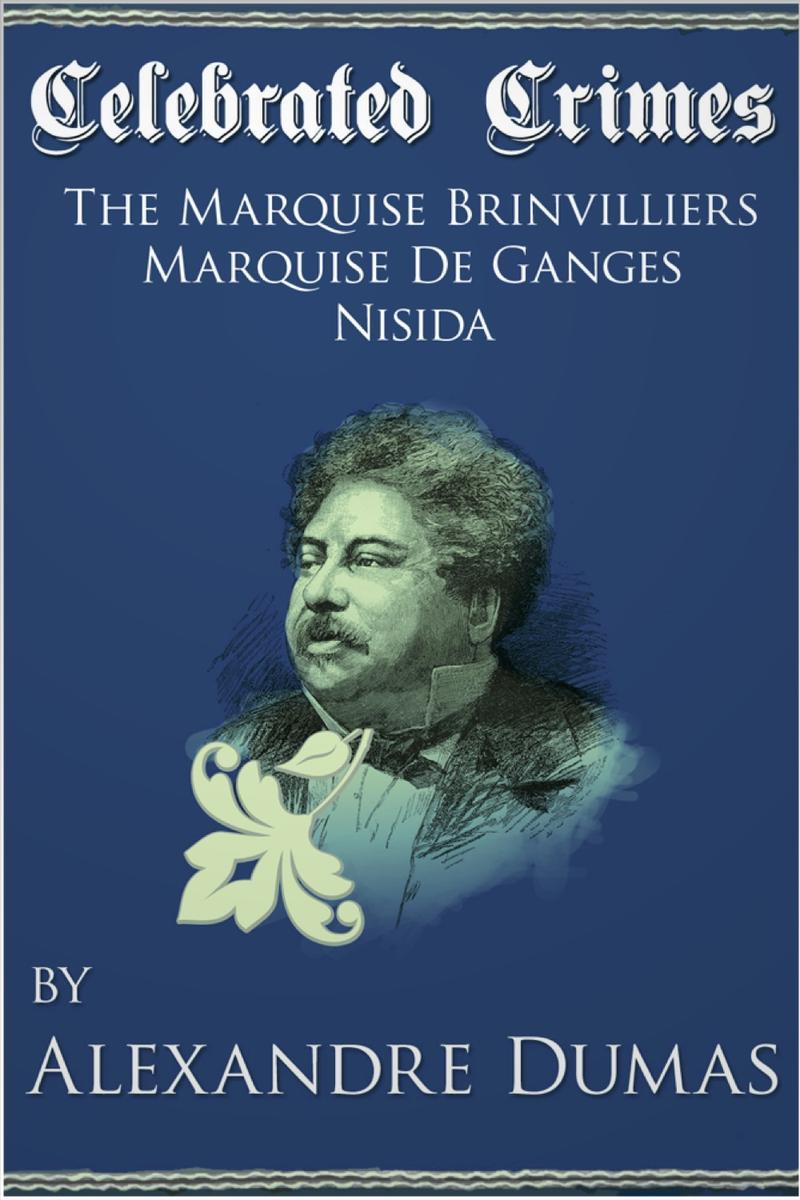
Celebrated Crimes 'Marquise de Brinvilliers', 'Marquise de Ganges' and 'Nisida'
¥19.52
Three writings taken from 'Celebrated Crimes', a series of essays on famous criminals and crimes by the author of 'The Count of Monte Cristo' and 'The Three Musketeers', Alexandre Dumas.

A-Z of Atari 2600 Games
¥19.52
The A-Z of Atari 2600 Games: Volume 1 features reviews of three different games for each letter of the alphabet. The games range from the very earliest releases in the 70s to the modern homebrew games of today. This book shows you just how diverse the library of titles is for the Atari 2600 and how it became one of the best-selling consoles of all time.

A-Z of Atari 2600 Games
¥19.52
The A-Z of Atari 2600 Games: Volume 3 features reviews of three different games for each letter of the alphabet. The games range from the very earliest releases in the 70s to the modern homebrew games of today. This book shows you just how diverse the library of titles is for the Atari 2600 and how it became one of the best selling consoles of all time.
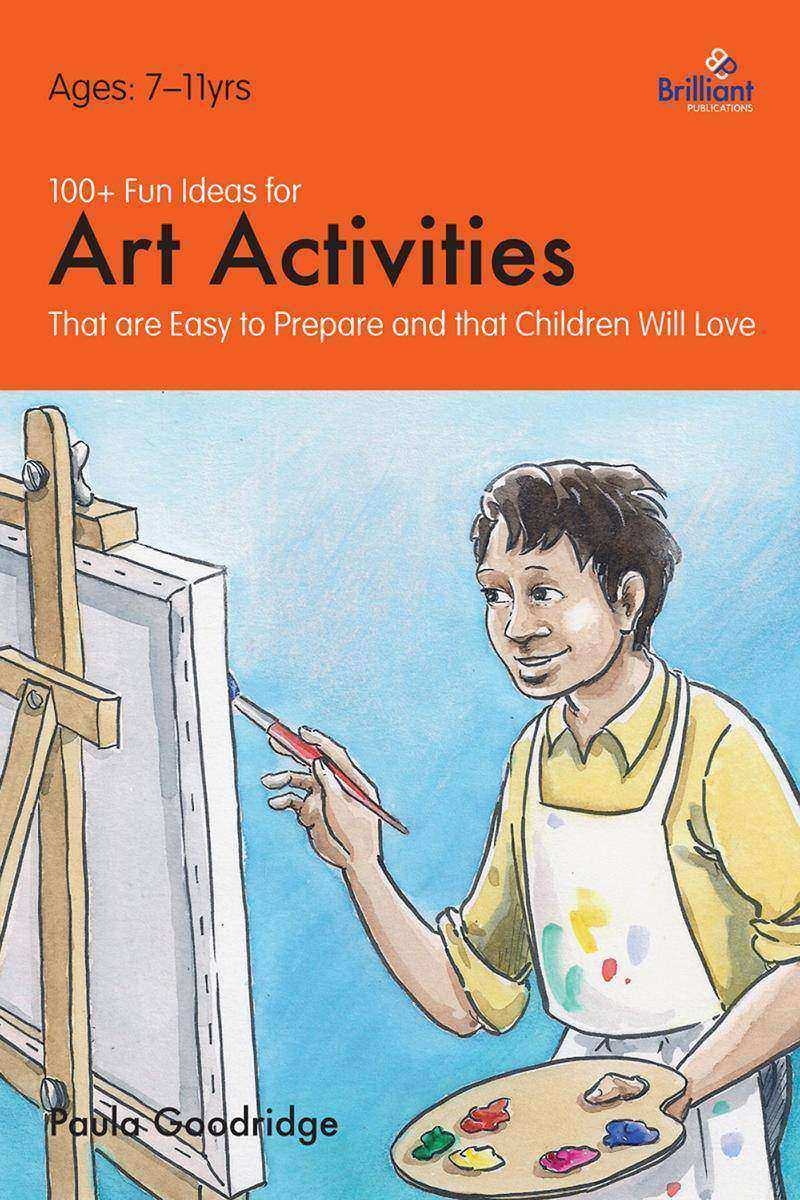
100+ Fun Ideas for Art Activities
¥102.91
Unleash your students' imaginations with this wonderful collection of tried and tested art activities that are easy to prepare, but children will love. The activities introduce a wide range of art skills and media and are suitable for use in the classroom, at home or in children's clubs. Activities range from designing a bank note and painting glass jars to printing on fabric and creating 3D robots.

Vamps Quiz Book
¥24.43
Are you a fan of British band The Vamps? Have you recently discovered this exciting new group or seen them perform as supporting artists? Can you name all the tracks on their debut album? If you think you know about Bradley, Connor, James and Tristan or would like to find out more, you are certain to enjoy The Vamps Quiz Book. Which boy band did The Vamps support in the UK and Ireland on their 'Word of Mouth' world tour? In what year was the band's debut single released? Which American actress and singer featured on the band's song 'Somebody to You'? The answers to these and similar questions can all be found inside. This book contains100 brain-teasers about The Vamps and includes singles, debut album, tour dates and awards as well as many personal details about each band member. If The Vamps is currently your favourite band you won't want to be without this quiz book detailing the early days of the band's promising career in pop.
Portsmouth Quiz Book
¥34.24
Are you a Portsmouth supporter? Do you attend every game and follow the club's progress in the League? Can you name all the great players, past and present, who have passed through the club's doors? If you think you know all there is to know about Pompey, why not put your knowledge to the test with this exciting new quiz book?With 250 thought-provoking questions on all aspects of the club, including honours and history, top goalscorers, playing positions and nationalities and memorable managers, as well as a wealth of information about individual players, The Portsmouth Quiz Book is certain to get you thinking. Even the most dedicated Pompey fans are bound to discover something new.Full of fascinating facts, this quiz book will provide hours of fun for football supporters of all ages and it is an easy way for younger Pompey fans to learn more about the club. Perfect for match day to find out who really knows the most about Portsmouth and to gen up on your favourite team.


