


 购物车
购物车 个人中心
个人中心

Satiristas
¥168.60
Our nation's finest comedians, contrarians, and comic subversives come together to discuss the nature of humor, its relevance to society, and how simply speaking the truth as one sees it can give life meaning We are living in a new golden age of satire. In a nation divided, polarized, and cynical of "official" news and information, it's no surprise that more young people get their news today from Jon Stewart and Stephen Colbert than from 60 Minutes and CNN the people who speak the most openly and fearlessly are our satirists. Politics and culture are analyzed, criticized, scandalized, and energized by comedians with no agenda other than to create the laughter and shock that comes from recognition and truth.Perhaps the greatest collection of comic talents ever between two covers, Satiristas! is a collaboration between Paul Provenza comedy's insider inquisitor extraordinaire, director/co-creator of the film The Aristocrats, and star of Showtime's The Green Room with Paul Provenza and Dan Dion, comedy's most celebrated portrait photographer. A virtual who's who of iconoclastic comedy, the book is an epic, hilarious, multivoiced manifesto on satire and comedy, and a revelatory study of the complexities and inner workings of the comic mind. Balancing on the razor's edge of communicating important ideas without pretense or condescension, political comedians Stephen Colbert, Bill Maher, and Lewis Black weigh in with late-night monologists Jay Leno and Craig Ferguson. Veterans like Conan O'Brien, Robin Williams, Richard Lewis, and Roseanne Barr speak their minds alongside comedy legends such as the Smothers Brothers, Tom Lehrer, Lily Tomlin, and the late, great George Carlin. Also represented are creators, writers, and producers of The Daily Show, South Park, Mr. Show, This Is Spinal Tap, Wonder Showzen, Kids in the Hall, Freaks and Geeks, Superbad, The Simpsons, Monty Python's Flying Circus, and Saturday Night Live as well as fresh, up-and-coming talents and a new generation of comedy stars. Together, this cross-section of subversive comic artists offers insight into what drives them and makes them tick, and what drives them crazy and ticks them off.Paul Provenza's casual, intimate, artist-to-artist interviews are intelligent, outrageous, controversial, and even downright sick but no idea or opinion is censored, and the unabashed honesty that results is funny, thought-provoking and inspirational.The intimate photographic portraits by Dan Dion, comedy's Richard Avedon, are art pieces that take us through the stand-up routine to the person underneath, making Satiristas! something that will change the way you look at comedians and the art of comedy.


中国科幻名家典藏系列(全套10册)
¥168.50
“中国科幻名家典藏系列”内辑《太阳坠落之时》《恐惧机器》《再见哆啦A梦》《高维度渗透》《赶在陷落之前》《安琪的行星》《怪物同学会》《人人都爱查尔斯》《与机器人同居》《三界》十册,收录星云奖历年获奖佳作,以天才的想象、奇诡的文笔构建了一个壮丽磅礴的科幻世界。 阅读“中国科幻名家典藏”系列图书,读者不但可以领略作家们深邃、辽远、宏大的想象力和宇宙观,更可以感受到别具中国特色的科幻场景设定和主题脉络,将*具有挑战性和前沿科技领域的有关知识融入瑰丽而浪漫的故事中,带给读者更为开阔的时空视野和哲学思考,唤起人们对冲出地球进行深空探索的强烈共鸣。

中医临床辨治——“西学中”系统化培训系列教材
¥168.50
中医以传统的辨证论治诊疗体系,集中体现了中医学对人体生理、病理规律的认识以及临床治疗水平,是区?e于两方医学诊疗体系的一大特色和优势。注意发挥中医药防治本病的优势,这对提高临床疗效,减少复发和控制合并症的发生,都具有重要的意义。后世医家根据自身临床经验,不断形成新的见解和观。许多疾病均可引起发热,其病因病机复杂,常寒热虚实相互夹杂,症状表现各异,因此治疗必须针对不同病机辨证施治 。

中西医结合执业(助理)医师资格考试医学综合名师通关笔记:精华背诵版(2023)
¥168.50
2020年国家执业医师资格考试大纲行了重大调整,执业医师考察的科目有医网的14门课程增加至18门。在繁忙的工作之余,如何利用有限的时间通过考试,成为困扰广大考生的问题。而集权威性高、知识全、重突出、提炼升华程度高于一体的本书,无疑是广大考生的。本选题就是针对考生“时间紧、任务重、考盲”而设置的。该书将根据2020年新大纲的要求,在我社医师资格考试权威用书《医师资格考试大纲细则》的基础上编撰而成。该书根据每一课程的特,分别设置【本章通关攻略】【考精华笔记】【知识纵横比较】等内容,突出各科特的同时,首先强化重知识,精炼知识的语言文字,并对知识行分级,用*加以表示,***代表必会知识,**代表熟悉知识,*代表了解知识。并在每个知识后突出常考考。其次将容易混淆知识行纵横比较,提炼升华,如中医内妇儿可均有感冒这一疾病,但是证型,用方又存在异同,学员容易混淆,将这类知识行横向比较,便于考生加深记忆。同时对于多个疾病使用同一首方剂的情况也行纵向比较,如天麻钩藤饮可以治疗头痛、眩晕、中风三种疾病(肝阳上亢证)。本书优势:该书作者徐雅为我社优质考试书作者,其作为独立的培训专家在近十家机构长期授课,但并不属于任何一家机构,在考生中有一定影响力。同时非常配合我社的各项宣传活动,有强烈的推广意愿,去年曾无偿参加我社的多场考试书直播活动。

名老中医之路续编.第六辑
¥168.50
《名老中医之路》是一部20世纪当代名医的“成才史”,是历史学的新分支;是一部世界独有的中医教育史;也是一部20世纪中医传奇文学。因此,这本巨著是21世纪青年中医和有志于发扬中医药学的人们的之书,是一部值得中医教育家和高等教育行政部门深研究的重要著作。 《名老中医之路续编》已经出版五辑,《名老中医之路续编》第六辑已编辑完成,待出版。我们将继续编辑下去。

中医内科学习题集(全国中医药行业高等教育“十四五”规划教材配套用书)
¥168.50
本书系全国中医药行业高等教育“十四五”规划教材《中医内科学》(全国高等中医药院校规划教材第十一版,新世纪第五版)配套习题集。本次编写综合了教学与临床,注重理论运用于实践,帮助学生梳理、回顾教材知识的同时,以临床问题为向导,希冀学生在思考做题的过程中能够领悟到培养临床思维的重要性。同时适当增加中医经典、古文古义以及名家医案的考察,目的也是在于提高学生对中医经典的重视,注重在学习、掌握经典的基础上一步体会和感悟临床。真实实现学生能够把中医经典知识和前期所学中医基础知识,转化为能够有效解决临床实际问题的应用能力。因此,《中医内科学》教材为“体”,《中医内科学习题集》为“用”,体用结合,相得益彰。

Art & Sole
¥168.43
A Spectacular Selection of More Than 150 Fantasy Art Shoes from the Stuart Weitzman CollectionWhen Stuart Weitzman opened its first boutique on Madison Avenue, its displays of specially commissioned fantasy shoes quickly became a destination, drawing crowds form all over the world to its magical windows. The best of this carefully curated collection is on display in book form for the first time in this unique gift volume, where these imaginative creations are presented in vivid detail. With its inventive and beautifully crafted footwear in a vast range of materials from watercolor paper to playing cards, from fresh flowers to frosting this stunning showcase where fashion and fantasy meet will thrill shoe and art lovers alike.

Prime Time Emeril
¥168.43
With more than 1,000 shows on the food television network, weekly appearances on Good Morning America, and guest spots with Rosie O'Donnell and Jay Leno, it seems that people can't get enough of Emeril Lagasse. Happily, here's Prime Time Emeril: More TV Dinners from America's Favorite Chef. It's another big helping of the food, the fun, and the man America has fallen in love with.Now Emeril's fans can cook more of the dishes they've seen him prepare on prime time television -- more than 150 of them. They're easy to understand and simple to follow, and the results are foolproof and pure Emeril.Each chapter of Prime Time Emeril is filled with recipes, techniques, and tips to help you re-create Emeril's unique New American style of cooking right in your own home. These recipes feature his kicked-up favorites, including Chicken Drumettes with Blue Cheese Sauce and Emerilized Barbecued Oysters with Rosemary Biscuits. There are new twists on Louisiana classics, including gumbo, jambalaya, and beignets.From his hometown of Fall River, Massachusetts, Emeril shares the food he loved best as a kid -- recipes such as Hilda's Stewed Chicken, Madeira-Braised Short Ribs, and Lobster Portuguese-Style.Re-create Emeril's amazing appetizers, including Spicy Duck Empanadas with Cilantro Cream or Singing Shrimp. How about a big bowl of steaming Monkfish Chowder or Rabbit, Andouille, and Wild Mushroom GumboKick it up more than a few notches with Mardi Gras Jambalaya, Tuna of Love, or Bamburgers. And Emeril has never been shy about dessert. Whip up one of his creations, such as Pumpkin Cheesecake, Cherry and White Chocolate Bread Pudding, or Mr. Lou's Chocolate Praline Pie.So pick up this book and pick up a pan. You're ready for some prime time cooking with Prime Time Emeril.

Streets of Fire
¥168.43
An intimate, behind-the-scenes look at Bruce Springsteen as you've never seen him before. This collection includes more than seventy black-and-white photographs by photographer Eric Meola, lyrics by Bruce Springsteen, and an essay by Joyce Millman.Eric Meola first saw Bruce Springsteen perform in 1973 at New York's legendary club Max's Kansas City. He began photographing Springsteen the following year, just before the release of his breakthrough album, Born to Run, for which Meola shot the cover album art. Meola continued photographing Springsteen throughout his early career, most notably from 1977 through 1979, when Springsteen was emerging as a bona-fide rock star.This carefully curated collection of images gives us a revelatory look at Springsteen as he was coming to terms with his newfound success and creating the music for his fourth album, Darkness on the Edge of Town. Complete with an introduction from Meola, an insightful end-of-book essay by Joyce Millman, and running lyrics to several of Springsteen's songs, this book also shows how Meola's evocative portraits reveal Springsteen as he really was an artist at the crossroads of his fledgling career, writing about dark themes and finding redemption through his own words and image.
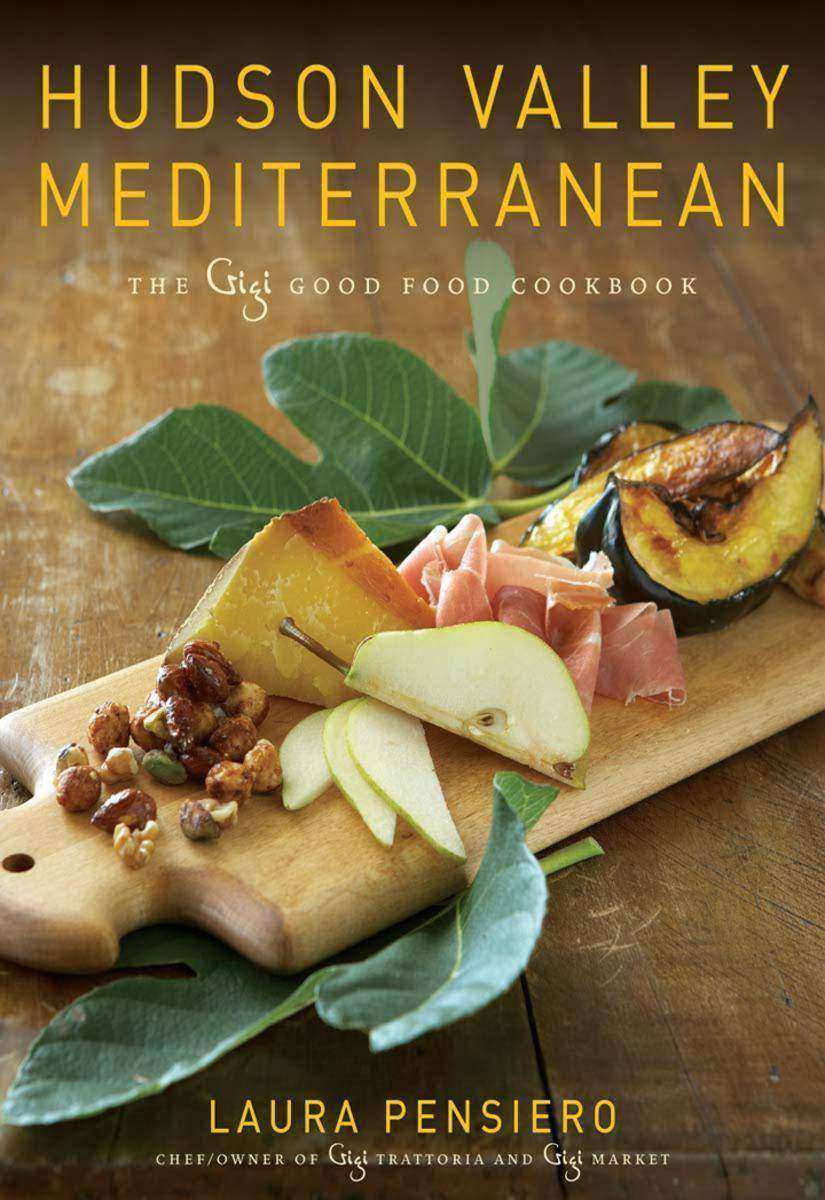
Hudson Valley Mediterranean
¥168.43
A renowned chef and nutritionist has the recipe for delectable meals with a healthy Mediterranean focus, featuring more than 100 recipes for flavorful, seasonal local foodHailed as the Napa Valley of the East, New York's Hudson Valley has become a major hub for local foods and agriculture—and Laura Pensiero's acclaimed restaurants are at the center of it all. Customers from near and far flock to Gigi Trattoria in Rhinebeck (named one of Hudson Valley's best restaurants in Hudson Valley Magazine) and Gigi Market and Catering in Red Hook to dine on Laura's interpretations of traditional Italian dishes that highlight the bounty of the farms, gardens, and artisans of the Valley.A celebration of the food of the Hudson Valley and the people who grow and produce it, Hudson Valley Mediterranean shows how to use seasonal ingredients to create delectable, nourishing meals. Here are more than 100 easy-to-prepare and cost-effective recipes made with the best ingredients and a touch of Mediterranean flair, including:Gigi Potato Gnocchi with Northwind Farm Chicken and Pea RaguBaked Macaroni and Cheese with Cauliflower and ChardFava Bean and Fregola SaladSpring (and Every Other Season) LasagnaSeared Salmon over Spring TrifolatiMr. Mink's Panzanella Salad with fresh herbsStrawberry Mascarpone TartThis local and seasonal food movement is happening throughout the country, and Pensiero invites everyone to bring these foods into their own kitchens and communities using regional resources—because cooking with fresh food harvested nearby brings pleasure to eating and connects people to their family, friends, and community.

Surprise-Inside Cakes
¥168.43
It's what's inside that counts! Surprise your friends and family with these stunningly inventive cakes, including easy-to-follow instructions that even a beginner can master.For Amanda Rettke, founder of iambaker.net, every cake is a gift to be shared, a special treat that should be lovingly prepared and intriguingly designed—from the inside out. Whether it's a striking all-white cake with a secret rainbow heart baked inside, a birthday cake complete with a surprise balloon in the middle, or the gorgeous rose cake that took the blogging world by storm, Amanda's creations are downright revolutionary—and tons of fun! In Surprise-Inside Cakes, she gives us fresh new ways to enjoy life's greatest occasions, with themes and cakes including: Celebrating Family—Stripe Birthday Cake, Paw Print Cake, Rainbow Cake Celebrating You—Leopard Cake, Herringbone Cake, Cowboy Boot Cake Celebrating Love—Kiss Cake, Ring Cake, Sunset Cake Celebrating Holidays—Jack-o'-lantern Cake, Rudolph Cake, Holiday Candle Cake Celebrating Life—Football Cake, Cherry Cake, Smiley Face CakeFeaturing a few classic favorite cakes from her blog and more than forty brand-new cakes—along with her easy-to-follow instructions and step-by-step photo tutorials—Surprise-Inside Cakes shows you how to replicate these incredible designs in your own kitchen.To make these dazzling cakes, you can start with one of Amanda's delicious, foolproof recipes for cakes and frostings, or use a boxed cake mix or favorite family recipe. With tips on how to bake a level cake, tricks using household items such as rulers, biscuit cutters, and cookie cutters to carve and shape cakes, and Amanda's simple yet stunning frosting and decorating ideas, you'll not only be re-creating these amazing cakes for occasions large and small, you'll soon be using her techniques to create your own surprises!And your friends and family will be thrilled and delighted when a beautiful cake opens to reveal a special gift inside.

Filosofia Meritului
¥168.41
The work represents a synthesis published and printed in two volumes (the 1st volume in 2002, the second one, in 2004) under the aegis of Mica Valahie Publishing House in Bucharest. Being elaborated on the basis of some documents discovered in the Romanian and foreign archives, the two volumes cover the period up to 1929 in the first volume and the period from 1929 to 2005 in the second one. The paper reveals the role and place of Romanian oil in the evolution of the national and worldwide history, especially during the World War between 1939 and 1945 and in the development of the so-called “cold war”. The book insists upon the prospects of the specific “black gold” evolution.In the addendum there are to be found some interesting documents and the complete bibliography of oil.
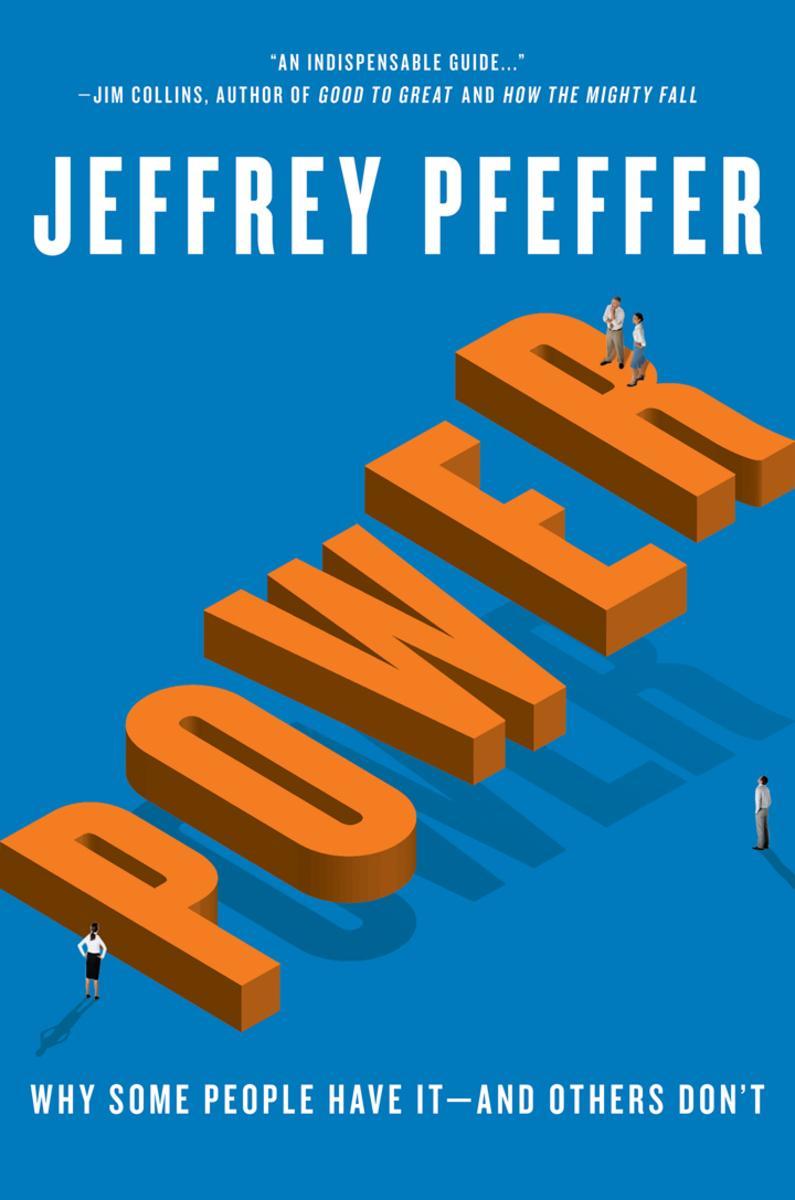
Power
¥168.37
In this crowning achievement, one of the greatest minds in management theory reveals how to succeed and wield power in the real world. Over decades of consulting with corporations and teaching MBA students the nuances of organizational power, Jeffrey Pfeffer has watched numerous people suffer career reversals even as others prevail despite the odds. Our most common mistake is not having a realistic understanding of what makes some people more successful than others. By believing that life is fair, we tend to subscribe to the “just-world phenomenon,” which leaves us unprepared for the challenges and competition of the real world. Now Pfeffer brings decades of his incredible insights to a wider audience. Brimming with counterintuitive advice, numerous examples from various countries, and surprising findings based on his research, this groundbreaking guide reveals the strategies and tactics that separate the winners from the losers. Power, he argues, is a force that can be used and harnessed not only for individual gain but also for the benefit of organizations and society. Power, however, is not something that can be learned from those in charge their advice often puts a rosy spin on their ascent and focuses on what should have worked, rather than what actually did. Instead, Pfeffer reveals the true paths to power and career success. Iconoclastic and grounded in the realpolitik of human interaction, Power is an essential organizational survival manual and a new standard in the field of leadership and management.
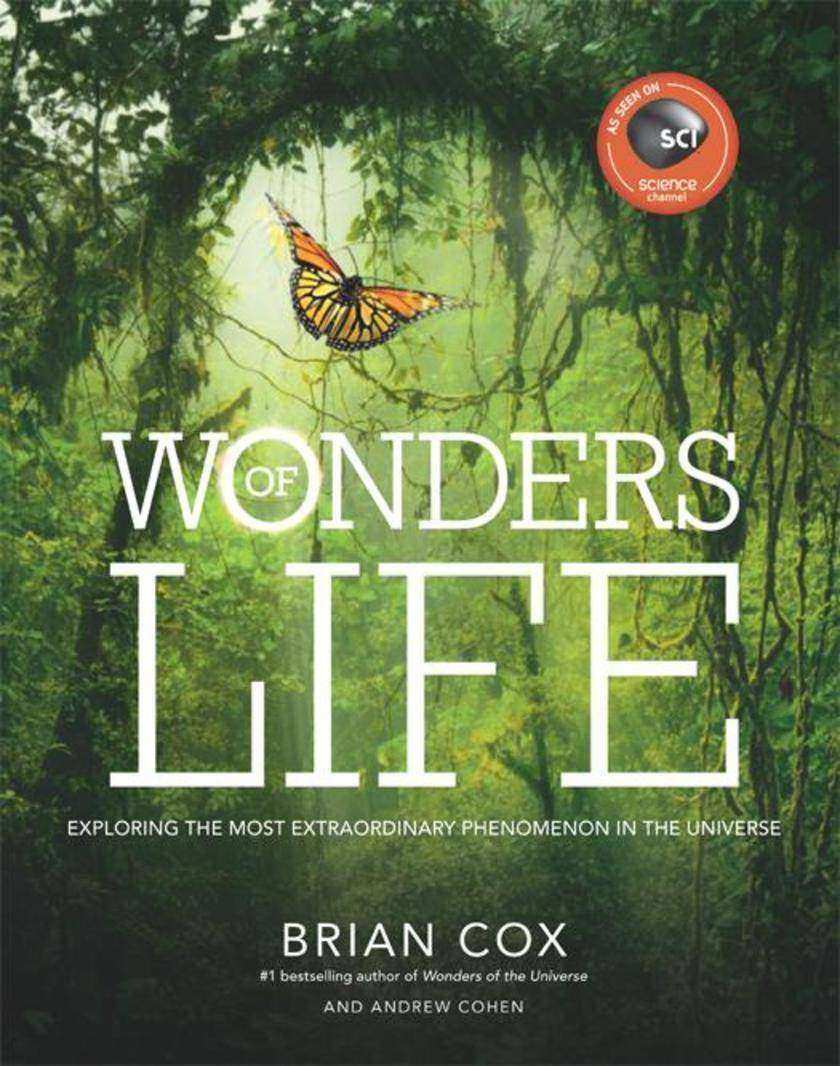
Wonders of Life
¥168.37
LifeWhat is LifeWhere did it come fromWhy does it end?In this beautiful companion book to the Science series Wonders of Life, professor Brian Cox takes us on an incredible journey to discover how a few fundamental laws gave birth to the most complex, diverse, and unique force in the universe life itself.Earth is home to an estimated one hundred million species yet each one is governed by the same laws. Light, gravity, time, matter, and energy are the building blocks of everything, from the smallest microbe to the biggest galaxy. What is true for a bacterium is true for a blue whale. This is the story of the amazing diversity and adaptability of life, told through the fundamental laws that govern it. Through his voyage of discovery, Brian explains how the astonishing inventiveness of nature came about and explores the milestones in the epic journey from the origin of life to modern civilization.From the vast networks of subterranean fresh-water caverns of the Yucatan peninsula to the unique and precious island of Madagascar, Brian brings readers on a thrilling adventure to the earth's most remote locations, where the wonders of life are on spectacular display. Along the way, the biggest scientific questions are answered: What is lifeWhere did it come fromWhy does it end?Relying on the latest advances in science as well as the cutting-edge graphics used in the visually stunning bestsellers Wonders of the Solar System and Wonders of the Universe, Brian uncovers the secrets of life in revolutionary detail.

The World of Mr. Selfridge
¥168.37
The official, full-color, illustrated, behind-the-scenes companion to the lavish hit ITV and PBS television series Mr. Selfridge that vividly brings into focus the remarkable man and his time. Set at the crossroads between the old and the new—when the Victorian and Edwardian eras gave way to the modern age—Mr. Selfridge illuminates the passions, drama, tensions, and promise of the early twentieth century, embodied in one charming, dynamic, self-made man: department store tycoon Harry Gordon Selfridge. Mr. Selfridge follows a colorful cast of characters whose lives and fortunes are entangled with the founder of the magnificent department store that bears his name: Selfridge’s. American retail visionary Harry Selfridge moves to London in 1906 with his family to establish the most ambitious department store the world had ever seen. While his dreams inspire many, they also challenge the staid conventions of British society. A saga bursting with love affairs, class divisions, cultural clashes, ambition, betrayals, and secrets, Mr. Selfridge is set in an era when women reveled in a new sense of freedom and modernity. A charming, dynamic, brilliant, and forceful man who enjoys and respects women, Harry opens the doors of his opulent department story on London's famed Oxford Street to indulge, empower and celebrate them, changing the way the British—and the world—shopped forever. Including a foreword by series producer Andrew Davies, this official illustrated companion to the series—the biggest ITV-produced drama of all time—takes fans on a journey through the world of the series, Selfridge’s, and the larger-than-life entrepreneur, husband, lover, and family man behind it. Rich with historical detail, The World of Mr. Selfridge examines the real man and the fictional character based on him, his relationship with his family, his genius for retail, and his flagship store, including its departments and changing fashions in the early twentieth century. Complete with hundreds of gorgeous photographs, The World of Mr. Selfridge takes a closer look at the cast and their characters over the first two seasons, and looks ahead to series three, which begins in 1919—when Harry’s life really begins to unravel.
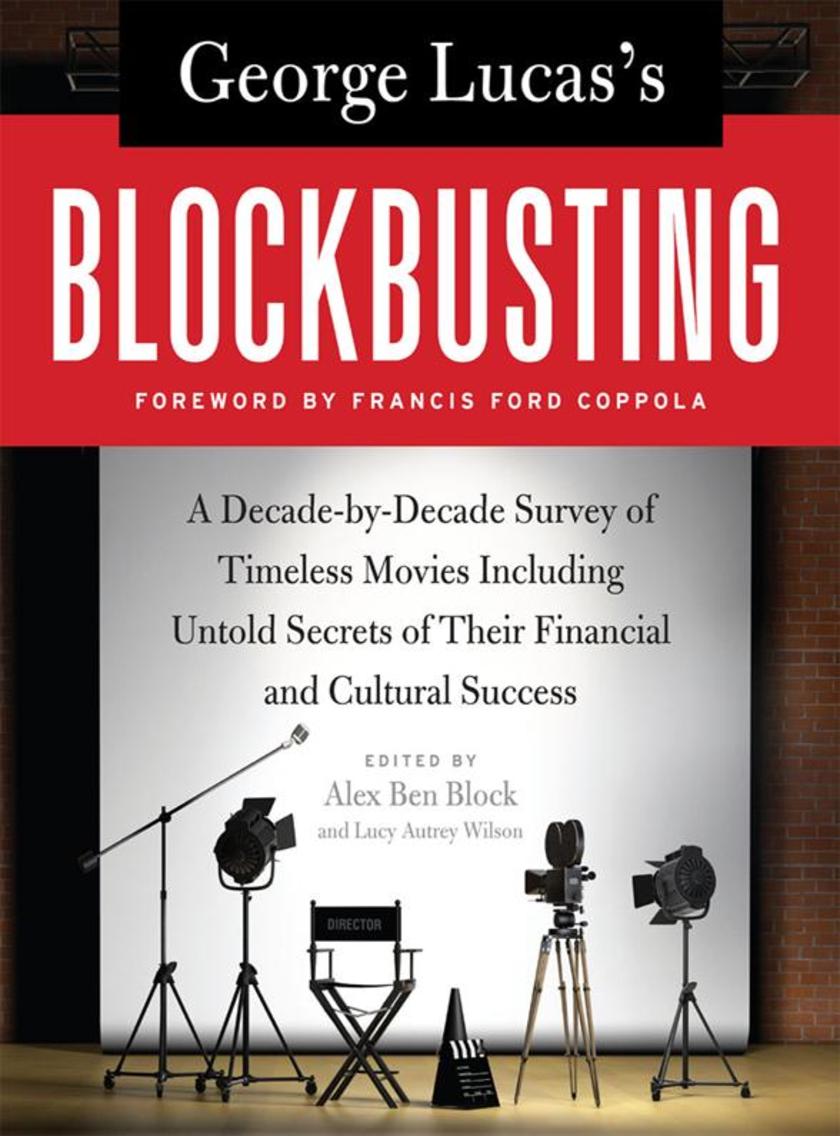
George Lucas's Blockbusting
¥168.37
A comprehensive look at 300 of the most financially and/or critically successful motion pictures of all time many made despite seemingly insurmountable economic, cultural, and political challenges set against the prevailing production, distribution, exhibition, marketing, and technology trends of each decade in movie business history.

We Are Indie Toys
¥168.37
The indie world is producing extraordinary toy characters but little is known about the designers creating them or the processes used to make them. We Are Indie Toys! profiles the most interesting toymakers and reveals how they turn their unique ideas into one-of-a-kind collectibles.

Leadership BS
¥168.37
Too many leadership failures. Too many career derailments. Too many toxic workplaces filled with disengaged, distrustful employees. Jeffrey Pfeffer, a professor at the Stanford Graduate School of Business and the author of Power, offers an incisive dissection of the multibillion-dollar leadership industry and presents ways to fix its many problems.In Leadership BS, Jeffrey Pfeffer pulls back the curtain, showing how leadership really works and why so many leadership development efforts fail. In this forthright and persuasive critique, Pfeffer argues that much of the oft-repeated wisdom about leadership is based more on hope than reality, on wishes rather than data, on beliefs instead of science. In an age when transparency is considered a virtue, Pfeffer makes the case that strategic misrepresentation isn't as harmful as you think, that breached agreements are a part of business, that immodesty is frequently a path to success, and that relying on the magnanimity of your boss is a bad bet.Using research findings from social psychology, sociology, and sociobiology, and filled with practical, actionable advice, Leadership BS encourages readers to finally stop accepting sugar-laced but toxic potions as cures and to understand the realities of organizations and human behavior.To make real change, Pfeffer argues, we need to get beyond the half-truths and self-serving stories that are so prominent in the mythology of leadership. In calling BS on so much conventional wisdom, Leadership BS offers both a provocative, scientific examination of how leadership actually works and how it doesn't and a pre*ion for leaders future and present.

Grit & Grace:Train the Mind, Train the Body, Own Your Life
¥168.37
From Grammy-Award winning music superstar and actor Tim McGraw comes a one-of-a kind lifestyle book that melds his personal fitness transformation story with practical advice to inspire healthy changes in readers’ lives.Tim McGraw is as well-known for his unparalleled accomplishments in the entertainment industry as he is for his boundless energy—he is the embodiment of vitality and success. But only a decade ago, he found himself struggling with his health. The demands of his meteoric career and life on the road had taken a toll. McGraw came to a crossroads where knew that unless he made his physical health a priority, he would put his personal happiness and professional success at risk. In Grit & Grace, McGraw shares his transformation story along with encouragement, inspiration, and real-life, practical advice to help readers become healthy, strong and fit in mind and body.For the first time, McGraw will share the details of the mental and physical routine that got him in the best shape of his life. He suggests that there is no magic formula to getting stronger and healthier: it is about making a commitment to do and be better, and holding yourself accountable each day. McGraw didn’t follow a playbook or have a squad of trainers overseeing his every step. He describes his way of getting into shape as more "maverick"--tuning into a vision of what you personally want to achieve, staying focused, and putting in the work.McGraw says his physical transformation has ignited a whole-life transformation. "My mind is clearer, my sense of purpose is sharper, and my relationships are deeper. Consistent physical exercise helps me bring focus to my life and to the people who mean the most to me." In Grit & Grace, McGraw makes this transformation accessible to anyone, sharing with readers the physical and mental tools they can use to create the life they deserve.
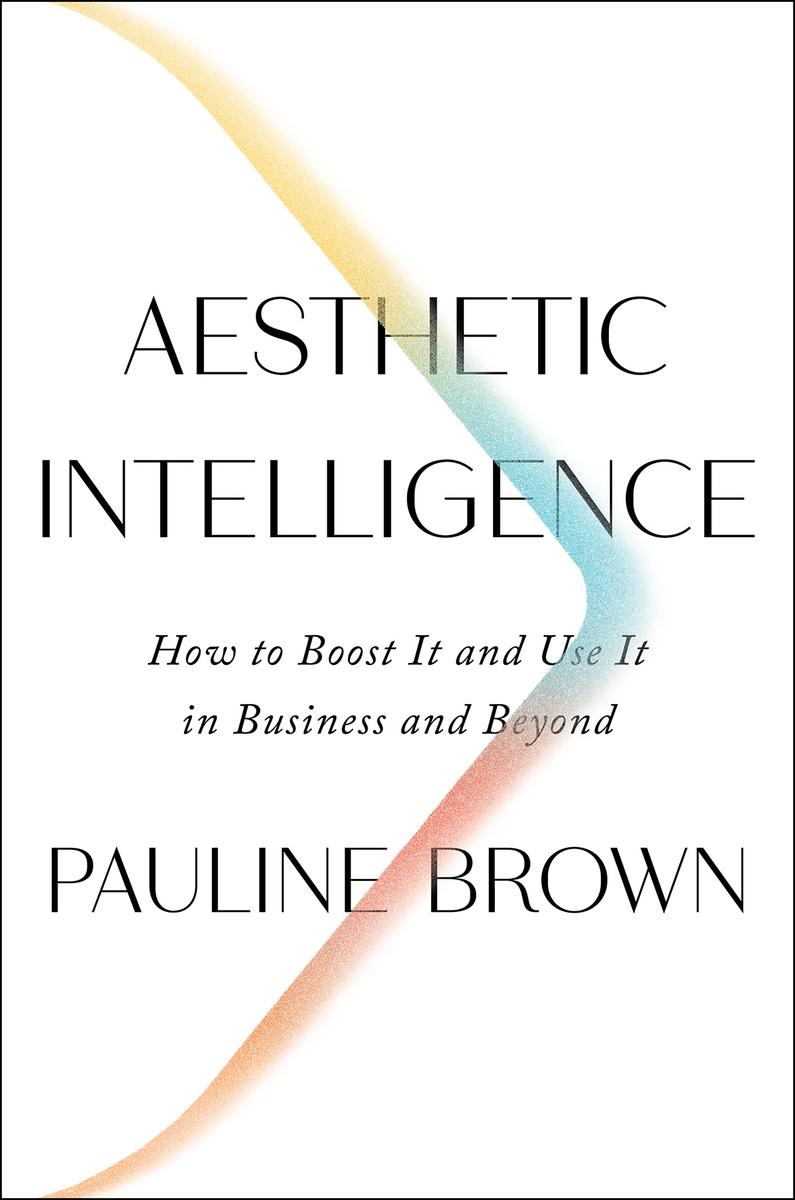
Aesthetic Intelligence:How to Boost It and Use It in Business and Beyond
¥168.37
奢侈品品牌路易·威登北美区前董事长讲述“美学”如何成为企业生存、成功的关键因素 Longtime leader in the luxury goods sector and former Chairman of LVMH Mo?t Hennessy Louis Vuitton North America reinvents the art?and science of brand-building under the rubric of Aesthetic Intelligence. In a world in which people have cheap and easy access to most goods and services, yet crave richer and more meaningful experiences, aesthetics has become a key differentiator for most companies and a critical factor of their success and even their survival. In this groundbreaking book, Pauline Brown, a former leader of the world’s top luxury goods company and a pioneer in identifying the role of aesthetics in business, shows executives, entrepreneurs, and other professionals how to harness the power of the senses to create products, services, and experiences that stand out, resonate with their customers, and create long-term value for their businesses. The power is rooted in Aesthetic Intelligence—or “the other AI,” as Brown refers to it. Aesthetic Intelligence can be learned. Indeed, people are born with far more capacity than they use, but even those that are naturally gifted must continue to refine their skills, lest their aesthetic advantage atrophy. Through a combination of storytelling and practical advice, the author shows how aesthetic intelligence creates business value and how executives, entrepreneurs and others can boost their own AI and successfully apply it to business. Brown offers research, strategies and practical exercises focused on four essential AI skills. Aesthetic Intelligence provides a crucial roadmap to help business leaders build their businesses in their own authentic and distinctive way. Aesthetic Intelligence is about creating delight, lifting the human spirit, and rousing the imagination through sensorial experiences.

150 Best Sustainable House Ideas
¥168.37
150 Best Sustainable House Ideas features the latest innovations in environmentally friendly home design. From heating and cooling solutions to wind energy systems, solar paneling, thermal glazing, and even Trombe walls, the ideas featured inside are complemented by photographs and architectural plans of gorgeous, sustainable houses around the world.


