


 购物车
 个人中心


Liberty Option
¥63.67
The Liberty Option advances the idea that for compelling moral as well as practical reasons it is the free society - with the rule of law founded on the principles of private property rights, its complete respect for individual sovereignty and properly limited legal authorities - not one or another version of statism that serves justice best, is most prosperous and encourages the greatest measure of individual virtue on the part of the citizenry. The work shows why this is so and lays out some of the most crucial implications of the idea. While the book presents a principled approach to politics, it is firmly grounded in the best and most up to date understanding of human community life and history as well as many of its complications, challenges, adversities and prospects.

Right Road to Radical Freedom
¥63.67
This work focuses on the topic of freedom. The author starts with the old issue of free will - do we as individual human beings choose our conduct, at least partly independently, freely? He comes down on the side of libertarians who answer Yes, and scorns the compatibilism of philosophers like Daniel Dennett, who try to rescue some kind of freedom from a physically determined universe. From here he moves on to apply his belief in radical freedom to areas of life such as religion, politics, and morality, tackling subjects as diverse as taxation, private property, justice and the welfare state.
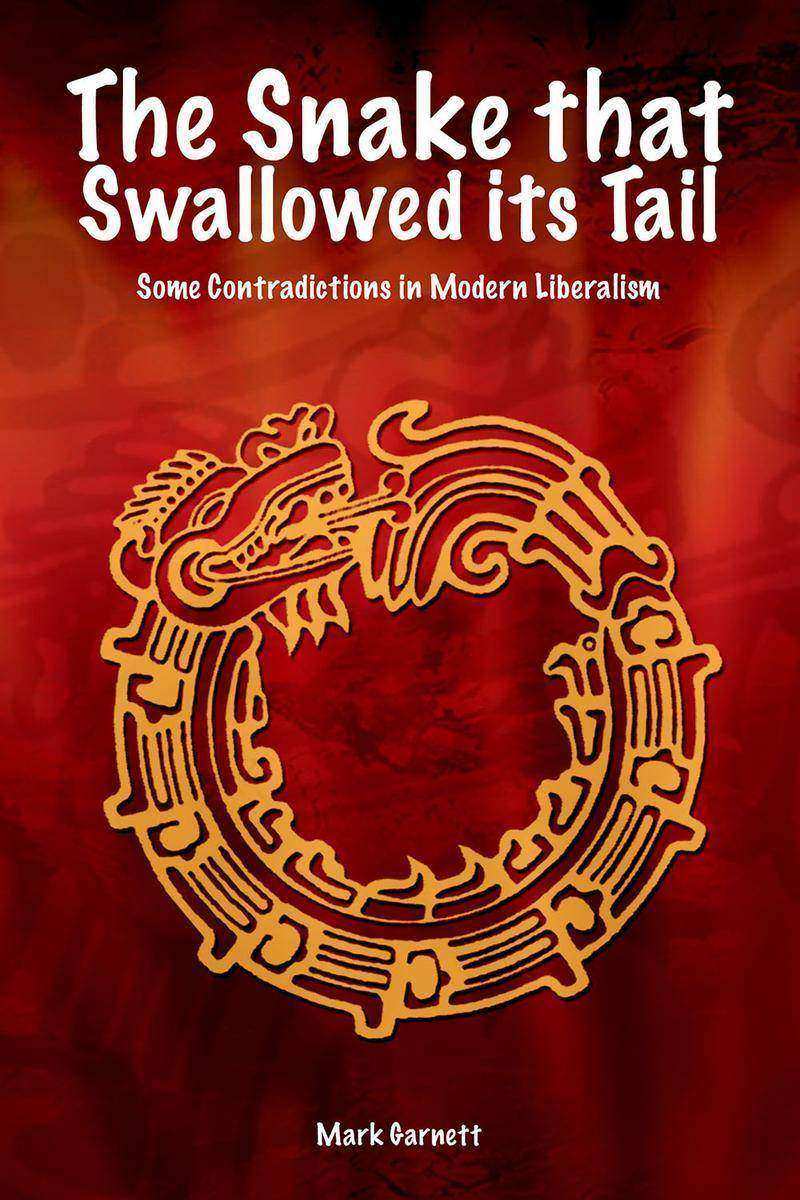
Snake that Swallowed Its Tail
¥63.67
Liberal values are the hallmark of a civilised society. Yet they depend on an optimistic view of the human condition, Stripped of this essential ingredient, liberalism has become a hollowed-out abstraction. Tracing its effects through the media, politics and the public services, the author argues that hollowed-out liberalism has helped to produce our present discontent. Unless we stop boasting about our values and try to recover their essence, liberal society will be crushed in the coils of its own contradictions.

Balancing Act
¥63.67
This is a careful examination of the historical formation of Britain and of key moments in its relations with the European powers. The author looks at the governing discourses of politicians, the mass media, and the British people. The rhetoric of sovereignty among political elites and the population at large is found to conceive of Britain's engagement with Europe as a zero-sum game. A second theme is the power of geographical images - island Britain - in feeding the idea of the British nation as by nature separate and autonomous. It follows that the EU is seen as 'other' and involvement in European decision-making tends to be viewed in terms of threat. This is naive, as nation- states are not autonomous, economically, militarily or politically. Only pooling sovereignty can maximize their national interests. Atsuko Ichijo is Senior Researcher in European Studies at Kingston University.
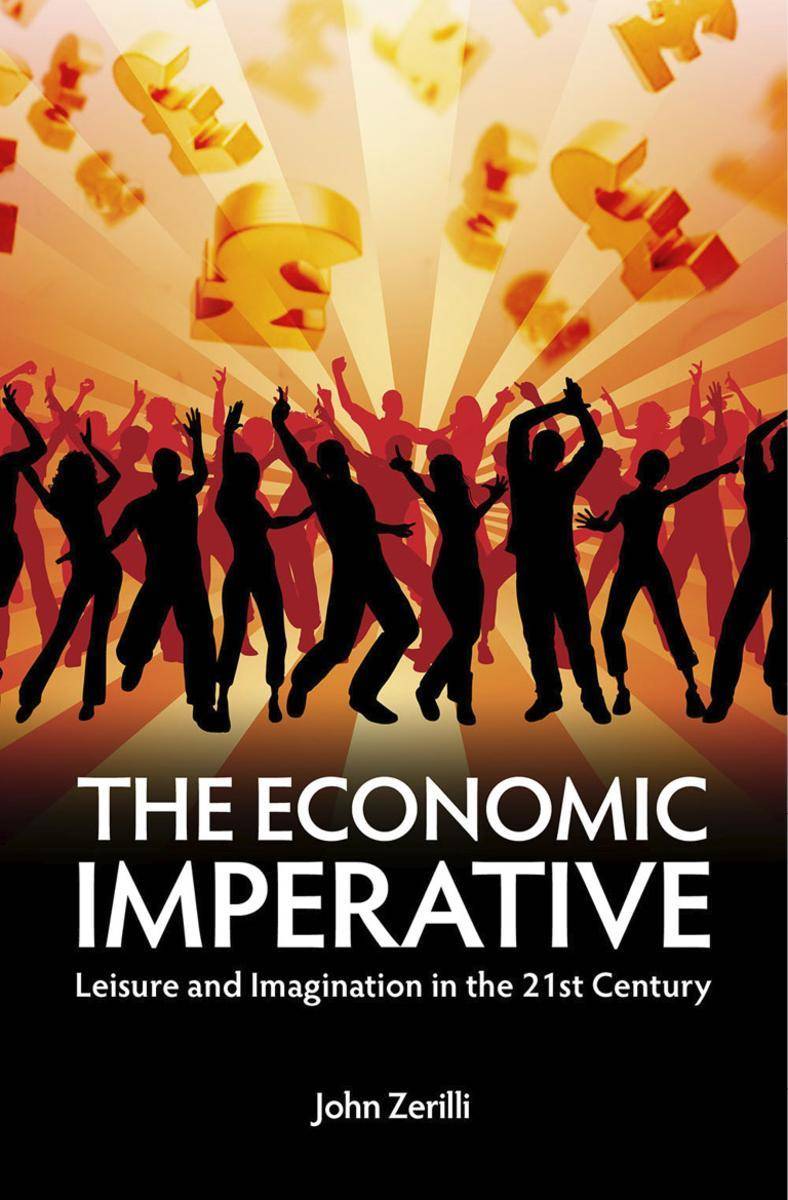
Economic Imperative
¥63.67
The book explores the role of leisure in modern life. It was written in the belief that leisure sets us apart as a species, that what is "e;useless"e; by commercial standards is probably the best thing we have going for us, and that leisure is under attack, in high danger of being lost, and has been for some time (since at least the end of the Second World War). The source of the problem is the ascendancy of the economic imperative, the subordination of the science of means (philosophy) by the science of ends (economics). The book argues that our leisurely impulse has been so squandered that boredom is now a significant problem in modern life. The essays canvass the distinctive contributions of art, science and religion, and provide a synthetic account of these three forces driving human culture. Although the book covers the science/religion question, this book differs from others on the science/religion debate in that it connects the traditional discussion to questions of economics and social policy. It takes an innovative approach in weaving the fundamentals of human life (art, science, economics and so on) into one fabric, namely, leisure.
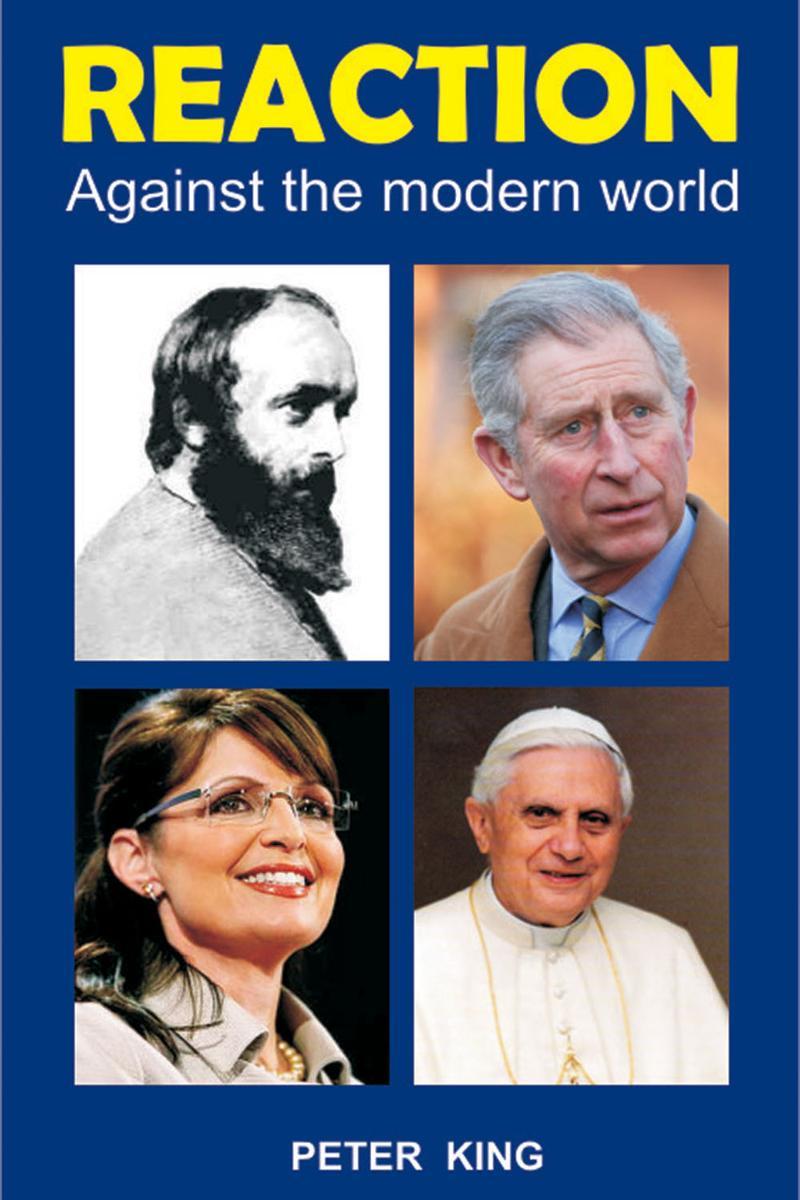
Reaction
¥63.67
To call someone a reactionary is to insult them and to end any argument. There is no possible rejoinder: no one could possibly wish to be a reactionary. But what if one were to gratefully accept the label? What would it mean to wilfully and honestly be a reactionary? Referencing thinkers as diverse as Burke, de Maistre, Guenon, Ratzinger, Scruton and the Prince of Wales this book considers the nature of reaction as a justified response to modernity and the constant call for change. Reaction is shown to take two distinct forms: first, as a rejection of progress and a defence of traditional culture and values; and second, as a common sense disquiet and distaste towards elites. These are seen as entirely valid responses to the failure of modernity. 'Reaction' presents an original and thoughtful critique of modernity and a defence of tradition. It will be of interest to anyone concerned that we are heading too far and too quickly in the wrong direction.
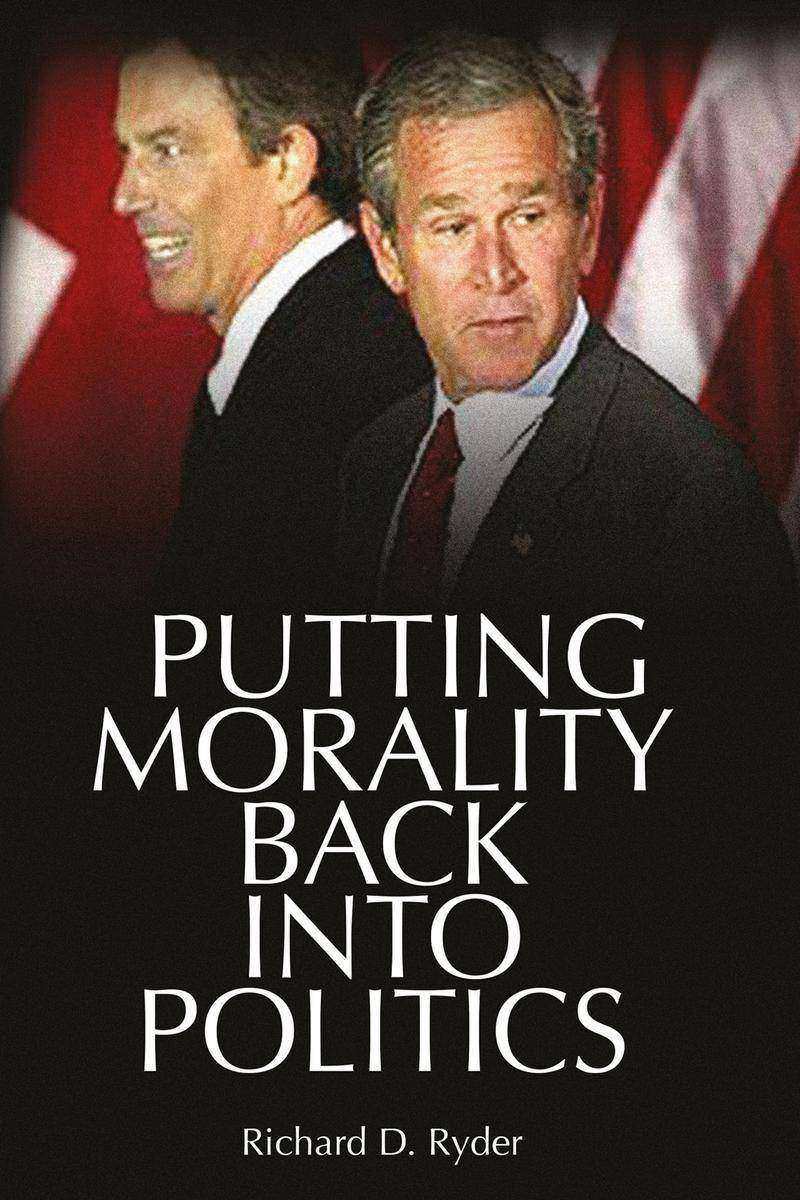
Putting Morality Back into Politics
¥63.67
Machiavelli almost succeeded in removing morality from European politics and, indeed, since his day it has sometimes been assumed that morality and politics are separate. Ryder argues that the time has come for public policies to be seen to be based upon moral objectives. Politicians should be expected routinely to justify their policies with open moral argument.In Part I, Ryder sketches an overview of contemporary political philosophy as it relates to the moral basis for politics, and Part 2 suggests a way of putting morality back into politics, along with a clearer emphasis upon scientific evidence.
Knowledge Monopolies
¥63.67
Historians and sociologists chart the consequences of the expansion of knowledge; philosophers of science examine the causes. This book bridges the gap. The focus is on 'academisation' - the paradox whereby, as the general public becomes better educated to live and work with knowledge, the 'academy' increases its intellectual distance from the public, so that the nature of social and natural reality becomes more rather than less obscure.
Werewolves in Their Youth
¥63.67
In this superb book by Michael Chabon, called by Jonathan Yardley "the young star of American letters," the bestselling author of The Mysteries of Pittsburgh and Wonder Boys gives us nine stunning short stories. Beautifully crafted, powerful in its impact, Werewolves in Their Youth takes us into the hearts and lives of young people and people in midlife caught at emotional moments of turning point and change. Brilliant, frightening, funny, these stories are shot through with Chabon's unique vision and uncanny understanding of our mysteries and nightmares, hilarity and pain. In the opening story, "Werewolves in Their Youth," a boy attempts to help a troubled classmate, only to uncover the even more perplexing troubles of the adults around them. In "House Hunting," a young couple mend their strained relationship during an appointment with a strange real estate broker. In the collection's chilling final story, "In the Black Mill," a student archaeologist travels to a small American city to conduct his fieldwork, and finds himself investigating the mysterious fates of the inhabitants. The brilliance of an astonishing American talent is everywhere apparent in Werewolves in Their Youth.
Mycroft Holmes and the Adventure of the Desert Wind
¥63.67
Sherlock Holmes is missing. Dr. Watson receives a cursed note, summoning him to the city of Milan. In his plight, he turns to the one person who can help him: Mycroft Holmes, secret agent and eternally concerned elder brother. Mycroft has to team up with Dr. Watson and fellow agent Victoria Trevor to follow Sherlock's trail and stand against the dark forces that threaten his life.
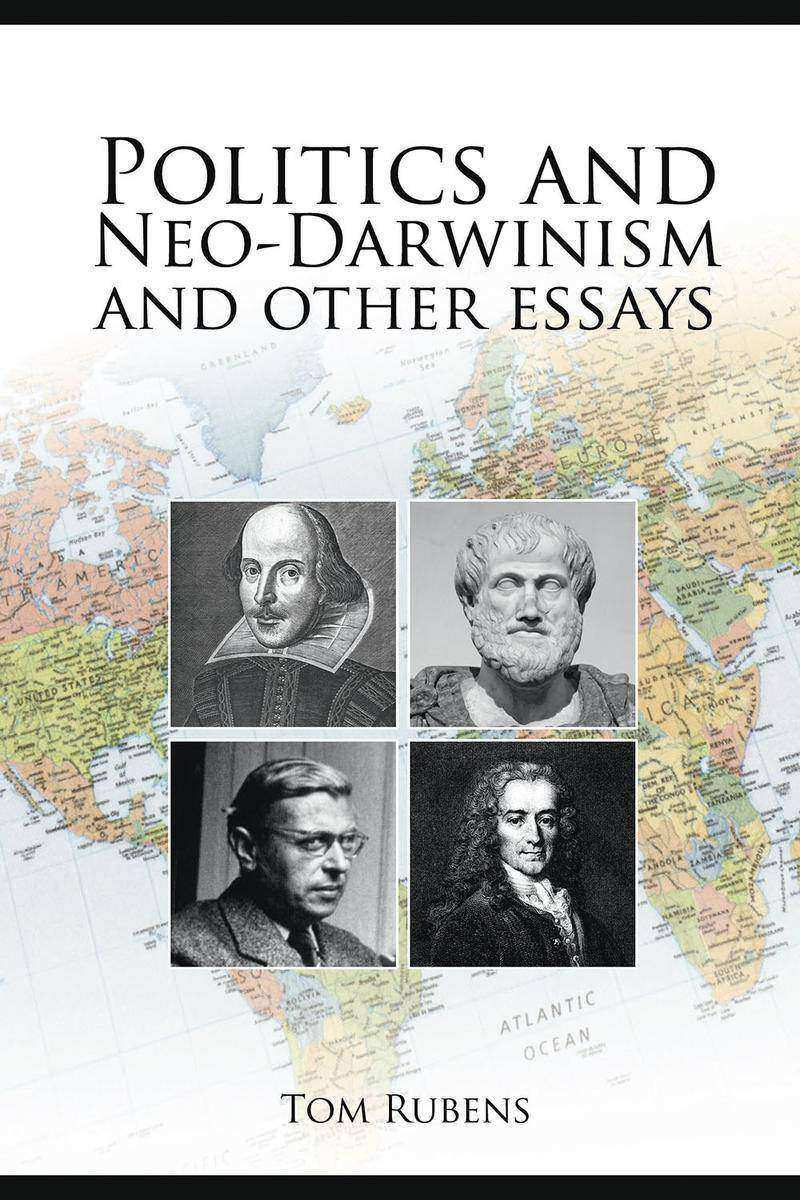
Politics and Neo-Darwinism
¥63.67
This collection of essays is eclectic, covering certain political, ethical, cultural, and philosophical topics. But running through all the material is the evolutionary-naturalistic perspective stated in the opening essay, which gives the book its title. Another emphatic feature is a focus on the Western cultural outlook, as the context in which the large number of topics is viewed. This focus is important as a way of re-affirming the distinctive character of Western intellectual and cultural history, at a time when that character is, arguably, not sufficiently recognised and appreciated. Authors referred to include Aristotle, Shakespeare, Voltaire, and Sartre.
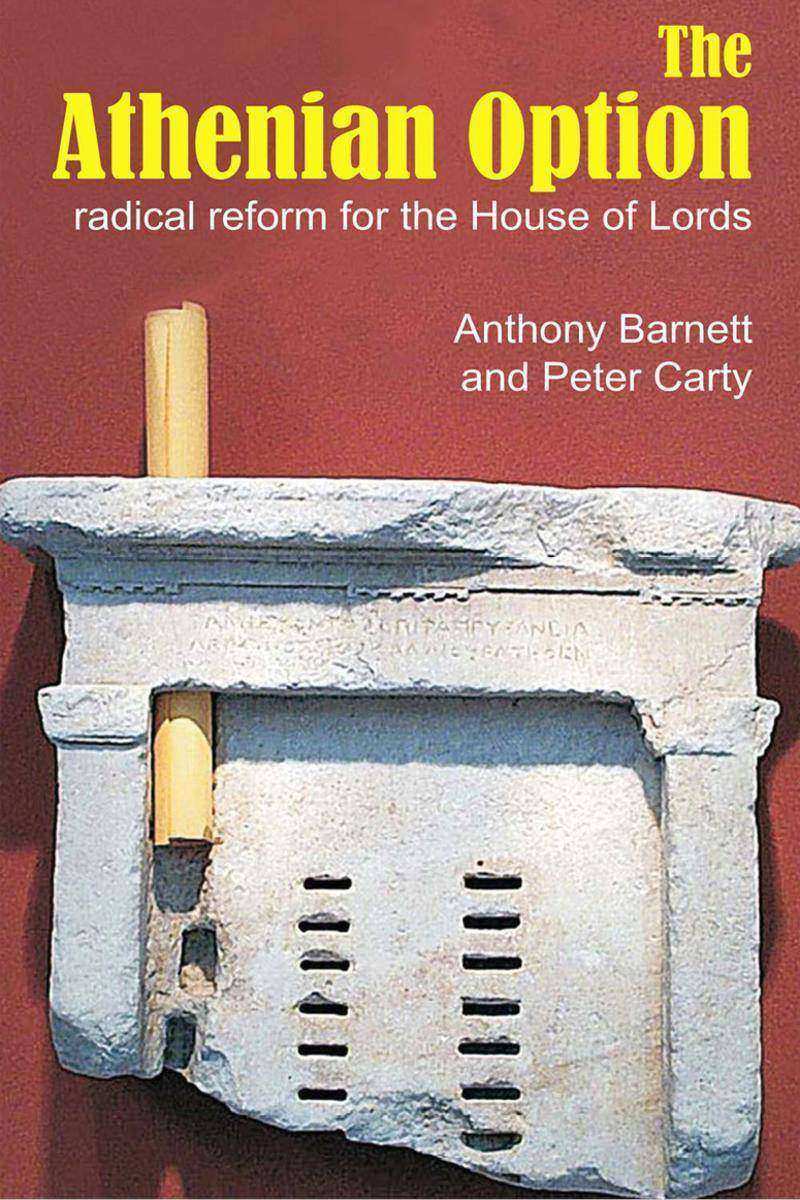
Athenian Option
¥63.67
Before New Labour came to power and when even the prospect of reform of Britain's House of Lords was regarded with scepticism, Anthony Barnett and Peter Carty developed the idea of selecting part of a new upper house by lot: creating a jury or juries, that are representative of the population as a whole while being selected at random, to assess legislation. This new edition of the original proposal includes an account of the reception of the idea, their evidence before the Commission on the Lords established by Tony Blair, and a response to the great advances in citizen-based deliberation that have taken place since the mid-1990s. It concludes with a new appeal to adopt their approach as efforts to reform the Lords continue.
Independent
¥63.67
Martin Bell, Ken Livingstone and Richard Taylor (the doctor who became an MP to save his local hospital) are the best known of a growing band of British politicians making their mark outside the traditional party system. Some (like Livingstone) have emerged from within the old political system that let them down, others (Bell, Taylor) have come into politics from outside in response to a crisis of some kind, often in defence of a perceived threat to their local town or district.Richard Berry traces this development by case studies and interviews to test the theory that these are not isolated cases, but part of a permanent trend in British politics,a shift away from the party system in favour of independent non-aligned representatives of the people.
Unlearning
¥63.67
One view of education (appealing to the Latin root "e;educare"e; - "e;to train or mold"e;) aims to fill students' heads with knowledge and turn them into disciplined, normalized and potentially productive members of the workforce.An alternative (appealing to the Latin root "e;educere"e; - "e;to lead out or draw out"e;) wants to produce well-trained minds and create individuals capable of questioning, critical thinking, imagination, and self-reflective deliberation as engaged citizens.This book commends a third way, inspired by the Greek notion of "e;paideia"e;, which sees education as 'the process of educating person into their true form, the real and genuine human nature'.This education is not about learning a trade. It is a dynamic living thing in which the ability to UNlearn is essential for developing a good and capable citizen, trained for freedom, autonomy, and virtue.
Seeking Meaning and Making Sense
¥63.67
Collection of short essays that range across philosophy, politics, general culture, morality, science, religion and art, focusing on questions of meaning, value and understanding.
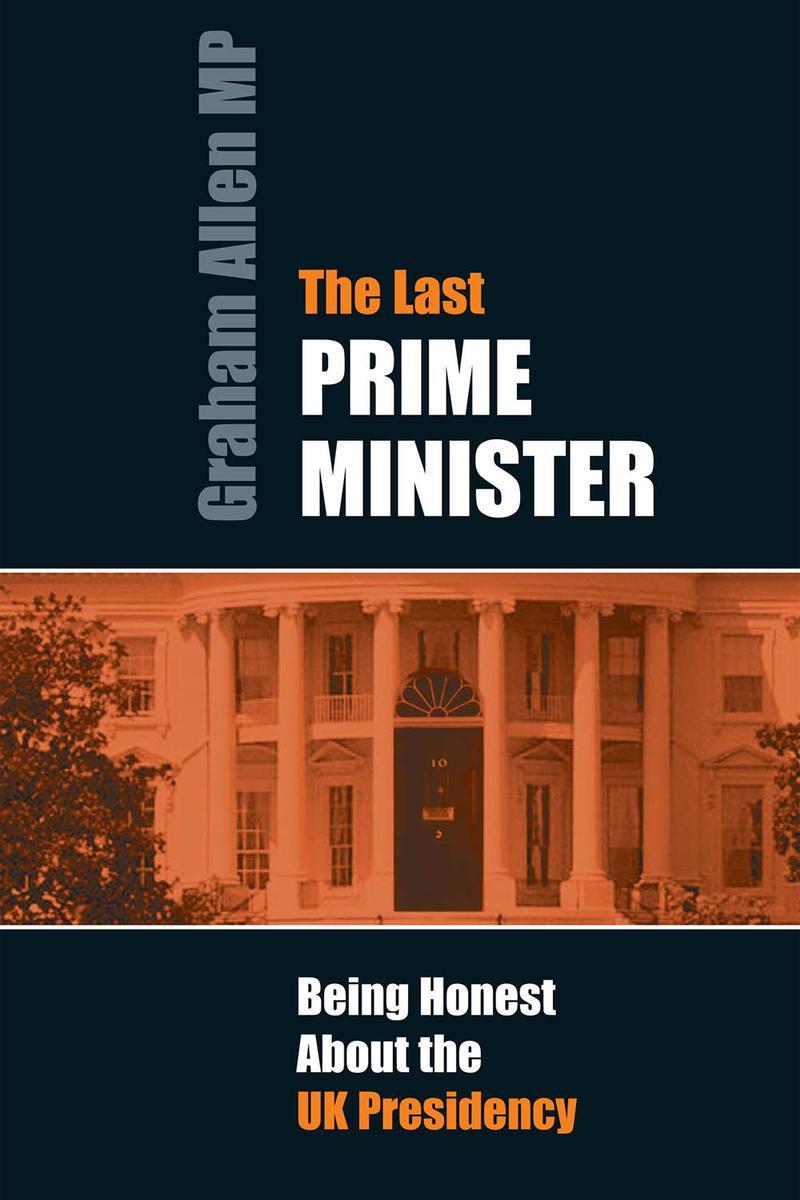
Last Prime Minister
¥63.67
Echoing Mahatma Gandhi's comment on Western civilization, Graham Allen thinks the British constitution would be a very good idea-a clear constitution providing real power to the British people and their elected representatives. In The Last Prime Minister he showed the British people how they had acquired an executive presidency by stealth. It was the first-ever attempt to codify the Prime Minister's powers, many hidden in the mysteries of the royal prerogative. This timely new edition takes in new issues, including Parliament's constitutional impotence over Iraq.
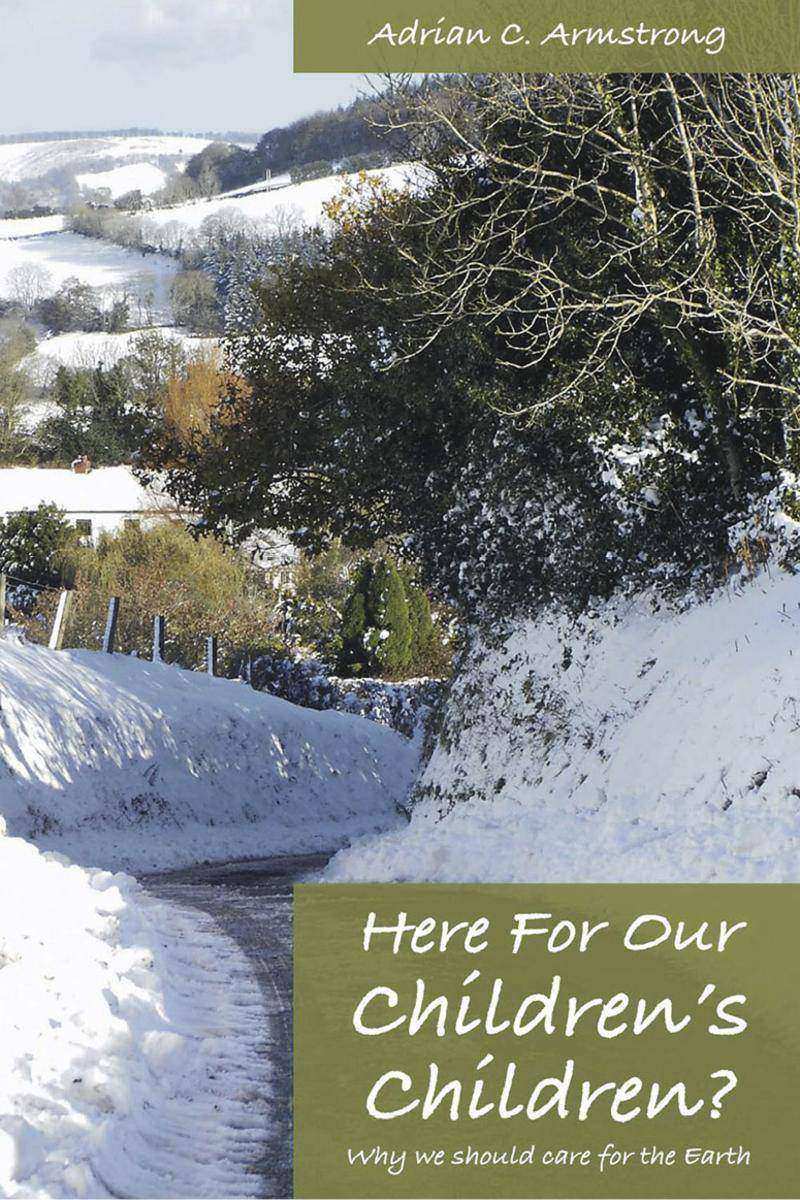
Here For Our Children's Children?
¥63.67
This study reviews the many different bases for wanting to preserve the environment. By seeing how protagonists approach the same situation from different assumptions, some of the origins of environmental conflict may be established, and ways of resolving conflict can be identified.There are two major issues in environmental ethics: The first asks whether the problems can be solved within current approaches, or require instead lifestyle changes for the whole of western civilisation.The second issue concerns why the environment should be valued. This review identifies a series in increasingly stronger valuations that can be identified as:1. Hedonistic - we protect the environment because we like it.2. Utilitarian - the environment is valuable to us3. Consequentialist - we want to preserve things for other people - now or future.4. Intrinsic - The environment has virtue in its own right5. Extrinsic - we value the environment because it is of consequence to some thing else - theistic (a God).Thirdly, these insights are used to explore potential ways of resolving environmental conflicts, notably by the recovery of democratic decision making at the right scale: local, national or even global.

Sherlock Holmes and The Black Widower
¥63.67
In the year 1908 Holmes believed himself to be in retirement. Watson was once again in private practice and unwed. Mrs. Hudson had gone to Sussex to act as Holmes's housekeeper. But the fates had agreed that Martha Hudson and John Watson should be together. Or had they? When Dr. Watson proposes to Martha Hudson it sets off a series of events that only Sherlock Holmes can deal with. Watson has already had three wives, all have died under unfortunate circumstances. Colm Campbell, Martha Hudson's nephew, thinks there is more here than meets the eye. Is Watson just unlucky or are the deaths suspicious? Holmes must come to his best friends defence.

Universities
¥63.67
Research assessment exercises, teaching quality assessment, line management, staff appraisal, student course evaluation, modularization, student fees - these are all names of innovations (and problems) - in modern British universities. How far do they reflect a more conscientious approach to the effective promotion of higher education, and how far do they constitute a significant departure from traditional academic concerns and values? Using some themes of Cardinal Newman's classic The Idea of a University as a springboard, this extended essay aims to address these questions.

Case Against a Democratic State
¥63.67
The history of the last two hundred years is a story of the immense and relentless growth of the State at the expense of other social institutions. We are now so familiar and accepting of the State's pre-eminence in all things, that few think to question it, and most suppose that democratic endorsement legitimizes it. The aim of this essay is to present a sustained and compelling argument against both presumptions. It contends that the gross imbalance of power in the modern State between ruler and ruled is sorely in need of justification, and that democracy simply masks this need with an illusion of popular sovereignty. Although this is an essay in cultural criticism whose argument should be fully accessible to the general reader, it is written from within the European tradition of political philosophy from Plato to Rawls. Gordon Graham is Regius Professor of Moral Philosophy at the University of Aberdeen and a Fellow of the Royal Society of Edinburgh.

Why Spirituality is Difficult for Westeners
¥63.67
Dr Hay is Honorary Senior Research Fellow at the University of Aberdeen. A zoologist by profession, his research has been guided by the hypothesis that religious or spiritual awareness is biologically natural to the human species and has been selected for in the process of organic evolution because it has survival value. Although naturalistic, this hypothesis is not intended to be reductionist with regard to religion. Nevertheless it does imply that all people, including those who have no religious belief, have a spiritual life. His research has included a number of national and in-depth surveys of reports of religious or spiritual experience in the United Kingdom.


