


 购物车
购物车 个人中心
个人中心
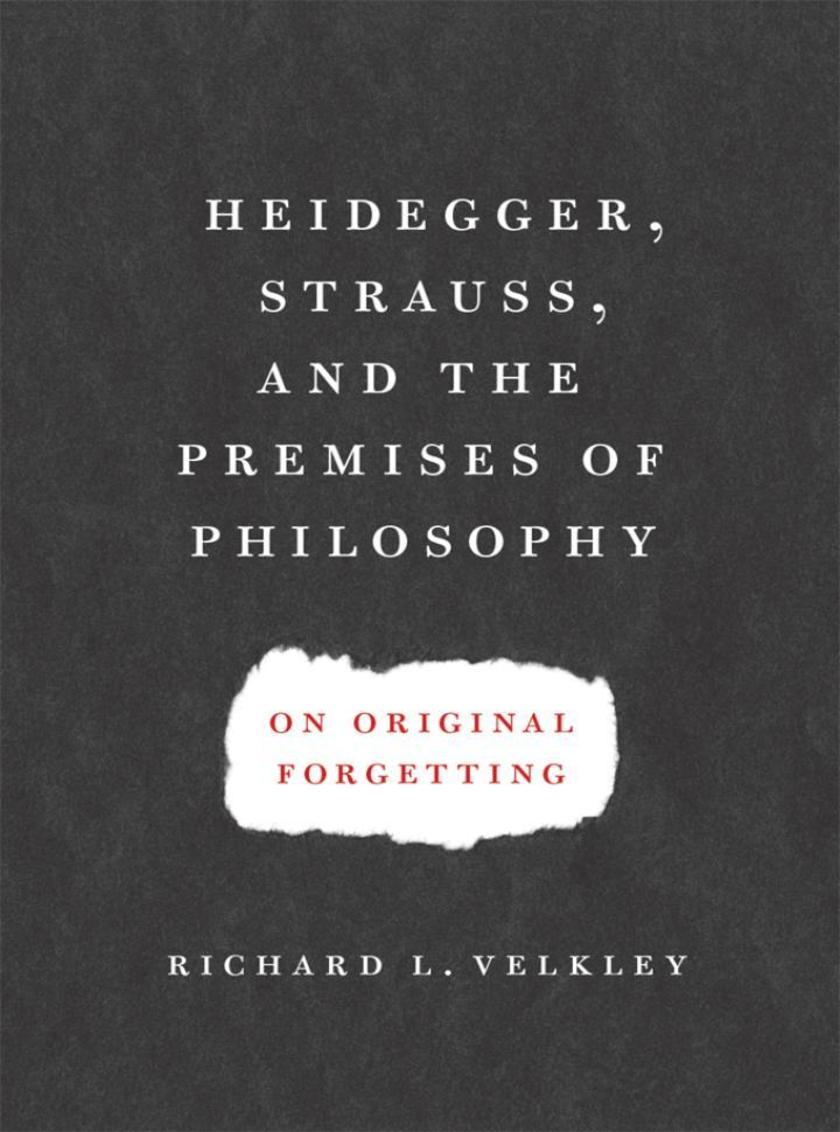
Heidegger, Strauss, and the Premises of Philosophy
¥229.55
In this groundbreaking work, Richard L. Velkley examines the complex philosophical relationship between Martin Heidegger and Leo Strauss. Velkley argues that both thinkers provide searching analyses of the philosophical tradition's origins in radical questioning. For Heidegger and Strauss, the recovery of the original premises of philosophy cannot be separated from rethinking the very possibility of genuine philosophizing.?Common views of the influence of Heidegger's thought on Strauss suggest that, after being inspired early on by Heidegger's dismantling of the philosophical tradition, Strauss took a wholly separate path, spurning modernity and pursuing instead a renewal of Socratic political philosophy. Velkley rejects this reading and maintains that Strauss's engagement with the challenges posed by Heidegger-as well as by modern philosophy in general-formed a crucial and enduring framework for his lifelong philosophical project. More than an intellectual biography or a mere charting of influence, Heidegger, Strauss, and the Premises of Philosophy is a profound consideration of these two philosophers' reflections on the roots, meaning, and fate of Western rationalism.
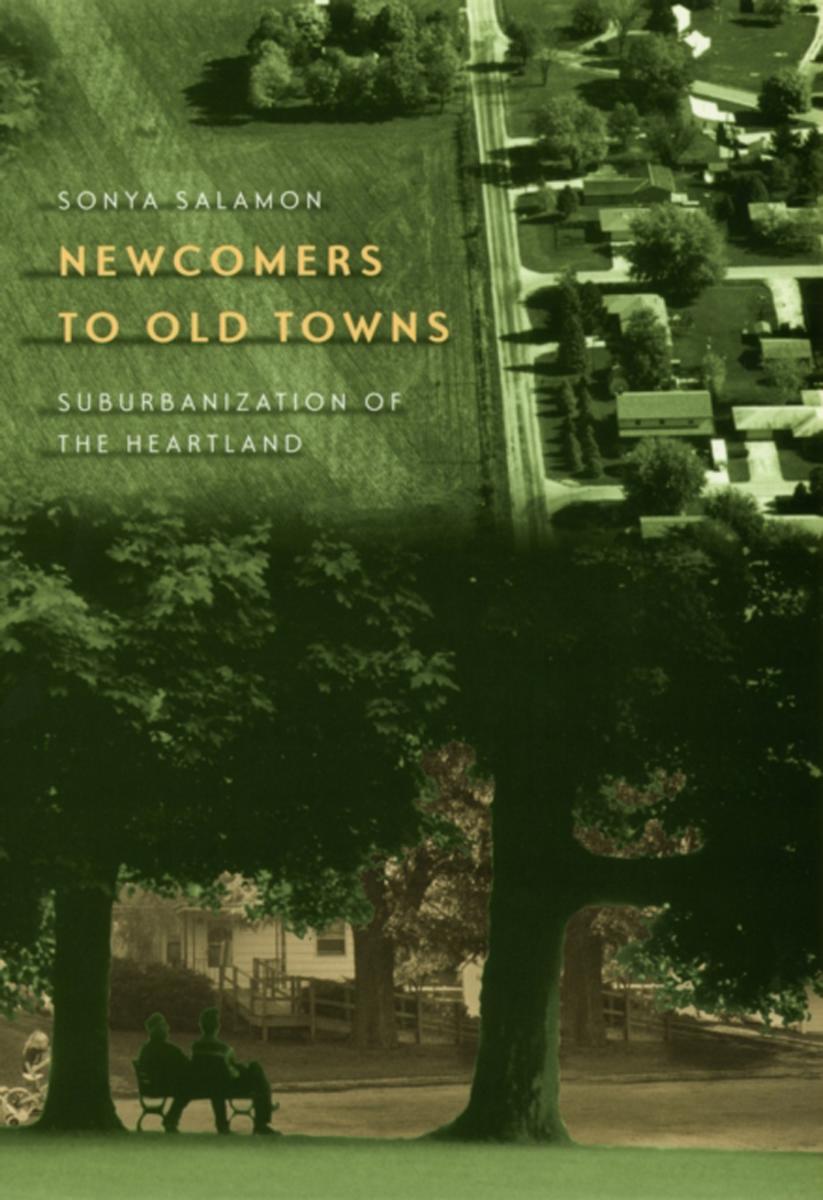
Newcomers to Old Towns
¥229.55
2004 winner of the Robert E. Park Book Award from the Community and Urban Sociology Section (CUSS) of the American Sociological AssociationAlthough the death of the small town has been predicted for decades, during the 1990s the population of rural America actually increased by more than three million people. In this book, Sonya Salamon explores these rural newcomers and the impact they have on the social relationships, public spaces, and community resources of small town America.Salamon draws on richly detailed ethnographic studies of six small towns in central Illinois, including a town with upscale subdivisions that lured wealthy professionals as well as towns whose agribusinesses drew working-class Mexicano migrants and immigrants. She finds that regardless of the class or ethnicity of the newcomers, if their social status differs relative to that of oldtimers, their effect on a town has been the same: suburbanization that erodes the close-knit small town community, with especially severe consequences for small town youth. To successfully combat the homogenization of the heartland, Salamon argues, newcomers must work with oldtimers so that together they sustain the vital aspects of community life and identity that first drew them to small towns.An illustration of the recent revitalization of interest in the small town, Salamon's work provides a significant addition to the growing literature on the subject. Social scientists, sociologists, policymakers, and urban planners will appreciate this important contribution to the ongoing discussion of social capital and the transformation in the study and definition of communities.
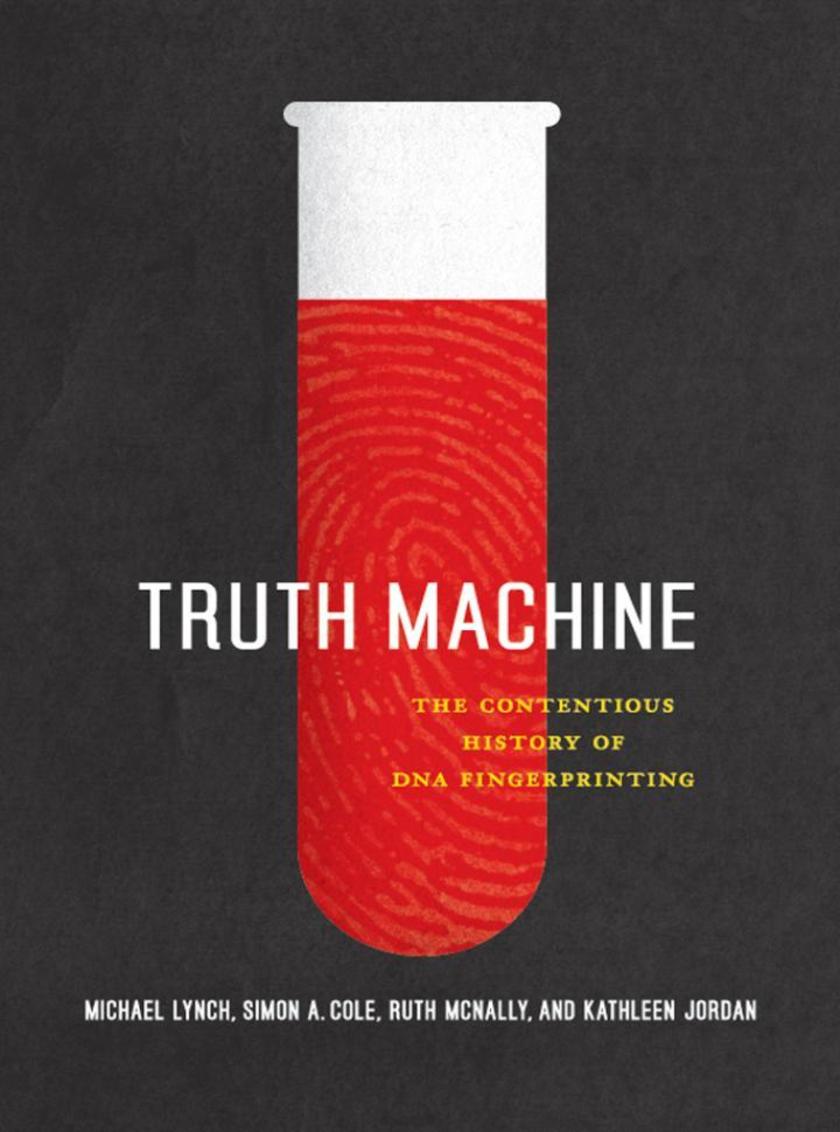
Truth Machine
¥229.55
DNA profiling-commonly known as DNA fingerprinting-is often heralded as unassailable criminal evidence, a veritable "e;truth machine"e; that can overturn convictions based on eyewitness testimony, confessions, and other forms of forensic evidence. But DNA evidence is far from infallible. Truth Machine traces the controversial history of DNA fingerprinting by looking at court cases in the United States and United Kingdom beginning in the mid-1980s, when the practice was invented, and continuing until the present. Ultimately, Truth Machine presents compelling evidence of the obstacles and opportunities at the intersection of science, technology, sociology, and law.
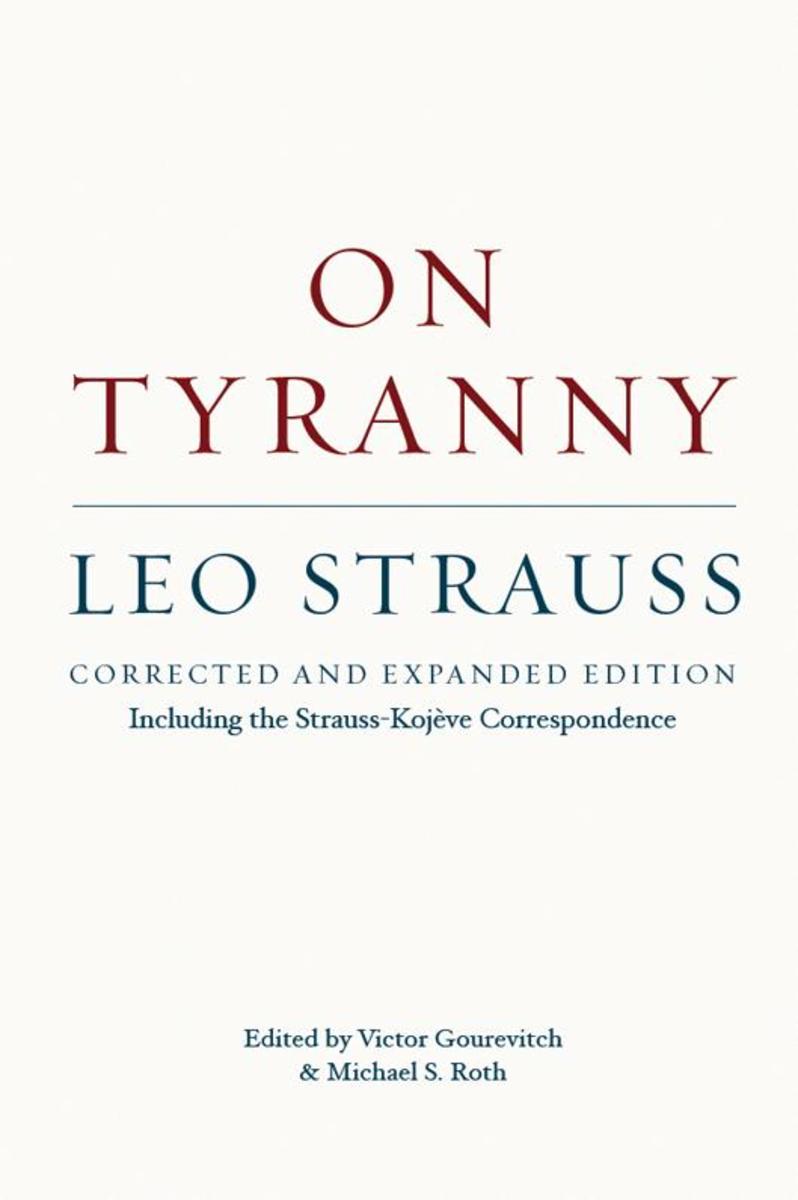
On Tyranny
¥229.55
On Tyranny is Leo Strauss's classic reading of Xenophon's dialogue Hiero, or Tyrannicus, in which the tyrant Hiero and the poet Simonides discuss the advantages and disadvantages of exercising tyranny. Included are a translation of the dialogue from its original Greek, a critique of Strauss's commentary by the French philosopher Alexandre Kojeve, and the complete correspondence between the two.This revised and expanded edition introduces important corrections throughout and expands Strauss's restatement of his position in light of Kojve's commentary to bring it into conformity with the text as it was originally published in France.
Meaning
¥229.55
Published very shortly before his death in February 1976, Meaning is the culmination of Michael Polanyi's philosophic endeavors. With the assistance of Harry Prosch, Polanyi goes beyond his earlier critique of scientific "e;objectivity"e; to investigate meaning as founded upon the imaginative and creative faculties.Establishing that science is an inherently normative form of knowledge and that society gives meaning to science instead of being given the "e;truth"e; by science, Polanyi contends here that the foundation of meaning is the creative imagination. Largely through metaphorical expression in poetry, art, myth, and religion, the imagination is used to synthesize the otherwise chaotic and disparate elements of life. To Polanyi these integrations stand with those of science as equally valid modes of knowledge. He hopes this view of the foundation of meaning will restore validity to the traditional ideas that were undercut by modern science. Polanyi also outlines the general conditions of a free society that encourage varied approaches to truth, and includes an illuminating discussion of how to restore, to modern minds, the possibility for the acceptance of religion.

Aristotle's Politics
¥229.55
"e;Man is a political animal,"e; Aristotle asserts near the beginning of the Politics. In this novel reading of one of the foundational texts of political philosophy, Eugene Garver traces the surprising implications of Aristotle's claim and explores the treatise's relevance to ongoing political concerns. Often dismissed as overly grounded in Aristotle's specific moment in time, in fact the Politics challenges contemporary understandings of human action and allows us to better see ourselves today.Close examination of Aristotle's treatise, Garver finds, reveals a significant, practical role for philosophy to play in politics. Philosophers present arguments about issues-such as the right and the good, justice and modes of governance, the relation between the good person and the good citizen, and the character of a good life-that politicians must then make appealing to their fellow citizens. Completing Garver's trilogy on Aristotle's unique vision, Aristotle's Politics yields new ways of thinking about ethics and politics, ancient and modern.

Fate of the Forest
¥229.55
The Amazon rain forest covers more than five million square kilometers, amid the territories of nine different nations. It represents over half of the planet's remaining rain forest. Is it truly in perilWhat steps are necessary to save itTo understand the future of Amazonia, one must know how its history was forged: in the eras of large pre-Columbian populations, in the gold rush of conquistadors, in centuries of slavery, in the schemes of Brazil's military dictators in the 1960s and 1970s, and in new globalized economies where Brazilian soy and beef now dominate, while the market in carbon credits raises the value of standing forest.Susanna Hecht and Alexander Cockburn show in compelling detail the panorama of destruction as it unfolded, and also reveal the extraordinary turnaround that is now taking place, thanks to both the social movements, and the emergence of new environmental markets. Exploring the role of human hands in destroying-and saving-this vast forested region, The Fate of the Forest pivots on the murder of Chico Mendes, the legendary labor and environmental organizer assassinated after successful confrontations with big ranchers. A multifaceted portrait of Eden under siege, complete with a new preface and afterword by the authors, this book demonstrates that those who would hold a mirror up to nature must first learn the lessons offered by some of their own people.

Mixed Emotions
¥229.55
In recent years, it's become increasingly clear that emotion plays a central role in global politics. For example, people readily care about acts of terrorism and humanitarian crises because they appeal to our compassion for human suffering. These struggles also command attention where social interactions have the power to produce or intensify the emotional responses of those who participate in them.?From passionate protests to poignant speeches, Andrew A. G. Ross analyzes high-emotion events with an eye to how they shape public sentiment and finds that there is no single answer. The politically powerful play to the public's emotions to advance their political aims, and such appeals to emotion also often serve to sustain existing values and ?institutions. But the affective dimension can produce profound change, particularly when a struggle in the present can be shown to line up with emotionally resonant events from the past. Extending his findings to well-studied conflicts, including the War on Terror and the violence in Rwanda and the Balkans, Ross identifies important sites of emotional impact missed by earlier research focused on identities and interests.
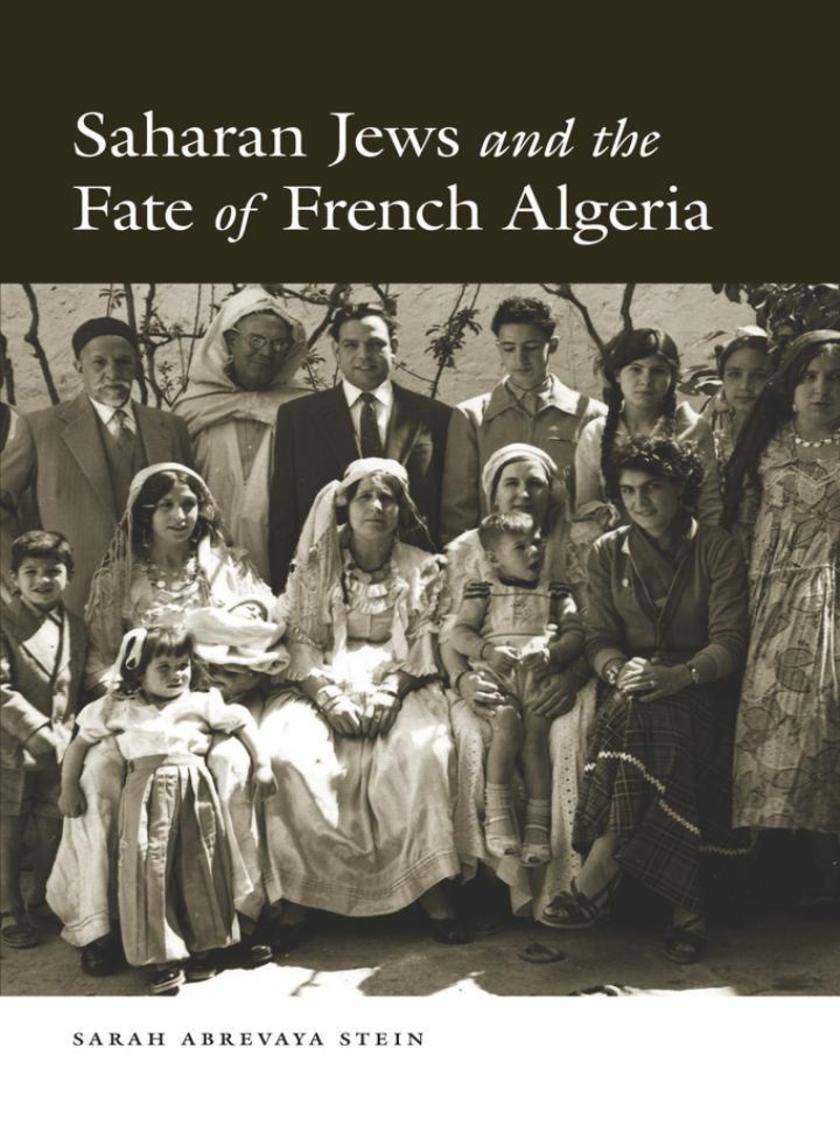
Saharan Jews and the Fate of French Algeria
¥229.55
The history of Algerian Jews has thus far been viewed from the perspective of communities on the northern coast, who became, to some extent, beneficiaries of colonialism. ?But to the south, in the Sahara, Jews faced a harsher colonial treatment. In Saharan Jews and the Fate of French Algeria, Sarah Abrevaya Stein asks why the Jews of Algeria's south were marginalized by French authorities, how they negotiated the sometimes brutal results, and what the reverberations have been in the postcolonial era.?Drawing on materials from thirty archives across six countries, Stein tells the story of colonial imposition on a desert community that had lived and traveled in the Sahara for centuries. She paints an intriguing historical picture-of an ancient community, trans-Saharan commerce, desert labor camps during World War II, anthropologist spies, battles over oil, and the struggle for Algerian sovereignty. Writing colonialism and decolonization into Jewish history and Jews into the French Saharan one, Saharan Jews and the Fate of French Algeria is a fascinating exploration not of Jewish exceptionalism but of colonial power and its religious and cultural differentiations, which have indelibly shaped the modern world.?

Good Project
¥229.55
NGOs set out to save lives, relieve suffering, and service basic human needs. They are committed to serving people across national borders and without regard to race, ethnicity, gender, or religion, and they offer crucial help during earthquakes, tsunamis, wars, and pandemics. But with so many ailing areas in need of assistance, how do these organizations decide where to go-and who gets the aid?In?The Good Project, Monika Krause dives into the intricacies of the decision-making process at NGOs and uncovers a basic truth: It may be the case that relief agencies try to help people but, in practical terms, the main focus of their work is to produce projects. Agencies sell projects to key institutional donors, and in the process the project and its beneficiaries become commodities. In an effort to guarantee a successful project, organizations are incentivized to help those who are easy to help, while those who are hardest to help often receive no assistance at all. The poorest of the world are made to compete against each other to become projects-and in exchange they offer legitimacy to aid agencies and donor governments. Sure to be controversial,?The Good Project?offers a provocative new perspective on how NGOs succeed and fail on a local and global level.
We Were Adivasis
¥229.55
In We Were Adivasis, anthropologist Megan Moodie examines the Indian state's relationship to "e;Scheduled Tribes,"e; or adivasis-historically oppressed groups that are now entitled to affirmative action quotas in educational and political institutions. Through a deep ethnography of the Dhanka in Jaipur, Moodie brings readers inside the creative imaginative work of these long-marginalized tribal communities. She shows how they must simultaneously affirm and refute their tribal status on a range of levels, from domestic interactions to historical representation, by relegating their status to the past: we were adivasis.Moodie takes readers to a diversity of settings, including households, tribal council meetings, and wedding festivals, to reveal the aspirations that are expressed in each. Crucially, she demonstrates how such aspiration and identity-building are strongly gendered, requiring different dispositions required of men and women in the pursuit of collective social uplift. The Dhanka strategy for occupying the role of adivasi in urban India comes at a cost: young women must relinquish dreams of education and employment in favor of community-sanctioned marriage and domestic life. Ultimately, We Were Adivasis explores how such groups negotiate their pasts to articulate different visions of a yet uncertain future in the increasingly liberalized world.
Aims of Higher Education
¥229.55
In this book, philosopher Harry Brighouse and Spencer Foundation president Michael McPherson bring together leading philosophers to think about some of the most fundamental questions that higher education faces. Looking beyond the din of arguments over how universities should be financed, how they should be run, and what their contributions to the economy are, the contributors to this volume set their sights on higher issues: ones of moral and political value. The result is an accessible clarification of the crucial concepts and goals we so often skip over-even as they underlie our educational policies and practices.?The contributors tackle the biggest questions in higher education: What are the proper aims of the universityWhat role do the liberal arts play in fulfilling those aimsWhat is the justification for the humanitiesHow should we conceive of critical reflection, and how should we teach it to our studentsHow should professors approach their intellectual relationship with students, both in social interaction and through curriculumWhat obligations do elite institutions have to correct for their historical role in racial and social inequalityAnd, perhaps most important of all: How can the university serve as a model of justiceThe result is a refreshingly thoughtful approach to higher education and what it can, and should, be doing.?
Flawed System/Flawed Self
¥229.55
Today 4.7 million Americans have been unemployed for more than six months. In France more than ten percent of the working population is without work. In Israel it's above seven percent. And in Greece and Spain, that number approaches thirty percent. Across the developed world, the experience of unemployment has become frighteningly common-and so are the seemingly endless tactics that job seekers employ in their quest for new work.Flawed System/Flawed Self?delves beneath these staggering numbers to explore the world of job searching and unemployment across class and nation. Through in-depth interviews and observations at job-search support organizations, Ofer Sharone reveals how different labor-market institutions give rise to job-search games like Israel's rsum-based "e;spec games"e;-which are focused on presenting one's skills to fit the job-and the "e;chemistry games"e; more common in the United States in which job seekers concentrate on presenting the person behind the rsum. By closely examining the specific day-to-day activities and strategies of searching for a job, Sharone develops a theory of the mechanisms that connect objective social structures and subjective experiences in this challenging environment and shows how these different structures can lead to very different experiences of unemployment.
Restless Anthropologist
¥229.55
What does a move from a village in the West African rain forest to a West African community in a European city entail What about a shift from a Greek sheep-herding community to working with evictees and housing activists in Rome and BangkokIn?The Restless Anthropologist, Alma Gottlieb brings together eight eminent scholars to recount the riveting personal and intellectual dynamics of uprooting one's life-and decades of work-to embrace a new fieldsite.Addressing questions of life-course, research methods, institutional support, professional networks, ethnographic models, and disciplinary paradigm shifts, the contributing writers of?The Restless Anthropologist?discuss the ways their earlier and later projects compare on both scholarly and personal levels, describing the circumstances of their choices and the motivations that have emboldened them to proceed, to become novices all over again. In doing so, they question some of the central expectations of their discipline, reimagining the space of the anthropological fieldsite at the heart of their scholarly lives.
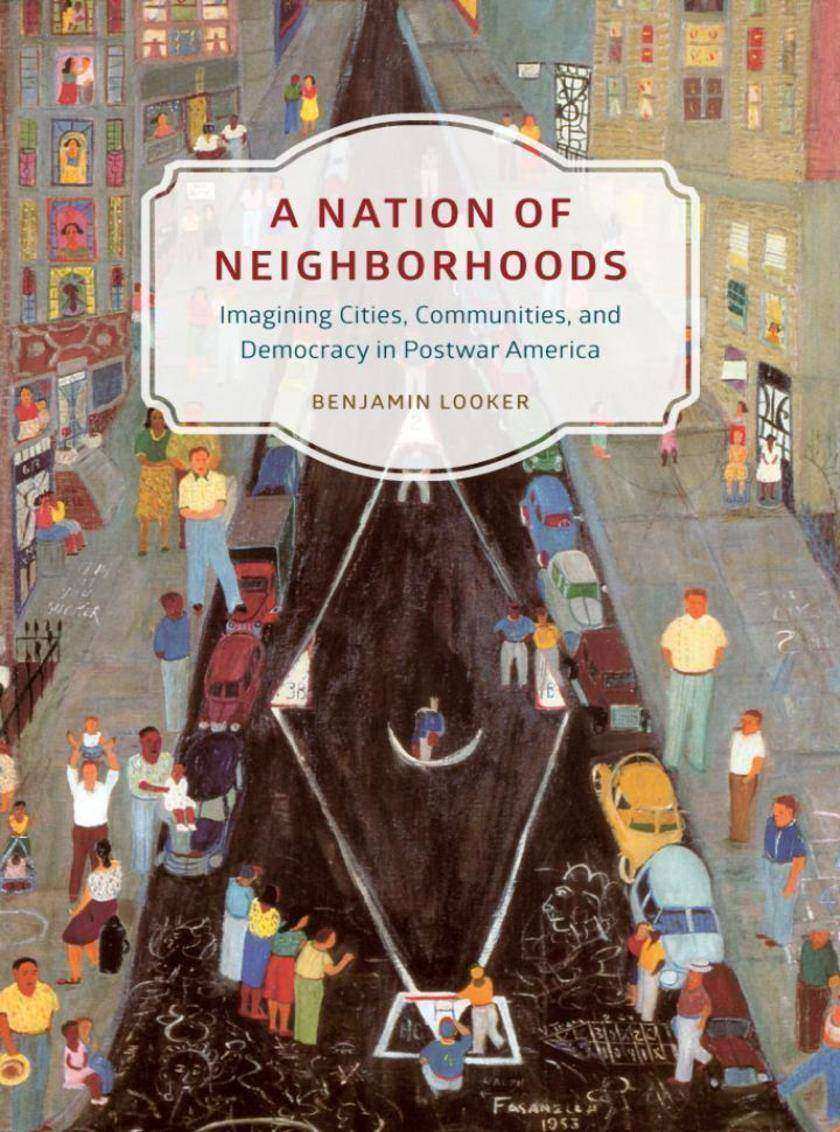
Nation of Neighborhoods
¥229.55
Despite the pundits who have written its epitaph and the latter-day refugees who have fled its confines for the half-acre suburban estate, the city neighborhood has endured as an idea central to American culture. In A Nation of Neighborhoods, Benjamin Looker presents us with the city neighborhood as both an endless problem and a possibility.Looker investigates the cultural, social, and political complexities of the idea of "e;neighborhood"e; in postwar America and how Americans grappled with vast changes in their urban spaces from World War II to the Reagan era. In the face of urban decline, competing visions of the city neighborhood's significance and purpose became proxies for broader debates over the meaning and limits of American democracy. By studying the way these contests unfolded across a startling variety of genres-Broadway shows, radio plays, urban ethnographies, real estate documents, and even children's programming-Looker shows that the neighborhood ideal has functioned as a central symbolic site for advancing and debating theories about American national identity and democratic practice.
Rise of the Public Authority
¥229.55
In the late nineteenth century, public officials throughout the United States began to experiment with new methods of managing their local economies and meeting the infrastructure needs of a newly urban, industrial nation.?Stymied by legal and financial barriers, they created a new class of quasi-public agencies called public authorities. Today these entities operate at all levels of government, and range from tiny operations like the Springfield Parking Authority in Massachusetts, which runs thirteen parking lots and garages, to mammoth enterprises like the Tennessee Valley Authority, with nearly twelve billion dollars in revenues each year.?In?The Rise of the Public Authority, Gail Radford recounts the history of these inscrutable agencies, examining how and why they were established, the varied forms they have taken, and how these pervasive but elusive mechanisms have molded our economy and politics over the past hundred years.?
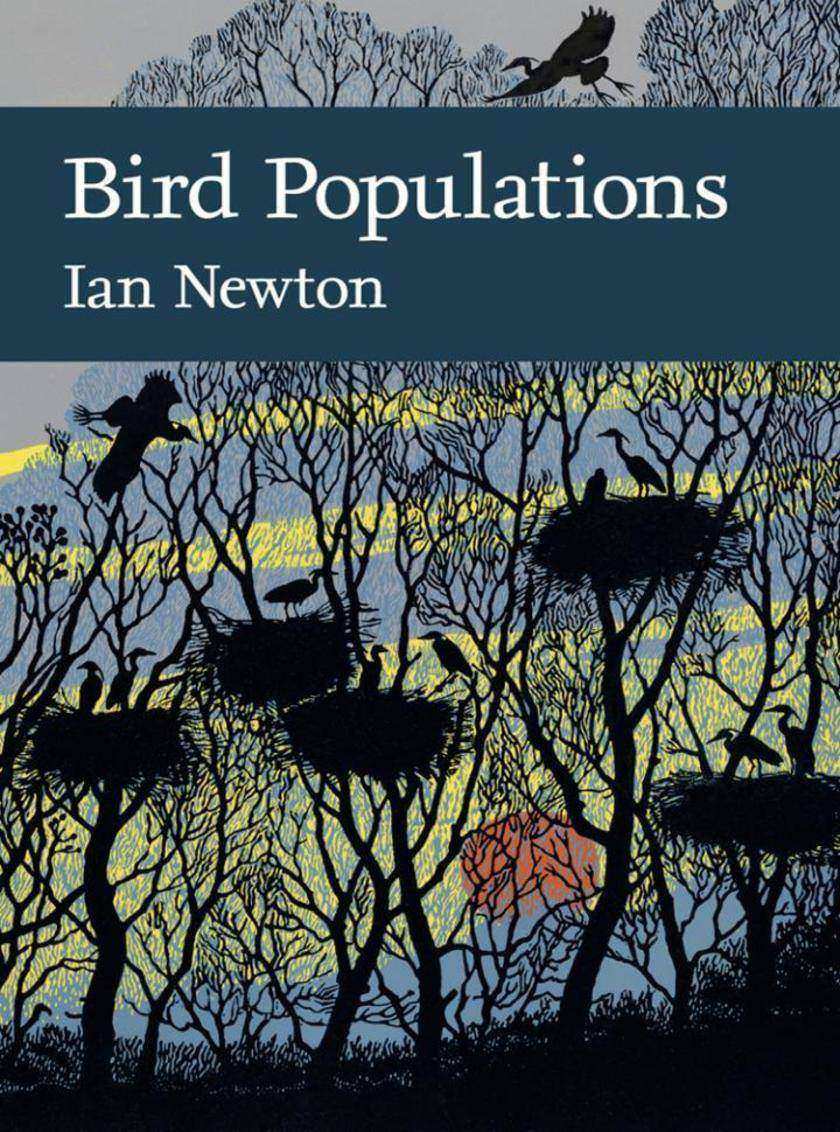
Bird Populations (Collins New Naturalist Library, Book 124)
¥229.16
Earlier naturalists formed the impression that bird numbers remained more or less stable through time. In the years since these words were written, however, changes have occurred in the landscapes of the British Isles and in the seas around our coasts, causing bird populations to fluctuate in an unprecedented way. In Ian Newton’s latest New Naturalist volume, he explores bird populations and why their numbers vary in the way they do, from year to year or from place to place. He addresses the various factors that we know limit bird numbers – food supplies and other resources, competitors, predators, parasites and pathogens, and various human impacts. The combination of a rapidly expanding human population, a predominantly utilitarian attitude to land, central government policy on land use, and increasing mechanisation have combined to promote more massive changes in land use – and hence in bird habitats – in recent decades than at any comparable period previously. These developments have in turn brought huge changes in bird populations, as some species dependent on the old landscapes declined, and others benefiting from the changes increased. Over the same period, changing public attitudes to wildlife, protective legislation and a growing network of nature reserves allowed previously scarce bird species to recover from past onslaughts, while climate warming has promoted further changes. In this seminal new work, Ian Newton sets out to explain why different bird species are distributed in the numbers that they are, and have changed over the years in the way that they have. He emphasises the factors that influence bird numbers, rather than the numbers themselves, thus providing a much-needed overview which is necessary if we are to successfully manage bird populations, whether for conservation reasons, for sustainable hunting or for crop protection. The continued monitoring of bird numbers can also alert us to impending environmental problems. In addition, the regular watching and study of birds now provides a source of recreation and pleasure for very large numbers of people, who would find a world with fewer birds a poorer place.
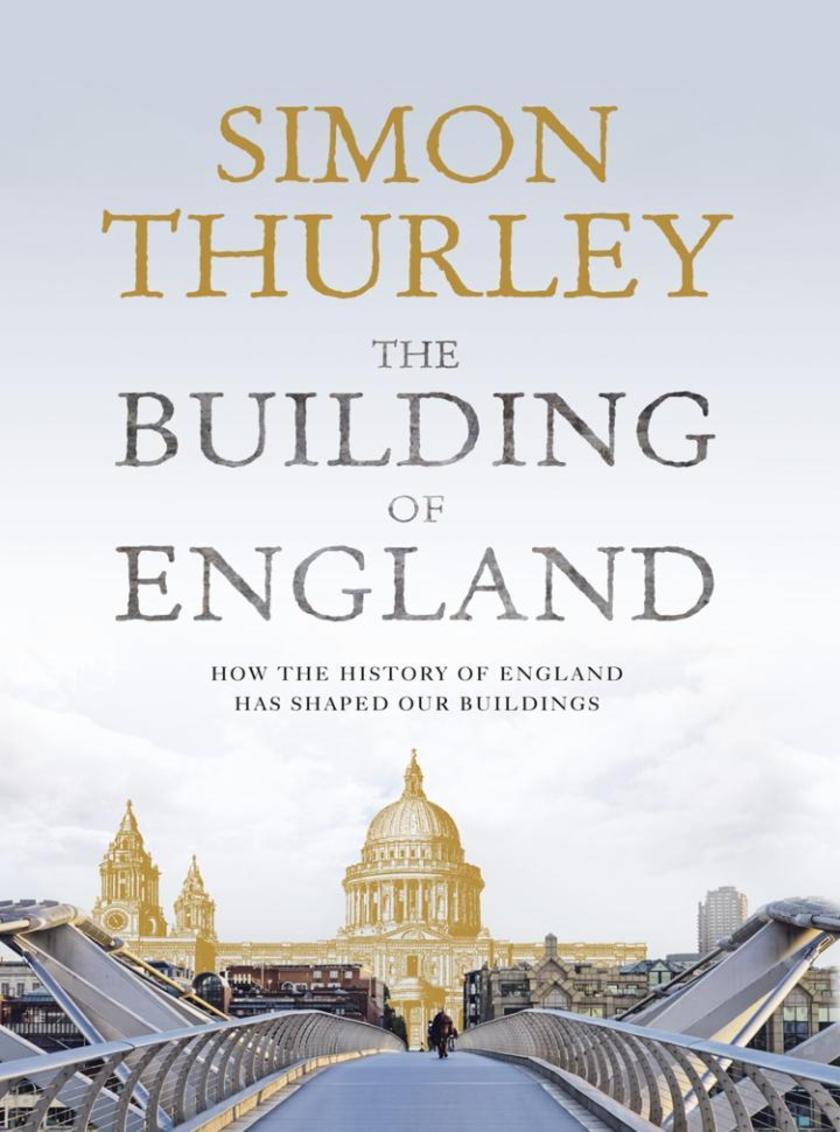
The Building of England: How the History of England Has Shaped Our Buildings
¥229.16
Dr Simon Thurley is one of the UK’s leading architectural historians. He is Chief Executive of English Heritage – the government’s principal advisor on the historic environment.

Vegetation of Britain and Ireland (Collins New Naturalist Library, Book 122)
¥229.16
Another volume in the popular New Naturalist series, this book covers all aspects of the plant life of Britain and Ireland. Michael Proctor, an expert in his field, discusses the development of the landscape of Britain and Ireland from prehistoric times, including the influence of people and their agricultural practices on the vegetation. He provides a comprehensive account of all the different types of plant habitat in Britain and Ireland: from woodlands and scrubland to meadows and grasslands, from wetlands and peatlands to heaths, and from the mountain vegetation to the sea coast. He examines the history and ecology of each of these habitats, and describes the rich variety of flora found living there. The author concludes with an account of the changes to our landscape which have taken place during the twentieth century, and prospects for the future, including the effects of environmental change.
The New Naturalists (Collins New Naturalist Library, Book 82)
¥228.28
A history of the most successful, significant and long-running natural history series in the world. A history of the most successful, significant and long-running natural history series in the world. In 1995 Collins published the 82nd volume in the New Naturalist series to coincide with its 50th anniversary. Ten years on, Peter Marren has revised this fascinating account of the series. He covers the illustrious careers of its authors, how each title was conceived and received, and includes plates of the sketches and roughs of the jackets. It also gives behind-the-scenes details of the also-rans and the books-that-never-were. This will appeal to the collector's market - it has a lengthy appendix dedicated to collecting the series with advice on how to spot a good edition, and a star rating according to scarcity - and will mark the 60th anniversary of the publication of the first new naturalist title. Peter Marren is a trained ecologist who worked as a woodland scientist, conservation officer and author-editor with the Natural Conservancy Council between 1977 and 1992. He has written numerous book and articles and contributes regularly to British Wildlife.
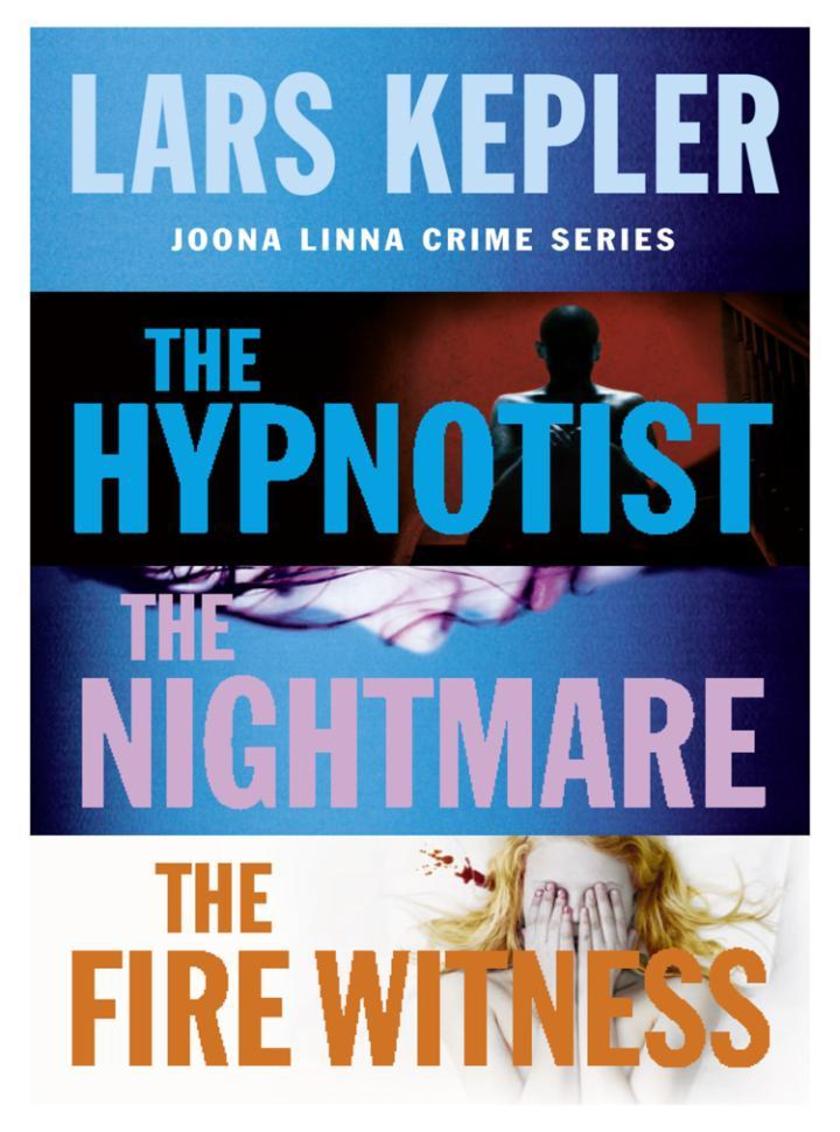
Joona Linna Crime Series Books 1-3
¥228.08
Read the first three Detective Joona Linna thrillers in the Swedish crime sensation taking the world by storm The Hypnotist Detective Inspector Joona Linna is faced with a boy who witnessed the gruesome murder of his family. He’s suffered more than one hundred knife wounds and is comatose with shock. With a killer on the run and Linna running out of time, a hypnotist who vowed never to practice again is brought in to the investigation unfurling a terrifying chain of events. The Nightmare The lifeless body of a young woman is discovered on an abandoned boat. A man is found hanging alone in his apartment. The question for Detective Inspector Joona Linna: suicide or murder? Only four people know the answer. And one man wants them dead. The Fire Witness One girl is dead. One girl is missing. One girl claims to have witnessed it all. When a young girl is found brutally murdered in a home for troubled teenagers, Joona Linna is called in to investigate. As he refuses to accept the easy answers, his search leads him into darker, more violent territory, and, finally, to a shocking confrontation with his past. This edition contains an exclusive extract of Kepler’s fourth explosive thriller, The Sandman.


