


 购物车
购物车 个人中心
个人中心
The Ides of Matt 2015
¥81.67
The Ides of Matt 2015
A Kenyérkeres?k embersége: ?sszegy?jt?tt novellák
¥81.67
A Kenyérkeres?k embersége: ?sszegy?jt?tt novellák
Startup Syndicate Investment Playbook
¥81.67
Startup Syndicate Investment Playbook
De Rijzende Ochtendster: Saga Van De Twee Prinsessen 2
¥81.67
De Rijzende Ochtendster: Saga Van De Twee Prinsessen 2
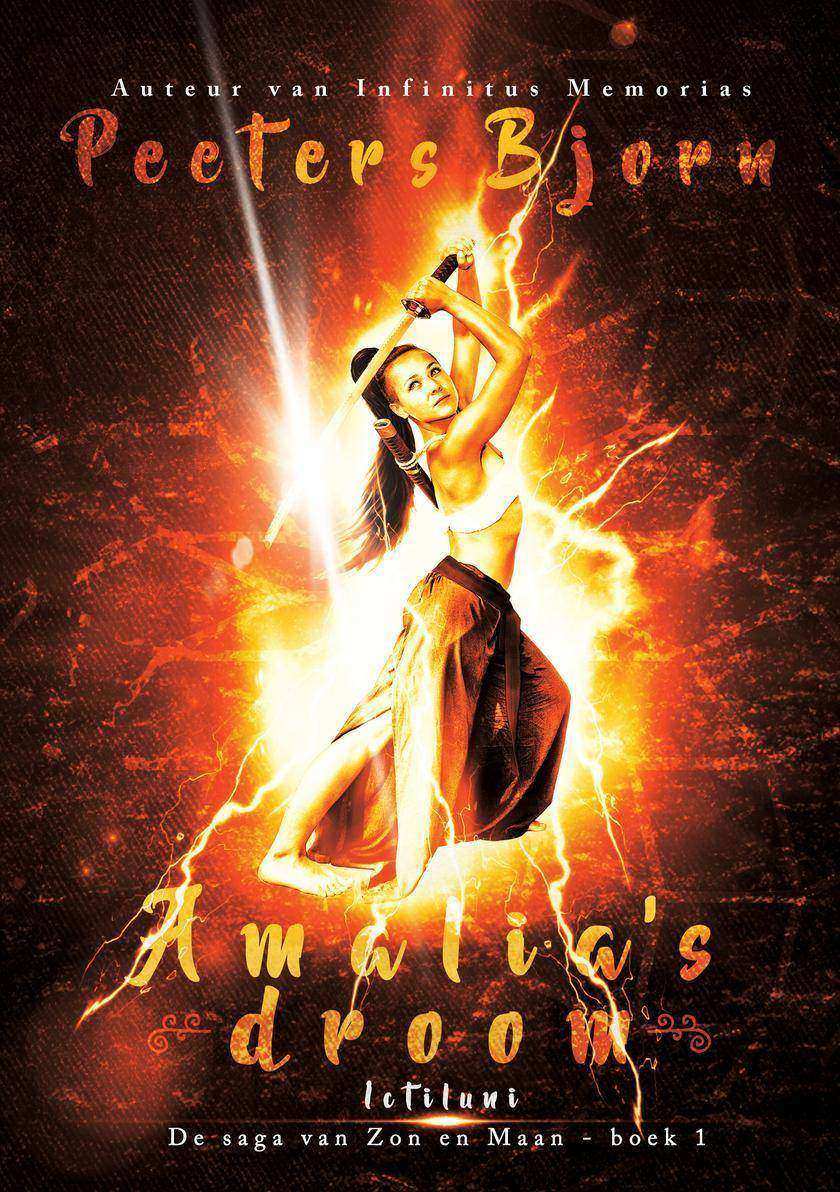
Amalia's droom: De saga Van Zon En Maan
¥81.67
Amalia's droom: De saga Van Zon En Maan
Wing Chun Kuen Awakening: The Disclosure (Book 2)
¥81.67
Wing Chun Kuen Awakening: The Disclosure (Book 2)

The Prophet of Paradise
¥81.67
The Prophet of Paradise

Quinta Mazatlan: A Visual Journey
¥81.67
Quinta Mazatlan: A Visual Journey
Reverse Speech In Theory and Practice
¥81.67
Reverse Speech In Theory and Practice

My Life is My Responsibility: Insights for Conscious Living
¥81.67
My Life is My Responsibility: Insights for Conscious Living

Social Psychological Aspects of War and Violent Conflict
¥81.67
Social Psychological Aspects of War and Violent Conflict

Climate Change and Disaster Management
¥81.67
This book makes the case that many climate related scientists have provided data that confirm that burning fossil fuels has increased greenhouse gasses in the atmosphere, which has had a major impact on climate change. Each of the six chapters provides many references and questions for review. The first chapter emphasizes worldwide awareness of the relationship between climate change and disasters in the Asia Pacific region. The following chapters cover such topics as climate change mitigation measures by government and the relationship between climate change and disaster preparedness, response, and recovery, the role of EPA and FEMA, actions taken by the Asian Bank and the probable future impact of climate change on mass migrations in the future.
Just a Book of Limericks
¥81.67
Just a Book of Limericks
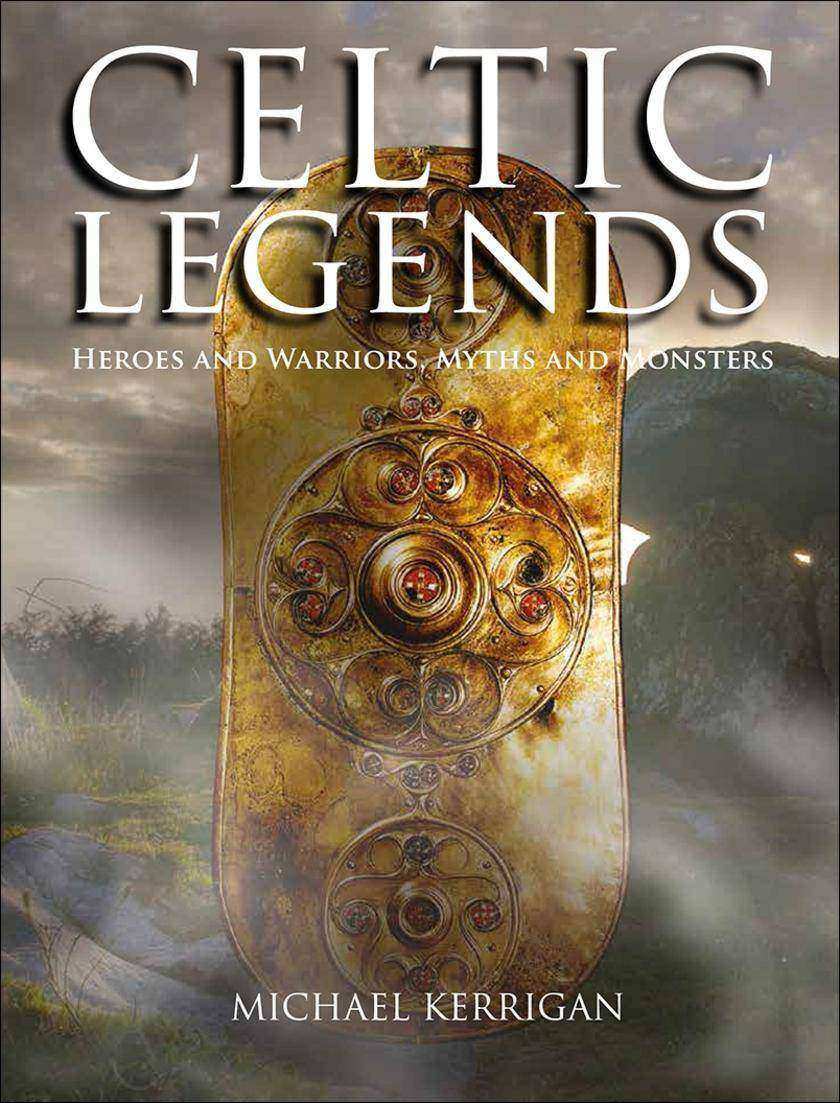
Celtic Legends: Heroes and Warriors, Myths and Monsters
¥81.67
From around 750BC to 12BC, the Celts were the most powerful people in central and northern Europe. With the expansion of the Roman Empire and the later Christianization of these lands, they were pushed to the fringes of north-western Spain, France and the British Isles. But there the mythology of these peoples held strong. The tales from Celtic myth were noted down and also absorbed into other cultures. From Roman and Christian scribes we know of characters like Morrigan the shape-shifting queen, who could change herself from a crow to a wolf, Cu Chulainn, who, mortally wounded in battle, tied himself with his own intestines to a rock so that he’d die standing up, and the Cauldron of Bran, which could restore life. Other than being fascinating in their own right, Celtic legends are of interest for the influence they had over subsequent mythologies. The story of the Holy Grail first appears in medieval romances but its antecedents can be found in the Celtic tale, the Mabinogion. Illustrated with more than 180 colour and black-and-white artworks and photographs and maps, Celtic Legends is an expertly written account of the mythological tales that both fascinate us and influence other writings.
Preparations for the ISO Implementation Project – A Plain English Guide
¥81.67
“There are many misconceptions about ISO standards that very often do not allow the standard to become a serious candidate for consideration, let alone for the actual implementation.” In this book, Dejan Kosutic, author and experienced ISO consultant, is giving away his practical know-how on preparing for ISO 9001, ISO 14001, ISO 27001, ISO 22301, ISO 20000, ISO 22000, OHSAS 18001, ISO 13485, AS9100, and IATF 16949 implementation. No matter if you are new or experienced in the field, this book gives you everything you will ever need to learn about preparations for ISO implementation projects, and how to avoid some costly mistakes in the process. The first step that is crucial to any ISO implementation project is to convince your top management to implement the ISO standard, and in order to do so, you have to speak the language they want to hear. As Kosutic says: “What management wants to hear are profit, market share, client satisfaction, cost cutting, business strategy, and business risks. And you can't blame them – after all, this is what their job is all about.” Starting from that step, Preparations for the ISO Implementation Project: A Plain English Guide will cover other important steps your organization must take in order to be completely prepared for the implementation of any ISO standard. Among other important things, you will learn how to choose a consultant, how to set up the project management structure, and what tools and templates can help you in the implementation project. Written in easy-to-understand language, this book is written for people who are going for an ISO implementation for the first time and need clear guidance on what to do before the project starts. Whether you’re an experienced practitioner or new to the field, it’s the only book you’ll ever need on the subject.

Glock: The World's Handgun
¥81.67
The Glock series of handguns represents one of the greatest steps forward in pistol design since the introduction of the Colt M1911. Inspired by the Austrian Army’s 1980 request for a new sidearm, the Glock Ges.m.b.H. company set to work designing and developing a revolutionary new weapon that combined reliability, firepower, and the latest in material technology. Within two years it had been adopted by the Austrian Army, but such were its qualities that within a decade the handgun was a dominant presence in the global military, law enforcement, and civilian markets. More than 2.5 million Glocks have been sold to date, to more than 50 nations. Glock: The World’s Handgun follows the evolution of the Glock handgun from concept to market leader, and explains each of the many variants and calibers, starting with the original Glock 17 and working through to the latest fourth generation models, including the 9mm Model 19, .40 caliber Model 22., and subcompact Model 26. Illustrated with more than 200 artworks and photographs, Glock: The World’s Handgun is an expertly written account of one of the most influential handguns in the world today.
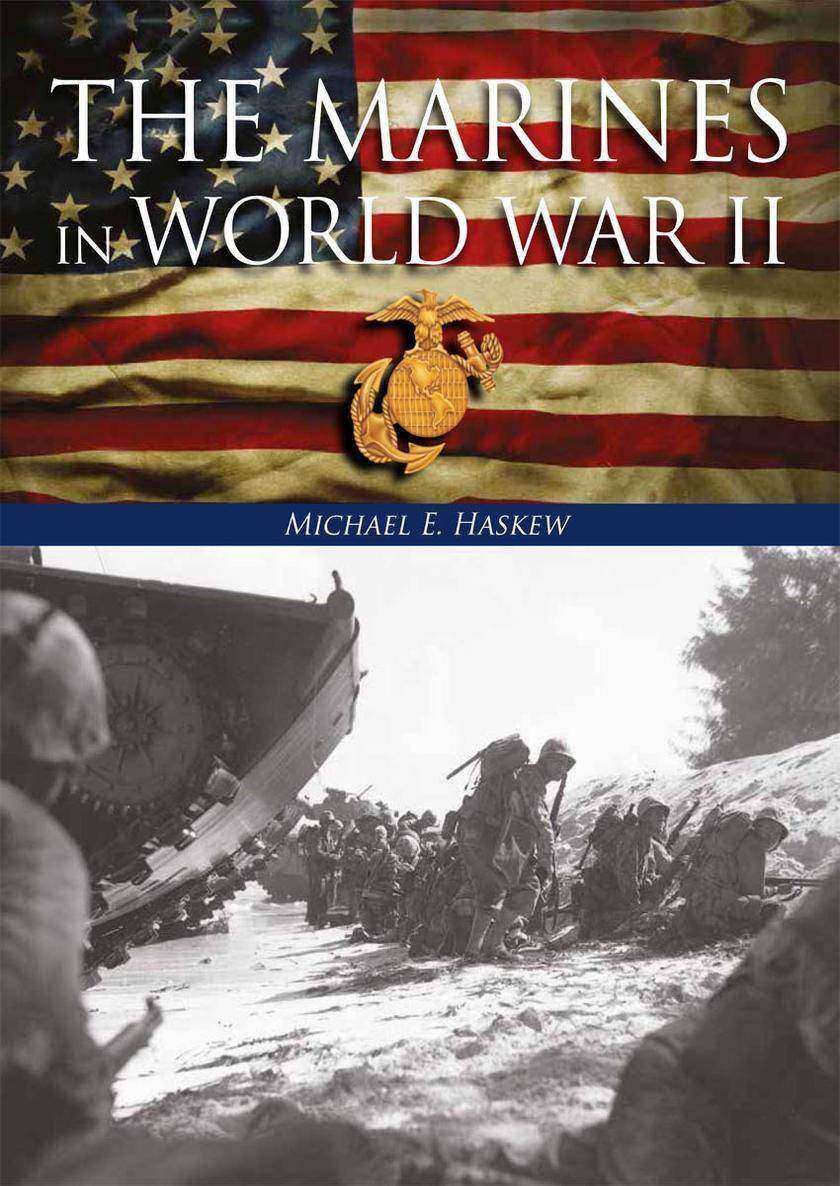
The Marines in World War II
¥81.67
Iwo Jima, Okinawa, and Tarawa are legendary names on the US Marines’ roll of honour, a testament to the bravery and sacrifice of Marines who answered the call to arms following the Japanese surprise attack on Pearl Harbor in December 1941. Growing to a peak of almost half a million men in 1945, at the beginning of the war the Marine Corps was a small expeditionary force with outdated equipment and an unproven new mission – amphibious assault. The Marines in World War II charts the combat history of the Marines from Wake Island to Okinawa, covering every major battle in between: Guadalcanal, Kwajalein Atoll, Bougainville, Saipan, Guam, and Peleliu, to name just a few. In addition to chronicling these hard-fought battles, the book also examines the important role played by Navajo code talkers, the development of Marine Corps aviation, the little-known role of Marines in the European theatre, and the story behind the iconic “Raising the Flag on Iwo Jima” photograph. Today, the Marines are best remembered as the gritty, determined combat force that matured rapidly, learned hard lessons, took on the committed defenders of the Empire of Japan, crossed the Pacific Ocean island by island, and fought, bled, died – and won.

Fruit Art for Children
¥81.67
Fruit Art for Children
Star Runners Omnibus
¥81.67
Star Runners Omnibus

Motivating for STEM Success
¥81.67
Motivating for STEM Success

Beyond Interviews:: Changes in Women’s Lives and Politics (1970-2008)
¥81.67
Beyond Interviews:: Changes in Women’s Lives and Politics (1970-2008)


