万本电子书0元读

万本电子书0元读

Blackbirds
Blackbirds
Simon Startin
¥40.79
Mayflower Street runs between Jamaica Road and the Thames in Bermondsey, South London. In 1939, 34 houses and 121 residents occupied the street. Between 1940 and 1941 bombs fell on 7 of these houses and at the end of war, the street – with its corner shop, was demolished. Using personal testimony, physical theatre and the combined skills of a cast of contemporary Londoners the project aims to share some of the experiences and events that made our city into the place we know today. Blackbirds is the play that emerged from the London Bubble Theatre's research and interviews of South Londoners who lived through the Blitz between 1940 and 1941.
Classic Plays by Women: From 1600 to 2000
Hrotswitha, Elizabeth Cary, Aphra Behn, Susanna Centlivre,
¥40.79
Classic Plays by Women: an anthology of the best plays by female dramatists from 1600-2000 Staged in theatres by successive generations and proving relevant to contemporary audiences, the plays demonstrate the wit, theatrical skill and innovation of their creators in exploring timeless topics from marriage, morality and money to class conflict, rage and sexual desire. An essential resource for students, playwrights, colleges, universities and libraries, this collection also provides theatres with the opportunity to programme a range of theatrical classics by women. Plays from: Hroswitha’s Paphnutius (extract); Elizabeth Cary’s The Tragedy of Mariam(extract); Aphra Behn’s The Rover; Susanna Centlivre’s A Bold Stroke For A Wife; Joanna Baillie’s De Montfort; Githa Sowerby’s Rutherford and Son; Enid Bagnold’s The Chalk Garden; Caryl Churchill’s Top Girls (extract); Marie Jones’ Stones in his Pockets. ?
Plays for Young People
Charles Way
¥40.79
Red Red Shoes was commissioned by the Unicorn Theatre for Children and The Place. Based on the Hans Christian Andersen tale, this play uses dance, music and drama to explore the inner world of a traumatised child fleeing from war in Eastern Europe. (Ages 9+) Eye of the Storm offers a contemporary version of Shakespeare’s The Tempest, exploring father/daughter relationships and the need for independence. (Ages 12+) Playing From the Heart, commissioned by the Polka Theatre, is a poetic piece which follows the travails of the young Evelyn Glennie to become a professional musician despite her profound deafness. (Ages 8+)
The British Beat Explosion: Rock'N'Roll Island
Zoe Howe, Michele Whitby, John Platt, Gina Way, Peter Davis
¥40.79
Over a small bridge on an island in the middle of the Thames, a great 60s club played host to acts that would later make a global name for themselves, including the Rolling Stones, Long John Baldry, Rod Stewart, the Small Faces, the Yardbirds and David Bowie. Jazz greats such as Cyril Davies, Ken Colyer and Acker Bilk also played at the legendary Eel Pie Hotel during its 50s and 60s heyday. This collection of essays traces ‘Eelpiland’s’ long-overlooked contribution to the British music scene.
D-Day: Gold, Juno and Sword
Will Fowler
¥40.79
In any military operation throughout history, few 24-hour periods have been as crucial as that of 6th June 1944. With the aid of specially commissioned maps, D-Day: The First 24 Hours series gives the dramatic history of the first 24 hours of the Normandy landings, and explains in detail the events that occurred in each landing zone. In this fourth volume of the series, the book describes the British and Canadian landings on Gold, Juno and Sword beaches. The book also includes details of the human cost of the first day, and a full order of battle for both sides. With colour and black & white photographs, the book is a guide to key events in the first 24 hours of the D-Day landings that saw the Allies successfully achieve a foothold in Northern Europe.
A Girl With A Book and Other Plays
Nick Wood
¥40.79
A topical collection of new plays by popular UK playwright Nick Wood 'I am not a lone voice, I am many.'?Malala ? Yousafzai A Girl with a Book and?Other Plays ?brings together four plays for young people by acclaimed playwright Nick Wood. Topical and wide-ranging, they concern refugees, friendship, loss and courage. 'You know those sente nces that start I'm not sexist/racist/homophobic and the speaker sticks in the word 'but' and goes on to prove that's exactly what they are?' The title play, ? A Girl with a Book ?is an honest response to the story of Malala Yousafzai, who was shot by the Taliban. Produced many times in Germany and the UK, the play raises serious questions about the West's complex relationship with and attitudes to the Muslim world. 'a journey into empathy and imagination...'?Stephen Lowe Plays Nick Wood's poignant political drama A Girl with a Book is based on the true story of Nobel Peace Prize-Winner Malala Yousafza. In 2012, gunmen stopped a bus in Pakistan and shot three young girls. Their crime? Wanting to go to school. Knowing nothing about the situation, able to offer little more than outrage, the writer is forced out from behind his desk and in the search for answers to help him tell the story of a brave young woman's fight for girls' education, but when his research uncovers attitudes at odds with his liberal convictions he has to face what he learns about himself. Achieving international acclaim after its opening in Hamburg, A Girl with a Book examines Malala's story through a series of questions - Wood asks how a girl who wanted to go to school could become such a target. Bird boy:?Eddie and Tim create their own den up on the Knoll, a secret place for heroes. The only problem is, winter is setting in and Eddie won't come down. As the snow falls, Tim must decide whether to take food to Eddie or betray him by telling the grown ups where he is. Mia:?Mia is a refugee who has lost her home, and most of her family. She has odd bits and pieces in her bag, which have stories attached to them. Mia is searching for her sister, Sofia, can they help? Dream of White Horses: ? ?Paul wants two things - to find out whether his father's death was an accident or not. He climbs the same cliff, to discover what happened to his father, and a great deal about himself. '...invites us to better understand Malala, her father, and her kinsmen.'? On Religion '...a journey into empathy and imagination coolly and cleanly done. A crucially important tale well told with great humanity.' ? Stephen Lowe, playwright '...there's plenty of scope here for schools, colleges and youth theatre groups. The title play... has a cast of one... The remaining three plays use larger casts and explore asylum seeking, friendship, loss and courage.' ?Susan Elkin, The Stage
Southeast Asian Plays
Jean Tay, Floy Quintos, Tew Bunnag, Ann Lee, Nguyễn Đăng Chương
¥40.79
The first ever comprehensive collection of plays ?in English from Southeast Asia. Features work by eight playwrights from seven countries in Southeast Asia, a region which is experiencing profound change:?Singapore, Vietnam, Malaysia, Thailand, the Philippines, Indonesia and Cambodia.? Southeast Asian Plays ?explores the rich variety of dramatic work that is only beginning to be translated into English. Theatre scripts are merely blueprints for productions, especially in this region. As elsewhere, second productions and revivals are rare, so publication is key to allowing play texts to find a wider international readership. Topics include the global financial crisis, sex workers, traditional v modern values, the role of faith in society, corruption in high places and journalistic ethics. The plays have been selected for performance. Plays: The Plunge by Jean Tay (Singapore) An Evening At the Opera by Floy Quintos (Philippines) Night of the Minotaur by Tew Bunnag (Thailand) Tarap Man by Ann Lee (Malaysia) Dark Rac e by Dang Chuong (Vietnam) Frangipani by Chhon Sina (Cambodia) Picnic by Joned Suryatmoko (Indonesia) Nadirah by Alfian Saat (Singapore) "The editors have done an excellent job of opening up our chances of reading and learning about plays from all over Southeast Asia. ...editorial choices are significant for opening up spaces to voices which are otherwise heard less often. All in all the plays are interesting for the ways in which they grapple with key concerns in their respective societies."? --The Asiatic
The Emperor and the Nightingale
Hans Christian Andersen
¥40.79
From a story by Hans Christian Andersen In ancient China, young emperor Wu is kept a virtual prisoner in his palace by his devious guardian, Li Si. Wu believes the world outside the Forbidden City is an evil and dangerous place. But when Xiao, a young servant girl, tells him of the most beautiful sound on earth – the song of the nightingale – it’s too much to resist. The two embark on an adventure that will take them across mountain tops and waterfalls, past chattering monkeys and magical dragons to the far reaches of his kingdom. When Wu returns with the nightingale, and starts to overturn the old palace customs, Li Si plots to restore things to the way they were before. Featuring puppetry, music and all the colour, movement and spectacle of Chinese theatre, this joyful adaptation of Hans Christian Andersen’s fairy tale is a feast for the senses that will delight the whole family. Suitable for ages 6+
The Diary of a Hounslow Girl
Ambreen Razia
¥40.79
The story of a modern Asian young woman trying to straddle Western attitudes and traditional beliefs. You've heard of an Essex Girl or even a Chelsea Girl but what is a Hounslow Girl? The term has become a byword for confident, young Muslim women who are grappling with traditional values, city life and fashion. From the joys of Pakistani weddings to fights on the night bus, Ambreen Razia's? The Diary of a Hounslow Girl ?is a funny, bold, provocative play highlighting the challenges of being a teenage girl in a traditional Muslim family, alongside the temptations and influences of growing up in and around London. “Ambreen’s writing is poetic in its structure and intensity, funny, moving, chilling, and delivered in a style that takes inspiration from spoken word and physical theatre. She has created a rhythm that draws the audience in, as compelling as a thriller, complete with gathering ominousness, shocks and comic relief.” Deborah Bestwick, Director, Ovalhouse “Ambreen Razia’s terrific play is exactly the kind of new work we wish to support in the new home of multi-cultural theatre in London. Hounslow Girl is a wonderfully funny take on a London phenomenon and one audiences will enjoy.” Jatinder Verma, Artistic Director, Tara Arts” "a powerful piece of theatre... Ambreen Razia's performance is astonishing."?BritishTheatre.com "This is a sophisticated, moving and often very funny piece of writing, particularly nuanced in its depiction of Shaheeda's relationship with her mother ... astute in tackling the breakdown of the loving bonds between parent and child that can occur when a child becomes a teenager – and also how this experience can be magnified for the children of first-generation immigrants, whose parents feel distant from their children’s British lives... Razia's script touches on everything from first love to cultural expectations to student-teacher relationships; it’s a bit like an inner-city version of An Education."?The Stage Ambreen Razia is an actress and writer from South London.? The Diary of a Hounslow Girl is Ambreen's debut show which premiered at Ovalhouse in 2015. Passionate about re-establishing British Asian comedy within the UK, she continues to write her comedy sketch show involving two British Asian girls exploring the?clash between traditional Indian/Pakistani culture and modern British life. She is also currently writing her next play POT primarily focusing on the recent comeback of gang culture within the UK.?Performance credits include: On the Middle Day (Old Vic Theatre);? Words and Women (Edinburgh Fringe); Random Acts (Channel 4);? Fair Exchange (Hen and Chickens Theatre);? Variations on a Theme (Camden People's Theatre);? Mind the Gap (National Theatre ); No Guts, No Heart, No Glory? (BBC4/Perth Festival Australia) and Murdered by my Father? (BBC3).
Durban Dialogues, Then and Now
Ashwin Singh
¥40.79
With a foreword by director Ralph Lawson and introduction by Pranav Joshipura, Associate Professor of English, Mahila College, Gandhinagar, India. A follow-up anthology of three hard-hitting plays to Singh’s successful drama anthology Durban Dialogues, Indian Voice (2013) which is now studied internationally. The plays selected, namely Into the Grey, Shooting and Swing cover topics such as social activism, the death of a friend and discrimination in sport. Described through Singh’s satirical lens, these thought-provoking plays bring us up to date with the challenges of life in post-Apartheid South Africa. They focus particularly on people of Indian origin and their relationships with other South African communities and chart the loss of ideals in the dream of the Rainbow nation. Into the Grey: A harrowing drama depicting the twenty-nine year association between two Durban activists who battle a variety of challenges as their country stumbles towards a bleak future. Shooting: A one-man play about the unchanging paradigm in Durban’s small town communities in the early years of democracy as a football prodigy’s dream is brutally shattered. Swing: A two-hander about the relationship between a mixed-race Durban tennis player and her father/coach as they confront many obstacles in a society which undervalues the girl-child.
Split/Mixed
Split/Mixed
Ery Nzaramba
¥40.79
A dual language edition in English and French. The genocide in Rwanda shocked the world. Back then, Ery Nzaramba was only a teenager and his family’s escape to Europe turned him into a “survivor”. How should he now respond to questions about who he is and where he comes from? In this autobiographical one-man play, performed to acclaim on the Edinburgh Festival Fringe, the author journeys back to his Rwandan childhood. With the help of a cassette player, he brings to life nearly a dozen characters, exploring memories of kinship, cultural attitudes and personal identity. Both funny and poignant, the play highlights not only the intolerance that can breed violence and war but also the importance of power and privilege in the struggle for survival. Le génocide au Rwanda a choqué le monde. ? l'époque, Ery Nzaramba était un adolescent. Après que sa famille se fut échappé en Europe, il est devenu un ?survivant?. Désormais, que doit-il répondre à des questions sur qui il est et d'où il vient? Dans ce one-man show autobiographique, salué par la critique lors de sa présentation au Festival d'?dimbourg, l'auteur retourne vers son enfance au Rwanda. Accompagné d'un lecteur cassette, il donne vie à une bonne douzaine de personnages, explorant souvenirs de famille et d'affinités, attitudes culturelles et identité. ? la fois poignante et pleine d'humour, la pièce met en lumière non seulement l'intolérance qui peut engendrer violence et guerre, mais aussi l'importance du privilège dans la lutte pour la survie.
Summer
Summer
Edith Wharton
¥40.79
Charity Royall is eighteen, bored with life in the small town of North Dormer. While working at the library, Charity meets visiting architect Lucius Harney and they become friends. Will their growing closeness lead to a happy marriage? Charity was born in an impoverished mountain community and her life is complicated by Mr. Royall who intruded into her bedroom when she was seventeen and later urged her to marry him. Lucius starts an affair with Charity Royall, all the while hiding the fact that he is engaged to society girl Annabel Balch.
Da Vinci Notebooks
Da Vinci Notebooks
Leonardo Da Vinci
¥40.79
A singular fatality has ruled the destiny of nearly all the most famous of Leonardo da Vinci's works. Two of the three most important were never completed, obstacles having arisen during his life-time, which obliged him to leave them unfinished; namely the Sforza Monument and the Wall-painting of the Battle of Anghiari, while the third—the picture of the Last Supper at Milan—has suffered irremediable injury from decay and the repeated restorations to which it was recklessly subjected during the XVIIth and XVIIIth centuries. Nevertheless, no other picture of the Renaissance has become so wellknown and popular through copies of every description.

The Persians
The Persians
Aeschylus
¥40.79
The Persians takes place in Susa, which at the time was one of the capitals of the Persian Empire, and opens with a chorus of old men of Susa, who are soon joined by the Queen Mother, Atossa, as they await news of her son King Xerxes' expedition against the Greeks. Expressing her anxiety and unease, Atossa narrates what is probably the first dream sequence in European theatre.
The Knights
The Knights
Aristophanes
¥40.79
The Knights is a satire on political and social life in 5th-century BC Athens, the characters are drawn from real life and Cleon is clearly intended to be the villain. However it is also an allegory, the characters are figures of fantasy and the villain in this context is Paphlagonian, a comic monstrosity responsible for almost everything that's wrong with the world.
Women In Council
Women In Council
Aristophanes
¥40.79
A group of women, led by the wise and redoubtable Praxagora, has decided that the women of Athens must convince the men to give them control of the city, as they are convinced they can do a better job. Disguised as men, the women sneak into the assembly and command the majority of votes needed to carry their series of revolutionary proposals, even convincing some of the men to vote for it on the grounds that it is the only thing they have not tried.
Na?ionalismul. Identitatea etnocultural? ?i proiectul elitelor
Dragoman Dragoș
¥40.79
i corbul, croncnind, a rguit, Vestind c sorii fost au aruncai! Venii! Venii! Voi, duhuri, ce vegheai Pe gndurile morii, crunta zee! i m nvai s nu mai fiu femeie! M umplei, de la cretet pn’ la tlpi Cu o rutate nenduplecat! The raven himself is hoarse That croaks the fatal entrance of Duncan Under my battlements. Come, you spirits That tend on mortal thoughts, unsex me here, And fill me from the crown to the toe top full Of direst cruelty!
Un filosof r?t?cit ?n agora
Mureșan Valentin
¥40.79
Fire?te c?, de la schimbarea de paradigm? numit? apari?ia genurilor rock ?i folk (precedate de jazz, dar mai cu seam? de blues... ?i ?n m?sur? cov?r?itoare de explozia beat!), ?n Rom?nia comunist? (?ncerc?nd mereu s? fie sincron? cu voga occidental?), lucrurile n-au fost tocmai roz. Unii chiar se bat ?n piept c? de la ei ?ncoace se poate vorbi de...; al?ii (implica?i direct) sunt sc?rbi?i de ceea ce se ?nt?mpl?, mai cu seam? ?n lipsa unei istorii oficiale ?i documentate, ?i ??i v?d de treab?. ?n era net/Wikipedia, oricine se poate da ?n stamb?, se poate lua la tr?nt? (sub pav?za anonimatului, implicit a nesim?irii) cu orice; cum anticipa parc? Andy Warhol, a venit vremea ?n care oricine va fi fost vedet? 15 minute.Dar au existat ?i vedete reale, grei ai genurilor a?a-zis u?oare, mon?tri sacri! Celor acum ?n umbr? (cite?te underground) le este dedicat acest volum. M?rturii orale puse cap la cap despre aceia care au trecut ?i – iat? – se ?ntorc ?n Clubul Arhitecturii. Dac? un Cenaclu ?Flac?ra“, la ?nceput genial ?n scopuri, a fost mai apoi r?st?lm?cit ideologic ?i impus aproape cu for?a p?n? la implozie, clubul – recte pivni?a – din strada Bl?nari nr. 14 a rezistat peste decenii intrinsec; pe temelia solidificat? de la o zi la alta, de la un artist la altul, de la o bere la alta... Din student ?n student (dar nu numai prin ei), ?tafeta a tot fost preluat? de genera?iile care s-au perindat, iar ast?zi ne-am trezit cu o ?ntreag? istorie care apas? pe funda?iile cl?dirii vechi..., dar f?r? bulin? ro?ie! Nu, Club A nu va c?dea, a?a cum va exista ?n continuare ?i Casa Studen?ilor din Bucure?ti (ca ?i cele din Timi?oara, Ia?i, Cluj...), ?i Radioul, ?i Televiziunea, ?i Electrecordul...Din cuprins: Amintiri ? Clubul de pariuri muzicale sau Cu... v?nt ?nainte... din pupa! ? A fost o dat?... din 1969 ? Primul Festival Na?ional de Muzic? Pop ?Club A“ (16–22 decembrie 1969) ? Ro?u ?i Negru ? Romanticii ? Chromatic Grup ? Sideral (Modal Quartet) ? Olympic ‘64 ? Phoenix ? Coral... ?i Adrian Ivani?chi ? Al doilea Festival Na?ional de Muzic? Pop ?Club A“ (10–17 mai 1971) ? Modern Grup ? Metronom ? Mondial ? Timi?oara, la vest de Rom?nia ? Carusel ? Post-scriptum la al doilea festival ? Folk ?n Club A ? Mihai Munteanu ?Michone“ ? Dorin Liviu Zaharia ?Chubby“ ? Mircea ?Ciocu“ Vintil? ? Florian ?Mo?u“ Pitti? ? Doru St?nculescu ? Sorin Minghiat ? Dan Oprina ?i Mircea Valeriu Popa ? Nicu Vladimir ? Marcela Saftiuc ? Adriana Ausch ? Anda C?lug?reanu ? Zoia Alecu ? Catena ? FFN ? Valeriu Sterian (?i Compania de Sunet) ? Mircea Bodolan ? Curtea Veche nr. 43 ? Al treilea Festival ?Club A“ (5–8 iunie 1979) ? Metropol ? Academica ? Experimental Q ? Modal Q ? Mircea Florian (din Transilvania) ? Al patrulea Festival ?Club A“ (16–19 martie 1981) ? Dan Andrei Aldea ?i Sfinx ? Pro Musica ? Accent ? Redivivus ? Basorelief ? Gramophon/Post Scriptum ?i... Mircea Baniciu ? Semnal M ? Sorin Chifiriuc ?i Domino/Roata ? Grup ‘74 ? Club A – 15 ani (12–17 martie 1984) ? Nicu Alifantis ? Iris ? Liviu Tudan & Ro?u ?i Negru ? Al cincilea Festival ?Club A“ (28 februarie–1 martie 1990) ? Compact ? Holograf ? Celelalte Cuvinte ? Gala ?Club A – 30 de ani“ (18 iunie 1999)?/ ?Club A – 34 de ani“ (4 iunie 2003) ? Sfinx (Experience) ? Alexandru Andrie? ? Cargo ? Timpuri Noi ? Sfatul ?b?tr?nilor“ ? Al ?aptelea Festival ?Club A“ (13–18 mai 2011) ? Imagini ?necenzurate“
Agamemnon
Agamemnon
Aeschylus
¥40.79
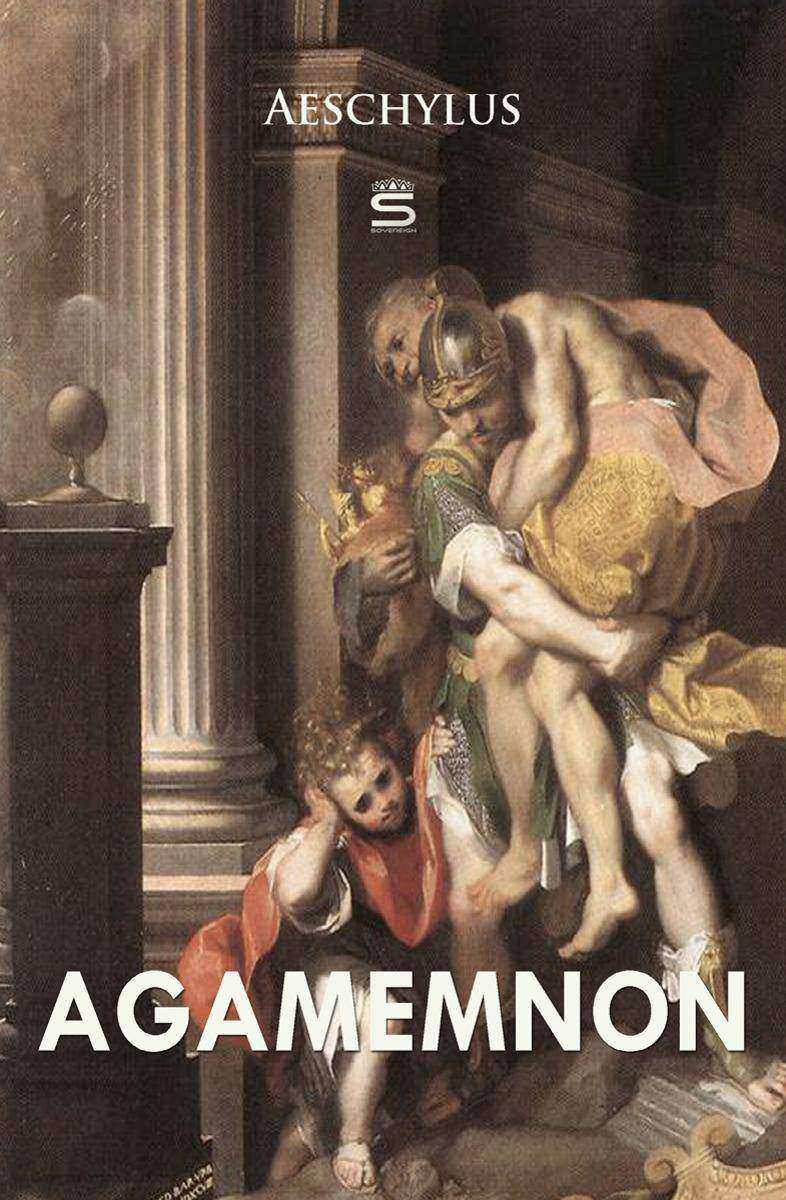
A watchman on top of the house, reporting that he has been lying restless there like a dog for a year, for so rules the expectant manly-willed heart of a woman (that woman being Clytemnestra awaiting the return of her husband, who has arranged that mountaintop beacons give the signal when Troy has fallen). He laments the fortunes of the house, but promises to keep silent: 'A huge ox has stepped onto my tongue.' However, when Agamemnon returns, he brings with him Cassandra, the enslaved daughter of the Trojan king, Priam, and a priestess of Apollo, as his concubine, further angering Clytemnestra.
The Choephori
The Choephori
Aeschylus
¥40.79
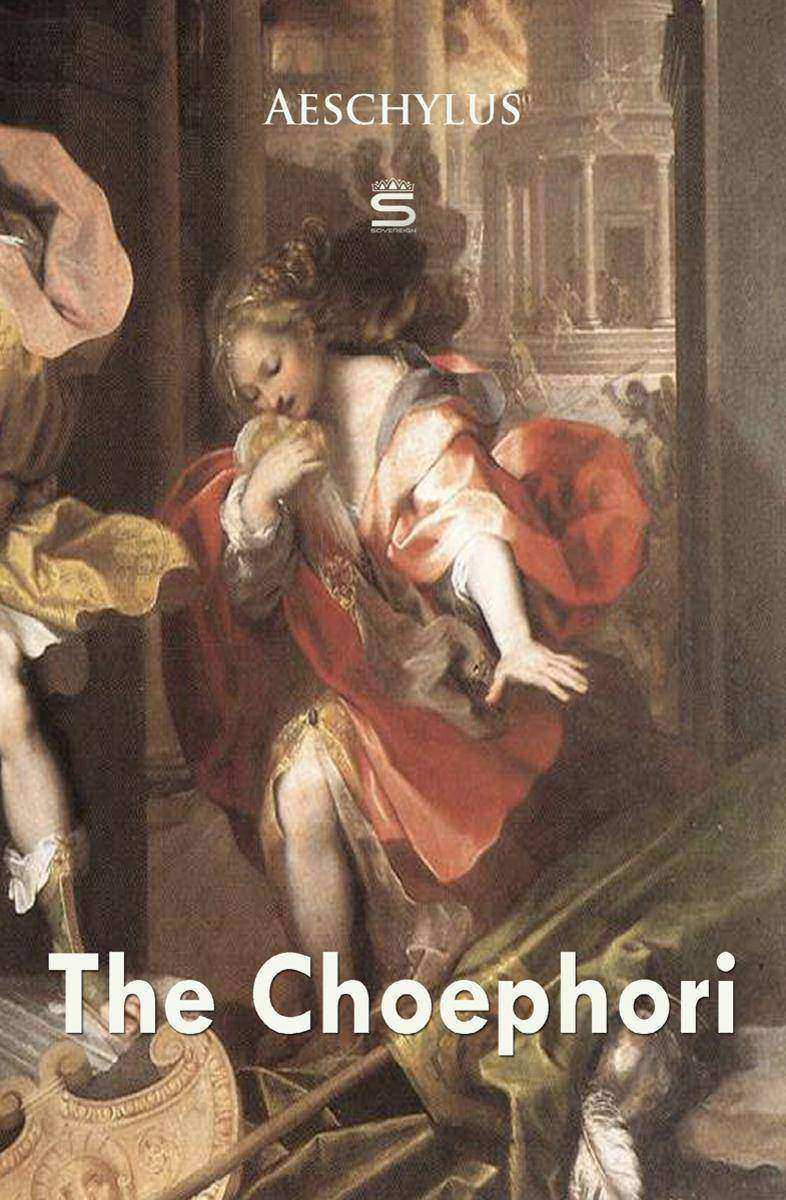
Orestes arrives at the grave of his father, accompanied by his cousin Pylades, the son of the king of Phocis, where he has grown up in exile; he places two locks of his hair on the tomb. Orestes and Pylades hide as Electra, Orestes' sister, arrives at the grave accompanied by a chorus of elderly slave women (the libation bearers of the title) to pour libations on Agamemnon's grave; they have been sent by Clytemnestra in an effort to ward off harm. Just as the ritual ends, Electra spots a lock of hair on the tomb which she recognizes as similar to her own; subsequently she sees two sets of footprints, one of which has proportions similar to hers. At this point Orestes and Pylades emerge from their hiding place and Orestes gradually convinces her of his identity.
The Apologia
The Apologia
Apuleius
¥40.79
The story is based around incident when Apuleius was accused of using magic to gain the attentions and fortune of a wealthy widow. He declaimed and then distributed a witty tour de force in his own defense before the proconsul and a court of magistrates convened in Sabratha, near ancient Tripoli, Libya.