


 购物车
购物车 个人中心
个人中心
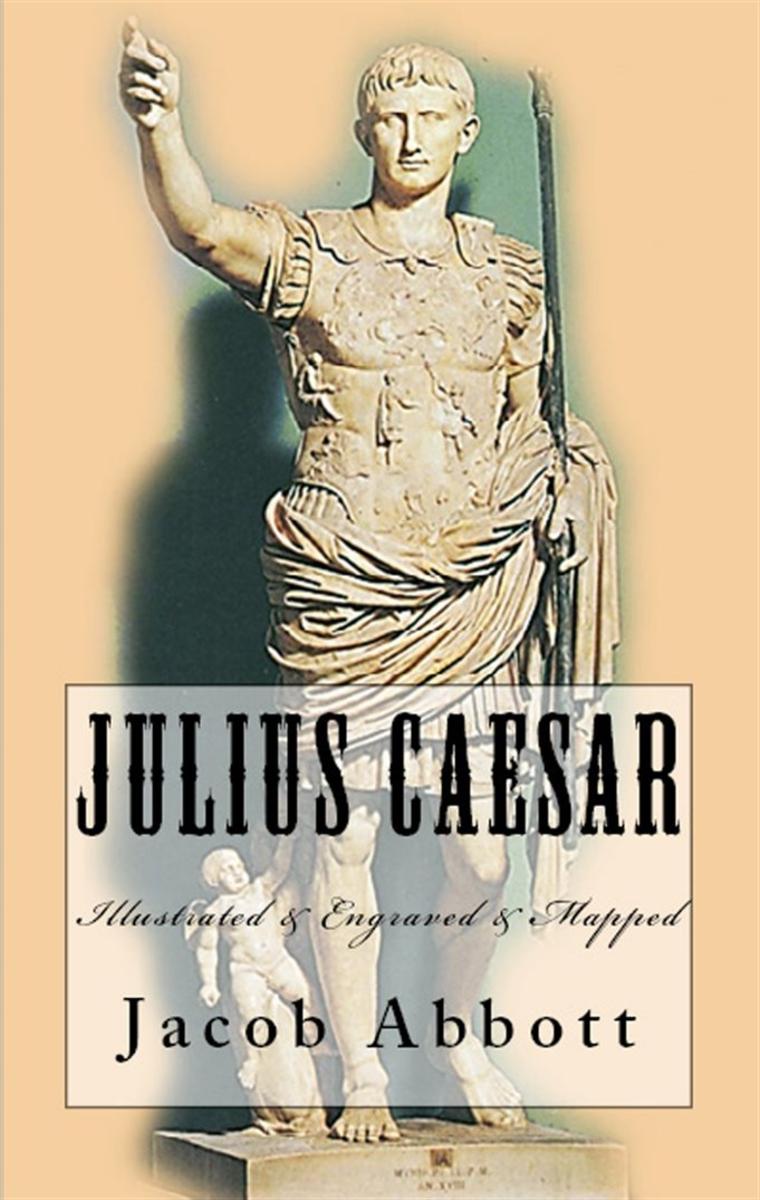
Julius Caesar
¥27.88
THERE were three great European nations in ancient days, each of which furnished history with a hero: the Greeks, the Carthaginians, and the Romans.??Alexander was the hero of the Greeks. He was King of Macedon, a country lying north of Greece proper. He headed an army of his countrymen, and made an excursion for conquest and glory into Asia. He made himself master of all that quarter of the globe, and reigned over it in Babylon, till he brought himself to an early grave by the excesses into which his boundless prosperity allured him. His fame rests on his triumphant success in building up for himself so vast an empire, and the admiration which his career has always excited among mankind is heightened by the consideration of his youth, and of the noble and generous impulses which strongly marked his character.??The ROMAN hero was CAESAR. He was born just one hundred years before the Christian era. His renown does not depend, like that of Alexander, on foreign conquests, nor, like that of Hannibal, on the terrible energy of his aggressions upon foreign foes, but upon his protracted and dreadful contests with, and ultimate triumphs over, his rivals and competitors at home.
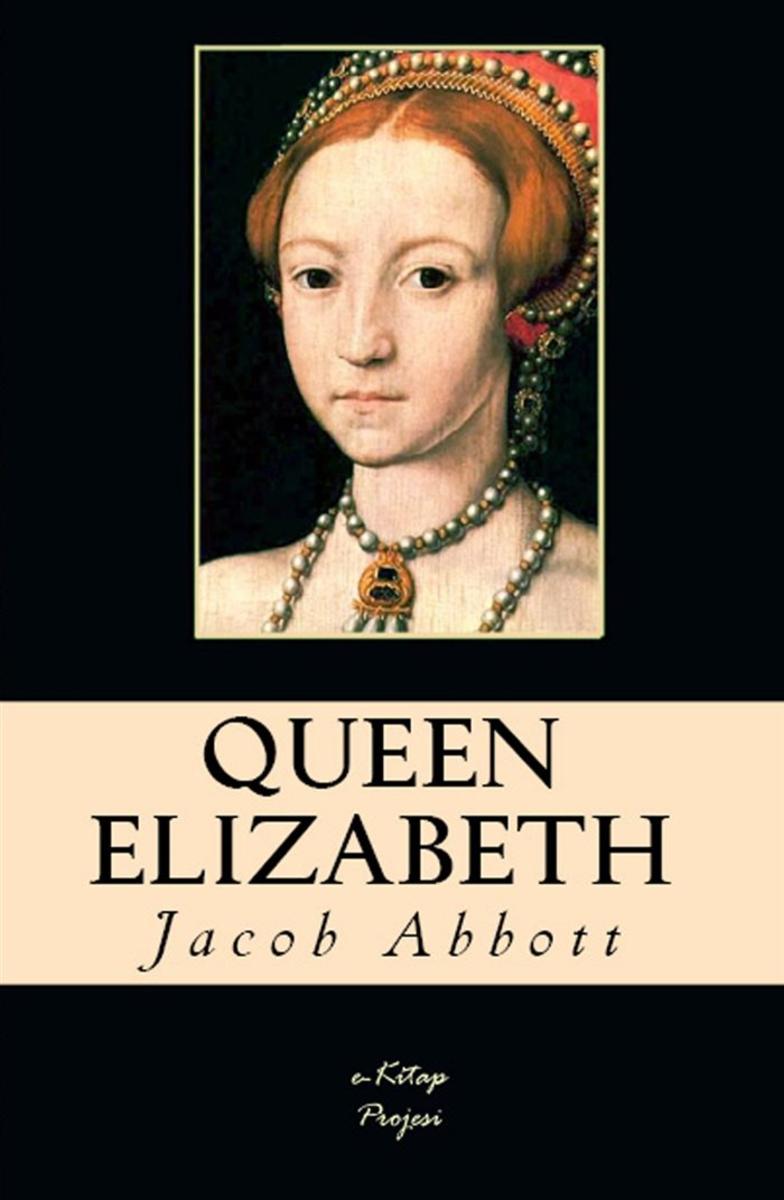
Queen Elizabeth
¥27.88
ELIZABETH was about three years old at the death of her mother. She was a princess, but she was left in a very forlorn and desolate condition. She was not, however, entirely abandoned. Her claims to inherit the crown had been set aside, but then she was, as all admitted, the daughter of the king, and she must, of course, be the object of a certain degree of consideration and ceremony. It would be entirely inconsistent with the notions of royal dignity which then prevailed to have her treated like an ordinary child.??Next came Elizabeth, who was about fourteen years of age. She was the daughter of the king's second wife, Queen Anne Boleyn. She had been educated a Protestant. She was not pretty, but was a very lively and sprightly child, altogether different in her cast of character and in her manners from her sister Mary.??Then, lastly, there was Edward, the son of Jane Seymour, the third queen. He was about nine years of age at his father's death. He was boy of good character, mild and gentle in his position, fond of study and reflection, and a general favorite with all who knew him.
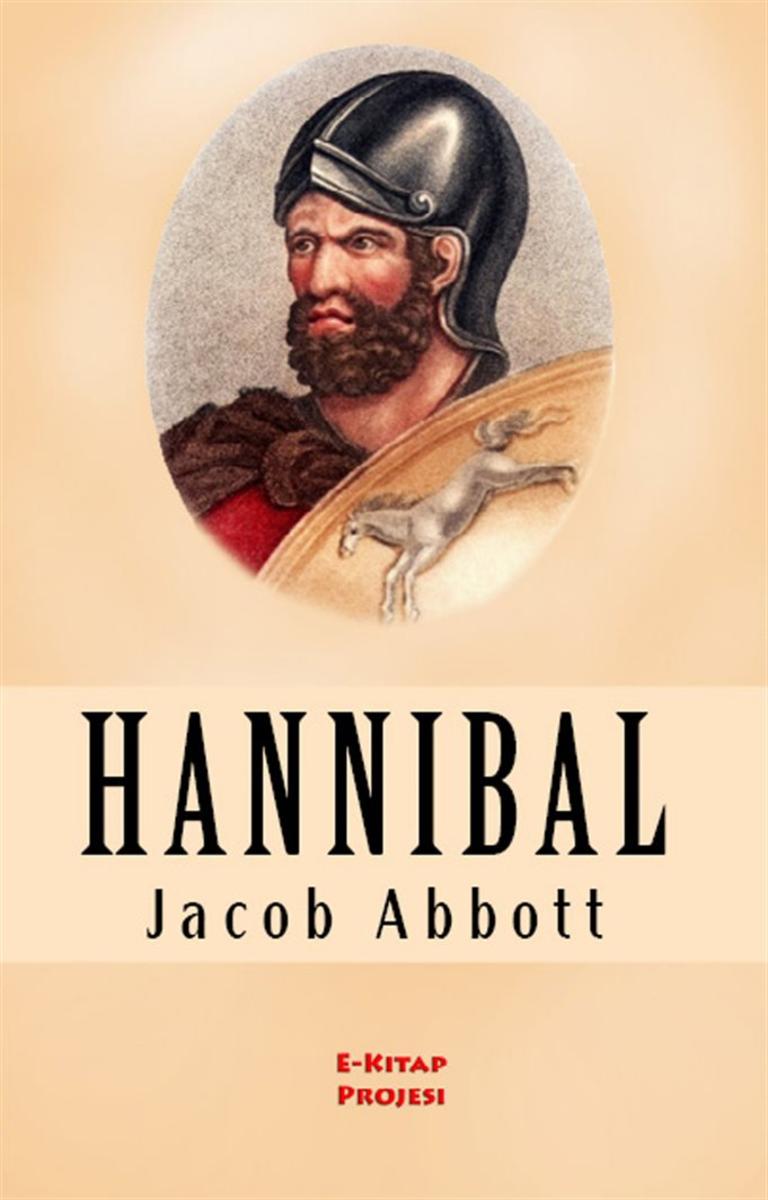
Hannibal
¥27.88
HANNIBAL was a Carthaginian general. He acquired his great distinction as a warrior by his desperate contests with the Romans. Rome and Carthage grew up together on opposite sides of the Mediterranean Sea. For about a hundred years they waged against each other most dreadful wars. There were three of these wars. Rome was successful in the end, and Carthage was entirely destroyed.?There was no real cause for any disagreement between these two nations. Their hostility to each other was mere rivalry and spontaneous hate. They spoke a different language; they had a different origin; and they lived on opposite sides of the same sea. So they hated and devoured each other.?Those who have read the history of Alexander the Great, in this series, will recollect the difficulty he experienced in besieging and subduing Tyre, a great maritime city, situated about two miles from the shore, on the eastern coast of the Mediterranean Sea. Cart-hage was originally founded by a colony from this city of Tyre, and it soon became a great commercial and maritime power like its mother. The Carthaginians built ships, and with them explored all parts of the Mediterranean Sea.
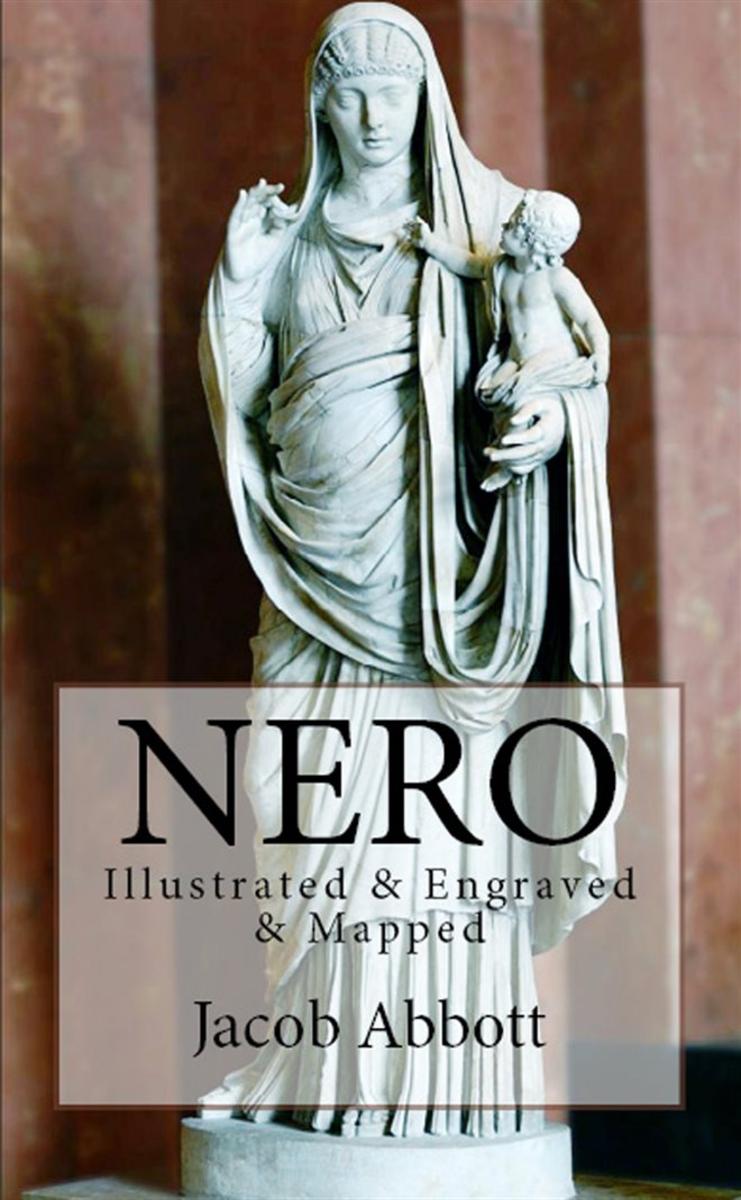
Nero
¥27.88
IN ancient times, when the city of Rome was at the height of its power and splendor, it was the custom, as it is in fact now with the inhabitants of wealthy capitals, for the principal families to possess, in addition to their city residences, rural villas for summer retreats, which they built in picturesque situations, at a little distance from the city, sometimes in the interior of the country, and sometimes upon the seashore. There were many attractive places of resort of this nature in the neighborhood of Rome. Among them was Antium.??The beauty and the salubrity of Antium made it a very attractive place of summer resort for the people of Rome; and in process of time, when the city attained to an advanced stage of opulence and luxury, the Roman noblemen built villas there, choosing situations, in some instances, upon the natural terraces and esplanades of the promontory, which looked off over the sea, and in others cool and secluded retreats in the valleys, on the land. It was in one of these villas that NERO was born.??NERO's father belonged to a family which had enjoyed for several generations a considerable degree of distinction among the Roman nobility, though known by a somewhat whimsical name. The family name was Brazenbeard, or, to speak more exactly, it was Aheno-barbus, which is the Latin equivalent for that word. ?
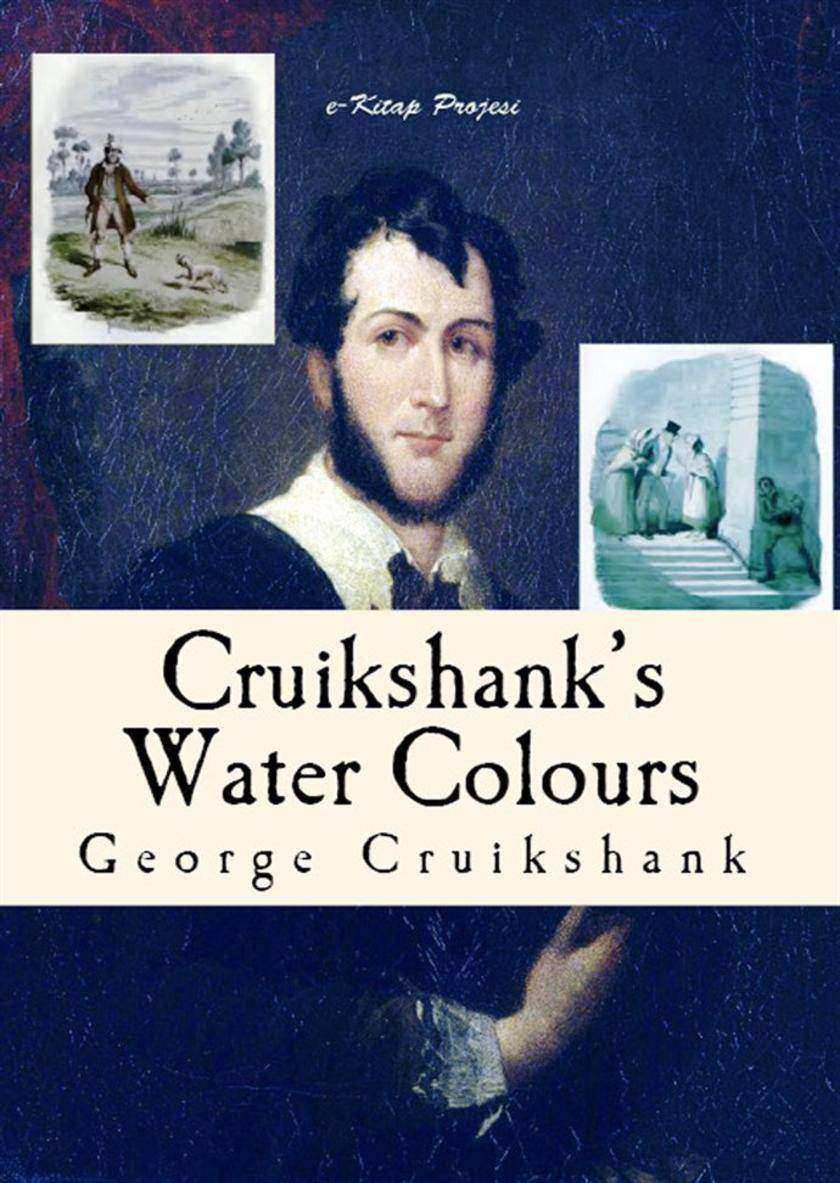
Cruikshank's Water Colours
¥27.88
It is fair to characterise the three suites of original water-colour drawings, as executed by our artist, as unique examples of the great George Cruikshank's special individual proficiency as an exponent of this branch of technical dexterity. More-over, it may be regarded as a fortunate circumstance that the three works, here reproduced with amazing fidelity in facsimile, represent happily the very chefs d'oeuvre of his wonderful productions; in their respective categories, preserving the best examples of his remarkable genius as an imaginative creator of vivid pictures, alike stirring and animated, and representing at one glance his vast dramatic powers, his mastery of the humorous side of life, and the intensity he was consistently able to infuse into terrible and tragic scenes. It is noteworthy that the inimitable artist George Cruikshank but rarely pro-duced finished water-colour drawings; the bulk of his prolific and familiarly rec-ognised designs for book illustrations were mostly dainty pencil sketches, occa-sionally finished in pen and ink. It is a problem difficult to solve satisfactorily whether, beyond the three memorable instances of the works here reproduced in facsimile, there are in existence any other complete suites of original illustrations by George Cruikshank—that is to say, fully executed by his master hand as finished water-colour drawings. Tinted sketches may be found in the prized possessions of Cruikshank collectors, and spirited studies for many of his favourite and most successful subjects have been cleverly touched in with watercolours; for instance, such as certain of his original drawings as designed for the illustrations of Harri-son Ainsworth's Tower of London, and the clever historical and picturesque series of Windsor Castle designs; these are, however, to be regarded as exceptional cases, for the bulk of these most successful and popular designs were carefully executed in pencil, or occasionally outlined with the pen, and highly finished with washes of warm sepia. It is worthy of recollection that Cruikshank was a most dexterous artist in this monochrome branch, his earlier artistic experiences having been al-most exclusively in the walk of aqua-tinted etchings; all his early book illustrations, his caricatures, and satirical plates—social or political—were uniformly etched by his hand in the most spirited fashion, after his ready sketches and rough studies, and when the outline etching was bitten in, Cruikshank elaborately worked out his colour suggestions, for light and shade, with a brush over the first-etched outline, in tones of sepia or Indian ink, for the guidance of the professional 'aquatinters'—the school of artists to whose trained skill was entrusted the task of completing these plates to produce the effect of highly finished washed drawings in mono-chrome. By this, his youthful practice, George Cruikshank had acquired remarka-ble dexterity, his original pen-and-ink designs, and the outline etchings, after his earlier book illustrations, being worked up in monochrome to the dainty finish of delicate miniatures, in which art both his father Isaac and his brother Isaac Robert were first-class proficients, as he himself has recorded with pride in describing the special gifts and qualifications which distinguished the Cruikshank family. ? ABOUT THE AUTHOR; George Cruikshank (1792 – 1878) was a British caricaturist and book illustrator, praised as the "modern Hogarth" during his life. His book illustrations for his friend Charles Dickens, and many other authors, reached an international audience. Cruikshank was born in London. His father, Isaac Cruikshank, was one of the leading caricaturists of the late 1790s and Cruikshank started his career as his father's apprentice and assistant. His older brother, Isaac Robert, also followed in the family business as a caricaturist and illustrator. Cruikshank's early work was caricature; but in 1823, at the age of 31, he started to focus on book illustration. He illustrated the first, 1823 English translation (by Edgar Taylor and David Jardine) of Grimms' Fairy Tales, published in two volumes as German Popular Stories. On 16 October 1827, he married Mary Ann Walker (1807–1849). Two years after her death, on 7 March 1851, he married Eliza Widdison. The two lived at 263 Hampstead Road, North London.Upon his death, it was discovered that Cruikshank had fathered 11 illegitimate children with a mistress named Adelaide Attree, his former servant, who lived close to where he lived with his wife. Adelaide was ostensibly married and had taken the married surname 'Archibold'.

The Spanish Tragedie: "1587"
¥27.88
"The Spanish Tragedy", or "Hieronimo" is Mad Again is an Elizabethan tragedy written by Thomas Kyd between 1582 and 1592. Highly popular and influential in its time, The Spanish Tragedy established a new genre in English theatre, the revenge play or revenge tragedy. Its plot contains several violent murders and includes as one of its characters a personification of Revenge. "The Spanish Tragedy "was often referred to (or parodied) in works written by other Elizabethan playwrights, including William Shakespeare, Ben Jonson, and Christopher Marlowe. Many elements of The Spanish Tragedy, such as the play-within-a-play used to trap a murderer and a ghost intent on vengeance, appear in Shakespeare's Hamlet. (Thomas Kyd is frequently proposed as the author of the hypothetical Ur-Hamlet that may have been one of Shakespeare's primary sources for Hamlet.)
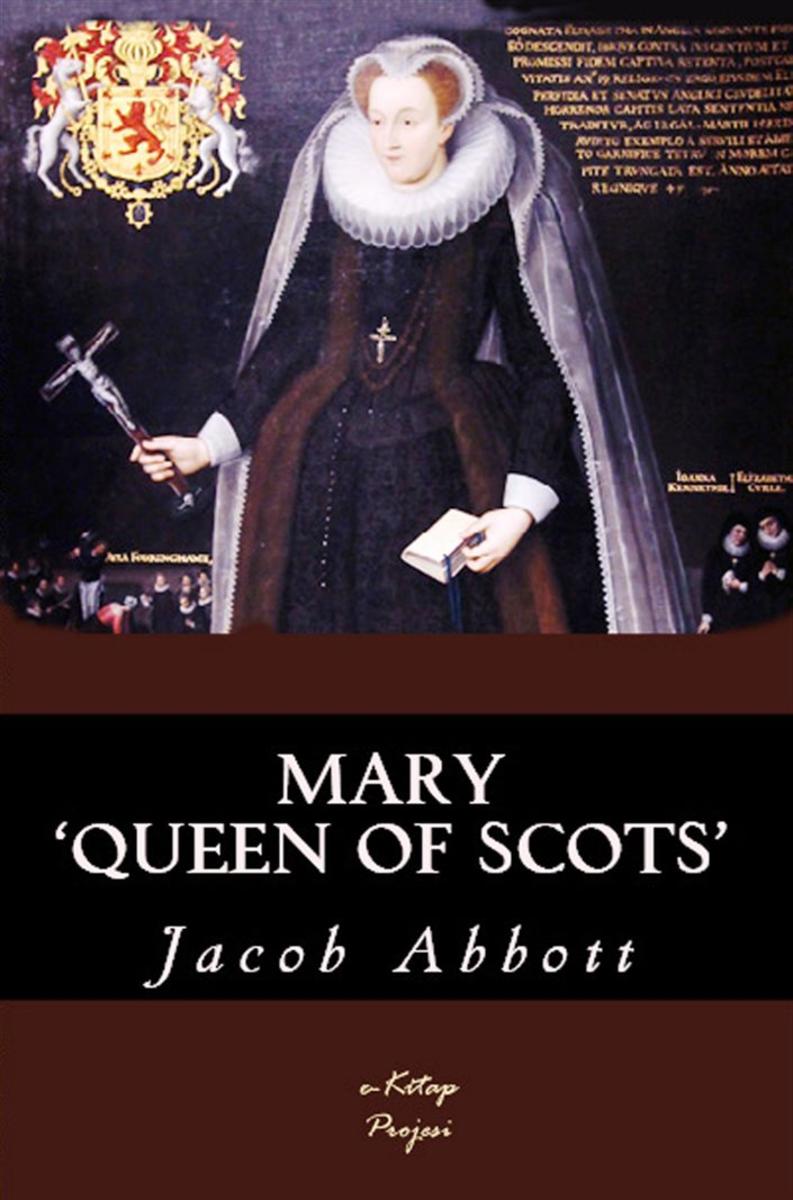
Mary Queen of Scots
¥27.88
TRAVELERS who go into Scotland take a great interest in visiting, among other places, a certain room in the ruins of an old palace, where Queen Mary was born. Queen Mary was very beautiful, but she was very unfortunate and unhappy. Every body takes a strong interest in her story, and this interest attaches, in some degree, to the room where her sad and sorrowful life was begun.??The palace is near a little village called Linlithgow. The village has but one long street, which consists of ancient stone houses. North of it is a little lake, or rather pond: they call it, in Scotland, a loch. The palace is between the village and the loch; it is upon a beautiful swell of land which projects out into the water. There is a very small island in the middle of the loch and the shores are bordered with fertile fields. The palace, when entire, was square, with an open space or court in the center. There was a beautiful stone fountain in the center of this court, and an arched gateway through which horsemen and carriages could ride in. The doors of entrance into the palace were on the inside of the court.??The palace is now in ruins. A troop of soldiers came to it one day in time of war, after Mary and her mother had left it, and spent the night there: they spread straw over the floors to sleep upon. In the morning, when they went away, they wantonly set the straw on fire, and left it burning, and thus the palace was destroyed. Some of the lower floors were of stone; but all the upper floors and the roof were burned, and all the wood-work of the rooms, and the doors and window-frames. Since then the palace has never been repaired, but remains a melancholy pile of ruins.??The room where Mary was born had a stone floor. The rubbish which has fallen from above has covered it with a sort of soil, and grass and weeds grow up all over it. It is a very melancholy sight to see.

Hajnali beszélgetések Lukits Milossal
¥27.71
T?rténik Olivér házában, Frigyes herceg udvarában, valamint az Ardeni-erd?ben – vélhet?leg Franciaországban. Egy nagy erej? vitéz, miként nálunk majd Toldi, legy?z egy bajnokot. Bár testvére ármánya miatt meg kellett volna halnia a párviadalban, mégis az ? homlokára kerül a gy?ztesnek kijáró koszorú. ?s ezzel kezdetét veszi vessz?futása. El?bb csak bátyja, majd uralkodója haragja el?l, utóbb egyenest a szám?zetésbe. Vigaszul csupán egy mosoly, egy fehér lánykézb?l kapott amulett és ?reg szolgája sírig h? ragaszkodása szolgál. ?m az ardeni erd? mélyén további barátokra, igaz szerelemre, és el?z?tt hercegének birodalmára talál.
A kabaré regénye
¥27.71
E tündérjátékról úgy tartják, egy f?úri esküv? alkalmából íródott. Err?l szól maga a darab is, a szerelemr?l, a házasságról, a szenvedélyr?l, az akadályok legy?zésér?l. A Szentivánéj egyetlen hatalmas nászéjszaka. Puck, a csúfondáros apród, aki miatt kit?r a háborúság a tündérkirály és tündérkirályn? k?z?tt, minden kerget?z?, egymást ?z? szerelmesnek jelképe lehet, akik szüntelen váltakozásban gerjednek egyért s taszítják el a másikat. Mintha a való életben is Puck gonosz varázslatára fordulna meg minden, majd jótékony varázslatára az éj végére valahogy mégis ?sszerendez?djék. Tündéri álomvilág cívódással, féltéssel, ellenállhatatlan vágyakkal.
Párizs, 1913
¥27.71
William Shakespeare egyik legnagyobb m?ve a Macbeth, a hatalomvágytól megszállott gyenge ember drámája. Macbethnek egyszer azt j?vend?lik, hogy király lesz. Felesége ?szt?nzésére és segítségével, hogy beteljesedjék a jóslat, álmában meg?lik a náluk vendégesked? királyt. Tettüket a leitatott ?r?kre fogják, akiknek nincs is idejük tiltakozásra a hamis vád ellen, mert Macbeth sz?rny? ?felindultságában” meg?li ?ket. A hatalmat, a rangot azonban nem tudják élvezni…
The Arabian Nights: "The Orient Magic"
¥27.55
AUTHOR OF "POOR BOYS WHO BECAME FAMOUS," "GIRLS WHO BECAME FAMOUS," "STORIES FROM LIFE," "FAMOUS AMERICAN AUTHORS," "FAMOUS AMERICAN STATESMEN," "SOCIAL STUDIES IN?ENGLAND," "FROM HEART AND NATURE,"?"FAMOUS MEN OF SCIENCE," ETC. "Do not act as if you had ten thousand years to throw away. Death stands at your elbow. Be good for something while you live, and it is in your power." —Marcus Aurelius. "Every line, every road, every gable, every tower, has some story of the past present in it. Every tocsin that sounds is a chronicle; every bridge that unites the two banks of the river, unites also the crowds of the living with the heroism of the dead."The beauty of the past goes with you at every step in Florence. Buy eggs in the market, and you buy them where Donatello bought those which fell down in a broken heap before the wonder of the crucifix. Pause in a narrow by-street in a crowd, and it shall be that Borgo Allegri, which the people so baptized for love of the old painter and the new-born art. Stray into a great dark church at evening time, where peasants tell their beads in the vast marble silence, and you are where the whole city flocked, weeping, at midnight, to look their last upon the dead face of their Michael Angelo. Buy a knot of March anemones or April arum lilies, and you may bear them with you through the same city ward in which the child Ghirlandaio once played amidst the gold and silver garlands that his father fashioned for the young heads of the Renaissance. Ask for a shoemaker, and you shall find the cobbler sitting with his board in the same old twisting, shadowy street-way where the old man Toscanelli drew his charts that served a fair-haired sailor of Genoa, called Columbus." Florence, Shelley's "Smokeless City," was the ardently loved home of Michael Angelo. He was born March 6, 1475, or, according to some authorities, 1474, the Florentines reckoning time from the incarnation of Christ, instead of his birth. Lodovico Buonarotti, the father of Michael Angelo, had been appointed governor of Caprese and Chiusi, and had moved from Florence to the Castle of Caprese, where this boy, his second child, was born. The mother, Francesca, was, like her husband, of noble family, and but little more than half his age, being nineteen and he thirty-one. After two years they returned to Florence, leaving the child at Settignano, three miles from the city, on an estate of the Buonarottis'. He was intrusted to the care of a stone-mason's wife, as nurse. Living among the quarrymen and sculptors of this picturesque region, he began to draw as soon as he could use his hands. He took delight in the work of the masons, and they in turn loved the bright, active child. On the walls of the stone-mason's house he made charcoal sketches, which were doubtless praised by the foster-parents.
Republic
¥27.39
THE earliest record we have of the employment of an infernal machine at all resembling the torpedo of the present day, was in 1585 at the siege of Antwerp. Here by means of certain small vessels, drifted down the stream, in each of which was placed a magazine of gunpowder, to be fired either by a trigger, or a combination of levers and clockwork, an Italian engineer, Lambelli, succeeded in demolishing a bridge that the enemy had formed over the Scheldt. So successful was this first attempt, and so tremendous was the effect produced on the spectators, by the explosion of one of these torpedoes, that further investigation of this new mode of Naval warfare was at once instituted.But it was not until some two hundred years after that any real progress was effected, though numerous attempts were made during this period, to destroy vessels by means of sub-marine infernal machines.It was owing to the fact, that the condition which is now considered as essential in torpedo warfare, viz., that the charge must be submerged, was then entirely ignored, that so long a standstill occurred in this new art of making war. Captain Bushnell, the Inventor of Torpedoes.—To Captain David Bushnell, of Connecticut, in 1775, is most certainly due the credit of inventing torpedoes, or as he termed them submarine magazines. For he first proved practically that a charge of gunpowder could be fired under water, which is incontestably the essence of submarine warfare. Submarine Boat.—To Captain Bushnell is also due the credit of first devizing a submarine boat for the purpose of conveying his magazines to the bottom of hostile ships and there exploding them.Drifting Torpedoes.—Another plan of his for destroying vessels, was that of connecting two of his infernal machines together by means of a line, and throwing them into the water, allowing the current to carry them across the bows of the attacked ship. Mode of Ignition.—The ignition of his magazines was generally effected by means of clockwork, which, when set in motion, would run for some time before exploding the machines, thus enabling the operators to get clear of the explosion.Captain Bushnell's few attempts to destroy our ships off the American coast in 1776 and 1777, with his submarine boat, and his drifting torpedoes were all attended with failure, a result generally experienced, where new inventions are for the first time subjected to the test of actual service. Robert Fulton.—Robert Fulton, an American, following in his footsteps, some twenty years after, revived the subject of submarine warfare, which during that interval seems to have been entirely forgotten. A resident in France, in 1797, he is found during that year making various experiments on the Seine with a machine which he had constructed, and by which he designed "to impart to carcasses of gunpowder a progressive motion under water, to a certain point, and there explode them."[A] Fulton's Failures.—Though these first essays of his resulted in failure, Fulton thoroughly believed in the efficacy of his schemes, and we find him, during that and succeeding years, vainly importunating the French and Dutch Governments, to grant him aid and support in carrying out experiments with his new inventions, whereby he might perfect them, and thus ensure to whichever government acceded to his views, the total destruction of their enemy's fleets. Bonaparte aids Fulton.—Though holding out such favourable terms, it was not until 1800, when Bonaparte became First Consul, that Fulton's solicitations were successful, and that money was granted him to carry out a series of experiments. In the following year (1801), under Bonaparte's immediate patronage, Fulton carried out various and numerous experiments in the harbour of Brest, principally with a submarine boat devised by him (named the Nautilus), subsequently to his invention of submarine carcasses as a means of approaching a ship and fixing one of his infernal machines beneath her..

TV Cream Toys Lite
¥27.17
Do you remember tearing down the stairs at five in the morning, in wide-eyed anticipation of the mountain of wrapped boxes under a Woolies' fireproof silver tinsel tree? Do you remember the sense of disappointment when what you'd asked for wasn't among them? Or – worse – when you found a cheap, knock-off version of a toy you really wanted? Lavishly illustrated and with over 300 colour photographs, TV Cream Toys celebrates the presents that we hoped, wished and prayed would turn up in the Christmas stockings of yesteryear. From Big Trak to Buckaroo!, Mastermind to Merlin, Sorry! to Strawberry Shortcake, each peerless plaything from the '60s through to the '90s is examined and catalogued (in the Argos, rather than the scientific, sense). Culled from award-winning retro website TV Cream, this book lists a wealth of fondly remembered toys, games, and novelties, and unearths quite a few of the oft-forgotten classics that, even to this day, remain treasured in the hearts of our inner children. LET THE BLIZZARD OF MR MEN WRAPPING PAPER COMMENCE…

Укра?нська легко! (Ukra?ns'ka legko!)
¥26.65
Н?л Фер?юсон зауважу?: ?Ще на початку XV стол?ття сама лише думка про те, що наступн? п’ять стол?ть Зах?д буде дом?нувати над рештою св?ту, здалася б дуже дивною. А вт?м, це сталося?. ? нин? могутн?сть Заходу вража? нав?ть найбагатшу уяву... То чому ж так трапилося? Чому ?вропа, що на 1500-й р?к поступалася Сходу за багатьма показниками — економ?чними, технолог?чними, демограф?чними, — зум?ла р?зко рвонути уперед ? досягти безперечного св?тового панування? Як? складов? усп?ху зах?дно? цив?л?зац??? Саме ц? дражлив? питання украй см?ливо, часом нав?ть зухвало, а проте надзвичайно захопливо висв?тлю? Н?л Фер?юсон.

Энда. Земля легенд (Jenda. Zemlja legend)
¥26.65
Брошура в стисл?й та популярн?й форм? розпов?да? про под?? Укра?нсько? революц?? 1917–1921 рок?в – процеси державного буд?вництва, творення укра?нсько? пол?тично? нац??, в?дродження укра?нсько? науки, осв?ти, культури та духовност?. Багато уваги прид?ля?ться л?дерам Укра?нсько? революц?? – Михайлу Грушевському, Володимиру Винниченку, Симону Петлюр?, Павлу Скоропадському, ?вгену Петрушевичу, Номану Челеб?дж?хану та ?н., як? розробляли ?? ?деолог?ю, формували порядок денний, вели за собою народ. Розкрива?ться ?нституц?йне буд?вництво, творення законодавчо?, виконавчо?, судово? г?лок влади, розбудова в?йська, дипломат??, ф?нансово? системи тощо. Фотокартки ? св?дчення сучасник?в в?дтворюють атмосферу того часу, проливають св?тло на життя ? побут звичайно? людини в умовах революц?йних потряс?нь.??Брошура п?дготовлена на основ? матер?ал?в ?нформац?йно-просв?тницько? кампан??, яку Укра?нський ?нститут нац?онально? пам’ят? проводить до 100-р?ччя Укра?нсько? революц?? 1917-1921 рок?в, в ход? яко? п?дготовлено низку фотодокументальних виставок, комплект?в лист?вок та ?нформац?йних матер?ал?в, дитячу наст?льну гру, спец?ал?зовану веб-стор?нку, присвячену под?ям Укра?нсько? революц?? 1917–1921 рок?в (www.UNR.memory.gov.ua).??
Приют. Похитители костей (Prijut. Pohititeli kostej)
¥26.65
Йшов четвертий р?к св?тово? в?йни. Втомлений под?ями генерал-лейтенант рос?йсько? ?мператорсько? арм?? Павло Петрович Скоропадський, нащадок старовинно? старшинсько? фам?л??, ще не знав, що стане гетьманом незалежно? Укра?нсько? Держави.??Епоха зм?н, яку самовбивчо наближали революц?онери вс?х мастей, перетворилася на апокал?псис, в?йну вс?х проти вс?х, але Скоропадському стало духу взяти на себе невдячну ношу державного буд?вництва. Спроба зак?нчилася ц?лковитим ? оч?куваним провалом, але окрем? починання гетьмана дотривали до наших дн?в: саме йому Укра?на завдячу?, наприклад, Академ??ю наук.

Несказане
¥25.18
Le piante percepiscono il suono e amano suonare.Lo dimostrano studi e sperimentazioni condotte in ambito accademico e, ancora di più, le esperienze di numerosi ricercatori e musicisti che insegnano alle piante a usare apparecchiature musicali elettroniche e suonano e cantano insieme a loro.Le ricerche sull’intelligenza vegetale, sulla sensibilità delle piante e sulla loro disponibilità a dialogare con noi aprono la nostra mente verso una più profonda visione della natura e il nostro cuore a nuove occasioni di scambio con tutto ciò che è vivo intorno a noi.

Дол? та фур??
¥24.93
Knjiga Me?uodnosi umjetni?kih svjetova dio je doktorske disertacije, a govori o simultanoj i sukcesivnoj umjetnosti kroz ilustracije Bhagavad Gite, u 18 poglavlja od kojih svako ima dvije verzije. Su?tina autori?inog interesa je prijenos misli i osje?aja iz drevnog indijskog epa, kroz likovne elemente, odnosno vizualizacija vremenske umjetnosti; poku?ala je interpretirati kroz kompoziciju, boju, liniju, kontrast, tre?u dimenziju, strukturu, teksturu, proporciju, ritam i dinamiku, filozofiju Bhagavad Gite, koja je posebna utoliko ?to je u Indiji filozofija jednako religija, i obrnuto. Spomenuta je i analogija izme?u vremenskih i prostornih umjetnosti, kao ?to je boja (valer), glazba (akord), te upravo kroz sinergiju zna?enja i zra?enja na ilustracijama mo?emo do?ivjeti da "?itamo sliku". ? Tatjana Burzanovi? je autorica, umjetnica, grafi?ka dizajnerica i dizajnerica interijera, profesor na Fakultetu za kulturu i turizam na predmetu Indijska kultura, te na Fakultetu za dizajn i multimediju na Univerzitetu Donja Gorica u Podgorici, Crna Gora. Diplomirala je na Akademiji likovnih umjetnosti u Sarajevu, a doktorat obranila na Fakultetu primenjenih umjetnosti u Beogradu. Svoje je radove izlagala na brojnim samostalnim i grupnim izlo?bama, te sudjelovala u umjetni?kim i pedago?kim kolonijama. Dobila je nekoliko nagrada za dizajn knjiga. Knjiga Me?uovisnost umjetni?kih svjetova?nagra?ena je na 11. sajmu knjiga u Podgorici za najbolje opremljeno umjetni?ko izdanje. Knjiga je u elektroni?kom izdanju dostupna i u engleskom prijevodu.

У л?с?-л?с? темному
¥24.93
The Interrelation Between Art Worlds is a part of PhD thesis and it deals with the simultaneous and successive art using the illustrations of Bhagavad Gita, in 18 chapters, where each chapter has two versions. The substance of the author's interest is a transfer of thoughts and feelings from the ancient Indian epic, through visual elements, that is, the visualization of temporal arts. She tried to explain the philosophy of Bhagavad Gita?through composition, color, contrast, third dimension, structure, texture, proportion, rhythm and dynamics, which is particular because in India philosophy equals religion, and vice versa. Described is also the analogy between temporal and spatial arts, such as color (valeur), music (chord). Through the synergy of meaning and radiation on the illustrations, we can achieve experience of "reading the image". ? Tatjana Burzanovi? is a writer, artist, graphics designer, and interior designer, professor at the Faculty of Culture and Tourism, where she teaches Indian culture, and Faculty of Design and Multimedia, at the University of Donja Gorica in Podgorica, Montenegro. She graduated from Academy of Fine Arts in Sarajevo, and acquired her PhD at Faculty of Art and Design at the University of Belgrade. She presented her works in numerous solo and group exhibitions, and took part in several artistic and pedagogical colonies. She received several awards for her book designs. The book The Interrelation Between Art Worlds?was awarded at 11th Book Fair in Podgorica for the best designed art book.
Спогади
¥24.53
Dvadeset godina nakon epohalne promjene 1989., koja je na postjugoslavenski prostor djelovala na posve druk?iji na?in nego na druge prija?nje realsocijalisti?ke europske zemlje, ova studija predstavlja poku?aj analiti?kog osvrta na dva desetlje?a razvoja civilnog dru?tva na zapadnom Balkanu. Njen autor Sr?an Dvornik iz Hrvatske, u to je dobro upu?en. Nije slu?ajno ?to se kroz cijeli sadr?aj i u strukturi ove knjige ispreple?u teorija i praksa te odnosi unutar i izvan “civilnodru?tvenog” razvoja. (...) Ova je studija va?an doprinos, dosad nedostatnim, razmatranjima o mogu?nostima i ograni?enjima akter? civilnog dru?tva u (post)autoritarnim dru?tvima. Istovremeno ona donosi i pouku da instrumenti zapadne politike demokratizacije imaju pred sobom jo? dug put razvoja do to?ke na kojoj ?e posve iscrpsti svoje dosada?nje organizacijske i politi?ke potencijale, da bi potom na nove me?unarodne izazove, koje nam novi svjetski (ne)red postavlja posljednja dva desetlje?a, mogli primjerenije reagirati. dr. Azra D?aji?-Weber

Stendhal Syndrome
¥24.44
Stendhal Syndrome


