


 购物车
购物车 个人中心
个人中心
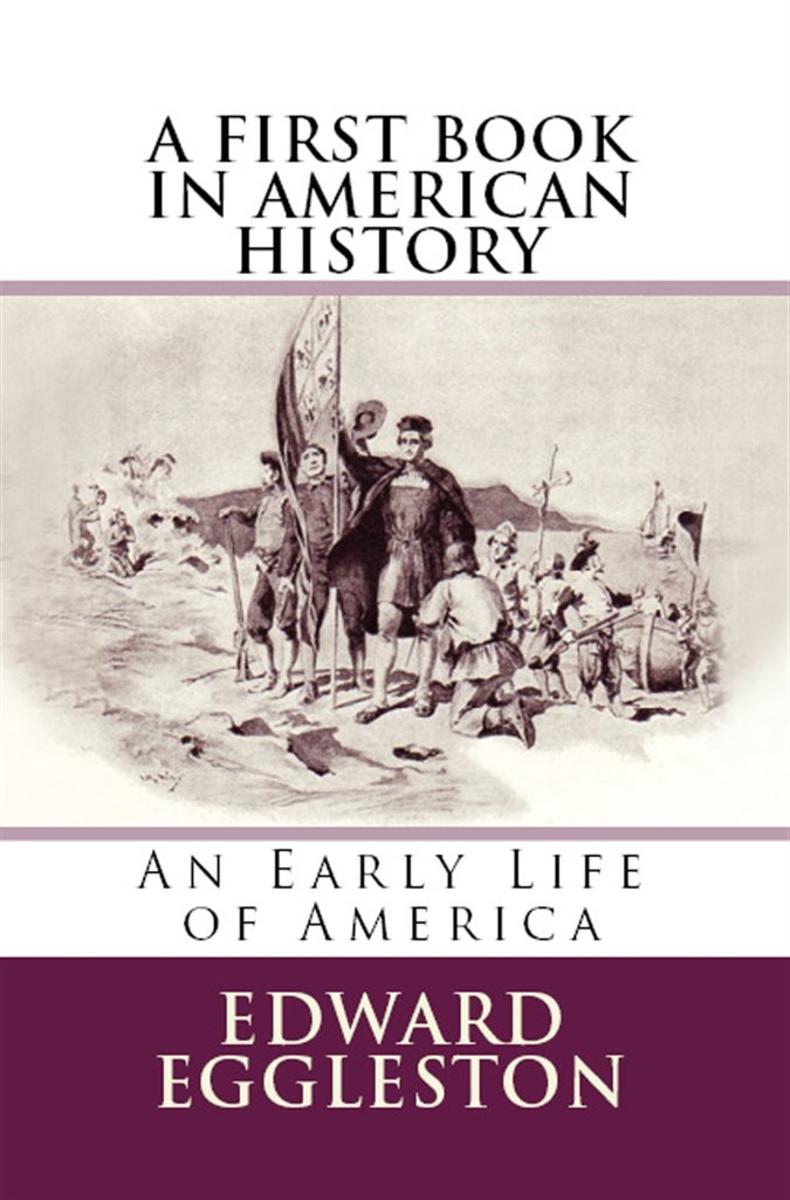
A First Book in American History: "An Early Life of America"
¥28.29
IN preparing a first book of American history, it is necessary to keep in mind the two purposed such a work is required to serve. There are children whose school life is brief; these must get all the instruction they are to receive in their country's history from a book of the grade of this.To another class of pupils the first book of American history is a preparation for the intelligent study of a textbook more advanced. It is a manifest waste of time and energy to require these to learn in a lower class the facts that must be re-studied in a higher grade. Moreover, primary histories which follow the order of larger books are likely to prove dry and unsatisfactory condensations. But a beginner's book ought before all things else to be interesting. A fact received with the attention raised to its highest power remains fixed in the memory; that which is learned listlessly is lost easily, and a lifelong aversion to history is often the main result produced by the use of an unsuitable textbook at the outset.The main peculiarity of the present book is that it aims to teach children the history of the country by making them acquainted with some of the most illustrious actors in it. A child is interested, above all, in persons. Biography is for him the natural door into history. The order of events in a nation's life is somewhat above the reach of younger pupils, but the course of human life and the personal achievements of an individual are intelligible and delightful. In teaching younger pupils by means of biography, which is the very alphabet of history, we are following a sound principle often forgotten, that primary education should be pursued along the line of the least resistance. Moreover, nothing is more important to the young American than an acquaintance with the careers of the great men of his country.
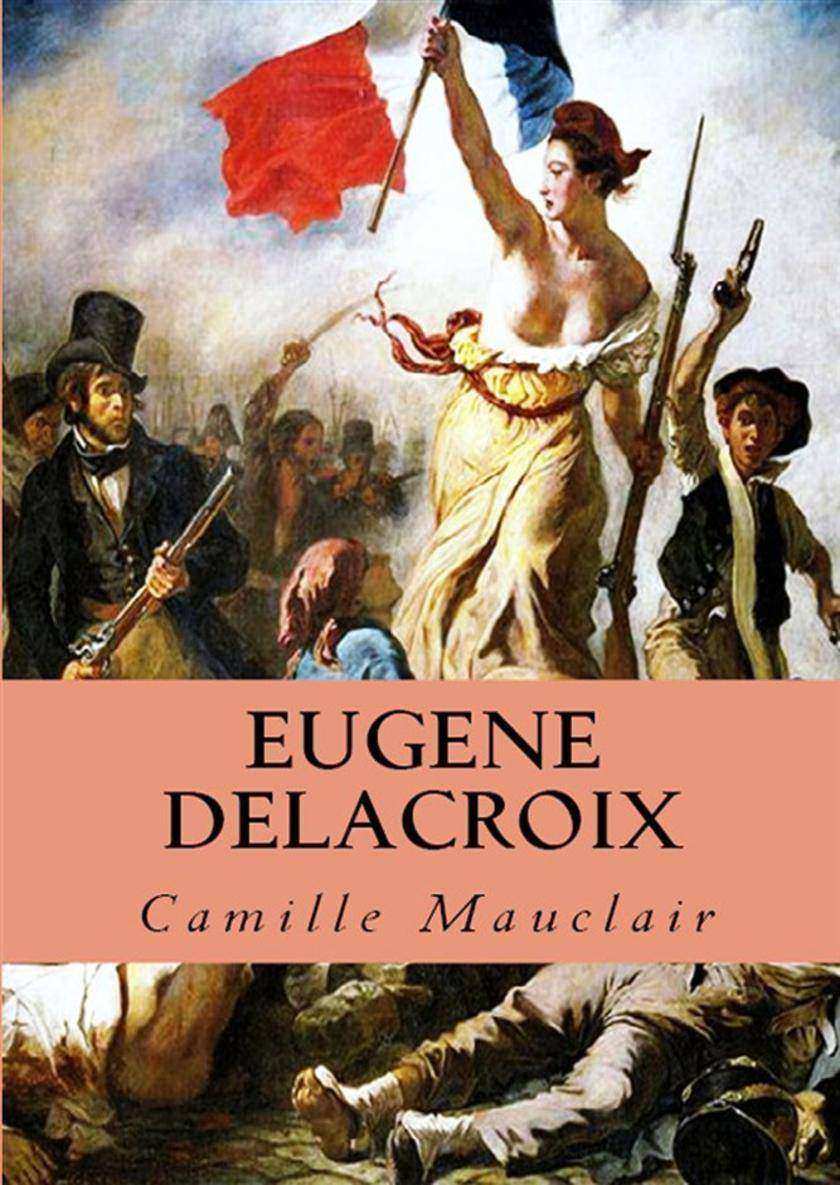
Eugène Delacroix
¥33.11
Pour bien comprendre la portée de l'intervention et de l'influence de l'?uvre de Delacroix dans l'école fran?aise, il est nécessaire de se rappeler la situation exacte de la peinture au moment où il parut.??La Révolution avait brutalement traité les ma?tres du XVIIIème siècle finissant. ?prise d'un sévère idéal gréco-romain, dont déjà Vien avait donné des exemples et que David allait porter à son apogée, la génération jacobine avait considéré les peintres légers et délicieux du règne de Louis XVI comme les bénéficiaires de la corruption luxueuse des nobles et des fermiers généraux, et elle les avait rejetés dans le même mouvement d'injuste fureur. Fragonard mourait oublié, chassé de son logis des galeries du Louvre. Hubert Robert échappait gr?ce à une erreur à l'échafaud. Greuze mourait dans la misère noire. On ne parlait plus de Chardin. Un Latour se vendait quelques francs. ??L'?Embarquement pour Cythère?, peint par Watteau pour son entrée à l'Académie, y était criblé de boulettes de papier m?ché par les élèves de David, neveu de Boucher dont ils parlaient en de tels termes, qu'il était obligé, par pudeur, d'excuser à leurs yeux son oncle. Les gravures de Cochin, de Lépicié, de Choffard, de Lavreince, des Saint-Aubin, de Debucourt, de Gravelot, d'Eisen, allaient s'ensevelir dans les soupentes de quelques brocanteurs, et on attendrait quatrevingts ans avant de les rechercher pour les couvrir d'or. Un siècle s'effondrait. Son go?t exquis, sa morale profondément naturelle et humaine, son libéralisme sceptique, tout lui était imputé à vice et à crime. On rêvait d'un art moralisateur, que Greuze avait préparé aux applaudissements de Diderot par ses scènes familiales et son ingénuité bourgeoise, mêlée de libertinage hypocrite. ??On voulait un art héro?que, sévère, propre à élever les consciences. David apparut l'homme d'une telle ?uvre, et créa d'un seul effort la réaction d'une esthétique néo-romaine, d'une peinture con?ue d'après la statuaire antique, et toute consacrée à des expressions de sentiments cornéliens. La discipline de cette école fut plus dure encore que celle imposée, centvingtcinq années auparavant, par Louis XIV, Le Brun et l'école de Rome. Plus de recherches de la nature, plus de gr?ce, plus de vérité, plus de coloris, mais simplement un art allégorique, pompeux, aride, éloigné de la vie et tout entier construit sur des théories, un art aussi opposé que possible au tempérament fran?ais.
Magna?ii. Cum au inventat Andrew Carnegie, John D.
¥86.00
Dintre toate scrierile Svetlanei Aleksievici, Ultimii martori este cea mai sf??ietoare. C?ci ce poate fi mai cumplit dec?t copil?ria ?n timp de r?zboi, mai tragic dec?t inocen?a supus? violen?ei ?i anihil?rii? Personajele acestei c?r?i, b?ie?i ?i fete, aveau, ?n perioada celui de al Doilea R?zboi Mondial – conflictul poate cel mai inuman din istorie –, ?ntre trei ?i doisprezece ani, dar r?nile c?p?tate atunci le s?ngereaz? p?n? ?n ziua de azi. ?i totu?i, ?n pofida suferin?elor descrise, textul dob?nde?te o extraordinar? for?? evocatoare pentru c? reu?e?te s? reconstituie poezia inerent? v?rstei copil?riei. Tulbur?tor prin ?nc?rc?tura sa de adev?r ?i r?v??itor suflete?te, Ultimii martori ne schimb? perspectiva asupra istoriei, a r?zboiului, a copil?riei ?i a vie?ii.
Trecutul la judecata istoriei
¥130.72
Boris Johnson exploreaz?, ?n paginile acestui volum, din ce anume este constituit ?factorul Churchill“ – acea inteligen?? unic? a unuia dintre cei mai importan?i lideri ai secolului XX. Demont?nd miturile ?i prejudec??ile care au d?inuit al?turi de realitate, Johnson realizeaz? – cu inteligen?a ?i pasiunea caracteristice – portretul unui om al contradic?iilor, al curajului contagios, ?nzestrat cu o elocin?? uimitoare ?i cu o putere inegalabil? de a croi strategii. Curajos pe c?mpul de lupt?, Churchill a trebuit s? primeasc? ordin de la rege pentru a sta departe de focul b?t?liei ?n Ziua Z; a fost de acord cu bombardamentele strategice la scar? extins?, cu toate c? ura distrugerile produse de r?zboi ?i ?i dispre?uia pe politicienii care nu ?i tr?iser? ororile. A fost un jurnalist apreciat, un mare orator ?i a c??tigat Premiul Nobel pentru Literatur?. A fost faimos pentru capacitatea de a combina serile de dineuri oficiale cu nop?ile ?n care lua decizii cruciale pentru soarta r?zboiului. Viziunea sa progresist? asupra lumii l-a f?cut un pionier ?n dezvoltarea sistemului public de s?n?tate, de educa?ie ?i de asisten?? social?, de?i a r?mas un adept incorigibil al incorectitudinii politice. Factorul Churchill nu este o carte doar pe gustul pasiona?ilor de istorie. Este o lectur? esen?ial? pentru to?i cei care doresc s? afle din ce material anume e f?cut un mare lider.
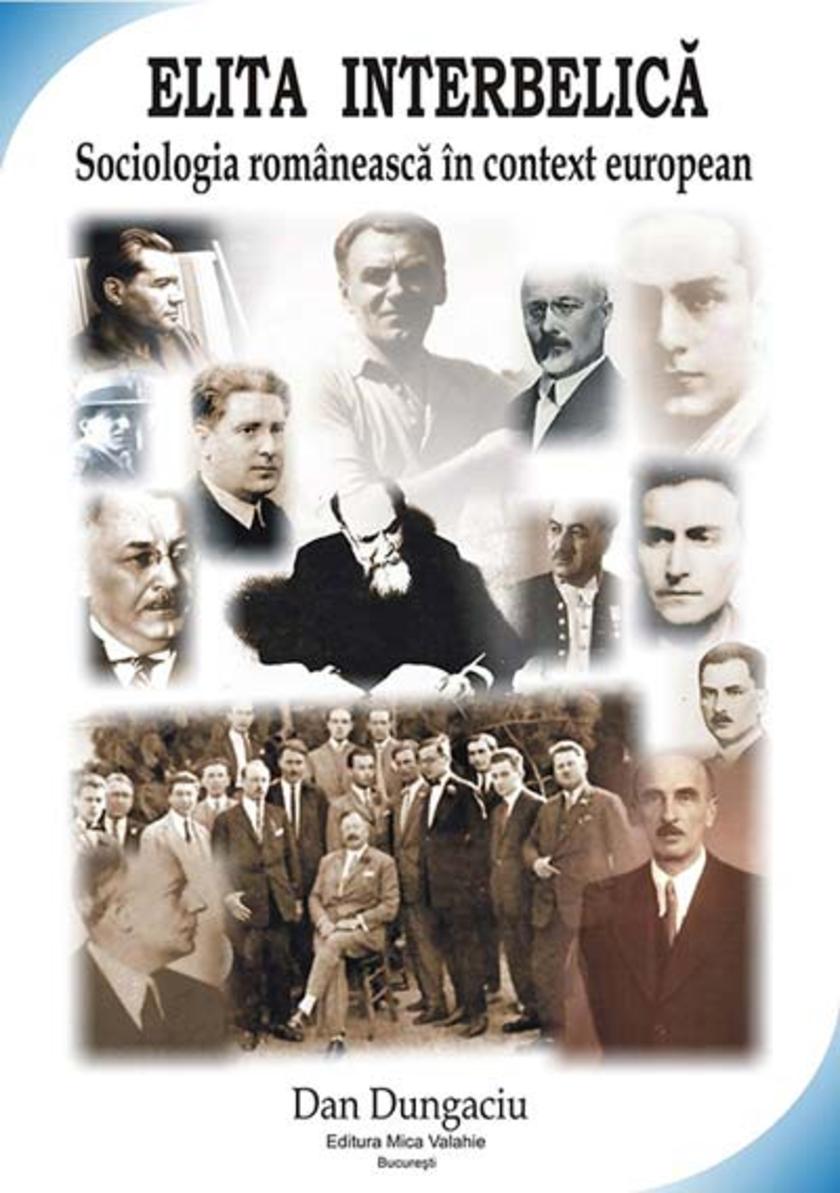
Elita interbelic?: sociologia rom?neasc? ?n context european
¥90.84
Pe 1 mai 1915, c?nd Primul R?zboi Mondial intra ?n cea de a zecea sa lun?, un transoceanic de linie luxos, la fel de bogat decorat ca un conac englezesc de ?ar?, pleca din New York cu destina?ia Liverpool, av?nd la bord un num?r record de copii. ?n r?ndurile pasagerilor domnea o surprinz?toare stare de bun? dispozi?ie, de?i Germania declarase c? apele din jurul Marii Britanii constituiau o zon? de r?zboi. Luni de zile, submarinele germane sem?naser? teroarea ?n Atlanticul de Nord. Dar Lusitania era unul dintre marile transatlantice ale epocii, cel mai rapid vapor de linie aflat ?n serviciu, iar c?pitanul ei, William Thomas Turner, avea o ?ncredere de nestr?mutat ?n regulile stricte ale r?zboiului purtat de gentlemani, care feriser?, vreme de un secol, vasele civile de orice atac. Este o poveste pe care mul?i dintre noi cred c? o cunosc, f?r? a o ?ti cu adev?rat, iar Erik Larson ne-o readuce ?n aten?ie plin? de suspans, schimb?nd rolurile ?ntre v?n?tor ?i v?nat, ?n timp ce descrie un tablou mai general al Americii la apogeul Erei Progresului. Plin? de str?lucire ?i de emo?ie, Siajul mor?ii aduce la via?? o distribu?ie de personaje evocatoare, de la faimosul librar din Boston Charles Lauriat, la pioniera din domeniul arhitecturii Theodate Pope ?i la pre?edintele Woodrow Wilson, un om sufocat de suferin?? ?i ?ngrozit de perspectiva unui r?zboi mondial. Siajul mor?ii surprinde drama pur? ?i puterea emo?ional? a unui dezastru ale c?rui detalii intime ?i ?n?eles real riscau s? r?m?n? pierdute ?n negurile istoriei.
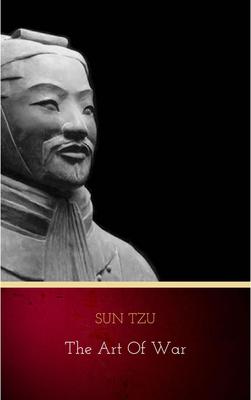
The Art of War
¥8.82
The Art of War is a Chinese military treatise that was written during the 6th century BC by Sun Tzu. Composed of 13 chapters, each of which is devoted to one aspect of warfare, it has long been praised as the definitive work on military strategies and tactics of its time. The Art of War is one of the oldest books on military strategy in the world. It is the first and one of the most successful works on strategy and has had a huge influence on Eastern and Western military thinking, business tactics, and beyond. Sun Tzu was the first to recognize the importance of positioning in strategy and that position is affected both by objective conditions in the physical environment and the subjective opinions of competitive actors in that environment. He taught that strategy was not planning in the sense of working through a to-do list, but rather that it requires quick and appropriate responses to changing conditions.
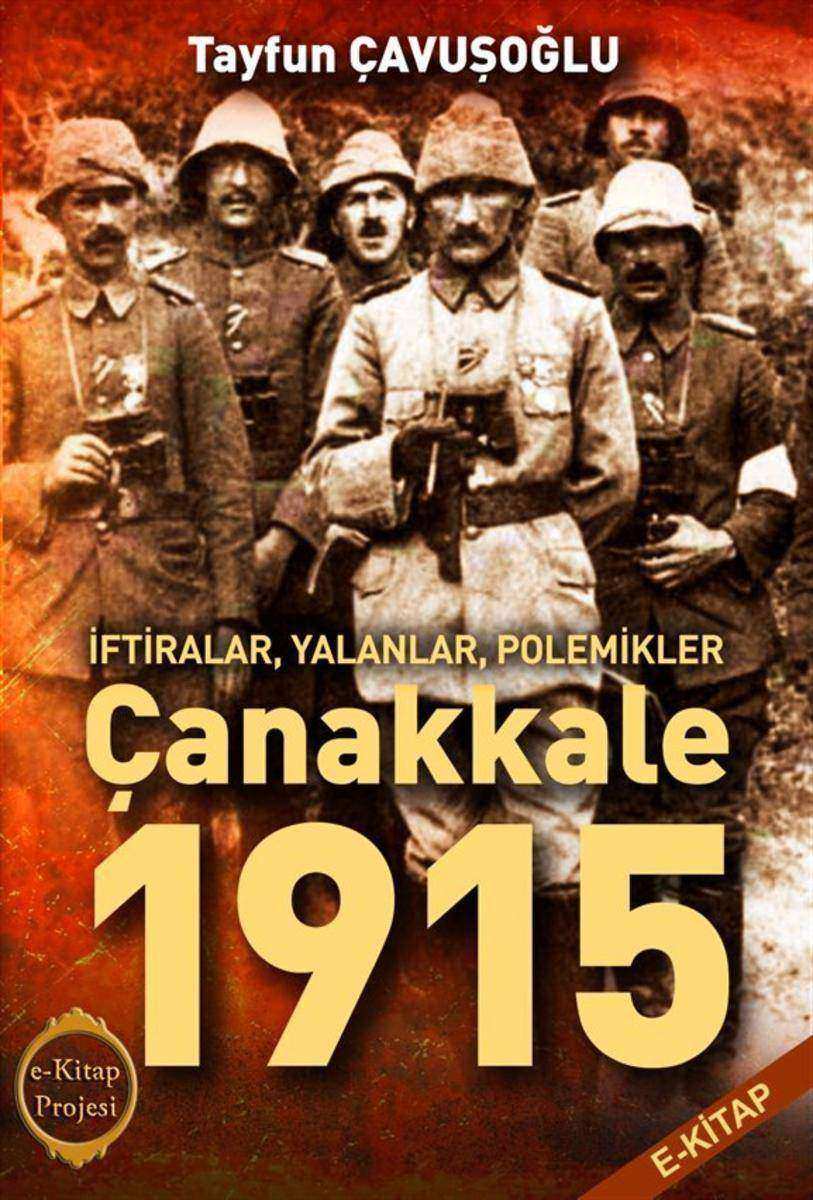
?anakkale -1915
¥18.56
anakkale Sava üzerine zellikle son yllarda yazlan kitaplarda doru ve dürüst yaklamlara da, cehaletin, aymazln, tarihe ihanetin ve yalann bin bir türlüsüne de rastlamak mümkün… ylesine aknlk yaratacak rnekler var ki... Kimisi, deniz savalar (18 Mart) ile Gelibolu’daki kara savalarn (25 Nisan) kronolojik olarak ayrt edebilecek bilgiden bile yoksun! ünkü gerei ideolojiye kurban etmeyi kafaya koymular bir kere… Tek ama, her ne pahasna olursa olsun anakkale’den Mustafa Kemal’in adn silip atmak… Mustafa Kemal’in ad gemesin, Mustafa Kemal o baardan pay almasn yeter! Varsn verdikleri tarihler de, saylar da, ordularn muharebe düzenleri de yalan-yanl olsun, ne kar! Meydan bo zannedilmesin... te polemik konular, yalanlar, iftiralar ve tarihi gerekler... --- YAZAR ZGEM----- Tayfun AVUOLU (1964 / …) Uluda niversitesi Eitim Fakültesi Alman Dili Anabilim Dal (1985) mezunu. renciyken 1983 yl balarnda Türk Haberler Ajans (THA) Bursa Bürosu’nda muhabirlie balad. Bursa’daki yerel gazeteler Hkimiyet, Olay, Bursa hkimiyet ve Kent gazetelerinde muhabir, istihbarat efi, haber müdürü, yaz ileri müdürü olarak alt. Bursa hkimiyet ve Bursa Haber gazetelerinde genel yayn ynetmenlii grevinde bulundu. Halen Bursa yerel basnndaki almalarn sürdürüyor. ada Gazeteciler Dernei (GD) Bursa ubesi’nde iki dnem (1997-2001) bakanlk yapan Tayfun avuolu, Bursa Gazeteciler Cemiyeti’nde (BGC) bir dnem (2009-2012) ynetim kurulu üyeliinde de bulundu. Basn meslek rgütlerinden ok sayda dül de alan, sürekli basn kart sahibi Tayfun avuolu, ngilizce retmeni Nesrin avuolu ile evli olup, Altu ve Alper’in babasdr. lk kitab “anakkale 1915, ftiralar, Yalanlar, Polemikler”, 2014’ün ubatnda Kasta Yaynevi (stanbul) tarafndan yaynland.
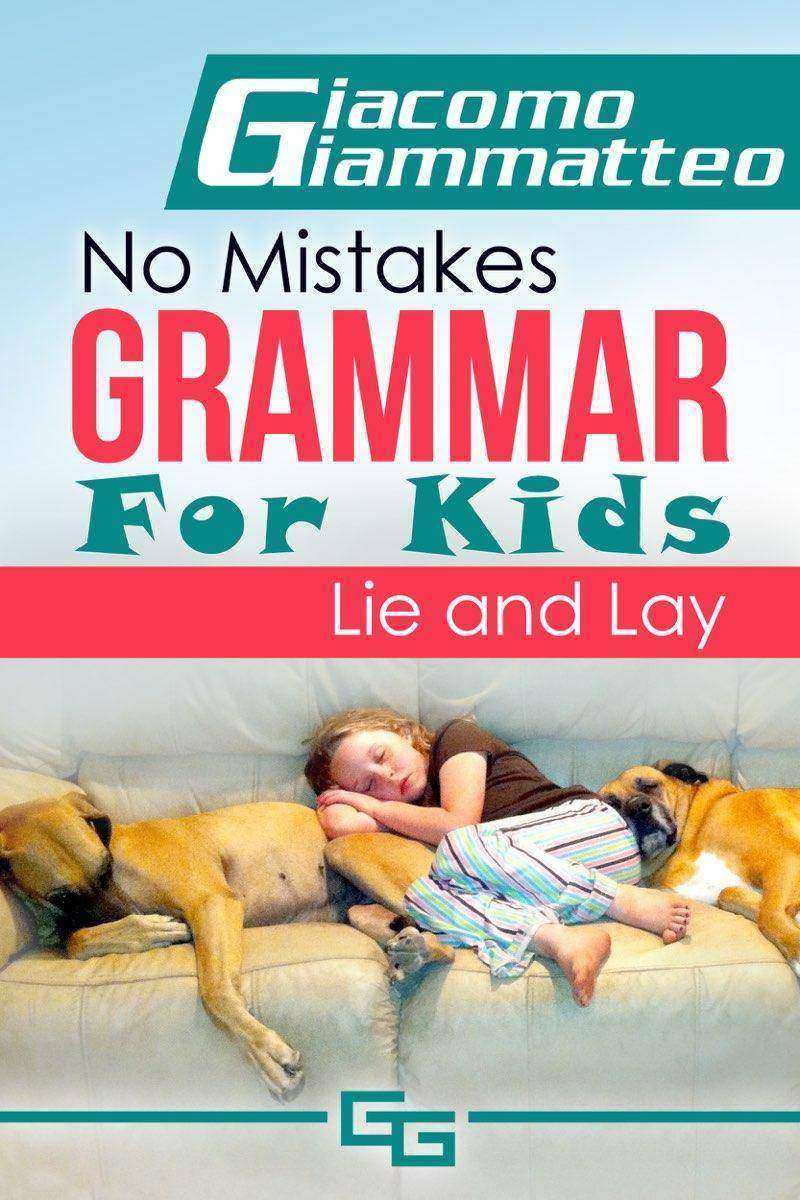
No Mistakes Grammar for Kids, Volume II: Lie and Lay
¥24.44
Do you tell your dog to lay down or lie down? How do you respond to the question of "How are you?" Do you say good or well? If these questions confuse you, imagine how tough it is for your kids. Don't worry about it anymore. Let Queen Shinobi teach them the proper way. She's been around a long, long time and she knows her stuff. So invest a few bucks in your child's learning and let Queen Shinobi show them how to do it. ?
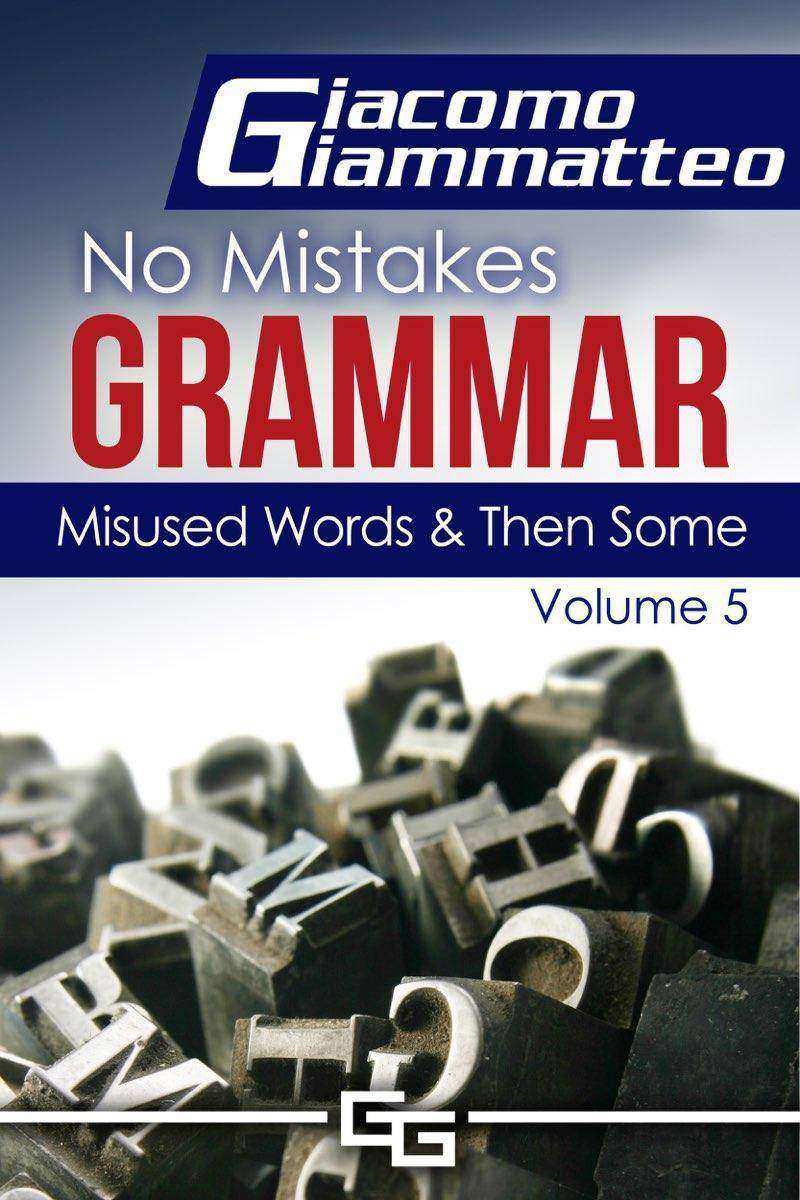
Misused Words and Then Some: No Mistakes Grammar, Volume V
¥32.62
This is the final book in the No Mistakes Grammar series, so be prepared to learn. We cover a lot of territory in this book. Things like: count nouns (data and media), linking verbs, comma usage, hyphenation, sayings and proverbs, appositives, more mispronunciations, words from other languages, and more. There should be enough in here to keep you busy for a while. And I guarantee it will improve your grammar in an easy-to-understand style. ?
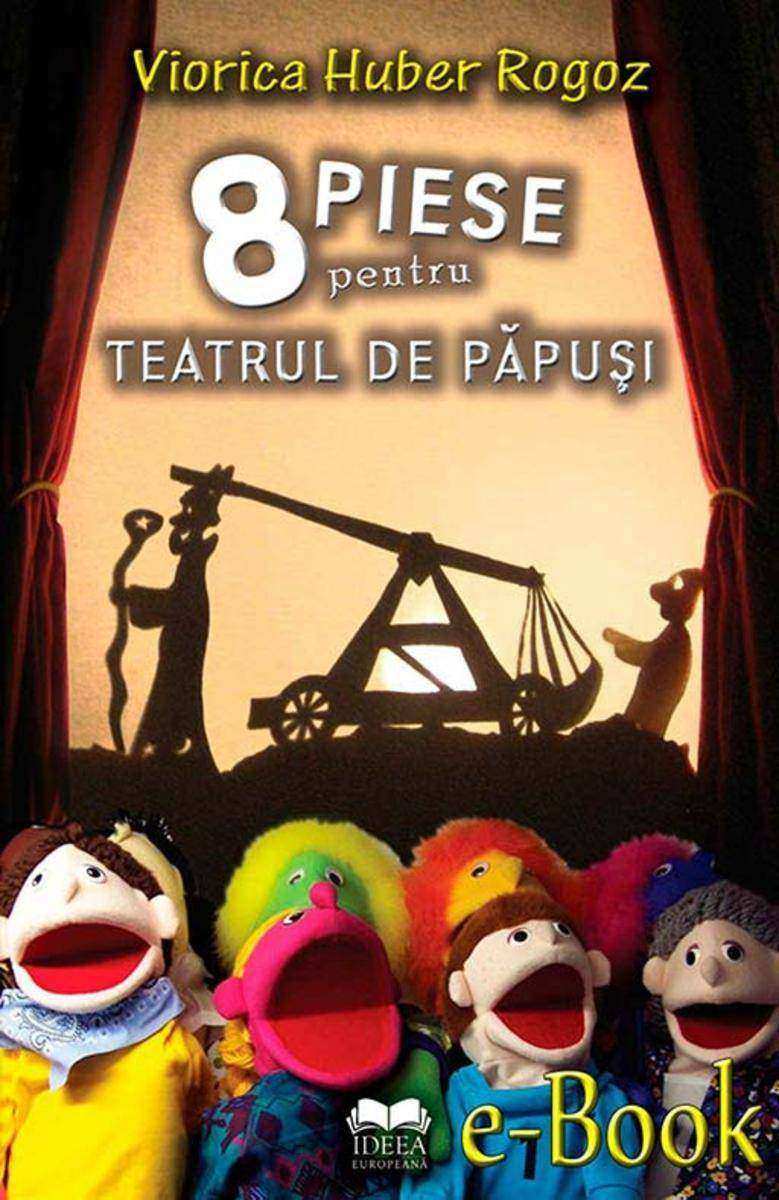
8 piese pentru teatrul de p?pu?i
¥32.62
** Pamella Singh – Miss India 1982… spioan? de pat la NATO ** Frumoasele Miss, prad? u?oar? pentru trafican?ii de stupefiante ** Angela Nichitin – Miss Johannesburg, victim? a traficului de carne vie ** O Miss pentru solda?ii americani din Irak ** Miss Diaspora… uneori important poten?ial pentru spionaj ?i contraspionaj? ** Momeal? pentru pedofili ** Tita Cristescu, fost? Miss Rom?nia, ucis? cu cianur? de potasiu ** Concursurile Miss ?i reginele alese, motiv de scandal ?i crim?? ** Heather Whitestone – Miss America 1994, sub teroarea unui obsedat ** Evreica Lise Goldarbeiter – Miss Univers 1929 a supravie?uit nazismului ** C?teva regine… surpriz? **** Zsa Zsa Gabor – Miss Ungaria 1936. Nou? c?s?torii ?i scandaluri cu duiumul ** Rosemarie Frankland – Miss Univers 1961, ucis? de singur?tate? ** Imelda Marcos – Miss Leyte ?i ?Muza Manilei“ al?turi de un dictator ** Bess Myerson – Miss America 1945, de la politicieni, la mafio?i ** Plou? cu Miss-uri: Nud, Fund Mare, Jumbo ?i mai tr?snite ** Miss Penitenciar sau… Miss Pu?c?rie? ** Zig-zag ?n lumea concursurilor de frumuse?e ?i a concurentelor. Pilule dulciFiecare om, evident, are destinul s?u. Reginele au avut ?i au, ?i ele, firesc, destinul lor. Cele ?ncoronate ?i declarate ca atare datorit? frumuse?ii lor fizice ?i intelectuale sunt, de multe ori, superioare celor n?scute cu s?nge albastru, dar totodat? ele sunt expuse ?i mai mult unor pericole ce le dau t?rcoale. Tenta?iile ce apar des ?i capcanele ce li se ?ntind fostelor Miss sunt de multe ori ?irezistibile“. Din nefericire, unele tinere nu le-au sesizat la timp ?i, treptat, uneori f?r? voia lor, au c?zut ?n plasa unor servicii de spionaj sau a unor re?ele mafiote interna?ionale, implicate ?n traficul cu droguri, armament ?i fiin?e umane. Altele, ?ns?, au avut un destin ?i mai tragic, ajung?nd dup? gratii sau devenind ?inta unor asasinate care au f?cut v?lv? ?n pres?.Au fost ?ns? ?i ?Regine“ fericite. Din p?cate, pu?ine ?i pentru o perioad? scurt? de timp. Nici ?n lumea Miss-urilor n-au fost ?i nu vor fi dou? destine la fel.O carte ce cuprinde un soi de miniromane poli?iste, axate pe soarta, uneori-adeseori, dramatic? a reginelor frumuse?ii.
Un filosof r?t?cit ?n agora
¥40.79
Fire?te c?, de la schimbarea de paradigm? numit? apari?ia genurilor rock ?i folk (precedate de jazz, dar mai cu seam? de blues... ?i ?n m?sur? cov?r?itoare de explozia beat!), ?n Rom?nia comunist? (?ncerc?nd mereu s? fie sincron? cu voga occidental?), lucrurile n-au fost tocmai roz. Unii chiar se bat ?n piept c? de la ei ?ncoace se poate vorbi de...; al?ii (implica?i direct) sunt sc?rbi?i de ceea ce se ?nt?mpl?, mai cu seam? ?n lipsa unei istorii oficiale ?i documentate, ?i ??i v?d de treab?. ?n era net/Wikipedia, oricine se poate da ?n stamb?, se poate lua la tr?nt? (sub pav?za anonimatului, implicit a nesim?irii) cu orice; cum anticipa parc? Andy Warhol, a venit vremea ?n care oricine va fi fost vedet? 15 minute.Dar au existat ?i vedete reale, grei ai genurilor a?a-zis u?oare, mon?tri sacri! Celor acum ?n umbr? (cite?te underground) le este dedicat acest volum. M?rturii orale puse cap la cap despre aceia care au trecut ?i – iat? – se ?ntorc ?n Clubul Arhitecturii. Dac? un Cenaclu ?Flac?ra“, la ?nceput genial ?n scopuri, a fost mai apoi r?st?lm?cit ideologic ?i impus aproape cu for?a p?n? la implozie, clubul – recte pivni?a – din strada Bl?nari nr. 14 a rezistat peste decenii intrinsec; pe temelia solidificat? de la o zi la alta, de la un artist la altul, de la o bere la alta... Din student ?n student (dar nu numai prin ei), ?tafeta a tot fost preluat? de genera?iile care s-au perindat, iar ast?zi ne-am trezit cu o ?ntreag? istorie care apas? pe funda?iile cl?dirii vechi..., dar f?r? bulin? ro?ie! Nu, Club A nu va c?dea, a?a cum va exista ?n continuare ?i Casa Studen?ilor din Bucure?ti (ca ?i cele din Timi?oara, Ia?i, Cluj...), ?i Radioul, ?i Televiziunea, ?i Electrecordul...Din cuprins: Amintiri ? Clubul de pariuri muzicale sau Cu... v?nt ?nainte... din pupa! ? A fost o dat?... din 1969 ? Primul Festival Na?ional de Muzic? Pop ?Club A“ (16–22 decembrie 1969) ? Ro?u ?i Negru ? Romanticii ? Chromatic Grup ? Sideral (Modal Quartet) ? Olympic ‘64 ? Phoenix ? Coral... ?i Adrian Ivani?chi ? Al doilea Festival Na?ional de Muzic? Pop ?Club A“ (10–17 mai 1971) ? Modern Grup ? Metronom ? Mondial ? Timi?oara, la vest de Rom?nia ? Carusel ? Post-scriptum la al doilea festival ? Folk ?n Club A ? Mihai Munteanu ?Michone“ ? Dorin Liviu Zaharia ?Chubby“ ? Mircea ?Ciocu“ Vintil? ? Florian ?Mo?u“ Pitti? ? Doru St?nculescu ? Sorin Minghiat ? Dan Oprina ?i Mircea Valeriu Popa ? Nicu Vladimir ? Marcela Saftiuc ? Adriana Ausch ? Anda C?lug?reanu ? Zoia Alecu ? Catena ? FFN ? Valeriu Sterian (?i Compania de Sunet) ? Mircea Bodolan ? Curtea Veche nr. 43 ? Al treilea Festival ?Club A“ (5–8 iunie 1979) ? Metropol ? Academica ? Experimental Q ? Modal Q ? Mircea Florian (din Transilvania) ? Al patrulea Festival ?Club A“ (16–19 martie 1981) ? Dan Andrei Aldea ?i Sfinx ? Pro Musica ? Accent ? Redivivus ? Basorelief ? Gramophon/Post Scriptum ?i... Mircea Baniciu ? Semnal M ? Sorin Chifiriuc ?i Domino/Roata ? Grup ‘74 ? Club A – 15 ani (12–17 martie 1984) ? Nicu Alifantis ? Iris ? Liviu Tudan & Ro?u ?i Negru ? Al cincilea Festival ?Club A“ (28 februarie–1 martie 1990) ? Compact ? Holograf ? Celelalte Cuvinte ? Gala ?Club A – 30 de ani“ (18 iunie 1999)?/ ?Club A – 34 de ani“ (4 iunie 2003) ? Sfinx (Experience) ? Alexandru Andrie? ? Cargo ? Timpuri Noi ? Sfatul ?b?tr?nilor“ ? Al ?aptelea Festival ?Club A“ (13–18 mai 2011) ? Imagini ?necenzurate“
?ocul crizei
¥65.32
Inchizi?ia spaniol?, poate cea mai temut? institu?ie din istoria omenirii, a fost ?nfiin?at? ?n 1478 de Regii Catolici, Ferdinand ?i Isabella, ?i abolit? abia ?n 1834, odat? cu R?zboaiele Napoleoniene. Spre deosebire de Inchizi?ia medieval? din restul Europei, cea din Spania ?i Portugalia s-a r?sp?ndit ?n coloniile iberice din Asia, Africa ?i America de Sud, ajung?nd s? terorizeze, timp de peste trei secole, nu mai pu?in de patru continente.Care au fost ?ns? motivele ?nfiin??rii ei? De ce provoca at?ta team?? Cine erau victimele torturate ?i arse ?n autodafeuri? Toby Green readuce la via?? aceast? perioad? a istoriei cu ajutorul uria?ei arhive inchizitoriale p?strate ?i prezint? nenum?rate cazuri judecate de Sf?ntul Oficiu, de la arhiepiscopi la oameni obi?nui?i, victime inocente ale unui sistem diabolic. De?i ?nsp?im?nt?toare, aceste pove?ti sunt un exemplu al rezisten?ei spiritului uman ?n fa?a absurdului ?i a r?ului. Toby Green ne dezv?luie mecanismele prin care pot ap?rea persecu?ia ?i teroarea, dar ?i felul ?n care pot fi evitate. Inchizi?ia este un avertisment venit din trecut, o lec?ie a istoriei pentru noi to?i!
LIBERT? & POTERE. Saggio sull'arte di strisciare ad uso dei cortigiani
¥55.75
Exila?i este singura pies? scris? de Joyce, unde ??i face manifest?, prin regulile speciei, predilec?ia pentru m??tile puse fiec?rui personaj. Citit? ca o trecere ?n ordine cronologic? de la Portret al artistului ?n tinere?e la Ulise, piesa con?ine m?rci clare ale obsesiilor scriitorului ?i urme vizibile ale experien?ei omului James Joyce. Rela?iile de dragoste, parentale sau de prietenie sunt cele care dezechilibreaz? personajele, exilul temporar ?n Italia fiind doar o alt? form? a ?nstr?in?rii din Irlanda natal?.
Beszterce ostroma
¥23.30
Rejtély, amelyet másfél száz éve próbálnak írók, irodalomt?rténészek, színházi szakemberek, esztéták, filozófusok megfejteni. Mese? ?rgirus királyfi és Tündér Ilona csodásan valószer?tlen t?rténete számtalan változatban létezik a magyar népmesekincsben, s olasz k?zvetít? forrásokon át g?r?g, s?t egyiptomi gy?kerekig nyúlik vissza az aranyalmát term? fa s a két szerelmes t?rténete. Szerelmi románc? Nem fontos a kor, a táj, a t?rténelmi háttér, csak az érzelmeiben egymásba gabalyodott két ember – itt és most: Csongor és Tünde – lángolása, viharzása, minden eléjük tornyosuló akadályt leromboló akarása, szerelmi szárnyalása. Színdarab? Karakteres, jó szerepek – ?rd?g?k, boszorkányok, b?lcsek, ledérek – forgataga zegzugos cselekmény, váratlan fordulatok, lehet?ség mindenféle színpadi csoda semmi nem korlátozva megvalósítására: sok alakra bomló, egy személybe olvadó boszorkány, leveg?ben r?pk?d?, láthatatlanná váló ?rd?gfiak, f?ld mélyér?l szemünk láttára kiemelked?, fényárban úszó tündérpalota. Minden pillanatban tátva maradhat a szánk. Filozófiai traktátus? ?letutak: Kalmáré a kincs, Fejedelemé a hatalom, Tudósé a b?lcsesség; Csongoré a szerelem. A kincs elpereg, a hatalom elkopik, a tudás semmivé porlad. A szerelem ?r?k. Drámai k?ltemény? ?jfélt?l éjfélig élünk: hajnalodik, felragyog az ég, dél van, alkonyodik, beesteledik, már f?lénk borul az éjszaka. Reményekkel telten, harcra készen kezdjük hajnalban, küszk?dünk reggel, boldogok vagyunk délben, szorongunk alkonyatkor, s?tétedéskor belenyugszunk az elmúlásba. De másnap újra f?lkel a nap. V?r?smarty Mihály 1830-ban fejezte be m?vét, a cím alá azt írta: színjáték ?t felvonásban. Már csak boldogan sajgó, rejtve rejtett szomorú emlék szívében reménytelen szerelme, Perczel Etelka. Mindennapi életében legf?képpen arra büszke, hogy sok kínnal keletkezett nagy m?vét, a Zalán futását a várva várt nemzeti eposzként ünneplik. Tagja az éppen szület? Magyar Tudományos Akadémiának, a legismertebb, legfontosabb szépirodalmi és m?vészeti lapok ?dolgozótársa”, szívét melenget? jóérzés: Széchenyi István a barátja. Igaz, a pénztárcája t?bbnyire lapos, gyakran kínosan lapos, de ismert és népszer? ember. Harminc éves. Férfi. Kincse nincs, hatalomra nem vágyik, a tudásról azt gondolja: valójában senki nem tudja, mennyit ér s mire jó. De Csongor boldog, amikor megpillantja Tündét, boldog, amikor át?leli, boldog, amikor elveszíti, mert hiszi, tudja: nem ?r?kre veszítette el. Küzd, harcol, verekszik: keresi a boldogságot. S boldog, amikor embert próbáló kalandok után végre megtalálja Tündét, s f?ldi létükben ?r?kre ?sszeforrnak. Csongor és Tünde számára a szerelem a kincs, a hatalom, a tudás. El nem veszíthet? kincs, ?r?kre er?t adó hatalom, b?lcsességgé párlódott tudás. ?gy lesznek halandók halhatatlanok. ?s másnap újra f?lkel a nap.
Akli Miklós
¥17.49
sszevissza csereberéldik egy ikerpár, lóvátesznek egy felfuvalkodott trtett, tmérdek móka, dal, vidámság szvi át két, nagy nehezen egymásra találó szerelmespár trténetét. Oly' darab ez, amint a kznség szeret, kíván, óhajt – ami nektek kell”, mondta Szász Károly errl a vígjátékról, amelynek már a címe is jókedvre derít.
K?nyvkett?: A k?nyv, az írás és az irodalom j?v?jér?l
¥34.99
A Hamlet (1601), talán legismertebb, legt?bbet játszott m?ve Shakespeare-nek. K?zéppontjában az élet kínálta, s mindenkiben f?lmerül? kérdés áll: "Lenni vagy - nem lenni?", és ha lenni - hogyan? Mi az emberi cselekvés végs? határa a vélt vagy valós hiba, netán b?n helyrehozatalához? Egyáltalán van-e igazi létezés, s ha van, az mennyire lehet veszélyes a létez?re? Vívódó, t?preng? alkotás a dráma, miként a f?szerepl? maga. Hamlet késleltetett bosszúját hosszas ?nmarcangoló kérdéselvetések, bizonyságkéresésék el?zik meg. Végül igazságot szolgáltat, de ? is belepusztul. T?rni vagy ellenszegülni? A reneszánsz ember dilemmája ?r?kérvény?! Mert a cselekvés erk?lcsileg legvitathatóbb pontja az emberi élet kioltása. Van-e joga valakinek - ha oka van is - ?lni? K?vetkezmények nélkül semmi sem vállalható, kül?n?sen nem a pusztítás. De van-e joga az embernek vélt vagy valós igaza tudatában nem cselekedni, nem vállalni a tett kockázatát? Mennyire tartozunk felel?sséggel a külvilág és saját lelkiismeretünk el?tt? Hamlet tettével válaszol a kérdésekre, ám az egész dráma nem ad egyértelm? feleletet. Nem is adhat. Remekm?vek; géniuszok és a természet sajátossága a talányosság... Nem beszélve arról, hogy a mindennapok kisebb-nagyobb d?ntéseit mindenkinek magának kell meghoznia.
Un c?ur de petite grenouille. Plume dorée, ange ou bourreau? Volume I
¥57.14
„Într-o pres? care nu prea mai pune pre? pe reportaje, Liliana Nicolae persevereaz? cu inteligen?? ?i har. La radio ?i în Dilema veche, subiectele ?i cuvintele ei bine m?surate reconstituie lumea din frînturi, în toat? normalitatea ei. Ascultate sau citite, reportajele sale ne pun pe gînduri în fa?a Vie?ii pe care, gr?bi?i, uit?m uneori s-o contempl?m ori s-o în?elegem.“ – Mircea Vasilescu (Dilema veche)
Agatha nyomoz - A rejtélyes bengáliai eset
¥38.18
A meg?zvegyült Szilvai professzornak az a terve, hogy a gyámsága alá tartozó unoka?ccséhez feleségül adja titokban nevelt gyámleányát, Mariskát. A fiú k?zben a professzor tudta nélkül Liliomfi néven vándorszínésznek áll, és meghódítja Mariska szívét. A professzor ellenzi a házasságot, éppen attól a férfit?l félti a lányt, akihez egyébként feleségül szeretné adni. Liliomfi pedig azt hiszi, hogy a nagybátyja hitvesének akarja Mariskát. A h? barát és színésztárs, Szellemfi segít Szilvai megtévesztésében, Liliomfinak adva ki magát. Egy másik - társadalmi kül?nbségek miatti - reménytelennek látszó szerelem (Gyuri, a pincér és Erzsi, a gazdag Kányai fogadós uram lánya) t?rténete ?sszefonódik Liliomfi és Mariska sorsával.
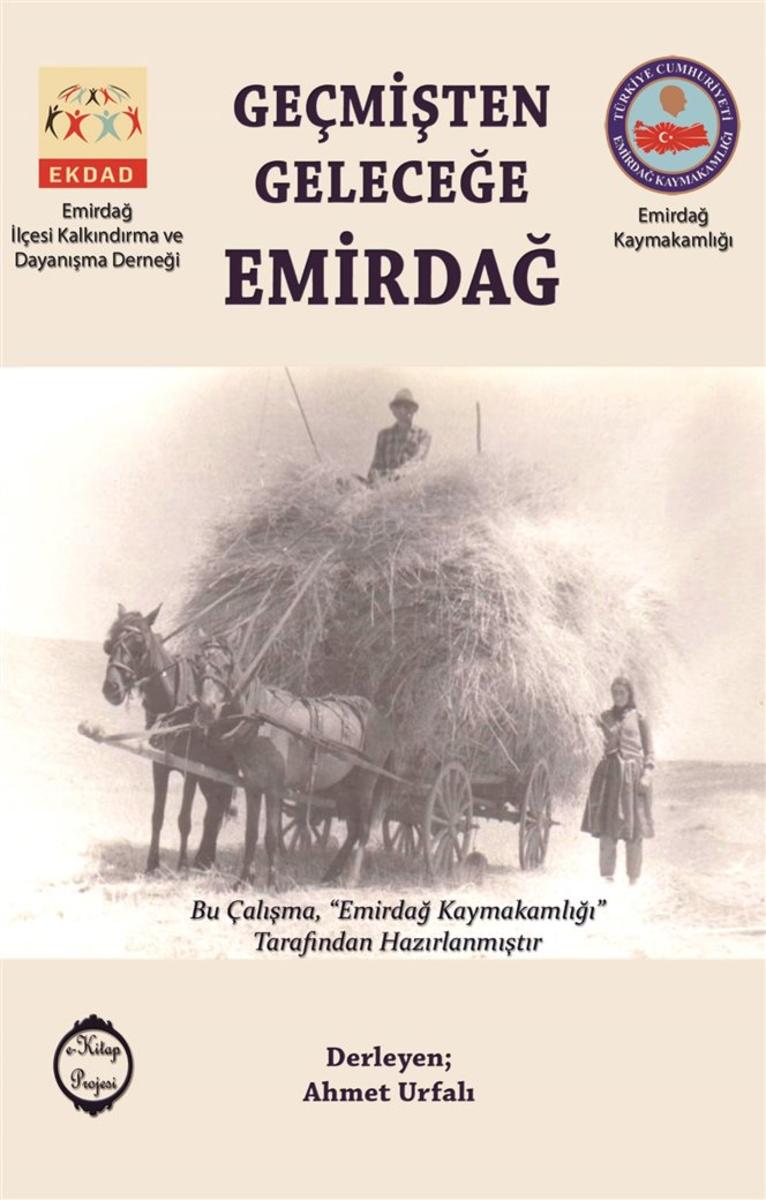
Ge?mi?ten Gelece?e Emirda?
¥9.24
Foto?raf makinesi, insan o?lunun en ?nemli icatlar?ndan biridir. Bir foto?raf, ‘’an’’ denilen k?sac?k bir zaman?n tan???d?r. Ancak onda bir tarihi yakalamak da mümkündür. Bu bak?mdan foto?raf? sadece g?rsel bir obje olarak g?rmemek gerekir. Bakmas?n? bilenler i?in foto?raf; tarih, sosyoloji, psikoloji, kültürel yap?, sosyal de?i?im… konular?n ?nemli ip u?lar? i?erir. Foto?raf; g?rüp g?sterme, ger?e?i g?rünür k?lma, ger?e?i kavratmad?r. Her foto?raf?n bir dili vard?r. O dili anlayabilenler, nice güzellikleri ke?federler. Foto?rafta sadece g?rüneni de?il, g?sterilmek isteneni de bilmek ve alg?lamak gerekir. Her foto?raf bir ‘’an’’? yakalasa da onun i?inde sakl? bir hik?ye bulunur. Foto?raf, g?rselli?iyle beraber; topluma, zamana, mekana ve bireylere ili?kin bilgi ve belgelerle doludur. Foto?raf bireylerin ve toplumun aynas?d?r. Bu albüm-kitapta siz kendinizi bulacaks?n?z. Mahalleniz, k?yünüz, hat?ralar?n?z, akraba ve dostlar?n?z burada, sizin kar??n?zda olacakt?r. Sizleri ‘’Ge?mi?ten Gelece?e Emirda? ‘’ gezintisine ??kar?yoruz. Bu albüm-kitap Emirda?’?n tarihi süre? i?inde ge?ti?i a?amalar? da yans?tarak, gelece?imize ???k tutacakt?r. Emirda?’?n sosyal de?i?imini kitapta g?rmek mümkündür Foto?raflar grupla?t?r?larak okuyucuya kolayl?k sa?lanm??t?r. Genel, askerlik, ?ar??-pazar, bayramlar, spor, e?itim, tar?m-hayvanc?l?k, otobüs?ülük, aile, k?yler, ?ehreler, g??, yayla, bina-yap?lar, milli mücadele ve yat?rlara ait foto?raflar bir araya toplanm??t?r. “Ge?mi?ten Gelece?e Emirda?”?n olu?mas?nda eme?i ge?en, katk? sa?layan tüm Emirda?’l?lara te?ekkür ederim.. ? Ak?n A?CA Emirda? Kaymakam?
Lumea ?n oglind?
¥24.44
O nuan autobiografic, perfect ntemeiat, irizeaz concepia lui Breban de la acest nivel, miza mare a ideii fiind aceea de a demonstra – ceea ce romancierul a mai fcut… – c generaia din care face el nsui parte (Nichita Stnescu, Matei Clinescu etc.) a transformat literatura ntr-un asemenea mediu germinativ de excelene, prin intermediul promovrii esteticului ca replic alternativ sublim la grotescul ideologic din jur. Trebuie s recunoatem c Breban rmne seniorial i impecabil de fiecare dat cnd enun aceast dihotomie: de pild, nu trebuie uitat faptul c Istoria dramatic a prezentului s-a zamislit cnd mpotriva autorului se trgea cu tunul, pe motivul orchestratei acuze de colaborare cu Securitatea. Nici un raspuns n volum, nimic insidios, revanard sau resentimentar: doar idei i fapte, nu psihologie. Jos plria!“ (tefan Borbély)Numai cultura, carevaszica, ne poate lecui de aceast nesiguran identitar i numai ea poate nnobila istoria noastr de care, s-a putut constata, prozatorul maramureean nu-i mulumit… Face i alte profeii, atunci cnd n capitolul final vorbete despre specificul naional, dar despre toate acestea vom putea discuta cu alt prilej. Este o tem pe care noi, romnii, o aducem mereu n discuie fie pentru a o sataniza, fie pentru a o apra. Observ c N. Breban n-o respinge, de plano, cum fac globalitii, nici n-o smintete cu un discurs encomiastic, cum fac localitii. El procedeaz corect, aa cum procedeaz orice intelectual lucid i responsabil, adic analizeaz un concept (un concept esenial) i ncearc s-i vad viitorul… Este trist, i are de ce, cnd se gndete la lumea politic de azi i la retorica resentimentului i a rzbunrii care domin lumea intelectual… S mai spun c are i n acest caz dreptate, c dup douzeci de ani de libertate intelectualii romni, cu precdere scriitorii (ei, care s-au inut bine sub regimul totalitar), se detest cu o grea sinceritate mi amintesc de o propoziie din Eminescu (reproduc din memorie): Nu eti liber, dac nu eti drept. Se poate spune i invers: Nu eti drept, dac nu eti liber. Liber, n cazul oamenilor de litere, de prejudeci, de complexe i idiosincrazii, de eecurile i vexaiunile pe care i le-a provocat istoria i pe care spiritul nu poate s le stpneasc.“ (Eugen Simion)
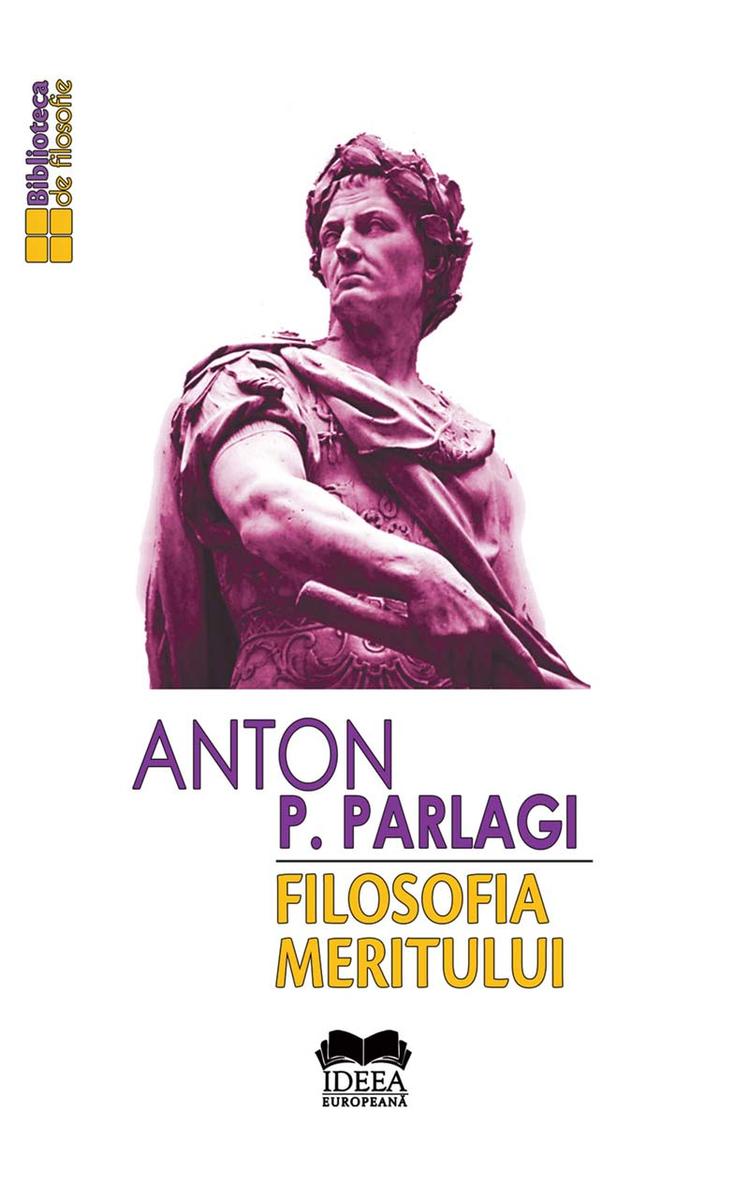
Filosofia Meritului
¥168.41
The work represents a synthesis published and printed in two volumes (the 1st volume in 2002, the second one, in 2004) under the aegis of Mica Valahie Publishing House in Bucharest. Being elaborated on the basis of some documents discovered in the Romanian and foreign archives, the two volumes cover the period up to 1929 in the first volume and the period from 1929 to 2005 in the second one. The paper reveals the role and place of Romanian oil in the evolution of the national and worldwide history, especially during the World War between 1939 and 1945 and in the development of the so-called “cold war”. The book insists upon the prospects of the specific “black gold” evolution.In the addendum there are to be found some interesting documents and the complete bibliography of oil.


