


 购物车
购物车 个人中心
个人中心

Nature Near London (Collins Nature Library)
¥147.35
The Collins Nature Library is a new series of classic British nature writing – reissues of long-lost seminal works. The titles have been chosen by one of Britain’s best known and highly acclaimed nature writers, Robert Macfarlane, who has also written new introductions that put these classics into a modern context. Nature Near London is a collection of observational pieces from locations near London at the end of the 19th Century. The depth of knowledge and of familiarity with particular places and particular species gives the impression that each small piece is the product of many years of observation. His style of observation is a work in miniature – cataloguing the most minute details; the dancing of a flower in the wind or the darting of a cautious trout. The chapters centre on a special place, a certain species, geographical feature or habitat – everything from orchards and copses to rivers and streams. Jefferies always explains the typical behaviour of whatever he is describing, and often contrasts what he sees with what one would expect to see in another part of the country, or in a different season. His knowledge of flowers is wide-ranging, and his ability to describe one particular patch of a field in such a specific way brings tremendous variety to the chapters that make up the book. The final chapters are a departure – both from the character of the rest of the book, and from London itself, as Jefferies boards the train to Brighton. Suddenly he is describing people and their relationship to nature, as much as nature itself. The scope widens, less a work in miniature, more surging towards a triumphant end as Jefferies becomes ever more philosophical. 100 years on, the book becomes even more relevant than when it was published – as a reminder of the dangers of unrelenting urbanisation, but also the context of the trend that aims to recreate nature where we need it most – around our cities. Nature near London is a portrait of what we’ve lost, and a reminder of nature’s positive and calming influence. Going along with Jefferies is like taking an afternoon stroll out of the city, without having to leave your armchair.

Easy:100 delicious dishes for every day
¥147.35
Simple, laidback food that bursts with flavour; fresh, inspiring recipes using favourite everyday ingredients - no one does fantastic easy cooking like Bill Granger. Simple, laidback food that bursts with flavour; fresh, inspiring recipes using favourite everyday ingredients - no one does fantastic easy cooking like Bill Granger. Bill Granger has long been a champion of no-fuss food. Bill is a restaurateur and self-taught cook, but also a working father who cooks for his family every night. Easy is inspired by years of getting delicious, satisfying meals on the table quickly using everyday ingredients from the fridge or store cupboard, all in Bill’s inimitable easygoing style. In this stunning new cookbook, Bill takes 16 well-loved and accessible main ingredients – from a chicken breast, fillet of fish, cut of lamb or tin of beans to berries, chocolate and a chunk of good cheese – and offers simple yet original dishes. Easy includes 100 delicious recipes, from satisfying meat and fish, to flavour-packed vegetarian dishes and bakes, bold salads and tasty pasta, and finally mouth-wateringly easy sweet things. Great food. Big Flavours. No worries. That’s what Bill is all about. Recipes include: Chilli Garlic Chicken with Sour Cream Mash Tandoori Fish with Cucumber Tomato Salad Goulash with Gnocchi Lamb with Torn Bread and Apricot Stuffing Fennel Roasted Rack of Pork with Maple Syrup Light Butter Chicken Manchego-Crusted Pork with Romesco Sauce Taleggio and Pancetta Baked Pasta Rice Salad with Broad Beans, Asparagus and Smoked Trout Baked Leek and Goats Cheese Risotto and Apple and Celery Salad Potato, Courgette and Mozzarella Fritters Cinnamon Chocolate Mousse Ginger Pear Upside Down Pudding

You’ll Miss Me When I’m Gone: The life and work of Eric Morecambe
¥147.35
To mark the 25th anniversary of Eric Morecambe’s death, You’ll Miss Me When I’m Gone is the first book to cover Eric’s whole life and untimely death, including unseen family photographs and new insights by Eric’s son Gary Morecambe. Published in the 25th anniversary year of Eric Morecambe’s death, You’ll Miss Me When I’m Gone is a celebration of Eric Morecambe’s life in words and previously unseen personal family photographs. Eric Morecambe and Ernie Wise are to this day still regarded as Britain’s most successful and best loved comedy duo, and their television shows from the 1970’s and 80’s are undoubtedly their finest work. For the first time, Eric Morecambe’s whole life, from his earliest days in his home-town of Morecambe right up to his death in Gloucestershire in 1984 are appraised by his son Gary. Included are photographs not seen by the family until recently – poignantly one of Eric at a friend’s wedding the day before he would collapse and die on stage. As the final and definitive book on Eric Morecambe,You’ll Miss Me features interviews with those who knew and loved Eric, including his wife Joan, Ronnie Corbett, Hamish McColl who wrote and starred in The Play What I Wrote and a foreword by Judi Dench. ’You’ll miss me when I’m gone’ was Eric’s oft repeated plaintive remark when he’d been annoying the Morecambe family with his gags.The irony is that, 25 years after his death, the viewing nation still misses Eric Morecambe.

Dinner’s On!: 100 quick and delicious recipes the whole family will enjoy
¥147.35
‘He’s a regular guy – he’s not a chef and he’s not formally a cook, and he was a virgin in the kitchen … I love his enthusiasm for food, having a laugh and for family, and I think, at the end of the day, that’s what food is about. Viva Virgin Kitchen!’ Jamie Oliver Three years ago Barry Lewis couldn’t boil an egg. Now he’s a rising star of the food world and one of the country’s hottest new cooks. In 2010 Barry taught himself to cook step-by-step, filming the process and posting the videos on his YouTube channel My Virgin Kitchen. The channel became an overnight hit, racking up millions of views and inspiring thousands of new cooks to pick up the ladle. Before long, Barry had attracted media attention and been given the seal of approval by his idol, Jamie Oliver. He’s now a regular on Jamie’s Food Tube Channel. Barry Lewis is all about delicious ingredients, healthy meals and having fun. These recipes are for everyone: young or old, seasoned pros or those who are terrified of setting foot in the kitchen. Whether you’re looking for family favourites like Beef & Ricotta Pasta Shells, heartwarmers like Bangers & Mustard Mash Casserole, or melt-in-your-mouth treats like Vanilla & Honeycomb Semifreddo, here you’ll find all the ingredients, inspiration and confidence you need. So what are you waiting for? Get stuck in, because Dinner’s ON!

Citizen Reporters:S.S. McClure, Ida Tarbell, and the Magazine That That Rewrote
¥160.56
A fascinating history of the rise and fall of influential Gilded Age magazine McClure’s and the two unlikely outsiders at its helm—as well as a timely, full-throated defense of investigative journalism in AmericaThe president of the United States made headlines around the world when he publicly attacked the press, denouncing reporters who threatened his reputation as “muckrakers” and “forces for evil.” The year was 1906, the president was Theodore Roosevelt—and the publication that provoked his fury was McClure’s magazine.One of the most influential magazines in American history, McClure’s drew over 400,000 readers and published the groundbreaking stories that defined the Gilded Age, including the investigation of Standard Oil that toppled the Rockefeller monopoly. Driving this revolutionary publication were two improbable newcomers united by single-minded ambition. S. S. McClure was an Irish immigrant, who, despite bouts of mania, overthrew his impoverished upbringing and bent the New York media world to his will. His steadying hand and star reporter was Ida Tarbell, a woman who defied gender expectations and became a notoriously fearless journalist.The scrappy, bold McClure's group—Tarbell, McClure, and their reporters Ray Stannard Baker and Lincoln Steffens—cemented investigative journalism’s crucial role in democracy. From reporting on labor unrest and lynching, to their exposés of municipal corruption, their reporting brought their readers face to face with a nation mired in dysfunction. They also introduced Americans to the voices of Willa Cather, Arthur Conan Doyle, Robert Louis Stevenson, Joseph Conrad, and many others. Tracing McClure’s from its meteoric rise to its spectacularly swift and dramatic combustion, Citizen Reporters is a thrillingly told, deeply researched biography of a powerhouse magazine that forever changed American life. It’s also a timely case study that demonstrates the crucial importance of journalists who are unafraid to speak truth to power.
Queen of Oblivion
¥147.25
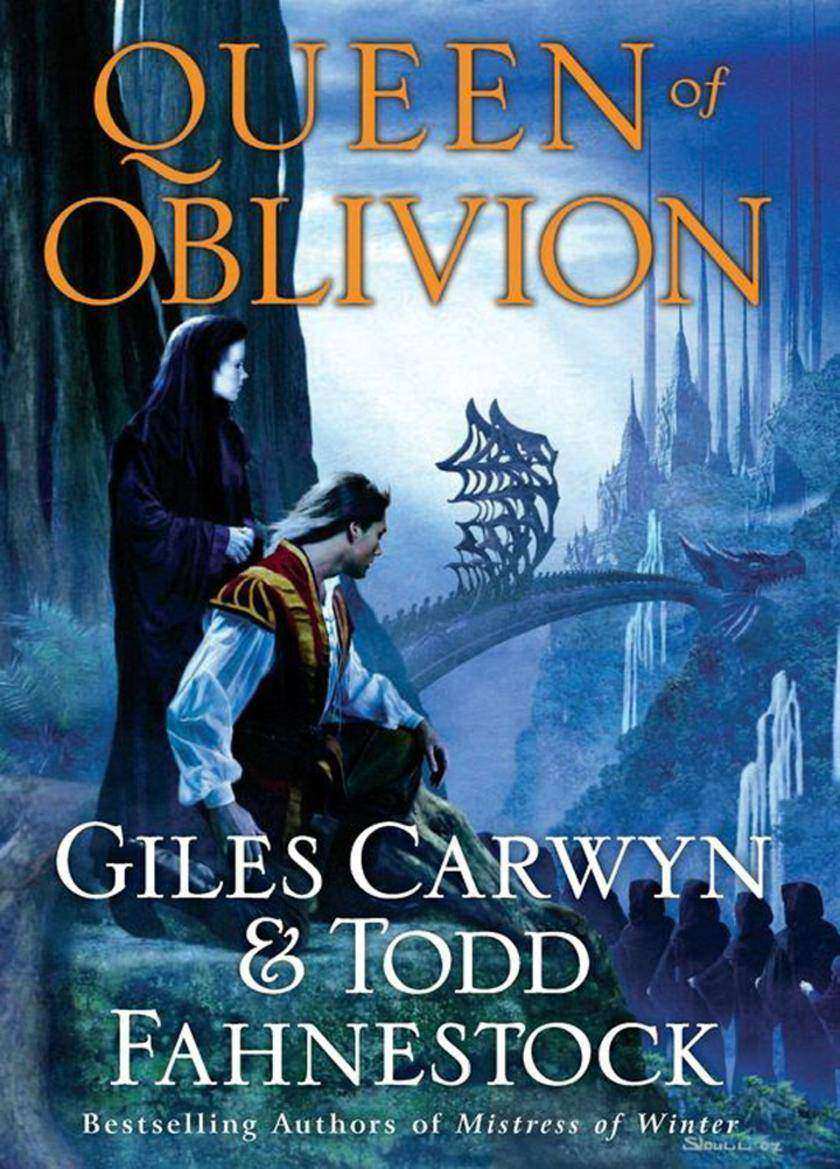
Journey beyond Ohndarien to the fallen city of Efften in the stunning conclusion to the epic Heartstone TrilogyA fallen hero defies his destiny . . . A scarred sorceress fights for love . . . A vindictive lover clings to hope . . .And a father of lies calls his family home . . ."You must teach a lost child how to love." With his dying words, the Opal Emperor leaves Brophy, the Heir of Autumn, with an impossible choice: betray his heart by seducing the enchantress Arefaine Morgeon, or watch her ruthless ambitions destroy the world.As Brophy fights to stop Arefaine from unleashing the ancient menace trapped within the silver towers of Efften, the sorceress-concubine Shara returns to her beloved city of Ohndarien to find its people enslaved by the same sinister voice leading Arefaine to her doom. Shara and Brophy rush to bring the truth to Arefaine before the horrors of Efften are reborn, but the darkness within their own hearts may prove the greatest threat . . .
HarperCollins e-books
¥147.25
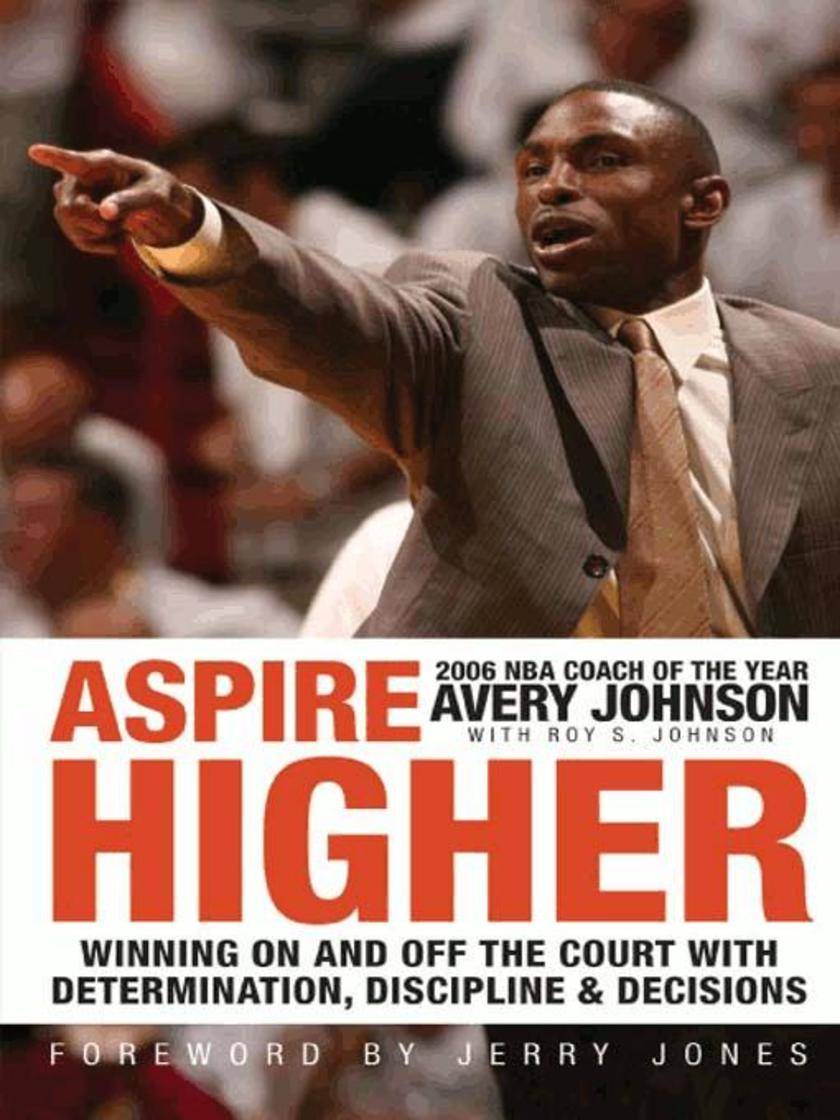
Avery Johnson is a coach, a teacher, and sometimes even a preacher, but most of all, he is a motivator, driving his team with the same fiery passion that allowed him to earn his championship credentials as an NBA player. Growing up in New Orleans's Lafitte Housing Project, he was never the biggest, fastest, or strongest, but by the strength of his will and character, he persevered. Now he offers the lessons he learned on his journey from the bottom of the bayou to the heights of success in this inspiring book. Aspire Higher is the essential game plan for reaching your goals. Johnson begins by outlining what it takes to get to the top: determination and discipline provide the foundation that allows you to make the right decisions, on the basketball court or in the boardroom. The goal isn't just to be successful, however; it's also about caring for other people along the way. I care about you more than I care about winning, Johnson often tells his players.Avery Johnson's personal and professional experiences illuminate crucial lessons, inspiring readers just as he has inspired teammates and players. His spirited message is for anyone looking for the tools and secrets of success in business, school, sports, and more anyone looking to aspire higher.

HarperCollins e-books
¥147.25
George Washington wrote an astonishing number of letters, both personal and professional. The majority about 140,000 documents are from his years as commander in chief during the Revolutionary War, from 1775 to 1783. This Glorious Struggle presents a selection of Washington's most important and interesting letters from that time, including many that have never been published.Washington's lively and often surprisingly candid notes to his wife and family, friends, Congress, fellow soldiers and even the enemy chronicle his most critical tactical and strategic decisions, while offering a rare glimpse of the extremes of depression and exultation into which he was cast by the fortunes of war. The letters are arranged chronologically and give a dramatic sense of the major phases of the war, from Boston, Trenton, and Valley Forge, to Monmouth and Yorktown. The more personal missives show us a Washington who worried about his wife's well-being and who appreciated a good joke and a well-laid table, not to mention the company of the ladies.This Glorious Struggle brings Washington to vivid life, offering a fresh and intimate sense of this most towering American figure and the critical role he played in the creation of our country.

HarperCollins e-books
¥147.25
The time: 1936-1938. The mood: Hopeful. It wasn't wartime, not yet. The music: The incomparable Count Basie and Benny Goodman, among others. The setting: Living rooms across America and, most of all, New York City.Dream Lucky covers politics, race, religion, arts, and sports, but the central focus is the period's soundtrack specifically big band jazz and the big-hearted piano player William "Count" Basie. His ascent is the narrative thread of the book how he made it and what made his music different from the rest. But many other stories weave in and out: Amelia Earhart pursues her dream of flying "around the world at its waistline." Adam Clayton Powell, Jr., stages a boycott on 125th Street. And Mae West shocks radio listeners as a naked Eve tempting the snake.Critic Nat Hentoff praises the "precise originality" with which Roxane Orgill writes about music. In Dream Lucky, she magically lets readers hear the past.

灵动飞羽
¥147.20
内蒙古自治区是中国土地面积*的省区之一。在这里,有大草原、大森林、大沙漠,众多的湖泊、河流、湿地。生态和地貌的多样性决定了生物的多样性,有460多种野生鸟类在此繁衍、生息、迁徙。几年来,从呼伦贝尔的大兴安岭森林,到阿拉善盟的巴丹吉林沙漠,从巴彦淖尔的乌梁素海,到锡林郭勒的苏尼特草原……,我努力追寻它们的踪迹,捕捉它们的身影,拍过林鸟、水鸟、猛禽、草地鸟……有200多个种类。鸟在天空飞翔,人在地上行走。披星戴月、风餐露宿,其中甘苦,影人自知。每当拿起相机,用镜头对准它们,心静如水,旁若无物。“举手指飞鸿,此情难具论”,其中的情趣总是难以用文字表达的。

民国大师诗文精选(共11册)
¥147.19
本套书包含了《我的心又一度的跳荡:徐志摩诗文精选》、《很多的梦,趁黄昏起哄:鲁迅诗文精选》、《秋风秋雨愁煞人:庐隐诗文精选》、《在荒原上寻觅的灵魂:朱自清诗文精选》、《先爱吧 之后感伤 之后再算:徐志摩情书精选》、《把悲伤过尽,才能重见欢颜:林徽因诗文精选》、《茴香盛开的水滩:朱生豪诗文精选》、《我是一个寂寞的夜行人:戴望舒诗文精选》、《低头怅望水中月:石评梅诗文精选》、《谢谢你曾经的款待:萧红诗文精选》、《星辰已不见,我要同你分别了:朱湘诗文精选》共11本书。

Better Bankers, Better Banks
¥147.15
Taking financial risks is an essential part of what banks do, but there's no clear sense of what constitutes responsible risk. Taking legal risks seems to have become part of what banks do as well. Since the financial crisis, Congress has passed copious amounts of legislation aimed at curbing banks' risky behavior. Lawsuits against large banks have cost them billions. Yet bad behavior continues to plague the industry. Why isn't there more changeIn Better Bankers, Better Banks, Claire A. Hill and Richard W. Painter look back at the history of banking and show how the current culture of bad behavior-dramatized by the corrupt, cocaine-snorting bankers of The Wolf of Wall Street-came to be. In the early 1980s, banks went from partnerships whose partners had personal liability to corporations whose managers had no such liability and could take risks with other people's money. A major reason bankers remain resistant to change, Hill and Painter argue, is that while banks have been faced with large fines, penalties, and legal fees-which have exceeded one hundred billion dollars since the onset of the crisis-the banks (which really means the banks'shareholders) have paid them, not the bankers themselves. The problem also extends well beyond the pursuit of profit to the issue of how success is defined within the banking industry, where highly paid bankers clamor for status and clients may regard as inevitable bankers who prioritize their own self-interest. While many solutions have been proposed, Hill and Painter show that a successful transformation of banker behavior must begin with the bankers themselves. Bankers must be personally liable from their own assets for some portion of the bank's losses from excessive risk-taking and illegal behavior. This would instill a culture that discourages such behavior and in turn influence the sorts of behavior society celebrates or condemns.Despite many sensible proposals seeking to reign in excessive risk-taking, the continuing trajectory of scandals suggests that we're far from ready to avert the next crisis. Better Bankers, Better Banks is a refreshing call for bankers to return to the idea that theirs is a noble profession.

Body by Darwin
¥147.15
We think of medical science and doctors as focused on treating conditions-whether it's a cough or an aching back. But the sicknesses and complaints that cause us to seek medical attention actually have deeper origins than the superficial germs and behaviors we regularly fault. In fact, as Jeremy Taylor shows in Body by Darwin, we can trace the roots of many medical conditions through our evolutionary history, revealing what has made us susceptible to certain illnesses and ailments over time and how we can use that knowledge to help us treat or prevent problems in the future.?In Body by Darwin, Taylor examines the evolutionary origins of some of our most common and serious health issues. To begin, he looks at the hygiene hypothesis, which argues that our obsession with anti-bacterial cleanliness, particularly at a young age, may be making us more vulnerable to autoimmune and allergic diseases. He also discusses diseases of the eye, the medical consequences of bipedalism as they relate to all those aches and pains in our backs and knees, the rise of Alzheimer's disease, and how cancers become so malignant that they kill us despite the toxic chemotherapy we throw at them. Taylor explains why it helps to think about heart disease in relation to the demands of an ever-growing, dense, muscular pump that requires increasing amounts of nutrients, and he discusses how walking upright and giving birth to ever larger babies led to a problematic compromise in the design of the female spine and pelvis. ?Throughout, he not only explores the impact of evolution on human form and function, but he integrates science with stories from actual patients and doctors, closely examining the implications for our health.?As Taylor shows, evolutionary medicine allows us think about the human body and its adaptations in a completely new and productive way. By exploring how our body's performance is shaped by its past, Body by Darwin draws powerful connections between our ancient human history and the future of potential medical advances that can harness this knowledge.

Southern Provisions
¥147.15
Southern food is America's quintessential cuisine. From creamy grits to simmering pots of beans and greens, we think we know how these classic foods should taste. Yet the southern food we eat today tastes almost nothing like the dishes our ancestors enjoyed because the varied crops and livestock that originally defined this cuisine have largely disappeared. Now, a growing movement of chefs and farmers is seeking to change that by recovering the rich flavor and diversity of southern food. At the center of that movement is historian David Shields, who has spent over a decade researching early American agricultural and cooking practices.In Southern Provisions, he reveals how the true ingredients of southern cooking have been all but forgotten and how the lessons of its current restoration and recultivation can be applied to other regional foodways.?Shields's turf is the southern Lowcountry, from the peanut patches of Wilmington, North Carolina to the sugar cane fields of the Georgia Sea Islands and the citrus groves of Amelia Island, Florida, and he takes us on an excursion to this region in order to offer a vivid history of southern foodways, drawing connections among plants, farms, growers, seed brokers, vendors, cooks, and consumers. Shields begins by looking at how professional chefs during the nineteenth century set standards of taste that elevated southern cooking to the level of cuisine. He then turns to the role of food markets in creating demand for ingredients and enabling conversation between producers and preparers. Next, his focus shifts to the field, showing how the key ingredients-rice, sugarcane, sorghum, benne, cottonseed, peanuts, and citrus-emerged and went on to play a significant role in commerce and consumption. Shields concludes with a look at the challenges of reclaiming both farming and cooking traditions.?From Carolina gold rice to white flint corn, the ingredients of authentic southern cooking are returning to fields and dinner plates, and with Shields as our guide, we can satisfy our hunger both for the most flavorful regional dishes and their history.
Of Beards and Men
¥147.15
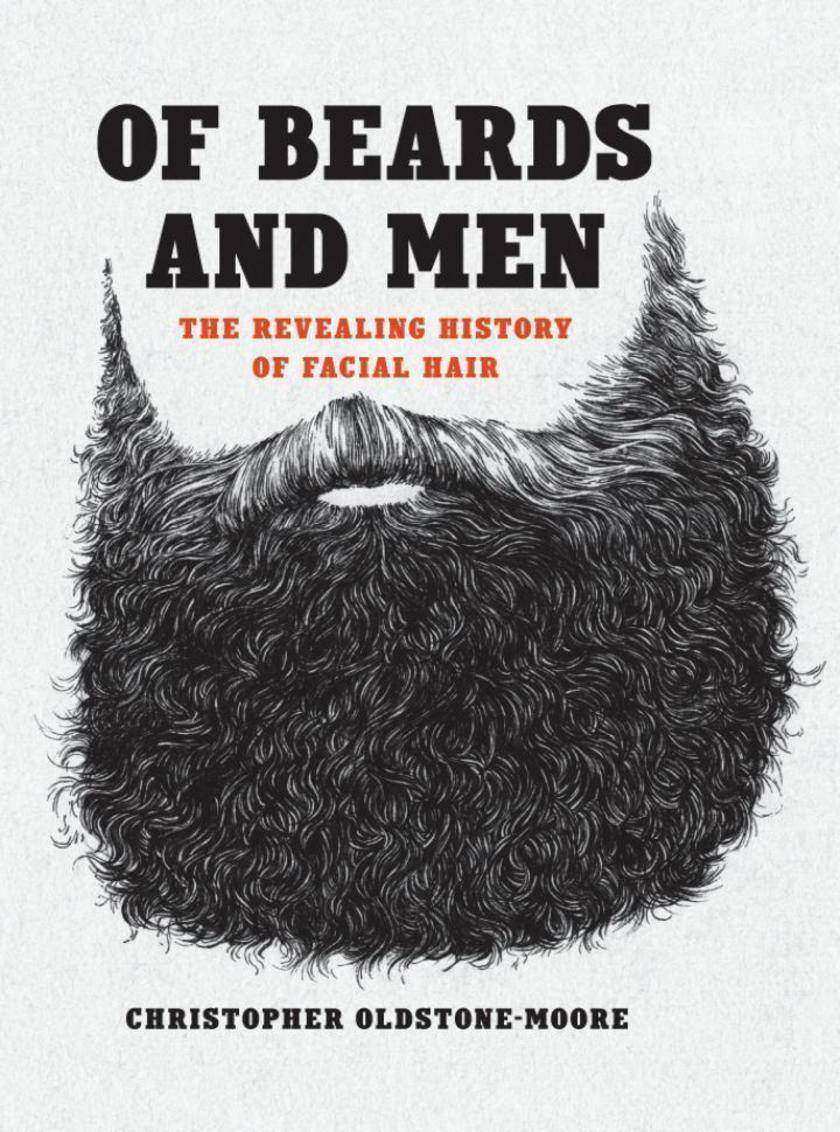
Beards-they're all the rage these days. Take a look around: from hip urbanites to rustic outdoorsmen, well-groomed metrosexuals to post-season hockey players, facial hair is everywhere. The New York Times traces this hairy trend to Big Apple hipsters circa 2005 and reports that today some New Yorkers pay thousands of dollars for facial hair transplants to disguise patchy, juvenile beards. And in 2014, blogger Nicki Daniels excoriated bearded hipsters for turning a symbol of manliness and power into a flimsy fashion statement. The beard, she said, has turned into the padded bra of masculinity.Of Beards and Men makes the case that today's bearded renaissance is part of a centuries-long cycle in which facial hairstyles have varied in response to changing ideals of masculinity. Christopher Oldstone-Moore explains that the clean-shaven face has been the default style throughout Western history-see Alexander the Great's beardless face, for example, as the Greek heroic ideal. But the primacy of razors has been challenged over the years by four great bearded movements, beginning with Hadrian in the second century and stretching to today's bristled resurgence. The clean-shaven face today, Oldstone-Moore says, has come to signify a virtuous and sociable man, whereas the beard marks someone as self-reliant and unconventional. History, then, has established specific meanings for facial hair, which both inspire and constrain a man's choices in how he presents himself to the world.This fascinating and erudite history of facial hair cracks the masculine hair code, shedding light on the choices men make as they shape the hair on their faces. Oldstone-Moore adeptly lays to rest common misperceptions about beards and vividly illustrates the connection between grooming, identity, culture, and masculinity. To a surprising degree, we find, the history of men is written on their faces.

City Creatures
¥147.15
We usually think of cities as the domain of humans-but we are just one of thousands of species that call the urban landscape home. Chicago residents knowingly move among familiar creatures like squirrels, pigeons, and dogs, but might be surprised to learn about all the leafhoppers and water bears, black-crowned night herons and bison, beavers and massasauga rattlesnakes that are living alongside them. City Creatures introduces readers to an astonishing diversity of urban wildlife with a unique and accessible mix of essays, poetry, paintings, and photographs.The contributors bring a story-based approach to this urban safari, taking readers on birding expeditions to the Magic Hedge at Montrose Harbor on the North Side, canoe trips down the South Fork of the Chicago River (better known as Bubbly Creek), and insect-collecting forays or restoration work days in the suburban forest preserves.The book is organized into six sections, each highlighting one type of place in which people might encounter animals in the city and suburbs. For example, schoolyard chickens and warrior wasps populate "e;Backyard Diversity,"e; live giraffes loom at the zoo and taxidermy-in-progress pheasants fascinate museum-goers in "e;Animals on Display,"e; and a chorus of deep-freeze frogs awaits in "e;Water Worlds."e; Although the book is rooted in Chicago's landscape, nature lovers from cities around the globe will find a wealth of urban animal encounters that will open their senses to a new world that has been there all along. Its powerful combination of insightful narratives, numinous poetry, and full-color art throughout will help readers see the city-and the creatures who share it with us-in an entirely new light.

City Water, City Life
¥147.15
A city is more than a massing of citizens, a layout of buildings and streets, or an arrangement of political, economic, and social institutions. It is also an infrastructure of ideas that are a support for the beliefs, values, and aspirations of the people who created the city. In City Water, City Life, celebrated historian Carl Smith explores this concept through an insightful examination of the development of the first successful waterworks systems in Philadelphia, Boston, and Chicago between the 1790s and the 1860s. By examining the place of water in the nineteenth-century consciousness, Smith illuminates how city dwellers perceived themselves during the great age of American urbanization.?But City Water, City Life is more than a history of urbanization.?It is also a refreshing meditation on water as a necessity, as a resource for commerce and industry, and as an essential-and central-part of how we define our civilization.
After Preservation
¥147.15
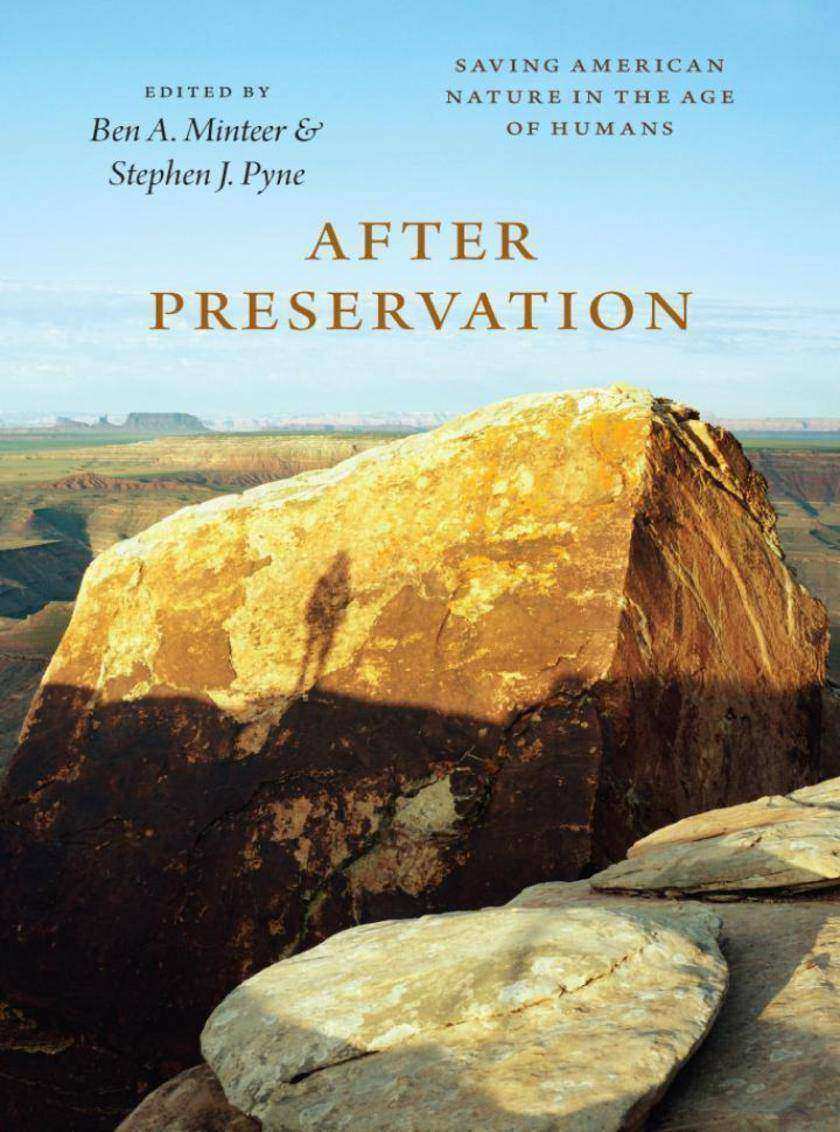
From John Muir to David Brower, from the creation of Yellowstone National Park to the Endangered Species Act, environmentalism in America has always had close to its core a preservationist ideal. Generations have been inspired by its ethos-to encircle nature with our protection, to keep it apart, pristine, walled against the march of human development. But we have to face the facts. Accelerating climate change, rapid urbanization, agricultural and industrial devastation, metastasizing fire regimes, and other quickening anthropogenic forces all attest to the same truth: the earth is now spinning through the age of humans. After Preservation takes stock of the ways we have tried to both preserve and exploit nature to ask a direct but profound question: what is the role of preservationism in an era of seemingly unstoppable human development, in what some have called the AnthropoceneBen A. Minteer and Stephen J. Pyne bring together a stunning consortium of voices comprised of renowned scientists, historians, philosophers, environmental writers, activists, policy makers, and land managers to negotiate the incredible challenges that environmentalism faces. Some call for a new, post-preservationist model, one that is far more pragmatic, interventionist, and human-centered. Others push forcefully back, arguing for a more chastened and restrained vision of human action on the earth. Some try to establish a middle ground, while others ruminate more deeply on the meaning and value of wilderness. Some write on species lost, others on species saved, and yet others discuss the enduring practical challenges of managing our land, water, and air.From spirited optimism to careful prudence to critical skepticism, the resulting range of approaches offers an inspiring contribution to the landscape of modern environmentalism, one driven by serious, sustained engagements with the critical problems we must solve if we-and the wild garden we may now keep-are going to survive the era we have ushered in. ?Contributors include: Chelsea K. Batavia, F. Stuart (Terry) Chapin III, Norman L. Christensen, Jamie Rappaport Clark, William Wallace Covington, Erle C. Ellis, Mark Fiege, Dave Foreman, Harry W. Greene, Emma Marris, Michelle Marvier, Bill McKibben, J. R. McNeill, Curt Meine, Ben A. Minteer, Michael Paul Nelson, Bryan Norton, Stephen J. Pyne, Andrew C. Revkin, Holmes Rolston III, Amy Seidl, Jack Ward Thomas, Diane J. Vosick, John A. Vucetich, Hazel , and Donald Worster.?

Divas and Scholars
¥147.15
Winner of the 2007 Otto Kinkeldey Award from the American Musicological Society and the 2007 Deems Taylor Award from the American Society of Composers, Authors, and Publishers.Divas and Scholars is a dazzling and beguiling account of how opera comes to the stage, filled with Philip Gossett's personal experiences of triumphant-and even failed-performances and suffused with his towering and tonic passion for music. Writing as a fan, a musician, and a scholar, Gossett, the world's?leading authority on the performance of Italian opera, brings colorfully to life the problems, and occasionally the scandals, that attend the production of some of our most favorite operas.?Gossett begins by tracing the social history of nineteenth-century Italian theaters in order to explain the nature of the musical scores from which performers have long worked. He then illuminates the often hidden but crucial negotiations opera scholars and opera conductors and performers: What does it mean to talk about performing from a critical editionHow does one determine what music to perform when multiple versions of an opera existWhat are the implications of omitting passages from an opera in a performanceIn addition to vexing questions such as these, Gossett also tackles issues of ornamentation and transposition in vocal style, the matters of translation and adaptation, and even aspects of stage direction and set design.?Throughout this extensive and passionate work, Gossett enlivens his history with reports from his own experiences with major opera companies at venues ranging from the Metropolitan and Santa Fe operas to the Rossini Opera Festival at Pesaro. The result is a book that will enthrall both aficionados of Italian opera and newcomers seeking a reliable introduction to it-in all its incomparable grandeur and timeless allure.?

Stone Soup Experiment
¥147.15
The Stone Soup Experiment is a remarkable story of cultural difference, of in-groups, out-groups, and how quickly and strongly the lines between them are drawn. It is also a story about simulation and reality, and how quickly the lines between them can be dismantled.?In a compulsively readable account, Deborah Downing Wilson details a ten-week project in which forty university students were split into two different simulated cultures: the carefree Stoners, and the market-driven Traders. Through their eyes we are granted intimate access to the very foundations of human society: how group identities are formed and what happens when opposing ones come into contact.?The experience of the Stoners and Traders is a profound testament to human sociality. Even in the form of simulation, even as a game, the participants found themselves quickly-and with real conviction-bound to the ideologies and practices of their in-group. The Stoners enjoyed their days lounging, chatting, and making crafts, while the Traders-through a complex market of playing cards-competed for the highest bankrolls. When they came into contact, misunderstanding, competition, and even manipulation prevailed, to the point that each group became so convinced of its own superiority that even after the simulation's end the students could not reconcile. Throughout her riveting narrative, Downing Wilson interweaves fascinating discussions on the importance of play, emotions, and intergroup interaction in the formation and maintenance of group identities, as well as on the dynamic social processes at work when different cultural groups interact. A fascinating account of social experimentation, the book paints a vivid portrait of our deepest social tendencies and the powers they have over how we make friends and enemies alike.?
Dawn of Green
¥147.15
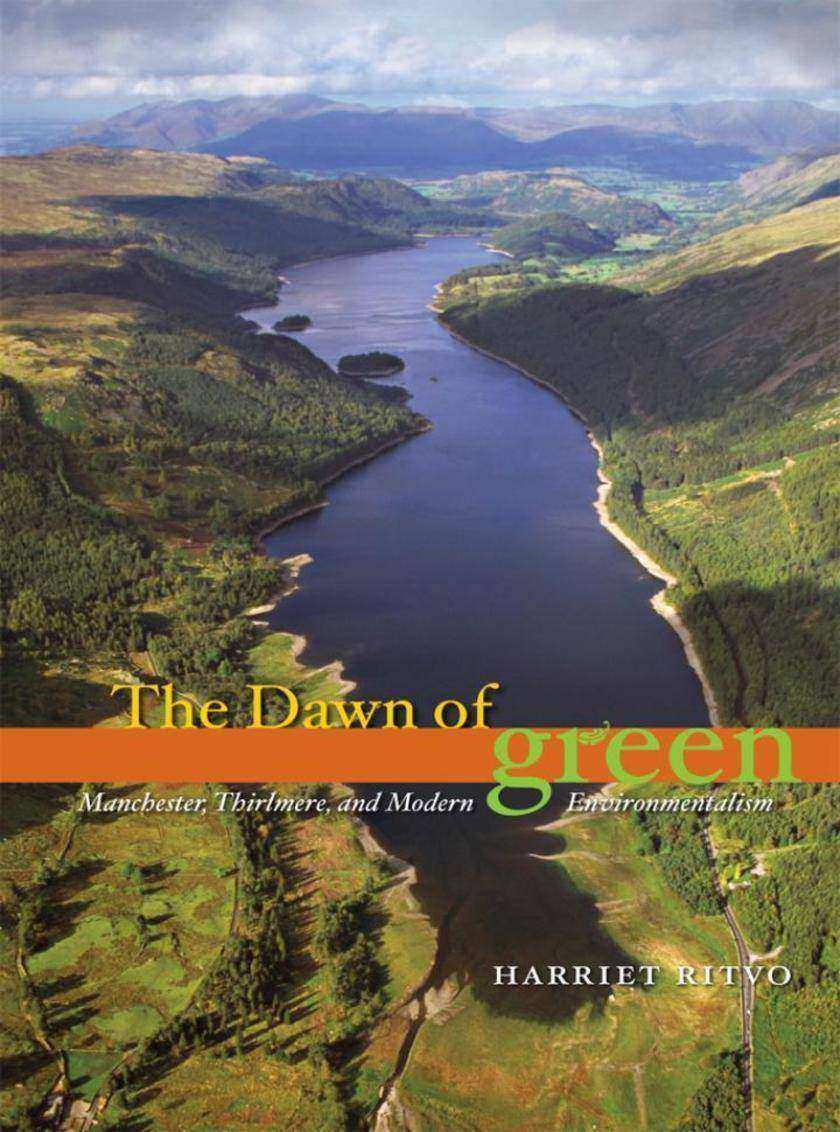
Located in the heart of England's Lake District, the placid waters of Thirlmere seem to be the embodiment of pastoral beauty. But under their calm surface lurks the legacy of a nineteenth-century conflict that pitted industrial progress against natural conservation-and helped launch the environmental movement as we know it. Purchased by the city of Manchester in the 1870s, Thirlmere was dammed and converted into a reservoir, its water piped one hundred miles south to the burgeoning industrial city and its workforce. This feat of civil engineering-and of natural resource diversion-inspired one of the first environmental struggles of modern times. The Dawn of Green re-creates the battle for Thirlmere and the clashes between conservationists who wished to preserve the lake and developers eager to supply the needs of a growing urban population. Bringing to vivid life the colorful and strong-minded characters who populated both sides of the debate, noted historian Harriet Ritvo revisits notions of the natural promulgated by romantic poets, recreationists, resource managers, and industrial developers to establish Thirlmere as the template for subsequent-and continuing-environmental struggles.


