


 购物车
购物车 个人中心
个人中心


周期真实义1-4(套装共4册)
¥386.50
这本书是中国康德拉季耶夫周期理论研究开拓者、“周期天王”周金涛的经典作品。 从2006—2007年持续两年的大牛市到2008年次贷危机和2016年大宗商品年度反弹,周金涛先生成功把握和预测了长周期运行中的每一次重要转折,他的研究与洞见不仅为投资者提供了宝贵的宏观对冲策略,也为我们理解经济周期与人生财富命运的关系提供了重要启示。 这本书以经济周期研究和结构主义为核心,*而完整地展现了作者独特的逻辑框架和思维体系,记录了他在预测重要经济拐点时刻的经济原貌、理论根源与推演过程,内容覆盖了股票、大宗商品、美元、黄金以及房地产等在内的几乎所有大类资产类别。作者的核心观点是,我们人生的财富轨迹是有迹可循的,而这个轨迹就是康波周期,从某种意义上看,人生财富积累的根本就是源于对康波周期中资产价格的投资或投机。作者扎实的理论功底、翔实的数据论证以及严密的逻辑推演犹如一盏指引投资者穿越市场迷雾的明灯,帮助我们更好地理解长波周期的本质和康波中的价格波动规律,发现人生财富规划的密码。
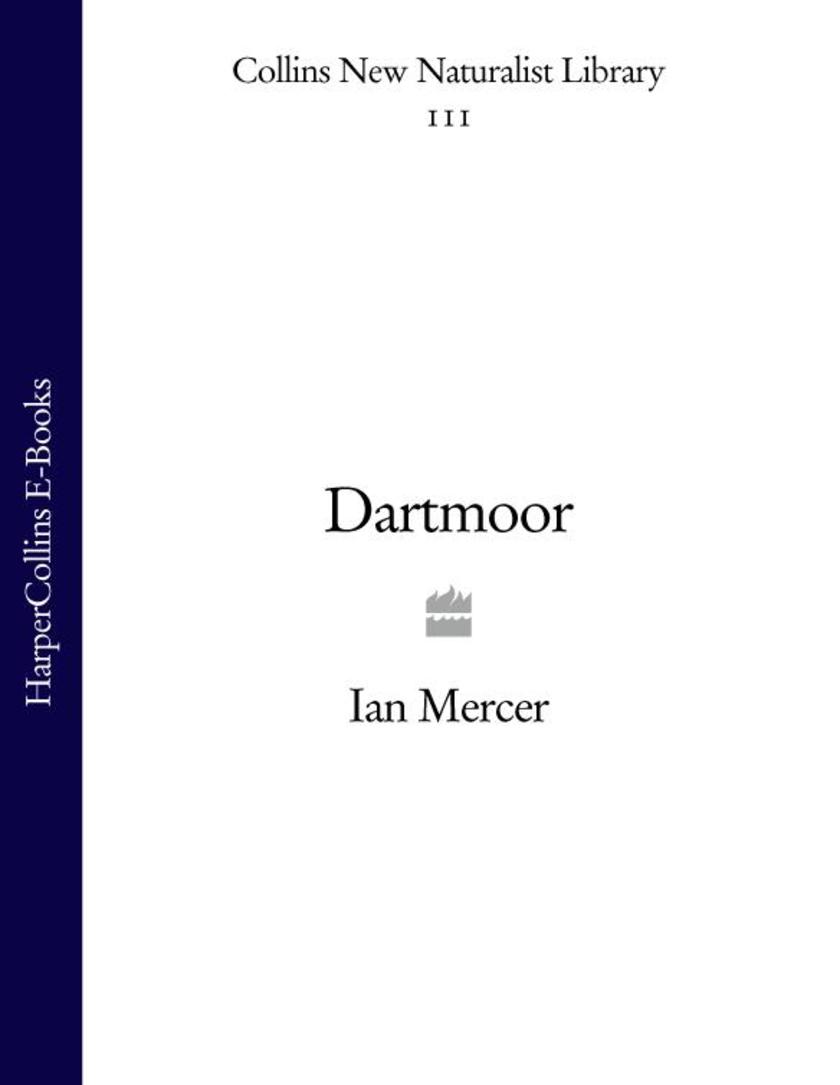
Dartmoor (Collins New Naturalist Library, Book 111)
¥385.34
New Naturalist Dartmoor explores the complex and fascinating history of one of southern England's greatest National Parks, an area of enormous interest to naturalists and tourists alike. Dartmoor is said to be the loneliest wilderness in England. This has been said more often of Dartmoor than any other part of our country. Traditionally in the world of fiction as well as that of fact, Dartmoor has been renowned as a vast and empty moorland area, the property of nature rather than of man. It has always been the public's idea of a lonely place. Not many generations ago it was regarded with a certain amount of awe and nowadays it is one of our most important centres of recreation, an island in upland England of abundant interest to the naturalist. In 1951 it became a National Park, one of the first of several places that have been so designated in Great Britain, helping to conserve and promote both its beauty and cultural heritage. Spanning miles of open moorland, whilst also hiding small secluded river valleys, rare plants and endangered birds, Dartmoor is a place of variety, and has evolved in the public's mind from a forbidding place to that of romance and mystery. In the latest addition to the long-running New Naturalist series, Ian Mercer sets out to explore every aspect of this important area of southern Devon. Focusing not only on its extensive history and physical landscape, but also its cultural place within Great Britain, this is both a comprehensive and engaging look at the wild and rugged landscape that has inspired so many poets, painters and musicians over countless centuries.
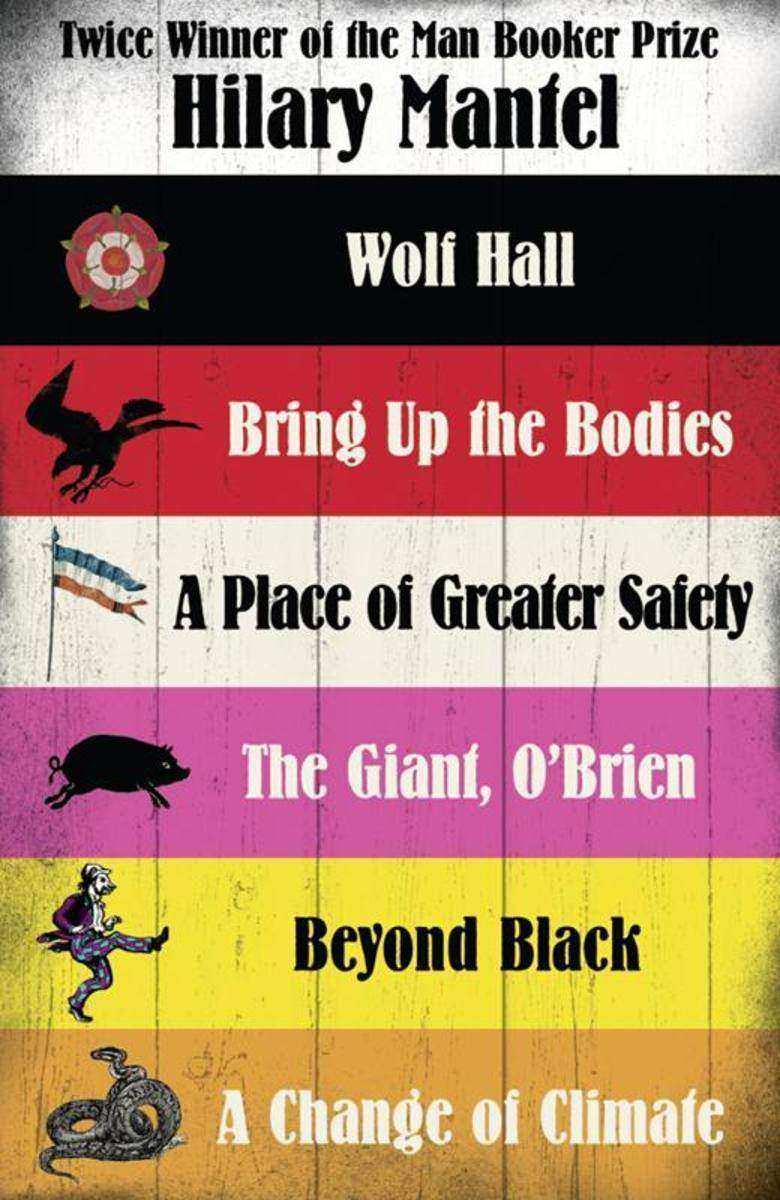
Hilary Mantel Collection: Six of Her Best Novels
¥385.34
Our greatest living writer. Six of her best novels. Hilary Mantel is the first British writer to win two Man Booker Prizes. This set brings together six of her greatest novels – the first two books in her Thomas Cromwell trilogy, the record-setting Man Booker prize-winners ‘Wolf Hall’ and ‘Bring Up the Bodies’.’ A Place of Greater Safety’ is an epic of Revolutionary France. The darkly comic ‘Beyond Black’ is a lively tale of a psychic and the impish spirits she summons. ‘The Giant, O’Brien’ tells the story of the legendary Charles Byrne and the surgeon who wanted his bones. And a family seeks refuge after an unfortunate African sojourn in ‘A Change of Climate’. For fans of the best literature eager to discover one of our greatest writers, this collection is essential reading.

第三帝国三部曲(理想国译丛 038-040)
¥384.75
第三帝国三部曲(理想国译丛 038-040)包括 《理想国译丛038 第三帝国的到来》纳粹德国的前传,魏玛共和国的崩溃史。完整剖析纳粹崛起的缘由,生动还原希特勒攫取权力的过程。 《理想国译丛039 当权的第三帝国》重现和平时期的纳粹党,如何以残暴血腥的独裁手段,一步步清洗、动员、武装德意志民族,将德国改造成一架全力冲刺的战争机器。 《理想国译丛040 战时的第三帝国》透过宏观的战争描绘与普通人的战时经历,细致讲述纳粹的军事征服与的种族灭绝。再现德国如何点燃战火,彻底改变20世纪的世界局势与历史发展。

方成全集(1—16册)
¥384.00
《方成全集》是目前国内*部集方成作品之大成的传世精品,采用横向时间轴与纵向事件轴的方式对方成各时期所作漫画及所撰文字行展示,忠实反映了时代风云变幻和主流媒体的声音,全面展现了方成一生笔下的创作。 全集共二卷16册,分漫画卷、文稿卷。漫画卷1—11册主要收录作者于20世纪30年代至21世纪初已发表或未发表而自珍藏的漫画作品。文稿卷12—16册主要收录作者于20世纪80年代至21世纪初已发表或未发表的理论文稿,分别立意“述人生”“谈漫画”“说幽默”“画外音”“老友记”,对方成的一生历程、漫画心得、幽默理论、杂文评议、朋辈交游等行较为全面的总结展示。 全集具有较高的艺术欣赏价值和历史文献价值,是我国漫画艺术界的重大成果,有利于漫画艺术研究工作者对方成当时所处历史背景下漫画创作的研究,也有利于大众读者认识和理解当时社会背景下,方成创作的漫画所体现的社会内涵和历史意义。
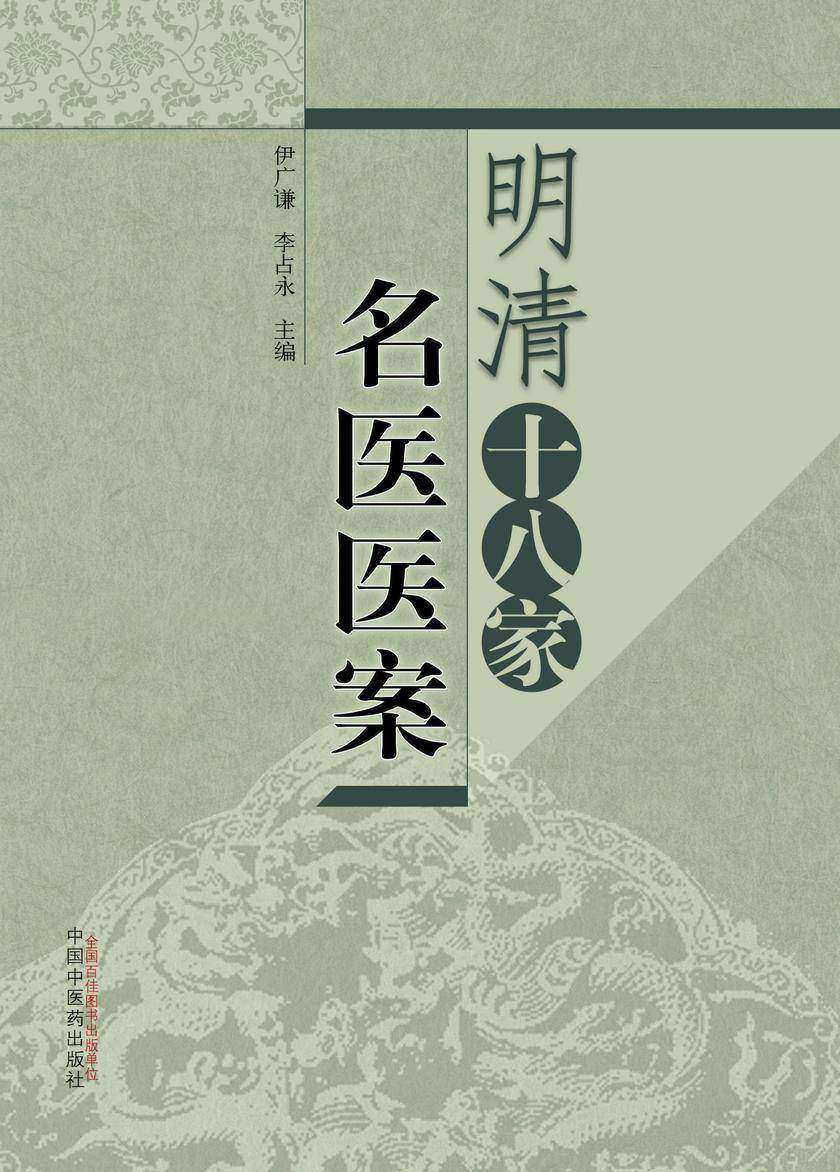
明清十八家名医医案
¥384.00
伊广谦、李占永主编的《明清十八家名医医案( 精)》共收明清两代十八位*名医家的二十一部医案。其中明代名医四人,即汪机(石山)、孙一奎(文垣) 、喻昌(嘉言)、李中梓(士材);清代名医十四人,即高斗魁(鼓峰)、尤怡(在泾)、徐大椿(灵胎)、薛雪( 生白)、吴瑭(鞠通)、王士雄(孟英)、程文囿(杏轩) 、蒋宝素(问斋)、谢星焕(映庐)、费伯雄(晋卿)、王泰林(旭高)、陈莲舫(秉钧)、张聿青(乃修)、余景和 (听鸿)。这二十一部医案即是他们医疗实践的真实记录。医案中保存下来的*其丰富的宝贵临床经验,至今仍有很高的实用价值。本次出版,选取*佳底本,精心校,以满足广大中医临床工作者及中医药爱好者的需要。

中国分省医籍考.下册
¥384.00
《郭霭春全集》收录郭霭春教授医学著作11种,共计600万字左右。《全集》全面反映了他在中医药学领域的学术成就。郭霭春先生治儒通医,文理医理融会贯通,精通史学、国学,于目录、版本、校勘、训诂、音韵等专门之学,造诣精深,并善诗词。他深研中医基础理论,精医史、善临证,尤以文献研究和中医内科见长,有“津沽杏林三杰”之誉。治学精勤,著作颇丰,其代表作有《黄帝内经素问校注》《灵枢经校释》《黄帝内经素问校注语译》《灵枢经校注语译》《中国医史年表》《中国分省医籍考》等。本册《中国分省医籍考》取材地方志,资料翔实,是非常珍贵的版本学、目录学工具书。

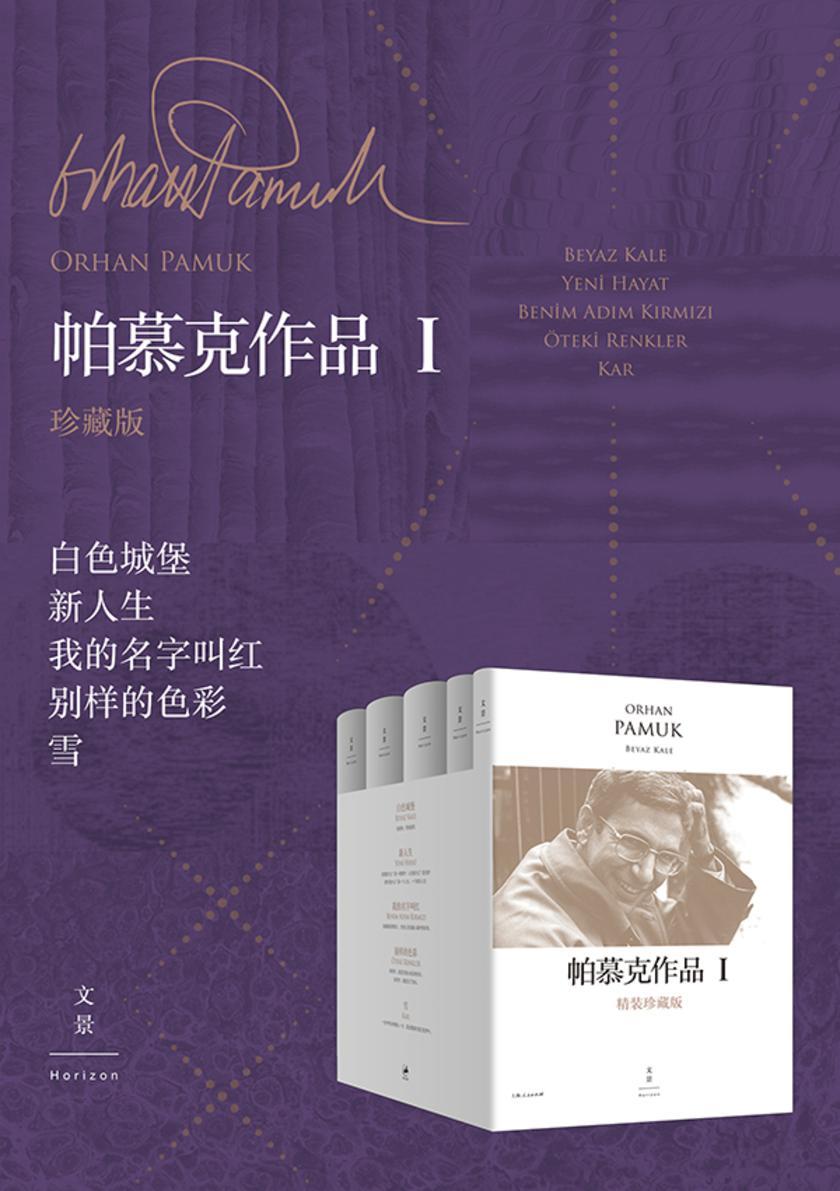
帕慕克作品珍藏版*辑(全五册)
促销价:¥192.00|¥346.00
《我的名字叫红》故事发生在1590年末的奥斯曼帝国,苏丹秘密委制一本伟大的书籍,颂扬他的生活与帝国。四位当朝优秀的细密画家齐聚伊斯坦布尔,绘制这本传说将动摇宗教与社稷的书。此时,为爱情离乡十二年的青年黑在恋人父亲的召唤下终于回归,迎接他的除了爱情,还有接踵而来的谋杀,而线索,就藏在书中未完成的图画某处…… 《别样的色彩》这是一部帕慕克三十年创作生涯的个人精选集,记录了作者一生中对孤独、风景、书籍与城市的执迷。这些文章是帕慕克自称“小说无法表达”的想法、影像和片段,集中地展示了他对于伊斯坦布尔的变迁、日常琐碎物件以及写作和阅读的看法。作者写到了他拥有的*本护照、他的*次欧洲之行、对于女儿小时候的回忆,还讲到自己父亲的过世,他所亲历的1999年伊斯坦布尔大地震,以及几位对他影响深远的作家,如劳伦斯·斯特恩、陀思妥耶夫斯基、纳博科夫和略萨等。总之,在这本书里,帕慕克与读者分享了一切他认为重要的,但不曾被写进小说的诸多思绪和细节。 《白色城堡》17世纪的奥斯曼帝国,一名博学的威尼斯青年被俘虏到伊斯坦布尔,成为土耳其人霍加的奴隶。二人外貌极度相像,霍加命令威尼斯人教他所有的科学文化知识,并与他交换人生所经历的一切细节。他们联手对付了席卷土耳其的一场瘟疫,霍加晋升为皇宫的星象家,威尼斯人则成了苏丹的倾诉对象。为了攻打西方的一座白色城堡,二人携手发明了一件战争武器。然而战争失败,他们中的一人也在浓雾中不知去向,留下的另一人写下了他们所有的故事。 《新人生》某日,男主人公奥斯曼读了一本奇特的书,受到强烈震撼,决定告别过去熟悉的生活,并与家庭决裂,追寻书中的“新人生”。他爱上了女孩嘉娜,又目睹情敌穆罕默德遭人刺杀。他在和嘉娜一起不断搭公交车漫游的旅途中,遭遇了车祸。他和女孩在车祸中盗取了另一对死者的证件,从此获得了新的身份。但事实上,这一切只是男主人公的想象和幻觉,是因为他不愿意延续过去、不愿意接受被安排的人生。穆罕默德和奥斯曼其实是同一个人。当他步入中年,有了自己的家庭,某天他突然发现,自己并不想告别过去的人生。 《雪》故事发生在1992年的四天四夜里。主人公卡,一个多愁善感的诗人,借着记者的身份在土耳其偏远小城卡尔斯游逛。大雪封途,卡尔斯通往外部的一切交通都被割断。大雪下得无休无止,枪声在舞台上响起,卡尔斯陷入了军事政变。现代与传统,政治与文化……这些冲突把卡尔斯城的人们分为两极,整个小镇的氛围充满了压抑、愤怒、阴谋和暴力。爱情故事、谋杀案、历史纠葛及冲突,都浓缩到这个与世隔绝的小城中。

巫鸿“中国绘画”三部曲
¥384.00
著名美术史家巫鸿“中国绘画”三部曲《远古至唐》《五代至南宋》《元至清》。 突破卷轴画的范围,拓展中国绘画的概念疆域; 吸纳考古美术成果,聚焦媒材特征与跨地域交流; 朝代史框架+分层叙事,在历史原境中立体勾勒中国绘画的发展轨迹。 口碑之作,横扫多个图书榜单:《南方日报》、经济人读书会、豆瓣年度好书、《中华读书报》、《新京报书评周刊》、探照灯行读图书奖、《出版人杂志》、《中国出版传媒商报》。

装在口袋里的爸爸(全套33册)
¥383.20
无法想象!从我捡到考试机始,一切都变得不一样了:仿佛有“世外高人”指我躲不良少年的围追堵截;体育课上一不小心就成了“闪电侠”;随便一场篮球比赛也能成为灌篮高手;学习成绩更是无人能敌,成为学霸……我对考试机的依赖越来越深,直到被它过度吸收了能量而晕倒,我才从噩梦中醒来。原来这个AI智能考试机正把我们的城市卷一场灾难!
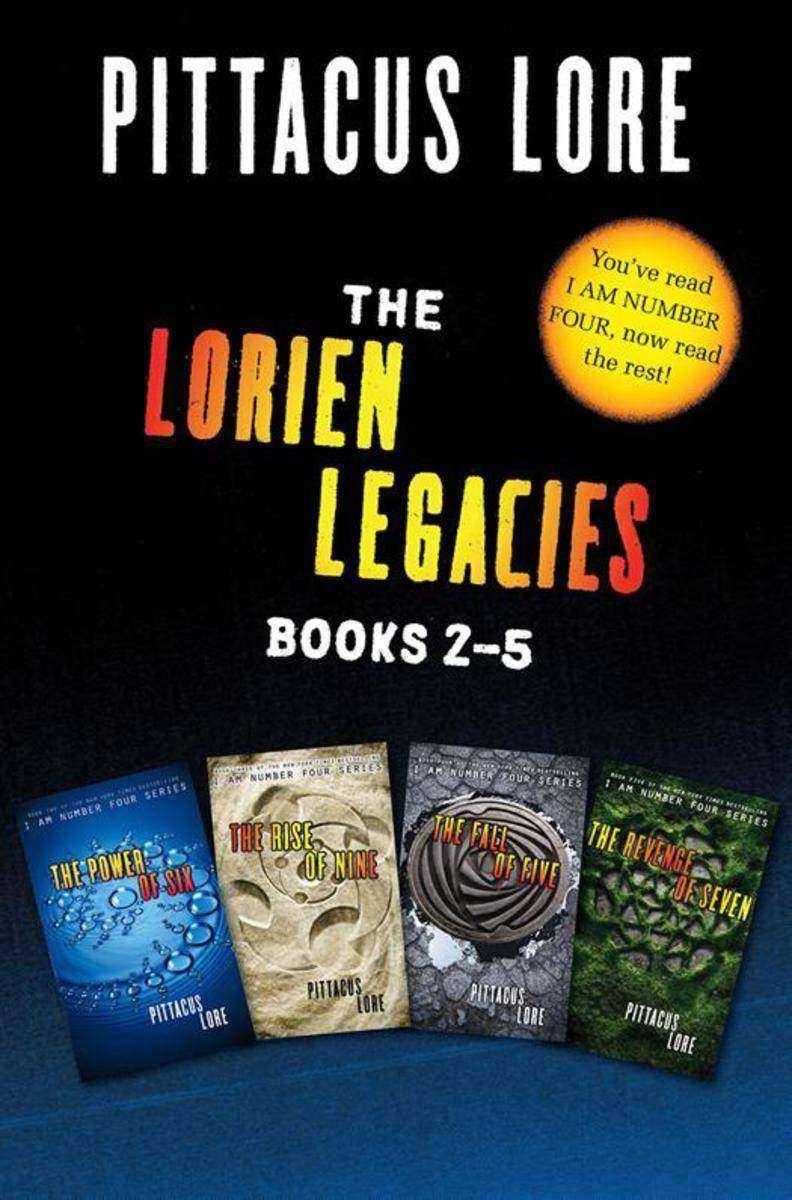
The Lorien Legacies: Books 2-5 Collection
¥381.65
Four thrilling bestselling novels are included in this collection:The Power of Six: I've seen him on the news. Followed the stories about what happened in Ohio. John Smith, out there, on the run. To the world, he's a mystery. But to me . . . he's one of us.There are six of us left. We're hiding, blending in, avoiding contact with one another . . . but our Legacies are developing, and soon we'll be equipped to fight. Is John Number Four, and is his appearance the sign I've been waiting forAnd what about Number Five and SixI am Number Seven. One of six still alive.And I'm ready to fight.The Rise of Nine: The stakes are higher than ever as John, Six, and Seven try desperately to find the rest of the Garde before it's too late. During the dangerous mission at the Mogadorian base in West Virginia, John found and rescued Nine. But even with their combined powers, special abilities known as Legacies, the pair barely escaped with their lives—and they lost Sam in the process. In order to save our world and their own, John and Nine must join forces with Six and Seven who have been battling the Mogadorians in Spain, and who are now trying to locate Number Eight in India.The Fall of Five: To defeat their enemy, the Garde must master their Legacies and learn to work together as a team. When the Garde receive a sign from Number Five—a crop circle in the shape of a Lorien symbol—they know they are close to being reunited. But could it be a trapTime is running out, and the only thing they know for certain is that they have to get to Five before it's too late.The Revenge of Seven: The fifth book in the New York Times bestselling I Am Number Four series! The Garde have suffered an unbearable loss. Number Five has betrayed them. Eight is gone forever. Ella has been kidnapped. The others are now scattered. The Garde are broken and divided once again, but they will not be defeated. As long as one still stands, the battle for Earth's survival is not lost.
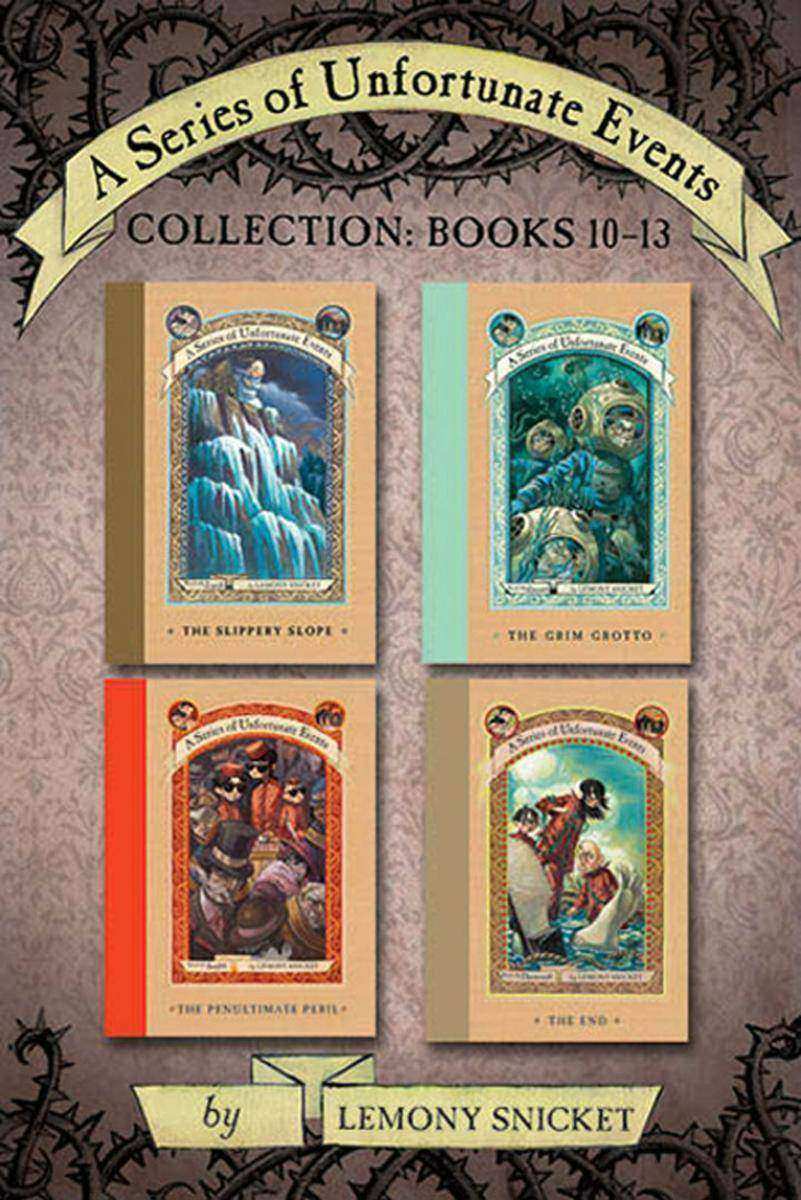
A Series of Unfortunate Events Collection: Books 10-13
¥381.65
A Warning from the Publisher:If you have come this far, it is likely too late. Readers who have experienced the first nine volumes in A Series of Unfortunate Events by Lemony Snicket are usually so weakened by their dreadful knowledge of the Baudelaire orphans' story that they spend most of their time moaning and weeping, and have no strength to read The Slippery Slope, The Grim Grotto, The Penultimate Peril, or The End.If, by chance, your moaning and weeping is more or less under control, there is no need to further risk your physical, emotional, and literary health by reading the four remaining volumes in the series. It would be better to regain your strength by spending your time indulging in less alarming activities, such as whistling or making cupcakes for the elderly. After all, this collection contains all of the calamities in the last four volumes of A Series of Unfortunate Events, including abandoned condiments, cigarette smoking, a shocking revelation, a ridiculous laugh, a fearsome storm, a herd of wild sheep, a truly haunting secret about the Baudelaire parents, another shocking revelation, and Phil. There is no need to exposure yourself to such atrocities, not after all you've been through already.
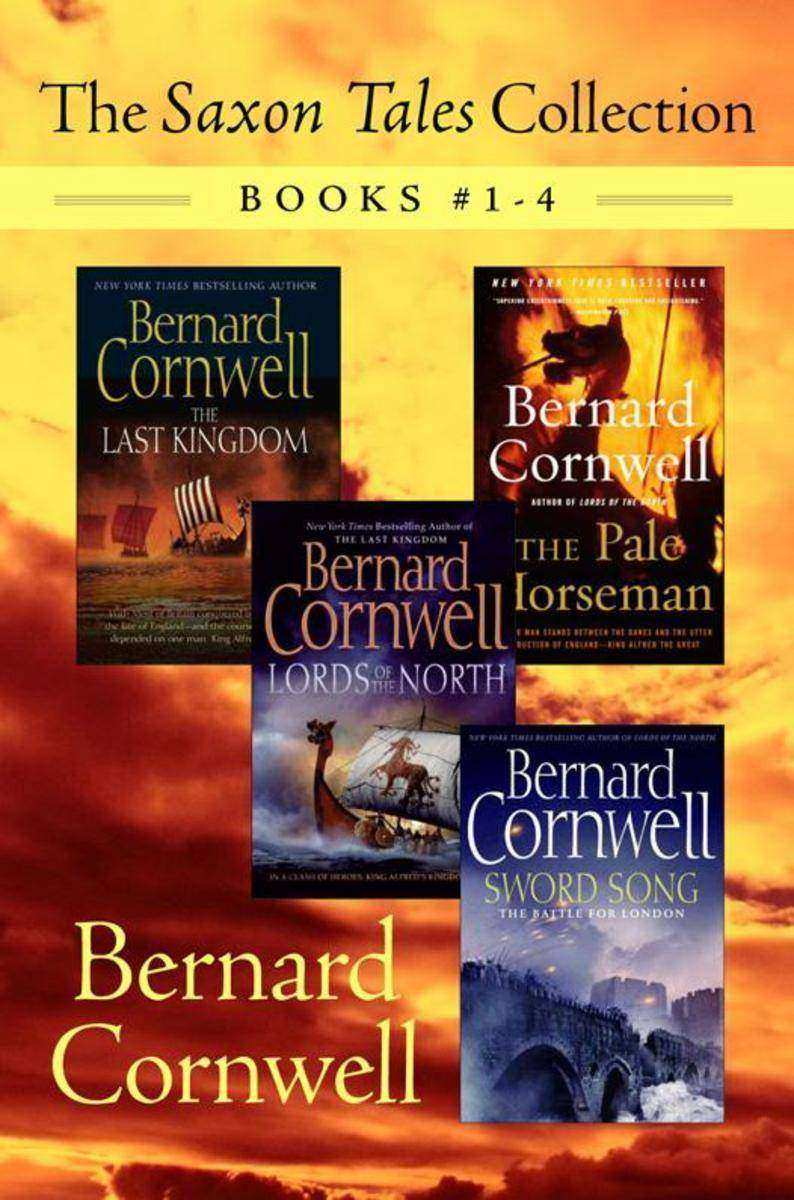
The Saxon Tales Collection: Books #1-4
¥381.65
The Saxon Tales Collection: Books #1-4 by Bernard Cornwell has de*ive copy which is not yet available from the Publisher.
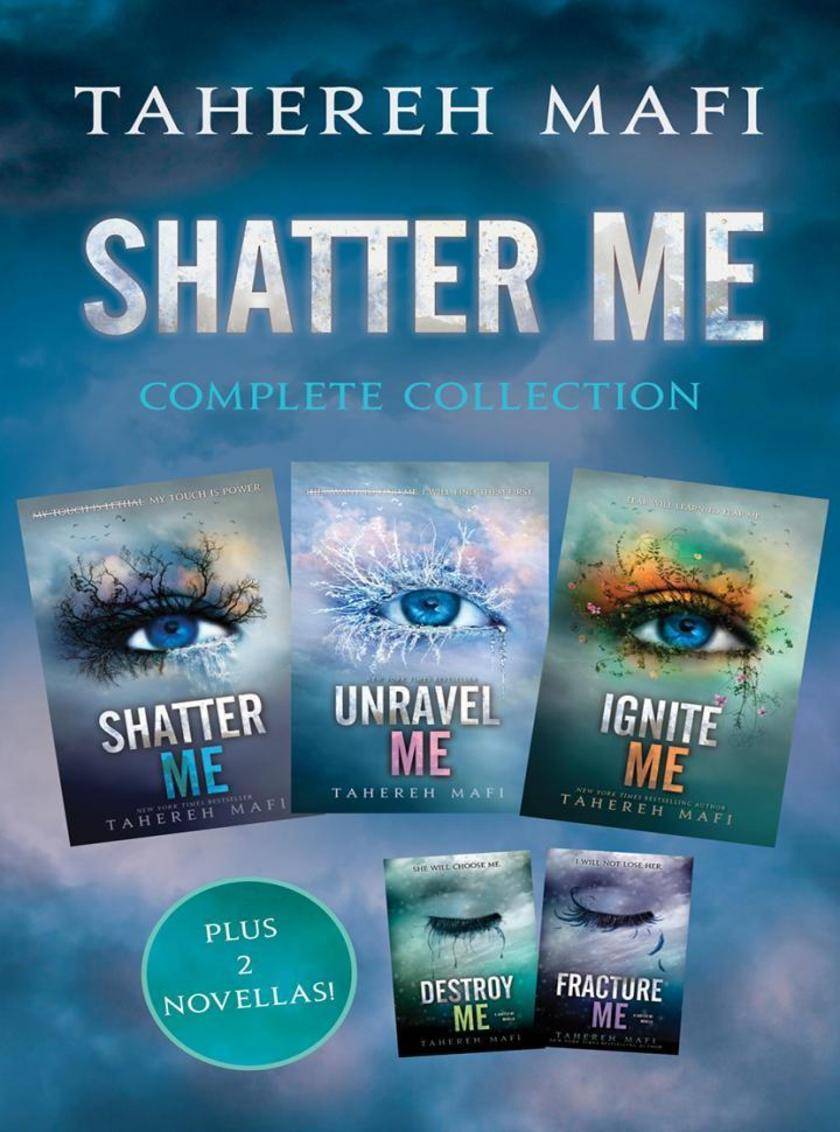
Shatter Me Complete Collection
¥381.65
The Shatter Me series is perfect for fans who crave action-packed young adult novels with tantalizing romance like Divergent by Veronica Roth, The Hunger Games by Suzanne Collins, and Legend by Marie Lu. Tahereh Mafi has created a captivating and original story that combines the best of dystopian and paranormal and was praised by Publishers Weekly as "a gripping read from an author who's not afraid to take risks." This collection includes the three novels and two novellas in the series.Shatter Me: No one knows why Juliette's touch is fatal, but The Reestablishment has plans for her. Plans to use her as a weapon. But Juliette has plans of her own. After a lifetime without freedom, she's finally discovering a strength to fight back for the very first time—and to find a future with the one boy she thought she'd lost forever.Destroy Me: Set after Tahereh Mafi's Shatter Me and before Unravel Me, the spellbinding sequel, Destroy Me is a novella told from the perspective of Warner, the ruthless leader of Sector 45.Unravel Me: Juliette is still haunted by her deadly touch. But now that she has teamed up with other rebels with powers of their own, she'll be able to fight back against The Reestablishment to save her broken world. With the help of these new allies, she'll also finally learn the secret behind Adam's—and Warner's—immunity to her killer skin.Fracture Me: In this electrifying sixty-page companion novella to the New York Times bestselling Shatter Me series, discover the fate of the Omega Point rebels as they go up against The Reestablishment. Set during and soon after the final moments of Unravel Me, Fracture Me is told from Adam's perspective.Ignite Me: With Omega Point destroyed, Juliette doesn't know if the rebels, her friends, or even Adam are alive. But that won't keep her from trying to take down The Reestablishment once and for all. Now she must rely on Warner, the handsome commander of Sector 45. The one person she never thought she could trust. The same person who saved her life. He promises to help Juliette master her powers and save their dying world . . . but that's not all he wants with her.
Roscoe Riley Rules Complete Collection
¥381.65
Short, funny, true-to-life stories from Katherine Applegate, the author of the Newbery Medal winning The One and Only Ivan, the Roscoe Riley books are perfect for kids new to reading chapter books. They're filled with appealing art, and they star good-hearted first grader Roscoe Riley.This collection includes all seven books in the series: Never Glue Your Friends to ChairsNever Swipe a Bully's BearDon't Swap Your Sweater for a DogNever Swim in ApplesauceDon't Tap-Dance on Your TeacherNever Walk in Shoes That TalkNever Race a Runaway Pumpkin
Under the Never Sky: The Complete Series Collection
¥381.65
Perfect for fans of the Hunger Games and Divergent series, Veronica Rossi's trilogy has been called "inspired, offbeat, and mesmerizing" (Kirkus Reviews, starred review) and "incredibly original" (Seventeen.com). This collection includes all three novels and two novellas in the series.Under the Never Sky: Exiled from her home, the enclosed city of Reverie, Aria knows her chances of surviving in the outer wasteland—known as The Death Shop—are slim. Then Aria meets an Outsider named Perry. He's wild—a savage—and her only hope of staying alive. A hunter for his tribe in a merciless landscape, Perry views Aria as sheltered and fragile—everything he would expect from a Dweller. But he needs Aria's help too; she alone holds the key to his redemption.Roar and Liv: Before Perry and Aria, there was Roar and Liv. Set in the harsh but often beautiful world of Veronica Rossi's "unforgettable" Under the Never Sky (Examiner.com), this captivating prequel novella stands on its own for new readers and offers series fans a fascinating look into the character of Roar. Poignant and powerful, Roar and Liv is a love story that will "capture your imagination and your heart" (Justine on Under the Never Sky).Through the Ever Night: It's been months since Aria last saw Perry. Months since Perry was named Blood Lord of the Tides, and Aria was charged with an impossible mission. Now, finally, they are about to be reunited. But their reunion is far from perfect. The Tides don't take kindly to Aria, a former Dweller. And with the worsening Aether storms threatening the tribe's precarious existence, Aria begins to fear that leaving Perry behind might be the only way to save them both.Brooke: Following the stunning climax in Through the Ever Night, the Tides have been forced to seek shelter from the Aether storms in a dismal, secluded cave. But Brooke's memories of the cave go back much further, to when she and Perry used to come here together. Set just before the events of Into the Still Blue, this breathtaking novella is a satisfying stand-alone for new readers as well as an exciting glimpse at favorite characters from the trilogy.Into the Still Blue: The earth-shattering conclusion to Veronica Rossi's epic Under the Never Sky trilogy. Their love and their leadership have been tested. Now it's time for Perry and Aria to unite the Dwellers and the Outsiders in one last desperate attempt to bring balance to their world.
The Sharpe Collection: Books #16-18
¥381.65
The Sharpe Collection: Books #16-18 by Bernard Cornwell has de*ive copy which is not yet available from the Publisher.
The Sidney Sheldon & Tilly Bagshawe Collection
¥381.65
From New York Times bestselling author Tilly Bagshawe, who upholds the late beloved author Sidney Sheldon's legacy, comes four blistering stories of revenge, passion, and betrayal that are a tribute to one of America's most popular and bestselling authors. Get four quintessential Sheldon novels in one e-book, including: Sidney Sheldon's After the Darkness, Sidney Sheldon's Angel of the Dark, Sidney Sheldon's Mistress of the Game, and Sidney Sheldon's The Tides of Memory.
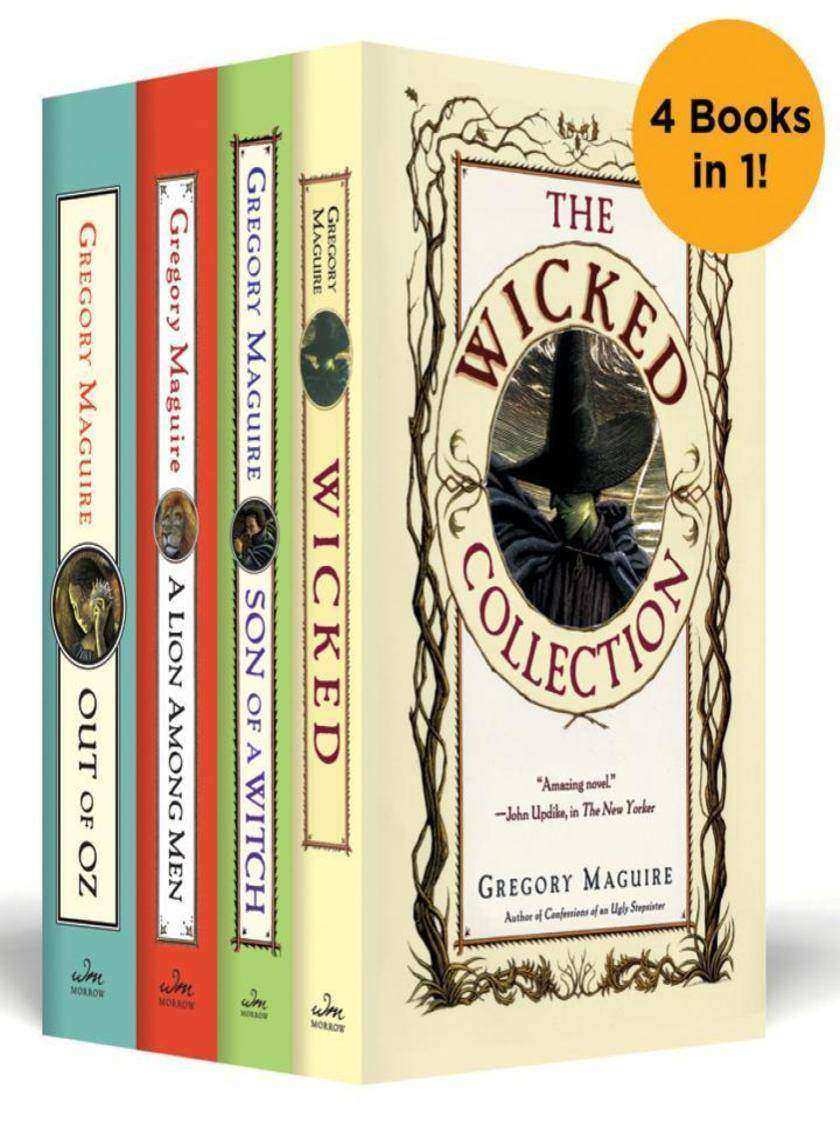
The Wicked Years Complete Collection
¥381.65
The complete eBook collection of the New York Times bestselling The Wicked Years series by Gregory Maguire, including Wicked, Son of a Witch, A Lion Among Men, and Out of Oz.
Tim Dorsey Collection #2
¥381.65
Tim Dorsey Collection #2 by Tim Dorsey has de*ive copy which is not yet available from the Publisher.

GB50432-2007炼焦工艺设计规范(英文版)
¥380.00
现批准《炼焦工艺设计规范》为国家标准,编号为GB50432-2007,自2008年5月1日起实施。其中,第5.4.1(3)、5.4.4(5)、7.3.1、8.1.5、8.1.6、8.1.7、8.1.10、8.2.5、8.2.7、8.2.8、8.2.9条(款)为强制性条文,必须严格执行。本规范适用于炭化室高度4.3m及以上、生产冶金焦的预装焦炉和捣固焦炉的工艺设计。本规范由建设部标准定额研究所组织中国计划出版社出版发行。本规范技术内容包括:总则,术语,基本规定,原料、燃料的要求,焦炉,干熄焦,烟尘治理,电气与自动化中华人民共和国建设部二〇〇七年十月二十五日


