


 购物车
购物车 个人中心
个人中心
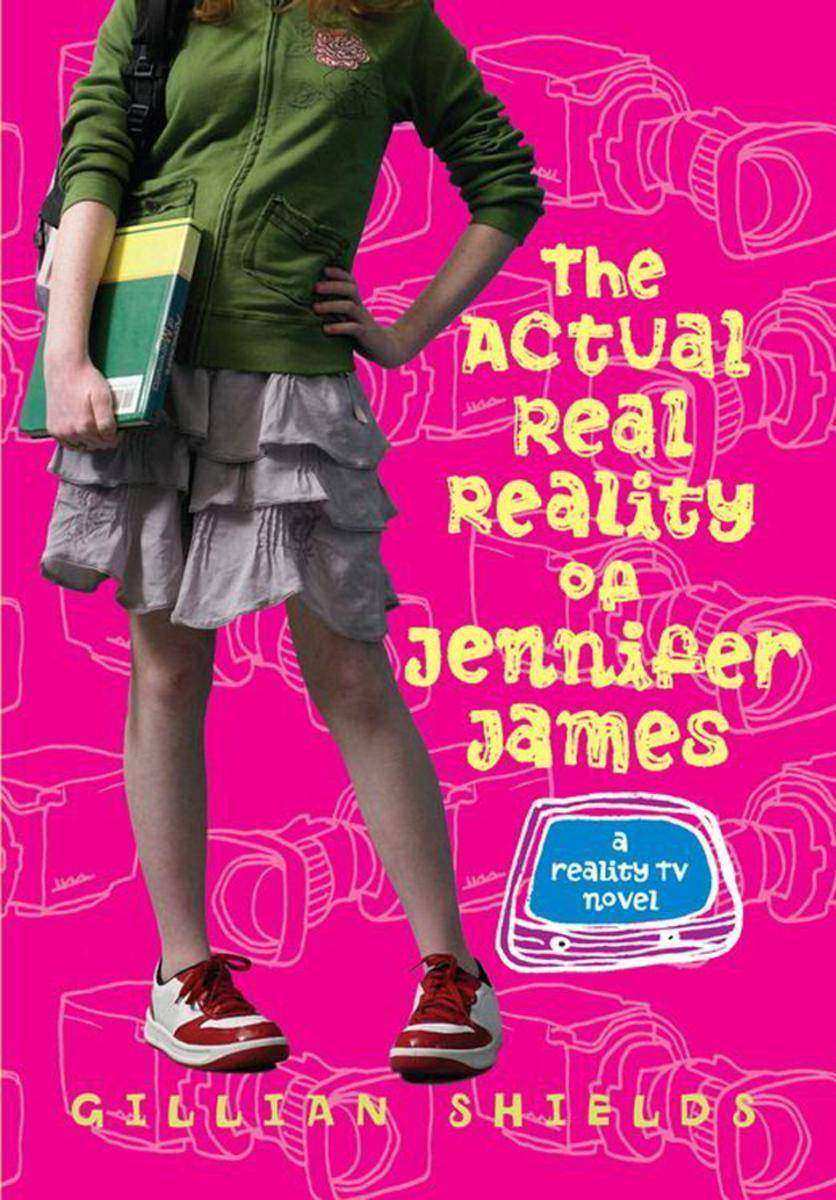
The Actual Real Reality of Jennifer James
¥107.82
This is the diary of Jennifer James.It contains:One Heroine: Jennifer James, burdened by brains, struggling to release her Inner BabeOne High School: London Road Comprehensive, a no-hope English school in a no-hope English townOne Prize: A scholarship to the elite St. Willibald's College [Jennifer's idea of Paradise] offered to the winner of a tacky reality TV show, Down The Bogand . . .A Thousand Complications: Like Jocasta, the crazy feminist mother; Tallulah, the blond rival from hell; Marcus, the guy with green eyes; and above all, the actual real reality that Jennifer's chances of winning are less than Mega-Zero. . . .

HarperCollins
¥107.82
Ice PrincessSarah Hughes was born to skate, and she proved to the world with her dramatic gold medal victory at the 2002 Winter Olympics. But the road to Olympic glory was not always easy for this Long Island teen.Going for the Gold: Sarah Hughes is the amazing true story of a brilliant skater's Olympic quest.Here's what you'll find out about America's newest sweetheart:Sarah's first time on the iceHow her family's support helped her through difficult timesHow Sarah braved the rocky road to the OlympicsSarah's hopes for the future
Metapsychology of the Creative Process
¥107.81
Many are fascinated by the phenomenon of genius and search for an understanding of its nature. Modern research is not especially helpful in elucidating the inner process or its relation to ordinary thought. The present work comes from clinical studies of focal brain injuries that dissect unconscious cognition to reveal sub-surface lines of processing. The outcome is a process (microgenetic) theory of the mental state that differs markedly from mainstream (cognitive) psychology, but with the potential to clarify many features of thought and imagery, normal and exceptional. Creativity is not an isolated problem but touches many central issues in philosophical psychology.
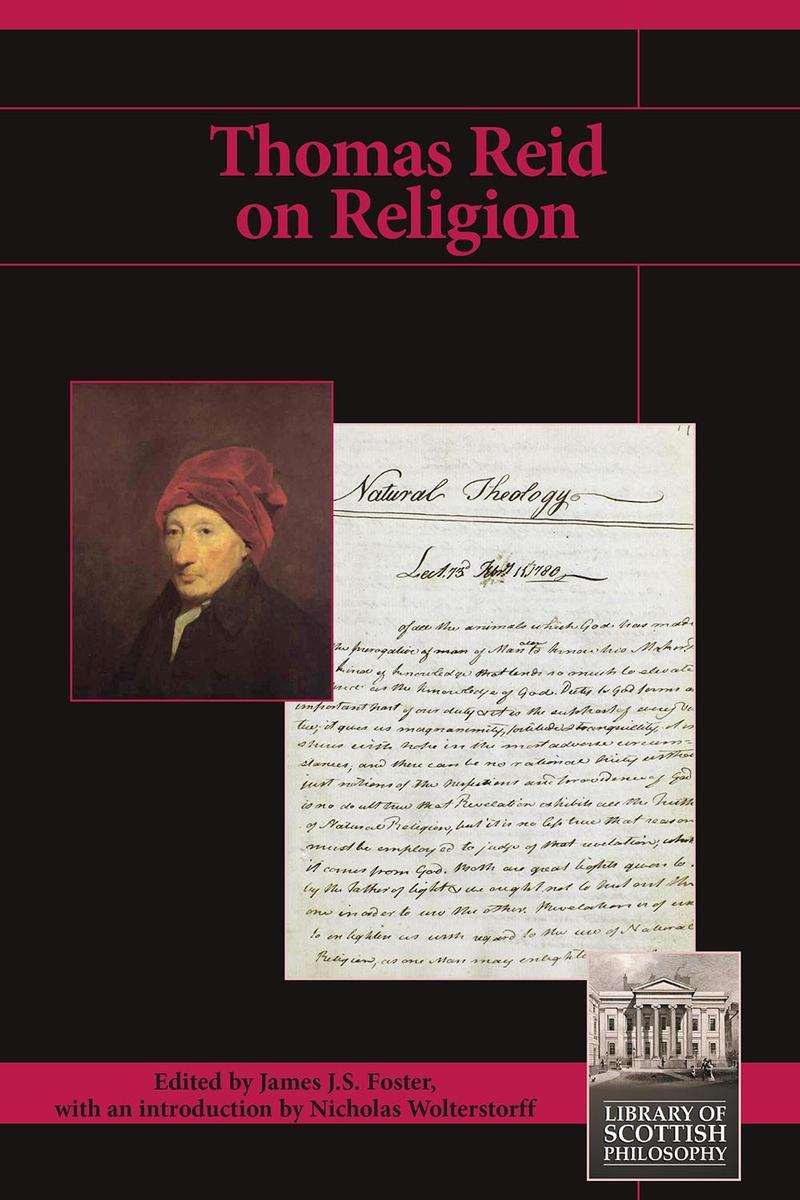
Thomas Reid on Religion
¥107.81
Thomas Reid was one of the greatest thinkers of the Scottish Enlightenment. In his own time he was seen as the most able opponent of the scepticism of David Hume and the architect of 'Common Sense' philosophy. His ideas were immensely influential both in his native Scotland and abroad, and the last forty years have seen a marked revival of interest in his work. Reid published very little about religion and his notes from the lectures on natural theology that he regularly gave have not survived. This volume - a companion to Thomas Reid: Selected Philosophical Writings (Imprint Academic, 2012) - makes available material from Reid's autograph manuscripts, housed in the University of Aberdeen Library, and student notes of Reid's lectures, edited from original manuscripts in Aberdeen, Edinburgh and Glasgow. It includes an introductory essay by Nicholas Wolterstorff, a leading philosopher of religion and interpreter of Reid.
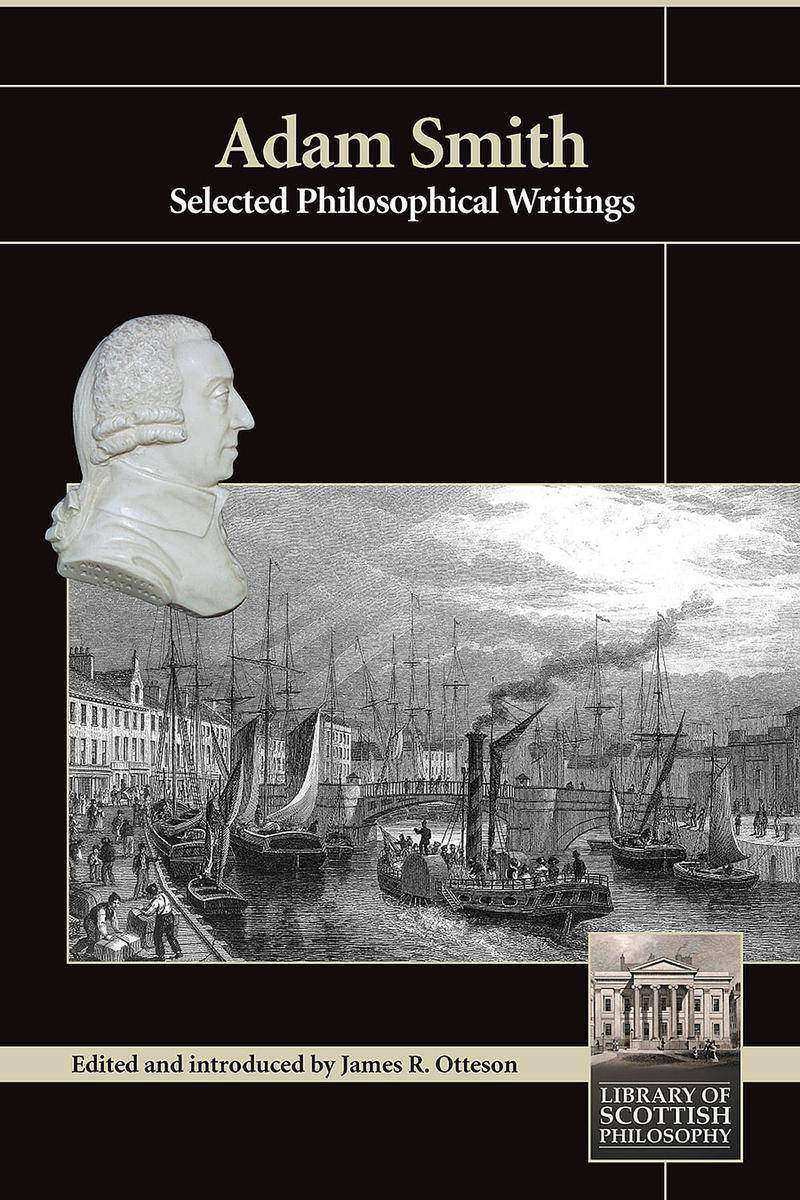
Adam Smith
¥107.81
Adam Smith (1723-90) studied under Francis Hutcheson at the University of Glasgow, befriended David Hume while lecturing on rhetoric and jurisprudence in Edinburgh, was elected Professor of Logic, Professor of Moral Philosophy, Vice-rector, and eventually Lord Rector of the University of Glasgow, and, along with Hutcheson, Hume, and a few others, went on to become one of the chief figures of the astonishing period of learning known as the Scottish Enlightenment.He is the author of two books: The Theory of Moral Sentiments (1759) and An Inquiry into the Nature and Causes of the Wealth of Nations (1776). TMS brought Smith considerable acclaim during his lifetime and was quickly considered one of the great works of moral theory. It deeply impressed Immanuel Kant, for example, who called Smith his 'Liebling' or 'favourite', and Charles Darwin, who in his Descent of Man (1871) endorsed and accepted several of Smith's 'striking' conclusions. TMS went through fully six revised editions during Smith's lifetime.Since the nineteenth century, Smith's fame has largely rested on his Wealth of Nations, which must be considered one of the most important works of the millennium: its argument for free trade, its explanation of the price mechanism and the division of labor, its qualified defense of market economies, and its powerful criticisms of mercantilist economic theories are now standard fare in economics courses, not to mention the basis of a large portion of today's worldwide economic policy. And its account of human nature is now classic.Both The Theory of Moral Sentiments and the Wealth of Nations reveal Smith's impressively broad learning, but he wrote and lectured on a number of other subjects as well. This anthology collects, for the first time in one volume, not only generous selections from each of Smith's books but also substantial selections from his other work, including his lectures on jurisprudence, his history and philosophy of science, his criticism and belles lettres, and his philosophy of language. It also includes two important letters from Hume, as well as Smith's account of Hume's death.

Philosopher at the Admiralty
¥107.81
This book is volume one of a two-part series (volumes sold separately). Taken together, the two volumes of A Philosopher at War examine the political thought of the philosopher and archaeologist, R.G. Collingwood, against the background of the First and Second World Wars. Collingwood served in Admiralty Intelligence during the First World War and although he was not physically robust enough to play an active role in the Second World War, he was swift to condemn the policies of appeasement which he thought largely responsible for bringing it about.The author uses a blend of political philosophy, history and discussion of political policy to uncover what Collingwood says about the First World War, the Peace Treaty which followed it and the crises which led to the Second World War in 1939, together with the response he mustered to it before his death in 1943. The aim is to reveal the kind of liberalism he valued and explain why he valued it. By 1940 Collingwood came to see that a liberalism separated from Christianity would be unable to meet the combined evils of Fascism and Nazism. How Collingwood arrived at this position, and how viable he finally considered it, is the story told in these volumes.
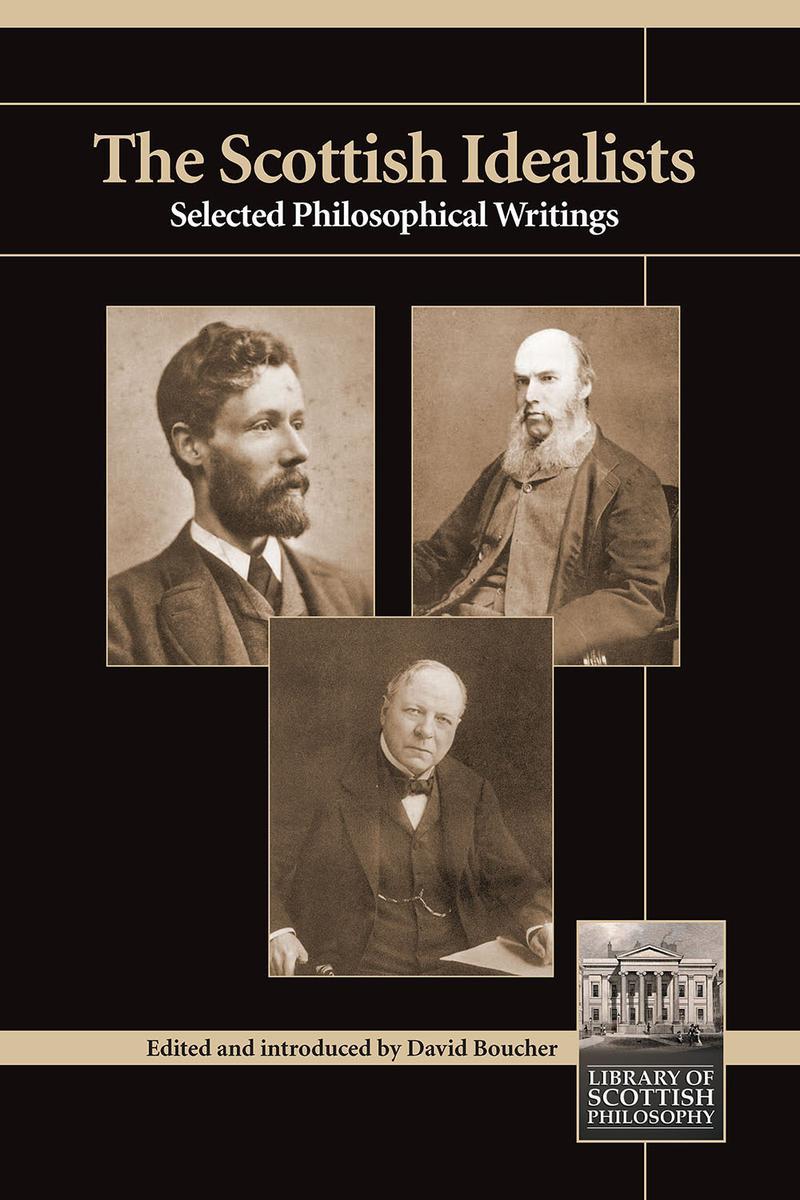
Scottish Idealists
¥107.81
The extent to which British Idealism was heavily influenced by Scots has been little noticed, yet not only were they at the forefront of introducing Hegel into Britain in the work of Ferrier, Carlyle, Hutcheson, Stirling and Edward Caird, but they were also distinctive in locating themselves in relation to the Scottish philosophical tradition they sought to extend. The Scottish Idealists, among them Edward Caird, David George Ritchie, Andrew Seth Pringle Pattison, William Mitchell, John Watson, and the Welshman Henry Jones who found his spiritual home in Glasgow, comprised a formidable force and dominated the philosophical professoriate in Britain, Australia and Canada from the late nineteenth century to the years leading up to the First World War. Its main centres were St. Andrews, Glasgow and Edinburgh in Scotland, Cardiff in Wales, and Oxford in England.This collection of readings, the first of its kind, has been chosen with a view to displaying the variety, richness and strength of the Scottish Idealist tradition, beginning with an essay from the famous Essays in Philosophical Criticism (1883), a book that set-out the future direction of enquiry for this group of thinkers who shared a 'common purpose or tendency'. Scottish Idealism was immensely spiritual in character and recognized no hard and fast distinctions between philosophy, religion, poetry and science. It was a formidable force in social and educational reform.

Managing Britannia
¥107.81
For more than thirty years the solution to all Britain's problems has been better management. As a result management schools dominate higher education and managers are at work everywhere developing 'strategies' and 'systems' and quantifying 'outcomes'. There are now more managers on the rail network than train drivers, yet the benefits of modern management of railways, schools, hospitals and universities are elusive.This is because 'management' does not exist-the academic study of 'management science' and the assumption that there are universal management skills are bogus. This book shows how modern management practices have all but destroyed politics, education, culture and religion-modern management is the cause of our national malaise.

Throne in Brussels
¥107.81
Offers a history of the monarchy of Belgium, a country artificially created in 1817. This book argues that the pan-European super-state resembles a 'Greater-Belgium' rather than a 'Greater-Switzerland'.
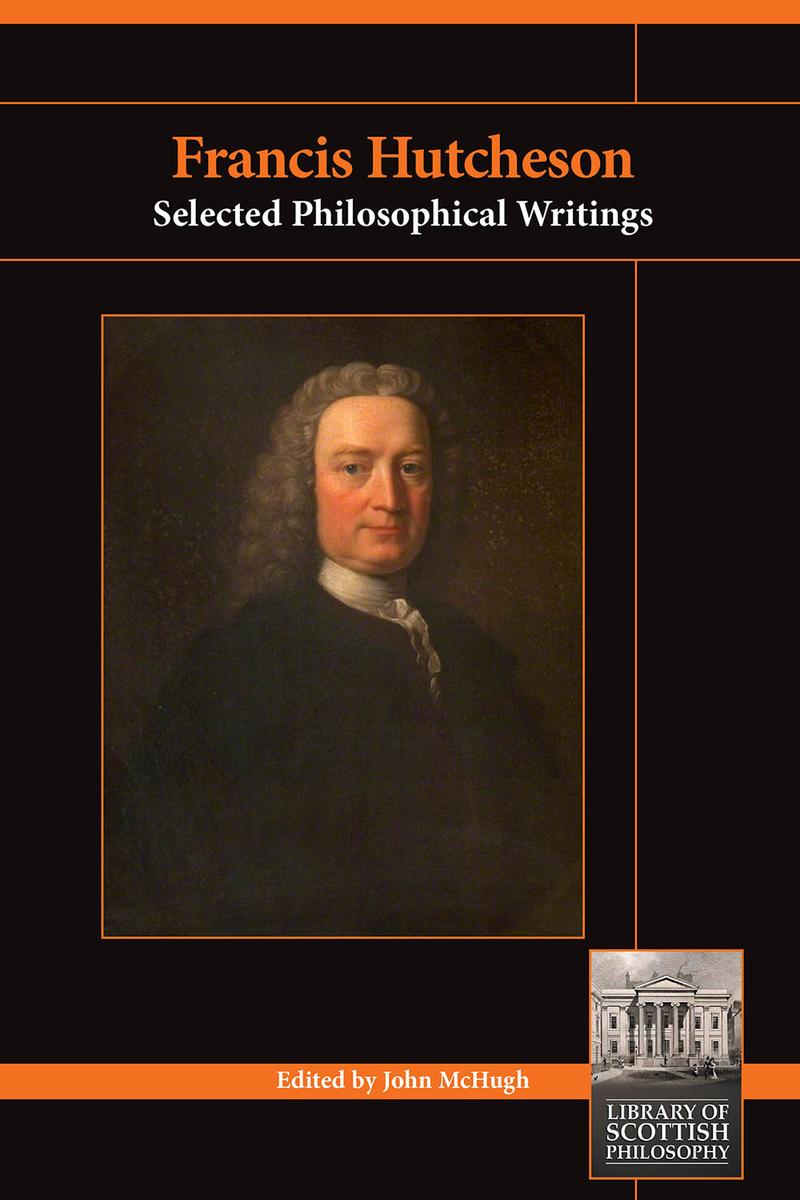
Francis Hutcheson
¥107.81
Known today mainly as a teacher of Adam Smith (1723-90) and an influence on David Hume (1711-76), Francis Hutcheson (1694-1746) was a first-rate thinker whose work deserves study on its own merit. While his most important contribution to the history of ideas was likely his theory of an innate sense of morality, Hutcheson also wrote on a wide variety of other subjects, including art, psychology, law, politics, economics, metaphysics, and logic. Spanning his entire literary career, this collection brings together selections from Hutcheson's greater and lesser known works, including his youthful "e;Thoughts"e; (1725) on Thomas Hobbes' (1588-1679) egoistic theory of laughter.
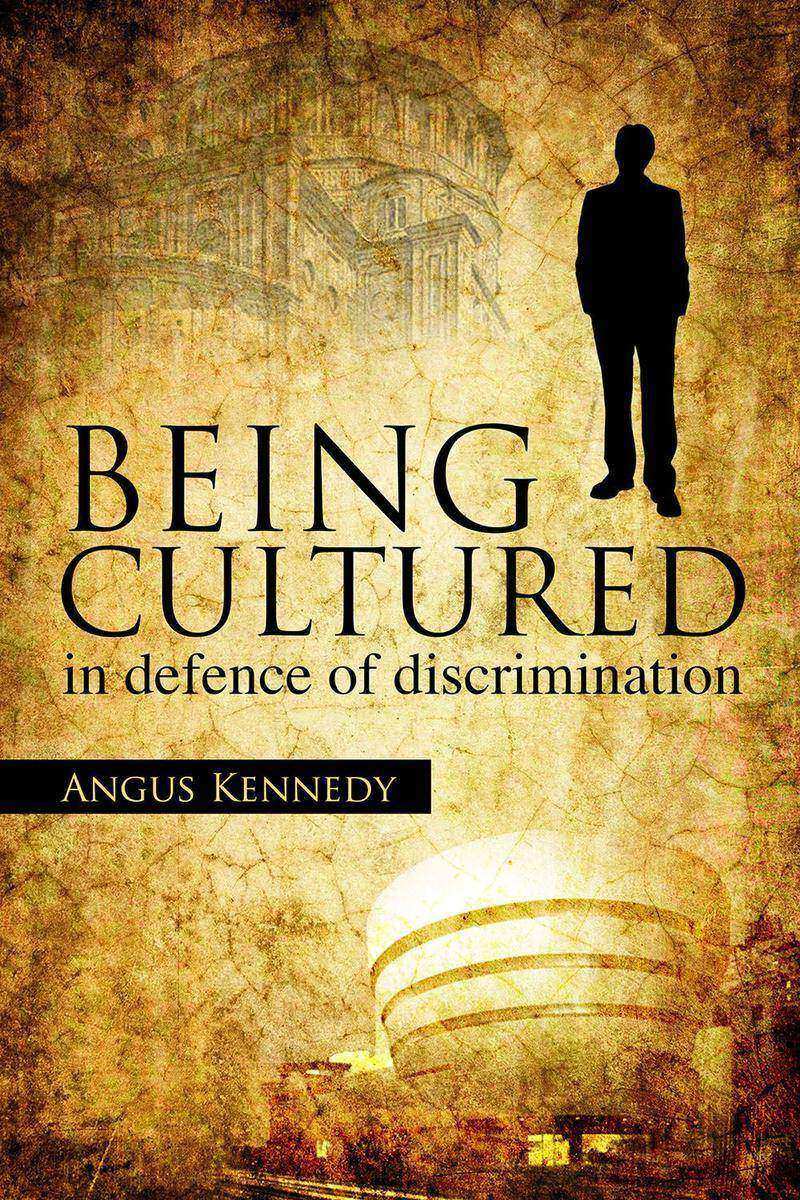
Being Cultured
¥107.81
Today culture is everywhere as maybe never before. We read culture reviews, watch culture shows, live in Cities of Culture, and witness the Cultural Olympiad. Government, museums and arts councils worry that we are not getting enough culture and shape policy around notions of art and culture for all. Access and inclusion are in. Difficulty and exclusivity out. In "e;Being Cultured: in defence of discrimination"e; Angus Kennedy asks if this explosion of culture, and the breaking down of distinctions between high and low culture, has emancipated us or left us adrift without cultural moorings. Is it true that all cultures are equal? Is cultural diversity a good thing? Is it unacceptably elitist to insist on the highest standards of judgment? To argue that some cultural works stand the test of time and some don't? Can anyone dare to call themselves cultured anymore? Might it even be the case that culture no longer actually means anything much to us? That our nervousness about exercising discrimination and good taste - the erosion of cultural authority - might have left us with a culture that may be open to all, but lacking in depth? This provocative book strikes a blow for discrimination in culture and argues that there is a responsibility on each of us as individuals to always be becoming more cultured beings: our best selves. Kennedy revisits the tradition - from Cicero to Kant, Arnold to Arendt - of autonomy in culture: both in the sense of its intrinsic value and how it rests on our individual freedom - quite apart from state and society - to discriminate and judge. A freedom, without which, we risk a widening culture of consensus and conformity. But which is the constitutive element of a world in common.
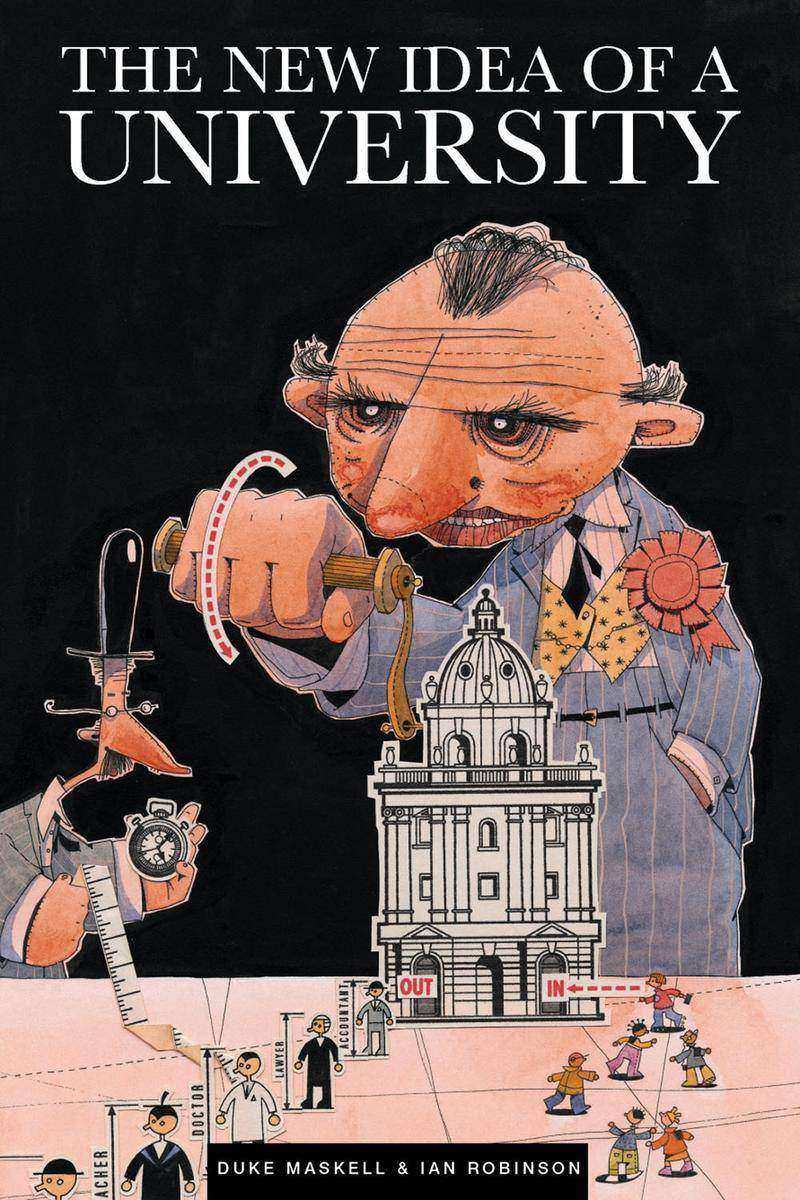
New Idea of a University
¥107.81
Something has gone deeply wrong with the university - too deeply wrong to be put right by any merely bureaucratic means. What's wrong is, simply, that our official idea of education, the idea that inspires all government policies and 'initiatives', is itself uneducated. With the growing emphasis in higher education on training in supposedly useful skills, has the very ethos of the university been subverted? And does this more utilitarian university succeed in adding to the national wealth, the basis on which politicians justify the large public expenditure on the higher education system? Should we get our idea of a university from politicians and bureaucrats or from J.H. Newman, Jane Austen and Socrates?The New Idea of a University is an entertaining and highly readable defence of the philosophy of liberal arts education and an attack on the sham that has been substituted for it. It is sure to scandalize all the friends of the present establishment and be cheered elsewhere.
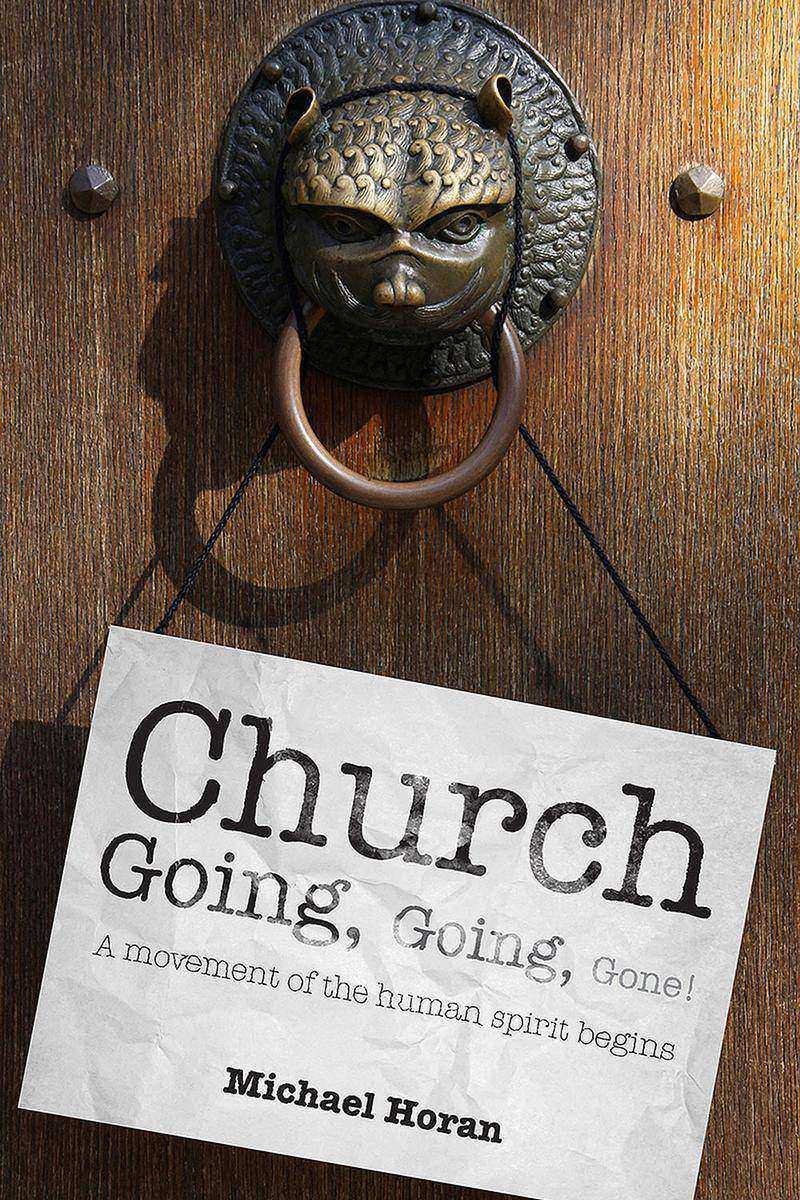
Church-going, Going, Gone!
¥107.81
In Church-going, Going, Gone! Michael Horan argues that although the Christian church in Britain may be in terminal decline, that is not to be equated with a national decline in spiritual values. Most if not all people have some level of awareness of what he calls the 'Other-than-oneself', even though they have rejected, or never accepted, the church's now outdated teaching. Church-going, Going, Gone! is concerned less with teaching than with learning. The book provides atheists, agnostics and believers-in-exile, as well as those who have given little thought to belief, with a framework for collaborating as learners, working toward equality, peace and reconciliation, and dedicated to unselfish and imaginative social action. A new movement of the human spirit is beginning.

Felix Wild
¥107.81
Gosport, 1860. Felix Wild has lived on the streets and on his wits for all his young life. He's been a mudlark at The Hard, eaten tallow when there was nothing else to be had, picked oakum in Forton Gaol, and acquired a skill for 'tup-tup-tupping' from the women of Haslar. He has no family, no idea of how old he might be, and has never heard of Christmas. But he has one remarkable talent: he can make a perfect drawing, from memory, of anything that he has seen.Saved from a further spell in prison by the wealthy William Kettle, Felix joins the Kettle household in East London and is employed to make drawings of the building of a magnificent new iron-clad vessel, HMS Warrior. His eagerness to learn new things knows no bounds: from working out how to use a knife and fork, and reading a dictionary from cover to cover, to being given the 'tipsy key' for the chronometers during his first voyage on board Warrior as she conducts sea-trials. While the men he meets are in awe of his drawing skills, the young women are absorbed in rather less cerebral matters, namely the fit of his fashionably tight 'gas-pipe' trousers and his distinctive looks - one eye is blue, the other green.Felix Wild is a captivating novel that has all the affectionate humour and vivid sense of place that has made Peter Broadbent's naval memoirs so popular.
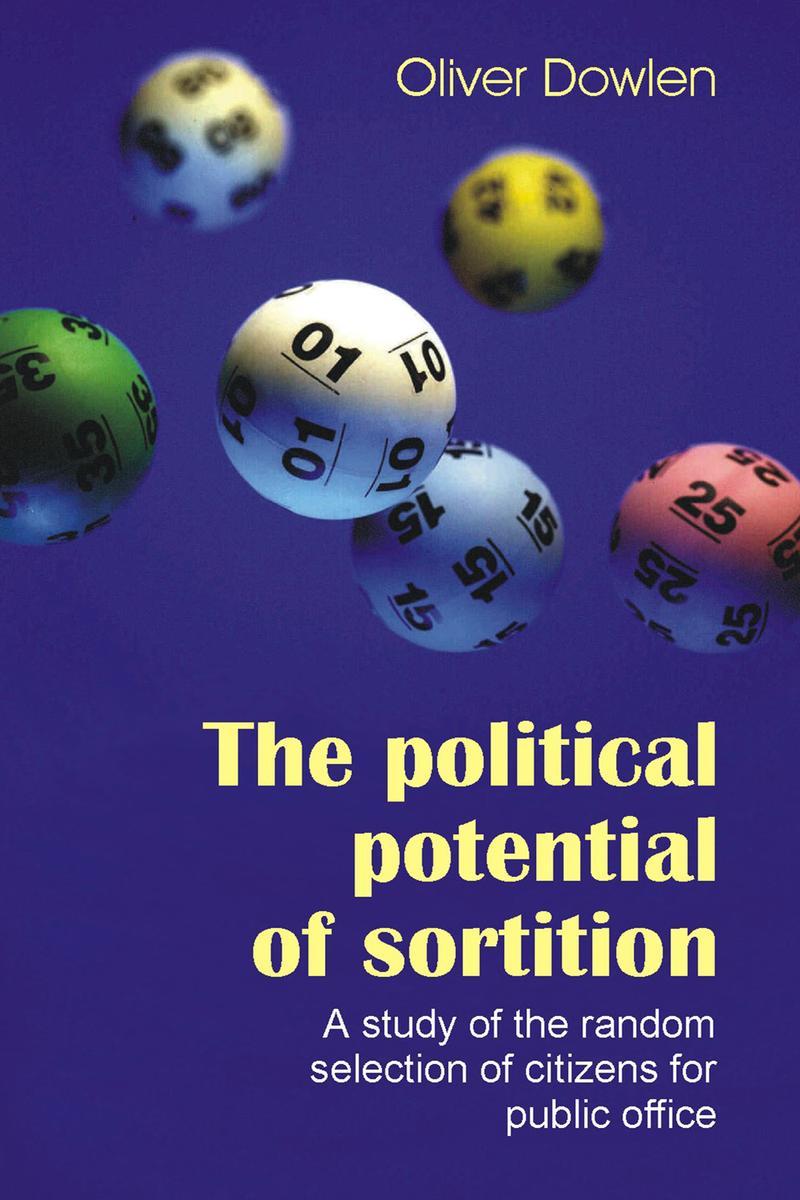
Political Potential of Sortition
¥107.81
The central feature of every true lottery is that all rational evaluation is deliberately excluded. Once this principle is grasped, the author argues, we can begin to understand exactly what benefits sortition can bring to the political community. The book includes a study of the use of sortition in ancient Athens and in late medieval and renaissance Italy. It also includes commentary on the contributions to sortition made by Machiavelli, Guicciardini, Harrington and Paine; an account of the history of the randomly-selected jury; and new research into lesser-known examples from England, America and revolutionary France.
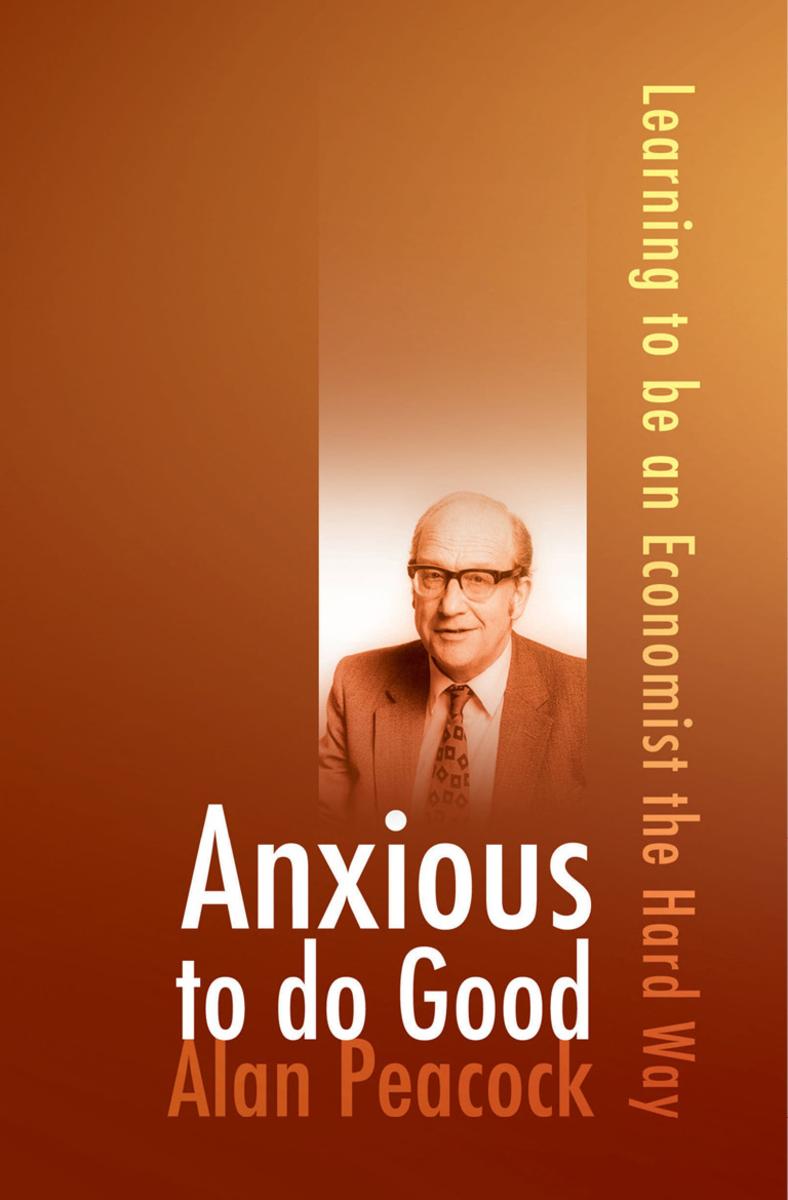
Anxious to do Good
¥107.81
After nearly three and a half -- rather too exciting -- years as a young war-time sailor, Alan Peacock expected to return to a life of quiet contemplation. Instead he became an activist economist frequently engaged in controversies about the conduct of economic policy lasting all his professional life. His earlier experiences at trying to 'do good' will resonate with all those who have attempted to influence political action, but the account is also designed to inform and entertain those who are curious to know whether economists are actually human.The author has lived long enough to have become a Fellow of both the British Academy and Royal Society of Edinburgh and was knighted for public service in 1987.
What Does It All Mean?
¥107.81
As a young man Bill Adams travelled the world teaching US citizens abroad on behalf of a large state university on the East Coast. Back home he reflected that if there were answers to the great questions of life, then he'd not found them - not in India, in Europe, in China, or Japan. In time he came to see that his lifelong interest in how the mind works could be the clue to the meaning of life. Socrates had been right all along: Know thyself. Adams now sets out a new reasoned argument, based on his experience as a cognitive psychologist and as a human being, to show why Socrates was right: the purpose of life is to recognize ourselves - in each other and in all things. The mind is looking for itself: that is how it works, that is what it does for a living.
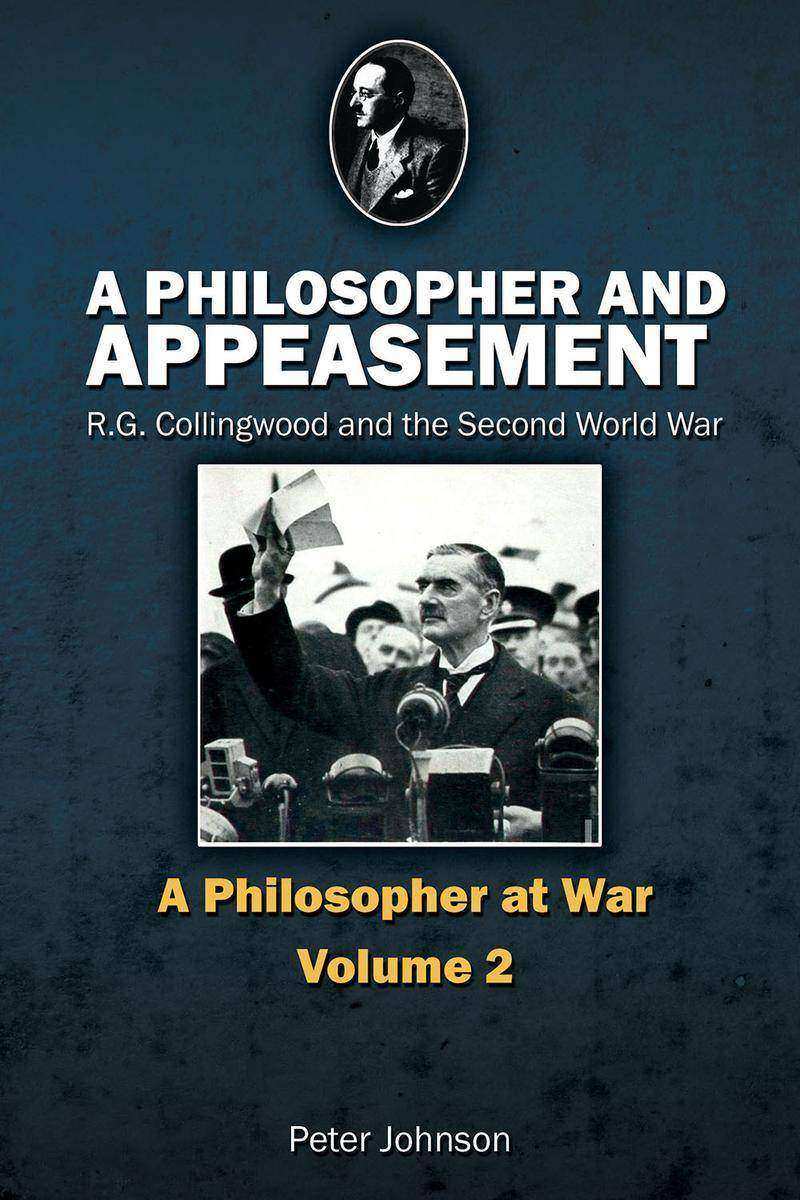
Philosopher and Appeasement
¥107.81
This book is volume one of a two-part series. Taken together, the two volumes of A Philosopher at War examine the political thought of the philosopher and archaeologist, R.G. Collingwood, against the background of the First and Second World Wars. Collingwood served in Admiralty Intelligence during the First World War and although he was not physically robust enough to play an active role in the Second World War, he was swift to condemn the policies of appeasement which he thought largely responsible for bringing it about. The author uses a blend of political philosophy, history and discussion of political policy to uncover what Collingwood says about the First World War, the Peace Treaty which followed it, and the crises which led to the Second World War in 1939, together with the response he mustered to it before his death in 1943. The aim is to reveal the kind of liberalism he valued and explain why he valued it. By 1940 Collingwood came to see that a liberalism separated from Christianity would be unable to meet the combined evils of Fascism and Nazism. How Collingwood arrived at this position, and how viable he finally considered it, is the story told in these volumes.
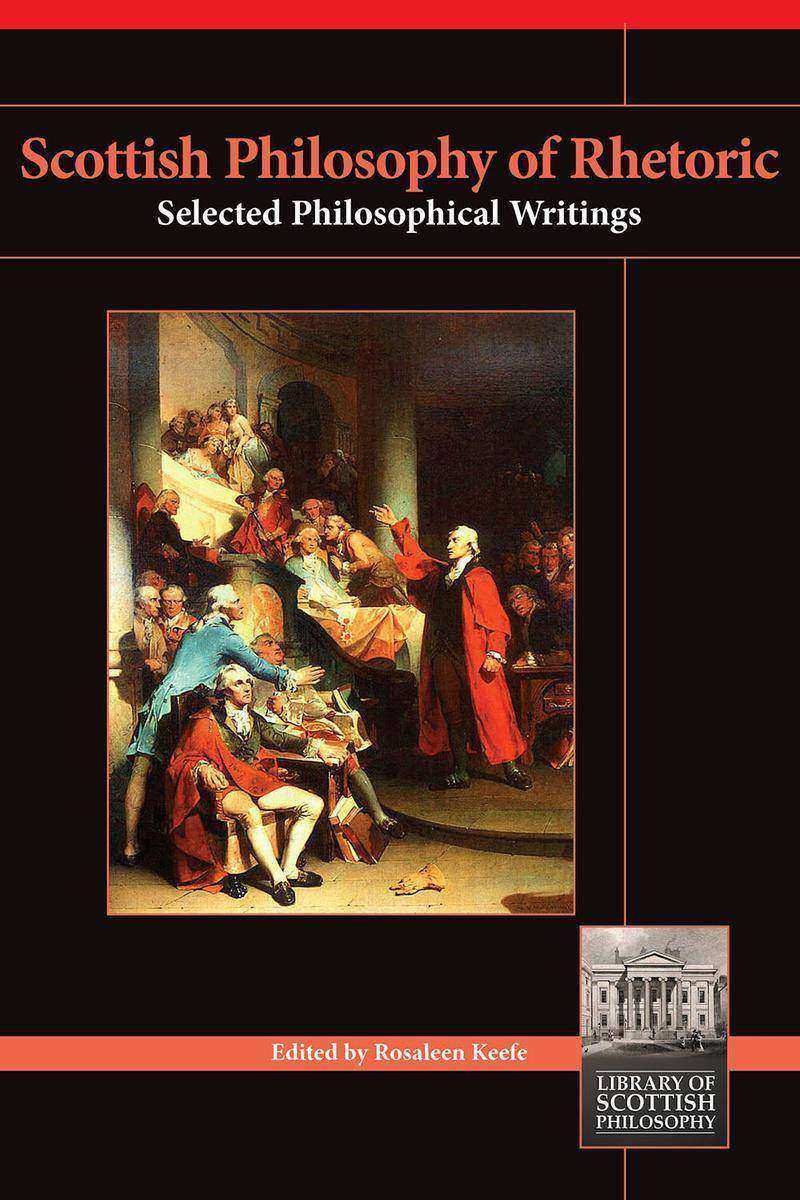
Scottish Philosophy of Rhetoric
¥107.81
The popular and successful rhetorical textbooks produced by the 18th century Scottish philosophical tradition, such as George Campbell's The Philosophy of Rhetoric (1776), Hugh Blair's Lectures on Rhetoric and Belles Lettres (1783), and Alexander Bain's English Composition and Rhetoric (1877) have been widely accorded a role in the trajectories of 19th and 20th century literary theory. Scholars have generally overlooked them, however, as philosophical works. The selected writings chosen for this volume show how these rhetorical textbooks were a practical extension of the philosophy of language developed by 18th century Scottish philosophers.Francis Hutcheson, Adam Smith, Thomas Reid, Adam Ferguson, Alexander Gerard, and Henry Home, Lord Kames, advanced a radically new paradigm of language as an inherently mediated practice, directed simultaneously to personal and social, moral and aesthetic uses. This Scottish philosophy of rhetoric powerfully influenced the teaching of language and literacy as tools for social and educational innovation.This volume - the first of its kind - offers a wide variety of writings on rhetoric and rhetorical theory, selected in a way that reveals their intimate connection with the Scottish philosophical tradition.
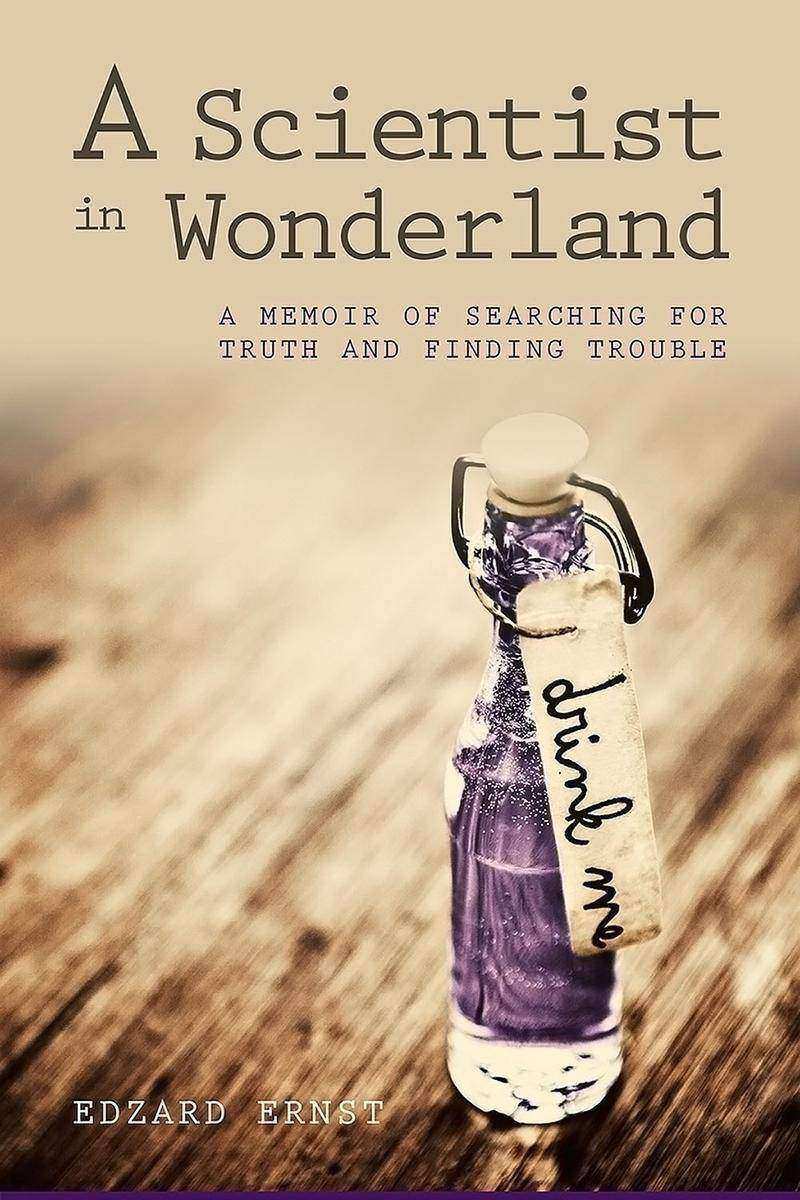
Scientist in Wonderland
¥107.81
This is the story of the author's life as a doctor and a scientist. Despite a youthful ambition to become a jazz musician, he studied medicine and eventually became a medical research scientist, taking up appointments in Germany, Austria and finally in England. His reverence for the pursuit of truth through the application of scientific methods, coupled with a growing interest in the history of medicine during the Nazi era, did not always endear him to others. At the time he was appointed to the world's first chair in alternative medicine, this was an area of health care that had rarely been studied systematically, and was almost entirely dominated by outspokenly evangelic promoters and enthusiasts - among them, famously, HRH Prince Charles - many of whom exhibited an overtly hostile, anti-scientific attitude towards the objective study of their favoured therapies. Clashes were inevitable, but the sheer ferocity with which advocates of alternative medicine would operate in order to protect their field from scrutiny came as a profound surprise. This memoir provides a unique insight into the cutthroat politics of academic life and offers a sobering reflection on the damage already done by pseudoscience in health care.
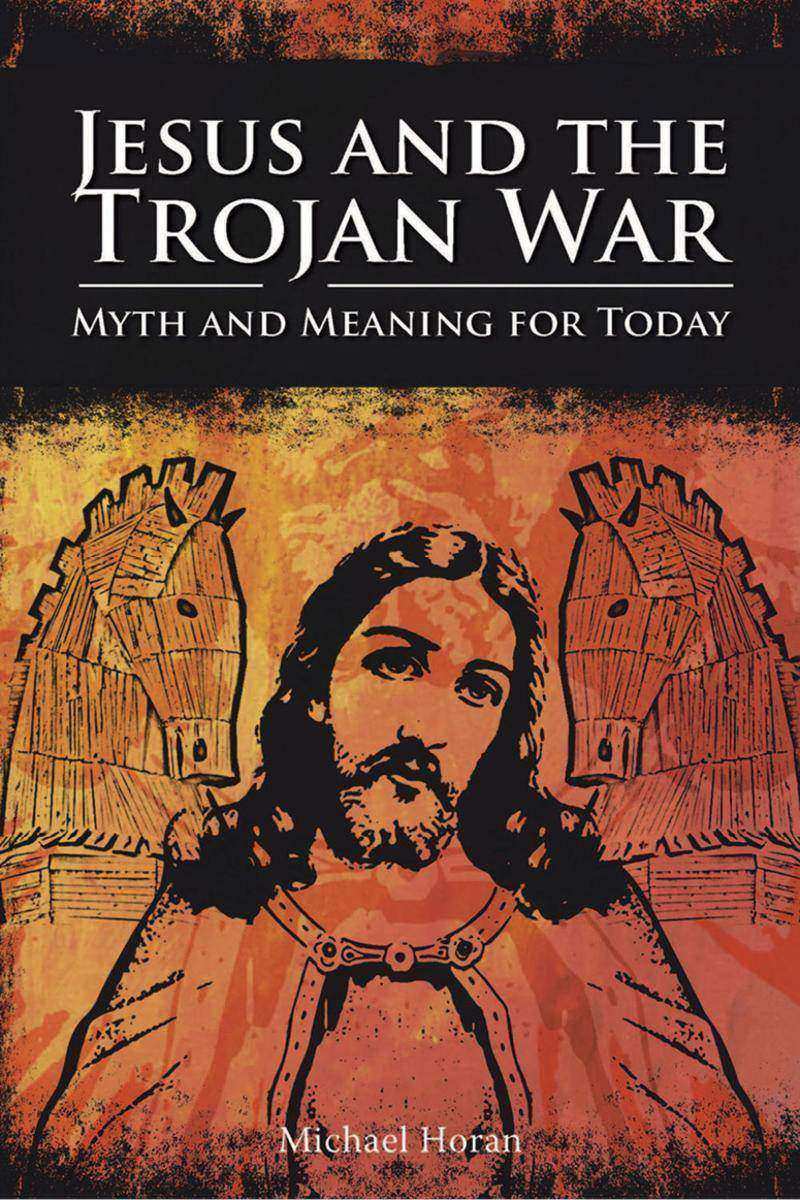
Jesus and the Trojan War
¥107.81
Jesus and the Trojan War looks at ways in which stories are presented and understood; and how story-tellers - and their listeners - may wittingly or unwittingly confuse fact with fiction. This book explores the parallels between four stories (the Trojan war, Moses, King Arthur, and Jesus), and the way their sources relate to their histories and contemporary relevance.


