


 购物车
购物车 个人中心
个人中心
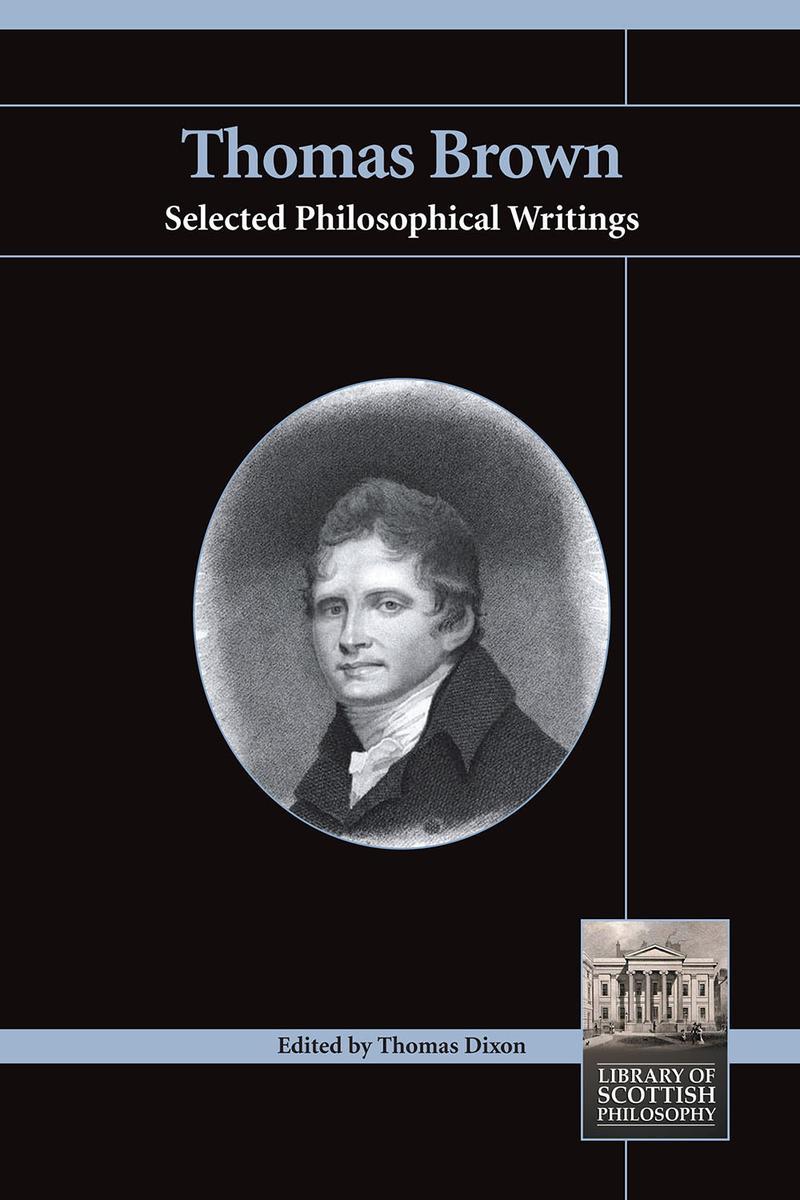
Thomas Brown
¥107.81
Thomas Brown (1778-1820), Professor of Moral Philosophy in Edinburgh, was among the most prominent and widely read British philosophers of the first half of the nineteenth century. An influential interpreter of both Hume and Reid, Brown provided a bridge between the Scottish school of 'Common Sense' and the later positivism of John Stuart Mill and others.The selections in this volume illustrate Brown's original ideas about mental science, cause and effect, emotions and ethics. They are preceded by an introduction situating Brown's career and writings in their intellectual and historical context.
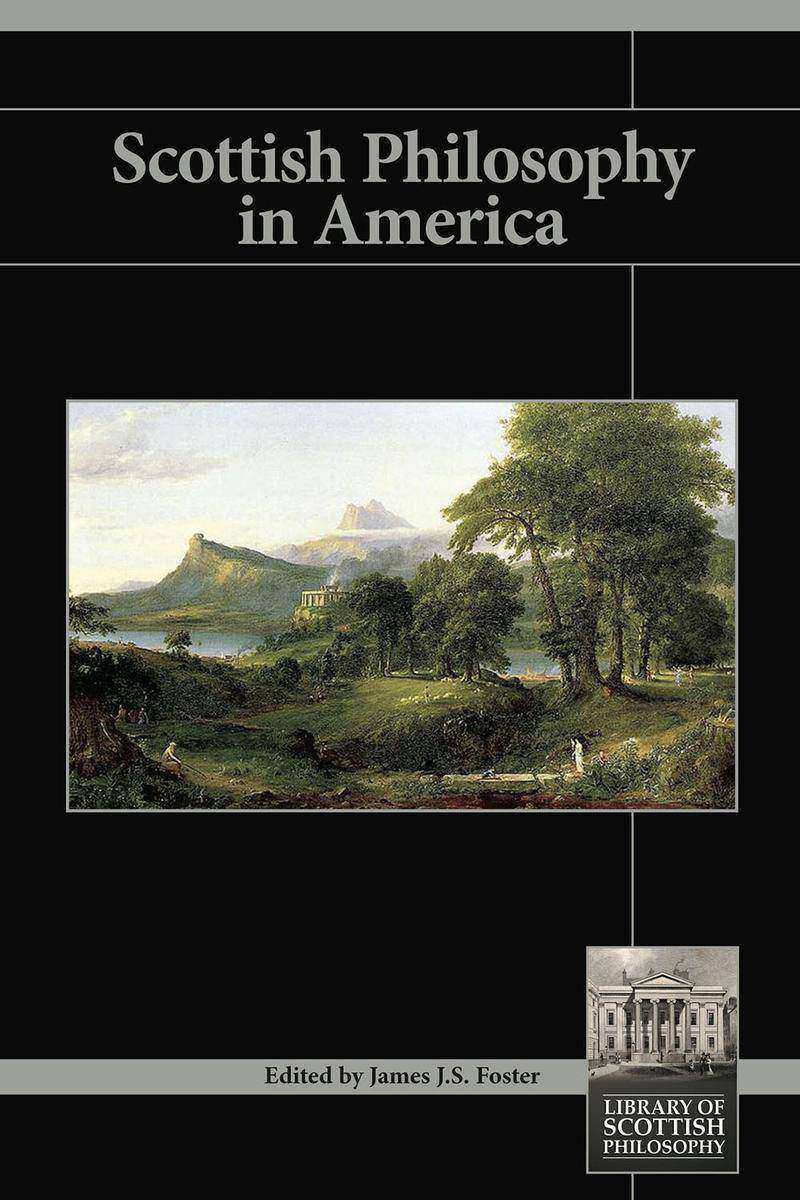
Scottish Philosophy in America
¥107.81
The Scottish Enlightenment provided the fledgling United States of America and its emerging universities with a philosophical orientation. For a hundred years or more, Scottish philosophers were both taught and emulated by professors at Princeton, Harvard and Yale, as well as newly founded colleges stretching from Rhode Island to Texas. This volume in the Library of Scottish Philosophy demonstrates the remarkable extent of this philosophical influence. Selections from William Smith, John Witherspoon, Samuel Stanhope Smith, Archibald Alexander, Alexander Campbell, W.E. Channing, James McCosh, and C.S. Peirce, together with the editor's introductory and explanatory material, provide the modern reader with unprecedented access to this period of intellectual formation.
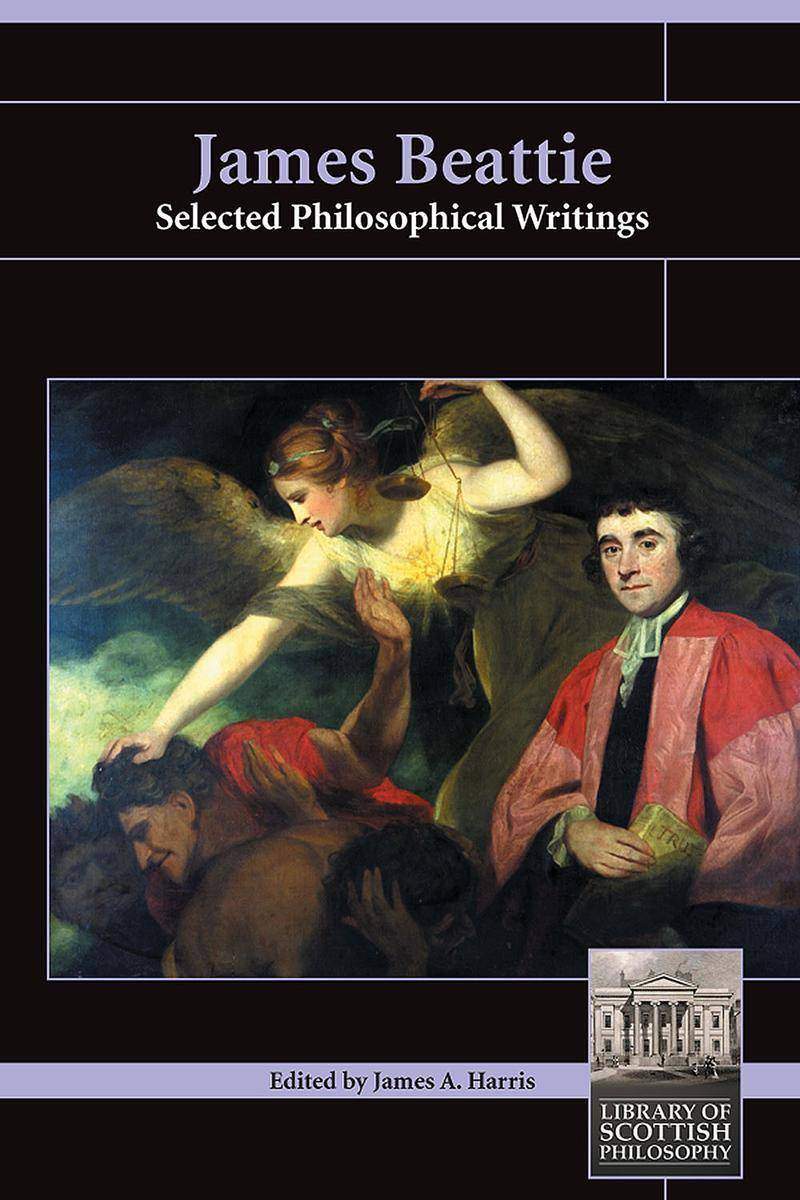
James Beattie
¥107.81
James Beattie (1735-1803) was appointed professor of moral philosophy and logic at Marischal College, Aberdeen, Scotland at the age of twenty-five. Though more fond of poetry than philosophy, he became part of the Scottish 'Common Sense' school of philosophy that included Thomas Reid and George Campbell. In 1770 Beattie published the work for which he is best known, An Essay on Truth, an abrasive attack on 'modern scepticism' in general, and on David Hume in particular, subsequently and despite Beattie's attack, Scotland's most famous philosopher. The Essay was a great success, earning its author an honorary degree from Oxford and an audience with George III. Samuel Johnson declared in 1772 that 'We all love Beattie'. Hume, on the other hand, described the Essay as 'a horrible large lie in octavo', and dismissed its author as a 'bigotted silly Fellow'. Although Beattie is no match for Hume as a philosopher, the success of the Essay suggests that, unlike Hume, Beattie voices the characteristic assumptions, and anxieties, of his age. The first part of this selection-the first ever made from Beattie's prose writings-includes several key chapters from the Essay on Truth, along with extracts from all of Beattie's other works on moral philosophy. The topics treated include memory, the existence of God, the nature of virtue, and slavery. The second part of the selection is devoted to Beattie's contributions to literary criticism and aesthetics. Beattie's studies of poetry, music, taste, and the sublime are vital to the understanding of the literary culture out of which developed the early Romanticism of Wordsworth and Coleridge.
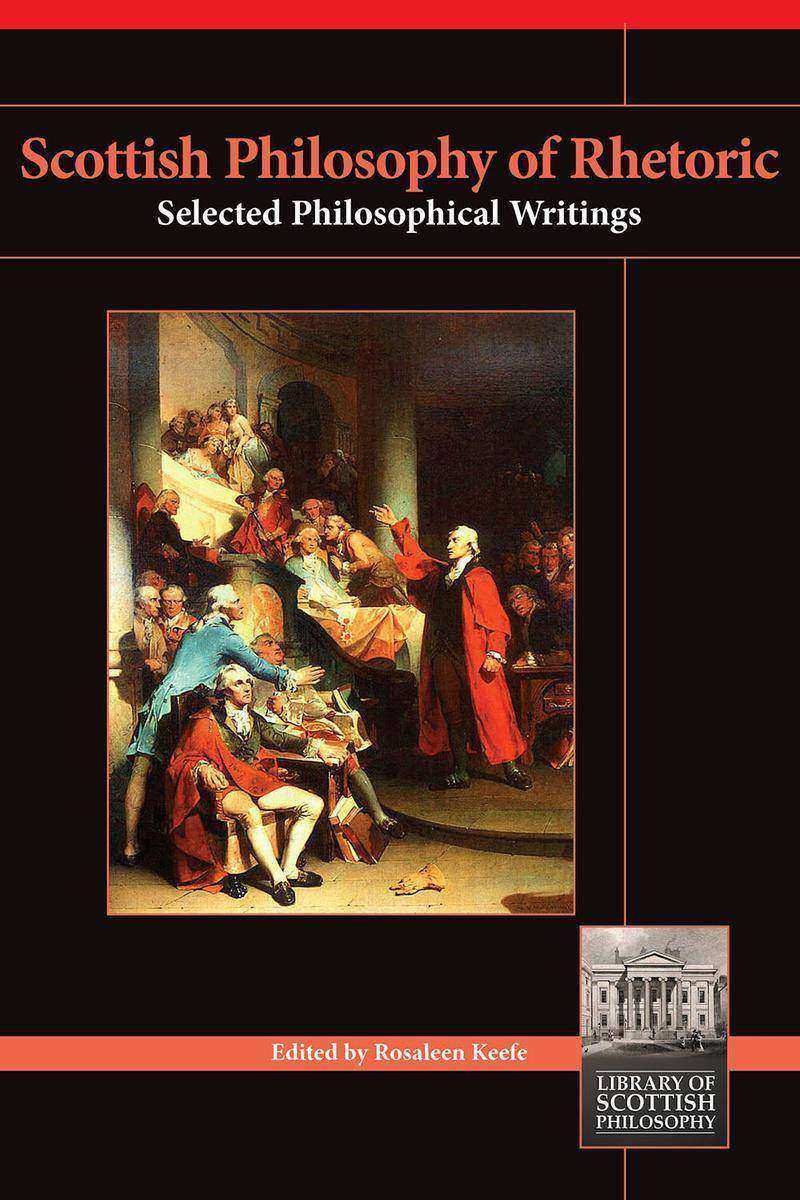
Scottish Philosophy of Rhetoric
¥107.81
The popular and successful rhetorical textbooks produced by the 18th century Scottish philosophical tradition, such as George Campbell's The Philosophy of Rhetoric (1776), Hugh Blair's Lectures on Rhetoric and Belles Lettres (1783), and Alexander Bain's English Composition and Rhetoric (1877) have been widely accorded a role in the trajectories of 19th and 20th century literary theory. Scholars have generally overlooked them, however, as philosophical works. The selected writings chosen for this volume show how these rhetorical textbooks were a practical extension of the philosophy of language developed by 18th century Scottish philosophers.Francis Hutcheson, Adam Smith, Thomas Reid, Adam Ferguson, Alexander Gerard, and Henry Home, Lord Kames, advanced a radically new paradigm of language as an inherently mediated practice, directed simultaneously to personal and social, moral and aesthetic uses. This Scottish philosophy of rhetoric powerfully influenced the teaching of language and literacy as tools for social and educational innovation.This volume - the first of its kind - offers a wide variety of writings on rhetoric and rhetorical theory, selected in a way that reveals their intimate connection with the Scottish philosophical tradition.
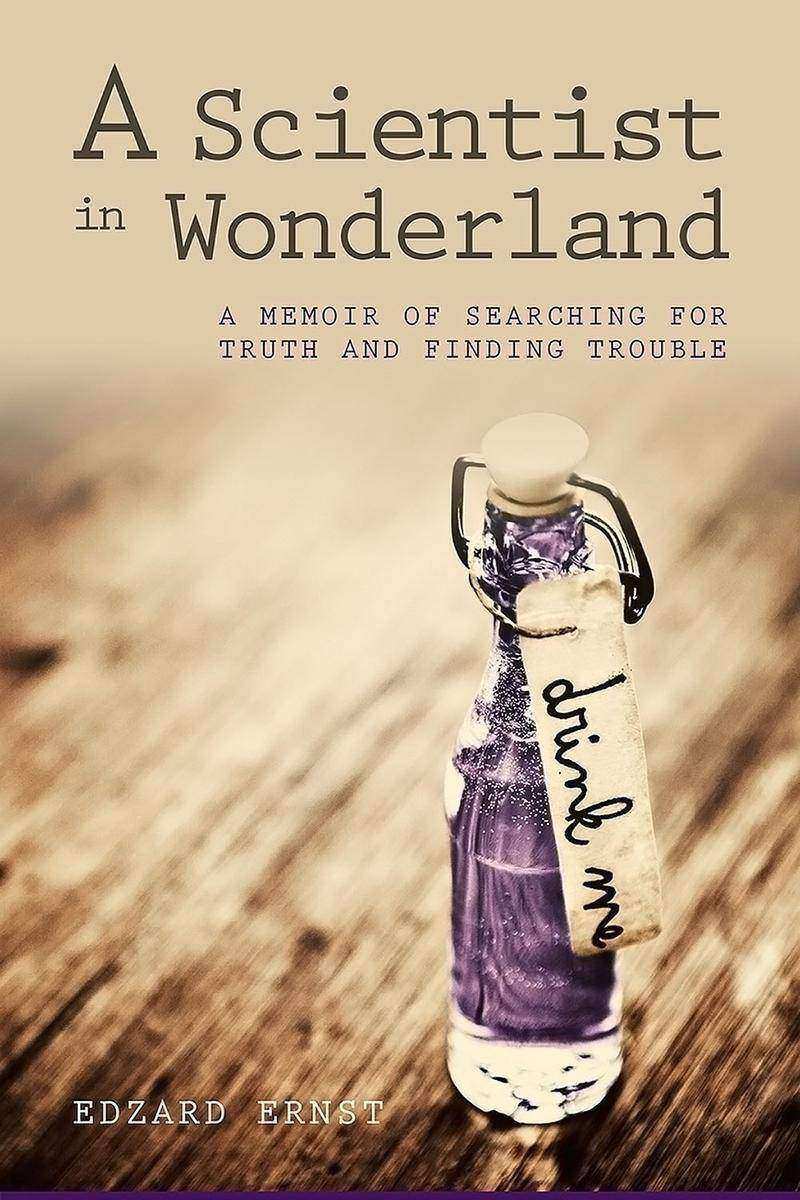
Scientist in Wonderland
¥107.81
This is the story of the author's life as a doctor and a scientist. Despite a youthful ambition to become a jazz musician, he studied medicine and eventually became a medical research scientist, taking up appointments in Germany, Austria and finally in England. His reverence for the pursuit of truth through the application of scientific methods, coupled with a growing interest in the history of medicine during the Nazi era, did not always endear him to others. At the time he was appointed to the world's first chair in alternative medicine, this was an area of health care that had rarely been studied systematically, and was almost entirely dominated by outspokenly evangelic promoters and enthusiasts - among them, famously, HRH Prince Charles - many of whom exhibited an overtly hostile, anti-scientific attitude towards the objective study of their favoured therapies. Clashes were inevitable, but the sheer ferocity with which advocates of alternative medicine would operate in order to protect their field from scrutiny came as a profound surprise. This memoir provides a unique insight into the cutthroat politics of academic life and offers a sobering reflection on the damage already done by pseudoscience in health care.
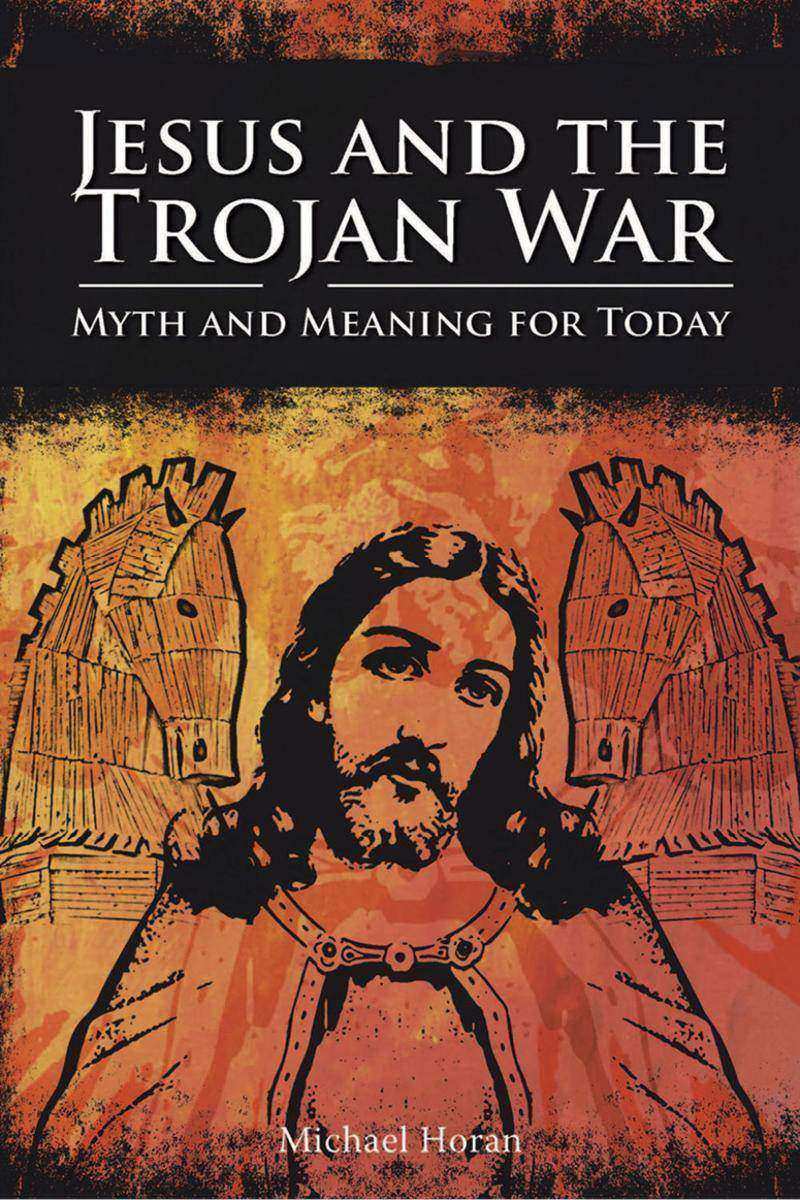
Jesus and the Trojan War
¥107.81
Jesus and the Trojan War looks at ways in which stories are presented and understood; and how story-tellers - and their listeners - may wittingly or unwittingly confuse fact with fiction. This book explores the parallels between four stories (the Trojan war, Moses, King Arthur, and Jesus), and the way their sources relate to their histories and contemporary relevance.
Getting Darwin Wrong
¥107.81
Brendan Wallace, with a background in psychology, demonstrates that the key claims of Evolutionary Psychology (EP), popularised by Steven Pinker and others, are based on the 'brain is a digital computer' argument. He then argues that as we now know this model of the brain will not work, therefore EP won't work either, since it is based on a fallacious view of the mind/brain.The book, which is written in a reader friendly but rigorous style, is a timely assault on one of the most fashionable philosophies of mind currently 'out there'.
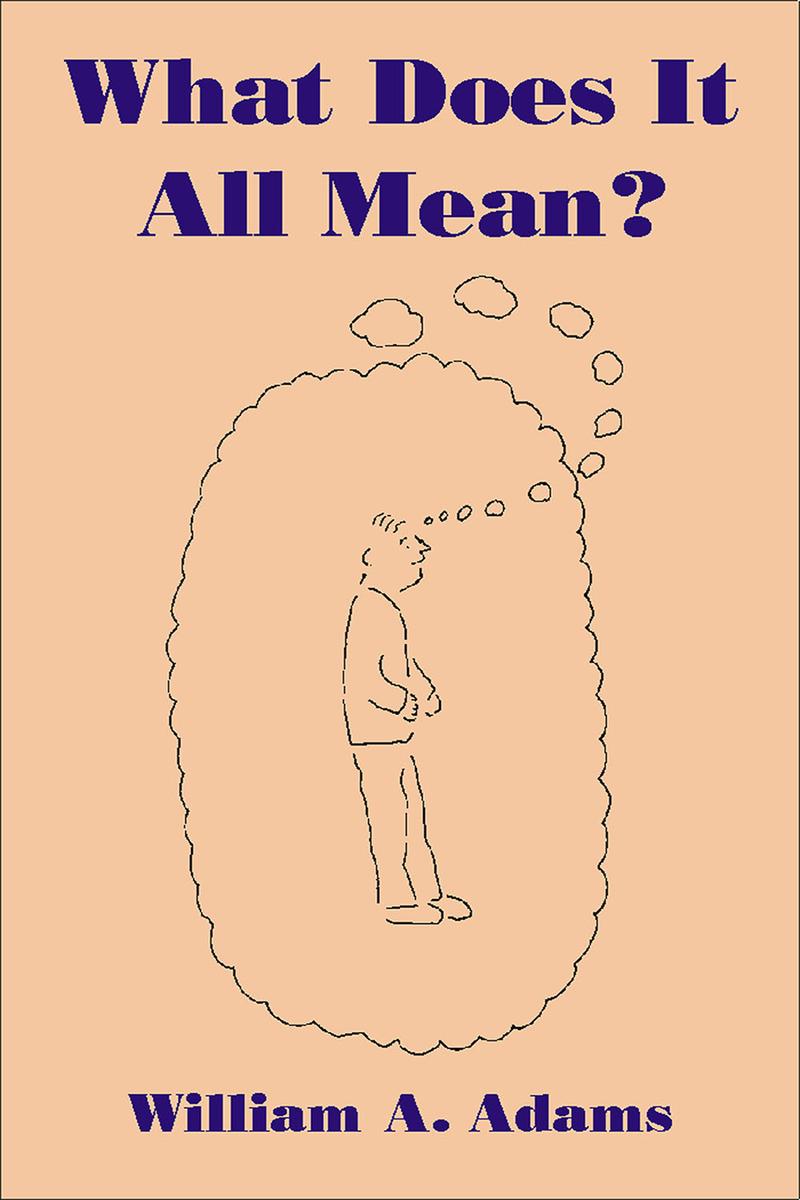
What Does It All Mean?
¥107.81
As a young man Bill Adams travelled the world teaching US citizens abroad on behalf of a large state university on the East Coast. Back home he reflected that if there were answers to the great questions of life, then he'd not found them - not in India, in Europe, in China, or Japan. In time he came to see that his lifelong interest in how the mind works could be the clue to the meaning of life. Socrates had been right all along: Know thyself. Adams now sets out a new reasoned argument, based on his experience as a cognitive psychologist and as a human being, to show why Socrates was right: the purpose of life is to recognize ourselves - in each other and in all things. The mind is looking for itself: that is how it works, that is what it does for a living.
Philosopher and Appeasement
¥107.81
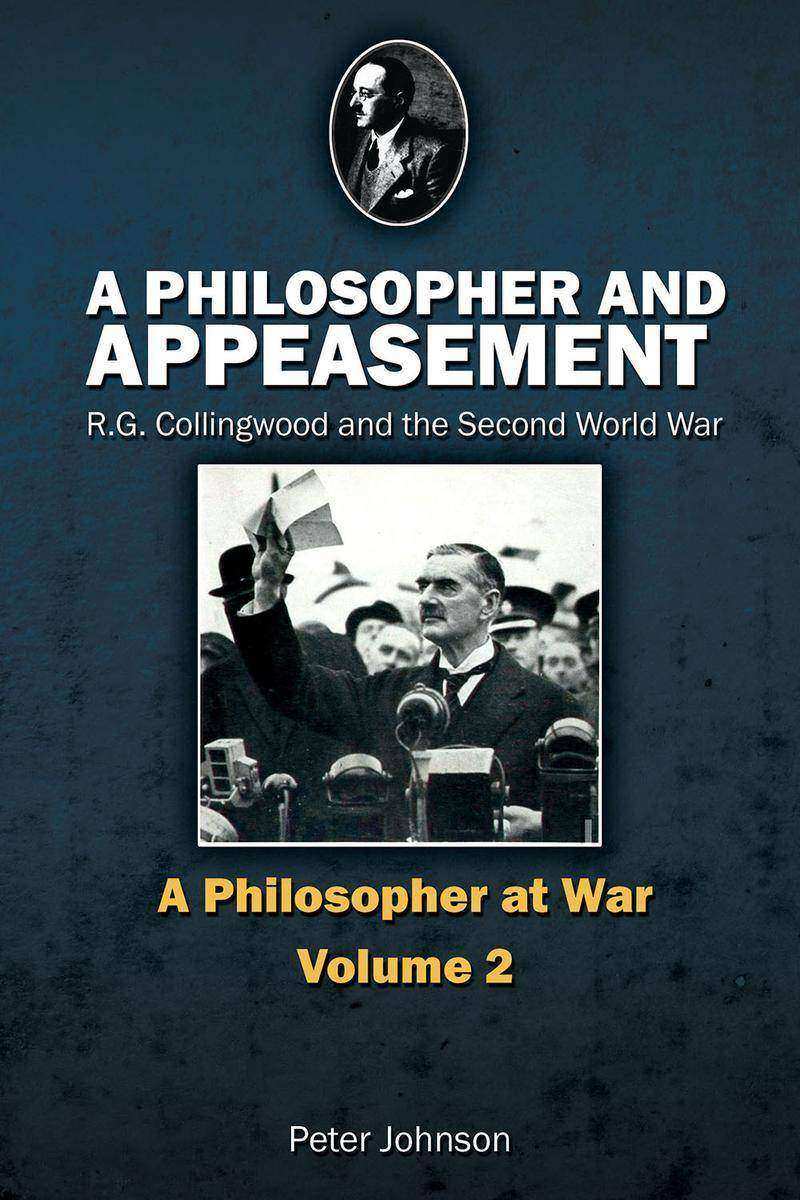
This book is volume one of a two-part series. Taken together, the two volumes of A Philosopher at War examine the political thought of the philosopher and archaeologist, R.G. Collingwood, against the background of the First and Second World Wars. Collingwood served in Admiralty Intelligence during the First World War and although he was not physically robust enough to play an active role in the Second World War, he was swift to condemn the policies of appeasement which he thought largely responsible for bringing it about. The author uses a blend of political philosophy, history and discussion of political policy to uncover what Collingwood says about the First World War, the Peace Treaty which followed it, and the crises which led to the Second World War in 1939, together with the response he mustered to it before his death in 1943. The aim is to reveal the kind of liberalism he valued and explain why he valued it. By 1940 Collingwood came to see that a liberalism separated from Christianity would be unable to meet the combined evils of Fascism and Nazism. How Collingwood arrived at this position, and how viable he finally considered it, is the story told in these volumes.
Political Potential of Sortition
¥107.81
The central feature of every true lottery is that all rational evaluation is deliberately excluded. Once this principle is grasped, the author argues, we can begin to understand exactly what benefits sortition can bring to the political community. The book includes a study of the use of sortition in ancient Athens and in late medieval and renaissance Italy. It also includes commentary on the contributions to sortition made by Machiavelli, Guicciardini, Harrington and Paine; an account of the history of the randomly-selected jury; and new research into lesser-known examples from England, America and revolutionary France.
Decision Trap
¥107.81
The Decision Trap questions a dogma of our time: the assumption that genetic education empowers citizens and increases their autonomy. It argues that professional instructions about genes, genetic risks, and genetic test options convey a genetic worldview which destroys self-confidence and makes clients dependent on genetic experts and technologies. Part one of the book introduces the reader to the idea of genetic education. It clarifies the notion of the "e;gene"e; as it is commonly understood, and shows that, scientifically, the concept of genes as definable, causal agents is outdated. Part two of the book investigates the hidden curriculum of genetic education, using genetic counselling as a prime example. Genetic counselling is a professional service that aims to enable clients to make autonomous decisions about genetic test options and cope with the results.
Paradigm Shift
¥107.81
Why do giraffes have long necks? It can't really be for reaching tasty leaves since their main food is ground level bushes, tidy though that explanation would be. And how does relativity theory cope with the fact that the observable universe defies prediction by being far too small and anything but homogeneous? By inventing a vastly larger, but invisible, universe. And what exactly should we make of the scientists who claim to be witnessing thought itself, when the changes of blood flow in the brain that they observe are a thousand times slower than the neuronal activity it is supposed to reveal? A little scepticism is in order.Yet if philosophers of science, from Thomas Kuhn to Paul Feyerabend, have argued that science is a more haphazard process, driven by political fashion and short-term economic self-interest, today almost everyone seems to assume it is a vast jigsaw of interlocking facts pieced slowly but steadily together by expert practitioners.In this witty but profound 21st-century update on the issues, Martin Cohen offers vital clues for understanding not only the way knowledge develops, but also into the dangers of accepting too readily or too uncritically the claims of experts of all kinds - even philosophical ones! The claims are invariably presented as objective fact, yet are rooted in human subjectivity.
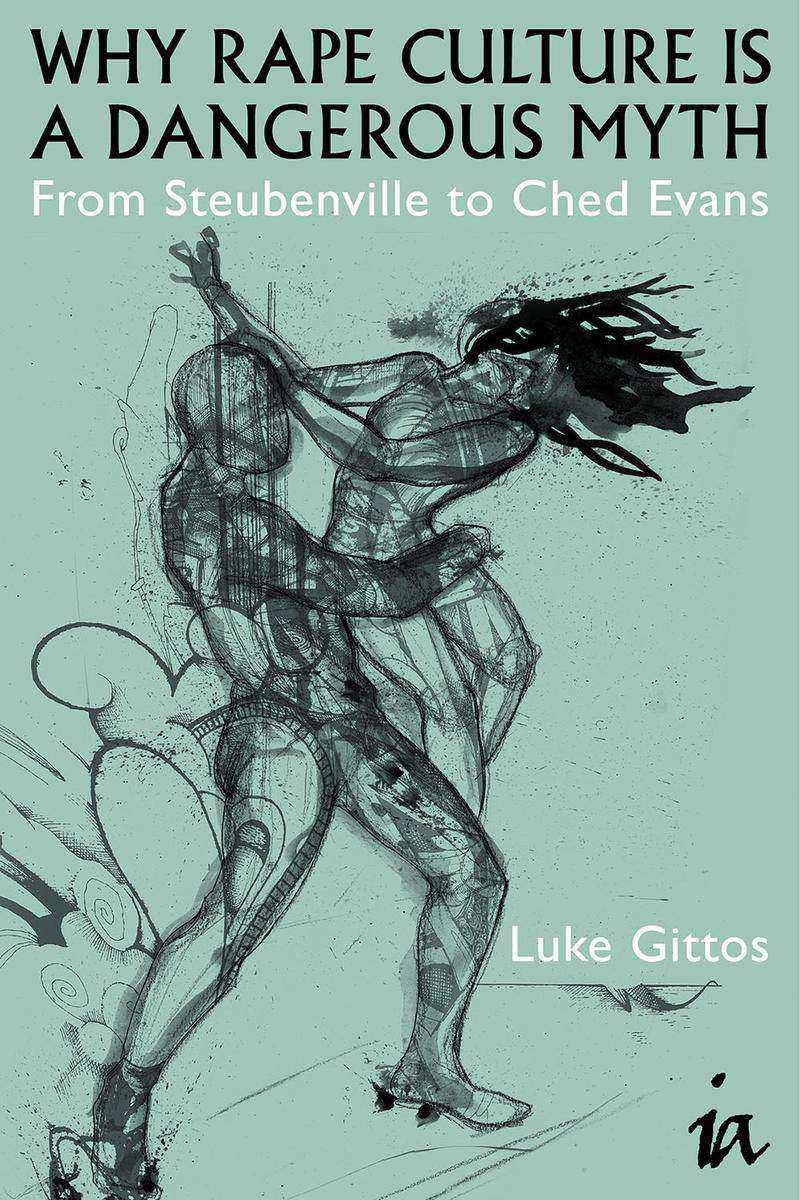
Why Rape Culture is a Dangerous Myth
¥107.81
Today it is often said that we live in a 'rape culture'. Panicked headlines tell us that rape is on the increase and that the police are failing to deal with it. Our courts are said to be incapable of delivering justice in rape cases, with the rate of convictions remaining consistently low. Sexism and misogyny in wider society have created a culture in which rape is pervasive, under-reported and often ignored by an uncaring public. But these claims are built on myths and misunderstandings.This book argues that the belief in a 'rape culture' is seriously distorting our discussion of sexual violence. It explains how the laws around rape have expanded significantly in recent decades, giving the state a far greater say in the most intimate areas of our lives. The drive to prosecute more and more people has damaging implications for our legal rights and basic freedoms - and our ability to live intimately with one another. If we are to have a serious discussion about rape, it's time to dispel the dangerous myth of rape culture.
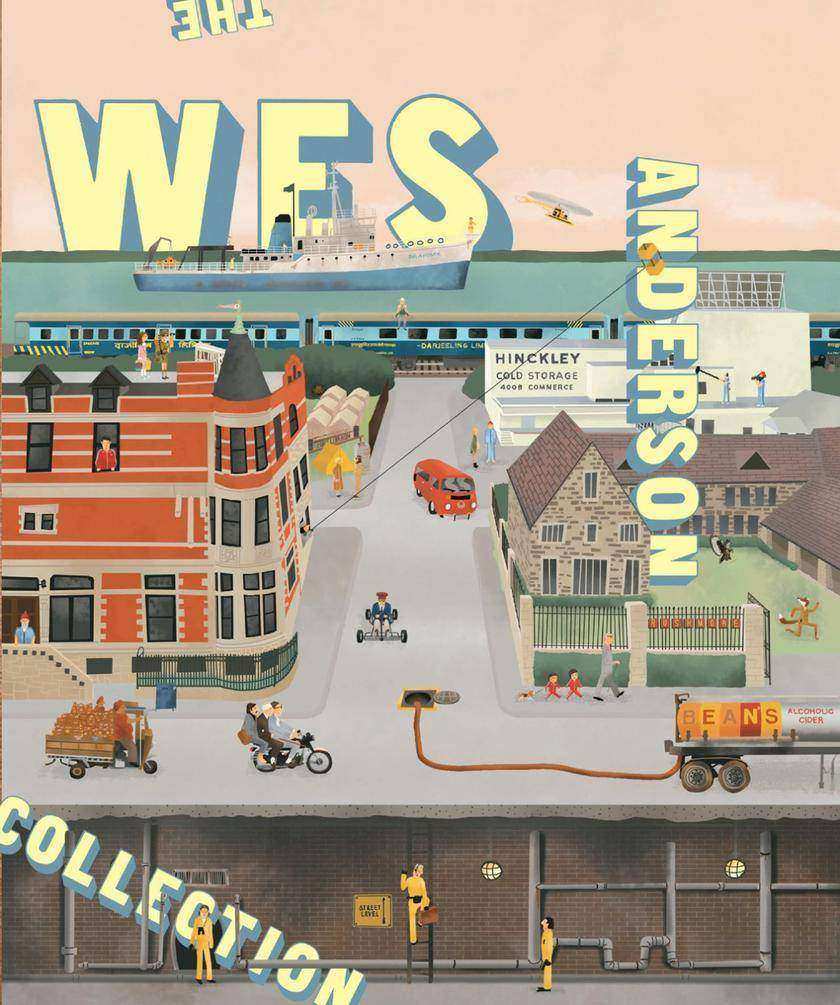
Wes Anderson Collection
¥107.81
ThisNew York Timesbestselling overview of Wes Andersons filmography features previously unpublished behind-the-scenes photos, artwork, and ephemera, with an introduction by Michael Chabon. Writer/director Wes Anderson guides movie/television critic Matt Zoller Seitz through Andersons life and career in a hardcover book-length conversation, woven together with original illustrations and production images fromBottle Rocket,Rushmore,The Royal Tenenbaums,The Life Aquatic with Steve Zissou,The Darjeeling Limited,Fantastic Mr. Fox, andMoonrise Kingdom. The result is a meticulously designed book that captures and reflects the spirit of Wes Andersons movies: melancholy, playful, wise, and wonderfully unique. Also available from Matt Zoller Seitz: The Oliver Stone Experience, The Wes Anderson Collection: Bad Dads, The Wes Anderson Collection: The Grand Budapest Hotel, and Mad Men Carousel.
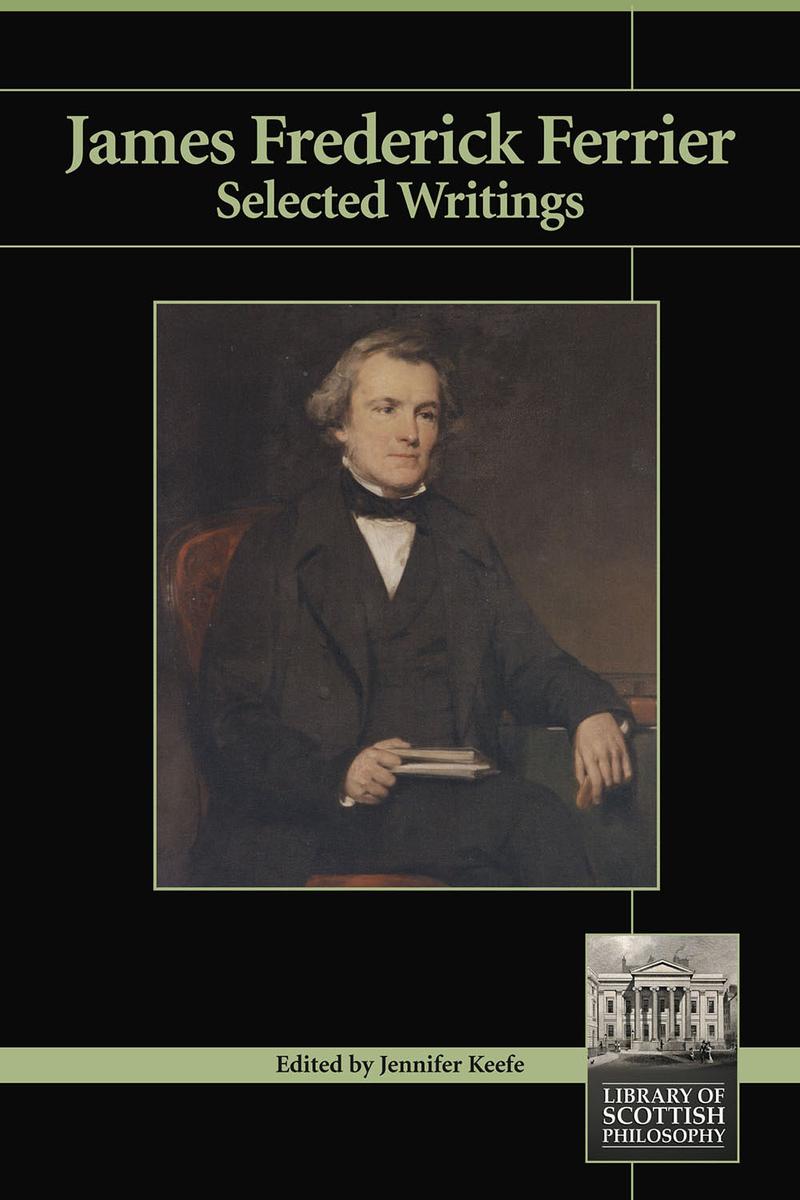
James Frederick Ferrier
¥107.81
This volume contains selections from the philosophical writings of James Frederick Ferrier (1808-1864). Ferrier was the Professor of Moral Philosophy at the University of St Andrews between 1845 and 1864 and he was one of the earliest post-Hegelian British idealists. He develops a system of absolute idealism via a rejection of the Scottish school of common sense and Enlightenment philosophy in general. These selections focus on his primary philosophical interests: epistemology and ontology. Ferrier denies the possibility of a science of man and suggests that philosophy should focus on self-consciousness, the defining feature of humanity.
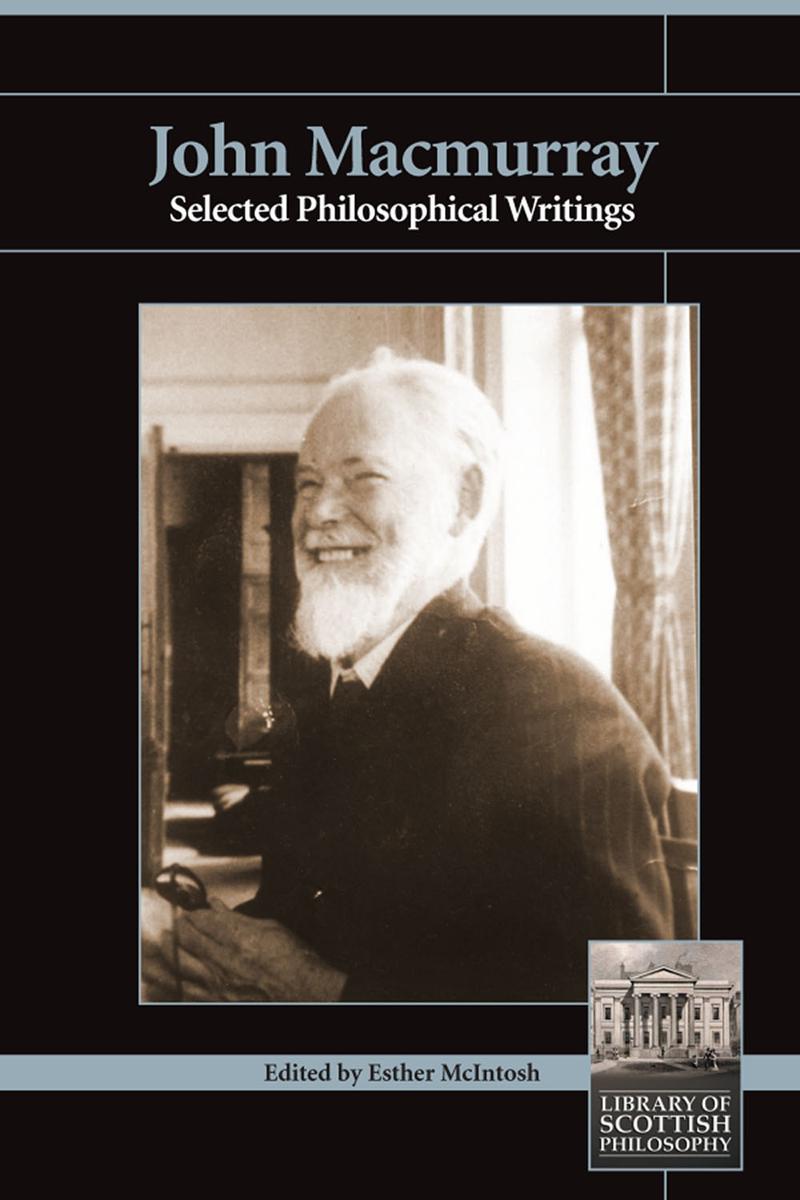
John Macmurray
¥107.81
The philosophy of John Macmurray is only now receiving the attention it deserves. It is in the contemporary climate of dissatisfaction with individualism that Macmurray's emphasis on the relations of persons has come to the fore. Moreover, Macmurray's recognition of the central importance of acknowledging human embodiment is being favourably received by a wide range of fields, which includes philosophers, theologians and psychologists.Macmurray's overriding concern is to present an adequate account of the person and of personal relationships. Nevertheless, he is an eclectic writer, whose work addresses concerns in education, science and art, which all stem from his understanding of human agency. In addition, this leads Macmurray into a discussion of the ethics of personal and political relations and a critique of otherworldly religion. Hence, Macmurray's philosophy is informed by fairly unconventional religious beliefs.
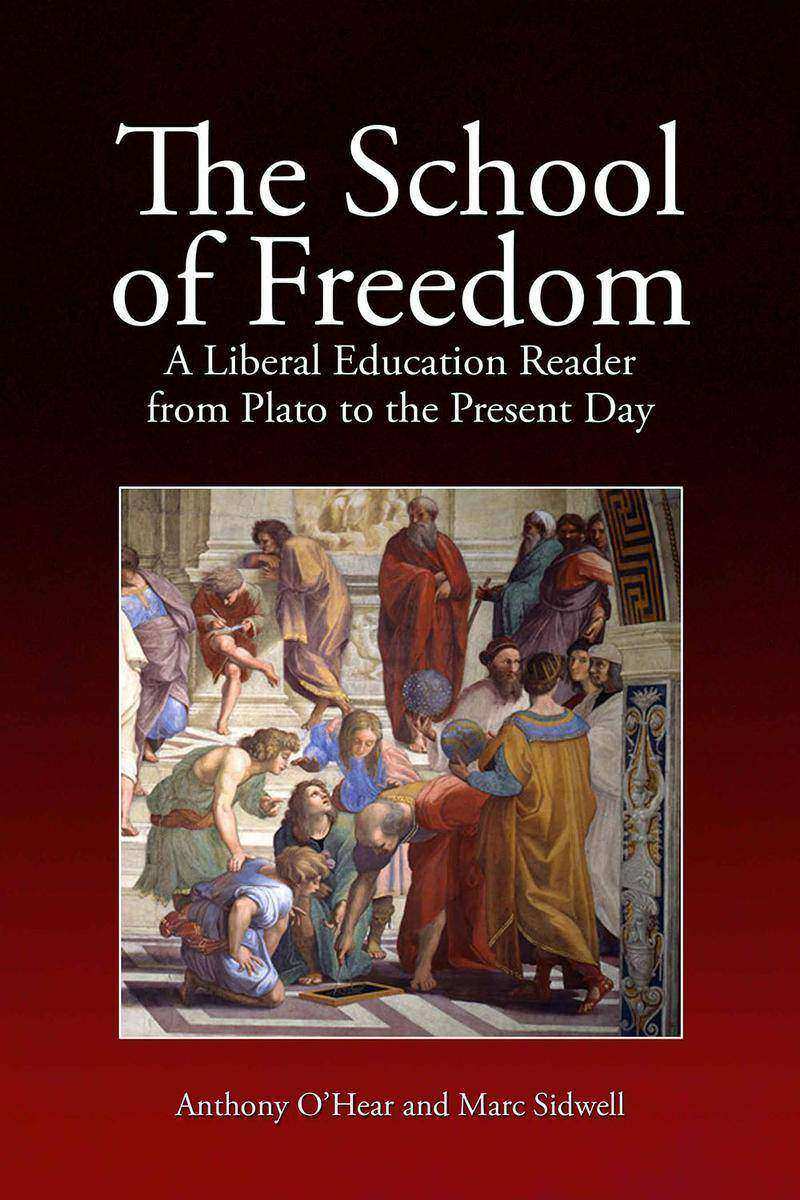
School of Freedom
¥107.81
Liberal education is not a theory. It is the tradition by which Western civilisation has preserved and enriched its inheritance for two and a half thousand years. Yet liberal education is a term that has fallen from use in Britain, its traditional meaning now freely confused with its opposite. This book is intended to correct that misapprehension, through the presentation of original source material from the high points in the liberal education tradition with particular focus on the British experience.Section 1: Origins (c. 450 BC to c. 450 AD)Section 2: The British Tradition (c. 750 to 1950)Section 3: After Tradition (1950 onward)Section 4: Liberal Education Redux (America)
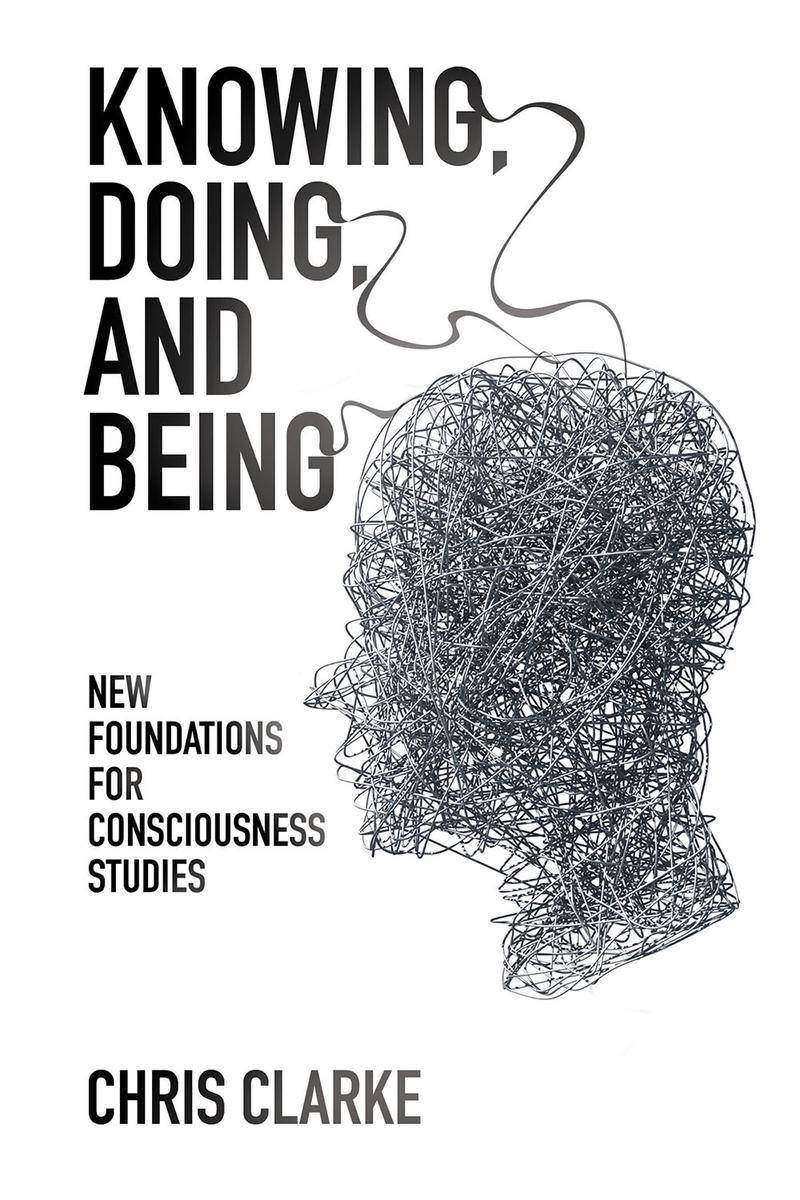
Knowing, Doing, and Being
¥107.81
Between 1965 and 2002 several key lines of research emerged which, taken together, can potentially revolutionise our understanding of the place of consciousness in the universe. Two of these are crucial: first, the analyses of human mental processes by Barnard, and independently by McGilchrist, revealing two separate elements, one rational and one based on relationships; and, second, research by several workers linking quantum theory to consciousness in much greater detail then hitherto. Both of these investigations use an alternative logical system in order to make sense of the quantum/consciousness area. In this book the author explains the close connections between these new ingredients - connections which until now have barely been noticed. Using these insights the author set out a new foundation for consciousness studies in which consciousness is integrated with physics while retaining its qualitatively different character. Finally the book discusses how this affects our everyday approach to ecology, religion, and spiritual practice.
Knowing, Doing, and Being
¥107.81
Between 1965 and 2002 several key lines of research emerged which, taken together, can potentially revolutionise our understanding of the place of consciousness in the universe. Two of these are crucial: first, the analyses of human mental processes by Barnard, and independently by McGilchrist, revealing two separate elements, one rational and one based on relationships; and, second, research by several workers linking quantum theory to consciousness in much greater detail then hitherto. Both of these investigations use an alternative logical system in order to make sense of the quantum/consciousness area. In this book the author explains the close connections between these new ingredients - connections which until now have barely been noticed. Using these insights the author set out a new foundation for consciousness studies in which consciousness is integrated with physics while retaining its qualitatively different character. Finally the book discusses how this affects our everyday approach to ecology, religion, and spiritual practice.
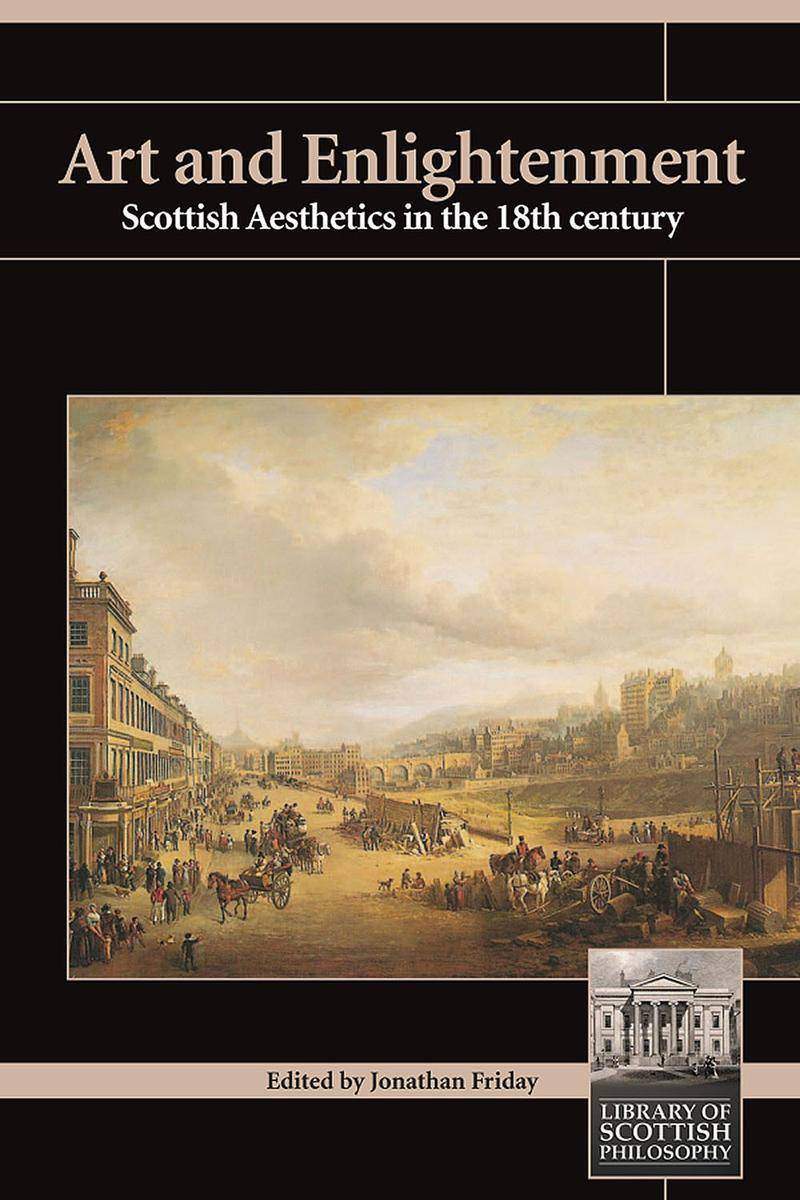
Art and Enlightenment
¥107.81
During the intellectual and cultural flowering of Scotland in the 18th century few subjects attracted as much interest among men of letters as aesthetics - the study of art from the subjective perspective of human experience. All of the great philosophers of the age - Hutcheson, Hume, Smith and Reid - addressed themselves to aesthetic questions. Their inquiries revolved around a cluster of issues - the nature of taste, beauty and the sublime, how qualitative differences operate upon the mind through the faculty of taste, and how aesthetic sensibility can be improved through education. This volume brings together and provides contextual introductions to the most significant 18th century writing on the philosophy of art. From the pioneering study of beauty by Francis Hutcheson, through Hume's seminal essays on the standard of taste and tragedy, to the end of the tradition in Dugald Stewart, we are swept up in the debate about art and its value that fascinated the philosophers of enlightenment Scotland - and continues to do so to this day.
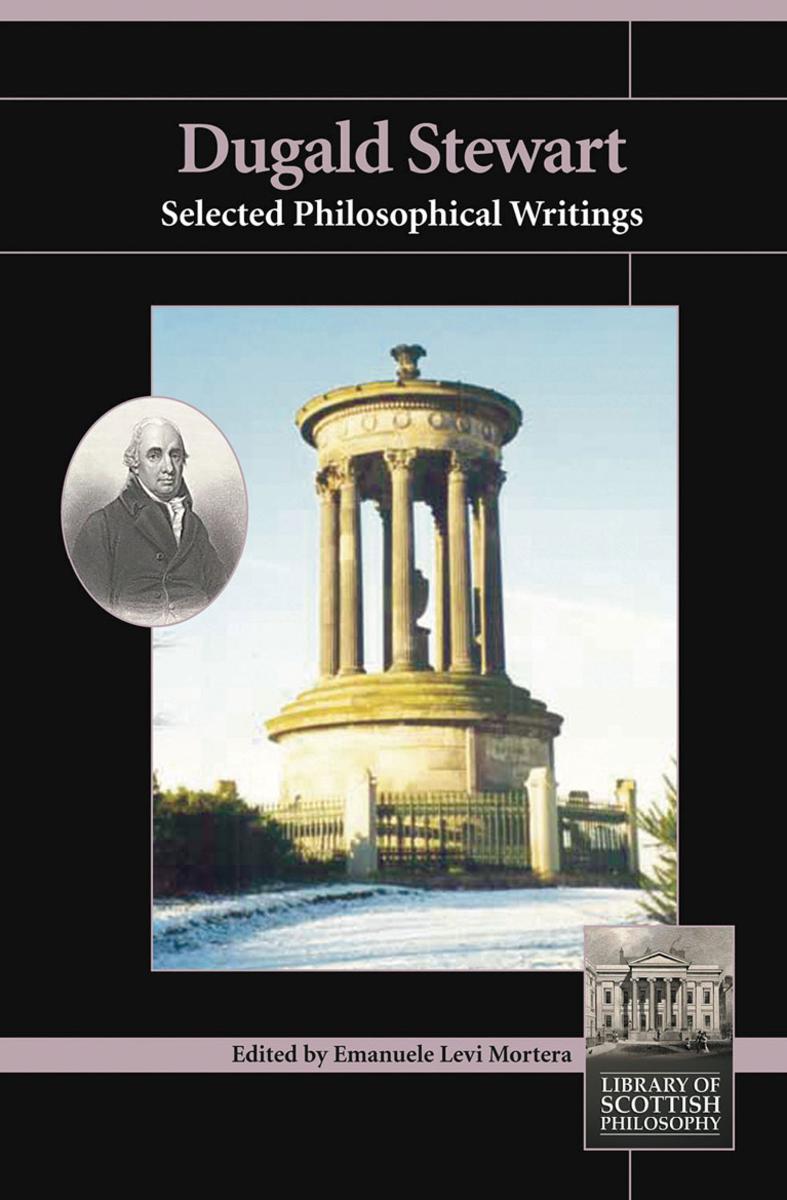
Dugald Stewart
¥107.81
Dugald Stewart was appointed assistant professor of mathematics in the University of Edinburgh in 1772, aged only 19. He became one of the most influential academics in the eighteenth- and nineteenth-century European 'Republic of Letters'. Both Stewart's contemporaries and modern scholars have recognised the impact his influential figure had over many young minds. He was one of the leading figures of the Scottish Common Sense school, a name by which we are used to identifying the philosophical tradition headed by Thomas Reid.The selection given here departs in some ways from Stewart's own division of the subject, and aims to reflect the logical priority of each discipline, a priority which Stewart himself seems to give in the internal development of his 'system'.


