


 购物车
购物车 个人中心
个人中心
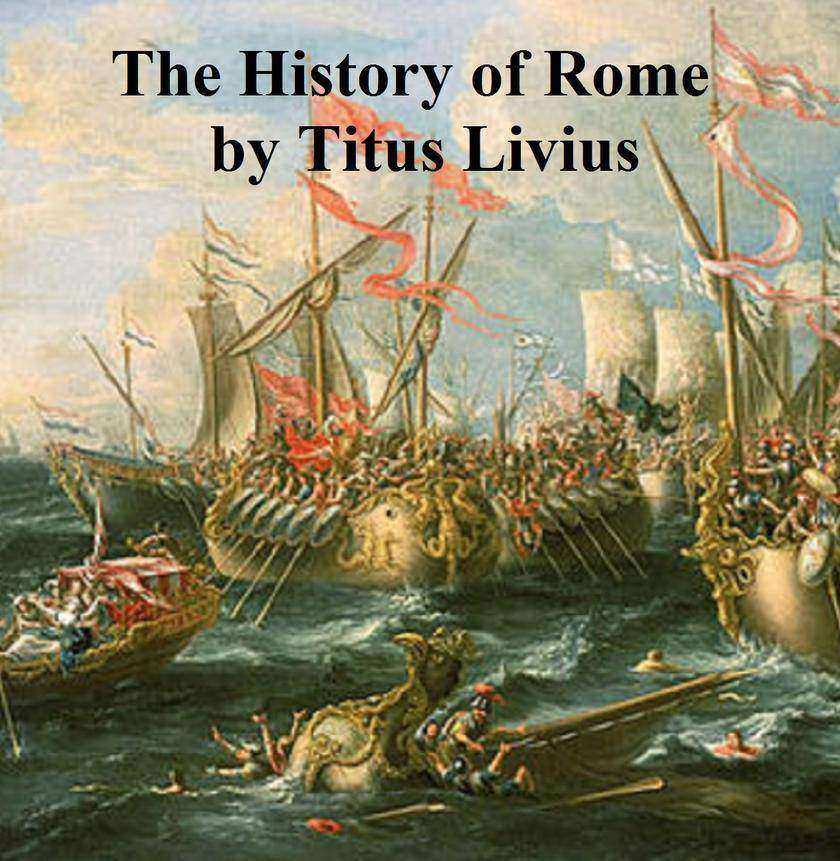
The History of Rome
¥8.09
Literally translated, first published in 1853. According to Wikipedia: "Livy's work met with instant acclaim. His books were published in sets of ten, although when entirely completed, his whole work was available for sale in its entirety. His highly literary approach to his historical writing renders his works very entertaining, and they remained constantly popular from his own day, through the Middle Ages, and into the modern world. Dante speaks highly of him in his poetry, and Francis I of France commissioned extensive artwork treating Livian themes. That he was chosen by Rome's first emperor to be the private tutor to his successor indicates Livy's renown as a great writer and sage. As topics from his history appear to have been used for writing topics in Roman schools, it is more than likely that his works, or sections, were used as textbooks... He can be looked upon as the prose counterpart of Vergil in Golden Age Latin literature."
Eccentric Preachers
¥8.09
Profiles of Protestant preachers by a 19th century English Baptist, known as "the Prince of Preachers". Chapters include: 1. What is Eccentricity? 2. Who have been called Eccentric? 3. Causes of Eccentricity 4. Hugh Latimer 5. Hugh Peters 6. Daniel Burgess 7. John Berridge 8. Rowland Hill 9. Matthew Wilks 10. William Dawson 11. Jacob Gruber 12. Edward Taylor 13. Edward Brooke 14. Billy Bray. According to Wikipedia: "Charles Haddon Spurgeon, commonly C.H. Spurgeon, ( 1834 – 1892) was a British Reformed Baptist preacher who remains highly influential among Christians of different denominations, among whom he is still known as the "Prince of Preachers." He also founded the charity organization now known as Spurgeon's, that works worldwide with families and children, as well as a famous theological college which after his death was called after him: Spurgeon's College. Spurgeon was a prolific author of many types of works including sermons, an autobiography, a commentary, books on prayer, a devotional, a magazine, and more. Many sermons were transcribed as he spoke and were translated into many languages during his lifetime. Arguably, no other author, Christian or otherwise, has more material in print than C.H. Spurgeon."

The Character and Influence of the Indian Trade in Wisconsin
¥8.09
Classic work of American history. According to Wikipedia: "Frederick Jackson Turner (November 14, 1861 - March 14, 1932) is widely regarded, along with Charles A. Beard, as one of the two most influential American historians of the early 20th century. He is best known for The Significance of the Frontier in American History."
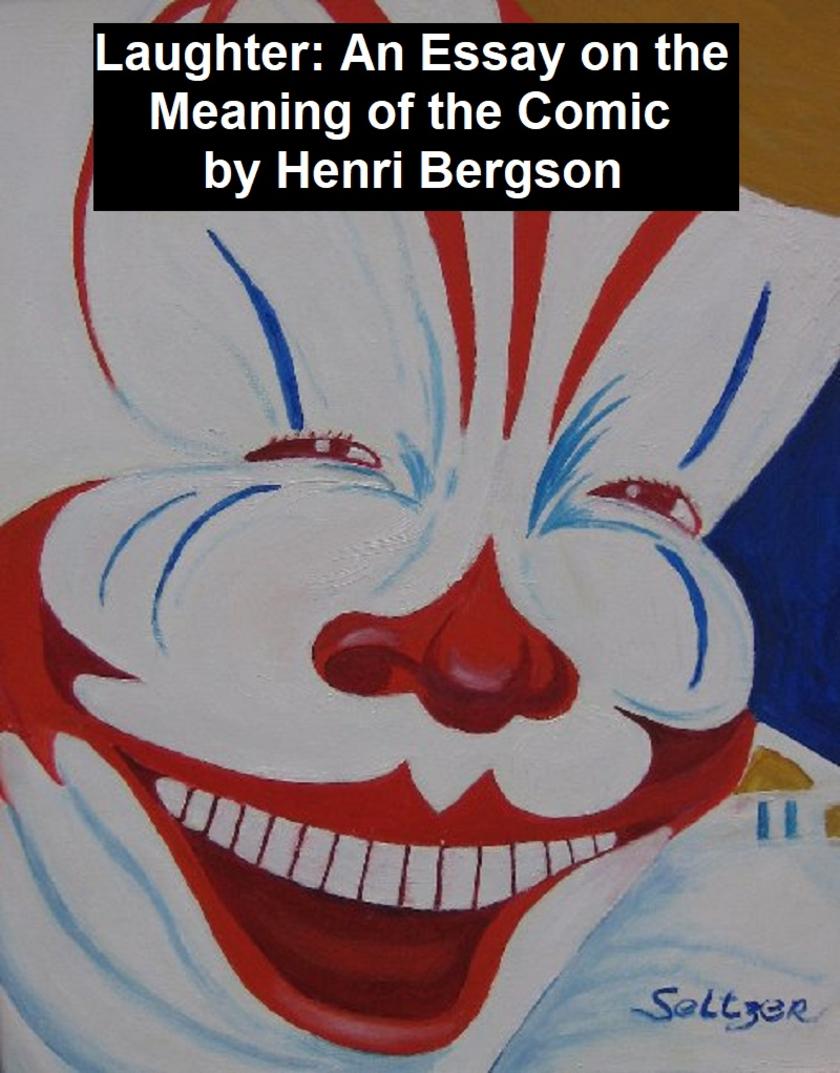
Laughter: an Essay on the Meaning of the Comic
¥8.09
According to Wikipedia: "In the idiosyncratic Laughter: An Essay on the Meaning of the Comic, Bergson develops a theory not of laughter itself, but of how laughter can be provoked (see his objection to Delage, published in the 23rd edition of the essay). He describes the process of laughter (refusing to give a conceptual definition which would not approach its reality), used in particular by comics and clowns, as the caricature of the mechanism nature of humans (habits, automatic acts, etc.), one of the two tendencies of life (degradation towards inert matter and mechanism, and continual creation of new forms). However, Bergson warns us that laughter’s criterion of what should be laughed at is not a moral criterion and that it can in fact cause serious damage to a person’s self-esteem.This essay made his opposition to the Cartesian theory of the animal-machine obvious."
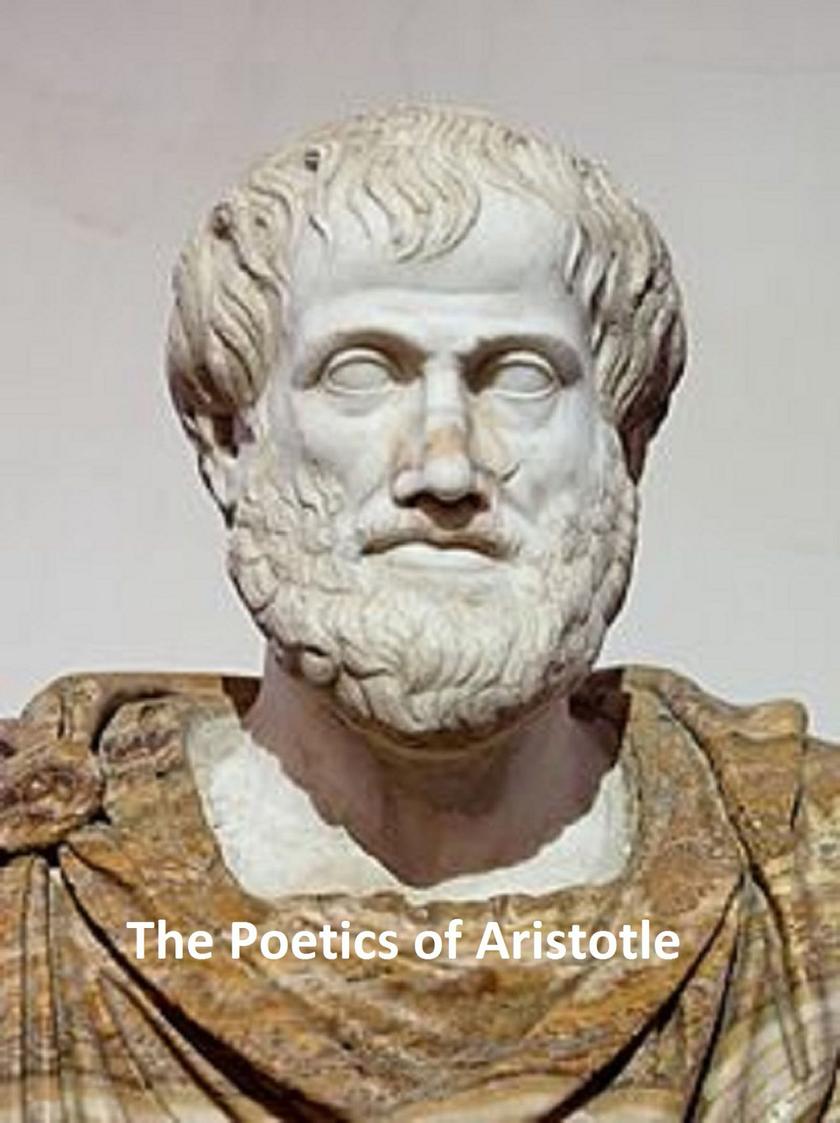
The Poetics of Aristotle
¥8.09
According to Wikipedia: "Aristotle's Poetics (c. 335 BCE) is the earliest surviving work of dramatic theory and the first extant philosophical treatise to focus on literary theory. In it, Aristotle offers an account of what he calls "poetry" (a term which in Greek literally means "making" and in this context includes drama—comedy, tragedy, and the satyr play—as well as lyric poetry and epic poetry)... Aristotle (384 BC – 322 BC) was a Greek philosopher, a student of Plato and teacher of Alexander the Great. His writings cover many subjects, including physics, metaphysics, poetry, theater, music, logic, rhetoric, linguistics, politics, government, ethics, biology, and zoology. Together with Plato and Socrates (Plato's teacher), Aristotle is one of the most important founding figures in Western philosophy. Aristotle's writings were the first to create a comprehensive system of Western philosophy, encompassing morality and aesthetics, logic and science, politics and metaphysics."
Medieval Hebrew: The Midrash, the Kabbalah
¥8.09
Medieval collections of Jewish biblical lore and legend. From Volume 4 of The Sacred Books and Early Literature of the East. This volulme includes the Tanhuma Midrash, poems of Judah Halevi, the Book Cusari, Commentaries of Rabbi Ben Ezra, Advice of Maimonides, and The Travels of Benjamin of Tudela.
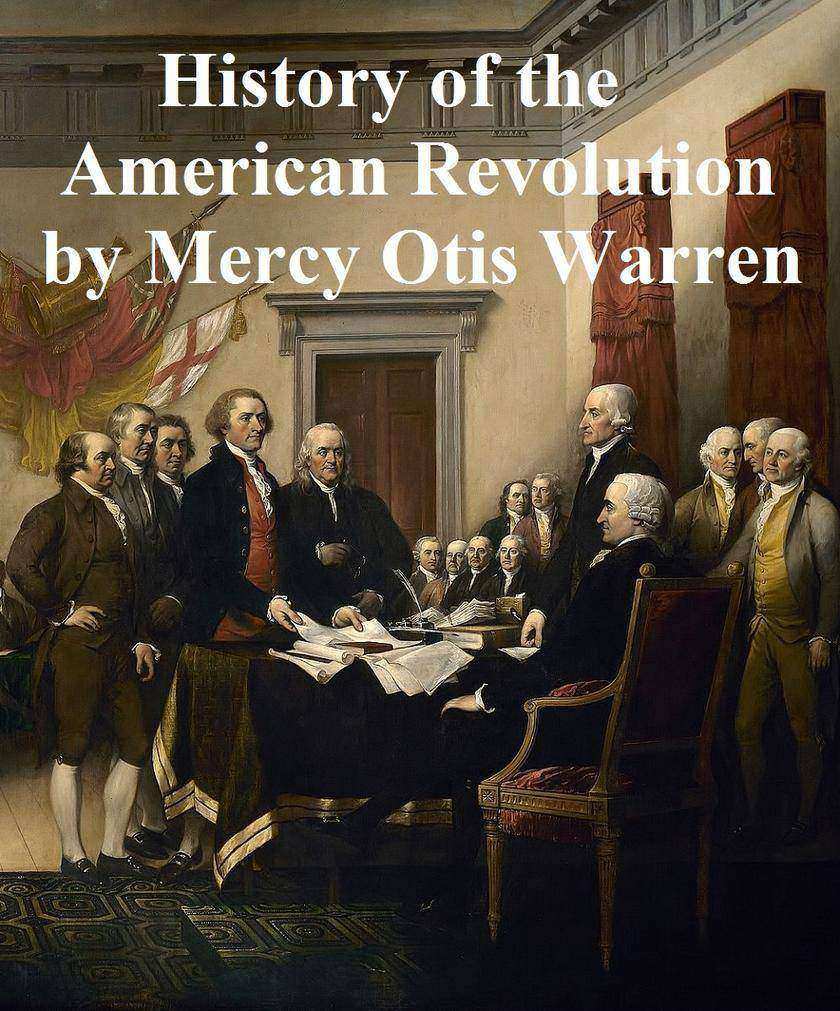
History of the Rise, Progress, and Termination of the American Revolution
¥8.09
Mercy Warren wrote early drafts of this 1300+ page book near the time of the events described. Mercy writes in the third person even when dealing with events involving her immediate family. James Otis (early advocate of the rights of the colonies) was her brother, and James Warren (speaker of the Massachusetts House of Representatives) was her husband. She was a close friend of John Adams, but differed sharply with his policies as President. In the wake of the French Revolution, Adams lost faith in democracy, while Mercy remained a staunch supporter of democracy, despite the risks. According to Wikipedia: "Warren, Mercy (1728-1814), American writer, sister of James Otis, was born at Barnstable, Mass., and in 1754 married James Warren (1726-1808) of Plymouth, Mass., a college friend of her brother. Her literary inclinations were fostered by both these men, and she began early to write poems and prose essays. As member of the Massachusetts House of Representatives (1766-1774) and its speaker (1776-1777 and 1787-1788), member (1774 and 1775) and president (1775) of the Provincial Congress, and paymaster-general in 1775, James Warren took a leading part in the events of the American revolutionary period, and his wife followed its progress with keen interest...In 1805 she published a History of the American Revolution, which was colored by somewhat outspoken personal criticism and was bitterly resented by John Adams..."
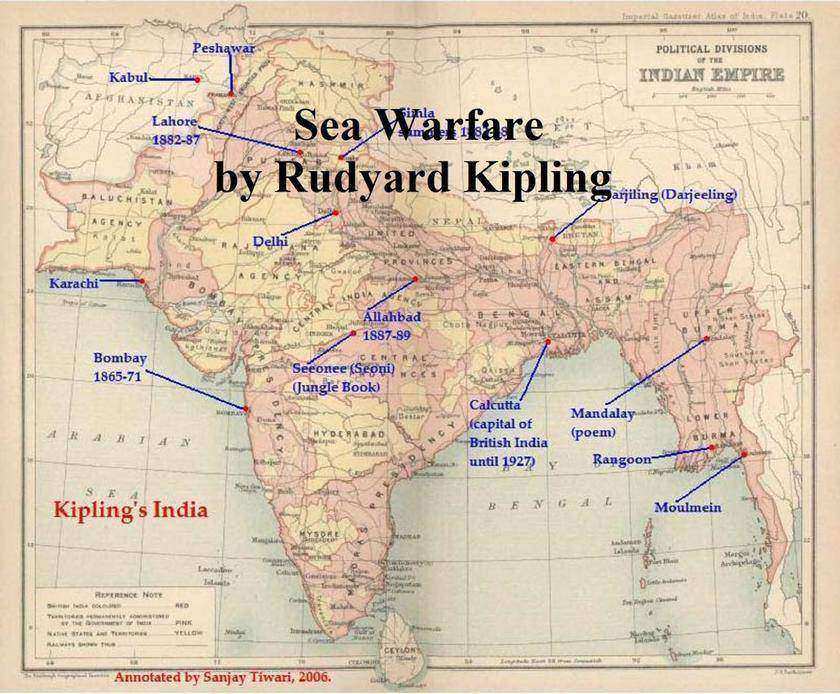
Sea Warfare
¥8.09
Overview of the British Navy, up through World War I. According to Wikipedia: "Joseph Rudyard Kipling (1865 – 1936) was an English author and poet. Born in Bombay, British India (now Mumbai), he is best known for his works The Jungle Book (1894) and Rikki-Tikki-Tavi (1902), his novel, Kim (1901); his poems, including Mandalay (1890), Gunga Din (1890), If— (1910); and his many short stories, including The Man Who Would Be King (1888). He is regarded as a major "innovator in the art of the short story"; his children's books are enduring classics of children's literature; and his best works speak to a versatile and luminous narrative gift. Kipling was one of the most popular writers in English, in both prose and verse, in the late 19th and early 20th centuries.[2] The author Henry James said of him: "Kipling strikes me personally as the most complete man of genius (as distinct from fine intelligence) that I have ever known." In 1907, he was awarded the Nobel Prize in Literature, making him the first English language writer to receive the prize, and to date he remains its youngest recipient. Among other honours, he was sounded out for the British Poet Laureateship and on several occasions for a knighthood, all of which he declined.
The Itinerary of Benjamin of Tudela
¥8.09
First-hand account of a pilgrimage to the Holy Land in the twelfth century. The introduction begins: "The Itinerary of Benjamin of Tudela throws a flashlight upon one of the most interesting stages in the development of nations. The history of the civilized world from the downfall of the Roman Empire to the present day may be summarized as the struggle between Cross and Crescent. This struggle is characterized by a persistent ebb and flow. Mohammed in 622 A.D. transformed, as if by magic, a cluster of Bedouin tribes into a warlike people. An Arabian Empire was formed, which reached from the Ebro to the Indus. Its further advance was stemmed in the year 732, just a hundred years after Mohammed's death, by Charles Martel, in the seven days' battle of Tours. The progress of the culture of the Arabs was as rapid as had been that of their arms. Great cities such as Cairo and Bagdad were built. Commerce and manufactures flourished. The Jews, who enjoyed protection under the benign rule of the Caliphs..."
Charles II
¥8.09
According to Wikipedia: "Jacob Abbott (November 14, 1803 – October 31, 1879) was an American writer of children's books. Abbott was born at Hallowell, Maine to Jacob and Betsey Abbott. He graduated from Bowdoin College in 1820; studied at Andover Theological Seminary in 1821, 1822, and 1824; was tutor in 1824-1825, and from 1825 to 1829 was professor of mathematics and natural philosophy at Amherst College; was licensed to preach by the Hampshire Association in 1826; founded the Mount Vernon School for Young Ladies in Boston in 1829, and was principal of it in 1829-1833; was pastor of Eliot Congregational Church (which he founded), at Roxbury, Massachusetts in 1834-1835; and was, with his brothers, a founder, and in 1843-1851 a principal of Abbott's Institute, and in 1845-1848 of the Mount Vernon School for Boys, in New York City. He was a prolific author, writing juvenile fiction, brief histories, biographies, religious books for the general reader, and a few works in popular science. He died in Farmington, Maine, where he had spent part of his time after 1839, and where his brother, Samuel Phillips Abbott, founded the Abbott School."
Hannibal
¥8.09
According to Wikipedia: "Jacob Abbott (November 14, 1803 – October 31, 1879) was an American writer of children's books. Abbott was born at Hallowell, Maine to Jacob and Betsey Abbott. He graduated from Bowdoin College in 1820; studied at Andover Theological Seminary in 1821, 1822, and 1824; was tutor in 1824-1825, and from 1825 to 1829 was professor of mathematics and natural philosophy at Amherst College; was licensed to preach by the Hampshire Association in 1826; founded the Mount Vernon School for Young Ladies in Boston in 1829, and was principal of it in 1829-1833; was pastor of Eliot Congregational Church (which he founded), at Roxbury, Massachusetts in 1834-1835; and was, with his brothers, a founder, and in 1843-1851 a principal of Abbott's Institute, and in 1845-1848 of the Mount Vernon School for Boys, in New York City. He was a prolific author, writing juvenile fiction, brief histories, biographies, religious books for the general reader, and a few works in popular science. He died in Farmington, Maine, where he had spent part of his time after 1839, and where his brother, Samuel Phillips Abbott, founded the Abbott School."
The Gulf and Inland Waters
¥8.09
Classic work of American history. According to Wikipedia: "Alfred Thayer Mahan (September 27, 1840 - December 1, 1914) was a United States Navy officer, geostrategist, and educator. His ideas on the importance of sea power influenced navies around the world, and helped prompt naval buildups before World War I. Several ships were named USS Mahan, including the lead vessel of a class of destroyers. His research into naval History led to his most important work, The Influence of Seapower Upon History,1660-1783, published in 1890."
The Major Operations of the Navies in the War of American Independence
¥8.09
Classic work of American history. According to Wikipedia: "Alfred Thayer Mahan (September 27, 1840 - December 1, 1914) was a United States Navy officer, geostrategist, and educator. His ideas on the importance of sea power influenced navies around the world, and helped prompt naval buildups before World War I. Several ships were named USS Mahan, including the lead vessel of a class of destroyers. His research into naval History led to his most important work, The Influence of Seapower Upon History,1660-1783, published in 1890."
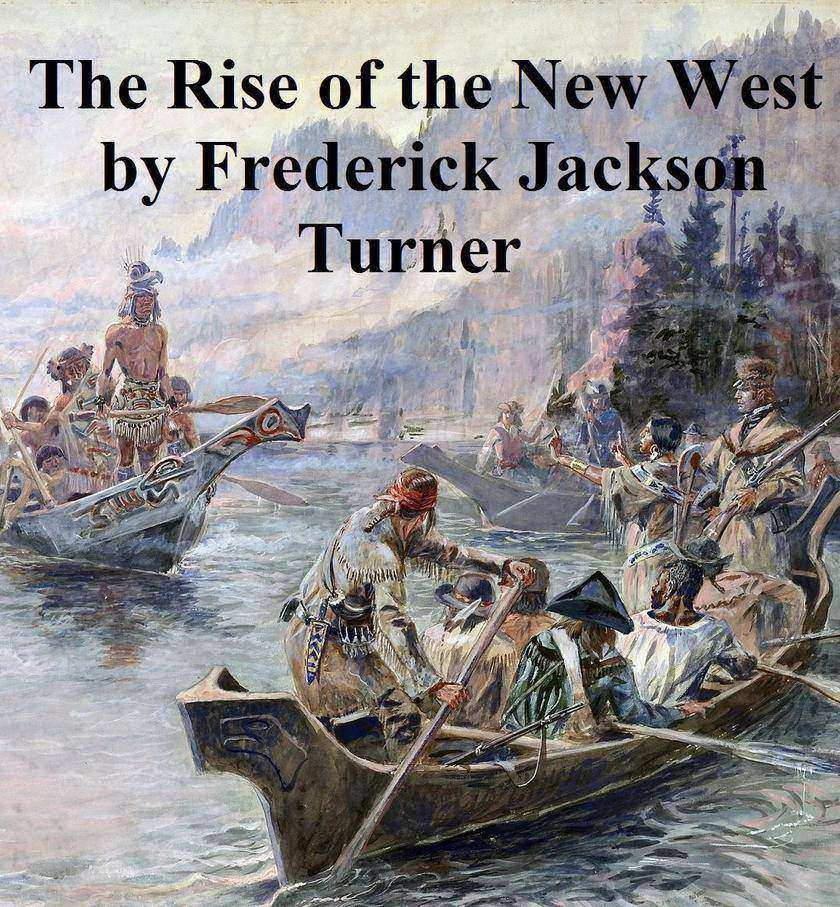
The Rise of the New West 1819-1829
¥8.09
Classic work of American history. According to Wikipedia: "Frederick Jackson Turner (November 14, 1861 - March 14, 1932) is widely regarded, along with Charles A. Beard, as one of the two most influential American historians of the early 20th century. He is best known for The Significance of the Frontier in American History."
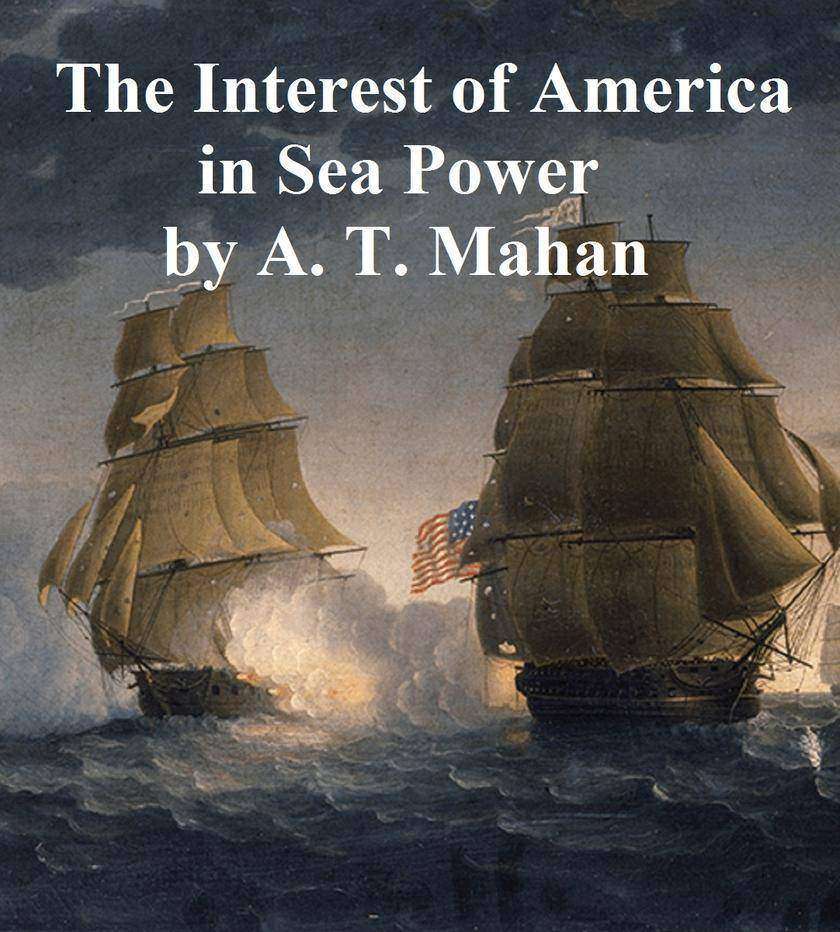
The Interest of America in Sea Power
¥8.09
Classic work of military history and theory. According to Wikipedia: "Alfred Thayer Mahan (September 27, 1840 - December 1, 1914) was a United States Navy officer, geostrategist, and educator. His ideas on the importance of sea power influenced navies around the world, and helped prompt naval buildups before World War I. Several ships were named USS Mahan, including the lead vessel of a class of destroyers. His research into naval History led to his most important work, The Influence of Seapower Upon History,1660-1783, published in 1890."
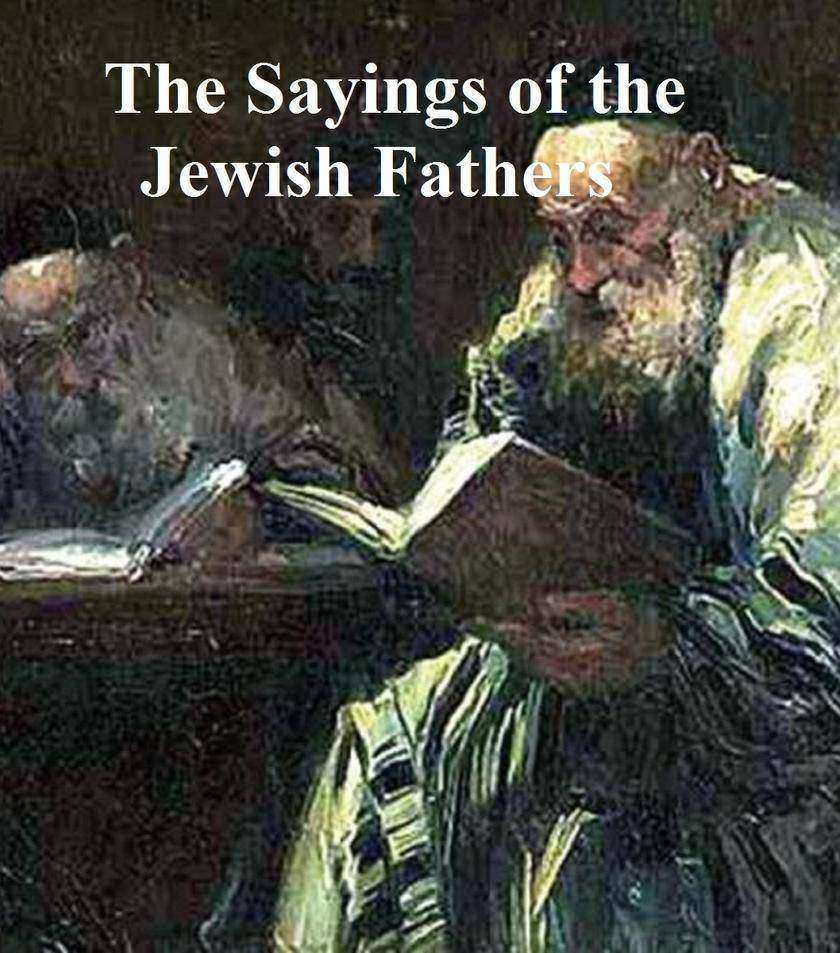
Sayings of the Jewish Fathers: Pirke Abot
¥8.09
Volume 3 of the Library of Jewish Classics. From the Preface: "Notwithstanding the fact that there are many editions of the Sayings of the Jewish Fathers, and that it has been translated innumerable times in all modern tongues, no apology need be given for the appearance of this little volume in the series of Jewish Classics. The Pirke Abot is indeed a classical bit of that ancient Jewish classic, the Mishnah. The translation in this edition is based largely upon that of Taylor, in his Sayings of the Jewish Fathers, and upon the excellent version of Singer, in his Authorized Daily Prayer Book."
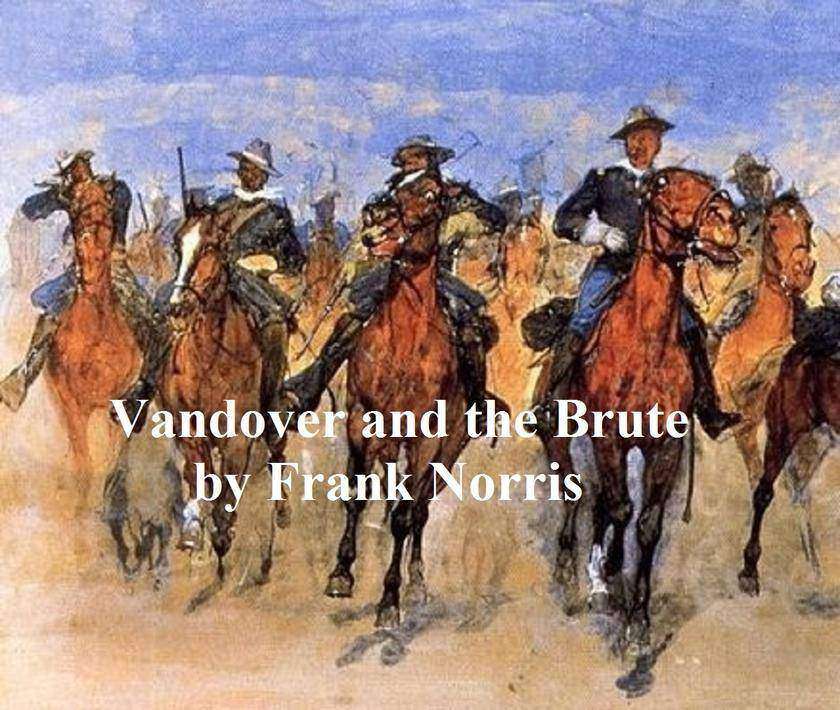
Vandover and the Brute
¥8.09
Classic novel. According to Wikipedia: "Benjamin Franklin Norris, Jr. (March 5, 1870 – October 25, 1902) was an American novelist, during the Progressive Era, writing predominantly in the naturalist genre. His notable works include McTeague (1899), The Octopus: A California Story (1901), and The Pit (1903). Although he did not openly support socialism as a political system, his work nevertheless evinces a socialist mentality and influenced socialist/progressive writers such as Upton Sinclair. Like many of his contemporaries, he was profoundly influenced by the advent of Darwinism, and Thomas Henry Huxley's philosophical defense of it. Norris was particularly influenced by an optimistic strand of Darwinist philosophy taught by Joseph LeConte, whom Norris studied under while at the University of California, Berkeley. Through many of his novels, notably McTeague, runs a preoccupation with the notion of the civilized man overcoming the inner "brute," his animalistic tendencies. His peculiar, and often confused, brand of Social Darwinism also bears the influence of the early criminologist Cesare Lombroso and the French naturalist Emile Zola."
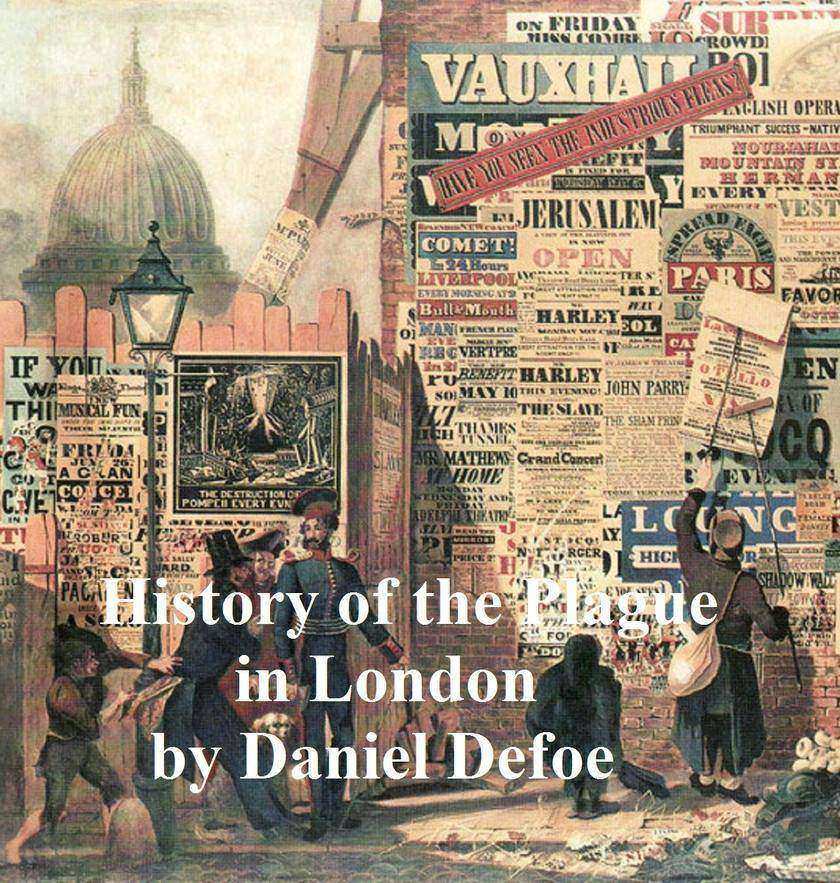
History of a Plague in London
¥8.09
The Introduction begins: "The father of Daniel Defoe was a butcher in the paris h of St. Giles's, Cripplegate, London. In this parish, probably, Daniel Defoe was born in 1661, the year after the restoration of Charles II. The boy's parents wished him to become a dissenting minister, and so intrusted his education to a Mr. Morton who kept an academy for the training of nonconformist divines. How long Defoe staid at this school is not known. He seems to think himself that he staid there long enough to become a good scholar; for he declares that the pupils were "made masters of the English tongue, and more of them excelled in that particular than of any school at that time." If this statement be true, we can only say that the other schools must have been very bad indeed. Defoe never acquired a really good style, and can in no true sense be called a "master of the English tongue."
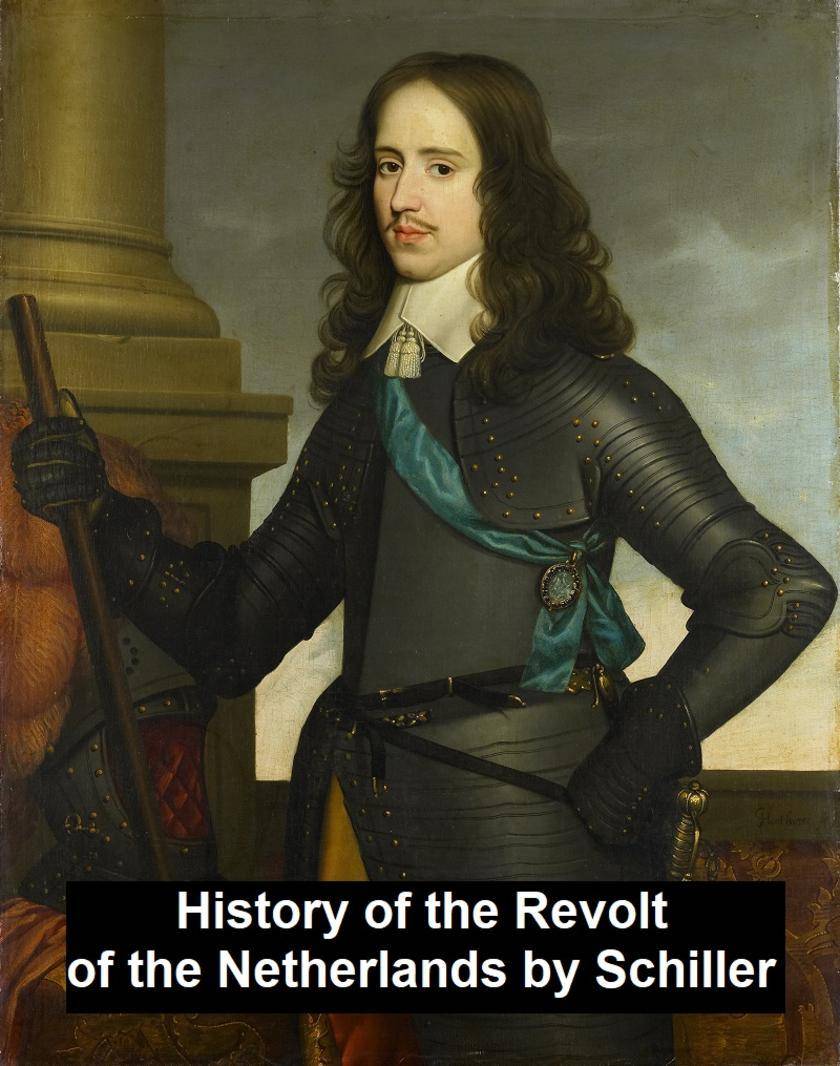
History of the Revolt in the Netherlands
¥8.09
The prequel to the American Revolution. This struggle for political and religious freedom inspired America's Founding Fathers. Schiller tells the tale with a novelist's insight into character. According to Wikipedia: "Johann Christoph Friedrich von Schiller (1759 – 1805) was a German poet, philosopher, historian, and dramatist. During the last few years of his life (1788–1805), Schiller struck up a productive, if complicated, friendship with already famous and influential Johann Wolfgang Goethe, with whom he greatly discussed issues concerning aesthetics, encouraging Goethe to finish works he left merely as sketches; this thereby gave way to a period now referred to as Weimar Classicism."
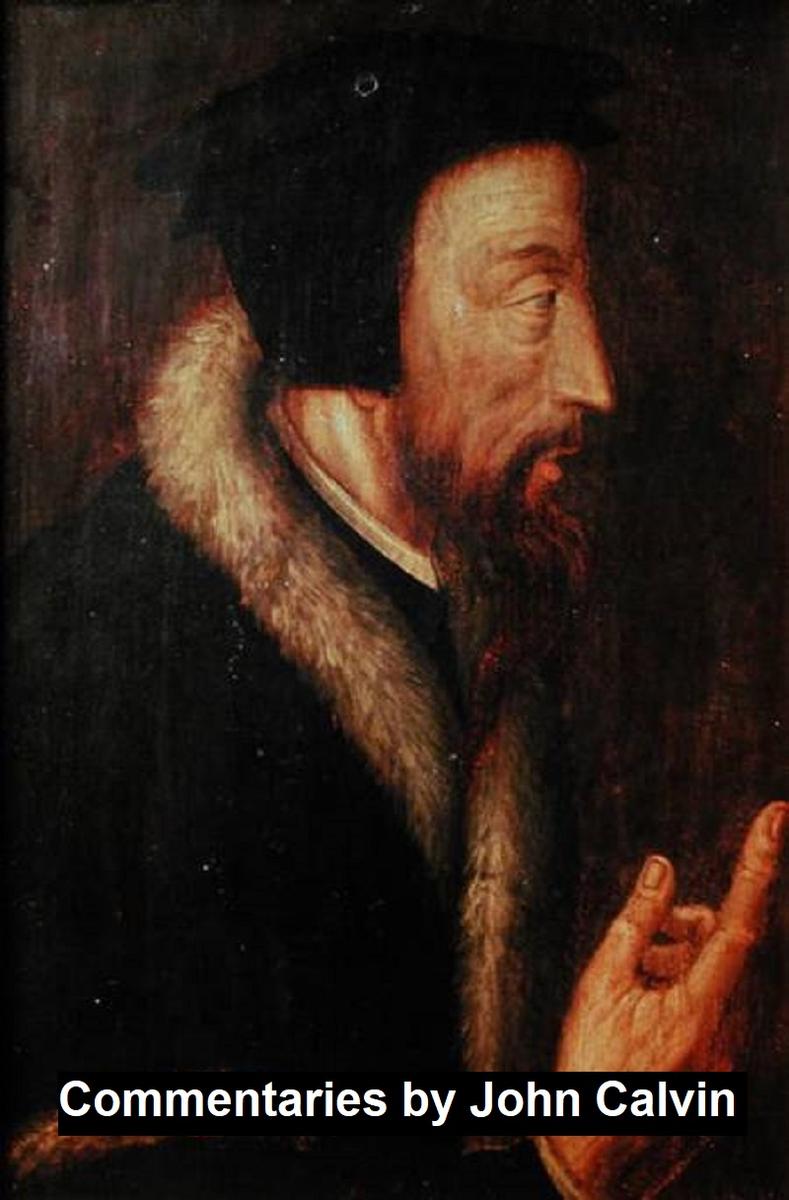
Commentaries
¥8.09
This is a collection of Calvin's Commentaries -- a large collection, about four times the size of a typical novel. According to Wikipedia: "John Calvin (né Jean Cauvin; 10 July 1509 – 27 May 1564) was an influential French theologian and pastor during the Protestant Reformation. He was a principal figure in the development of the system of Christian theology later called Calvinism. Originally trained as a humanist lawyer, he suddenly converted and broke from the Roman Catholic Church in the 1520s. After a violent uprising against Protestants in France, he was forced to flee to Basel, Switzerland, where in 1536 he published the first edition of his seminal work, Institutes of the Christian Religion. Calvin was invited by William Farel to help reform the church in Geneva. However, the city council resisted the implementation of Calvin and Farel's ideas and both were expelled. At the invitation of Martin Bucer, Calvin proceeded to Strasbourg where he became the minister of a church of French refugees. He continued to support the reform movement in Geneva, and was eventually invited back to lead its church. Following his return he introduced new forms of church government and liturgy, despite the opposition of several powerful families in the city who tried to curb his authority. During this period, Michael Servetus, a Spaniard known for his heretical views, arrived in Geneva. He was denounced by Calvin and executed by the city council. Following an influx of supportive refugees and new elections to the council, Calvin's opponents were forced out. He spent his final years promoting the Reformation both within Geneva and throughout Europe."
He That Is Spiritual
¥8.09
According to Wikipedia: "Lewis Sperry Chafer (February 27, 1871 – August 22, 1952) was the founder and first president of Dallas Theological Seminary, and an influential founding member of modern Christian Dispensationalism.


