


 购物车
购物车 个人中心
个人中心
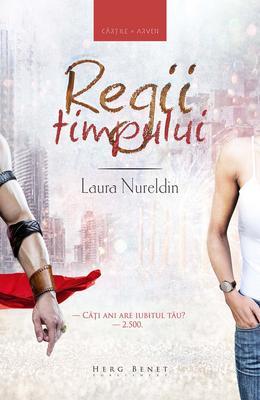
Regii timpului
¥53.33
lt pgt Ce ai face dac? cel mai bun prieten al t?u te-ar trimite din gre?eal? cu o ma?in? a timpului fix ?n Persia antic?, iar acolo ai fi imediat r?pit? de eunuci ai haremului m?re?ului Xerxes? Sau dac? via?a ?i-ar fi pus? ?n pericol de nenum?rate intrigi de palat ?ntr-o societate unde femeia este supus? b?rbatului prin tradi?ie? Sau dac? ar trebui s? iei de so? un rege pe care deja ?l cuno?ti din manualele de istorie, dar c?ruia trebuie s? ?i explici c? un telefon nu ?nseamn? s? vorbe?ti cu spiritele, automobilele nu sunt care ale zeilor, iar vasul de toalet? este un accesoriu foarte util? Tinerei Mora, un normal locuitor al Los Angeles-ului din zilele noastre, iat? c?, din ?nt?mplare, chiar i se petrec toate acestea. ?i nu disper?, pentru c? ?tie c? propria ei personalitate este mai puternic? dec?t niste hopuri banale precum obligatoriile c?l?torii zilnice ?ntre milenii, asasinate pe band? rulant? sau ?ocuri culturale de ambele p?r?i. Nu disper? pentru c? este o femeie hot?r?t?, pragmatic?, cu umor, dar ?i… ?ndr?gostit?. Iar dragostea cere sacrificii, nu Chiar dac? ajungi Regin?. lt lt pgtlt emgt– C??i ani are iubitul t?u ltbrgt ltgt– 2500.ltgt ltgt
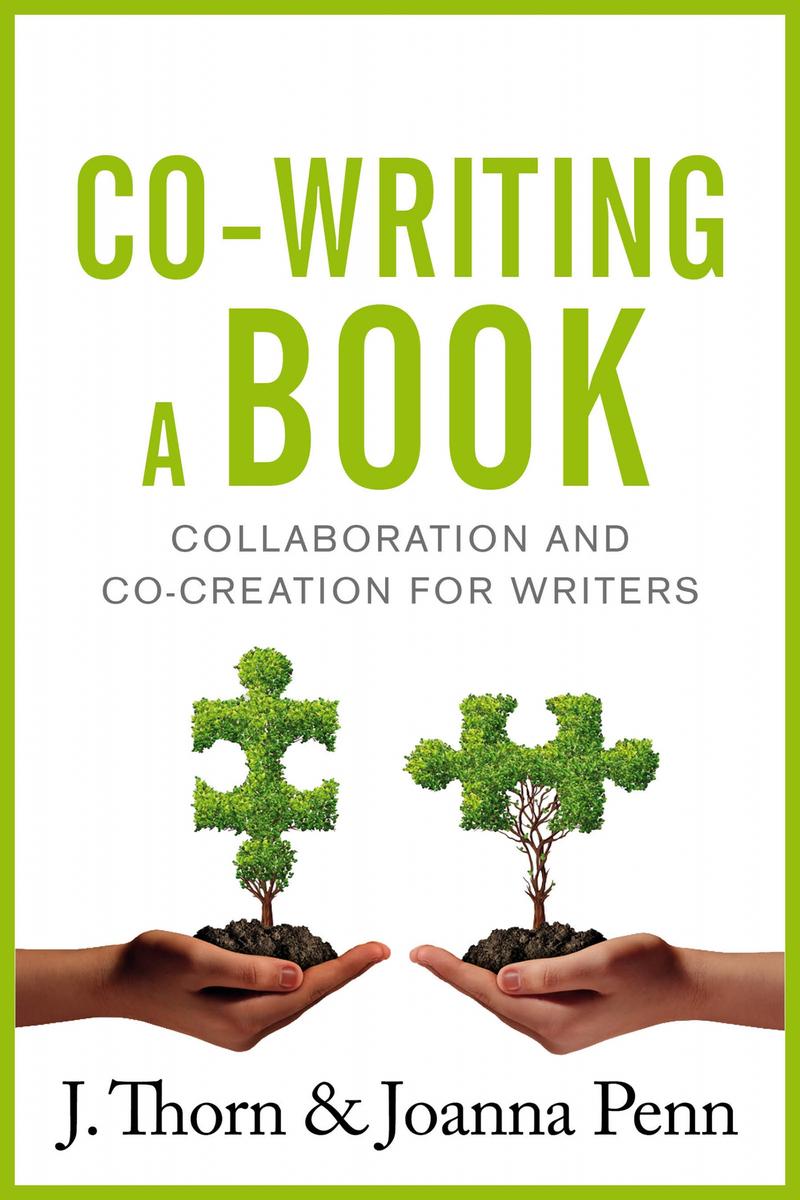
Co-writing a Book: Collaboration and Co-creation for Authors
¥48.97
Co-writing can be an amazing experience when two minds come together to create something new in the world. Or it can be a painful process that ends in disaster! In this short book, bestselling authors J. Thorn and Joanna Penn share tips on how to successfully co-write a book and avoid the pitfalls along the way. It includes excerpts from their private co-writing diary, honest notes written every day on a fiction project that will help you on your own journey. Updated 2017 with a new chapter based on a four-author collaborative novel. In this book, you will discover: * What is co-writing? * Benefits of co-writing * The difficulties of co-writing * Finding the right person to co-write with * Before you start: written legal agreement * Practicalities and process of co-writing and co-creation * Excerpts from Risen Gods co-writing diary * What happens if it goes wrong? * Other types of collaboration and co-creation * Tips for multi-author boxsets * Tips for managing a multi-author collaboration * Appendix 1: Example agreement If you want to improve your writing skills and your productivity, co-writing might be the right thing for you. Download a sample and try the book.
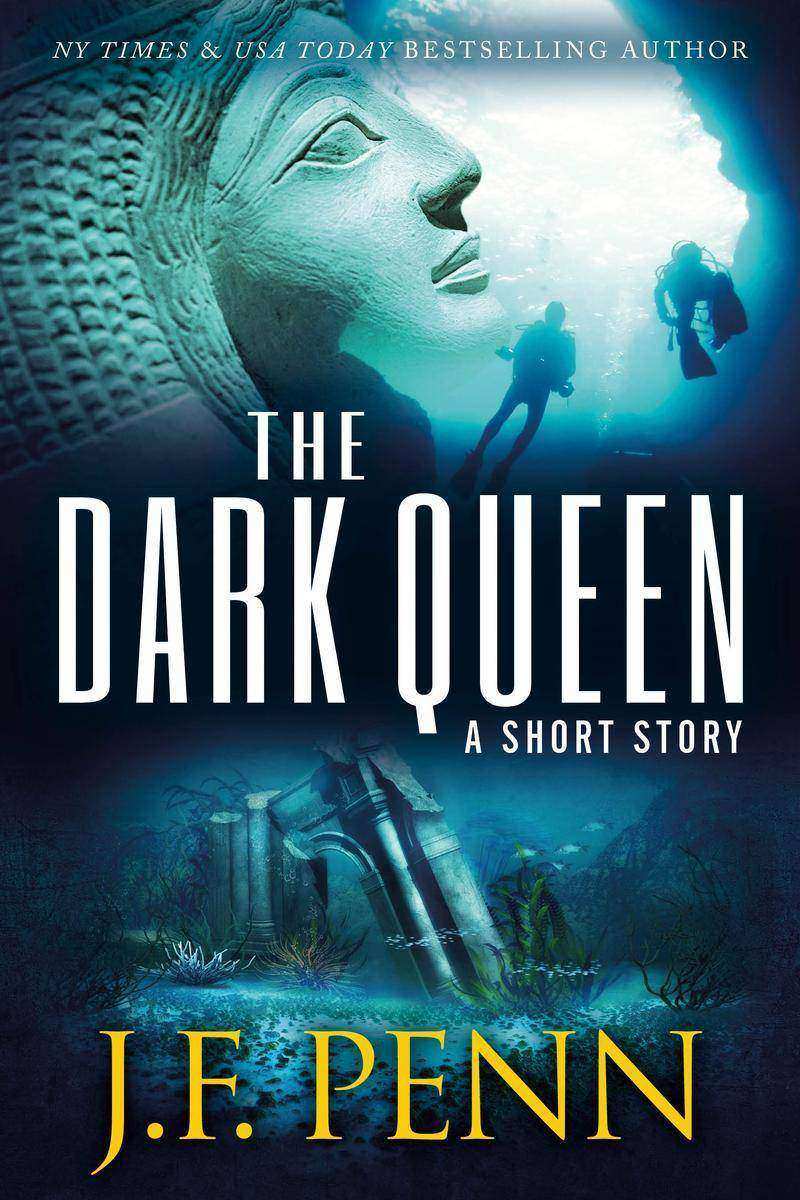
The Dark Queen: A supernatural short story
¥8.09
A sunken city. A lost goddess … and the woman who longs to find her. Lara is part of a dive team exploring the sunken city of Thonis-Heraklion off the north coast of Egypt. When a storm threatens the site, there's only time for one last dive and Lara is determined to be on it – even if it means diving with the man who threatened her this summer. Because The Dark Queen is down there and Lara intends to find her before it's too late ... Sink beneath the waves in this supernatural short story from New York Times and USA Today bestselling author, J.F.Penn
Put* el que no lo lea
¥49.60
"El título de este libro tiene el propósito de picar tu ego, si te ofende en lugar de hacerte reír, estás regalándome tu poder y si te reíste sabes que el título no explica nada sobre el contenido del libro. El contenido del libro es muy práctico y está enfocado en mejorar tu calidad de vida, en encontrar tu don y saber usarlo en el sistema capitalista. En realidad puedo ser soez y grosero, pero si una palabra te afecta, no sabes realmente de qué estás hecho. Las palabras no son malas, dependen de la intención que hay atrás.? Lo que puedo hacer es ayudarte a decidir quién eres, a qué vienes al mundo, que disfrutes y tengas creencias que te den una mejor calidad de vida. Es un libro que me tomó varios a?os escribir y a ti te tomará muy poco tiempo leer si lo que buscas es saber quién eres. En este libro hablo desde lo filosófico hasta lo más práctico. Descubrir tu don y cómo vivir bien en este sistema no tiene que ser tan difícil pero el primer paso es cuestionar tus creencias."
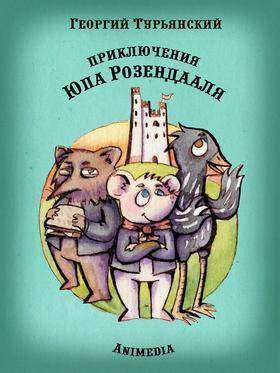
Приключения Юпа Розендааля
¥15.18
Повесть ?Приключения Юпа Розендааля? задумывалась как увлекательная детская сказка. Действие сказки?разворачивается в Германии, на реально существующем необитаемом острове ?Мышиной башни?, что в среднем течении Рейна. Цель книги — показать детям Добро и Зло, подвиги и трусость, бескорыстие и жадность. В ?Приключениях? автор пытался избежать двух бед многих современных книг: полного отсутствия нравственных ориентиров и, напротив, излишней назидательности. Сюжет книги по-настоящему увлекает, заставляет полностью окунуться в происходящее, а тем самым и задуматься над поступками героев, дать им свою оценку. Автору очень хотелось, чтобы его книга стала по-настоящему семейной. И, кажется, у него есть все основания рассчитывать на успех. Издательство Animedia Company желает вам приятного чтения.
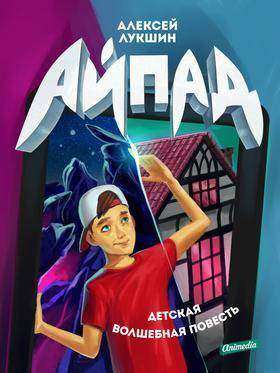
Айпад - Сказочная повесть - Сказки для подростков
¥15.18
Айпад — это современная сказочная повесть популярного автора Алексея Лукшина, написанная им про и для подростков. Это книга о приключениях, о полном чудес мире детства и о настоящей дружбе. Волшебник Моцарт, попавший к нам из параллельного мира через планшет Гошкиного отца, многому учится у главного героя, но и Гошка тоже узнает от Моцарта немало нового. Становясь всё более закадычными друзьями с каждой новой главой, вместе они принимают участие в велосипедном заезде, находят способ проучить хулигана и помогают ребятам отказаться от сигарет, которые им предлагает старший товарищ. Эта книга не даст заскучать, а происходящее в ней не раз вызовет на лицах широкую улыбку. Издательство Animedia Company желает вам приятного чтения.

?nainte s? te cunosc
¥68.34
Lou Clark ?tie o mul?ime de lucruri. ?tie c??i pa?i sunt de la sta?ia de autobuz p?n? acas?. ?tie c? ?i place s? lucreze la ceain?ria The Buttered Bun ?i c? s-ar putea s? nu fie ?ndr?gostit? de iubitul ei, Patrick. Ceea ce Lou nu ?tie este c? e pe cale s?-?i piard? locul de munc? ?i c? via?a ei r?m?ne normal? doar pentru c? e, ?n esen??, previzibil?. Will Traynor ?tie c? accidentul de motociclet? pe care l-a suferit l-a f?cut s?-?i piard? dorin?a de a tr?i. ?tie c? totul i se pare acum insignifiant ?i lipsit de bucurie ?i ?tie totodat? ?i cum s? pun? cap?t acestei st?ri de lucruri. Ceea ce Will nu ?tie este c? Lou e pe cale s?-?i fac? apari?ia ?n lumea lui ?ntr-o explozie de culoare. ?i nici unul dintre ei nu ?tie c? urmeaz? s? schimbe destinul celuilalt pentru totdeauna. ?nainte s? te cunosc e o poveste de dragoste pentru genera?ia de azi, despre o iubire nea?teptat? ?ntre doi oameni care nu au nimic ?n comun. O carte romantic? ?i imprevizibil?, care ?i va provoca pe cititori s? se ?ntrebe ce e de f?cut atunci c?nd, de dragul celui pe care ?l iube?ti, trebuie s?-?i sacrifici propria fericire. ?O nara?iune ingenioas?, cu personaje ?nc?nt?toare. O poveste dulce-am?ruie despre dragoste ?i renun?are. O lectur? extraordinar?.“ – Daily Mail Carte v?ndut? ?n peste 6 milioane de exemplare

O aventur? secret?. Seria Huxtable
¥7.36
La v?rst? de nou?sprezece ani, Hannah Reid a devenit ducesa de Dunbarton. Un deceniu mai t?rziu, dup? moartea so?ului ei, mai frumoas? ca niciodat?, este ?n sf?r?it liber? ?i bogat?. Ca s?-?i ?ocheze cunoscu?ii conven?ionali, inten?ioneaz? s? guste din pl?cerile interzise ale vie?ii ?i s?-?i ia un amant. Dar nu orice amant, ci pe ?nsu?i Constantine Huxtable, cel mai periculos, dar ?i cel mai atr?g?tor b?rbat din lumea bun? londonez?. Faptul c? na?terea lui a fost considerat? ilegitim? i-a r?pit lui Constantine titlul de conte. ?i de?i i s-a refuzat astfel pe nedrept intrarea ?n r?ndurile aristocra?iei, Constantine nu-?i refuz? nimic, c?nd vine vorba de deliciile vie?ii. Se zvone?te c? re?edin?a lui de la ?ar? este martora unor nop?i fierbin?i, iar v?duvele sunt ?inta lui cu predilec?ie pentru aventurile care nu ?in mai mult de un sezon. Ducesa de Dunbarton pare s? se potriveasc? perfect rolului, fiind singur?, v?duv?, independent? ?i aparent superficial? ?i vanitoas?. Dar oare a?a s? fie? C?ci odat? ce aceste dou? fiin?e pasionale ?i scandaloase se ?nt?lnesc, descoper? c? nu este deloc u?or s? ?ncerce fl?c?rile dorin?ei... f?r? s? cad? ?n mrejele iubirii.
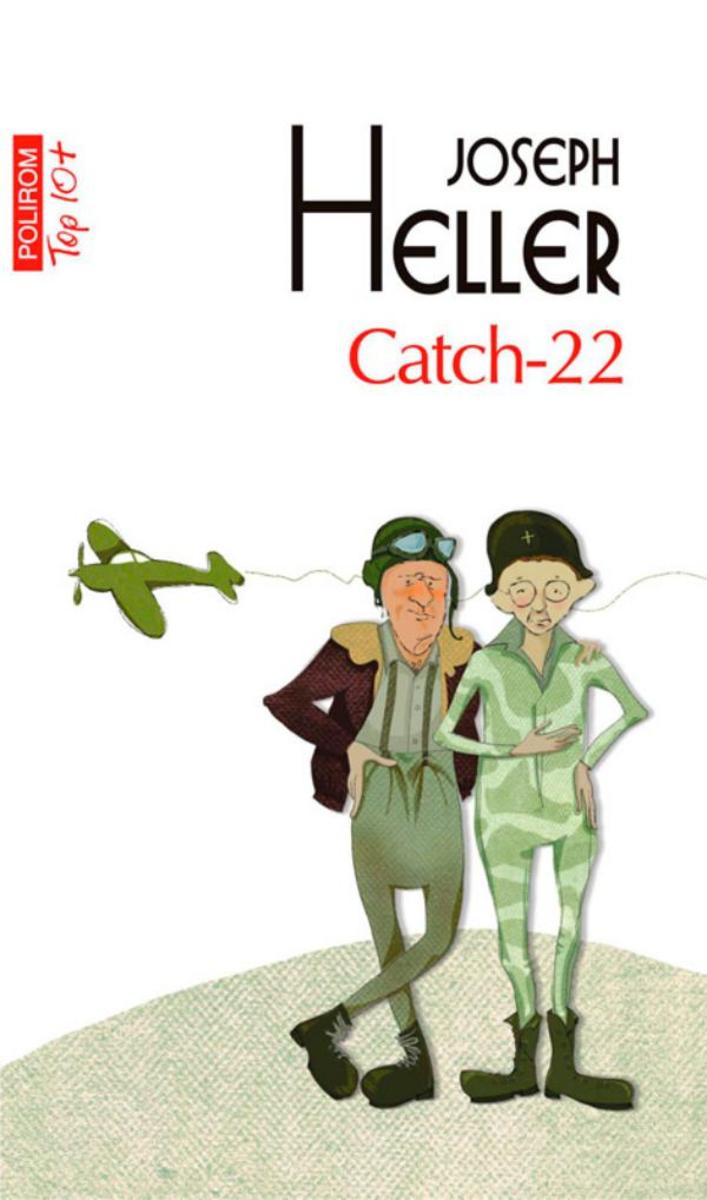
Catch-22
¥65.32
Ac?iunea romanului Catch-22 se concentreaz? asupra evenimentelor dintr-o baz? militar? american? fictiv?, ?n ultimele luni ale celui de-al Doilea R?zboi Mondial. Neobi?nuitul protagonist al pove?tii este Yossarian, un erou de o inventivitate ?i o energie inepuizabile, hot?r?t s? supravie?uiasc? r?zboiului cu orice pre?. Romanul oscileaz? ?ntre comic ?i teroare cu o u?urin?? fenomenal?, explor?nd ingenios absurdul existen?ei ?ntr-un mediu ?n care oamenii au ?ncetat s?-?i mai vorbeasc?. Birocra?ia ?i autismul sunt acum la ordinea zilei, ca ?i violen?a ?i amenin?area mor?ii, iar p?strarea judec??ii ?i a sim?ului realit??ii necesit? eforturi aproape supraomene?ti.
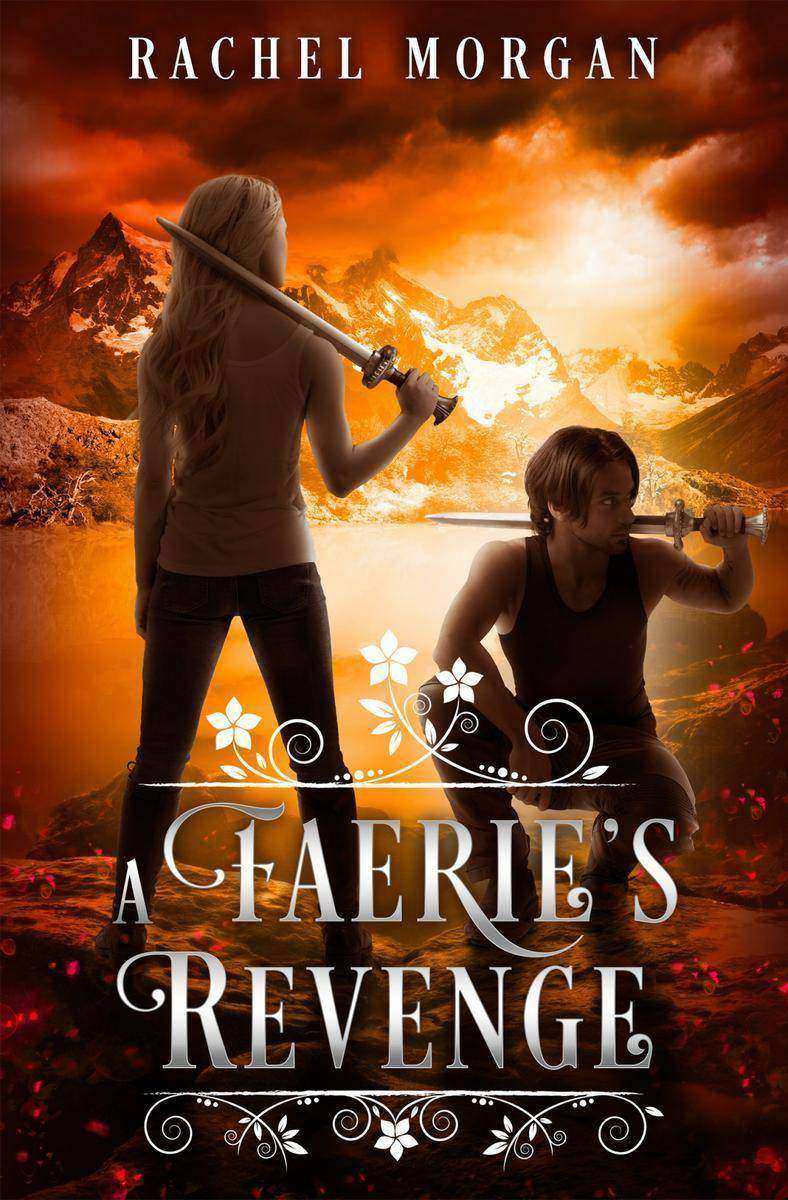
A Faerie's Revenge
¥40.79
Plot twists, action and excitement will keep you turning the pages of this bestselling YA fantasy! Still reeling from a shocking revelation, guardian trainee Calla Larkenwood finds the threads of her world unraveling further when she's accused of a horrifying crime she didn't commit: A deadly magical disease has entered the Guild, threatening to wipe out every guardian--and someone is intent on framing Calla for it. With the Guild Council focusing their investigation on her instead of searching for the real criminal, Calla watches her dream of becoming a guardian rapidly slipping away. Time is running out. As the lines between good and bad, right and wrong, begin to blur, whom can she turn to for help? Perfect for fans of The Mortal Instruments, The Iron Fey, and Graceling.
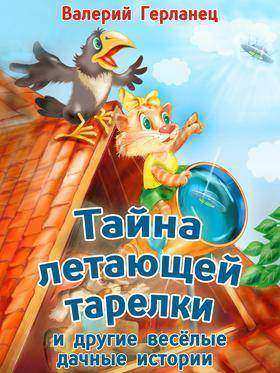
Тайна летающей тарелки и другие весёлые дачные истории - Иллюстрированные сказки
¥15.18
Эта невероятно весёлая повесть адресована дошкольникам и младшим школьникам, а также педагогам, воспитателям, родителям и родителям родителей. Она состоит из нескольких самостоятельных глав, рассказывающих о похождениях двух дачных обитателей – щенка Борьки и его закадычной подружки киски Лариски как на самой даче, так и в её окрестностях. В каждой главе хвостатые герои обязательно ?влипают? в?какую-нибудь авантюрную историю или узнают для себя что-то новое и полезное. Сделав героями повести щенка и киску, автор, конечно же, имел в виду мальчишку и девчонку – двух любопытных непосед, ребят типа ?хочу всё знать?, для которых дача – распахнутое настежь окно в окружающий мир – прекрасный, подчас опасный, однако безумно интересный. Так, например, в первой истории мама щенка Борьки открывает школу и начинает обучать сына и других обитателей дачи читать и считать. Во второй истории щенок и киска отправляются на поиски страшного чудища, которое вдруг появилось на ближайшем пруду. А в третьей главные герои попадают в западню… Впрочем, не будем пересказывать все весёлые и познавательные истории, вошедшие в эту книжку, а то читать её будет совсем неинтересно. ?Тайна летающей тарелки? является переизданием вышедшей ранее книги ?Чудовище из пруда?. Издательство Animedia Company желает вам приятного чтения.
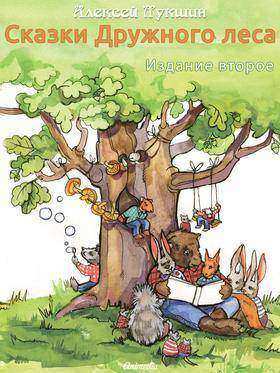
Сказки Дружного леса:Иллюстрированное издание
¥15.18
Представляем вам красочный сборник сказок для детей автора Алексея Лукшина. В книге собраны десять поучительных и волшебных историй о приключениях жителей Дружного леса: Ёжика-путешественника, зайца Турбо, волка Прямой хвост и других забавных зверят. Главной задачей автора при написании этой книги было научить детей дружбе, гуманному отношению друг к другу, умению из всего делать праздник и создавать хорошее настроение. И все это без лишнего морализаторства. Все сказки представлены в виде коротких и смешных историй. Книга будет интересна и взрослым читателям, которые с ее помощью смогут вернуться в мир детства, из которого мы все вышли. ?Сказки дружного леса? были изданы Animedia Company в формате аудио-книги, а также на английском языке.
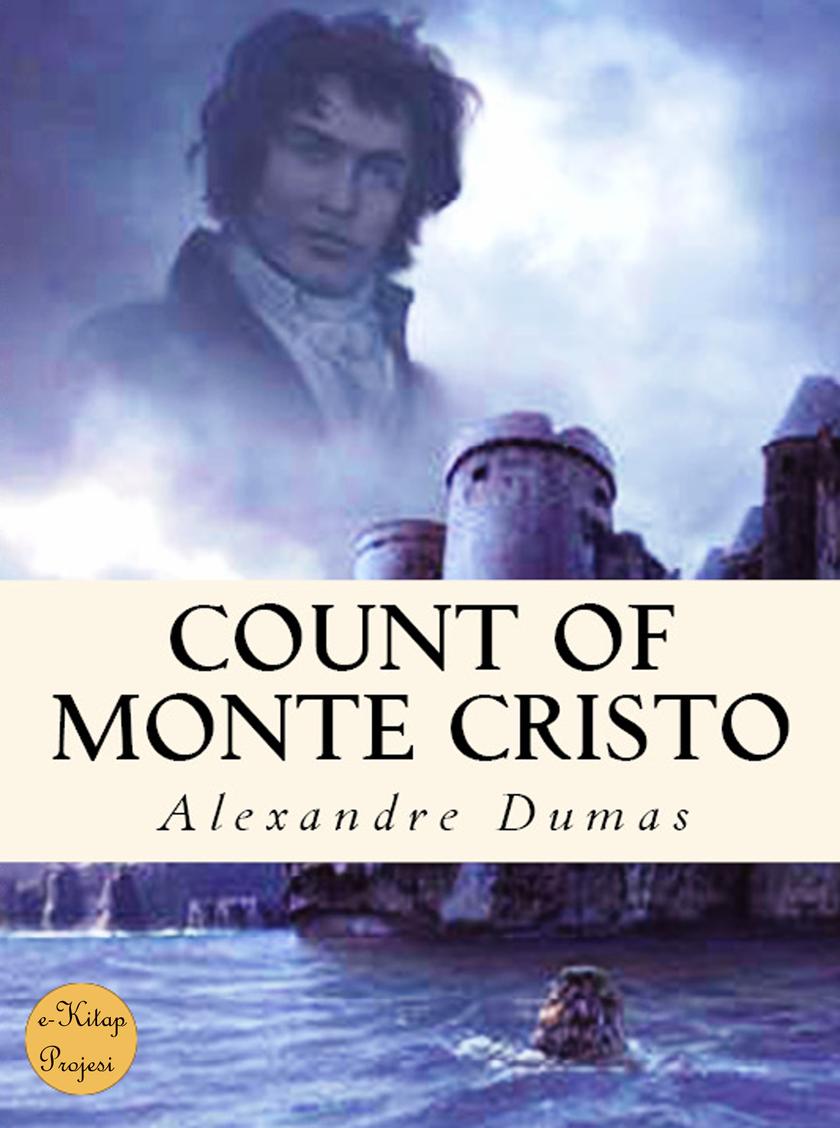
Count of Monte Cristo:{Complete & Illustrated}
¥28.04
The Count of Monte Cristo (is an adventure novel by French author Alexandre Dumas. Completed in 1844, it is one of the author's most popular works, along with The Three Musketeers. The story takes place in France, Italy, islands in the Mediterranean, and in the Levant during the historical events of 1815–1838. It begins from just before the Hundred Days period (when Napoleon returned to power after his exile) and spans through to the reign of Louis-Philippe of France. The historical setting is a fundamental element of the book. An adventure story primarily concerned with themes of hope, justice, vengeance, mercy and forgiveness, it focuses on a man who is wrongfully imprisoned, escapes from jail, acquires a fortune and sets about getting revenge on those responsible for his imprisonment. However, his plans have devastating consequences for the innocent as well as the guilty. The book is considered a literary classic today. According to Luc Sante, "The Count of Monte Cristo has become a fixture of Western civilization's literature, as inescapable and immediately identifiable as Mickey Mouse, Noah's flood, and the story of Little Red Riding Hood." Chapter 1. Marseilles—The Arrival. "On the 24th of February, 1815, the look-out at Notre-Dame de la Garde signalled the three-master, the Pharaon from Smyrna, Trieste, and Naples. As usual, a pilot put off immediately, and rounding the Chateau d'If, got on board the vessel between Cape Morgion and Rion island. Immediately, and according to custom, the ramparts of Fort Saint-Jean were covered with spectators; it is always an event at Marseilles for a ship to come into port, especially when this ship, like the Pharaon, has been built, rigged, and laden at the old Phocee docks, and belongs to an owner of the city..." The ship drew on and had safely passed the strait, which some volcanic shock has made between the Calasareigne and Jaros islands; had doubled Pomegue, and approached the harbor under topsails, jib, and spanker, but so slowly and sedately that the idlers, with that instinct which is the forerunner of evil, asked one another what misfortune could have happened on board. However, those experienced in navigation saw plainly that if any accident had occurred, it was not to the vessel herself, for she bore down with all the evidence of being skilfully handled, the anchor a-cockbill, the jib-boom guys already eased off, and standing by the side of the pilot, who was steering the Pharaon towards the narrow entrance of the inner port, was a young man, who, with activity and vigilant eye, watched every motion of the ship, and repeated each direction of the pilot. The vague disquietude which prevailed among the spectators had so much affected one of the crowd that he did not await the arrival of the vessel in harbor, but jumping into a small skiff, desired to be pulled alongside the Pharaon, which he reached as she rounded into La Reserve basin. When the young man on board saw this person approach, he left his station by the pilot, and, hat in hand, leaned over the ship's bulwarks. He was a fine, tall, slim young fellow of eighteen or twenty, with black eyes, and hair as dark as a raven's wing; and his whole appearance bespoke that calmness and resolution peculiar to men accustomed from their cradle to contend with danger. "Ah, is it you, Dantes?" cried the man in the skiff. "What's the matter? and why have you such an air of sadness aboard?" "A great misfortune, M. Morrel," replied the young man,—"a great misfortune, for me especially! Off Civita Vecchia we lost our brave Captain Leclere." "And the cargo?" inquired the owner, eagerly. "Is all safe, M. Morrel; and I think you will be satisfied on that head. But poor Captain Leclere—""What happened to him?" asked the owner, with an air of considerable resignation. "What happened to the worthy captain?" "He died." "Fell into the sea?" "No, sir, he died of brain-fever in dreadful agony."

Soup Cookbook:Delicious Soup And Stews Recipes
¥0.01
There's no better way to cultivate community, foster friendship, or simply nourish family than over heartwarming bowls of homemade soup. If you're looking for delicious everyday soup recipes to help satisfy your family and your budget, this cookbook is for you. If you're looking for delicious everyday soup recipes to help satisfy your family and your budget, this cookbook is for you. This book is a compilation of a wide variety of soup recipes from different countries in the world. It represents the culinary culture of each place of origin with the use of different tastes and combinations of ingredients, although these recipes are flexible and can be adjusted to your likes. Have any of these statements ever crossed your mind? I don't have enough time to cook. I don't know where to start or what to do. It just takes too long to make my own food. Cooking is just too complicated! (This is a myth Your Problems Have Been Solved --gt; EASY, STEP-BY-STEP RECIPES This simple and easy recipe book will help you... Save time and money Have more Homemade soups Learn how to make food and cook with 'how-to' recipes and instructions
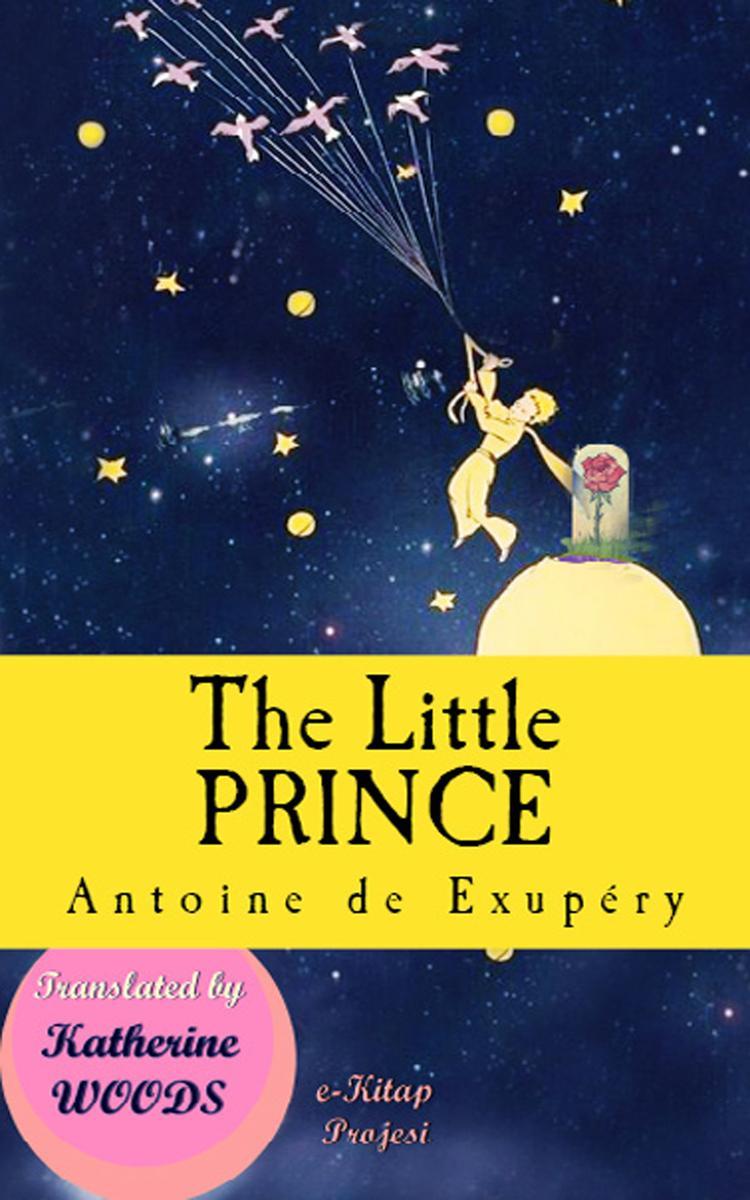
The Little Prince Illustrated Edition
¥18.74
The Little Prince [Le Petit Prince], is a novella and the most famous work of the French aristocrat, writer, poet and pioneering aviator Antoine de Saint-Exupéry (1900–1944). The novella is both the most-read and most-translated book in the French language, and was voted the best book of the 20th century in France. After the outbreak of the Second World War Saint-Exupéry became exiled in North America. In the midst of personal upheavals and failing health, he produced almost half of the writings for which he would be remembered, including a tender tale of loneliness, friendship, love and loss, in the form of a young prince fallen to Earth. An earlier memoir by the author had recounted his aviation experiences in the Sahara Desert, and he is thought to have drawn on those same experiences in The Little Prince. Since its first publication in the United States, the novella has been adapted to numerous art forms and media, including audio recordings, radio plays, live stage, film screen, television, ballet, and operatic works. ? ?The Little Prince is a poetic tale, with watercolour illustrations by the author, in which a pilot stranded in the desert meets a young prince fallen to Earth from a tiny asteroid. The story is philosophical and includes social criticism, remarking on the strangeness of the adult world. It was written during a period when Saint-Exupéry fled to North America subsequent to the Fall of France during the Second World War, witnessed first hand by the author and captured in his memoir Flight to Arras. The adult fable, according to one review, is actually "...an allegory of Saint-Exupéry's own life--his search for childhood certainties and interior peace, his mysticism, his belief in human courage and brotherhood.... but also an allusion to the tortured nature of their relationship." ? ?Though ostensibly styled as a children's book, The Little Prince makes several observations about life and human nature. For example, Saint-Exupéry tells of a fox meeting the young prince during his travels on Earth. The story's essence is contained in the lines uttered by the fox to the little prince: On ne voit bien qu'avec le c?ur. L'essentiel est invisible pour les yeux. ("One sees clearly only with the heart. What is essential is invisible to the eyes.") Other key thematic messages are articulated by the fox, such as: Tu deviens responsable pour toujours de ce que tu as apprivoisé. ("You become responsible, forever, for what you have tamed.") and C'est le temps que tu as perdu pour ta rose qui fait ta rose si importante. ("It is the time you have lost for your rose that makes your rose so important.") The fox's messages are arguably the book's most famous quotations because they deal with human relationships. ABOUT AUTHOR: Antoine de Saint-Exupéry, officially Antoine Marie Jean-Baptiste Roger, comte de Saint Exupéry (29 June 1900 – 31 July 1944) was a French aristocrat, writer, poet, and pioneering aviator. He became a laureate of several of France's highest literary awards and also won the U.S. National Book Award. He is best remembered for his novella The Little Prince (Le Petit Prince) and for his lyrical aviation writings, including Wind, Sand and Stars and Night Flight Saint-Exupéry was a successful commercial pilot before World War II, working airmail routes in Europe, Africa and South America. At the outbreak of war, he joined the French Air Force (Armée de l'Air), flying reconnaissance missions until France's armistice with Germany in 1940. After being demobilised from the French Air Force, he travelled to the United States to persuade its government to enter the war against Nazi Germany. Following a 27-month hiatus in North America, during which he wrote three of his most important works, he joined the Free French Air Force in North Africa, although he was far past the maximum age for such pilots and in declining health. He disappeared over the Mediterranean on his last assigned reconnaissance mission in July 1944, and is believed to have died at that time.
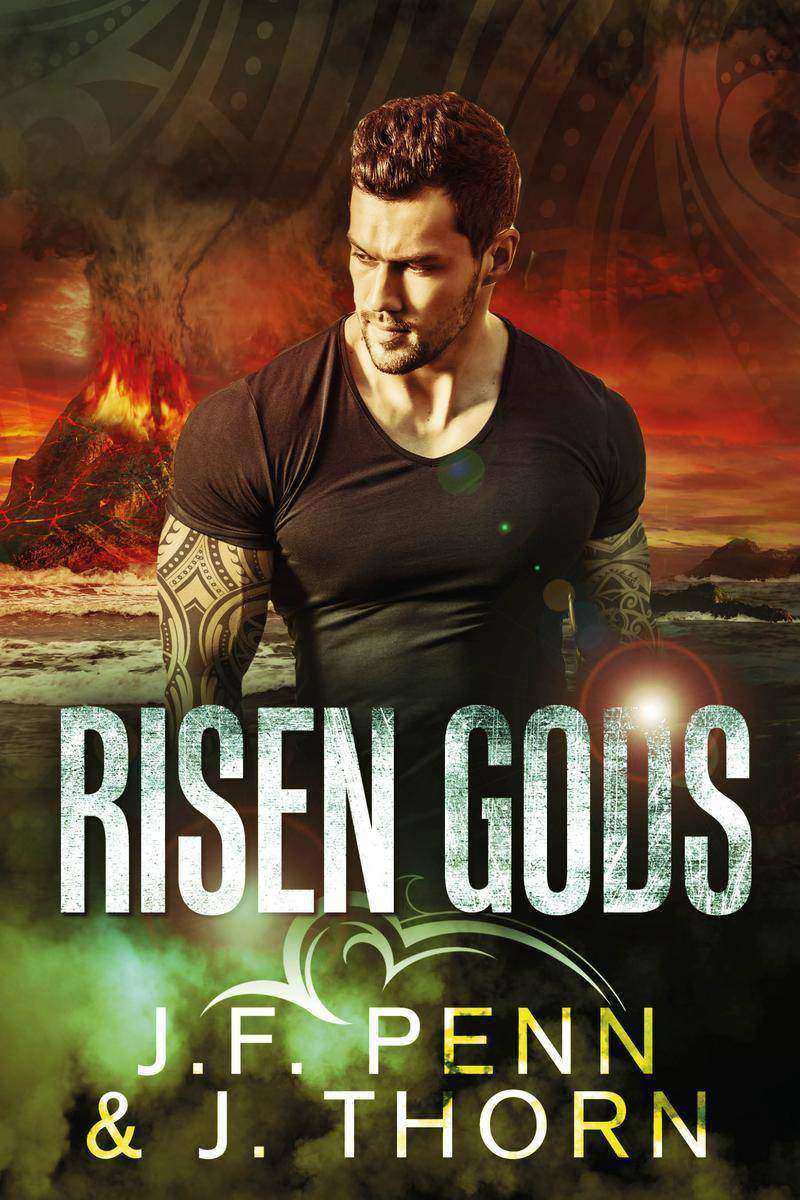
Risen Gods
¥40.79
"It doesn't matter what you believe. The time is here. They are coming. After so long, the gods are rising again." Ben Henare turned away from the gods of his ancestors to follow his own path, choosing the modern world over myths of demons and monsters. But when New Zealand is shaken by earthquakes and dark powers are released, Ben must fight his way north through ice caves and oceans, battling the evil god Whiro and the creatures of the earth and sky. Lucy Campion is a trainee doctor, a rational scientist with no belief in demons. When her parents are killed and her sister is threatened, Lucy is tasked with carrying an ancient talisman north to where the oceans meet. But both human and supernatural foes stand in her way. As the people they love are threatened and New Zealand begins to crumble, can Ben and Lucy find each other again and save the country from the wrath of the Risen Gods? Risen Gods is a fast-paced, urban fantasy adventure set in Aotearoa/New Zealand, rich with Maori mythology of gods and goddesses, demons and devils. If you enjoy supernatural thrillers, download a sample or buy now. From New York Times and USA Today bestselling supernatural thriller author J.F.Penn, and dark fantasy author, J. Thorn, comes a stand-alone novel of demons, monsters, and Risen Gods.
Women, Minorities, Media and the 21st Century
¥1226.25
About The Book It is a book about gender, race and media from a social science perspective. It is grounded in gender-role-acquisition theory, feminist theory and racial identity theory. It includes discussion of socialization forces other than media and chapters devoted to the coverage of women and minorities in various media and the experience of women and minorities working in media. The text is aimed at upper-level undergraduates and graduate students.
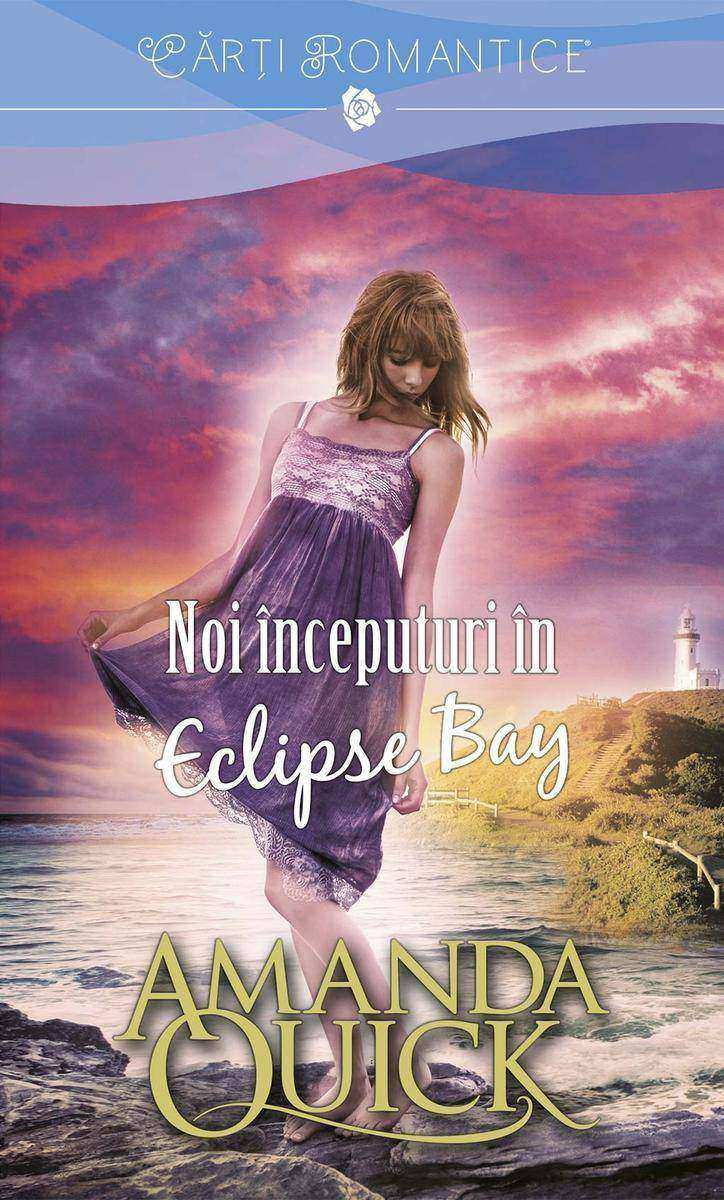
Noi ?nceputuri ?n Eclipse Bay. Seria Eclipse Bay
¥7.36
Lucrurile au fost dintotdeauna complicate ?ntre membrii familiilor Harte ?i Madison. Conflictul care i-a transformat ?n du?mani dureaz? de genera?ii ?ntregi. De?i se spune c? nunta lui Hannah Harte cu Rafe Madison va ?mbun?t??i situa?ia, la doar c?teva luni dup? fericitul eveniment, sora ei, Lilian, ?i fratele lui, Gabe, nu sunt deloc de aceea?i p?rere. Directorul executiv Gabe Madison a insistat s? devin? clientul agen?iei de matrimoniale a lui Lillian Harte, pentru a-?i g?si sufletul pereche. Dar Lilian ajunge rapid la cap?tul r?bd?rii, dup? ce cinci ?nt?lniri pe care i le aranjeaz? lui Gabe se dovedesc a fi ni?te e?ecuri r?sun?toare. Dac? nu s-ar fi hot?r?t deja s?-?i ?nchid? afacerea ?i s? se mute acas?, ?n Eclipse Bay, pentru a se dedica pasiunii sale de a picta, Gabe ar fi f?cut-o cu siguran?? s? se decid? rapid. C?nd ?ns? Lilian c?nd se treze?te cu el ?n pragul u?ii, cer?ndu-i s?-?i respecte contractul semnat, sc?nteile dintre ei se transform? brusc ?n atrac?ie necontrolat?. ?nc? o dat?, Eclipse Bay va fi martorul unui spectacol fascinant – dintre un Madison ?nc?p???nat ?i o irezistibil? reprezentant? a familiei Harte…

Oamenii ferici?i citesc ?i beau cafea
¥65.32
A plecat din Paris s? se uite pe sine. Dragostea pe care o va ?nt?lni va schimba totul.Povestea lui Diane ?ncepe ?n mod brutal cu moartea so?ului ?i a feti?ei sale, eveniment care o arunc? ?n cea mai cumplit? depresie. Totul se opre?te ?n loc, ?n afar? de inima ei, care continu? s? bat?. Cu ?nc?p???nare. Dureros. Zadarnic.C?nd cel mai bun prieten ?i asociat ?n mica afacere cu o cafenea literar? la Paris, Felix, ?i propune o c?l?torie ca ?nceput pentru o nou? via??, Diane alege s? ?ndeplineasc? o mai veche dorin?? a fostului ei so? ?i se refugiaz? departe de lume, ?ntr-o mic? a?ezare din Irlanda.O ?nt?lnire nea?teptat? cu un b?rbat taciturn o face pe Diane s? vad? din nou lumea cu ?ncredere ?i cu for?? reg?sit?.?Aceast? poveste despre ?mp?carea cu sine con?ine dialoguri conving?toare ?i e spus? ?ntr-un stil simplu, nepreten?ios, av?nd chiar ?i accente de umor.“ – Le ParisienProfund ?i emo?ionant, romanul lui Agnès Martin-Lugand sondeaz? cu luciditate cea mai cumplit? tragedie din via?a unui om. O carte care te marcheaz?.“ – Susan Wiggs??n ?ntuneric, am mers pe urmele lor, ?n ?nc?perea ?n care ne reuneam. Colin venea spre mine, eu ?i desf?ceam cravata, el m? s?ruta, Clara ne desp?r?ea, cinam, Colin o culca pe fiica noastr?, dup? care r?m?neam am?ndoi, cu siguran?a de a o ?ti pe Clara la c?ldur? ?n patul ei, cu degetul mare ?n gur?.Am realizat c? apartamentul nostru nu mai exista, ?mi dorisem s? r?m?n acolo ca s? p?strez totul neatins, dar gre?isem. Nu mai erau dosare, zgomotul cheii ?n u??, alerg?turi pe parchet. Nu aveam s? mai revin niciodat? aici.“

Vegan Diet Vegan Diet Cookbook
¥0.01
Vegan Diet has always been something superb. Whatever your reasons are for integrating vegan food to your life, Love Vegan will inspire you to cook beautiful authentic and traditional Mexican meals for all occasions, every night of the week. All recipes are designed to take no longer than 30 minutes preparation time No ‘artificial vegan meat’ or hard to find ingredients. All recipes are made up of ingredients that you would commonly have in your pantry or can easily find at your local supermarket. Authentic and traditional dishes which have been carefully refined to not include animal products yet still retain the taste, texture and flavor of your favorites.

Spune-mi ca ma iubesti
¥7.36
O reputa?ie nep?tat? sau dragostea adev?rat?? Alegerea nu a fost niciodat? mai dificil?... R?mas? f?r? nici un venit – al?turi de familia sa care este pe cale s?-?i piard? c?minul din pricina datoriilor ?i icircntr-o stare de disperare crunt?, Kelsey Langton icirc?i d? seama c? doar l?sacircndu-se vacircndut? la o licita?ie poate salva viitorul surorii sale. Astfel, nobila macircndr? ?i dezn?d?jduit? intr? renumita Cas? a lui Eros, resemn acircndu-se s? devin? juc?ria favorit? a unui lord icircnst?rit ?i s? fie la dispozi?ia lui cacirc;t timp acesta avea s-o doreasc? iar Lord Derek Malory este b?rbatul care ofer? suma cea mai mare pentru a deveni unicul proprietar al farmecelor lui Kelsey. Un crai chipe? ?i un renumit burlac convins, Derek o atrage icircn curacirc nd pe senzuala ?i inocenta fecioar? icirc;ntr-o lume de pl?ceri neb?nuite ?i de rivalit??i primejdioase. ?i, ca vreunul din ei s?-?i fi propus, gra?ia, inteligen?a ?i frumuse?ea ei icircl ispitesc pe noul st?pacircn s? renun?e la via?a de huzur ?i pierzanie ?i s? parieze tot ce are pe dragostea adev?rat?.


