


 购物车
购物车 个人中心
个人中心
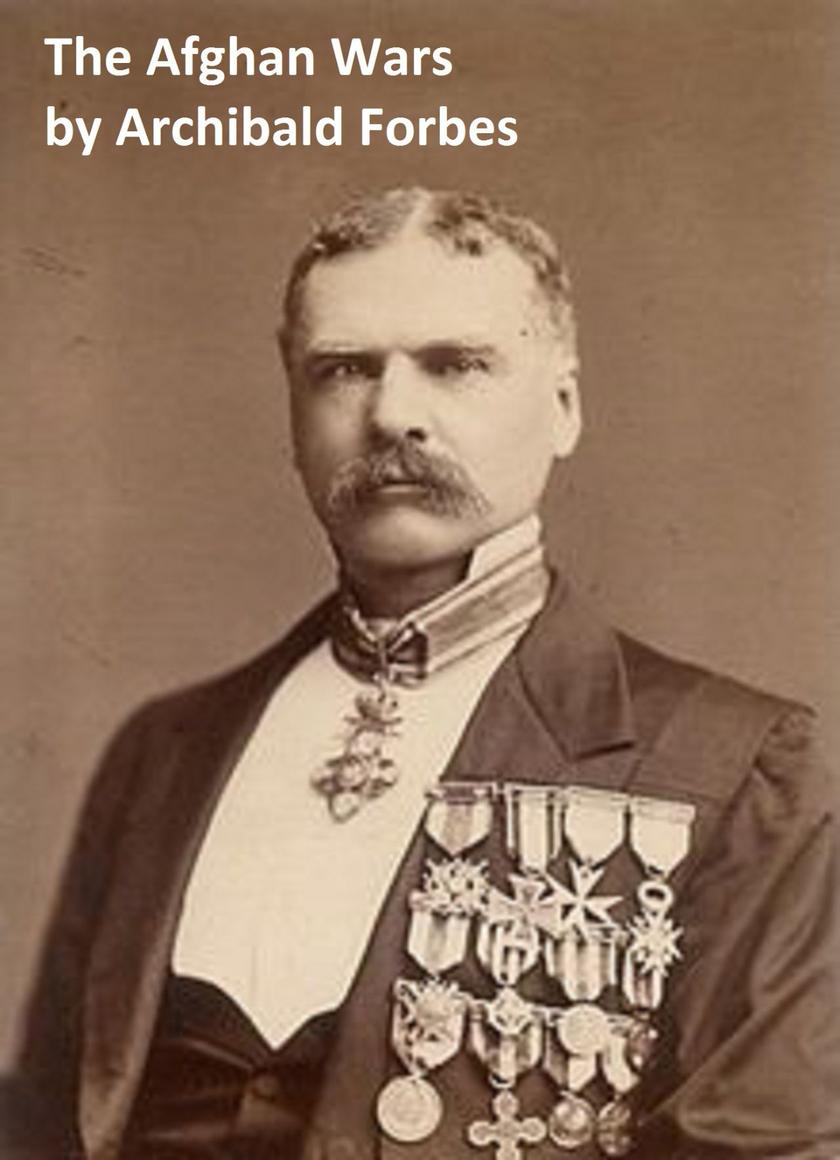
The Afghan Wars
¥8.09
First published in 1892. The book begins: "Since it was the British complications with Persia which mainly furnished what pretext there was for the invasion of Afghanistan by an Anglo-Indian army in 1839, some brief recital is necessary of the relations between Great Britain and Persia prior to that aggression..."
The Histories
¥8.09
According to Wikipedia: "Publius (or Gaius) Cornelius Tacitus (c. AD 56 – after 117) was a senator and a historian of the Roman Empire. The surviving portions of his two major works—the Annals and the Histories—examine the reigns of the Roman Emperors Tiberius, Claudius, Nero, and those who reigned in the Year of the Four Emperors (AD 69). These two works span the history of the Roman Empire from the death of Augustus in AD 14 to the years of the First Jewish–Roman War in AD 70. There are substantial lacunae in the surviving texts, including a gap in the Annals that is four books long. Other writings by him discuss oratory (in dialogue format, see Dialogus de oratoribus), Germania (in De origine et situ Germanorum), and the life of his father-in-law, Agricola, the Roman general responsible for much of the Roman conquest of Britain, mainly focusing on his campaign in Britannia (De vita et moribus Iulii Agricolae). Tacitus is considered to be one of the greatest Roman historians. He lived in what has been called the Silver Age of Latin literature. He is known for the brevity and compactness of his Latin prose, as well as for his penetrating insights into the psychology of power politics."
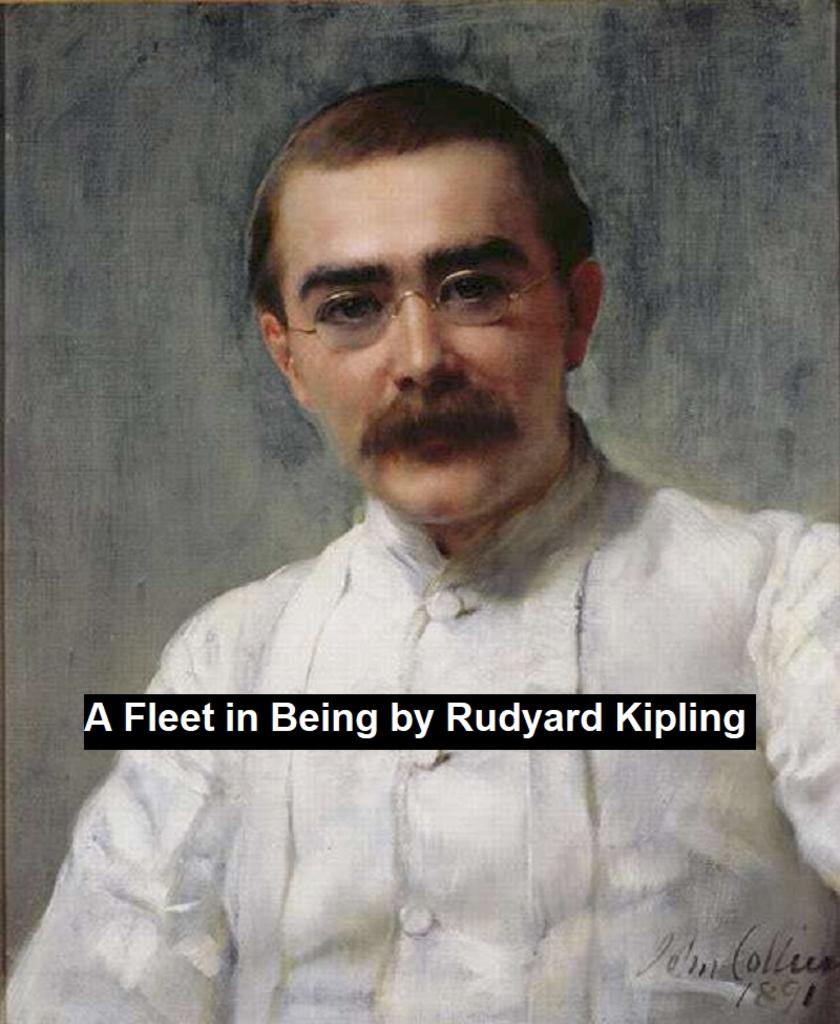
A Fleet in Being
¥8.09
Non-fiction account, first published in 1898. The book begins: " Some thirty of her Majesty’s men-of-war were involved in this matter; say a dozen battleships of the most recent, and seventeen or eighteen cruisers; but my concern was limited to one of a new type commanded by an old friend. I had some dim knowledge of the interior of a warship, but none of the new world into which I stepped from a Portsmouth wherry one wonderful summer evening in ’97." According to Wikipedia: "Joseph Rudyard Kipling (30 December 1865 – 18 January 1936) was an English short-story writer, poet, and novelist. He wrote tales and poems of British soldiers in India and stories for children."
History of the Wars and Conquests of Alexander the Great
¥8.09
According to Wikipedia: "Arrian of Nicomedia (c. AD c. 86 – c. 160) was a Greek historian, public servant, military commander and philosopher of the Roman period. The Anabasis of Alexander is perhaps his best-known work, and is generally considered one of the best sources on the campaigns of Alexander the Great. Its title and style are designed to evoke the Anabasis by Xenophon, for which reason Arrian became known by the surname Xenophon after the older author. Arrian's other works include Discourses of Epictetus and Indica."
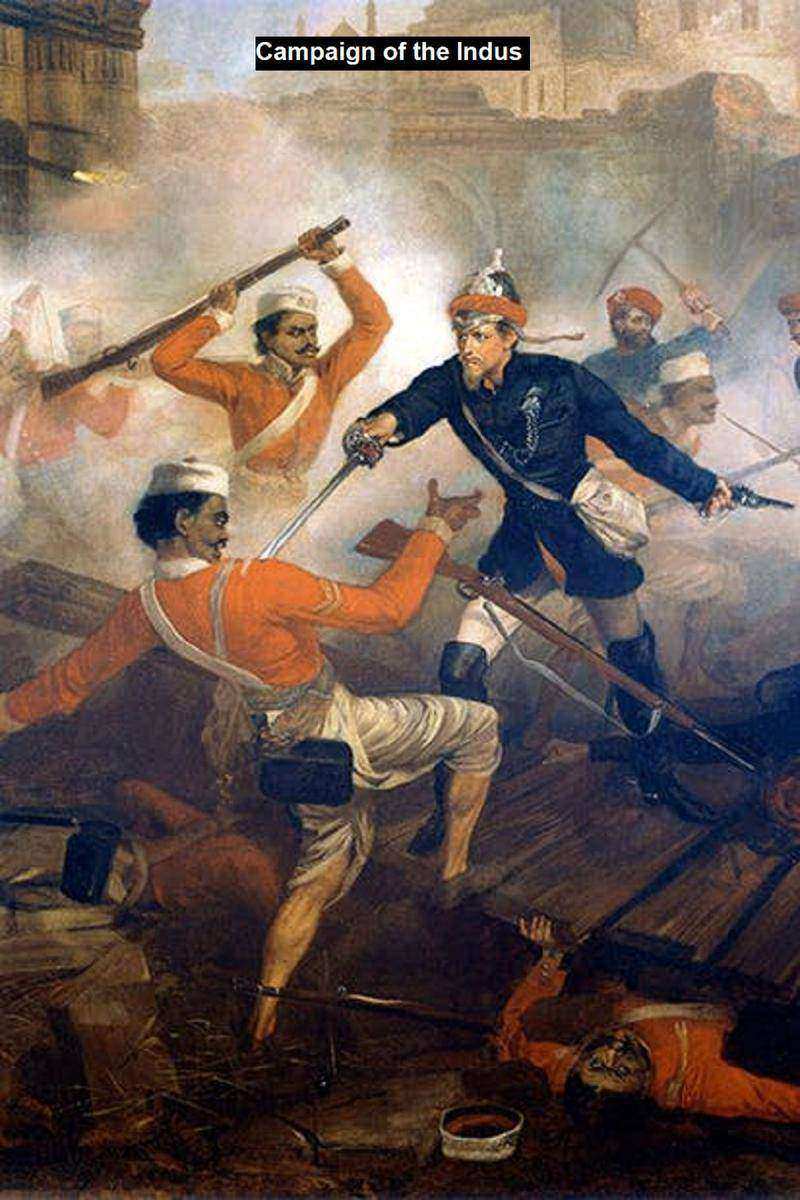
Campaign of the Indus
¥8.09
First published in 1840. According to the Introduction: "The circumstance of an English army penetrating into Central Asia, through countries which had not been traversed by European troops since Alexander the Great led his victorious army from the Hellespont to the Jaxartes and Indus, is so strong a feature in our military history, that I have determined, at the suggestion of my friends, to print those letters received from my son which detail any of the events of the campaign. As he was actively engaged with the Bombay division, his narrative may be relied upon so far as he had an opportunity of witnessing its operations; and it being my intention to have only a few copies printed, to give to those friends who may take an interest in his letters, I need not apologize for the familiar manner in which they are written, as they were intended by him only for his own family, without an idea of their being printed. A history, however, may be collected from them most honourable to the British soldiers, both Europeans and natives of India. They shew the patience with which, for more than twelve months, the soldiers bore all their deprivations and fatiguing marches through countries until then unknown to them, whether moving through arid sands or rocky passes, under a burning sun; or over desolate mountains, amidst the most severe frosts, with scarcely an interval of repose. Neither was their gallantry less conspicuous than their patience, when they had the good fortune to find an enemy who ventured to face them."

The Social Contract
¥8.09
According to Wikipedia: "Of The Social Contract, Or Principles of Political Right (Du contrat social ou Principes du droit politique; 1762) by Jean-Jacques Rousseau is a book in which Rousseau theorized about the best way to establish a political community in the face of the problems of commercial society, which he had already identified in his Discourse on Inequality (1754). The Social Contract helped inspire political reforms or revolutions in Europe, especially in France. The Social Contract argued against the idea that monarchs were divinely empowered to legislate; as Rousseau asserts, only the people, who are sovereign, have that all-powerful right... Jean-Jacques Rousseau (28 June 1712 – 2 July 1778) was a Genevan philosopher, writer, and composer of the 18th century. His political philosophy influenced the French Revolution as well as the overall development of modern political, sociological, and educational thought. Rousseau's novel Emile, or On Education is a treatise on the education of the whole person for citizenship. His sentimental novel Julie, or the New Heloise was of importance to the development of pre-romanticism and romanticism in fiction. Rousseau's autobiographical writings — his Confessions, which initiated the modern autobiography, and his Reveries of a Solitary Walker — exemplified the late 18th-century movement known as the Age of Sensibility, and featured an increased focus on subjectivity and introspection that later characterized modern writing. His Discourse on Inequality and The Social Contract are cornerstones in modern political and social thought."

The Winning of the West: all four volumes
¥8.09
Volume 1 - from the Alleghanies to the Mississippi 1769-1776; Volume 2 - from the Alleghanies to the Mississippi 1777-1783; Volume 3 -- The Founding of the Trans-Alleghany Commonwealths 1784-1790; Volume 4 - Louisiana and the Northwest 1791-1807. According to Wikipedia: "Theodore Roosevelt (October 27, 1858 – January 6, 1919), also known as T.R., and to the public (but never to friends and intimates) as Teddy, was the 26th President of the United States. A leader of the Republican Party and of the Progressive Party, he was a Governor of New York and a professional historian, naturalist, explorer, hunter, author, and soldier. He is most famous for his personality: his energy, his vast range of interests and achievements, his model of masculinity, and his "cowboy" image. Originating from a story from one of Roosevelt's hunting expeditions, teddy bears are named after him."
Institutes of the Christian Religion
¥8.09
According to Wikipedia: "John Calvin (né Jean Cauvin; 10 July 1509 – 27 May 1564) was an influential French theologian and pastor during the Protestant Reformation. He was a principal figure in the development of the system of Christian theology later called Calvinism. Originally trained as a humanist lawyer, he suddenly converted and broke from the Roman Catholic Church in the 1520s. After a violent uprising against Protestants in France, he was forced to flee to Basel, Switzerland, where in 1536 he published the first edition of his seminal work, Institutes of the Christian Religion. Calvin was invited by William Farel to help reform the church in Geneva. However, the city council resisted the implementation of Calvin and Farel's ideas and both were expelled. At the invitation of Martin Bucer, Calvin proceeded to Strasbourg where he became the minister of a church of French refugees. He continued to support the reform movement in Geneva, and was eventually invited back to lead its church. Following his return he introduced new forms of church government and liturgy, despite the opposition of several powerful families in the city who tried to curb his authority. During this period, Michael Servetus, a Spaniard known for his heretical views, arrived in Geneva. He was denounced by Calvin and executed by the city council. Following an influx of supportive refugees and new elections to the council, Calvin's opponents were forced out. He spent his final years promoting the Reformation both within Geneva and throughout Europe."
American Lutheranism
¥8.09
According to Wikipedia: "Lutheranism is a major branch of Western Christianity that identifies with the teachings of the sixteenth-century German Reformer Martin Luther. Luther's efforts to reform the theology and practice of the Catholic Church launched the Protestant Reformation and, through the reactions of his contemporaries, left Western Christianity divided. The split between Lutherans and the Roman Church of his time arose mainly over the doctrine of justification before God. Specifically, Lutheranism advocates a doctrine of justification "by grace alone through faith alone because of Christ alone," which varied from the Roman view of "faith formed by love", or "faith and works". Lutheranism is also distinct from the Reformed Churches, which arose during the Reformation. Unlike the Reformed Churches, Lutherans have retained many of the sacramental understandings and liturgical practices of the pre-Reformation Church. Lutheran theology differs considerably from Reformed theology in its understanding of divine grace and predestination to eternity after death."
Pulpit and Press
¥8.09
According to Wikipedia: "Mary Baker Eddy (born Mary Morse Baker July 16, 1821 – December 3, 1910) was the founder of the Christian Science movement. Deeply religious, she advocated Christian Science as a spiritual practical solution to health and moral issues. She wrote Science and Health with Key to the Scriptures, founded The First Church of Christ, Scientist of Boston in 1879, and several periodicals including The Christian Science Monitor. She took the name Mary Baker Glover from her first marriage and was also known as Mary Baker Glover Eddy or Mary Baker G. Eddy from her third marriage. She did much spiritual teaching, lecturing, and instantaneous healing. Her influence continues to grow through her writings."
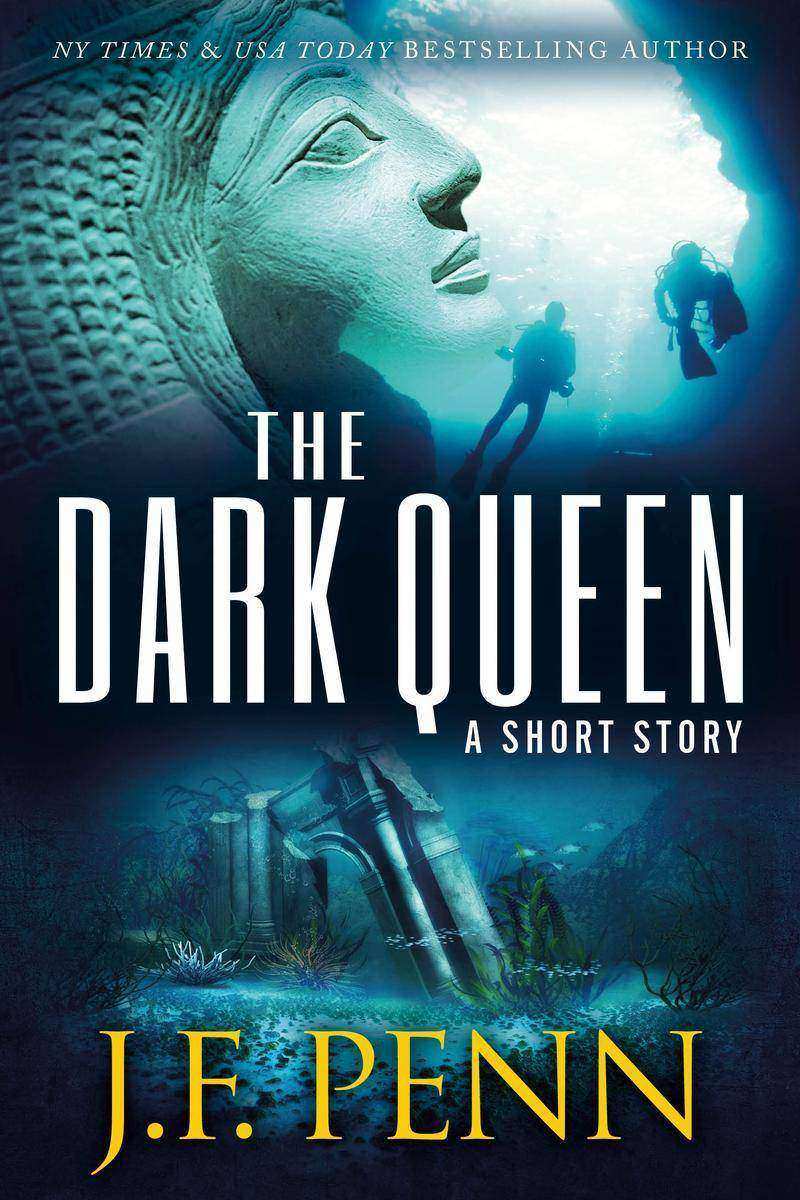
The Dark Queen: A supernatural short story
¥8.09
A sunken city. A lost goddess … and the woman who longs to find her. Lara is part of a dive team exploring the sunken city of Thonis-Heraklion off the north coast of Egypt. When a storm threatens the site, there's only time for one last dive and Lara is determined to be on it – even if it means diving with the man who threatened her this summer. Because The Dark Queen is down there and Lara intends to find her before it's too late ... Sink beneath the waves in this supernatural short story from New York Times and USA Today bestselling author, J.F.Penn
Summa Theologica: The sixth edition (considered the "definitive" edition)
¥8.09
According to Wikipedia: "The Summa Theologica (or the Summa Theologiae or simply the Summa, written 1265-1274) is the most famous work of Thomas Aquinas (c. 1225-1274) although it was never finished. It was intended as a manual for beginners as a compilation of all of the main theological teachings of that time. It summarizes the reasonings for almost all points of Christian theology in the West, which, before the Protestant Reformation, subsisted solely in the Roman Catholic Church."
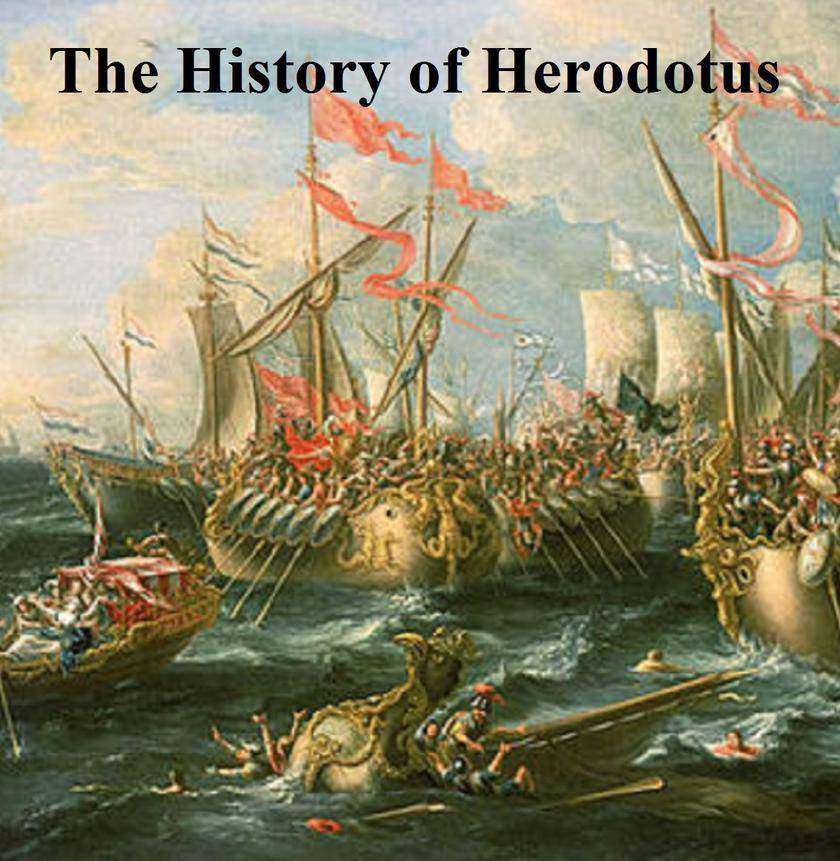
The History of Herodotus
¥8.09
Both volumes in a single file, translated by Macaulay. According to Wikipedia: "Herodotus of Halicarnassus was a Greek historian who lived in the 5th century BC (c. 484 BC–c. 425 BC) and is regarded as the "Father of History" in Western culture. He was the first historian to collect his materials systematically, test their accuracy to a certain extent and arrange them in a well-constructed and vivid narrative.[1] He is almost exclusively known for writing The Histories, a record of his "inquiries" (or ?στορ?αι, a word that passed into Latin and took on its modern meaning of history) into the origins of the Greco-Persian Wars which occurred in 490 and 480-479 BC—especially since he includes a narrative account of that period, which would otherwise be poorly documented, and many long digressions concerning the various places and peoples he encountered during wide-ranging travels around the lands of the Mediterranean and Black Sea. Although some of his stories are not completely accurate, he states that he is only reporting what has been told to him."
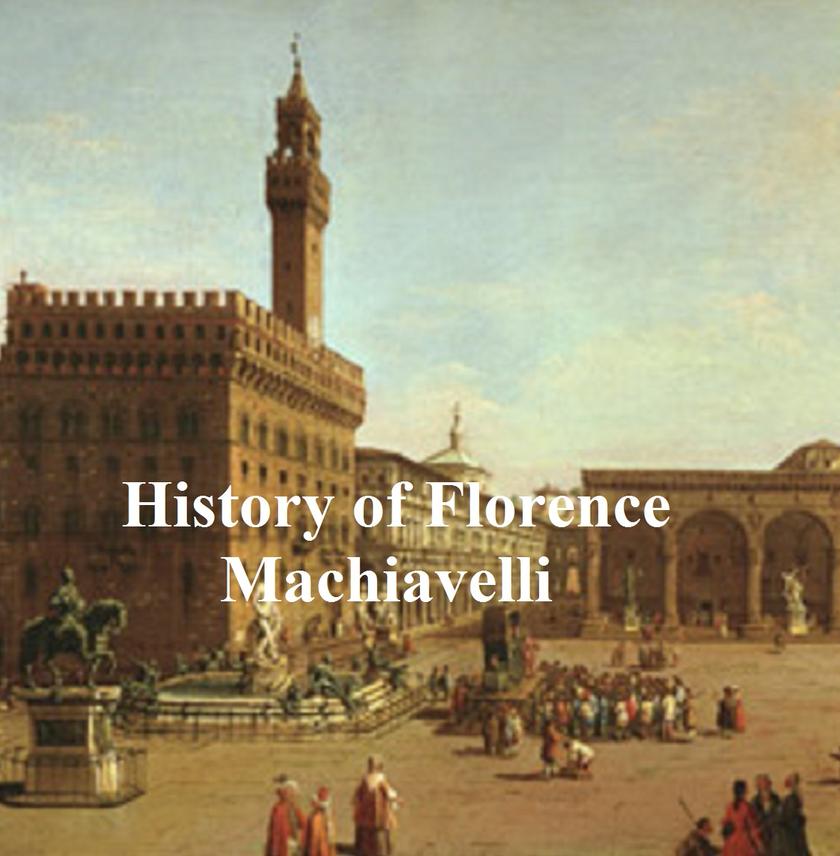
History of Florence
¥8.09
By the author of "The Prince" and "The Discourses", classic works of political science. From the Introduction: "Niccolo Machiavelli, the first great Italian historian, and one of the most eminent political writers of any age or country, was born at Florence, May 3, 1469. He was of an old though not wealthy Tuscan family, his father, who was a jurist, dying when Niccolo was sixteen years old. We know nothing of Machiavelli's youth and little about his studies. He does not seem to have received the usual humanistic education of his time, as he knew no Greek. The first notice of Machiavelli is in 1498 when we find him holding the office of Secretary in the second Chancery of the Signoria, which office he retained till the downfall of the Florentine Republic in 1512. His unusual ability was soon recognized, and in 1500 he was sent on a mission to Louis XII. of France, and afterward on an embassy to Cesare Borgia, the lord of Romagna, at Urbino..."
Critique of Pure Reason
¥8.09
According to Wikipedia: "Immanuel Kant (22 April 1724 – 12 February 1804) was an 18th-century German philosopher from the Prussian city of K?nigsberg (now Kaliningrad, Russia). He is regarded as one of the most influential thinkers of modern Europe and of the late Enlightenment. Kant created a new widespread perspective in philosophy which is influencing enlightened philosophy until the 21st Century. He published important works of epistemology as also scripts in coherence to religion, law and history. His most important work is the Critique of Pure Reason, an investigation into the limitations and structure of reason itself. It encompasses an attack on traditional metaphysics and epistemology, and highlights Kant's own contribution to these areas. The other main works of his maturity are the Critique of Practical Reason, which concentrates on ethics, and the Critique of Judgment, which investigates aesthetics and teleology."

The Kingdom in History and Prophecy
¥8.09
According to Wikipedia: "Lewis Sperry Chafer (February 27, 1871 – August 22, 1952) was the founder and first president of Dallas Theological Seminary, and an influential founding member of modern Christian Dispensationalism.
Satan
¥8.09
According to Wikipedia: "Lewis Sperry Chafer (February 27, 1871 – August 22, 1952) was the founder and first president of Dallas Theological Seminary, and an influential founding member of modern Christian Dispensationalism.
Manual of the Mother Church
¥8.09
According to Wikipedia: "Mary Baker Eddy (born Mary Morse Baker July 16, 1821 – December 3, 1910) was the founder of the Christian Science movement. Deeply religious, she advocated Christian Science as a spiritual practical solution to health and moral issues. She wrote Science and Health with Key to the Scriptures, founded The First Church of Christ, Scientist of Boston in 1879, and several periodicals including The Christian Science Monitor. She took the name Mary Baker Glover from her first marriage and was also known as Mary Baker Glover Eddy or Mary Baker G. Eddy from her third marriage. She did much spiritual teaching, lecturing, and instantaneous healing. Her influence continues to grow through her writings."

Homiles on the Gospel of St. John and the Epistle of the Hebrews
¥8.09
According to Wikipedia: "Saint John Chrysostom (c. 347–407, Greek: Ιω?ννη? ο Χρυσ?στομο?), archbishop of Constantinople, was an important Early Church Father. He is known for his eloquence in preaching and public speaking, his denunciation of abuse of authority by both ecclesiastical and political leaders, the Divine Liturgy of St. John Chrysostom, and his ascetic sensibilities. After his death (or, according to some sources, during his life) he was given the Greek surname chrysostomos, meaning "golden mouthed", rendered in English as Chrysostom.
A Selection from the Discourses of Epictetus, with the Encheiridion
¥8.09
According to Wikipedia: "Epictetus (Ancient Greek: ?π?κτητο?; AD 55 – AD 135) was a Greek sage and Stoic philosopher. He was born a slave at Hierapolis, Phrygia (present day Pamukkale, Turkey), and lived in Rome until banishment when he went to Nicopolis in northwestern Greece where he lived the rest of his life. His teachings were noted down and published by his pupil Arrian in his Discourses."
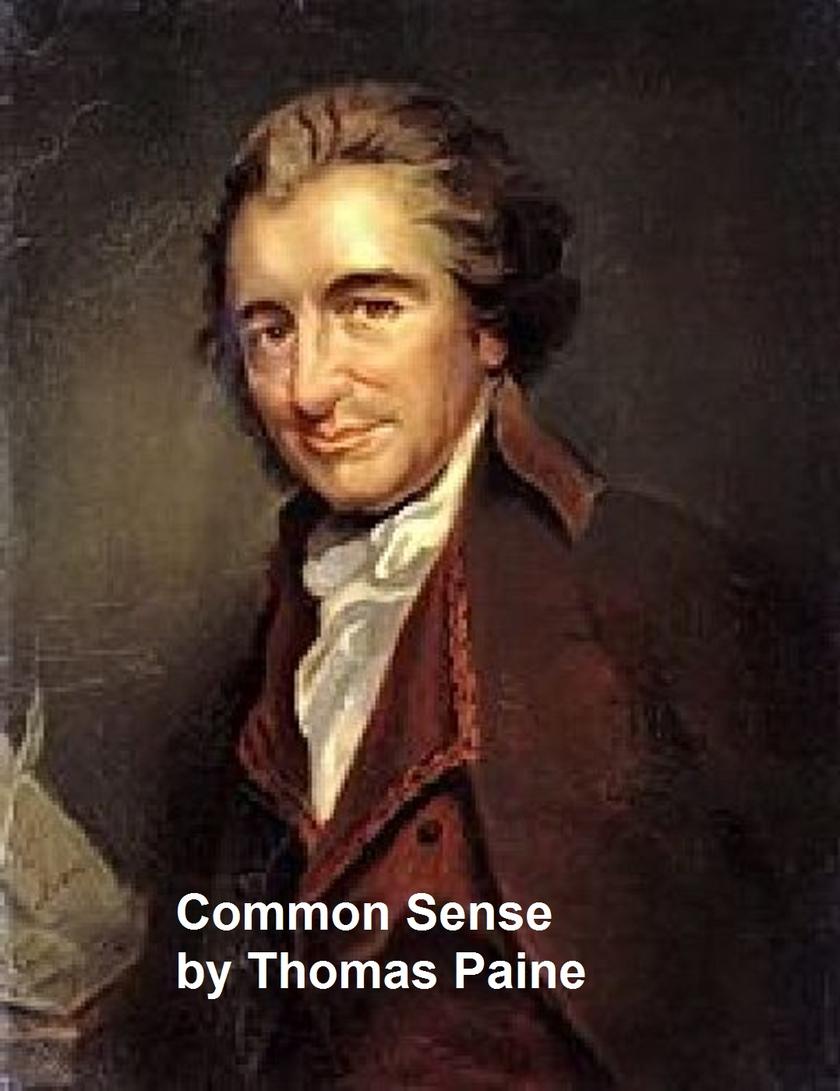
Common Sense
¥8.09
The classic essay that helped ignite the American Revolution. According to Wikipedia: "Thomas Paine (Thetford, England, 29 January 1737 - 8 June 1809, New York City, U.S.) was an English pamphleteer, revolutionary, radical, classical liberal, inventor and intellectual. He lived and worked in Britain until the age of 37, when he migrated to the American colonies just in time to take part in the American Revolution. His main contribution was as the author of the powerful, widely read pamphlet, Common Sense (1776), advocating independence for the American Colonies from the Kingdom of Great Britain, and of The American Crisis, supporting the Revolution."


