


 购物车
购物车 个人中心
个人中心
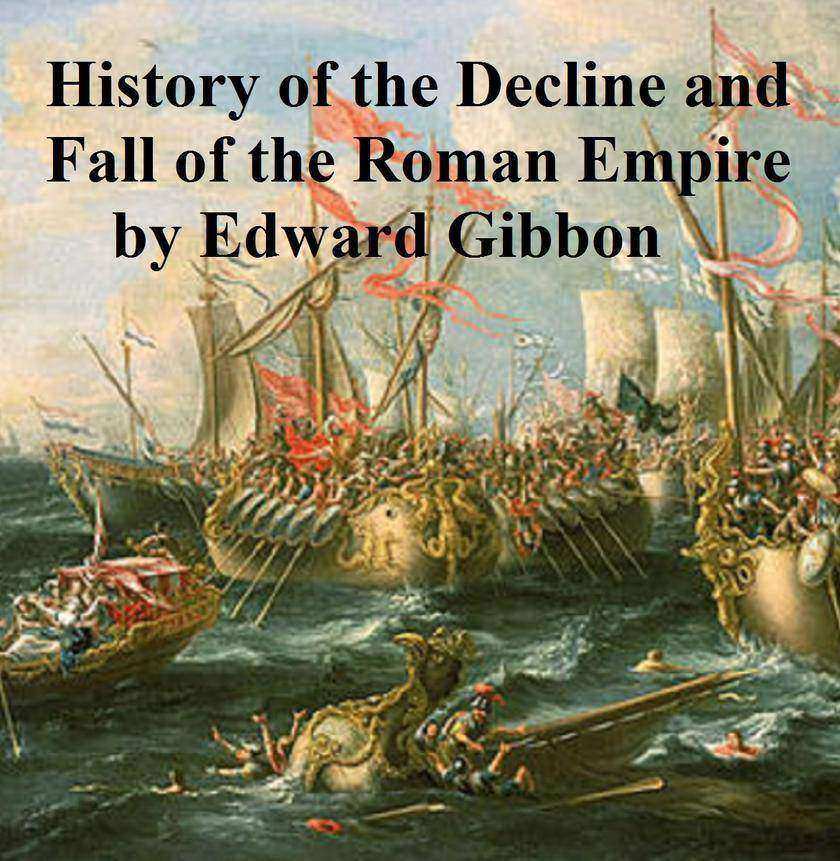
The History of the Decline and Fall of the Roman Empire
¥8.09
The complete 6-volume work, which covers from the reign of Marcus Aurelius to the fall of Constantinople in 1453. According to Wikipedia: "Edward Gibbon (1737 - 1794) was an English historian and Member of Parliament. His most important work, The History of the Decline and Fall of the Roman Empire, was published in six volumes between 1776 and 1788. The History is known principally for the quality and irony of its prose..."
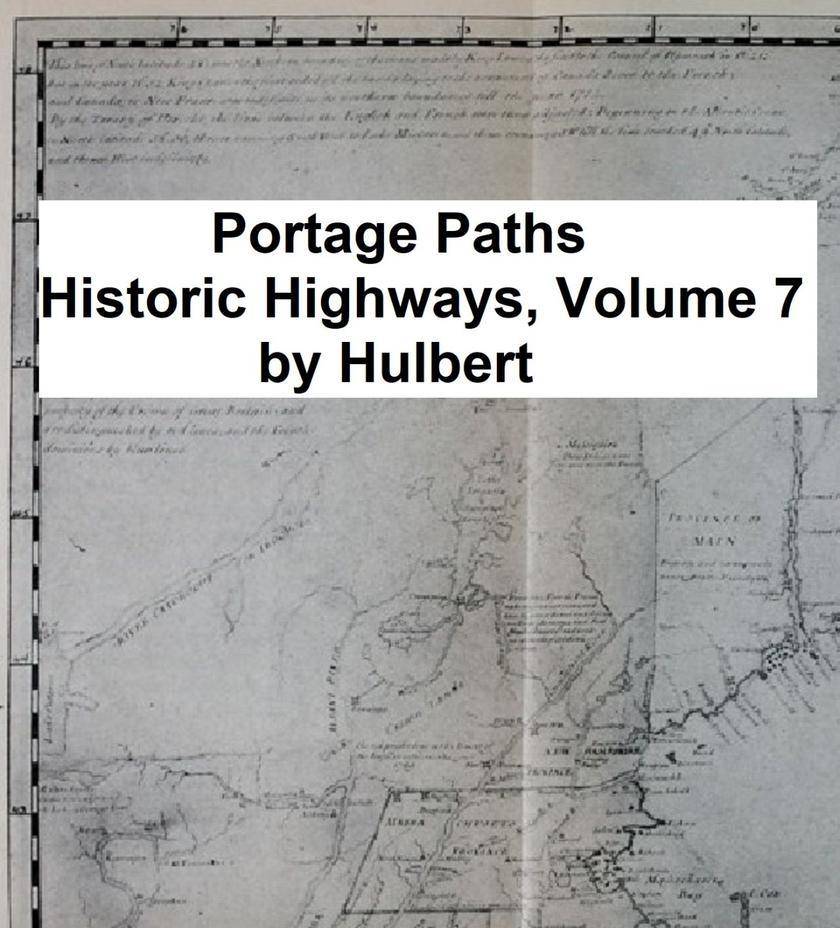
Portage Paths
¥8.09
Volume 7 of the series "Historic Highways of America". According to Wikipedia: "Archer Butler Hulbert (26 Jan 1873 – 24 Dec 1933), historical geographer, writer, and professor of American history... He was Vice-Principal of the Putnam Military Academy, Zanesville, Ohio, until 1897. Hulbert then did newspaper work in Korea in 1897 and '98: he was editor of the Korean Independent (Seoul) and edited Far East American newspapers... He was Professor of American History at Marietta College 1904-18. After Marietta College, Hulbert became a lecturer in American History at Clark University from 1918 to 1919. He also was a lecturer at the University of Chicago in 1904 and 1923; and he served as archivist for the Harvard Commission on Western History (1912-16). Hulbert's last position was at Colorado College, from 1920 until his death... Hulbert's interest in trails dated from fishing trips taken during his college, when he noticed Indian trails. This interest led at first to his 16 volumes of Historic Highways of America (1902-05)."
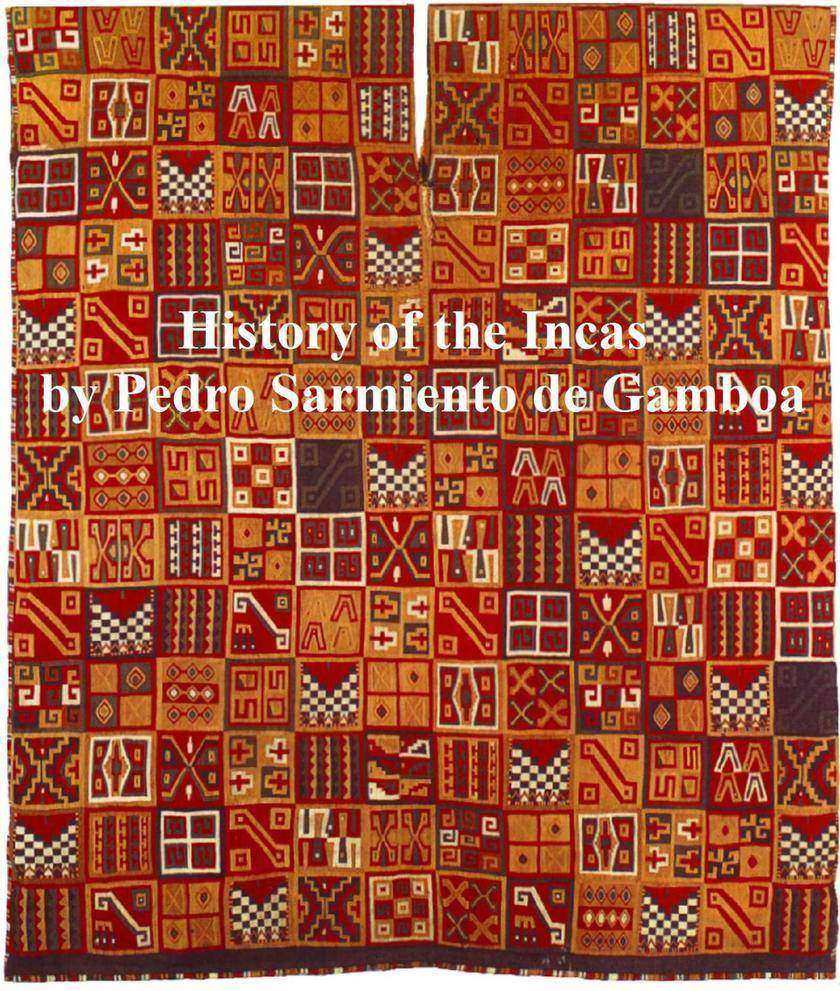
History of the Incas
¥8.09
According to Wikipedia: "Pedro Sarmiento de Gamboa (1532–1592) was a Galician (Spanish) explorer, author, historian, astronomer, and scientist… Written in Cuzco, the capital of the Inca Empire, just forty years after the arrival of the first Spaniards in the city, Sarmiento's The History of the Incas contains extremely detailed descriptions of Inca history and mythology. The royal sponsorship of the work guaranteed Sarmiento direct access to the highest Spanish officials in Cuzco. It also allowed him to summon influential natives, as well as those who had witnessed the fall of the Inca Empire, so that they could relate their stories. Sarmiento traveled widely and interviewed numerous local leaders and lords, surviving members of the royal Inca families, and the few remaining Spanish conquistadors who still resided in Cuzco. Once the first draft of the history was completed, in an unprecedented effort to establish the unquestionable authenticity of the work, his manuscript was read, chapter by chapter, to forty-two indigenous authorities for their commentary and correction. After the public reading, which occurred on 29 February and 1 March 1572, the manuscript was entrusted to a member of the viceroy's personal guard. He was to take the manuscript to Spain and deliver it to King Philip II, along with four painted cloths showing the history of the Incas and a number of other artifacts and objects that Toledo had collected. However, due to a series of unusual events, this irreplaceable document of Inca history was relegated to obscurity for centuries."
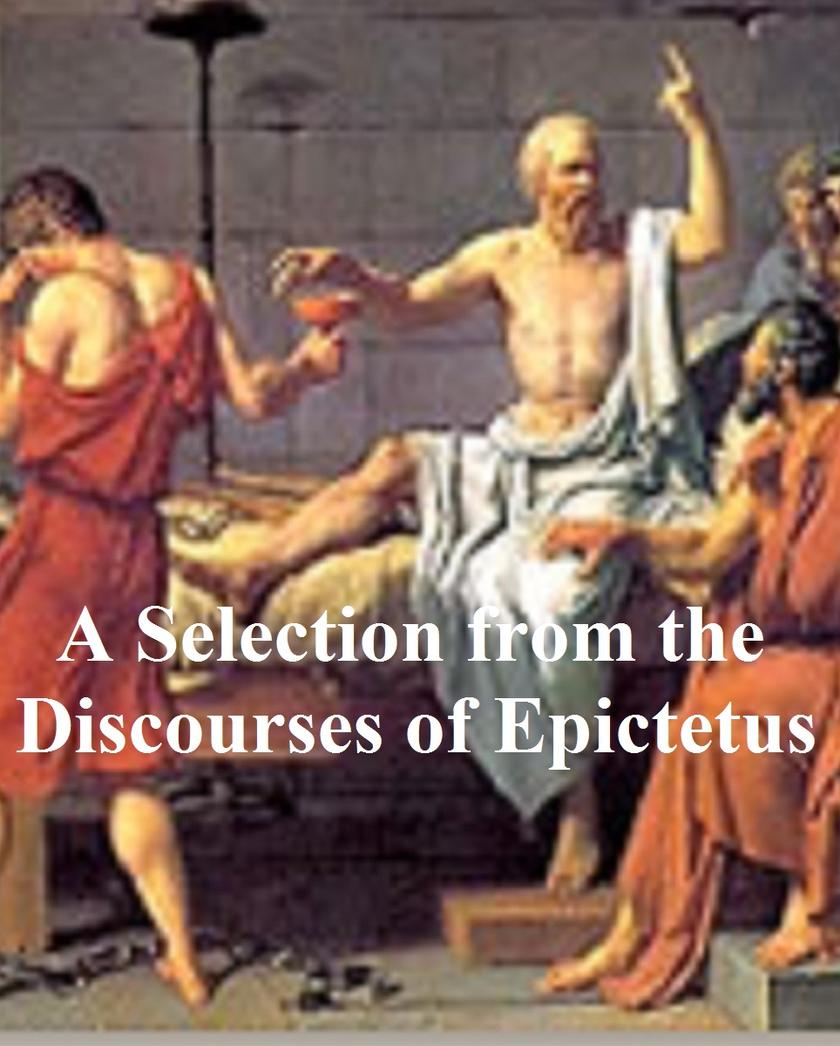
A Selection from the Discourses of Epictetus, with the Encheiridion
¥8.09
According to Wikipedia: "Epictetus (Ancient Greek: ?π?κτητο?; AD 55 – AD 135) was a Greek sage and Stoic philosopher. He was born a slave at Hierapolis, Phrygia (present day Pamukkale, Turkey), and lived in Rome until banishment when he went to Nicopolis in northwestern Greece where he lived the rest of his life. His teachings were noted down and published by his pupil Arrian in his Discourses."
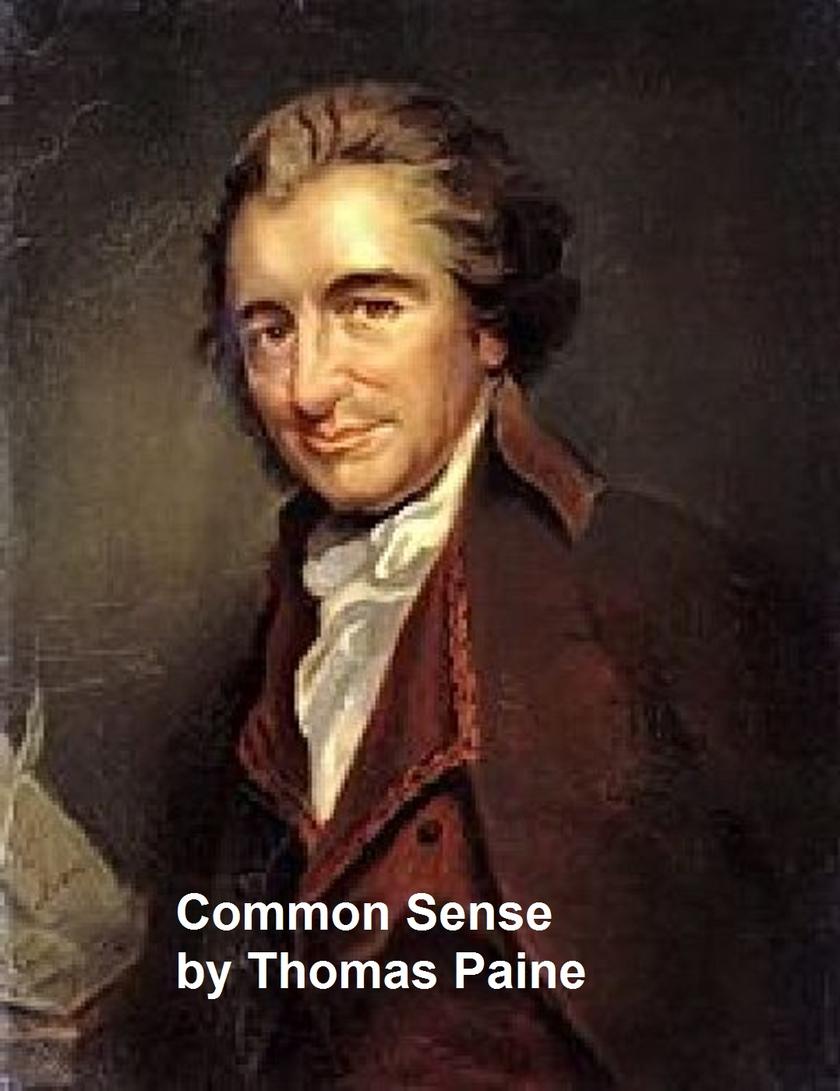
Common Sense
¥8.09
The classic essay that helped ignite the American Revolution. According to Wikipedia: "Thomas Paine (Thetford, England, 29 January 1737 - 8 June 1809, New York City, U.S.) was an English pamphleteer, revolutionary, radical, classical liberal, inventor and intellectual. He lived and worked in Britain until the age of 37, when he migrated to the American colonies just in time to take part in the American Revolution. His main contribution was as the author of the powerful, widely read pamphlet, Common Sense (1776), advocating independence for the American Colonies from the Kingdom of Great Britain, and of The American Crisis, supporting the Revolution."
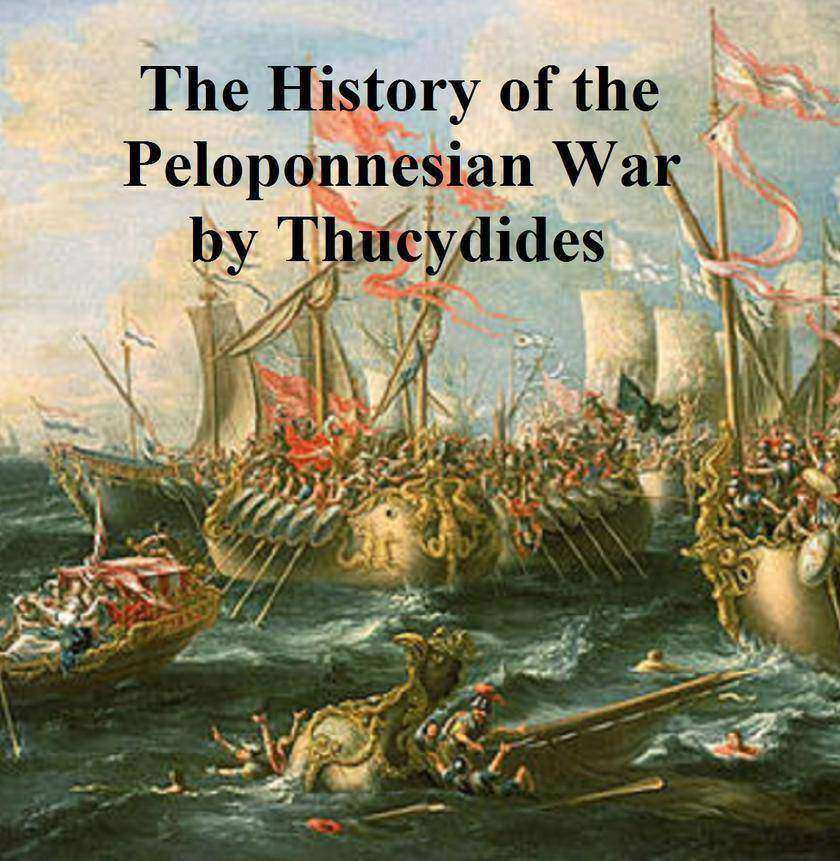
The History of the Peloponnesian War
¥8.09
The classic history of war between Athens and Sparta. According to Wikipedia: "Thucydides (c. 460 B.C. – c. 395 B.C.) was a Greek historian and author of the History of the Peloponnesian War, which recounts the 5th century B.C. war between Sparta and Athens to the year 411 B.C. Thucydides has been dubbed the father of "scientific history" due to his strict standards of evidence-gathering and analysis in terms of cause and effect without reference to intervention by the gods. He has also been called the father of the school of political realism, which views the relations between nations as based on might rather than right. His classical text is still studied at advanced military colleges worldwide, and the Melian dialogue remains a seminal work of international relations theory. More generally, Thucydides showed an interest in developing an understanding of human nature to explain behaviour in such crises as plague and civil war."

Caesar's Commentaries
¥8.09
De Bello Gallico (The War in Gaul) and The Civil War. According to Wikipedia: "Gaius Julius Caesar (13 July 100 BC – 15 March 44 BC), was a Roman military and political leader. He played a critical role in the transformation of the Roman Republic into the Roman Empire. A politician of the populares tradition, he formed an unofficial triumvirate with Marcus Licinius Crassus and Gnaeus Pompeius Magnus which dominated Roman politics for several years, opposed in the Roman Senate by optimates like Marcus Porcius Cato and Marcus Calpurnius Bibulus. His conquest of Gaul extended the Roman world to the North Sea, and he also conducted the first Roman invasion of Britain in 55 BC. The collapse of the triumvirate, however, led to a stand-off with Pompey and the Senate. Leading his legions across the Rubicon, Caesar began a civil war in 49 BC from which he became the master of the Roman world. After assuming control of government, he began extensive reforms of Roman society and government. He was proclaimed "dictator in perpetuity" (dictator perpetuo), and heavily centralised the bureaucracy of the Republic. A group of senators, led by Marcus Junius Brutus, assassinated the dictator on the Ides of March (March 15) in 44 BC, hoping to restore the normal running of the Republic. However, the result was another Roman civil war, which ultimately led to the establishment of a permanent autocracy by Caesar's adopted heir, Gaius Octavianus. In 42 BC, two years after his assassination, the Senate officially sanctified Caesar as one of the Roman deities. Much of Caesar's life is known from his own Commentaries (Commentarii) on his military campaigns, and other contemporary sources such as the letters and speeches of his political rival Cicero, the historical writings of Sallust, and the poetry of Catullus."
Till He Come
¥8.09
First published in 1896. Spurgeon was an English Baptist preacher, known as "the Prince of Preachers". The Preface begins: " For many years, whether at home or abroad, it was Mr. Spurgeon's constant custom to observe the ordinance of the Lord's supper every Sabbath-day, unless illness prevented. This he believed to be in accordance with apostolic precedent; and it was his oft-repeated testimony that the more frequently he obeyed his Lord's command, "This do in remembrance of Me," the more precious did his Saviour become to him, while the memorial celebration itself proved increasingly helpful and instructive as the years rolled by." According to Wikipedia: "Charles Haddon Spurgeon, commonly C.H. Spurgeon, ( 1834 – 1892) was a British Reformed Baptist preacher who remains highly influential among Christians of different denominations, among whom he is still known as the "Prince of Preachers." He also founded the charity organization now known as Spurgeon's, that works worldwide with families and children, as well as a famous theological college which after his death was called after him: Spurgeon's College. Spurgeon was a prolific author of many types of works including sermons, an autobiography, a commentary, books on prayer, a devotional, a magazine, and more. Many sermons were transcribed as he spoke and were translated into many languages during his lifetime. Arguably, no other author, Christian or otherwise, has more material in print than C.H. Spurgeon."
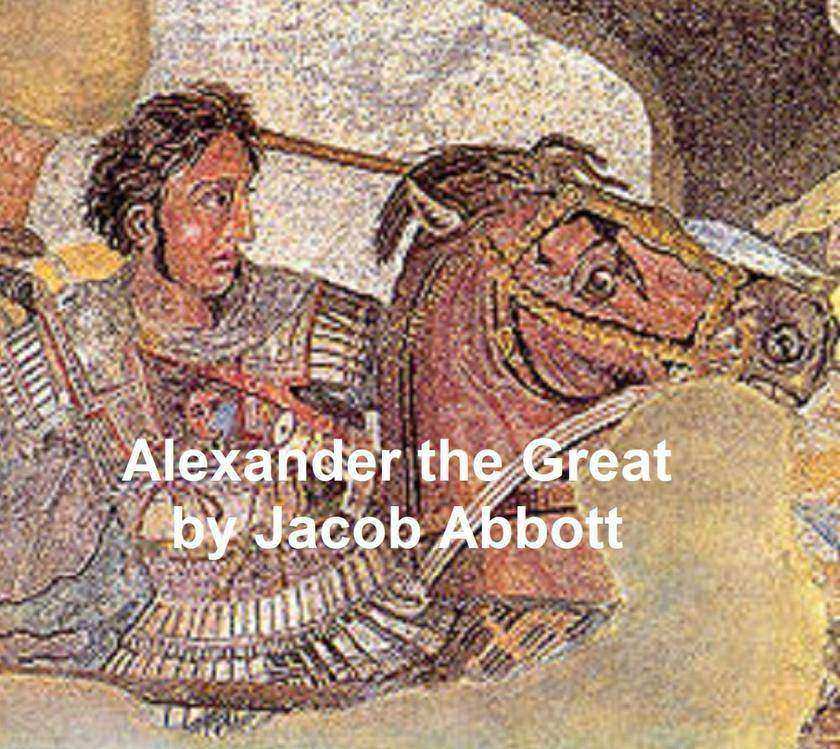
Alexander the Great
¥8.09
According to Wikipedia: "Jacob Abbott (November 14, 1803 – October 31, 1879) was an American writer of children's books. Abbott was born at Hallowell, Maine to Jacob and Betsey Abbott. He graduated from Bowdoin College in 1820; studied at Andover Theological Seminary in 1821, 1822, and 1824; was tutor in 1824-1825, and from 1825 to 1829 was professor of mathematics and natural philosophy at Amherst College; was licensed to preach by the Hampshire Association in 1826; founded the Mount Vernon School for Young Ladies in Boston in 1829, and was principal of it in 1829-1833; was pastor of Eliot Congregational Church (which he founded), at Roxbury, Massachusetts in 1834-1835; and was, with his brothers, a founder, and in 1843-1851 a principal of Abbott's Institute, and in 1845-1848 of the Mount Vernon School for Boys, in New York City. He was a prolific author, writing juvenile fiction, brief histories, biographies, religious books for the general reader, and a few works in popular science. He died in Farmington, Maine, where he had spent part of his time after 1839, and where his brother, Samuel Phillips Abbott, founded the Abbott School."
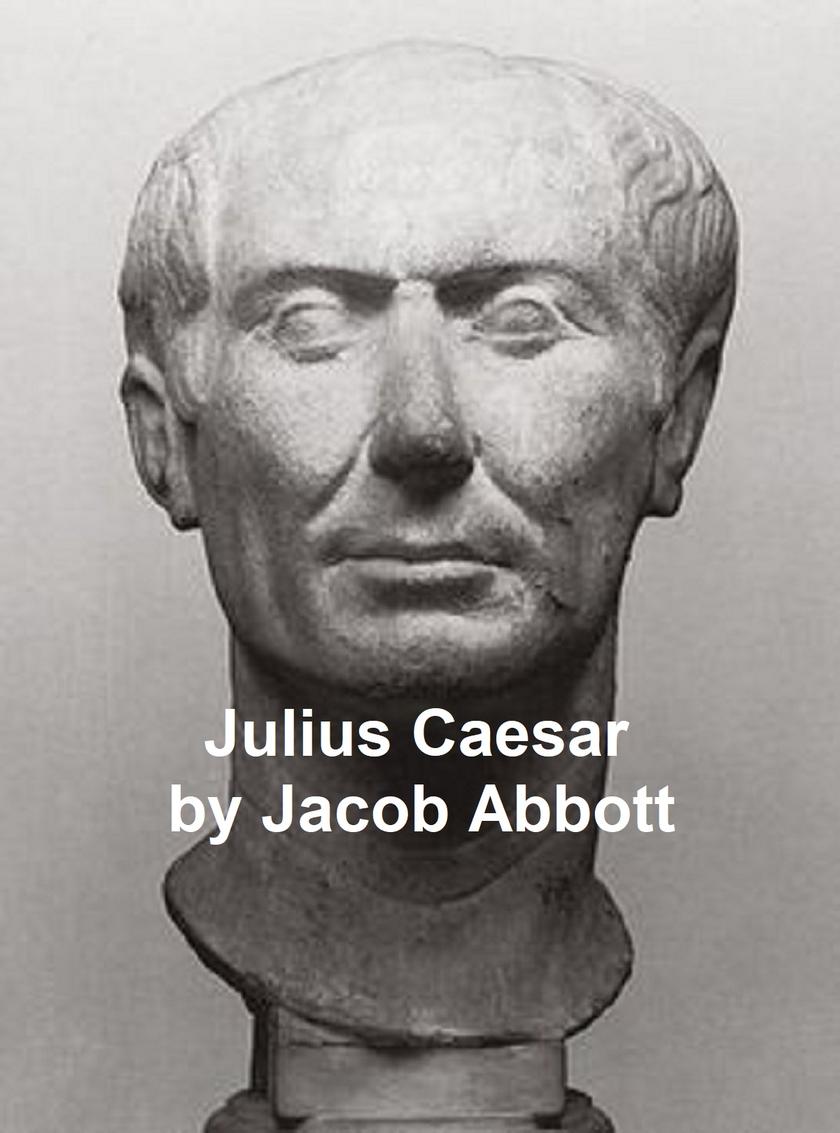
History of Julius Caesar
¥8.09
According to Wikipedia: "Jacob Abbott (November 14, 1803 – October 31, 1879) was an American writer of children's books. Abbott was born at Hallowell, Maine to Jacob and Betsey Abbott. He graduated from Bowdoin College in 1820; studied at Andover Theological Seminary in 1821, 1822, and 1824; was tutor in 1824-1825, and from 1825 to 1829 was professor of mathematics and natural philosophy at Amherst College; was licensed to preach by the Hampshire Association in 1826; founded the Mount Vernon School for Young Ladies in Boston in 1829, and was principal of it in 1829-1833; was pastor of Eliot Congregational Church (which he founded), at Roxbury, Massachusetts in 1834-1835; and was, with his brothers, a founder, and in 1843-1851 a principal of Abbott's Institute, and in 1845-1848 of the Mount Vernon School for Boys, in New York City. He was a prolific author, writing juvenile fiction, brief histories, biographies, religious books for the general reader, and a few works in popular science. He died in Farmington, Maine, where he had spent part of his time after 1839, and where his brother, Samuel Phillips Abbott, founded the Abbott School."
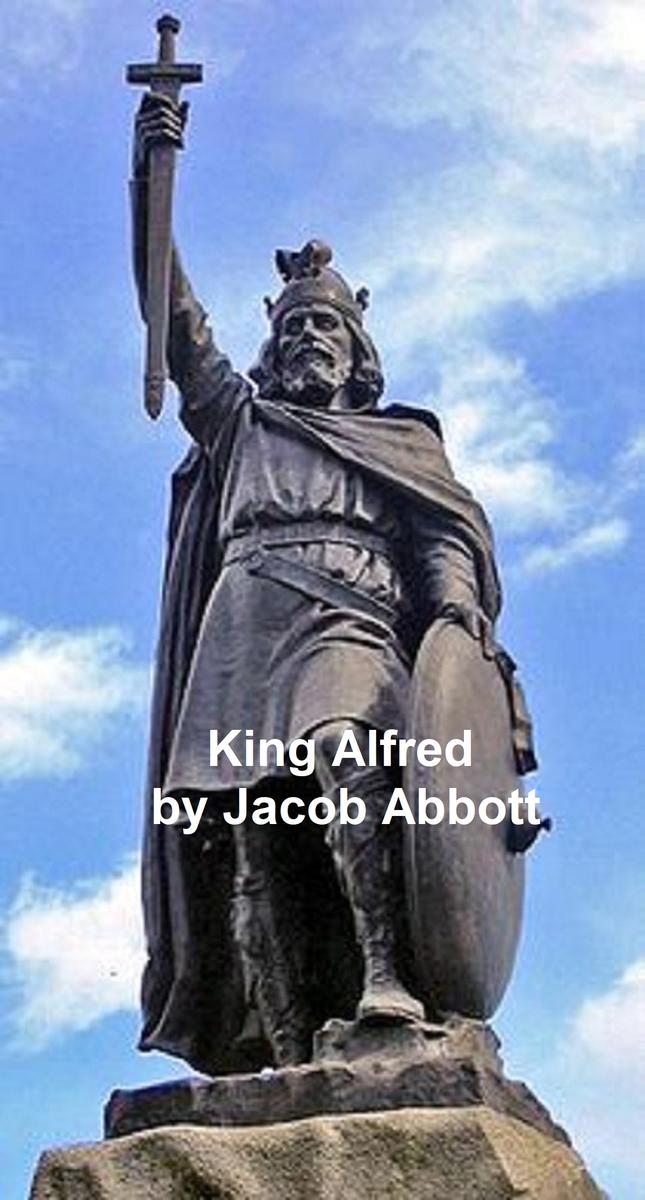
King Alfred of England
¥8.09
According to Wikipedia: "Jacob Abbott (November 14, 1803 – October 31, 1879) was an American writer of children's books. Abbott was born at Hallowell, Maine to Jacob and Betsey Abbott. He graduated from Bowdoin College in 1820; studied at Andover Theological Seminary in 1821, 1822, and 1824; was tutor in 1824-1825, and from 1825 to 1829 was professor of mathematics and natural philosophy at Amherst College; was licensed to preach by the Hampshire Association in 1826; founded the Mount Vernon School for Young Ladies in Boston in 1829, and was principal of it in 1829-1833; was pastor of Eliot Congregational Church (which he founded), at Roxbury, Massachusetts in 1834-1835; and was, with his brothers, a founder, and in 1843-1851 a principal of Abbott's Institute, and in 1845-1848 of the Mount Vernon School for Boys, in New York City. He was a prolific author, writing juvenile fiction, brief histories, biographies, religious books for the general reader, and a few works in popular science. He died in Farmington, Maine, where he had spent part of his time after 1839, and where his brother, Samuel Phillips Abbott, founded the Abbott School."
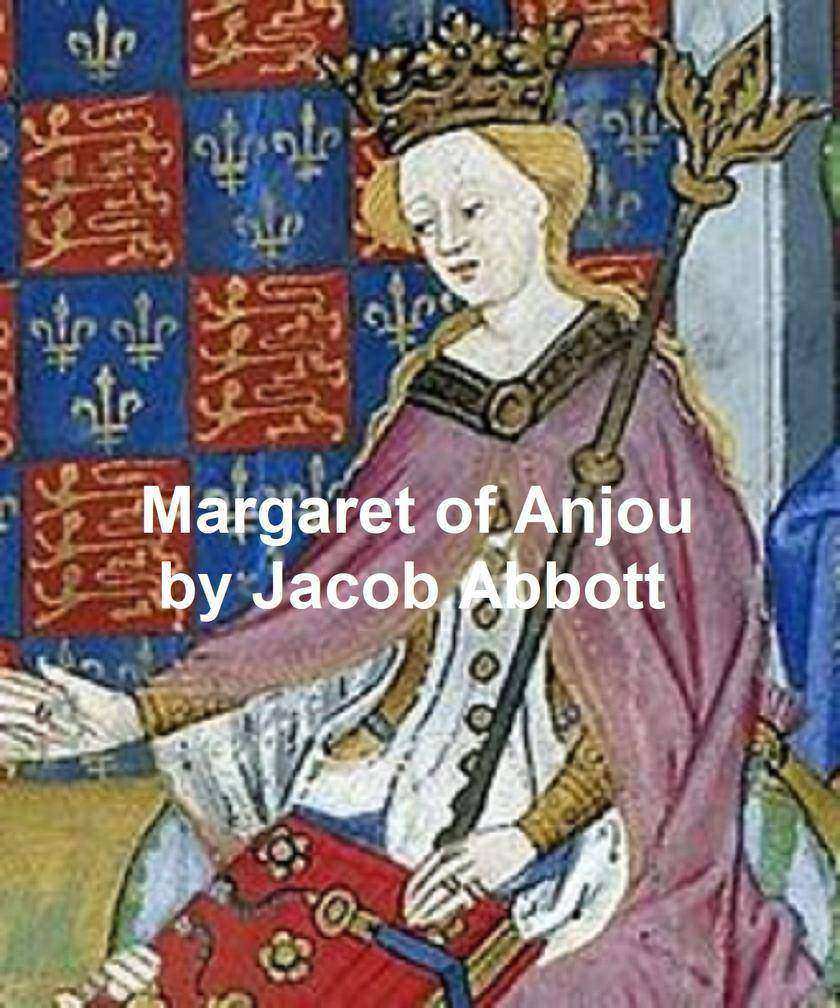
Margaret of Anjou
¥8.09
According to Wikipedia: "Jacob Abbott (November 14, 1803 – October 31, 1879) was an American writer of children's books. Abbott was born at Hallowell, Maine to Jacob and Betsey Abbott. He graduated from Bowdoin College in 1820; studied at Andover Theological Seminary in 1821, 1822, and 1824; was tutor in 1824-1825, and from 1825 to 1829 was professor of mathematics and natural philosophy at Amherst College; was licensed to preach by the Hampshire Association in 1826; founded the Mount Vernon School for Young Ladies in Boston in 1829, and was principal of it in 1829-1833; was pastor of Eliot Congregational Church (which he founded), at Roxbury, Massachusetts in 1834-1835; and was, with his brothers, a founder, and in 1843-1851 a principal of Abbott's Institute, and in 1845-1848 of the Mount Vernon School for Boys, in New York City. He was a prolific author, writing juvenile fiction, brief histories, biographies, religious books for the general reader, and a few works in popular science. He died in Farmington, Maine, where he had spent part of his time after 1839, and where his brother, Samuel Phillips Abbott, founded the Abbott School."
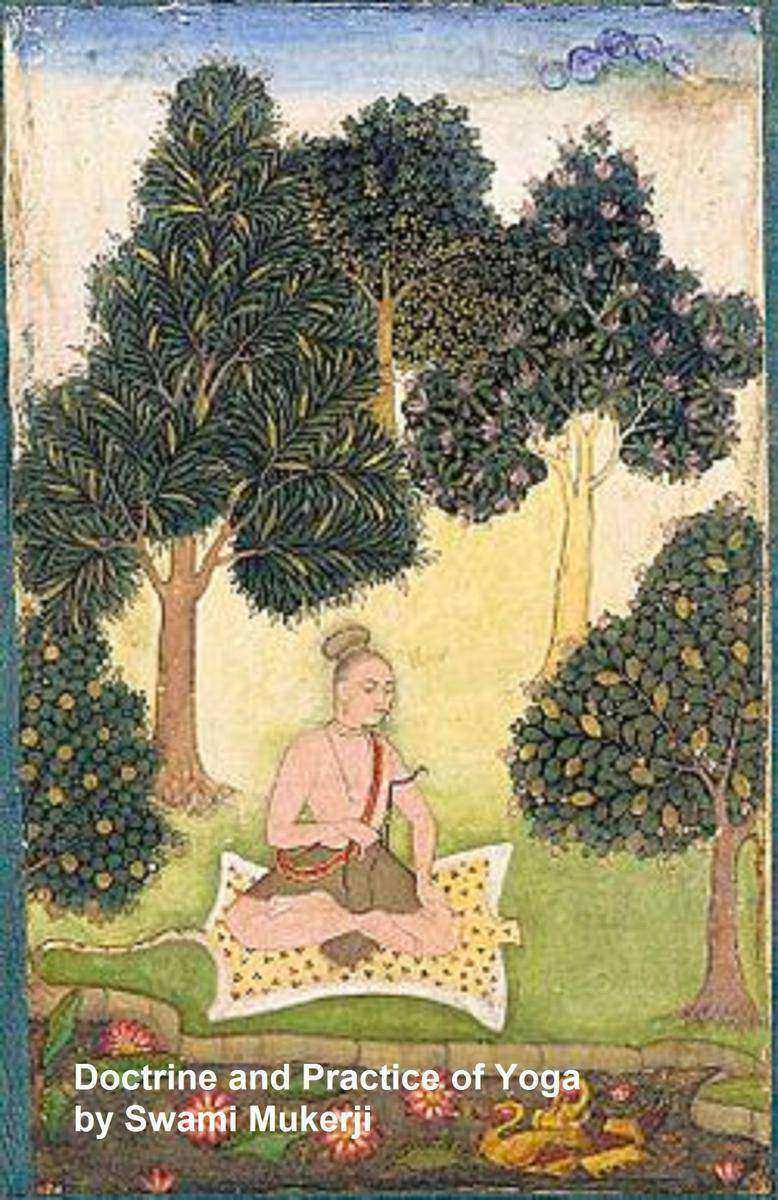
Doctrine and Practice of Yoga
¥8.09
According to Wikipedia: "Yoga is the Hindu practice of physical, mental, and spiritual discipline, originating in ancient India. The goal of yoga, or of the person practicing yoga, is the attainment of a state of perfect spiritual insight and tranquility while meditating on the Hindu concept of divinity or Brahman. The word is associated with meditative practices in Hinduism, Jainism, and Buddhism."
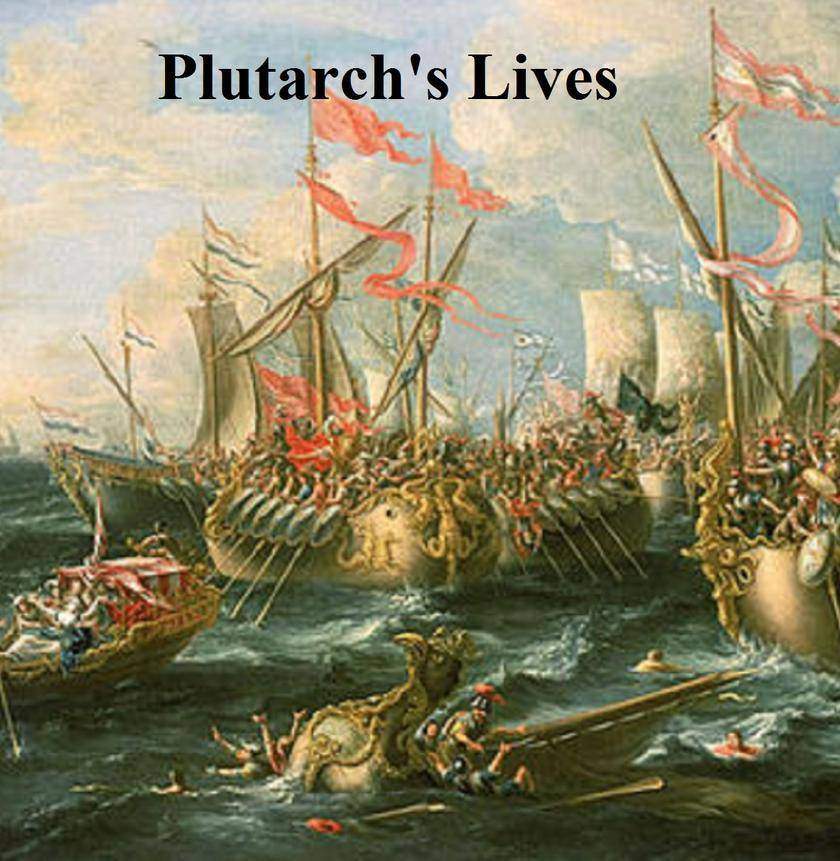
Plutarch's Lives
¥8.09
The complete multi-volume Lives, in a single file. The Clough translation. According to Wikipedia: "Lucius Mestrius Plutarchus (c. AD 46 - 120 — commonly known in English as Plutarch — was a Roman historian (of Greek ethnicity), biographer, essayist, and Middle Platonist. Plutarch was born to a prominent family in Chaeronea, Boeotia, a town about twenty miles east of Delphi. His known works consist of the Parallel Lives and the Moralia."
Tik-Tok of Oz by L. Frank Baum - Delphi Classics (Illustrated)
¥8.09
This eBook features the unabridged text of ‘Tik-Tok of Oz by L. Frank Baum - Delphi Classics (Illustrated)’ from the bestselling edition of ‘The Complete Works of L. Frank Baum’. Having established their name as the leading publisher of classic literature and art, Delphi Classics produce publications that are individually crafted with superior formatting, while introducing many rare texts for the first time in digital print. The Delphi Classics edition of Baum includes original annotations and illustrations relating to the life and works of the author, as well as individual tables of contents, allowing you to navigate eBooks quickly and easily. eBook features: * The complete unabridged text of ‘Tik-Tok of Oz by L. Frank Baum - Delphi Classics (Illustrated)’ * Beautifully illustrated with images related to Baum’s works * Individual contents table, allowing easy navigation around the eBook * Excellent formatting of the text Please visit www.delphiclassics.com to learn more about our wide range of titles
Pierre by Herman Melville - Delphi Classics (Illustrated)
¥8.09
This eBook features the unabridged text of ‘Pierre by Herman Melville - Delphi Classics (Illustrated)’ from the bestselling edition of ‘The Complete Works of Herman Melville’. Having established their name as the leading publisher of classic literature and art, Delphi Classics produce publications that are individually crafted with superior formatting, while introducing many rare texts for the first time in digital print. The Delphi Classics edition of Melville includes original annotations and illustrations relating to the life and works of the author, as well as individual tables of contents, allowing you to navigate eBooks quickly and easily. eBook features: * The complete unabridged text of ‘Pierre by Herman Melville - Delphi Classics (Illustrated)’ * Beautifully illustrated with images related to Melville’s works * Individual contents table, allowing easy navigation around the eBook * Excellent formatting of the text Please visit www.delphiclassics.com to learn more about our wide range of titles
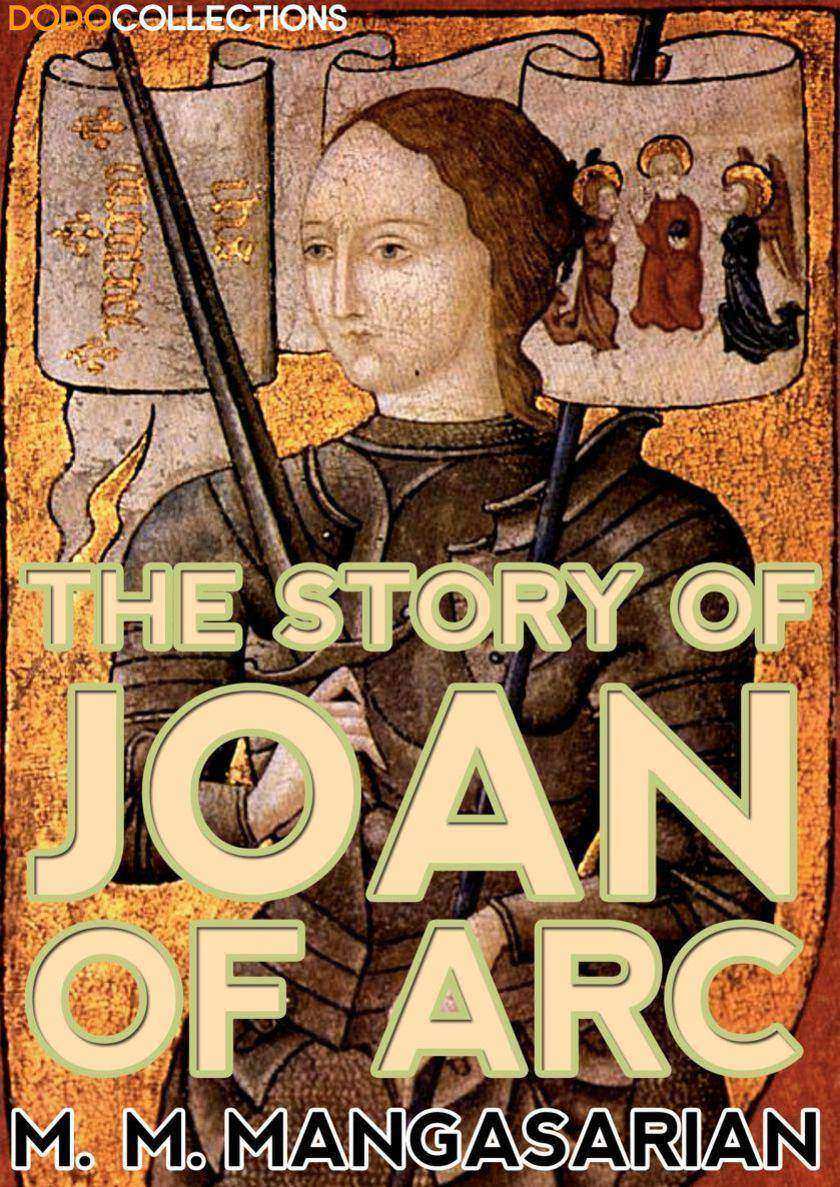
The Story of Joan of Arc
¥8.09
Dodo Collections brings you another classic from M. M. Mangasarian, ‘The Story of Joan of Arc’ ? Brought to ebook for the first time, this is the famous lecture delivered in Chicago at the turn of the 20th Century about Joan of Arc and the Catholic Church from Mangasarian. ? Born in Mashger (now within Turkey) in the Ottoman Empire, M. M. Mangasarian attended Robert College in Constantinople, and was ordained as minister in Marsovan in 1878. In about 1880 he enrolled at Princeton University. He was pastor at a Presbyterian church in Philadelphia from 1882 to 1885, when he resigned, becoming an independent preacher and a lecturer on "independent religion" in New York. In 1892 he became leader of the Ethical Culture Society of Chicago, a group established by Felix Adler. In 1900 he organized the Independent Religious Society of Chicago, a rationalist group, of which he remained pastor until 1925. He retired to Piedmont, California, where he lived for the rest of his life.
On the Sublime
¥8.09
According to Wikipedia: "Longinus is the conventional name of the author of the treatise On the Sublime, a work which focuses on the effect of good writing. Longinus, sometimes referred to as Pseudo-Longinus because his real name is unknown, was a Greek teacher of rhetoric or a literary critic who may have lived in the 1st or 3rd century AD. Longinus is known only for On the Sublime."
Treatises on Friendship and Old Age
¥8.09
Accoding to Wikipedia: "Marcus Tullius Cicero (January 3, 106 BC – December 18, 43 BC; sometimes anglicized as Tully), was a Roman philosopher, statesman, lawyer, orator, political theorist, Roman consul and constitutionalist. He came from a wealthy municipal family of the equestrian order, and is widely considered one of Rome's greatest orators and prose stylists."

The Last Boer War
¥8.09
Dodo Collections brings you another classic from H. Rider Haggard, ‘The Last Boer War’ ? The Last Boer War is a 1899 non-fiction book by H. Rider Haggard about the Boer War of 1881. It was originally written in 1882 but not published until years later. ? Haggard wrote the book in 1885, primarily in his Chambers where he was working as a barrister. King Solomon's Mines had been an enormous success but Haggard says he had been "somewhat piqued by the frequent descriptions of myself as 'a mere writer of romances and boys’ books' ". ? Sir Henry Rider Haggard was an English writer of adventure novels set in exotic locations, predominantly Africa, and the creator of the Lost World literary genre. His stories, situated at the lighter end of the scale of Victorian literature, continue to be popular and influential. He was also involved in agricultural reform and improvement in the British Empire. Haggard was made a Knight Bachelor in 1912 and a Knight Commander of the Order of the British Empire in 1919. He stood unsuccessfully for Parliament as a Conservative candidate for the Eastern division of Norfolk in 1895. The locality of Rider, British Columbia, was named in his memory.
A Visit to Three Fronts
¥8.09
In the course of May 1916, the Italian authorities expressed a desire that some independent observer from Great Britain should visit their lines and report his impressions. It was at the time when our brave and capable allies had sustained a set-back in the Trentino owing to a sudden concentration of the Austrians, supported by very heavy artillery. I was asked to undertake this mission. In order to carry it out properly, I stipulated that I should be allowed to visit the British lines first, so that I might have some standard of comparison. The War Office kindly assented to my request. Later I obtained permission to pay a visit to the French front as well. Thus it was my great good fortune, at the very crisis of the war, to visit the battle line of each of the three great Western allies. I only wish that it had been within my power to complete my experiences in this seat of war by seeing the gallant little Belgian army which has done so remarkably well upon the extreme left wing of the hosts of freedom. ? My experiences and impressions are here set down, and may have some small effect in counteracting those mischievous misunderstandings and mutual belittlements which are eagerly fomented by our cunning enemy. Arthur Conan Doyle. Crowborough, July 1916.


