


 购物车
购物车 个人中心
个人中心

Twenty Years After
¥40.79
In this sequel to The Three Musketeers, we continue following adventured of a young man named d'Artagnan. This story follows events in France during La Fronde, during the childhood reign of Louis XIV, and in England near the end of the English Civil War, leading up to the victory of Oliver Cromwell and the execution of King Charles I.
Five Weeks in a Balloon
¥40.79
A scholar and explorer, Dr. Samuel Ferguson, accompanied by his manservant Joe and his friend professional hunter Richard Kennedy, sets out to travel across the African with the help of a balloon filled with hydrogen. The balloon itself ultimately fails before the end, but makes it far enough across to get the protagonists to friendly lands, and eventually back to England, therefore succeeding in the expedition.
Present at a Hanging and Other Ghost Stories
¥40.79
Some of the best of ghost stories from Ambrose Bierce, including: Present at a hanging, A cold greeting, A Wireless Message, An Arrest, A Man with Two Lives, The Isle of Pines, A Vine on a House, The Spook House, The Other Lodgers, and many other ghost stories.
Crotchet Castle
¥40.79
In one of those beautiful valleys, through which the Thames not yet polluted by the tide, the scouring of cities, or even the minor defilement of the sandy streams of Surrey rolls a clear flood through flowery meadows, under the shade of old beech woods, and the smooth mossy greensward of the chalk hills which pour into it their tributary rivulets, as pure and pellucid as the fountain of Bandusium, or the wells of Scamander, by which the wives and daughters of the Trojans washed their splendid garments in the days of peace, before the coming of the Greeks...
Lost Illusions
¥40.79
Lucien Chardon, the son of a lower middle-class father and an impoverished mother of remote aristocratic descent, is the pivotal figure of the entire work. Living at Angouleme, he is impoverished, impatient, handsome and ambitious. His widowed mother, his sister Eve and his best friend, David Sechard, do nothing to lessen his high opinion of his own talents, for it is an opinion they share.

The Last Chronicle of Barset
¥40.79
The Archdeacon, although allowing that Grace is a lady, doesn't think her of high enough rank or wealth for his widowed son; his position is strengthened by the Reverend Mr Crawley's apparent crime. Almost broken by poverty and trouble, the Reverend Mr Crawley hardly knows himself if he is guilty or not; fortunately, the mystery is resolved just as Major Grantly's determination and Grace Crawley's own merit force the Archdeacon to overcome his prejudice against her as a daughter-in-law.

Studies in Self Culture and Character: A Man's Value to Society
¥40.79
Man’s evident failure to make the most out of his material life suggests a study of the elements in each citizen that make him of value to his age and community. What are the measurements of mankind, and why is it that daily some add new treasures to the storehouse of civilization, while others take from and waste the store already accumulated?

Unfamiliar Tunes: Plays by Anton Chekhov
¥40.79
Anton Chekhov's iconic plays including some of the unfamiliar short pieces such as The Wedding, and some of the more established classics such as The Cherry Orchard. Chekhov revolutionised world literature influencing generations of playwrights, screenwriters and actors. George Bernard Shaw described Chekhov's work as a fantasia in the Russian manner on English themes.
Troilus and Cressida
¥40.79
Troilus and Cressida is set during the later years of the Trojan War, faithfully following the plotline of the Iliad from Achilles' refusal to participate in battle to Hector's death. Troilus, a Trojan prince (son of Priam), woos Cressida, another Trojan. They have sex, professing their undying love, before Cressida is exchanged for a Trojan prisoner of war. As he attempts to visit her in the Greek camp, Troilus glimpses Diomedes flirting with his beloved Cressida, and decides to avenge her perfidy.
The Black Cat and Other Stories
¥40.79
Our pet-loving narrator injures his black cat under heavy influence of alcohol. From that moment onward, the cat flees in terror at his master's approach but this does not save Pluto from his master and eventually leads to Pluto's death and a mysterious house fire. The mystery does not end there and leads to even more unexpected events. The book features twenty other stories including: The Fall of the House of Usher, The Masque of the Red Death, The Imp of the Perverse.

The Gentle Spirit: A Fantastic Story
¥40.79
Can too much love be fatal? You are about to find out in this exquisite psychological drama between the owner of a pawnshop and his wife. The narrator's marriage started out cordially enough, but his miserly and reserved ways are taxing to his young wife. A dearth of communication and disagreements about how the pawnshop should be run result in arguments, though the narrator insists that they never quarrelled. One fine morning the narrator opens his eyes to see that his wife is standing over him with the revolver pointed at his temple.

The Prince and the Pauper
¥40.79
The story of two young boys who are identical in appearance: Tom Canty, a pauper who lives with his abusive father in Offal Court off Pudding Lane in London, and Prince Edward, son of King Henry VIII. One day Tom is nearly caught and beaten by the Royal Guards; however, Edward stops them and invites Tom into his palace chamber. There the two boys get to know one another, fascinated by each other's life and their uncanny resemblance. They decide to switch clothes temporarily.

The Professor
¥40.79
The Professor was the first novel by Charlotte Bronte. It was originally written before Jane Eyre and rejected by many publishing houses, but was eventually published posthumously. The novel follows life of a young man, William Crimsworth, and is a first-person narrative from his perspective. It describes his maturation, his loves and his eventual career as a professor at an all-girls school.

The Red Badge of Courage: An Episode of the American Civil War
¥40.79
The Red Badge of Courage follows events of the American Civil War, and life of a young private of the Union Army, Henry Fleming, who flees from the field of battle. Overcome with shame, he longs for a wound, a red badge of courage, to counteract his cowardice. When his regiment once again faces the enemy, Henry acts as standard-bearer.

The Blue Hotel and Other Stories
¥40.79
Three visitors find shelter from a blizzard at Pat Scully's hotel: a nervous New Yorker known as the Swede, a rambunctious Westerner named Bill, and a reserved Easterner called Mr. Blanc. The Swede becomes increasingly drunk, defensive, and reckless. He is later murdered at the bar.
The Tale of Mrs. Tiggy-Winkle
¥40.79
Once upon a time there was a little girl called Lucie, who lived at a farm called Little-town. She was a good little girl—only she was always losing her pocket-handkerchiefs! One day little Lucie came into the farm-yard crying—oh, she did cry so! I’ve lost my pocket-handkin! Three handkins and a pinny! Have you seen them, Tabby Kitten?
A Voyage to Laputa, Balnibarbi, Luggnagg, Glubbdubdrib and Japan
¥40.79
Gulliver sets sail again and, after an attack by pirates, ends up in Laputa, where a floating island inhabited by theoreticians and academics oppresses the land below, called Balnibarbi. The scientific research undertaken in Laputa and in Balnibarbi seems totally inane and impractical, and its residents too appear wholly out of touch with reality. Taking a short side trip to Glubbdubdrib, Gulliver is able to witness the conjuring up of figures from history, such as Julius Caesar and other military leaders, whom he finds much less impressive than in books. After visiting the Luggnaggians and the Struldbrugs, the latter of which are senile immortals who prove that age does not bring wisdom, he is able to sail to Japan and from there back to England.
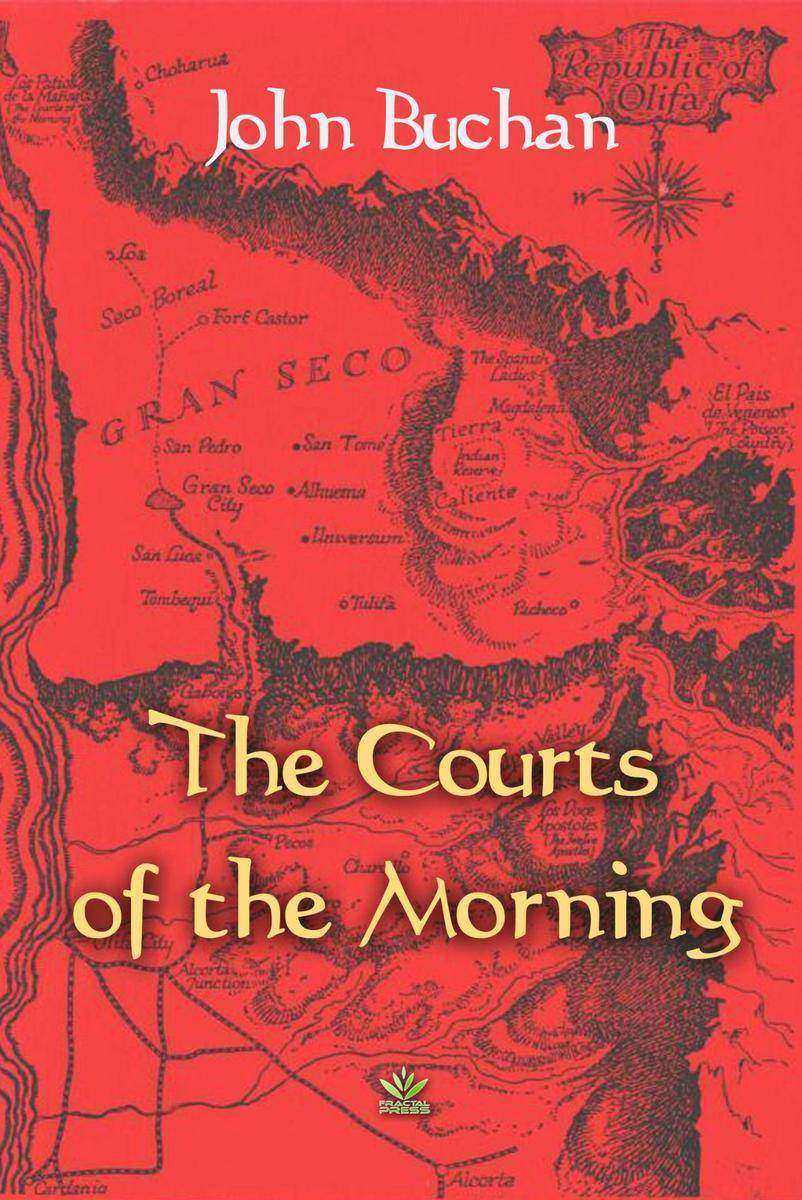
The Courts of the Morning
¥40.79
Sandy Arbuthnot's friend John Blenkiron discovers that a charismatic industrial tycoon is plotting to rule the world from his base in the small South American country of Olifa. Sandy decides to lead a revolution to scuttle the plot and allow the Olifans to decide their own fate.
The Awakening
¥40.79
Set in New Orleans, the story follows Edna Pontellier and her struggle to reconcile her increasingly unorthodox views on femininity and motherhood. It is one of the earliest American novels that focuses on women's issues. The novel's blend of realistic narrative, incisive social commentary, and psychological complexity makes The Awakening a precursor of American modernism.

The Grey Woman and other Tales
¥40.79
A collection of gothic tales from one of the finest Victorian writers featuring: The Grey Woman, Curious if True, Six Weeks at Heppenheim, Libbie Marsh's Three Eras, Christmas Storms and Sunshine, Hand and Heart, Bessy's Troubles at Home, Disappearances.
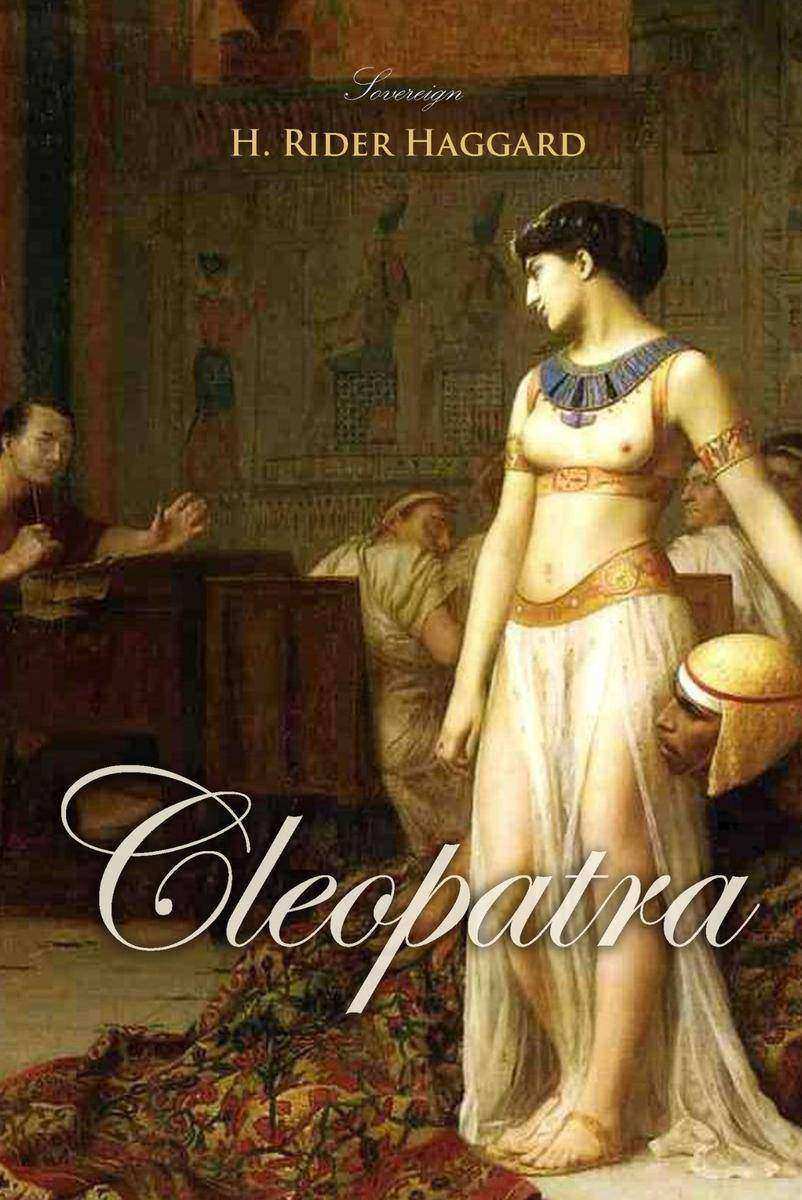
Cleopatra
¥40.79
The story of the survival of a dynasty bloodline protected by the Priesthood of Isis, setin the Ptolemaic era of Ancient Egyptian history. The main character Harmachis is charged by the Priesthood to overthrow the supposed impostor Cleopatra, drive out the Romans and restore Egypt to its golden era.


