


 购物车
购物车 个人中心
个人中心
Taken: Part 2 of 3
¥24.33
Experienced foster carer, Rosie Lewis, takes on the heart-breaking case of Megan, a baby born with a drug addiction and a cleft palate. Addicted to drugs from birth because of her mother’s substance abuse during pregnancy, new-born Megan is taken into Rosie’s loving care. Rosie is supposed to help Megan find her new permanent home, but it turns out that Megan has already found her ‘forever mummy’ in Rosie. Rosie grows incredibly attached to Megan and applies to adopt her, but the system refuses her in favour of a young couple and Rosie is devastated. Against all her instincts, Rosie does her job and prepares Megan for her new ‘forever family’, but everything about Megan leaving feels wrong. When Rosie learns a few months later that Megan’s adoption has broken down, she is saddened but also filled with hope – will this little girl be allowed to return to her true ‘forever home’?
Taken: Part 1 of 3
¥24.33
Experienced foster carer, Rosie Lewis, takes on the heart-breaking case of Megan, a baby born with a drug addiction and a cleft palate. Addicted to drugs from birth because of her mother’s substance abuse during pregnancy, new-born Megan is taken into Rosie’s loving care. Rosie is supposed to help Megan find her new permanent home, but it turns out that Megan has already found her ‘forever mummy’ in Rosie. Rosie grows incredibly attached to Megan and applies to adopt her, but the system refuses her in favour of a young couple and Rosie is devastated. Against all her instincts, Rosie does her job and prepares Megan for her new ‘forever family’, but everything about Megan leaving feels wrong. When Rosie learns a few months later that Megan’s adoption has broken down, she is saddened but also filled with hope – will this little girl be allowed to return to her true ‘forever home’?
Taken: Part 3 of 3
¥24.33
Experienced foster carer, Rosie Lewis, takes on the heart-breaking case of Megan, a baby born with a drug addiction and a cleft palate. Addicted to drugs from birth because of her mother’s substance abuse during pregnancy, new-born Megan is taken into Rosie’s loving care. Rosie is supposed to help Megan find her new permanent home, but it turns out that Megan has already found her ‘forever mummy’ in Rosie. Rosie grows incredibly attached to Megan and applies to adopt her, but the system refuses her in favour of a young couple and Rosie is devastated. Against all her instincts, Rosie does her job and prepares Megan for her new ‘forever family’, but everything about Megan leaving feels wrong. When Rosie learns a few months later that Megan’s adoption has broken down, she is saddened but also filled with hope – will this little girl be allowed to return to her true ‘forever home’?

A Négyek jele
¥24.12
A Négyek jele


福尔摩斯探案集(英文版)
促销价:¥6.99|¥23.99
精选了一些福尔摩斯的英文短篇探案故事,练练英文阅读还是好的,毕竟中文之外还有更多优秀的小说值得你阅读。

傲慢与偏见(英文版)
促销价:¥7.99|¥23.99
这是奥斯汀*受欢迎的一部小说,它写的是爱情纠葛,但显然并不限于爱情。一本书能成为名著,当然不仅仅它能让人感到愉悦,更重要的是,它能让人有所启迪。 那时候,作者就告诉我们:为了财产、金钱和地位而结婚是错误的。但是,200年后,我们不还是如此吗?
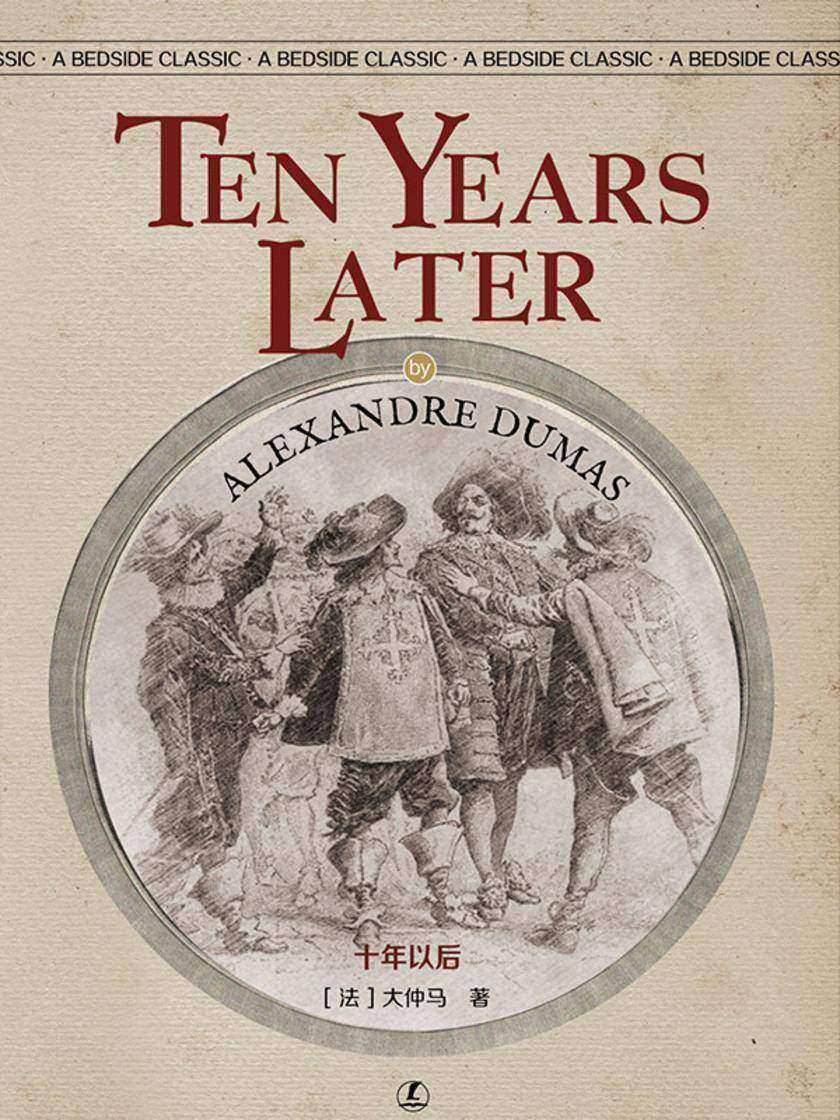
十年以后(英语文库)
¥23.99
本书作为我社“经典英语文库”第15辑中的一种,精选法国十九世纪著名作家大仲马所作长篇小说《十年以后》。本书是《三个火枪手》的续集。为“达塔尼昂浪漫三部曲”之一。三部曲的故事发展到《十年以后》一书中的阶段,个中的场景已不再是三十年前的刀光剑影、血雨腥风,取而代之的是法王路易十四挥金如土、宫闱暧昧、官场明争暗斗以及贵妇人之间争风吃醋等情节。其中,柔弱质朴、胆小怕事的路易丝·德拉瓦利埃小姐如何一步步被设局沦落为路易十四情妇的经过,为下来《路易丝·德拉瓦利埃》的展做足了铺垫。
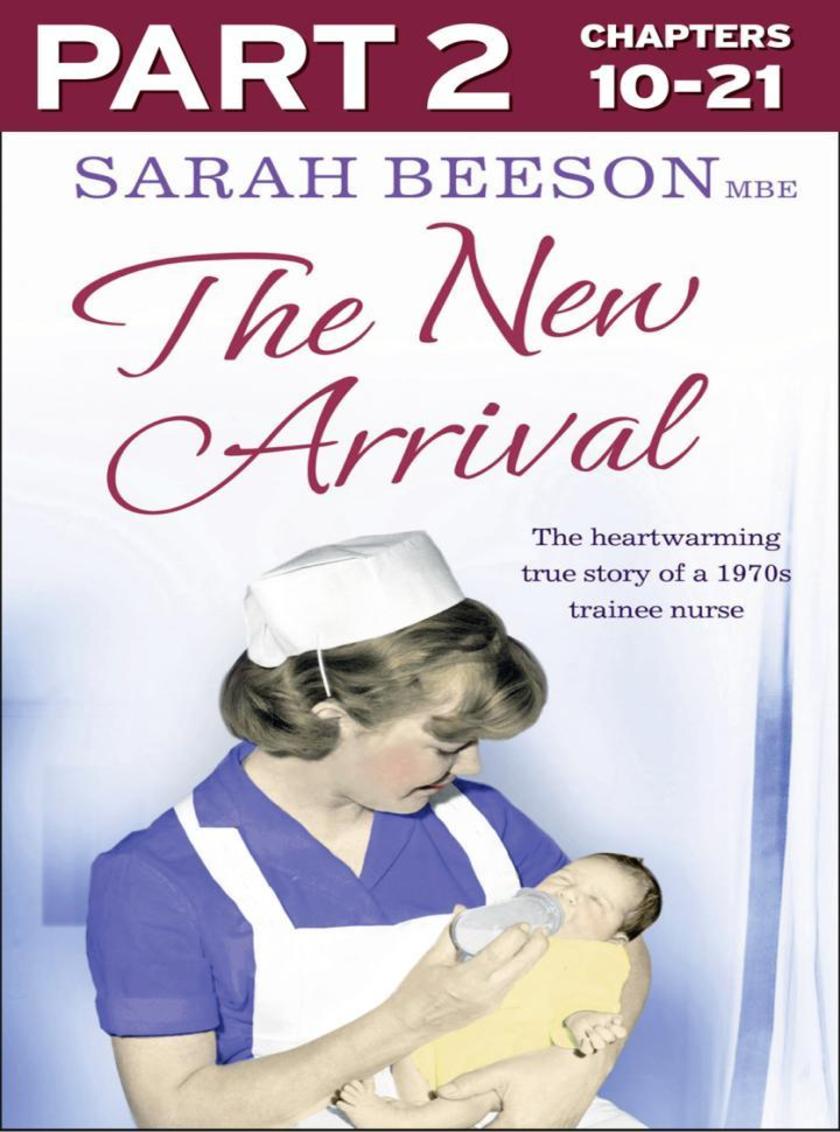
The New Arrival: Part 2 of 3
¥23.45
The New Arrival can either be read as a full-length eBook or in 3 serialised eBook-only parts. This is PART 2 of 3 (Chapters 10-21 of 30). You can read Part 2 one week ahead of release of the full-length eBook and paperback. Sarah completes her preliminary nurse training, and finds her feet with staff and patients alike, under the watchful eye of the stern matron. It’s the end of the swinging sixties, Britain is changing and the everyday life of the nurses and patients plays out against a backdrop of a failing government, strikes, immigration and women’s lib. Nurse Sarah Hill, together with her companions – the serious minded, politicised Maddox, the quick-witted Lynch, who falls in love with an upper-crust young doctor, golden girl Nursery Nurse Appleton, and ex-musical hall star turned midwife Wade – is thrown in straight at the deep end. Funny, warm and deeply moving, Sarah Beeson’s poignant memoir captures both the heartache and happiness of hospital life and 1970s London through the eyes of a gentle but determined young nurse.
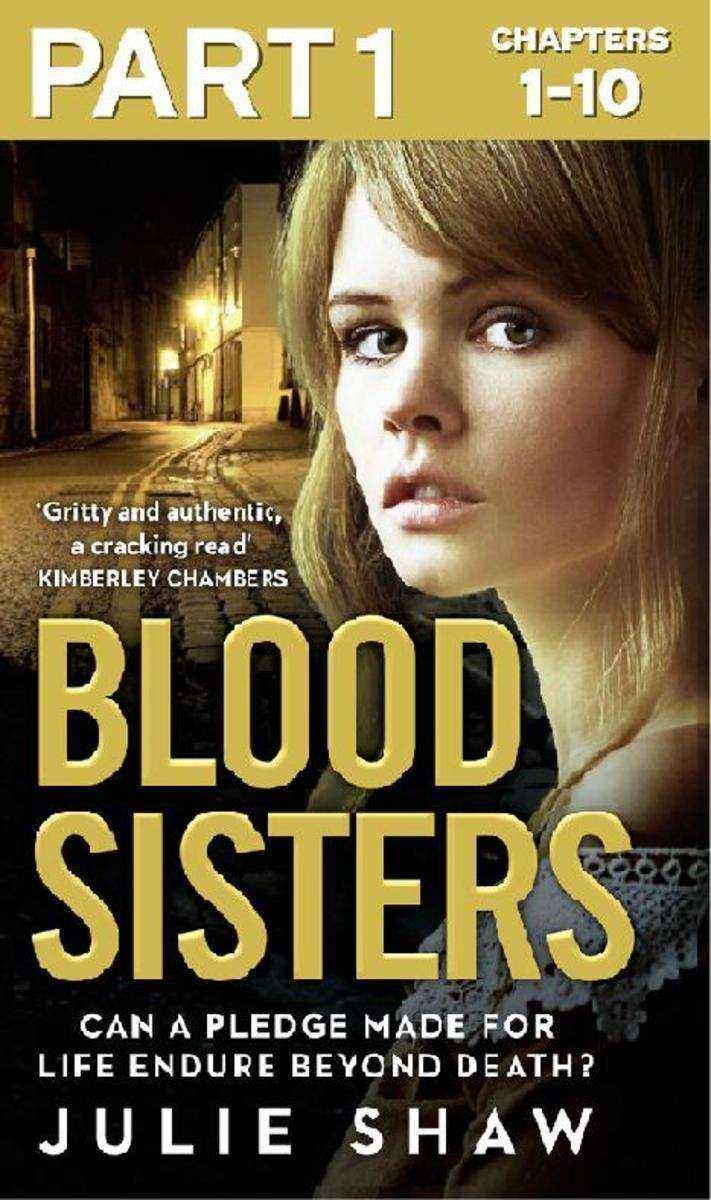
Blood Sisters: Part 1 of 3: Can a pledge made for life endure beyond death?
¥23.45
It’s 1983 and best friends Vicky and Lucy swear that they will always be there for each other, that they’ll never let anyone come between them. But fast forward 4 years and life on the Canterbury Estate has gotten very messy.
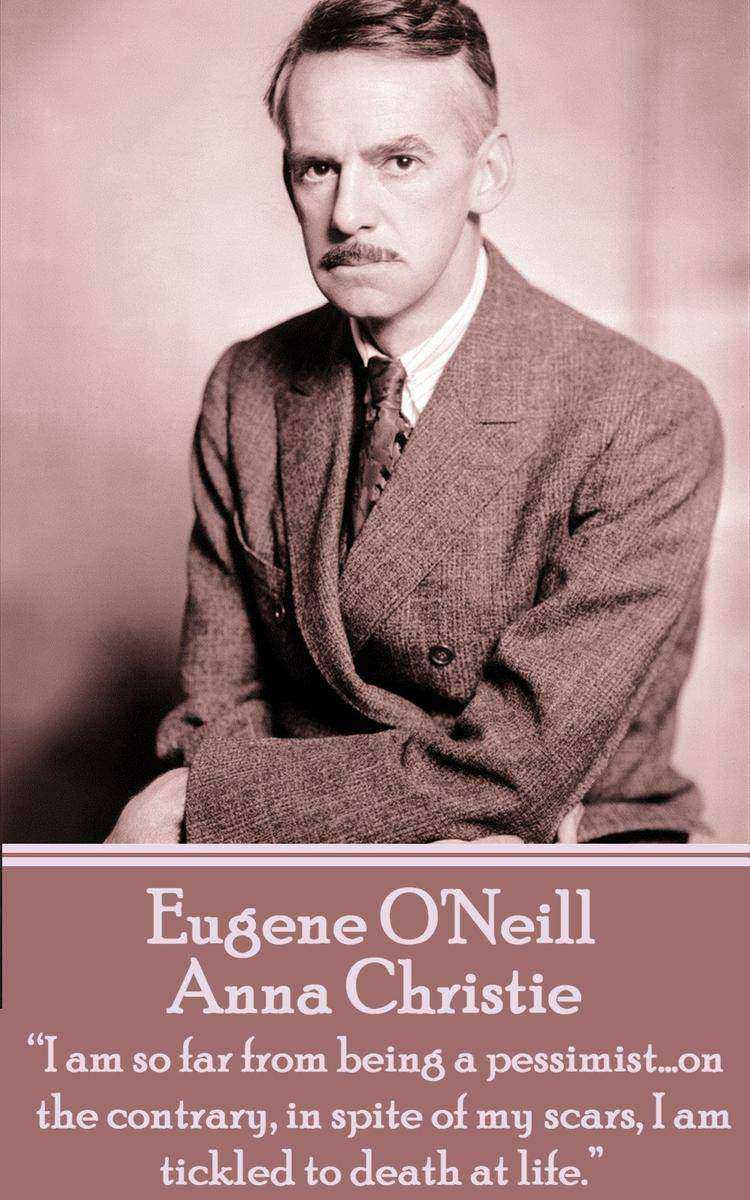
Anna Christie - let us be friends then from this out
¥23.45
Eugene Gladstone O'Neill was born on October 16, 1888 in a hotel bedroom in what is now Times Square, New York. Much of his childhood was spent in the comfort of books at boarding schools whilst his actor father was on the road and his Mother contended with her own demons. He spent only a year at University - Princeton - and various reasons have been given for his departure. However whatever his background and education denied or added to his development it is agreed amongst all that he was a playwright of the first rank and possibly America's greatest. His introduction of realism into American drama was instrumental in its development and paved a path for many talents thereafter. Of course his winning of both the Pulitzer Prize (4 times) and the Nobel Prize are indicative of his status. His more famous and later works do side with the disillusionment and personal tragedy of those on the fringes of society but continue to build upon ideas and structures he incorporated in his early one act plays. Eugene O'Neill suffered from various health problems, mainly depression and alcoholism. In the last decade he also faced a Parkinson's like tremor in his hands which made writing increasingly difficult. But out of such difficulties came plays of the calibre of The Iceman Cometh, Long Day's Journey Into Night, and A Moon for the Misbegotten. Eugene O'Neill died in Room 401 of the Sheraton Hotel on Bay State Road in Boston, on November 27, 1953, at the age of 65. As he was dying, he whispered his last words: "e;I knew it. I knew it. Born in a hotel room and died in a hotel room."e;
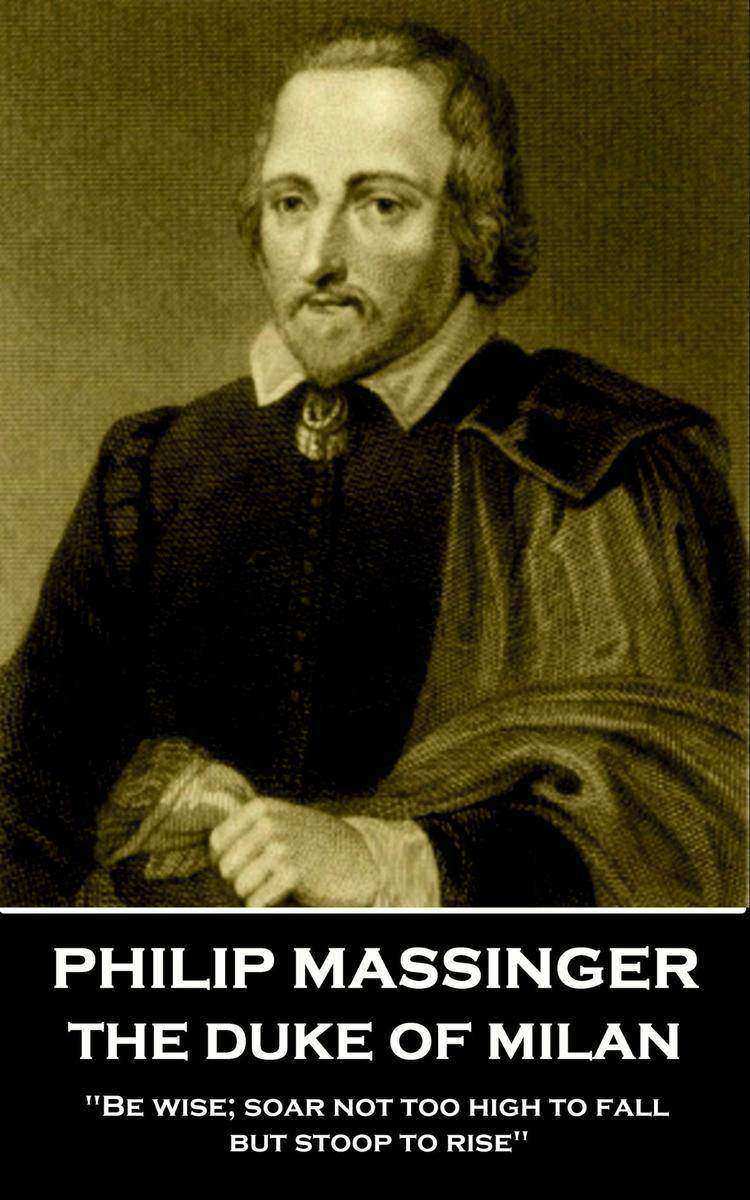
Duke of Milan - Be wise; soar not too high to fall; but stoop to rise
¥23.45
Philip Massinger was baptized at St. Thomas's in Salisbury on November 24th, 1583.Massinger is described in his matriculation entry at St. Alban Hall, Oxford (1602), as the son of a gentleman. His father, who had also been educated there, was a member of parliament, and attached to the household of Henry Herbert, 2nd Earl of Pembroke. The Earl was later seen as a potential patron for Massinger.He left Oxford in 1606 without a degree. His father had died in 1603, and accounts suggest that Massinger was left with no financial support this, together with rumours that he had converted to Catholicism, meant the next stage of his career needed to provide an income.Massinger went to London to make his living as a dramatist, but he is only recorded as author some fifteen years later, when The Virgin Martyr (1621) is given as the work of Massinger and Thomas Dekker.During those early years as a playwright he wrote for the Elizabethan stage entrepreneur, Philip Henslowe. It was a difficult existence. Poverty was always close and there was constant pleading for advance payments on forthcoming works merely to survive.After Henslowe died in 1616 Massinger and John Fletcher began to write primarily for the King's Men and Massinger would write regularly for them until his death.The tone of the dedications in later plays suggests evidence of his continued poverty. In the preface of The Maid of Honour (1632) he wrote, addressing Sir Francis Foljambe and Sir Thomas Bland: "e;I had not to this time subsisted, but that I was supported by your frequent courtesies and favours."e;The prologue to The Guardian (1633) refers to two unsuccessful plays and two years of silence, when the author feared he had lost popular favour although, from the little evidence that survives, it also seems he had involved some of his plays with political characters which would have cast shadows upon England's alliances.Philip Massinger died suddenly at his house near the Globe Theatre on March 17th, 1640. He was buried the next day in the churchyard of St. Saviour's, Southwark, on March 18th, 1640. In the entry in the parish register he is described as a "e;stranger,"e; which, however, implies nothing more than that he belonged to another parish.
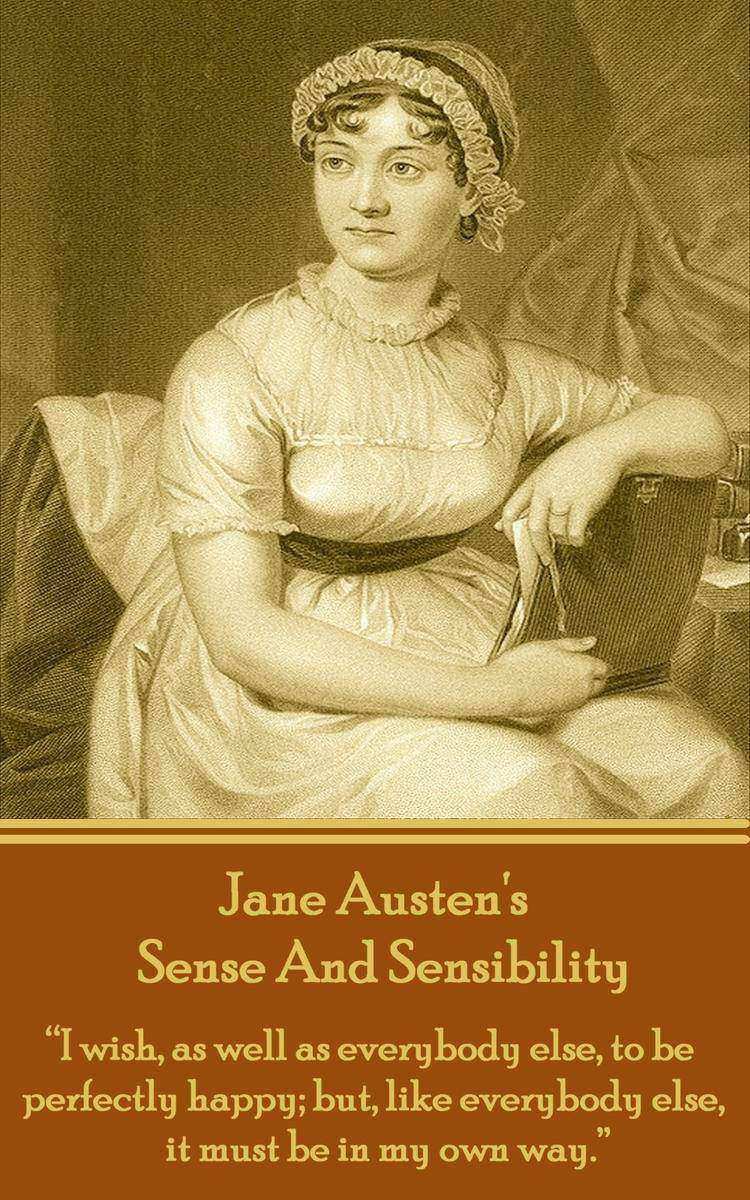
Sense And Sensibility
¥23.45
Sense and Sensibility (1811) is Jane Austen's first published novel. It is a book about love and romance that follows the life of Elinor and Marianne Dashwood. When their father dies and his property goes to his son and first wife, the Dashwood sisters move with their family to live in a modest cottage in Devonshire where start their romantic adventures and heartbreaks. The cottage belongs to their mother's cousin Sir John Middleton who welcomes them and presents them to his family and friends. One of John's friends, Colonel Brandon, soon falls in love with Marianne, yet the latter finds him unattractive and too old for her age. She later meets the philandering John Willoughby and becomes interested in him to be drowned in grief when he leaves to do business in London. As for Elinor, she develops a relationship with Edward Ferrars before they move to Devonshire. When the two sisters are disappointed by their lovers who go with other women, the novel depicts the different ways they react as well as their wavering between passion and reason. By the end of the novel, Edward comes to mend his relationship with Elinor and marries her while Marianne marries Colonel Brandon. We've also included a concise and informative biography of Jane's works and life at the end of the book. We hope it helps to give a little context and colour about how her life interacted with her art.
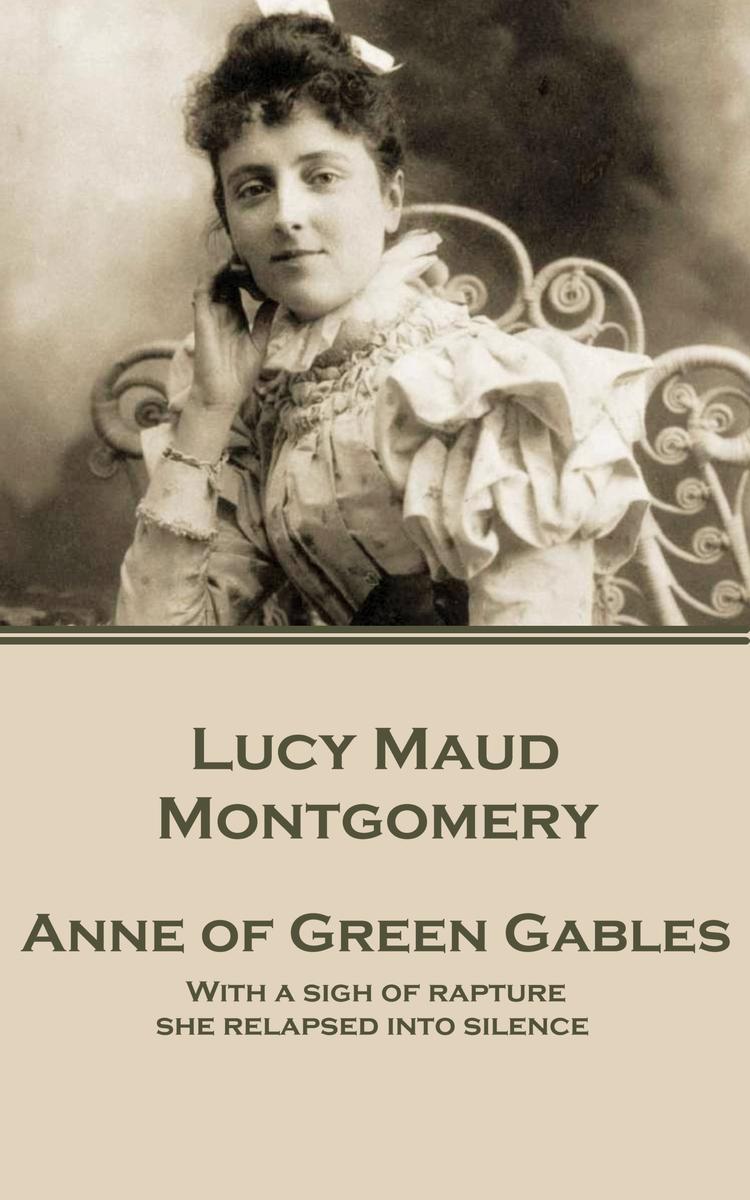
Anne of Green Gables - With a sigh of rapture she relapsed into silence.
¥23.45
Lucy Maud Montgomery was born in Clifton, Prince Edward Island, Canada, on November 30, 1874. Her mother died when she was a toddler and her devastated father asked her grandparents to raise her. Her childhood years in Cavendish were very lonely. Lucy's solution at this early age was to create imaginary worlds and people them with imaginary friends. Her creativity was beginning to establish itself in her life. With her studying days over Lucy began a career as a teacher and worked at various Prince Edward Island schools. It was soon obvious to her that she did not enjoy teaching but the benefit was that it gave her time to write. That was now her real passion. Much of her early career was spent writing short stories. Indeed in the decade from 1897 magazines and newspapers published over 100 stories from the prolific young writer. In 1908, Lucy published her first book, the classic, Anne of Green Gables. It was an immediate success and quickly established her career. During her lifetime, Lucy published 20 novels, 530 short stories, 500 poems, and 30 essays. Aware of her fame, by 1920 Lucy began editing and recopying her journals, reframing her life as she wanted it remembered. Lucy Maud Montgomery died on April 24, 1942 in Toronto. A note was found beside her bed, "e;I have lost my mind by spells and I do not dare think what I may do in those spells. May God forgive me and I hope everyone else will forgive me even if they cannot understand. My position is too awful to endure and nobody realizes it. What an end to a life in which I tried always to do my best."e; The official cause of death was a coronary thrombosis.
Master Builder (1892)
¥23.45
Henrik Ibsen (20th March, 1828 - 23rd May, 1906) is often referred to as the father of realism and ranked just below Shakespeare as Europe's greatest ever playwright especially as his plays are performed most frequently throughout the world after Shakespeare's. Ibsen was Norwegian and although set his plays in Norway, he wrote them in Danish and lived mot of his professional life in Italy and Germany. His affect on the theatre is still evident today and shapes the distinction of plays being art as opposed to entertainment since he broke down all previous traditions and explored issues, developed characterisation, revealed uncomfortable truths, challenged assumptions and brokedown facades in ourselves as well as society. These factors are clearly demonstrated in the Master Builder which is about Halvard Solness, an incredibly successful builder whose success is due to a lucky series of events which he had conceived and wished for but not actually done anything to make happen. These fortuitous occurrences for him and misfortunes for his competitors makes Solness think that he is divinely blessed to allow him to build churches and that all his wishes will come true. He confides these beliefs to a young woman he originally met as a child and together they fantasise about this magic power. At the same time his wife is uninterested in his buildings but consumed with grief over the loss of her two sons. Solness is ultimately destroyed by this infatuation for the younger woman together with his belief in his own infallibility making this Ibsen work a realistic tragedy with a thought provoking moral to the tale.
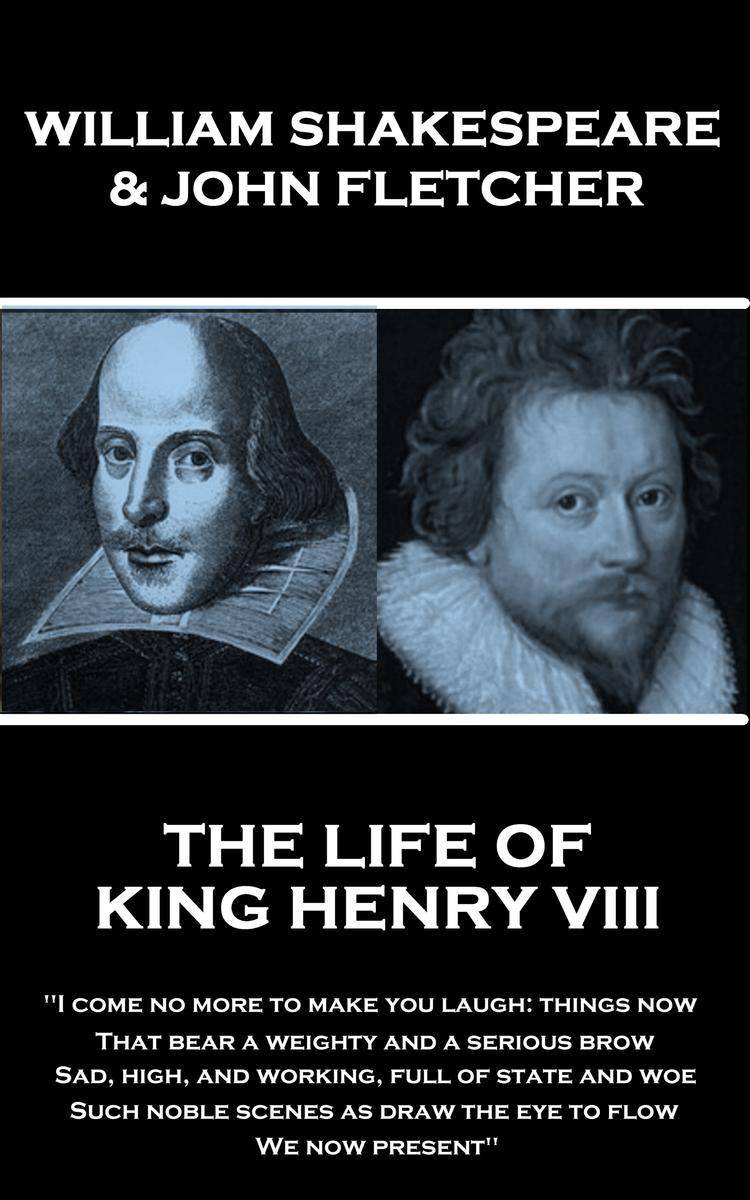
Life of King Henry the Eighth
¥23.45
William Shakespeare was born in Stratford-upon-Avon in late April 1565 and baptised there on 26th April. He was one of eight children.Little is known about his life but what is evident is the enormous contribution he has made to world literature.His writing was progressive, magnificent in scope and breathtaking in execution.Shakespeare's plays and sonnets helped enable the English language to speak with a voice unmatched by any other.William Shakespeare died on April 23rd 1616, survived by his wife and two daughters. He was buried two days after his death in the chancel of the Holy Trinity Church. The epitaph on the slab which covers his grave includes the following passage.Good friend, for Jesus's sake forbear,To dig the dust enclosed here.Blessed me the man that spares these stones,And cursed be he that moves my bones.John Fletcher was born in December, 1579 in Rye, Sussex. He was baptised on December 20th.As can be imagined details of much of his life and career have not survived and, accordingly, only a very brief indication of his life and works can be given.Young Fletcher appears at the very young age of eleven to have entered Corpus Christi College at Cambridge University in 1591. There are no records that he ever took a degree but there is some small evidence that he was being prepared for a career in the church.However what is clear is that this was soon abandoned as he joined the stream of people who would leave University and decamp to the more bohemian life of commercial theatre in London.The upbringing of the now teenage Fletcher and his seven siblings now passed to his paternal uncle, the poet and minor official Giles Fletcher. Giles, who had the patronage of the Earl of Essex may have been a liability rather than an advantage to the young Fletcher. With Essex involved in the failed rebellion against Elizabeth Giles was also tainted.By 1606 John Fletcher appears to have equipped himself with the talents to become a playwright. Initially this appears to have been for the Children of the Queen's Revels, then performing at the Blackfriars Theatre.Fletcher's early career was marked by one significant failure; The Faithful Shepherdess, his adaptation of Giovanni Battista Guarini's Il Pastor Fido, which was performed by the Blackfriars Children in 1608.By 1609, however, he had found his stride. With his collaborator John Beaumont, he wrote Philaster, which became a hit for the King's Men and began a profitable association between Fletcher and that company. Philaster appears also to have begun a trend for tragicomedy. By the middle of the 1610s, Fletcher's plays had achieved a popularity that rivalled Shakespeare's and cemented the pre-eminence of the King's Men in Jacobean London. After his frequent early collaborator John Beaumont's early death in 1616, Fletcher continued working, both singly and in collaboration, until his own death in 1625. By that time, he had produced, or had been credited with, close to fifty plays.

Ghosts (1881)
¥23.45
Henrik Ibsen (20th March, 1828 - 23rd May, 1906) is often referred to as the father of realism and ranked just below Shakespeare as Europe's greatest ever playwright especially as his plays are performed most frequently throughout the world after Shakespeare's. He was Norwegian and although set his plays in Norway, he wrote them in Danish and lived most of his professional life in Italy and Germany. His affect on the theatre is still evident today and shapes the distinction of plays being art as opposed to entertainment since he broke down all previous traditions and explored issues, developed characterisation, revealed uncomfortable truths, challenged assumptions and brokedown facades in ourselves as well as society. These factors are clearly demonstrated in Ghosts which exposes painful and hidden past secrets that affect many of the characters. The protagonist, Mrs Alving, is a wealthy middle aged widow who was the victim of an alcoholic unfaithful husband. She searches to make sense of her life and comes to realise that her husband was suffocated by convention and is unwilling to let her life go the same way. The play tackles many taboo topics of its day like assisted suicide, premarital sex, incest, syphilis and criticism of the church and whilst these issues are no longer the hot potatoes they were, Ibsen's strong characterisation and haunting prose make this a powerful relevant drama.
Hedda Gabler (1890)
¥23.45
Henrik Ibsen (20th March, 1828 - 23rd May, 1906) is often referred to as the father of realism and ranked just below Shakespeare as Europe's greatest ever playwright especially as his plays are performed most frequently throughout the world after Shakespeare's. Ibsen was Norwegian and although set his plays in Norway, he wrote them in Danish and lived most of his professional life in Italy and Germany. His affect on the theatre is still evident today and shapes the distinction of plays being art as opposed to entertainment since he broke down all previous traditions and explored issues, developed characterisation, revealed uncomfortable truths, challenged assumptions and broke down facades in ourselves as well as society. These factors are clearly demonstrated in Hedda Gabler where Ibsen presents one of the most interesting and elusive heroines in theatrical history. Hedda is the daughter of a deceased General and enters into a loveless marriage with the lacklustre George Tesman. Hedda's desperation is totally misunderstood by those around yet portrayed so realistically with some of his finest most memorable prose that we can empathise with her behaviour. Hedda aptly points out: "e;I think I have a natural talent for boring myself to death."e; This Ibsen work certainly does not bore and is an essential riveting read.
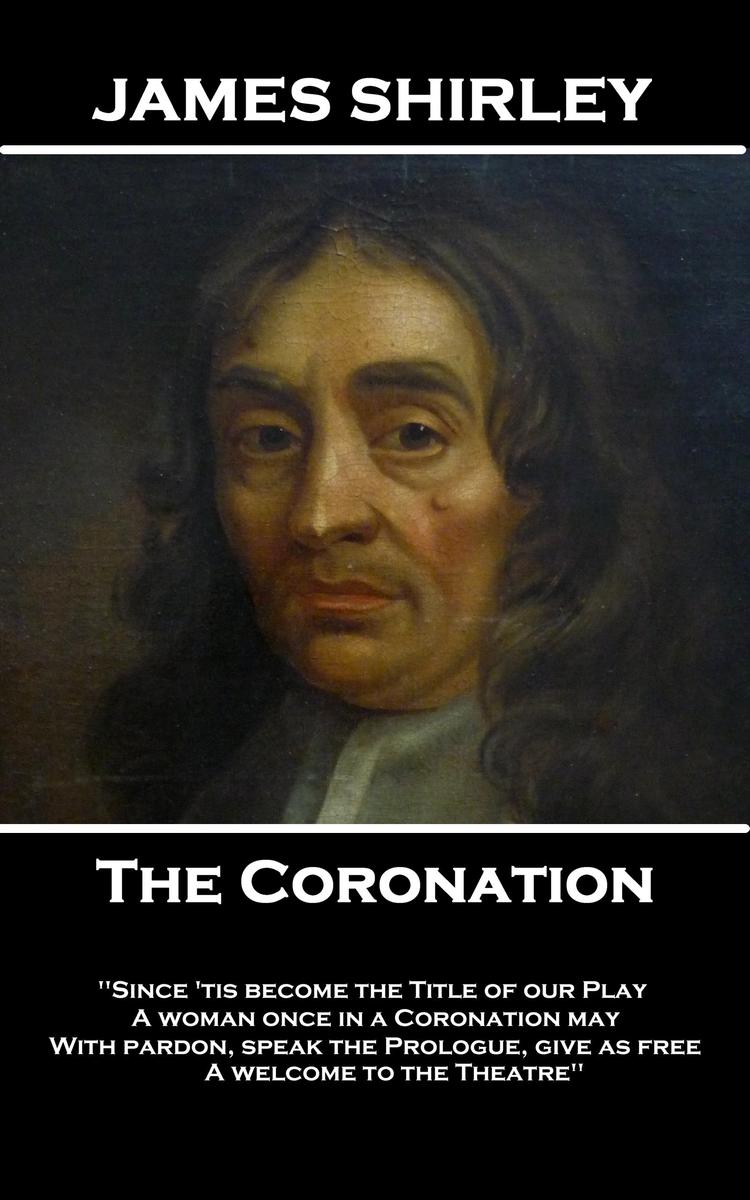
Coronation - What wind brought thee hither?
¥23.45
James Shirley was born in London in September 1596.His education was through a collection of England's finest establishments: Merchant Taylors' School, London, St John's College, Oxford, and St Catharine's College, Cambridge, where he took his B.A. degree in approximately 1618.He first published in 1618, a poem entitled Echo, or the Unfortunate Lovers.As with many artists of this period full details of his life and career are not recorded.He wrote his first play, Love Tricks, or the School of Complement, which was licensed on February 10th, 1625.For the next two decades, he would write prolifically and with great quality, across a spectrum of thirty plays; through tragedies and comedies to tragicomedies as well as several books of poetry. Unfortunately, his talents were left to wither when Parliament passed the Puritan edict in 1642, forbidding all stage plays and closing the theatres.His death, at age seventy, along with that of his wife, in 1666, is described as one of fright and exposure due to the Great Fire of London which had raged through parts of London from September 2nd to the 5th.He was buried at St Giles in the Fields, in London, on October 29th, 1666.
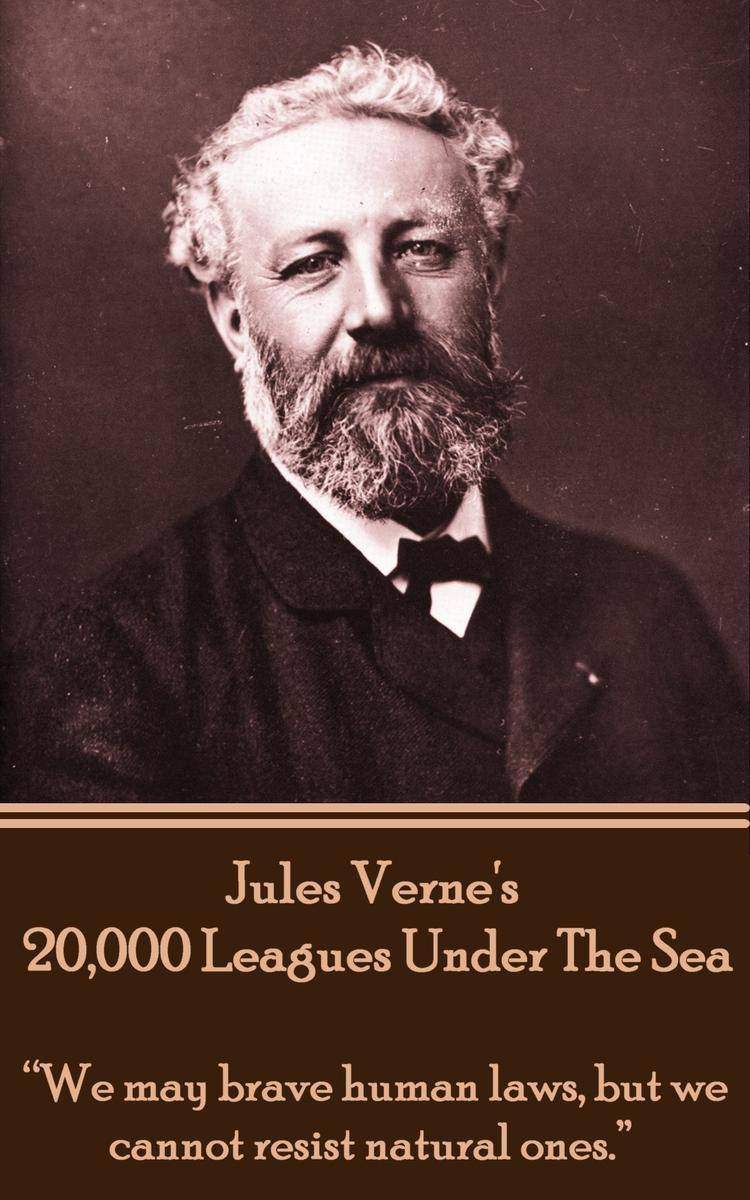
20,000 Leagues Under the Sea - We may brave human laws, but we cannot resist nat
¥23.45
Jules Verne is probably the world's first science-fiction novelist. His Twenty Thousand Leagues Under the Sea (1870) centers around a sea monster that keeps on menacing and damaging ships and ocean liners in the Atlantic and Pacific oceans. When the US government eventually decides to destroy the monster, a group of whaling and marine biology experts from different nationalities led by Professor Arronax are invited to join the American ship Abraham Lincoln and engage in an expedition around the South American continent to search for the weird creature. After losing their first battle, the crew discover, to their surprise, that the supposed monster is rather a large metal body that travels under the water. They are soon abducted and brought inside the vessel to meet its eccentric commander Captain Nemo. The submarine's new passengers learn that Captain Nemo has built the vessel to isolate himself from world governments and to spend his lifetime exploring new worlds and conducting scientific research. Captain Nemo's treatment of his visitors is generally respectful and kind except for his radical rejection of their pleas to leave the submarine and go back home. By the end of the story, the submarine is attacked by another ship sent by Captain Nemo's enemies. Captain Nemo decides to destroy the attacking ship and to send it to the bowels of the ocean. The novel ends when the submarine encounters a very strong whirlpool named "e;Maelstrom,"e; allowing Professor Arronax to flee with the rest of his crew while the fate of Captain Nemo and his creation remains unknown.
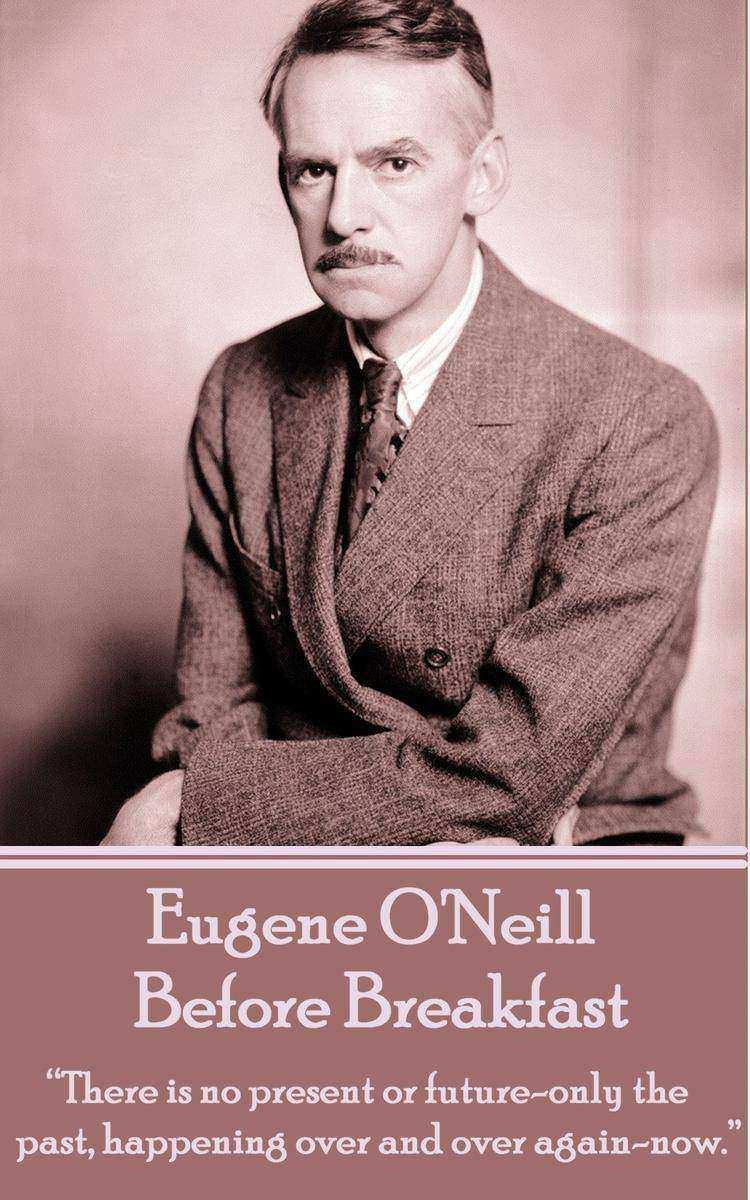
Before Breakfast - There is no present or future-only the past, happening over a
¥23.45
Eugene Gladstone O'Neill was born on October 16, 1888 in a hotel bedroom in what is now Times Square, New York. Much of his childhood was spent in the comfort of books at boarding schools whilst his actor father was on the road and his Mother contended with her own demons. He spent only a year at University - Princeton - and various reasons have been given for his departure. However whatever his background and education denied or added to his development it is agreed amongst all that he was a playwright of the first rank and possibly America's greatest. His introduction of realism into American drama was instrumental in its development and paved a path for many talents thereafter. Of course his winning of both the Pulitzer Prize (4 times) and the Nobel Prize are indicative of his status. His more famous and later works do side with the disillusionment and personal tragedy of those on the fringes of society but continue to build upon ideas and structures he incorporated in his early one act plays. Eugene O'Neill suffered from various health problems, mainly depression and alcoholism. In the last decade he also faced a Parkinson's like tremor in his hands which made writing increasingly difficult. But out of such difficulties came plays of the calibre of The Iceman Cometh, Long Day's Journey Into Night, and A Moon for the Misbegotten. Eugene O'Neill died in Room 401 of the Sheraton Hotel on Bay State Road in Boston, on November 27, 1953, at the age of 65. As he was dying, he whispered his last words: "e;I knew it. I knew it. Born in a hotel room and died in a hotel room."e;

Ulysses
¥23.45
Nicholas Rowe was born in Little Barford, Bedfordshire, England, on June 20th, 1674. He was educated at Highgate School, and then at Westminster School under the tutelage of Dr. Busby.In 1688, Rowe became a King's Scholar, and then in 1691 gained entrance into Middle Temple. This was his father's decision (he was a barrister) who felt that his son had made sufficient progress to study law. While at Middle Temple, he decided that studying law was easier if seen as a system of rational government and impartial justice and not as a series of precedents, or collection of positive precepts.On his father's death, when he was nineteen, he became the master of a large estate and an independent fortune. His future path now was to ignore law and write poetry with a view to eventually writing plays.The Ambitious Stepmother, Rowe's first play, produced in 1700 at Lincoln's Inn Fields by Thomas Betterton and set in Persepolis, was well received. This was followed in 1701 by Tamerlane. In this play the conqueror Timur represented William III, and Louis XIV is denounced as Bajazet. It was for many years regularly acted on the anniversary of William's landing at Torbay. In 1704, he tried his hand at comedy, with The Biter at Lincoln's Inn Fields. The play is said to have amused no one except the author, and Rowe returned to tragedy in Ulysses (1706). For Johnson, this play was to share the fate of many such plays based on mythological heroes, as, "e;We have been too early acquainted with the poetical heroes to expect any pleasure from their revival"e;The Royal Convert (1707) dealt with the persecutions endured by Aribert, son of Hengist and the Christian maiden Ethelinda. The story was set in England in an obscure and barbarous age. Rodogune was a tragic character, of high spirit and violent passions, yet with a wicked with a soul that would have been heroic if it had been virtuous.Rowe is however well known for his work on Shakespeare's plays. He published the first 18th century edition of Shakespeare in six volumes in 1709. His practical knowledge of the stage helped him divide the plays into scenes and acts, with entrances and exits of the players noted. The spelling of names was normalized and each play prefixed with a dramatis personae. This 1709 edition was also the first to be illustrated, a frontispiece engraving being provided for each play. Unfortunately, Rowe based his text on the discredited Fourth Folio, a failing which many succeeding him also followed.Rowe also wrote a short biography of William Shakespeare, entitled, Some Account of the Life of Mr. William Shakespeare.In Dublin in 1712 a revival of his earlier play, Tamerlane, at a time when political passions were running high, the performance provoked a serious riot.The Tragedy of Jane Shore, played at Drury Lane with Mrs Oldfield in the title role in 1714. It ran for nineteen nights, and kept the stage longer than any other of Rowe's works. In the play, which consists chiefly of domestic scenes and private distress, the wife is forgiven because she repents, and the husband is honoured because he forgives.Whilst his plays met with little success at the time his poems were received extremely well. Although he was not prolific nor his output large the quality was high. With the accession to the throne of George I he was made a surveyor of customs, and then, in 1715, he succeeded Nahum Tate as poet laureate. It was the high point of his artistic life.He was also appointed clerk of the council to the Prince of Wales, and in 1718 was nominated by Lord Chancellor Parker as clerk of the presentations in Chancery. Nicholas Rowe died on December 6th, 1718, and was buried in Westminster Abbey.Rowe married first a daughter of a Mr Parsons and left a son John. By his second wife Anne, nee Devenish, he had a daughter Charlotte.


