


 购物车
购物车 个人中心
个人中心
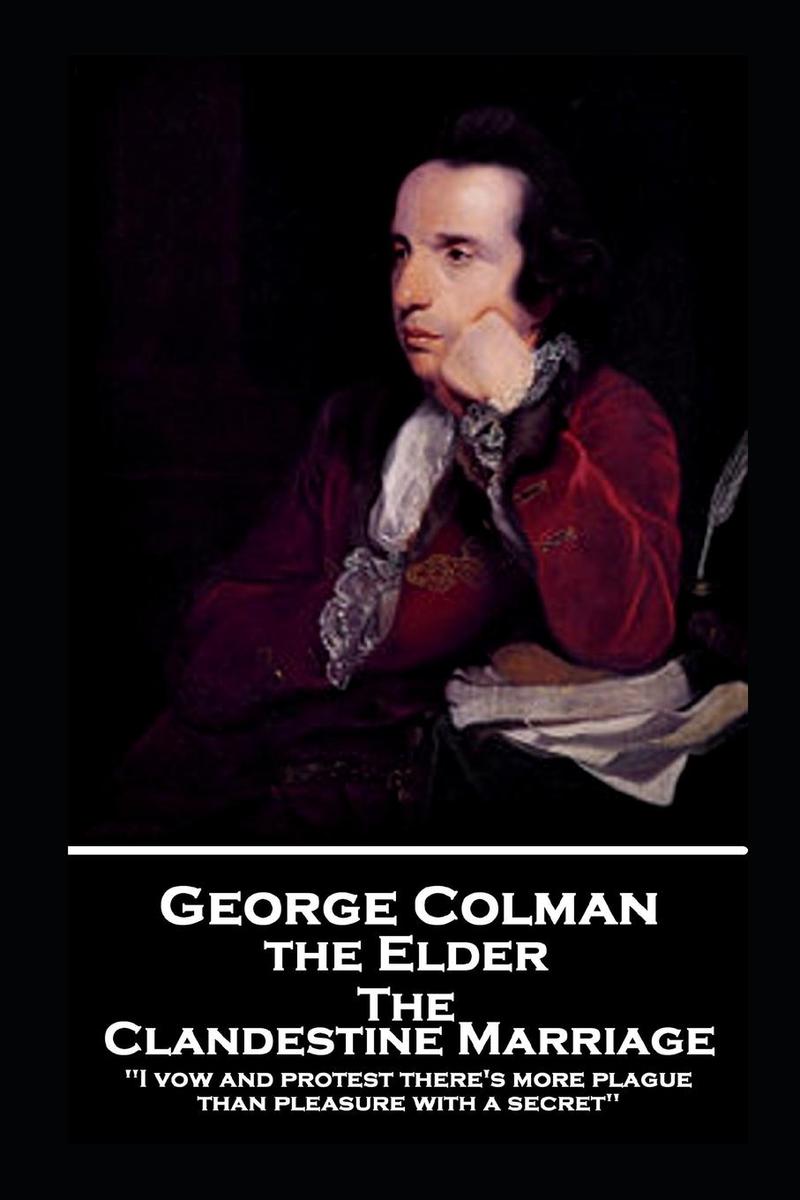
Clandestine Marriage - 'I vow and protest there's more plague than pleasure with
¥14.03
George Colman was born in Florence, Italy, in April 1732, where his father was stationed as British Resident Minister to the court of the Grand duke of Tuscany. Before his first birthday Colman's father had died and his well-being was now in the hands of his Father's sister and her husband, William Pulteney, the later Lord BathColman initially attended a private school in Marylebone before being sent to the exclusive Westminster School.From there Colman went to Christ Church, Oxford. Whilst there he met Bonnell Thornton, the parodist, and together they founded 'The Connoisseur' periodical (1754-1756), which ran for 140 editions. After taking his degree in 1755 Colman left Oxford and entered Lincoln's Inn. He was called to the bar in 1757. Despite a friendship forming with David Garrick and the promise of a literary career Colman decided that out of respect for Lord Bath he would continue to also practice law.In 1760, Colman produced his first play, 'Polly Honeycomb'. It was a great success. The following year, 1761, he followed up with 'The Jealous Wife', a comedy partly founded on Henry Fielding's 'Tom Jones'. It made Colman famous. On 21st October 1762 his son, George Colman the Younger, was born. He too would follow in his fathers' footsteps in education and career.In 1764 with the death of Lord Bath and a substantial inheritance Colman was now financially secure and could also stop his law career to work solely on literature.In 1765, his metrical translation of the six plays of Terence was published. The following year, 1766, in partnership with David Garrick, came another success: 'The Clandestine Marriage'. The only blot was when Colman quarreled with Garrick's refusal to take the part of Lord Ogleby. With the arrival of 1767 Colman decided to expand his interests by acquiring a quarter share in the Covent Garden Theatre. When his play 'The Oxonian in Town' was performed there on 9th November that year a riot ensued, apparently sparked by a claque of card-sharpers.Colman was elected to the Literary Club, in 1768, then nominally consisting of twelve members. In 1771 Thomas Arne's masque 'The Fairy Prince' premiered at Covent Garden, for which Colman wrote the libretto.His instincts as a theatrical impresario were sound. As well as part-owner he was also the acting manager of Covent Garden for seven years during which he produced several 'adapted' plays of Shakespeare. He also directed the premiere of 'She Stoops to Conquer' in 1773. In 1774 he sold to James Leake his share of Covent Garden, which had involved him in much litigation with his partners, and three years later, in 1777, he purchased the little theatre in the Haymarket from Samuel Foote.George Colman suffered badly from attacks of paralysis in 1785 and his health became both failing and a burden. By 1789 his brain had become affected, and he died on 14th August 1794. He was buried in Kensington Church.
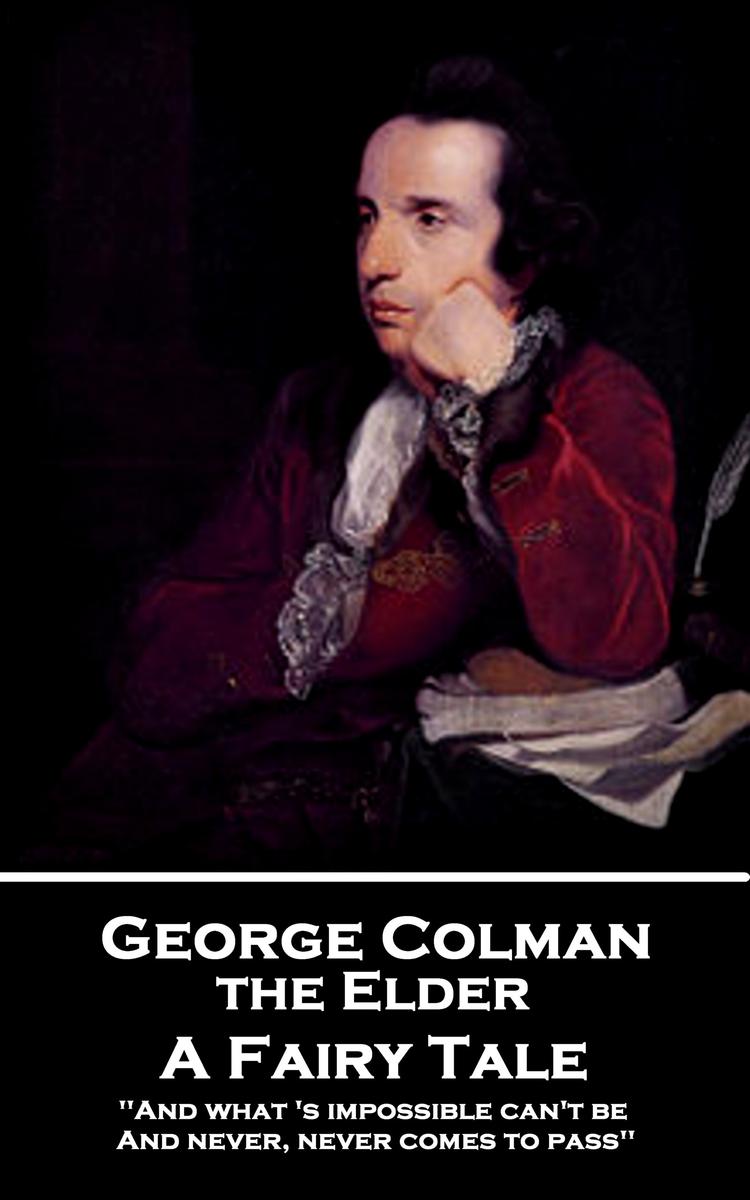
Fairy Tale - 'And what 's impossible can't be, And never, never comes to pass''
¥14.03
George Colman was born in Florence, Italy, in April 1732, where his father was stationed as British Resident Minister to the court of the Grand duke of Tuscany. Before his first birthday Colman's father had died and his well-being was now in the hands of his Father's sister and her husband, William Pulteney, the later Lord BathColman initially attended a private school in Marylebone before being sent to the exclusive Westminster School.From there Colman went to Christ Church, Oxford. Whilst there he met Bonnell Thornton, the parodist, and together they founded 'The Connoisseur' periodical (1754-1756), which ran for 140 editions. After taking his degree in 1755 Colman left Oxford and entered Lincoln's Inn. He was called to the bar in 1757. Despite a friendship forming with David Garrick and the promise of a literary career Colman decided that out of respect for Lord Bath he would continue to also practice law.In 1760, Colman produced his first play, 'Polly Honeycomb'. It was a great success. The following year, 1761, he followed up with 'The Jealous Wife', a comedy partly founded on Henry Fielding's 'Tom Jones'. It made Colman famous. On 21st October 1762 his son, George Colman the Younger, was born. He too would follow in his fathers' footsteps in education and career.In 1764 with the death of Lord Bath and a substantial inheritance Colman was now financially secure and could also stop his law career to work solely on literature.In 1765, his metrical translation of the six plays of Terence was published. The following year, 1766, in partnership with David Garrick, came another success: 'The Clandestine Marriage'. The only blot was when Colman quarreled with Garrick's refusal to take the part of Lord Ogleby. With the arrival of 1767 Colman decided to expand his interests by acquiring a quarter share in the Covent Garden Theatre. When his play 'The Oxonian in Town' was performed there on 9th November that year a riot ensued, apparently sparked by a claque of card-sharpers.Colman was elected to the Literary Club, in 1768, then nominally consisting of twelve members. In 1771 Thomas Arne's masque 'The Fairy Prince' premiered at Covent Garden, for which Colman wrote the libretto.His instincts as a theatrical impresario were sound. As well as part-owner he was also the acting manager of Covent Garden for seven years during which he produced several 'adapted' plays of Shakespeare. He also directed the premiere of 'She Stoops to Conquer' in 1773. In 1774 he sold to James Leake his share of Covent Garden, which had involved him in much litigation with his partners, and three years later, in 1777, he purchased the little theatre in the Haymarket from Samuel Foote.George Colman suffered badly from attacks of paralysis in 1785 and his health became both failing and a burden. By 1789 his brain had become affected, and he died on 14th August 1794. He was buried in Kensington Church.

Little Plays - These trenches are like Pompeii, sir.
¥14.03
Ford Madox Ford was born Ford Hermann Hueffer on 17th December 1873 in Wimbledon, London, England.Today he is best known for one book, 'The Good Soldier', which is regularly held to be one of the 100 greatest novels of all time. But, rather unfairly, the breadth of his career has been overshadowed. He wrote novels as well as essays, poetry, memoirs and literary criticism. Today he is well-regarded but known only for a few works rather than the grand arc of his career.Ford collaborated with Joseph Conrad on three novels but would later complain that, as with all his collaborators, and those he so readily championed, his contribution was overshadowed by theirs.He founded The English Review and The Transatlantic Review which were instrumental in publishing and promoting the works of so many authors and movements.During WWI he initially worked on propaganda books before enlisting. Ford was invalided back to Britain in 1917, remaining in the army and giving lectures until the War's end. After a spell recuperating in the Sussex countryside he lived mostly in France during the 1920s.He published the series of four novels known as Parade's End, between 1924 and 1928. These were particularly well-received in America, where Ford spent much of his time from the later 1920s to his death in 1939.His last years were spent teaching at Olivet College in Olivet, Michigan.Ford Madox Ford died on 26th June 1939 at Deauville, France at the age of 65.
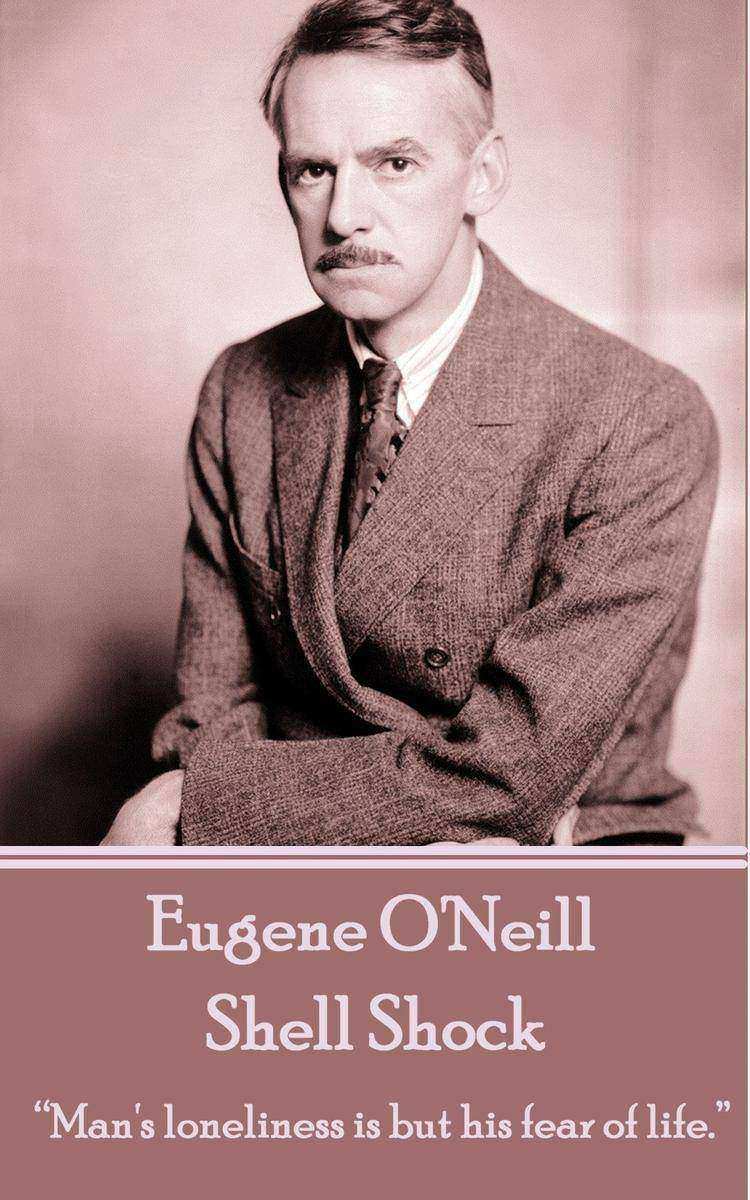
Shell Shock - Man's loneliness is but his fear of life.
¥14.03
Eugene Gladstone O'Neill was born on October 16, 1888 in a hotel bedroom in what is now Times Square, New York. Much of his childhood was spent in the comfort of books at boarding schools whilst his actor father was on the road and his Mother contended with her own demons. He spent only a year at University - Princeton - and various reasons have been given for his departure. However whatever his background and education denied or added to his development it is agreed amongst all that he was a playwright of the first rank and possibly America's greatest. His introduction of realism into American drama was instrumental in its development and paved a path for many talents thereafter. Of course his winning of both the Pulitzer Prize (4 times) and the Nobel Prize are indicative of his status. His more famous and later works do side with the disillusionment and personal tragedy of those on the fringes of society but continue to build upon ideas and structures he incorporated in his early one act plays. Eugene O'Neill suffered from various health problems, mainly depression and alcoholism. In the last decade he also faced a Parkinson's like tremor in his hands which made writing increasingly difficult. But out of such difficulties came plays of the calibre of The Iceman Cometh, Long Day's Journey Into Night, and A Moon for the Misbegotten. Eugene O'Neill died in Room 401 of the Sheraton Hotel on Bay State Road in Boston, on November 27, 1953, at the age of 65. As he was dying, he whispered his last words: "e;I knew it. I knew it. Born in a hotel room and died in a hotel room."e;
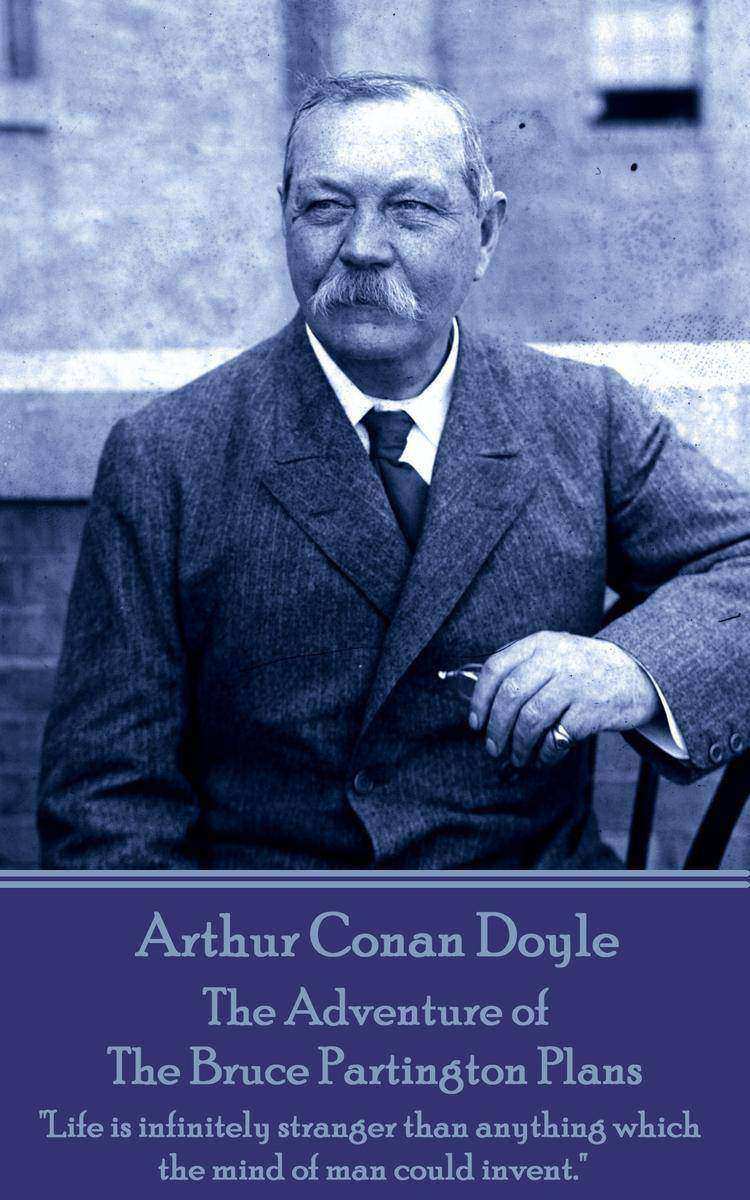
Adventure of the Bruce Partington Plans
¥14.03
If ever a writer needed an introduction Arthur Conan Doyle would not be considered that man. After all, Sherlock Holmes is perhaps the foremost literary detective of any age. Add to this canon his stories of science fiction and his poems, his historical novels, his plays, his political campaigning, his efforts in establishing a Court of Appeal and there is little room for anything else. Except he was also an exceptional writer of short stories of the horrific and macabre. Something very different from what you might expect. Born in Arthur Conan Doyle was born on 22 May 1859 at 11 Picardy Place, Edinburgh, Scotland. From 1876 - 1881 he studied medicine at the University of Edinburgh following which he was employed as a doctor on the Greenland whaler Hope of Peterhead in 1880 and, after his graduation, as a ship's surgeon on the SS Mayumba during a voyage to the West African coast in 1881. Arriving in Portsmouth in June of that year with less than GBP10 (GBP700 today) to his name, he set up a medical practice at 1 Bush Villas in Elm Grove, Southsea. The practice was initially not very successful. While waiting for patients, Conan Doyle again began writing stories and composed his first novel The Mystery of Cloomber. Although he continued to study and practice medicine his career was now firmly set as a writer. And thereafter great works continued to pour out of him.

Adventure of Wisteria Lodge
¥14.03
If ever a writer needed an introduction Arthur Conan Doyle would not be considered that man. After all, Sherlock Holmes is perhaps the foremost literary detective of any age. Add to this canon his stories of science fiction and his poems, his historical novels, his plays, his political campaigning, his efforts in establishing a Court of Appeal and there is little room for anything else. Except he was also an exceptional writer of short stories of the horrific and macabre. Something very different from what you might expect. Born in Arthur Conan Doyle was born on 22 May 1859 at 11 Picardy Place, Edinburgh, Scotland. From 1876 - 1881 he studied medicine at the University of Edinburgh following which he was employed as a doctor on the Greenland whaler Hope of Peterhead in 1880 and, after his graduation, as a ship's surgeon on the SS Mayumba during a voyage to the West African coast in 1881. Arriving in Portsmouth in June of that year with less than GBP10 (GBP700 today) to his name, he set up a medical practice at 1 Bush Villas in Elm Grove, Southsea. The practice was initially not very successful. While waiting for patients, Conan Doyle again began writing stories and composed his first novel The Mystery of Cloomber. Although he continued to study and practice medicine his career was now firmly set as a writer. And thereafter great works continued to pour out of him.
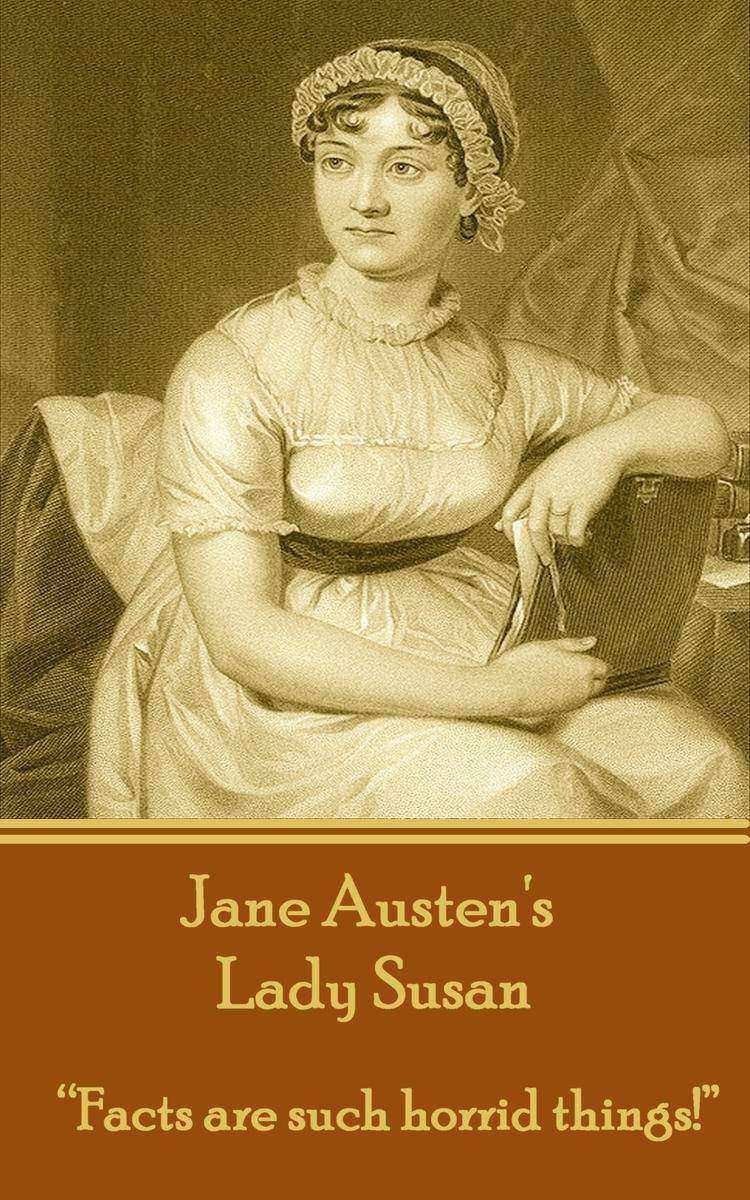
Lady Susan - Facts are such horrid things!
¥14.03
Jane Austen's Lady Susan (1871) is an epistolary novella centering around the character of an attractive and flirtatious widow who is after a second marriage. Lady Susan Vernon is basically portrayed as a selfish villain and a conniving sociopath who engages in different schemes to realize her vicious ends. Her social life is marked by hypocrisy, manipulation and opportunism. She secretly despises all her liaisons. The reader gradually learns that she even looks down on her own daughter Frederica and considers her to be a sort of impediment for her. Throughout the narrative, Lady Susan does her utmost to get rid of her sixteen-year-old daughter by trying to find a wealthy husband for her. Moreover, she makes use of her seductive strategies to lure noble men who are often younger than her. Single men as well as married ones get entangled in her nets as the plot proceeds to its end. Although the resolution of the story is far from being disastrous for the unscrupulous Lady Susan, it still takes the form of moral rectification when Frederica develops an honest, romantic relationship with the warm gentleman Reginald de Courcy while her mother eventually marries after many a flirtatious adventure. We've also included a concise and informative biography of Jane's works and life at the end of the book. We hope it helps to give a little context and colour about how her life interacted with her art.
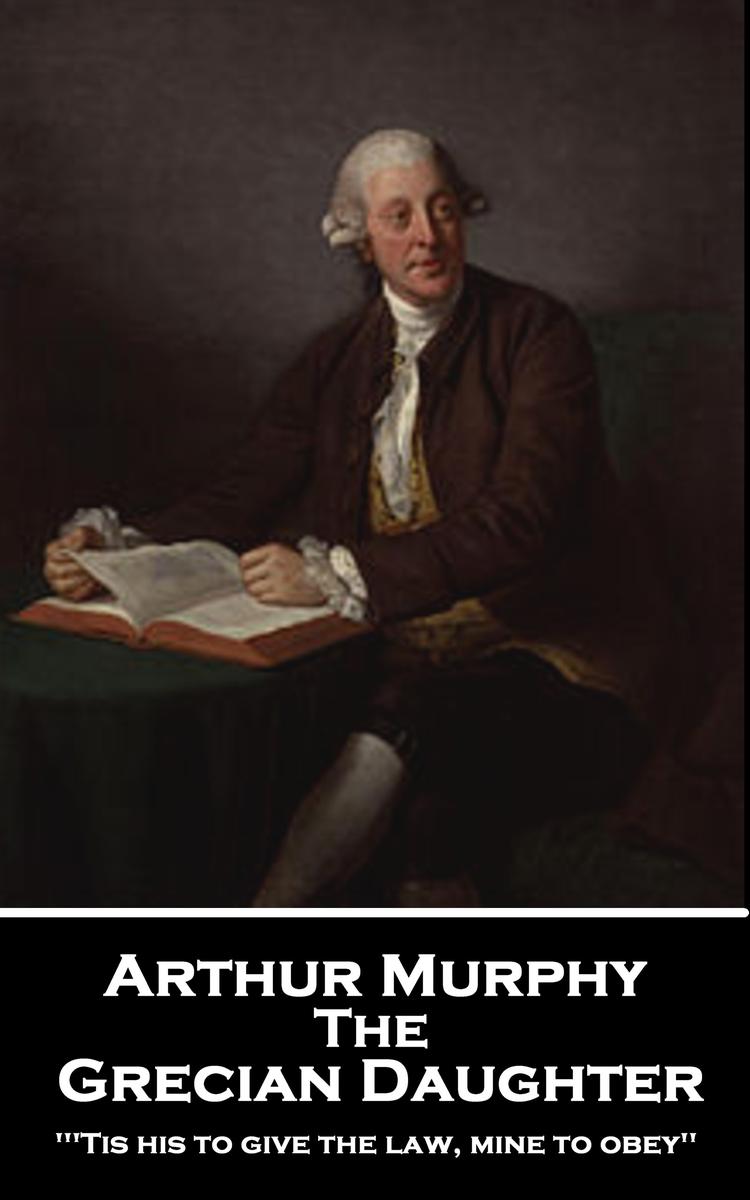
Grecian Daughter - ''Tis his to give the law, mine to obey''
¥14.03
Henry Jones was born at Beaulieu, near Drogheda, County Louth, Ireland in 1721. His working life began when he was apprenticed to a bricklayer. Jones, however, was keen to better himself and studied hard in his private time. He fashioned some complimentary verses, addressed to the corporation of Drogheda and together with some lines 'On Mr. Pope's Death', managed to attract the attention of Lord-chief-justice Singleton, who lived at Beaulieu.In 1745 he obtained employment at the parliament house at Dublin. Jones, used the position to promote his literary talents and celebrated the arrival of Lord Chesterfield as lord-lieutenant of Ireland in a poem that was then presented to Chesterfield by Singleton. Chesterfield asked Jones to accompany him on his return to London in 1748. There, he and his friends helped Jones to publish, by subscription, 'Poems on Several Occasions' in 1749, which delivered a handsome profit for the young poet. Jones is though more noted as a dramatist and that, primarily, is due to his tragedy, 'The Earl of Essex' which he completed in 1752. Chesterfield introduced both the play and Jones to Colley Cibber, the Poet Laureate, who then introduced Jones to the manager of Covent Garden Theatre. Cibber would later attempt to secure the laureateship for Jones after his own death.'The Earl of Essex', after being revised by Chesterfield and Cibber, was premiered at Covent Garden on 21st Feb. 1753, and played for seventeen sold-out nights. It was a triumph, and was equally well received in Dublin and then later in the provinces. It brought Jones over GBP500, a large sum even by today's standards. The play was printed soon after its production, and eventually sold through four editions.The success, unfortunately, was to be the ruin of Jones. His drunken habits, indolence, raw manners, and harshly arrogant temper appalled most of his patrons who soon withdrew their support. However, he seemed adept at keeping on good terms with Chesterfield for some years longer, but at length even he gave up on the relationship when Jones borrowed money from his servant. Jones did continue to write and had made progress on a tragedy entitled 'Harold,' and, on that thin security, managed to raise money as an advance from booksellers. He was rather more successful in his revelries with the acting profession. Jones continued to be on friendly terms with many of the leading actors although in his often drunk state he would harangue the more minor actors as 'parrots', but he repaid them with puffs and panegyrics. His charm and ease with a few lines were valuable commodities.Whenever he was an inmate of sponging-houses he contrived to flatter any bailiff's daughter or wife with verses on their beauty or talents, and, in the process, secured himself more comfortable quarters than he perhaps deserved. Henry Jones died in the parish workhouse in April 1770.After his death, Reddish, the actor of Drury Lane, acquired Jones's manuscripts, which included 'Harold' and three acts of an unfinished tragedy, 'The Cave of Idra.' This was completed by Paul Hiffernan, and re-titled 'The Heroine of the Cave,' was produced for Reddish's benefit on 25th March 1774.
Cyclops - Talk sense to a fool and he calls you foolish
¥14.03
Euripides is rightly lauded as one of the great dramatists of all time. In his lifetime, he wrote over 90 plays and although only 18 have survived they reveal the scope and reach of his genius. Euripides is identified with many theatrical innovations that have influenced drama all the way down to modern times, especially in the representation of traditional, mythical heroes as ordinary people in extraordinary circumstances. As would be expected from a life lived 2,500 years ago, details of it are few and far between. Accounts of his life, written down the ages, do exist but whether much is reliable or surmised is open to debate. Most accounts agree that he was born on Salamis Island around 480 BC, to mother Cleito and father Mnesarchus, a retailer who lived in a village near Athens. Upon the receipt of an oracle saying that his son was fated to win "e;crowns of victory"e;, Mnesarchus insisted that the boy should train for a career in athletics. However, what is clear is that athletics was not to be the way to win crowns of victory. Euripides had been lucky enough to have been born in the era as the other two masters of Greek Tragedy; Sophocles and schylus. It was in their footsteps that he was destined to follow. His first play was performed some thirteen years after the first of Socrates plays and a mere three years after schylus had written his classic The Oristria. Theatre was becoming a very important part of the Greek culture. The Dionysia, held annually, was the most important festival of theatre and second only to the fore-runner of the Olympic games, the Panathenia, held every four years, in appeal. Euripides first competed in the City Dionysia, in 455 BC, one year after the death of schylus, and, incredibly, it was not until 441 BC that he won first prize. His final competition in Athens was in 408 BC. The Bacchae and Iphigenia in Aulis were performed after his death in 405 BC and first prize was awarded posthumously. Altogether his plays won first prize only five times. Euripides was also a great lyric poet. In Medea, for example, he composed for his city, Athens, "e;the noblest of her songs of praise"e;. His lyric skills however are not just confined to individual poems: "e;A play of Euripides is a musical whole....one song echoes motifs from the preceding song, while introducing new ones."e; Much of his life and his whole career coincided with the struggle between Athens and Sparta for hegemony in Greece but he didn't live to see the final defeat of his city. Euripides fell out of favour with his fellow Athenian citizens and retired to the court of Archelaus, king of Macedon, who treated him with consideration and affection. At his death, in around 406BC, he was mourned by the king, who, refusing the request of the Athenians that his remains be carried back to the Greek city, buried him with much splendor within his own dominions. His tomb was placed at the confluence of two streams, near Arethusa in Macedonia, and a cenotaph was built to his memory on the road from Athens towards the Piraeus.
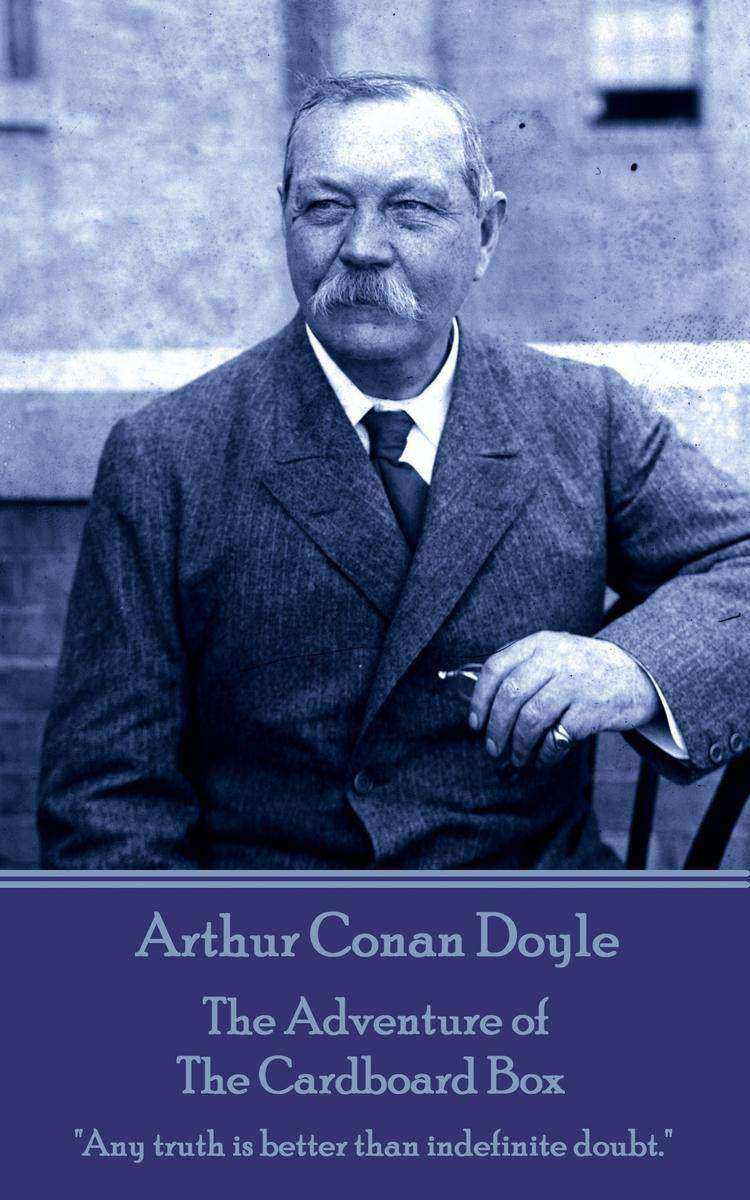
Adventure of the Cardboard Box - Any truth is better than indefinite doubt.
¥14.03
If ever a writer needed an introduction Arthur Conan Doyle would not be considered that man. After all, Sherlock Holmes is perhaps the foremost literary detective of any age. Add to this canon his stories of science fiction and his poems, his historical novels, his plays, his political campaigning, his efforts in establishing a Court of Appeal and there is little room for anything else. Except he was also an exceptional writer of short stories of the horrific and macabre. Something very different from what you might expect. Born in Arthur Conan Doyle was born on 22 May 1859 at 11 Picardy Place, Edinburgh, Scotland. From 1876 - 1881 he studied medicine at the University of Edinburgh following which he was employed as a doctor on the Greenland whaler Hope of Peterhead in 1880 and, after his graduation, as a ship's surgeon on the SS Mayumba during a voyage to the West African coast in 1881. Arriving in Portsmouth in June of that year with less than GBP10 (GBP700 today) to his name, he set up a medical practice at 1 Bush Villas in Elm Grove, Southsea. The practice was initially not very successful. While waiting for patients, Conan Doyle again began writing stories and composed his first novel The Mystery of Cloomber. Although he continued to study and practice medicine his career was now firmly set as a writer. And thereafter great works continued to pour out of him.

Thirst - Man is born broken. He lives by mending. The grace of God is glue.
¥14.03
Eugene Gladstone O'Neill was born on October 16, 1888 in a hotel bedroom in what is now Times Square, New York. Much of his childhood was spent in the comfort of books at boarding schools whilst his actor father was on the road and his Mother contended with her own demons. He spent only a year at University - Princeton - and various reasons have been given for his departure. However whatever his background and education denied or added to his development it is agreed amongst all that he was a playwright of the first rank and possibly America's greatest. His introduction of realism into American drama was instrumental in its development and paved a path for many talents thereafter. Of course his winning of both the Pulitzer Prize (4 times) and the Nobel Prize are indicative of his status. His more famous and later works do side with the disillusionment and personal tragedy of those on the fringes of society but continue to build upon ideas and structures he incorporated in his early one act plays. Eugene O'Neill suffered from various health problems, mainly depression and alcoholism. In the last decade he also faced a Parkinson's like tremor in his hands which made writing increasingly difficult. But out of such difficulties came plays of the calibre of The Iceman Cometh, Long Day's Journey Into Night, and A Moon for the Misbegotten. Eugene O'Neill died in Room 401 of the Sheraton Hotel on Bay State Road in Boston, on November 27, 1953, at the age of 65. As he was dying, he whispered his last words: "e;I knew it. I knew it. Born in a hotel room and died in a hotel room."e;
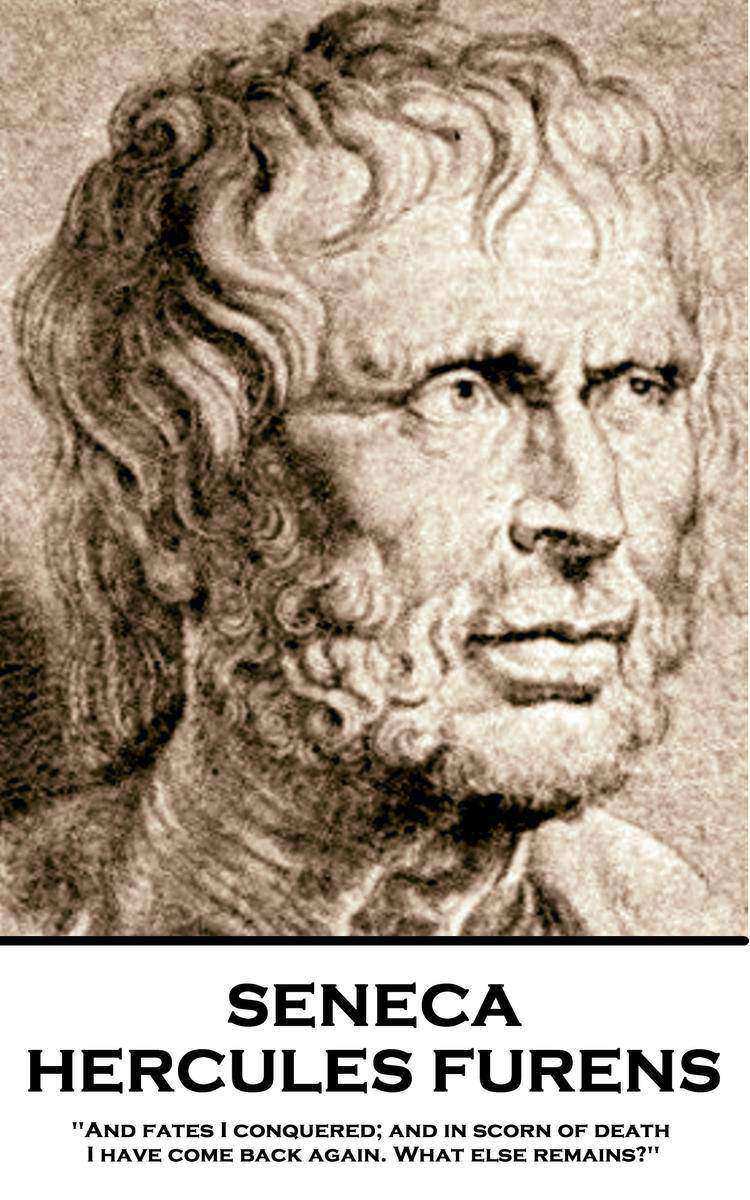
Hercules Furens -And fates I conquered; and in scorn of death I have come back a
¥14.03
Lucius Annaeus Seneca, more readily known as Seneca the Younger, was born at Cordoba in the Roman province of Baetica in Hispania in approx 4 BC.Seneca attests that he was taken to Rome at a young age and educated in literature, grammar, and rhetoric; the standard education of high-born Romans. He also received philosophical training.Much of his life is not well documented but accounts do lean towards a pattern of ill-health at times. His breathing difficulties are thought to be the result of asthma and during his mid-twenties he contracted tuberculosis.He was sent to Egypt to live with his aunt, whose husband, Gaius Galerius, was Prefect of Egypt. In 31 AD he returned to Rome with her and, with her influence, was elected quaestor and with it the right to sit in the Roman Senate.Seneca's early career as a senator was successful and he was fulsomely praised for his oratory. A story related that emperor Caligula was so offended by Seneca's oratorical success that he ordered him to commit suicide. Seneca's ill-health prevented that.In 41 AD, Claudius became emperor, and Seneca was promptly cited by the new empress Messalina of adultery with Julia Livilla, the sister of Caligula and Agrippina.After trial the Senate pronounced a death sentence, which Claudius then commuted to exile. Seneca was to now spend the next eight years in Corsica. From this period of exile survive two of his earliest works-both consolations.In 49 AD Agrippina married her uncle Claudius, and through her Seneca was recalled to Rome. Agrippina appointed him, as tutor to her son, the future emperor Nero.Nero's early rule, during which he followed the advice of Seneca and Burrus, was competent. However, within a few years both Seneca and Burrus had lost their influence.In 58 AD the senator Publius Suillius Rufus made a series of public attacks on him saying that, Seneca had acquired a personal fortune of three hundred million sestertii. In response, Seneca brought a series of prosecutions for corruption against him. Suillius was dispatched into exile.After Burrus's death in 62 AD, Seneca's influence further declined. He adopted a quiet lifestyle at his country estates, concentrating on his studies and seldom visiting Rome. It was during these final few years that he composed two of his greatest works: 'Naturales Quaestiones'-an encyclopedia of the natural world; and his 'Letters to Lucilius'-which document his philosophical thoughts.In AD 65, Seneca was caught up in the aftermath of the Pisonian plot to kill Nero. Nero ordered him to kill himself. Seneca followed tradition by opening several veins in order to bleed to death. It was a sad conclusion for a man who has been called the first great Western thinker on the complex nature and role of gratitude in human relationships.
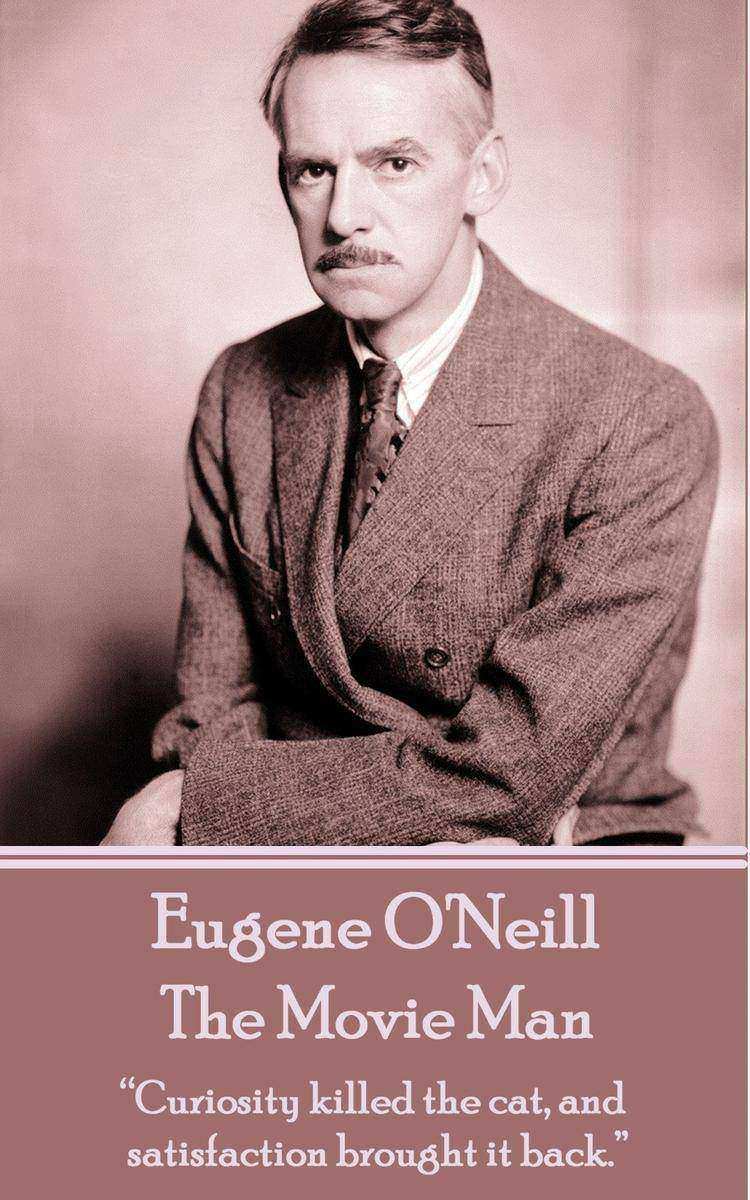
Movie Man - Curiosity killed the cat, and satisfaction brought it back.
¥14.03
Eugene Gladstone O'Neill was born on October 16, 1888 in a hotel bedroom in what is now Times Square, New York. Much of his childhood was spent in the comfort of books at boarding schools whilst his actor father was on the road and his Mother contended with her own demons. He spent only a year at University - Princeton - and various reasons have been given for his departure. However whatever his background and education denied or added to his development it is agreed amongst all that he was a playwright of the first rank and possibly America's greatest. His introduction of realism into American drama was instrumental in its development and paved a path for many talents thereafter. Of course his winning of both the Pulitzer Prize (4 times) and the Nobel Prize are indicative of his status. His more famous and later works do side with the disillusionment and personal tragedy of those on the fringes of society but continue to build upon ideas and structures he incorporated in his early one act plays. Eugene O'Neill suffered from various health problems, mainly depression and alcoholism. In the last decade he also faced a Parkinson's like tremor in his hands which made writing increasingly difficult. But out of such difficulties came plays of the calibre of The Iceman Cometh, Long Day's Journey Into Night, and A Moon for the Misbegotten. Eugene O'Neill died in Room 401 of the Sheraton Hotel on Bay State Road in Boston, on November 27, 1953, at the age of 65. As he was dying, he whispered his last words: "e;I knew it. I knew it. Born in a hotel room and died in a hotel room."e;

How to Open Payoneer US Bank Account
¥13.90
How to Open Payoneer US Bank Account

莎士比亚戏剧典藏:皆大欢喜
¥12.99
弗莱德里克不顾兄弟情谊,篡夺同胞兄弟的公爵头衔,把公爵赶走,使他被迫流亡在森林里。不久公爵的女儿罗瑟琳也被驱逐到森林,遇到了受兄长奥列佛虐待的奥兰多,两人相爱。奥兰多宽恕了奥列佛,使奥列佛悔过,并与罗瑟琳的堂妹西莉娅产生了爱情。他们一起生活在森林里,罗瑟琳终于在森林里找到了父亲,弗莱德里克受隐士拨,对自己的行为十分懊悔,将权位归还给了胞兄,奥兰多与罗瑟琳、奥列佛与西莉娅、牧人西尔维斯与牧女菲必、小丑试金石与村姑奥德雷四对恋人喜结良缘,收获了大团圆的结局。
莎士比亚戏剧典藏:威尼斯商人
¥12.99
《威尼斯商人》 是莎士比亚早期的重要作品,是一部具有极大讽刺性的喜剧。主要讲述了威尼斯商人安东尼奥为了帮助好友巴萨尼奥成婚,向犹太人高利贷者夏洛克借了三千金币。夏洛克因为安东尼奥借给别人钱不要利息,影响了他的生意,又侮辱过他,所以借机报复,在借约上戏言三个月期满还不上钱,就从安东尼奥身上割下一磅肉抵债。安东尼奥因船失事,不能如期还钱,夏洛克就提起公诉,要安东尼奥履行借约。 为救安东尼奥的性命,巴萨尼奥的未婚妻鲍西亚假扮律师,利用智慧巧妙地让夏洛克无法执行割一磅肉而败诉,害人不成反而失去财产。
莎士比亚戏剧典藏:第十二夜
¥12.99
《第十二夜》由英国剧作家威廉•莎士比亚创作,以抒情的笔调、浪漫喜剧的形式,讴歌了人文主义对爱情和友谊的美好理想。戏剧讲述了塞巴斯蒂安和薇奥拉这一对孪生兄妹,在一次海上航行途中不幸遇难后各自侥幸脱险,流落到伊利里亚后发生的一番有趣的波折。*终,薇奥拉与奥西诺、奥丽维娅与西巴斯辛双双结成良缘。
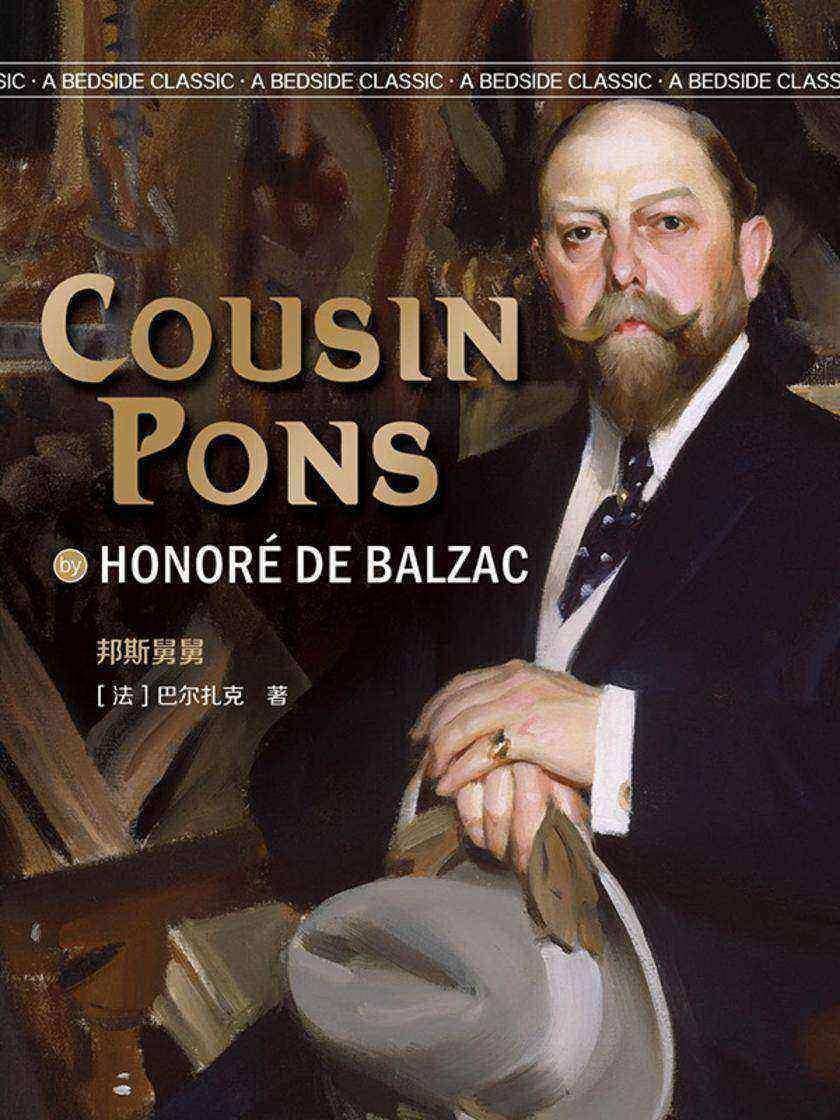
邦斯舅舅(英语文库)
¥12.99
本书作为我社“经典英语文库”第15辑中的一种,精选由英法国著名作家巴尔扎克的经典作品《邦斯舅舅》。作品讲述了邦斯舅舅——一个诚实而高尚的音乐家,具有很高的艺术品位,为了丰富自己的藏画,他不惜付出一切。当人们不知道他家中有这些宝藏时,谁也不把他放在心上。当人们获悉这些名画的价值时,以庭长太太为首的上流社会的人们便千方百计地谋取他的财富的故事。
莎士比亚戏剧典藏:麦克白
¥12.99
《麦克白》由英国剧作家威廉•莎士比亚创作,根据古英格兰史学家拉斐尔•霍林献特的《苏格兰编年史》中的古老故事改编而成。戏剧讲述了利欲熏心的国王和贪婪的王后被推翻的过程。《麦克白》同《哈姆雷特》《奥赛罗》《李尔王》被公认为莎士比亚的“四大悲剧”。

莎士比亚戏剧典藏:李尔王
¥12.99
李尔王年老之际,算把国家分给三个女儿。为了满足虚荣心,他让女儿们表达如何爱戴他的。大女儿和二女儿刻意讨好,只有三女儿朴实而真诚地表达了感情,却遭到李尔王的误解而被驱逐出宫。然而得到王国后,两个女儿态度大变,把李尔王和随从葛罗斯特赶出宫。李尔王伤心的时候遇到了一个圣徒并向她倾诉了对小女儿的歉意和想念,不想圣徒正是小女儿,她早已原谅了父亲。葛罗斯特之前听信了小儿子爱德蒙的谗言,赶走了大儿子爱德伽。为了得到王位,爱德蒙不惜陷害自己的父亲和哥哥。与此同时,李尔王的大女儿和小女儿都爱上了为了得到王位陷害父亲与哥哥的爱德蒙。*终,李尔王等人被抓,爱德蒙发布秘密处死的口令。爱德伽与爱德蒙决斗并杀死了埃德蒙。而高纳里尔与里根也已经死去。李尔王崩溃了......
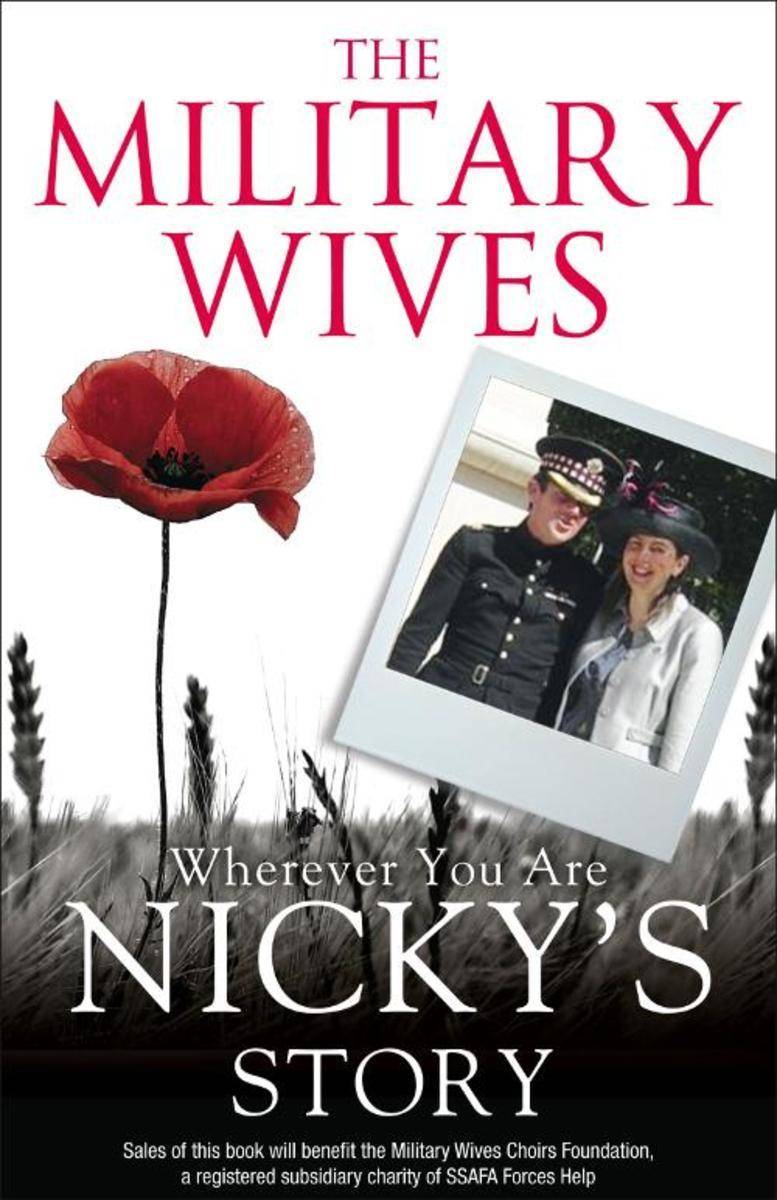
The Military Wives: Wherever You Are – Nicky’s Story
¥12.95
This is Nicky’s story, one of four individual journeys taken from Wherever You Are by The Military Wives. At 33, Nicky Clarke had stopped thinking she would ever fall in love. But they say when you stop looking, love happens – and that was the year she was swept off her feet by Hugo Clarke, a major in the Scots Guards. A year later Hugo and Nicky were married. But life in the military is never calm for long, and the next few years saw Hugo leave for Iraq and Afghanistan for months at a time. In married quarters Nicky met other military wives quickly, but forging friendships proved difficult: the occasional coffee morning just wasn’t enough. Nicky decided that this community needed to be brought together. With the help of a friend and a local choirmistress, Nicky set a time for the local wives to gather and sing. Before she knew it, a family was growing and a support network was formed. The first Military Wives choir was born. Mere months later, the choir would become a nationwide phenomenon. The Wives would go on to perform for the Queen, record a bestselling album and achieve a Christmas number 1. This is one woman’s true story of heartbreak and hope; of how singing changed the course of her life. Sales of this ebook will benefit the Military Wives Choirs Foundation, a network of choirs that reaches across the military community to provide support, guidance and funding for individual choirs, but first and foremost to bring women closer together through singing. The Foundation is a registered subsidiary charity of SSAFA Forces Help.


