


 购物车
购物车 个人中心
个人中心
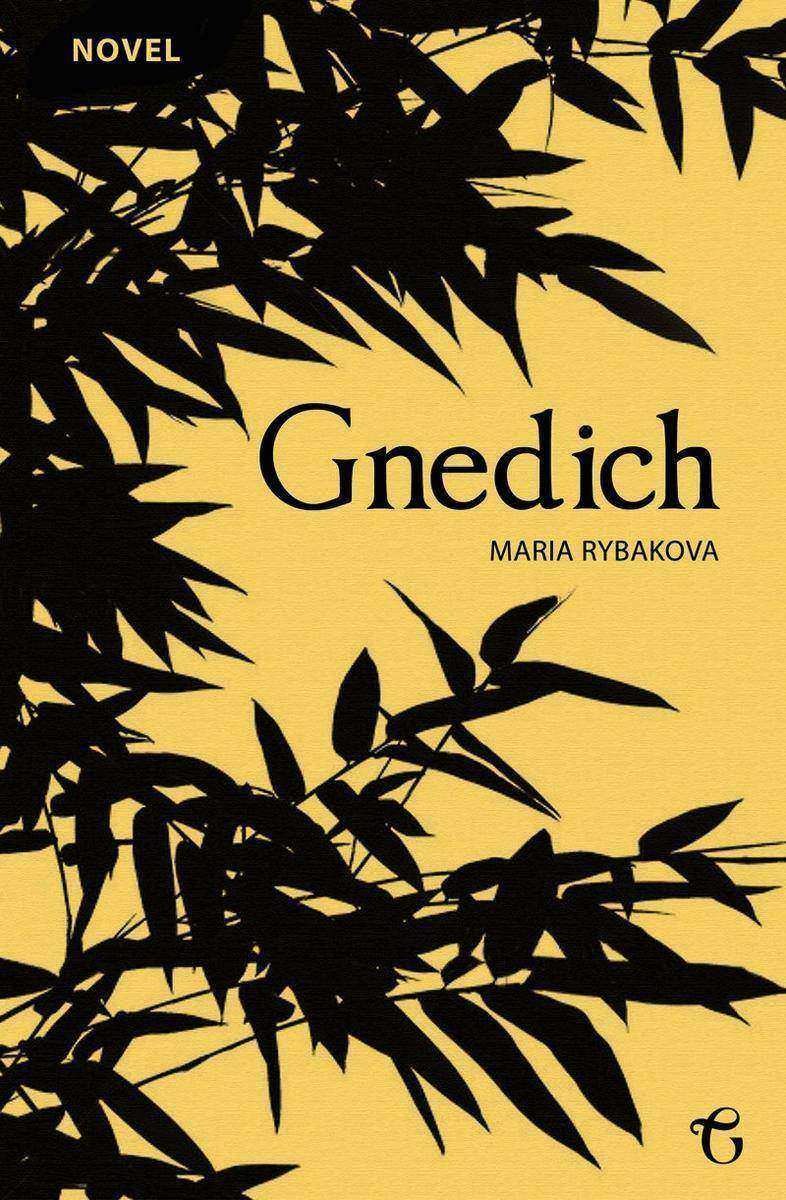
Gnedich
¥90.03
Maria Rybakova’s Gnedich captures the reader’s attention in its first stanzas with a striking allusion to Homeric Greece: “The rage that killed so many/the wretched rage of Achilles/who knew that he would perish/ that he would perish young. This is a novel-in-verse about the first Russian translator of the Iliad, the romantic poet and librarian Nikolai Gnedich (1784-1833). Since Gnedich spent almost his entire life translating Homer’s epic poem, Maria Rybakova has chosen verse as the most appropriate stylistic means in recreating his life. To the English-speaking world, this genre of poetic biography is best exemplified by Ruth Padel’s Darwin – A Life in Poems. Like the Iliad itself, the novel consists of twelve Songs or Cantos, and covers the life of Gnedich from his childhood to his death. It depicts the lives of Gnedich and his best friend, the poet Batyushkov, who is slowly losing his sanity, and incorporates motifs from their poetry, from Homer’s epics, and from Greek mythology, as well as magnificent images of imperial Russia and the Homeric world. The space of the novel covers snowy Russian villages, aristocratic St. Petersburg salons, magnificent Italian landscapes, and the austere Greece of Homer’s heroes. Rybakova conjures a fittingly romantic vision of the dramatic lives of Gnedich and his best friend. A major part of the novel is the moving correspondence between the two poets. Philosophical reflections on the fate of the individual are intertwined with poignant stanzas devoted to the great but unhappy love to the tragic actress Ekaterina Semyonova that consumed Gnedich. The novel culminates in Batyushkov’s final breakdown in the lunatic asylum and Gnedich’s ruminations on Russia’s tragic future fate. The poetic language of Gnedich is refined: it combines the clarity of Rybakova’s syllabic verses and the sophistication of her metaphors with distinct, novelistic depictions of certain landscapes, people, and their interactions. The novel is spectacularly designed: Rybakova’s style resembles a movie projection with stop-cards at the key moments in Gnedich’s life, his long conversations with his friend, and particular striking sceneries. It creates a novelistic effect on the tale about Gnedich’s life, spanning over twenty years. The narrative is often interrupted by streams of consciousness and reminiscence by its main heroes. At the same time, it continues the traditions of Russian classic literature with its attention to detail and the psychology of the characters. A significant part of the novel is dedicated to the description of Gnedich’s friendship with Konstantin Batyushkov, a talented poet of the Pushkin epoch. Gnedich, disfigured by a childhood disease, was a librarian at the Imperial Library in St. Petersburg and became famous through his translation of the Illiad. Batyushkov, an officer of the Russian Imperial court who participated in military campaigns, as well as one of the best poets of the beginning of the 19th century, went through deep crisis and mental illness. The friendship between the two becomes one of the themes within the novel. Rybakova builds the novel-in-verse’s plot around Gnedich’s translation of the Illiad into Russian. The narrative progresses from the adult Gnedich’s recollection of his childhood in a small country estate in Ukraine in the first Song, his illness and discovery of the magnificent Greek epic about the siege of the Troy that changed his life forever, to the completion of his work on his translation as a final victory over his life’s circumstances. The titanic work on the translation continued for almost twenty-two years (1807-29).
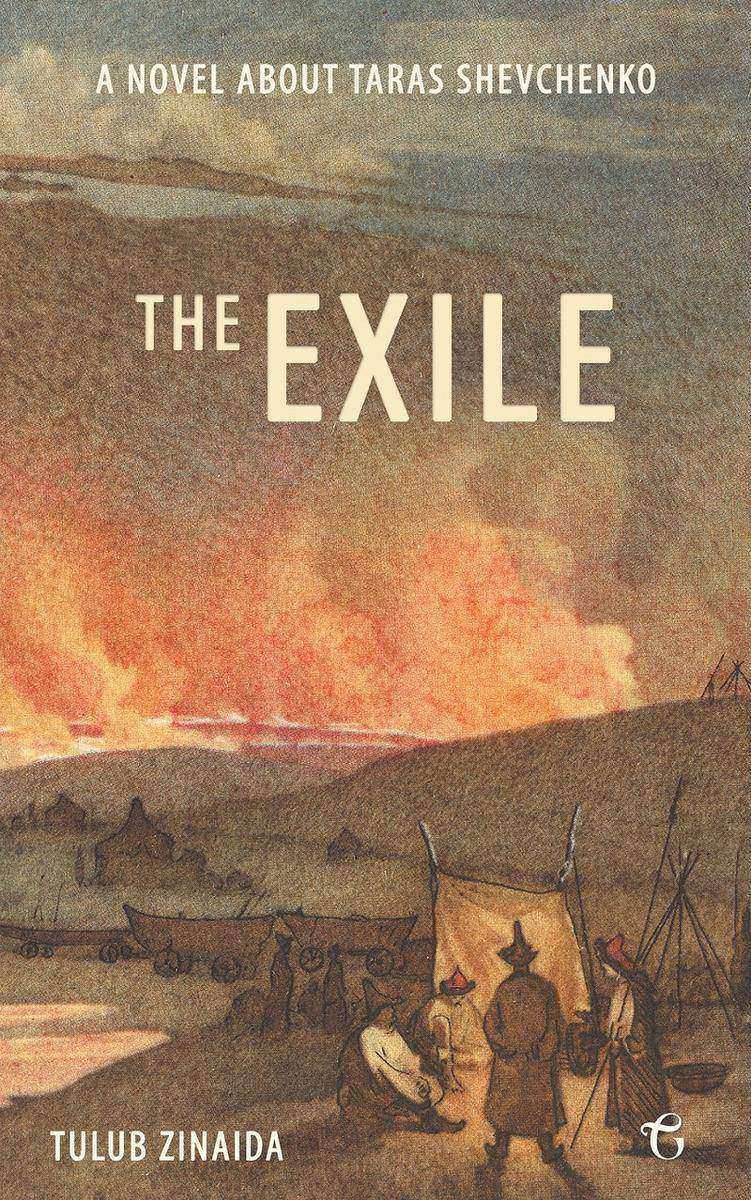
The Exile:A novel about Taras Shevchenko
¥90.03
Zinaida Tulub’s novel The Exile is one of the most brilliant works in the canon of fiction about Taras Shevchenko, the outstanding Ukrainian poet and artist. The idea of writing about Taras Shevchenko first occurred to her when she was in her thirties, during a period spent living in exile in Kazakhstan (1947-1956). Initially, Tulub worked on the screenplay for a film called Kobzar and Yakin, which can be seen as an early prototype for the novel. She was only able to start work on the latter after her return to Kiev in 1956, when she was granted access to archival material and memoirs. She completed the novel in 1962. Tulub’s primary goal in the novel was to celebrate Taras Shevchenko’s indomitable will and his burning desire to fight for the liberation of the nation, even when he was in exile. Armed with a wealth of detailed biographical information about Shevchenko, Zinaida Tulub created a thrilling portrait of the poet that is both historically accurate and artistically convincing. Depicting the first period of Shevchenko’s exile in a detailed, comprehensive manner, Zinaida Tulub adheres strictly to the historical timeline, tracing step by step the path that fate had in store for the exiled poet. She doesn’t leave out a single detail from Shevchenko’s life, adding light and shade to every important moment or turning point along that treacherous path.
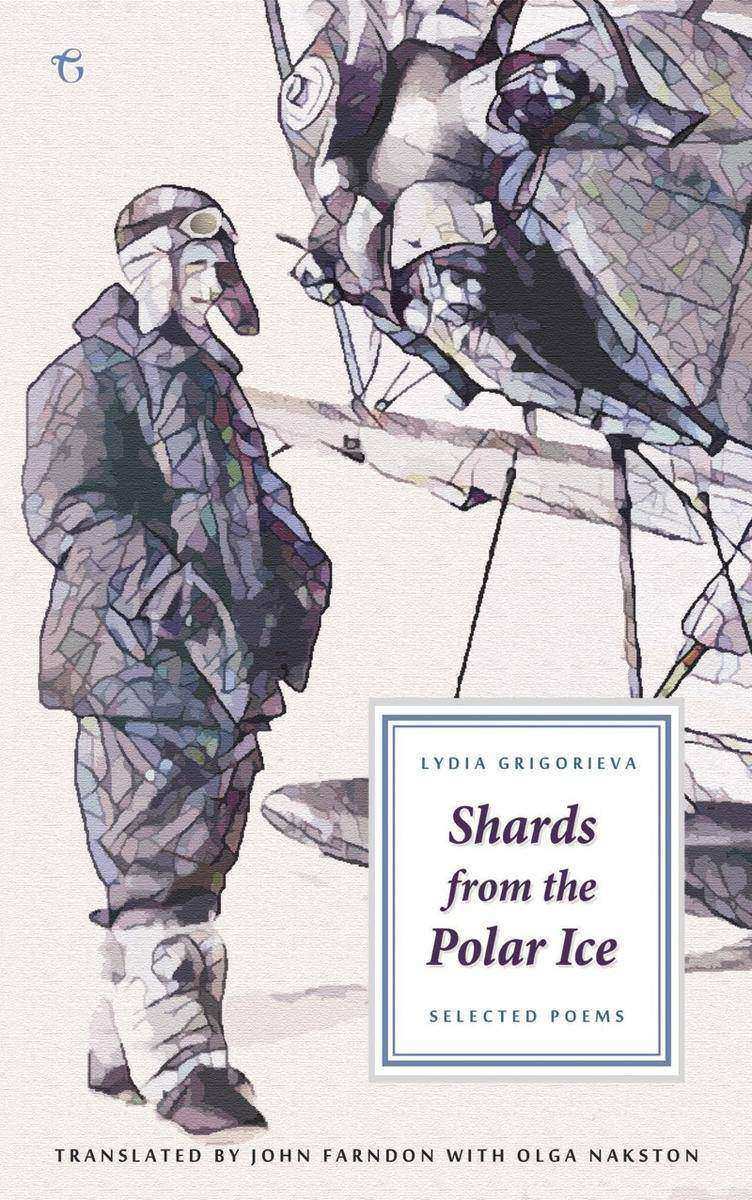
Shards from the Polar Ice:Selected Poems
¥90.03
“It would be hard to imagine Russian poetry in the last half century without Lydia Grigorieva,” writes eminent Russian poet and critic Konstantin Kedrov. Grigorieva is a uniquely individual voice, bucking the trends of modernist poetry to create her own distinctive and beguiling body of poetry. Her work draws on her own remarkable life to create startlingly arresting images and metaphors, full of beauty and power, from her series that emerged from her Arctic childhood, to the troubles that beset Ukraine. Her range of influences is wide, and Beethoven, Freud, Sylvia Plath and Byron all appear in her poems as well as more familiar Russian images. At the heart of Grigorieva’s poetry is what she calls its ‘musicality’ – her firm belief in the power of rhyme and rhythm in creating a poetic experience. In this first major collection of her work in English, English poet John Farndon, working with Grigorieva and co-translator Olga Nakston, has recreated this musicality in English so that English readers might experience for the first time what makes her work so revered in her Russian homeland. Translated by John Farndon with Olga Nakston. Maxim Hodak - Максим Ходак (Publisher), Max Mendor - Макс Мендор (Director), Ksenia Papazova (Managing Editor).
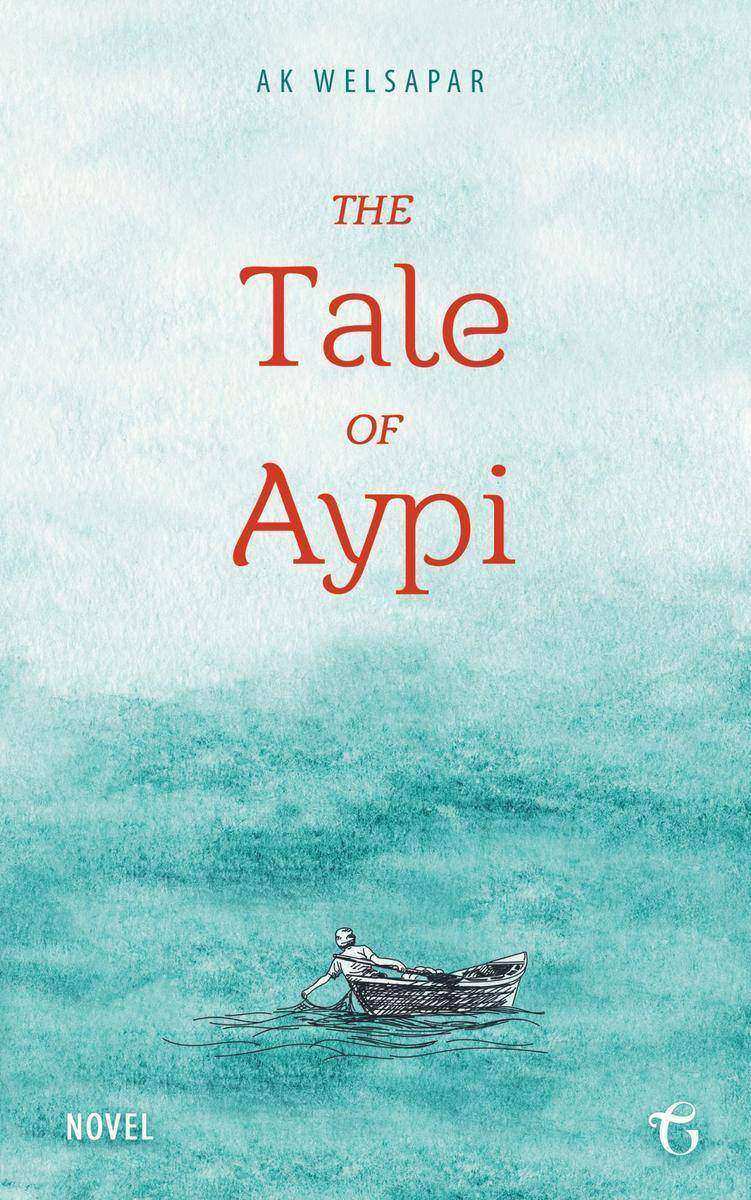
The Tale of Aypi
¥90.03
The Tale of Aypi follows the fate of a group of Turkmen fishermen dwelling on the coast of the Caspian Sea. The fear of losing their ancestral home looms over the entire village. This injustice is being made to look like a voluntary initiative on the part of the fishermen themselves, whilst the ruling powers cynically attempt to confiscate their land. One brave fisherman from the village rises up to confront them and fights for his native shore, as a response to an act of cruelty inflicted on a defenceless young woman centuries ago. This unjustly executed soul returns as a ghost during this troubled time to exact a terrible revenge on the men of the village. The relationships among the characters mirror the eternal opposition between the forces of nature, with the intervention of mystical forces ratcheting up the tension. This title has been realised by a team of the following dedicated professionals: Translated by W.M. Coulson, Maxim Hodak - Максим Ходак (Publisher), Max Mendor - Макс Мендор (Director), Ksenia Papazova.
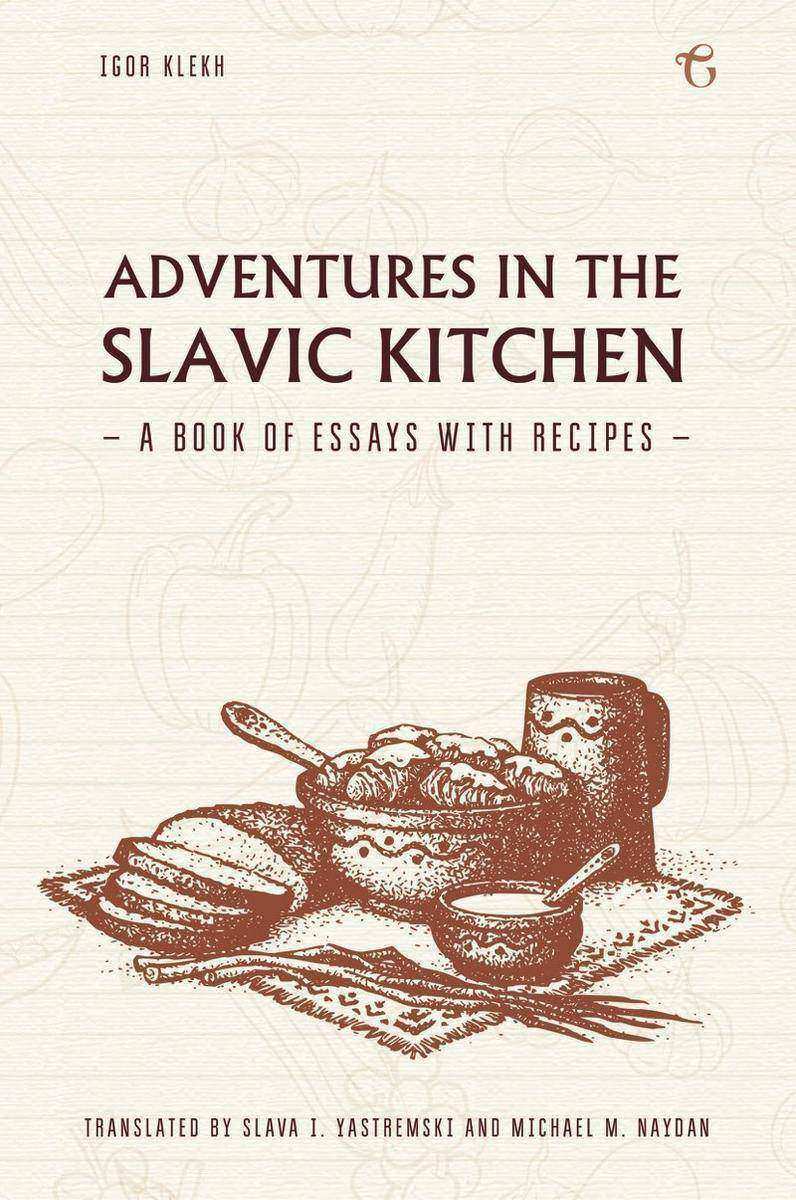
Adventures in the Slavic Kitchen:A book of Essays with Recipes
¥90.03
The polyglot Igor Klekh is an extraordinarily erudite and accomplished Russian writer, journalist, and translator, whose formative years were spent in Western Ukraine, mostly in Ivano-Frankivsk and in the multi-cultural city of Lviv where he had access to the literature of East-Central Europe. He currently resides in Moscow. His complex prose style has been compared to that of Jorge Luis Borges and Bruno Schulz, whose novellas he was among the first to translate from Polish into Russian. He has authored seven books of prose, essays, translations, and literary criticism and has been a frequent contributor to the best Russian literary journals including Novyi mir, Znamya, and Druzhba narodov. His works have earned numerous prizes including the Alfred C. Toepfer Pushkin Prize (1993), the Yury Kazakov Prize (2000) for Best Short Story, and the October Magazine Prize (2000) for his book on the artist Sergei Sherstiuk. His works have been nominated for the Russian version of the Booker Prize twice (1995 and 2012). Adventures in the Slavic Kitchen: A Book of Essays with Recipes is a cultural study of the role food plays in the formation and expression of a nation’s character. It focuses primarily on the Russian and Ukrainian kitchens but discusses them in the context of international food practices. His prose works have been published in English translation under the title A Land the Size of Binoculars (2004) by Northwestern University Press.

The Garden of Divine Songs and Collected Poetry of Hryhory Skovoroda
¥90.03
Hryhory Skovoroda is considered by many as the first great Slavic philosopher and poet. Written over a period stretching from the 1750s until 1785, his The Garden of Divine Songs is a unique collection of 30 poems, featuring a complex system of strophic structures and with only a few of the songs written in a traditional way. Skovoroda never repeats one and the same strophic structure; this being the case, his Garden of Divine Songs according to writer-scholar Valery Shevchuk functions as a “practical guide to the art of poetry”, exemplifying all the meters and strophic patterns that were possible in Ukrainian poetry of that time. The poet makes masterful use of the accomplishments of academic poetry; the so-called “songs of the world” are the most prominent poems in this collection. These songs are an expression of Skovoroda's views in poetic form, and many ideas from The Garden of Divine Songs, such as the search for happiness in the world in song 21, would later form the basis for some of Skovoroda’s philosophical treatises. Skovoroda’s originality, and his ability to approach the most cardinal problems of human existence, stem from his capacity to combine known motifs, borrowed from literary sources such as classical texts, the Bible, and ancient Ukrainian poetic works, with his own system of thinking that focuses on his philosophy of the heart. The complete poems of Skovoroda are appearing in their entirety here in English for the first time, accompanied by a guest introduction by prominent Ukrainian writer Valery Shevchuk. This title has been realised by a team of the following dedicated professionals: Translated by Michael M. Naydan with an introduction by Valery Shevchuk Translations Edited by Olha Tytarenko Maxim Hodak - Максим Ходак (Publisher), Max Mendor - Макс Мендор (Director), Ksenia Papazova (Managing Editor).
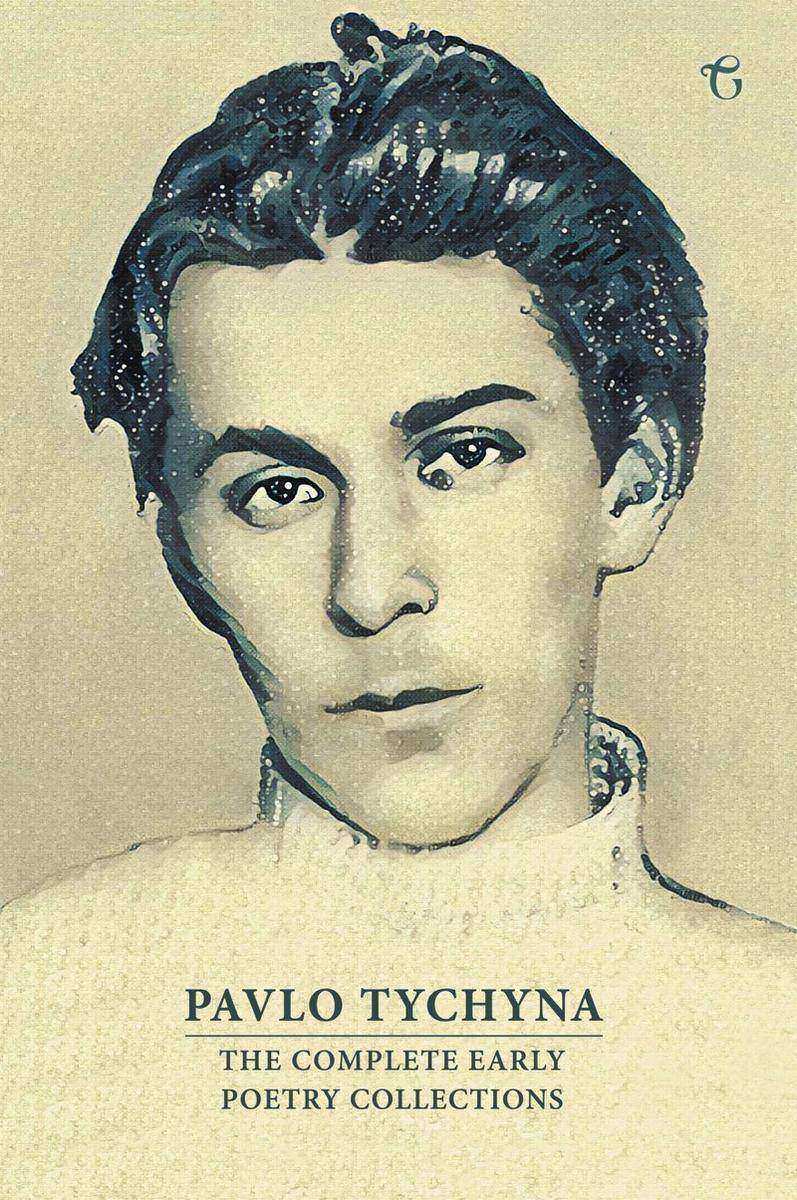
Pavlo Tychyna: The Complete Early Poetry Collections
¥90.03
Pavlo Tychyna (1891-1967) is arguably the greatest Ukrainian poet of the twentieth century and has been described as a “tillerman’s Orpheus” by Ukrainian poet and literary critic Vasyl Barka. With his innovative poetics, deep spirituality and creative word play, Tychyna deserves a place among the pantheon of his European contemporaries such as T.S. Eliot, Ezra Pound, Rainer Maria Rilke, Federico Garcia Lorca, and Osip Mandelstam. His early collections Clarinets of the Sun (1918), The Plow (1920), Instead of Sonnets and Octaves (1920), The Wind from Ukraine (1924), and his poetic cycle In the Orchestra of the Cosmos (1921) mark the pinnacle of his creativity and poetically document the emotional and spiritual toll of the Revolution of 1917 as well as the Civil War and its aftermath in Ukraine. Tychyna coined the term “Clarinetism” to describe his earliest works, which intrinsically exhibit the clarity and the haunting sound of a clarinet. He harkens back to ancient Greek literature to form what has been called the “tragic lyric” in his short collection Instead of Sonnets and Octaves, which gives a personal, humanistic understanding to the tragic events of the Revolution. John Fizer has noted Tychyna’s close affinity with Walt Whitman’s cosmism, particularly in his cycle In the Orchestra of the Cosmos. While Tychyna in may ways displays the moral conscience of his times in his early works, later in his life he acquiesced to Soviet authorities in order to survive the horrors of Stalin’s regime. He was forced by authorities to refuse a nomination for the Nobel Prize, the only reason for which would have been his Ukrainian ethnicity. This edition of Tychyna’s complete early works includes translations of all his major early collections as well as his poetic masterpieces “Mother was Pealing Potatoes,” “Funeral of My Friend,” and his highly patriotic “In Memory of the Thirty.” The volume includes a guest introduction by eminent Ukrainian poet Viktor Neborak. Translated by Michael M. Naydan.
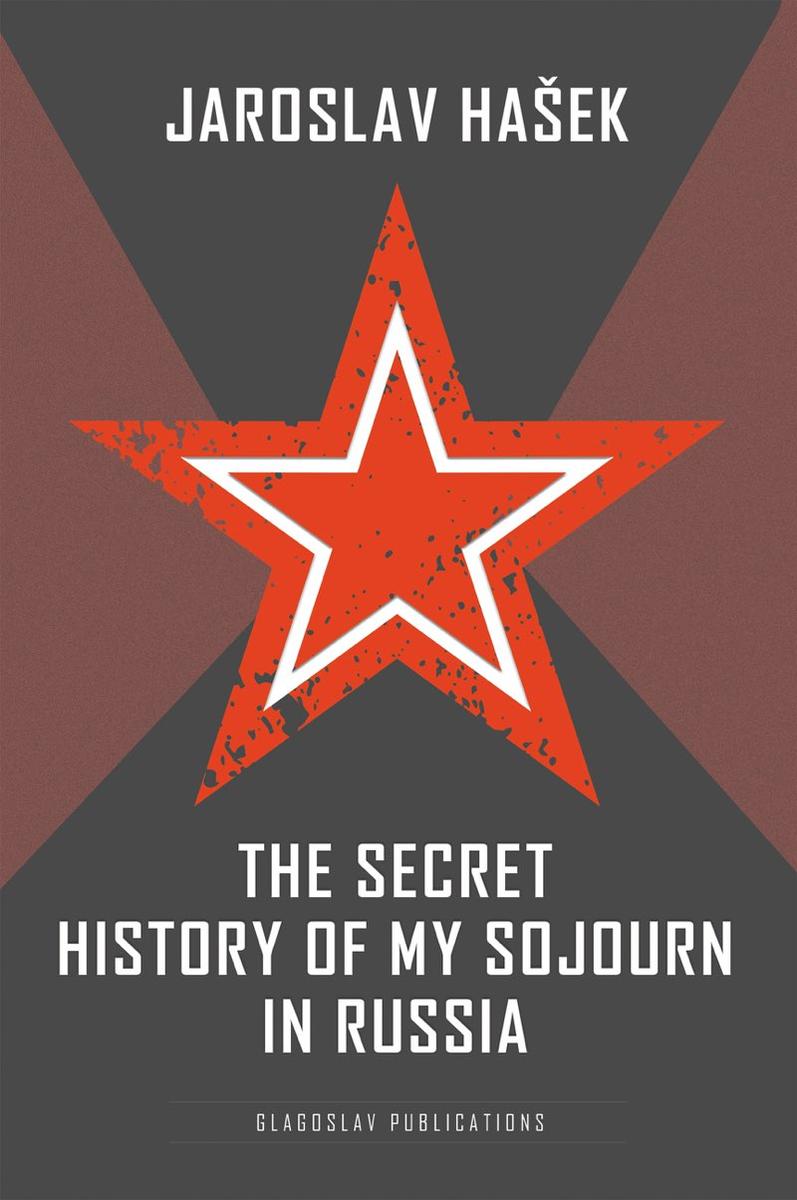
The Secret History of my Sojourn in Russia
¥90.03
Jaroslav Ha?ek is known by readers around the world as the author of The Good Soldier ?vejk, one of the greatest comic novels of all time. Not all of his fans are aware of his six year anabasis in Russia, however, which began with his capture on the front lines of Galicia during the First World War. The Secret History of My Sojourn in Russia, translated by Charles S. Kraszewski, brings that fascinating period in Ha?ek's life to the attention of the English reader. Comprised of fifty-two short stories and other writings from Ha?ek's stay in Sovietising Russia, The Secret History collects the Bugulma stories, in which Ha?ek trains his satirical eye on the infant communist utopia, as well as non-fiction works by Ha?ek, who played a not insignificant role in the progress of the Soviet Revolution in Siberia, before his return to his native Czechoslovakia in the early 1920s. These include propagandistic pamphlets and newspaper articles, letters, and official scripts dating from his agitation as a communist operative among Austro-Hungarian citizens stranded in the Soviet Union, all of which provide a fascinating context for his good-humoured fiction, which rivals his great novel in rollicking fun. The Secret History of My Sojourn in Russia presents the reader with 52 of the most entertaining, and chilling, examples of his Russian period, containing both humorous fiction and deadly serious propaganda. Translation of this book was supported by the Ministry of Culture of the Czech Republic.
Asystole
¥90.03
From the first pages it becomes apparent that Asystole is a novel about love of life in its purest, instinctive and intimate form. It’s also a novel about human faith in its existence and a desire to experience this love. Author Oleg Pavlov places his character – a boy who grows to be a man and is clearly personified by the writer’s own outlook on life – in impossible and familiar circumstances, impossible not to relate to. An adult is shaped in childhood. Chaotic, anxious and at the same time withdrawn narration seems to have no direction and no resolution. Except that the life of the people, who are in fact children of a broken destiny, is real and not much needs to be said to make it our own. Laconic and ‘to the point’ observations of Pavlov’s protagonist as he goes, are chilling at times. They pierce through flesh right to the bone – the quality only the naked truth can have. Asystole is moreover about the by-stander effect, about a disconnected and malfunctioning society and a struggle of one not to merge into the faceless mass of many. Modern, deeply thought through and heartfelt, this novel is an examination of the physics of human soul. Pavlov’s Universe has a special arrangement – if it was up to him, humans wouldn’t be allowed in it, for the privilege of being human requires living up to the title.
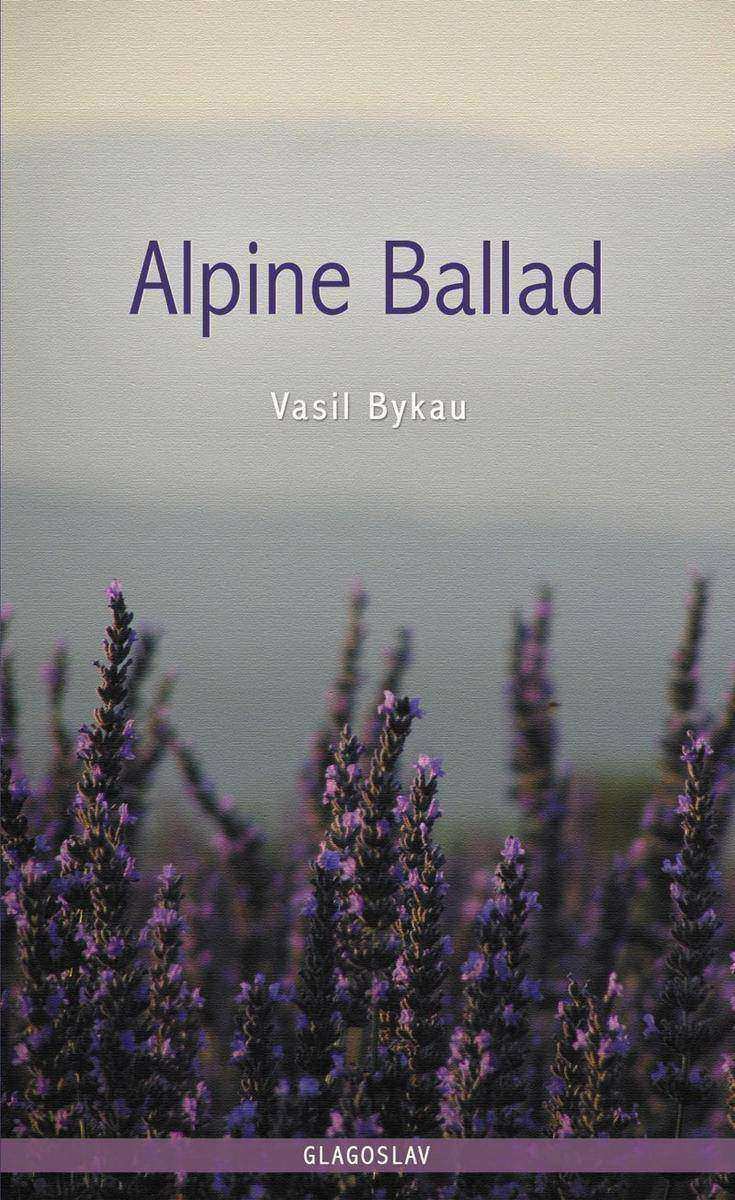
Alpine Ballad
¥90.03
A handful of families, several generations, more than a few wars. MoscTowards the end of World War II, a Belarusian soldier and an Italian girl escape from a Nazi concentration camp. The soldier wonders if he should get rid of the girl; she is a burden and is slowing him down. However, he cannot bring himself to abandon her in the snowy wilderness. Somewhere along the way, the two develop feelings for each other, but their love is not destined to grow beyond the edge of the mountains. Yet their bond cannot be denied, and in the end it proves stronger than death itself. From the master of psychological narrative whose firsthand experience with World War II enabled him to re-create the ordeal on pages of his books, Alpine Ballad is Vasil Bykau’s most heartfelt story. Bykau sends a powerful message to his readers: human values can be extrapolated and in the context of war people can still uphold their humanity. An altruistic, philanthropic project of Glagoslav Publications, Alpine Ballad is coming out as a gesture of peace and a reminder to all of the human cost of wars that ransack our planet to this day. Translated from Belarusian by Mikalai Khilo. The previous translations of Alpine Ballad were based on the Soviet-censored Russian version of the original manuscript. ow, Kabul, Barcelona. Anna Nemzer announces herself on the literary scene boldly and loudly with this debut novel about the insane, unspeakable nature of war, about human fears, treachery, lies, fateful coincidences and destinies during warfare, when there is no room left for love. The protagonists survived the war and are rescued from captivity. They are not able, however, to leave the experiences of the war behind them and move on with their lives. The novel explores what happens once the conflict is over, as they learn to live without the war, with all their loves, passions and weaknesses.
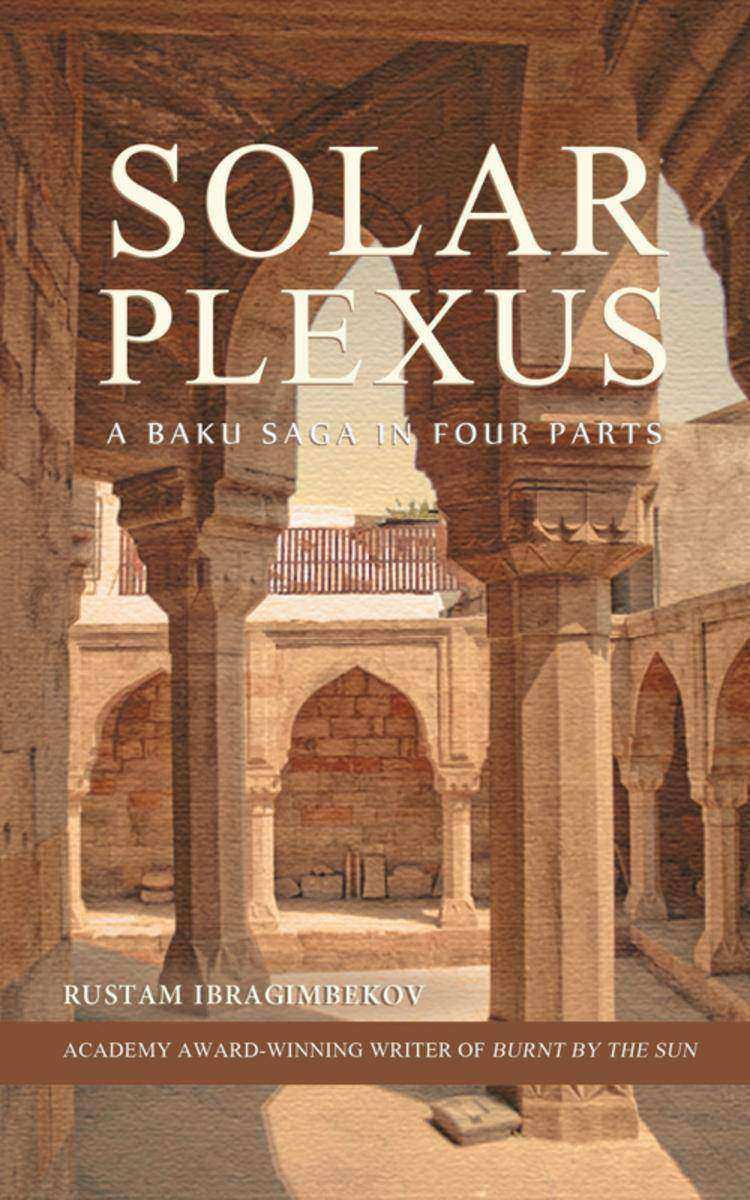
Solar Plexus:A Baku Saga in Four Parts
¥90.03
Spanning three generations and stretching from the 1940s to the 1990s, the four distinct parts that make up Solar Plexus intertwine to tell the tale of a group of friends who grew-up around the same courtyard in Baku. Each section is told from a different perspective as the friends’ passions, deceits, rivalries and disappointments play out against the shifting turmoil of those decades: from the Great Patriotic War and Stalin’s Purges, to the industrial institutes and Russification of the ’50s and ’60s, through to the struggle for independence and violence of the early ’90s.
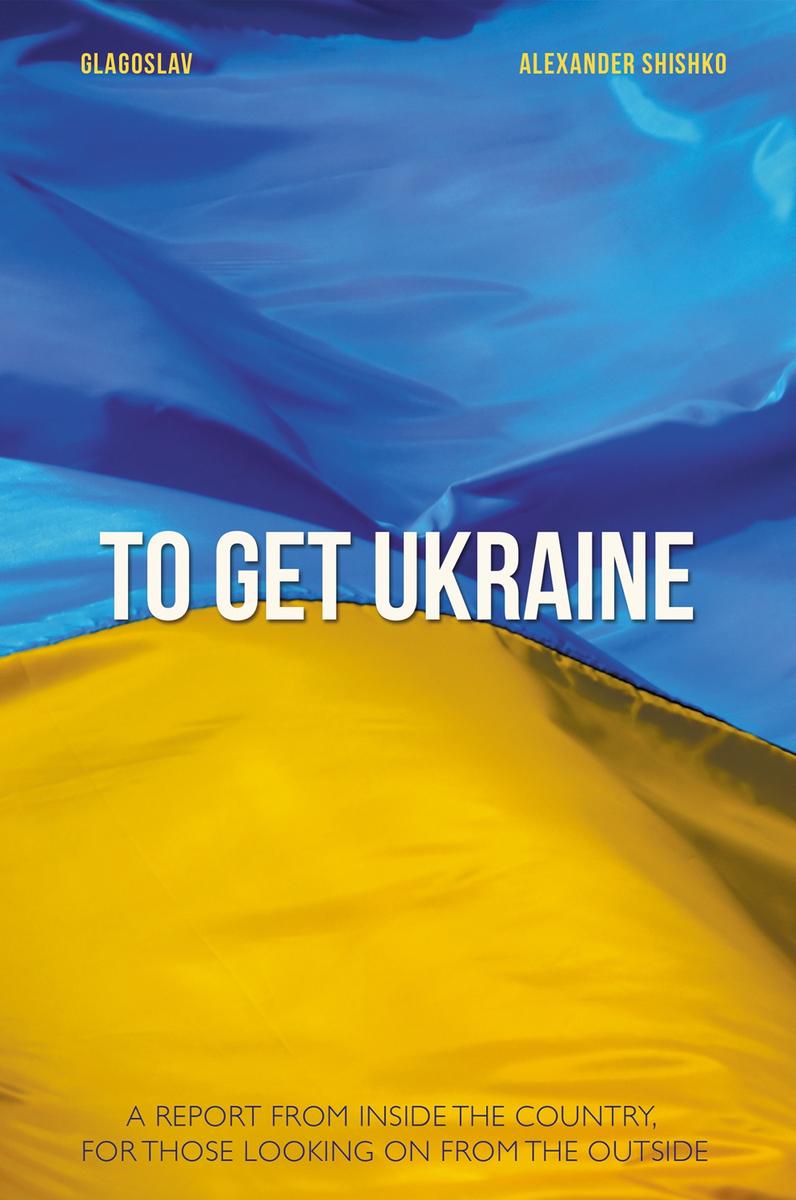
To Get Ukraine
¥90.03
Since Maidan in Kyiv and Russian presence in the Crimea, Ukraine has never been the same. In 2014, the country is deeply divided by the conflict imposed on the Ukrainians. But since nobody actually asked the nation, author Oleksandr Shyshko decided to take matters into his own hands and look for the answer to the ultimate question – who are the Ukrainians and what do they want. Shyshko spent his time researching the national identity of native Ukrainians, and as he went he stumbled on a discovery that led to yet another question – where is Ukraine going, the so-called Quo vadis? of the Ukrainian people. His findings and critical comments gave birth to this new book that is now for the first time being published in English. To Get Ukraine.
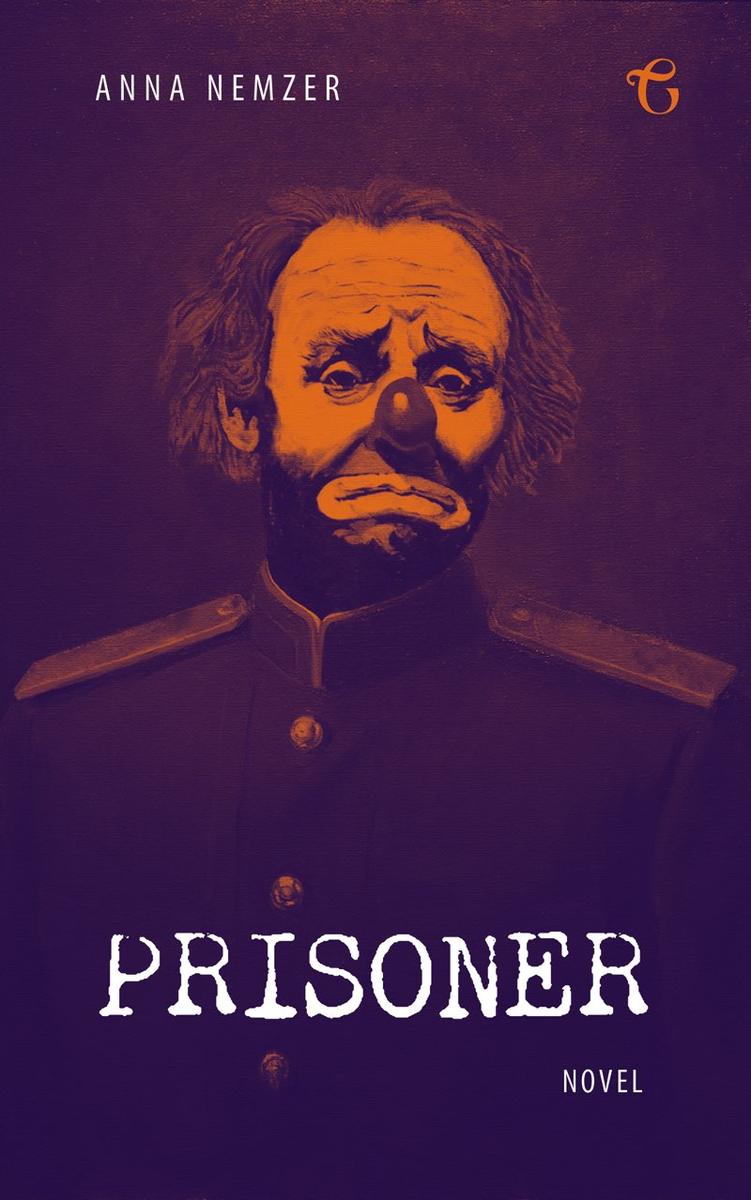
Prisoner
¥90.03
A handful of families, several generations, more than a few wars. Moscow, Kabul, Barcelona. Anna Nemzer announces herself on the literary scene boldly and loudly with this debut novel about the insane, unspeakable nature of war, about human fears, treachery, lies, fateful coincidences and destinies during warfare, when there is no room left for love. The protagonists survived the war and are rescued from captivity. They are not able, however, to leave the experiences of the war behind them and move on with their lives. The novel explores what happens once the conflict is over, as they learn to live without the war, with all their loves, passions and weaknesses.
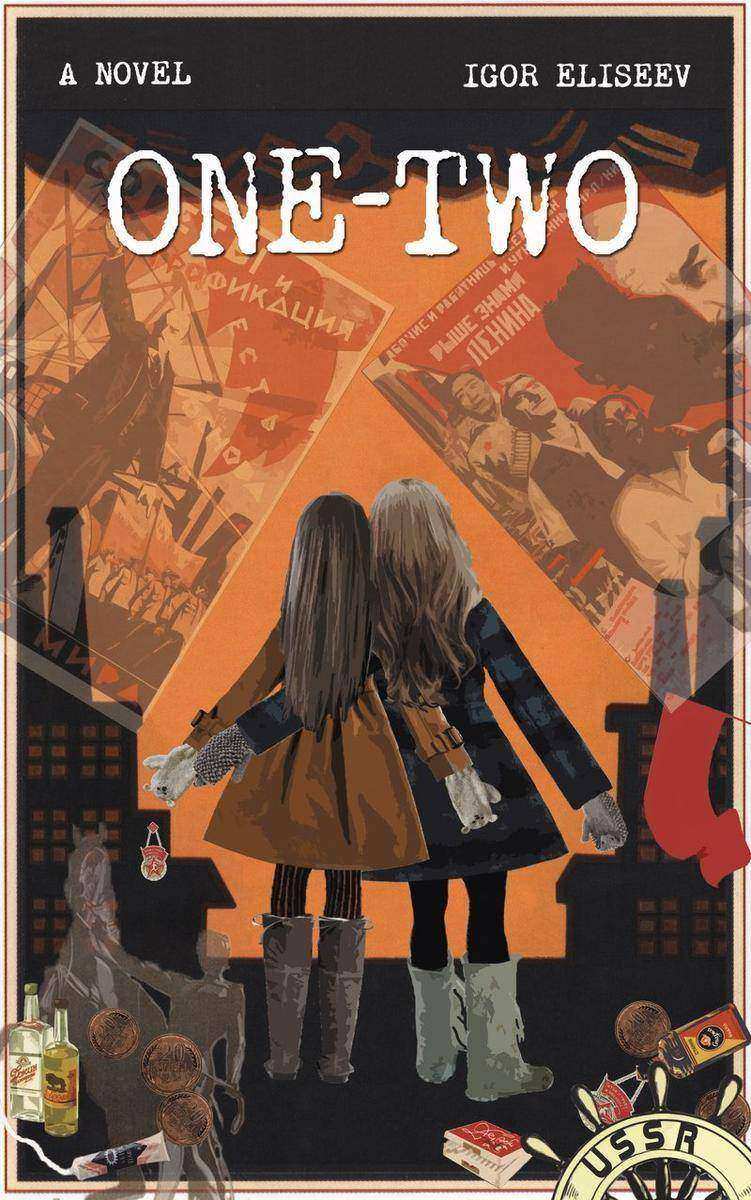
One-Two
¥90.03
Two conjoined babies are born at the intersection of two social worldviews. The girls are named Faith and Hope. After spending their childhood in a foster home and obtaining a basic education, they come to realise that they are different from other people in many respects. The problems of their upbringing are only made worse by the constant humiliations they suffer at the hands of society. Eventually, fortune smiles on them, by seemingly opening up the door to happiness: a separation surgery that can theoretically be performed in the capital. Thus begins a journey fraught with difficulties and obstacles for the sisters. Will they be able to get past the wall of public cynicism, together with the internal conflicts they have among themselves? Will they find a justification for their existence and learn to accept it? The search for the answers to these and many other questions constitutes the essence of this novel. One-Two is a psychological drama, the main events of which unfold in the 1980s and 1990s in Russia. The novel reflects on how difficult it is to be a human and how important it is to stay human until the end. It is a message full of empathy and kindness addressed to all people.
The Fantastic Worlds of Yuri Vynnychuk
¥90.03
Yuri Vynnychuk is a master storyteller and satirist, who emerged from the Western Ukrainian underground in Soviet times to become one of Ukraine’s most prolific and most prominent writers of today. He is a chameleon who can adapt his narrative voice in a variety of ways and whose style at times is reminiscent of Borges. A master of the short story, he exhibits a great range from exquisite lyrical-philosophical works such as his masterpiece “An Embroidered World,” written in the mode of magical realism; to intense psychological studies; to contemplative science fiction and horror tales; and to wicked black humor and satire such as his “Max and Me.” Excerpts are also presented in this volume of his longer prose works, including his highly acclaimed novel of wartime Lviv Tango of Death, which received the 2012 BBC Ukrainian Book of the Year Award. The translations offered here allow the English-language reader to become acquainted with the many fantastic worlds and lyrical imagination of an extraordinarily versatile writer. This title has been realised by a team of the following dedicated professionals: Translated from Ukrainian by Michael M. Naydan (with one translation by Askold Melnyczuk and two translations by Mark Andryczyk), Translations edited by Oksana Tatsyak, Maxim Hodak - Максим Ходак (Publisher), Max Mendor - Макс Мендор (Director), Ksenia Papazova (Managing Editor).
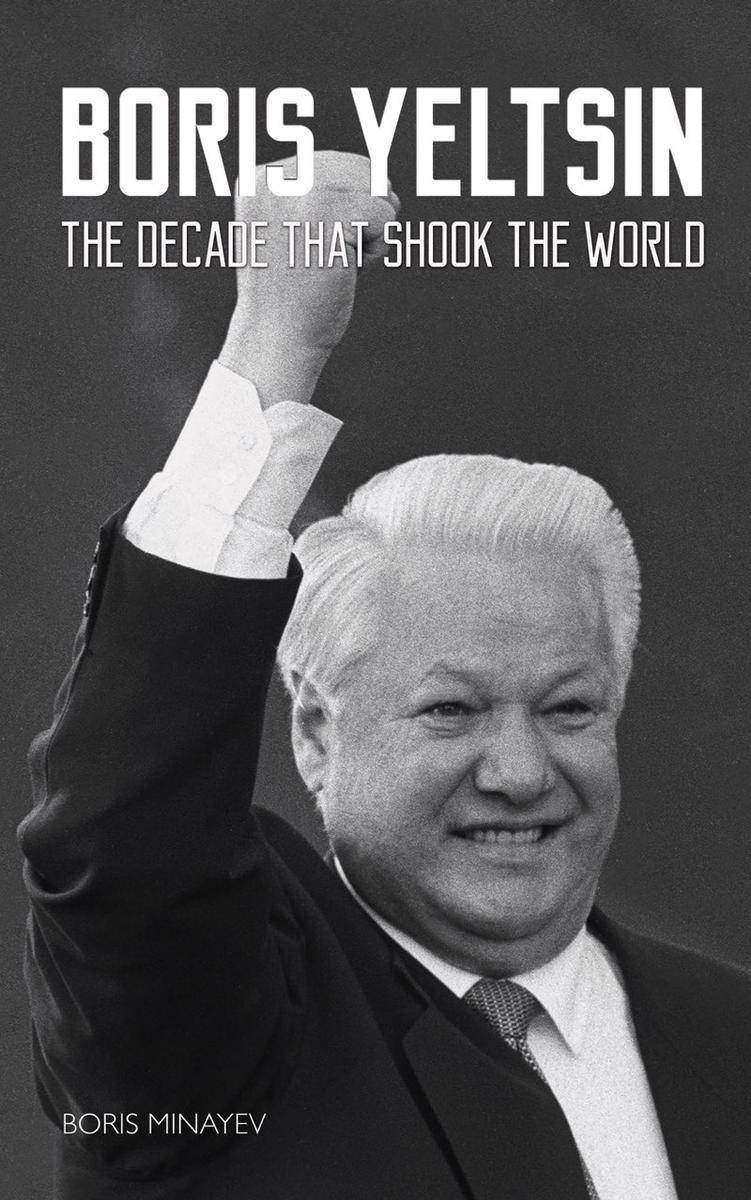
Boris Yeltsin:The Decade that Shook the World
¥90.03
The literature on Boris Yeltsin is vast. Memoirs have been produced not only by politicians – first-hand participants in the events, Yeltsin himself penned three volumes of recollections – but also assistants, press secretaries, political analysts, journalists, MPs, retired members of Gorbachev’s Politburo, public figures now long forgotten, generals of special services and security service staff. Boris Minaev started working on Boris Yeltsin’s biography when the politician was still alive. In his work the author has used not only publicly accessible documents that have been printed or otherwise made accessible but also interviews that are published for the first time. In this unique biography of the first President of the Russian Federation author consistently describes events of Yeltsin's life, capturing and conveying his unique personality with all the contradictions of his character and principles that determined public attitude towards Yeltsin. Some saw him as an outstanding builder of the new Russia, others - as a destroyer of the great state. But whoever he was de facto, the decade of his rule shook the world. *** Boris Minayev is a Russian writer and correspondent. Minayev has worked for many Russian venues and is currently serving as Editor-in-Chief of the journal Medved. Boris Minayev is known for his children’s books and novels for mature readers. One of the most famous works of his that is being widely quoted in the media is his biography of Russia’s first president Boris Yeltsin, first published in the series ‘Lives of Extraordinary People’.
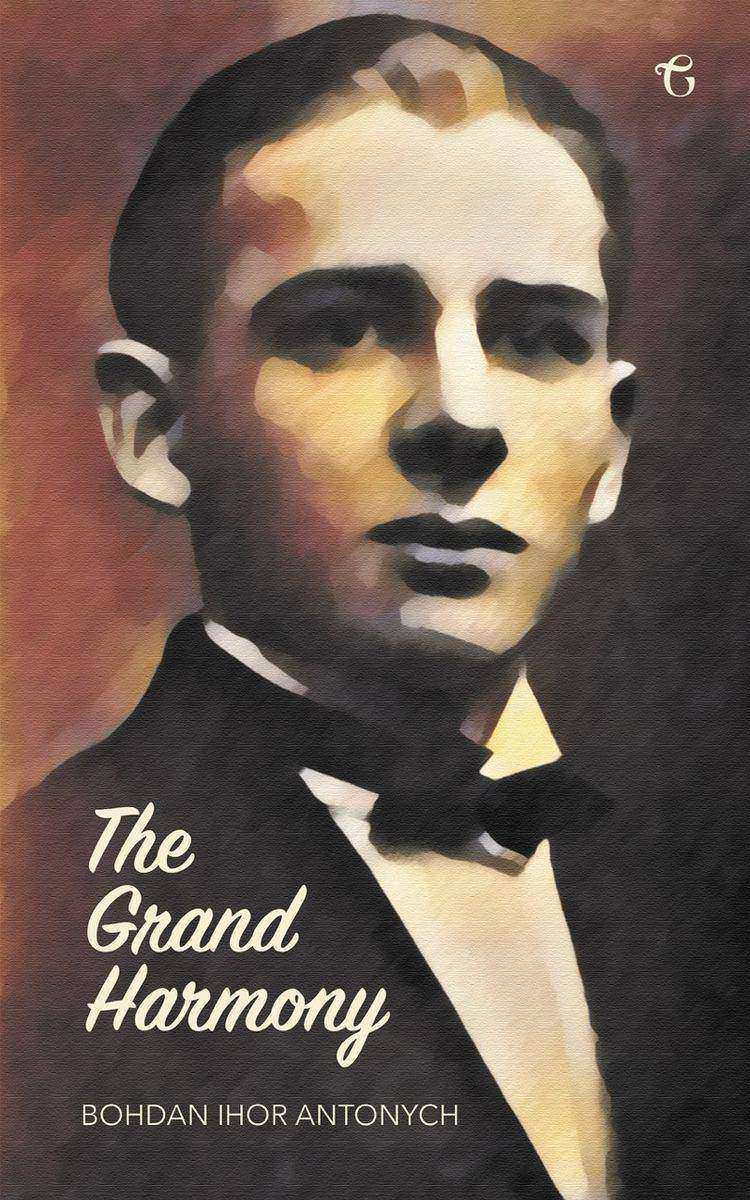
The Grand Harmony
¥90.03
The extraordinarily inventive Ukrainian poet and literary critic Bohdan Ihor Antonych (1909-1937), the son of a Catholic priest, died prematurely at the early age of 28 of pneumonia. Originally from the mountainous Lemko region in Poland, where a variant of Ukrainian is spoken, he was home-schooled for the first eleven years of his life because of frequent illness. He began to write poetry in Ukrainian after he moved to the Western Ukrainian city of Lviv to continue his studies at the University of Lviv. He published just three collections of poetry in his lifetime: A Greeting to Life (1931), Three Rings (1934), and The Book of the Lion (1936), with the latter two firmly establishing his reputation as one of the best poets of his time in Ukraine. Three additional collections, The Green Gospel (1938), Rotations (1938), and The Grand Harmony (1967), were published posthumously. A collection of poems on religious themes written in 1932 and 1933, The Grand Harmonyis a subtle and supple examination of Antonych’s intimately personal journey to faith, with all its revelatory verities as well as self-questioning and doubt. The collection marks the beginning of Antonych’s development into one of the greatest poets of his time. During Soviet times it was banned for its religious content. It was first published in its entirety in 1967 in New York. The Grand Harmony first appeared in English translation in a bilingual edition with Litopys Publishers in 2007, which has long been sold out. The poems “Musica Noctis,” “De Morte I,” “Ars Poetica 1” and “Liber Peregrinorum 3” were reprinted in The Essential Poetry of Bohdan Ihor Antonych: Ecstasies and Elegies (Bucknell University Press, 2010). One can find additional poetic renderings of Antonych’s selected poetry in the translations of various well-known American poets under the title A Square of Angels (Ann Arbor: Ardis Publishers, 1977), which was edited by Bohdan Boychuk.
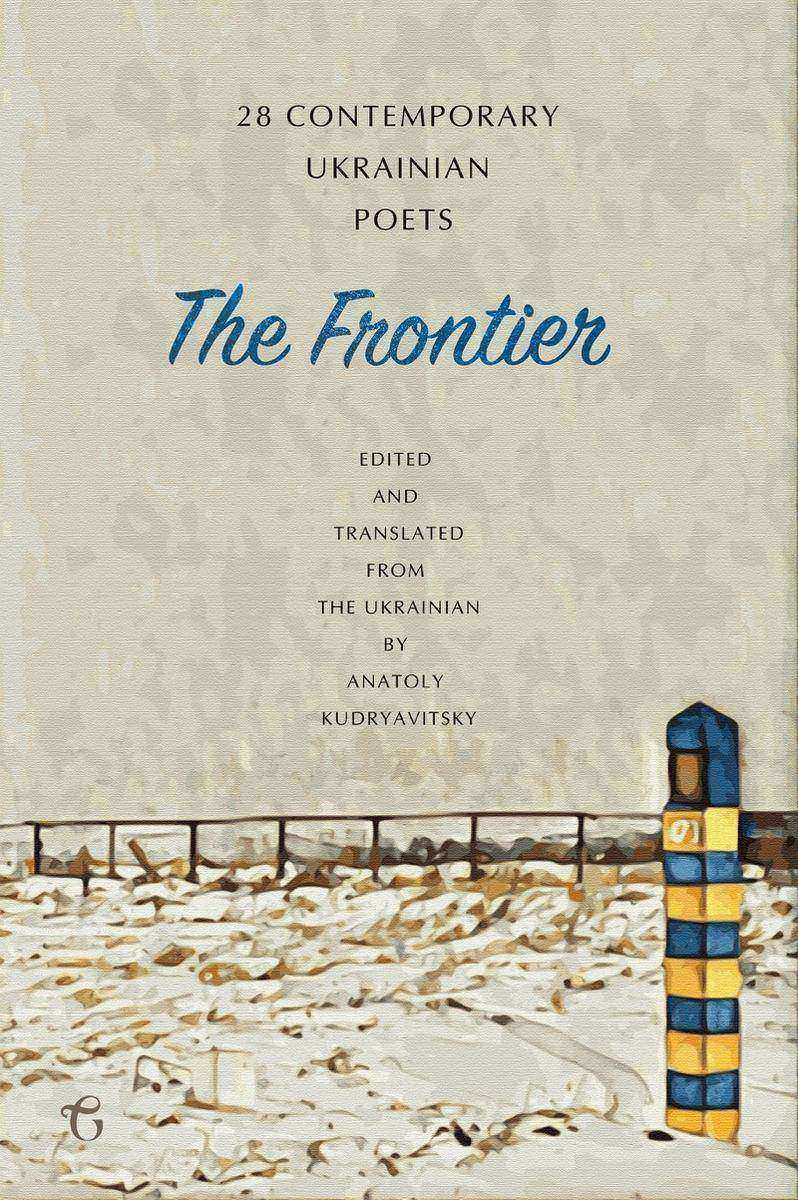
The Frontier: 28 Contemporary Ukrainian Poets: An Anthology (A Bilingual Edition
¥90.03
This anthology reflects a search of the Ukrainian nation for its identity, the roots of which lie deep inside Ukrainian-language poetry. Some of the included poets are well-known locally and internationally; among them are Serhiy Zhadan, Halyna Kruk, Ostap Slyvynsky, Marianna Kijanowska, Oleh Kotsarev, Anna Bagriana and, of course, the living legend of Ukrainian poetry, Vasyl Holoborodko. The next Ukrainian poetic generation also features prominently in the collection. Such poets as Les Beley, Olena Herasymyuk, Myroslav Laiuk, Hanna Malihon, Taras Malkovych, Julia Musakovska, Julia Stakhivska and Lyuba Yakimchuk are the ones Ukrainians like to read today, and each of them already has an excellent reputation abroad due to festival appearances and translations to European languages. The work collected here documents poetry in Ukraine responding to challenges of the time by forging a radical new poetic, reconsidering writing techniques and language itself. Edited and translated from the Ukrainian by Anatoly Kudryavitsky.
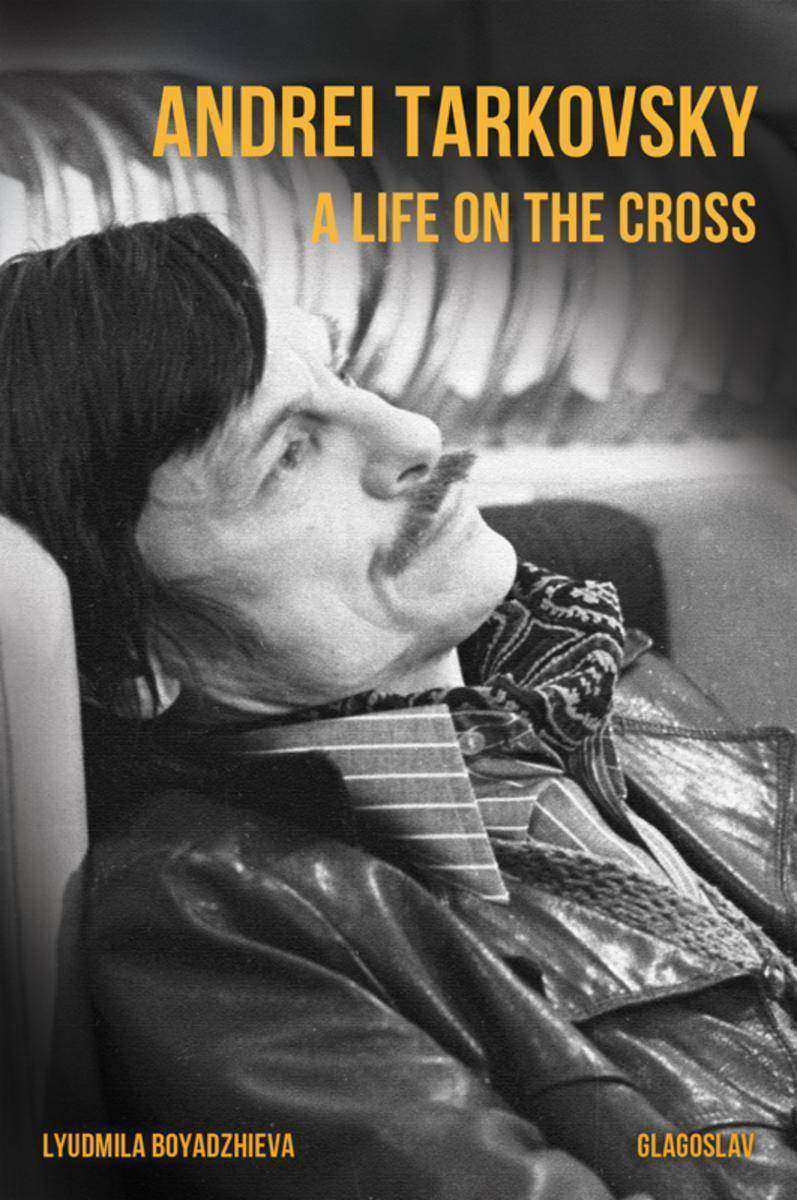
Andrei Tarkovsky:A Life on the Cross
¥90.03
Andrei Tarkovsky died in a Paris hospital in 1986, aged just 54. An internationally acclaimed icon of the film industry, the legacy Tarkovsky left for his fans included Andrei Rublev, Stalker, Nostalgia and a host of other brilliant works. In the Soviet Union, however, Tarkovsky was a persona non grata. Longing to be accepted in his homeland, Tarkovsky distanced himself from all forms of political and social engagement, yet endured one fiasco after another in his relations with the Soviet regime. The Soviet authorities regarded the law-abiding, ideologically moderate Tarkovsky as an outsider and a nuisance, due to his impenetrable personal nature. The documentary novel A Life on the Cross provides a unique insight into the life of Andrey Tarkovsky, the infamous film director and a man whose life was by no means free of unedifying behaviour and errors of judgement. Lyudmila Boyadzhieva sets out to reveal his innate talent, and explain why the cost of such talent can sometimes be life itself.
Herstories. An Anthology of New Ukrainian Women Prose Writers
¥90.03
Women’s prose writing has exploded on the literary scene in Ukraine just prior to and following Ukrainian independence in 1991. Over the past two decades scores of fascinating new women authors have emerged. These authors write in a wide variety of styles and genres including short stories, novels, essays, and new journalism. In the collection you will find: realism, magical realism, surrealism, the fantastic, deeply intellectual writing, newly discovered feminist perspectives, philosophical prose, psychological mysteries, confessional prose, and much more.
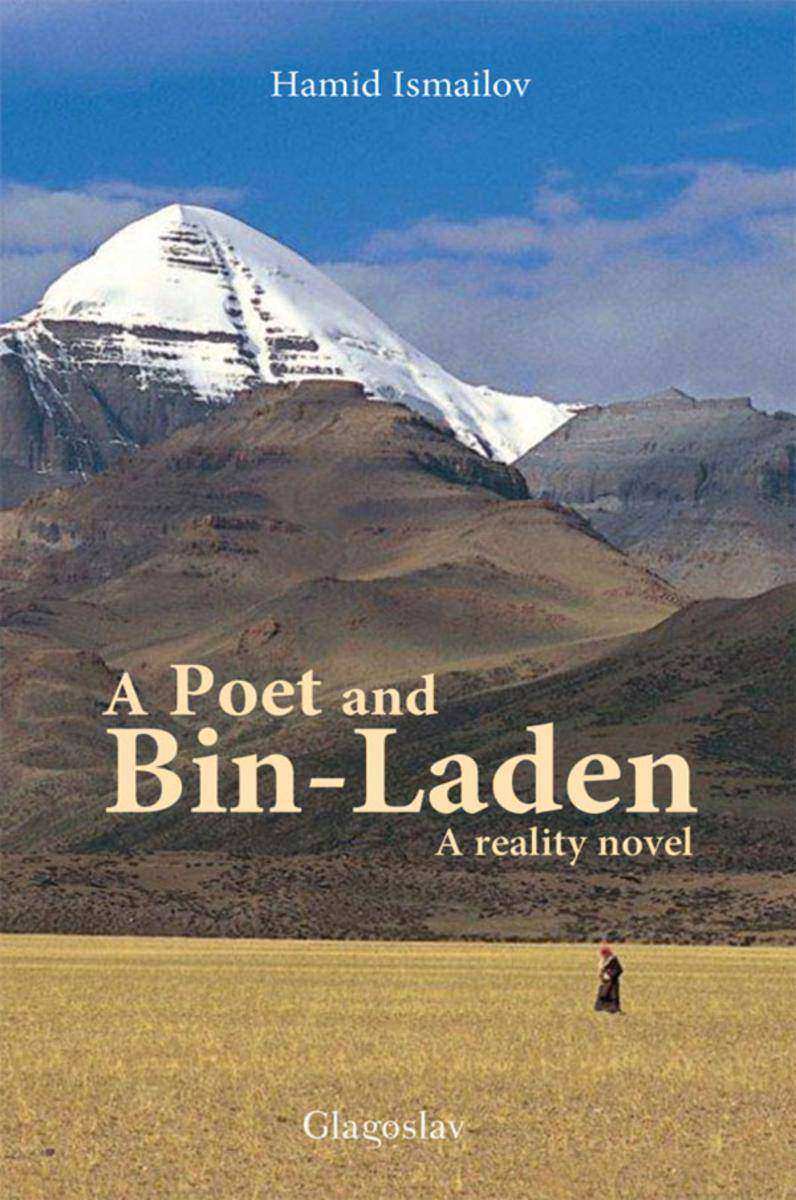
A Poet and Bin-Laden: A Reality Novel
¥90.03
The “reality novel” A Poet and Bin-Laden set in Central Asia at the turn of the 21st century against a swirling backdrop of Islamic fundamentalism in the Ferghana Valley and beyond, gives a first-hand account on the militants and Taliban’s internal life. The novel begins on the eve of 9/11, with the narrator’s haunting description of the airplane attack on the Twin Towers as seen on TV while he is on holiday in Central Asia; and tells the story of an Uzbek poet Belgi, who was disappointed in the authoritarian regime in Uzbekistan and became a terrorist in the eyes of the world. His journey begins with a search for a Sufi spiritual master and ends in guerrilla warfare, and it is this tension between a transcendental and a violent response to oppression, between the book and the bomb, between Archipelago GULAG and modern Central Asia and Afghanistan, that gives the novel its specific poignancy. In this book Hamid Ismailov masterfully intertwines fiction with documentary and provides wonderfully vivid accounts of historical events such as the siege of Kunduz, the breakout from Shebergan prison and the insurgency in the Ferghana Valley as witnessed by the Byronian figure of Belgi, who enters the inner sanctum of al-Qaeda, and ultimately meets Sheikh bin Laden himself.


