


 购物车
购物车 个人中心
个人中心
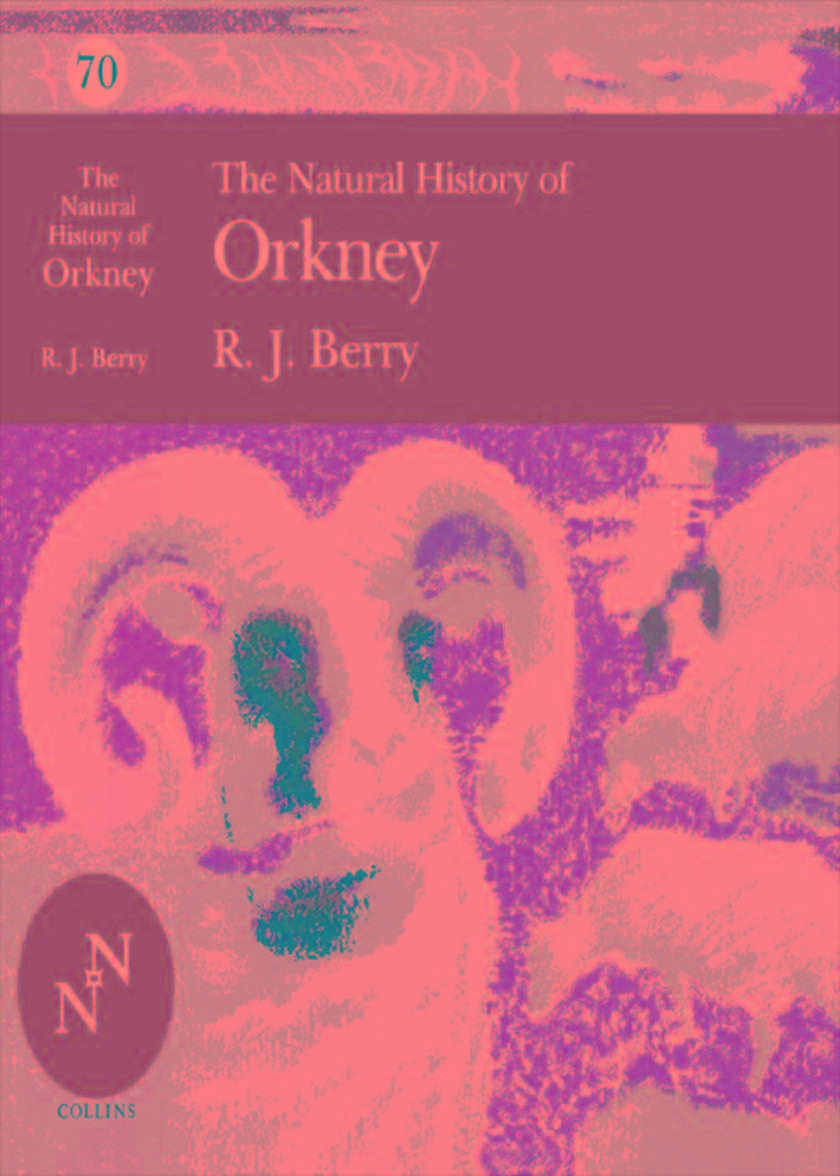
The Natural History of Orkney (Collins New Naturalist Library, Book 70)
¥456.66
This is the first survey of the islands' natural history, complete in one volume. Because Orkney is exceptional, it is vital reading for the serious naturalist, as well as for being a comprehensive and absorbing guide for every visitor. This edition is exclusive to newnaturalists.com Orkney is a very special place for naturalists. Closer to Oslo than to London, its geography and climate create quite distinct environmental conditions - even though it is only six miles from the Scottish mainland. On these islands of fierce gales, long summer days and long winter nights, the wildlife has adapted in intriguing ways… Starlings adapt to ground-nesting…local sheep eat seaweed…and there are voles exclusive to Orkney. Here is one of the very few areas where the rare and delicate Scottish Primrose thrives…where you find the British stronghold of the Hen Harrier, and vast colonies of seabirds and seals. This is the first - and long-needed - survey of the islands' natural history, complete in one volume. Because Orkney is exceptional, it is vital reading for the serious naturalist, as well as for being a comprehensive and absorbing guide for every visitor. In his tracing of the island's evolution from its geological creation to the effects of oil technology; in the detailed, yet fascinating exploration of the plants and animals (and where best to see them), Professor Berry's expertise and enthusiasm is backed by that of local specialists, and Orkney's long tradition of natural history study. Appendices include definitive lists of all the species of flora and fauna on record, and an extensive bibliography.
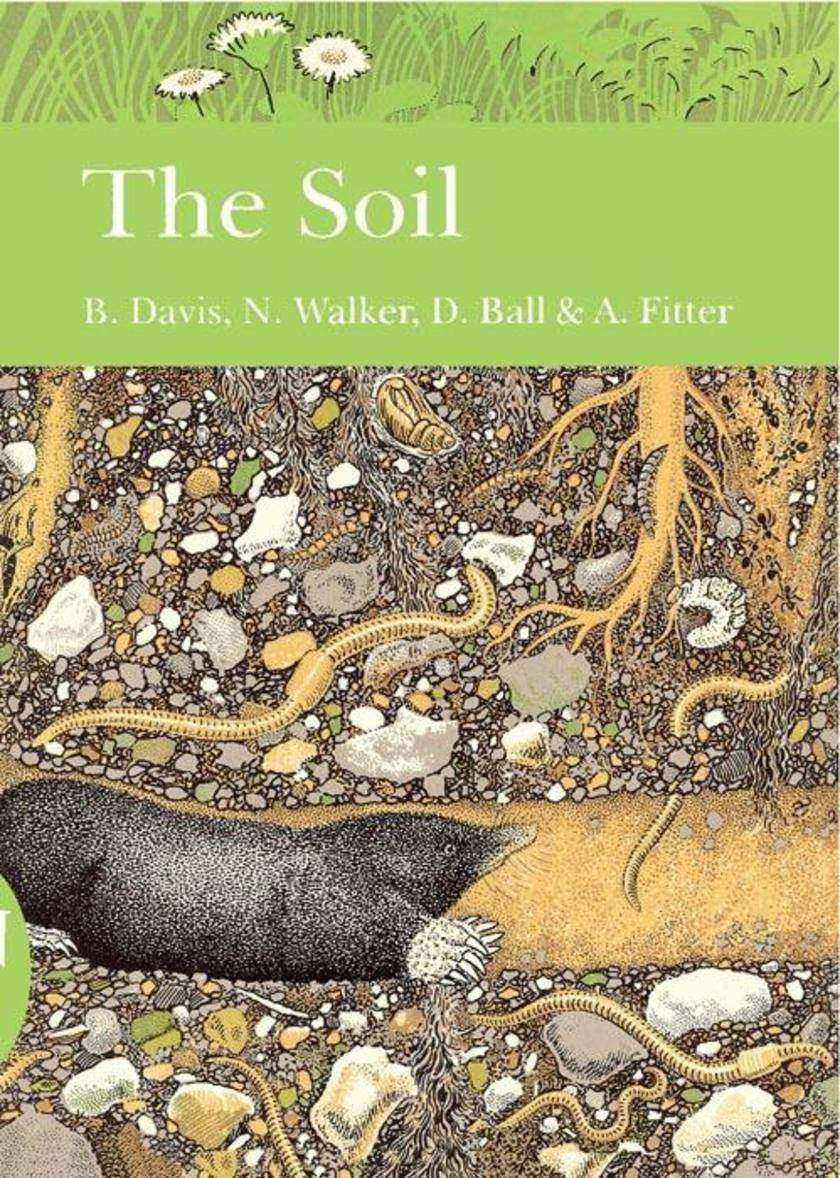
The Soil (Collins New Naturalist Library, Book 77)
¥456.66
The soil is one of the great unsung disappearing resources, with over 100m tonnes being destroyed every year. This edition is exclusive to newnaturalists.com The soil is the work place of farmers and gardeners, but it is also a fascinating environment inhabited by insects that can leap into the air to a record height, multilegged scavengers that are vital to the decomposition of plant matter and the long, thin, entwining strands of thousands of species of fungi. Although soil plays a vital role in the functioning of the world, it has often been overlooked, mainly because it contains a huge range of different fields, all of which have become specialities in their own right. This book brings together specialists in these fields to give a broad overview of the staggering advances that have been made since Sir John Russel's The World Of Soil was published in this series in 1947. The first two chapters introduce the physical structure of the soil. The next four chapters deal with the specific animals and plants and how they exploit this environment. The final four chapters describe how these animals interact and how man has used and abused the soil in his striving to gain more and more from this resource.
Art of the New Naturalists: A Complete History
¥456.66
The stunning, specially commissioned cover illustrations are one of the great joys of the New Naturalist series, lending it a distinctive style which has inspired nature enthusiasts for many decades. The Collins New Naturalist series is the longest-running and arguably the most influential natural history series in the world with over 100 volumes published in over 60 years. Throughout the years, the highly characteristic dust jacket illustrations have become iconic, lifting the books to a level of collectibility and increasing the level of admiration for an already well-established and respected series. With early cover illustrations prepared by Clifford and Rosemary Ellis, later and more recent covers have been designed by Robert Gillmor. Featuring prints of the awe-inspiring artwork of the New Naturalists, the book will offer a unique insight into Gillmor’s approach to each subject matter and the intricate and creative way through which he has brought his own distinctive style and craft of printmaking to the New Naturalist series. Marren explores the findings from the Ellis archive, which has thrown up considerable information on how the old covers were developed, approved, in some cases rejected, and then proofed. The Art of the New Naturalists offers a fascinating insight into how the creation of these eminent cover designs has developed and progressed and will be essential reading for everyone interested in the frantic workings behind the seemingly serene collection of artwork that is one of Britain’s iconic book series.
British Bats (Collins New Naturalist Library, Book 93)
¥456.66
British Bats is a comprehensive account of the natural history of these fascinating animals, from their origins and evolution to their feeding habits and reproduction. This edition is exclusive to newnaturalists.com Bats are arguably the most successful and diverse mammals ever to evolve. In Britain, one in three of our native land mammals is a bat. Their ecology and behaviour is fascinating. Few mammals live closer to humans; in fact many species roost unnoticed in our homes, and some are now almost entirely dependent on man-made structures for their survival. Bats are the only mammals capable of powered flight. They are also one of just two groups which have a sophisticated echolocation system (the other being the dolphins and their relatives). In this book, John Altringham discusses all the different aspects of the natural history of bats, from their origins and evolution to their behaviour, feeding habits and reproduction. He also discusses the threats to the survival of bats, and how we are working to conserve them. Finally, he gives an account of how to watch and study bats in the wild.
Seashore (Collins New Naturalist Library, Book 94)
¥456.66
A comprehensive, authoritative account of the natural history of the seashore, from earliest times to the present day. The seashore, with its endlessly changing tides, is one of the most fluctuating physical environments on the planet. Home to an abundance of animal and plant life, it is also one of the richest habitats the naturalist can explore. Here in Britain, we are fortunate to have a long and varied coastline, and our relatively large tidal ranges mean that our seashore offers a wide range of coastal habitats, including mud, sand, shingle and rock. In New Naturalist Seashore, Peter Hayward looks at: ? Resident and migrant species, including fish, barnacles, limpets, winkles, sponges, algae, lichens and sea grasses ? The effects of tourism and pollution on these habitats ? The geology of the British Isles, with its sinking and rising coastlines ? The responses and adaptations of plant and animal life to a changing physical environment This narrow strip of beach between the land and the sea that we call the seashore, has always attracted man, in the early years as a source of food, and in Victorian times as a rich habitat that the early naturalists would explore. In this fascinating addition to the highly regarded New Naturalist series, Peter Hayward brings the natural history of the seashore right up to date.
Mushrooms and Toadstools (Collins New Naturalist Library, Book 7)
¥456.66
Britain's neglect of fungi as table delicacies has perhaps been responsible for our surprising ignorance of the natural history of such fascinating plants. This edition is exclusive to newnaturalists.com Puff-balls, more than a foot in diameter; mouls in jam-pots; dry rot; truffles; these are examples of the wide range of the Group, comprising over 100,000 species. Many are of economic importance – for example, the rusts that attack wheat and other crops, and the yeasts which ferment beer – and there are others of great biological interest, such as the mycorrhizal fungi which live in association with the roots of forest trees, orchids and other plants, and help them to absorb food from the soil. Penicillin, of course, has become a household word, and this book's final chapter on the industry is one of the best short accounts of the subject yet writtern. Dr. Ramsbottom was for many years Keeper of Botany at the Natural History Museum, and has devoted his life to the study of fungi in all their aspects. He is equally at home in the field, the laboratory and the library. One of the special features of Mushrooms and Toadstools is the wealth of historical allusion to fungi extracted from old books. Set out in a style reminiscent of Robert Burton, this volume can truly be described as a 20th century Anatomy of Toadstool. Indeed, in fairy rings, science and superstition have gone hand in hand to produce a lively story of alternating surmise and research – and even today a full and final explanation of these mysterious rings has not yet been made. Many of the larger toadstools are brightly coloured and lend themselves admirably to colour photography, as shown by the 80 remarkable illustrations by Mr Paul de Laszlo.
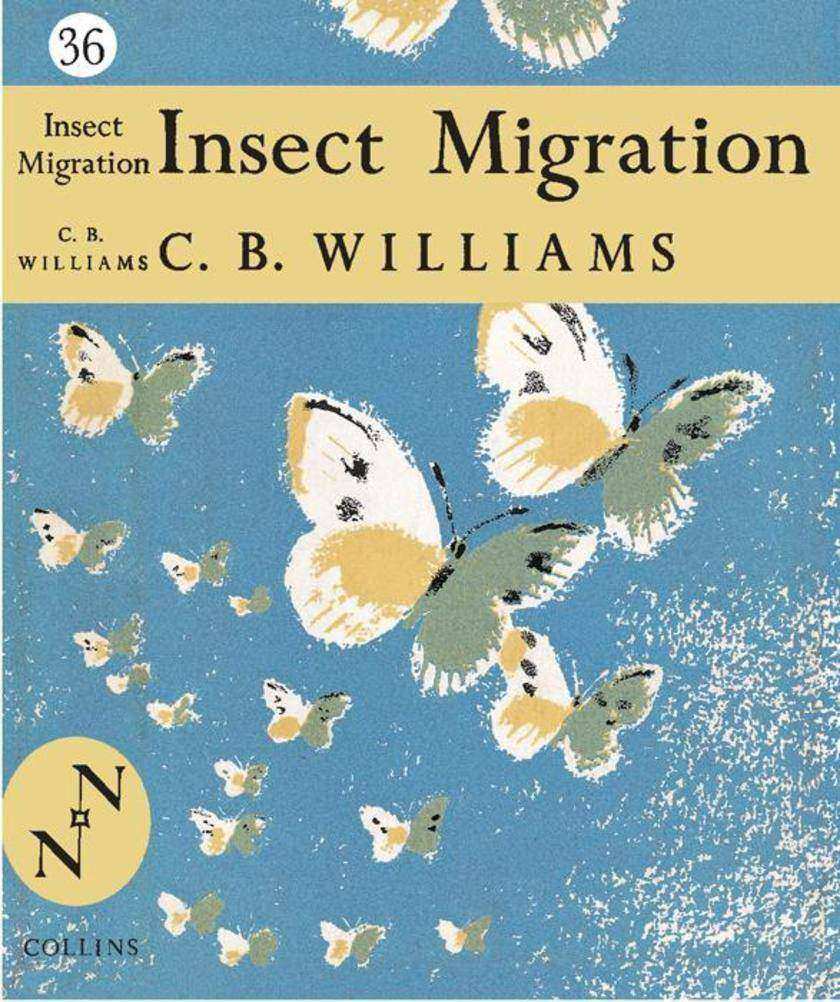
Insect Migration (Collins New Naturalist Library, Book 36)
¥456.66
Highlighting the significance of the widespread distribution of the migratory habit throughout the insect world. This edition is exclusive to newnaturalists.com This is a pioneer book, a real milestone in the progress of biology. Only in recent years have the scientists begun to realise the significance of the widespread distribution of the migratory habit throughout the insect world. Dr. Williams's own personal observations and adventures have played a fundamental part in the wakening of human consciousness to the extent to which insects migrate. His opportunities of studying the problem in remote corners of the world - such as British Guiana, Costa Rica, Egypt, Tanganyika and the Pyrenees - make the book as exciting as a world detective story. For Insect Migration deals with the subject on an international basis, with Britain - the home of the development of the present theories - as the natural peg on which a biological problem belonging to the world can properly be hung. From 1932 to 1955 C. B. Williams was chief entomologist at the Rothamsted Experimental Station. This book is the distillation of a subject which has occupied him for nearly the whole of his life. His theories are marshalled and summarised with modesty, economy and skill. The New Naturalist is honoured to publish what will certainly prove to be, above all things, the stimulus for new search and fresh discoveries.
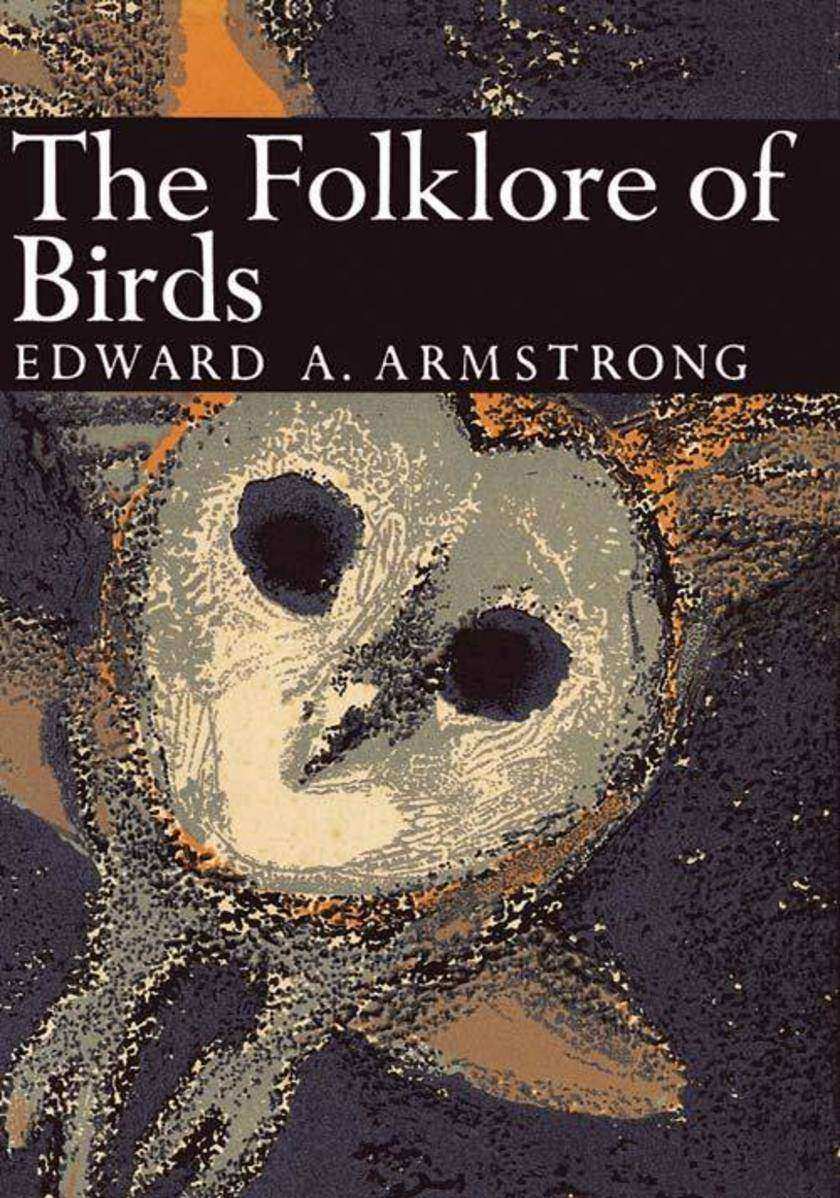
The Folklore of Birds (Collins New Naturalist Library, Book 39)
¥456.66
Tracing the magico-religious beliefs surrounding birds as far back in time as is possible, to the cultures in which these beliefs arose. This edition is exclusive to newnaturalists.com Edward A Armstrong is already known to readers of the New Naturalist as the author of the remarkable study on the wren. His wide scholarship and talents have fitted him outstandingly for this book, which could only have been written by a man with his deep understanding, not only of ornithology, but of social anthropology, psychology and comparative religion. Mr Amstrong has selected a number of familiar birds - such as the swan, the raven, the owl, the robin and the wren - and has traced magico-religious beliefs concerning them as far back as possible to the cultures in which these beliefs arose. With the scientist’s eye and methods of analysis he has examined the development of myth and ritual with originality and ingenuity. Many odd and interesting facts are cited, and explanations are given, for example of the customs of breaking the wish-bone, and of fables concerning weather-prophet birds and the generation of the Barnacle Goose from shell-fish. This book is the first treatment of a group of folklore beliefs as a series of artefacts are treated by an archaeologist, classifying them in order according to epochs. Archaeological data, as well as oral and literary traditions, have been used to illustrate the origins and significance of the current folklore. The illustrations are of exceptional quality and consist of over 140 carefully chosen photographs and line drawings from worldwide sources.
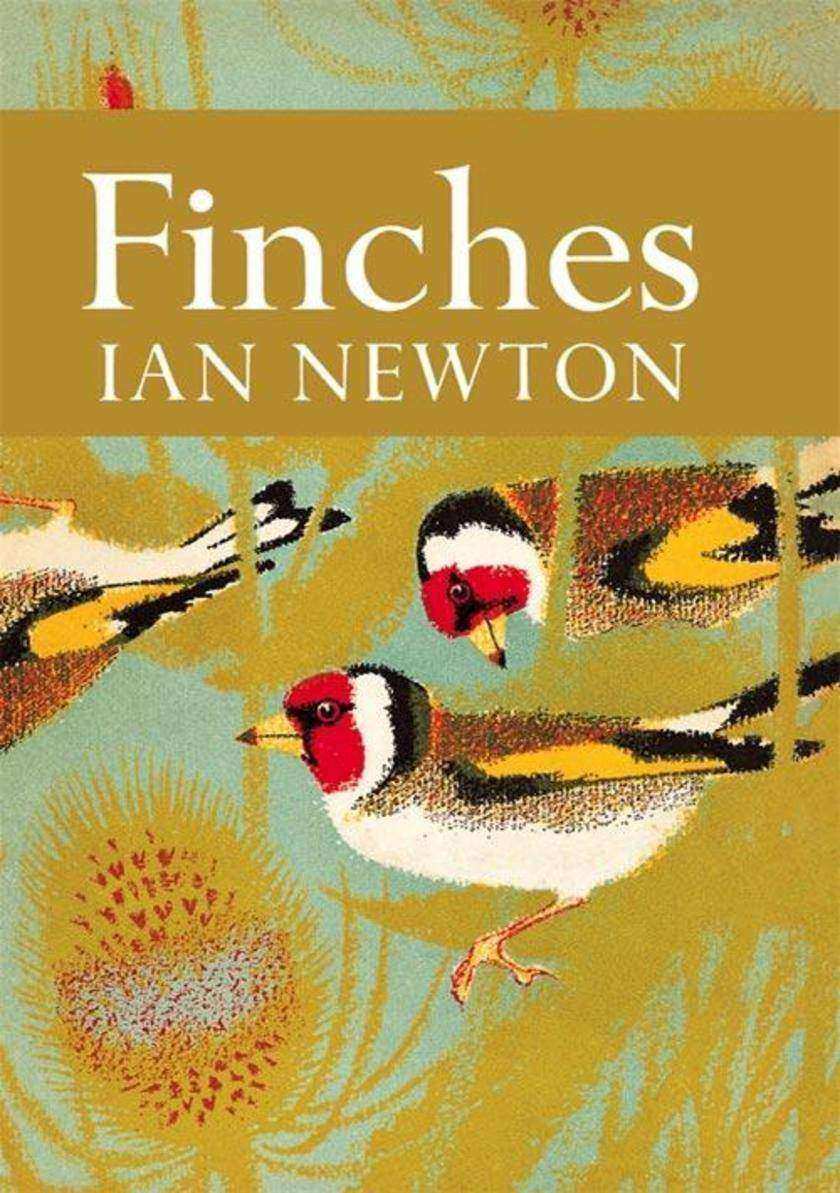
Finches (Collins New Naturalist Library, Book 55)
¥456.66
This illustrated survey of finch behaviour is a thorough, non-technical account of the habits of these birds throughout the world. Greenfinches nest in plantations, large shrubby gardens and churchyards with lots of evergreens, thickets and tall hedges. After breeding, goldfinches forage on waste land, overgrown rubbish dumps, neglected allotments of food, and rough pastures. Bullfinches, in their breeding season, develop in the floor of their mouths special pouches in which food for the young is retained. These pouches open, one on each side of the tongue and, when full, extend back under the jaws as far as the neck, when they together hold about one cubic centimetre of food. Cocks of the Chaffinch and Brambling species sing in the breeding season to repel other cocks and attract hens. This illustrated survey of finch behaviour is a thorough, non-technical account of the habits of these birds throughout the world. Dr. Newton uses his extensive bird-watching experience and knowledge of the published literature to document the main patterns of feeding, development of feathers, breeding, and migration. As a result, he presents the changing relationship of the birds to their environment. The author is on the staff of the Nature Conservancy at Edinburgh, Scotland. His several scientific papers on finches have appeared in Birds, Journal of Animal Ecology and other scholarly periodicals.
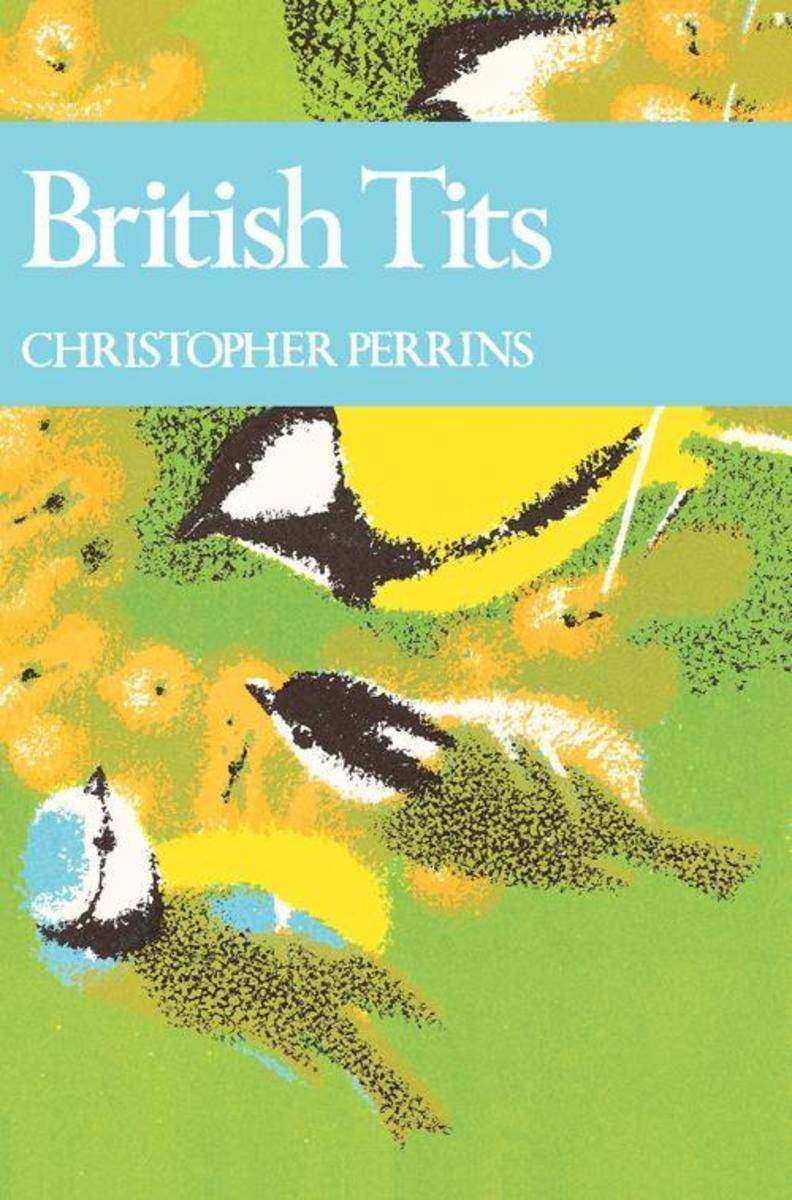
British Tits (Collins New Naturalist Library, Book 62)
¥456.66
In addition to dealing with the general biology and behaviour of the birds, Dr Perrins gives full attention to such things as their social lives, their intelligence and adaptiveness, and their puzzling ability to adjust their population sizes to the future availability of food. This edition is exclusive to newnaturalists.com Because of their ubiquity and apparent boldness, the tits are among the most easily observed, and the most popular, of all British birds. The Blue Tit, particularly, is an attractive and confident bird and will arrive at a well-stocked bird table, or at a bag of peanuts outside a window, within a few minutes of its being set out. Curiously, little has been written about tits for the general naturalist. In this book, Christopher Perrins, who succeeded the late David Lack at the Edward Grey Institute of Ornithology in Oxford, sets out to remedy this omission. Dr Perrins has spent many years studying these small birds in great detail and has himself made many important discoveries about their lives and behaviour. The book deals with seven species of tit. These include the six members of the true tits - Coal, Great, Blue, Crested, Marsh and Willow Tits - as well as the more distantly related Long-tailed Tit. In addition to dealing with the general biology and behaviour of the birds, Dr Perrins gives full attention to such things as their social lives, their intelligence and adaptiveness, and their puzzling ability to adjust their population sizes to the future availability of food. Dr Perrin's study demonstrates that there is much unsuspected complexity - some of it still not clearly understood - in the lives of even the most popular of groups of birds; as such it will be of interest to every birdwatcher, amateur and professional alike.
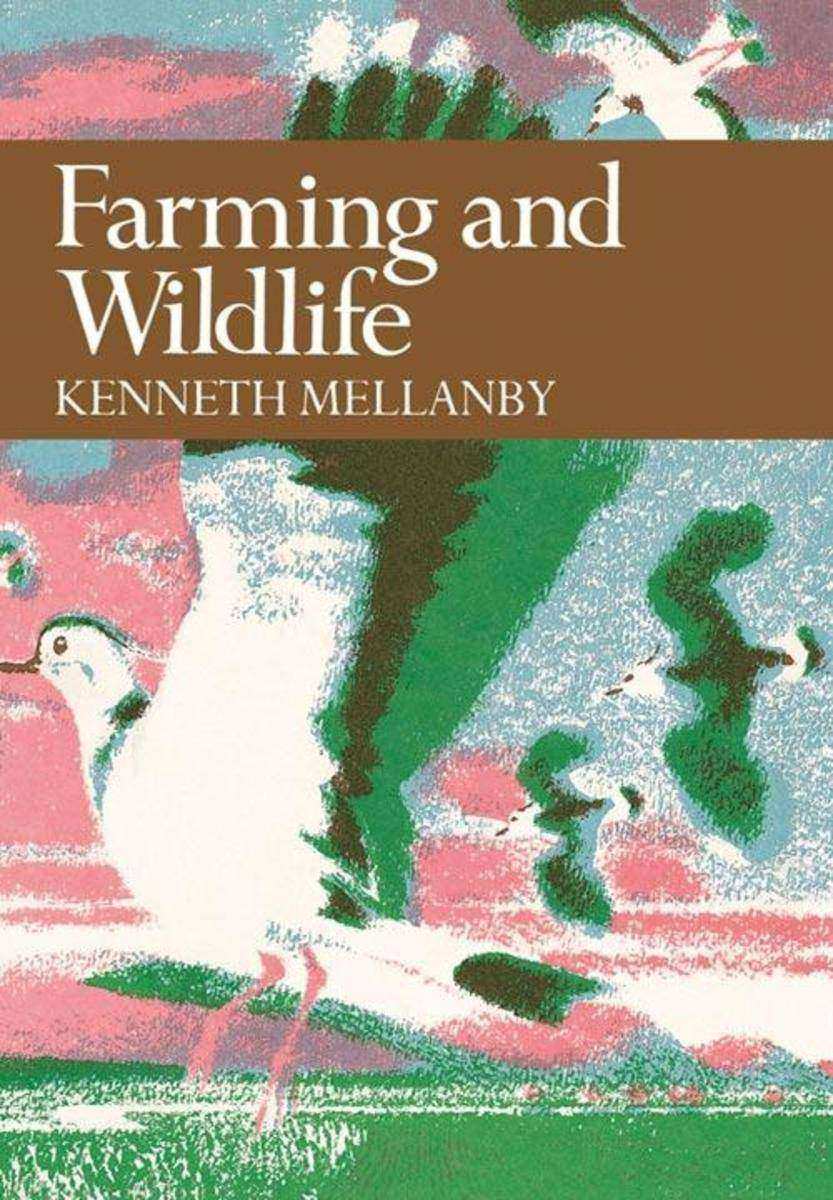
Farming and Wildlife (Collins New Naturalist Library, Book 67)
¥456.66
Farming and Wildlife argues forcefully that wild species are, in fact, beneficial to the land as a whole: without them its productivity will fall and farming will inevitably suffer. This edition is exclusive to newnaturalists.com Farming and wildlife affect each other in many, often subtle, ways. Yet most recent developments in farming have been harmful to wild plants and animals. As the land is made to yield more, so rare species become rarer or extinct, and even common ones are now absent from large areas of the country. This timely and provocative book argues forcefully that wild species are, in fact, beneficial to the land as a whole: without them its productivity will fall and farming will inevitably suffer. The main changes in farming practice and their environmental effects are dealt with systematically. Successive chapters discuss arable cropping, grassland management, animal husbandry, hedgerow removal, land drainage and the use of pesticides. Considered also are the care of the soil and its inhabitants - important and often overlooked forms of wildlife - possible damage to livestock by diseases of wild animals, and the effects of hunting and shooting. Professor Mellanby writes throughout with an understanding of the problems of both farmers and conservationists. This is a most persuasive account of why they should now work together to preserve the countryside's fauna and flora. Professor Kenneth Mellanby is the author of the highly acclaimed New Naturalist volume Pesticides and Pollution. He is the Founder-Director of the Monks Wood Experimental Station, which was the main research station of the Nature Conservancy, Chairman of the Watch Trust, President of the Cambridgeshire branch of the Ramblers Association, and has for many years been closely involved in all aspects of farming and conservation.

British Game (Collins New Naturalist Library, Book 2)
¥456.66
British Game ranges beyond the strict legal interpretation of game and is full of interesting details about the birds and beasts that should interest sportsmen. Collins are delighted to announce the republication in facsimile form of the first editions of the very first volumes in the New Naturalist Library. Originally planned in the darkest days of World War II and first published in 1945, this series is the longest running nature series in the world. It is a reflection of the quality of the authors and the books they wrote, that they are still sought after 73 years later. The books will be identical in every way to the original first editions, including the iconic jackets by Clifford and Rosemary Ellis.
Natural History in the Highlands and Islands (Collins New Naturalist Library, Bo
¥456.66
The Highlands and Islands of Scotland are rugged moorland, alpine mountains and jagged coast with remarkable natural history. Collins are delighted to announce the republication in facsimile form of the first editions of the very first volumes in the New Naturalist Library. Originally planned in the darkest days of World War II and first published in 1945, this series is the longest running nature series in the world. It is a reflection of the quality of the authors and the books they wrote, that they are still sought after 73 years later. The books will be identical in every way to the original first editions, including the iconic jackets by Clifford and Rosemary Ellis. The Highlands and Islands of Scotland are rugged moorland, alpine mountains and jagged coast with remarkable natural history, including relict and specialised animals and plants. Here are animals in really large numbers: St. Kilda with its sea-birds, North Rona its seals, Islay its wintering geese, rivers and lochs with their spawning salmon and trout, the ubiquitous midges! This is big country with red deer, wildcat, pine marten, badger, otter, fox, ermine, golden eagle, osprey, raven, peregrine, grey lag, divers, phalaropes, capercaillie and ptarmigan. Off-shore are killer whales and basking sharks. Here too in large scale interaction is forestry, sheep farming, sport, tourism and wild life conservation.
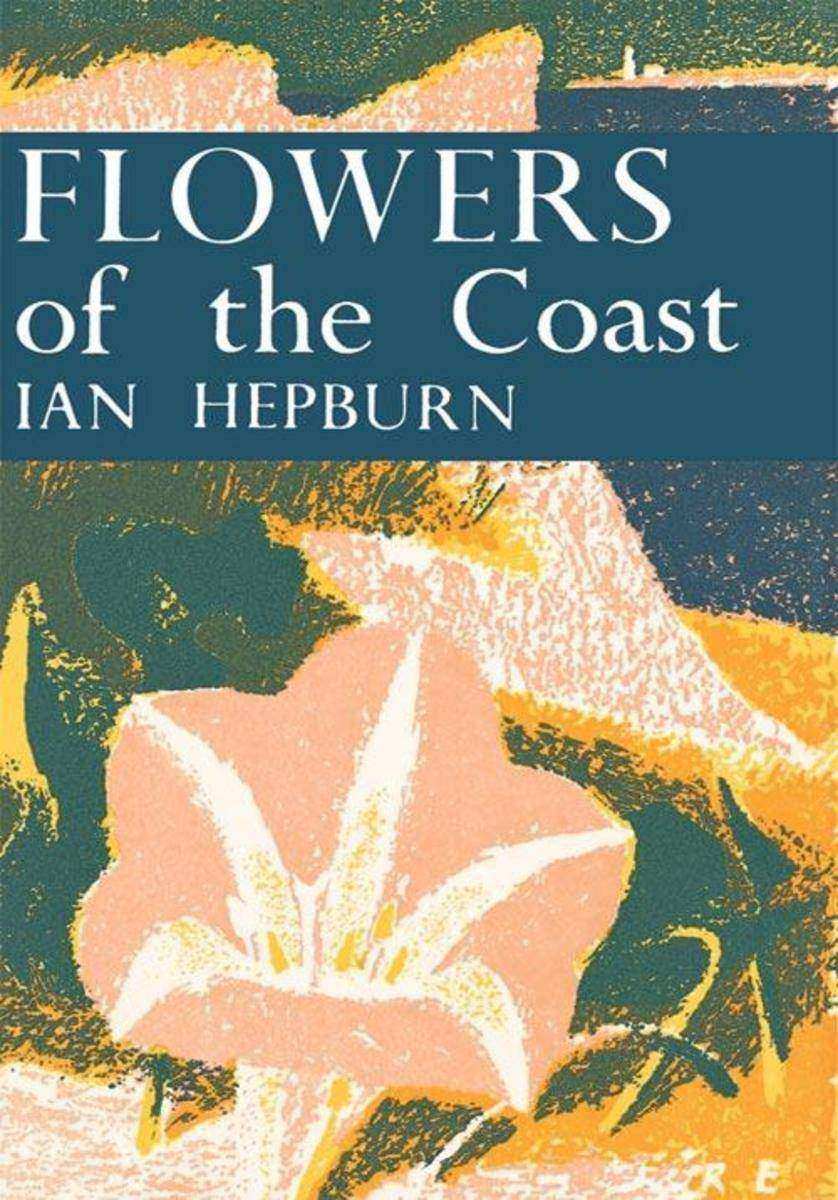
Flowers of the Coast (Collins New Naturalist Library, Book 24)
¥456.66
Few parts of our British islands can compare with our sea coasts as plant hunting ground. Flowers of the Coast takes us on a search across sand dune, cliff, shingle and rock. This edition is produced from an original copy by William Collins.
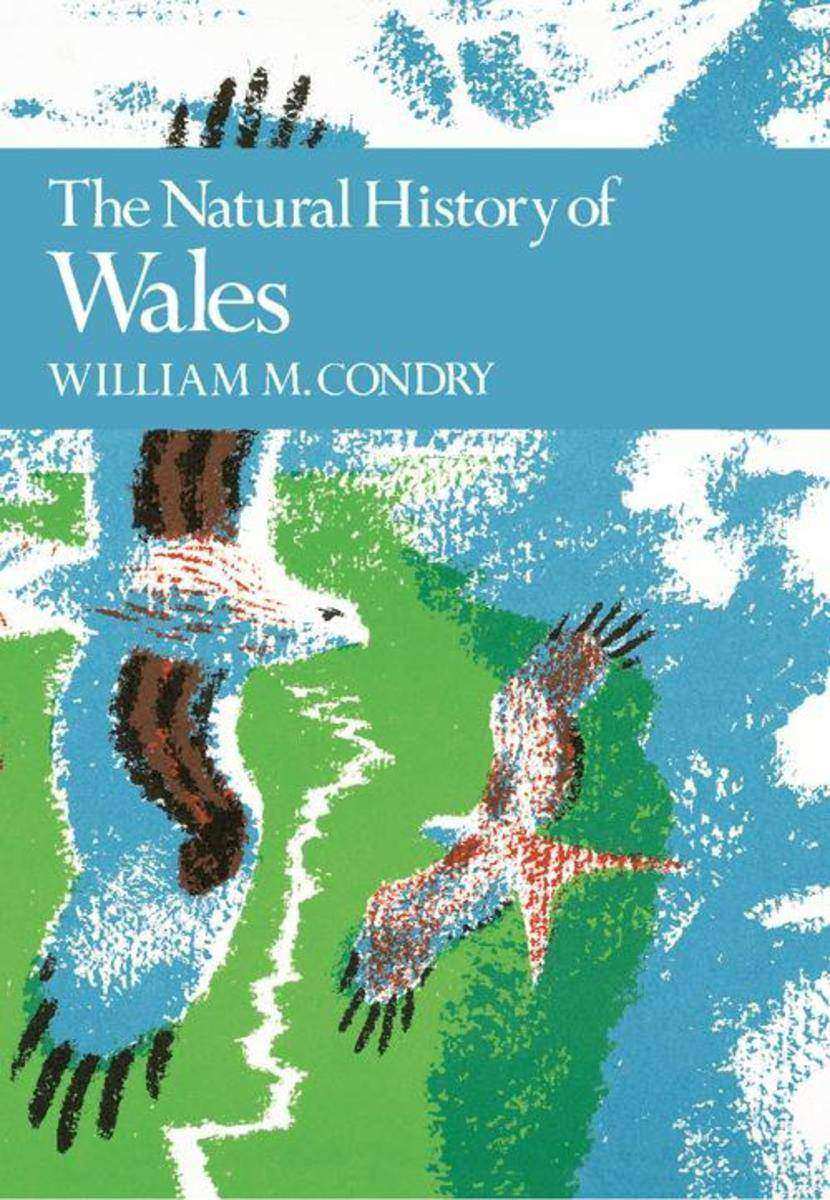
The Natural History of Wales (Collins New Naturalist Library, Book 66)
¥456.66
This book is an attempt to survey the natural history of the whole of Wales. It therefore covers such areas as Snowdonia and the Brecon Beacons as well as the spectacularly beautiful Pembrokeshire coast and the less well-known but no less interesting areas of mid-Wales. Wales is a country of great geographical and biological diversity, a largely mountainous land whose eastern scarps overlook the richer plains of Mercia. William Condry is an acute observer of the potentialities of terrain, and particularly in respect of wildlife habitats. The author of the distinguished volume on Snowdonia in the New Naturalist series, he is the ideal person to write about one of the best-known and best-loved parts of Great Britain. This book is an attempt to survey the natural history of the whole of Wales. It therefore covers such areas as Snowdonia and the Brecon Beacons as well as the spectacularly beautiful Pembrokeshire coast and the less well-known but no less interesting areas of mid-Wales. Describing each kind of terrain in turn, William Condry has explored and surveyed the face of this unique land as few others have done. Beginning with corries, crags and summits, he goes on to consider moorlands, mires and conifers. There then follow rivers, lakes and marshes; the native woodlands; limestone flora; farmlands, villages and estates; the industrial scene; and finally perhaps the most striking terrain of all, the coast. This encompasses polders, peatlands, beaches, dunes and estuaries as well as cliffs, headlands and island. Within each of these areas William Condry brings a wealth of experience to bear on the more obvious aspects of wildlife - flowering plants and ferns, mammals, birds, fish, reptiles and amphibians. Important rarities such as the Snowdon lily or the red kite are, of course, included, but always with the intention of establishing a proper respect for their conservation. Affectionate and thoroughly informative, full of insights into local history and always a delight to read, this is a magnificent introduction to Wales and its countryside.
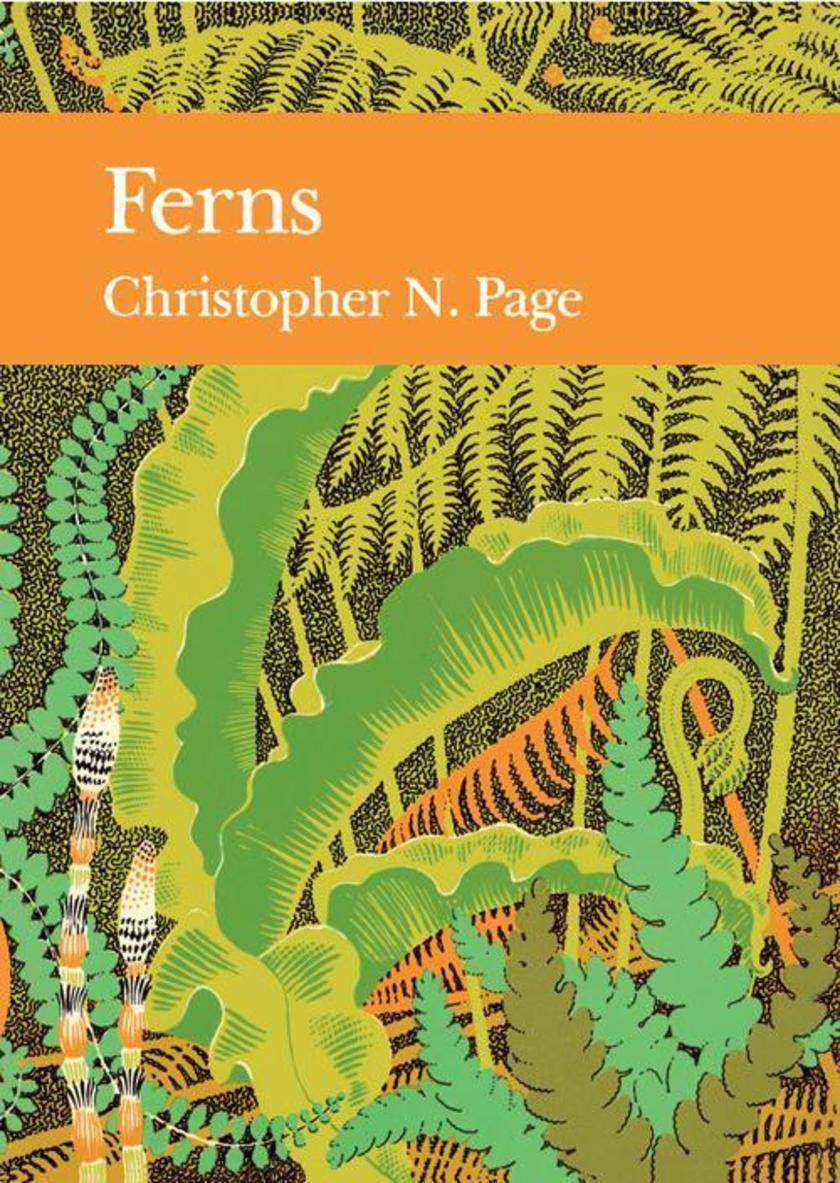
Ferns (Collins New Naturalist Library, Book 74)
¥456.66
Ferns gives the reader an introduction to the reasons for the variety of ferns in the British Isles, as well as the history of their development within this landscape and their use by man. This edition is exclusive to newnaturalists.com Ferns, horsetails and clubmosses, or to use their technical term the Pteridophyta, are a fascinating area of the British flora that ranged from the prehistoric-looking horsetails to the delicate beauty of the Aspleniaceae family (otherwise known as the spleenworts and familiar inhabitants of many a conservatory). Ferns are ubiquitous on this damp island, but often overlooked, overshadowed by the interest in the technicolour of our flowering plants. This book gives the reader an introduction to the reasons for the variety of ferns in the British Isles, as well as the history of their development within this landscape and their use by man. Taking each major habitat, Dr Page details which species of ferns are most likely to be encountered and why. Using numerous examples, he also shows how some species have become highly adapted to their environment using a whole range of strategies varying from the ordinary to the bizarre. Ferns follows in the distinguished New Naturalist series tradition of investigative natural history, drawing from the latest field studies and research, and is the most authoritative, up-to-date and in-depth survey of this part of the British flora available.
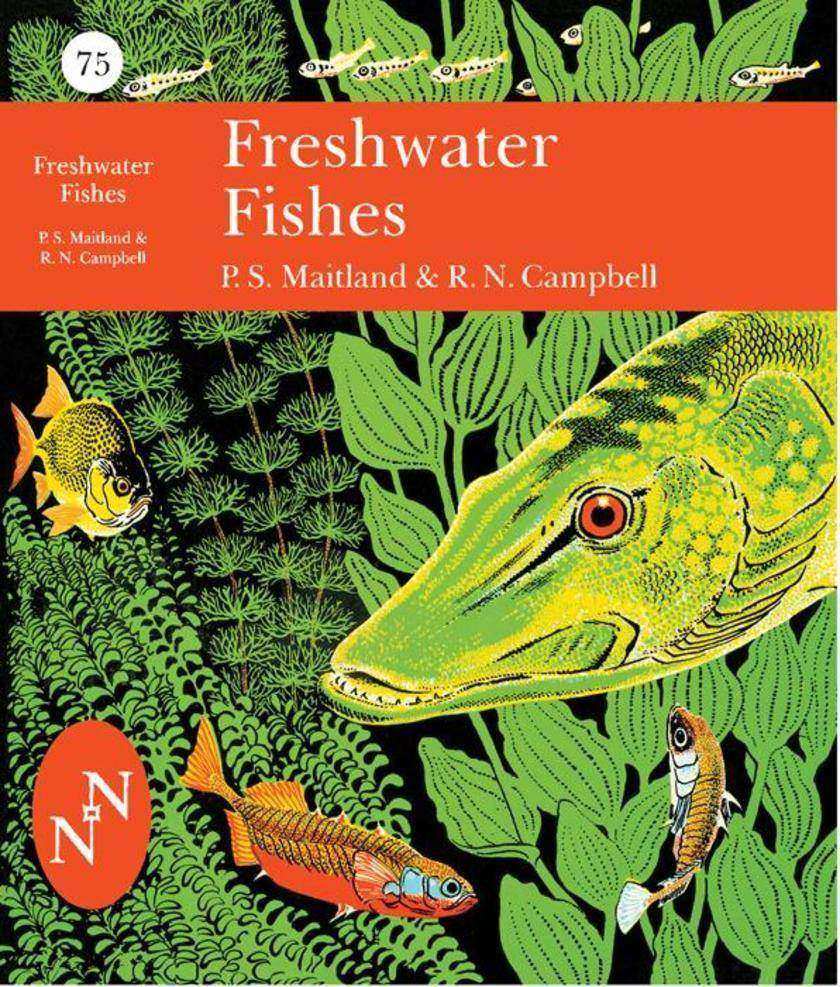
British Freshwater Fish (Collins New Naturalist Library, Book 75)
¥456.66
An in-depth look at the fish that inhabit the fresh waters of Britain and Ireland. These include famous members of the salmon family, such as the Atlantic Salmon and the Brown Trout, and the obscure whitefish, species of which are confined to just a few lakes. This edition is exclusive to newnaturalists.com Fish have been a highly sought after part of the British fauna since Dame Juliana Berners wrote the first fishing book in 1486, but have long been overlooked by naturalists as a part of the British countryside. In this new volume in the New Naturalist series, Dr Peter Maitland and Niall Campbell, who have both spent a lifetime studying and catching fish, take an in-depth look at the fish that inhabit the fresh waters of Britain and Ireland. These include famous members of the salmon family, such as the Atlantic Salmon and the Brown Trout, and the obscure whitefish, species of which are confined to just a few lakes. The information that the authors uncover gives a comprehensive overview of the life cycle of fish, whether mundane spawning or the complex migrations of the Eel and Sea Trout, as well as details on diet, behaviour and ecology. The book also contains the most up to date identification key to both the families and individual species of fish, allowing every species of freshwater fish to be conclusively identified. As well as detailed de*ions of each family, there are also seven chapters on more general subject. These include chapters on fish conservation and the future of the fish fauna in our country: a sign of the change in status of fish from the pursued to the studied.
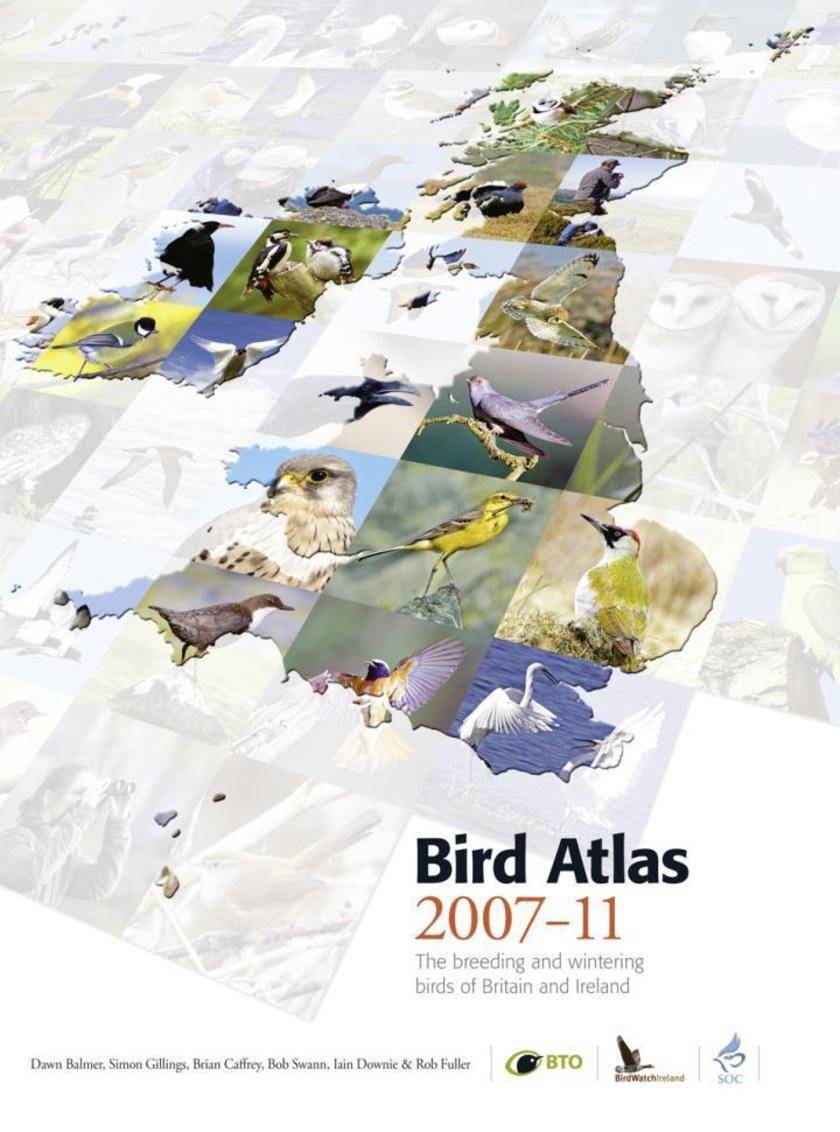
Bird Atlas 2007-11
¥456.07
Bird Atlas 2007-2011 is the definitive statement on breeding and winter bird distributions in Britain and Ireland. It builds on previous atlases (1968-1972 Breeding Atlas, 1981-1984 Winter Atlas, 1988-1991 Breeding Atlas) to show how the fortunes of the birds of Britain and Ireland have changed over the last 40 years. Bird Atlas 2007-2011 presents over 1300 detailed maps for nearly 300 species, showing where each breeds and winters, where they are most and least abundant and where status is changing. The species accounts and chapters bring together the latest scientific findings to explain these patterns and highlight the major issues facing our changing bird faunas.

熬夜也要N刷的小说:甜宠无双,剧情高能(共10册)
¥454.99
甜宠无双,剧情高能,套装共10册。《今天公司倒闭了没》《璀璨人生从离婚后开始》《爱你,我蓄谋已久》《与卿同舟》《危险垂钓》《大佬,投资我一下吧》《姐姐你好盐》《撩人的他》《南风知我弈》和《焦糖味影帝》

中国智能网联汽车产业发展年鉴2021
¥454.00
智能网联汽车是全球汽车产业转型发展的大趋势,关系到中国汽车产业在国际上的地位与荣誉。本书整理了中国乃至全球智能网联汽车产业各方观,本着记录发展、评估现状、分析问题、预测未来等原则,对我国智能网联汽车发展情况行了全面系统的梳理和分析:一是从产业观察家的角度持续紧跟产业发展节奏,密切关注产业发展态势;二是从受众的角度让广大读者了解中国智能网联汽车产业发展的现况和趋势;三是从专业角度客观评价智能网联汽车技术创新成果,为地方政府、汽车行业相关企业发展智能网联汽车技术提供参考依据。 本书可供行业企业、研究机构、政府部门以及相关从业人员阅读参考。

中国新农药创制
¥453.69
本书紧紧围绕国家重“硬骨头”研发项目“绿色农药新品种创制”,全面梳理和阐述了中国新农药的创制发展史、研发现状与层次、创制方法与思路、研发平台与体系建设以及中国病虫草害抗性发展与治理策略等。按照杀菌剂、除草剂、杀虫剂、杀螨剂、杀细菌剂、抗病毒剂、杀线虫剂、植物免疫激活剂以及植物生长调节剂等农药用途和结构类型行划分,系统介绍了中国新农药创制阶段性成果,涵盖了国内研究人员在新农药创制领域取得的研究展,重介绍了中国已产业化/登记/发中农药品种及研究中化合物,归纳了其创制过程与创新思路,分析其知识产权保护情况、应用效果与安全性、合成方法等,展示了我国新农药创制不同阶段的创新水平,并结合国内实际需求以及国际前沿发展趋势提出启发性思路,为中国农药创制提供研发思路及指导性的建议,对未来新农药的发展趋势和方向行展望。本书将为新农药创制研究工作提供很好的指导,供新农药创制相关学术界和产业界同行参考,也可作为农药学、植物保护、有机化学、精细化工、应用化学、环境化学和农业科学等专业师生的教学用书或参考书。


