


 购物车
购物车 个人中心
个人中心
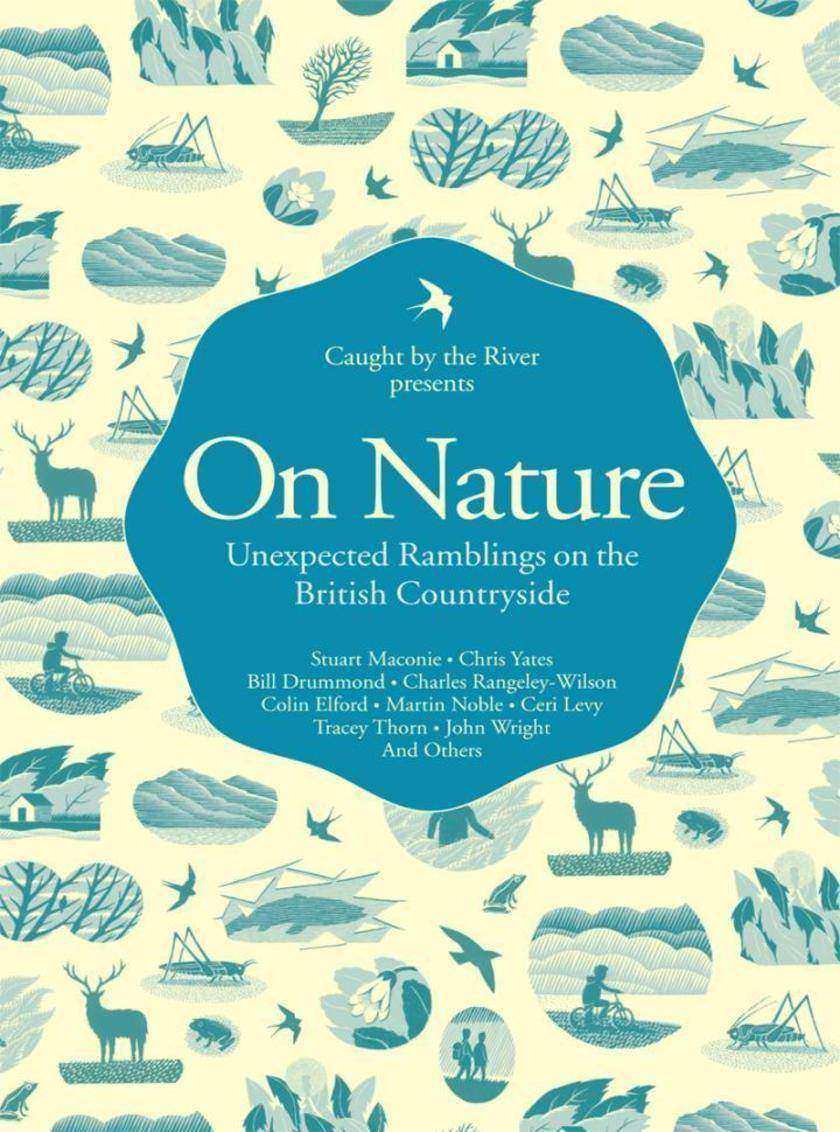
On Nature: Unexpected Ramblings on the British Countryside
¥154.12
A diverse and entertaining collection of writing examining and celebrating the British Countryside, from falconry to foraging and from the musings of a nighttime angler to tips for seasonal drinking. LAND Stuart Maconie (Radio 2) on hill walking / Wainwright walks Nick Small (CAUGHT BY THE RIVER regular) how to get nature into your garden, no matter how urban it is Richard King (Loops magazine editor) on the Winter Solstice and on the Summer Solstice John Wright (www.wild-food.net/ on the basics of getting started in foraging Bill Drummond (Damsons in Distress) Dan Kieran (Crap Towns/I Fought The Law) on falconry RIVER / INLAND WATERS John Andrews (CAUGHT BY THE RIVER regular) on winter pike fishing Jon Berry (CAUGHT BY THE RIVER regular) writing about the night from a fishermen's perspective, the sounds, shadows, the hallucinatory effects of sleep deprivation when the sun rises COASTLINE Ian Vince (The Lie of the Land) on the Jurassic coast and fossils Martin Noble (British Sea Power) the Exmoor to Dartmoor coastal walk Nick Hand (http://www.slowcoast.co.uk/) on what you see when cycling the entire coastline of the UK Michael Smith (BBC4 Drivetime) on the coastline in the north of England ISLAND LIFE Sarah Boden (The Observer) on fleeing London to move and become a sheep farmer on Eigg
Horse Trader: Robert Sangster and the Rise and Fall of the Sport of Kings
¥154.12
It was always tense in The Rooms when they were proposing to elect a statesman to membership. Actually, it was always tense in The Rooms whomever they were proposing to elect to membership. But a statesman created a special feeling of apprehension. Such an event happened only every fifty years or so, because, by and large, the Jockey Club did not see statesmen as the right calibre of chap. Most of them had depressingly brilliant intellects coupled with dazzling charm and tact. Or, put in the more ducal vernacular of the Club, they were too clever by half, ‘too smarmy’.The Earl of Rosebery, during his Lordship’s tenure as Prime Minister of England, had of course been a member of the Club back in 1894 when his colt Ladas had won the Derby at Epsom. However, having been a member since the age of twenty-two, the touchy business of electing a statesman had never really applied.The Jockey Club had admitted an Under-Secretary of State for War, Earl Cadogan, in the middle of the nineteenth century, in the knowledge that he was much preoccupied with the unrest along India’s north-west frontier. The same applied, in smaller measure, to the Marquis of Londonderry and the Earl of Zetland in the 1880s when they were appointed as successive Lords-Lieutenants of Ireland. Different frontier, similar unrest among the natives and one or two furrowed brows in the Club. Lord Randolph Churchill, Chancellor of the Exchequer and owner of an Oaks winner in 1889, had had to be elected. And they could not quite avoid accepting his often fractious son Sir Winston, who won the Jockey Club Cup in 1950 with his stout-hearted grey Colonist II shortly before becoming Prime Minister for the second time.
The Exotic Meat Cookbook: From Antelope to Zebra
¥154.12
A collection of recipes for exotic meats from around the globe. They used to be a novelty but exotic meats from around the world are becoming increasingly popular with restaurants and home cooks alike. Gordon Ramsay has cooked with goat and ostrich on The F Word, supermarkets regularly stock kangaroo, bison and other unusual meats and internet suppliers like the Alternative Meats company are bringing the world to your dining table. But no cookbook has combined recipes for this diverse range of meat - until now. The Alternative Meat Cookbook has been put together by Jeanette Edgar and Rachel Godwin, the women behind the award-winning Alternative Meats company, and includes recipes for springbok, kudu, camel, kangaroo, ostrich, rose veal, wild boar, blesbok, crocodile and many many more. But the book isn’t only about world cuisine, it features many of the less well-known meats from these shores as well with recipes for mutton, buffalo, kid goat and wild rabbit. Featuring their own recipes, garnered from years in the trade, plus donated recipes from leading chefs around the world as well as some sent in by customers, The Exotic Meat Cookbook is a wonderfully unusual selection for serious foodies, amateur chefs and even for those who want to do something a bit different for the BBQ!
The Times Great Victorian Lives
¥154.12
Obituaries of the most influential Victorians as profiled by The Times, including Dickens, Darwin, Ruskin, Peel, WG Grace and Florence Nightingale. For over 150 years, The Times obituaries have been providing the most respected and perceptive verdicts on the lives of the great and the good. Scientists, social reformers, composers, writers, sportsmen and politicians…Times Great Victorian Lives examines the achievements of eminent Victorians, from Isambard Kingdom Brunel to Charles Darwin, Disraeli to Gladstone and Florence Nightingale to Sarah Bernhardt. Figures have been chosen according to their importance today and are ordered chronologically. The Times Great Victorian Lives gives a fascinating insight into Victorian history, revealing how the Victorian figures we now consider 'great' were seen in their day.
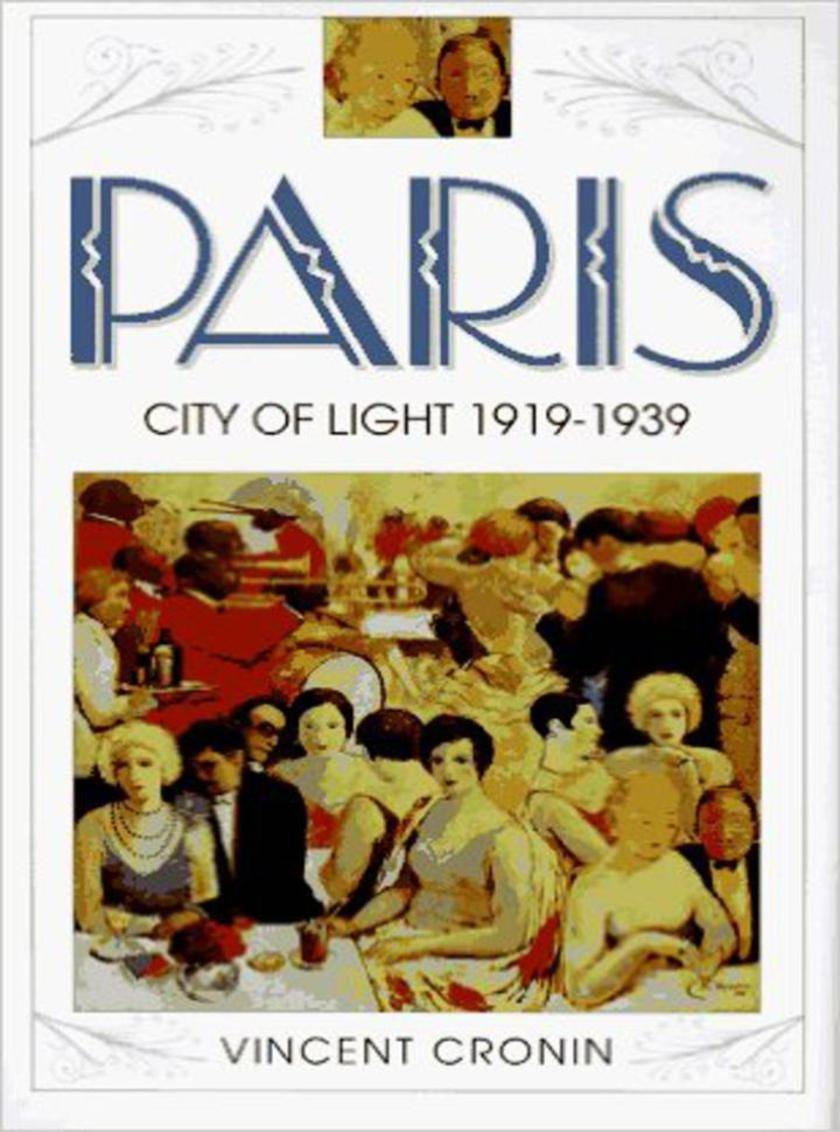
Paris, City of Light: 1919–1939 (Text Only)
¥154.12
In the early days of Cubism, when writers and painters led bohemian lives in Montmartre, a familiar figure in the studios and cafes was a young journalist named Roland Dorgelès. With high brow, long straight nose, lean face and steady blue eyes, smartly turned out, often in a long black coat with astrakhan collar, he was well liked for his cheerful manner, vein of poetry and adventurousness.Dorgelès came of petit bourgeois parents. The father, a travelling textile salesman, was often absent and did not get along with his wife, who transferred her affection to her only son without however becoming possessive. She gave him a Catholic upbringing and encouraged him to read good authors, his favourites being Molière and Courteline. After an unsuccessful spell at the Ecole des Arts décoratifs he decided on a literary career. He became a journalist of the Paris scene, had two short plays put on and indulged in light-hearted practical jokes: calling the fire brigade to extinguish a nonexistent fire in the flat of a rival in love and, on another occasion, to protest against the thick glass on certain paintings in the Louvre, installing himself in front of one such painting, producing razor, cream and brush, soaping his face and calmly shaving as though in front of a mirror.
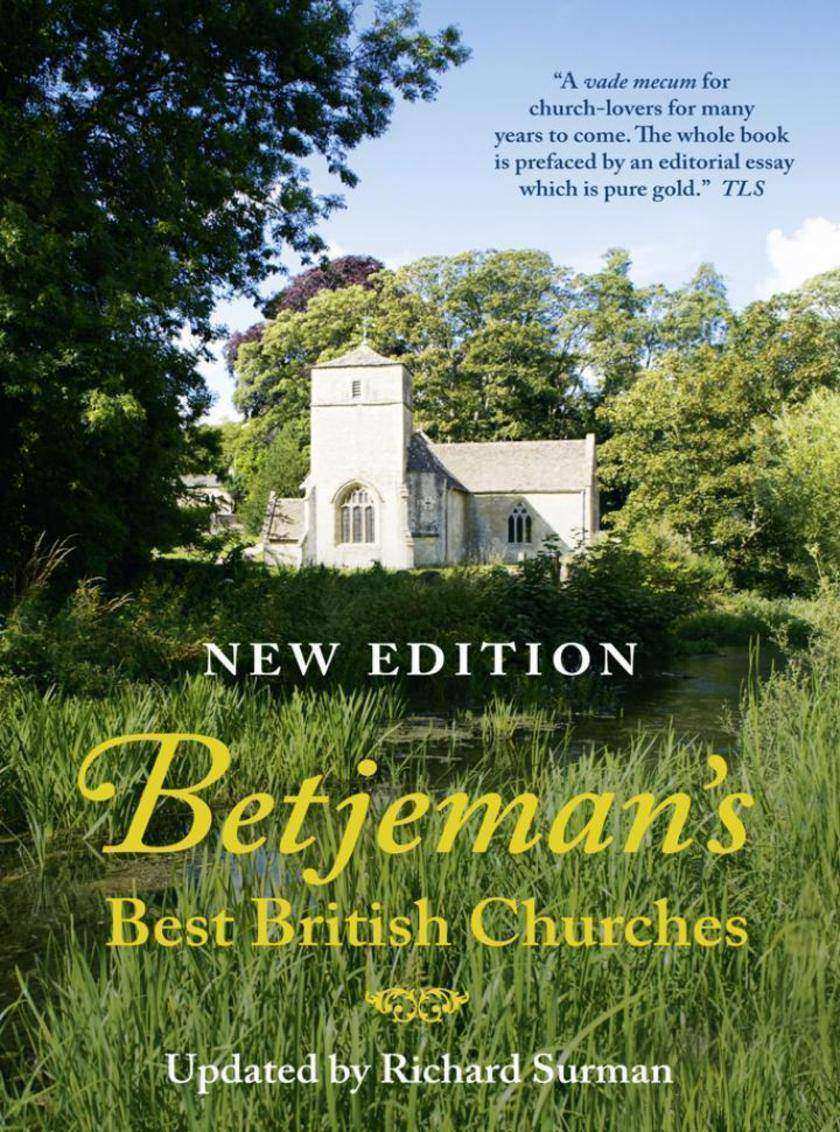
Betjeman’s Best British Churches
¥154.02
A beautiful and practical up-to-date guide to over two thousand of Britain’s best parish churches. Although now most famous for his poetry, Sir John Betjeman’s great passion was churches. For over fifty years his guide, regularly updated, has been the eminent authority and the most distinguished guide to the best churches to visit. This edition, in full colour throughout and illustrated with over 350 specially commissioned photographs, covers over 2,500 of the very best churches in England, Scotland and Wales. Fully updated by bestselling author Richard Surman, this is the most complete and up to date guide to Britain’s church heritage.

监视雷达技术
¥154.00
监视雷达主要指地面对空监视雷达。监视雷达是应用*早,使用*广泛的雷达,无论从发挥的作用、装备的数量,还是使用的国家和地区范围,监视雷达都是对空警戒监视系统中的主要装备。本书是作者结合多年从事监视雷达装备技术的科研实践,对监视雷达技术进行系统阐述和介绍。重点介绍监视雷达系统设计的基本思想和关键技术,结合监视雷达所必需的基本理论和*新的雷达技术发展成果编著而成。作者在书中选编了大量的工程计算方法和设计实例,通过分析使读者加深理解,特别是有许多内容是作者多年实践的总结。
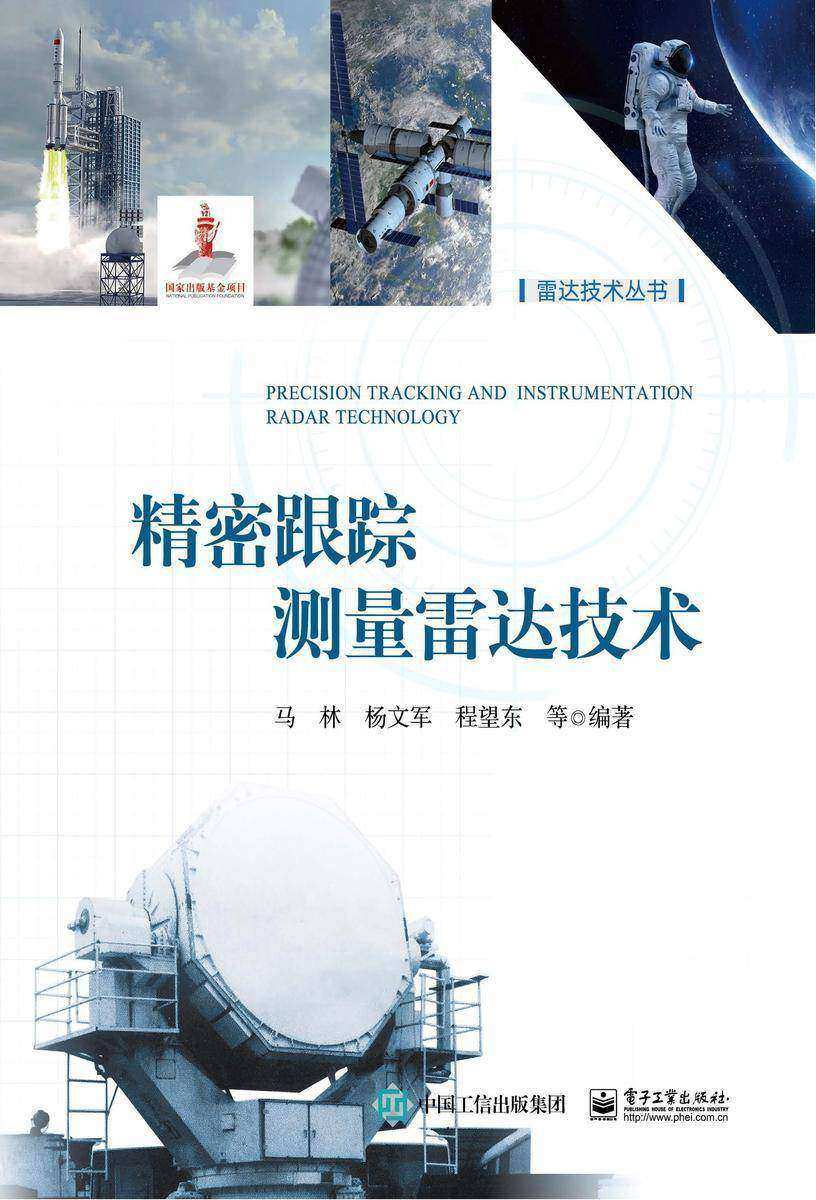
精密跟踪测量雷达技术
¥154.00
本书结合测量雷达新技术发展和近10多年的工程实践,按照以下原则修订,一是新增经实践的成果。精密跟踪测量雷达技术主要是在目标距离、角度和速度的精密跟踪测量基础上,实现了目标特性测量,即在目标运动特性测量基础上,增加了测量目标RCS特性、极化特性、高分辨距离像和ISAR等,因此增加了"目标特性测量”章节,见目录第10章;二是保持经典。原书其它章节未变更,主要针对相控阵体制精密跟踪测量雷达的技术发展与大量应用,补充完善了"相控阵跟踪测量雷达系统”的相关内容;三是对原书章节相应完善。

相控阵雷达技术
¥154.00
相控阵雷达技术是一种先的雷达技术,本书共分12章,包括概论、相控阵雷达的主要战术与技术指标分析、相控阵雷达工作方式设计与资源管理、相控阵雷达天线波束的控制、相控阵雷达天线与馈线系统的设计、相控阵雷达发射机系统、相控阵雷达收系统、多波束形成技术、有源相控阵雷达技术、宽带相控阵雷达技术、新型高性能半导体器件在相控阵雷达技术中的应用、微波光子相控阵雷达技术。作者根据多年从事相控阵雷达研制工作的经验与学习心得,结合近年来技术最新展,完成本书写作,奉献给从事相关研究、生产、使用和教学人员参考。

天波超视距雷达技术
¥154.00
本书是"雷达技术丛书”中有关天波超视距雷达工程技术的一本专著。本书从天波超视距雷达的各类特性分析手(包括天波传输特性、环境特性、目标特性及回波特性等),系统阐述了天波雷达的基本原理、主要特、应用范围及设计要,对收发通道、信息处理、电波诊断、频率管理等主要分系统和关键技术行了扩展,最后给出了探测通信一体化等当前热研究关系和新体制的展。

Better on Toast
¥153.95
Hot or cold, savory or sweet—there's nothing better than fresh, flavorful ingredients on a slice of perfectly toasted bread!Toasts are the ideal meal, whether you need a handheld lunch, a creative buffet for hungry guests, or a craveable midnight snack. Better on Toast features more than seventy elegantly simple recipes for toasts to appeal to every taste—from Hot Miso Crab to Shaved Asparagus with Serrano-Basil Butter to Lavender Ricotta. Jill Donenfeld layers flavors and uses quality, wholesome ingredients to make each recipe stand out, while her magical toasting techniques bring out the best in every bread, from thick-cut brioche to hearty grain to her signature gluten-free Quinoa Millet Bread. Let's have a toast!

八十一难经集解;新医林改错;医论
¥153.50
《郭霭春全集》收录郭霭春教授著作共计800万字左右。本卷收录《八十一难经集解》《难经集注白话解》《新医林改错 》,为《郭霭春全集》之一。《八十一难经集解》是以《医统正脉》本《难经本义》为底本,收王九思《集注》同时,加以校勘;《难经集注白话解》主要内容是对《难经》行校勘和注释同时,予以语译,以通俗易懂的白话文形式解读;《新医林改错 》,是郭霭春先生对中医经典著作校勘心得。《全集》全面反映了他在中医药学领域的学术成就。郭霭春先生治儒通医,文理医理融会贯通,精通史学、国学,于目录、版本、校勘、训诂、音韵等专门之学,造诣精深,并善诗词。他深研中医基础理论,精医史、善临证,尤以文献研究和中医内科见长,有“津沽杏林三杰”之誉。治学精勤,著作颇丰,其代表作有《黄帝内经素问校注》《灵枢经校释》《黄帝内经素问校注语译》《灵枢经校注语译》《中国医史年表》《中国分省医籍考》等。

犹太智慧思维系列丛书(套装共4册)【以色列德国血统真实犹太人的思维,全球典范教育,助力培养“内心强大,外在优秀”的孩子。】
¥153.30
《“犹”趣的思维》这本书堪称是一本图画浓缩版《塔木德》。本书作者利用大量的理论知识以及结合个人的实际经历,通过独具一格、趣味盎然且生动形象的视觉语言,对犹太人神秘的创造思维和财富教育背后的秘密行分析,探索和解读。希望带领读者徜徉于更深层次、置身于迷人的犹太智慧这座冰山未露过的根基,并深刻体会其经年累月积累下来的智慧,及其背后的核心价值观念、文化行为、思维模式,就此为你的思维增添更为放的层面,而不是一味地遵循既定的方法。

剑指大前端全栈工程师
¥153.30
本书对大前端技术栈行了全面的讲解,以实战驱动教学,内容涉及HTML5 CSS3模块、JS模块、jQuery模块、Bootstrap模块、Node.js模块、Ajax模块、ES6新标准、Vue框架、UI组件和模块化编程等。本书厚度有限,但学习的空间无限。 全书共分为五个阶段,共18章。阶段走前端之HTML5 CSS3(第1~6章),第二阶段探索JS的奥秘(第7~8章),第三阶段PC端整栈发(第9~11章),第四阶段ES6 Node 工程化(第12~14章)和第五阶段Vue技术栈(第15~18章)。书中引了丰富的实战案例,实际性和系统性较强,能够很好地帮助读者提升就业竞争力。书中还引了3个企业级实战项目,为造企业刚需人才。 本书适合初、中级前端发者、渴望了解前端知识整体脉络的程序员,以及希望突破瓶颈一步提升的工程师阅读。
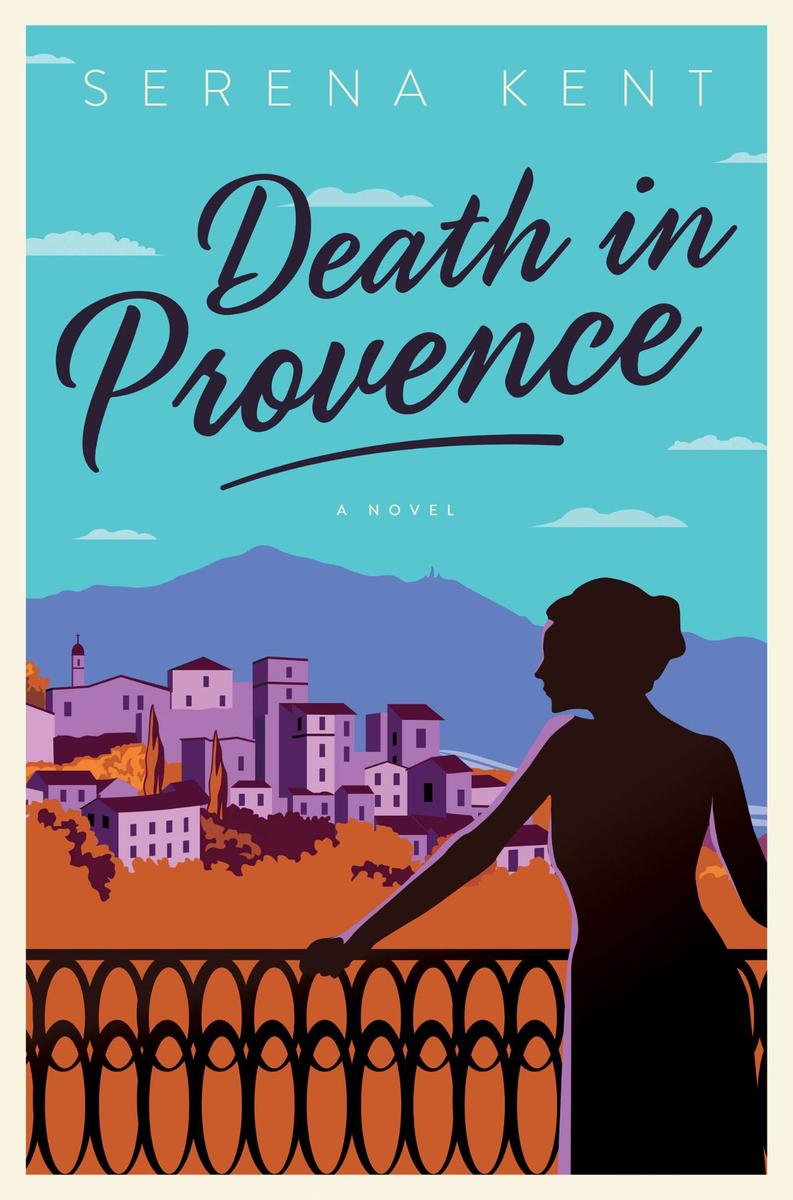
Death in Provence:A Novel
¥153.15
The first entry in a clever, lighthearted mystery series set in modern Provence—a delightful blend of Agatha Christie and Peter Mayle—featuring the irrepressible Penelope Kite, a young-at-heart divorcee with a knack for stumbling across dead bodies.It’s love at first sight when Penelope Kite sees Le Chant d’Eau—The Song of Water—the stone farmhouse tucked high in the hills above the Luberon valley, complete with a garden, swimming pool, and sweeping mountain vistas. For years, Penelope put her unfaithful ex-husband and her ungrateful stepchildren first. Since taking early retirement from her job in forensics at the Home Office in England, she’s been an unpaid babysitter and chauffeur for her grandchildren. Now, she’s going to start living for herself. Though her dream house needs major renovations, Penelope impulsively buys the property and moves to St. Merlot. But Penelope’s daydreams of an adventurous life in Provence didn’t include finding a corpse floating face down in her swimming pool. The discovery of the dead man plunges her headlong into a Provençal stew of intrigue and lingering resentments simmering beneath the deceptively sunny village. Having worked in the forensics office, Penelope knows a thing or two about murder investigations. To find answers, she must carefully navigate between her seemingly ubiquitous, supercilious (and enviably chic) estate agent, the disdainful chief of police, and the devilishly handsome mayor—even as she finds herself tempted by all the delicacies the region has to offer. Thank goodness her old friend Frankie is just a flight away . . . and that Penelope is not quite as naïve as her new neighbors in St. Merlot believe.Set against the exquisite backdrop of Provence, steeped in history, atmosphere, and secrets, Death in Provence introduces an irresistible heroine and a delightful new mystery series.

After the Ice
¥153.15
An eye-opening look at the winners and losers in the high-stakes story of Arctic transformation, from nations to natives to animals to the very landscape itself The Arctic like the canary in the coal mine has reacted more quickly and dramatically to global warming than many had anticipated. Hundreds of scientists are urgently trying to predict just how the Arctic will change and how those changes will in turn affect the rest of the planet. But plenty of other people, driven by profit rather than data, are interested as well. The riches of the world’s last virgin territory have spurred the reawakening of old geopolitical rivalries. The United States, Canada, Russia, Norway, and the Danish territory of Greenland all control areas around the Arctic Ocean. We face a new era of oil rigs and drill ships, of tankers taking shortcuts from Yokohama to Rotterdam, as well as a potential fight over the Arctic’s treasures.Alongside the winners from an open Arctic sea are the many losers, from the nomadic reindeer herders of Siberia and Scandinavia to the Inuit hunters of Alaska, Greenland, and Canada. Other creatures that rely on the vast expanses of sea ice, including seals, birds, and whales and the ecosystems within which they live may disappear to be replaced by different creatures. Combining science, business, politics, and adven-ture, Alun Anderson takes the reader to the ends of the earth for what may be the last narrative portrait of this rapidly changing land of unparalleled global significance.
Scoundrels in Law
¥153.15
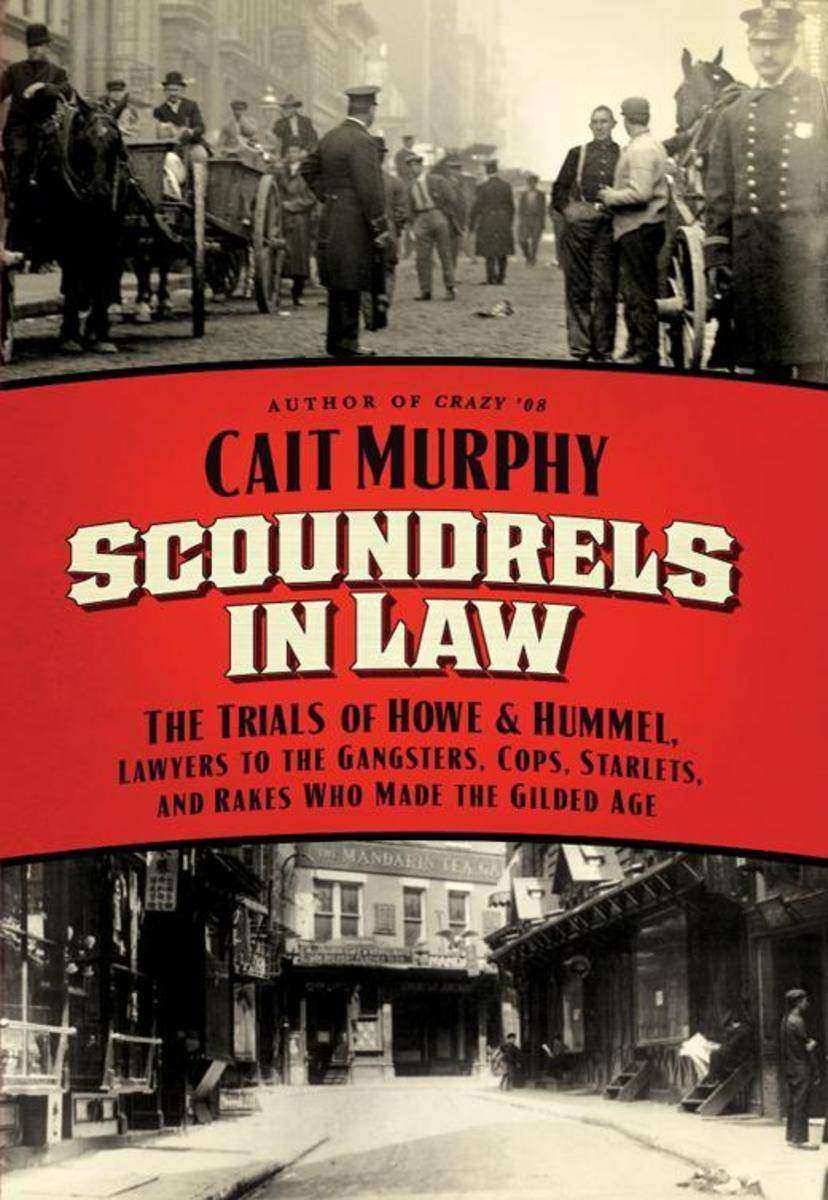
From the critically acclaimed author of Crazy '08 comes the thrilling true story of the most colorful and notorious law firm in American history. Scoundrels in Law offers an inside look at crime and punishment in the nineteenth century, and a whirlwind tour of the Gilded Age. Gangsters and con men. Spurned mistresses and wandering husbands. Strippers and Broadway royalty. Cat killers and spiritualists. These were the friends and clients of Howe Hummel, the most famous (and famously rotten) law firm in nineteenth-century America.The partners gloried in their reputation and made a rich living from it. William Howe left London a step ahead of the law to find his destiny defending the perpetrators of murder and mayhem in post-Civil War New York, in an age of really good murders. A dramatic, diamond-encrusted presence, Howe was one of the great courtroom orators of his era, winning improbable acquittals time after time.Abraham Hummel enjoyed a quieter but perhaps more fearsome notoriety, shaking down high society so well and so often that receiving an envelope with the law firm's name on it became almost a rite of passage.The partners bestrode Gilded Age New York with wit and brio, and everyone from Theodore Roosevelt to Lola Montez had a part in their story. In Howe Hummel's prime, it would not have been unusual to see a leading politician, a pickpocket, a Broadway star, a bank robber, and a socialite all crowded together into the waiting room of their offices, located conveniently across the street from the city jail. Howe and Hummel were not particularly good men. They were perfectly ready even eager to lie, cheat, and bribe on behalf of their clients. They did stop short of murder, though, a principle that played a critical role when the famous firm imploded in a truly spectacular web of deceit gone wrong.Through the windows of the dingy premises of Howe Hummel, readers can glimpse the Gilded Age in all its grime and grandeur. Cait Murphy restores this once-famous duo to their rightful place in the pantheon of great American characters.

The House at the End of the Road
¥153.15
A powerful story about race and identity told through the lives of one American family across three generations In 1914, in defiance of his middle-class landowning family, a young white man named James Morgan Richardson married a light-skinned black woman named Edna Howell. Over more than twenty years of marriage, they formed a strong family and built a house at the end of a winding sandy road in South Alabama, a place where their safety from the hostile world around them was assured, and where they developed a unique racial and cultural identity. Jim and Edna Richardson were Ralph Eubanks's grandparents.Part personal journey, part cultural biography, The House at the End of the Road examines a little-known piece of this country's past: interracial families that survived and prevailed despite Jim Crow laws, including those prohibiting mixed-race marriage. As he did in his acclaimed 2003 memoir, Ever Is a Long Time, Eubanks uses interviews, oral history, and archival research to tell a story about race in American life that few readers have experienced. Using the Richardson family as a microcosm of American views on race and identity, The House at the End of the Road examines why ideas about racial identity rooted in the eighteenth century persist today. In lyrical, evocative prose, this extraordinary book pierces the heart of issues of race and racial identity, leaving us ultimately hopeful about the world as our children might see it.
An Ideal Wine
¥153.15
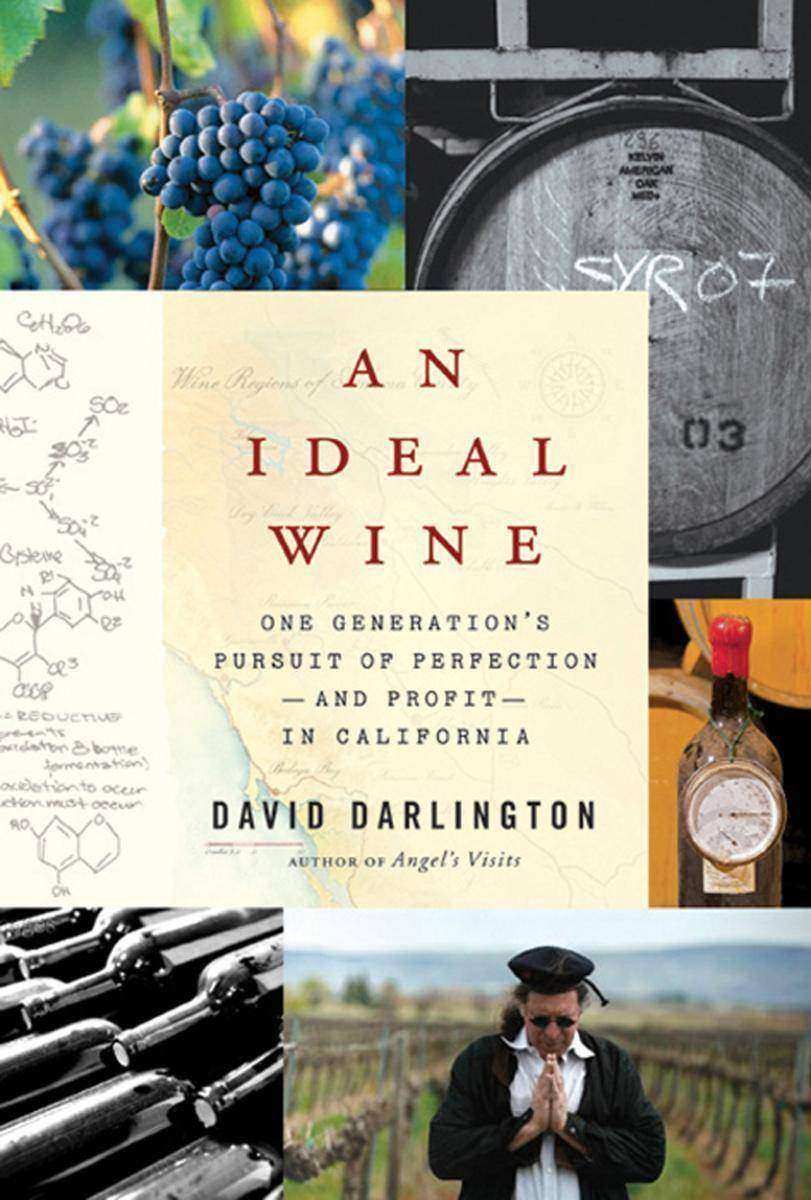
From the author of the acclaimed Angels’ Visits comes an inside look at how a handful of ingenious winemakers has transformed—and been transformed by—the California wine industry over the past four decades.In the 1970s, a group of idealistic baby boomers was attracted to the seemingly romantic world of winemaking. Over the course of nearly forty years, however—as competition from abroad increased, wine eclipsed beer and spirits as American adults’ beverage of choice, critics came to control the marketplace, and corporatization took over the industry—these young aesthetes would learn that wine is an unforgiving business. They would have to be clever to survive in an increasingly cutthroat atmosphere, and no one was more innovative than Randall Grahm of Bonny Doon Vineyard—the court jester and bleeding conscience of California wine, its most original and amusing figure. But Grahm is only one of the restless visionaries who, having chosen wine as the vehicle through which to fulfill their dreams, ended up changing the rules of the industry by adapting to its demands. From high technology to hardball entrepreneurship, from handicapping scores to holistic farming, each vintner operates by his or her own definition of an ideal wine. In this lively, sweeping account that spans the early seventies to the present day, David Darlington employs a sharp journalistic eye to profile a group of wine pioneers. A tale of vision and disillusion, brinksmanship and pragmatism, nature and business, politics and culture, An Ideal Wine is a fascinating look at an ever-evolving industry that reflects the values of our society and our civilization.

冒死记录(全4册)
¥153.00
《 冒死记录:全三册》一个普通的公司职员,无意间发现了自己背上有一块正在迅速消失的蓝斑之后,他的生活方式完全改变了。整个世界不再是他眼中原来的轮廓,强悍的对手、巨大的神秘组织似乎无孔不,这一切就在你我的身边……也许你的一个不经意的举动,就揭了巨大黑幕的一角,黑幕后是怎样的一个世界?看似结束的背后,另一个故事却突然展……

人文赣榆丛书套书(全九册)
¥153.00
《地名胜览:地名卷》【内容简介】 本书从不同侧面挖掘、整合赣榆地名文化资源,是一部反映赣榆全区地名文化概况的普及性读物,对于传承赣榆历史文脉,帮助后代赣榆人了解家乡地名文化的深厚内涵、触发其热爱家乡建设家乡的情感和行动具有重要意义。 《今古名人:名人卷》【内容简介】 本书记载了历代赣榆名人和在这个区域活动过的历史名人的踪迹概要,是赣榆山青水秀、人杰地灵的历史见证,对于传承赣榆历史文脉,梳理赣榆人文源流,发挥文化作为经济发展的“助推器”、政治文明的“导航灯”、社会和谐的“黏合剂”的独特功能具有重要价值和意义。 《方言漫谈:方言卷》【内容简介】 本书描写了赣榆文言的语音现象,对于研究古音和其他地区的方言都具有重要作用,对于传承赣榆历史文脉,梳理赣榆人文源流,发挥文化作为经济发展的“助推器”、政治文明的“导航灯”、社会和谐的“黏合剂”的独特功能具有重要价值和意义。 《物华天宝:风物卷》【内容简介】 本书主要介绍赣榆的物产特产、自然风景、风尚风俗等,是一部展示赣榆丰富物产的专著,对于传承赣榆历史文脉,梳理赣榆人文源流,发挥文化作为经济发展的“助推器”、政治文明的“导航灯”、社会和谐的“黏合剂”的独特功能具有重要价值和意义。 《诗文荟萃:艺文卷》【内容简介】 本书选编了历代文人骚客对赣榆这片土地的寄情及咏怀,其中不乏文学史上名篇佳作,力求从多侧面、多视角展示赣榆底蕴深厚的文化内涵,对于传承赣榆历史文脉,梳理赣榆人文源流,发挥文化作为经济发展的“助推器”、政治文明的“导航灯”、社会和谐的“黏合剂”的独特功能具有重要价值和意义。 《徐福史话:徐福卷》【内容简介】 本书主要介绍徐福东渡传播华夏文明,成为中日两国人民友好交往的缔造者和奠基人的传奇故事,对于传承赣榆历史文脉,梳理赣榆人文源流,发挥文化作为经济发展的“助推 器”、政治文明的“导航灯”、社会和谐的“黏合剂”的独特功能具有重要价值和意义。 《民间传说:传说卷》【内容简介】 本书广泛搜集流传于赣榆民间的百余篇传说故事,形象生动地体现了赣榆独特的山海风情及人民群众的淳朴智慧,对于传承赣榆历史文脉,梳理赣榆人文源流,发挥文化作为经济发展的“助推器”、政治文明的“导航灯”、社会和谐的“黏合剂”的独特功能具有重要价值和意义。 《话说非遗:非遗卷》【内容简介】 本书汇集赣榆的重点非遗项目,彰显了赣榆丰富的非遗资源和多彩的传统文化,力求从多侧面、多视角展示赣榆底蕴深厚的文化内涵,对于传承赣榆历史文脉,梳理赣榆人文源流,发挥文化作为经济发展的“助推器”、政治文明的“导航灯”、社会和谐的“黏合剂”的独特功能具有重要价值和意义。 《历史沧桑:建置卷》【内容简介】 本书反映了从远古时代到赣榆撤县设区七千多年的历史,赣榆的建置沿革,历朝历代发生在赣榆境内的重大历史事件以及重要历史人物生平事迹,是一部全面反映赣榆历史的通史,对于后代赣榆人了解和传承家乡历史具有重要意义。"


