


 购物车
购物车 个人中心
个人中心
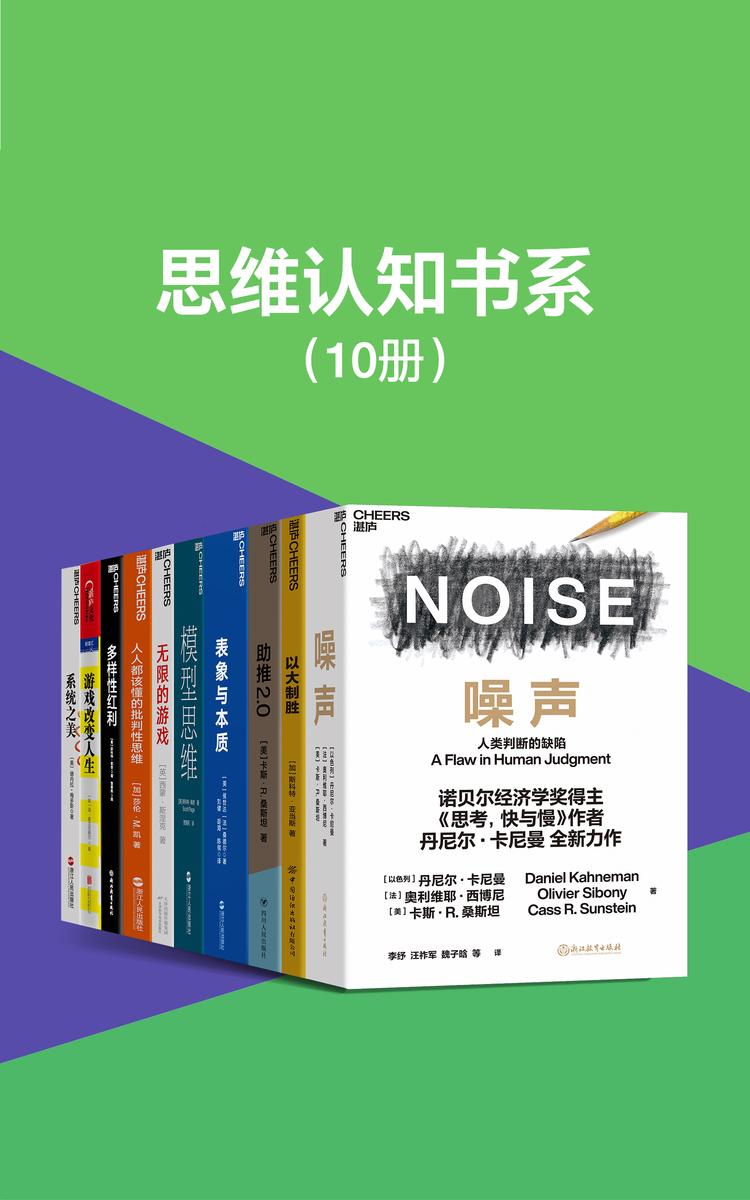
思维认知书系(套装10册)(探索的思维本质,开启认知的大门,摒蔽行为决策的噪声,精准解决学习工作生活的所有难题)
¥285.30
噪声 想象一下,两名医生对相同的病人给出了不同的诊断;两名法官对犯了同罪的嫌疑人给出了不同的判决。再想象一下,同样的医生、法官或决策者做出了不同的决策,而这种决策仅仅取决于决策是在什么时间做出的。这些不同决策背后的罪魁祸首,就是“噪声”。 《噪声》是诺贝尔经济学奖得主、“行为经济学之父”丹尼尔·卡尼曼携手决策领域专家奥利维耶·西博尼和卡斯·桑斯坦共同推出的重磅新作,也是卡尼曼继畅销书《思考,快与慢》之后酝酿10年思考的quan球瞩目里程碑式巨作,行为科学领域又一重大发现。几十年来,大家都认为,偏差是导致人类判断出错的关键。但是今天,卡尼曼系统性地指出:噪声,才是影响人类判断的黑洞。 以大制胜 如何利用人的非理性说服他人?如何在说服的过程中利用视觉想象力?如何为对手贴标签,对其一击必杀?如何抢占制高点,转守为攻?如何在事情发生之前引导用户的思维?如何设计有效的口号,率先赢得客户? 在本书中,知名系列企业管理漫画《呆伯特》作者斯科特·亚当斯介绍了自己的说服理论,即如何利用“武器级”说服力,抢先竞争对手影响受众,在竞争中赢得胜利。 亚当斯认为,说服力分为三个层次,分别是“商业级”“科学级”“武器级”。其中“武器级”说服力尤其难,达到这个级别的大师非常少,几位曾经的美国总统和乔布斯在此级别;“科学级”说服力的代表是认知科学家;“商业级”说服力就是我们通常说的“影响力”“说服力”,市场营销、品牌形象管理、危机公关等用的都是这个级别的说服力。 助推2.0 桑斯坦从行为科学入手,探讨了助推作为改变工具的优势与局限。助推是一种保留选择的干预措施,由行为科学提供信息,可以很大程度上影响人们的选择。有哪些非常重要的助推手段?评估助推的标准是什么?我们究竟该往什么方向助推?什么时候助推会失败?当助推失败时,我们应该怎么做?助推与道德的关系是什么?助推与强制手段之间的关系是什么?助推是如何改变社会和我们的生活的? 我们并不总是理性的,也不总是能做出有利于自己的选择,这个时候,那些不经意的“助推”刚好可以让我们在两难中找到di三条路。 表象与本质 闻名世界的认知科学家侯世达凭借独特的智慧与天赋,联合法国心理学家桑德尔,终于向世人展示了这部极具开创性的著作,一解人类认知之谜。 人类大脑中的每个概念都源于多年来不知不觉中形成的一长串类比,这些类比赋予每个概念生命,我们在一生中不断充实这些概念。大脑无时无刻都在作类比。类比,就是思考之源和思维之火。 我们的大脑是如何工作的?所谓的类比到底是什么?我们是怎么在截然不同的情景间建立起联系的?类比在学习的过程中发挥着怎样的作用?在爱因斯坦发现相对论的过程中,类比又扮演着怎样的角色? 《表象与本质》深刻地丰富了我们对心智的理解,引领读者进入语言、思想和记忆的多彩情境,逐步揭示出隐藏的认知机制。而认知的核心就是:我们总是无意识地联系过往经验作类比。 模型思维 工作中,你在团队中是不是不可替代的人? 爱情上,为什么异地恋的相聚能够带来很大的幸福感? 游戏中,选择什么样的策略才能在各种游戏中立于不败之地? 现实社会中,为什么很少有女性成为CEO?为什么披头士的歌曲会那么流行? …… 关于这些问题的正确答案,都可以用斯科特·佩奇新书《模型思维》中的模型来回答。斯科特·佩奇是风靡quan球的“模型思维课”主讲人,有超过100万各行各业的人反复学习并从中受益。新书《模型思维》讲解了24种模型,从线性回归到随机漫步,从博弈论到合作,涵盖学习、工作、生活等方方面面——这些有趣的模型可以把任何人变成天才。 芒格说:“要想成为一个有智慧的人,你必须拥有多个模型。”这是一个数据爆炸的时代,数据充斥着我们的工作与生活,但仅拥有数据是远远不够的,必须学会让数据说话。模型就是让数据说话的秘诀,模型将帮助我们所有人从掌握信息提升到拥有智慧。 本书中的24种模型就是一个应对复杂世界的思维工具箱。各行各业、各种需求的所有人都可以根据此书建立专属于自己的思维工具箱,成为一个多模型思考者。它将帮助你整理数据、提取信息、去伪存真,在决策时让你知道选择什么样的模型,选取一个模型还是几个模型。而这是现代高手的一种大智慧。 无限的游戏 世界上有两种游戏,一种是有限游戏,一种是无限游戏。商业游戏就是一场无限的游戏。在这场无限的商业游戏中,没有所谓的时限,没有所谓的终点,更不存在所谓的赢。游戏的首要目标就是让游戏一直玩下去,只有这样,才能成为无线游戏中的头号玩家。 许多领导者总是将“赢”挂在嘴边,沉迷于“赢得竞争”,用有限思维来参与这场游戏。却不知道,在商业无限的游戏中,我们必须停止思考赢,转而思考如何建立一个足够强大、足够健康的组织,让它能够经久不衰,不被游戏淘汰。 人人都该懂的批判性思维 在现实世界中,广为流传的演讲、电视中的广告、杂志上的一篇文章,很多看似合乎逻辑的背后其实往往存在着逻辑错误。如果可以的话,我们应当反复琢磨自己和他人思考的逻辑,而这就是所谓的批判性思维。 真正的批判性思维是应用正确的逻辑去思考事情。通过学习优秀逻辑的基本原理,就不会再轻易地被混乱逻辑所愚弄。同时,你将更容易在重要的问题上提出可靠的观点。本书的目的就是阐述所有你需要的批判性思维技巧。 游戏改变人生 麦戈尼格尔揭示了近10年的科学研究成果,包括游戏、运动和心理建设。她解释了如何改变我们应对压力、挑战和痛苦的反应,如何在日常生活中培养复原力,仅仅需要一种更加“冒险”的游戏化心态。当我们玩游戏时,我们会展示出强大的心理优势,比如乐观、创造力、勇气和决心。 《游戏改变人生》包含了近100个有趣的任务,任何人都可以尝试这些游戏。另外,书中列举了很多人的真实案例,他们在面对疾病、受伤和其它重大挫折时,通过SuperBetter这款游戏变得更强大;有的人也通过这款游戏实现了减肥、跑马拉松、找到新工作等目标。 系统之美 一本简明扼要的系统思考入门指南,也是认识复杂动态系统的有力工具,帮助大家提高理解和分析身边系统的能力。小到个人问题,大到quan球性复杂挑战,本书都可以为你提供睿智的解答和洞察。 作为一本实用的入门指南,本书不仅讲解了系统动力学的基本概念、列举了常见的系统结构,还详细陈述了复杂系统的3大特征、8大陷阱与对策、12大变革方式以及15大生存法则。作者把系统思考从计算机和方程式的世界中解脱出来,以各种真实的案例,阐述了系统思考如何应用于各种现实问题,向读者展示了如何提升和应用系统思考技能——这一项普遍被认为是21世纪quan球领导力的核心技能。 作者认为,系统思考将有助于我们发现问题的根本原因,看到多种可能性,从而让我们更好地管理、适应复杂性挑战,把握新的机会,去打造一个完quan不同的自我和一个崭新的世界。 一本书,引领个人、组织与社会变革的先河,促使人们觉醒,改变看待这个世界和系统的方式,以此改变当今社会的发展进程,让大家在这个充满各种复杂系统的世界里更好地生活。 多样性红利 《多样性红利》创造性地提出多样性视角、启发式、解释和预测模型四个认知工具箱框架,并得出惊人结论:一个人是否聪明不是由智商决定的,而取决于认知工具的多样性!本书将告诉你如何应用工具箱中的工具,用多样性创造更多的红利。 查理?芒格的认知工具箱是怎么建立起来的?智能等于智商吗?人和计算机相比谁拥有更多样性的视角?多样性和能力谁更重要?拥有很优秀问题解决者的群体和由多样性人群组成的群体谁会更好地解决问题?在本书中,这些问题都将得到解答。 多样性视角、启发式、解释和预测模型让人们找到了更多更好的解决方案,让人们的预测更有价值。 多样性在4个条件下比能力更重要! 人生一切难题,视角给你答案。好的视角可以让问题变得更简单、更容易解决。任何一个问题,都存在一个可以让答案脱颖而出的视角。

智变未来:AI驱动的新纪元(套装共六册)
¥285.00
本套装包含《云上的中国3:剧变中的AI时代》《AI应用革命》《一本书掌握HR*AI技术》《轻松上手AIGC:如何更好地向ChatGPT提问》《Web3:科技新趋势》《全球互联网极简史》共6册图书。
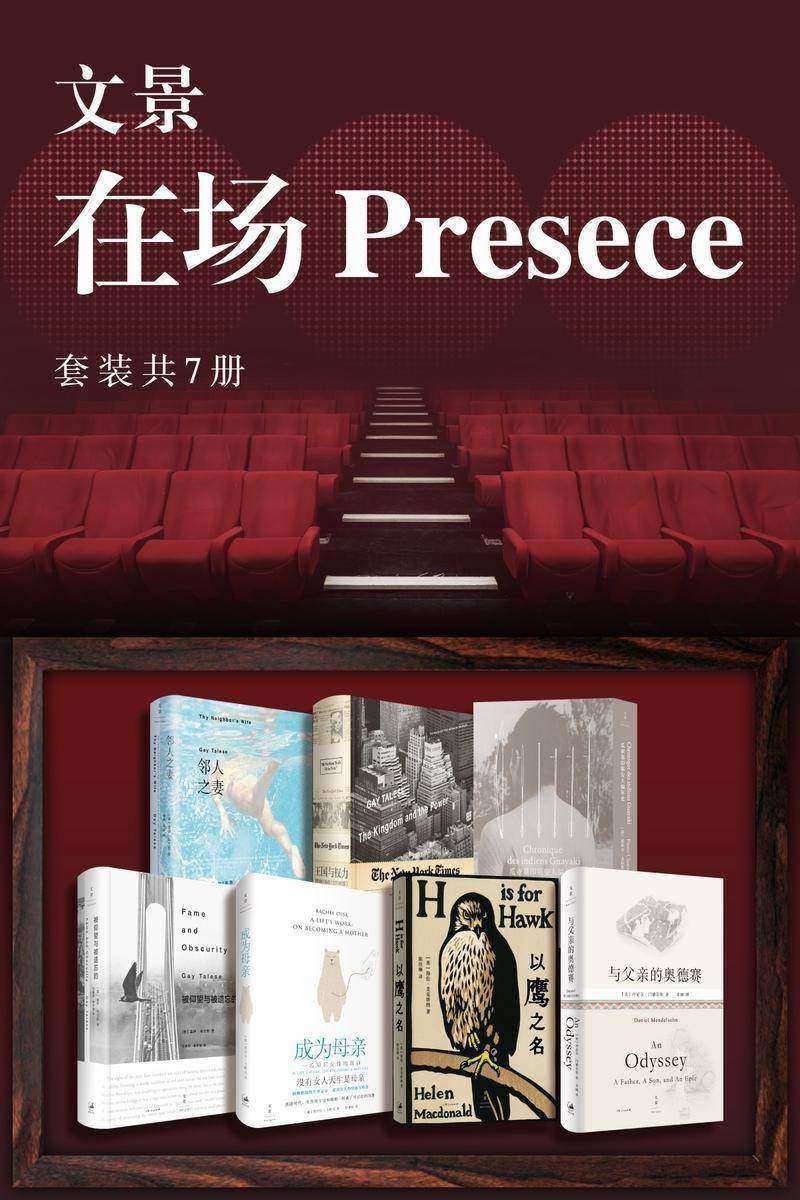
文景·在场Presece(套装共7册)
¥285.00
《王国与权力》 1851年创刊,1896年被阿道夫·奥克斯以7万5千美金收购,《纽约时报》用一期期报道奠定了自己影响美国、影响世界的首席大报的地位。它记录了世界近现代历史中几乎所有重大的事件,而记录这些事件的《纽约时报》和《纽约时报》人则往往隐居幕后。作者特立斯从1953年开始在《纽约时报》工作了十余年。当他离开时报后,立刻就是回过头去采访自己曾经的同事,试图以时报不鼓励、不允许的方式刻画描述这个庞大的、能影响全美乃至全世界局势的机构。特立斯眼光犀利,笔触细腻,不仅在书中回溯了《纽约时报》的历史,还生动地再现了近百名时报人,以及他们在时报这个大机构中的庞杂关系,向读者展现了一幅上世纪五六十年代一流媒体从业者的群像。 《被仰望与被遗忘的》 特立斯之前,没有人如此打量城市、写作新闻:每天,纽约人要喝下46万加仑的啤酒,吃掉350万磅的肉,用掉21英里长的洁牙线。在这座城里,每天有250人死亡,460人出生,15万人戴着玻璃或塑料假眼行走。这是一部纽约交响曲。作者特立斯以他犀利的眼光,精准的笔法向我们展示了纽约风貌:面目模糊的人潮中不为人知的奇闻轶事,镁光灯下的明星转身之后的尴尬境遇。俱乐部门口的擦鞋匠、高级公寓的门卫、公交车司机、大厦清洁工、建筑工人,与弗兰克·辛纳屈、乔·迪马乔、彼得·奥图尔等明星一样受特立斯尊重,他以同样的好奇心对待他们。 《邻人之妻》 以其对美国性行为和性癖好写实的描写而震慑了美国社会。特立斯以奇迹般的新闻勇气和技艺,向我们展示了一个建基在新的道德基础上的新世界,带领我们领略了花花公子宅邸、*高法院、按摩院的后院与温床,展现了色情产业、群交文化的兴起,相应的对抗淫秽色情的法律努力,以及普通人的性心理和性观念。虽然话题涉及下半身,但特立斯的写法并不轻佻,这本书彻底改变了美国人看待自身的方式。 《成为母亲》 本书忠实地呈现了这段生命。它是一种寻常生活从不可见、不可感,向激烈的热情、爱与奴役转变的过程,它还是一种束缚,一种妥协。身为女人,成为母亲是什么感受?照顾一个幼小的婴儿又是什么感觉?而当孩子长大,有了自己的意识,母亲又作何感想?英国作家蕾切尔·卡斯克记下了自己那一年包含多重面向的的经历:个人自由、睡眠和时间的终结,对人性和艰苦工作的重新认识,追寻爱的真谛,游走在疯狂和死亡之间,对婴幼儿的情感体验,对母乳喂养的思考…… 《瓜亚基印第安人编年史》 瓜亚基人,一群生活在巴拉圭密林中的印第安人。他们以打猎、采集为生,有自己的语言、风俗与社会制度。16世纪起,西方殖民者和当地居民一道,不断占领、吞食他们生活的领地,他们躲避、抗争、流亡、被“安置”……到了20世纪60年代末,这个部落的人口已不足三十。1963年,本书作者、法国人类学家皮埃尔·克拉斯特在瓜亚基人被安置于定居点后进入了这个部落,与他们一同生活,对他们在生育、死亡、饮食、求偶、部落管理、性向认同、劳动分工等方面进行了细致入微的观察和书写。 《以鹰之名》 一个骤失父亲的女儿,一位写出传世亚瑟王传奇的潦倒作家, 以鹰的名义,他们相隔百年却遥相呼应——有些伤口,永远不会愈合;以驯鹰的名义,他们放飞手中的鹰,期望那条象征习惯、饥饿、伙伴,被驯鹰人称为“爱”的线,永不消失…… 《与父亲的奥德赛》 门德尔松81岁的数学家父亲去旁听儿子给本科生开设的《奥德赛》研读课,细读关于“漂泊与回家”的12110行史诗,之后父子二人又一起参加《奥德赛》主题游轮旅行。在文本与空间的“奥德赛之旅”中,他得以一次又一次重新理解父亲。本书将《奥德赛》中古希腊英雄父子的传奇史诗与当代父子的普通人生并置,在文本与现实的交叠中,两对父子相互映照。时空交错的回旋里,父、子与史诗的故事缓缓展开。

好望角系列(中东风云录)(套装共4册):以色列一个民族的重生+无规则游戏+征服与革命中的阿拉伯人+独霸中东
¥284.99
好望角系列,我们看见的不仅是一个海角,而是一个新的世界。 ·无规则游戏:阿富汗屡被中断的历史( 走进《追风筝的人》背后“真实的阿富汗”,洞悉阿富汗辉煌的历史、混乱的当下,共望仍遥不可及的平静未来。罗振宇盛情推荐。) ·以色列:一个民族的重生(《新周刊》、《晶报·深港书评》“2018十大非虚构类好书”,2016美国国家犹太图书奖,生动再现以色列跌宕起伏的建国历史,深刻揭示以色列民族深邃的灵魂。罗振宇盛情推荐。) ·征服与革命中的阿拉伯人:1516年至今(媲美《冰与火之歌》的中东权力游戏,破解阿拉伯世界诸多困境的历史成因。罗振宇盛情推荐。) ·独霸中东:以色列的军事强国密码:谁教美国人暗杀?以色列!强敌环伺下的弹丸小国何以成为军工强国?一份来自前线的调研报告,一部有血有肉的以色列史。
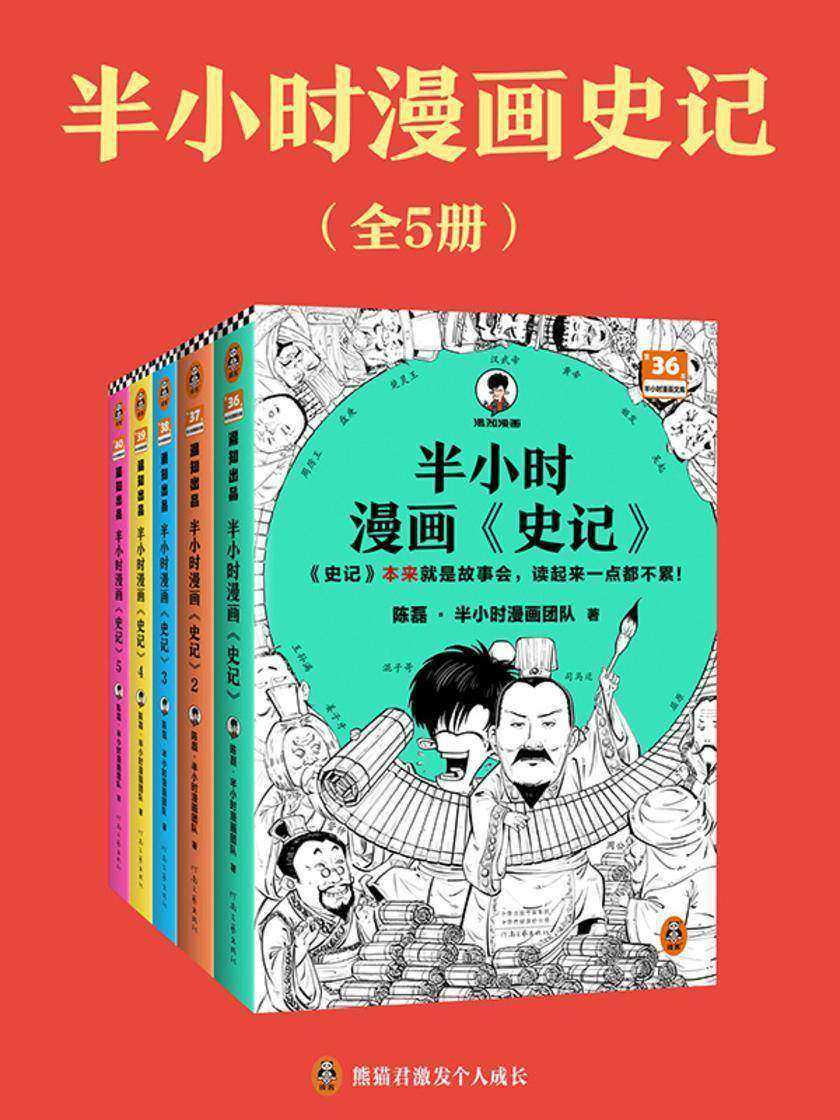
半小时漫画史记(全5册)(史记本来就是故事会,读起来一点都不累!翻开本书,在欢声笑语中读完史记)
¥284.80
陈磊(笔名:混子哥)领衔的半小时漫画团队通过诙谐的语言和手绘漫画的形式,鲜活生动地演绎了史记中的经典人物和故事。 司马迁写成史记,背后的故事原来这么燃!吴越之争:你若安好,那还得了!秦国:要逆袭,得坚持!如何和汉武帝愉快地做邻居?汉武帝的奇葩亲戚们都有谁?…… 读着读着你会发现,史记本来就是故事会,这样读起来一点都不累! 翻开本书,在欢声笑语中读完史记!

优雅女人自我提升课(套装共15册)
¥284.20
《女人自控力》是一本教你如何学会不生气来保持女性优雅气质的书。生气是人自然的一种情绪流露,然而我们都知道“气大伤身”这句话,而对于女人来说,如果作“河东狮吼”就更加有损自身的优雅形象了。然而现代社会压力日大,烦恼也日多,在这种情况下,女人应该如何控制自己的情绪,避免让愤怒损害了自己的健康与修养呢?这本书就来为您解答这些问题。

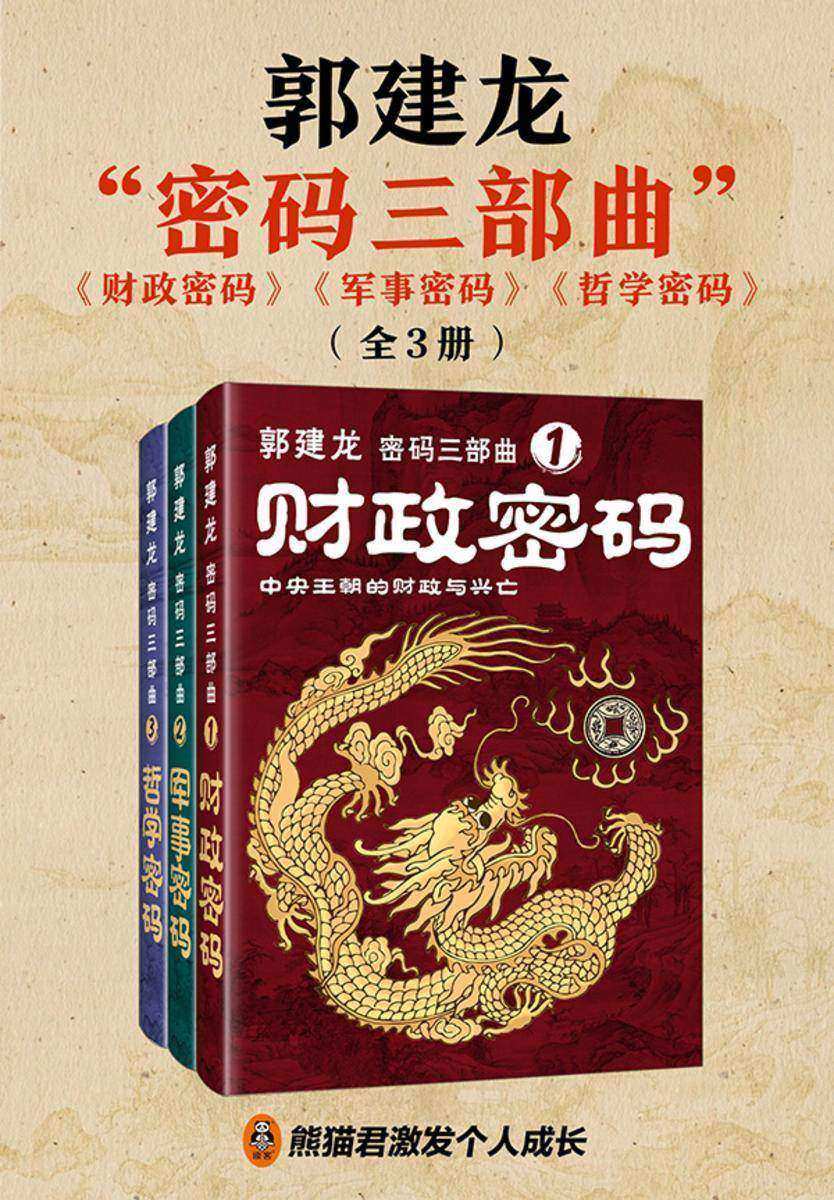
郭建龙“密码三部曲”
¥284.00
历史作家郭建龙“密码三部曲”,从财政、军事、哲学视角解读古代中国各王朝的兴衰起落!《财政密码》以历代财政制度之得失,探朝代更替之内因!《军事密码》以地理、战争为脉,看各朝军事战略成败!《哲学密码》在政治哲学脉络中寻找古代中国王朝的统治逻辑!俞敏洪、刘苏里、余世存、杨斌、施展、罗振宇、李硕、张明扬鼎力推荐! 《财政密码》 本书从土地制度、货币垄断、官营产业三方面说明古代中国王朝兴衰与财政之间的关系。全书以中央王朝财政体系演变的三个周期为划分标准。*周期为秦汉魏晋南朝时期,以汉武帝建立的官营产业、王莽的金融垄断,以及魏晋时期的土地和户籍制度为线索;第二周期为北魏北周隋唐两宋时期,以北魏的土地改革为始,论及均田制,以宋朝金融改革引起的大崩溃收场;第三周期为辽金元明清时期,自元朝政府试验性的财政政策讲起,进而论述明清时期的保守财政,以晚清财政近代化的努力及其惰性为终。 《军事密码》 本书对古代中国的军事地理进行了详细剖析,分析了历朝战争中*关键的地理要素,以及这些要素是如何在战争中发挥作用的。通过实地考察和史料引用,选取了各个时代*典型的战争及军事行动,阐述了战略要地从关中本位制向长江流域、边疆地区的移动,其中也伴随着王朝的统一、分裂与扩张。分析了重大战争背后的军事逻辑及其对历朝兴衰的影响。 《哲学密码》 本书从西汉讲起,叙述大一统时代到来之后的思想流变。通过讲解哲学发展的来龙去脉,让读者清晰地看到中国哲学如何演化、为什么这么演化,理解政治与哲学互动的奥秘。 中央王朝的政治哲学可以被视作思想格式化与反格式化的历史。本书将其分为两个大周期:*周期从西汉的儒教开始,经过魏晋南北朝玄学的“反叛”、佛学的诞生,直到隋唐的三教并存、互相竞争;第二周期从宋代持续到晚清,包括宋代道学体系的建立、理学的思想控制、明代心学的诞生及反思、清代实学的兴起及发展等。
金城银行(上海市档案馆藏近代中国金融变迁档案史料续编)(文字版)
¥284.00
《金城银行》是2020年上海文化发展基金会图书出版专项基金资助项目《上海市档案馆藏近代中国金融变迁档案史料续编》之一种。本书选编的金城银行相关档案史料,悉数选自上海市档案馆藏金城档案全宗(全宗号Q264)。全书内容包括金城银行创立时期的注册、官方批复文件,董事监事换届改选、各方力量角逐,政府对其管理、限制,同业间的竞争与合作,各时期的董事会章程、公司章程等制度规则,行务会议记录、业务会议记录、行史追溯,以及在上海解放后及中华人民共和国成立初期,关于金城银行决策层如何处理新与旧、公与私的问题,顺应潮流,积极向中国人民银行靠拢,主动受新政府和人民银行领导,争取人民银行的帮助,踊跃参加公私合营等诸多方面,皆有一定反映。对于金融机构从业人员、高校金融专业师生,以及金融史爱好者都有一定的帮助。

日本治愈系新晋热门作家:青山美智子的“爱之书”(共6册)
¥283.99
日本“书店大奖”Top2、宝藏治愈系作家青山美智子热门代表作,套装共6册,分别为《树下神猫的告白》《被定格的红与蓝》《人生借阅室》《当值神明》《星期一,喝抹茶》《镰仓旋涡咨询所》

人邮经管大师课:知识管理系列(套装全8册)(套装共8册)
¥283.99
当下,我们越来越难以独立完成一项工作,尤其是规模较大的工作,此时,我们就需要调动更多的人与资源,协同工作以实现具有挑战性的目标。而要调动人们的积极性,构建互相信任的人际关系,靠的不是理论与分析,而能使人们产生同感或共鸣的信念。 《信念 冲破低迷状态 实现业绩跃迁》从信念管理的概念入手,并详细介绍了基于“信念”的信念管理框架和实战指南,阐述了信念管理对于个人和企业经营的价值,后总结出实践智慧型领导者应具备的6种能力。书中的“实践智慧”部分向读者生动地展示了信念管理理念如何在企业管理实践中落地,从而调动员工的工作激情,激发企业的持续创新,推动个人自我价值与企业“以新型全球化公司为目标”的高质化愿景的同步实现。 当下的企业与非企业组织已经进入一个多变、模糊、复杂与不确定的时代,新生代流动率加大,核心人才频频出走,附着在人才身上的隐性知识来不及萃取出来就白白流失了。因此,成为一个创造知识型组织逐渐成为共识。在这一命题之下,我们需要弄明白“知识是什么”“知识创造的本质是什么”“知识创造的方法论是什么”,《创造知识的方法论》从传统哲学与现代知识入手,带领我们了解各个方面的哲学与社会科学理论,聚焦于哲学家、社会学家如何将知识转化、构建为方法论,借此,我们得以搞清楚上述问题,深刻理解创造知识的过程,进而通过自己的经验积累,成长为真正的知识型员工与创新型人才。 企业持续创新的能力来自创新管理,知识管理则是创新管理的基础。追求基业长青是所有企业的理想,要实现这个理想,要重视德鲁克所说的“今天重要的资源”——知识,充分萃取、沉淀、标准化、分享、组合、更新和再造知识,为企业的持续发展积累可复用的无形资产。 《创造知识的企业 领先企业持续创新的动力》是“知识创造理论之父”野中郁次郎关于知识管理的奠基之作,也是该领域被引次数较多的一本著作。在本书中,作者提出了SECI模型,知识创造的过程做了阐述,并结合日美企业借助知识创造称霸汽车和电子工业的案例,告诉我们如何将知识创造应用于提升产品创新和技术创新能力,获得持续的竞争优势。 任何组织的发展都离不开创新,但是很多企业都切身感受到,无论付出多少努力都难以实现创新这一目标,对此,《创造知识的实践》给出的解决方案是:创造知识并付诸实践!在这一方案之下,作者给出了实现创新的具体方法,从横向关系和纵向关系入手,并结合从获得日本服务大奖的公司中选取的8家“地方创生大臣奖”获奖企业的案例,从组织性知识创造理论的视角来阐述如何向用户提供出色服务,并进一步从组织层面打造企业的整体创新能力,彻底破解创新困境。 《创新的本质》从个人与组织的关系出发,分析了本田、佳能、松下、吉卜力、三得利等13家知名企业的产品开发案例,解密了其开发模式,即充分发挥个体的主动参与能力,通过灵活运用企业储备的知识,运用显性知识与隐性知识之间的传递、转化,创造出企业产品特有的“理念”。这给处于后发地位的中国企业提供了鲜活的的案例及理论指导,能够有效地帮助他们突破产品创新的瓶颈,打造出具有爆发力和生命力的卓-越产品。 当下,我们正在从以工业为主体的经济向以知识为主体的经济转变,可是目前的管理学,特别是战略论和组织论,都以封闭的企业框架内部的模型为基础,分析性战略以及“战略与实践的分离”成为基本的思考过程,这一工业社会的管理范式业已失效,新的经济形态——知识经济呼唤新的管理范式。 本书原创性地提出了知识创造管理这一管理范式,它不同于以有形资产为资源的、以竞争优势和追求利润为基点的管理及战略思维方式,而以组织的“知识创造过程”为中心,关注企业如何创造可复用、可传承的知识资产。书中各个章节围绕知识创造管理实践,就企业遇到的问题展开讨论,分别阐述了“知识创造管理的视角”“指导实践的十大原则”和“实践中的要点”,力求帮助企业认清管理的发展趋势,及早调整管理思维及战略,以寻找到一条可持续发展之路。 阅读提示: 正文三个部分中的每一章都以工作指南的形式编排,具体分析知识创造管理法则,读者可根据阅读需要查阅。 这是一个经济全球化的时代,很多企业走出国-门,在全球各地寻找新的发展机会,并在当地打造新的增长引擎。要实现这一点,毫无疑问必须把企业内部的隐性知识与当地人才所掌握的知识结合起来,寻求更优的人力资本配置,进行持续的知识共创,惟其如此,企业的创新才会获得源头活水。 《全球知识共创》以“讲故事”的方式叙述了日产北美技术中心和欧洲技术中心的发展历程,系统总结了日产海外研发所经历的困难及采取的解决方式,从“全球知识共创”的角度出发,介绍了日产海外研发的成功经验。作为一名企业管理者或决策参与者,在企业在走向全球化的进程中,或面临跨国企业的竞争时,也许可以从日产的成功经验中得到一些启示。 日产构建的全球知识共创体系的三大典型特征: ·全球知识共创; ·基于美好愿景的实践主义; ·全球化的知识创造团队。 经过20多年的传播,隐性知识的概念被越来越多人的所熟知和认同,也被国内很多组织应用于知识管理的实践当中。不过,目前大部分应用偏产品研发端,在野中郁次郎看来,这种应用远远不够。 尤其是对于企业,如何把隐性知识创造的智慧以新方式转换为价值,即以知识为导向进行商业模式变革,才是企业家和知识管理工作者需要重点思考的问题。 相对知识管理早被提出来时的时代,新的商业模式只有考虑了环境、资源、人的协调,追求可持续、有意义的发展,才是完整的、有价值的,组织也才能拥有不竭的创新动力。 《商业模式创新实践 如何将知识转化为价值》由活跃在“业务创新模型”实践和研究领域的领军人执笔,他们从各个角度对“业务创新模型”展开了分析。所谓“业务创新模型”,其目的正是以知识为导向,帮助企业在“共同善”的基础上建立系统性知识创造的框架,打破现有产业的固有观念和企业内部障碍,重建商业模式,打造新格局。 在《商业模式创新实践 如何将知识转化为价值》中,作者们介绍了组织在商业模式变革中遇到的困境,并阐述了如何运用业务创新模型来摆脱束缚,同时讲了变知识为价值的领导力在商业模式脱困中的作用,之后从实践智慧的角度,进一步提出了统合型业务创新模型及其对于组织长远发展的战略意义。

Mackenzie Blue Complete Collection
¥283.49
Tween readers will love following the adventures of Mackenzie "Zee" Blue. California girl Zee is an expert shopper, plays the guitar and writes songs, and makes purses and jewelry. She knows how it feels to have a huge crush. And she knows how to be a good friend and keeps in touch via texts and emails. Tween fans of the Dork Diaries and Diary of a Wimpy Kid series will love the Mackenzie Blue books. This collection includes books 1 through 5.Mackenzie Blue: Meet Mackenzie Blue, aka Zee. She has it all—smarts, talent, humor, and style. Is it enough to survive middle schoolCountdown to a 7th Grade Meltdown. . .Mackenzie Blue #2: The Secret Crush: Mackenzie Blue has a crush! But how can she get Landon—the cutest boy in school—to notice herThe class's new rock-and-roll musical is her chance. Between her crush, the musical, and her friends—not to mention school work—Zee is torn in a thousand different directions. With all the real-life drama going on, will she lose sight of what's really important?Mackenzie Blue #3: Friends Forever?: Zee and the rest of her class from the Brookdale Academy are off on a camping trip to compete in an environmental scavenger hunt. Zee is extra psyched because her best friend, Ally, is visiting from Paris. It should be fabulous having all her friends in one place, but for some reason everyone is fighting!Mackenzie Blue #4: Mixed Messages: Zee and her friends from Brookdale Academy launch Bluetopia, a fab social media site—which is perfect, because Zee's band, The Beans, is about to have its biggest show ever. Everyone is talking about it on Bluetopia. At least it would be perfect if a glitch in the Bluetopia system didn't threaten to ruin the show—and Zee's life!Mackenzie Blue #5: Double Trouble: Mackenzie Blue is a star! Or she will be . . . as soon as she gets the part of an aspiring singer on a new TV pilot! But juggling auditions and the rest of her life turns out to be harder than Zee thought. Zee's friends are helping her hold everything together. But Zee doesn't like having to bail on plans—and her friends—to run to another audition. Is being a star worth it?

中国农村调查(总第53卷村庄类第22卷黄河区域第3卷)
¥283.33
本书收录了两个村庄的调查报告:一是河南省驻马店市汝南县罗店镇楚铺村,二是河南省焦作市武陟县龙源镇任徐店村。前者属于多精英主导型村庄,后者属于农商结合型村庄。两份报告均从村庄由来、自然、经济、社会、文化、治理六方面,对村庄的传统形态行深描,兼涉其历史变迁与现状,为深了解黄河区域村户社会的底色与特质提供了翔实的一手资料。

从哲学的角度看问题(套装12册)
¥283.20
● 试着想象一下,有一架飞机失事紧急降落,着陆后断成了三截。机舱里浓烟滚滚,飞机上的每个人都意识到:必须离开这里。那么接下来将会发生些什么呢? 在A星球上,乘客们纷纷询问邻座的人有没有受伤。那些需要帮助的人第壹时间被救出了飞机。人们愿意献出自己的生命去救助他人,哪怕面对的是完全陌生的人。 在B星球上,大家为了自身安全各自匆忙逃离。于是恐慌爆发,出现了推搡和踩踏现象。一些儿童、老人和残疾人被踩在了脚下。 现在的问题是:人类今天生活在哪个星球上? 在《人类的善意》中,鲁特格尔·布雷格曼告诉我们,大约有97%的人认为我们生活在B星球上,然而真正的事实是,几乎在所有的情况下,我们都生活在A星球上。 ● 如果说有一种信念将左派和右派、心理学家和哲学家、古代思想家和现代思想家团结在一起,那就是人性本恶这一心知肚明的假设。这个概念驱动着报纸头条,指引着塑造我们生活的法则。从马基雅维利到霍布斯,从弗洛伊德到平克,这种信仰的根源深深扎根于西方思想中。我们被教导说,人类天生自私,主要受私利支配。 但如果这不是真的呢?布雷格曼为过去20万年的人类历史提供了新的视角,旨在证明我们天生良善,更倾向于合作而不是竞争,更倾向于信任而不是不信任。事实上,这种本能有着坚实的进化基础,可以追溯到智人的起源。 从现实的蝇王到战争后的团结,从津巴多的监狱实验到曼德拉孪生兄弟的故事,布雷格曼向我们展示了相信人类慷慨与合作的现实,慷慨与合作对社会运作会产生巨大的影响。 当我们把人想得更坏的时候,政治和经济似乎也会变得更坏。但如果我们相信人类的善良和利他主义的现实,它将成为实现社会真正变革的基础。

大师的陪伴:漪然译作精选
¥283.00
“大师的陪伴:漪然译作精选”是我国儿童文学翻译家、“冰心奖”得主漪然生前核心译作的结集。其中包括《一个孩子的诗园》《莎士比亚戏剧故事集》《七条龙》《海精灵》《轻轻公主》《花朵的故事》。 在“大师与童年”系列中,漪然如“小王子”一般进入了7位世界儿童文学大师的幻想世界,翻译呈现了包括天真诗意的《一个孩子的诗园》,启蒙人性的《莎士比亚戏剧故事集》,让孩子感受到爱的重量的《轻轻公主》,与龙共舞的勇敢之书《七条龙》,包容一切的海洋童话《海精灵》,写在花瓣上的美丽童话《花朵的故事》。 本套系内的作家,都是世界儿童文学史上的大师,包括了改写莎士比亚剧本的兰姆姐弟,世界范围被翻译次数多的儿童诗作家罗伯特·路易斯·史蒂文森,J·K·罗琳的“文学祖母”、开创了当代儿童幻想文学写法,影响了《哈利波特》《纳尼亚》《魔戒》的英国作家内斯比特,以及包括“英国维多利亚时代童话之王”乔治·麦克唐纳,《绿野仙踪》作者莱曼·弗兰克·鲍姆,《小妇人》作者露易莎·梅·奥尔科特。可谓大师云集的阵容。 整个套系作品经典、诗意、温暖、励志,值得被每一个孩子读到。

销售宝典:没有谈不成的生意(套装共15册)
¥282.99
《销售宝典:没有谈不成的生意》(套装共15册)包括《销售圣经》《销售冠军都是聊天高手:不会聊天,怎么做销售》《你的品牌需要一个会讲故事的人》《销售冠军都是时间管理高手》《重新定义销售》《故事营销:像泰国剧情广告一样写故事》《慢销售,卖得快》《销售心理学》《沟通力就是销售力》《超级IP:互联网时代的跨界营销》《如何把梦想变现》《销售演讲术》《魔法销售台词》《直销实战指南》《订单险中求》。 《销售宝典:没有谈不成的生意》(套装共15册)是一套写给所有想做好销售的人的书,没有复杂理论,只有能直接用上的方法。15本书,就像15位老师,手把手教你从聊天、谈单到成交的全部秘密。《销售宝典:没有谈不成的生意》(套装共15册)没有老套的话术,只有一个个真实的案例,从世界500强的营销策略,到泰国的广告故事,再到热门的网红经济模式,从分析客户的性格,到如何抓住客户*佳下单时机,不管你是刚入行的销售小白,还是成熟的销售冠军,都能从这套书里找到你需要的销售秘籍。
The Fate of Texas
¥282.63
The Civil War in the West has a single goal: to promote historical writing about the war in the western states and territories. It focuses most particularly on the Trans-Mississippi theater, which consisted of Missouri, Arkansas, Texas, most of Louisiana (west of the Mississippi River), Indian Territory (modern-day Oklahoma), and Arizona Territory (two-fifths of modern-day Arizona and New Mexico), but also encompasses adjacent states, such as Kansas, Tennessee, and Mississippi, that directly influenced the Trans-Mississippi war. It is a wide swath to be sure, but one too often ignored by historians and consequently too little understood and appreciated.
Internationalization of Palace Wars
¥282.53
How does globalization workFocusing on Latin America, Yves Dezalay and Bryant G. Garth show that exports of expertise and ideals from the United States to Argentina, Brazil, Chile, and Mexico have played a crucial role in transforming their state forms and economies since World War II.Based on more than 300 extensive interviews with major players in governments, foundations, law firms, universities, and think tanks, Dezalay and Garth examine both the production of northern exports such as neoliberal economics and international human rights law and the ways they are received south of the United States. They find that the content of what is exported and how it fares are profoundly shaped by domestic struggles for power and influence-"e;palace wars"e;-in the nations involved. For instance, challenges to the eastern intellectual establishment influenced the Reagan-era export of University of Chicago-style neoliberal economics to Chile, where it enjoyed a warm reception from Pinochet and his allies because they could use it to discredit the previous regime.Innovative and sophisticated, The Internationalization of Palace Wars offers much needed concrete information about the transnational processes that shape our world.
A Grammar of Murder
¥282.53
The dark shadows and offscreen space that force us to imagine violence we cannot see. The real slaughter of animals spliced with the fictional killing of men. The missing countershot from the murder victim's point of view. Such images, or absent images, Karla Oeler contends, distill how the murder scene challenges and changes film.?Reexamining works by such filmmakers as Renoir, Hitchcock, Kubrick, Jarmusch, and Eisenstein, Oeler traces the murder scene's intricate connections to the great breakthroughs in the theory and practice of montage and the formulation of the rules and syntax of Hollywood genre. She argues that murder plays such a central role in film because it mirrors, on multiple levels, the act of cinematic representation. Death and murder at once eradicate life and call attention to its former existence, just as cinema conveys both the reality and the absence of the objects it depicts. But murder shares with cinema not only this interplay between presence and absence, movement and stillness: unlike death, killing entails the deliberate reduction of a singular subject to a disposable object. Like cinema, it involves a crucial choice about what to cut and what to keep.
Black New Orleans, 1860-1880
¥282.53
Reissued for the first time in over thirty years, Black New Orleans explores the twenty-year period in which the city's black population more than doubled. Meticulously researched and replete with archival illustrations from newspapers and rare periodicals, John W. Blassingame's groundbreaking history offers a unique look at the economic and social life of black people in New Orleans during Reconstruction. Not a conventional political treatment, Blassingame's history instead emphasizes the educational, religious, cultural, and economic activities of African Americans during the late nineteenth century."e;Blending historical and sociological perspectives, and drawing with skill and imagination upon a variety of sources, [Blassingame] offers fresh insights into an oft-studied period of Southern history. . . .In both time and place the author has chosen an extraordinarily revealing vantage point from which to view his subject.?"e;-Neil R. McMillen, American Historical Review
Neighborhood That Never Changes
¥282.53
Newcomers to older neighborhoods are usually perceived as destructive, tearing down everything that made the place special and attractive. But as A Neighborhood That Never Changes demonstrates, many gentrifiers seek to preserve the authentic local flavor of their new homes, rather than ruthlessly remake them. Drawing on ethnographic research in four distinct communities-the Chicago neighborhoods of Andersonville and Argyle and the New England towns of Provincetown and Dresden-Japonica Brown-Saracino paints a colorful portrait of how residents new and old, from wealthy gay homeowners to Portuguese fishermen, think about gentrification.The new breed of gentrifiers, Brown-Saracino finds, exhibits an acute self-consciousness about their role in the process and works to minimize gentrification's risks for certain longtime residents. In an era of rapid change, they cherish the unique and fragile, whether a dilapidated house, a two-hundred-year-old landscape, or the presence of people deeply rooted in the place they live. Contesting many long-standing assumptions about gentrification, Brown-Saracino's absorbing study reveals the unexpected ways beliefs about authenticity, place, and change play out in the social, political, and economic lives of very different neighborhoods.

Solidarity in Strategy
¥282.53
Popular conceptions hold that capitalism is driven almost entirely by the pursuit of profit and self-interest. Challenging that assumption, this major new study of American business associations shows how market and non-market relations are actually profoundly entwined at the heart of capitalism.In Solidarity in Strategy, Lyn Spillman draws on rich documentary archives and a comprehensive data set of more than four thousand trade associations from diverse and obscure corners of commercial life to reveal a busy and often surprising arena of American economic activity. From the Intelligent Transportation Society to the American Gem Trade Association, Spillman explains how business associations are more collegial than cutthroat, and how they make capitalist action meaningful not only by developing shared ideas about collective interests but also by articulating a disinterested solidarity that transcends those interests.Deeply grounded in both economic and cultural sociology, Solidarity in Strategy provides rich, lively, and often surprising insights into the world of business, and leads us to question some of our most fundamental assumptions about economic life and how cultural context influences economic.


